
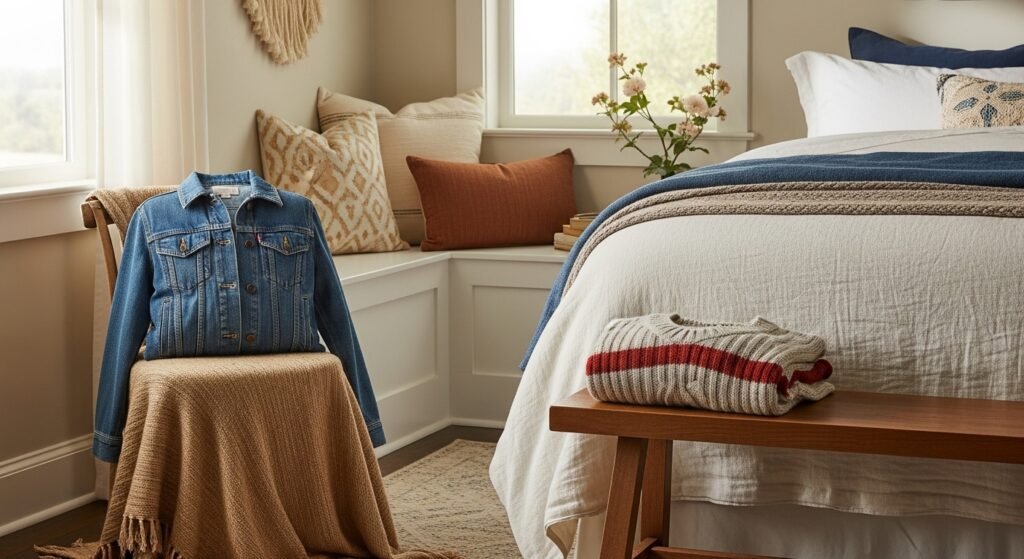
My living room had nice furniture but it still felt like a waiting room. Took me embarrassingly long to figure out it was missing texture. One weekend I started cutting up an oversized thrift sweater and sewing its hem into a pillow cover. The room suddenly invited people to sit. These are the thrift flip clothes I actually made, tested, and wear or live with around the house.
These ideas skew casual modern with a bit of handmade charm. Most projects cost between $5 and $50, with a handful around $75 if you buy new hardware. They work for bedrooms, living rooms, entryways, and small home offices. If you can thread a needle or use a basic sewing machine, you are set.
Oversized Sweater Turned Chunky Pillow Cover

The moment I turned an old wool sweater into a pillow cover I stopped buying seasonal throw blankets. Cut the sweater so the sleeve becomes the pillow opening and use the existing cuff as a trim. It makes the pillow feel hand-knitted and comfy in a cozy bedroom or reading nook. Budget is usually under $20 if you already have a pillow insert. Common mistake is stuffing the pillow too small. Aim for a 22-inch insert for a 20-inch cover so it looks plump. Pair with a smooth linen pillow to use the rule of three for texture contrast. I used chunky knit blanket yarn to repair loose seams.
Button-Down Shirt to Tailored Wrap Skirt
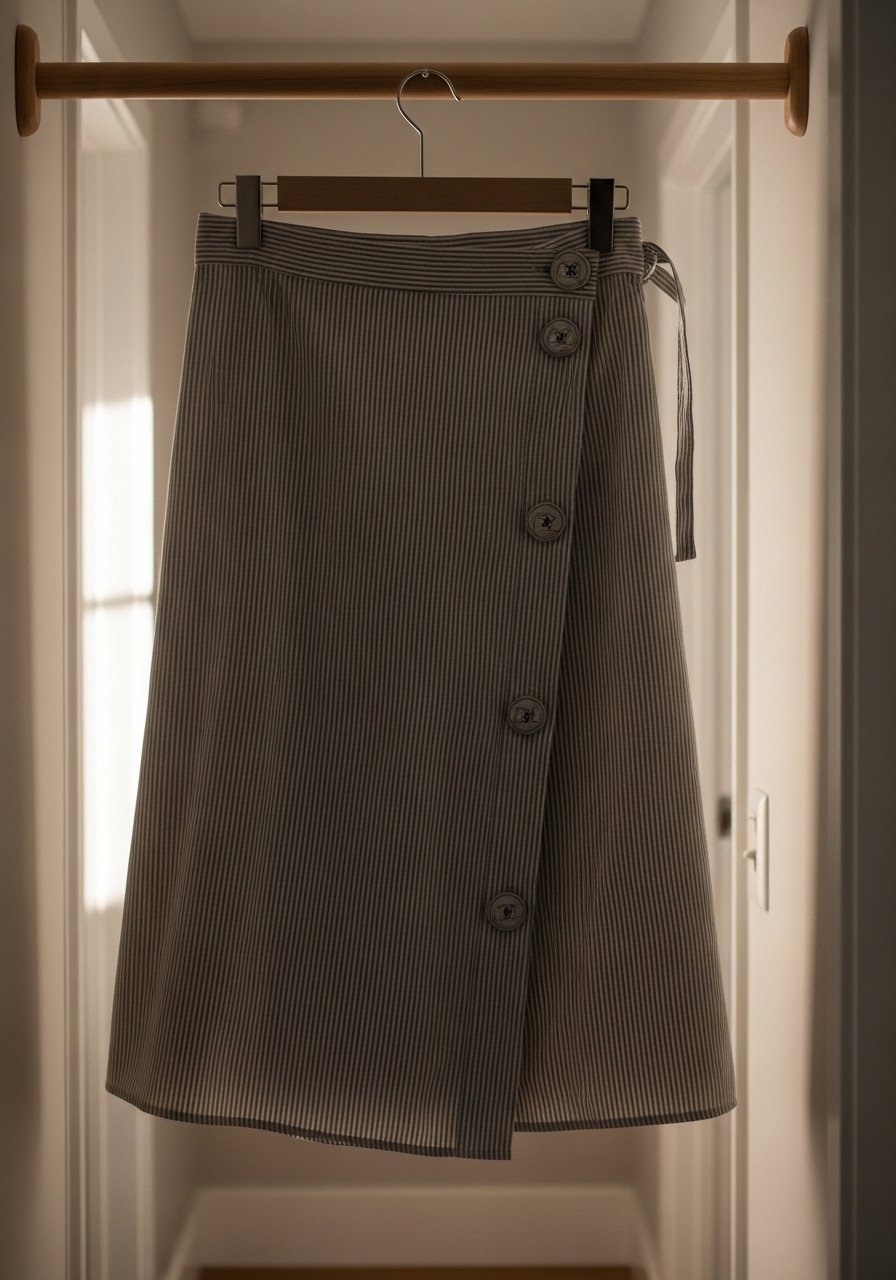
I hated the boxy shape of a thrift button-up. Cutting it into a wrap skirt gave me a wearable piece that still shows the original buttons down the side. Use the shirt back for the main panel. The trick is keeping the grain so the skirt hangs correctly. Budget is under $15 plus one new snap or button. People often cut too high on the waist. Measure your natural waist and add 1.5 to 2 inches for seam allowance and comfort. For modern balance keep 80 percent neutral fabric and 20 percent pattern. I used small snap fasteners for a neat closure.
Denim Jacket Into Framed Textile Art
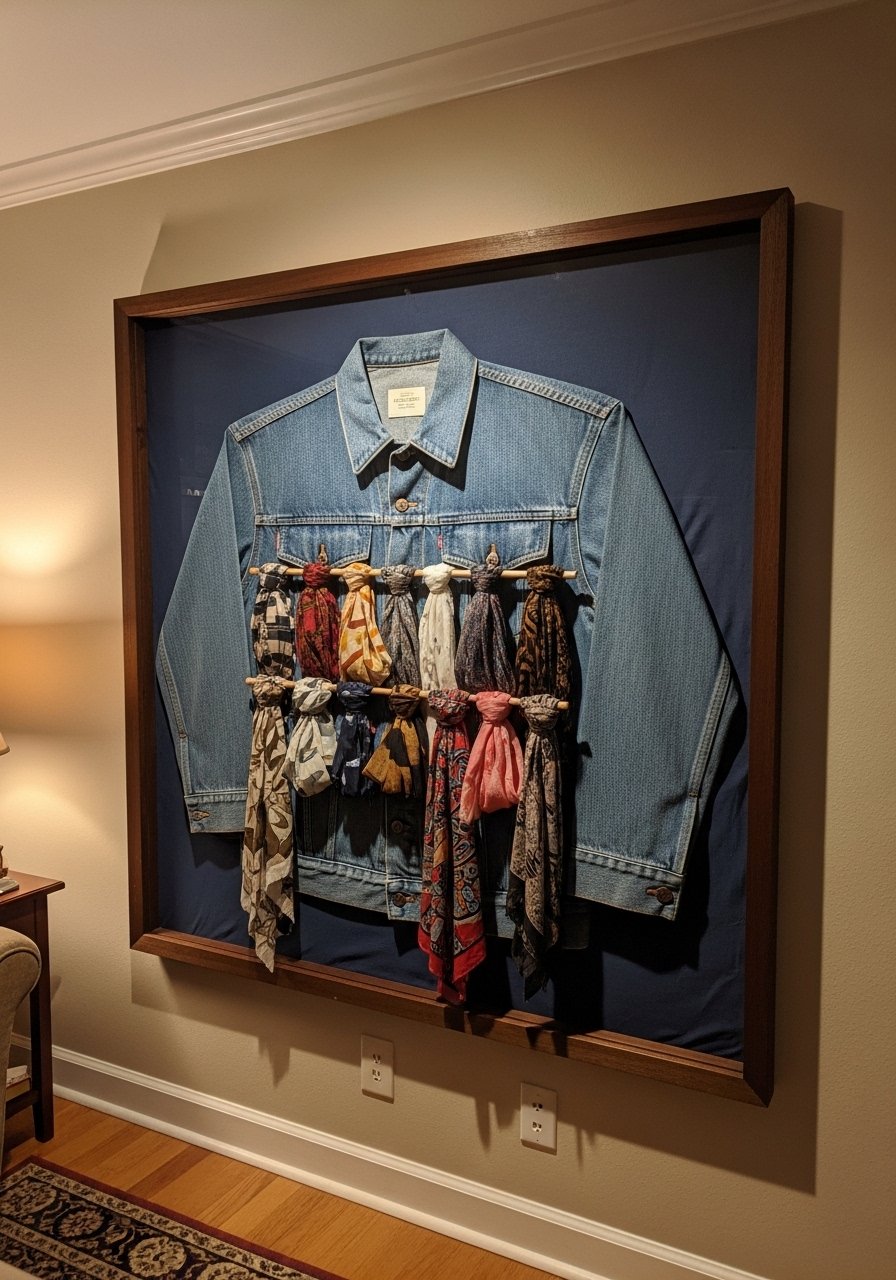
I cut the back panel of an old denim jacket, stretched it over a 16×20 frame, and hung it as art. It reads like a vintage textile and keeps the stitching lines as the focal point. Works great above a console in entryways. Budget is under $25 if you already own the jacket. A common mistake is using a tiny frame. Denim needs space, so go at least 16×20. For extra polish sew on a statement button or a small pocket. Pair this with the gallery wall idea later for a cohesive mix. I found stretcher bars that made mounting fast.
Flannel Shirt Patchwork Throw for Cozy Vibes
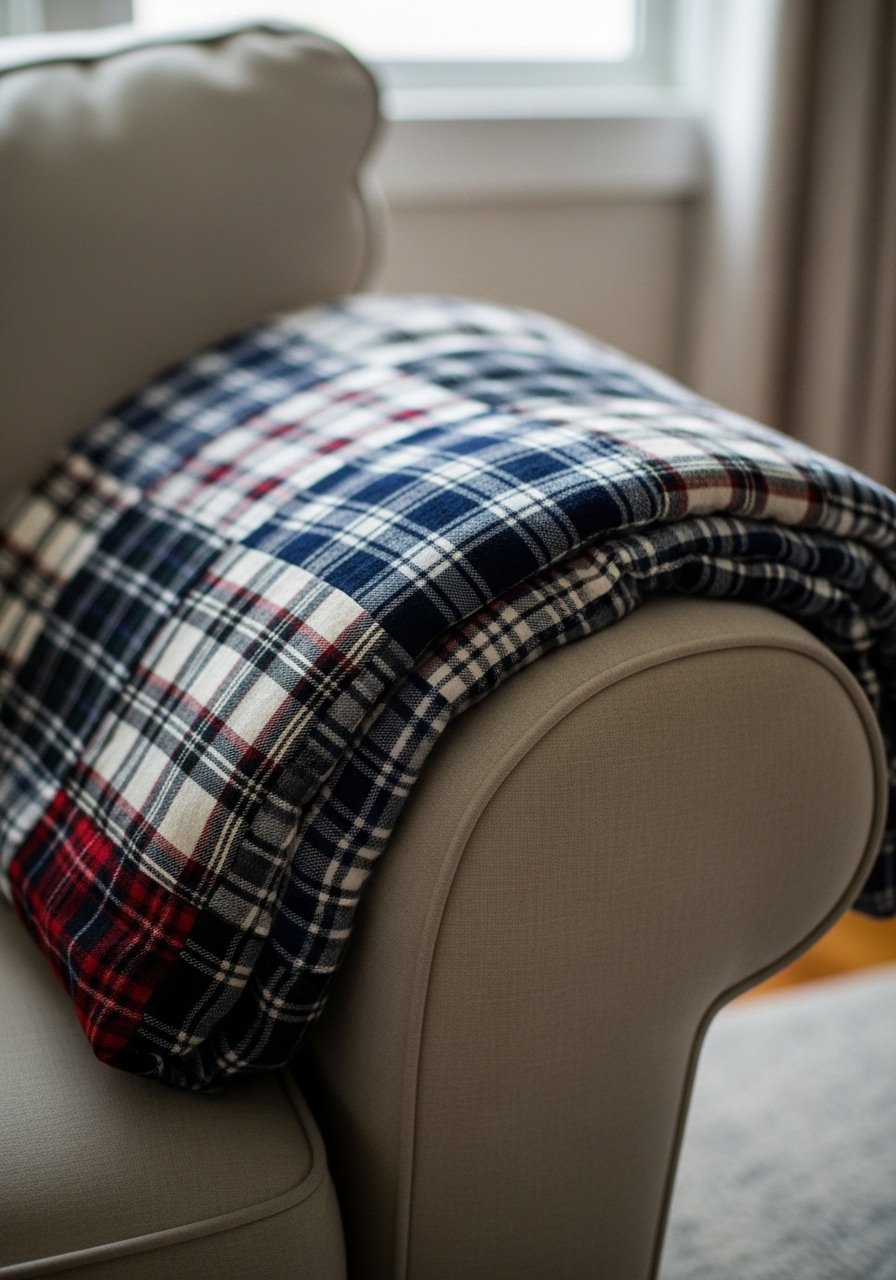
Thrift flannel shirts become the softest patchwork throw. Cut equal 10×10 inch squares from shirts and sew them in a grid. I use a 5 by 6 layout for a 50×60 inch throw which fits my loveseat perfectly. Budget runs $20 to $40. People try to mix too many scales. Stick to a palette of three colors and repeat patterns to avoid visual noise. Flip the edges inward and topstitch to stop fraying. This throw is perfect for living rooms and guest bedrooms. I keep a spare fabric shears set near my sewing corner.
Silk Blouse Scrunchies and Neck Scarves
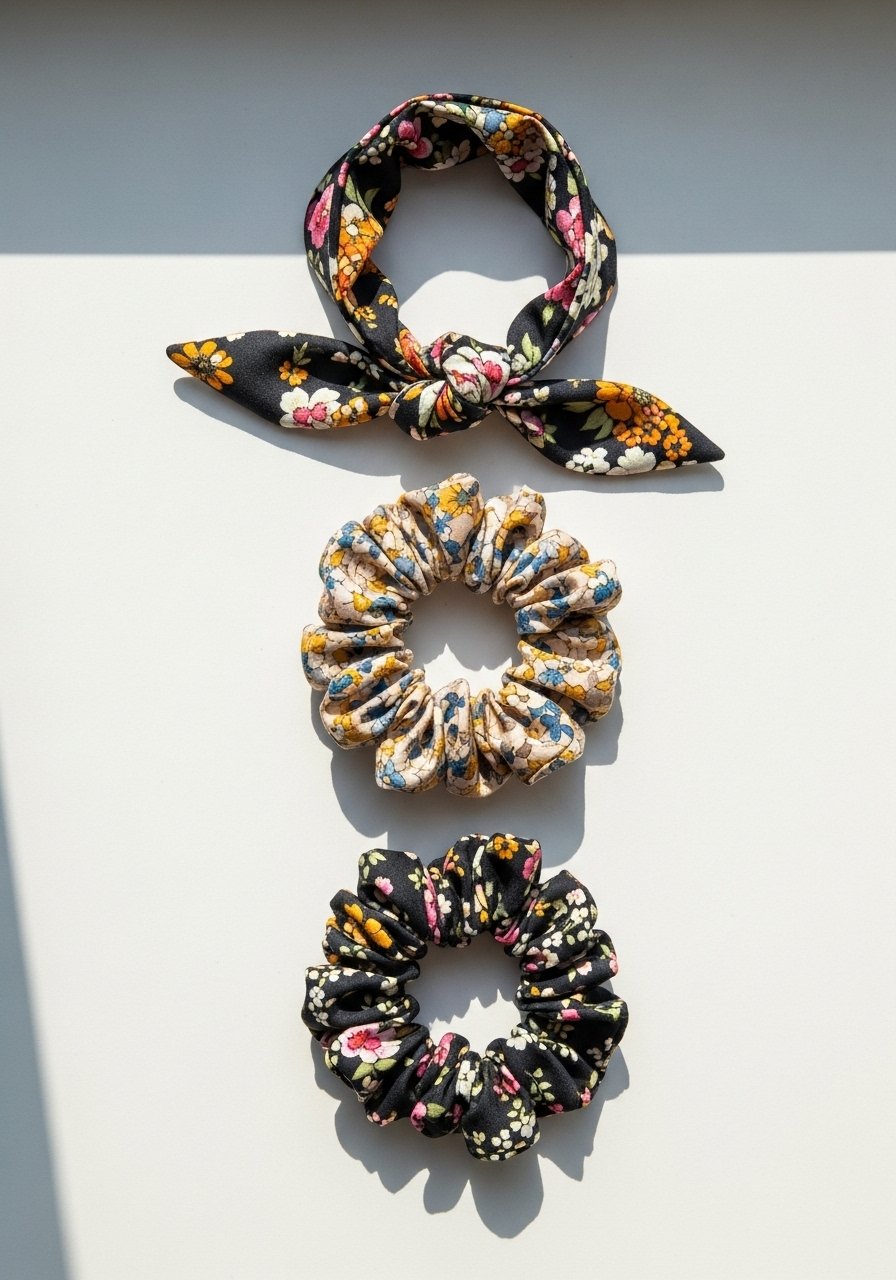
Small pieces are the easiest wins. A thrift silk blouse yields multiple scrunchies and a narrow neck scarf in under an hour. Scrunchies are great for gifting and the scarf works well tied to a bag strap or worn with a plain tee. Budget is under $10. The common mistake is using bulky elastic which makes the scrunchie look wonky. Use 8-inch soft elastic and neat 1/4-inch seams. If you want a luxury touch, slip a tiny label in the seam. I keep an elastic hair tie pack on hand for these projects.
T-Shirt Into Braided Door Mat
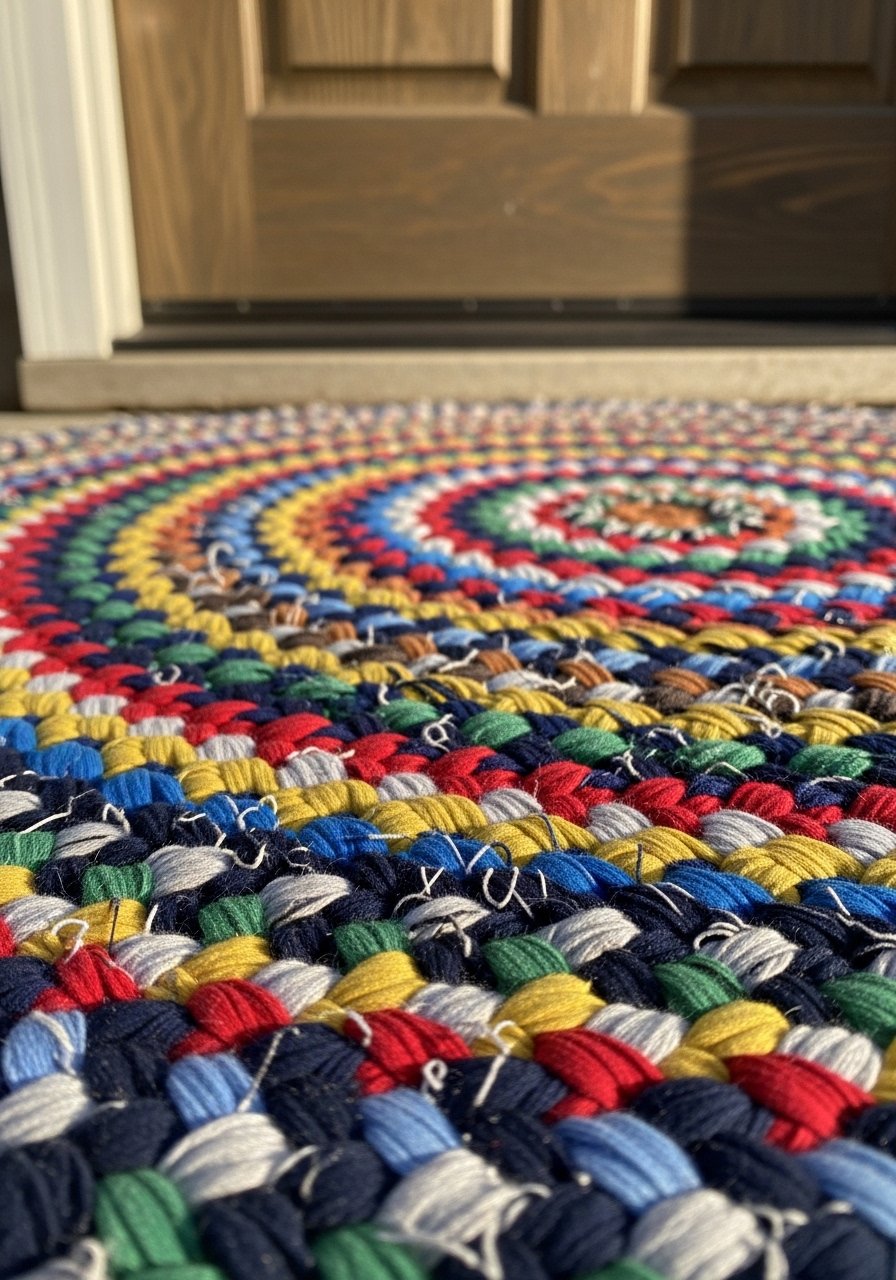
You can cut old t-shirts into long strips and braid them into a thick doorstep mat. I use three colors and aim for a 24-inch finished mat. It takes patience but the result is durable for an entry that gets real traffic. Budget is basically free if you already have shirts. A common mistake is cutting strips too narrow. Go 1.5 to 2 inches wide so the braid fills out and lies flat. Machine stitch the back with a zigzag to lock it. This mat lives by my front door and hides dirt well. I secure the edge with heavy-duty fabric glue for extra hold.
Wool Coat Into Luxurious Throw Blanket
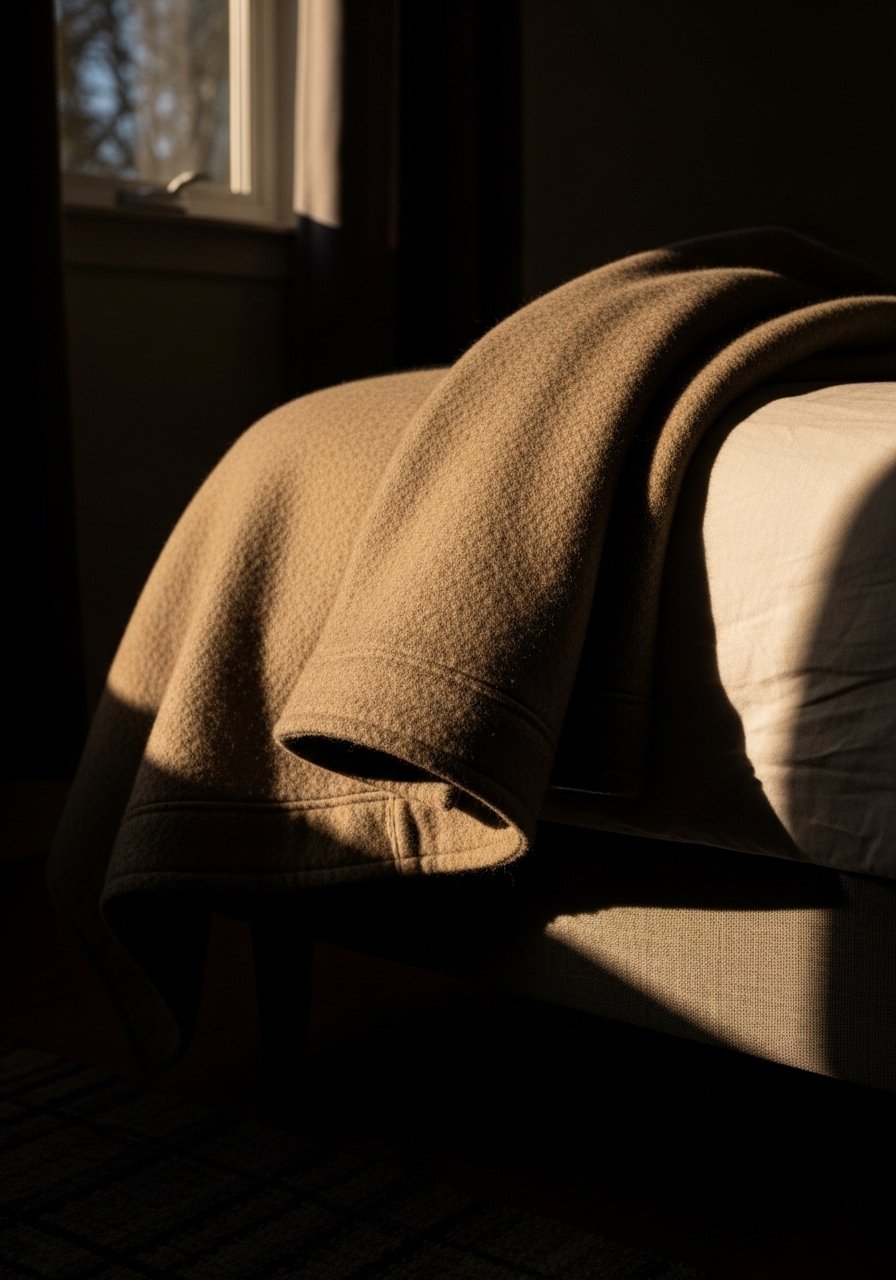
A thrifted wool coat makes a dense, warm throw once you remove seams and relined panels. I cut two panels and sew them right sides together, turning the hem for a clean edge. Budget can be $10 to $40 depending on the coat. People forget to de-fuzz and press seams. Use a lint shaver and a hot steam press before finishing. For sizing, I aim for a 48×60 inch throw for a single bed or a roomy sofa throw. This weight works well in a chilly bedroom. I use a handheld fabric steamer to finish seams.
Vintage Scarf Framed Accent and Pillow Band
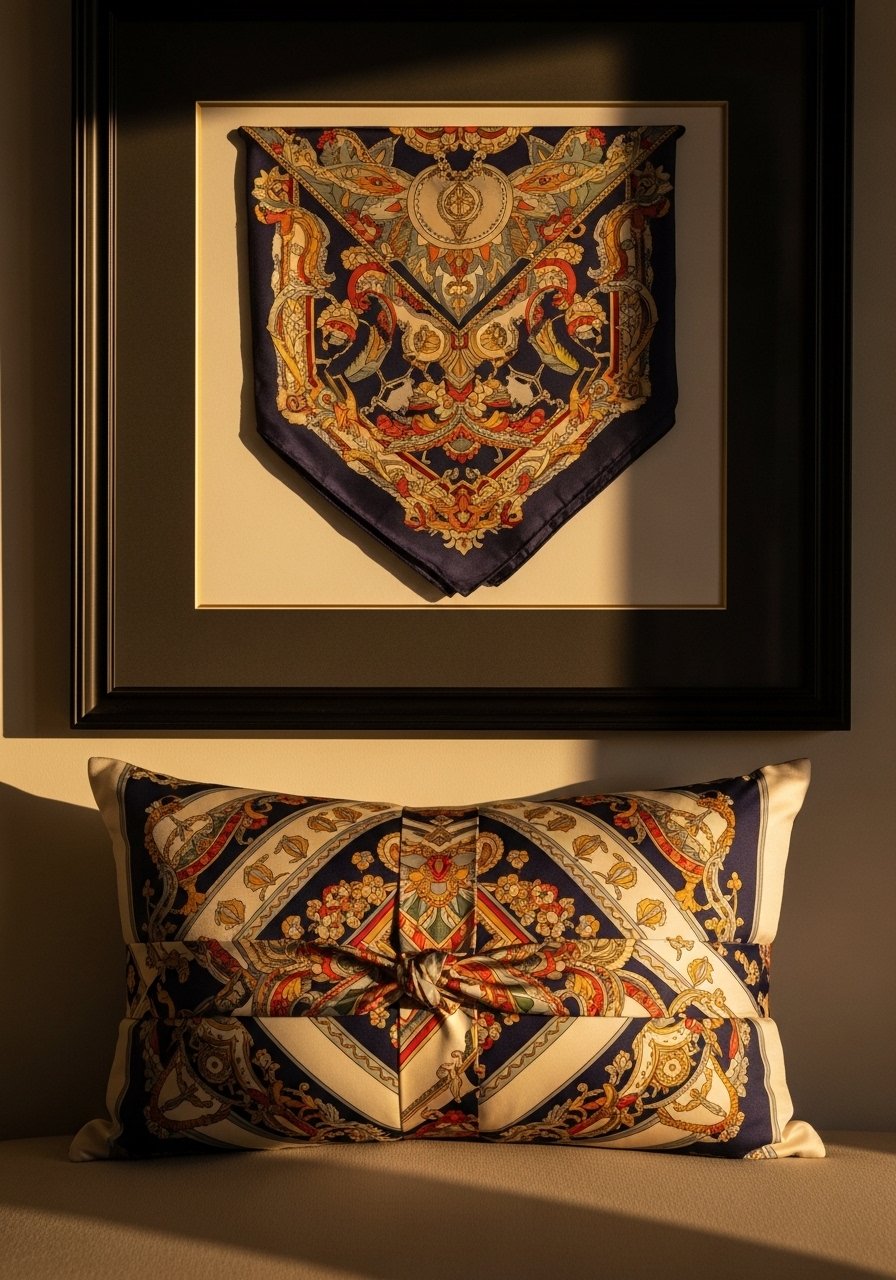
I always keep a couple of vintage scarves to use as focal bands on pillows or framed small as art. Wrap a scarf around a 12×20 lumbar pillow and tuck the ends under for an instant pattern update. Budget is $8 to $30 per scarf. Common mistake is using a scarf that is too small. Aim for at least 22 inches square or an oblong 12×36. For a gallery, frame several 14×14 inch squares. This technique pairs well with layered neutrals from other ideas. I keep archival mounting corners for framing without adhesive.
Men’s Shirt Into Chic Apron
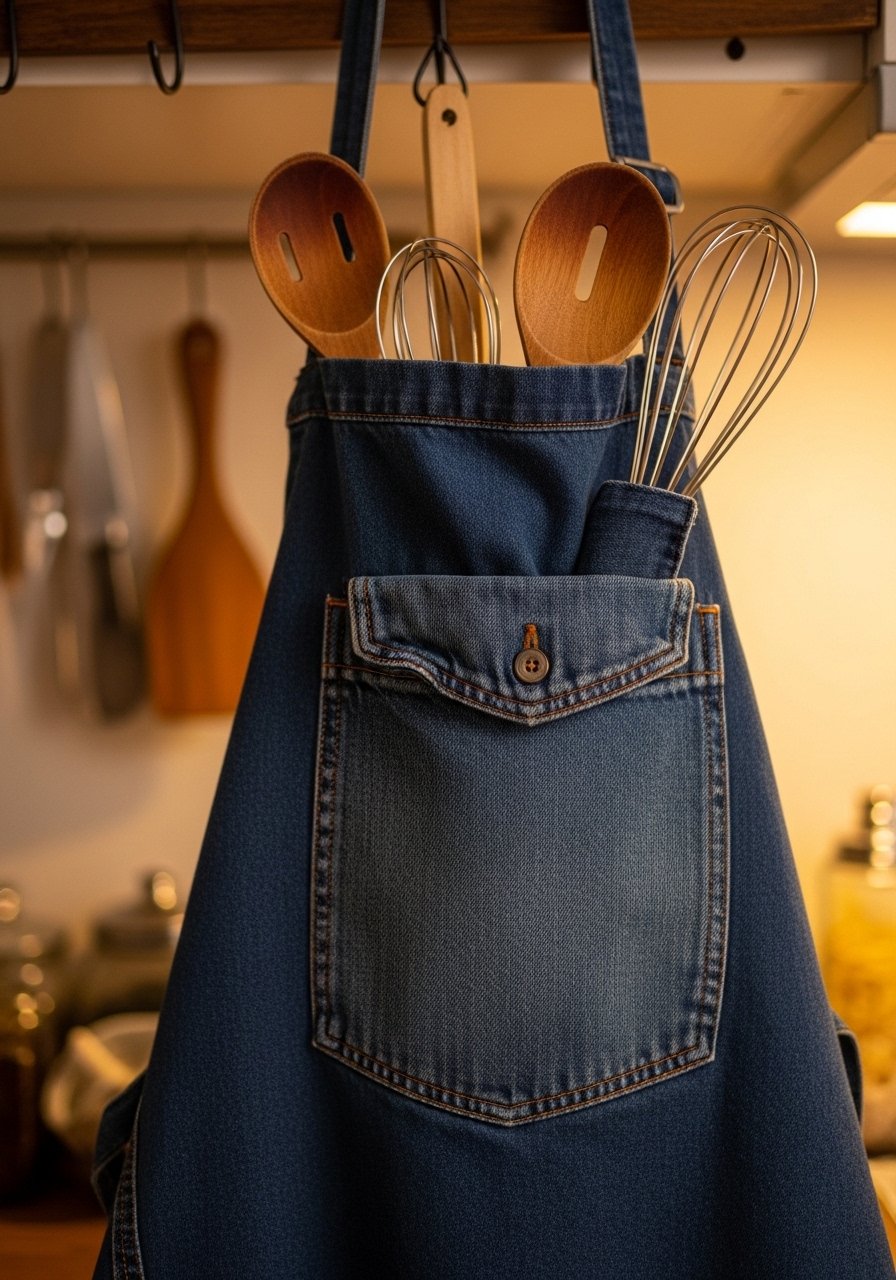
Turn a sturdy men’s shirt into a workshop or kitchen apron by cutting the back panel for the body and using sleeves as straps. Keep the original chest pocket for utensils or phone. Budget is under $15. The mistake people make is skipping reinforcement at stress points. Add a square of interfacing where straps meet the apron. For length, I keep mine 30 inches from top to hem so it covers jeans comfortably. This makes a practical apron for cooking or craft rooms. I reinforce straps with iron-on interfacing.
Denim Jeans Into Crossbody Bag
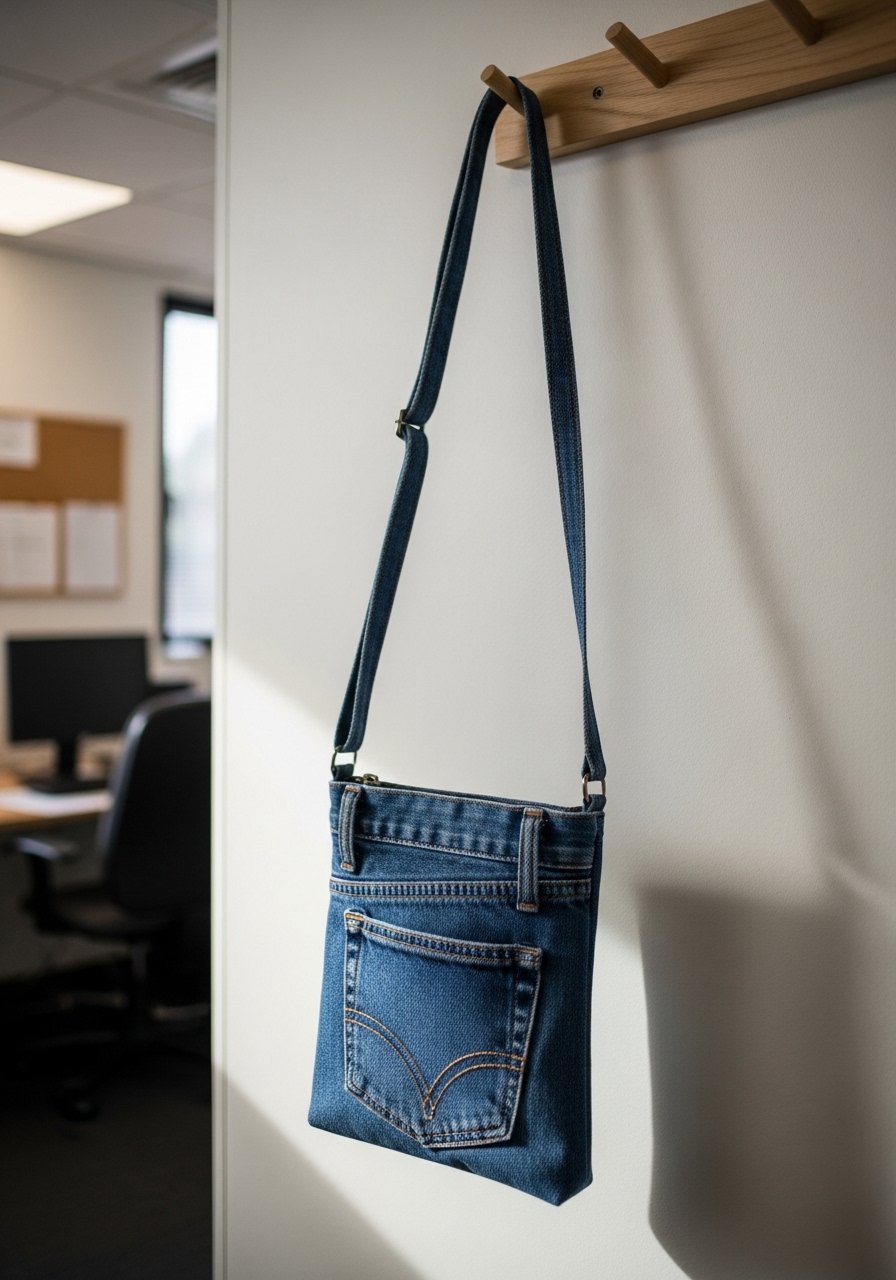
Jeans are the MVP of thrift flips. Use a leg panel and the coin pocket as an exterior pocket. Add a zipper and a strap from the waistband for an instant crossbody bag. Budget is $10 to $30. A common mistake is underlining the bag, which makes it bulky. Instead use light cotton lining for structure. For a good sized bag aim for 9 by 7 inches. This is a smart grab-and-go bag for market runs or museum days. I attach hardware with a set of small swivel hooks and D-rings I keep in my kit.
Lace Dress Into Lampshade Overlay
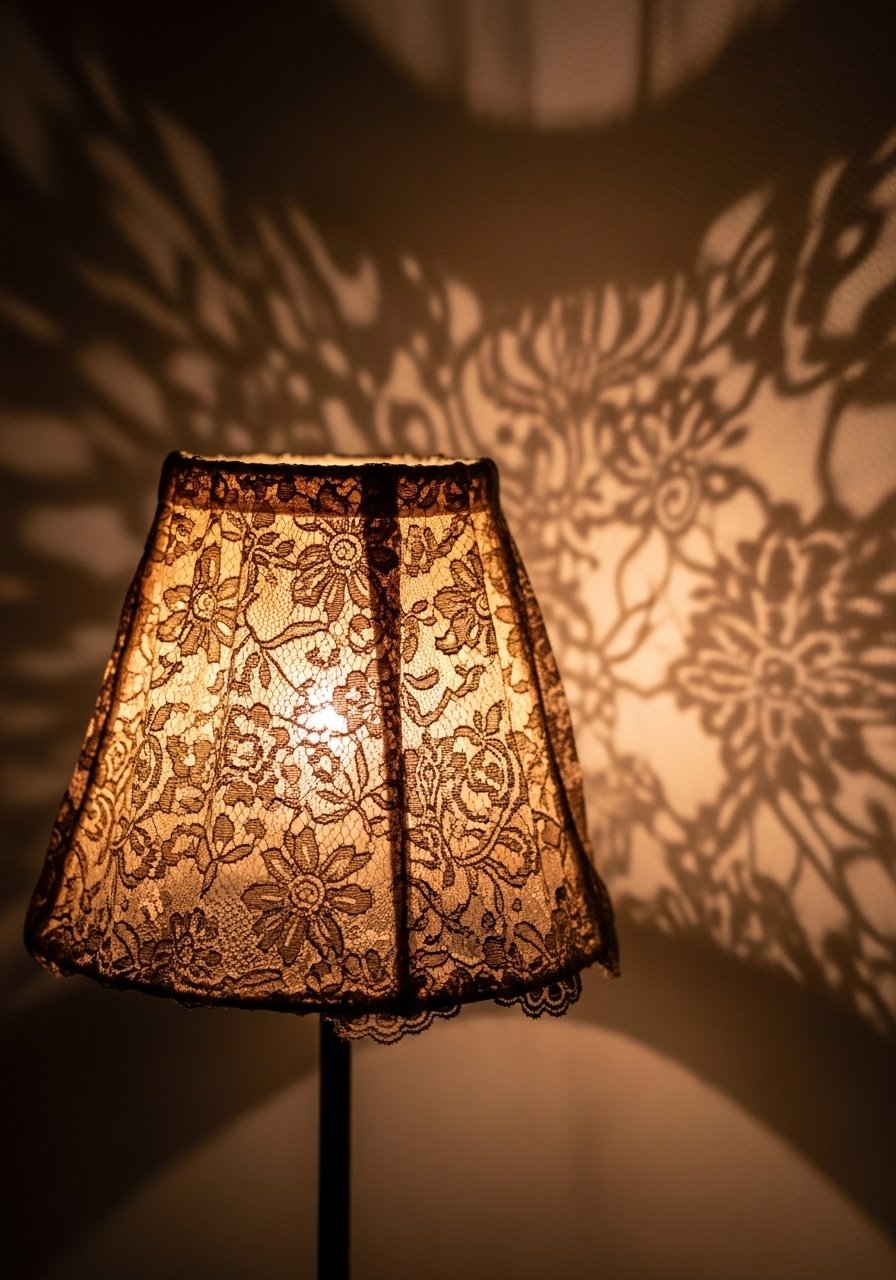
If you find a lace dress, the skirt panel can become a stunning lampshade overlay. It casts delicate shadows and adds instant romance to a bedside area. Budget is under $20. The mistake is using thick lace that blocks light. Choose open-weave lace for pleasant patterning. Measure your lampshade circumference and height, then add 1 inch seam allowance. This works best in bedrooms or small dining nooks. I finish the edges with a tiny zigzag using all-purpose sewing thread.
Hoodie Into Cozy Pet Bed
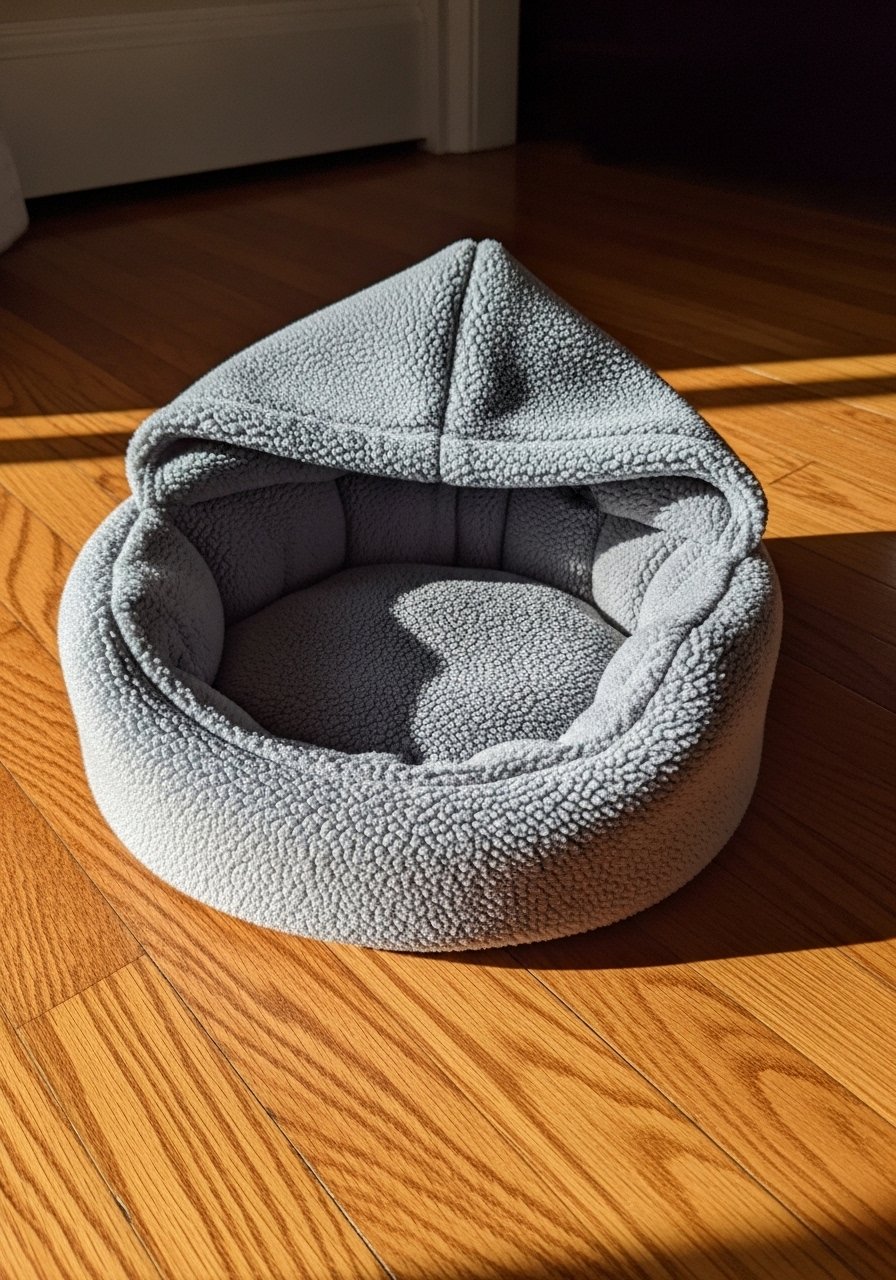
I turned an old hoodie into a pet bed by stuffing sleeves and the hood to make raised edges. My cat ignored fancy beds, but he naps here constantly. Cost is near zero if you already have the hoodie. A common mistake is using thin stuffing. Use a firm polyester fill and compress it so the bed holds shape. Aim for a 16-inch diameter for small cats, 22 inches for medium dogs. This lives by the window where my pet likes the sun. I picked up polyester stuffing in a large bag for multiple projects.
Sweater Sleeve Into Cable Knit Plant Pot Cozy
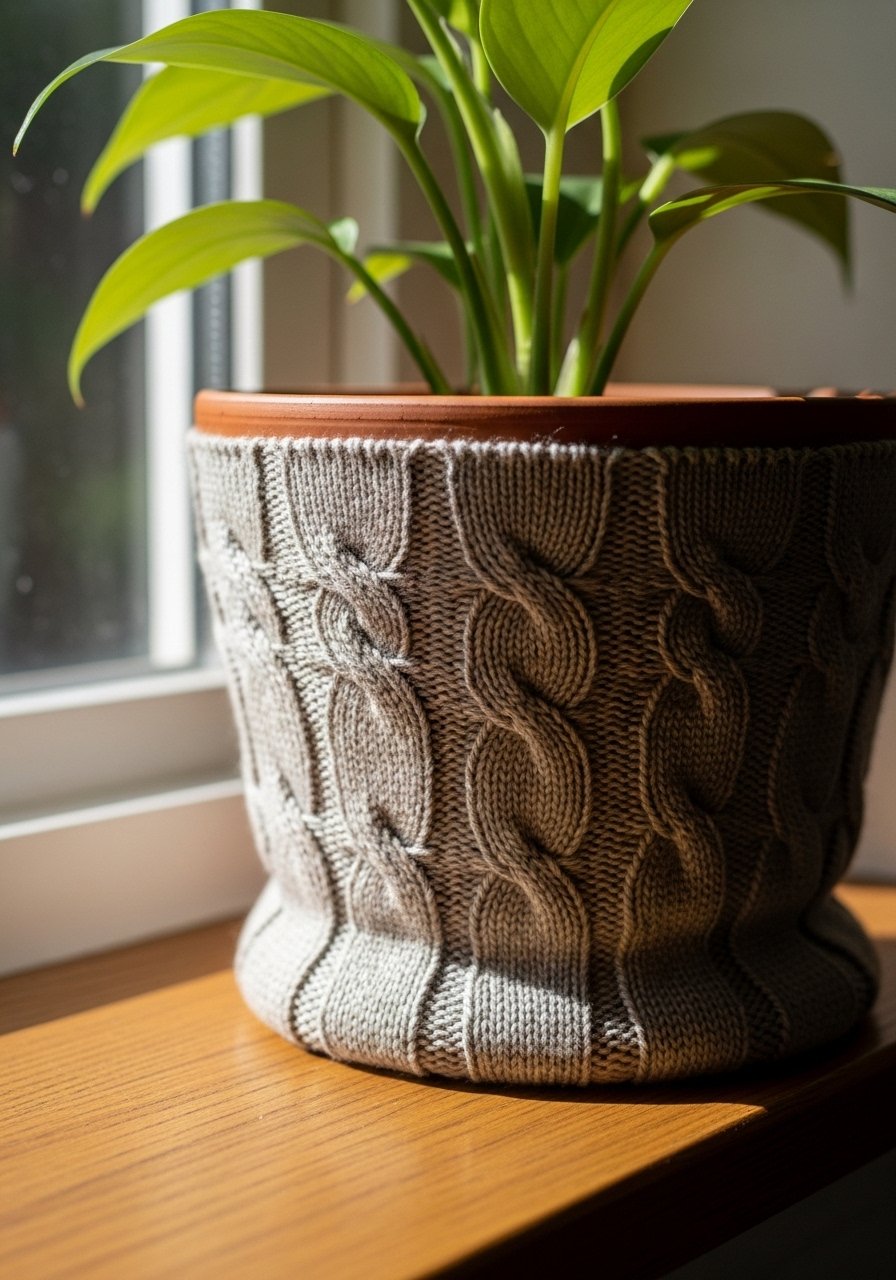
Cut the sleeve off a sweater to make a fitted cozy for a plant pot. It hides plastic pots and gives a lived-in look to your plant corner. Budget is free if you have the sweater. People size these wrong and get a slouchy fit. Measure pot circumference and subtract 1 inch for stretch. For a rule of three, group three plant pots in varying heights with different knit patterns. I keep a small measuring tape in my toolkit for exact fits.
Military Jacket Into Structured Chore Jacket
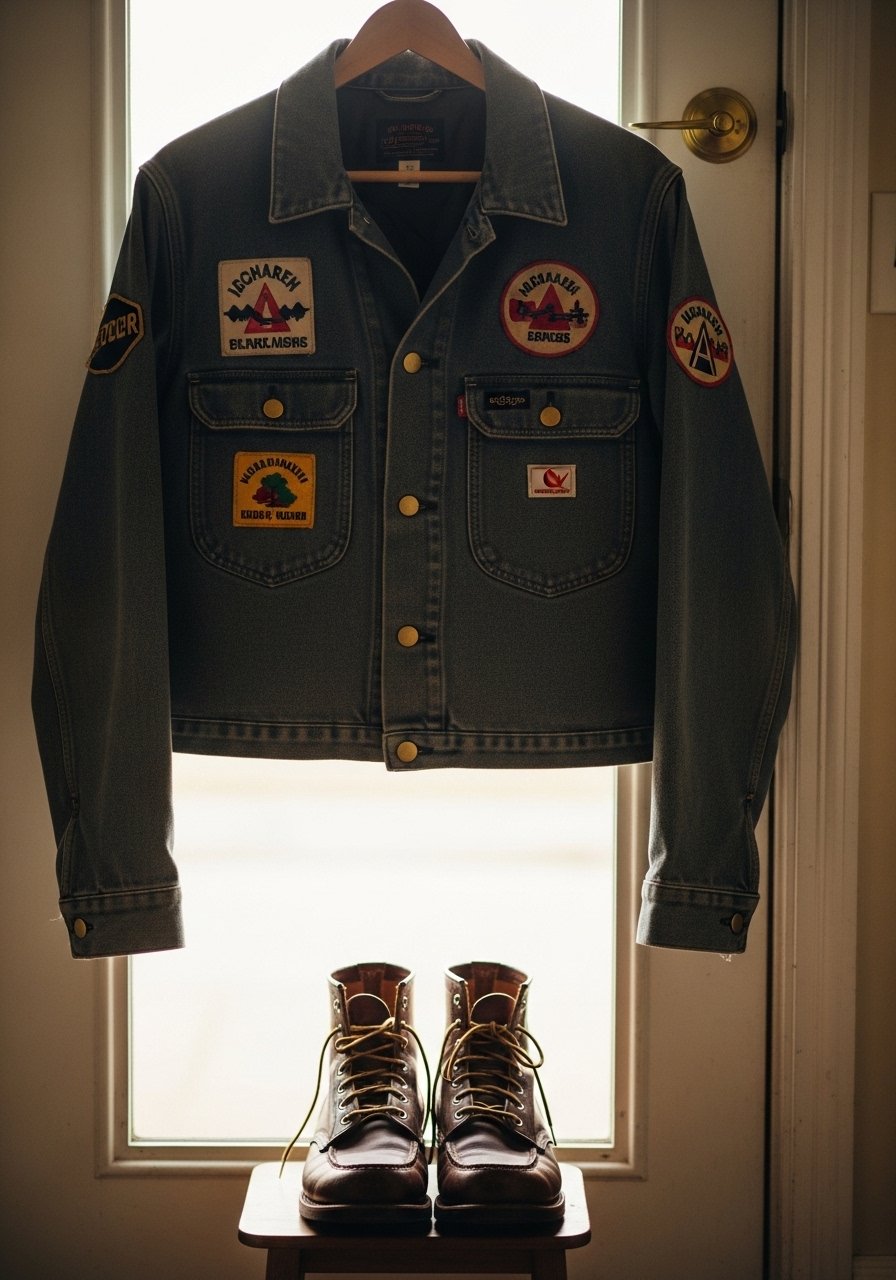
Cropped a bit, a thrift military jacket becomes a sturdy chore jacket. Keep original pockets and buttons for character. Budget is $20 to $60 depending on condition. People over-raw-hide new stitching. Use topstitching that echoes the original seams for a believable finish. For proportion aim to hit just at the hip for a modern silhouette. This jacket works with jeans or layered over a dress. I replaced a worn button with a set of brass shank buttons that matched the original row.
Silk Tie Into Narrow Curtain Tiebacks
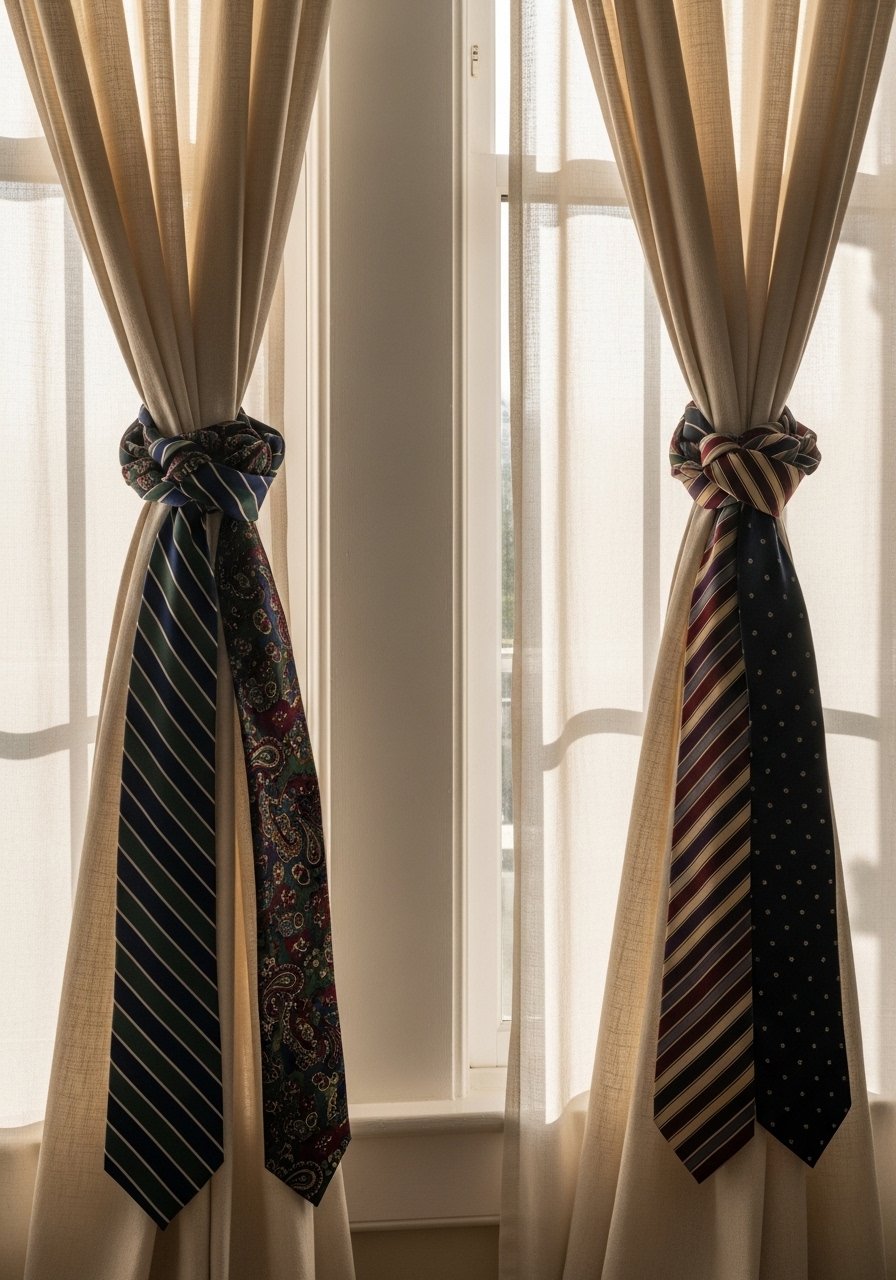
Old silk ties make elegant narrow tiebacks for curtains or to wrap a ponytail. I knot them simply and anchor them to a small hook. Budget is under $10 for a couple of ties. A common mistake is making them too long so they drag. Cut to 18 to 22 inches depending on curtain puddle. These look intentional next to the curtain trick in an earlier idea and add small pattern moments. I keep a pack of small brass cup hooks for quick installs.
Vintage Sweater Into Small Pouf
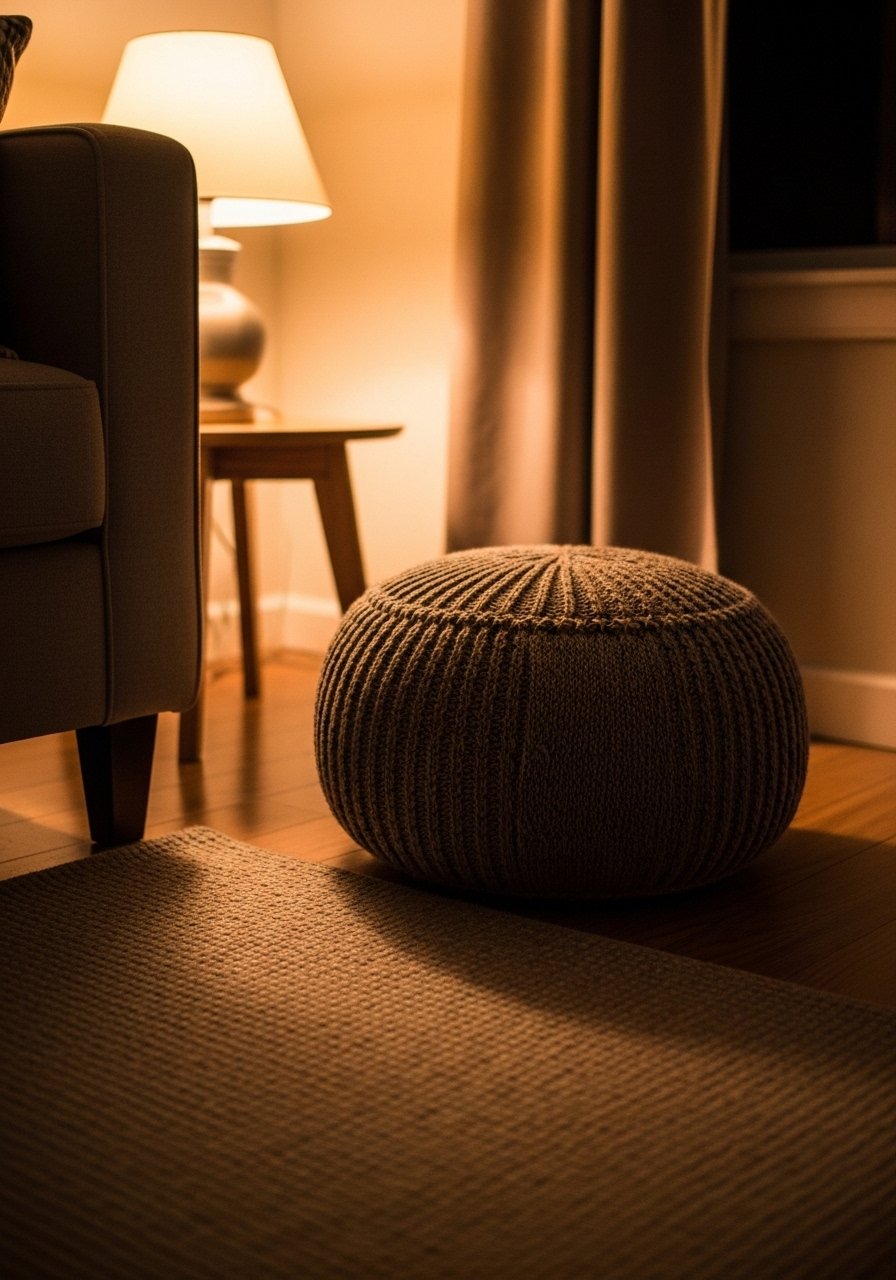
Stuff a thick vintage sweater and sew it into a round pouf for a footrest or kid seat. It is a great way to add texture without buying bulky furniture. Budget is $10 to $30 including stuffing. People forget stabilizing the bottom. Add a circular base of heavy canvas to stop distortion. Aim for a 16-inch diameter for a small pouf. This pairs nicely with the chunky pillow idea and fits well in front of a reading chair. I used duck canvas fabric to create the base.
T-Shirt Quilt for a Memory Throw
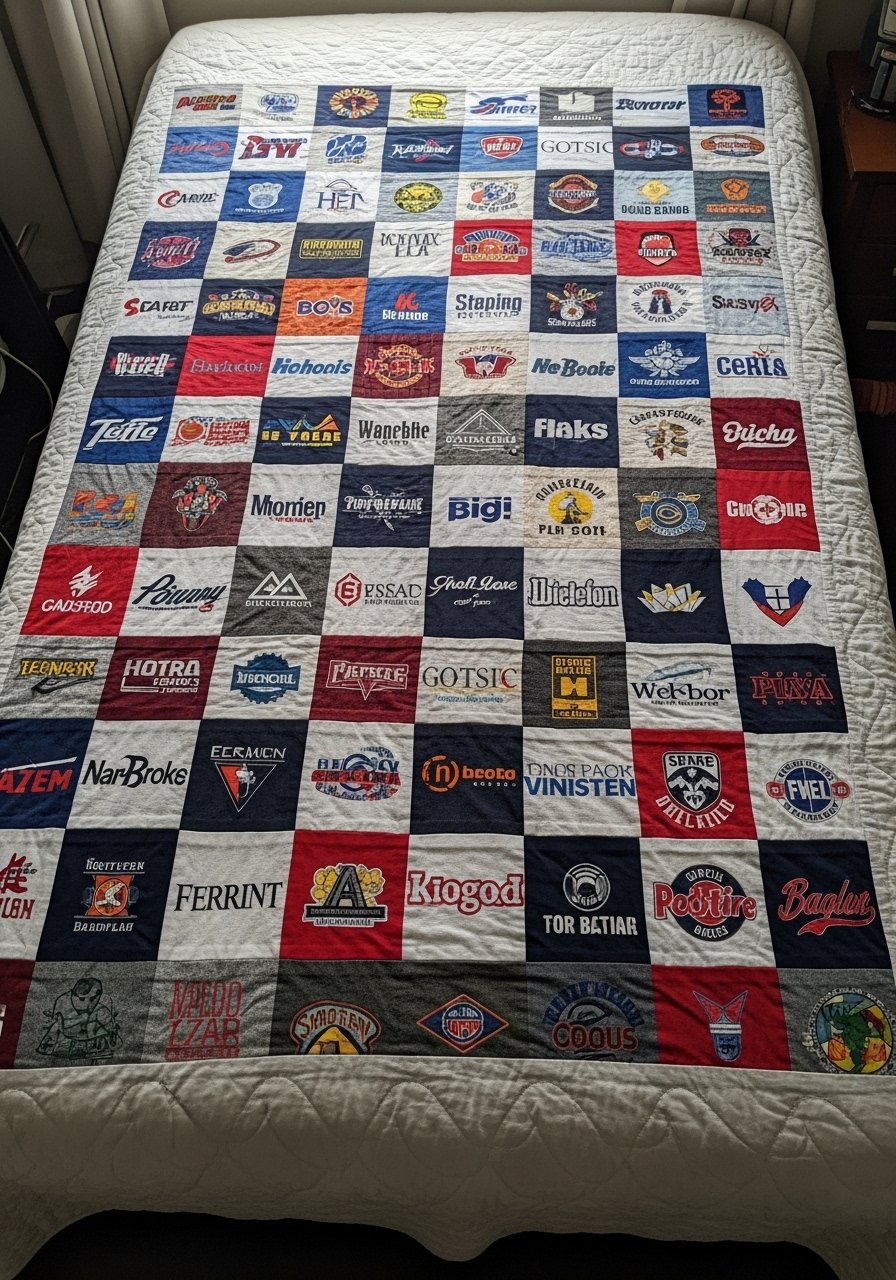
If you have T-shirts you love but never wear, make a T-shirt quilt. Keep each panel to 12×12 inches and plan a 6 by 7 grid for a twin throw. Budget depends on batting and backing but expect $20 to $60. People mix too many colors. Pick an anchor color and work with two complementary tones. Stitch each square with a 1/4 inch seam and press toward the darker fabric to prevent shadow. This is a sentimental piece for guest rooms or a cozy couch. I use a quilt batting roll for loft.
Button Accent From Vintage Dresses for Home Buttons
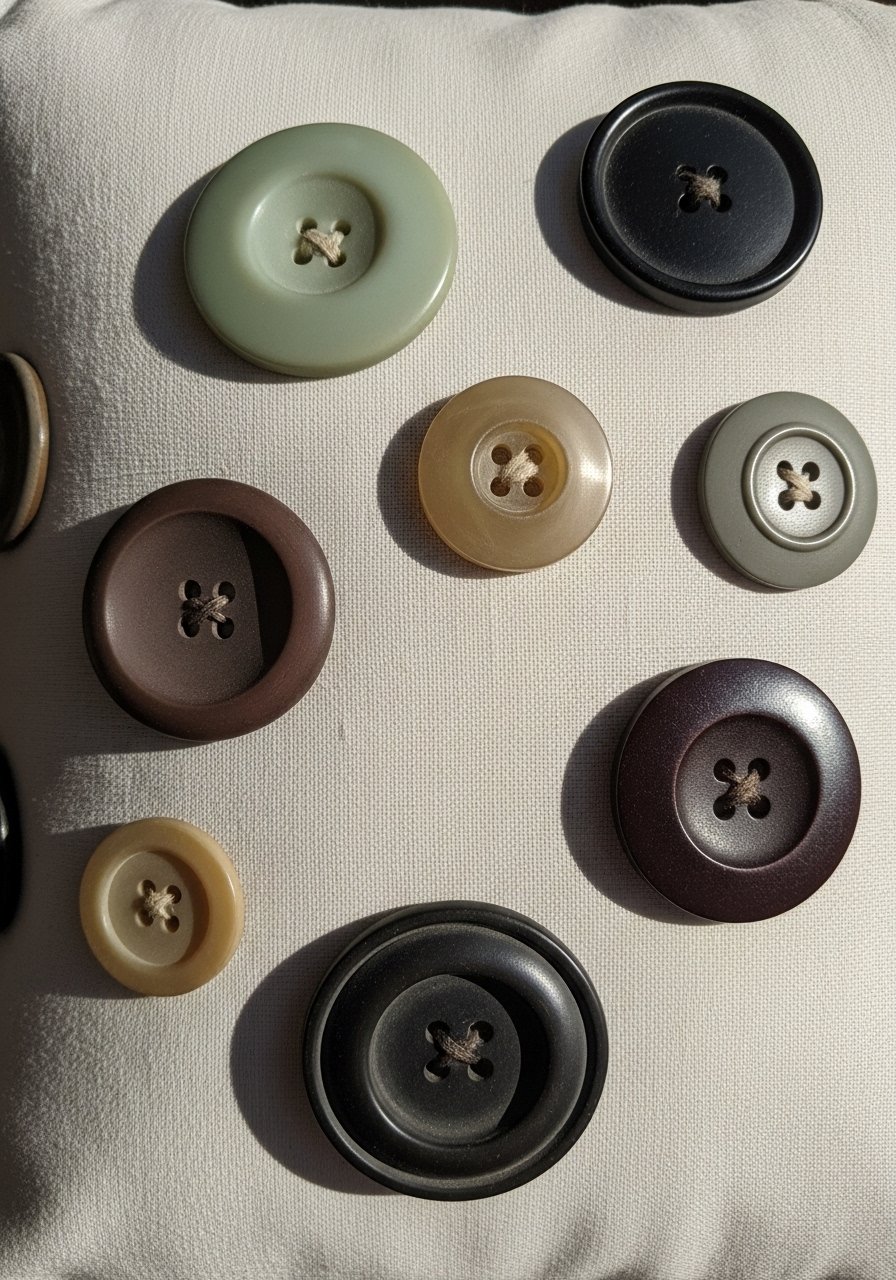
Salvage buttons from thrifted dresses to make button accents on cushions or headboards. Big buttons add a tailored, almost couture feeling to simple pillows. Budget is minimal, just a few dollars for nice buttons. The mistake is placing them too close together. Stick to a spacing of 6 to 8 inches for balance. Use them in a bedroom to echo hardware from dressers for cohesion. I like to mix three different button sizes for a subtle rule of three. I keep a small sewing kit with button thread handy.
Plaid Skirt Into Table Runner
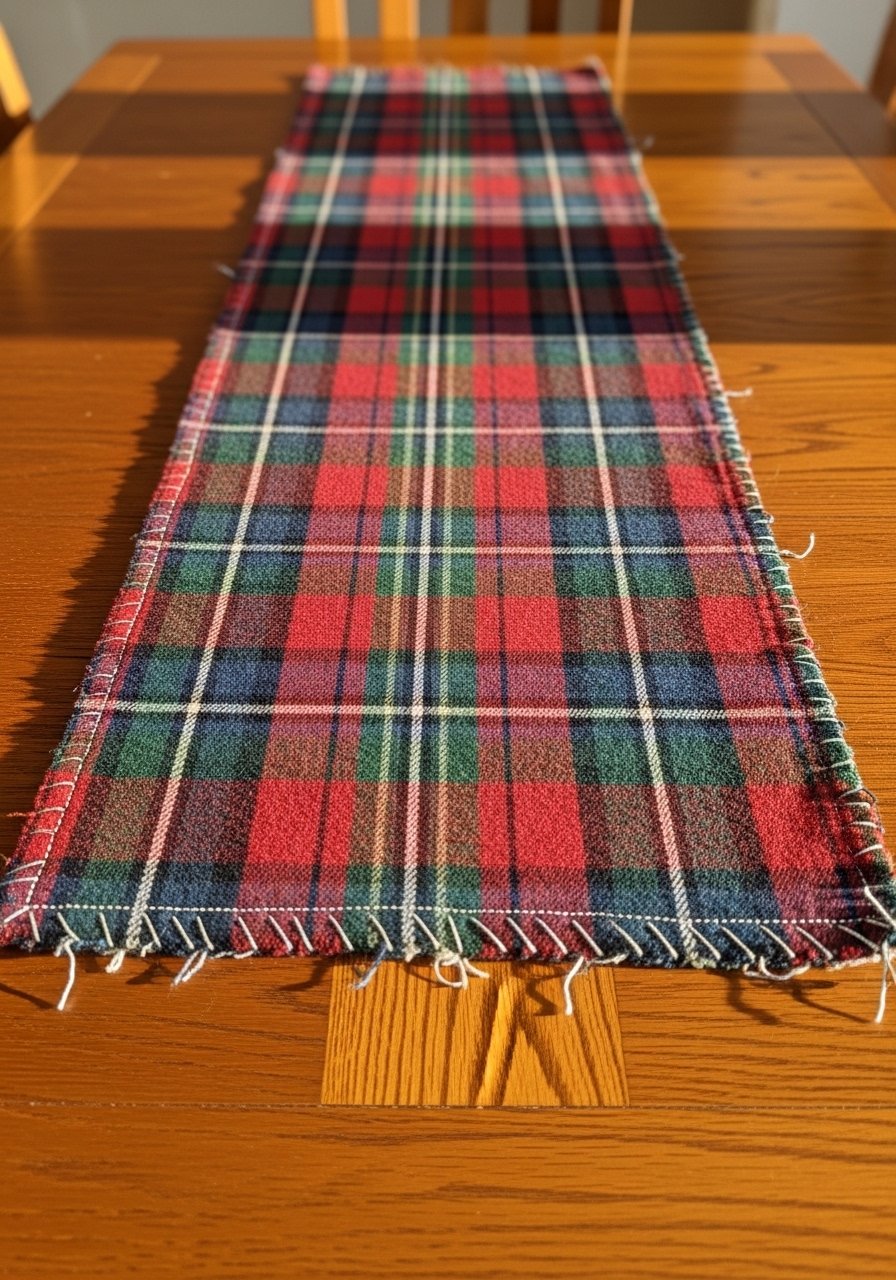
A thrift plaid skirt turned into a table runner is quick and makes dinner feel casual and special. Cut the skirt panels and hem them into a 14 by 72 inch runner for a standard dining table. Budget is under $15. A common mistake is leaving raw edges. Fold the hem twice by 1/4 inch for a neat finish. This works great with mixed plates and the centerpiece ideas from the shopping list. I used fabric clips when pinning the runner to keep alignment.
T-Shirt Market Tote for Errands
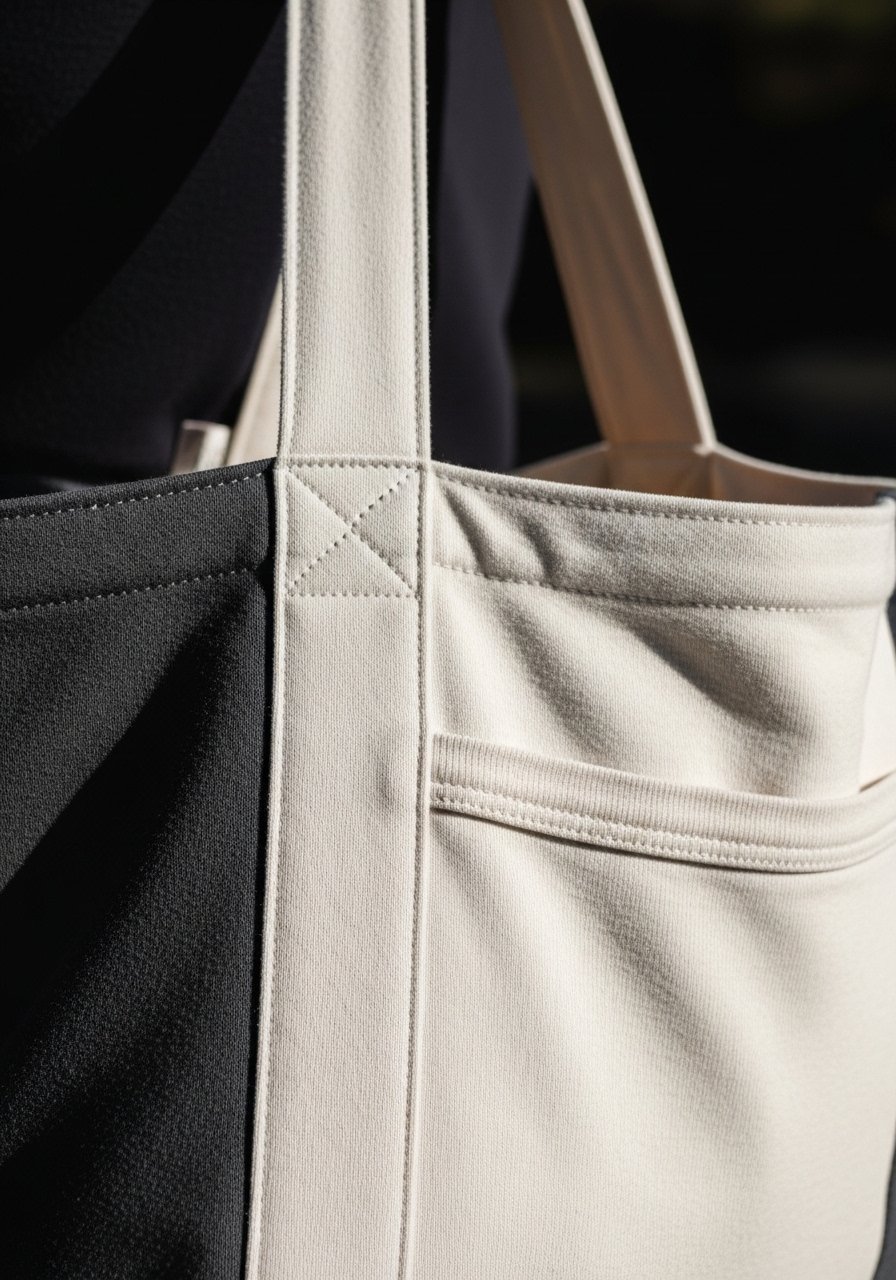
Turn heavy cotton tees into market totes by doubling panels and reinforcing straps with waistbands for strength. I sew an interior pocket from the shirt tag area to hold keys. Budget is near zero. A frequent mistake is under-reinforcing the straps where they meet the bag. Add a box stitch or small square for durability. Aim for a 14 by 14 inch body with 10 inch straps for over-the-shoulder wear. This tote lives in my car and replaces cheap plastic bags. I add a strip of reinforcement webbing when I need extra strength.
Denim Patch Pocket Organizer for Wall
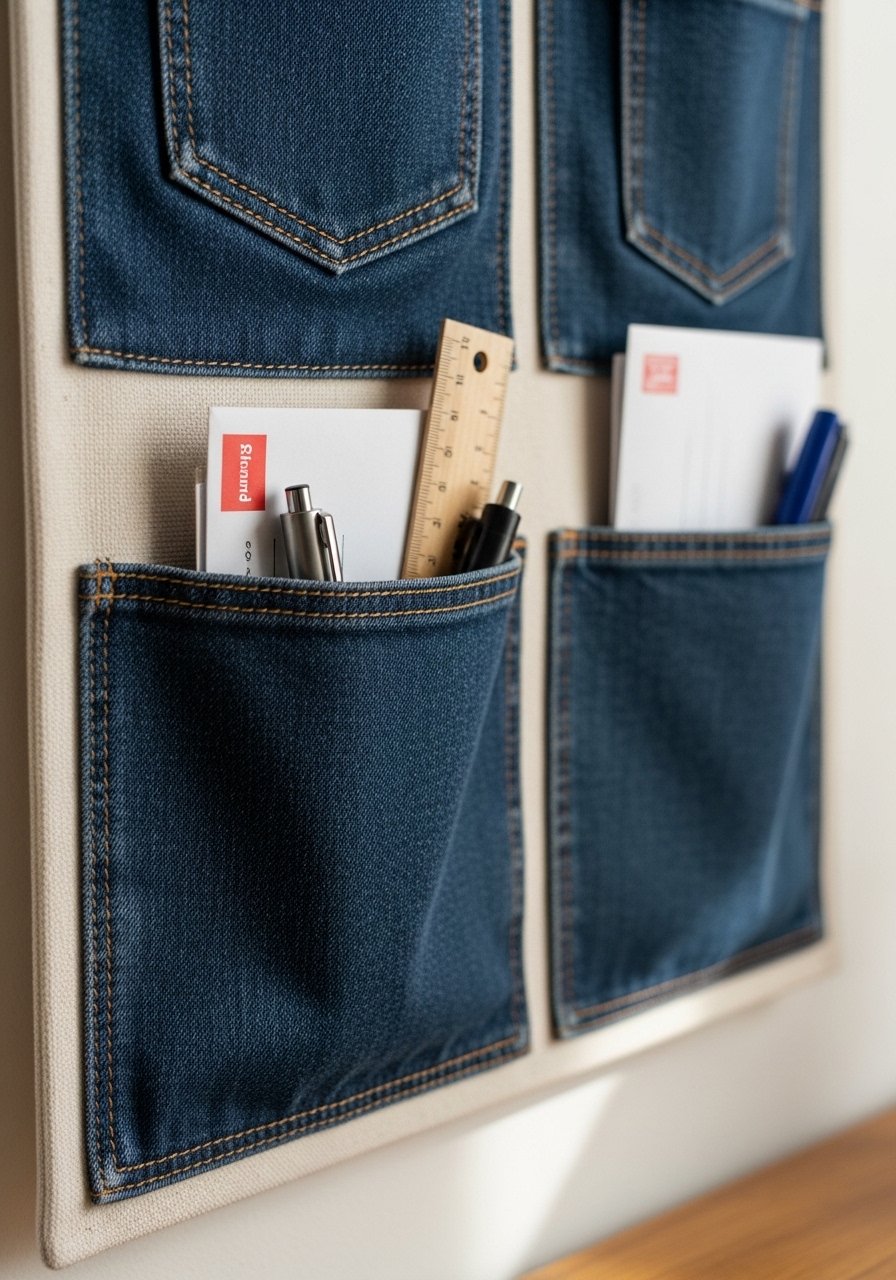
Save the back pockets from jeans and sew them onto a canvas backing to make a wall pocket organizer for mail, scissors, and pens. It keeps clutter off the console and looks lived in. Budget is $10 to $25. The mistake is using pockets with different depths which makes things slump. Choose pockets from similar size jeans or cut a top edge to unify heights. Hang it at eye level, around 58 to 60 inches from the floor to the center, for easy reach. I attach the organizer with heavy-duty picture hangers.
Your Decor Shopping List
Textiles
- Honestly the best $40 I have spent. 22-inch down-filled linen pillow covers, set of 2 in oat and slate for layered sofas
- Chunky knit yarn for repairs (~$25), great for sweater pulls and trim work
- Quilt batting roll 60×90 (~$30) for T-shirt quilts and throws
Wall Decor
- Canvas stretcher bars 16×20 (~$12) for denim panel art
- Archival mounting corners pack (~$8) for framing scarves
Hardware & Tools
- Swivel hooks and D-rings set (~$10) for bag straps
- Brass shank buttons, pack of 10 (~$9) for jackets and pillows
- Heavy-duty fabric glue (~$7) for mats and trims
- All-purpose sewing thread, 6-pack (~$6)
Notes: Many of these have similar finds at Target or HomeGoods if you prefer to see colors in person.
Shopping Tips
White oak beats dark wood in 2026. Design feeds have shifted completely. These white oak floating shelves look current, not dated.
Grab chunky knit yarn for $20. Use it to repair sweater pillows or to make a tassel and the room reads warmer.
Curtains should puddle or kiss the floor, never hang halfway up. 96-inch linen panels are right for standard 9-foot ceilings and pair nicely with thrifted tiebacks.
Lead with texture. If you have to pick one piece, buy a 22-inch down pillow insert and make a cover from a sweater. It is the easiest upgrade.
One large plant beats five tiny succulents. Get an artificial fiddle leaf fig 6ft if you do not want upkeep.
Frequently Asked Questions
Q: Can I mix boho textiles with modern furniture without it looking messy?
A: Yes. Keep a consistent color anchor and use the rule of three for pattern repeats. For example, use one large plaid from a thrift skirt, one solid knit from a sweater pillow, and one small-scale print from a scarf. That keeps the mix intentional.
Q: What size pillow insert should I use for a sweater cover?
A: Use a slightly larger insert than the cover size. A 20-inch sweater cover looks best with a 22-inch insert. It gives that full, plump look without flattening the knit.
Q: Most people hang curtains right at the window frame. That is why their rooms look shorter than they are.
A: Hang curtain rods 4 to 6 inches above the window frame and widen the panels beyond the frame by 6 to 12 inches. This creates the illusion of height and lets light flow when curtains are open.
Q: How do I wash a cushion made from an old sweater?
A: Hand wash cold and lay flat to dry if the sweater is wool. For mixed fibers you can use a gentle machine cycle in a mesh bag. Avoid tumble drying to prevent felting.
Q: Can I sell the pieces I make from thrift flips?
A: You can as long as you are transparent about them being upcycled vintage. Small markets and Etsy are common outlets. Make sure any branding doesn't use trademarked logos from the original garments.
Q: What tool makes the biggest difference for quick thrift sewing projects?
A: A basic sewing machine that handles medium-weight fabrics. Mine speeds things up and prevents hand-fatigue. For small fixes a good pair of fabric scissors and a seam ripper are essential. A recommended starter machine is a beginner sewing machine.
Q: Which repurpose is best for renters who cannot alter walls or furniture?
A: Focus on soft goods like pillows, throws, rugs, and removable organizers. Projects like the T-shirt tote, denim wall pocket that hangs on a hook, or a sweater pillow are renter-friendly and add personality without modifications.