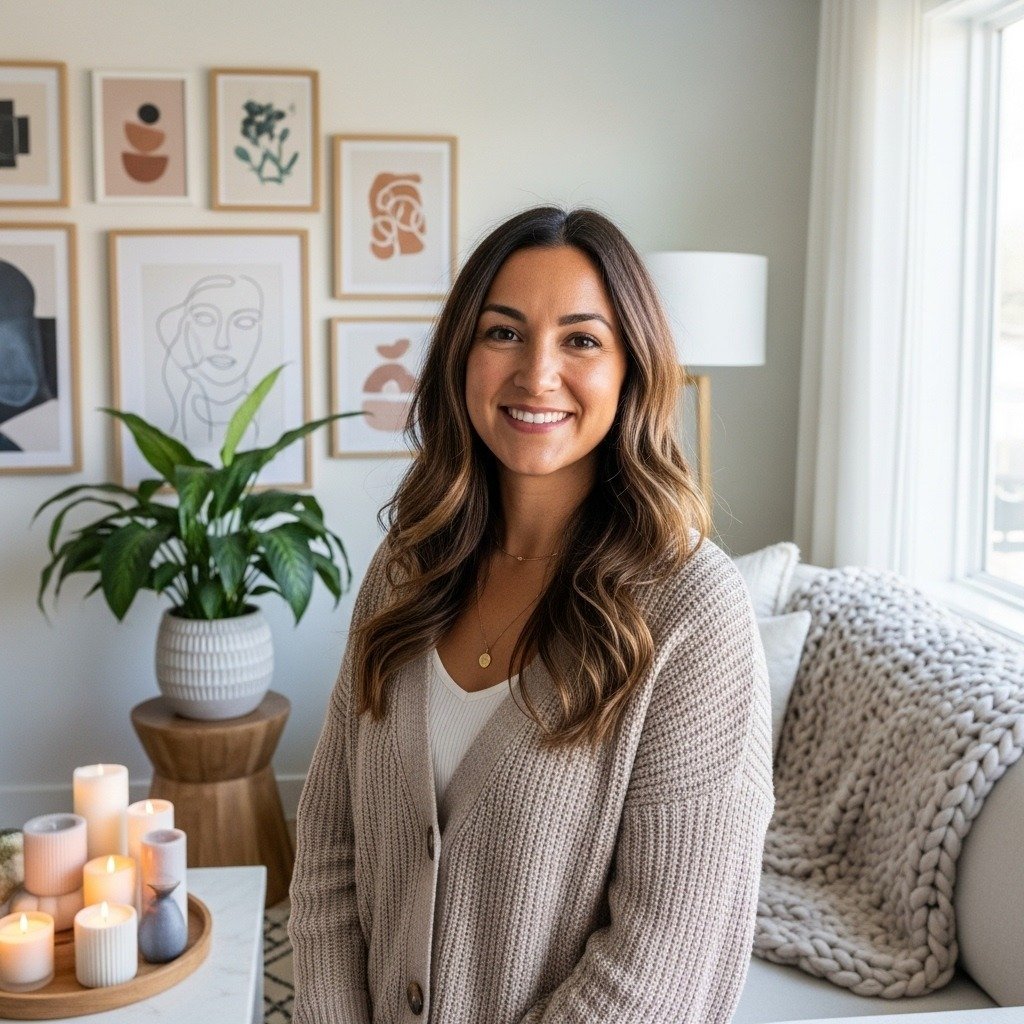
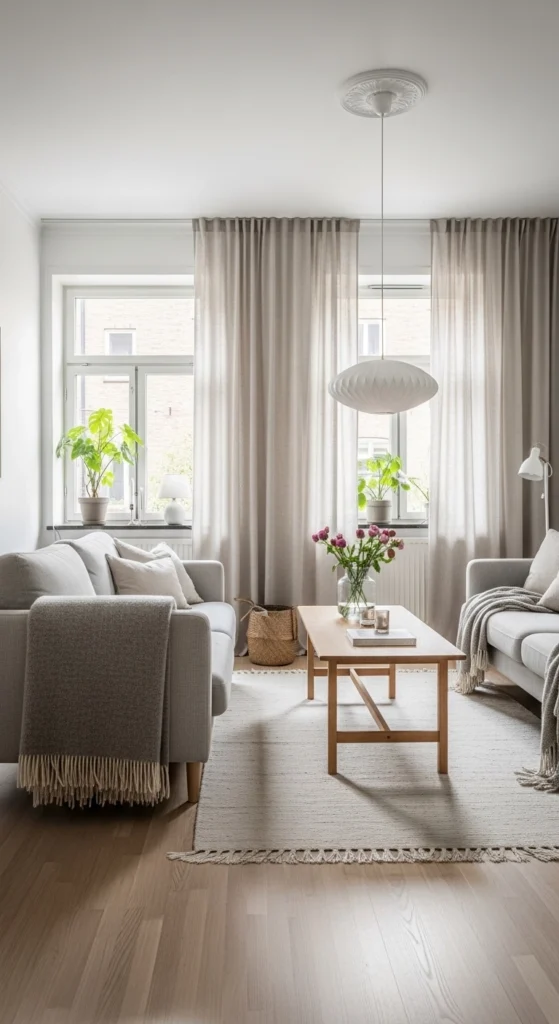
Scandinavian decor is loved for a simple reason. It feels calm the moment you step inside. Light colors, natural materials, and thoughtful furniture choices work together to create homes that feel open and comfortable without looking bare. This style leans on hygge, balance, and everyday comfort rather than decoration for show. If your space feels heavy or crowded, these ideas will help you lighten it up using practical, budget-friendly changes that actually work in real homes.
Below are 26 clean Scandinavian decor ideas you can use room by room. Each one focuses on affordable updates, simple DIY ideas, and easy swaps that make a visible difference without overthinking things.
1. White Walls With Soft Warm Undertones
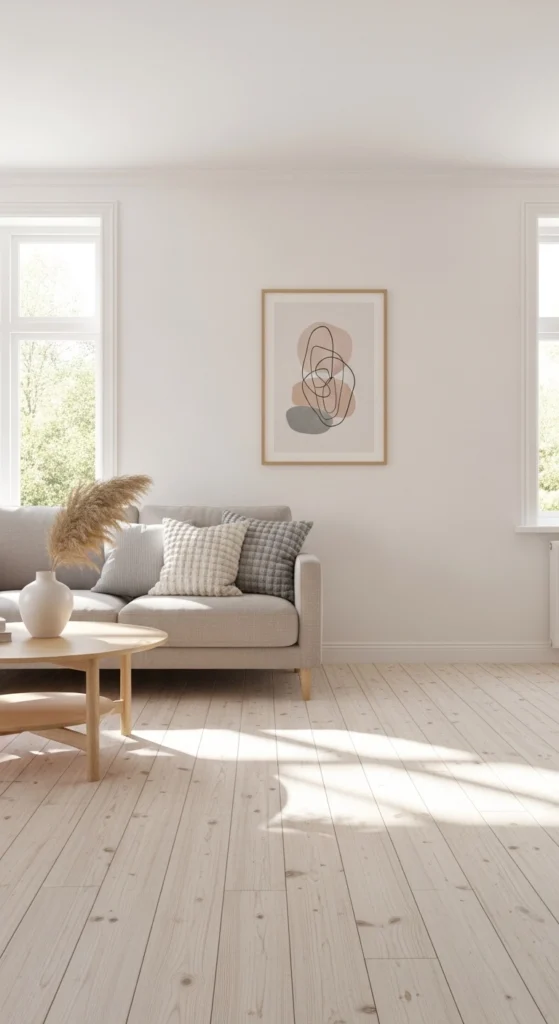
White walls are a staple in Scandinavian homes, but the shade matters. Stark white can feel flat. Choose whites with warm or creamy undertones to keep the room comfortable. These shades reflect daylight while avoiding a cold look.
Paint is one of the most affordable upgrades. A single gallon can refresh an entire room. If repainting feels like too much, try painting just one main wall to reset the space. Keep trim slightly lighter for contrast without harsh lines.
Pair white walls with natural textures. Think wood frames, woven baskets, or fabric wall hangings. This keeps the room from feeling empty. Avoid heavy art clusters. One or two simple pieces work better.
For renters, removable wall panels or peel-and-stick wallpaper in soft off-white patterns can mimic the same effect. Keep finishes matte. Glossy paint reflects too much light and breaks the calm feel Scandinavian homes are known for.
2. Pale Wood Floors That Reflect Light
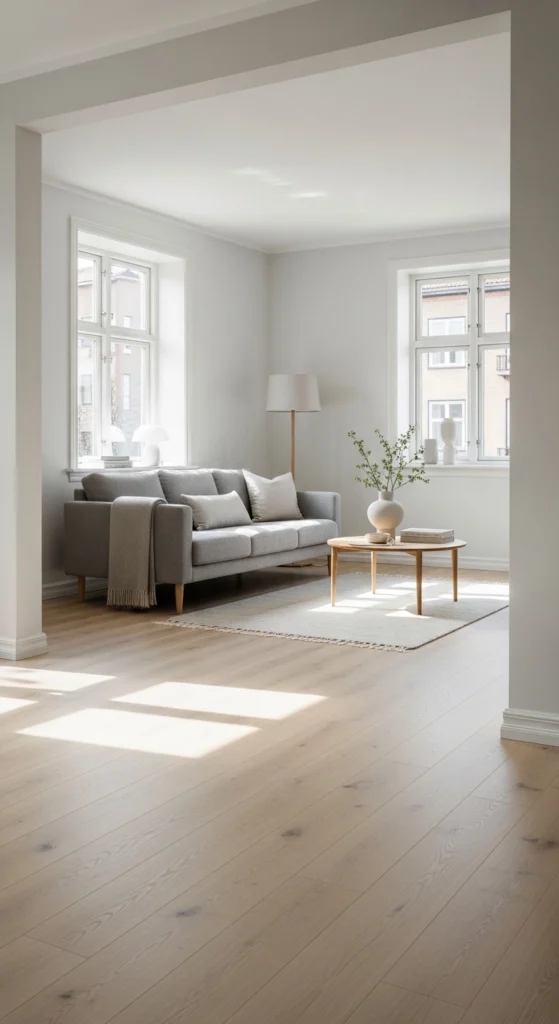
Light wood floors help bounce daylight across a room. Oak, pine, or birch finishes feel natural and relaxed. Dark floors absorb light and make rooms feel smaller, which works against the airy look.
If replacing floors is not realistic, try washable rugs in soft neutrals. Flatweave rugs in cream or beige help brighten darker floors instantly. Keep patterns subtle and spacing generous.
DIY option: peel-and-stick vinyl planks in light wood tones work well for small spaces. They are renter-friendly and easy to remove. Focus on areas that feel darkest, like hallways or entry points.
Keep floors visible. Avoid wall-to-wall rugs or clutter at ground level. Open floor space is part of what makes Scandinavian interiors feel calm and breathable.
3. Linen Curtains Instead of Heavy Drapes

Heavy curtains block light and visually weigh down a room. Linen or cotton curtains allow daylight to flow while still offering privacy. This is one of the easiest upgrades with immediate impact.
Hang curtains high and wide. Mount the rod closer to the ceiling and extend it beyond the window frame. This makes windows appear larger and lets more light in.
Budget tip: use simple curtain panels and avoid pleats or thick headers. Flat panels feel cleaner and more modern. Neutral shades like off-white, sand, or soft gray work best.
If privacy is not a concern, skip curtains entirely and use light-filtering blinds. Bamboo or woven shades add texture without bulk.
4. Low-Profile Furniture for Open Flow
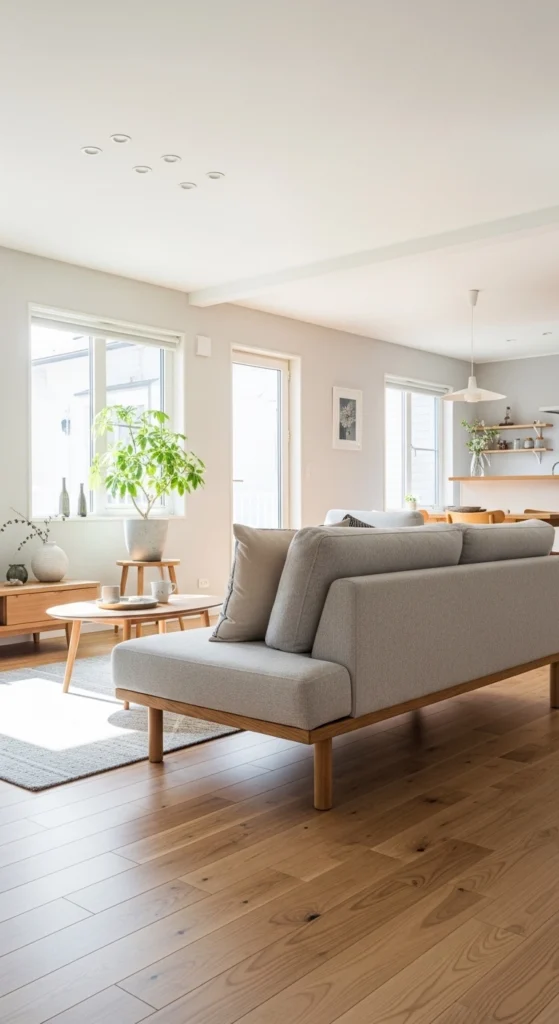
Furniture that sits low keeps sightlines open. Sofas, chairs, and beds with visible legs allow light to move freely around the room. This creates a sense of space even in smaller homes.
Avoid bulky arms and thick bases. Look for slim frames and simple shapes. Secondhand shops often carry Scandinavian-style pieces at lower prices.
DIY fix: swap out heavy furniture legs for wooden or metal tapered legs. This small change can completely change how a piece feels in the room.
Keep spacing generous. Resist the urge to fill every corner. Empty space is part of the design, not a problem to solve.
5. Neutral Color Layers With Subtle Contrast

Scandinavian homes rely on calm color layers instead of bold contrast. White, beige, light gray, and soft brown work together without sharp edges.
Use contrast through texture instead of color. Pair smooth walls with woven rugs, knitted throws, or ceramic accessories. This keeps the space visually interesting without overwhelming it.
Budget trick: rotate covers. Pillow covers and throws are inexpensive and easy to switch. Keep them within the same color family.
Limit accent colors to one or two items. A sage cushion or clay vase is enough. Too many accents disrupt the clean look.
6. Cozy Hygge Corners With Simple Seating
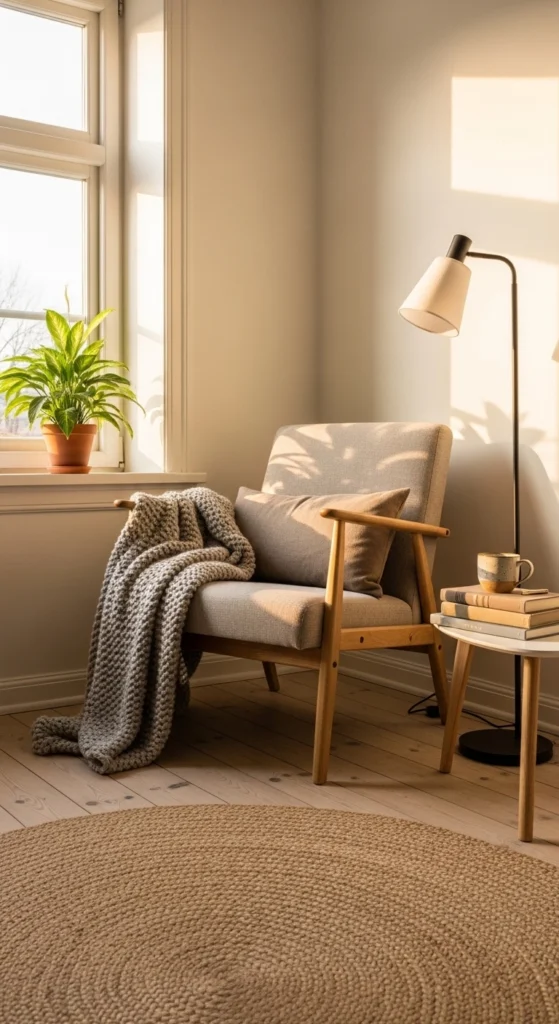
Hygge is about everyday comfort. A small corner with a chair, throw, and soft light is all you need. This does not require a full room makeover.
Use what you already own. A dining chair can become a reading chair with a cushion and blanket. Add a small stool instead of a side table.
Lighting matters. Use a warm bulb in a simple lamp to make the space inviting during evenings. Avoid harsh overhead lights.
Keep decor minimal. One book stack or plant is enough. The goal is comfort, not decoration.
7. Natural Wood Accents in Small Doses

Wood brings warmth without adding clutter. Use it sparingly. Shelves, trays, or frames are enough to balance out light walls.
Mix wood tones gently. Stick within similar shades to avoid visual noise. Pale woods work best for airy rooms.
DIY option: sand and refinish dark wood items with a lighter stain. Even small pieces like trays or stools can make a difference.
Avoid overloading shelves. Leave empty space around wood elements so they stand out naturally.
8. Open Shelving Styled With Restraint
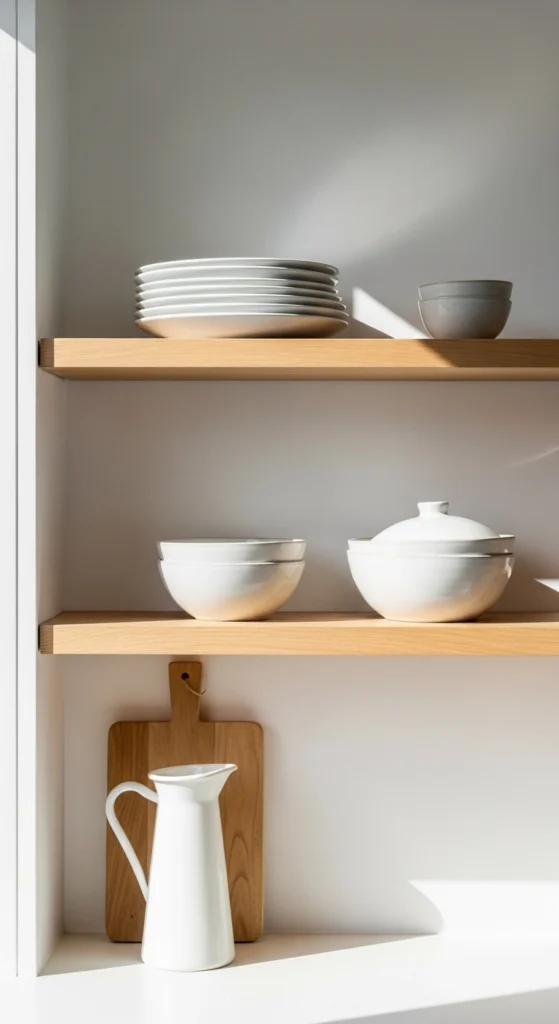
Open shelves work when styled simply. Stick to everyday items in neutral colors. White dishes, glass jars, and ceramics feel clean and practical.
Group items in odd numbers. Leave gaps between groups so shelves do not feel crowded.
Budget idea: replace cabinet doors with open shelving in one section only. This keeps storage functional while adding lightness.
Avoid small clutter. Fewer items always look better than many tiny pieces.
9. Indoor Plants for Soft Contrast
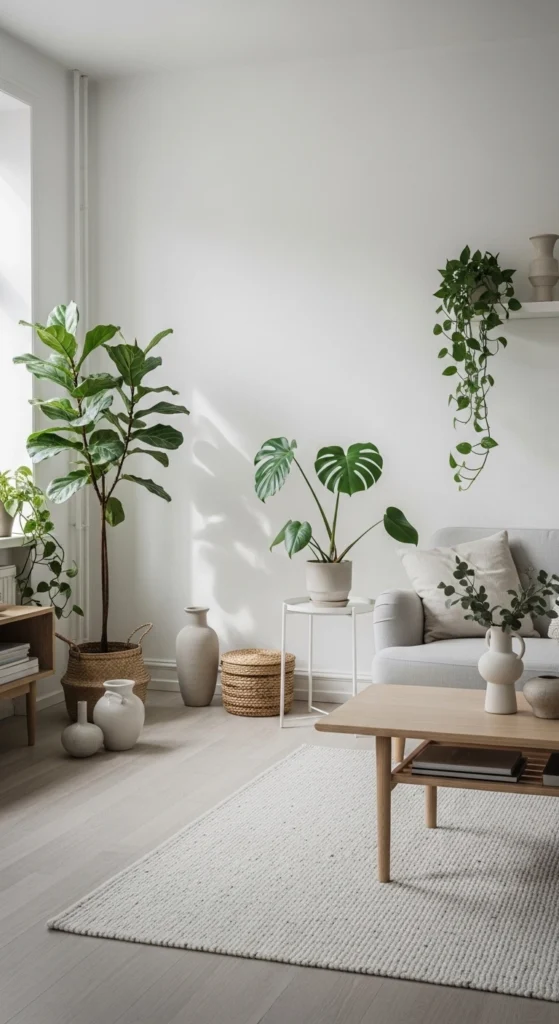
Plants add life without disrupting calm interiors. Choose plants with simple shapes and soft green tones.
Use neutral pots. White, clay, or light gray planters keep the focus on the plant itself.
If maintenance feels hard, choose low-care plants. Even one or two plants can change the feel of a room.
Place plants near windows or corners that feel empty. Avoid crowding shelves or tables.
10. Layered Lighting With Warm Bulbs
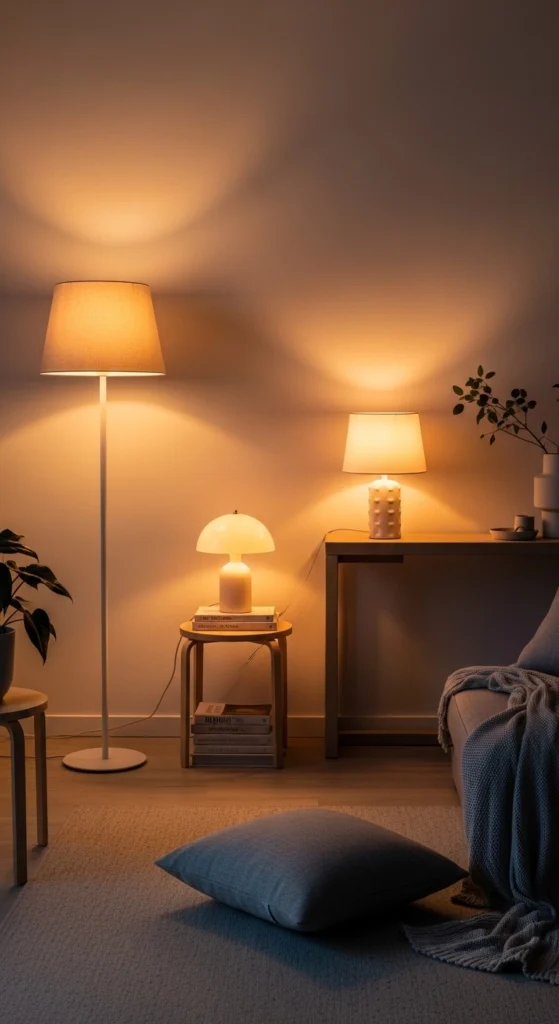
Lighting shapes mood more than decor. Scandinavian spaces use several small light sources instead of one bright ceiling fixture.
Mix floor lamps, table lamps, and wall lights. Keep bulb tones warm and soft.
Budget swap: change bulbs before changing fixtures. Warm bulbs instantly soften a room.
Avoid exposed harsh lighting. Shades made from fabric or paper diffuse light gently.
11. Simple Art With Breathing Room
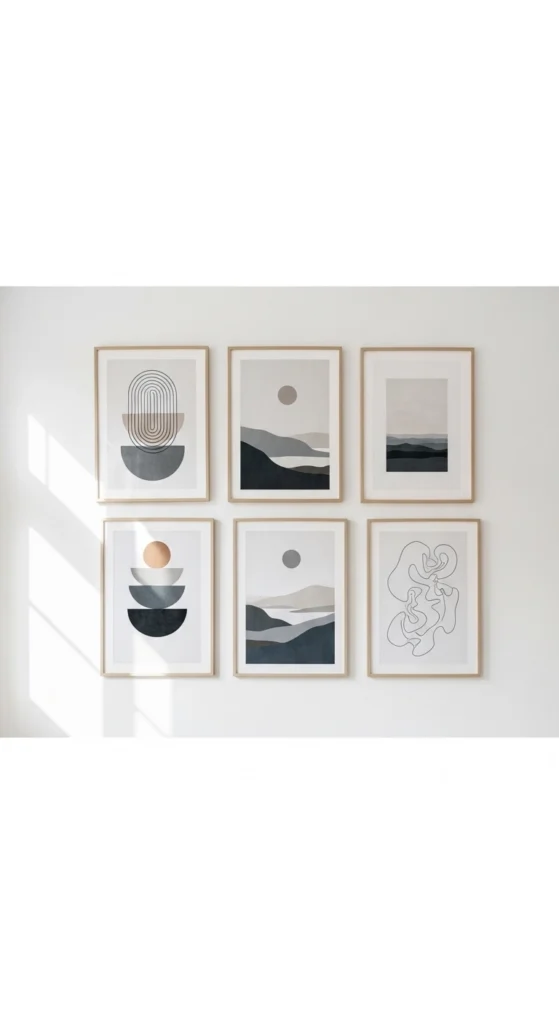
Art should support the space, not dominate it. Choose simple prints or photographs with light tones.
Hang art with space around it. Avoid gallery walls unless they are very restrained.
Frames matter. Light wood or thin black frames work well.
DIY option: print digital art on matte paper for a clean finish.
12. Soft Textiles Over Hard Surfaces
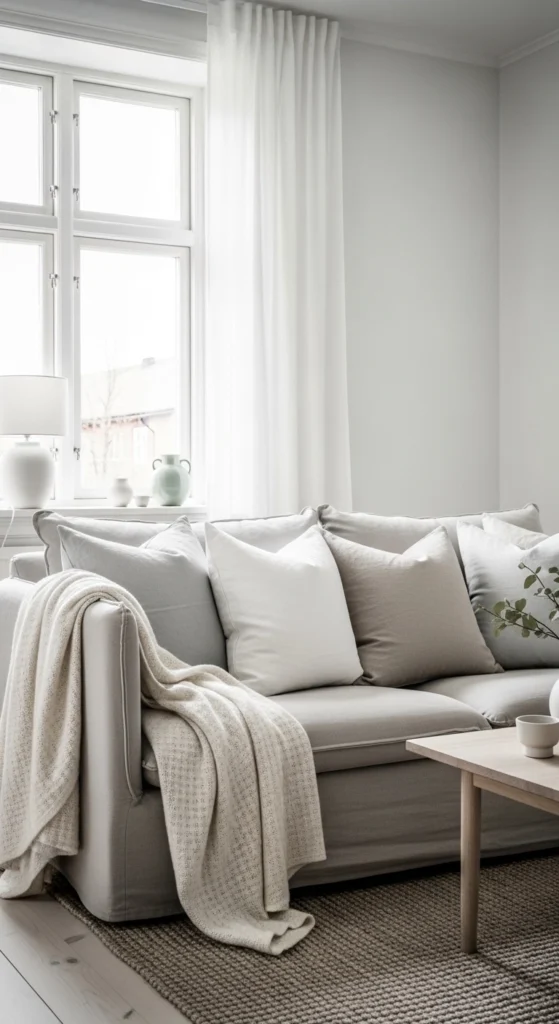
Textiles soften clean lines. Use throws, cushions, and rugs to add comfort without clutter.
Stick to natural fabrics like cotton or wool. They look relaxed and age well.
Rotate seasonally. Lighter textiles in warmer months keep rooms feeling fresh.
Avoid bold patterns. Texture works better than print in Scandinavian interiors.
13. Minimal Entryways That Stay Clear
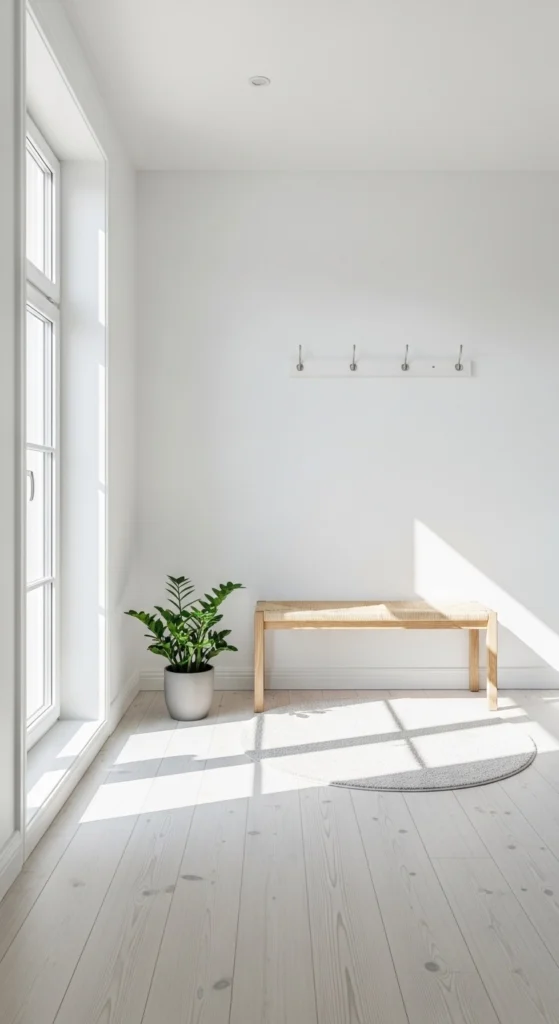
Entryways set the tone. Keep them open and functional.
Use a slim bench and wall hooks instead of bulky storage. Baskets below the bench keep items contained.
Choose light colors to reflect light. Mirrors help bounce light into darker spaces.
Clear surfaces daily. Clutter builds fast in small areas.
14. Light Kitchens With Open Sightlines

Scandinavian kitchens feel open and calm. White cabinets paired with wood counters keep things light.
If repainting cabinets is not possible, change hardware to simple handles. This small update refreshes the look.
Use open shelving for everyday items only. Keep counters mostly clear.
Soft lighting under cabinets adds warmth without glare.
15. Bedrooms With Calm Color Balance
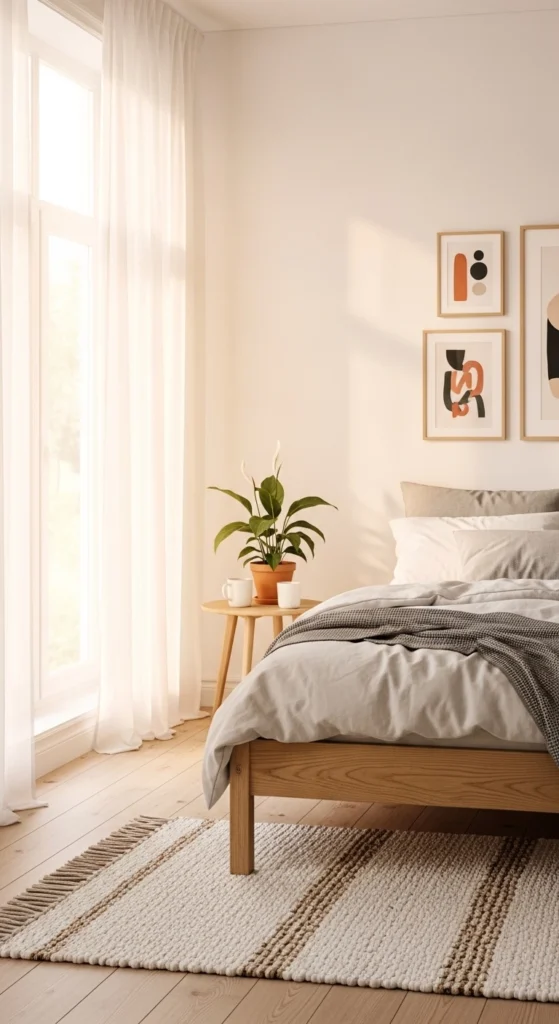
Bedrooms should feel quiet and uncluttered. Stick to neutral bedding and simple furniture.
Layer textures instead of colors. Linen sheets, cotton blankets, and soft rugs add comfort.
Avoid extra furniture. One nightstand per side is enough.
Use soft lighting for evenings. Lamps work better than overhead lights.
16. Bathrooms With Clean Surfaces
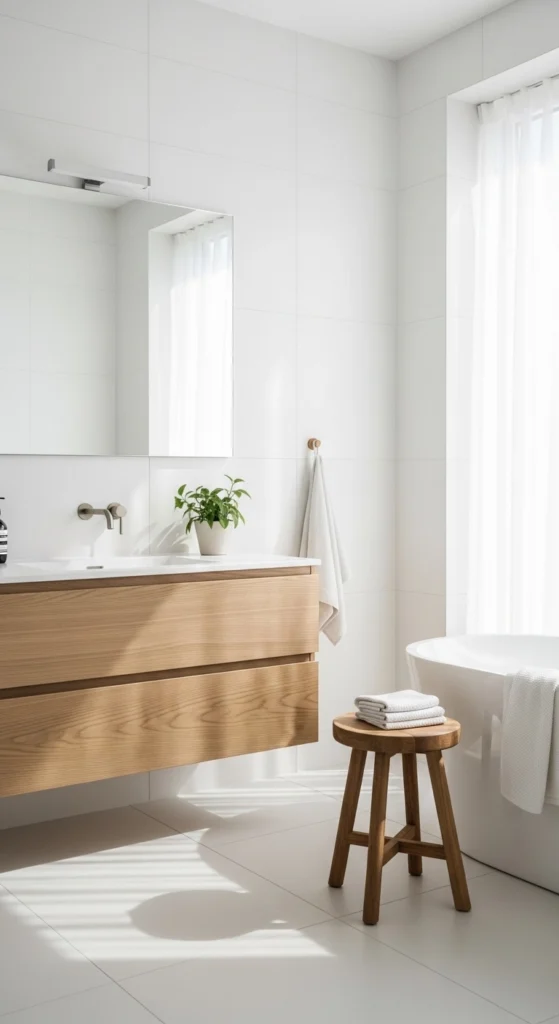
Scandinavian bathrooms rely on simplicity. White tiles and light wood accents work well together.
Keep surfaces clear. Store products out of sight when possible.
Use neutral towels and simple hooks. Avoid bold colors.
Plants like ferns add softness without clutter.
17. Light Dining Areas With Simple Tables
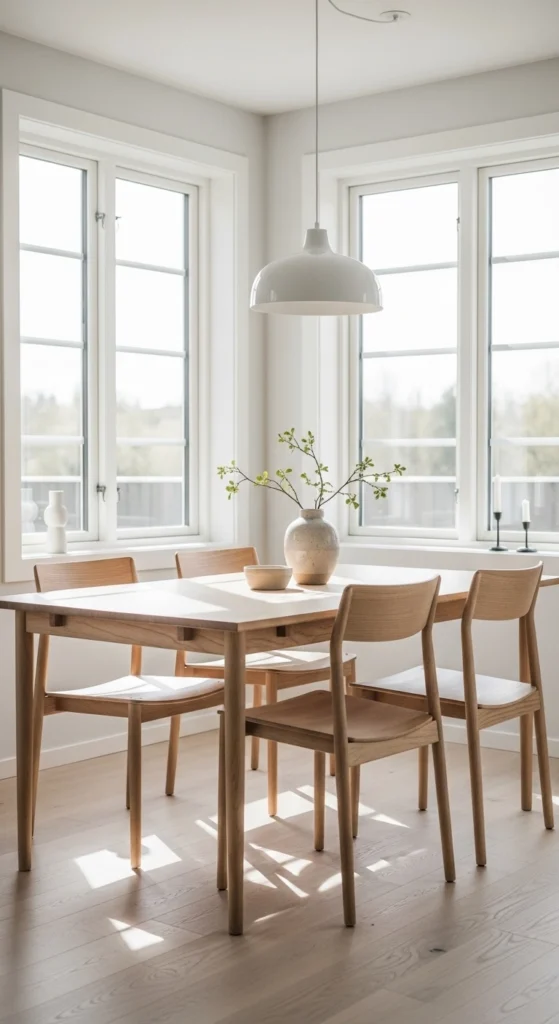
Dining spaces feel best when uncluttered. Choose a simple table with visible wood grain.
Use chairs with slim profiles. Avoid heavy upholstery.
Centerpieces should stay minimal. A bowl or small plant works well.
Keep lighting soft and focused over the table.
18. Soft Rugs That Define Space
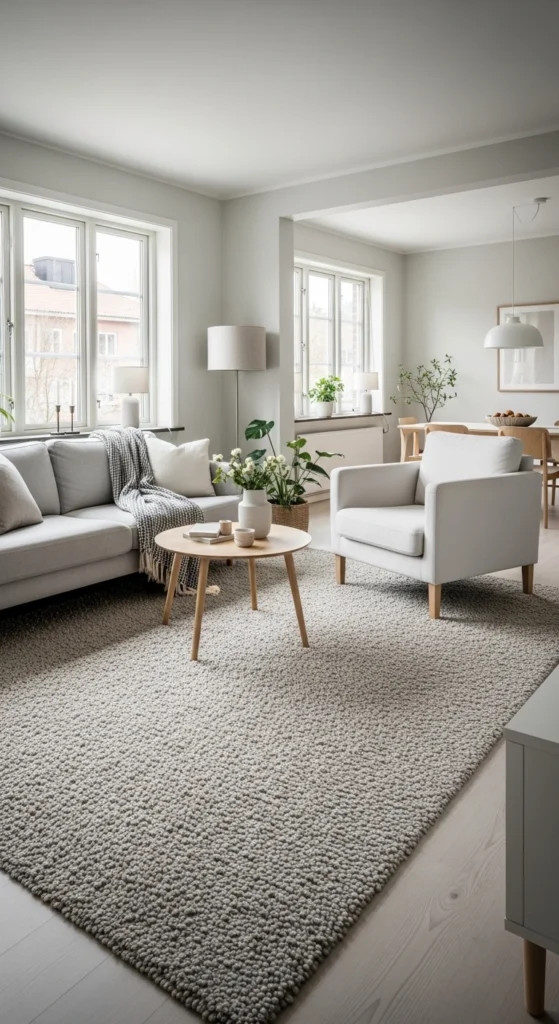
Rugs help define areas without walls. Choose light colors to maintain openness.
Flatweave rugs work well for high traffic areas. They stay low-profile.
Size matters. Rugs should extend beyond furniture edges.
Avoid dark borders or heavy patterns.
19. Storage That Disappears Visually
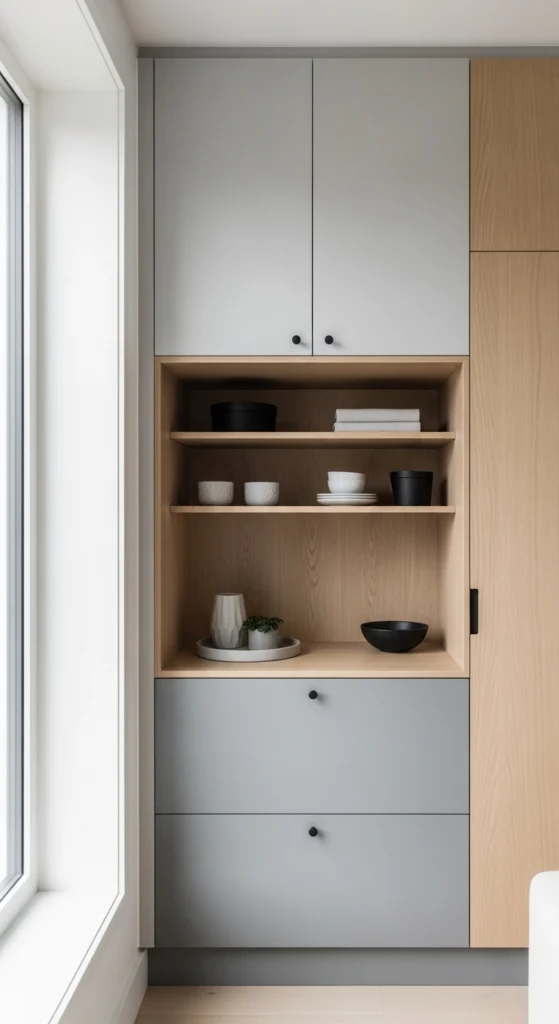
Storage should blend in. Use cabinets in the same color as walls when possible.
Closed storage keeps rooms calm. Open storage works only when styled carefully.
DIY fix: paint storage units to match walls.
Avoid overfilling shelves. Space matters.
20. Rounded Shapes for Gentle Flow
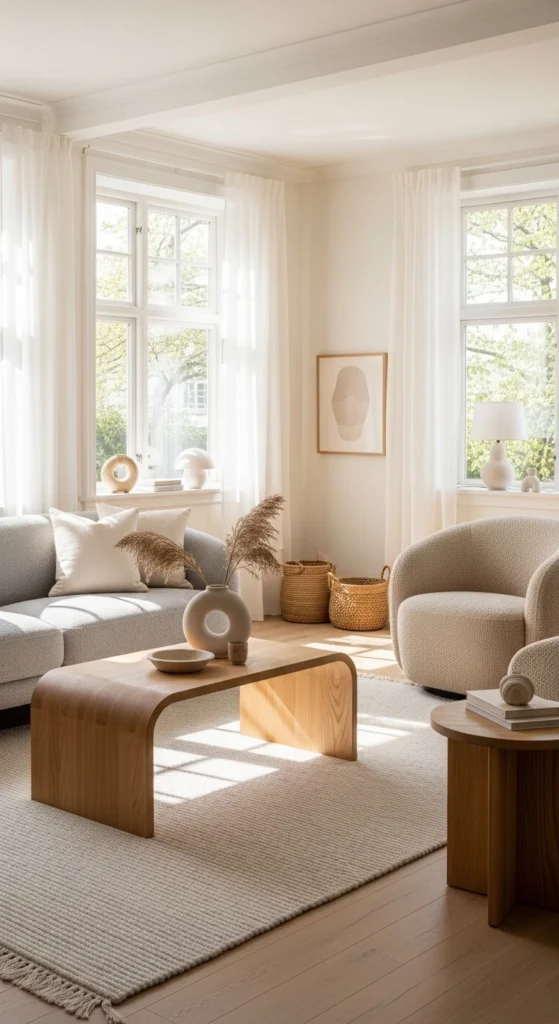
Soft curves help balance clean lines. Use round tables or curved chairs.
This keeps rooms from feeling too sharp or rigid.
Add rounded decor pieces like mirrors or bowls.
Keep shapes simple and uncluttered.
21. Quiet Home Offices With Light Desks
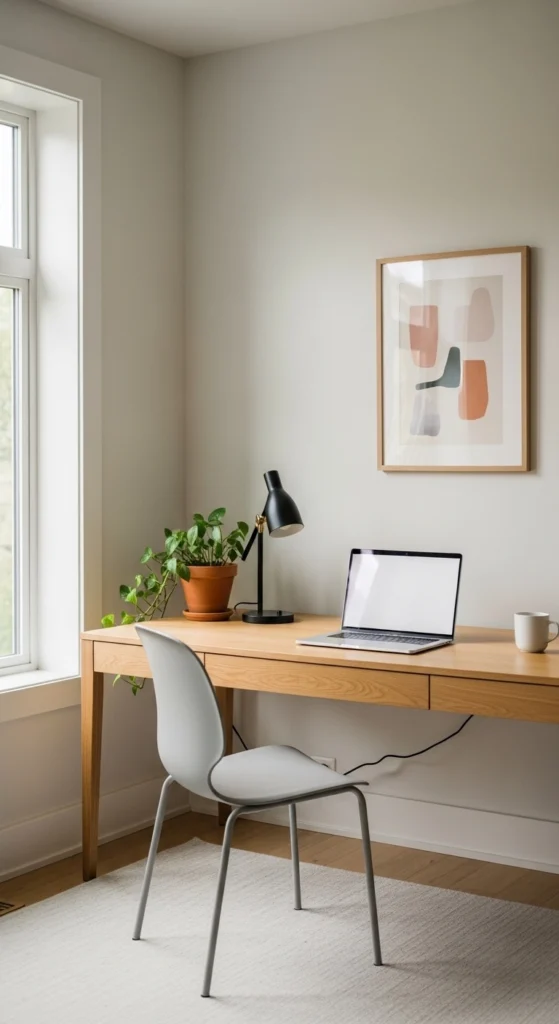
Home offices benefit from calm design. Choose light desks and minimal storage.
Keep cables hidden to reduce visual noise.
Use neutral organizers instead of colorful bins.
Place desks near windows for natural light.
22. Mirrors That Expand Light
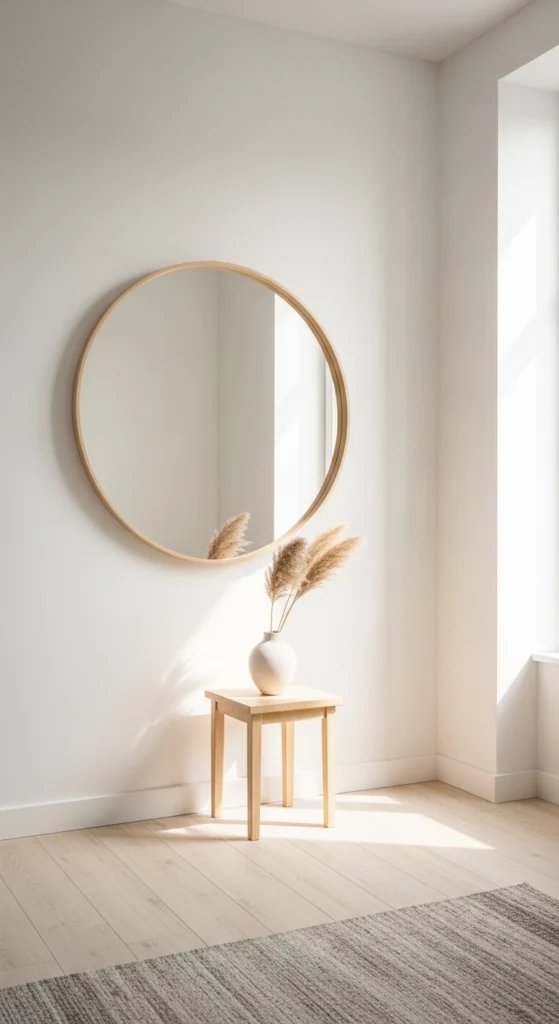
Mirrors help amplify light and space. Choose simple frames.
Place mirrors opposite windows when possible.
Avoid decorative frames that draw attention.
Even small mirrors can brighten dark corners.
23. Neutral Decor With Meaning
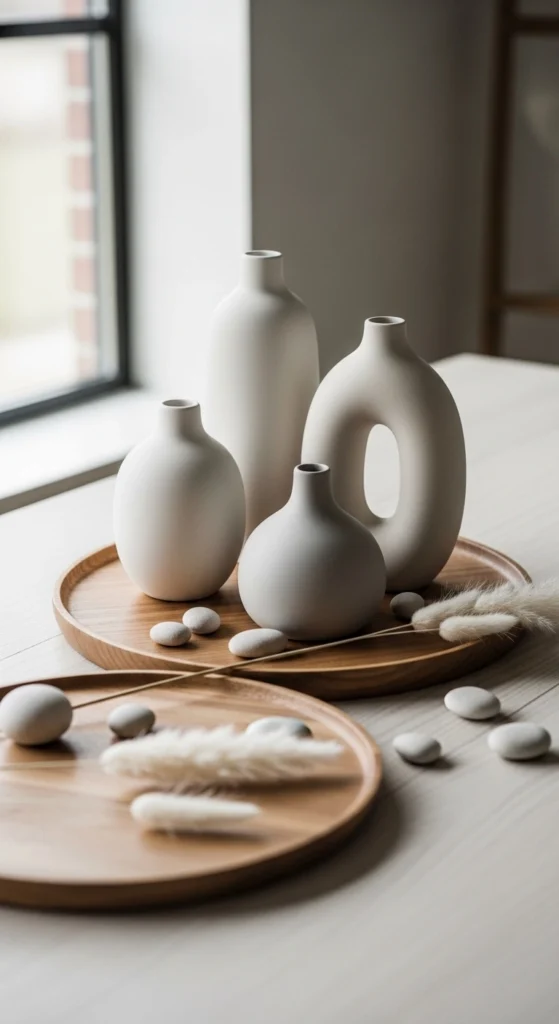
Decor works best when intentional. Choose fewer items with personal value.
Stick to neutral materials like clay or wood.
Avoid trends that feel busy.
Rotate decor seasonally to keep spaces feeling light.
24. Calm Children’s Spaces With Soft Colors
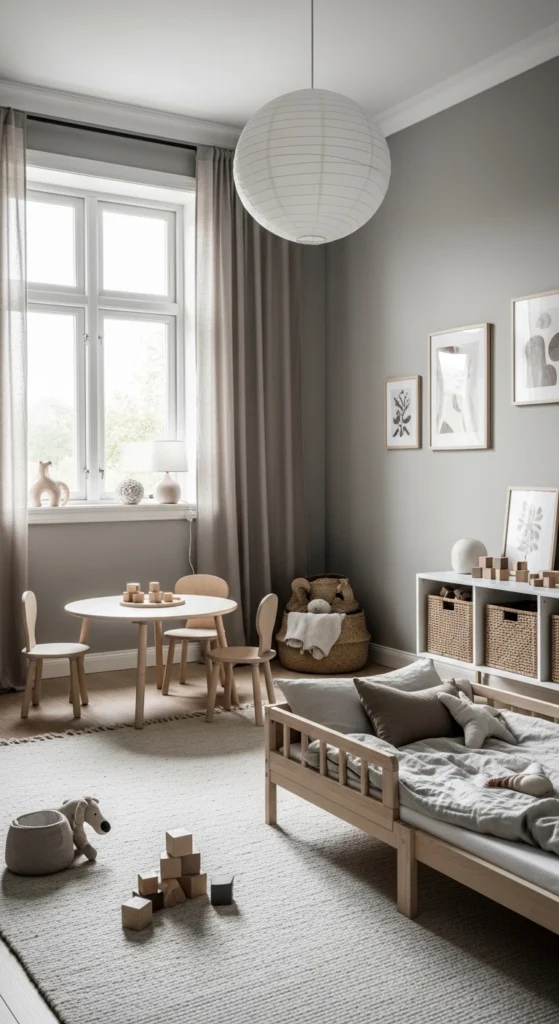
Children’s rooms can stay calm without feeling boring. Use soft colors and simple storage.
Open shelves help keep toys visible and tidy.
Use washable rugs and textiles.
Avoid too many patterns.
25. Outdoor Spaces That Match Indoors
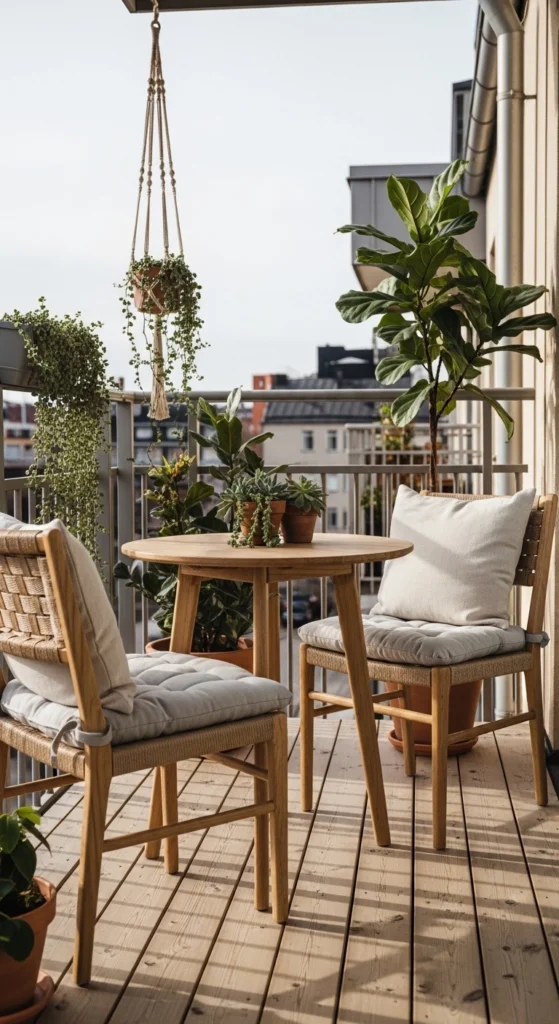
Extend the style outdoors. Use light furniture and neutral cushions.
Keep decor minimal. Plants add enough interest.
Foldable furniture works well for small spaces.
Lighting helps during evenings.
26. Lagom Editing for Everyday Balance
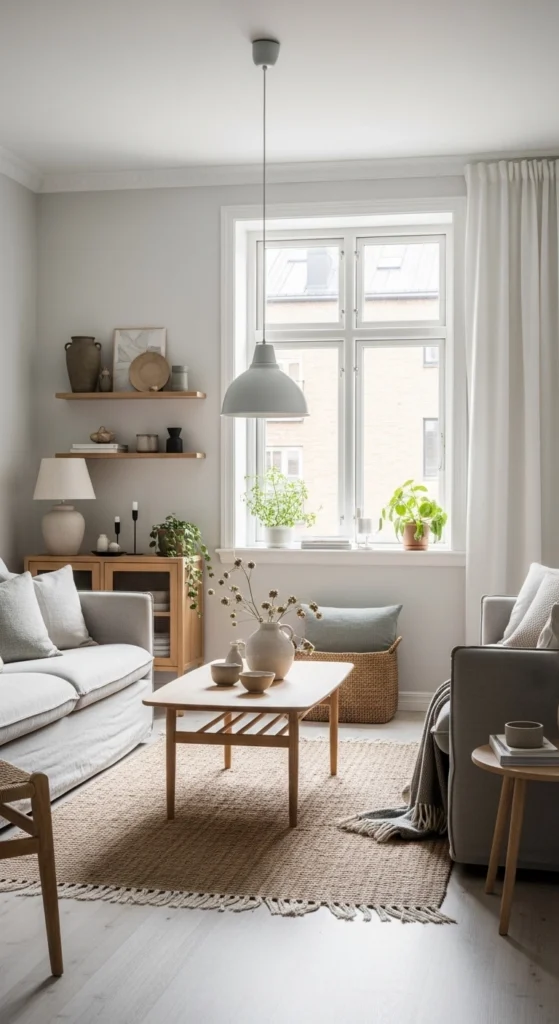
Lagom is about balance. Remove items that do not serve a purpose.
Edit regularly. Clutter builds quietly.
Keep what you use and enjoy daily.
Calm spaces come from thoughtful choices, not more items.
Conclusion
Clean Scandinavian decor works because it focuses on light, comfort, and balance. These 26 ideas show how small changes can reshape how a space feels without spending much or overthinking details. Start with light colors, natural textures, and fewer items. Keep what adds comfort. Let go of what weighs the room down. Over time, your home will feel calmer, brighter, and easier to live in every day.
