
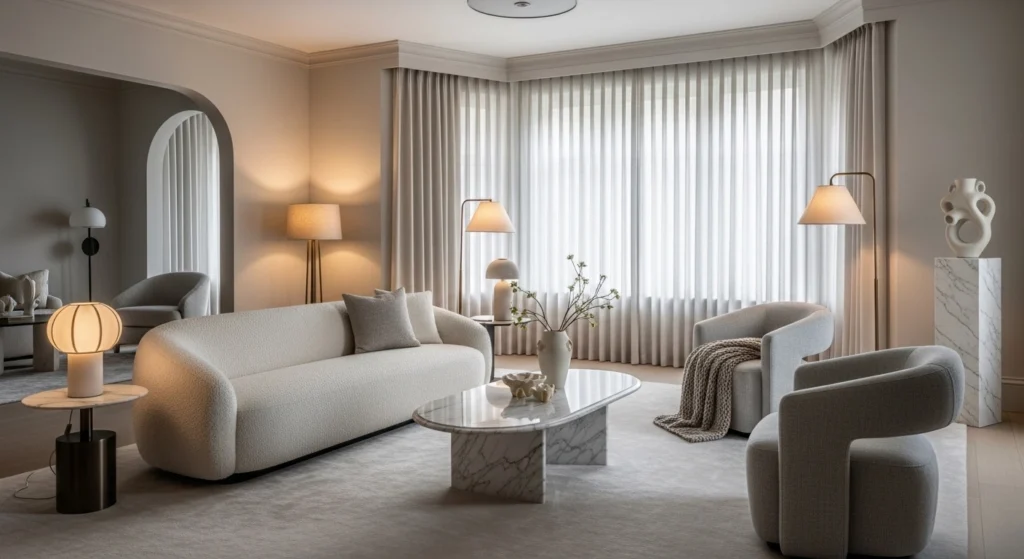
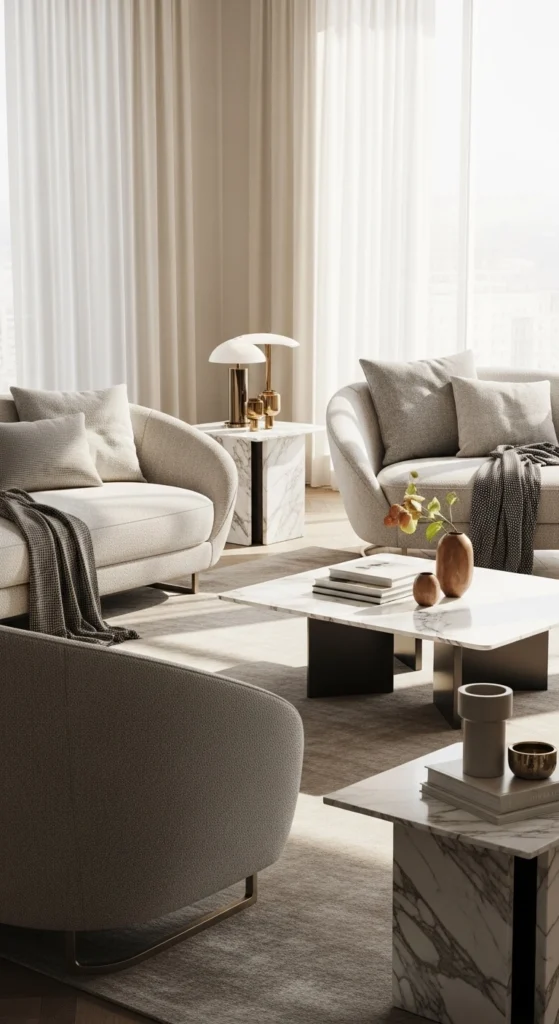
Luxury home decor today is less about excess and more about intention. Homes that feel premium often rely on quiet confidence—calm colors, thoughtful shapes, and materials that age well. The strongest spaces feel personal, layered, and livable, not staged. With 2026 trends leaning toward sculptural forms, organic materials, and soft neutrals, luxury has become more approachable. Small changes can shift a room’s mood fast. The ideas below focus on practical upgrades, smart styling, and affordable swaps that help your home feel refined without feeling stiff or overdone.
1. Sculptural Sofas as Living Room Anchors
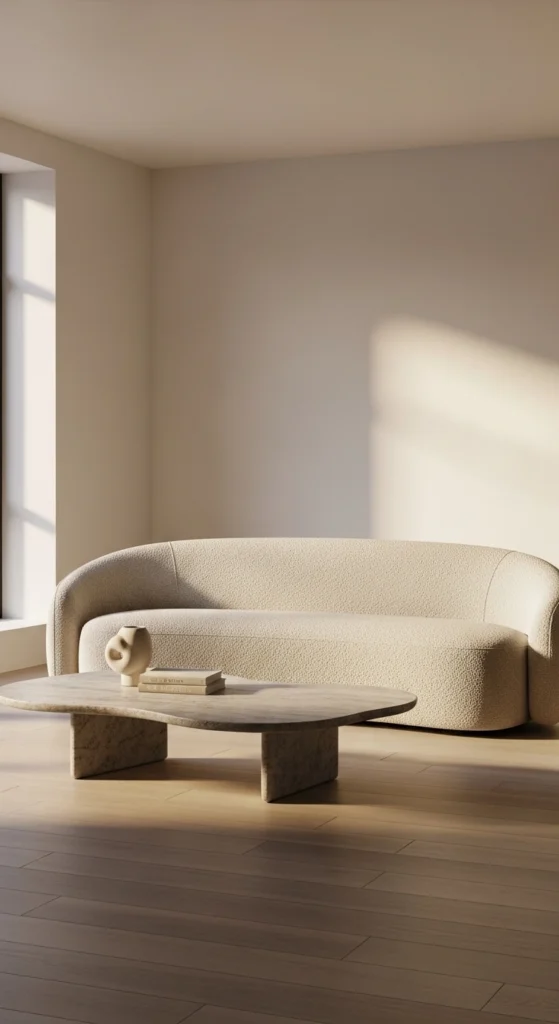
A sculptural sofa sets the tone for the entire room. Curved silhouettes feel calm and intentional. They soften harsh lines and draw the eye without shouting. You do not need a designer price tag. Many retailers now offer rounded sofas in neutral fabrics at accessible prices. Focus on shape first. Upholstery comes second.
Keep the surrounding decor simple. Let the sofa speak. A low-profile coffee table works well here. Wood or stone finishes add weight without clutter. If buying new feels expensive, try a slipcover with a rounded drape. Even straight sofas can feel softer with the right fabric and pillows.
Placement matters. Pull the sofa slightly away from walls. This adds air and gives the piece presence. Use a large rug underneath to ground it. Neutral tones like beige or taupe keep the look calm.
This approach works in small rooms too. Curves help spaces feel open. One strong piece often replaces several weaker ones. That restraint is what gives the room a premium feel.
2. Quiet Neutral Color Palettes
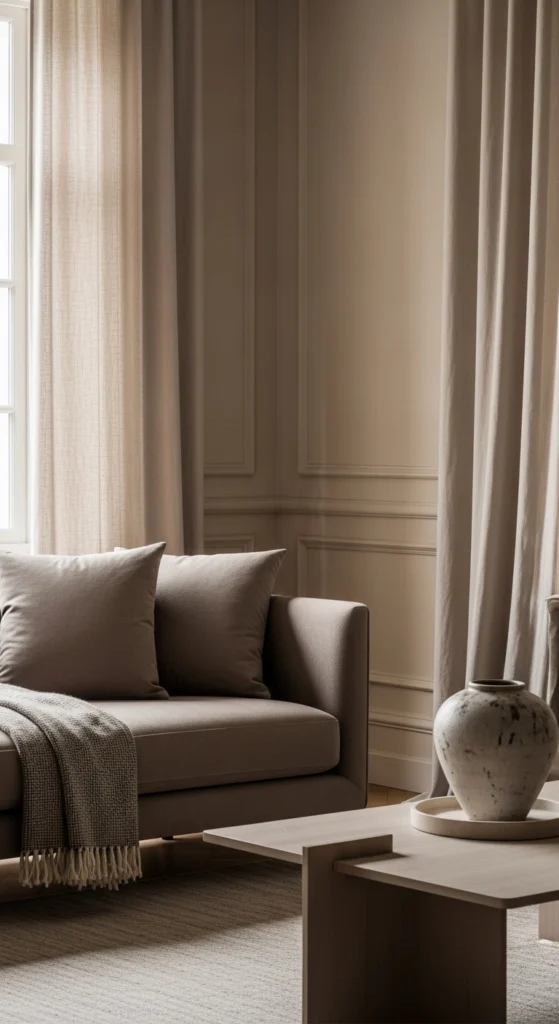
Luxury often starts with color choice. Quiet neutrals create a calm base that never feels dated. Beige, taupe, and soft stone tones work well across rooms. The key is variation. Use several shades within the same family to avoid flatness.
Paint is the easiest entry point. A warm neutral wall color changes everything. Avoid stark white. It can feel cold. Instead, look for tones with depth. Sample before committing. Light shifts matter.
Textiles help too. Layer linen curtains, woven throws, and soft cushions. Each adds texture without adding noise. You can refresh these seasonally without repainting.
Budget tip: stick to one palette across connected spaces. This creates flow and reduces buying mistakes. When pieces move from room to room, they still work.
Neutrals also highlight form and material. Wood grain, stone veining, and fabric texture become the focus. That subtlety is what makes a space feel polished and intentional.
3. Statement Coffee Tables in Stone or Wood
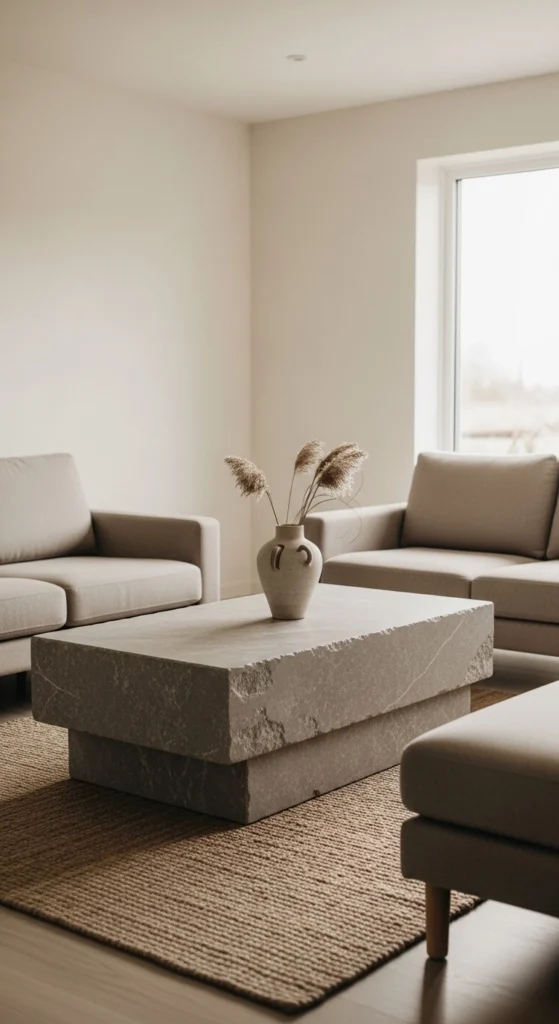
A coffee table can act like functional art. Solid wood or stone tables feel grounded and lasting. Their weight gives a room confidence. Even simple rooms gain character with the right table.
You do not need rare materials. Look for thick slabs or blocky forms. Faux stone finishes can work if the shape is right. Avoid thin legs or glass if you want a premium look.
Scale matters more than style. A table that feels slightly oversized often works better. It anchors seating and fills space naturally. Keep decor minimal on top. One book stack and a bowl is enough.
If buying new feels heavy on budget, try refinishing. Sanding and staining an old wood table can change its look completely. Limewash finishes also soften wood beautifully.
A strong coffee table reduces the need for extra decor. That simplicity helps the room feel calm and confident.
4. Layered Ambient Lighting
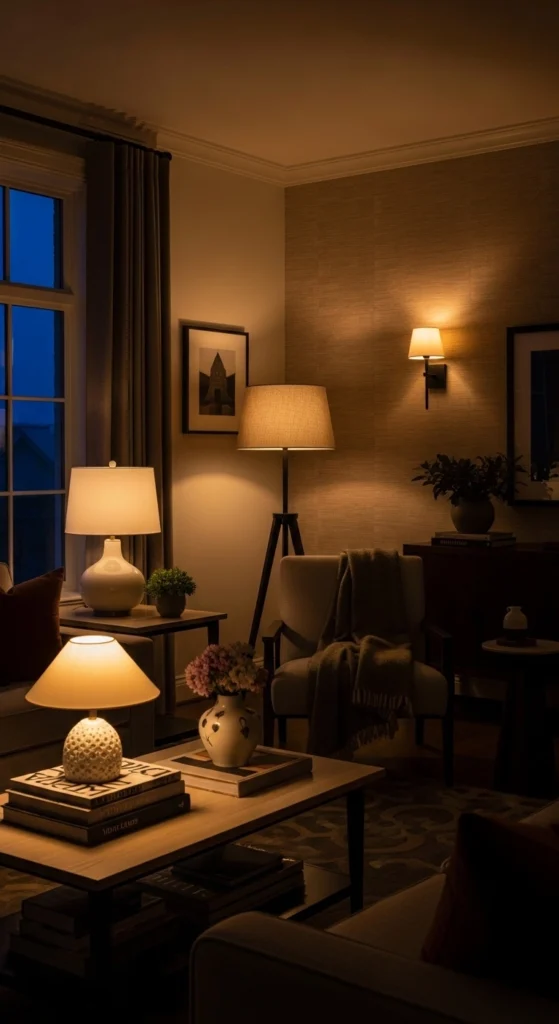
Lighting shapes mood more than any single item. Layered lighting feels thoughtful and lived-in. Relying only on ceiling lights often flattens a space.
Start with table lamps. Place them at eye level when seated. Add a floor lamp near seating or corners. Wall lights bring warmth without taking floor space.
Shades matter. Fabric shades soften light. Avoid harsh white bulbs. Choose warm tones. Even inexpensive lamps feel better with the right bulb.
Use dimmers if possible. If not, smart bulbs offer control without rewiring. This small upgrade adds flexibility day to night.
Budget tip: mix old and new. A thrifted lamp with a new shade feels custom. Focus on glow, not fixtures alone. When lighting feels intentional, the entire room feels more refined.
5. Oversized Area Rugs for Cohesion
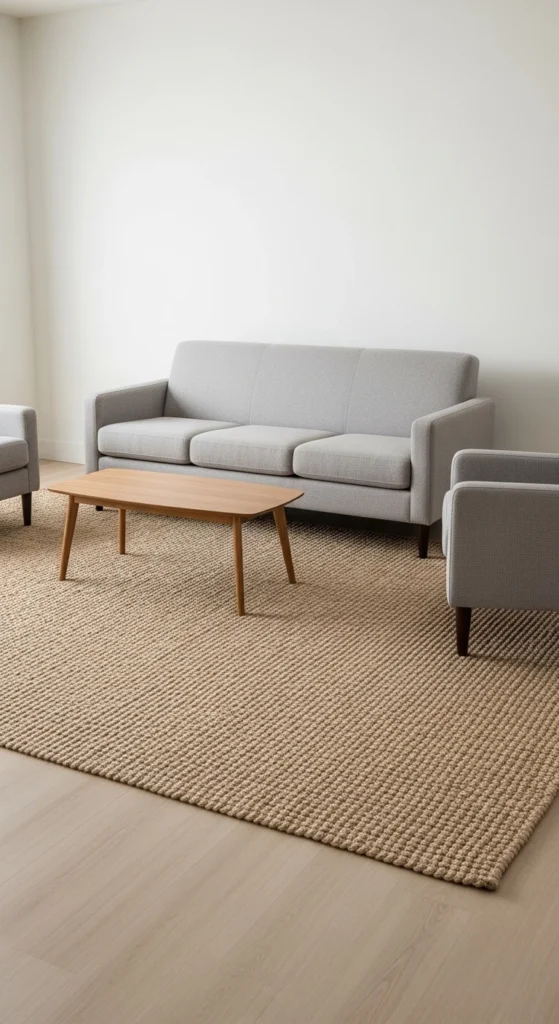
Rugs define space. A too-small rug makes a room feel disjointed. Larger rugs bring everything together. This is one of the fastest ways to shift a room’s feel.
Aim to place all front legs of furniture on the rug. In living rooms, bigger is often better. Neutral rugs with subtle texture age well.
Wool-look synthetics offer durability at lower cost. Flat weaves work in busy homes. Texture matters more than pattern here.
Layering rugs also works. A simple base rug topped with a smaller accent adds depth. Keep colors close to avoid visual clutter.
If replacing a rug feels expensive, rotate rugs between rooms. A bedroom rug can refresh a living room temporarily. That flexibility stretches value and keeps spaces feeling intentional.
6. Curated Decorative Objects
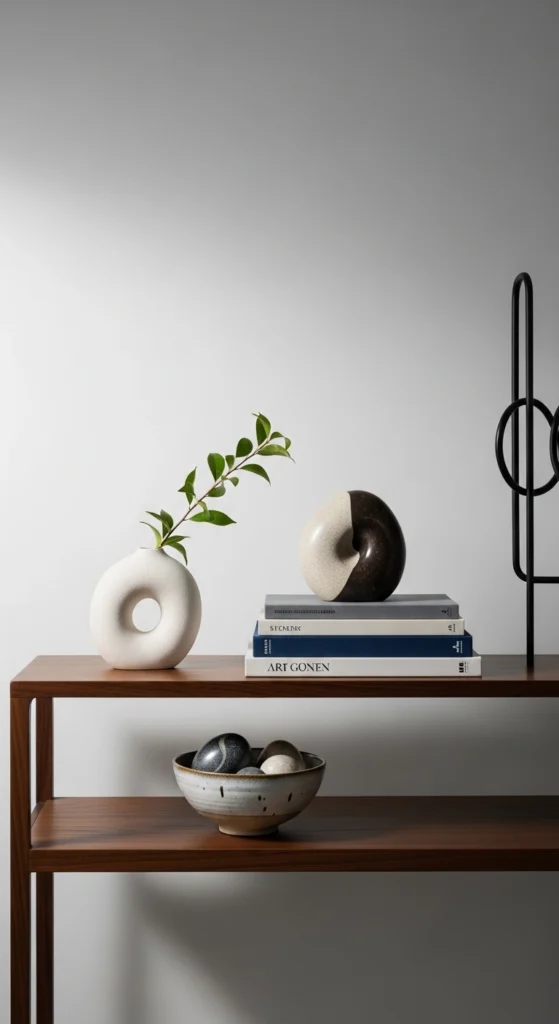
Luxury spaces feel edited. Fewer objects with purpose beat crowded shelves. Choose items that vary in height and material.
Group objects in threes. Mix matte and soft sheen finishes. Leave space between items so each can breathe. Negative space is part of the design.
Personal items work best here. Travel finds, handmade pieces, or meaningful art feel authentic. Avoid filling surfaces just to fill them.
Budget idea: rotate decor seasonally. Store half your items. This keeps surfaces fresh without buying more.
Curation takes time, not money. When objects feel chosen, the room feels calm and confident.
7. Textured Wall Treatments
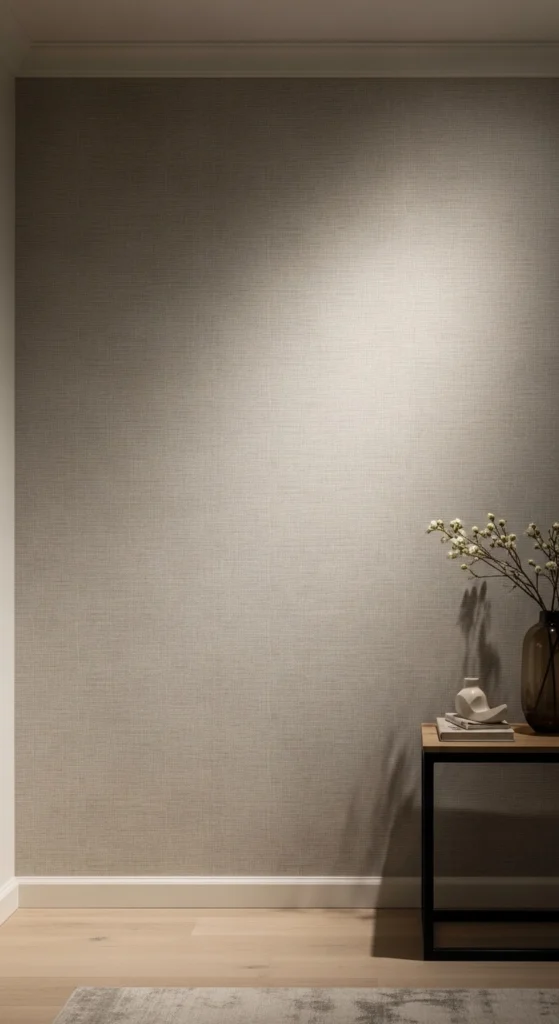
Walls can do more than hold paint. Subtle texture adds depth without noise. Grasscloth-style papers or plaster finishes feel soft and refined.
Peel-and-stick options make this accessible. Use them on one wall or niche. Even small areas gain impact.
If wallpaper feels risky, try textured paint techniques. Limewash-style finishes add movement and softness. Practice on a board first.
Keep furniture simple when walls have texture. Let one element lead.
This approach works well behind beds or sofas. It frames the space and adds character without clutter.
8. Mirrors for Light and Space
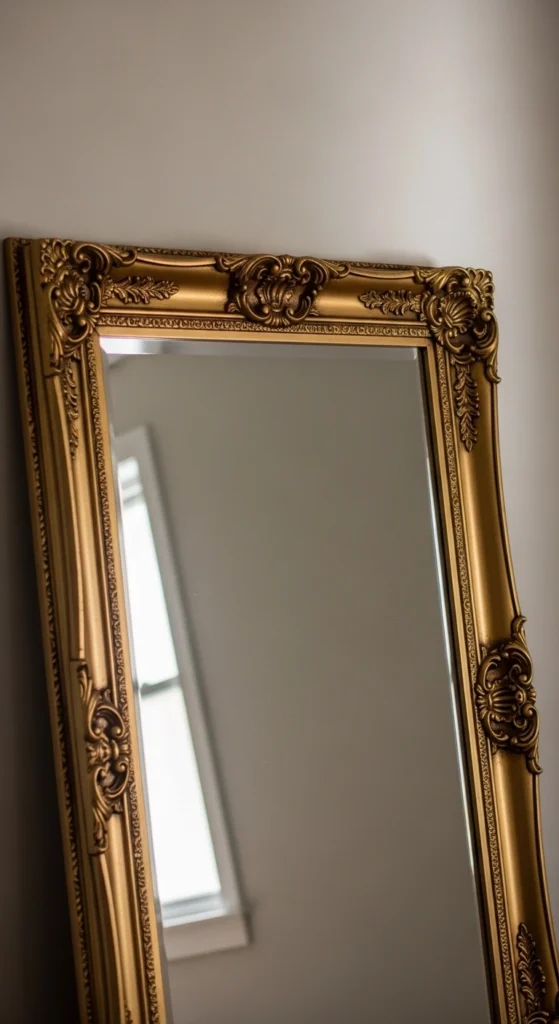
Mirrors change how rooms feel. They reflect light and add visual depth. Large mirrors feel confident and intentional.
Frames matter. Thin metal or softly detailed frames work well. Avoid overly busy designs.
Lean mirrors instead of hanging when possible. This relaxed placement feels modern and effortless.
Budget tip: search secondhand. Old mirrors often have better glass and frames. Clean and refresh the frame if needed.
Placed opposite windows, mirrors double light. That simple move makes rooms feel open and calm.
9. Metallic Accents in Small Doses
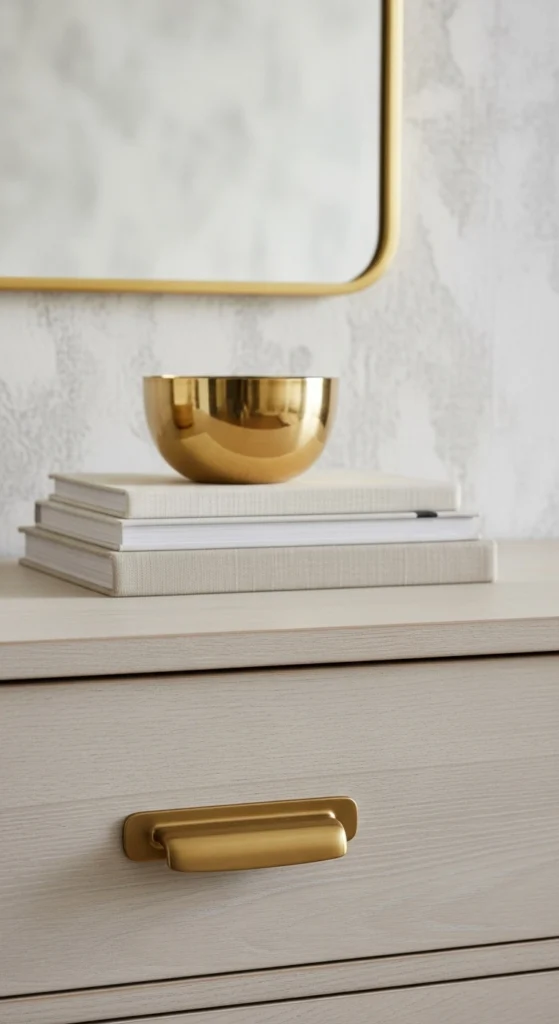
Metal adds contrast and quiet shine. Use it sparingly. Small touches feel more refined than full statements.
Think hardware, trays, or lamp bases. Warm tones work well with neutrals. Avoid mixing too many finishes.
If swapping hardware, focus on one area. Cabinet pulls or door handles change feel quickly.
Budget-friendly metals exist. Look for brushed finishes. They hide wear and feel softer.
Used well, metal adds depth without overwhelming the room.
10. Personal Art with Meaning
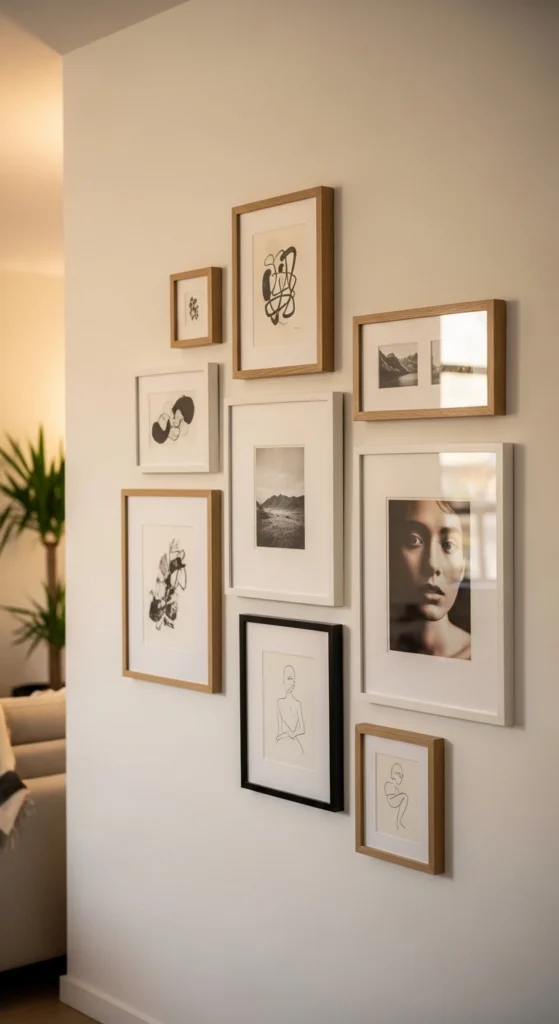
Art makes spaces personal. It does not need to be expensive. Framed photography, sketches, or textiles work well.
Consistency helps. Use similar frames or matting. This keeps the wall calm.
Hang art at eye level. Too high breaks connection. Group smaller pieces for impact.
DIY framing saves money. Simple frames with quality mats feel polished.
When art tells a story, rooms feel lived-in and thoughtful.
11. Organic Materials in Decor
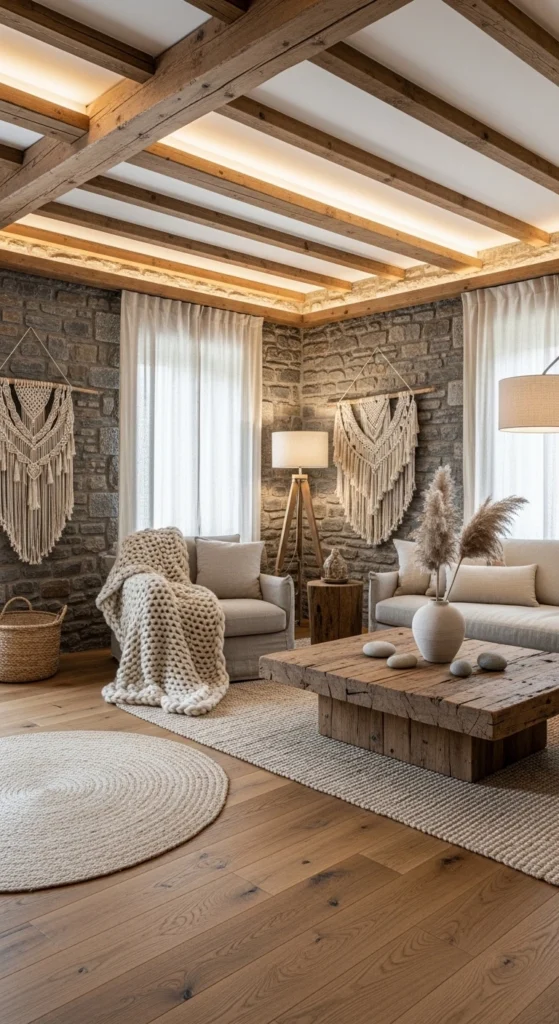
Natural materials ground a space. Wood, stone, and woven fibers add warmth and balance.
Use them in small ways. A stone bowl. A wood bench. A woven basket.
These items age well. Marks add character rather than damage.
Secondhand finds often shine here. Old wood has depth that new pieces lack.
Organic touches keep rooms from feeling cold or flat.
12. Minimal Window Treatments
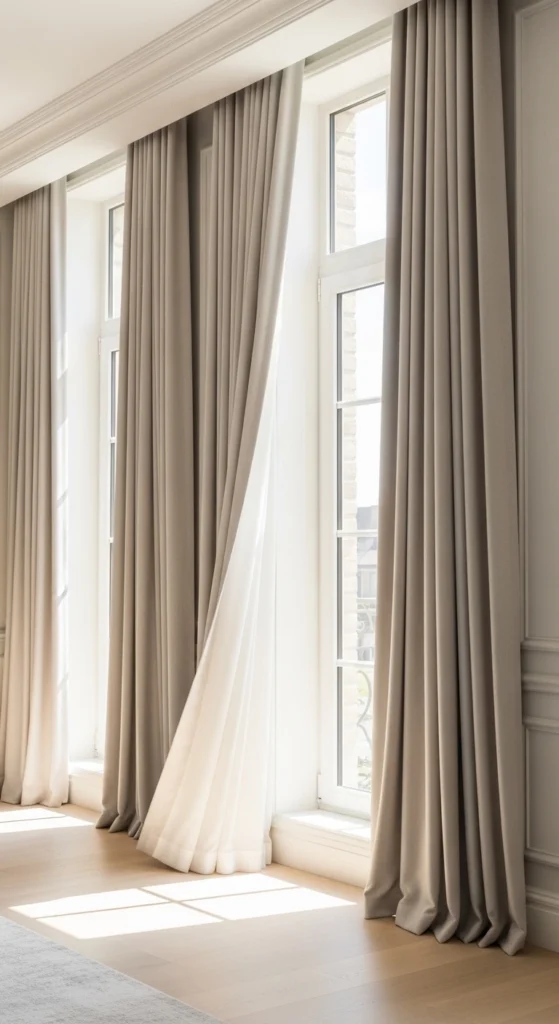
Window treatments shape light. Simple panels in soft fabric feel calm and intentional.
Hang them high and wide. This makes windows feel larger. Avoid heavy patterns.
If full curtains feel costly, start with one room. Even one change sets a tone.
Budget tip: use curtain clips with flat fabric. This creates a tailored look.
Soft light through fabric changes how rooms feel all day.
13. Refined Bedding Layers
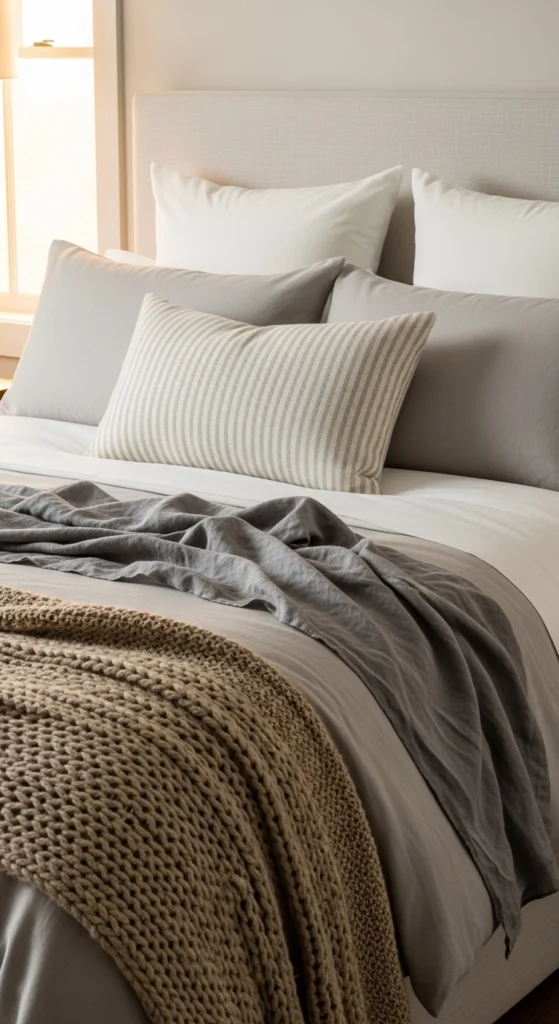
Bedrooms benefit from restraint. Neutral bedding with texture feels calm.
Layer sheets, a coverlet, and one throw. Limit pillows. Four or five is enough.
Choose fabrics that feel good. Cotton blends and linen mixes work well.
Refresh bedding by rotating covers seasonally. This keeps the space feeling cared for.
A calm bed sets the tone for the whole room.
14. Low-Profile Furniture
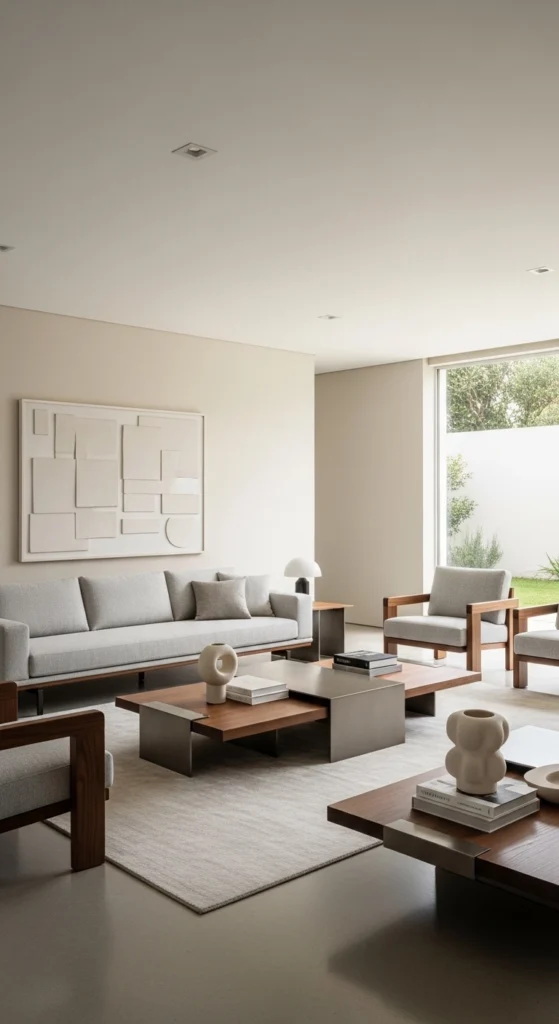
Low furniture feels modern and grounded. It opens sightlines and makes rooms feel larger.
Look for sofas with short legs or hidden bases. Coffee tables should sit low too.
This style works well in small spaces. It reduces visual clutter.
If replacing furniture is not an option, remove legs where possible. Even small changes shift proportions.
Low profiles bring calm and confidence.
15. Thoughtful Shelf Styling
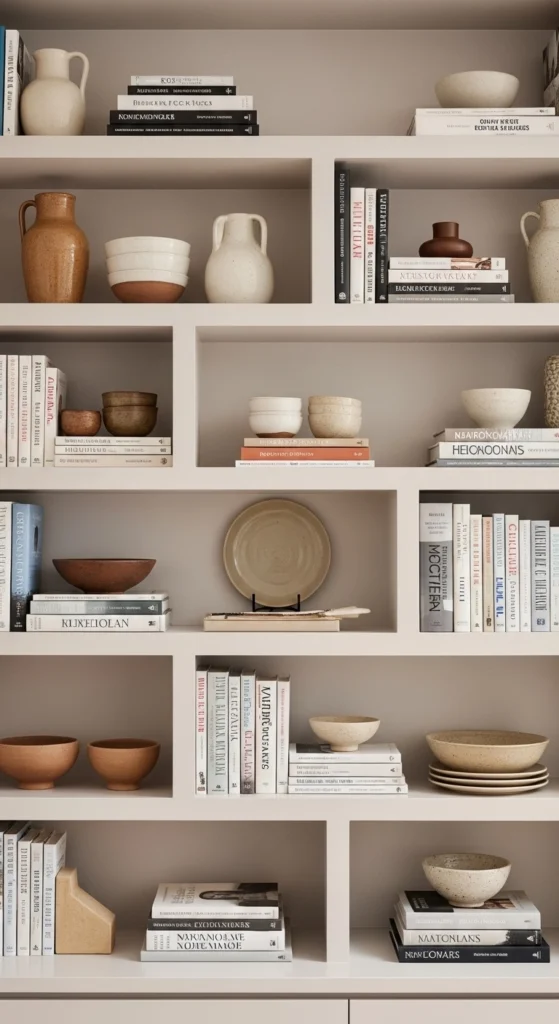
Shelves should breathe. Leave space between items. Mix vertical and horizontal books.
Use neutral book covers or turn spines inward for calm. Add one sculptural piece per shelf.
Avoid filling every inch. Space reads as intention.
Rotate items over time. This keeps shelves feeling fresh.
Well-styled shelves feel curated, not crowded.
16. Soft Upholstered Accent Chairs
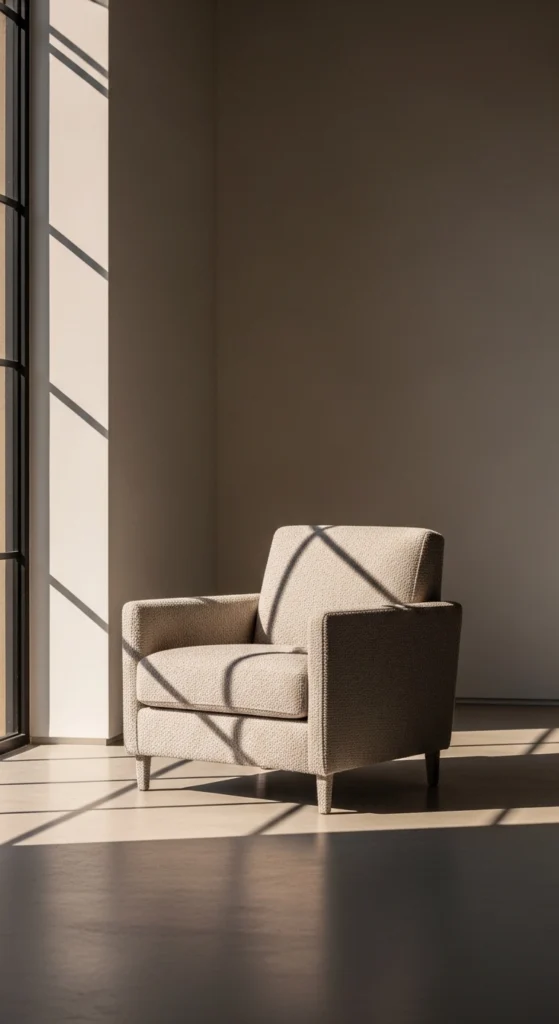
Accent chairs add comfort and form. Choose simple shapes with soft fabric.
Place them near windows or corners. They create quiet moments.
If buying new feels expensive, reupholster an old chair. Neutral fabric updates it fully.
One good chair beats two average ones.
Comfort and shape together feel thoughtful.
17. Subtle Scent Styling
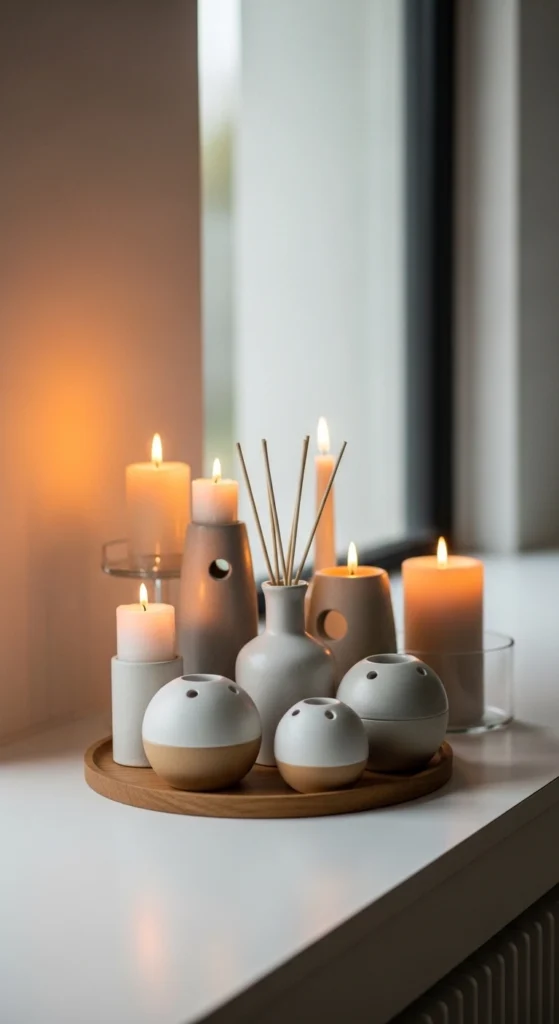
Scent shapes experience. Keep it soft and clean. Use one scent per space.
Simple ceramic diffusers or candles work well. Avoid mixing too many.
Store extras out of sight. Visual calm matters here.
A consistent scent makes rooms feel cared for.
18. Refined Entryway Moments
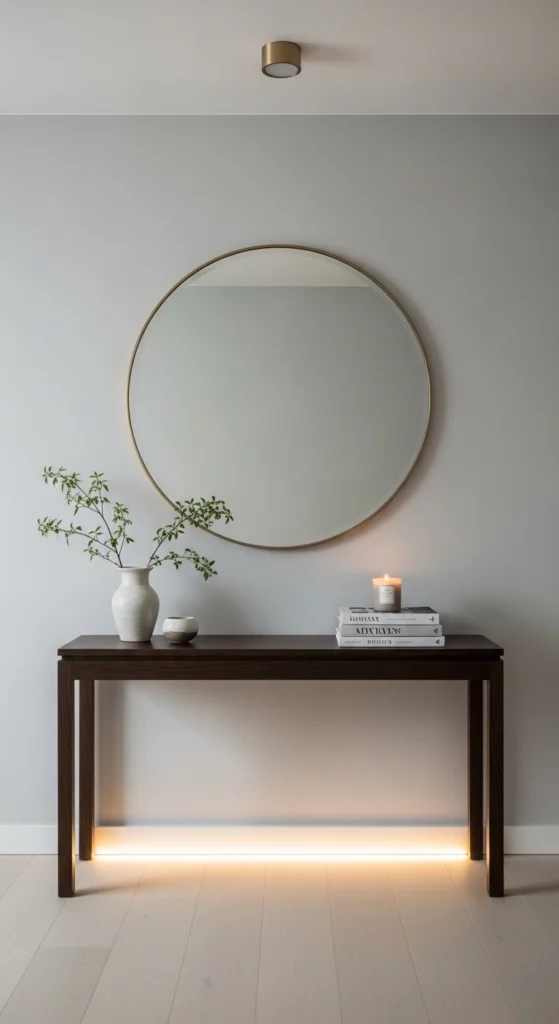
Entryways set the tone. Keep them clear and purposeful.
A slim console, mirror, and lamp are enough. Add one tray for keys.
Rugs help define the space. Choose durable neutrals.
Even small entries feel intentional with restraint.
19. Cohesive Hardware Updates
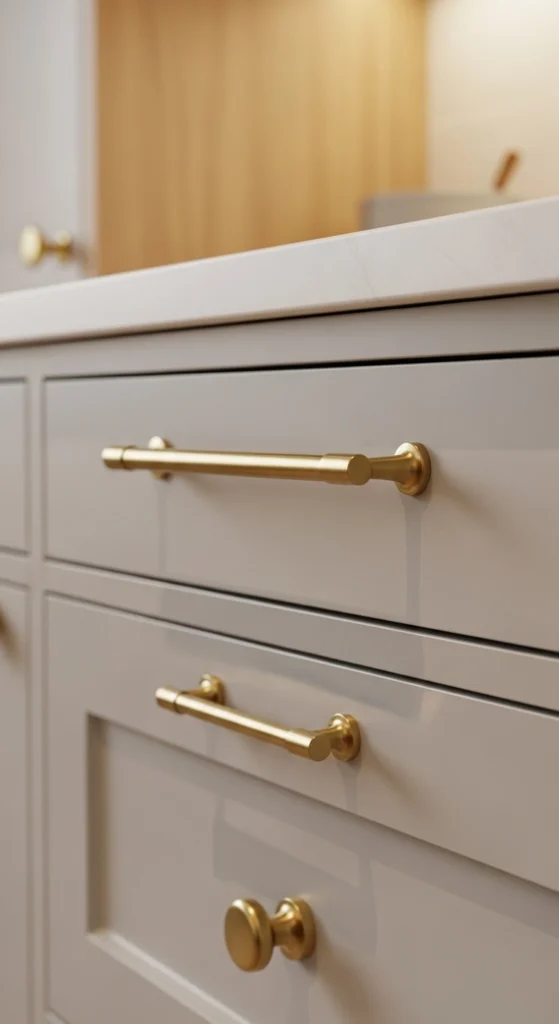
Hardware acts like jewelry. Matching finishes across rooms creates flow.
Swap knobs and pulls first. This small change feels big.
Stick to one tone. Consistency matters more than style.
Budget sets exist. Focus on feel and weight.
Unified hardware quietly ties spaces together.
20. Decluttered Surfaces
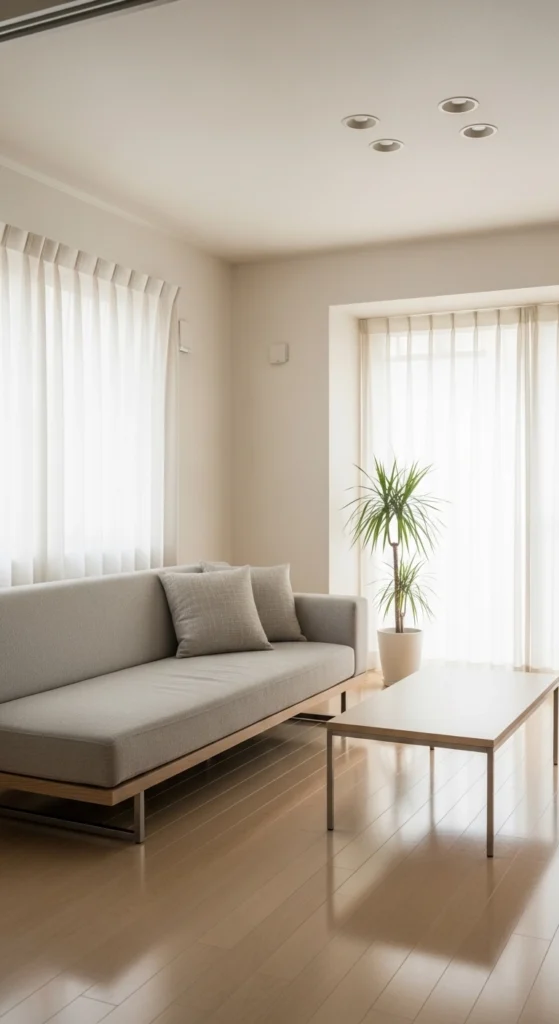
Clear surfaces signal calm. Remove what you do not use daily.
Store items in closed storage. Visual quiet helps rooms breathe.
Edit regularly. Less shows more.
This habit costs nothing and changes everything.
21. Intentional Negative Space
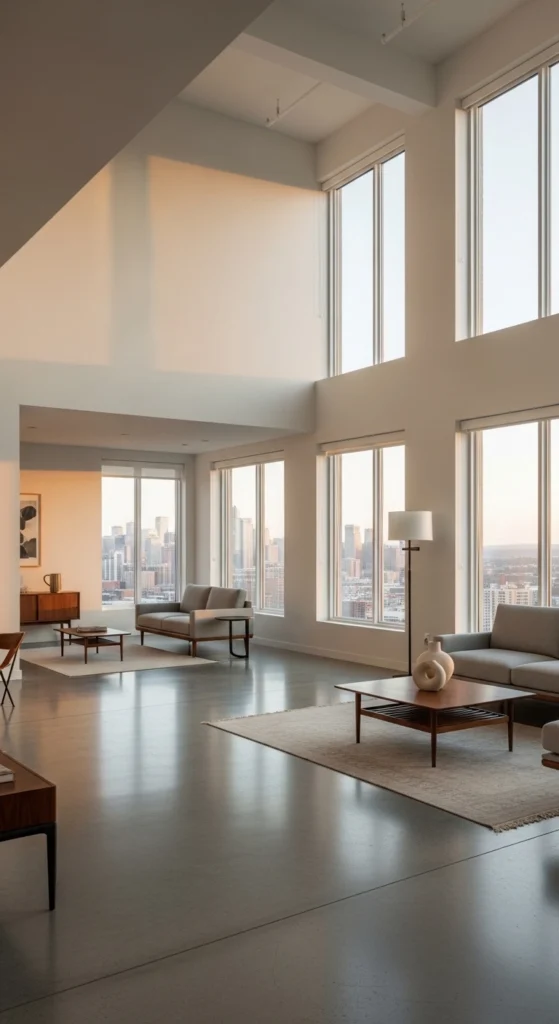
Space itself is a design element. Leaving areas open adds confidence.
Avoid filling every corner. Let furniture stand alone.
This makes rooms feel thoughtful and relaxed.
Premium spaces often feel quieter. Space allows that feeling to exist.
Conclusion
Luxury home decor today comes from intention, not excess. Thoughtful choices, calm palettes, and edited spaces shape rooms that feel premium and personal. Start small. Change one element. Edit what you already own. Over time, these choices add up to a home that feels confident, comfortable, and quietly refined.