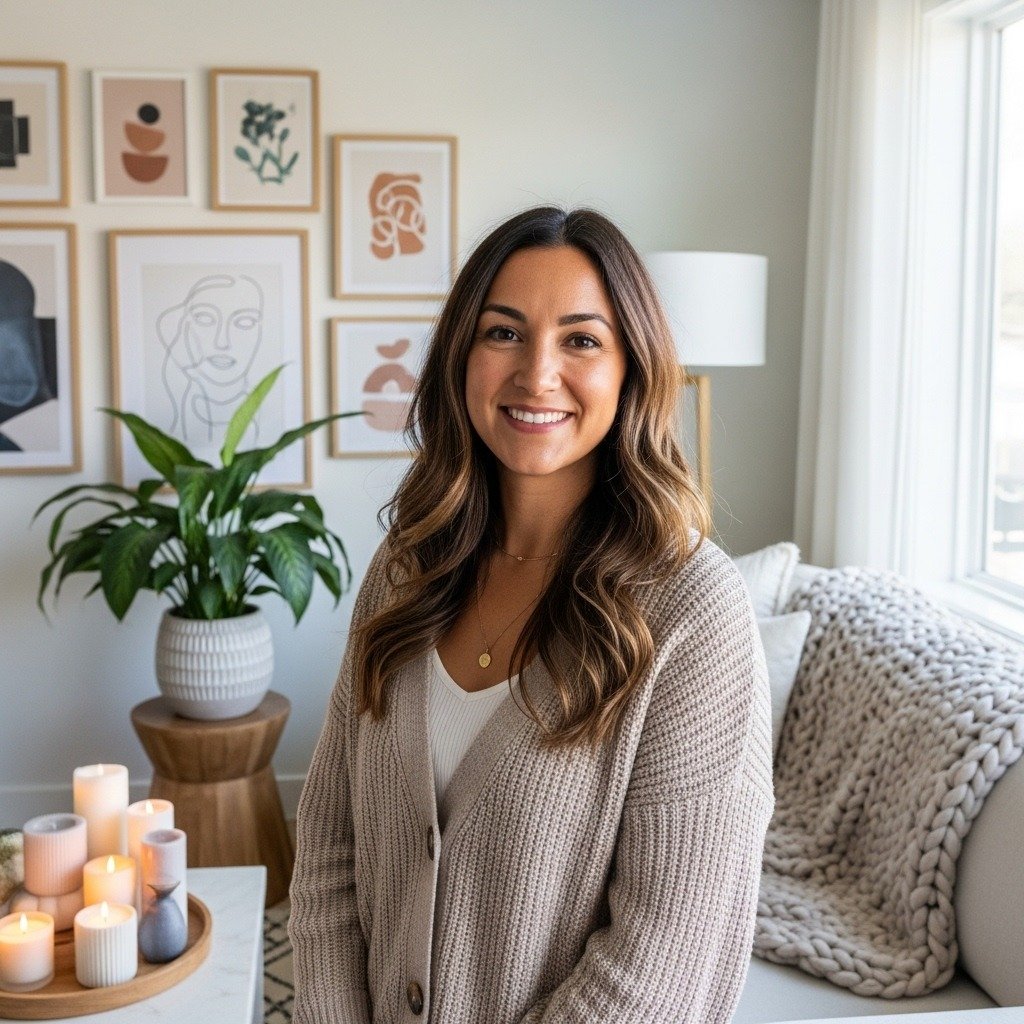

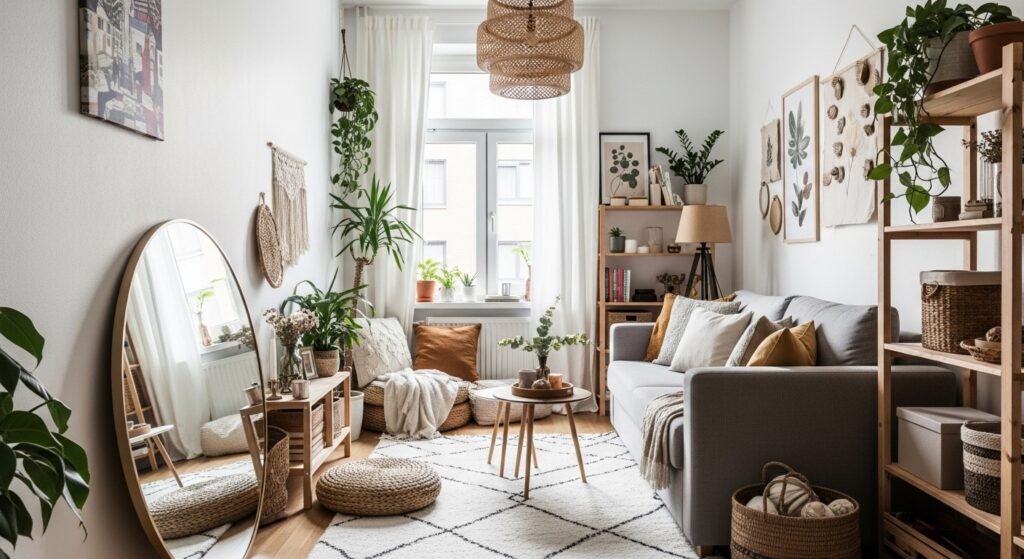
My living room had nice furniture but it still felt like a waiting room. Took me embarrassingly long to figure out it was missing texture. Every surface was smooth, every color was flat, and nothing invited you to actually sit down. That one throw and a pair of linen pillows changed everything and left me looking at the rest of the apartment with fresh eyes.
These ideas lean cozy-modern with a hint of vintage warmth. Most projects run under $75, with a few splurges around $100-150. They work for living rooms, bedrooms, narrow entryways, and any small space that needs smarter scale and storage.
Layered Throws and Pillows for Instant Warmth
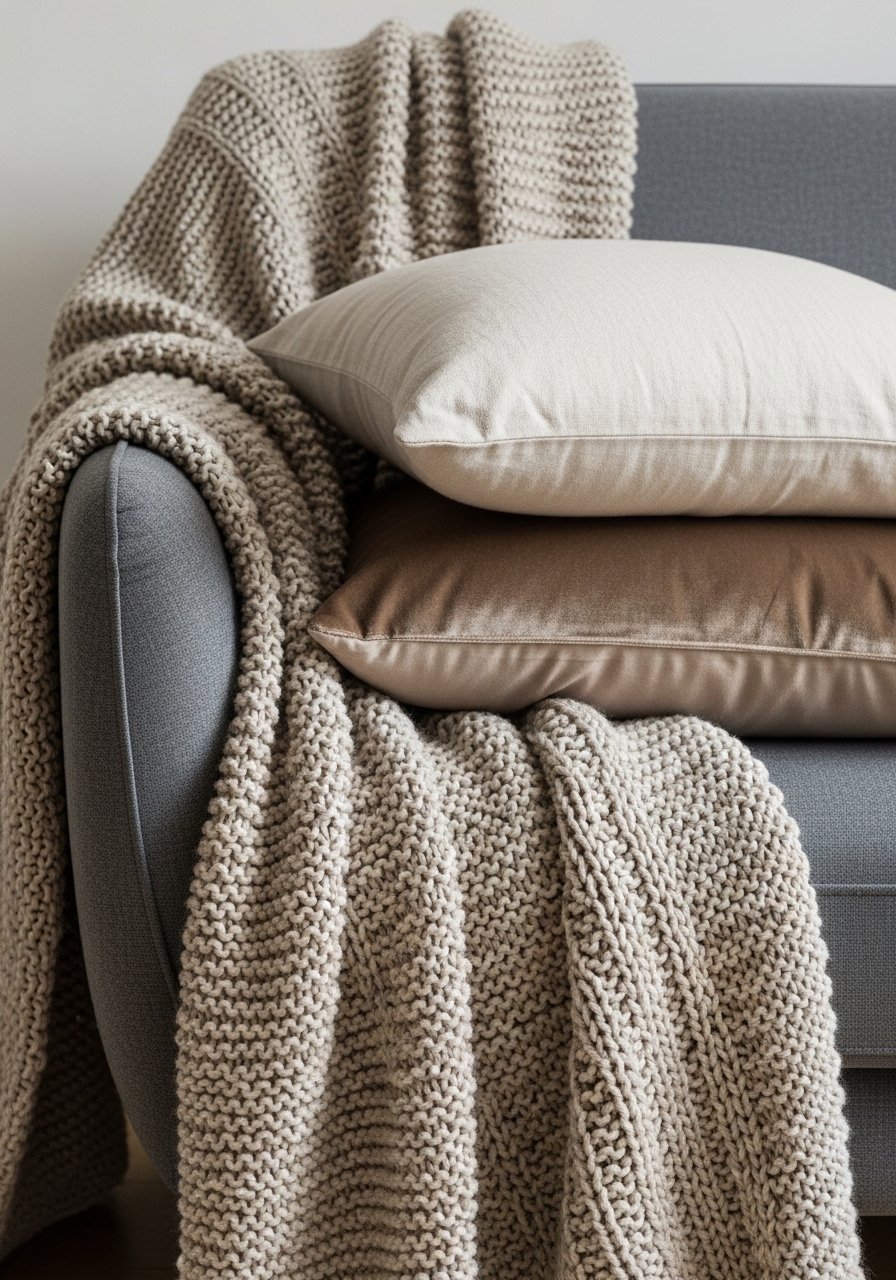
The moment I draped a chunky knit throw over the arm of my gray sofa, the whole room stopped looking flat. Layer one large 50 by 60 inch throw, one 22-inch linen pillow, and one 18-inch velvet pillow for the rule of three to read as intentional. I like the cream chunky knit because it brightens small rooms without adding pattern. Chunky knit throw in cream works for couches and window seats. Common mistake is using too many small pillows which creates clutter. A detail most articles skip, measure pillow depth and aim for 3 to 4 inches of negative space between pillows so they look layered not stuffed.
Floor-To-Ceiling Curtains To Add Height
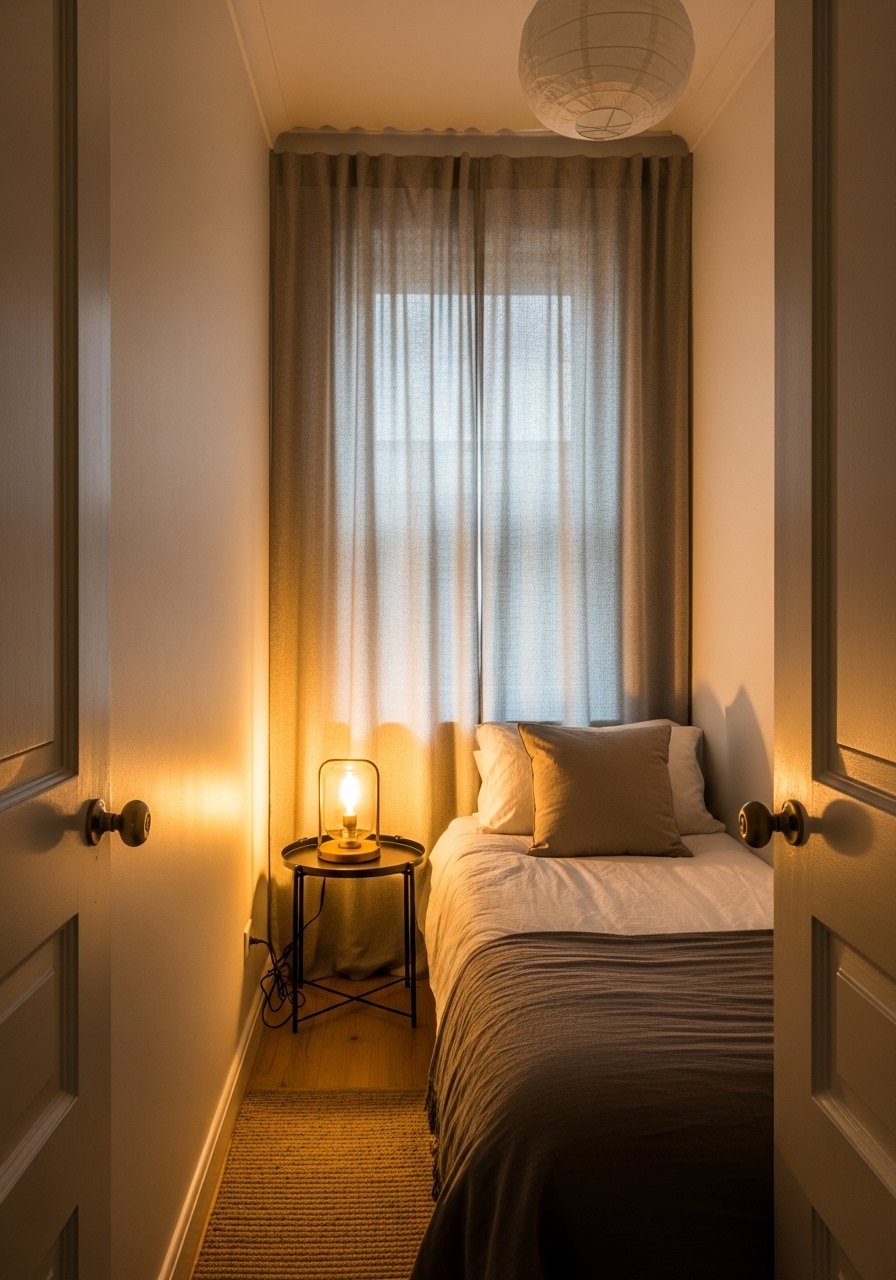
Most people hang curtains right at the window frame. That is why their rooms look shorter than they are. Hang panels 6 to 8 inches above the frame and let them kiss or puddle on the floor to make ceilings read taller. For 8 to 9 foot ceilings I use 96-inch linen panels. Budget is about $30 to $50 per panel. A mistake is choosing heavy patterns that overwhelm a tiny room. A small detail I use, double up sheer and opaque panels on one rod for daytime privacy while keeping natural light.
Gallery Wall With Picture Ledges For Easy Swaps
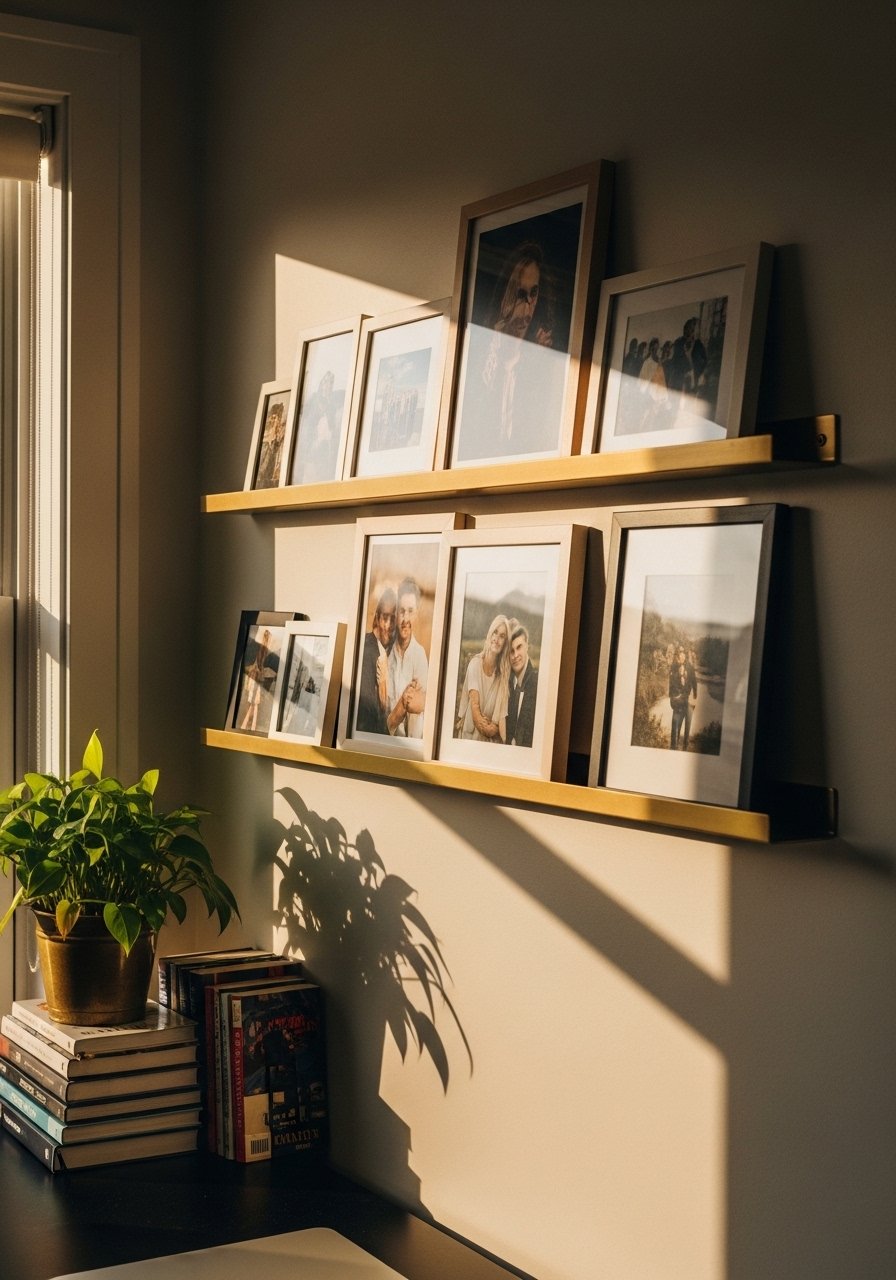
I found these brass picture ledges on Amazon for under $20 and they solved my gallery wall commitment problem. Install a single continuous ledge at two thirds of sofa height and swap art in seconds. Brass picture ledges set keeps nail holes to a minimum. This creates casual cohesion in a studio or bedroom and looks great with a 60/40 mix of art and objects. People often try to center every frame, which makes the display stiff. Try staggering pieces with at least 2 inches between frames and include one leaner piece for depth.
White Oak Floating Shelves For Vertical Storage
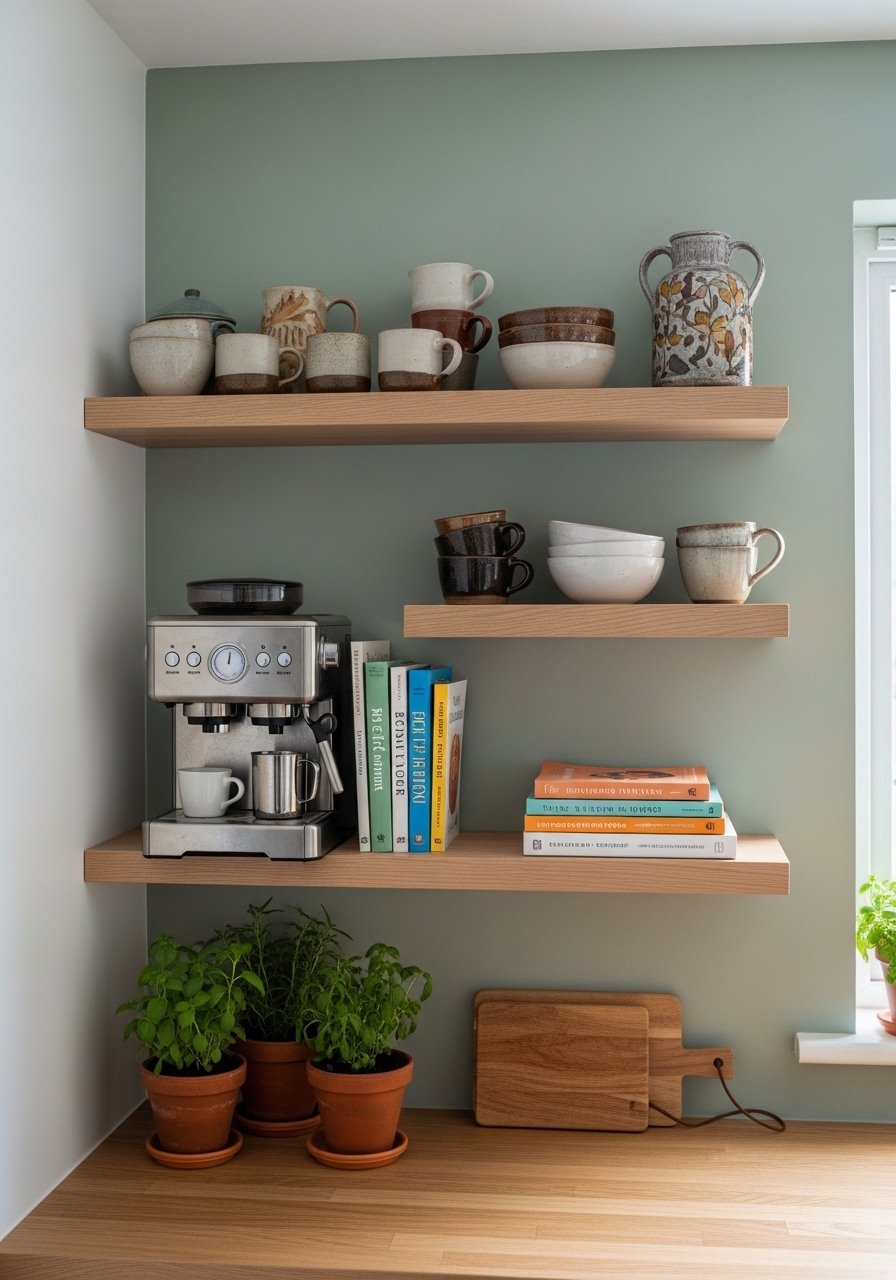
White oak shelves make a small wall feel edited not crowded. I use narrow 6 to 8 inch deep shelves so they do not stick into walkways. White oak floating shelves are sturdy and look current. Budget is typically $30 to $80 per shelf depending on length. The problem this idea solves is cluttered counters in tiny kitchens. A specific ratio I stick to is three shelves per vertical run with spacing of 12 to 14 inches between them for usable height. Avoid the common mistake of overfilling each shelf. Leave negative space, and mix objects with at least one living or green element per shelf.
Oversized Mirror To Brighten Dark Corners
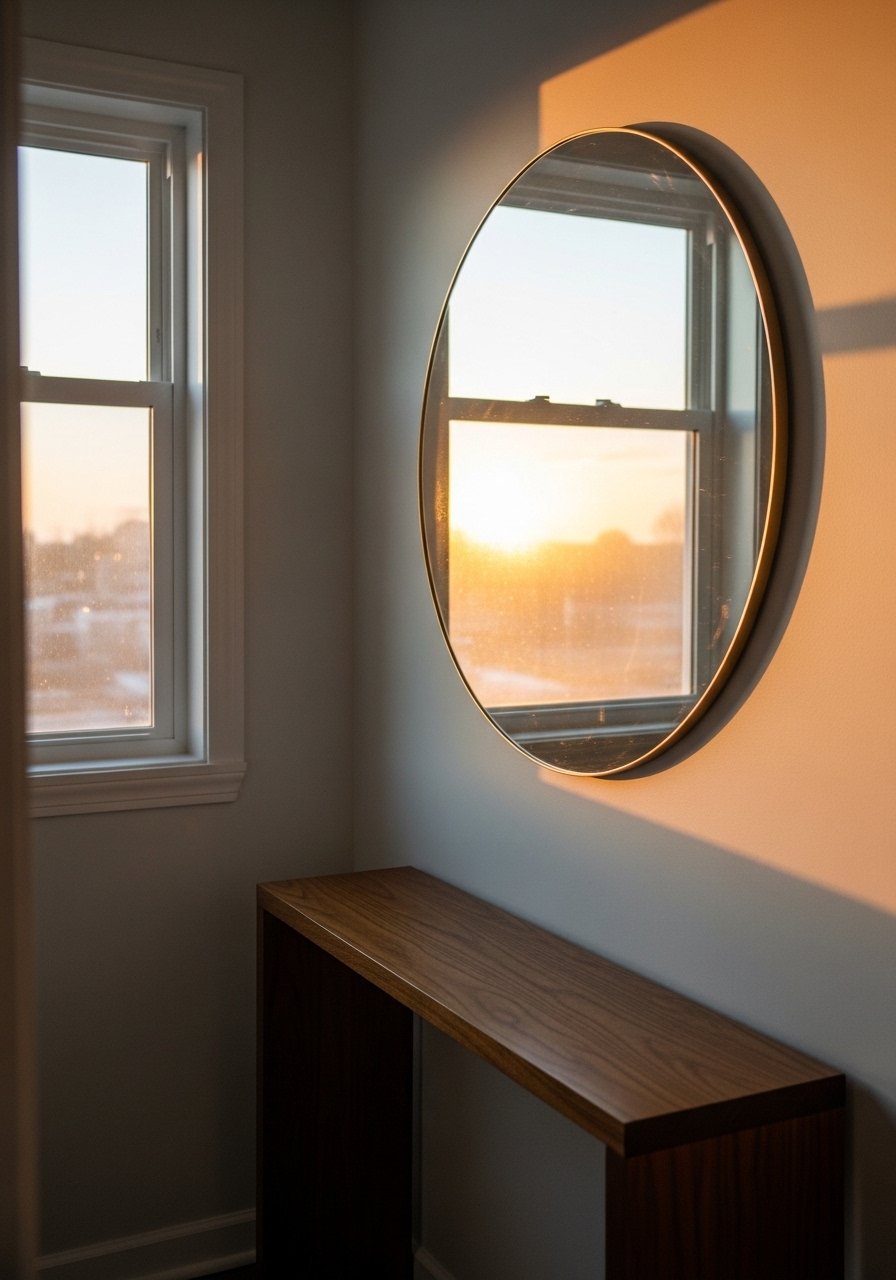
An oversized mirror reflected light into the darkest corner of my apartment and instantly made traffic flow feel intentional. Aim for a mirror about two thirds the width of the console or vanity it sits above. 36-inch round mirror is the size I chose for a narrow hall. Mirrors are a relatively low budget fix under $120 that make small spaces feel double their size visually. People often hang mirrors too high. Set the center at eye level or lean one against the wall for a more relaxed look. Pair the mirror with a small plant for scale.
Storage Ottoman That Doubles As Extra Seating
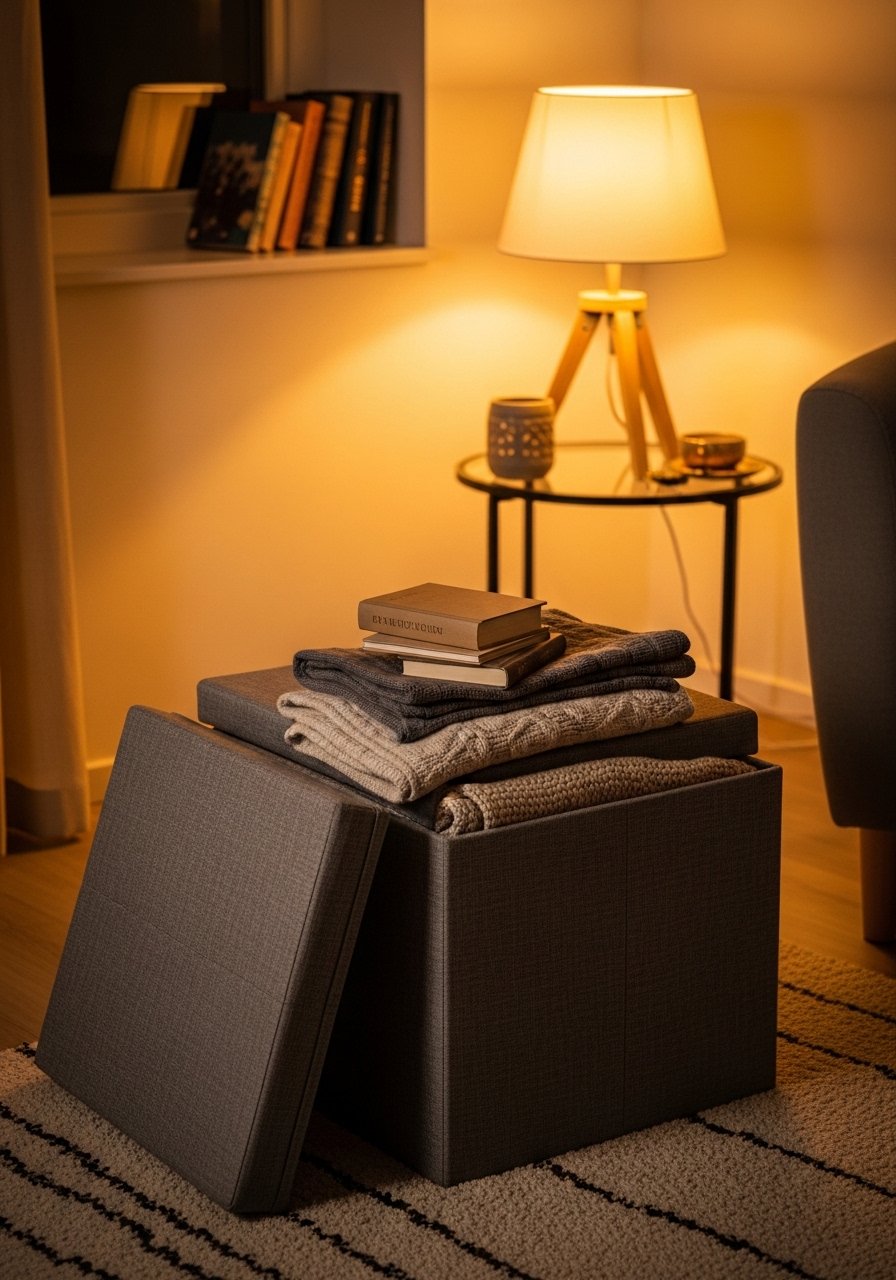
My entryway used to be a dumping ground for keys and shoes. One storage ottoman changed everything and also provides extra seating when friends visit. Fabric storage ottoman with lift top keeps blankets and magazines out of sight. Budget varies between $60 and $150. Avoid buying an ottoman that is too low compared to sofa height; it should sit within 2 inches of the sofa seat to feel intentional. A useful detail: choose one with internal compartments or dividers so smaller items do not disappear into a fabric cave.
DIY Pegboard Command Center For Small Entryways
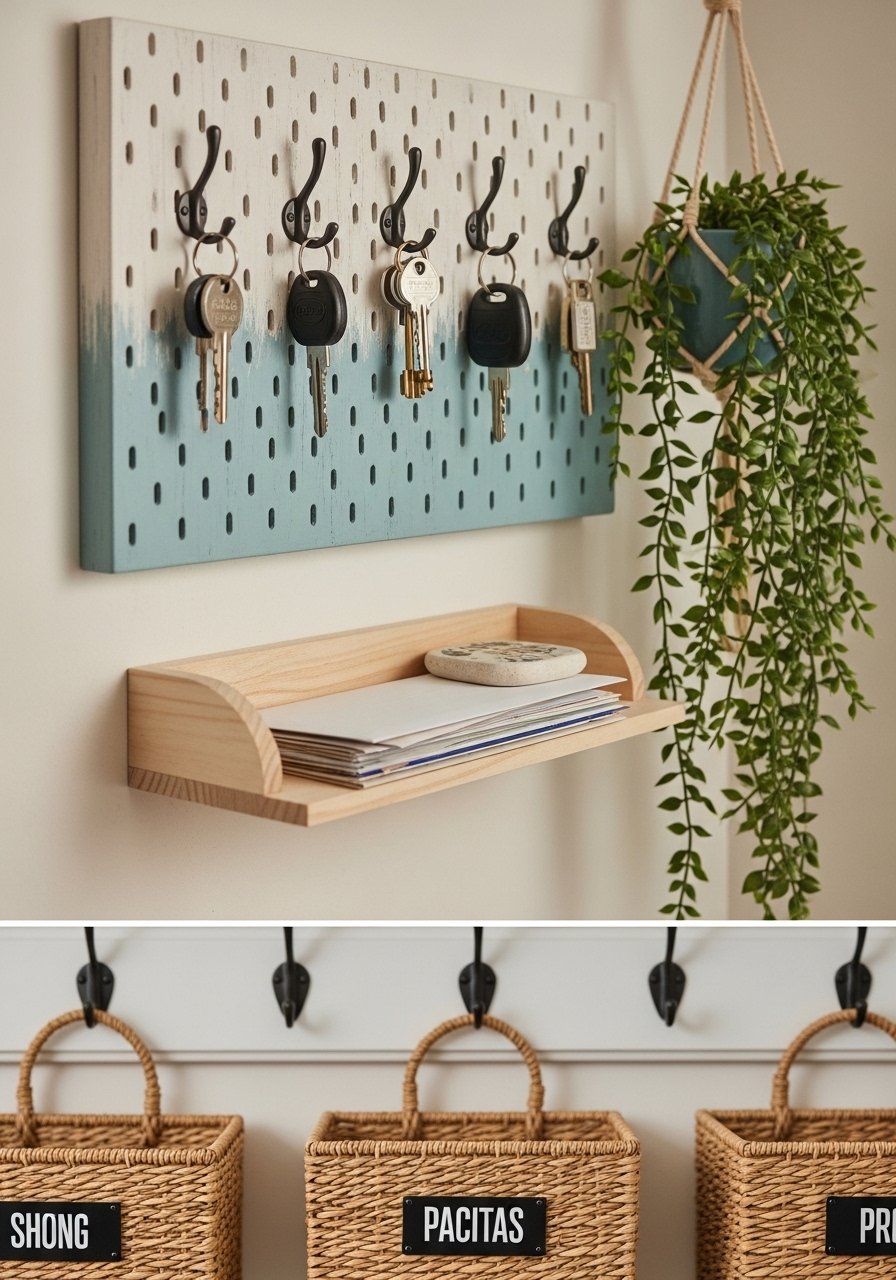
A painted pegboard turned my narrow entry into an organized drop zone that still looks styled. Use a pegboard no larger than 24 by 36 inches and set it at eye height for easy access. I painted mine a soft neutral to blend with the wall and added pegboard hooks and baskets for the essentials. The budget is under $50 for a basic kit. People cram every hook full which becomes visual noise. Keep three active hooks max and swap seasonal items. A small trick is to use two labeled baskets, one for outgoing and one for incoming mail.
Narrow Console Table To Define Small Hallways
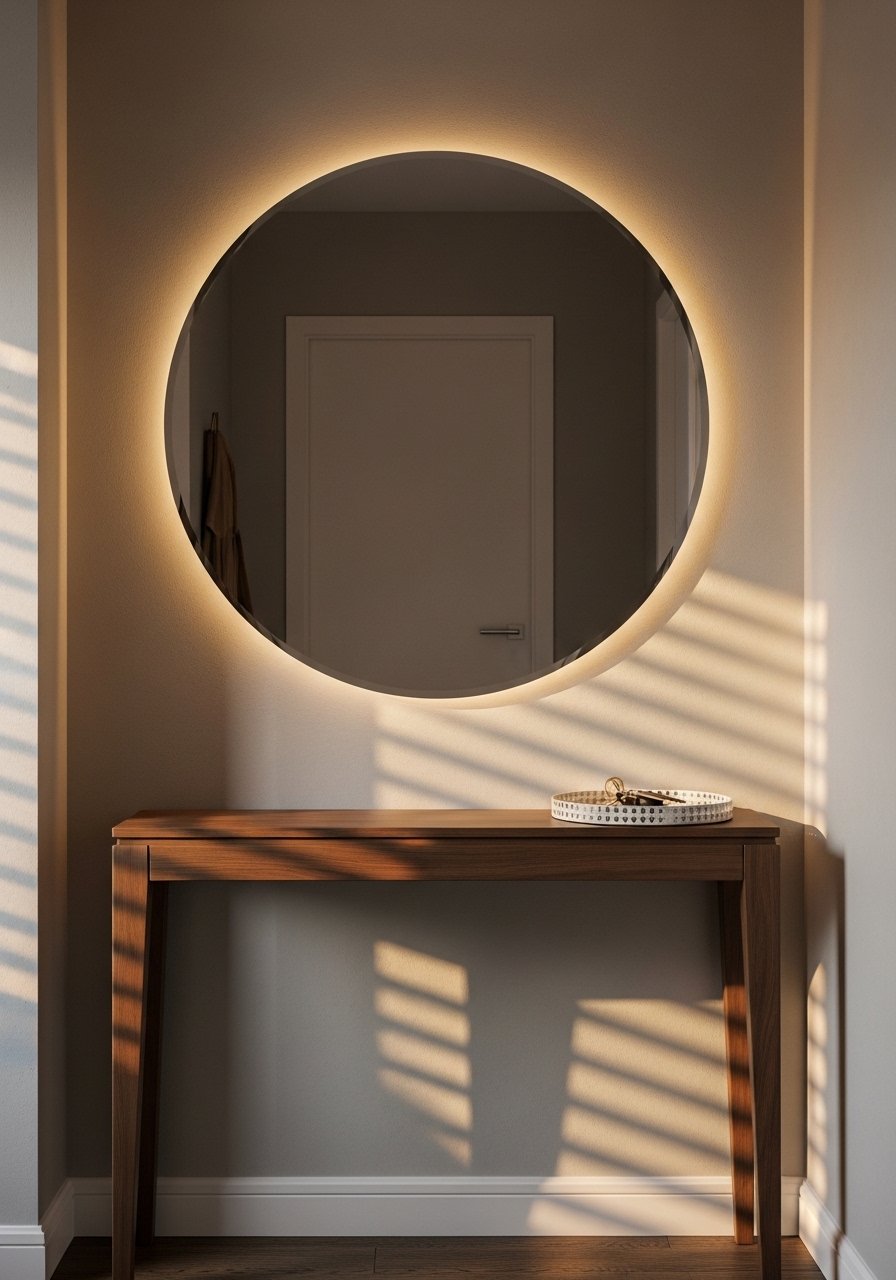
My hallway felt aimless until I added a slim 10 to 12 inch deep console. It creates a landing without eating walkway space. Narrow console table in a walnut finish matched my wood tones and cost about $80. A common mistake is decorating the top with too many tall pieces which blocks flow. Keep one anchor like a lamp and a small tray for change. For scale, the table should be about 70 to 80 percent of the mirror width above it for balance.
Vertical Plant Display For Natural Height
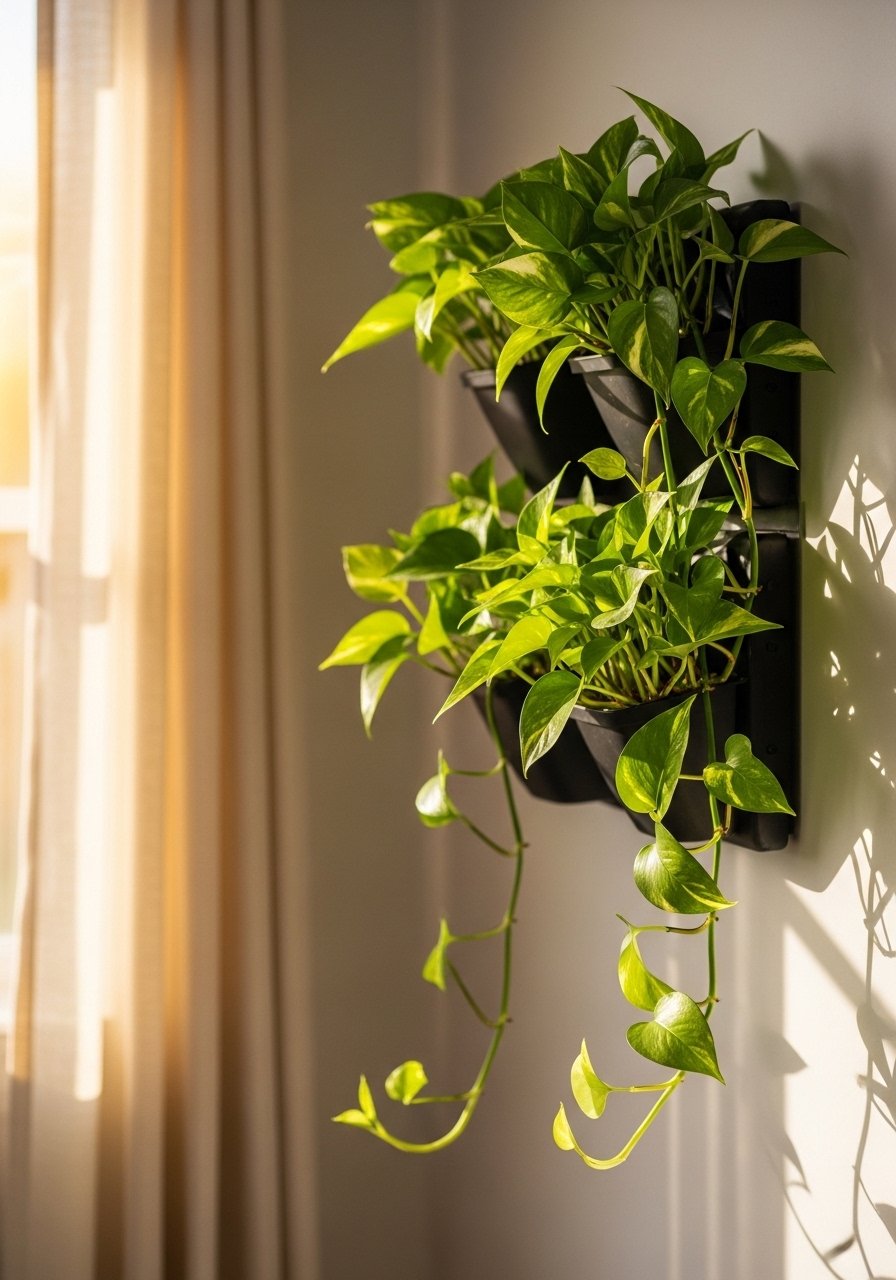
There is something about a reading nook with layered pillows that makes you want to cancel your plans. Vertical planters bring life without taking floor space. Use staggered planters with trailing plants to create movement. I like wall planters for vertical gardens that have drainage built in. Budget runs $20 to $60 for a 3-pack. A frequent mistake is planting thirsty species on a dry wall planter. Pick pothos or snake plants for low maintenance. One neat detail, mount the top planter so the whole run starts 12 inches below the ceiling to read taller.
Under-Bed Storage Drawers For Seasonal Swap
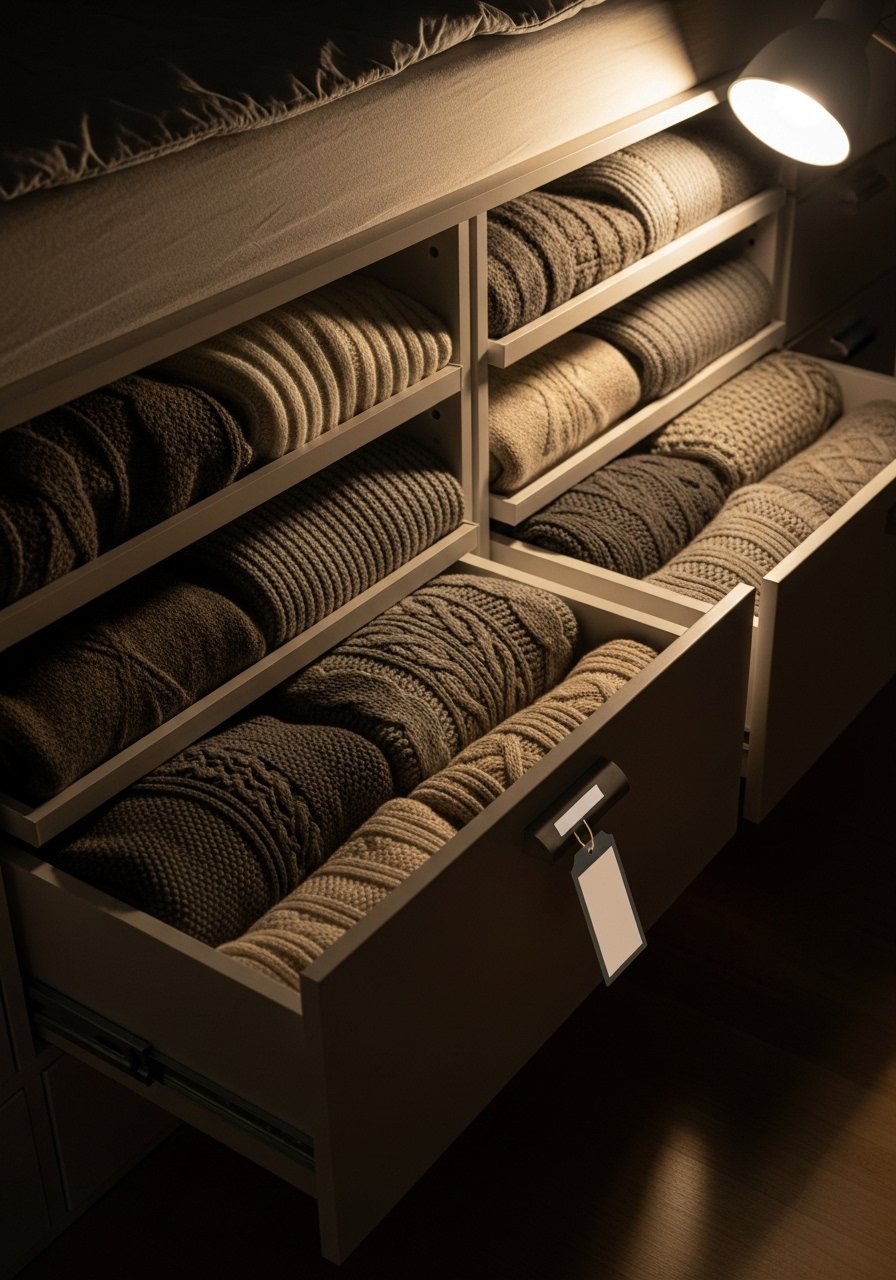
Tiny bedrooms suffer when everything is visible. Under-bed drawers let you rotate seasonal items without crowding the closet. Measure clearance under your bed first; most roll-out drawers need 7 to 9 inches of height. I use rolling under-bed storage bins that lock in place. Cost is usually $20 to $40 per bin. The mistake is buying shallow bins that do not hold folded blankets. A little pro tip, use labeled fabric covers so you can find what you need without opening every drawer.
Layered Rugs To Define Zones In One Room
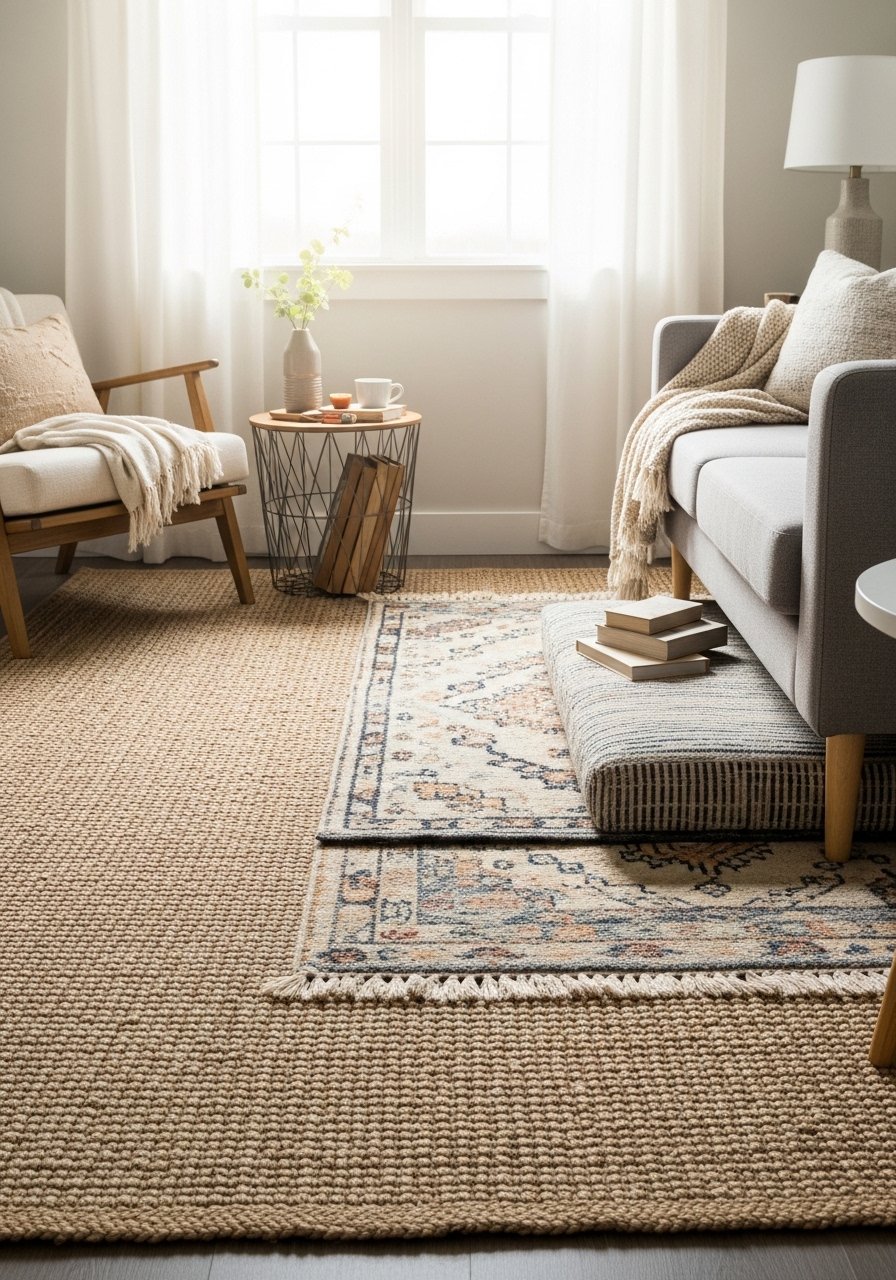
Bigger than you think. For a studio, an 8×10 primary rug anchored under the front legs of furniture prevents the space from floating. On top, add a small patterned rug to give the seating area a focal point. 8×10 jute rug is neutral and durable. Total budget around $100 to $250 depending on material. People often buy rugs that are too small which makes furniture feel disconnected. A detail most guides miss, if you layer, keep the top rug at least 3 feet shorter in both directions for a nested look.
Slim Sofa Or Apartment-Friendly Seating For Flow
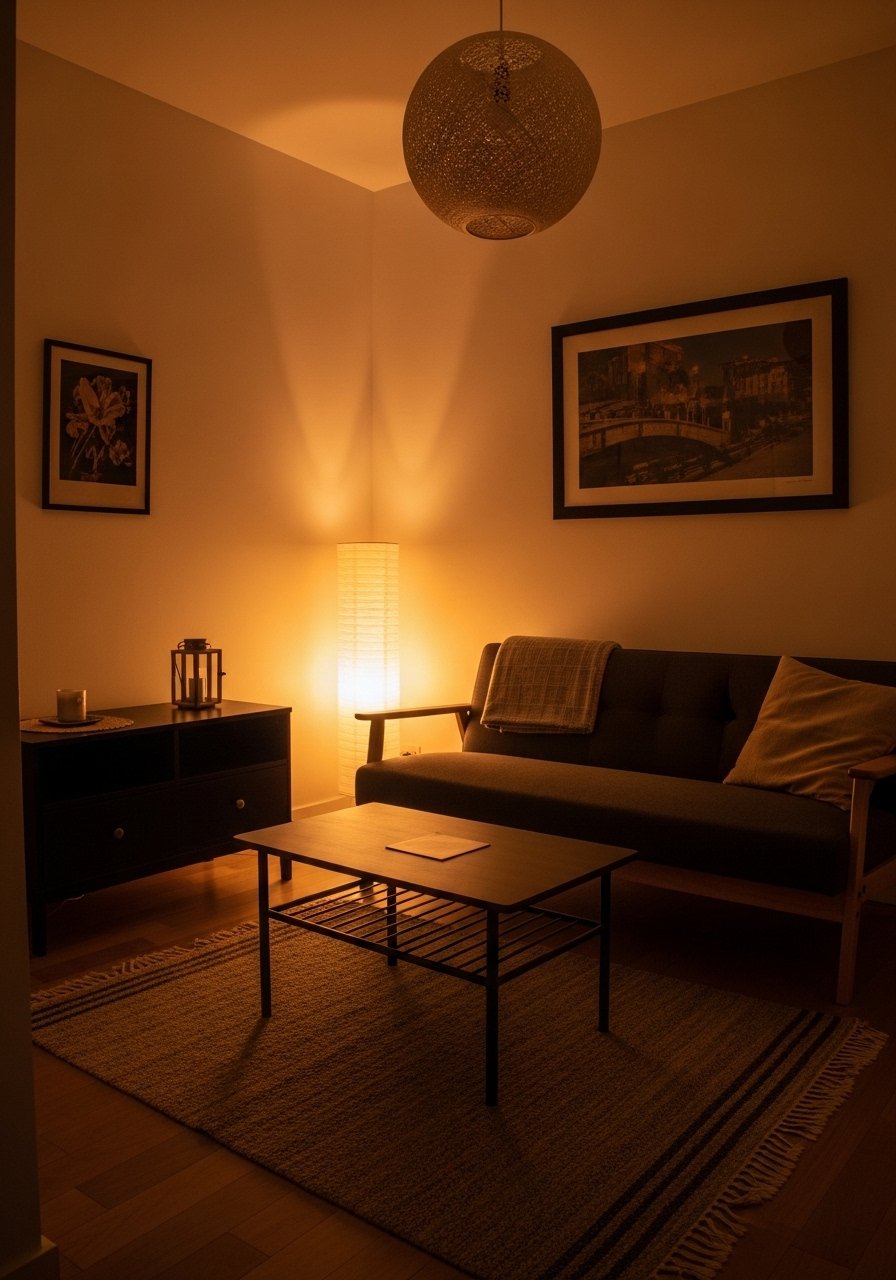
I replaced my bulky sofa with a slim-profile apartment couch and suddenly there was breathing room. Look for seat depth under 22 inches and arm widths under 6 inches to save walkway space. Apartment-friendly sofa options run $300 to $900 depending on fabric. The mistake is keeping the sofa too far from the wall to make the room feel balanced. Pull it back 3 to 6 inches and leave 12 to 18 inches between coffee table and sofa for comfortable movement.
Magnetic Racks To Free Up Counter Space In Tiny Kitchens
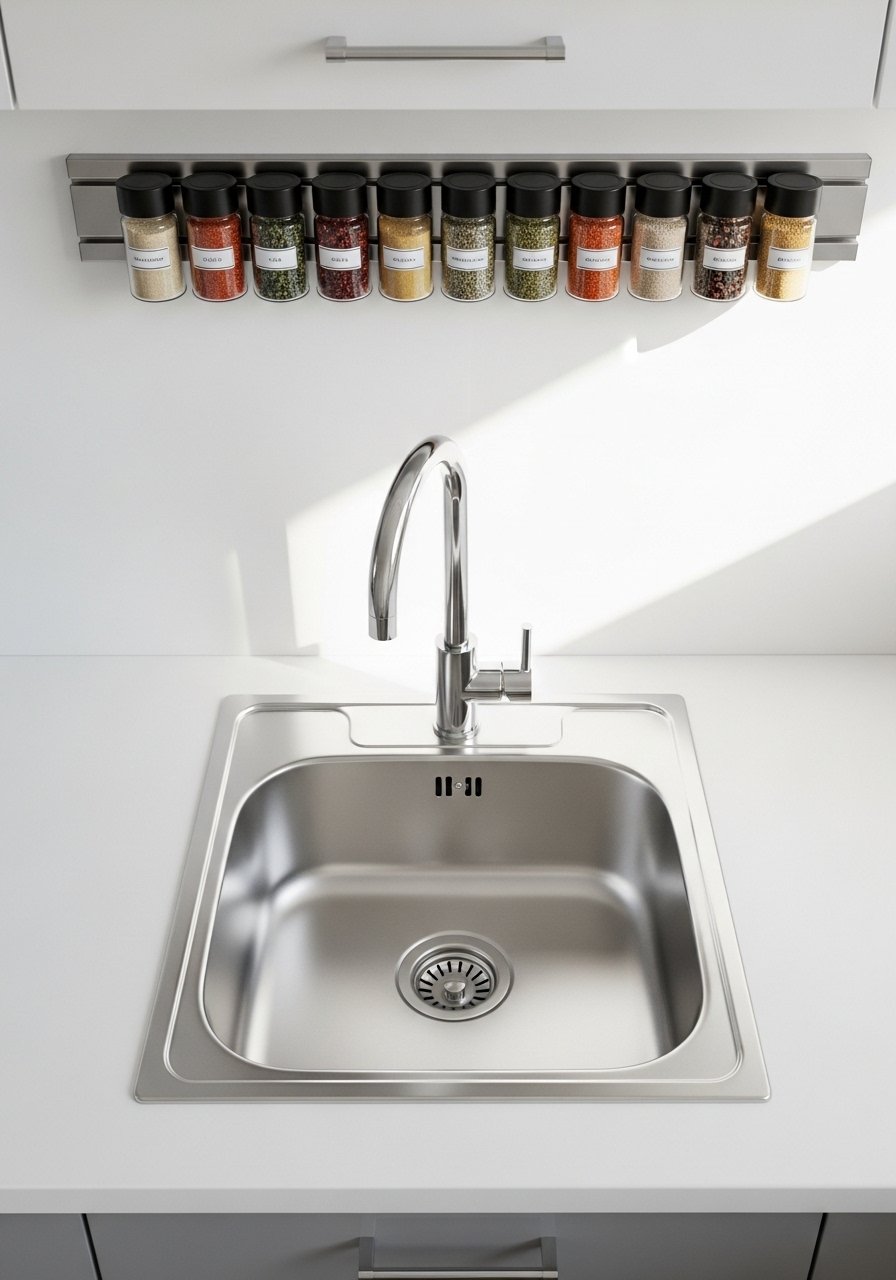
Tiny kitchens kill my vibe when every spice jar lives on the counter. A magnetic spice rack mounted on the backsplash or fridge takes clutter off counters and keeps cooking efficient. Magnetic spice rack set is under $30. The common mistake is putting it too high. Place the bottom row at about 48 inches so you can read labels without reaching. One detail I like to do, use uniform labeled jars for a cleaner look that still lets you find what you need.
Mix Metallics For Subtle Interest In Small Rooms
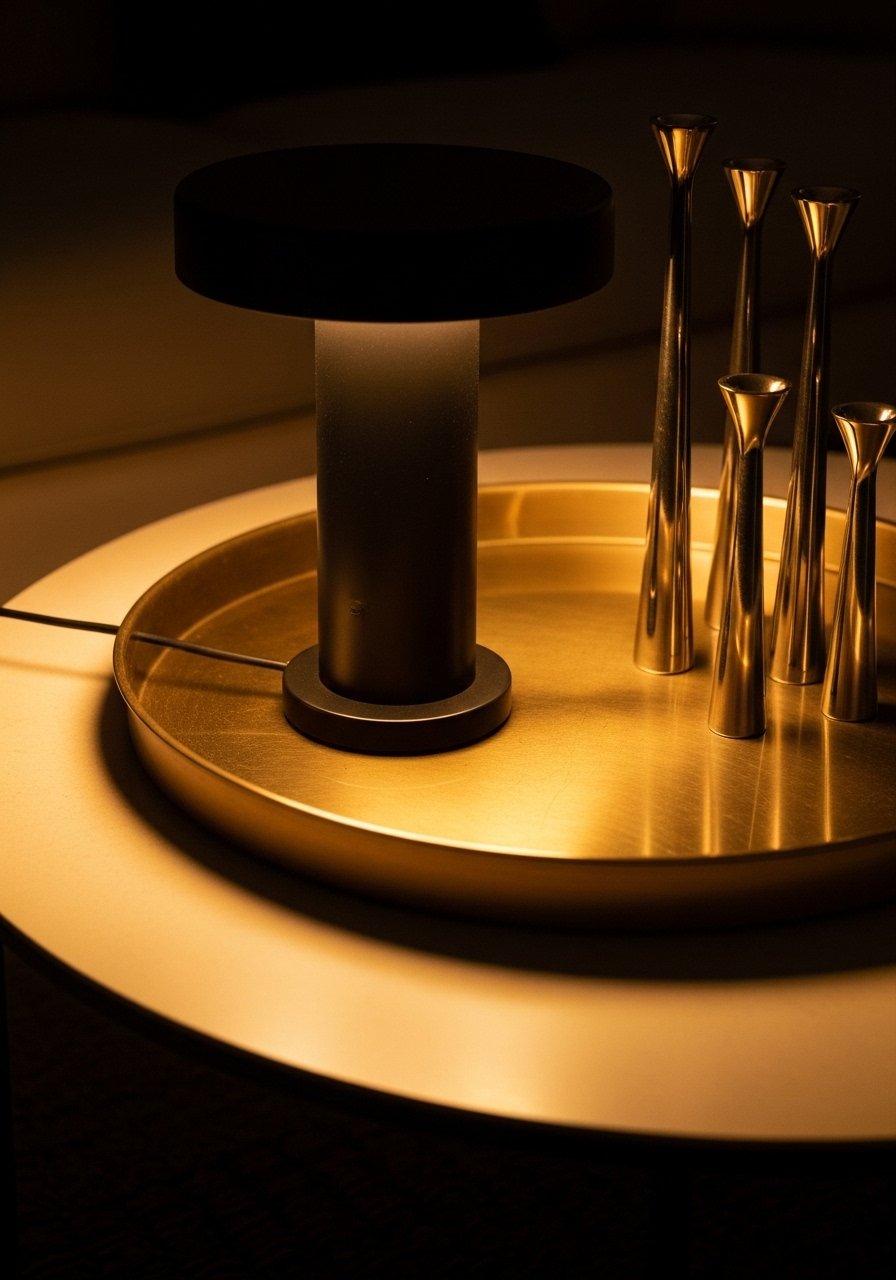
Mixing metals makes a small space feel layered not fussy. I use a primary metal like brass, then a secondary accent like matte black for contrast. Mixed metal frames and small accessories help tie different finishes together. Budget depends on piece size but you can start small under $30. A mistake is matching everything which reads flat. Try one bold metal and two smaller accents in another finish. A detail others skip, use a tiny metallic object on a stack of books to echo the primary metal.
Plug-In Wall Lamps To Save Table Space
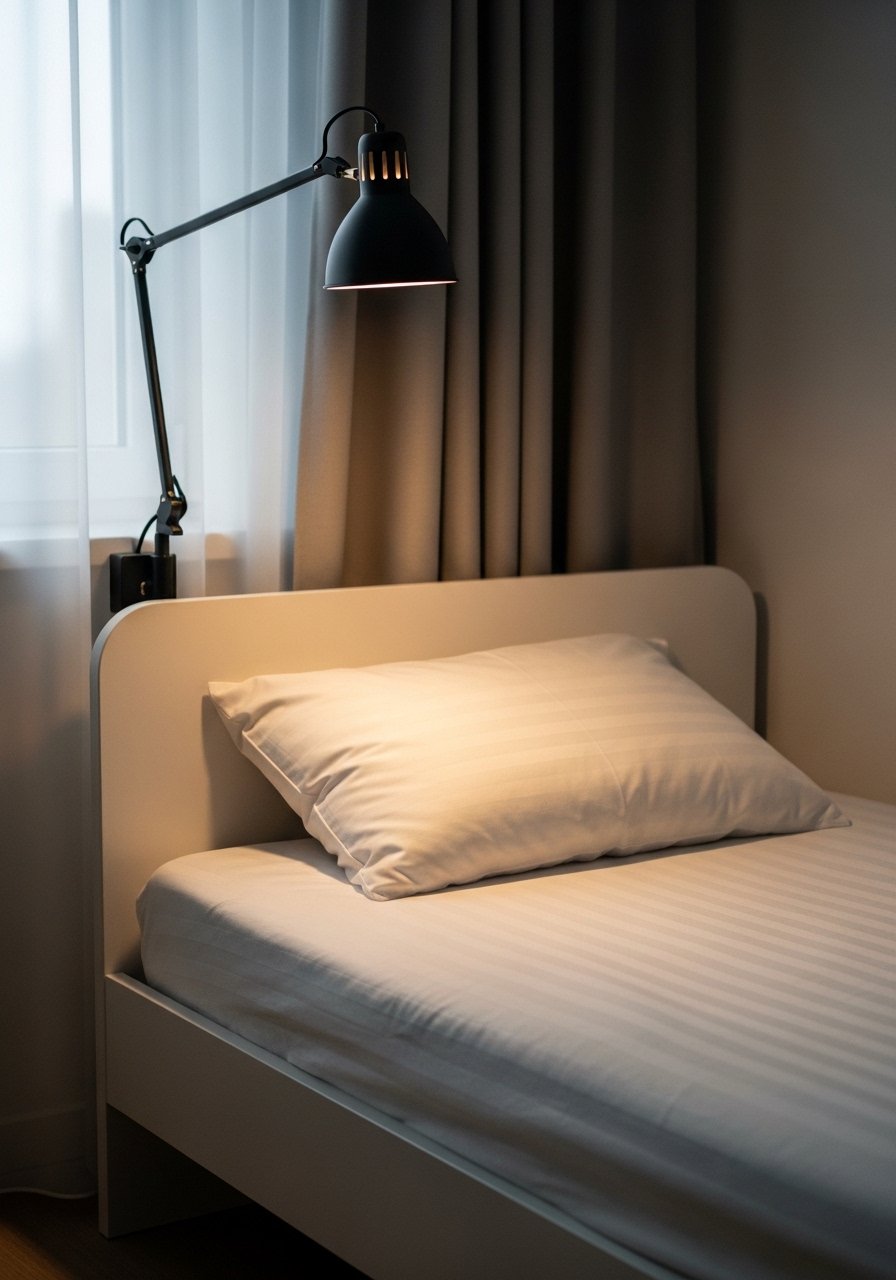
Table lamps take valuable surface area. Plug-in swing arm lamps mount to the wall and provide reading light while freeing nightstand real estate. Plug-in swing arm wall lamp is an easy renter-friendly upgrade. Expect $30 to $80 per lamp. People often place lamps too low. Set the bulb center at about 54 inches from the floor for comfortable reading. A small tip, use an Edison style bulb for softer light without adding another shade.
Headboard Pegboard For Lights And Books
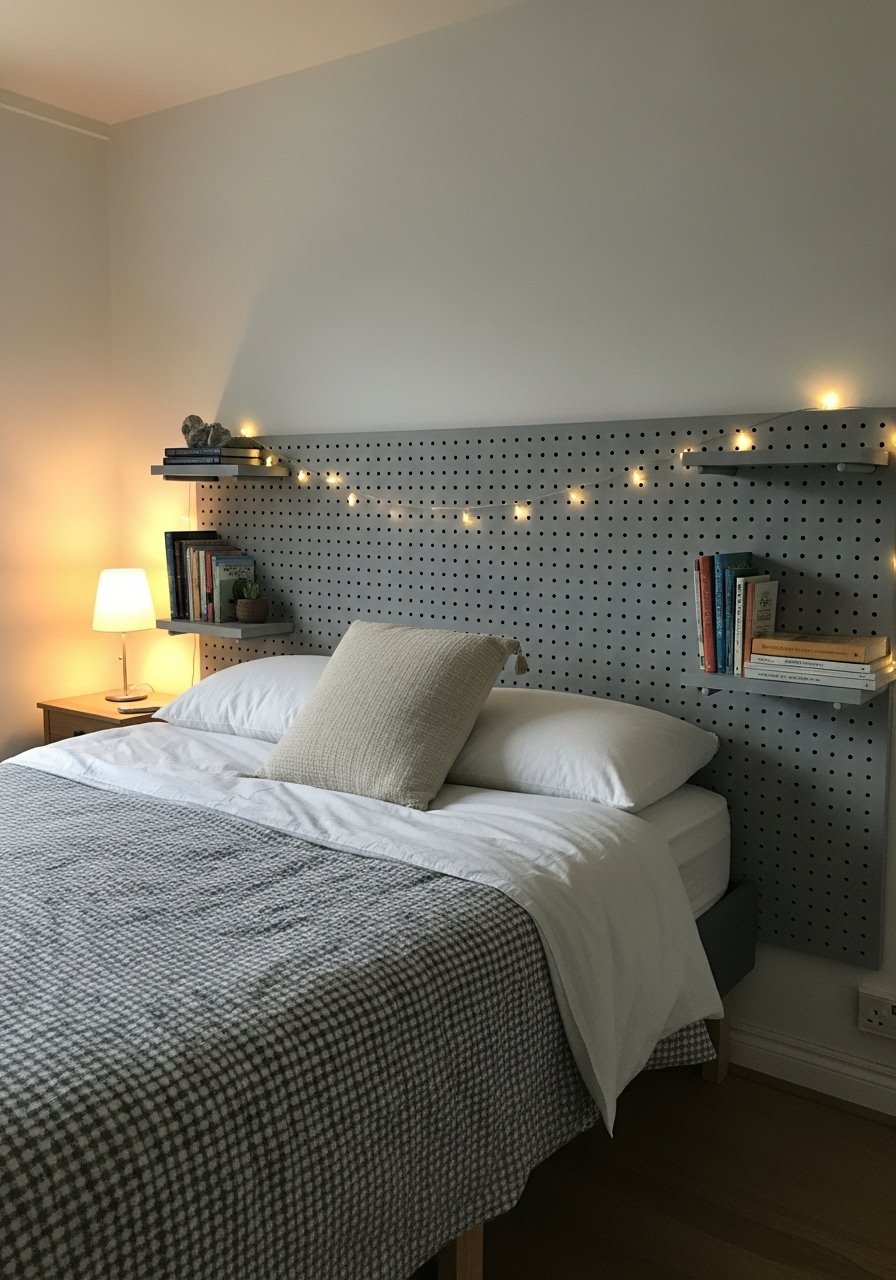
I used a pegboard as a headboard and lost my bedside table clutter. Mount two small shelves and a couple of pegs to hold a book or a lamp. Small pegboard kit is under $40 and makes a big design statement. The mistake is over-accessorizing which becomes chaotic at night. Keep one shelf for a book and another for a plant. One detail to try, paint the pegboard the same color as the wall so it reads built-in.
Lightweight Room Divider Curtain To Create Zones
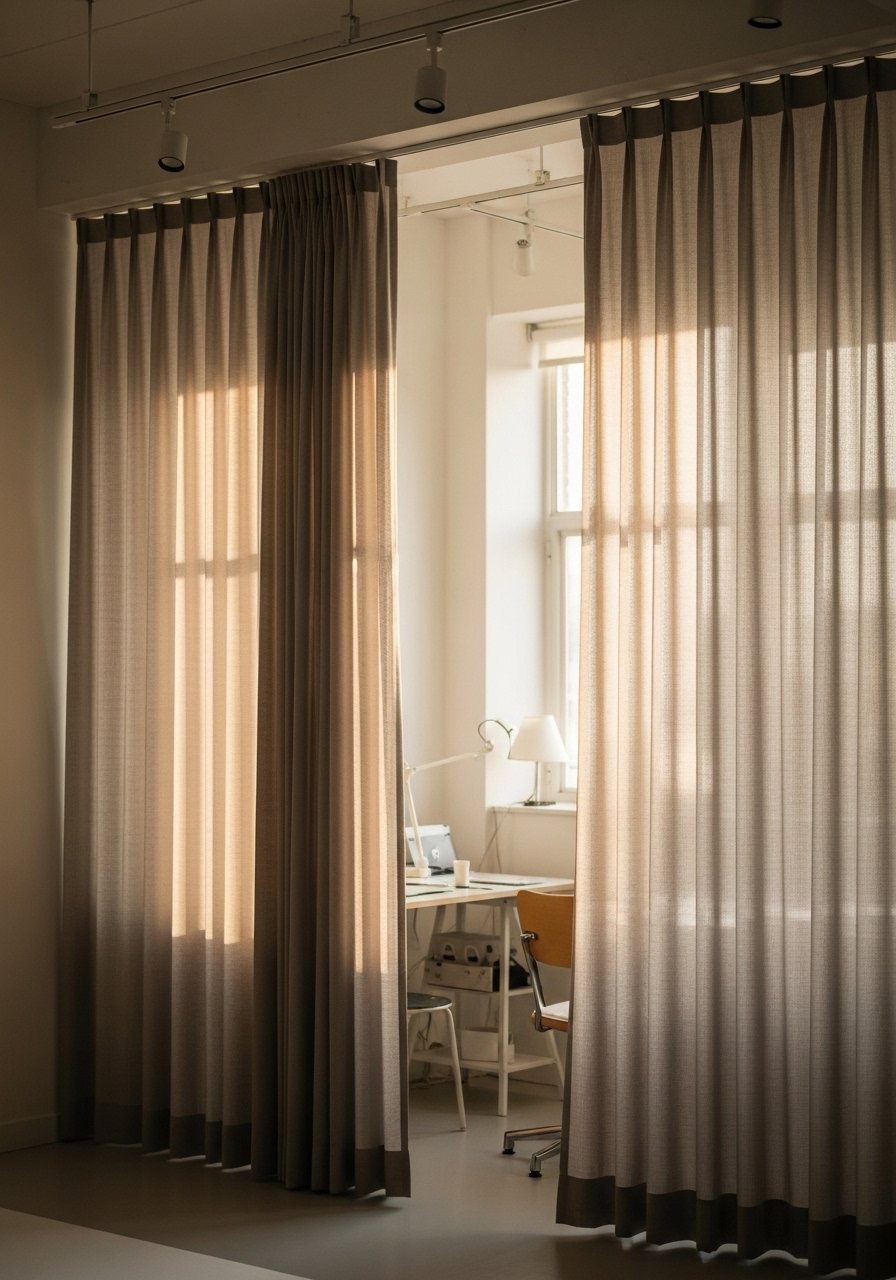
When guests come over, I close a ceiling-mounted curtain to hide my desk and instant privacy appears. Use a lightweight linen panel and a ceiling track for a smooth glide. Ceiling mount curtain track kit costs about $25 to $60. The problem this solves is visual clutter in open studios. People choose heavy curtains which feel bulky. Pick a light color and let the fabric breathe to keep the space feeling open.
Styled Tray For Small Coffee Tables Or Ottomans
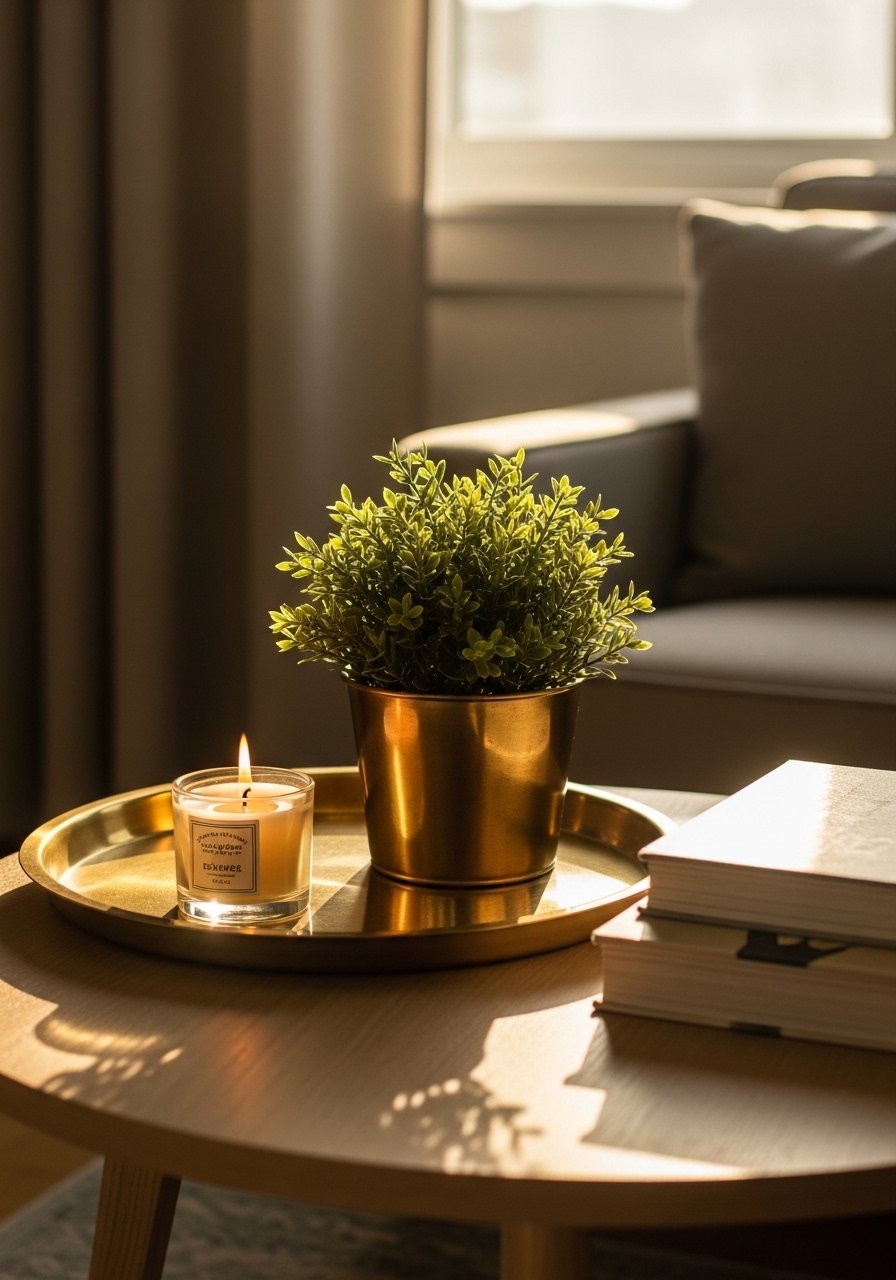
A tray corrals items and keeps small surfaces from looking messy. Choose a tray roughly two thirds the width of the surface so it reads intentional. Brass decorative tray adds a warm accent under $40. People often pile everything directly on the table which looks accidental. Use the tray as a staging area for daily items, and swap one object each week to keep the vignette fresh. A detail I use, put two-thirds of the weight on one side and a single taller object opposite to create a triangle composition.
Hide Cables And Make Power Work For You
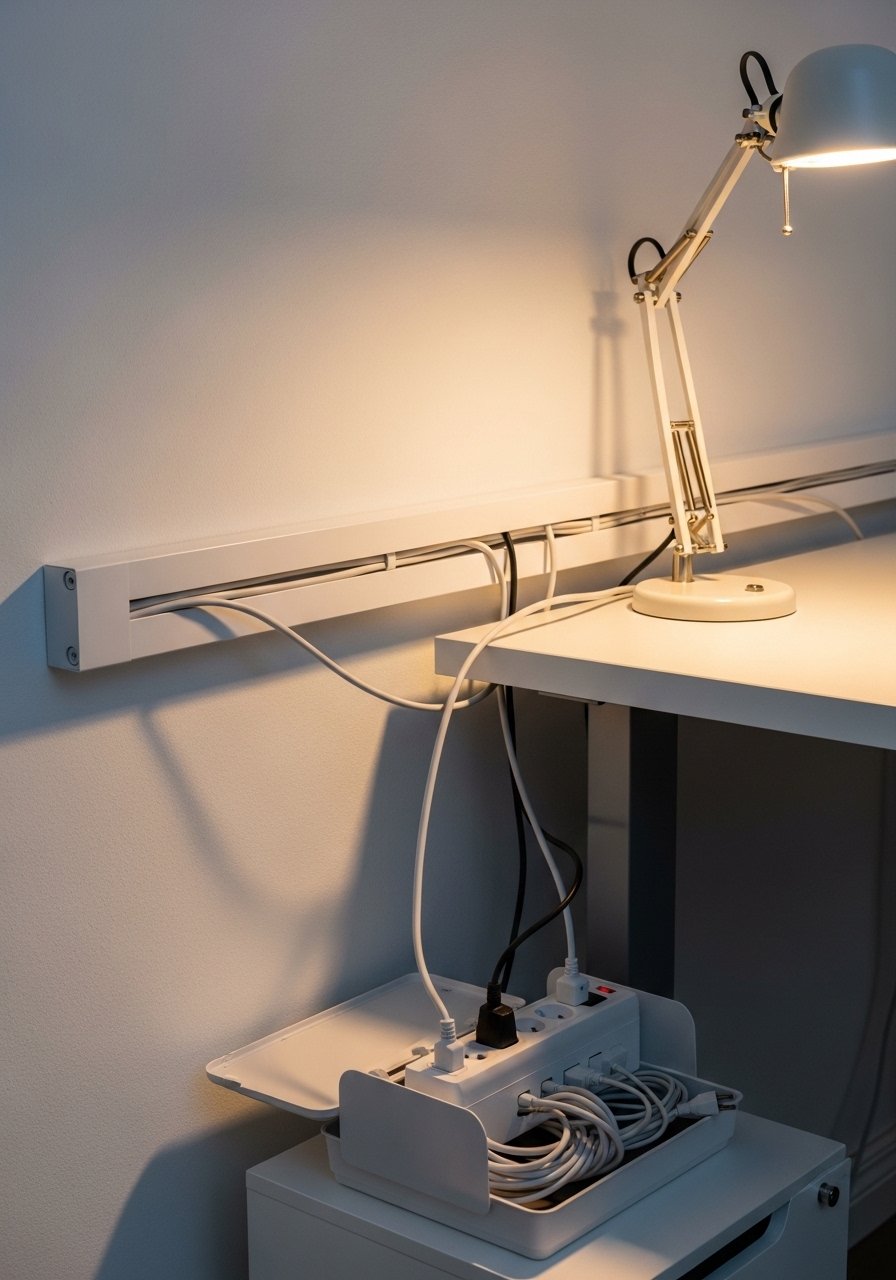
Nothing makes a small space look cheaper than a mess of cords. A cable raceway along the baseboard or a power strip box under a console cleans the visual field. Cord management raceway kit is under $25. People shove power strips behind furniture where heat builds. Use a vented box and leave some airflow. A small rule I follow is to group electronics by function and give each group a labeled cable so future changes do not become a scavenger hunt.
Fold-Down Desk For Tiny Workspaces
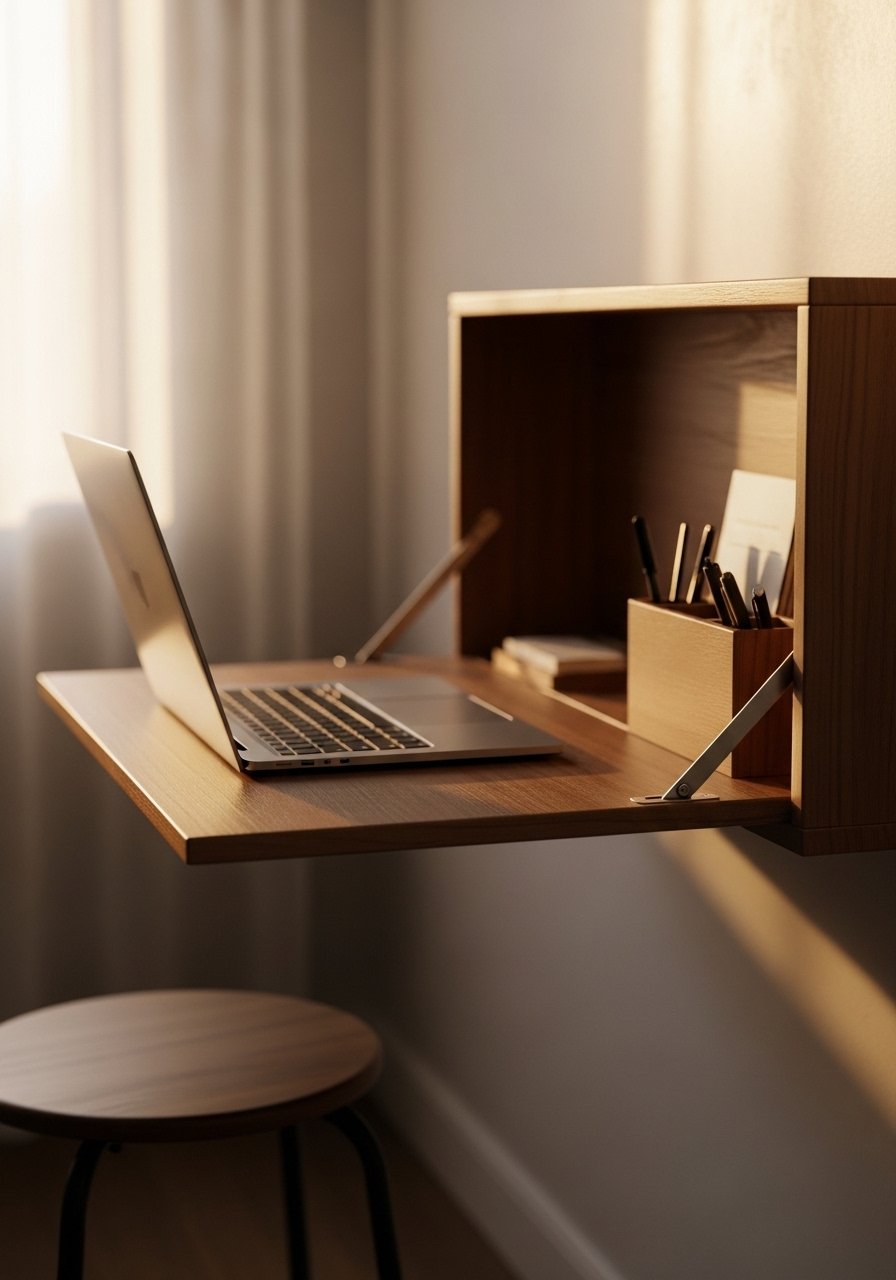
If your apartment doubles as an office, a fold-down desk gives you a workspace that disappears at the end of the day. Look for a surface about 24 inches deep and 30 inches wide. Wall-mounted fold-down desk often costs $70 to $200. The mistake people make is choosing too shallow a surface for a laptop and mouse. Also, add one small floating shelf above the desk for mail and your daily notebook.
Your Decor Shopping List
Chunky knit throw in cream ($35-55). Drape it over the sofa arm for instant warmth.$30-50 per panel). Hang 6 to 8 inches above the window. Similar at Target or HomeGoods.
96-inch linen curtain panels (
Brass picture ledges set ($18-30). Great for quick gallery walls and swapping art without new holes.$70-140). Lean it for a relaxed look.
White oak floating shelves (6-8 inch deep). Use three staggered shelves for vertical storage.
36-inch round mirror (
Fabric storage ottoman with lift top ($60-150). Internal dividers are a plus.$100-250). Front legs of furniture should sit on it.
8×10 jute area rug (
Plug-in swing arm wall lamp ($30-80). Saves table space and easy to install.$70-150). Adds balanced height where a live plant won’t thrive.
Mixed metal home accessories set (small accents ~$20-50). Use to tie finishes together.
Artificial fiddle leaf fig 6ft (
Shopping Tips
White oak beats dark wood in 2026. Design feeds have shifted completely. These white oak floating shelves look current, not dated.
Grab velvet pillow covers for $12 each. Swap them seasonally and the whole room reads different.
Curtains should puddle or kiss the floor, never hang halfway up. These 96-inch panels are right for standard 9-foot ceilings.
Lead with one large plant instead of five small succulents. One 6-foot fiddle leaf fig has ten times the visual impact.
Use a tray roughly two thirds the width of your coffee table. Brass decorative tray is a simple way to stage everyday items.
If you must pick only one splurge, get a mirror large enough to reflect a window. 36-inch round mirror brightens the whole room.
Frequently Asked Questions
Q: How do I pick the right rug size for a small living room?
A: Bigger than you think is the rule. For a standard living room go 8×10 minimum and make sure at least the front legs of the sofa sit on the rug. If you layer, keep the top rug at least 3 feet shorter in both directions so the layers read intentional. 8×10 jute rug is a durable starting point.
Q: Can I mix boho textiles with modern furniture without it looking messy?
A: Yes. Keep a dominant style and use boho textiles as accents. Try the 80/20 color ratio where 80 percent of your palette is neutral and 20 percent is the bold or patterned items. Swap small pillows and a throw for a fresh look.
Q: Should I choose live plants or faux plants in a tiny apartment?
A: Both work. Use real low-care plants like snake plant and pothos where light is decent. Use an artificial fiddle leaf fig 6ft in rooms with no natural light for immediate height without maintenance.
Q: What height should I hang art above a sofa?
A: Aim for the center of the art to sit about 8 to 10 inches above the sofa back. For a large gallery, hang the lowest frame so it is at least 6 to 8 inches above the sofa. The visual rule is to keep artwork within the sofa zone, not floating near the ceiling.
Q: How can I make a studio apartment feel zoned without walls?
A: Use rugs, a slim console, and a ceiling-mounted curtain as room dividers. Layer rugs to define the seating area and use a fold-down desk or a slim console to create a separate work zone.
Q: My small bedroom feels cluttered even with storage. What am I missing?
A: Edit what you store. Under-bed drawers are great, but label them and rotate less-used items out. Keep surfaces clean and use vertical storage like floating shelves to draw the eye up. One small tip, keep bedside items to one tray or one shelf to reduce visual noise.
Q: How do I avoid a small space feeling too matched or flat?
A: Mix textures and metals, and vary object heights. One brass tray, a matte black lamp, and a wooden shelf add depth. People match too much which turns a room into a backdrop. Add one unexpected piece to break the pattern and keep things interesting.