
Modern home decor in 2026 leans toward warmth, depth, and intention. People want rooms that feel lived-in, personal, and calm—without feeling cluttered or cold. The good news? You don’t need luxury furniture or designer budgets to get there. Small choices with texture, shape, and color can make a space feel thoughtful and polished. This list breaks down practical ideas you can actually use. Each one focuses on affordable changes that create that high-end feel at home.
1. Layer Rugs to Create Cozy Zones
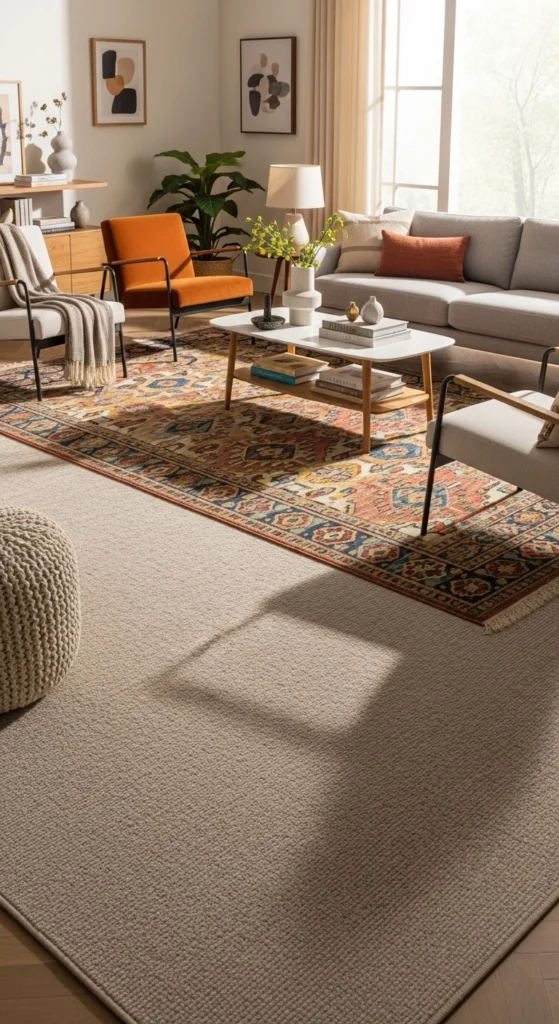
Layering rugs adds instant depth. Start with a large neutral base. Add a smaller patterned rug on top. This trick works well in open layouts where rooms blend together. It visually separates seating areas without walls.
You don’t need expensive rugs. Flatweave or washable options work well as the top layer. Thrift stores often have unique finds with character. Slight wear actually helps.
Keep colors in the same family. Think beige with olive. Or warm gray with muted rust. Avoid high contrast. That keeps the look calm and intentional.
If rugs slide, use a simple rug pad or grip tape underneath. This keeps everything in place and makes the layers feel planned.
This approach works in living rooms, bedrooms, and even dining areas. One simple change. Big visual payoff.
2. Choose Curved Seating Instead of Sharp Lines
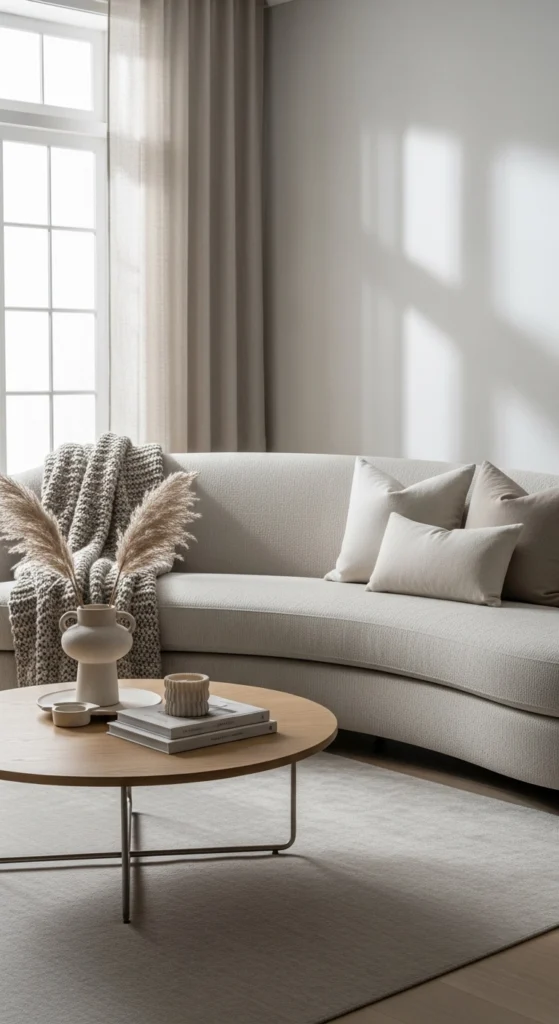
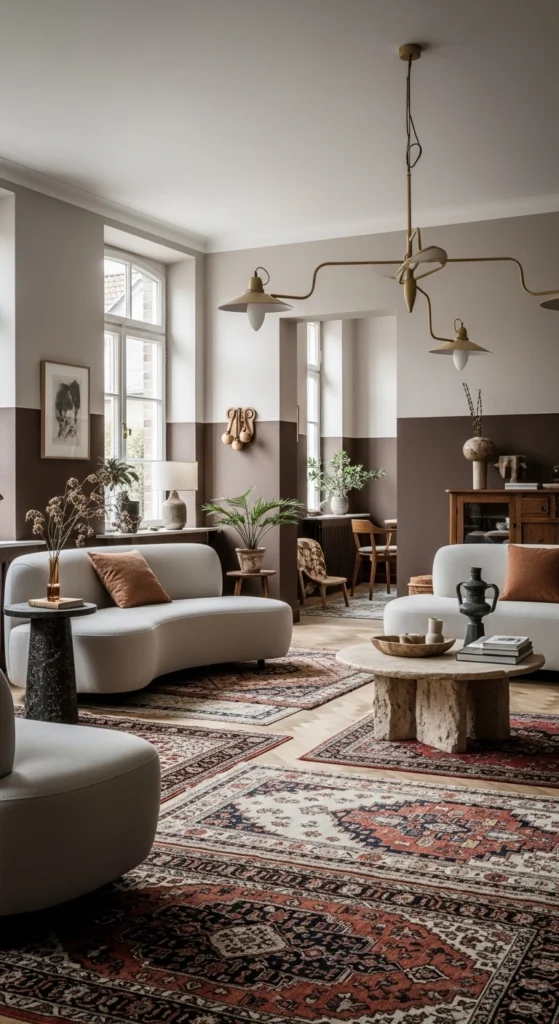
Curved furniture softens a room fast. It also helps spaces feel more relaxed and social. A rounded sofa or accent chair breaks up straight lines from walls and cabinets.
If a full sofa feels pricey, try a curved chair or bench. Even a rounded ottoman helps. Look for secondhand pieces with good bones.
Pair curves with simple shapes nearby. A round table. A soft rug. This keeps the room balanced.
Stick to solid fabrics. Bouclé, linen, or cotton blends work well. Avoid busy prints here. Let the shape do the work.
This idea works especially well in small spaces. Curves help rooms feel less boxed in and more open.
3. Wash Walls in Moody Earth Tones
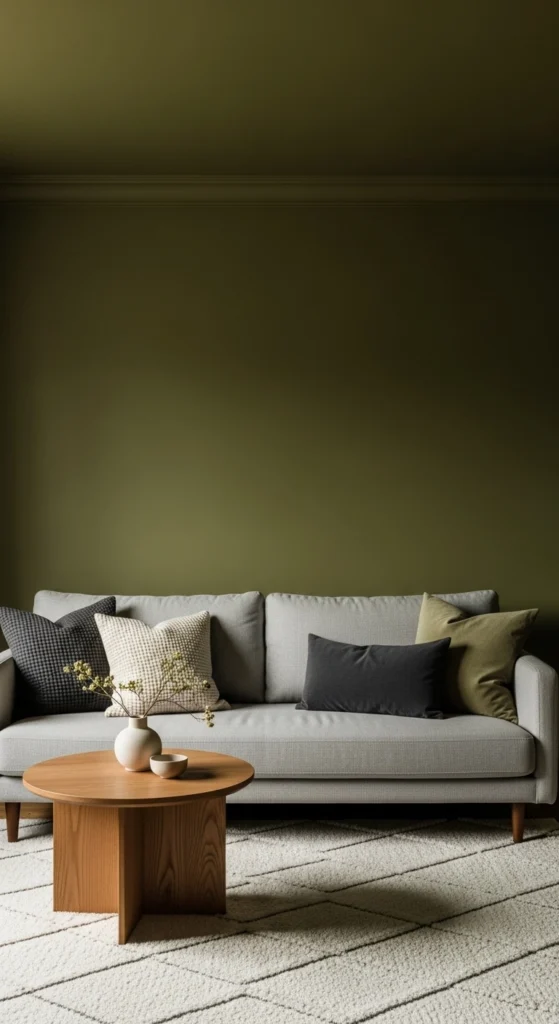
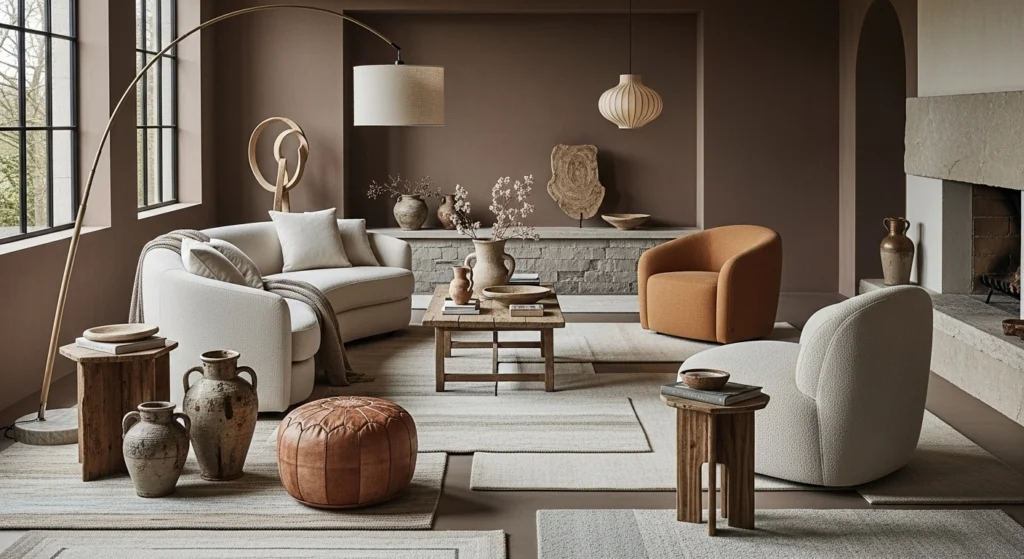
Deep colors make rooms feel grounded and calm. Olive, clay, plum, and brown tones replace plain white walls in 2026.
Painting walls and ceiling the same shade adds a cocoon effect. It feels intentional and calm. This works well in living rooms and bedrooms.
Use matte or eggshell finishes. They absorb light and hide flaws better than glossy paint.
If painting feels like too much, start with one wall. Or try a darker shade in a hallway or reading corner.
Paint is one of the most affordable upgrades you can make. A single weekend can change how a room feels.
4. Mix in One Antique or Vintage Piece
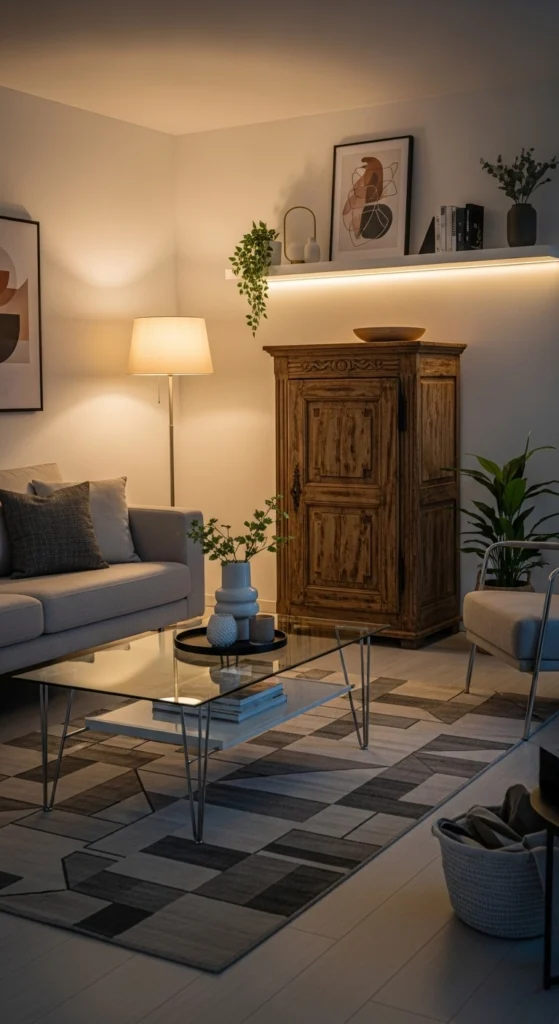
New furniture alone can feel flat. One older piece adds history and contrast. Think side tables, cabinets, or mirrors.
You don’t need rare antiques. Flea markets and resale apps are full of solid wood pieces. Look for good structure, not perfect finish.
Small scratches and worn edges add charm. Avoid over-restoring. Clean it. Oil the wood. That’s enough.
Place the vintage piece where it can stand alone. Let it breathe. This makes it feel special, not random.
This mix creates that collected look people love right now.
5. Add Fringe or Trim to Simple Furniture

Trim details bring character to plain furniture. Fringe, piping, or stitched edges work well.
You can add trim yourself. Fabric glue and iron-on tape make it simple. Focus on sofa skirts, pillows, or bench cushions.
Stick to subtle colors. Cream, tan, or muted green feel calm and refined.
This works best when the rest of the room stays simple. One detail goes a long way.
It’s a low-cost way to make basic pieces feel custom.
6. Treat the Ceiling as a Design Surface
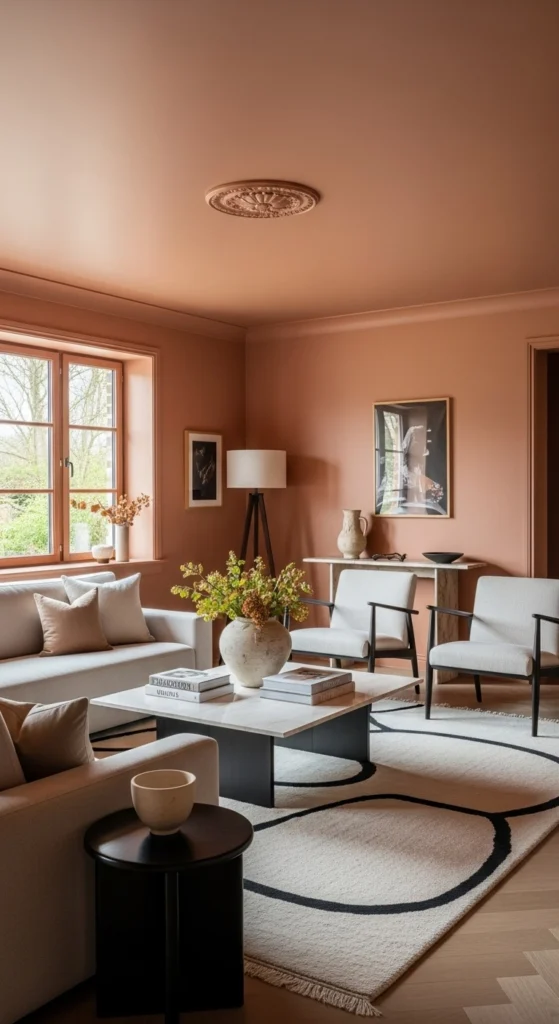
Ceilings don’t have to be white. Painting them adds depth without adding clutter.
Choose a shade slightly darker than the walls. This frames the room and makes it feel intentional.
Low ceilings benefit from soft tones. High ceilings handle deeper colors well.
Keep lighting simple so the ceiling color stands out naturally.
This change feels bold but pays off visually.
7. Build a Calm Earthy Color Palette
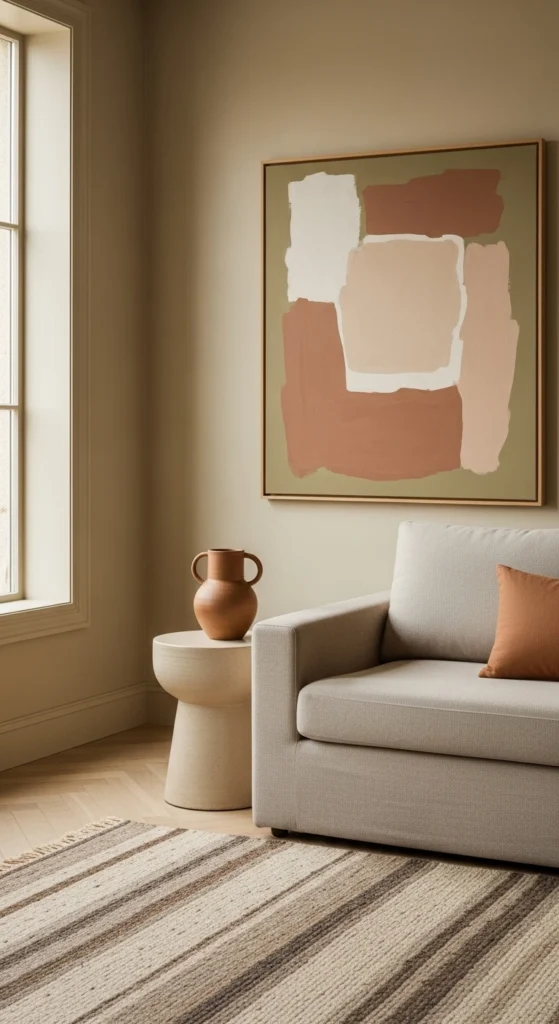
Earthy colors feel grounding and timeless. Khaki, sand, warm gray, and muted green work together easily.
Limit your palette to three or four shades. Repeat them across the room. This creates flow.
Use darker tones sparingly. Pillows, art, or one accent wall works well.
Natural materials help these colors shine. Wood, linen, stone, and ceramic fit naturally.
This approach keeps rooms calm and pulled together.
8. Embrace Thoughtful Maximalism
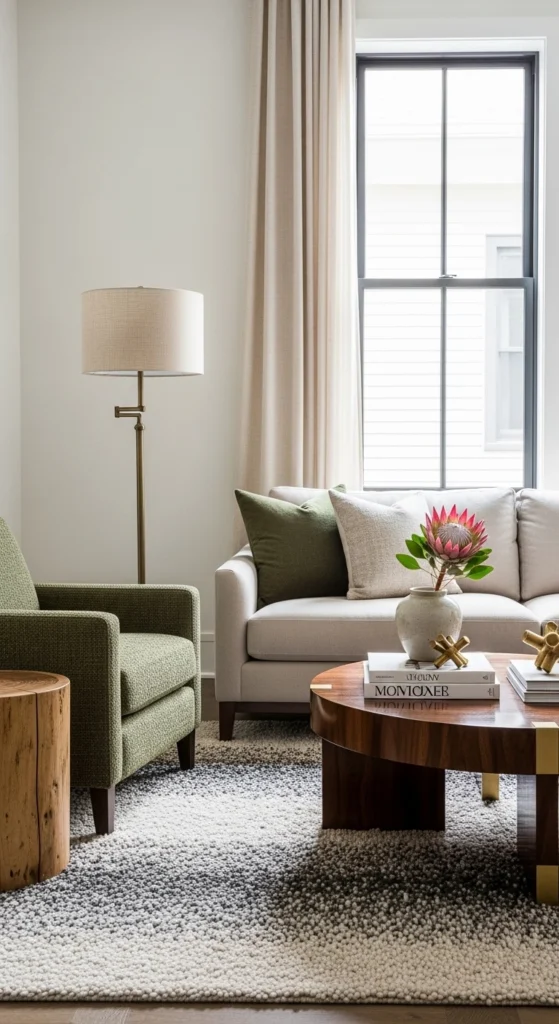
Maximalism today feels personal, not chaotic. It’s about layering items you enjoy.
Start small. Add one bold artwork. Then build around it with softer pieces.
Group items by color or material. This keeps things organized visually.
Leave empty space. Not every surface needs something.
This style works best when edits happen often. Swap things in and out as tastes change.
9. Use Oversized Art for Impact
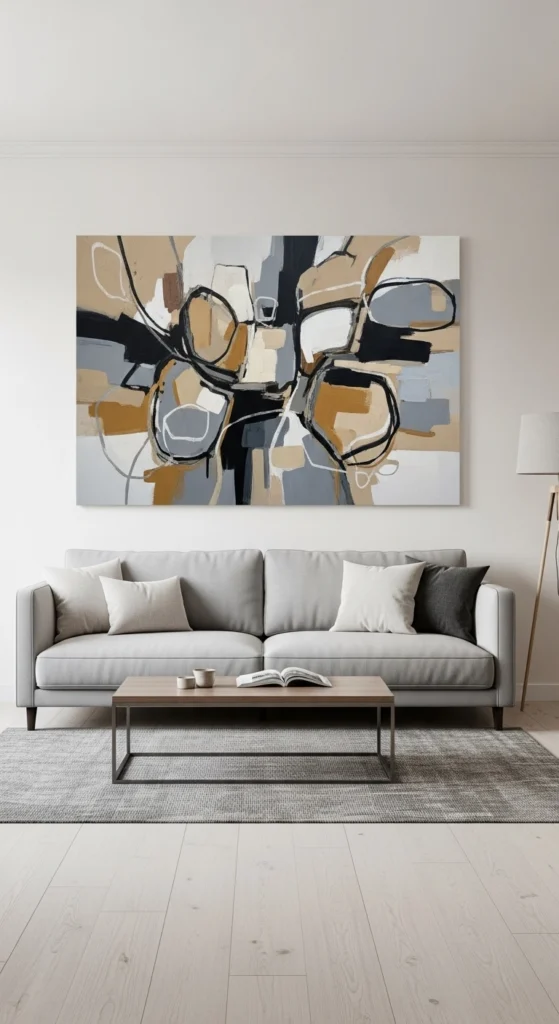
Large art fills space quickly. One piece works better than many small ones.
You don’t need expensive originals. Digital downloads printed large work well. Use matte paper.
Frames matter. Simple wood or black frames keep things grounded.
Hang art slightly lower than eye level. This helps it connect with furniture.
This creates a gallery-like feel without effort.
10. Swap Standard Lighting for Sculptural Fixtures
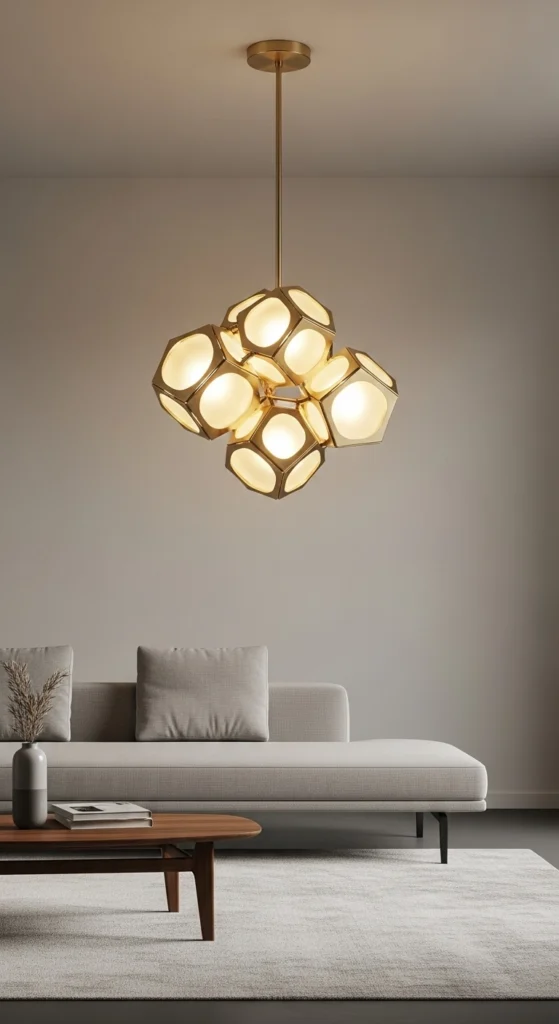
Lighting changes mood fast. Sculptural fixtures act like art.
Look for interesting shapes in affordable materials. Paper, metal, or woven options work well.
Replace one overhead light first. Entryways and dining areas are great spots.
Warm bulbs make everything feel calmer and softer.
This upgrade draws attention upward and adds character.
11. Style With Fewer, Larger Accessories
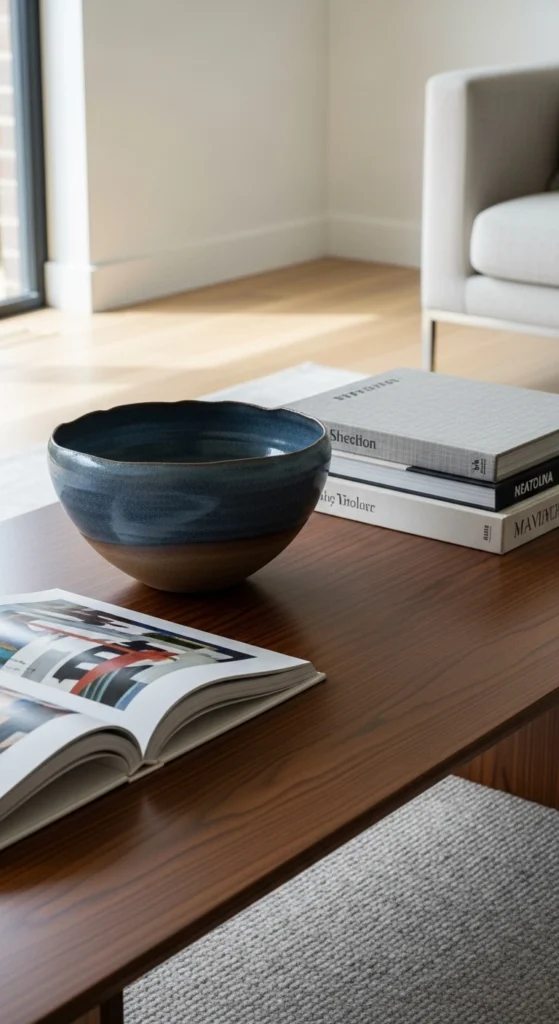
Too many small items feel messy. Fewer larger pieces feel intentional.
Choose one object per surface. A bowl. A lamp. A plant.
Stick to natural textures. Ceramic, wood, glass.
This keeps rooms calm and easy to maintain.
Editing matters more than buying more.
12. Bring in Soft, Layered Window Treatments
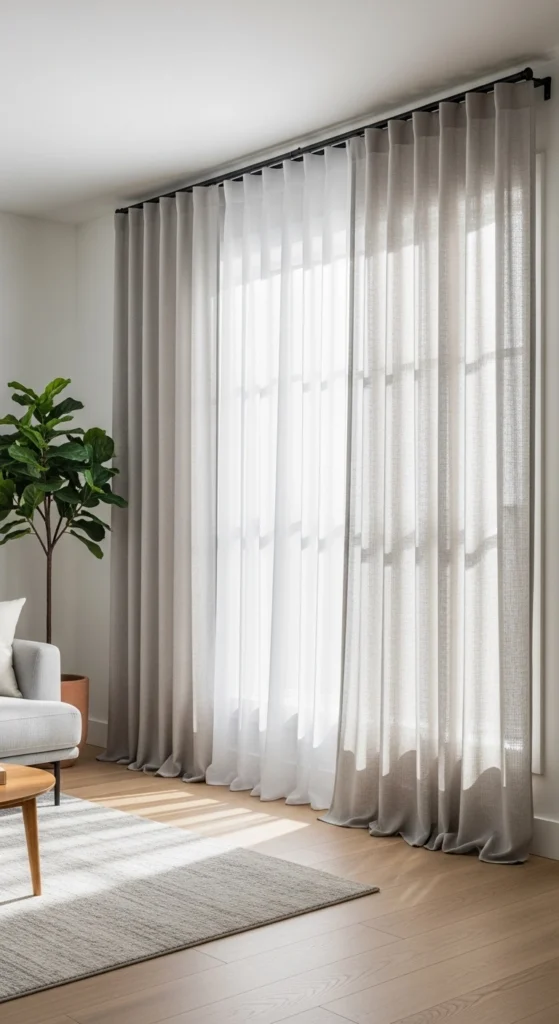
Curtains add softness. Floor-length styles make rooms feel taller.
Layer sheer panels with heavier drapes. This adds depth and flexibility.
Neutral fabrics work best. Linen blends hang well and age nicely.
Mount rods higher than the window frame. This stretches the space visually.
This change adds warmth without clutter.
13. Add Texture Through Wall Decor
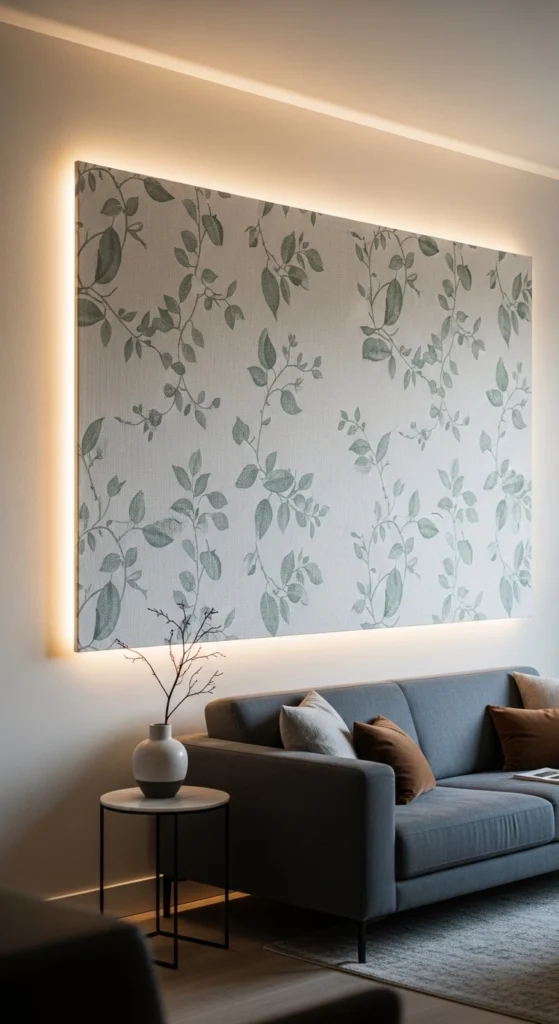
Flat walls can feel dull. Textured wall decor fixes that.
Try tapestries, woven panels, or fabric art. Keep colors muted.
Hang pieces loosely for a relaxed look.
This works well in bedrooms and reading areas.
Texture adds interest without relying on color.
14. Use Low, Wide Furniture for Calm Balance
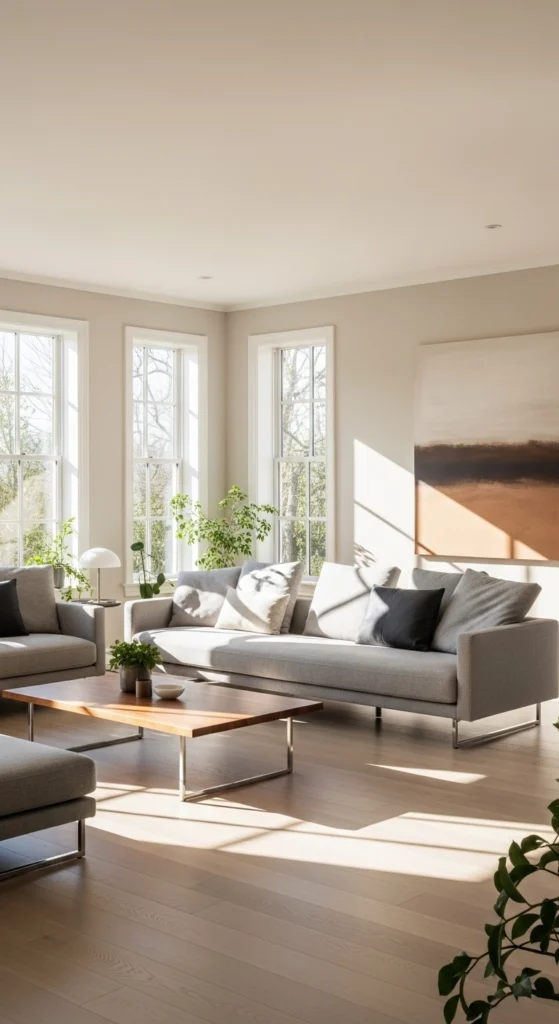
Low furniture makes rooms feel open and grounded.
Wide sofas and low tables stretch spaces horizontally.
This style pairs well with high ceilings and large rugs.
Keep legs visible. It lightens the visual weight.
This approach feels modern and relaxed.
15. Display Books as Decor
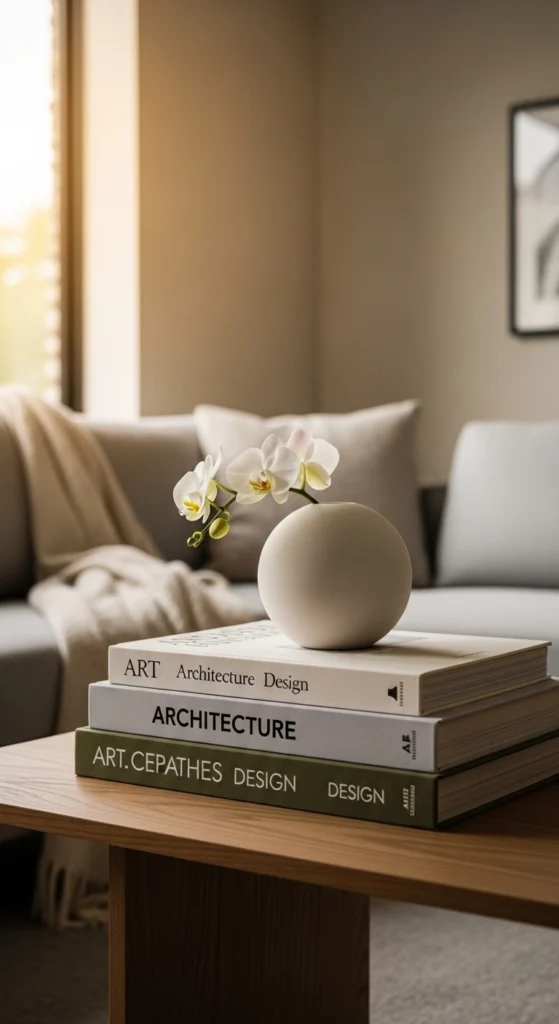
Books add personality. Stack them on tables or shelves.
Choose covers with calm colors. Remove dust jackets if needed.
Mix vertical and horizontal stacks.
This adds life without clutter.
Books make spaces feel lived-in.
16. Mix Wood Tones Gently
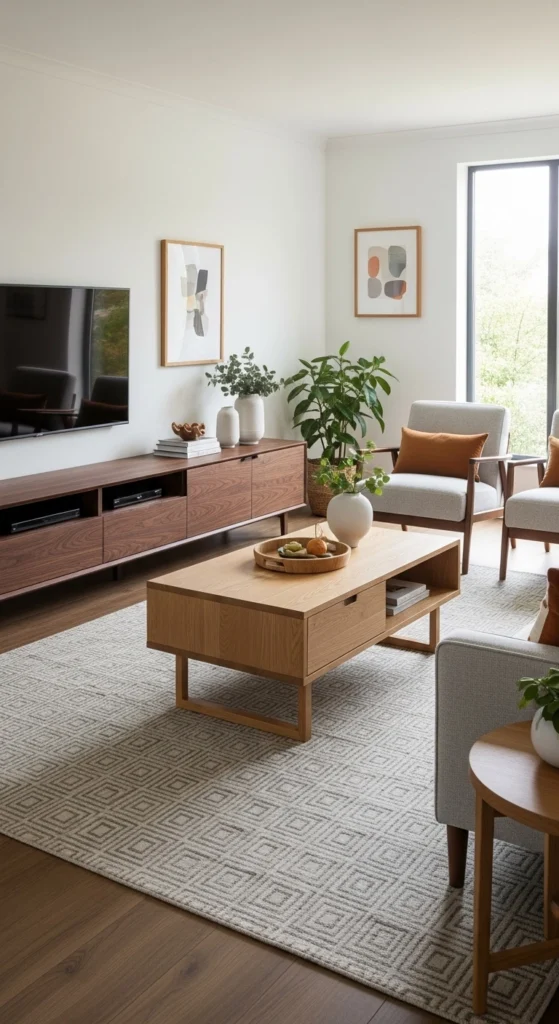
Matching wood exactly can feel flat. Mixing tones adds depth.
Stay within warm or cool families. Avoid extremes.
Repeat each tone at least twice. This creates balance.
This makes rooms feel natural and relaxed.
17. Add One Oversized Plant
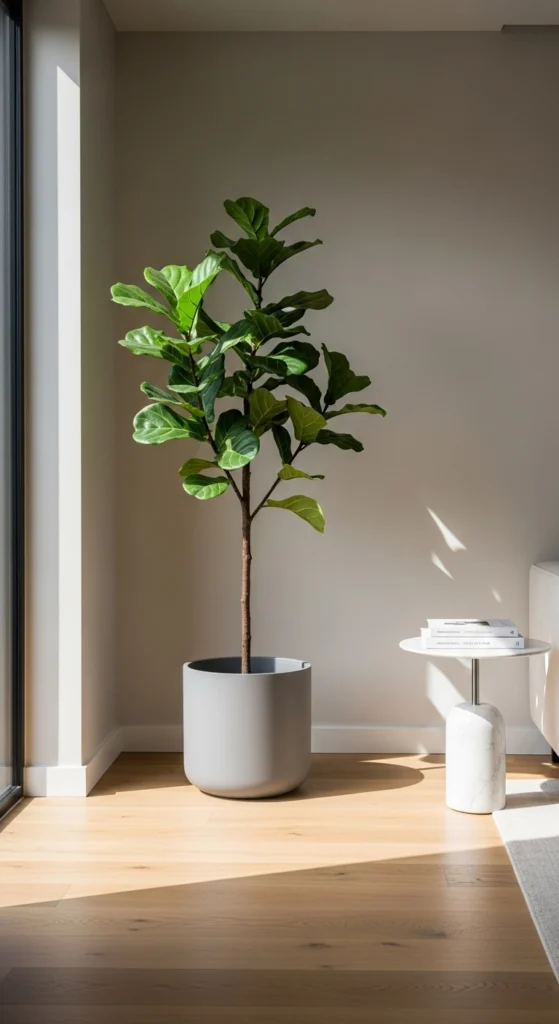
One large plant works better than many small ones.
Choose easy-care varieties. Fiddle leaf fig or rubber plants work well.
Simple pots keep the focus on shape.
Plants add life without effort.
18. Use Mirrors to Expand Light
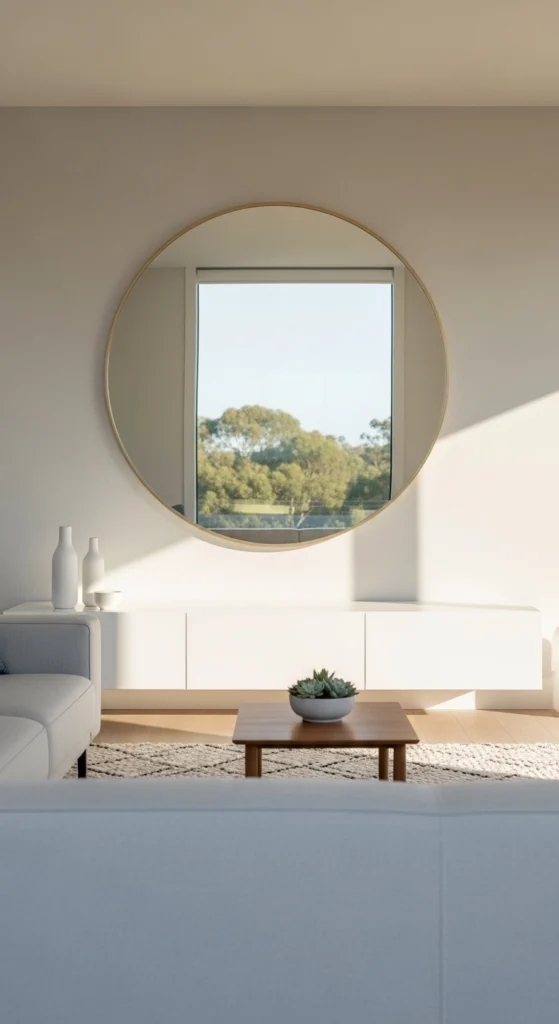
Mirrors bounce light and open rooms visually.
Large shapes work best. Round or arched styles feel soft.
Lean mirrors against walls for a relaxed look.
This adds brightness without extra decor.
19. Create Visual Rhythm With Repetition
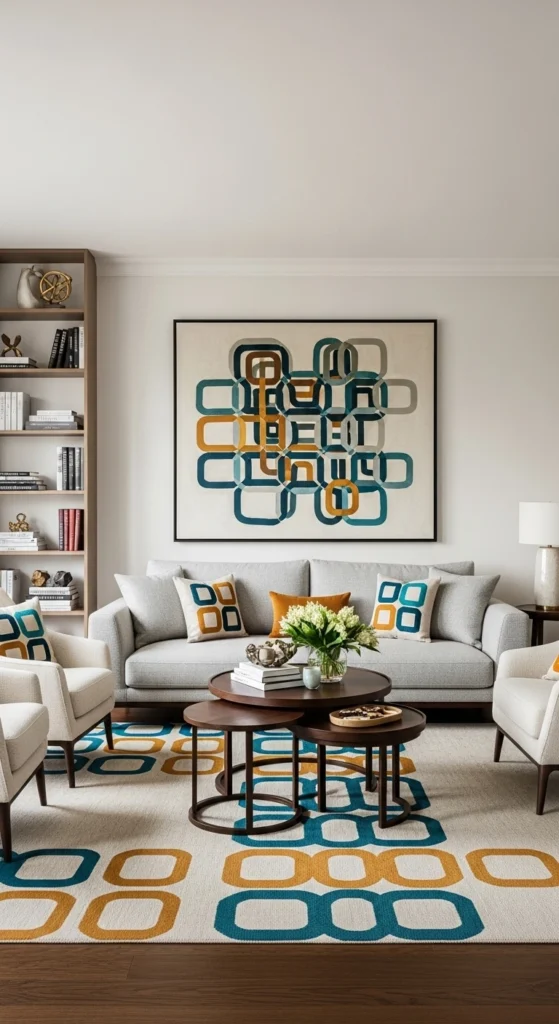
Repeating shapes or colors builds flow.
Use the same tone in pillows, art, and throws.
Repeat curves or straight lines intentionally.
This helps rooms feel planned and calm.
20. Choose Neutral Upholstery With Texture
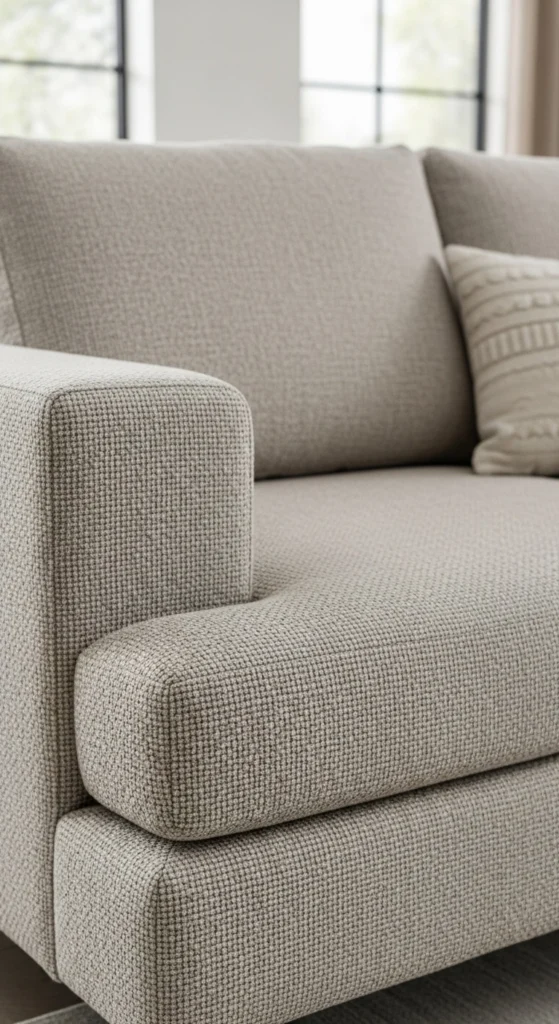
Neutral colors last longer visually.
Texture keeps them interesting.
Bouclé, linen, and woven fabrics work well.
This choice adapts as decor changes.
21. Ground Rooms With Heavy Curtains
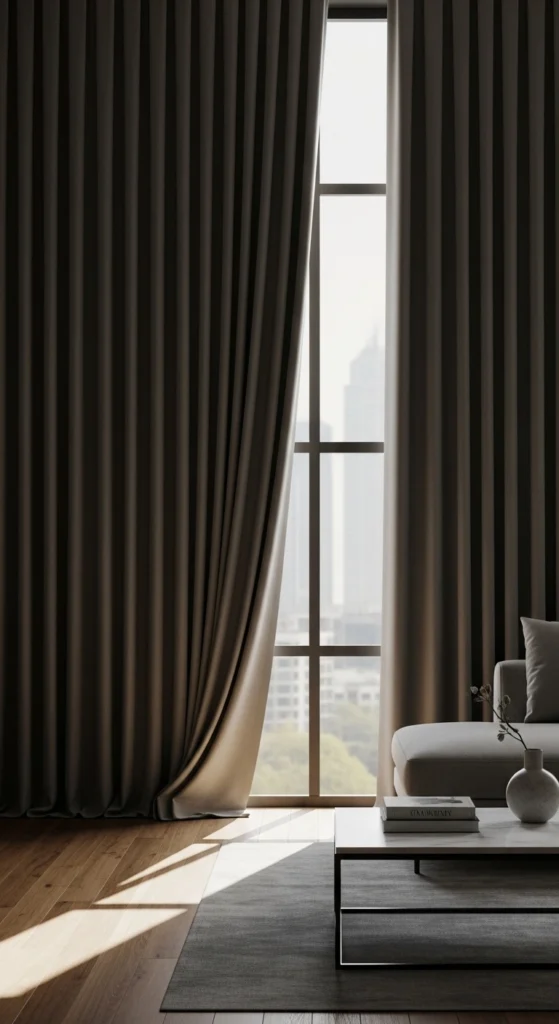
Heavy curtains add weight and calm.
They also help with sound and light control.
Choose simple colors.
This makes rooms feel finished.
22. Keep Shelves Edited and Balanced
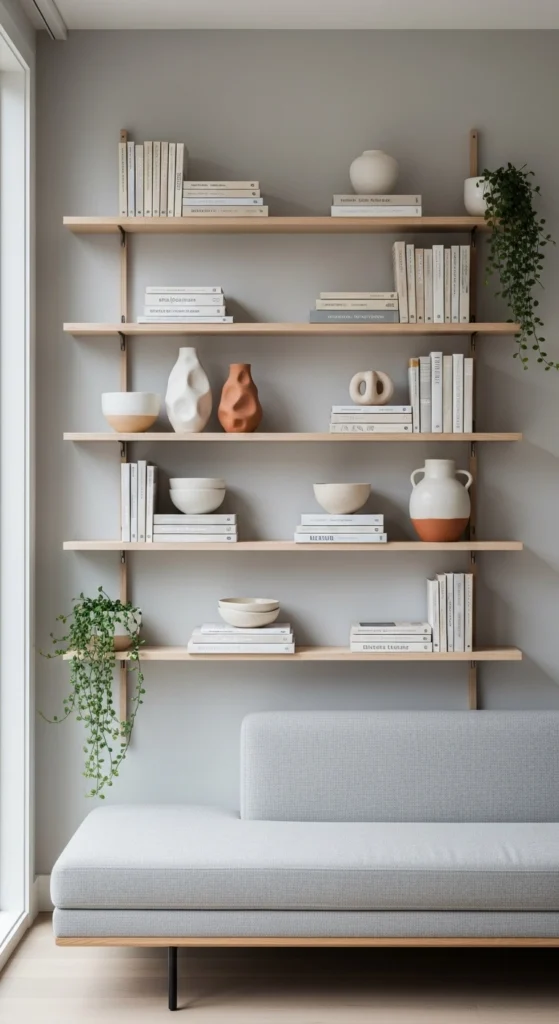
Open shelves need breathing room.
Leave empty space between items.
Group objects in odd numbers.
This keeps shelves calm and intentional.
23. Let One Statement Piece Lead
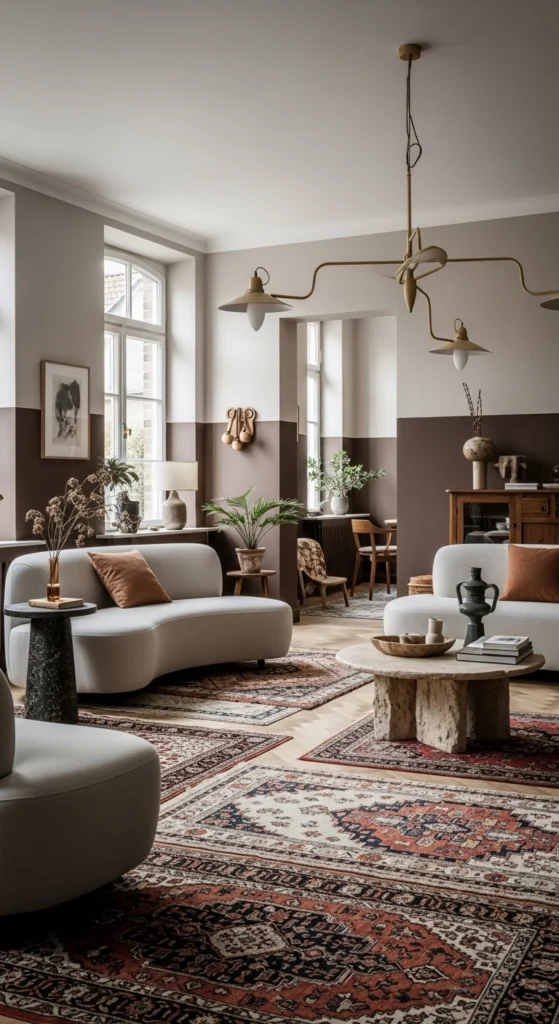
Every room needs a focus.
Choose one piece to lead visually.
Build everything else quietly around it.
This keeps rooms clear and confident.
Conclusion
Modern decor that looks expensive comes from restraint, texture, and smart choices. Paint, shape, and materials do more than price tags ever will. By layering thoughtfully, editing often, and choosing pieces with character, any home can feel calm and intentional. Start with one idea from this list. Small shifts add up fast.