

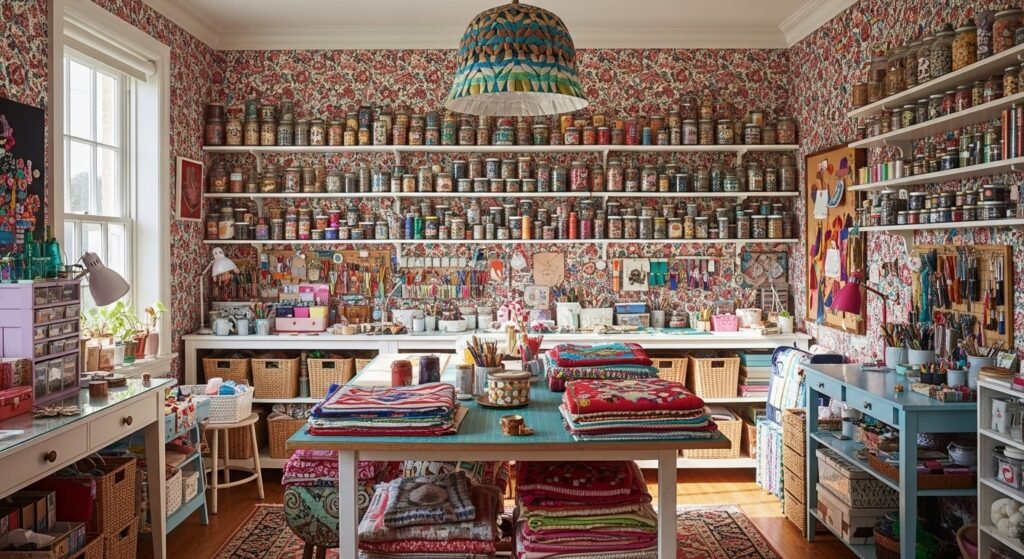
My craft room used to be a glorified closet. I would shove things into boxes and wonder why I never sat down to make anything. One weekend I pulled every color out and committed to visible storage and a big bold wall. Suddenly I wanted to be in the room, and I started finishing projects instead of just buying supplies.
These ideas lean colorful, slightly vintage, and very comfortable. Most pieces are under $75 with a few splurges around $150. I designed these for craft rooms, home studios, sewing corners, and even a hobby nook in a spare bedroom.
Bold Wallpaper For A Playful Craft Room
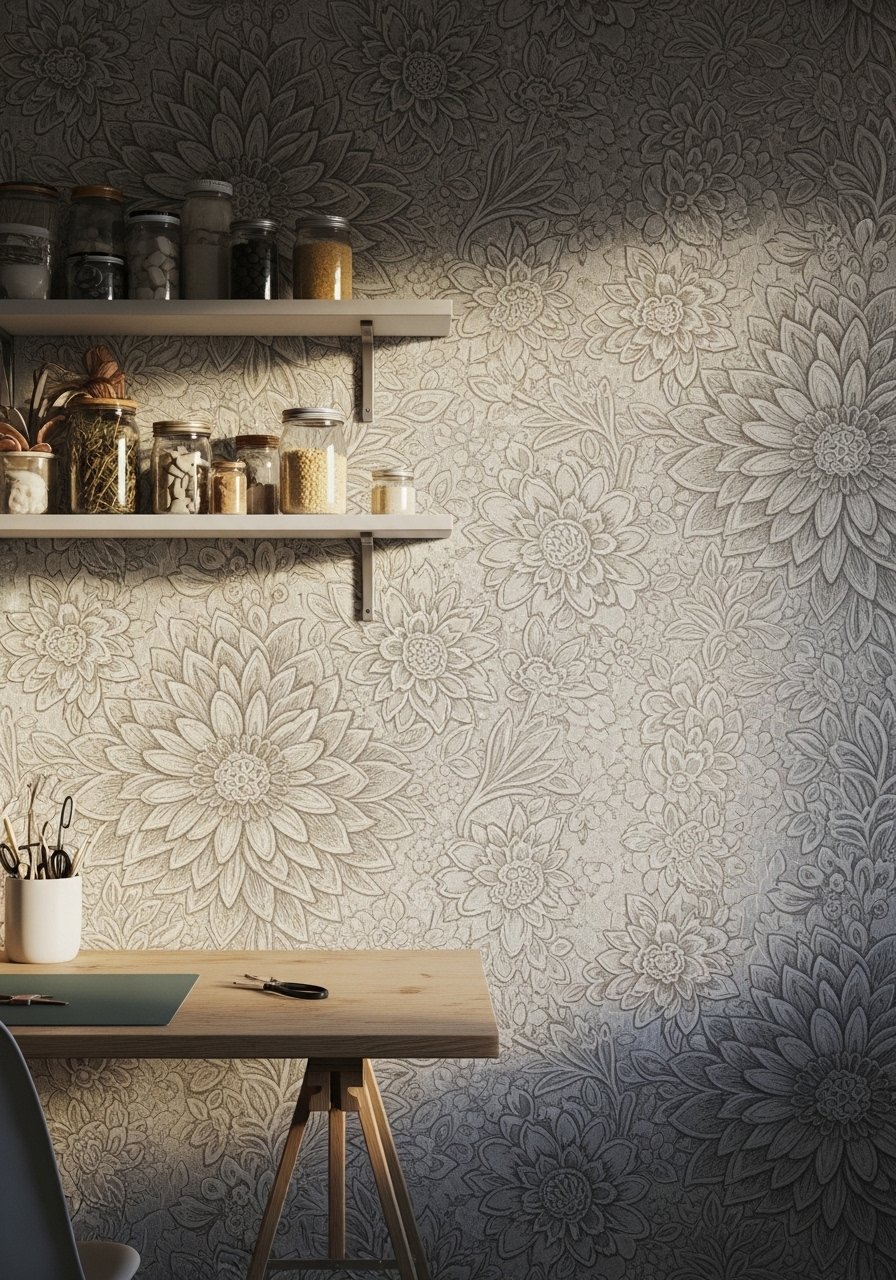
The right wallpaper makes a maximalist craft room feel intentionally messy instead of chaotic. I used a large-scale floral on one wall and kept the opposite walls calm so the room reads like a backdrop for creativity. Budget friendly peel-and-stick options are great for renters and you can test a 12×12 inch sample board before committing. Common mistake, wallpapering every wall. One feature wall gives focus while you still keep storage practical. I used peel-and-stick floral wallpaper for the bold pattern. Tip, match the wallpaper color to one supply jar or rug so the room feels tied together.
Open Shelving Carnival For Supplies
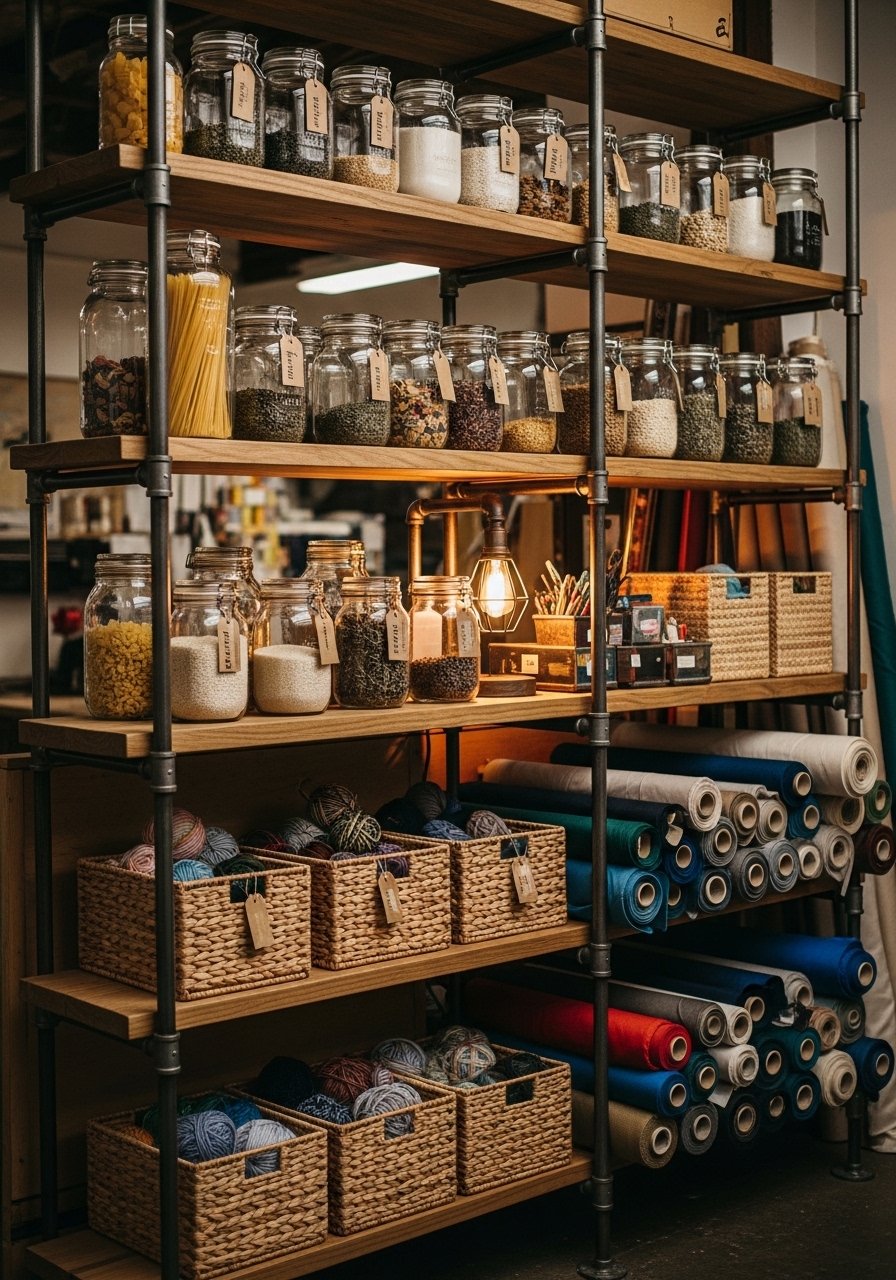
Open shelves keep supplies visible and invite use. I prefer 12-inch-deep shelves for jars and medium baskets, that depth fits most storage baskets without a wasted gap. Use clear canning jars for beads and buttons, and wire baskets for yarn. A common mistake is overcrowding a single shelf. Group like with like and leave every third shelf visually lighter to avoid visual overload. I lean on clear glass storage jars, set of 12 for small bits and wire storage baskets for bulky supplies. If you rent, build shelves on track systems so you can remove them later.
Color-Blocked Workstations For Better Flow
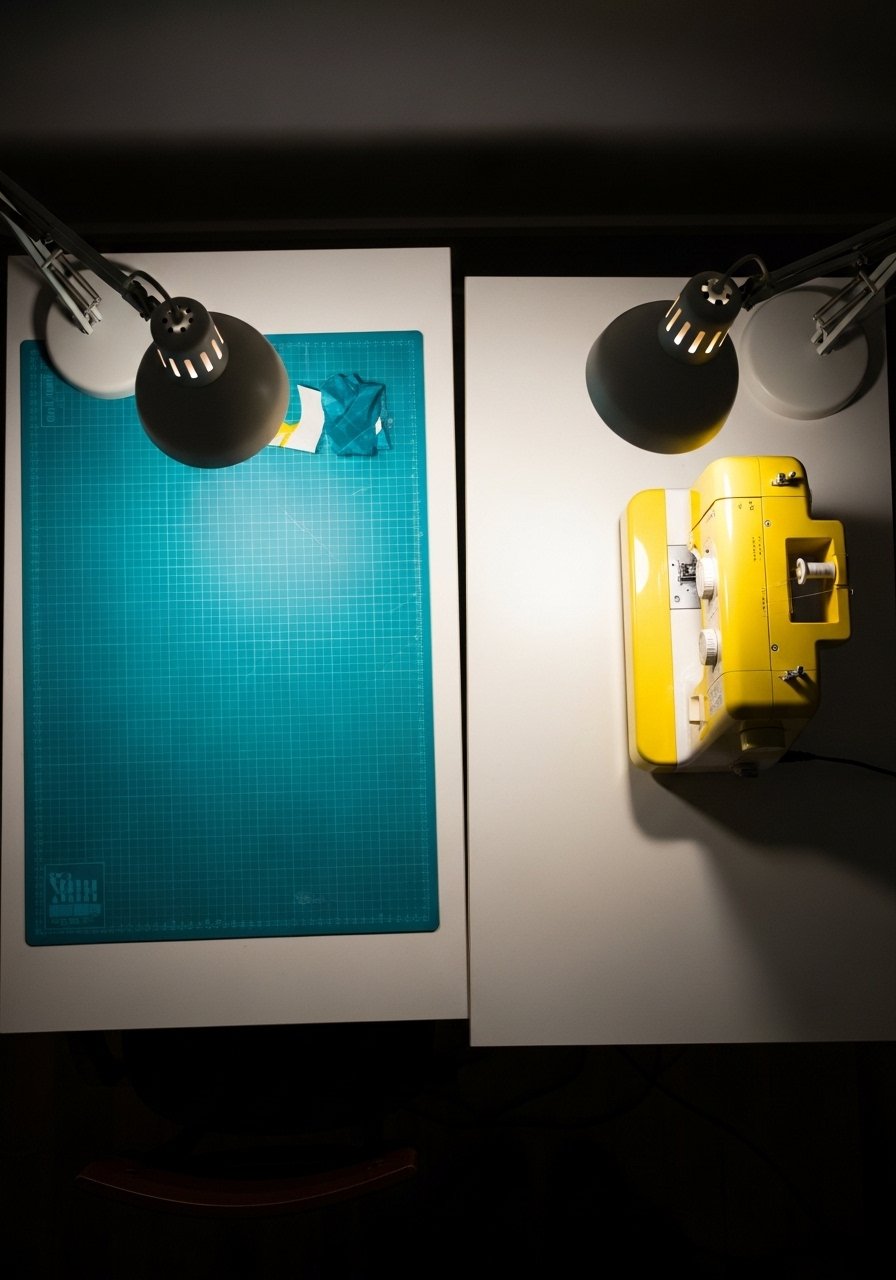
Divide your table into zones with color blocking. I painted one 30-inch section of my table edge teal for cutting and left the sewing area coral. A 60/40 ratio works well, with the larger side for messy projects. This trick tidies your brain about which tools live where, so you stop hunting through piles. My mistake was thinking a single table would work for everything. Buy self-healing cutting mats, 24×36 inches and set them in the color zones. Labeling with washi tape helps if you share the table.
Gallery Wall Of Framed Project Samples
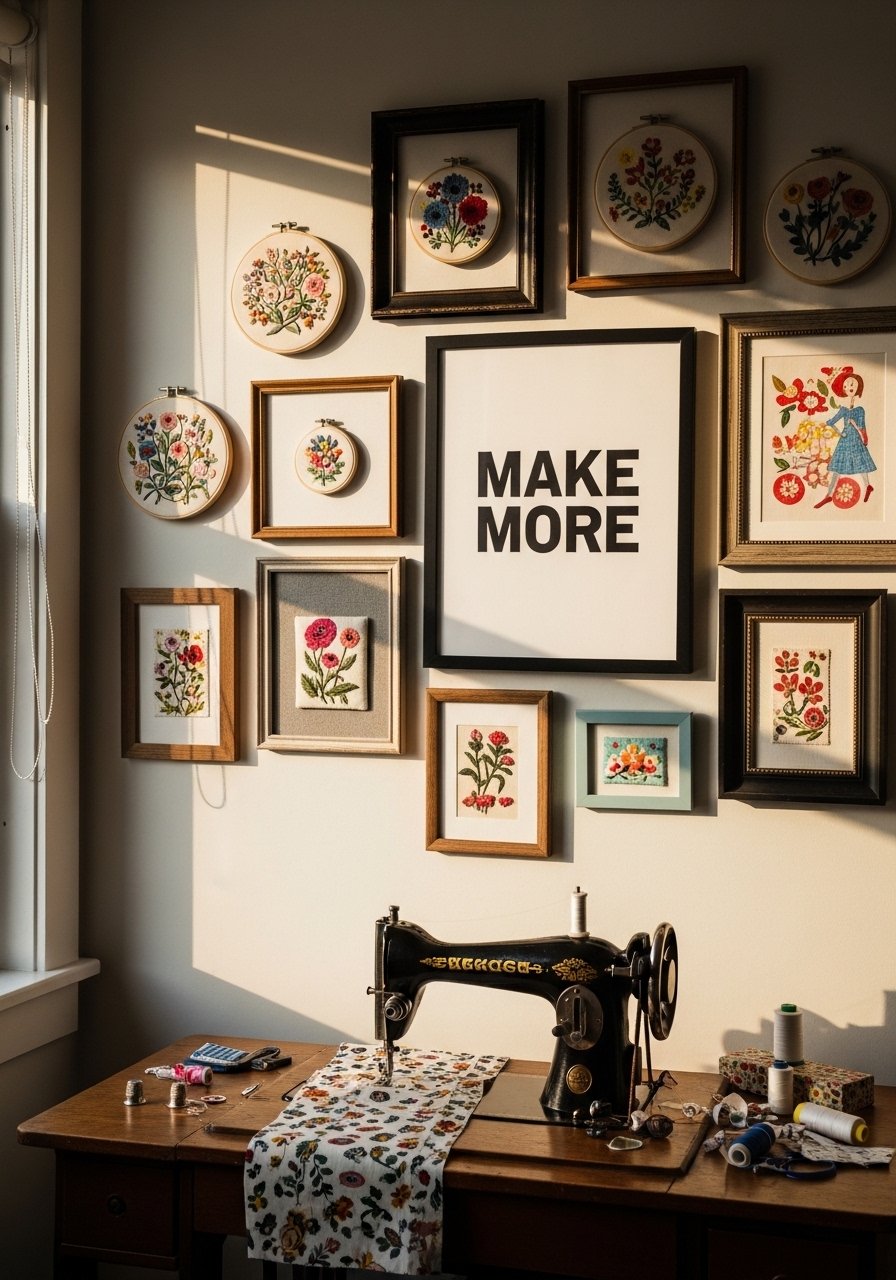
I framed small finished projects to build a gallery wall that’s also my mood board. Use mixed frame sizes and keep 2-3 black frames to anchor the arrangement. A mistake is hanging frames too high. Make the center sit about 58 inches from the floor for easy viewing while seated. I swapped two wood frames for 8×10 black frames and one larger 16×20 brass frame to mix metals. This is the kind of display that makes the room feel like a creative resume.
Pegboard Wall Organized With Style
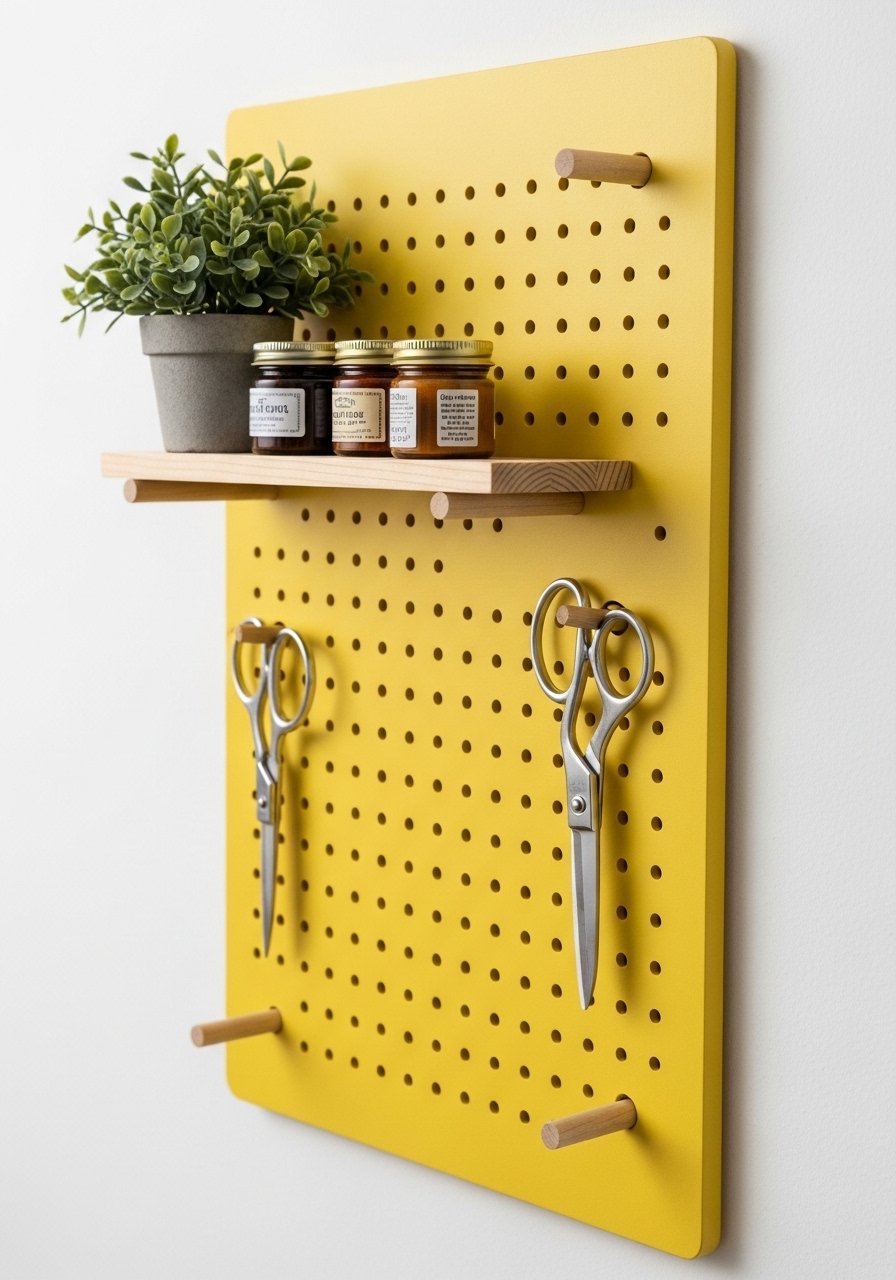
Pegboard feels like craft room wiring, and it keeps everything at arm’s reach. I space pegs on a 1-inch grid and use shallow shelves that are 6 inches deep for jars. A common error, using a pegboard only for tools. Add small baskets and clip-on planters for a softer look. For apartments, mount a framed pegboard on French cleats so you can remove it cleanly. I used a decorative pegboard 24×36 inches and wooden peg hooks. Cross-reference this with the rolling cart idea for mobile supply zones.
Layered Rugs To Define Zones
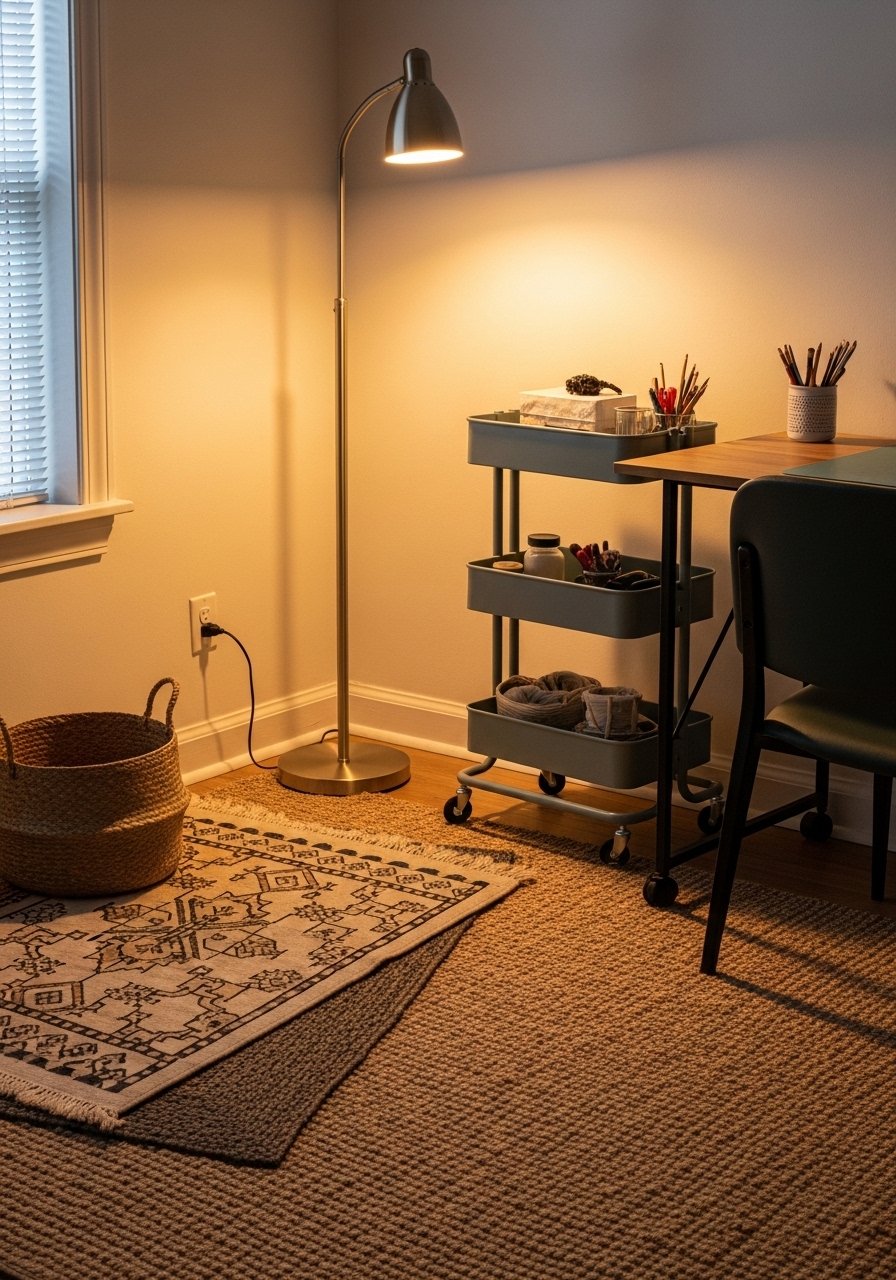
Layering rugs is how I stop the room from feeling one big work surface. Put a durable jute as the base and add a patterned 5×8 rug under your main work zone to catch spills and add color. A mistake is picking a rug too small. For a central table, go at least 8×10 so chairs never catch the edge. I used 8×10 jute rug beneath and a washable 5×8 patterned rug on top. Rugs also improve acoustics, which is helpful when you drill or use a sewing machine.
Eclectic Lighting Mix For Task And Mood
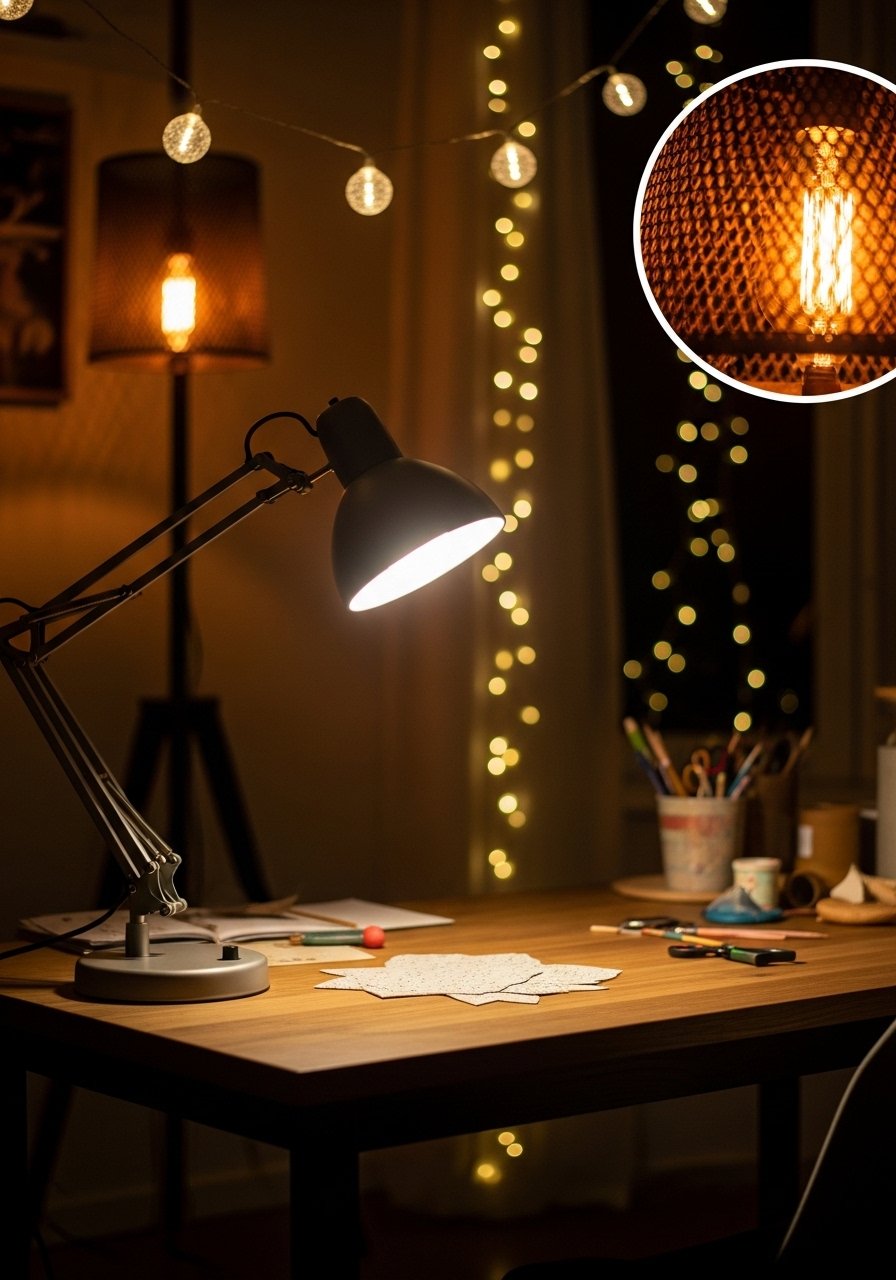
Task light is non-negotiable for detailed work but ambient light sets the mood. I wired a swing-arm lamp for each station at about 18 inches above the work surface and used a floor lamp for soft background light. Most bad matches happen because no one tests in real room light. That applies to bulbs too. Pick daylight bulbs for task spots and warm bulbs for mood. I use adjustable swing-arm task lamps and warm LED string lights for atmosphere. A common mistake is relying on a single overhead fixture.
Patterned Fabric Curtains To Add Texture
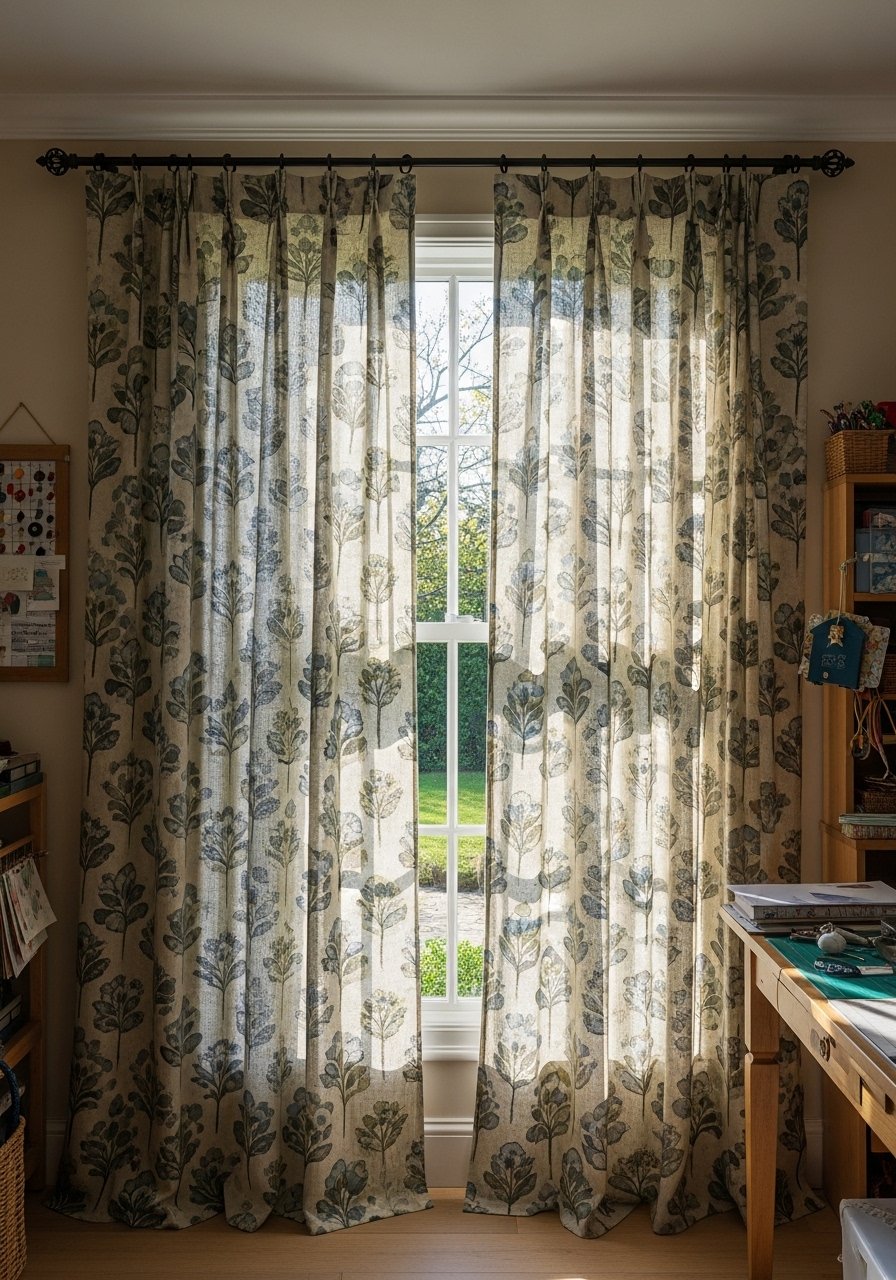
Hanging curtains higher than the window frame adds height. I mount rods 4 to 6 inches above the trim and let curtains kiss the floor. Choose a heavier patterned fabric if you want the curtains to hide a wall of supplies when closed. A common error is hanging curtains that stop mid-wall which makes the ceiling feel lower. I bought 96-inch linen panels in a floral print and they transformed the wall scale. For renters, use tension rods on lighter panels.
Vintage Cabinet With Modern Paint
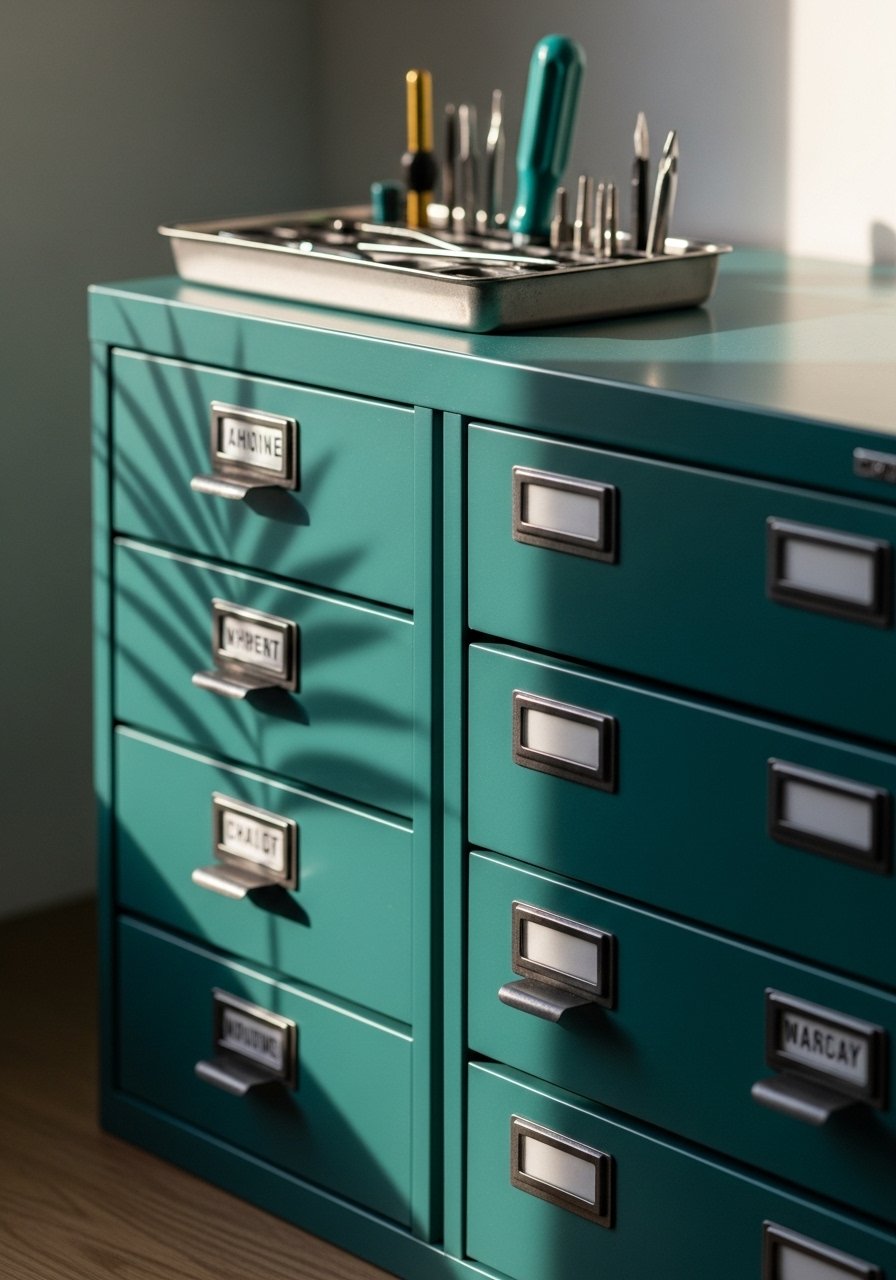
Painting a vintage cabinet keeps character and adds a controlled pop. I scanned the original finish and picked a durable enamel in a similar hue. Over half of us buy gallons that flop without swatch checks. Test a 4×6 sample on a hidden back panel to see how the sheen reads with your light. Mistake, choosing glossy paint for a high-touch surface. Use satin or semi-gloss for durability. I used durable enamel in teal and swapped drawer pulls for mixed metals to modernize the piece.
Oversized Chalk Wall For Sketches And Notes
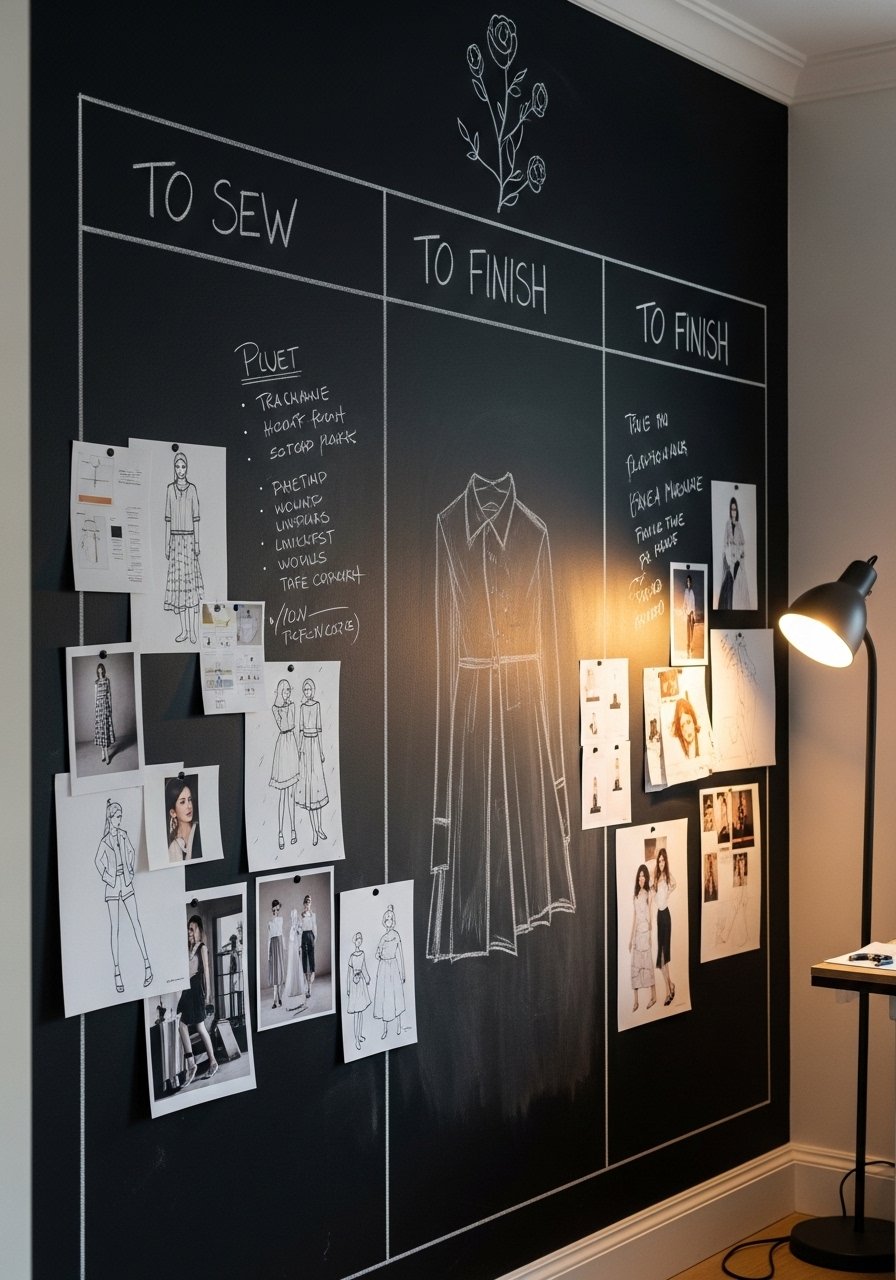
A chalk wall keeps ideas visible and replaces sticky notes. Paint a 4×6 foot section over a plywood backer so you can mount hooks without cracking paint. Use liquid chalk markers for color coding and devote the left column to shopping lists. Most people paint their wall and then regret the sheen. Choose a true matte chalkboard finish. I used chalkboard paint 1 quart and pre-sanded the surface. This is one of the cheaper ways to add function and personality.
Tabletop Rolling Carts For Easy Access
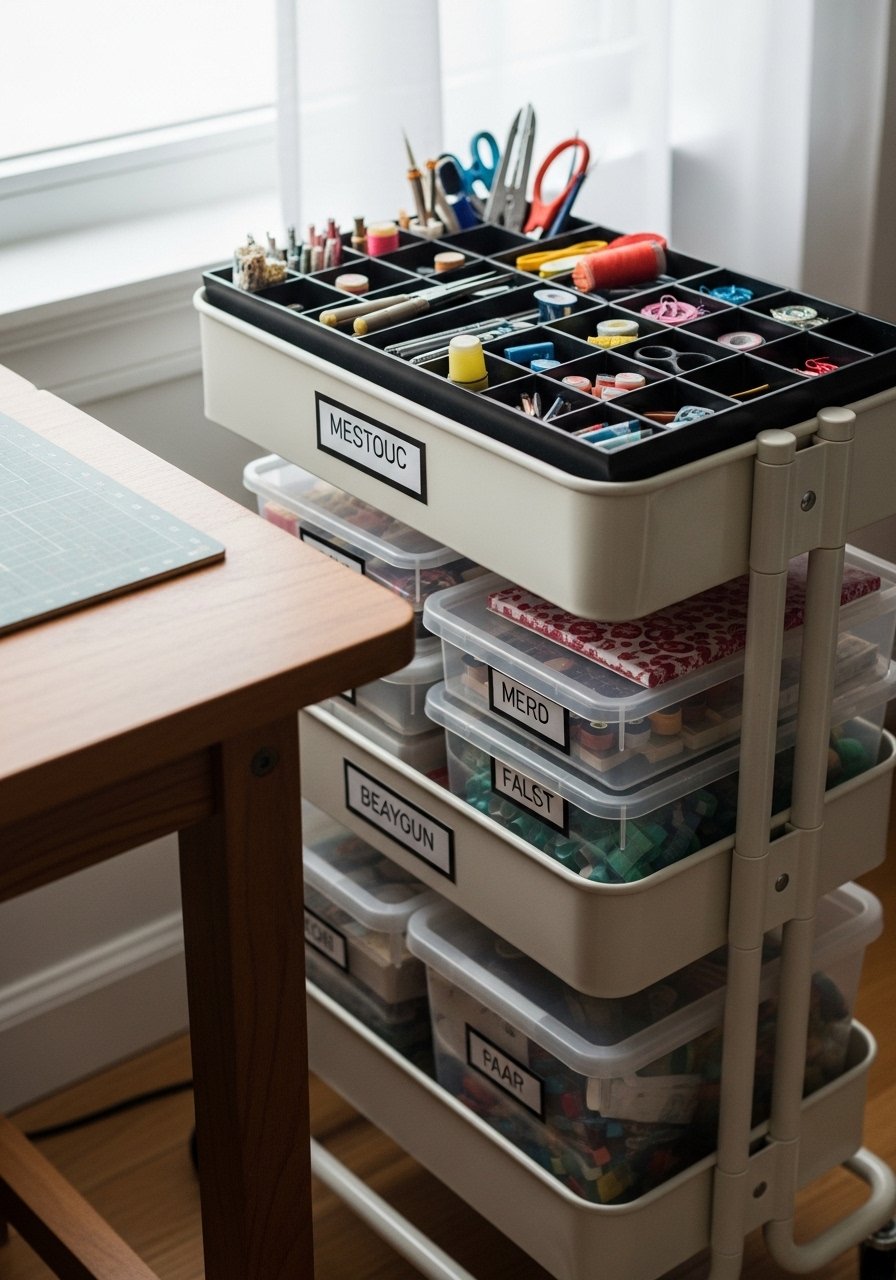
Rolling carts are my daily workhorse. Buy a cart with 12 to 15-inch deep trays so your containers fit without overhang. I keep ongoing projects on the middle shelf so I can wheel them away and free up table space. The mistake is buying a cart with shallow trays that end up being junk catchers. I grabbed a three-tier rolling craft cart, 24×14 inches with locking casters. Pair it with the pegboard wall so tools can move but still have a home.
Mixed-Metal Hooks And Hardware For Visual Interest
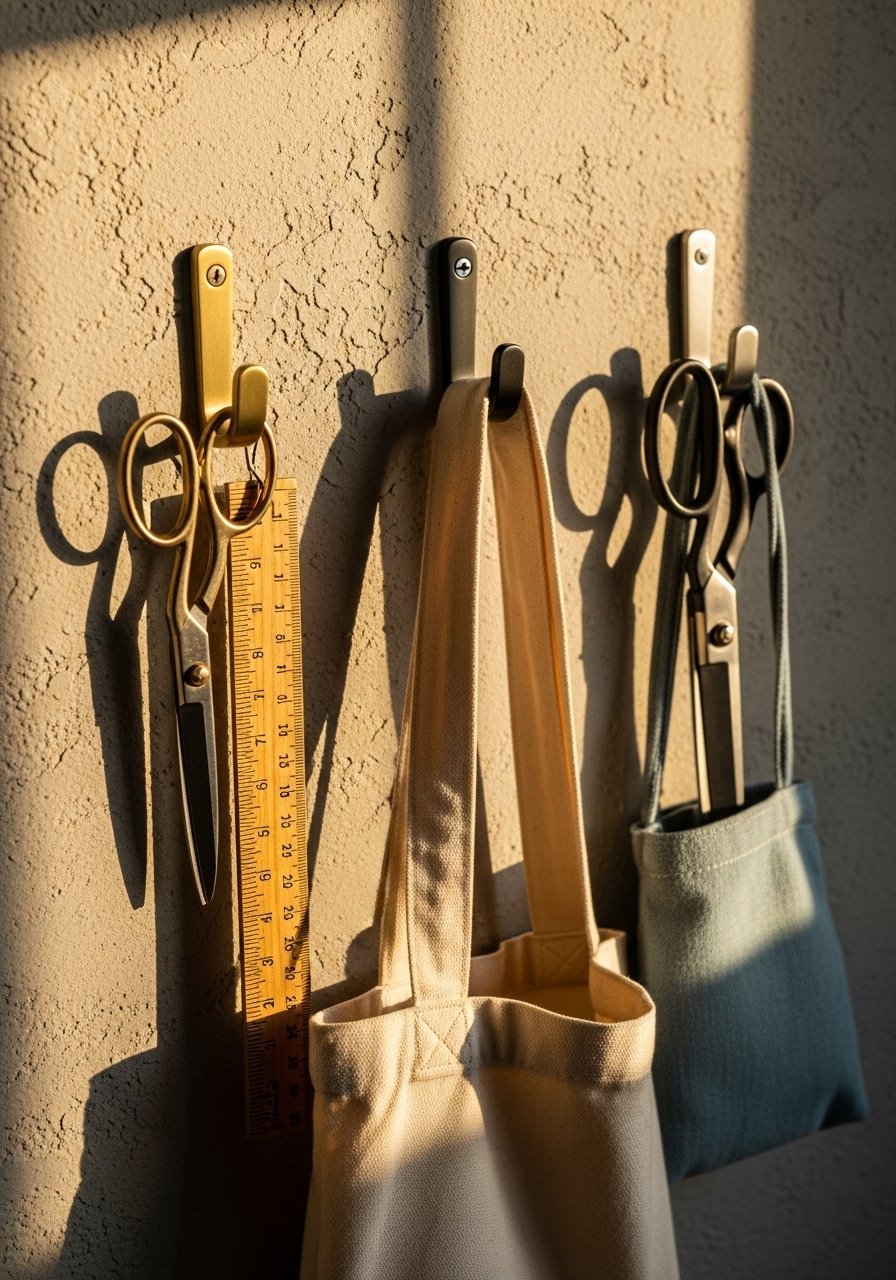
Mixing metals is subtle but powerful. I use brass hooks for tools, matte black for utility items, and nickel for high-use hardware. A mistake is matching everything. A mix reads collected and intentional. Start with one dominant metal and add two accents. I swapped out plain screws for mixed metal hook sets. Small change, big effect, and it ties into the mixed frame pieces on my gallery wall.
Cozy Nook With Overstuffed Pillows For Breaks
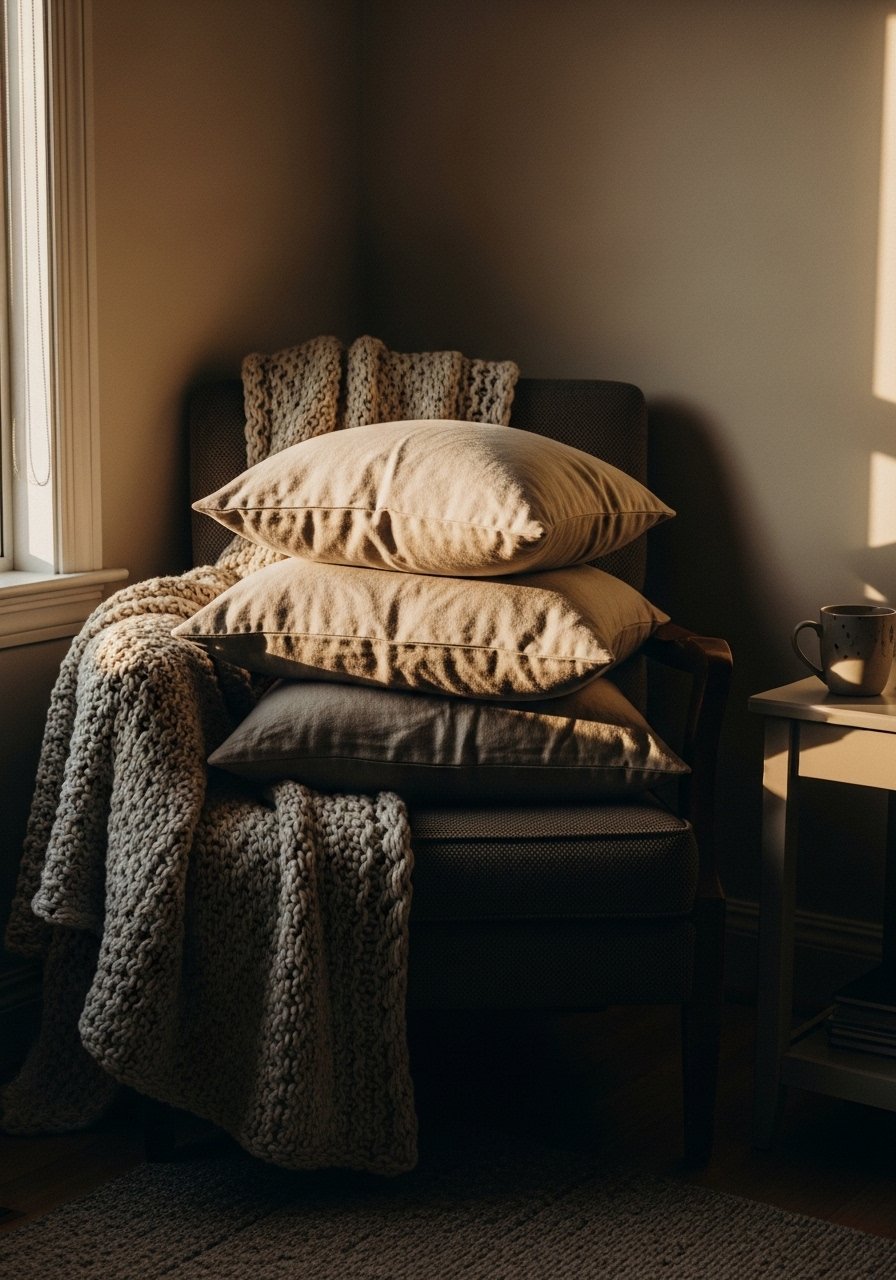
Make a corner that is not about work so you actually take breaks. I use a 30-inch deep armchair with two 22-inch linen pillow covers and a chunky knit throw for tactile contrast. A common mistake is skipping a seating zone in a craft room. Sitting in the same chair as you cut fabric is not restful. I love 22-inch linen pillow covers, set of 2 and a chunky knit throw blanket. The nook makes the room feel finished and gives you a spot to admire what you made.
Your Decor Shopping List
Textiles
- Honestly the best $40 I have spent. 22-inch linen pillow covers, set of 2 in neutral and stripe
- Chunky knit throw blanket in cream (~$35-55)
Wall Decor
- Peel-and-stick floral wallpaper single roll for a feature wall
- 8×10 black picture frames, set of 4 for project display
Storage & Surfaces
- Decorative pegboard 24×36 inches with wooden peg hooks
- Three-tier rolling craft cart, 24×14 inches
Lighting
Rugs & Curtains
Where I would look in store: HomeGoods for unique baskets, Target for budget-friendly curtain panels, and a local thrift shop for vintage cabinets to repaint.
Shopping Tips
White oak beats dark wood in 2026. Design feeds have shifted completely. These white oak floating shelves look current, not dated.
Grab peel-and-stick wallpaper rolls and test one 12×12 inch sample on the wall for a week. The pattern reads differently at noon and at night.
Curtains should puddle or kiss the floor, never hang halfway up. 96-inch linen panels are right for standard 9-foot ceilings.
Lead with one big piece rather than ten small ones. A single vintage metal cabinet painted in a modern hue will anchor the room and make smaller eclectic pieces feel deliberate.
Frequently Asked Questions
Q: What size rug do I actually need for a craft table?
A: Bigger than you think. For a central table, go at least 8×10 so chairs never catch the edge. If your table is small, a 5×8 layered over an 8×10 base works. This 8×10 jute rug is a sturdy base choice.
Q: Can I mix boho textiles with industrial storage without it looking messy?
A: Yes. Use a single neutral base like jute or white oak and add textiles as accents. Keep storage units in a consistent finish and vary textiles for warmth. Mixing metals in small doses helps tie both styles together.
Q: How high should I hang curtains in a room with 8-foot ceilings?
A: Mount the rod 4 inches above the window trim and choose full-length panels. If you can go higher, do 6 inches. The higher rod makes the room feel taller. 96-inch linen panels can be hemmed if needed.
Q: What lighting is best for detailed craft work?
A: Daylight bulbs near 5000K for task lamps and 2700K for ambient lights. Place swing-arm lamps about 18 inches above the work surface and add a floor lamp across the room to reduce harsh shadows. Adjustable swing-arm task lamps are a reliable pick.
Q: Should I use clear jars or opaque bins for supplies?
A: Clear jars for small items you need to find quickly and opaque bins for dust-prone or bulky supplies. Clear jars help visually edit what you have so you shop smarter. Clear glass storage jars, set of 12 are great for beads and buttons.
Q: How do I keep a maximalist room from feeling chaotic?
A: Edit, then edit again. Group like items, leave breathing room on shelves, and pick one feature wall or large piece to ground the space. Rotate small displays seasonally so the room stays fresh without needing a complete overhaul.