
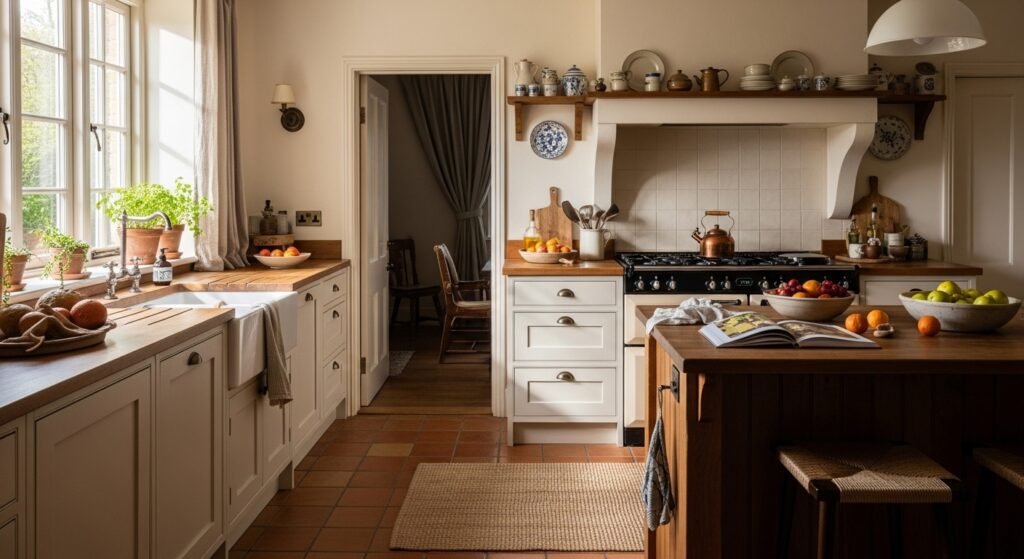
My kitchen used to feel cold and empty — lots of white and shiny surfaces but no warmth. I would tidy and still the room felt off.
I learned to layer warm tones so the space reads calm and lived-in. This guide shows how I do that without ripping out cabinets or repainting the whole room.
How to Decorate a Kitchen With Warm Tones
I’ll show how I add color, texture, and small hardware swaps so the kitchen reads warm and intentional. It’s practical and budget-friendly. The result feels cozy, balanced, and lived-in—a quiet, organic-modern warmth that still looks simple.
What You’ll Need
- Linen tea towels in clay, set of 4 (~$15–30)
- Terracotta dinnerware set, 12-piece (~$40–90)
- Rattan pendant light, medium (~$60–180)
- Soft gold/brass cabinet pulls, 10-pack (~$15–45)
- Wool runner rug 2.5×8, warm neutrals (~$100–300)
- Walnut cutting board, large (~$30–120)
- Ceramic canister set, cream, 3-piece (~$30–80)
- Woven seagrass placemats, set of 6 (~$25–50)
Step 1: Anchor the room with a warm base
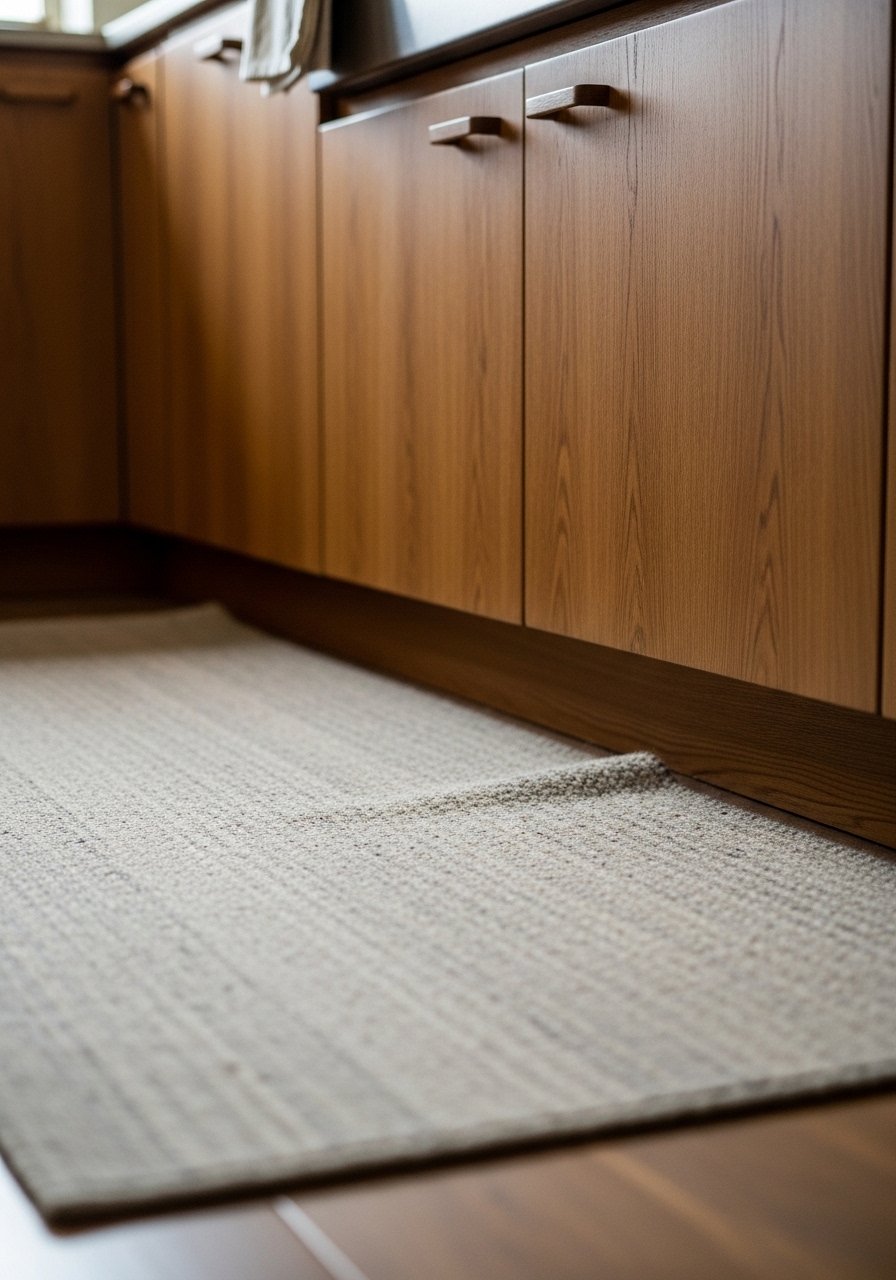
I always start low. A wool runner or warm-toned wood immediately changes the room’s temperature. I place a runner in front of the sink or along the main workline so the warm color meets my feet first. Visually, that ground hums through the whole kitchen and makes cool counters feel intentional.
Insight people miss: the base doesn’t have to match everything—its role is to add warmth, not compete. Mistake to avoid: choosing a runner that’s too busy; it should whisper, not shout.
Step 2: Create small, lived-in vignettes
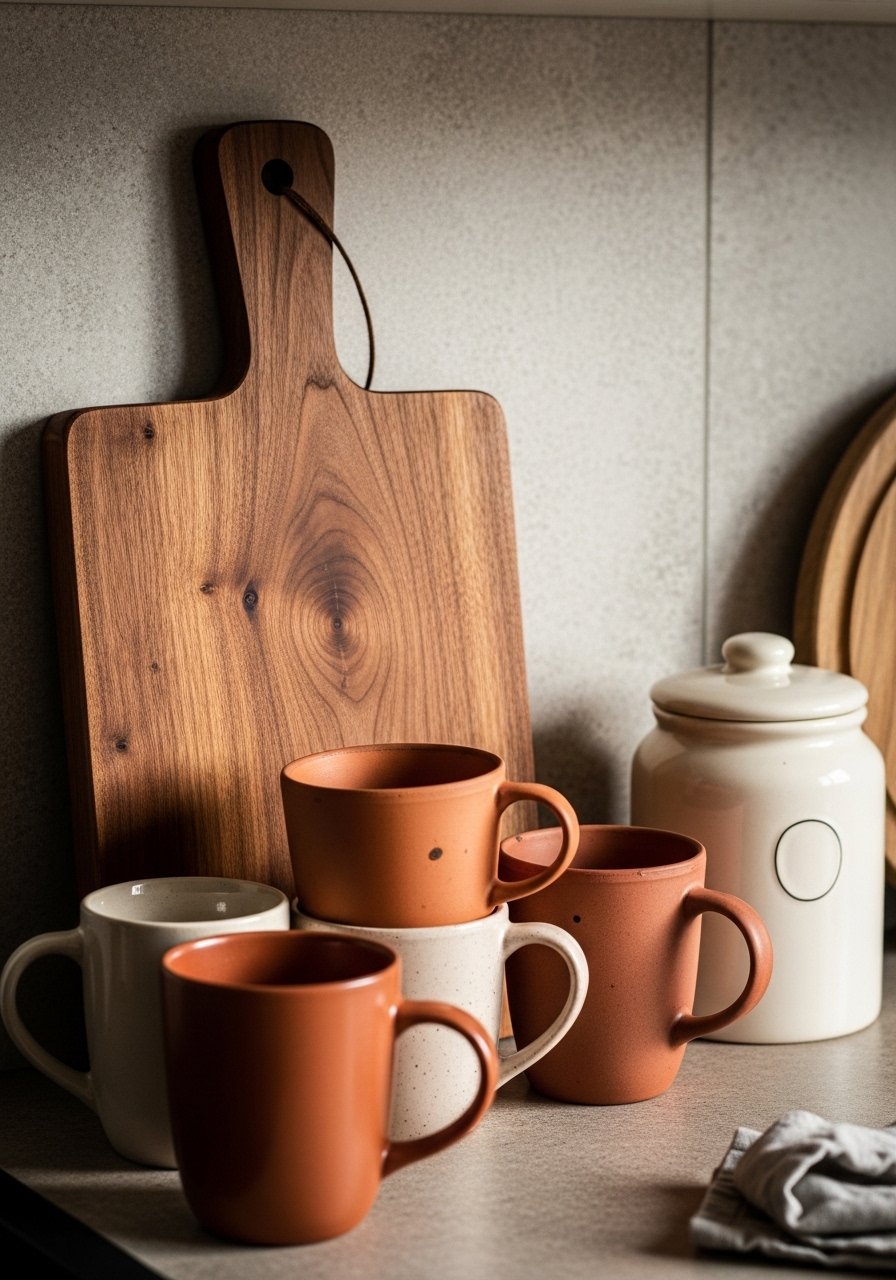
I group three-to-five items near prep zones. I lean a walnut cutting board, set a ceramic canister, and tuck terracotta mugs beside the coffee station. The mix of wood, clay, and matte ceramic reads warm and practical. Placing them near where I work keeps the look honest and useful.
Insight people miss: scale matters—use one taller piece and a couple of low objects for balance. Mistake to avoid: crowding the counter. Leave breathing space so each item can be noticed.
Step 3: Swap small finishes to shift the mood
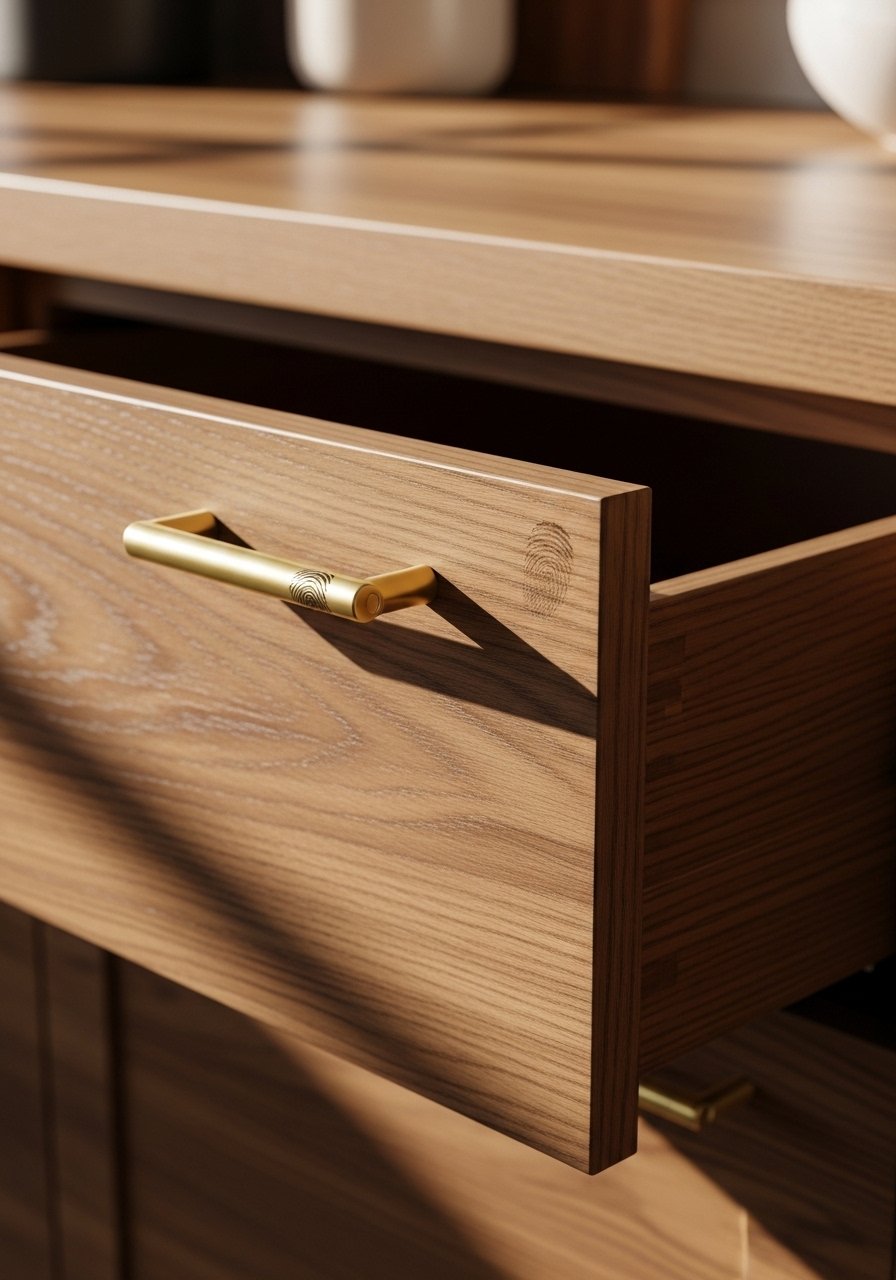
Changing handles and a light fixture is my quickest mood change. I swap cool pulls for soft gold or brushed brass and add a rattan pendant over the island if the ceiling allows. The hardware and lighting give a consistent warm edge that unifies different surfaces.
Insight people miss: match the scale of hardware to cabinet doors—too small looks fussy. Mistake to avoid: mixing too many metal finishes in one workspace. Keep one dominant warm finish.
Step 4: Layer textiles for comfort and rhythm
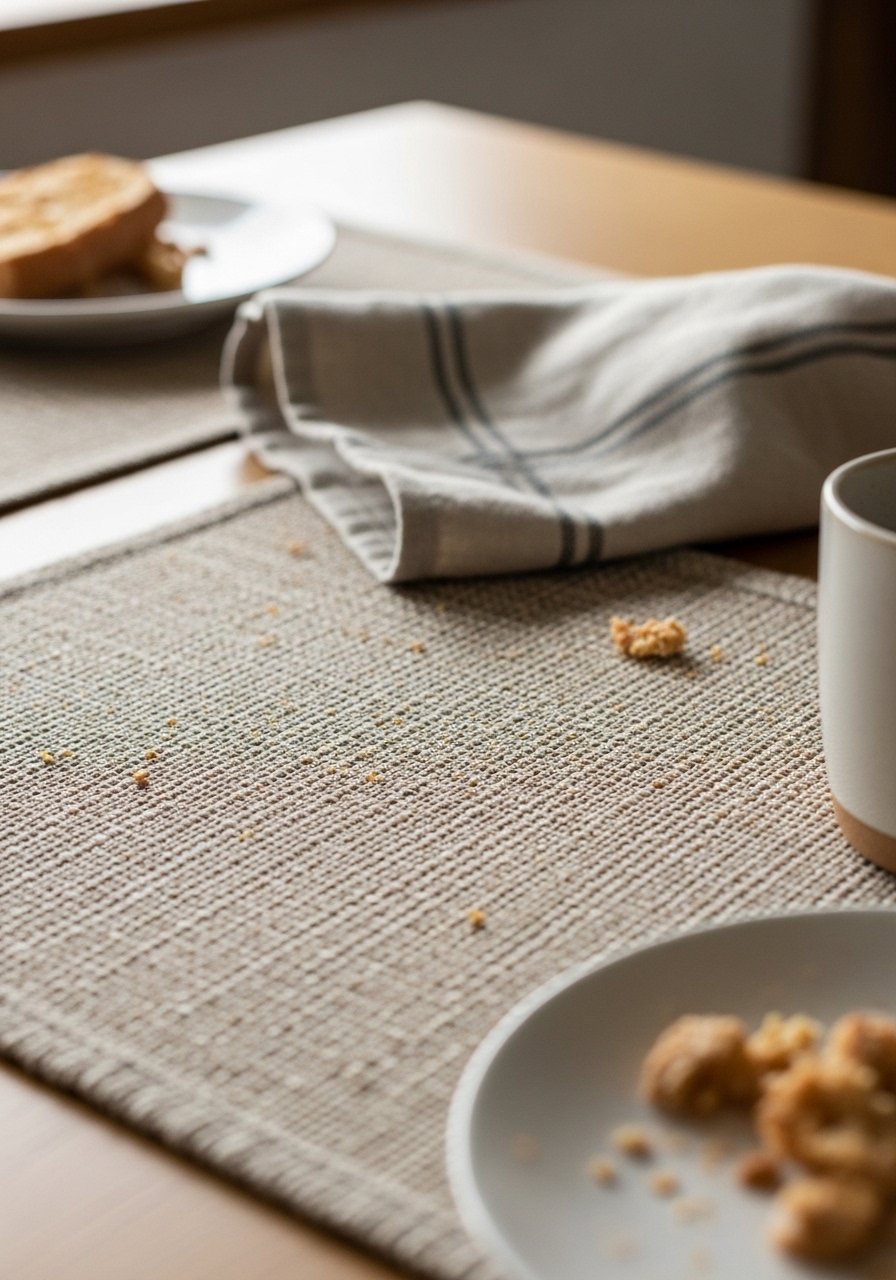
I add linen tea towels, woven placemats, and an under-fridge rug to introduce soft warmth. I let tea towels hang casually or fold placemats half-off the table edge. Textiles give pause to shiny surfaces and create a rhythm across the room.
Insight people miss: textiles should repeat a color or texture you already used so the eye travels. Mistake to avoid: matching everything exactly—variations in tone feel more natural than a perfect set.
Step 5: Edit for balance and daily function
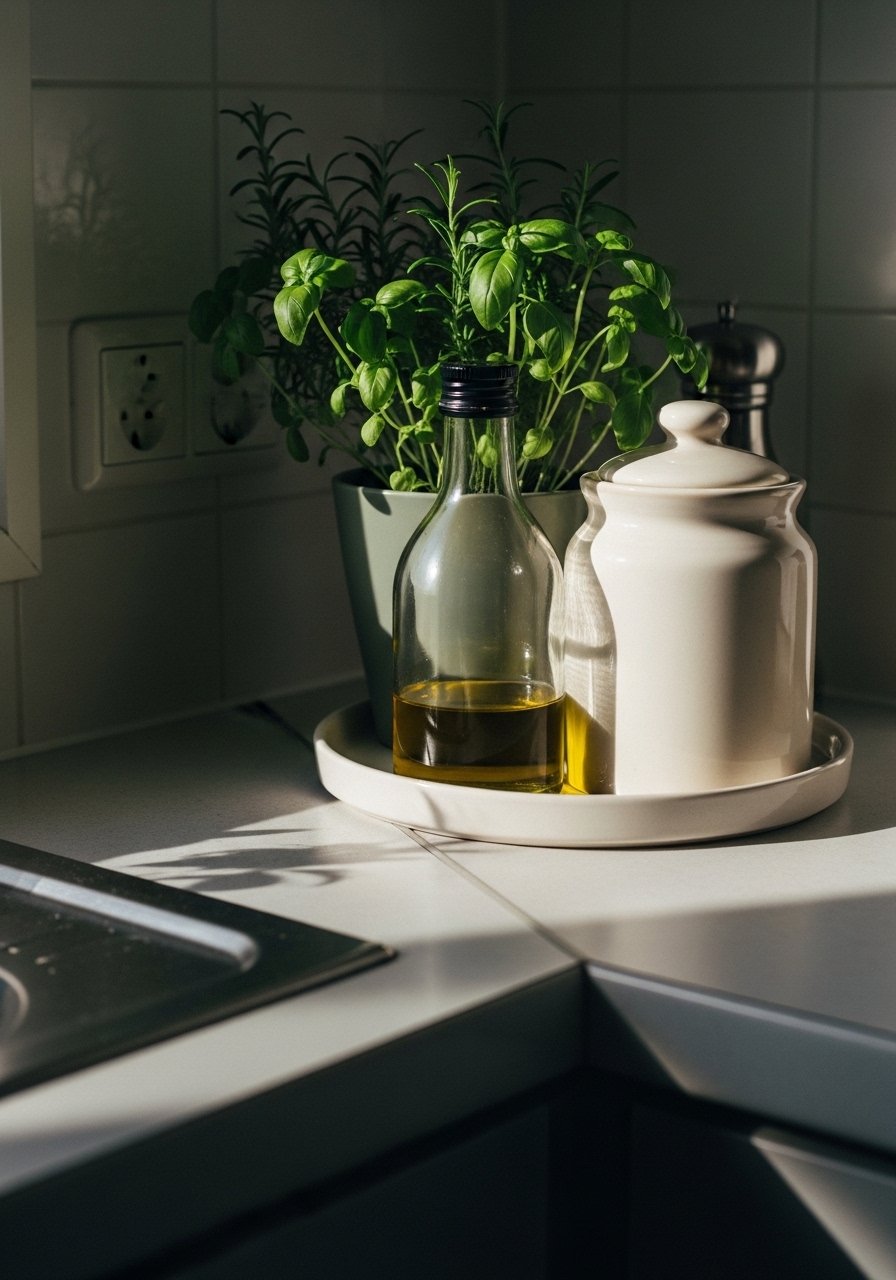
I step back and remove one item from each vignette. Warm kitchens need negative space to feel calm. I keep frequently used items within reach but stash the rest. Functionality stays central—canisters for flour, a cutting board by the stove—so the warmth doesn’t become clutter.
Insight people miss: negative space makes warm items pop. Mistake to avoid: over-accessorizing every surface. Leave some cool, clean planes to balance the warmth.
Common mistakes when aiming for warm tones
I often see people go too far with one material or color. Kitchens feel heavy when every surface is the same warm wood or the same clay tone. I prefer a mix of surfaces and a few contrasting cool accents to keep the look fresh.
Quick checklist:
- Avoid repeating identical tones in every zone.
- Keep high-use areas practical, not purely decorative.
- Edit regularly—what felt warm last season can feel heavy next month.
Adapting this look to small kitchens or a tight budget
I start small when space or money is limited. A swap of cabinet pulls or a new runner can change the whole feel. Focus on the one area you see most—usually near the sink or stove—and build from there.
Budget ideas:
- Change hardware instead of cabinets.
- Add textiles (tea towels, placemats) for under $50.
- Use a single terracotta vase or canister as a focal piece.
Mixing warm tones with what you already own
I rarely replace everything. I layer warm accents over what I have. If your countertops are cool, introduce warm wood and textiles to balance them. If appliances are stainless, pick soft gold as an accent rather than matching it everywhere.
Simple approach:
- Introduce one warm texture per zone (floor, counter, lighting).
- Repeat a warm color in two places to tie the room together.
- Keep function first—any accessorizing should help daily flow.
Final Thoughts
Start small and live with one change for a week. I often begin with linen tea towels or a single ceramic canister and let the room tell me what else it needs.
Small swaps add up. If something feels off, remove one item rather than add more. The goal is a kitchen that feels comfortable and intentionally warm.