

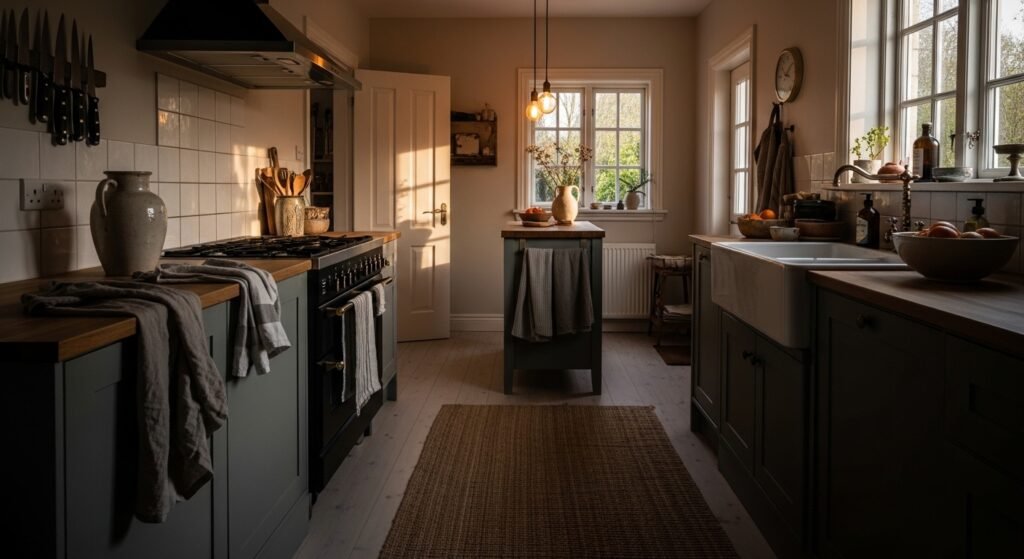
I had three bright, echoing mornings in this kitchen where nothing felt like home. Counters either sat naked and cold or were covered in a jumble of jars and artfully placed junk. I tried matching everything, then stuffing every surface to make it feel "personal." Both failed.
What finally worked was less about adding and more about choosing what to keep, and where to let air exist. I learned the hard way that size, texture, and warm light make a kitchen feel cozy, not cluttered.
Step 1: Anchor the area with a rug and the right pendant height
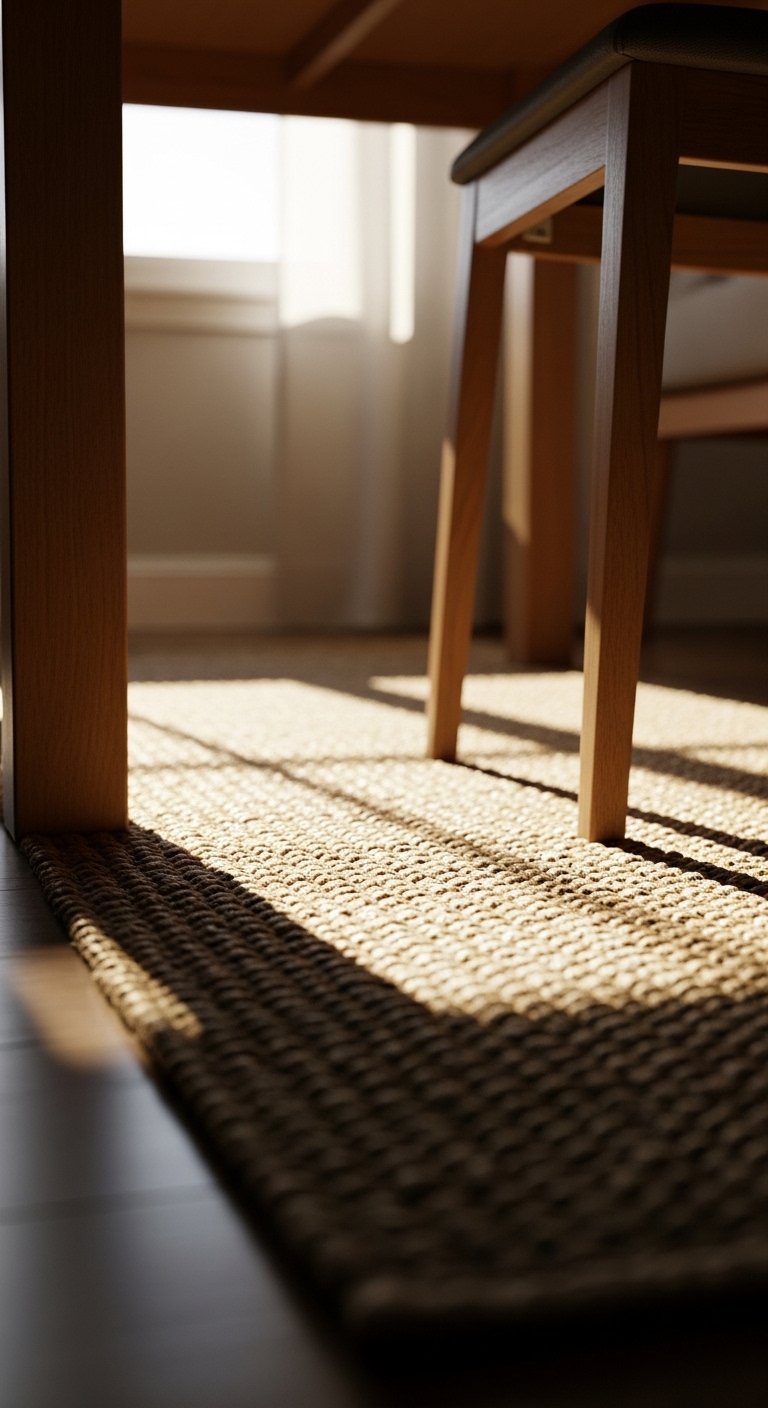
Lay down a rug that actually fits the activity zone. For a dining nook or small island, aim for a rug that extends at least 24 inches beyond all sides of the table or chairs when pulled out. For larger islands, think 8×10. The right rug grounds the space, so pick wool or jute depending on the feel you want. Jute is scratchy under bare feet and very natural. Wool has a springy, warmer cushion.
Most people pick rugs too small. My first rug looked like a doormat. It took switching to a properly sized 5×8 to make the area read as intentional. I use a jute area rug, 5×8 in the smaller kitchen and it keeps things visually anchored without feeling heavy.
Step 2: Introduce soft textiles that can take kitchen life
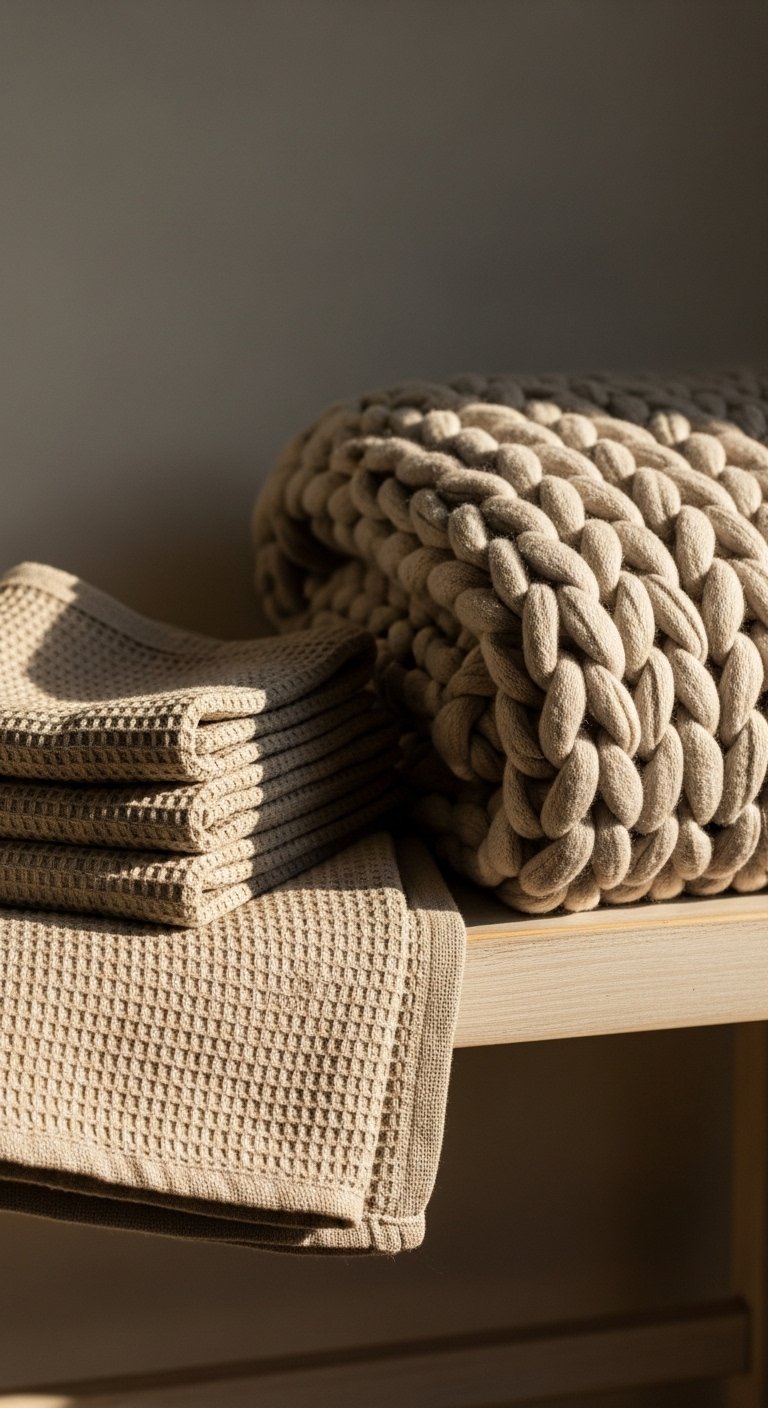
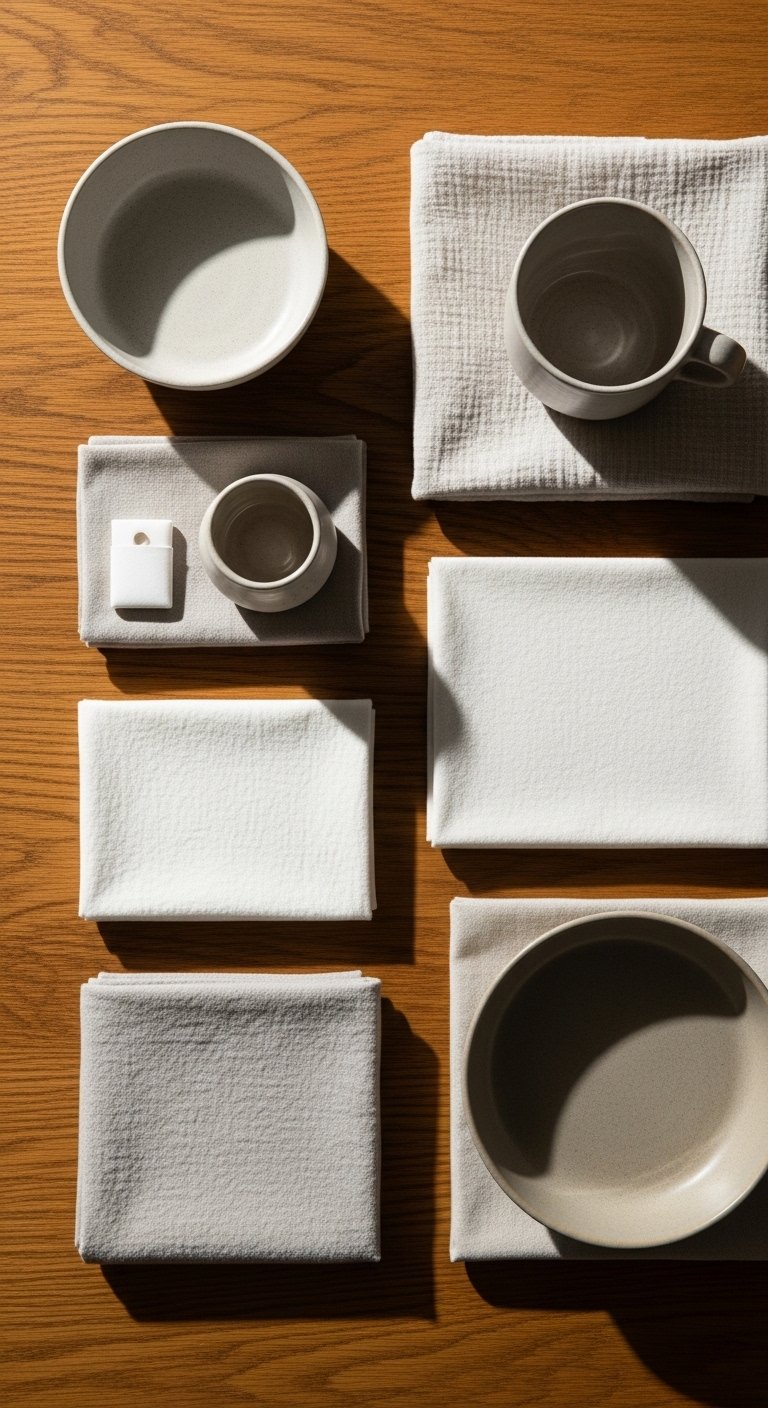
Most people skip textiles in kitchens because they are afraid of stains. I did too, until I loved the difference a folded linen towel and a 50×60 throw make on a bench. Linen tea towels, roughly 18×28 inches, dry quickly and get softer over time. A chunky knit throw on a breakfast bench adds a soft counterpoint to cool stone, but remember boucle catches crumbs and pet hair. My boucle seat was gorgeous in photos and infuriating in practice.
Use washable fabrics and keep one throw you like. I keep a chunky knit throw in oatmeal, 50×60 draped over the bench for morning coffee comfort.
Step 3: Edit surfaces and group items in odd numbers for balance
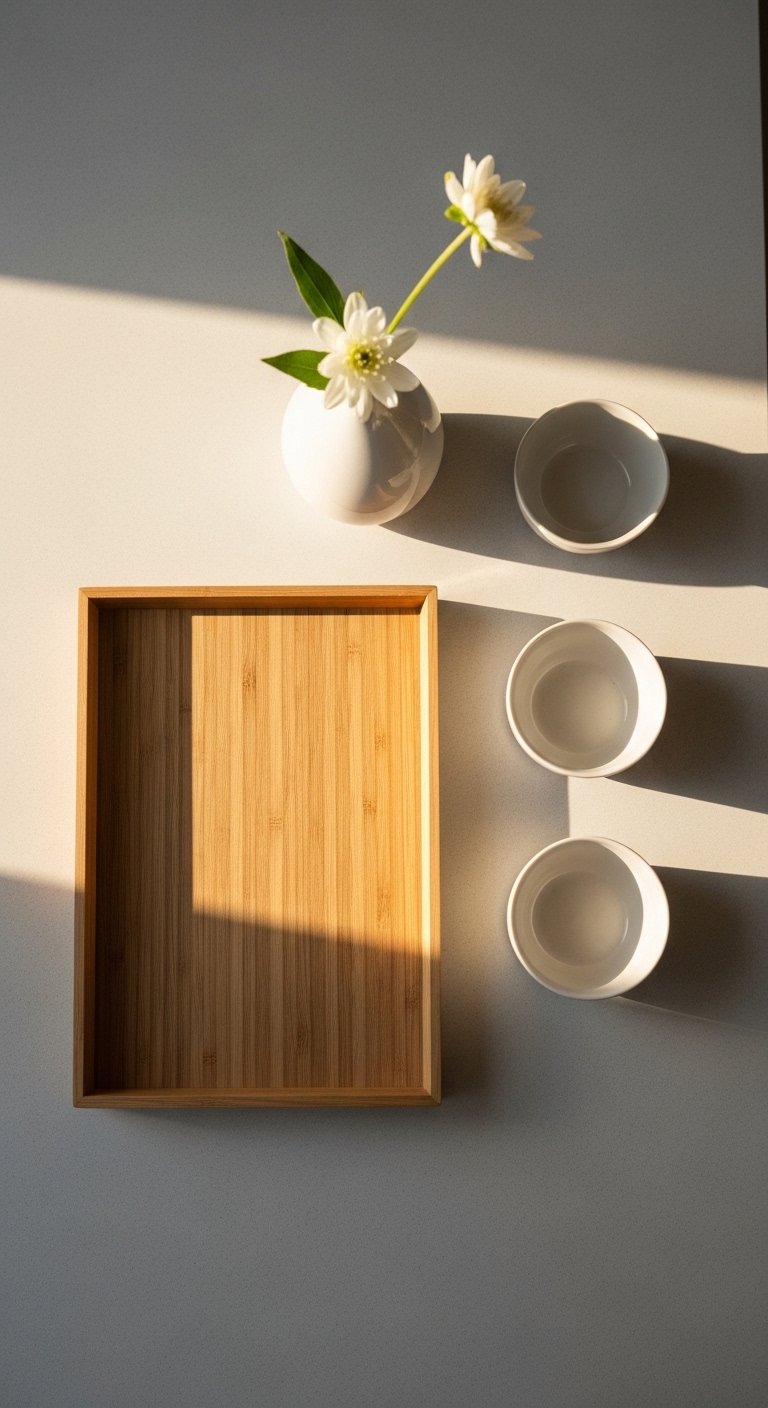
This is the step where it actually starts to look styled instead of messy. Clear everything, then add groups back in threes or fives. Leave about 2 or 3 inches between objects so pieces breathe. Aim for roughly 60 percent clear work surface and 40 percent contained styling on counters. Put the tallest item at the back, medium in the middle, and the low object front center.
Common mistake here is symmetry and tiny, tight groupings. I did that for months. Trays help corral things and make cleaning easier. A heavy ceramic utensil jar, about 5 inches wide, feels substantial and grounds a small display. I use a matte white ceramic vase set (set of 3) for height and shape contrast.
Step 4: Replace harsh overhead light with layered warm lighting
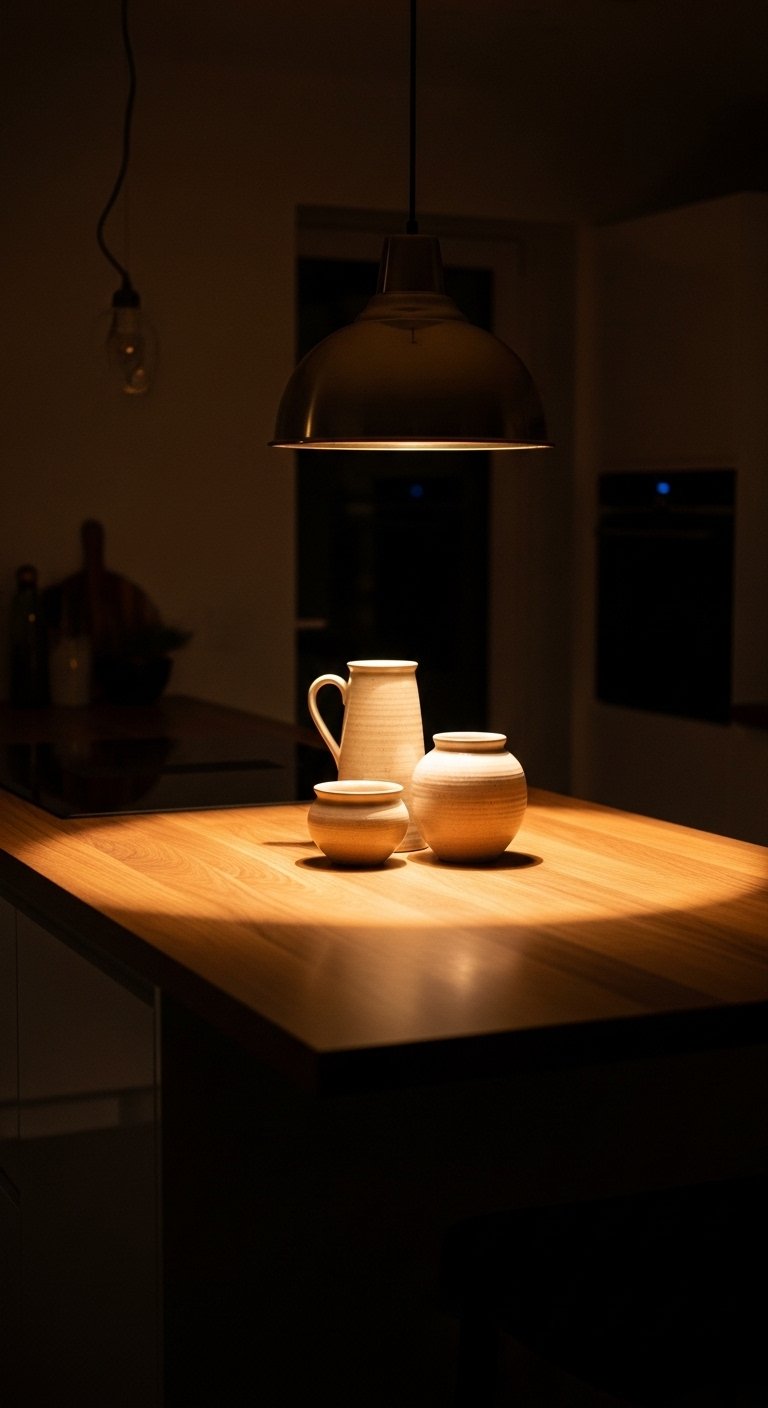
Most kitchens get cold because the lighting is flat. Swap bulbs for warm 2700K LEDs and add a dimmer so the island can go from task-bright to low and cozy. For pendants, hang them 30 to 36 inches above the countertop for the right scale and shadow. Under-cabinet strips in warm white make the backsplash glow without blasting the whole room.
A common misstep is leaving only one bright fixture on. Layer at least two sources. I switched one bulb and the whole room felt calmer immediately. I use warm 2700K LED bulbs, 4-pack and a simple dimmer to get both work light and atmosphere.
Step 5: Bring in natural materials and low-maintenance greenery
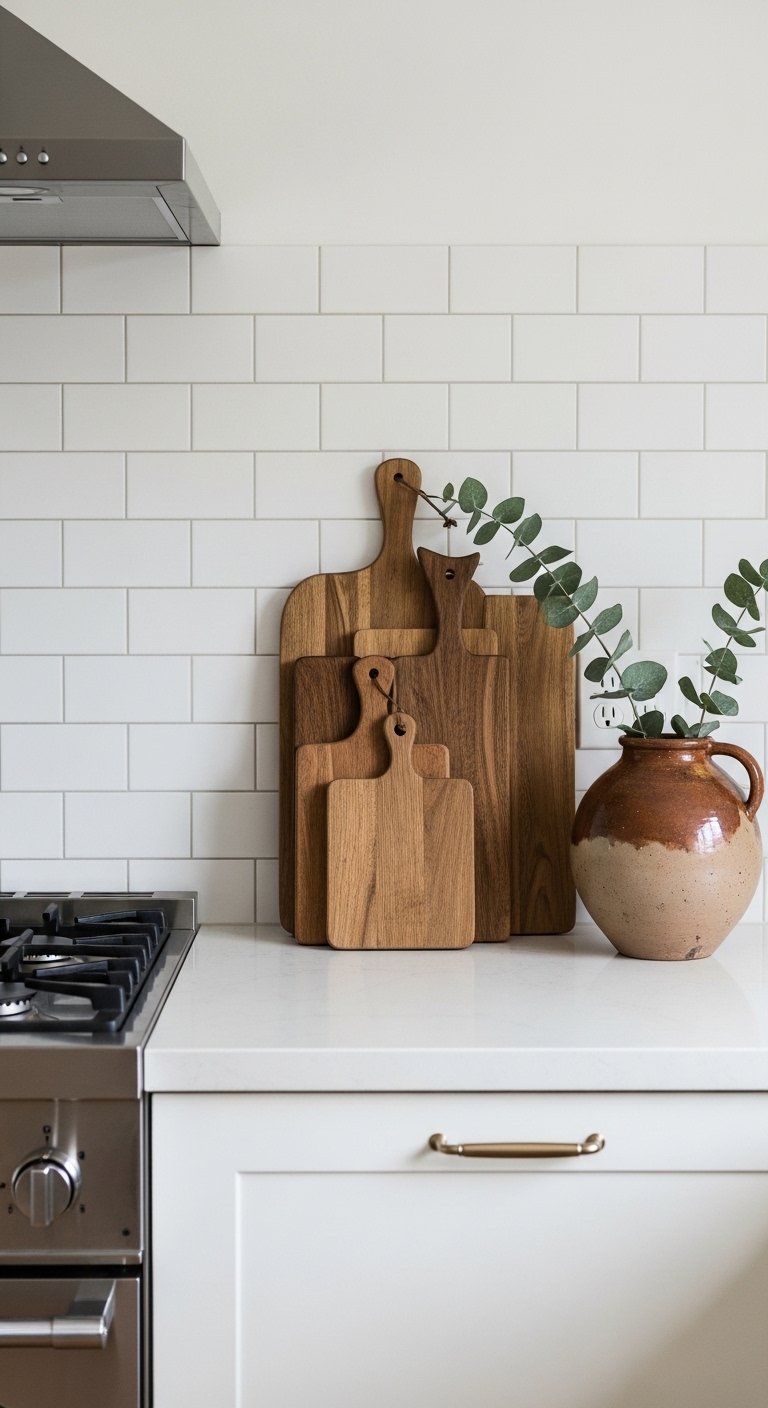
I almost skipped plants because mine always wilted. What works is one hearty, low-water plant like a snake plant, or a simple cutting in a clay vase. Add a wooden cutting board, about 20×12 inches, and a stone mortar for texture. Wood reads as warm and heavy in the hand, ceramic feels cool and grounded on touch.
Avoid glossy plastic plants that betray themselves at a glance. Scale matters. A tall vase on the counter should be 12 to 16 inches high so it reads like part of the room, not a knickknack. Try a wood cutting board, 20×12, solid oak to add weight and natural grain to your counters.
Everything You Need for the Cozy Kitchen Look
- Jute area rug, 5×8 ($90-160). Used in Step 1 to anchor small dining areas.
- Chunky knit throw in oatmeal, 50×60 ($40-65). For Step 2, toss on a bench or chair.
- Linen dish towels, set of 4, natural ($18-30). For Step 2, soft and quick-drying.
- Matte white ceramic vase set (set of 3) ($25-40). Step 3 uses these for height.
- Warm 2700K LED bulbs, 4-pack ($12-20). Step 4 to change the light mood.
- Dimmer switch, universal ($15-35). For Step 4 to soften the room.
- Wood cutting board, 20×12, solid oak ($30-60). Step 5 for texture and weight.
- Ceramic utensil holder, 5-inch diameter, white ($15-28). Step 3 to anchor spoon and spatula clutter.
- Snake plant, medium pot ($20-45). Step 5 for easy greenery. Similar options at HomeGoods.
Why Your Counters Still Look Cluttered After Styling
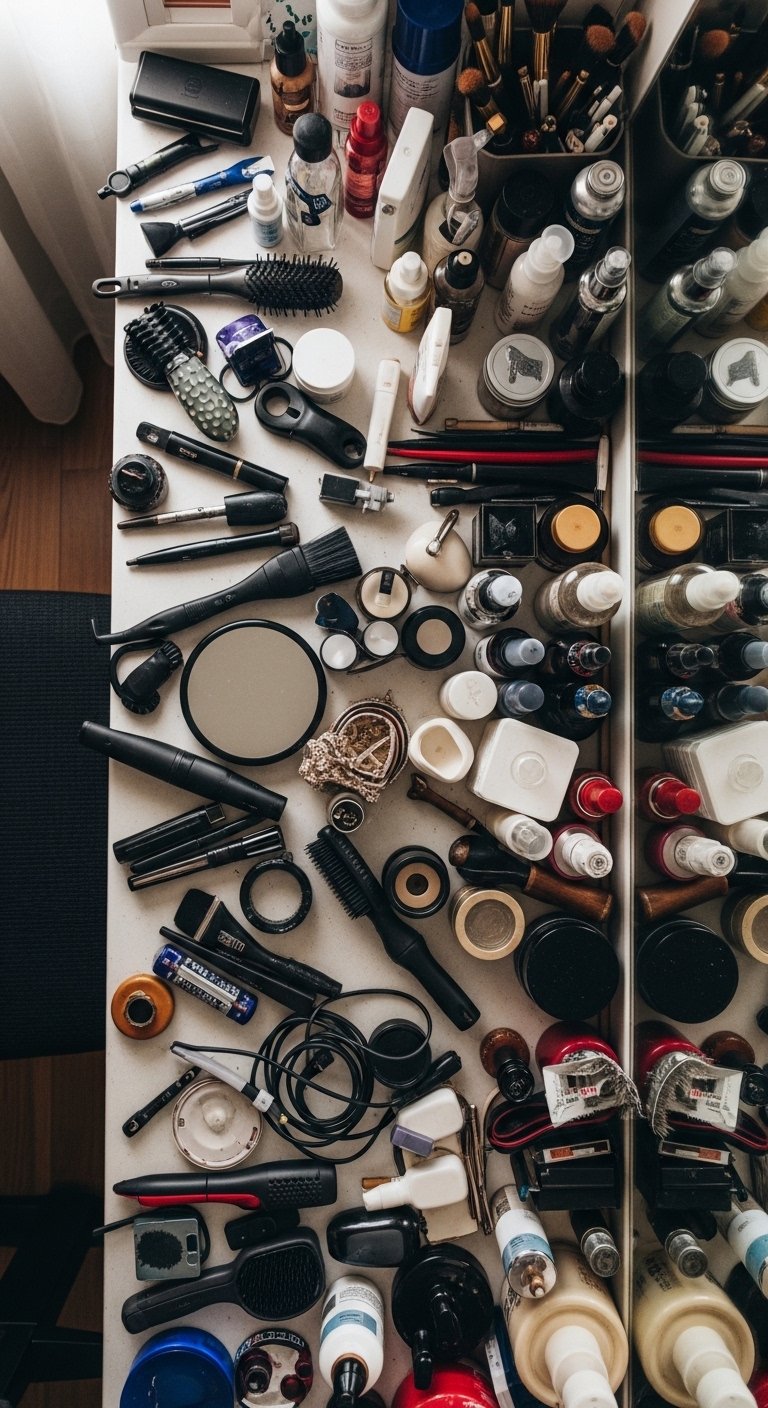
Most cluttered counters are the result of too many small things, not too few. If every object is the same size, the eye never finds a rest point. Start by removing half the items and grouping the rest. Use one tray to contain daily clutter and put larger, heavier elements like a wood board or ceramic jar beside it. Keep regularly used tools in a single vessel. If your counter needs function, make the styling functional.
Quick fixes
- Swap many tiny bottles for one larger jar
- Use a tray to make a small group feel intentional
- Keep 60 percent of the surface clear, then reconsider every week
Making This Work in a Small Kitchen
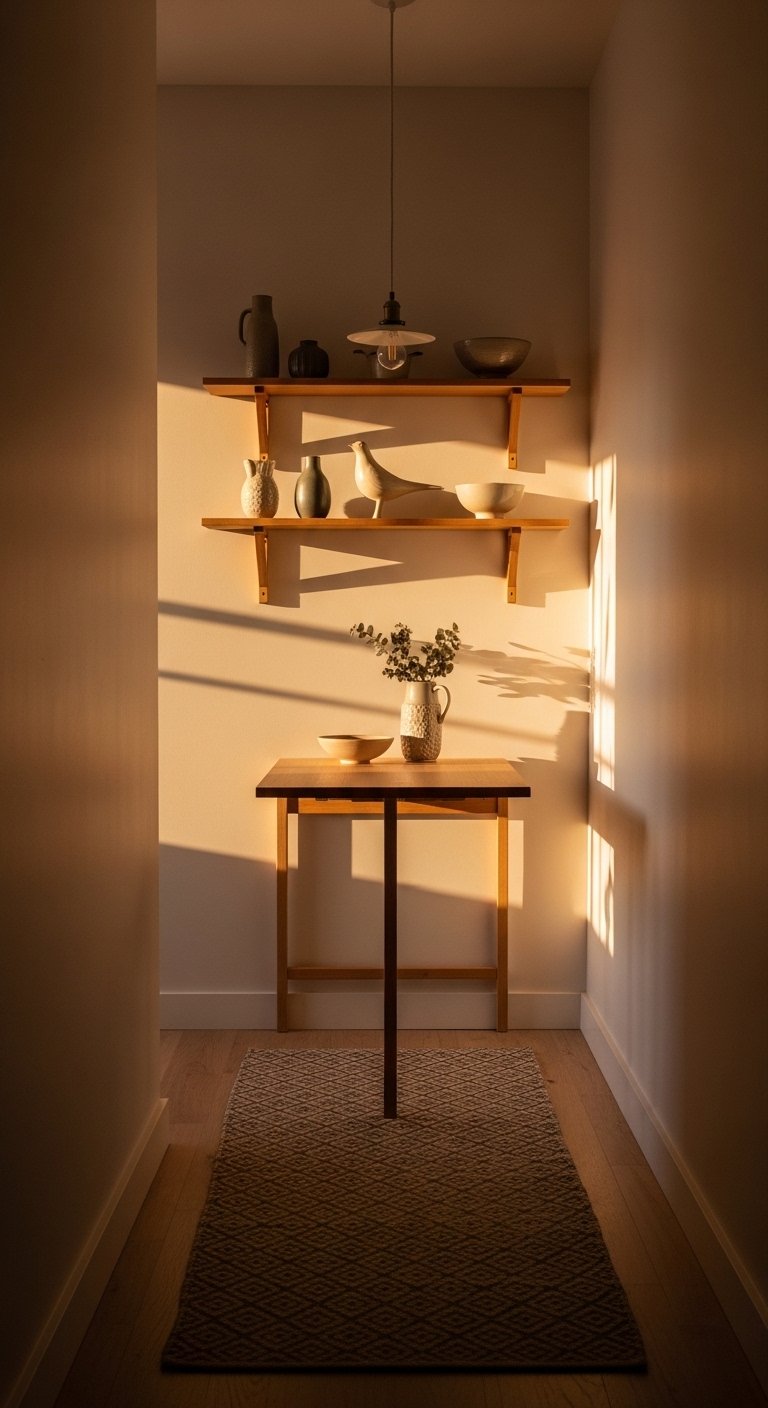
Small kitchens can feel cozy faster because everything is within sight. Use a runner 2 to 3 feet shorter than your floor run, or a 2×6 runner in very narrow spaces. Choose wall-mounted shelves 8 to 10 inches deep for useful storage and styling without blocking sightlines. Swap a full chair for a slim bench so textiles can get tucked away. My tiny galley kitchen needed one folded throw and a single plant to change the whole mood.
Scale down decorative items. A 5×8 rug can read as large and grounding in a small kitchen, so go with the biggest rug that fits the activity, not the floor.
What This Looks Like After a Week with a Kid and a Dog
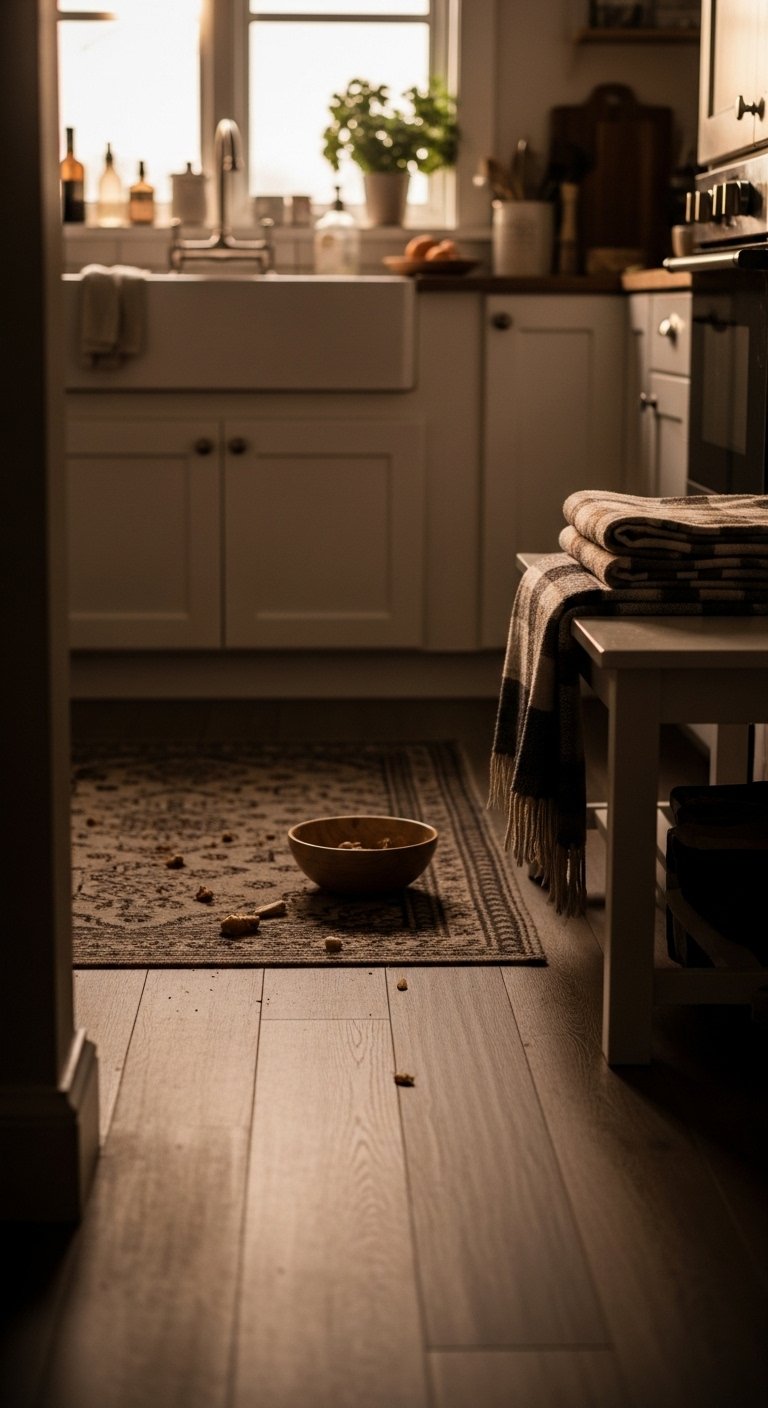
Day one is staged, day seven is honest. Expect crumbs and fingerprints. Use washable linens and keep one lower shelf for kid-access snacks so the counter stays calmer. Secure tall vases behind the sink area or on a shelf where paws and elbows cannot reach. I learned to keep my favorite throw on the bench and one spare in a basket for quick swaps.
Before: pristine counters and fear of mess. After one week: lived-in textiles, one or two knocked-over items, and a space that still feels warm because the core choices were simple and durable.
Start with One Counter
Pick one small area, like the counter beside your stove or the breakfast nook, and apply these steps. Swap the bulb, lay a rug, add one wooden board and one plant, then stop. Walk away for ten minutes, come back, and you will either see what to tweak or know you are done.
The quiet payoff is that a few material choices and one light change can make mornings feel softer. My first modest test spot is still the part of the kitchen that gets compliments, and I promise it was worth the trial and the middle versions that looked wrong.