
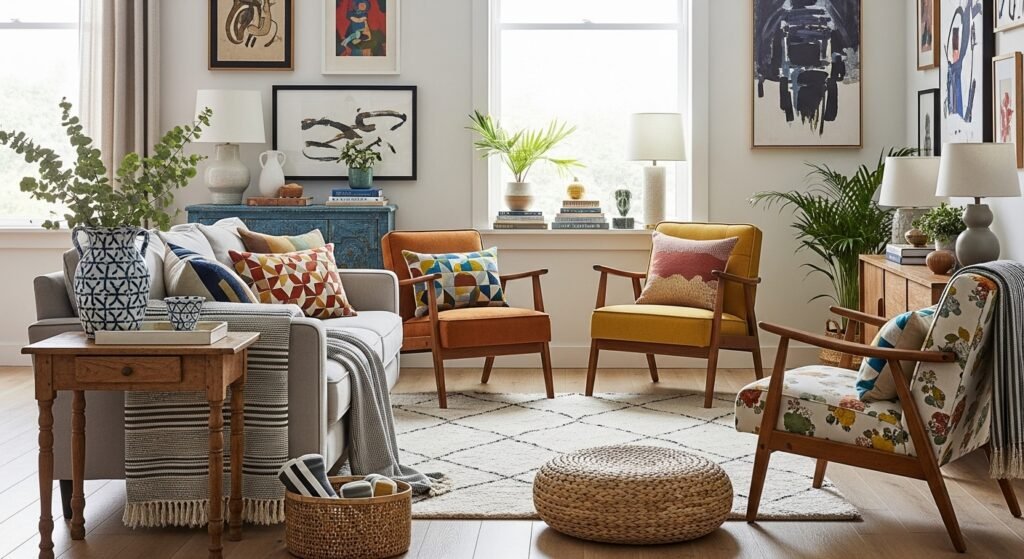
My living room had nice furniture and decent lighting but it still felt like a waiting room. Took me embarrassingly long to figure out it was missing texture. Every surface was smooth, every color was flat, and nothing invited you to actually sit down. That moment is why I chased these nine looks, the ones I actually pinned and used.
These ideas lean eclectic and layered, with most updates under $150 and a few splurges around $300. They work for living rooms, bedrooms, entryways, or any awkward corner that needs a personality injection without a full renovation.
Layered Neutrals with One Bold Accent Color
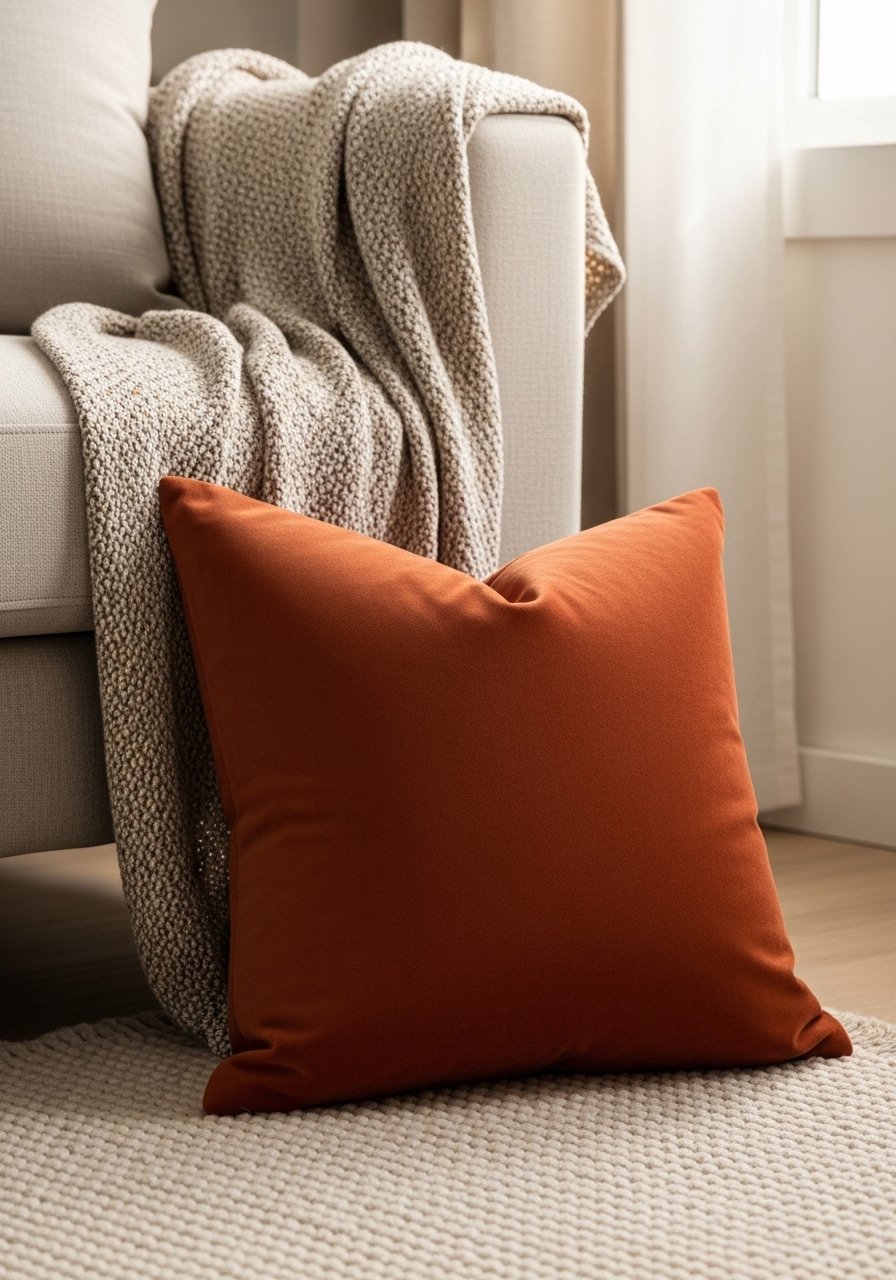
The moment I draped a chunky knit throw over the arm of my gray sofa, the whole room stopped looking flat. Keep the base neutral, aim for about 80 percent neutral tones and 20 percent accent color so the pop reads intentional rather than messy. I like 22-inch linen pillows in two neutral shades and one 18-inch velvet pillow in rust for contrast. Try a chunky knit throw in cream (~$40) tossed over an arm, plus a velvet accent pillow for the color hit. Common mistake, people add four different accent colors and it becomes noisy. A specific detail lots of posts skip, measure pillow sizes before you buy so the inserts match the covers, 22 inches for the sofa, 18 inches for accent chairs.
Gallery Wall With Mixed Frame Styles for a Collected Look
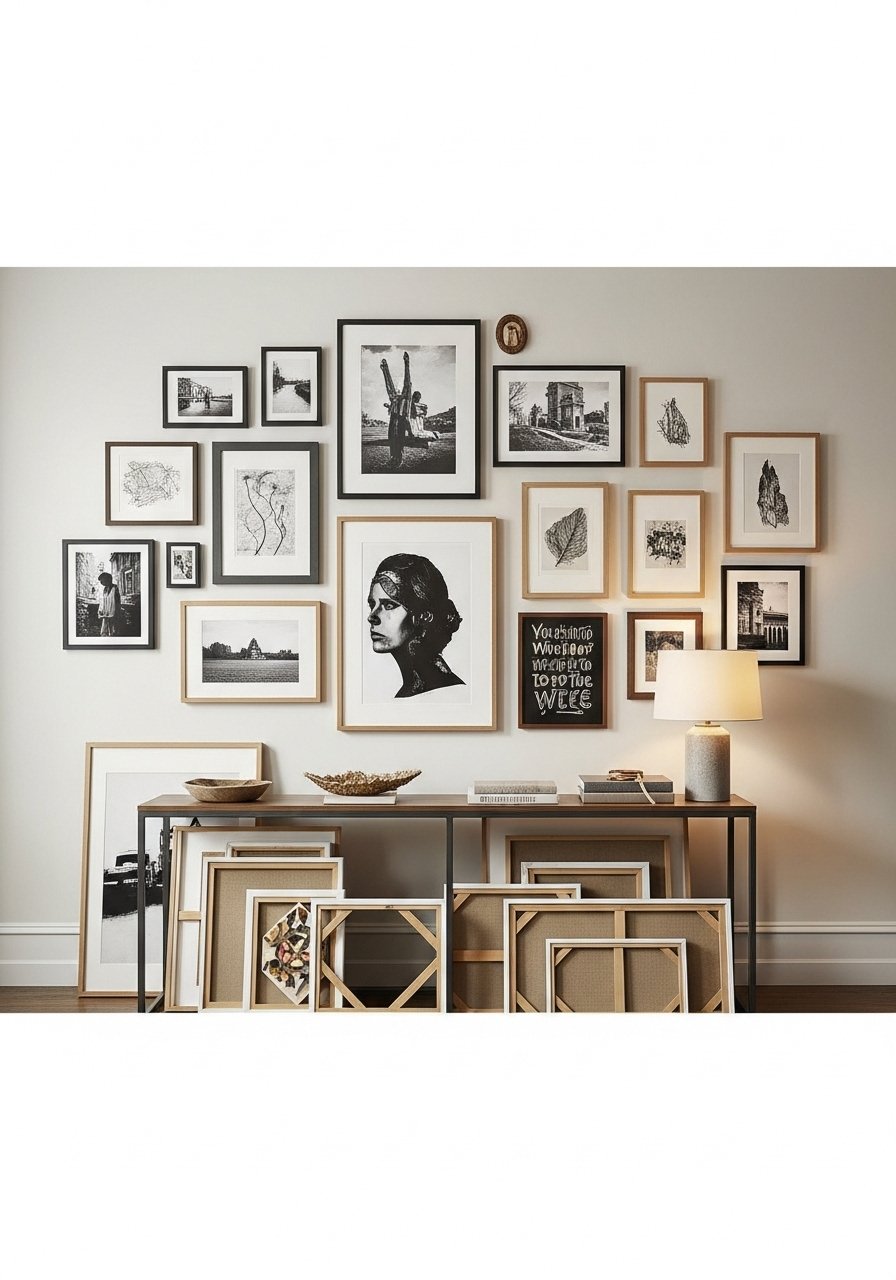
I found these brass picture ledges on Amazon for under $20 and they solved my gallery wall commitment problem. Mix frame styles, materials, and mat sizes and use picture ledges to lean rather than hammering holes everywhere. Start by planning a center line roughly 57 inches from the floor, then build out three groupings using the rule of three. Use one oversized piece as an anchor, then two smaller companions. I used brass picture ledges to swap prints easily. Mistake to avoid, people space frames too far apart. Keep edges within 3 to 5 inches so it reads as one unit. This works best in entryways and above sofas.
Floor-to-Ceiling Curtains to Add Instant Height
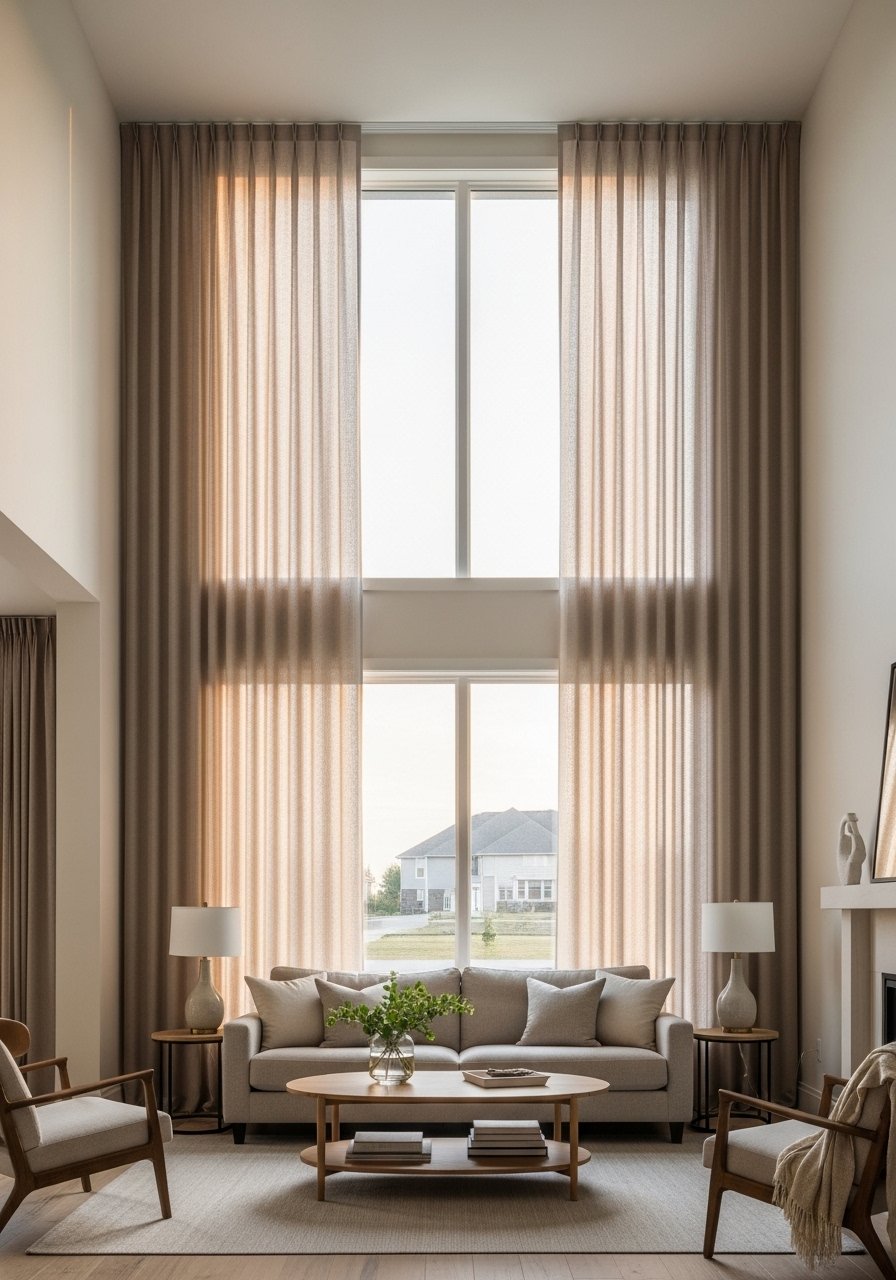
Most people hang curtains right at the window frame. That is why their rooms look shorter than they are. Hang panels 4 to 6 inches above the window trim, or mount the rod at least 6 inches below the ceiling if you can. Choose linen-look 96-inch panels for standard 9-foot ceilings, or 108-inch if you have taller ceilings. I bought 96-inch linen curtain panels (~$35 a panel) and the room felt taller overnight. A common error is buying panels that stop too high above the floor, which makes the room feel unfinished. For a relaxed look let them kiss the floor, for drama let them puddle 2 to 4 inches.
Mix of Metals for an Intentional Collected Vibe
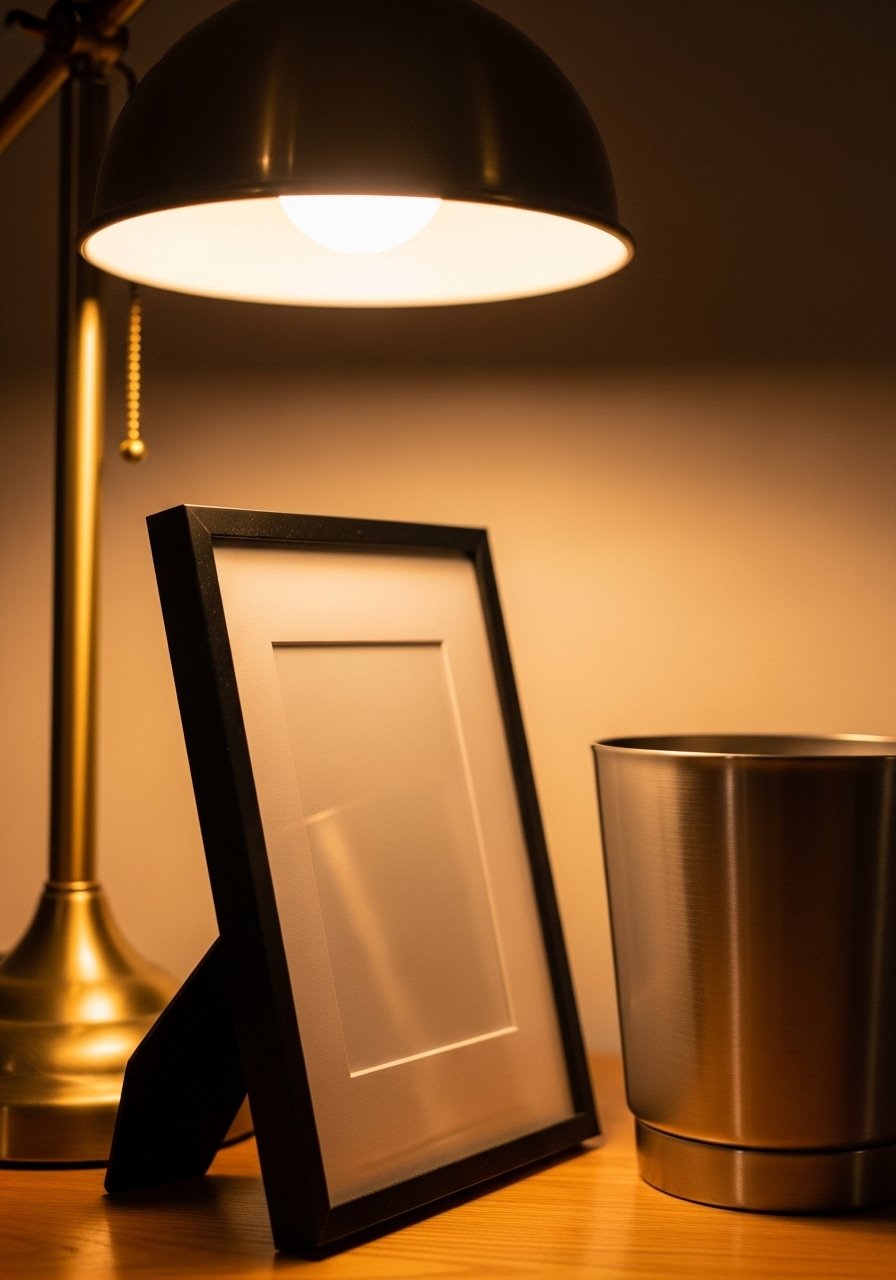
Mix metals, do not match everything. I split metals roughly 60/40, letting one finish dominate and a second accent it. For example, brass lamp as the hero and matte black picture frames as accents. I replaced identical chrome everywhere and the room finally read collected. Try mixed metal frames to start the habit without buying matching sets. Mistake, people scatter three different shiny finishes and it looks accidental. Specific tip, keep hardware finishes within the same tone family, warm or cool, and repeat the hero metal at least three times around the room.
Oversized Mirror to Brighten Dark Corners
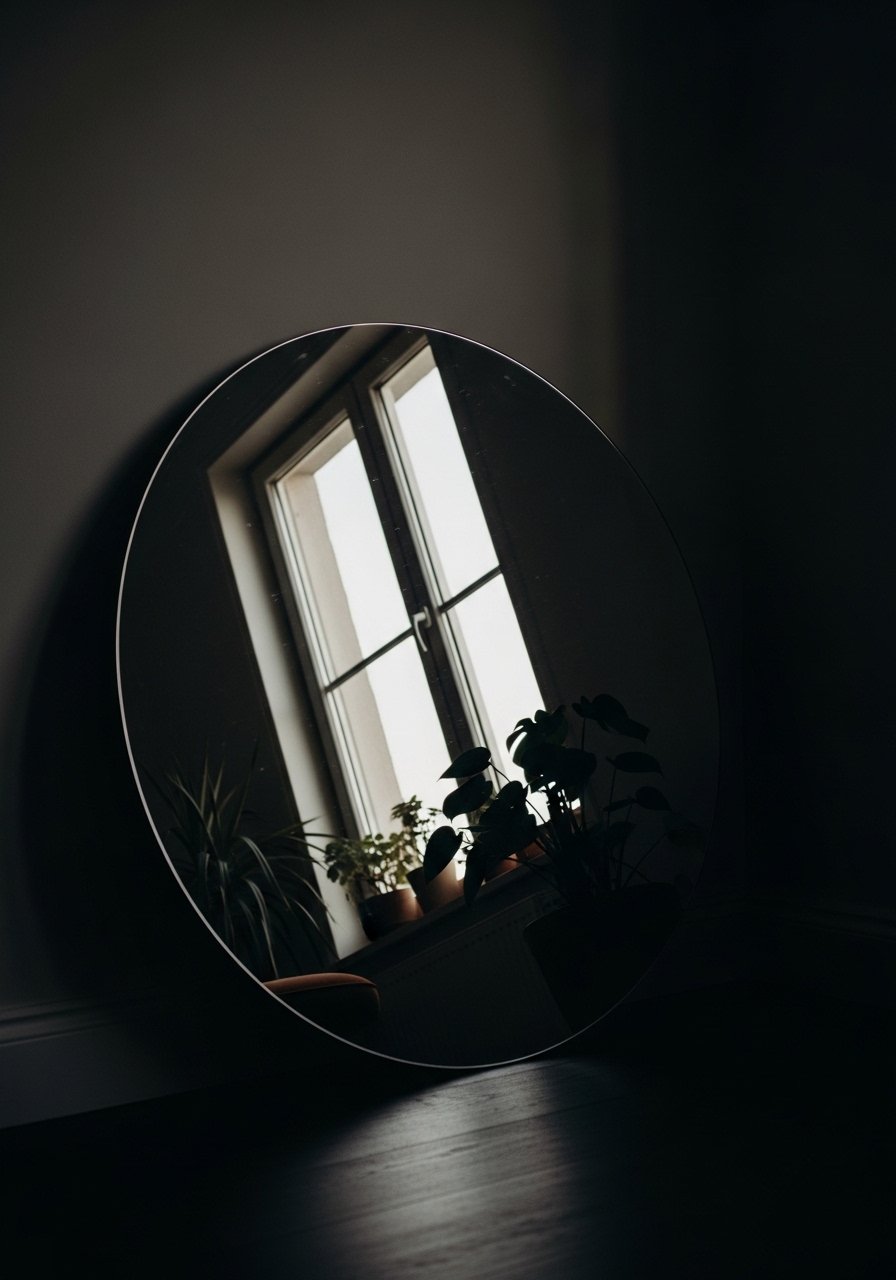
There is something about an oversized mirror that makes a small room feel like it breathes. I placed a 36-inch round mirror opposite a narrow window and the corner doubled in brightness. Use a mirror that is at least half the width of the furniture it sits near. Leaning mirrors are renter-friendly and you can layer a slim console beneath. I grabbed a large round mirror for under $120. A mistake I made before, hanging a mirror too high so it stopped reflecting the room. Center of the mirror should sit around eye level when possible, roughly 57 to 60 inches from the floor.
Layered Rugs for Warmth and Pattern
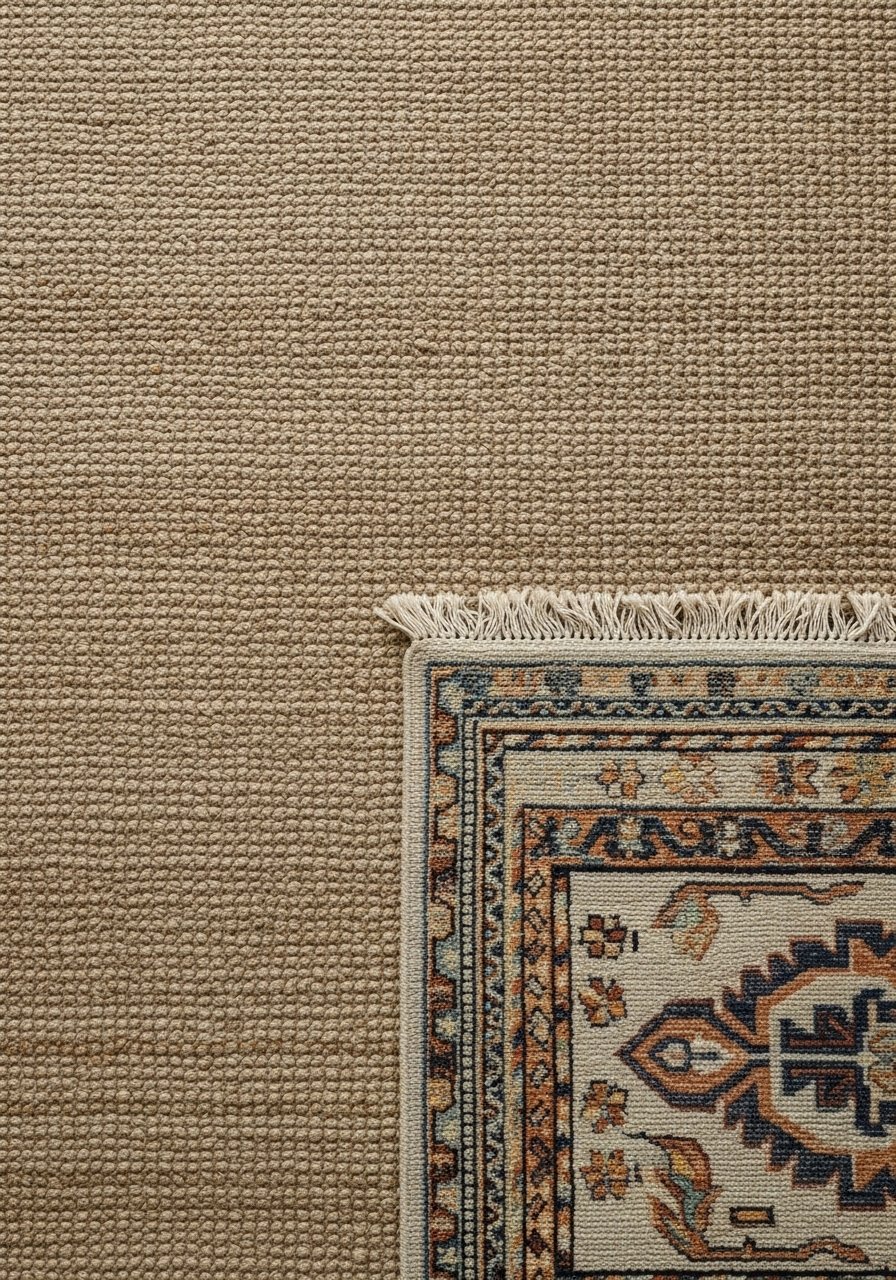
My entryway used to be a dumping ground for keys and shoes. One layered rug setup changed everything. Start with a natural fiber anchor rug and add a smaller patterned rug on top. Leave about 8 to 12 inches of the bottom rug showing on all sides for balance. I used a durable 8×10 jute rug under a patterned wool runner and the space read warmer. People go too small on rugs and the furniture looks disconnected. Also use a thin rug pad under the top layer to avoid slipping and to raise the texture slightly so the top rug reads as intentional.
Eclectic Lighting Mix for Layered Ambiance
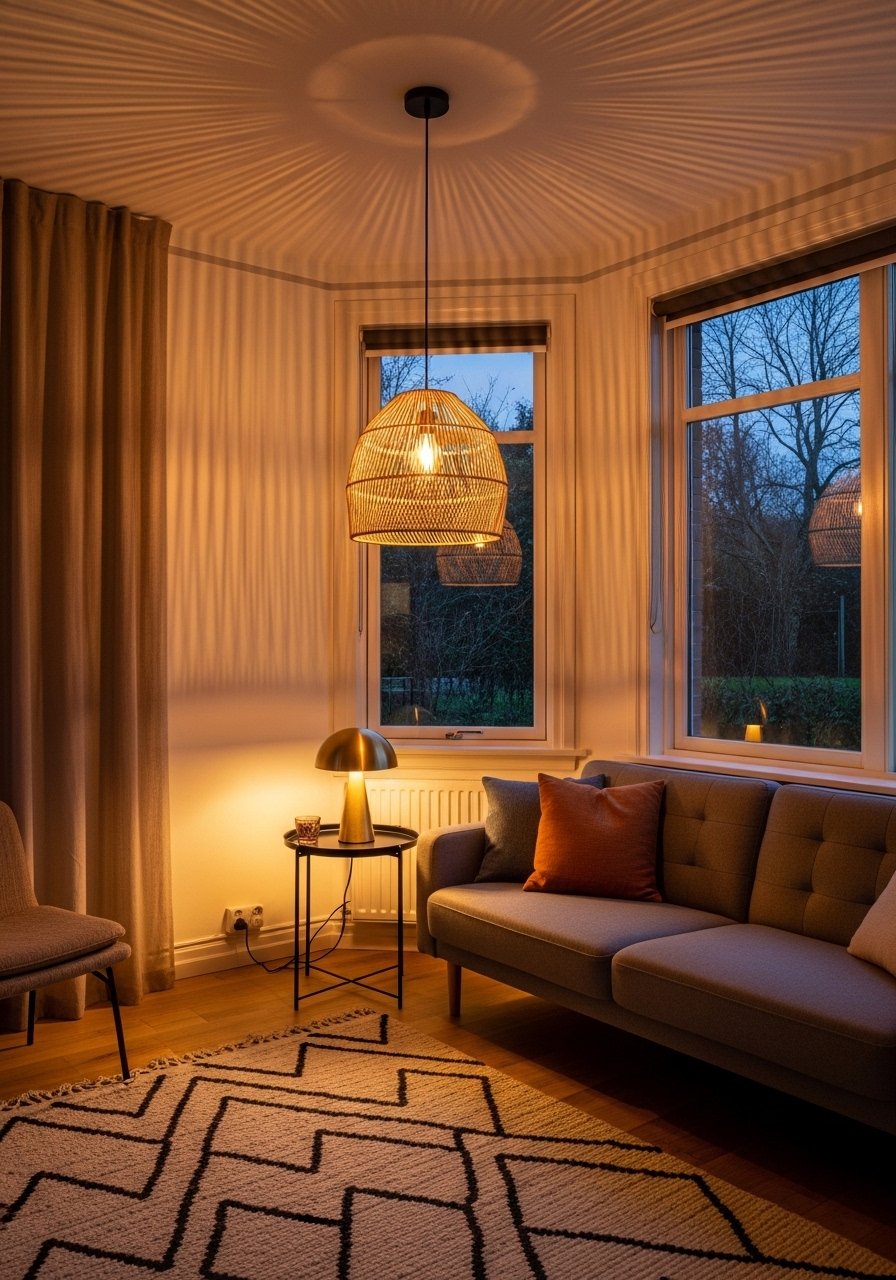
A friend walked into my apartment last month and said "this looks like a real adult lives here." Highest compliment I have ever received. Part of that was finally layering light. Use ambient overhead, task by a seat, and an accent lamp on a console. Vary heights by at least 12 inches so the lights do not compete. I swapped a single ceiling fixture for a rattan pendant and added a brass table lamp on the side table. A common mistake is relying only on a bright overhead, which flattens the space. For soft evenings dim lamps or use 2700K bulbs for warmer tones.
Global Textiles for Patterned Personality
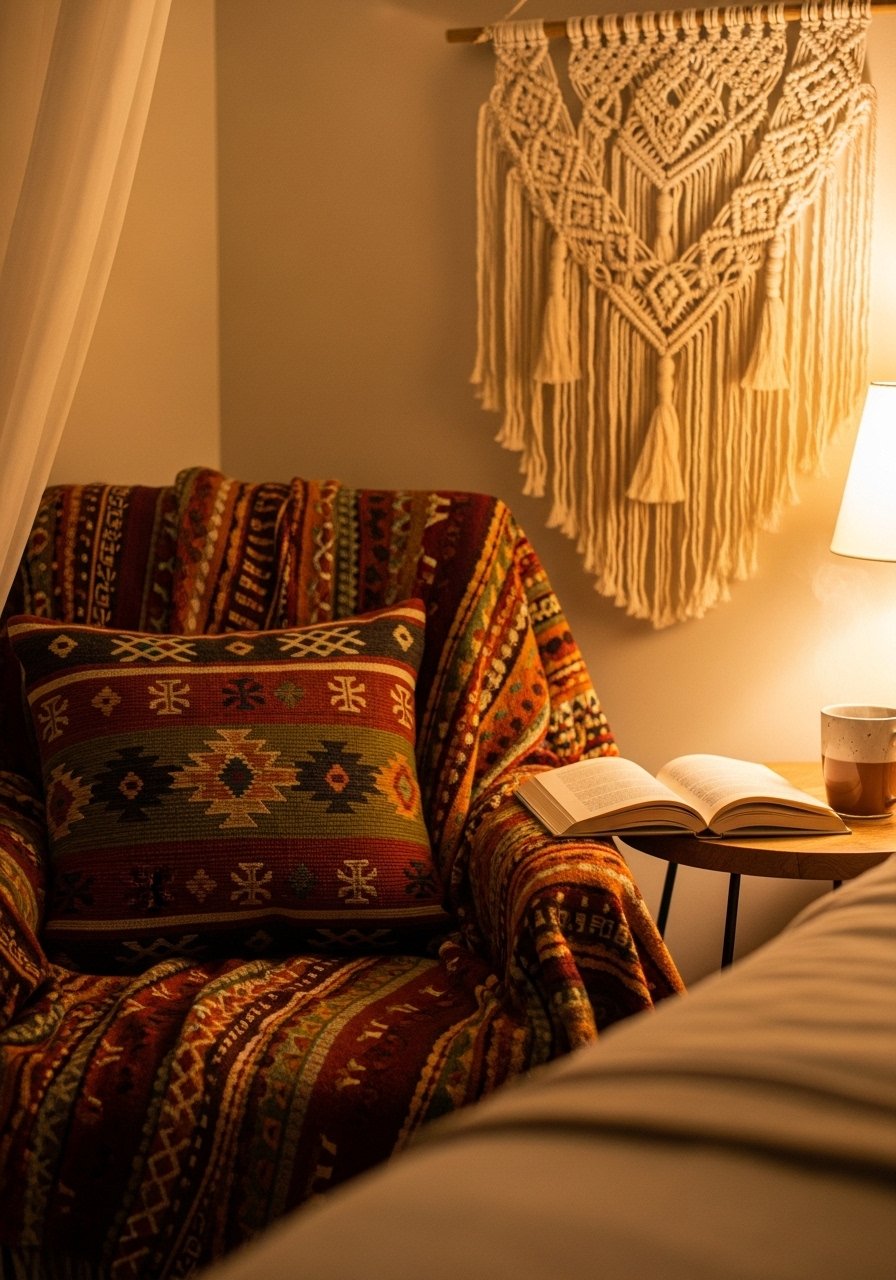
There is something about a reading nook with layered pillows that makes you want to cancel your plans. Mix one bold geometric textile with two subtler patterns and a neutral base. I use a 70/30 rule for patterns, where 70 percent of the textiles are quiet and 30 percent are bold. Throw a 50×60-inch patterned throw over a chair, add a 20-inch kilim pillow, and finish with a plain linen lumbar. I bought a woven kilim pillow cover for about $30. Mistake, people match pattern scales too closely. Make sure one pattern is large scale, one is medium, and one is small for visual balance.
Statement Vintage or Secondhand Piece for Character
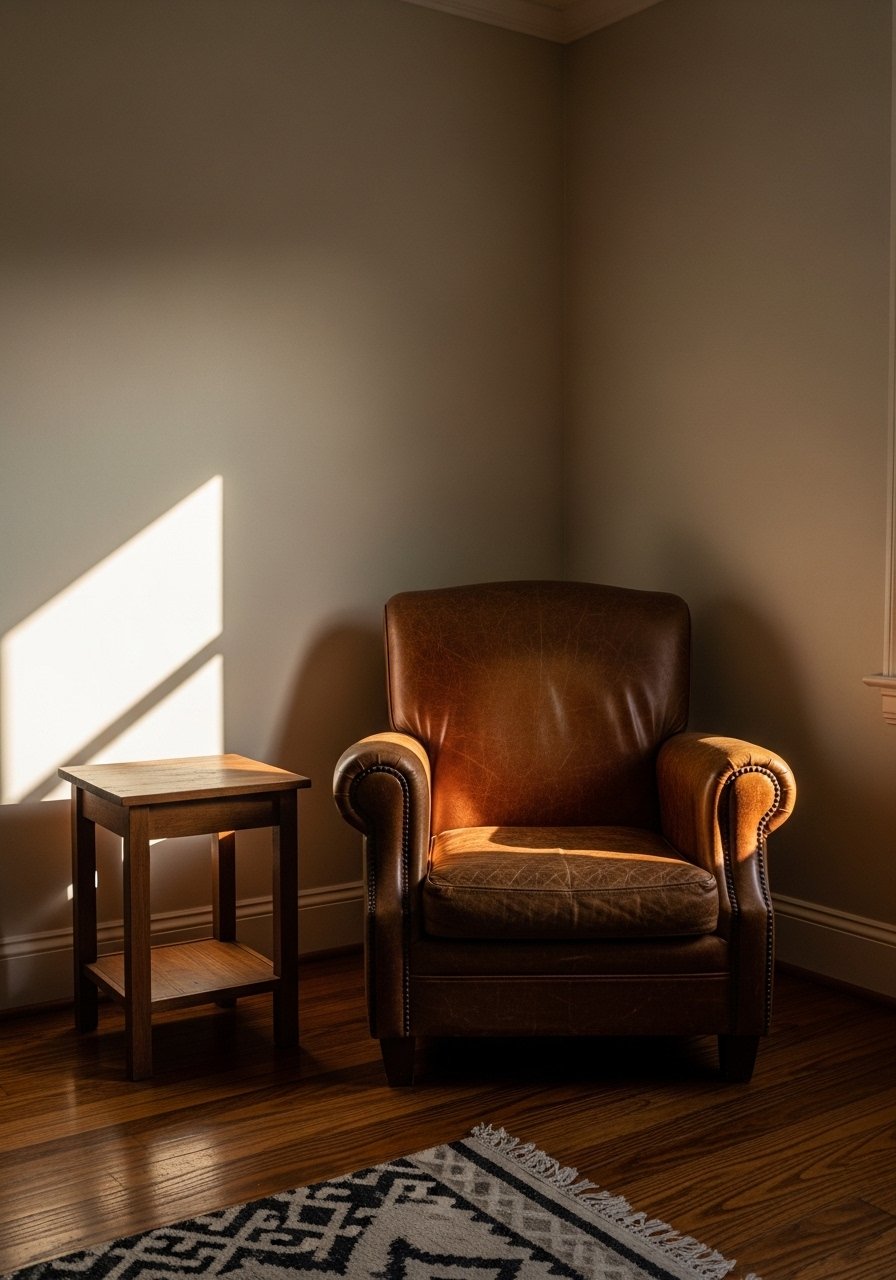
Spent $400 on a coffee table. Room still looked off. Spent $35 on a throw and three candles. Suddenly everything clicked. That taught me value of one worn-in piece. Hunt for a secondhand chair or table and let its imperfection be a feature. If you are new to vintage, start with a small commitment like a leather pouf or a mid-century side table. I scored a vintage side table and it set the tone. When buying, measure doorways and stair turns first so the piece fits. Try a leather pouf if you want the look without heavy lifting. Mistake, people buy vintage items that clash in scale. Keep scale consistent, and if in doubt, photograph the future spot and tape out the floor footprint.
Your Decor Shopping List
Textiles
- Honestly the best $40 I have spent. Chunky knit throw in cream (~$40). Drape over the sofa arm for instant warmth.
- Velvet pillow covers, set of 4 in jewel and rust tones, 18-inch and 22-inch inserts fit best.
- Woven kilim pillow cover 20×20 (~$30). Layer with linen covers.
Wall Decor
- Brass picture ledges (~$18-25). Swap art without new nail holes.
- Large round mirror 36-inch (~$120) for dark corners.
Rugs & Flooring
- 8×10 jute area rug durable base layer.
- Patterned wool top rug 5×8 to layer on top.
Lighting & Plants
- Rattan pendant light (~$80-150).
- Faux fiddle leaf fig 6ft when you need height without the maintenance.
Budget Finds
- Brass table lamp (~$45).
- Leather pouf ottoman (~$60) for texture and extra seating.
Notes: Similar items can often be found at Target or HomeGoods if you prefer to see them in person before committing.
Shopping Tips
White oak finishes read current, not dated. White oak floating shelves look fresh and pair well with warm brass.
Grab velvet pillow covers for $12 each. Swap them seasonally and the whole room feels different.
Curtains should kiss or puddle the floor, never hang halfway up. 96-inch linen panels are right for standard 9-foot ceilings.
One large plant beats five small ones. Consider a 6-foot fiddle leaf fig if you need scale without fuss.
Mix a thrifted piece with new finds for instant authenticity. Start with a leather pouf if you are testing the vintage waters.
Frequently Asked Questions
Q: Can I mix boho textiles with modern furniture without it looking messy?
A: Yes. Keep one dominant style for scale and silhouette, and add textiles in a 70/30 ratio for pattern. Use one large-scale pattern, one medium, and one small to avoid visual chaos.
Q: What size rug do I actually need for the layered rug look?
A: Bigger than you think. For a living room aim for an 8×10 under the main seating and a 5×8 or runner layered on top. Leave 8 to 12 inches of the base rug visible around the top layer.
Q: Should I match my metals or mix them?
A: Mix them, but with a plan. Pick a hero finish used at least three times and a secondary finish for contrast. Mixed metal frames are an easy place to start.
Q: How high should I hang art above furniture?
A: Aim for the center of the art around 57 to 60 inches from the floor. For art above a sofa leave 6 to 8 inches between the top of the sofa and the bottom of the frame.
Q: Real plants or fake plants?
A: Both. Real snake plants and pothos are forgiving. Use a faux fiddle leaf fig where you need height but lack sunlight.
Q: How do I avoid a cluttered eclectic look?
A: Edit. Limit a color family, repeat a material in three spots, and vary heights. Less is more when each piece has a purpose.