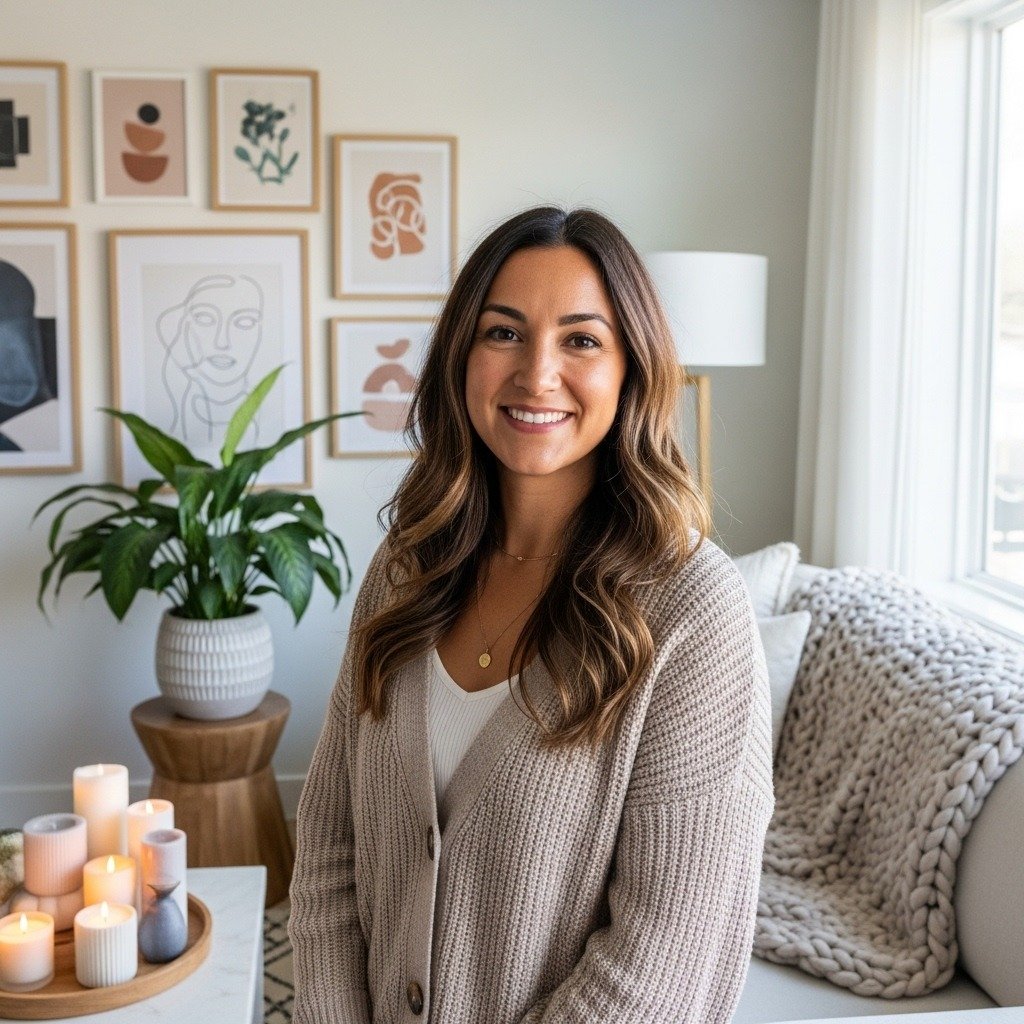

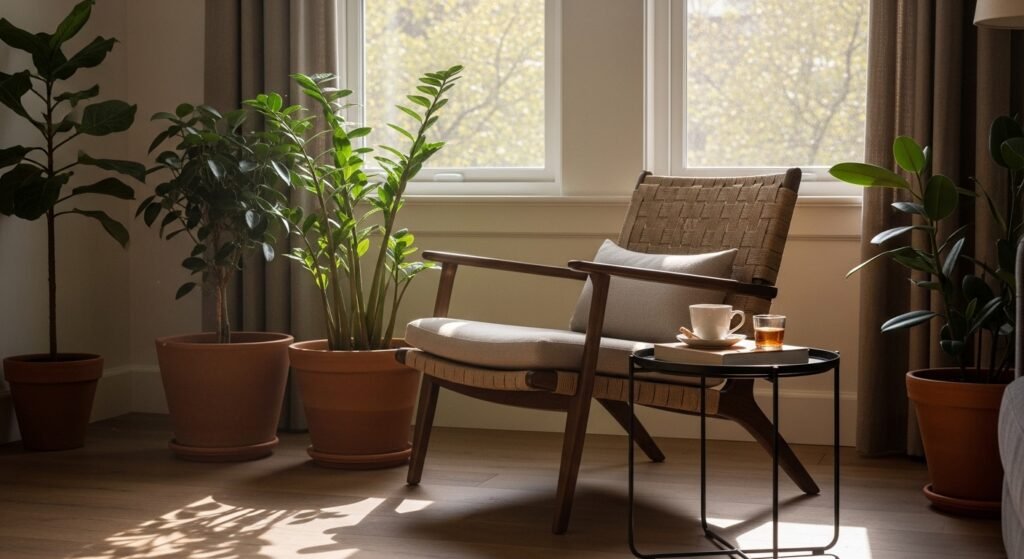
My living room had nice furniture but it still felt like a waiting room. Took me embarrassingly long to figure out it was missing texture. Every surface was smooth, every color was flat, and nothing invited you to actually sit down. Adding tactile wall pieces fixed that feeling faster than any new sofa could, and most of the tricks cost under $75.
These ideas lean cozy-modern with a few boho and Scandinavian touches. Most projects run $20 to $120, with a couple of splurges around $150. They work best in living rooms, bedrooms, entryways, and small dining nooks, but many are renter friendly.
Layered Woven Panels For A Cozy Living Room
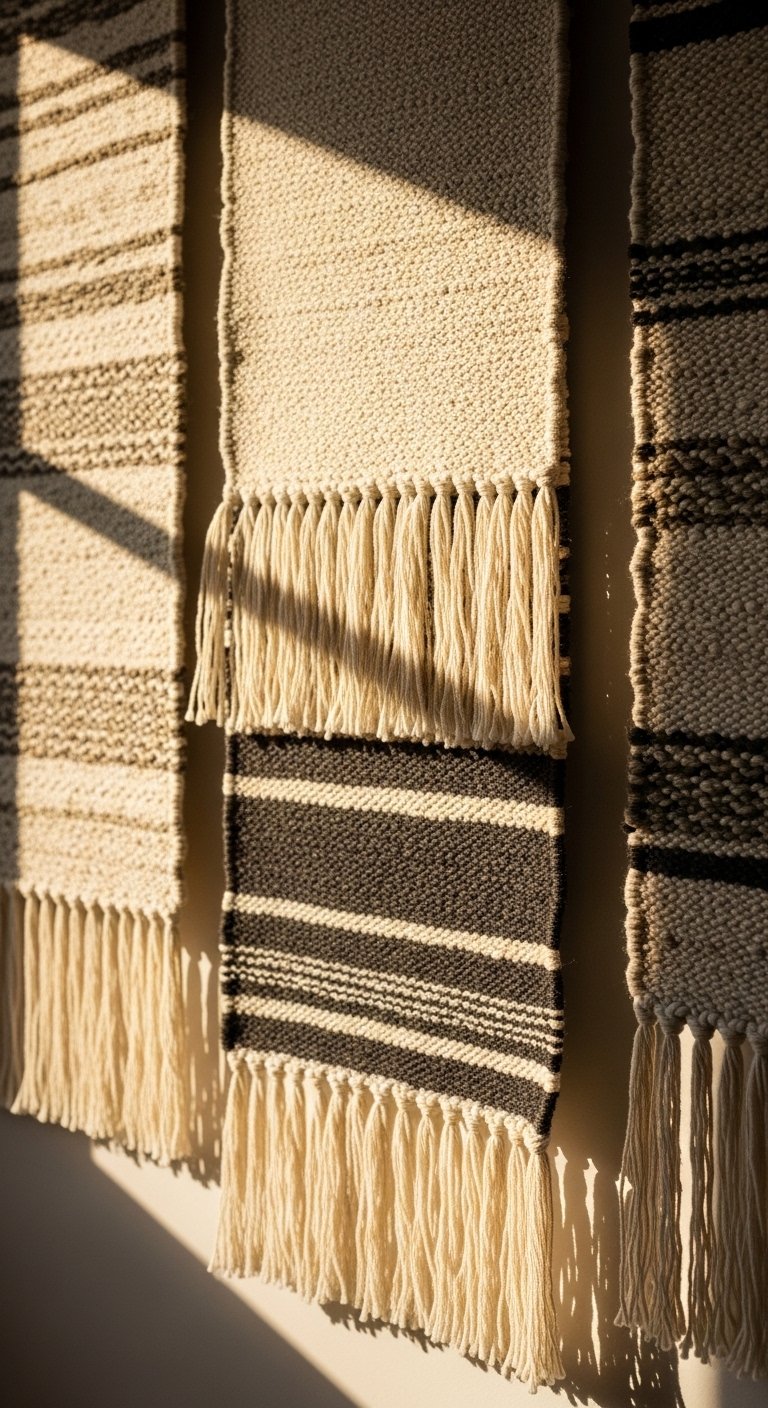
The moment I hung a trio of woven panels the wall stopped feeling empty. Use one large panel plus two smaller ones in a 3:2:2 width ratio to avoid everything lining up. It reads cozy and collected, perfect for living rooms or reading nooks, and the project was under $100 when I bought mid-range pieces. I linked a woven hanging that works as the anchor and a smaller fringe piece for balance. Common mistake is buying three identical sizes. Stagger the widths and hang the center at 57 inches from the floor for comfortable eye level. Pair this with the layered mirrors idea later for brighter light.
Handwoven wool wall hanging medium and fringe-woven-small-panel
Textured Paint Bands For A Modern Minimalist Bedroom
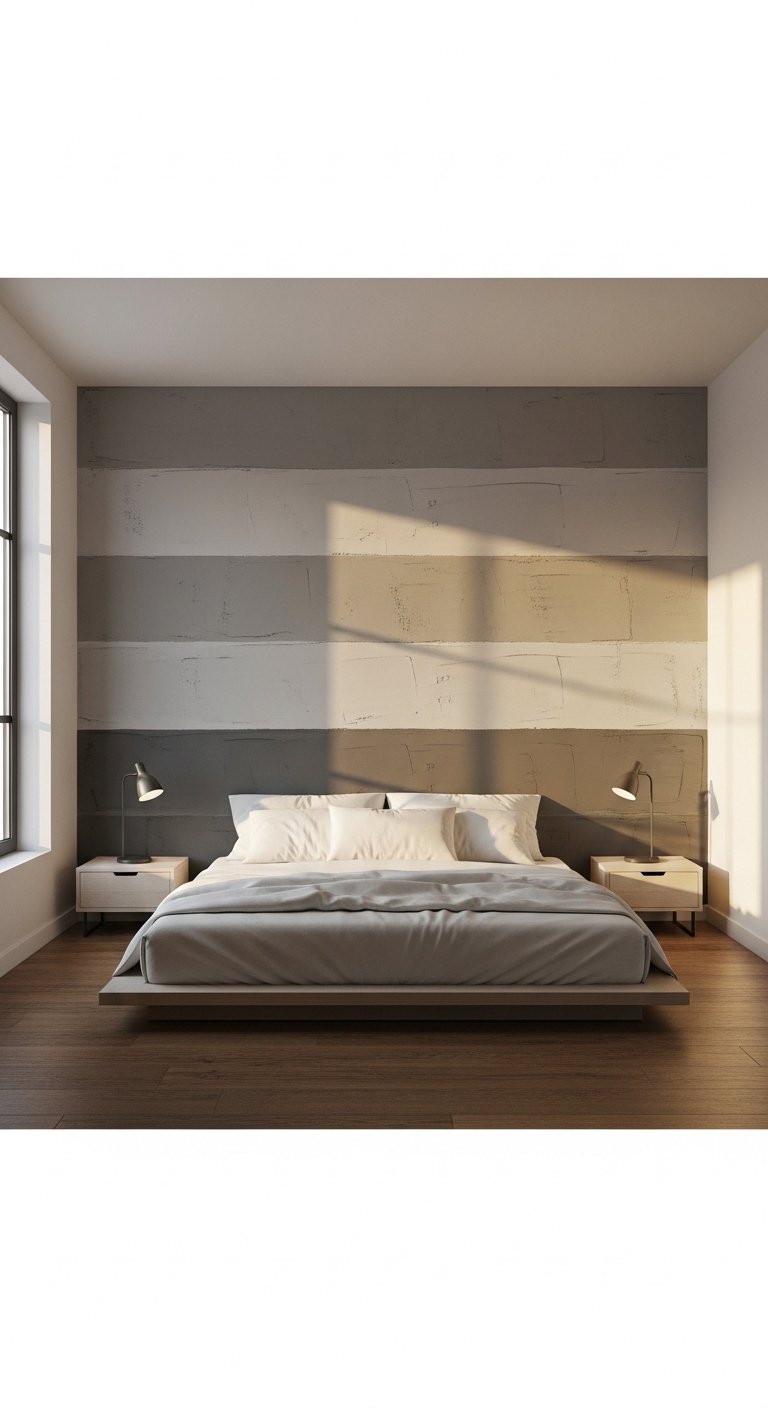
If you want texture without adding objects, paint bands with a coarse roller are a cheap hero move. I did three 8-inch bands across my headboard wall, spaced 6 inches apart, and it reads intentional not DIY. Works great in modern bedrooms and dorms, budget under $40 for paint and rollers. Use matte paint for the top two bands and a satin finish on the middle one so light plays differently. The biggest mistake is picking colors too close together, which flattens the trick. For renters use temporary latex paint or a removable wallpaper stripe.
Asymmetrical Wood Slats For A Rustic Entry
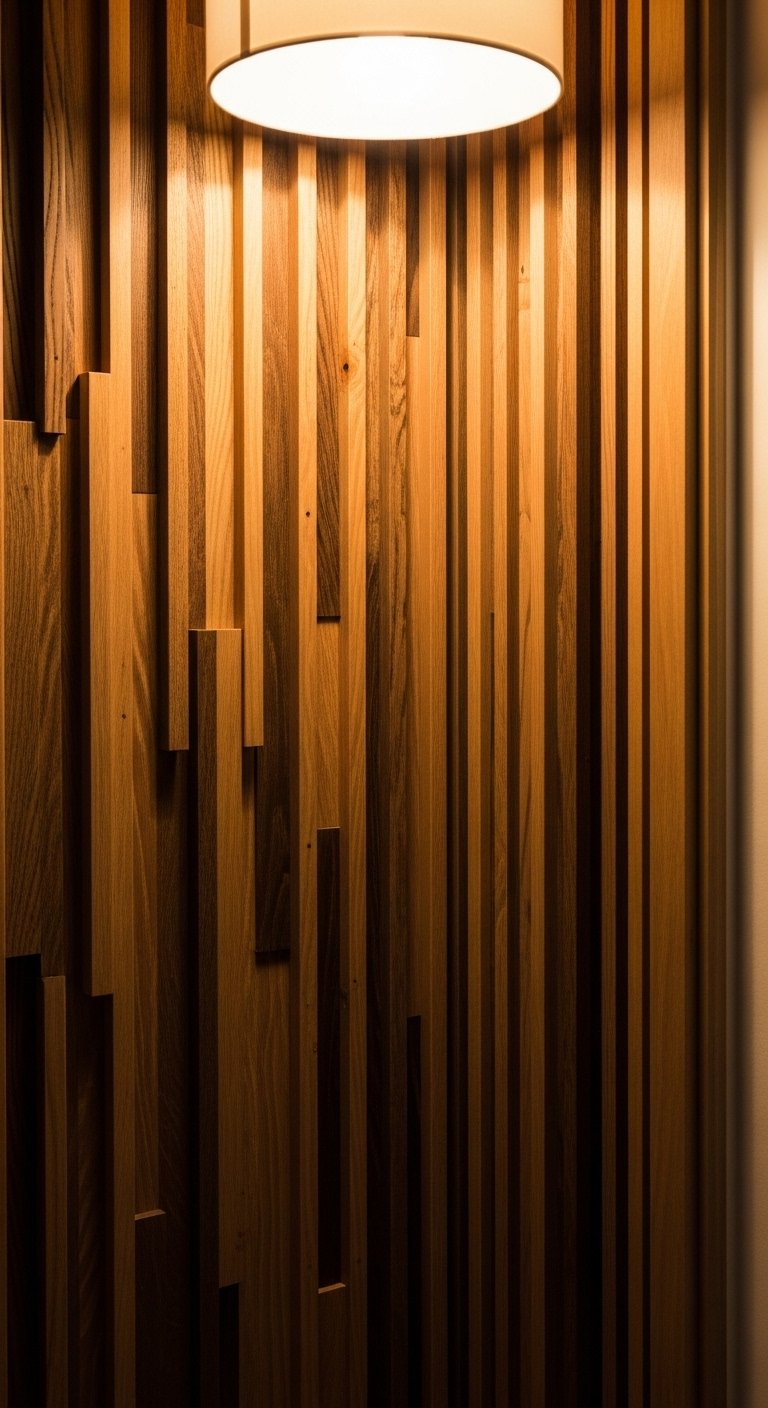
A friend had a bland entry that screamed "temporary." Adding narrow wood slats in an asymmetrical pattern fixed it. I used 1×2 and 1×3 pine, stained two tones and left a 1.5-inch gap between slats for shadow. It gives height and an artisanal feel for about $60 in materials. Common mistake is nailing everything flush to the wall, which kills the shadow lines. Use 1/4-inch furring strips behind the slats to create shadow depth. This pairs well with the floating shelf vignette idea for keys and mail.
Large Macrame Statement For A Boho Bedroom
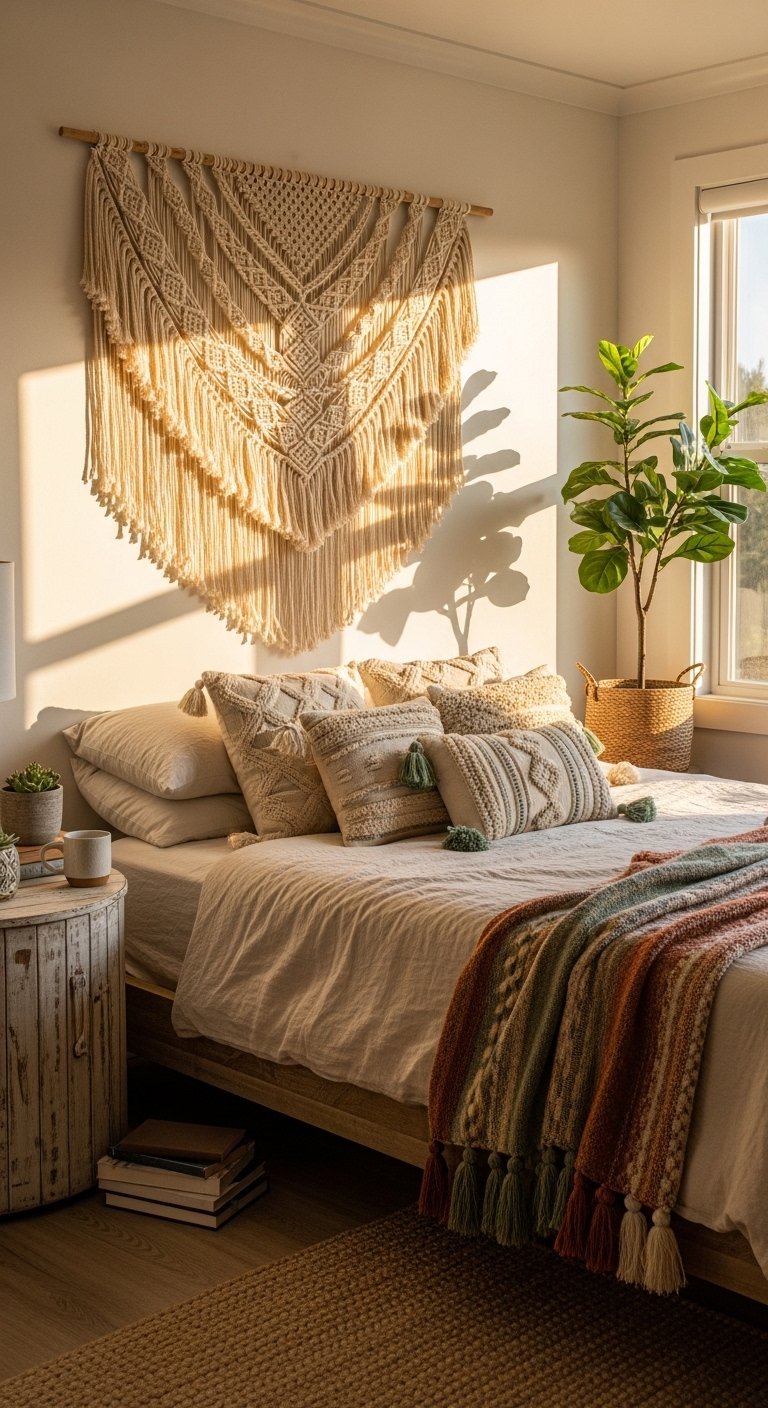
There is something about a big macrame piece that makes a bedroom feel lived in. I bought a 36-inch wide macrame and it covered the awkward blank above my headboard perfectly. Budget is $40 to $120 depending on size. People often hang macrame too high. Keep the bottom fringe 6 to 8 inches above the top of the headboard so it reads connected. If it feels too all-over-boho, pair it with the mixed metallics idea for a little edge. I liked this oversized piece because the knot density reads luxe from a distance.
Large cotton macrame wall hanging 36-inch
Metallic Leaf Panels For A Glam Dining Nook
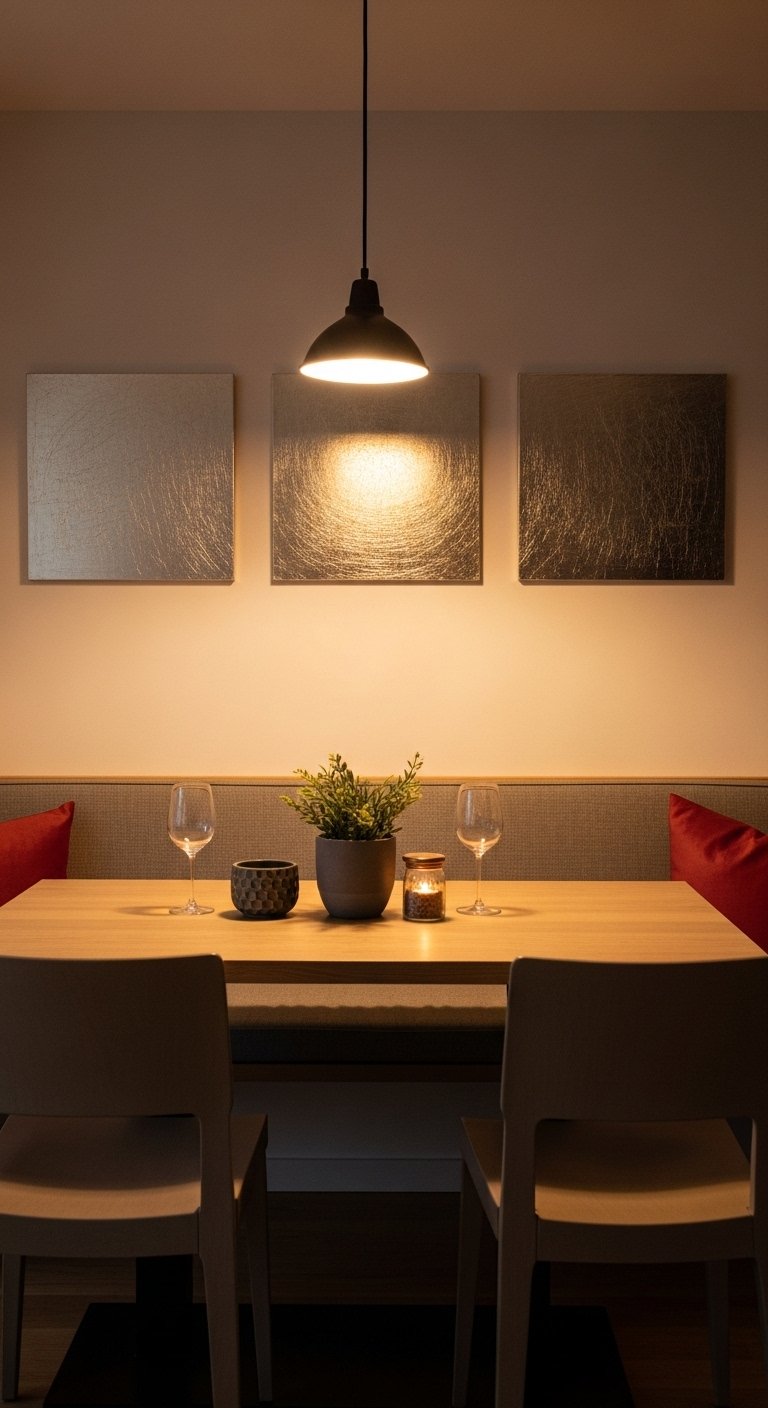
If your dining area feels flat during dinner, metallic leaf panels add subtle shine and texture that read premium. I used three 12×12 frames with gold leaf details. It costs more up front, around $120 for a set, but you only need one small cluster to change the mood. The mistake is overdoing mirror-like shine. Pick panels with hammered or leafed texture so they read interesting not blinding. Hang in an odd-numbered grouping and keep lighting low key to let reflections play. This idea works great with mixed material frames from the gallery wall idea.
Gold leaf framed wall panel set
Mixed Material Gallery Wall For Transitional Hallways
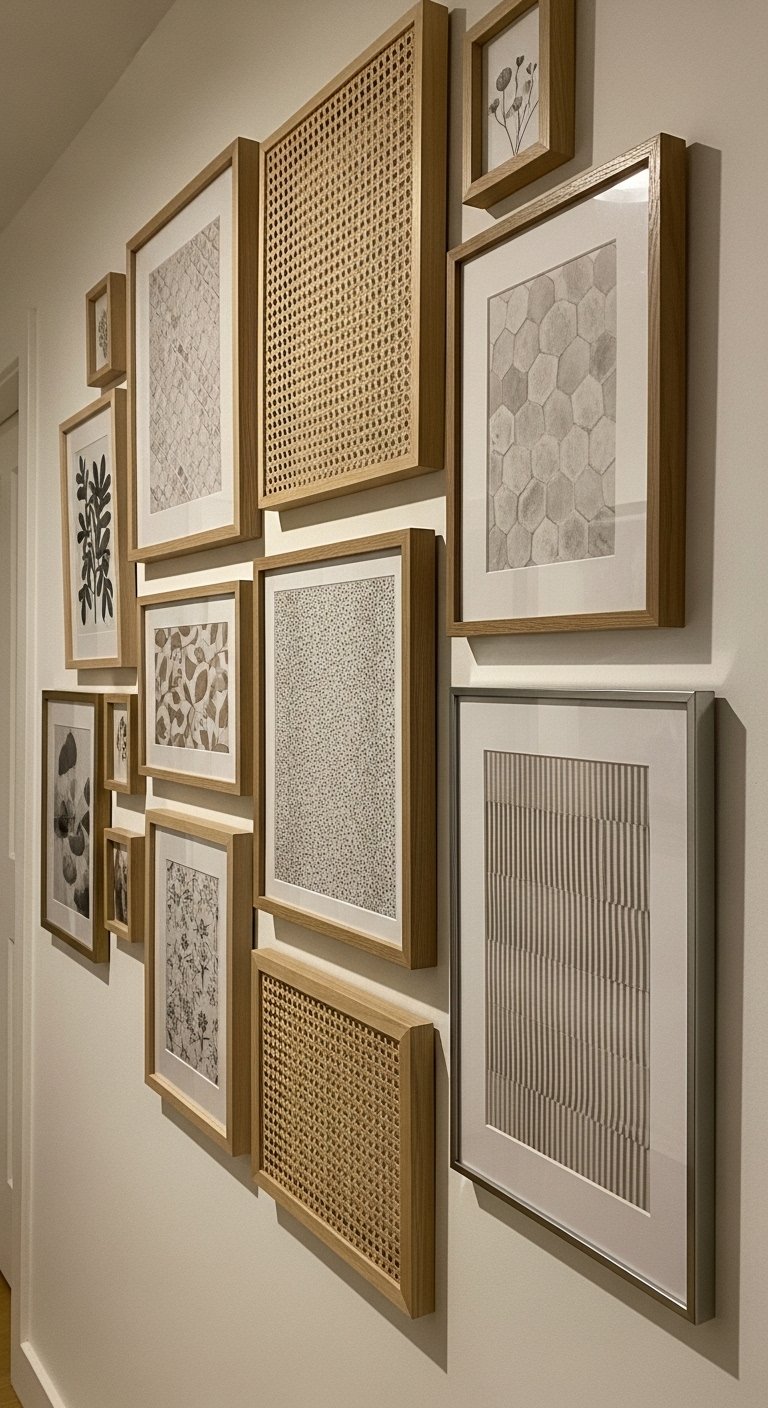
Gallery walls can be a mess if every frame is the same. I forced myself to mix materials, using two wood frames, one metal, and one rattan, then spaced everything with a 3-inch rule so it reads curated not cluttered. This fits hallways or stair runs and costs $50 to $150 depending on prints. A common mistake is hanging frames too high. Aim for 57 to 60 inches midpoint. I swapped two heavy photos for a textile panel to introduce real texture. If you hate hammering, use picture ledges to lean frames and rotate easily.
Mixed material picture frame set medium and wood picture ledge 36-inch
Small Relief Clay Tiles For A Contemporary Kitchen
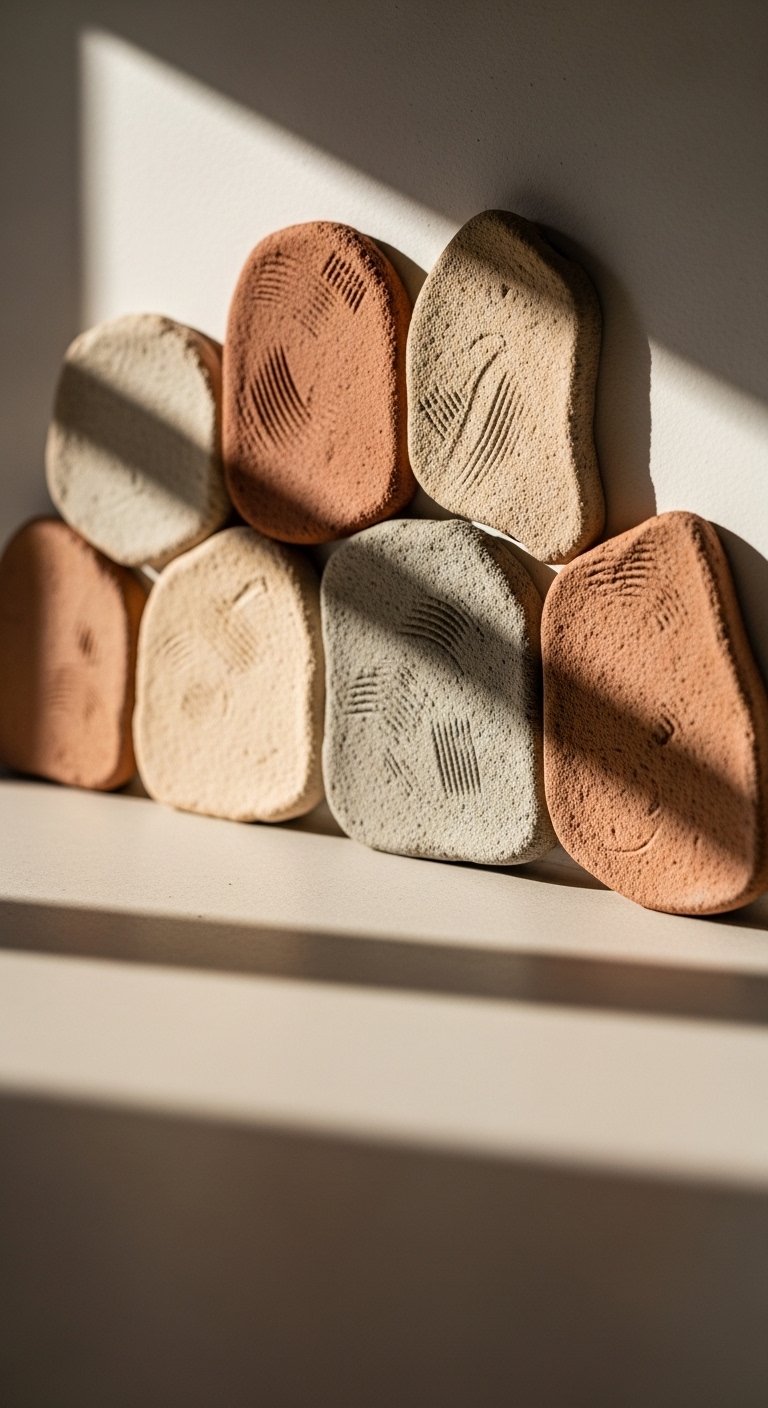
Hand-formed clay tiles are my sneaky favorite for kitchens because they add a tactile focal point without repainting. I used a set of nine 6×6 tiles above the coffee bar and the shadowed relief makes the space feel like a boutique cafe. Each tile cost about $8, so total was under $100. The mistake is using shiny grout that hides the relief. Use a darker, matte grout to emphasize shadows. These tiles are small so space them 1/4 inch apart to let the texture breathe.
Hand-formed clay wall tile set 6×6
Stenciled Grasscloth Accent For A Home Office
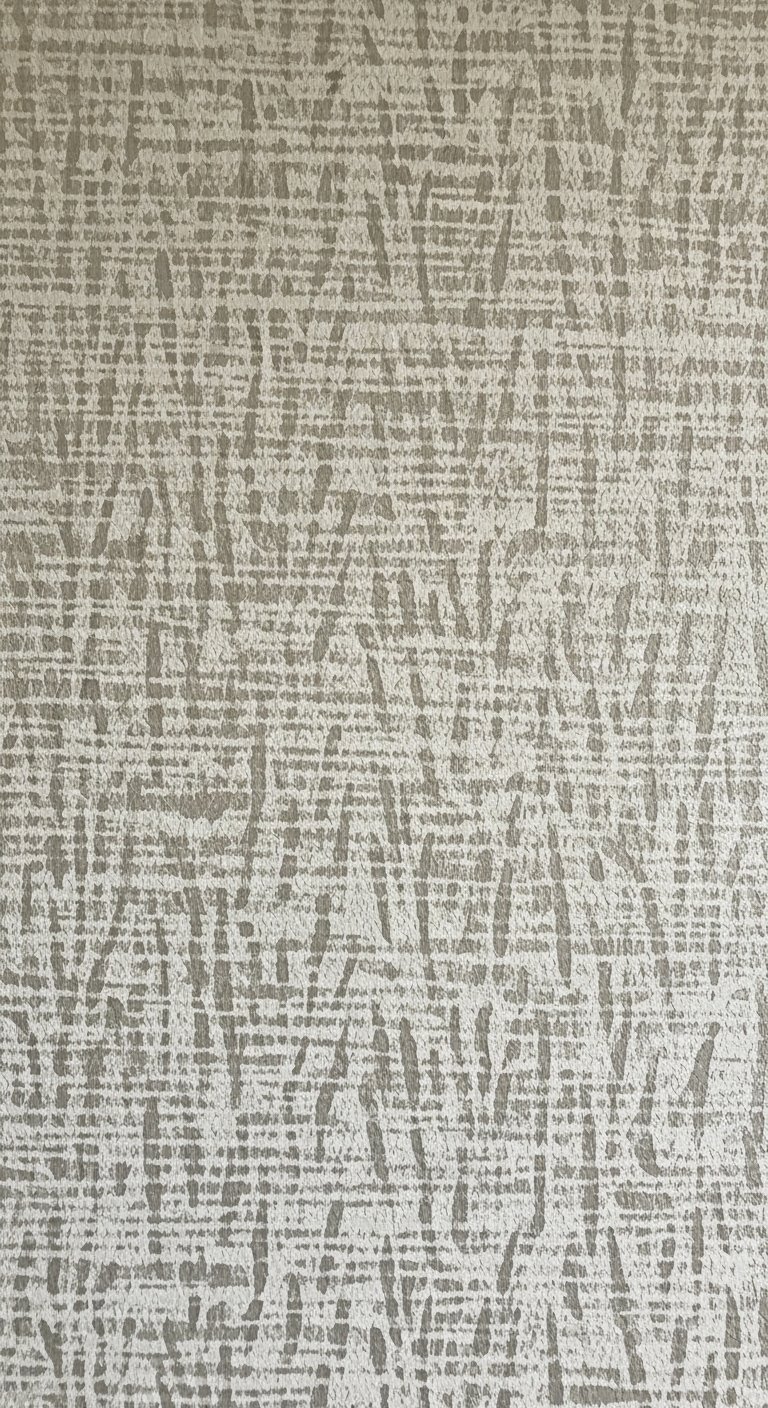
I wanted texture in my office but not the commitment of real grasscloth. Stenciling a grasscloth pattern in two tones gave me the look for under $40. Use the 80/20 color ratio, where 80 percent of the wall is a soft neutral and 20 percent is the darker stencil color, so it reads balanced. People over-stencil the whole wall. Keep the pattern to one wall or a 3-foot band behind the desk for impact. Pair with floating shelves from the shelf idea for plants and books.
Upholstered Fabric Panels For A Media Room

Sound and texture in one. Fabric panels do double duty by softening acoustics while adding a tactile backdrop for a TV wall. I used 24×36 fabric-wrapped panels and left 2 inches of negative space between them for a modern look. Budget runs $80 to $200 depending on fabric. Mistake is using slippery fabric that reflects glare from the TV. Choose matte wovens or linen blends. These panels also make a great backdrop if you want to add the framed fabric swatches idea nearby for a layered textile wall.
DIY fabric-wrapped acoustic panel kit 24×36
Rope Grid Art For A Coastal Bathroom
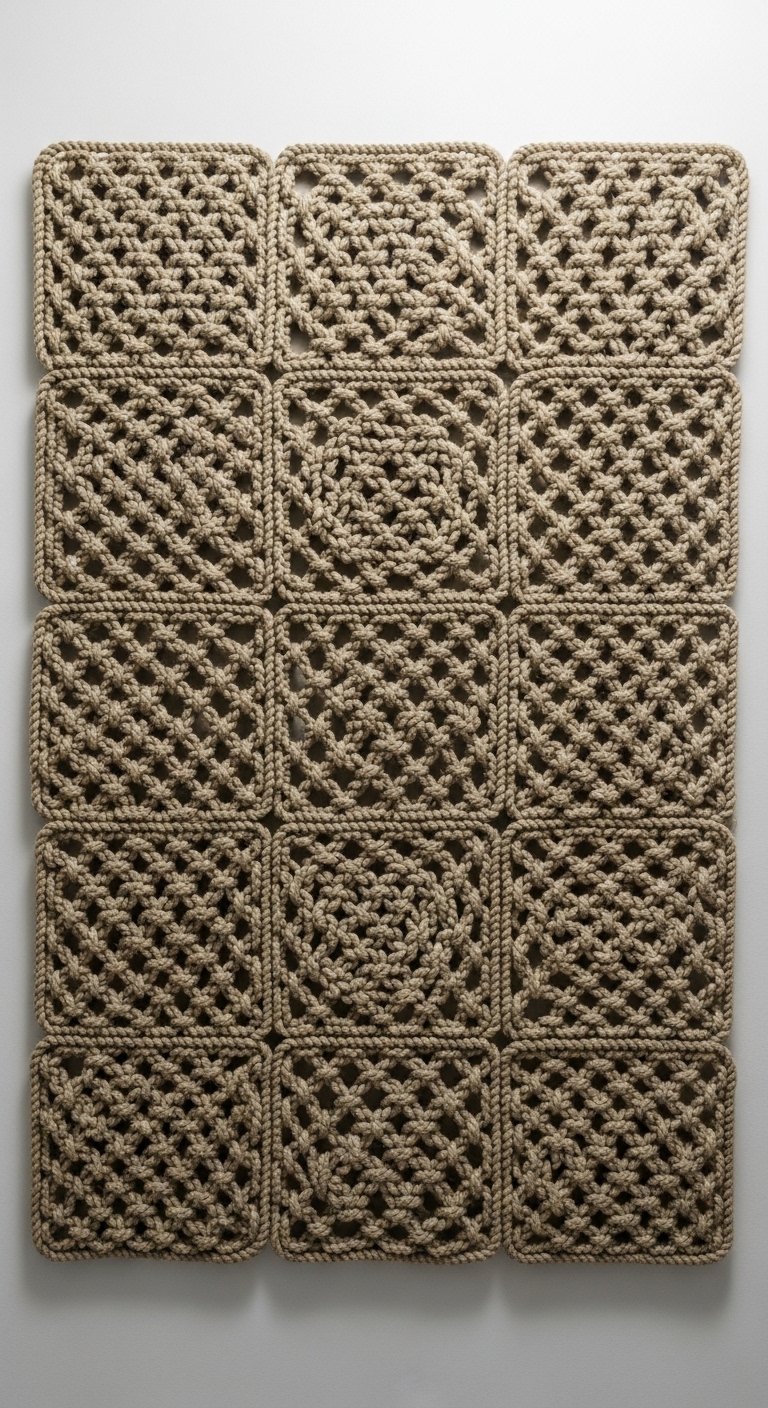
Small bathrooms are the worst for feeling sterile. A rope grid mounted in a simple frame adds texture without moisture worries if you pick sealed rope or faux options. I made a 24×24 grid and mounted it above the towel rack. The budget was $35 and the result felt decidedly coastal but not kitschy. People often choose rope too thin, which loses the tactile impact. Go for 3/8-inch thickness and keep spacing at about 2 inches between knots. Works well with the succulent wall idea in brighter bathrooms.
Painted Relief Plaster For A Scandinavian Bedroom
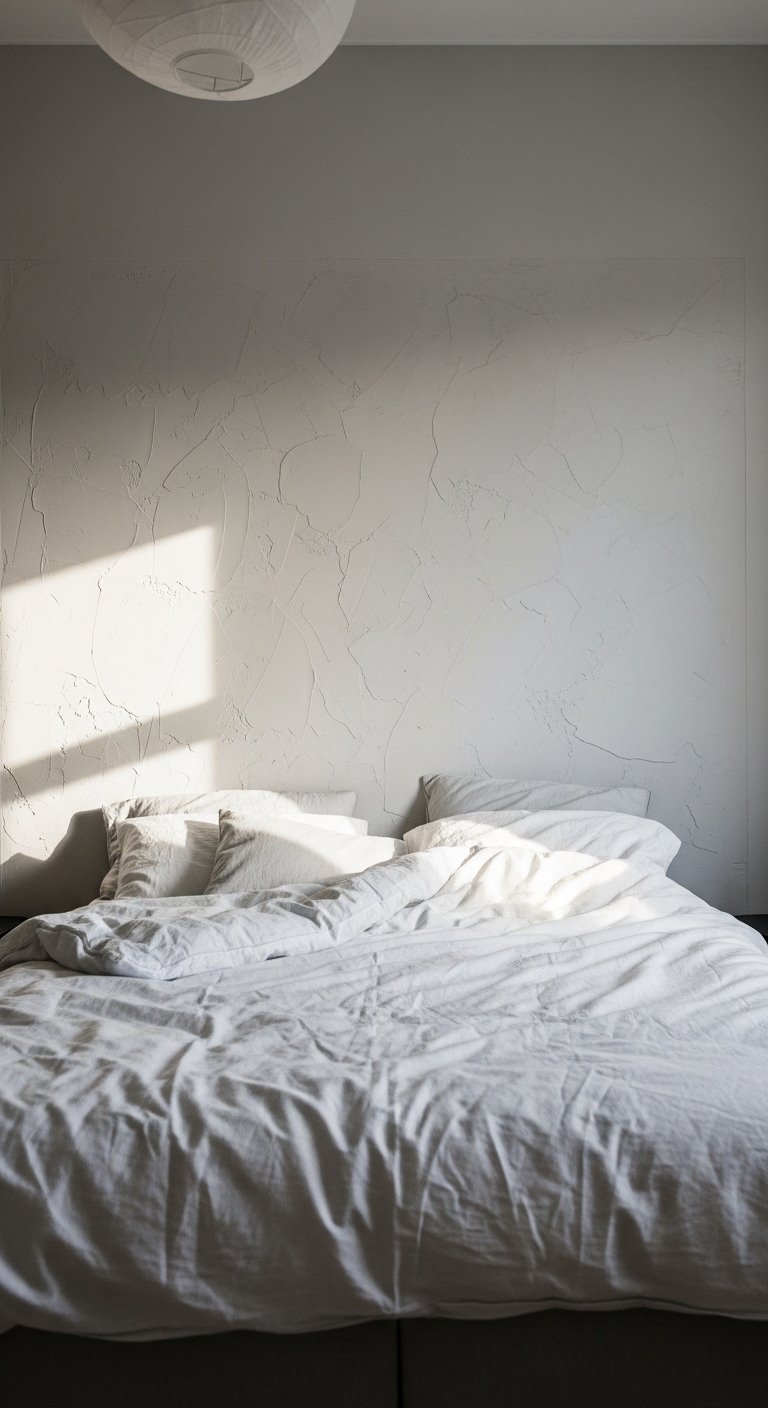
Plaster is more approachable than it looks. I used joint compound to create soft, organic reliefs then painted over in a single warm white. The tactile shadow makes a light color feel dimensional. The project cost under $60 and lasted. A common mistake is sanding everything smooth. Leave the trowel marks for texture. For a Scandi look keep patterns sparse and scale small, about 24 to 36 inches across above the bed. This is a quieter alternative to macrame when you want texture without pattern.
Lightweight joint compound 1-gallon
Floating Shelf Vignette With Textural Mix For Entry
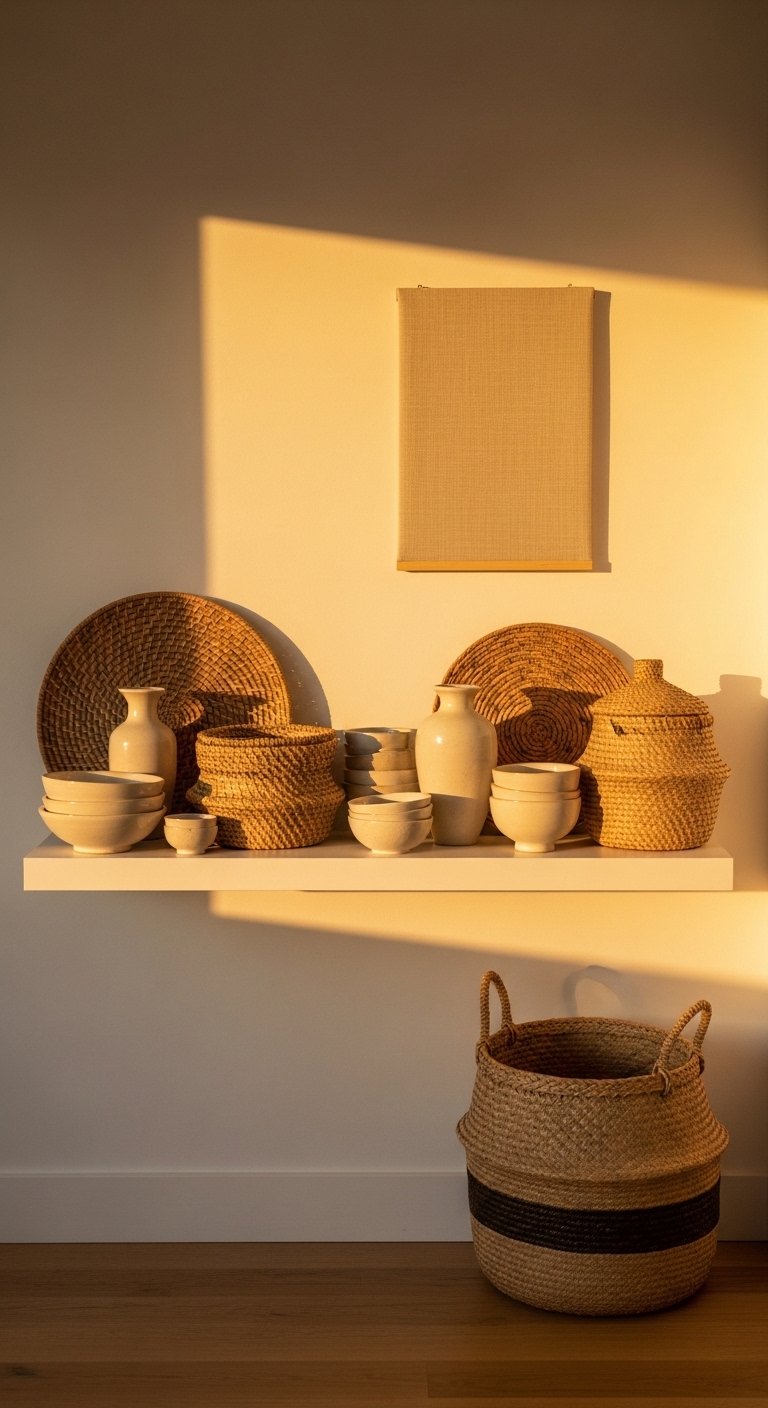
A floating shelf becomes an instant textured wall if you style it with a rule of three. I used one tall ceramic vase, one medium woven basket, and one small stack of books. The mix of hard, soft, and organic adds depth and invites people to touch. Budget for the shelf and styling pieces was $70. Mistake is over-accessorizing so nothing stands out. Leave negative space and rotate items seasonally. This pairs with the gallery wall idea when you want both function and texture in a narrow hallway.
Framed Fabric Swatches For A Renter-Friendly Bedroom
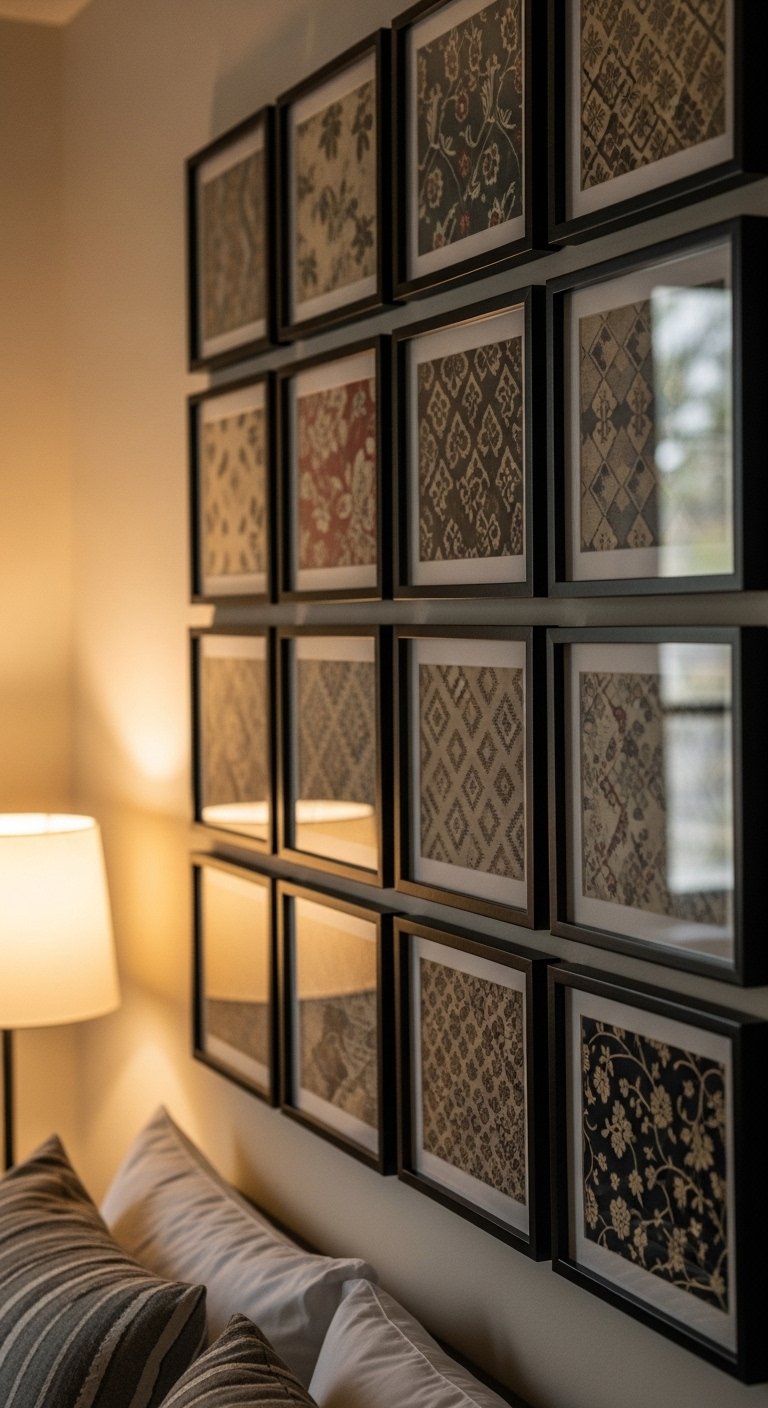
If you rent, framed fabric swatches are reversible and instant texture. I cut 8-inch squares, backed them with foam board and used slim frames to create a 3×3 grid above my dresser. The cost was under $60 and the result looked expensive. Mistake is choosing too many patterns at once. Keep one dominant motif and two supporting solids or subtle prints. If you want scale, use 8×10 frames or shift to a 2×4 layout for over beds. This idea is a good companion to the mixed material gallery wall.
Thin black 8×10 frames set of 6
Layered Mirrors With Textured Frames For Small Spaces
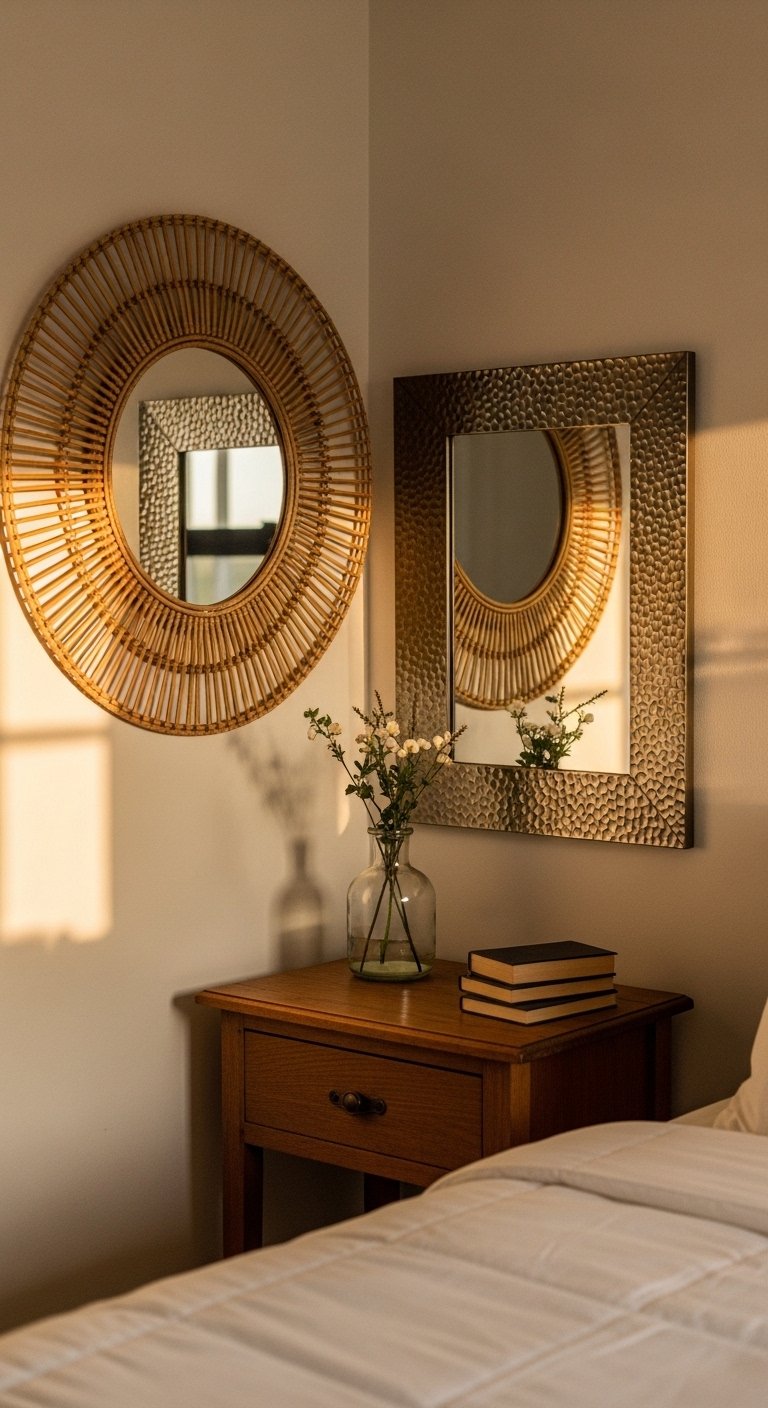
Mirrors are useful, but textured frames are where you get double duty. I layered a round woven mirror over a slim metal rectangle and it added both reflection and texture without crowding. For small rooms pick one round and one vertical rectangular mirror and keep them overlapping by about 4 inches. The budget ranges from $30 to $150 depending on frame style. Mistake is choosing identical frame tones. Mix a warm weave with a cool metal for contrast. This is a great pair with the curtain trick in the next idea for extra height.
Vertical Succulent Panel For A Bright Sunroom Or Balcony
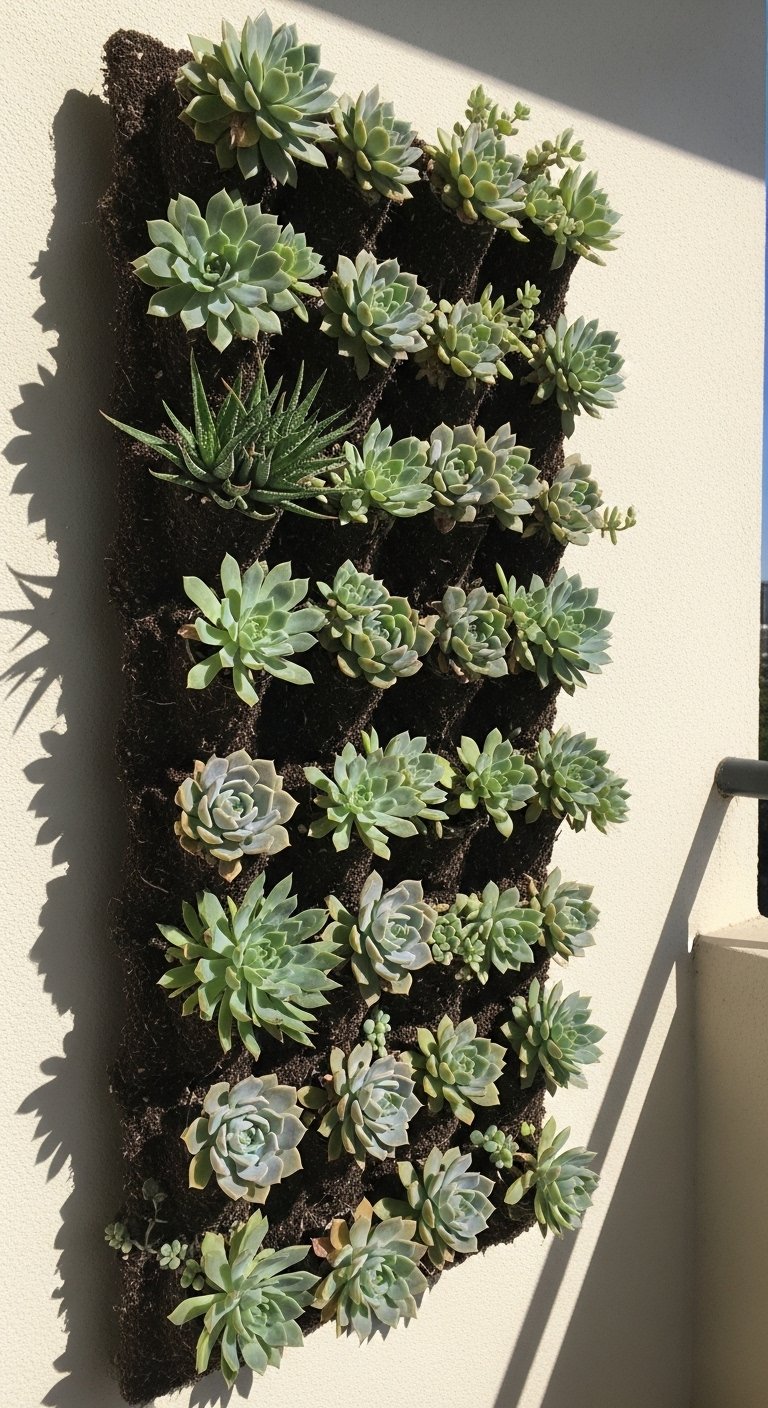
Green texture is easy to overthink. One vertical succulent panel gives immediate depth and a living surface. I used a 24×36 panel with pockets and a simple irrigation tray. It cost about $90 for live plants. The mistake is packing plants too tightly which hides individual textures. Leave each pocket visible and choose a mix of rosettes and trailing varieties for contrast. If you do not have light, use a faux panel that reads convincing from across the room. Pair this with layered woven panels for a natural, tactile corner.
Vertical succulent pocket panel 24×36
Your Decor Shopping List
Velvet pillow covers set of 4 22-inch linen-look in dusty blue. Honestly the best $40 I have spent for layered sofa texture
Handwoven wool wall hanging medium for the living room focal point
Coarse texture roller kit for paint band projects, under $20 and useful for touch ups
Kiln-dried pine slats 1×3 pack for the entry slat wall, stain two tones for depth
Large cotton macrame wall hanging 36-inch in off-white for boho bedrooms
Mixed material picture frame set medium for a balanced gallery wall
DIY fabric-wrapped acoustic panel kit 24×36 for media rooms and sound dampening
Round woven mirror 24-inch to layer with metal frames in small spaces
Vertical succulent pocket panel 24×36 for a living wall without heavy planting
Floating wood shelf 36-inch for entry styling and texture displays
Shopping Tips
White oak beats dark wood in 2026. Design feeds have shifted completely. These white oak floating shelves look current, not dated
Grab these velvet pillow covers for $12 each. Swap them every season and the whole room feels different
Curtains should puddle or kiss the floor, never hang halfway up. These 96-inch linen panels are right for standard 9-foot ceilings
Everyone buys five small succulents. One single 6-foot faux fiddle leaf fig has ten times the visual impact
If you cannot commit to real plants try a faux panel. Realistic artificial succulent panel 24×36 reads convincing from across the room
For renter-friendly texture use frames or adhesive-friendly hooks. Damage-free picture hanging strips hold most small to medium pieces safely
Frequently Asked Questions
Q: Can I mix boho textiles with modern furniture without it looking messy?
A: Yes. Keep one dominant color and use the 80/20 color ratio, where 80 percent of the room stays neutral and 20 percent is your textile punch. Use solid or low-pattern pillows as buffers and avoid several competing patterns at the same scale.
Q: What size mirror do I need for a small space?
A: Bigger than you think. For a narrow room pick one round 24-inch mirror and layer a vertical rectangular one behind it. Overlap them by about 4 inches to create depth and keep floor reflections clear.
Q: How high should I hang wall art above a sofa or bed?
A: Aim for 57 to 60 inches to the midpoint of your piece. Above a sofa leave 6 to 8 inches between the top of the back and the bottom of the art. For grouped pieces treat the cluster as one object and measure to its midpoint.
Q: Can I use fabric art in a humid bathroom?
A: Use sealed or faux textiles designed for humidity. If you want live plant texture instead, try a vertical succulent panel made for outdoor conditions. Faux panels also read convincing from a distance and need no maintenance.
Q: My wall looks flat even after adding art. What did I miss?
A: You probably missed shadow. Texture needs depth. Add spacing like 1/4 to 1/2 inch between tiles or slats, or use frames with relief so light creates contrast. A single thick piece will read better than several thin ones glued flat.
Q: Are faux plants acceptable with textured decor?
A: Both real and faux work. Use faux where light or care is an issue. For height go with one statement faux tree rather than five small plants. If you choose faux, pick one with visible branching and matte leaves.
Q: What rug size should I use with textured wall pieces?
A: Bigger than instinct tells you. In a standard living room aim for an 8×10 so front legs of furniture sit on the rug, which anchors layered walls. Smaller rugs make walls feel disconnected from seating.