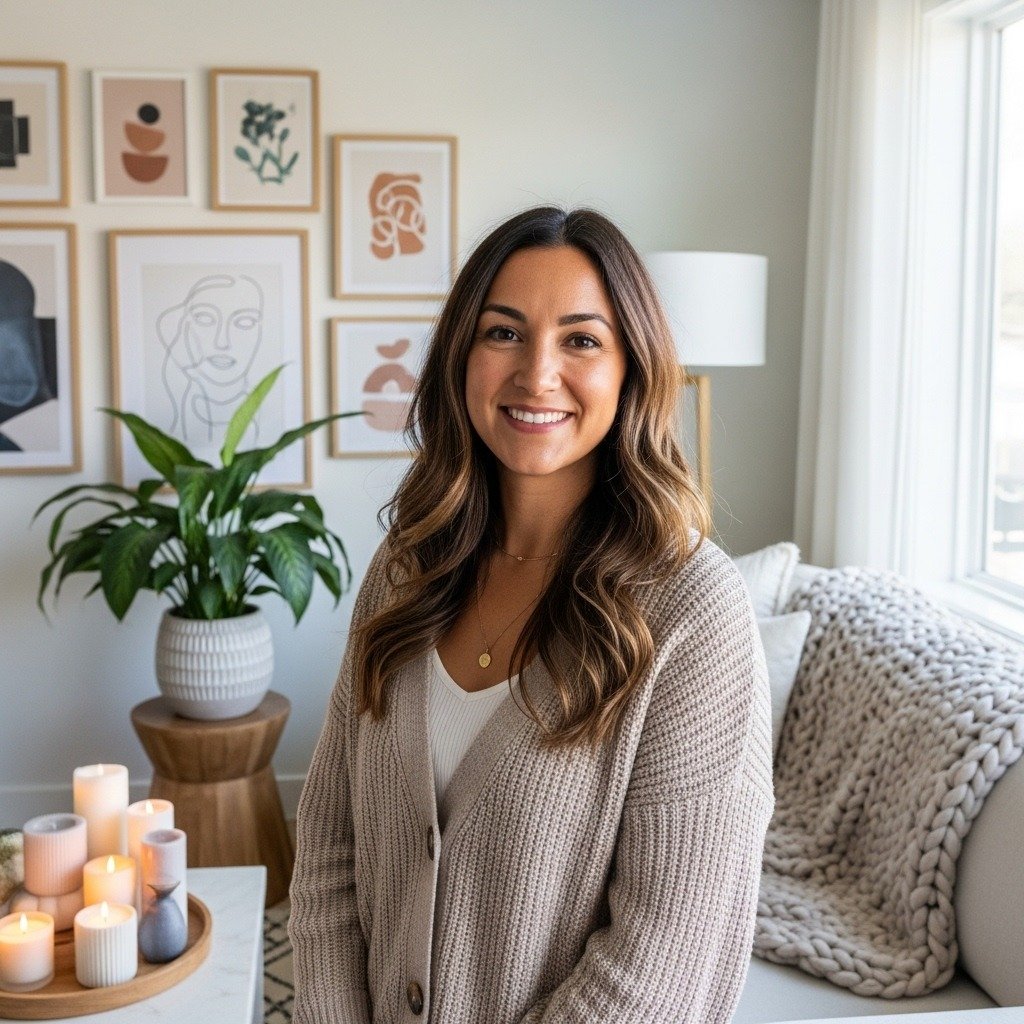

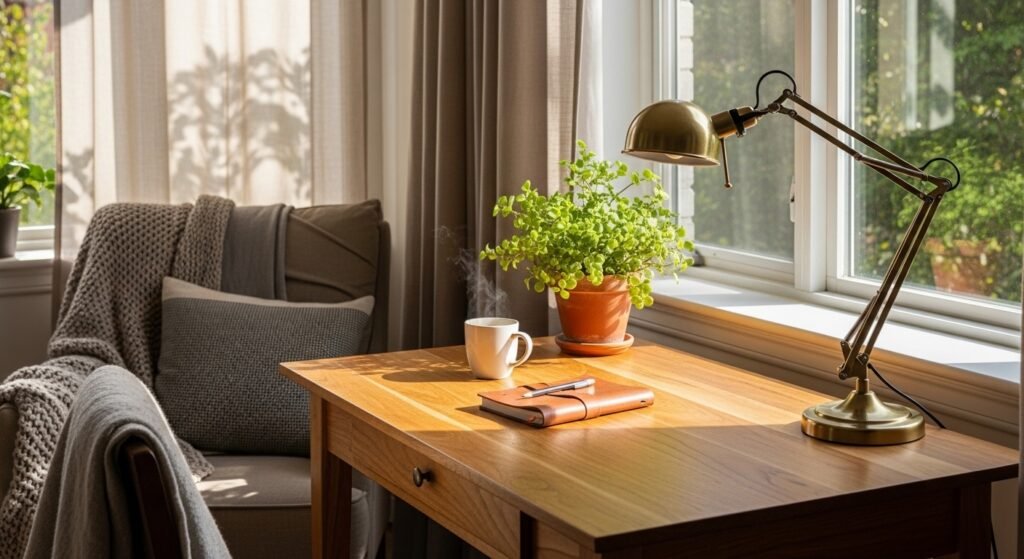
My living room had nice furniture and decent lighting but it still felt like a waiting room. Took me embarrassingly long to figure out it was missing texture. Every surface was smooth, every color was flat, and nothing invited you to actually sit down. Those same small misses happen at study tables, so I collected simple fixes you can actually do in an hour or a weekend.
These ideas lean modern cozy with a hint of Scandinavian warmth. Most projects cost under $50, with a few splurges around $100 when a single piece makes a big difference. They work for dorm desks, small home offices, and any study nook that needs a personality boost.
Cozy Layered Desk Textiles for a Softer Work Zone
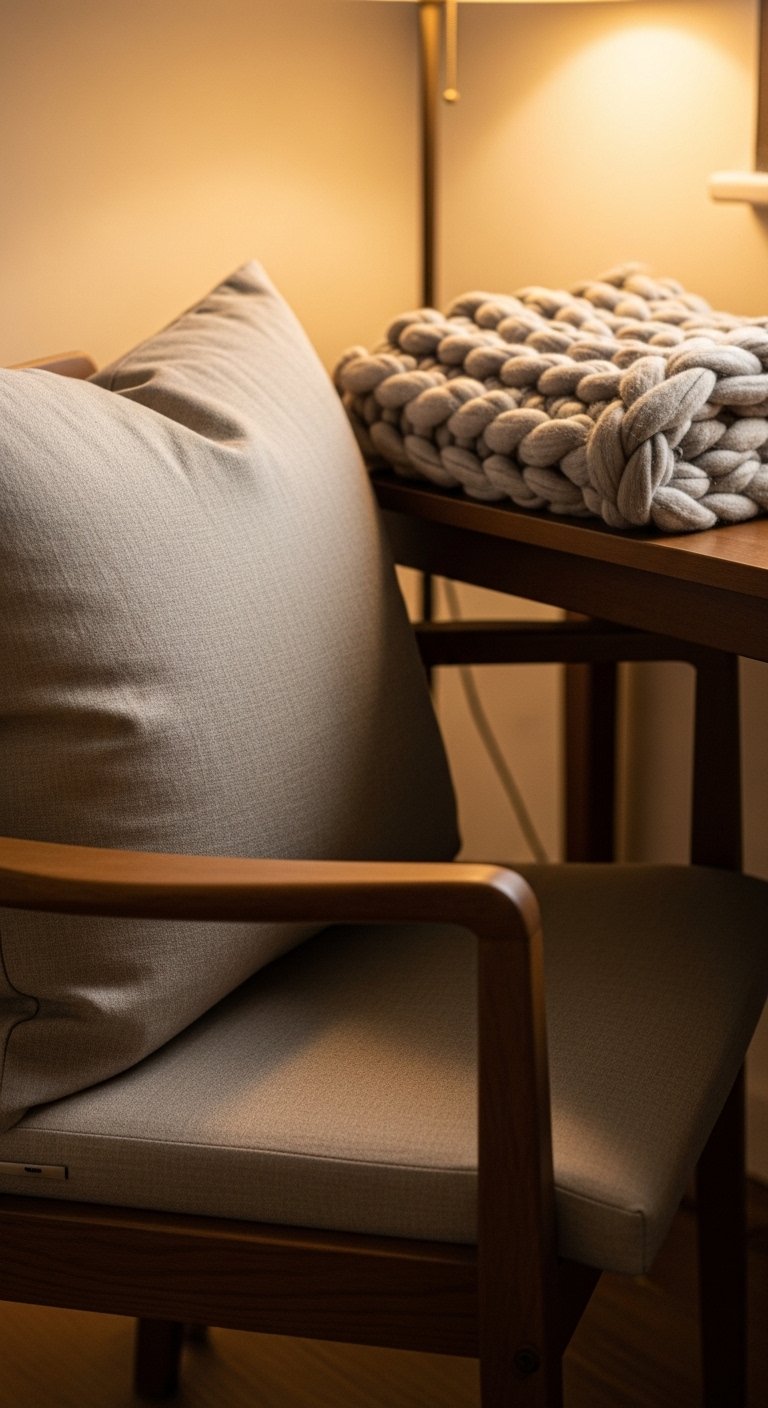
A tiny seat cushion and a lap blanket change how long you want to sit at a desk. I use 22-inch down-filled linen pillow covers on my desk chair for extra back support. It makes writing feel less like a chore and more like a place to linger. Budget for pillow covers around $20 to $40 and a chunky throw for $35 to $60. The common mistake is picking busy patterns that compete with your desk tray. Stick to the 80/20 color ratio, where 80 percent is neutral and 20 percent is the accent. Try a linen pillow cover in dove gray that layers with a chunky knit throw in cream.
Minimal Cable Management with a Small Tray and Clip System
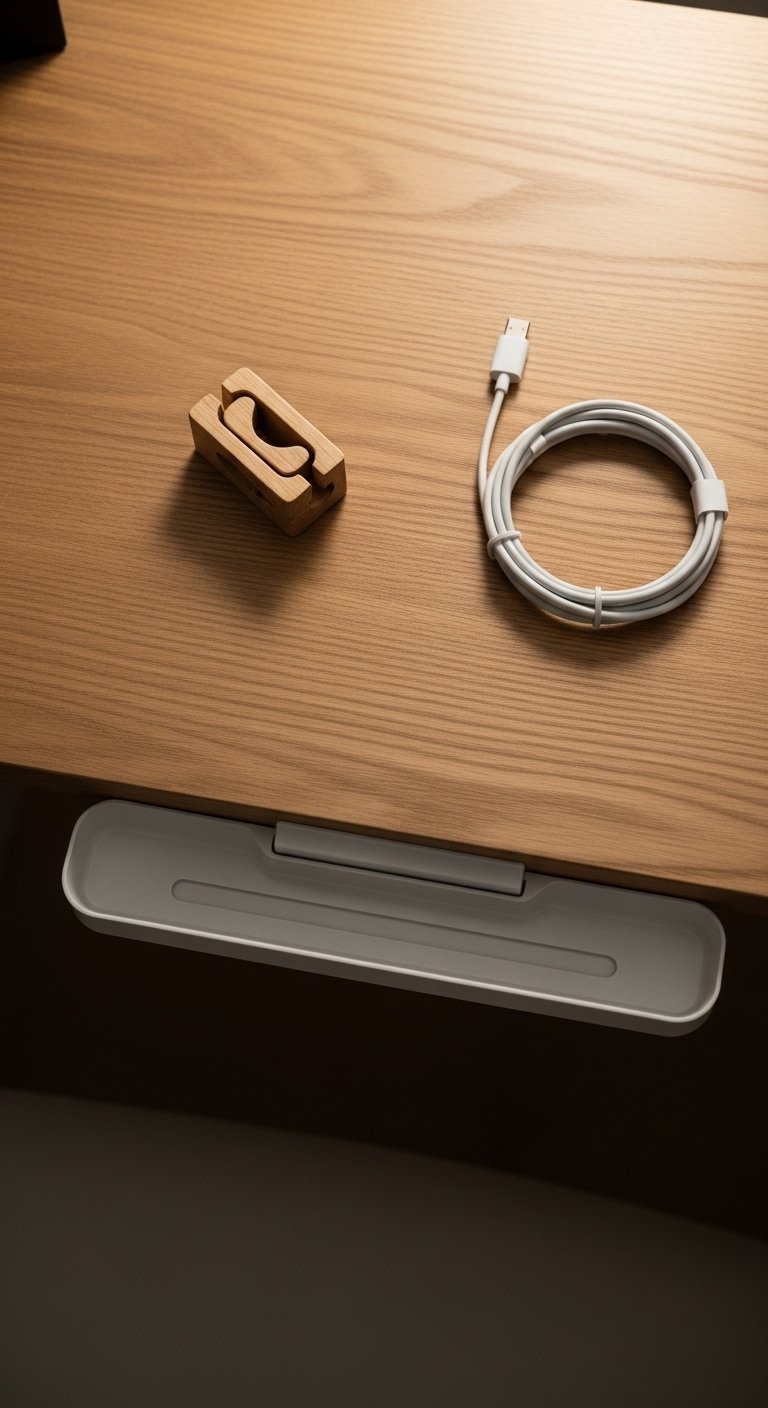
Cluttered cords kill focus. A narrow under-desk cable tray keeps things invisible and your tabletop distraction free. I measured 2/3 of my desk depth and left the front third clear so nothing blocks my knees. The mistake most people make is hiding everything in a giant box that becomes a dust trap. Instead use a metal under-desk cable tray and a set of adhesive cable clips. This solution is cheap, renter-friendly, and makes cleaning so much faster.
Focus Lamp Placement Using the 24-Inch Rule
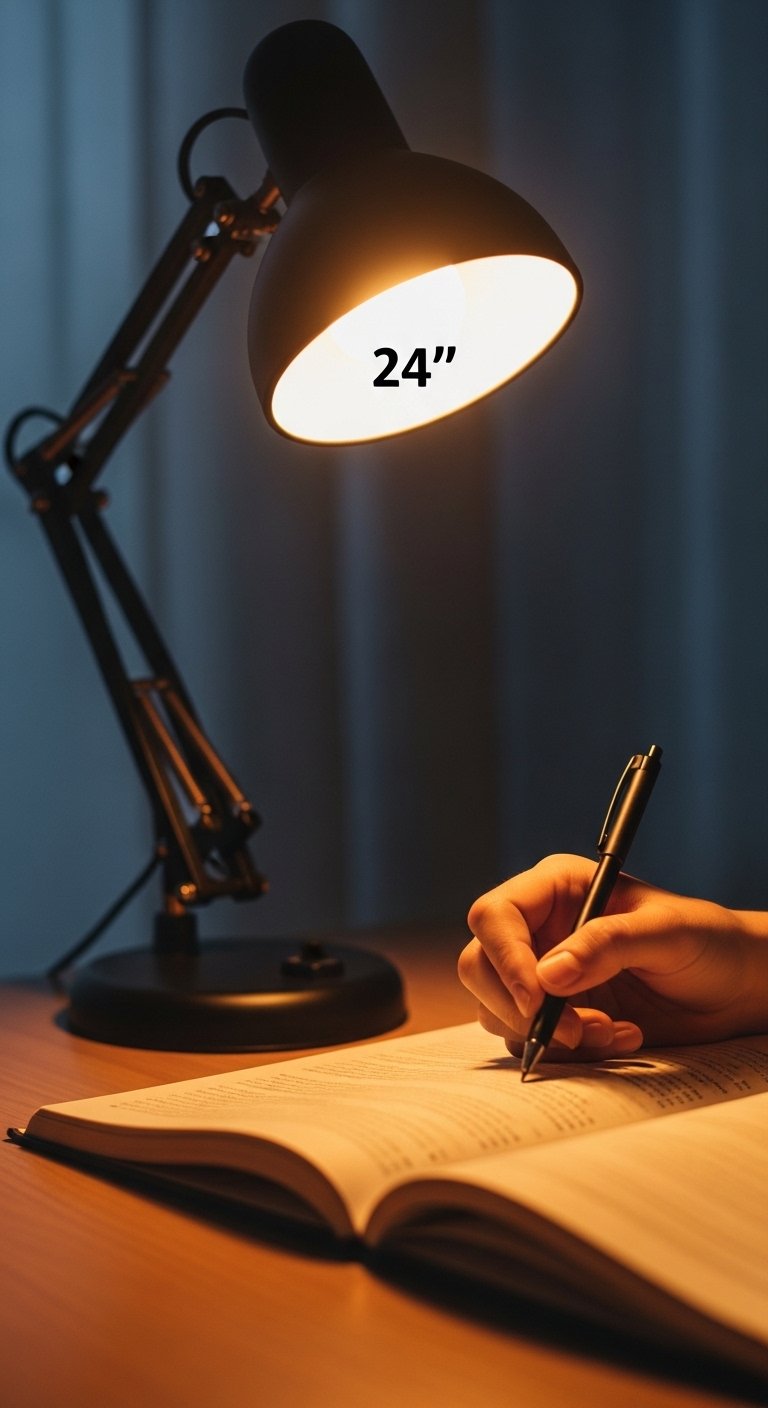
Lighting makes or breaks study time. Place a directional task lamp about 24 inches from your main work area. That distance gives even light without glare on screens or papers. I use a compact LED lamp with adjustable arm for about $40 to $80. People often set their lamp behind them and get shadows. Move it to the side opposite your dominant hand to reduce paper shadows. Try an adjustable LED desk lamp in matte black for steady light and lower eye strain.
Vertical Inspiration Board for Quick Motivation
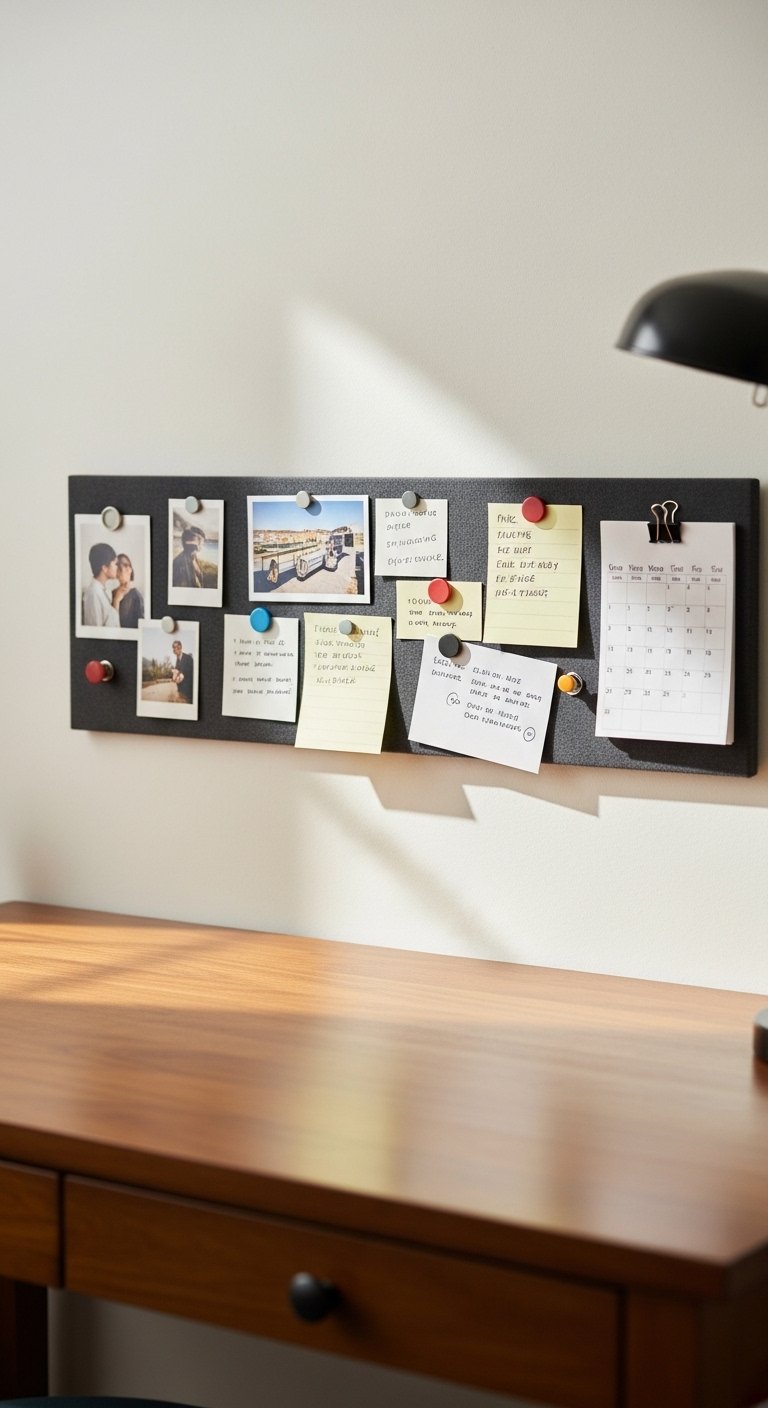
When ideas stall, a vertical inspiration board solves the blank-slate problem. I made a magnetic board with a 24×36-inch sheet and a few magnets to hold quotes, sketches, and timelines. Use a rule of three when arranging pins: three different sizes or textures instantly look intentional. The common error is overcrowding it with every scrap of paper. Edit down to a single weekly tracker, one photo, and one thought. I like magnetic cork boards because they are easy to swap without new holes.
Small-Scale Greenery for Calm and Focus
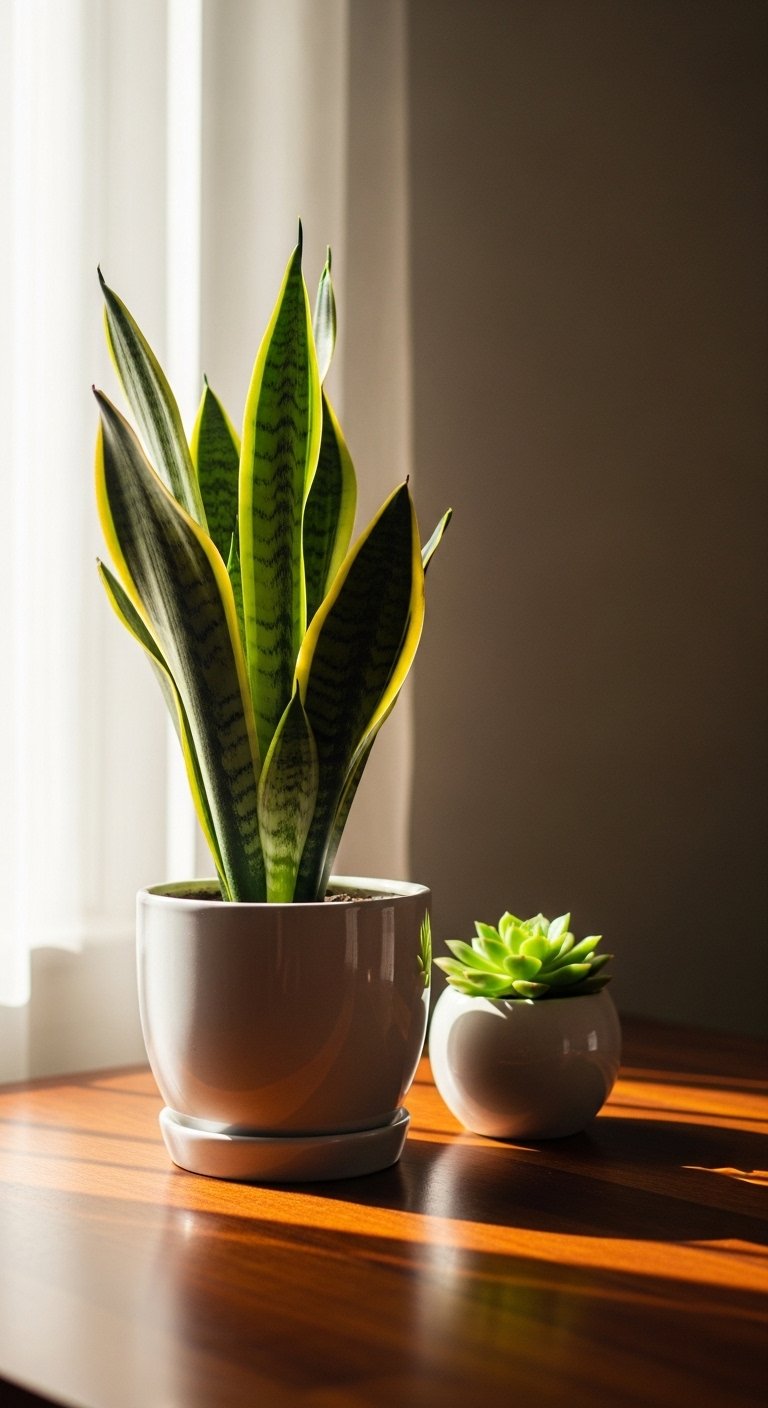
A real plant shifts the vibe more than an accessory. In low-light corners, pick tough plants like snake plants or pothos that tolerate neglect. I keep one 6-inch snake plant and one small pothos on a riser to add height variety. People buy five tiny succulents and expect impact. One 24-inch plant at the corner of the desk is worth more than five minis. Use a 6-inch snake plant in ceramic pot or an artificial fiddle leaf fig 6ft where light is impossible.
DIY Floating Shelf to Free Up Surface Space
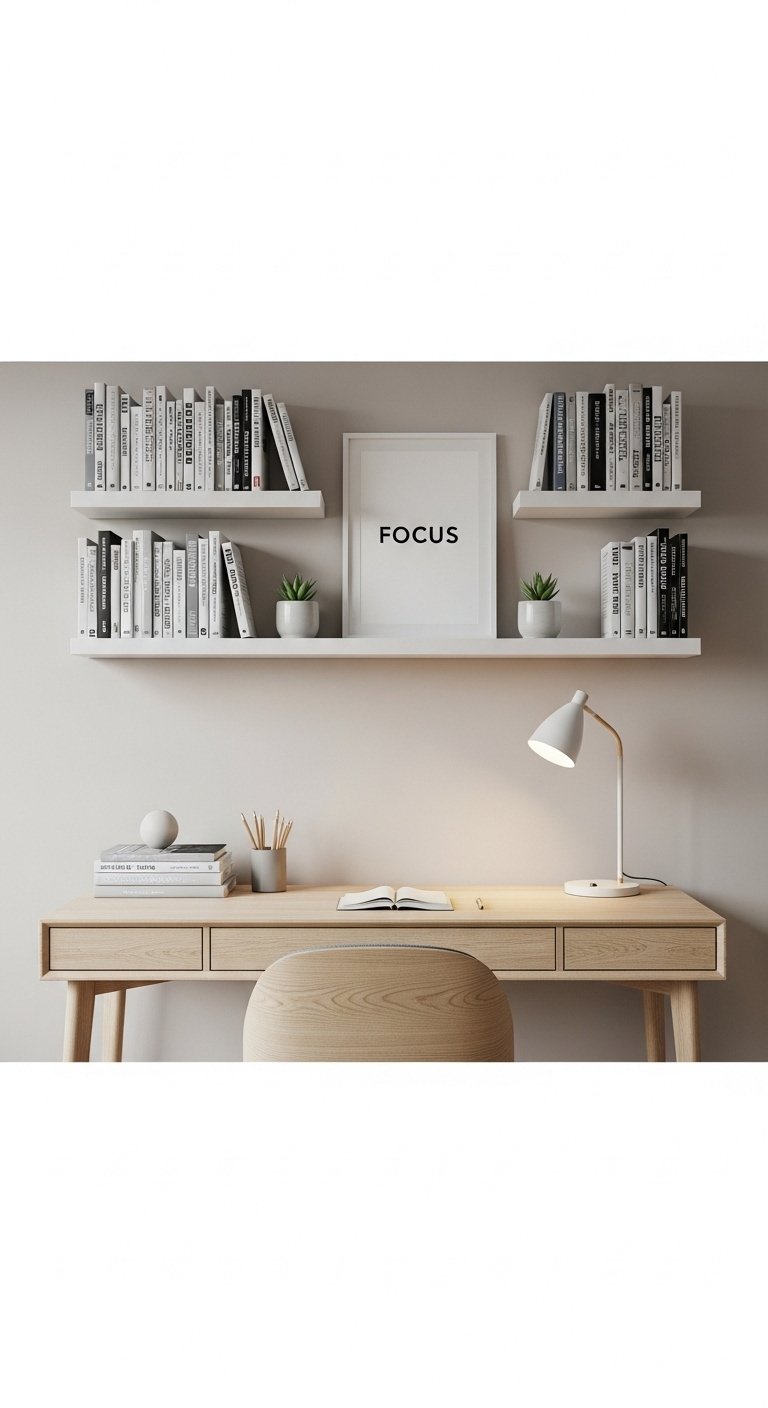
Adding a floating shelf clears desk real estate and creates a styling zone above your work. I placed a 36-inch shelf centered over the desk and followed the 2/3 rule where 2/3 of the shelf holds functional items and 1/3 is decorative. A common mistake is hanging it at window height, which makes the room feel chopped. Measure eye level at seated height, then mount the shelf 10 to 12 inches above your monitor. Try a white 36-inch floating shelf with concealed brackets for a clean look.
Portable File Caddy for Small Spaces
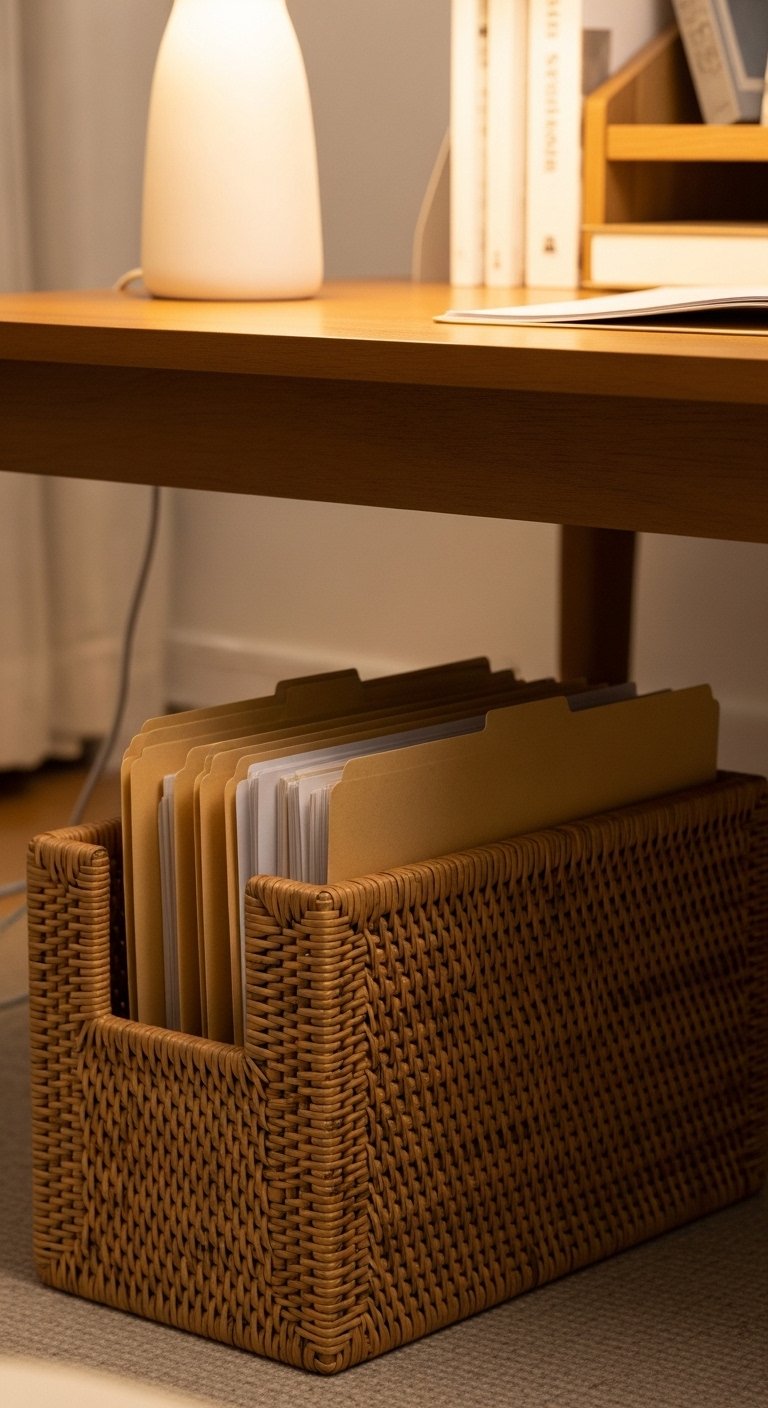
Paper piles are the instant stressor. A portable file caddy keeps current projects in arm reach and everything else out of sight. I use a rattan caddy that slides under my table and doubles as a decor piece. People often over-file and make too many categories. Stick to Active, Reference, and Archive. I label mine with index tabs and it takes up the same footprint as a shoebox. Check a rattan file caddy with handle for a blend of function and texture.
Warm Tone Desk Tray for Everyday Tools
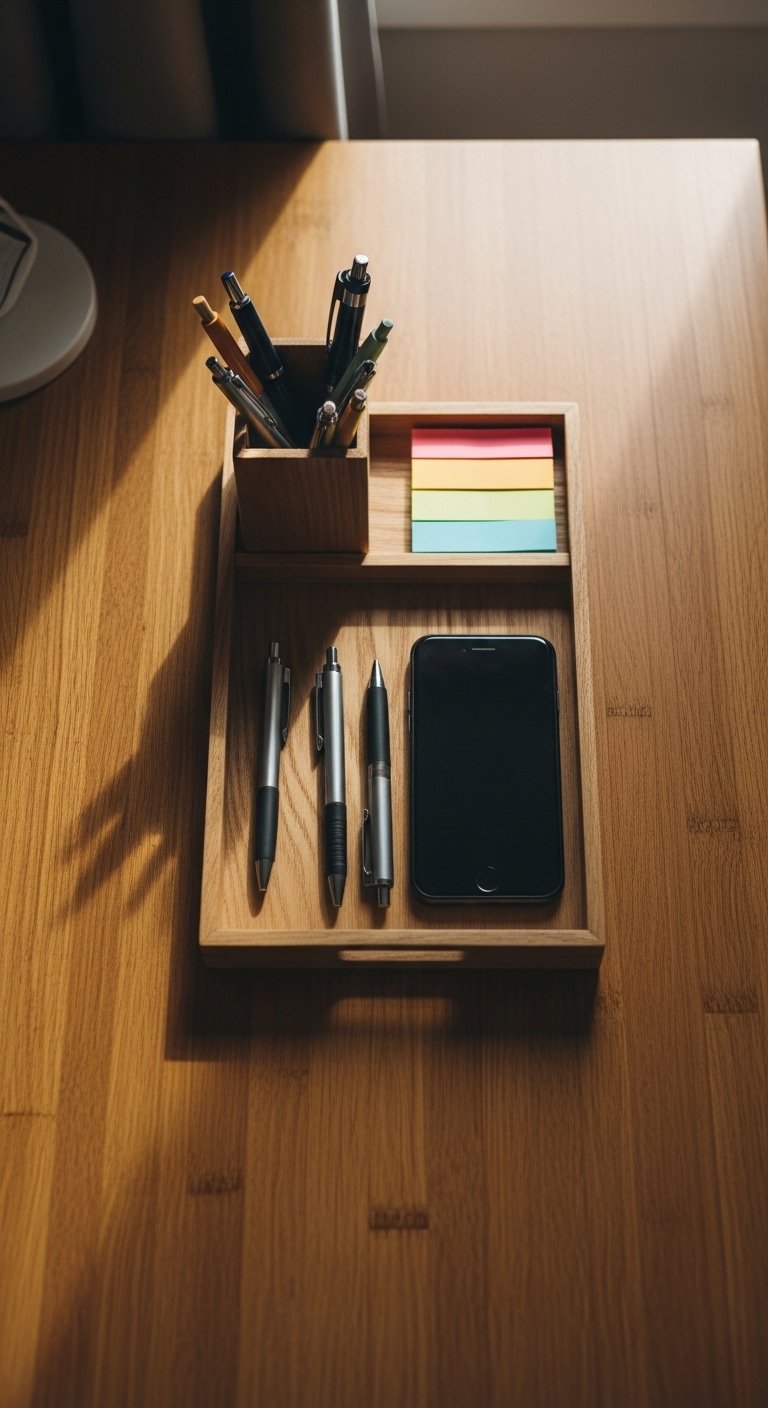
A small wooden tray corrals essentials and makes reaching feel purposeful. I picked one that is 10 by 6 inches to hold pens, a ruler, and my phone without swallowing the tabletop. The common error is choosing a tray that is too large and reduces usable workspace. Use one tray per zone. A walnut desk tray 10×6 inches adds warmth and keeps the surface tidy.
Framed Quote Gallery Wall for Motivation
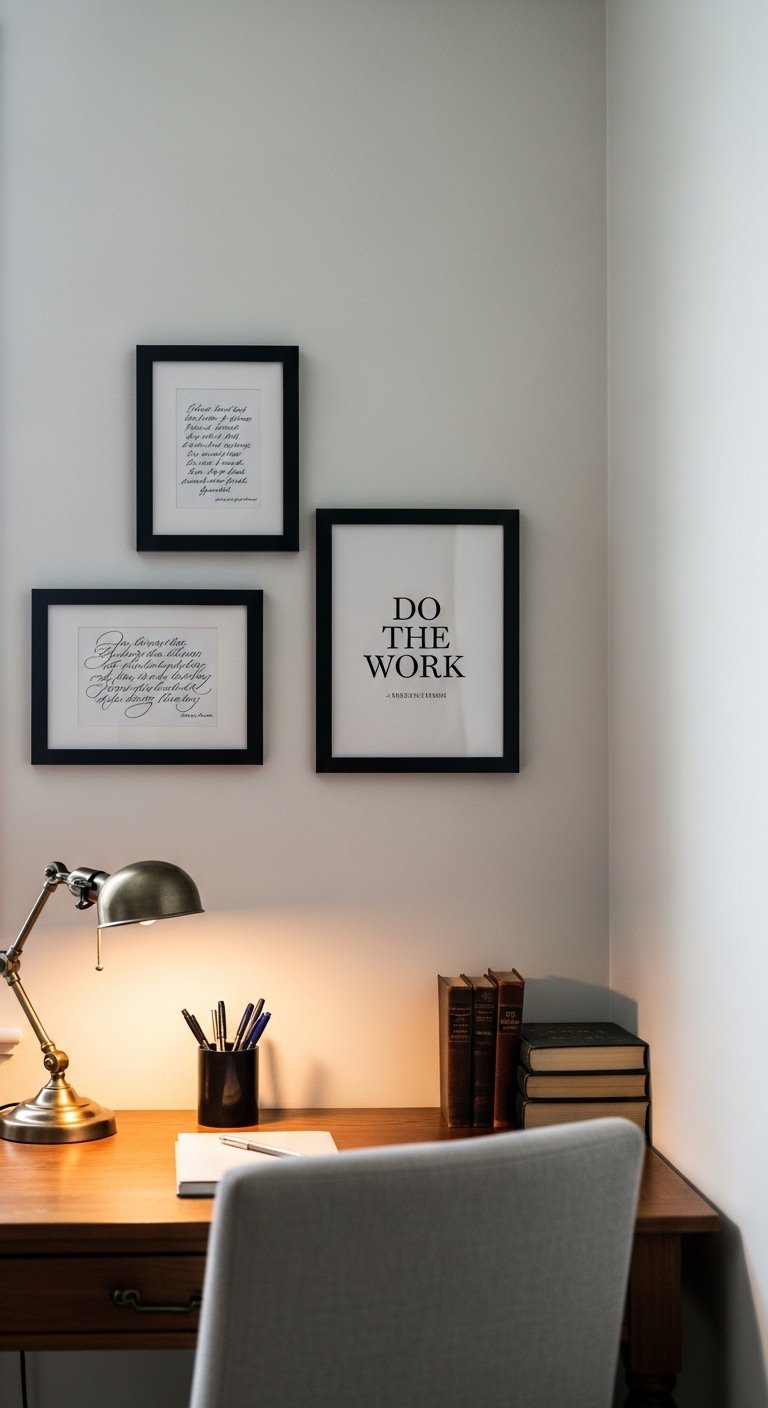
A small gallery wall above your desk gives personality without clutter. I used three 8×10 frames in mixed metal finishes and kept the artwork monochrome to avoid visual noise. My tip is to hang frames so the bottom of the lowest frame sits 6 to 8 inches above the shelf or desk surface. Mistake to avoid is matching every frame exactly, which looks staged. Try 8×10 mixed metal frames set for a relaxed look.
Tilted Book Display for Quick Reference

If you consult a notebook or planner while working, a tilted book stand saves neck strain. I keep mine at a 30-degree angle so the page faces me comfortably. People stack books flat and end up with a pile that becomes a nap spot. Use a adjustable wooden book stand and reserve it for current reference and one inspirational photo.
##Compact Whiteboard for Short-Term Task Tracking
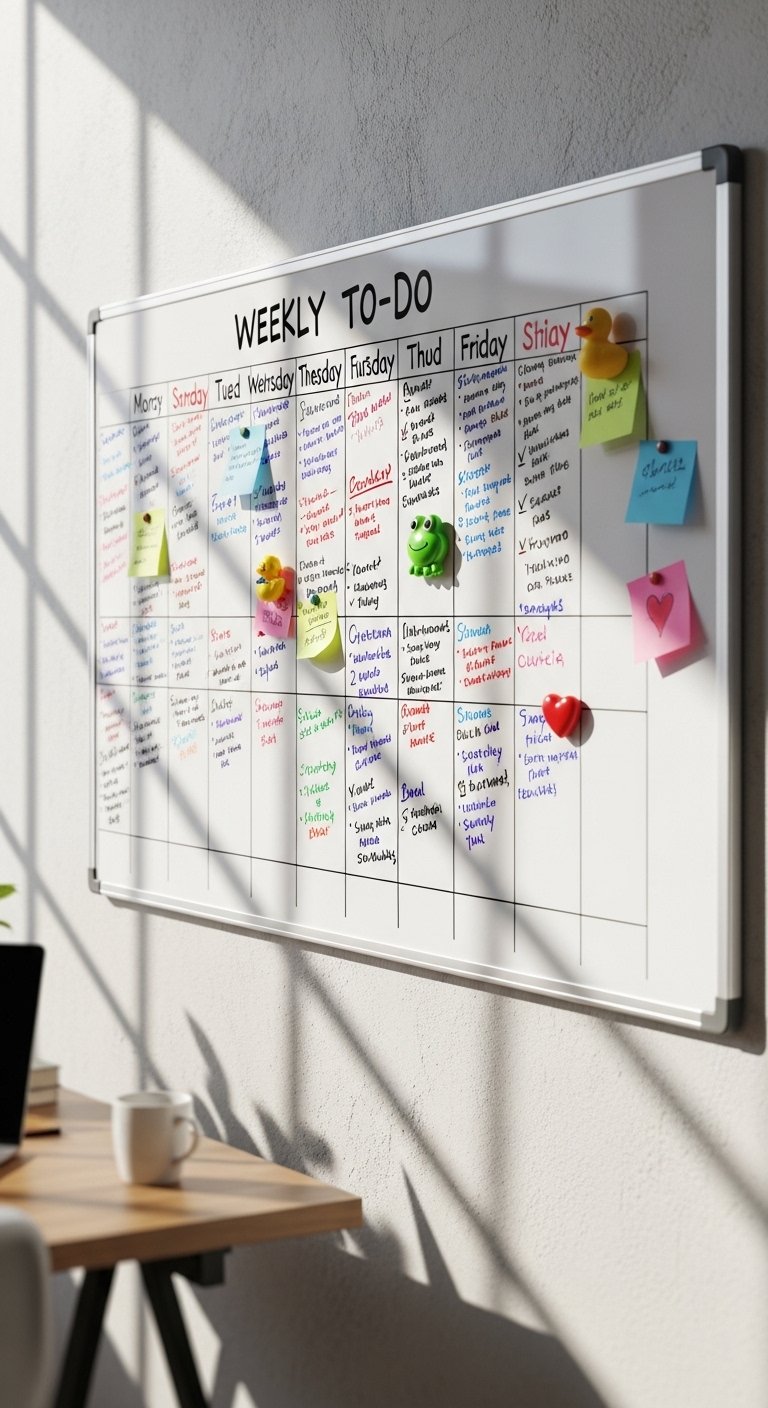
An 18×24 whiteboard is the best visual planner for study sessions. I draw three columns for Focus, Breaks, and Done and erase at the end of the day. The mistake is overloading it with every long-term goal. Keep only this week and this month on the board. A magnetic 18×24 dry erase board is handy because you can add a small bucket of markers and magnets.
Mixed Metals for an Unexpected Vintage Touch
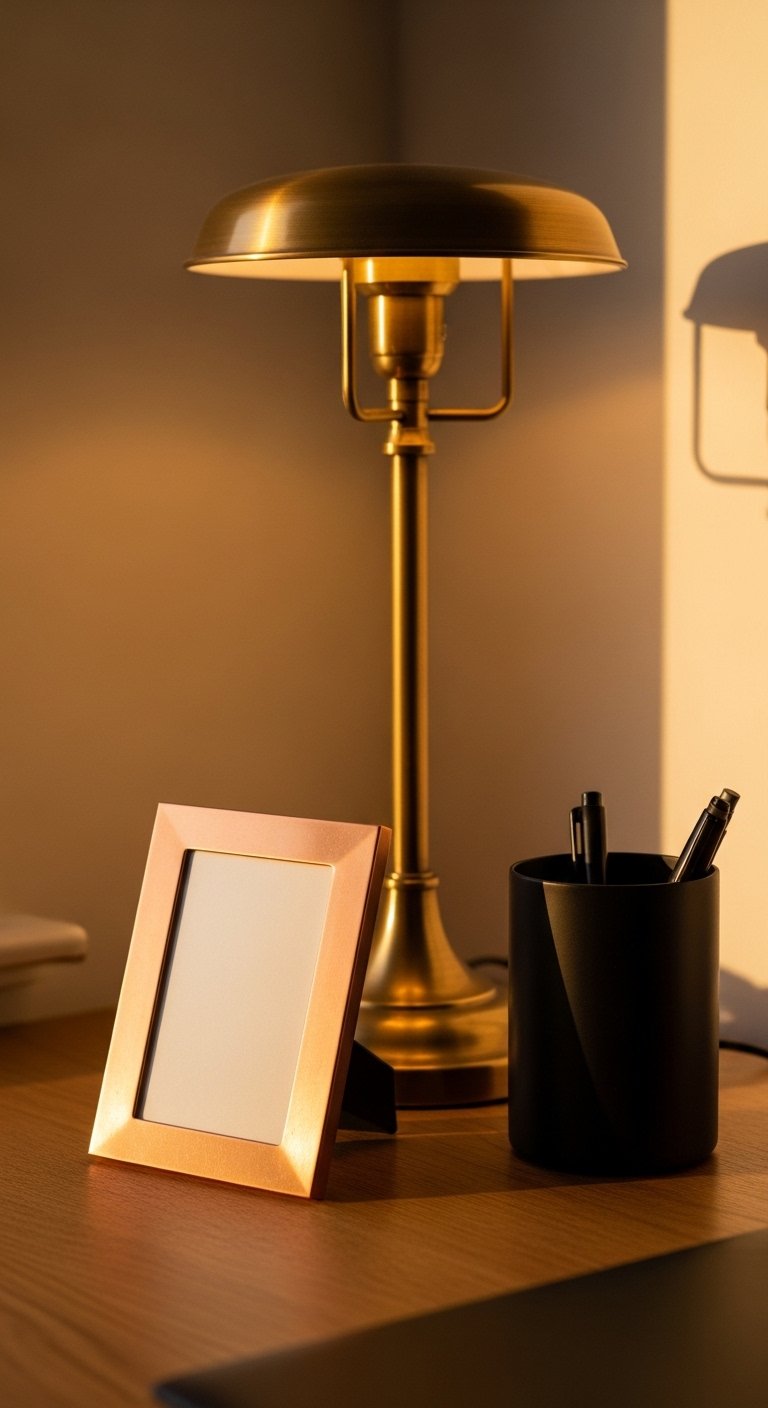
Mixing metals adds depth and prevents the space from feeling showroom new. I used brass for the lamp, black steel for the organizer, and a copper frame. The rule I follow is to pick one dominant metal, one secondary, and one accent. A common mistake is matching everything to make it safe. A little contrast looks edited and lived in. Try a brass desk lamp with a matte black pen cup.
Corner Task Nook with a Small Rolling Cart
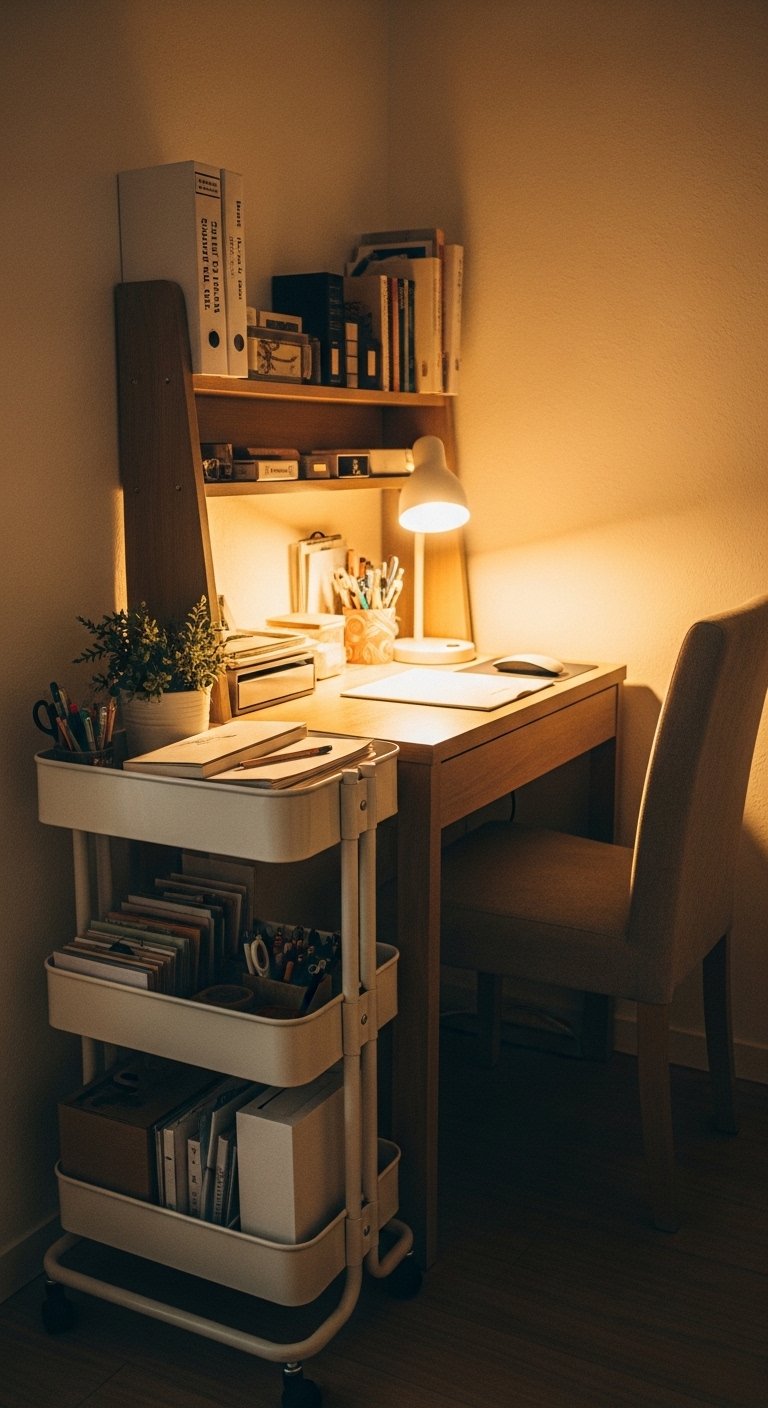
If your table is against a wall, a slim rolling cart gives mobile storage and doubles as an extra surface. I keep printing paper, extra chargers, and a spare notebook on the cart. People bury the cart in junk. Label one shelf for active projects only. Measure wheels plus clearance so the cart can roll in and out without scraping. Check a three-tier slim rolling cart that fits narrow gaps.
Personal Library in One Shelf for Daily Inspiration
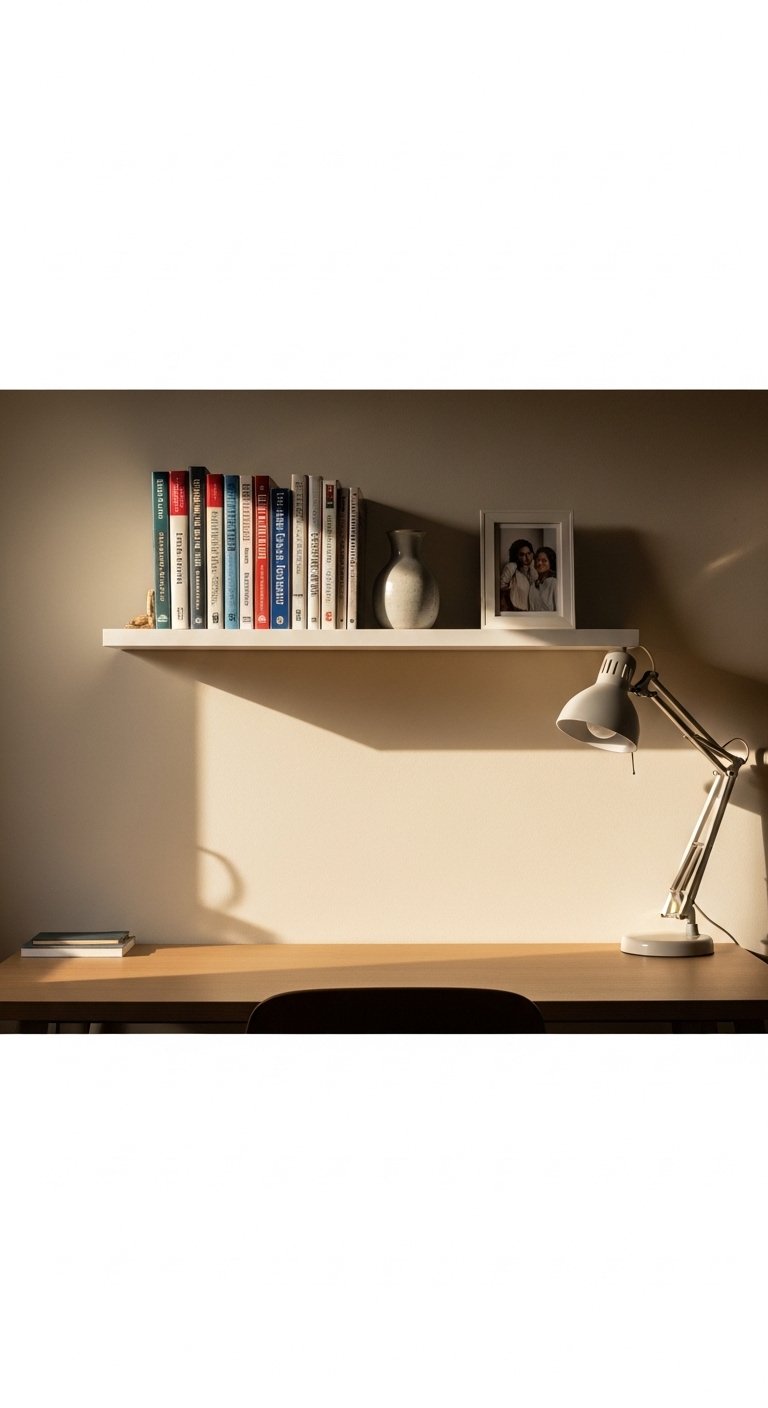
You do not need an entire bookcase to feel inspired. I curated seven favorites on one shelf and rotated them seasonally. Use the rule of three when styling the shelf: group books in stacks of three, then add one tall object and one low object. The error here is overfilling the shelf. A single shelf with space between items looks intentional. For a ready option try a 30-inch wall shelf in walnut.
Your Decor Shopping List
Textiles
- Honestly the best $40 I have spent. 22-inch linen pillow covers, set of 2 in dove gray and sand
- Chunky knit throw in cream (~$35-55)
Wall Decor
- Magnetic cork board 24×36 inches for inspiration pins
- 8×10 mixed metal frames set of 3 (~$25-40)
Lighting
- Adjustable LED desk lamp in matte black (~$40-80)
Storage and Organization
- Rattan file caddy with handle (~$30)
- Under-desk cable tray metal (~$20-35)
Plants
- Snake plant 6-inch in ceramic pot (~$15-30)
- Artificial fiddle leaf fig 6ft for low-light corners (~$80-120)
Budget Finds
- Walnut desk tray 10×6 inches (~$15-25)
- Adjustable wooden book stand (~$20)
Similar at Target or HomeGoods for many of the textiles and small decor items.
Shopping Tips
White oak beats dark wood in 2026. Design feeds have shifted completely. These white oak floating shelves look current, not dated.
Grab linen pillow covers for $20 each. Swap them every season and the whole study feels different.
Curtains should puddle or kiss the floor, never hang halfway up. These 96-inch linen panels are right for standard 9-foot ceilings.
One single 6-foot plant has ten times the visual impact of five small succulents. Try an artificial fiddle leaf fig 6ft if you need height without care.
If you must choose between a lamp and a decor object, choose the lamp. Adjustable LED lamps make late nights less painful.
Frequently Asked Questions
Q: How do I keep a small desk from feeling cluttered when I need lots of supplies?
A: Limit on-desk items to three functional pieces, then tuck extras in a rolling cart or portable file caddy. Use boxes that slide under the desk so only the active project is visible. A rattan file caddy works well for rotating materials.
Q: Can I mix vintage and modern pieces without it looking messy?
A: Yes. Use the rule of three with metals and textures. Pick one dominant era for larger items and sprinkle one or two contrasting accents. I pair a modern lamp with a vintage brass frame and it reads intentional.
Q: What size shelf should I install above my desk?
A: A 30 to 36-inch shelf fits most single-person study tables. Mount it 10 to 12 inches above your monitor or laptop at seated eye level so it is reachable but not in the way.
Q: Should I use a real plant or a faux plant for a study corner?
A: Both are fine. Real plants like snake plants handle neglect and improve air. Use a faux fiddle leaf fig when light or humidity is impossible. The visual result is similar and maintenance is different.
Q: How do I choose the right desk lamp brightness?
A: Aim for 4000K for a neutral white that reads true on paper and screens. Adjustable LEDs let you lower the brightness for evening and raise it for focused tasks. Place the lamp about 24 inches from your work area.
Q: What is the fastest way to make a study table feel more personal?
A: Swap three small items: a pillow, a framed photo, and a plant. Changing the texture and adding a piece you can touch makes the space feel yours immediately.