

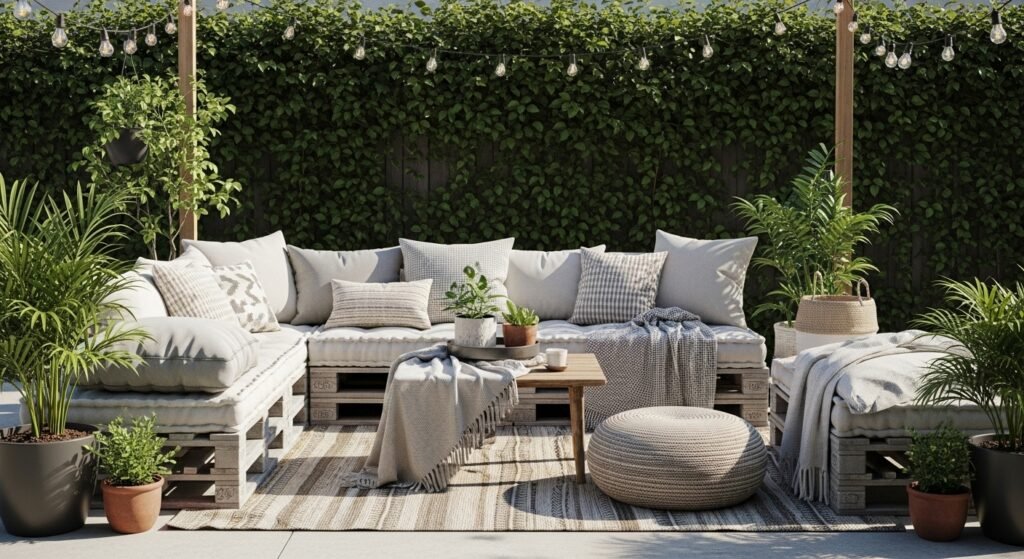
My living room had nice furniture and decent lighting but it still felt like a waiting room. Took me embarrassingly long to figure out it was missing texture. Every surface was smooth, every color was flat, and nothing invited you to actually sit down. I leaned into that same idea outside, and carved out a corner people actually linger in.
These ideas skew relaxed modern and coastal. Most projects run $25 to $200, with a few that cost more if you splurge on durable materials. They work for patios, balconies, porches, and small yards where you need pieces that can take a beating and still look intentional.
Weatherproof Pallet Sofa For Deep Seating
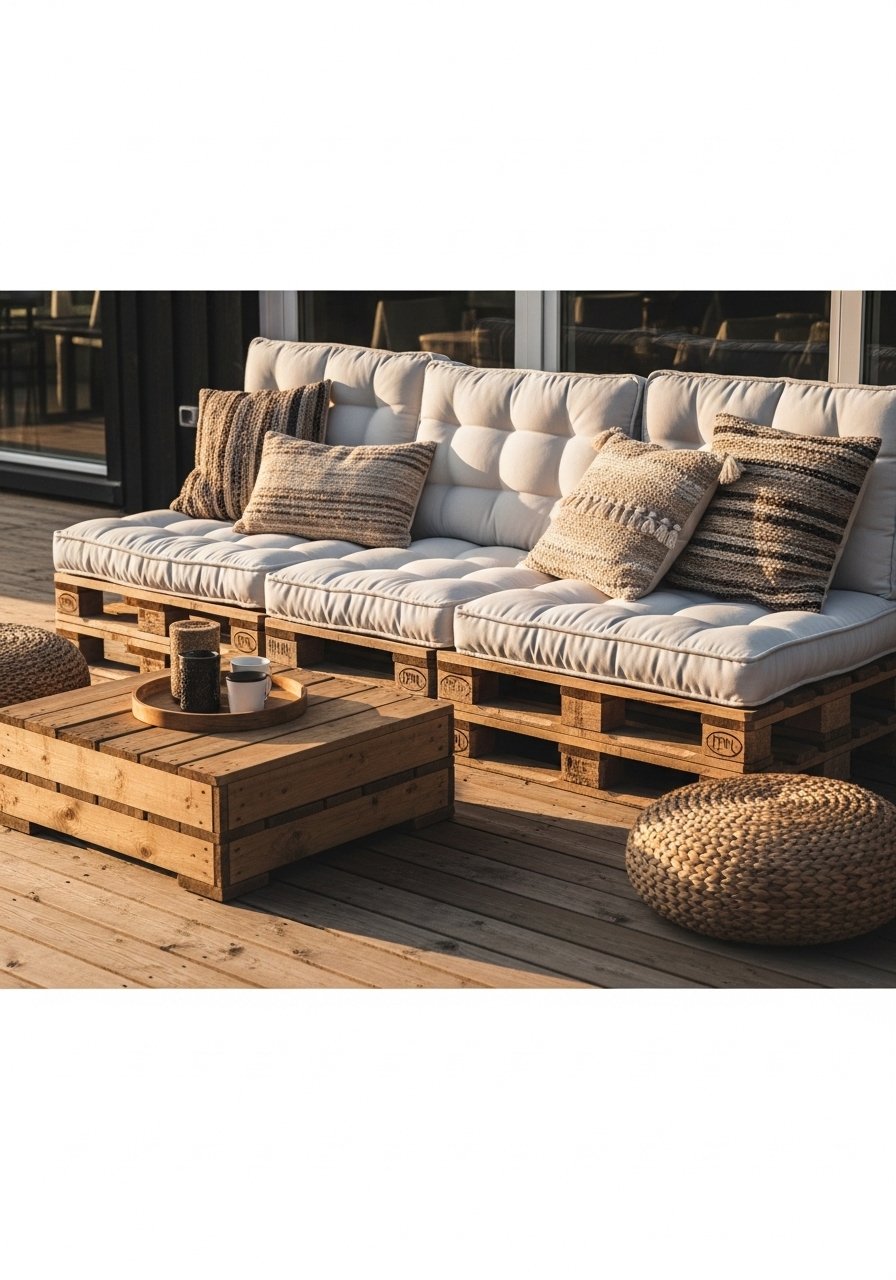
I built a deep-seated pallet sofa when I wanted something low and loungey without spending a fortune. Pallets give you a 24-inch seat depth after two pallet layers, which is the sweet spot for sprawling out. Use pressure-treated pallets or cedar, then sand to smooth splinters and finish with two coats of exterior-grade spar urethane. I used outdoor foam cushions wrapped in weather-resistant fabric covers and they made the whole thing behave like real outdoor furniture. The mistake is skipping pre-drilling holes, which leads to split boards. Pair this with the concrete planter table idea for contrast.
Cedar Slatted Bench With Hidden Storage
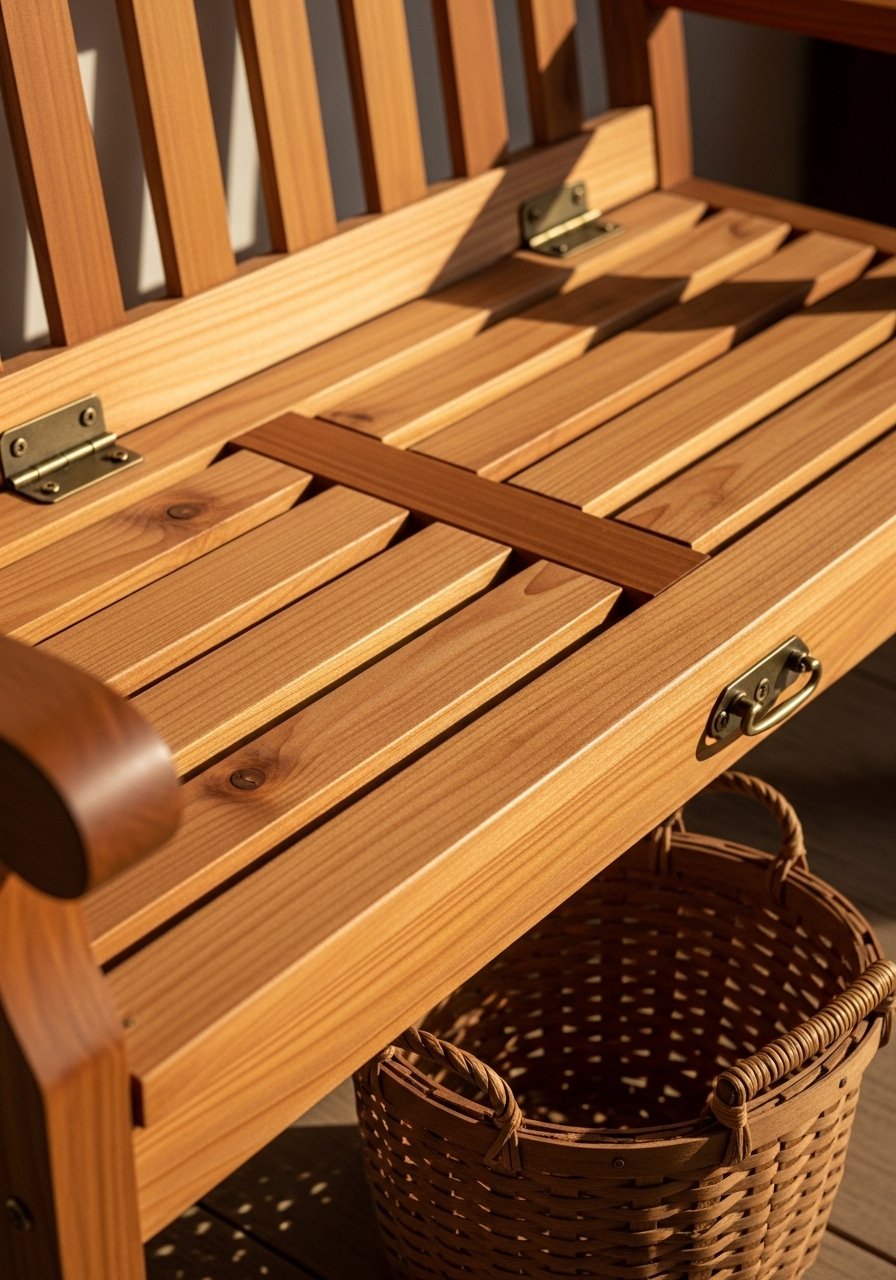
A cedar slatted bench works as seating and storage for cushions and pool toys. I cut slats 3/4 inch thick and left 3/8 inch gaps so water drains and the bench dries faster. Use marine-grade hinges and a bit of weatherproof glue at joints. This bench reads coastal and fits porches or entryways. Budget is about $60 to $120 depending on hardware. One common mistake is using untreated pine outdoors, which will swell and warp. If you want a product shortcut, I like these marine hardware sets for lasting durability.
Reclaimed Lumber Adirondack Chairs With Wide Arms
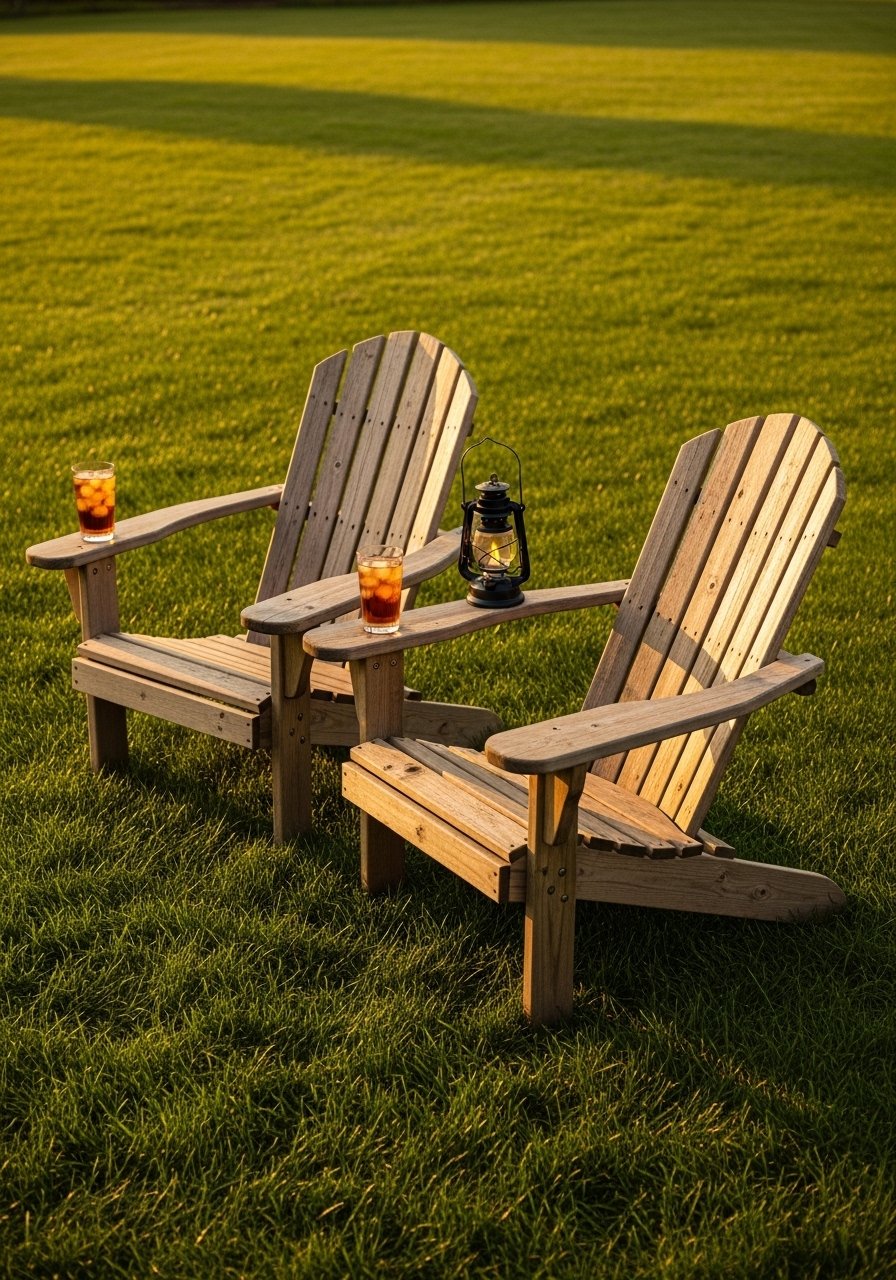
I made Adirondack chairs from reclaimed pallet boards and learned that a 20-inch seat height keeps them comfortable for most adults. The wide arms are practical for a book and cup. Sand until smooth and seal with exterior paint or tung oil. Reclaimed wood looks great with matte finishes, a swap I prefer instead of glossy lacquer which ages badly outside. If you do one thing wrong it is cutting the back slat curve too steep. Measure with a cardboard template first. For screws I use stainless exterior decking screws.
Concrete Block Sofa Base With Cushioned Top
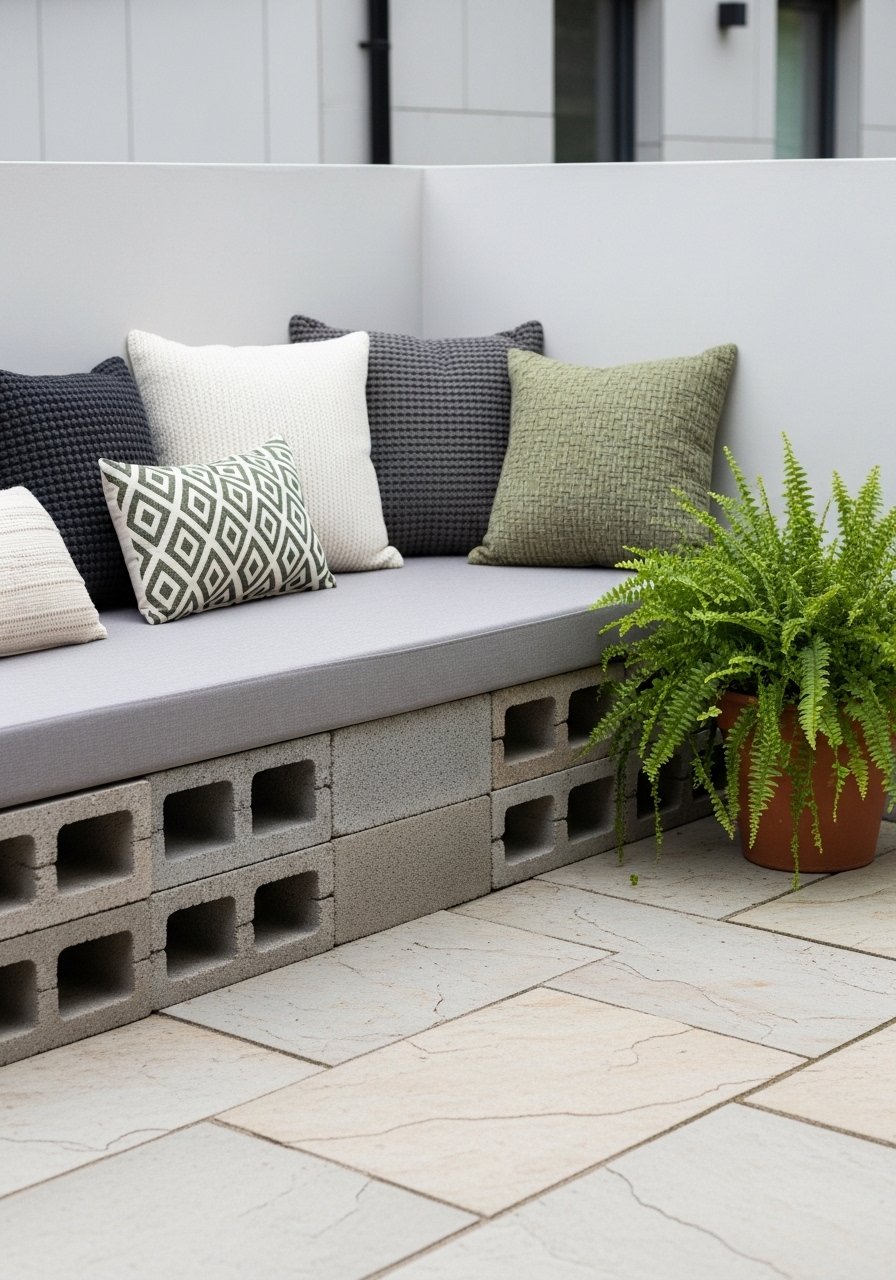
Concrete blocks are the cheapest route to a sturdy outdoor sofa. Stack them two high and place 1×4 cedar slats on top for support. I top with a 4-inch outdoor foam cushion for comfort. The idea costs about $40 to $120 depending on cushion choice. Common mistake is using indoor foam, which gets moldy. Use closed-cell outdoor foam or wrap with marine vinyl. A small detail I always mention is spacing blocks every 24 inches for even support. To finish edges I keep a row of river stones around the base for drainage and style. Try these outdoor foam cushions.
Foldable Teak Bistro Set From Planed Wood
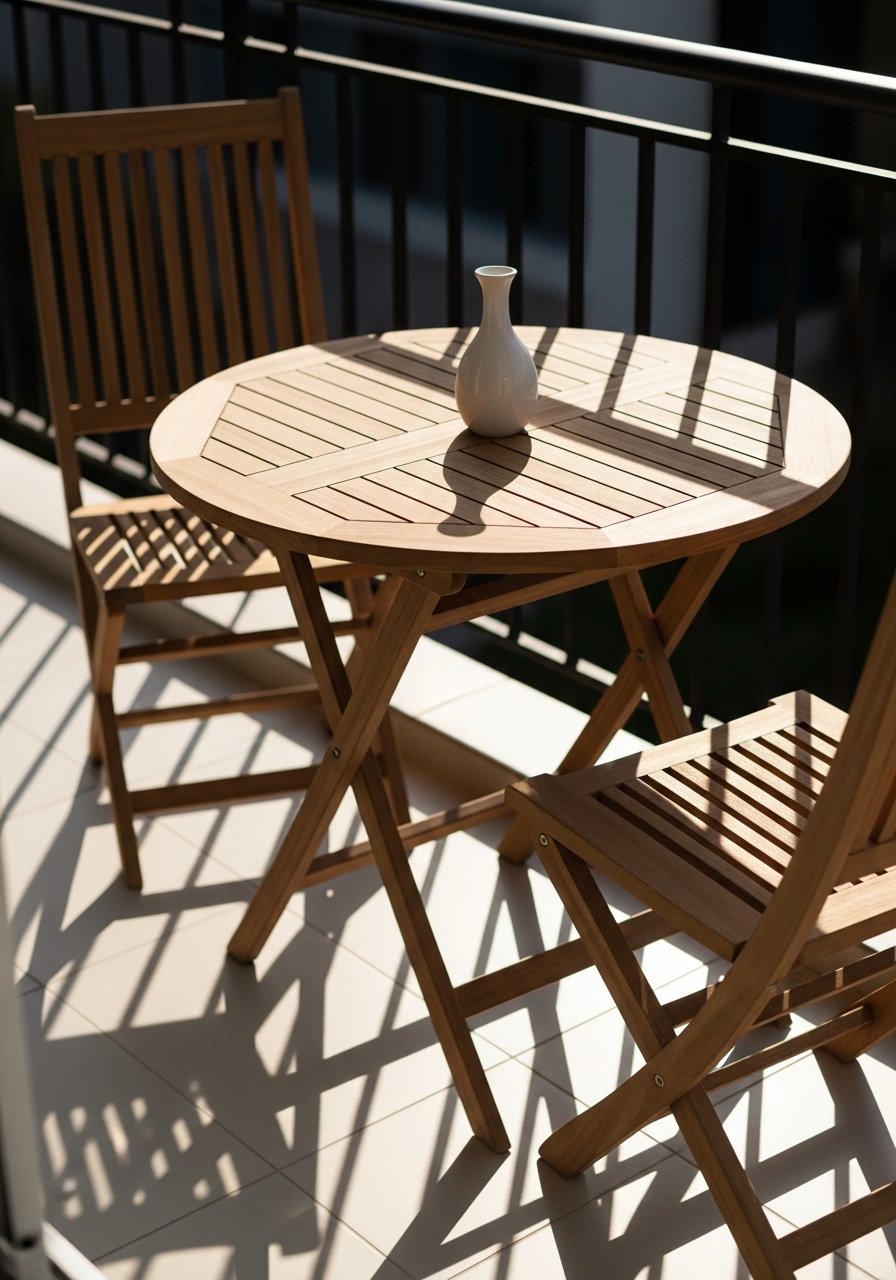
I wanted something that could tuck away for winter so I built a foldable teak bistro set. Teak is oily and resists rot so it lasts. Use 3/4-inch teak slats and brass pivot hardware. The set sits nicely on small balconies where a 30-inch round table is too big. My tip is to plane edges slightly so the fold is smooth. People often overbuild with thick legs, which makes folding awkward. If you prefer ready-made parts, these teak slatted table tops saved me time.
DIY Rope-Wrapped Outdoor Stool For Texture
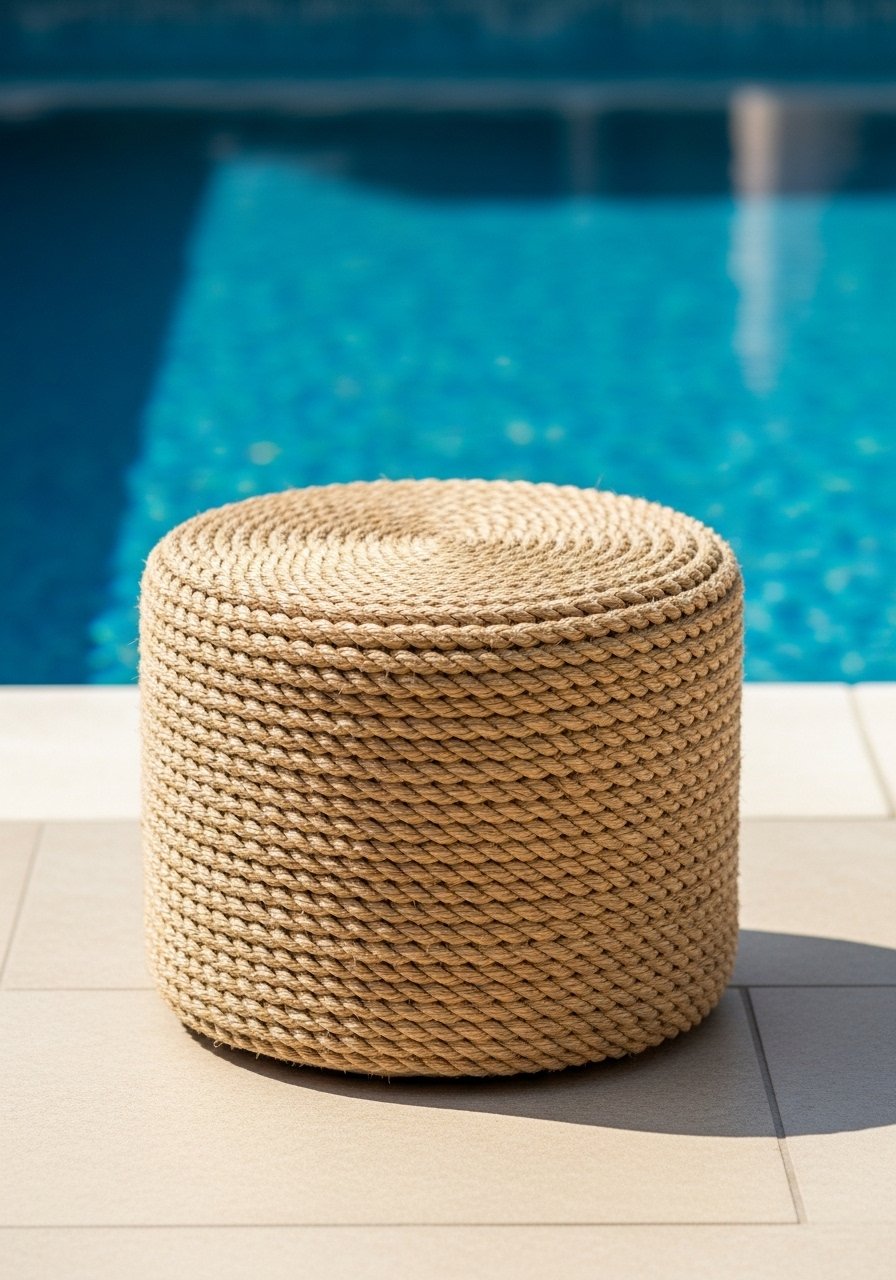
There is something about natural rope that instantly reads like a coastal retreat. I wrapped a small cedar stool with 3/8-inch polypropylene rope and sealed the ends with a dab of marine adhesive. It costs under $30 and adds texture next to a sofa or in a shaded reading nook. A common error is using cotton rope which mildews. Measure twice because rope stretches a little as you go. Rule of three works here: place one stool near two chairs or the look feels unbalanced. For supplies I buy UV-resistant outdoor rope.
Upcycled Door Dining Table For Backyard Meals
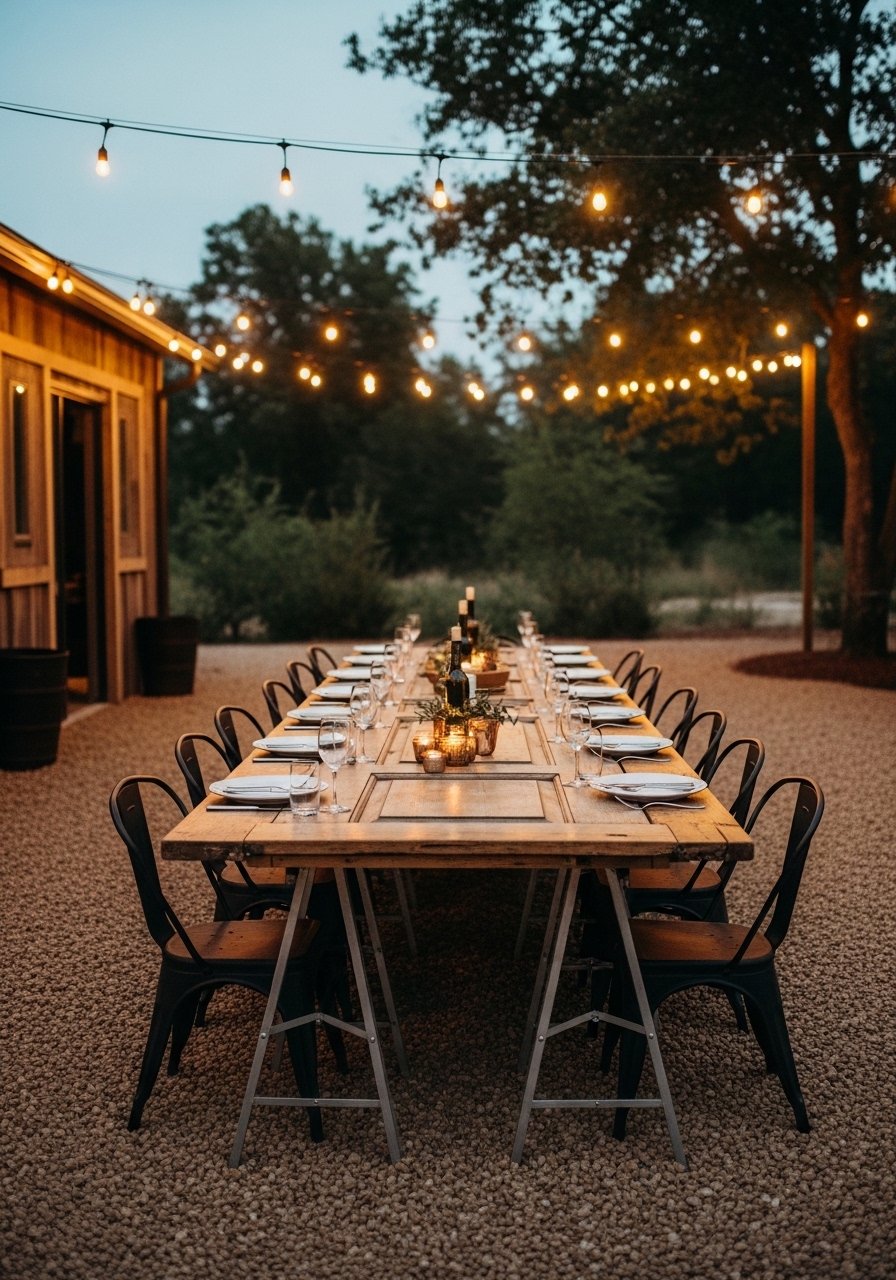
I turned an old solid-core door into a dining table by cutting it down to 72 by 36 inches and attaching metal legs. The extra width makes it ideal for communal meals. Seal with three coats of exterior tabletop epoxy for spill resistance. Mistake to avoid is leaving the edge raw. It soaks water and peels finish. This project feels like a splurge but runs under $200 if you find a good door. For hardware I used industrial metal table legs that are easy to bolt on.
Stackable Crate Coffee Table With Planter Nook
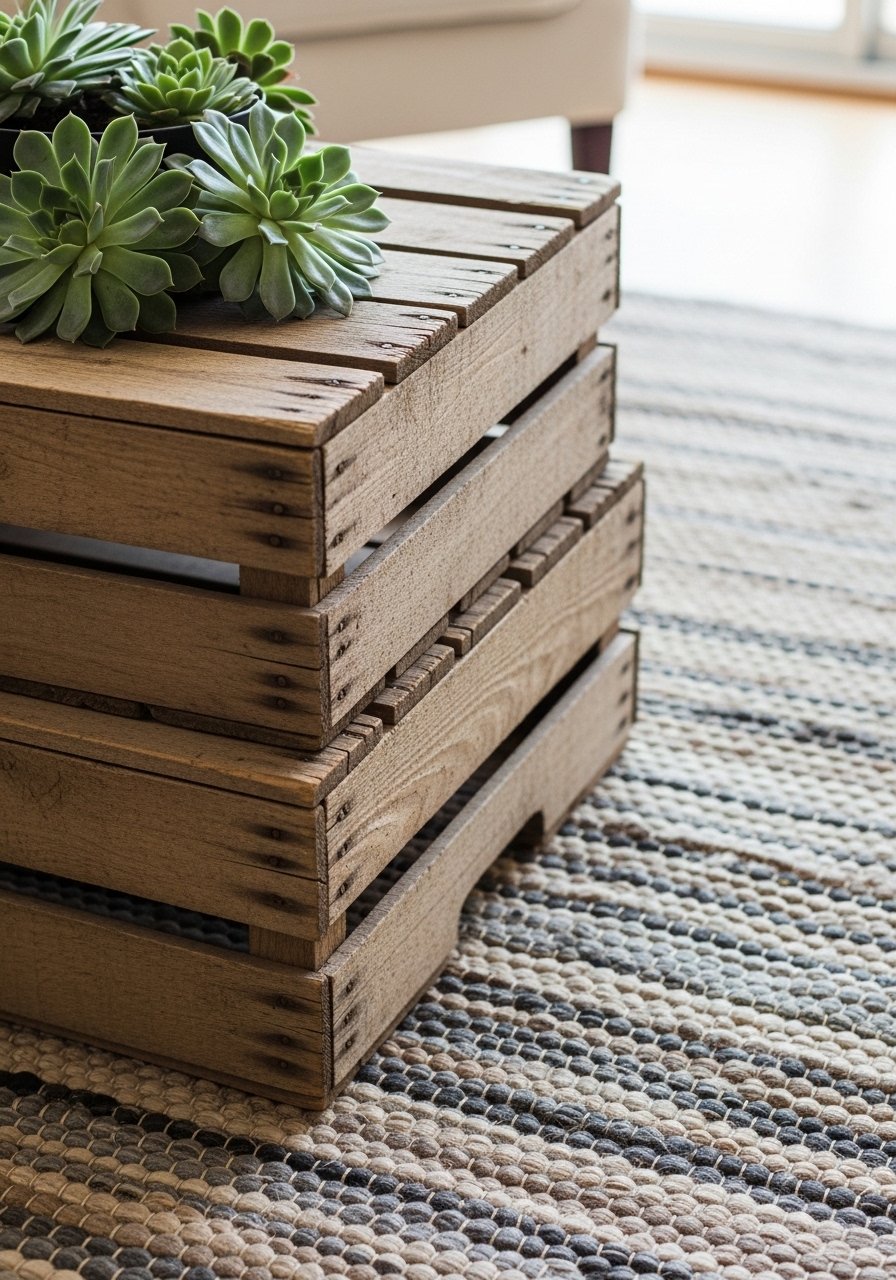
Simple wooden crates stacked and secured become a coffee table with hidden planters. I cut out a 6×12 inch section in one crate for drainage soil and planted succulents. The crate table is light enough to move for parties and the layered look feels intentional. Budget is $30 to $70. People often forget to line the planter nook with landscape fabric. Rain will wash soil into the crate unless you add it. For a finished top I used a 24×36 inch reclaimed wood slab sealed with spar urethane. I picked up reclaimed palette slats for mine.
Painted Metal Frame Daybed Using Weatherproof Fabric
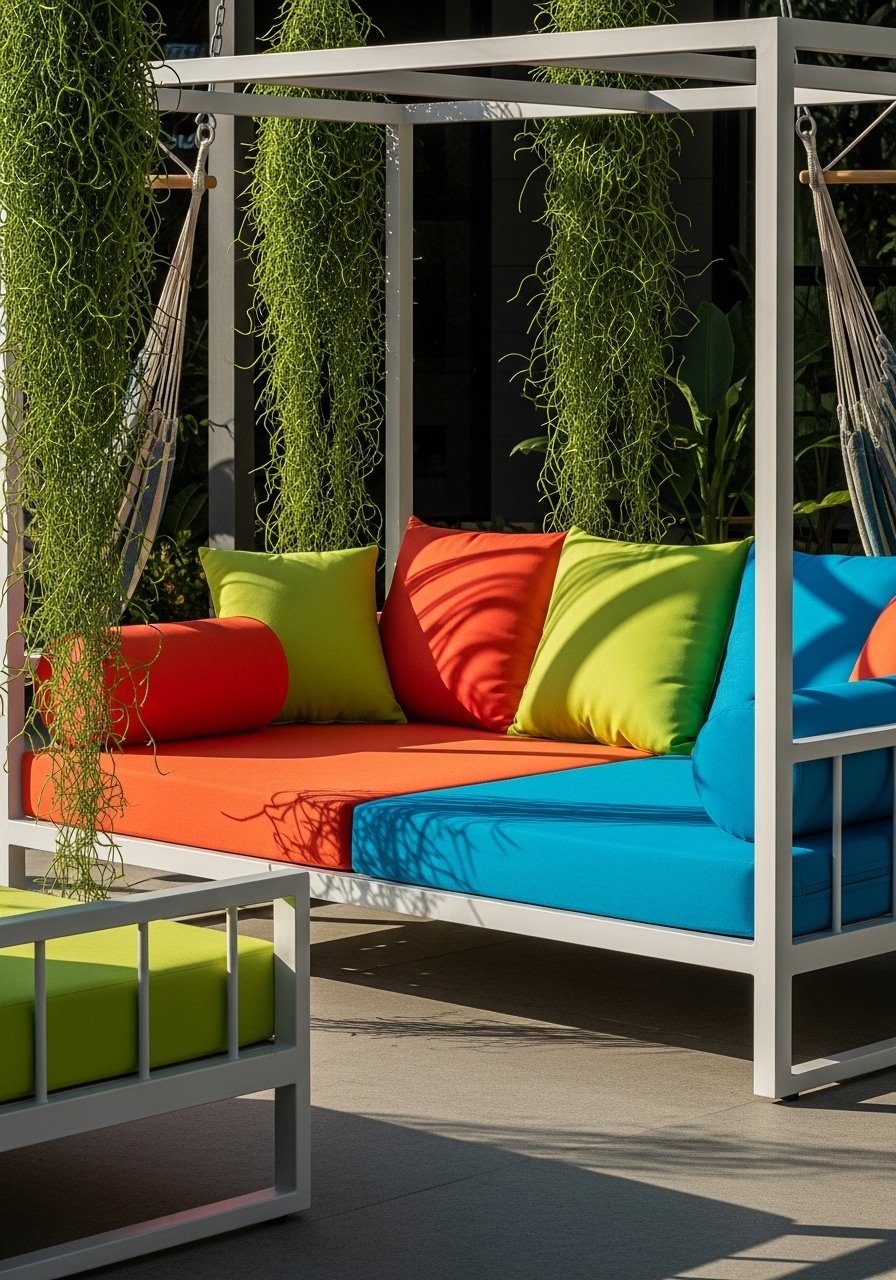
Building a metal frame daybed gave me the look of outdoor luxury without the price. I prebought a powder-coated steel frame and just added a 4-inch outdoor foam mattress wrapped in Sunbrella fabric. Use a 3:1 cushion depth ratio so the mattress stacks well under a pergola or sun sail. Mistake: buying indoor covers that fade. I use UV-resistant Sunbrella fabric covers. If you want a modern swap try matte black metal instead of glossy white for a more current feel. White oak beats dark wood in 2026.
DIY Hanging Porch Swing With Industrial Chains
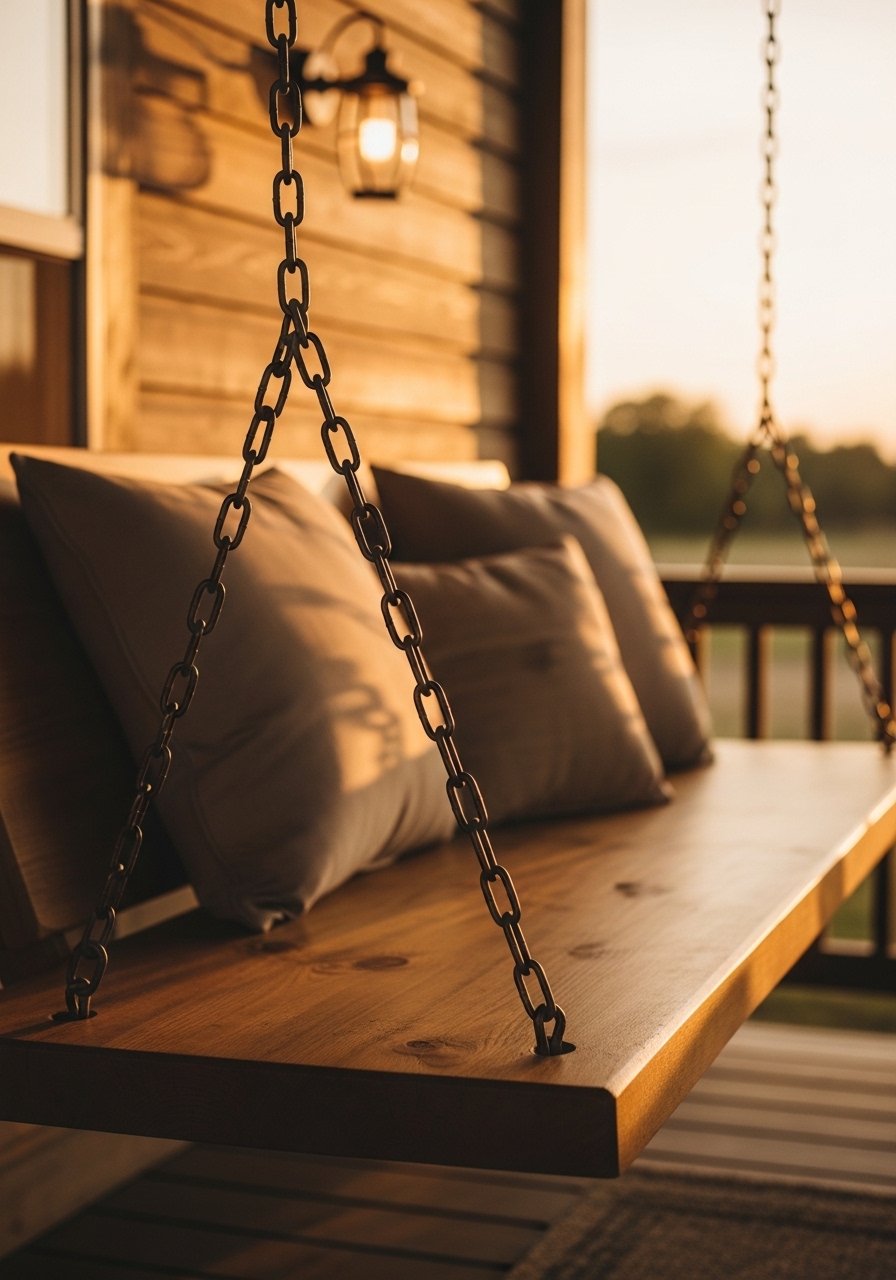
A porch swing changes how you use a porch. I built one from a 2×12 pine board and reinforced the hanging points with steel plates. Use rated hardware and at least 3/8-inch galvanized chain for safety. Measure your joist spacing and plan for a 4 to 6 inch backrest overhang so the swing does not hit your knees. Common mistake is guessing ceiling joists instead of locating them with a stud finder. For cushions I use quick-dry outdoor inserts and heavy-duty hanging hardware.
Concrete Top Outdoor Bar Cart On Wheels
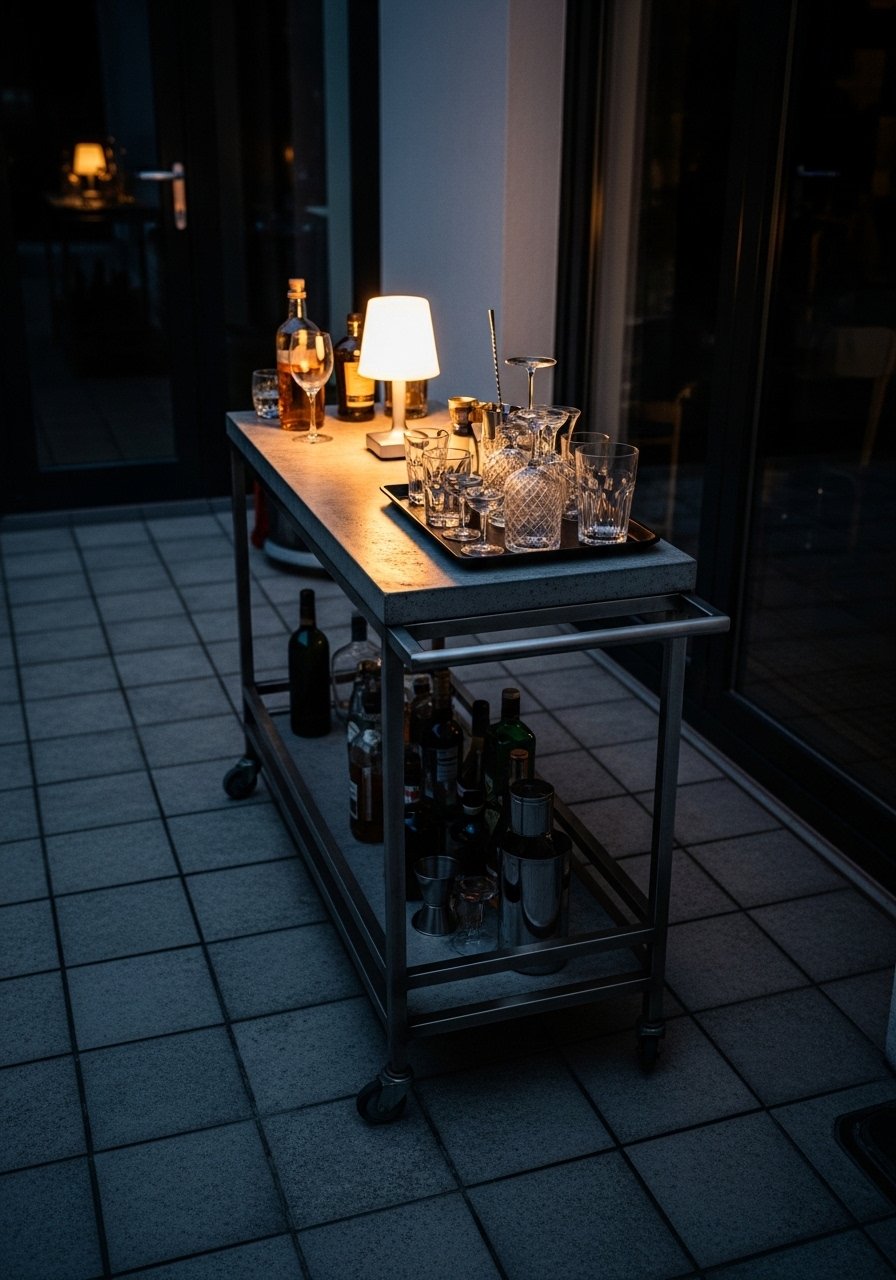
A rolling bar cart made with a lightweight concrete top and a powder-coated metal frame is surprisingly easy. I poured a 2-inch concrete slab in a silicone mold for a 12×36 top and sanded the edges. The cart serves as a prep surface and folds into the corner when not used. Concrete needs a sealer for stains. Common mistake is making the slab thicker than 2 inches, which adds unnecessary weight. For casters I used lockable rubber wheels rated for outdoor use. These outdoor caster wheels keep it steady.
Folding Screen Planter To Create Privacy
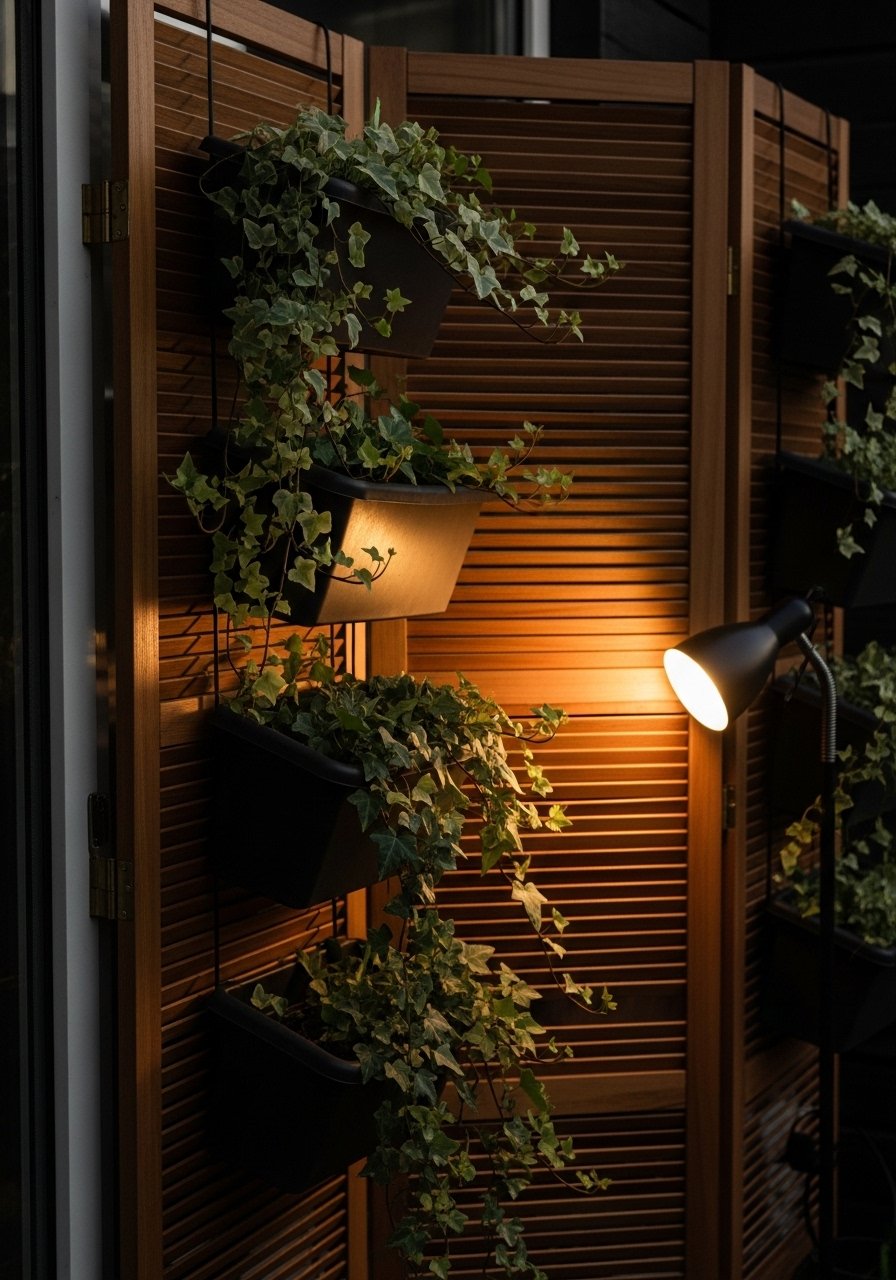
I built a folding screen with attached planter boxes to create a private balcony nook. The panels are 18 inches wide and 72 inches tall, which fits most balcony rails. This solves the neighbor view problem without permanent construction. Use cedar and a water-resistant liner inside planters. Quick mistake is using too-heavy pots which strain hinges. Lightweight planters and soil mixes are key. If you want instant impact, one tall faux bamboo screen can copy the look while you DIY.
Minimalist Concrete Bench With Wood Seat Insert
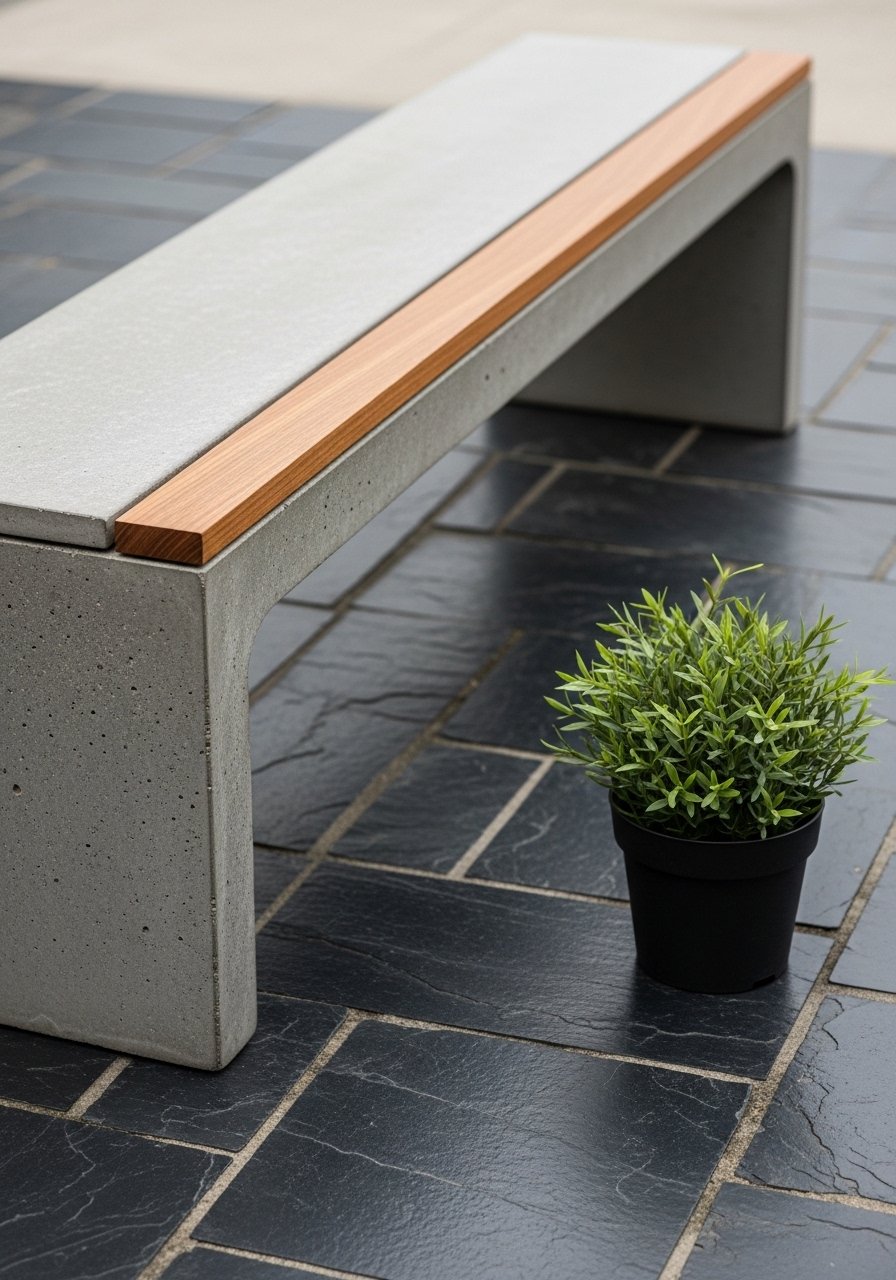
Concrete benches feel modern and simple. I poured a 16-inch-high base and left a recessed 4-inch channel for a teak seat insert. The teak prevents cement from being the only surface you touch. A good detail is rounding the seat edges to 1/4 inch for comfort. People often make the bench too narrow. I recommend 16 inches for adult seating. Seal the concrete with a matte sealer to avoid a shiny, dated finish. If you prefer a lighter finish try white cement and these teak seat slats.
Upcycled Wine Crate Bar With Glass Rack
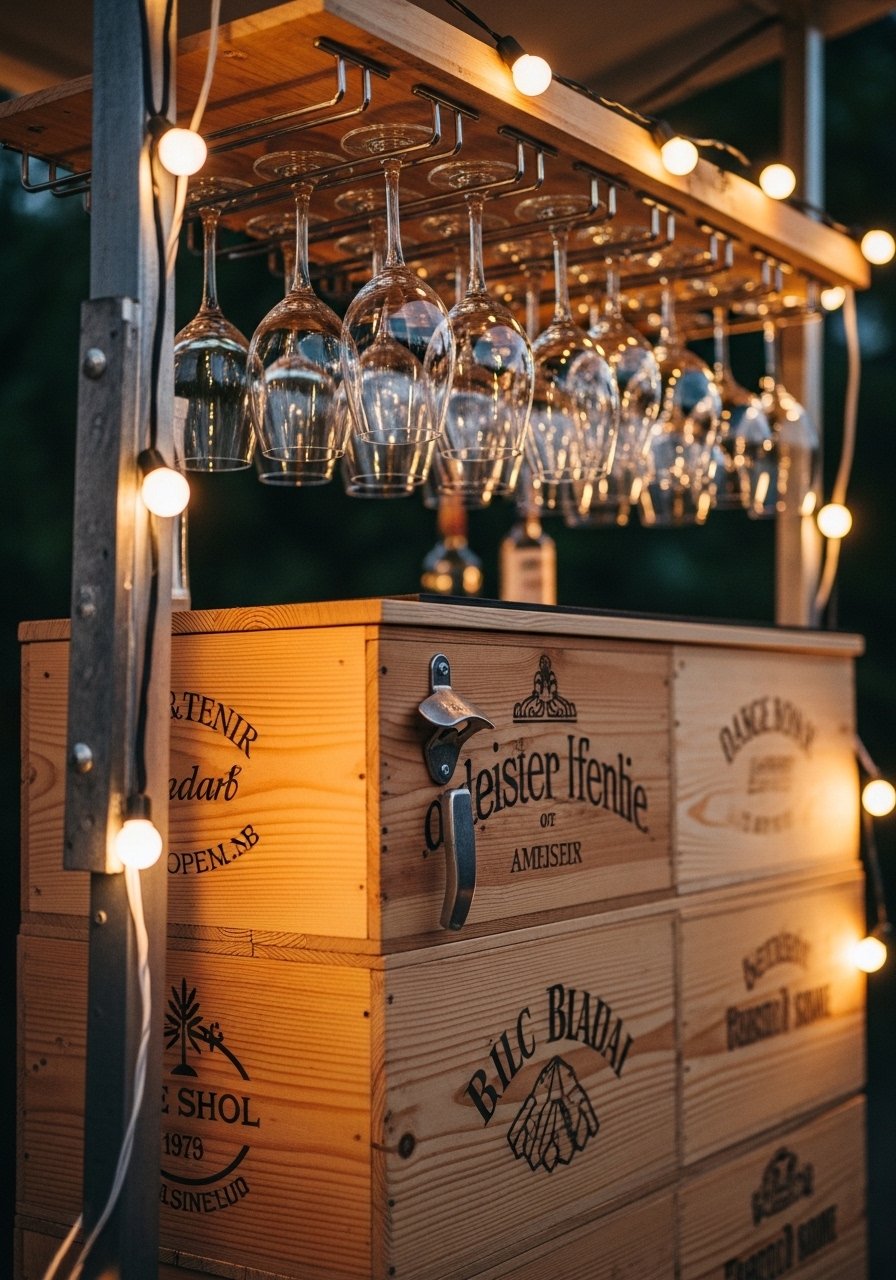
I stacked wine crates into a small bar and added a simple overhead glass rack made from a slotted board. It solves the problem of where to stash wine and glasses outside. The height is 42 inches, which works with bar stools and standing prep. A common mistake is using unsealed crates which soften in rain. Seal each crate and reinforce corners with metal L-brackets. Pair this with the pallet sofa for casual entertaining. For a quick hardware fix I used rust-resistant L-brackets.
Moroccan-Inspired Poufs Made From Outdoor Canvas
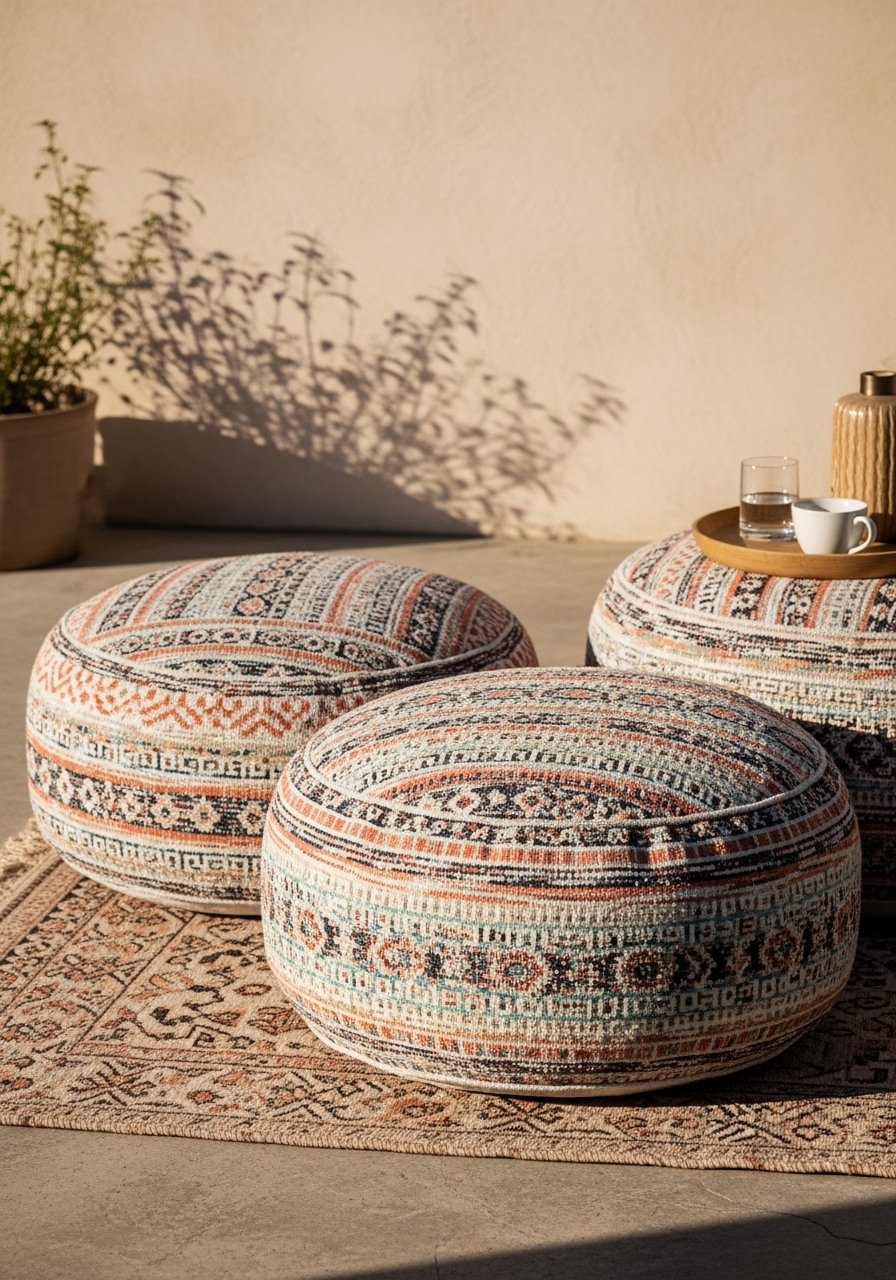
I needed flexible seating that could be moved for kids and parties so I sewed poufs from outdoor canvas and stuffed them with quick-dry foam beads. A 20-inch diameter is roomy enough for adults but still easy to store. Patterned poufs break up a monotone palette and follow the rule of three when grouped with two chairs. A frequent mistake is using imported indoor fabric that fades. These outdoor canvas fabrics hold color and wash easily. Everyone buys five small succulents. One single 6-foot fiddle leaf fig has ten times the visual impact.
Your Decor Shopping List
Textiles
- Honestly the best $40 I have spent. Outdoor foam cushions, 4-inch thickness in custom sizes
- 22-inch down-filled linen pillow covers in two neutrals for layering
Wall Decor And Trim
- Brass picture ledges, set of 2 (~$18-25) to prop art without new holes
- Outdoor mirror, 30-inch round for brightening darker corners
Lighting
- Solar string lights warm white (~$20) for evening atmosphere
- Lockable outdoor caster wheels to make bar carts portable
Plants And Planters
- UV-resistant outdoor rope, 3/8-inch for wrapped stools and hammocks
- Faux fiddle leaf fig, 6-foot option where real maintenance is not possible
Budget Finds
- Reclaimed wood slats pack (~$15-30) for small tops and accents
- Stainless exterior decking screws, 2.5-inch for outdoor builds
Most of these items have similar finds at Target or HomeGoods if you prefer to see them in person.
Shopping Tips
White oak beats dark wood in 2026. White oak floating shelves look current, not dated.
Grab weather-resistant fabric covers for $20 each. Swap them seasonally and the area feels refreshed.
Curtains should puddle or kiss the floor, never hang halfway up. 96-inch outdoor panels are right for standard 9-foot ceilings.
If you want big greenery pick one tall plant over five small ones. 6-foot faux fiddle leaf fig adds more presence than a cluster of succulents.
Buy stainless or galvanised hardware. Outdoor-rated screws and bolts protect you from rust and wobbly joints.
Frequently Asked Questions
Q: Can I make outdoor furniture that lasts in a humid climate?
A: Yes. Use decay-resistant wood like teak or cedar, exterior-grade finishes, and stainless fasteners. Seal joins with waterproof glue and leave 3/8 inch gaps where water can drain. Follow up with annual maintenance, one quick sanding and a coat of outdoor oil or spar urethane.
Q: What tools do I actually need for these projects?
A: A circular saw, drill, orbital sander, and a tape measure cover most builds. For metal work you will need a metal drill bit and access to powder-coated legs if you are not welding. Renting a jigsaw for curves saves money if you only need it once.
Q: How do I prevent cushions from mildewing?
A: Use closed-cell outdoor foam or quick-dry foam and always choose UV-resistant, water-repellent fabric. Store cushions inside after heavy rain or use a ventilated storage bench. A small detail: add a 1-inch gap under cushions for airflow to dry faster.
Q: Can I mix boho textiles with modern furniture without it looking messy?
A: Yes. Keep a simple color ratio, roughly 80/20 where 80 percent is neutral and 20 percent is patterned accent. Use the rule of three with pillows and layer a textured neutral throw to tie things together.
Q: What size rug do I actually need for an outdoor seating area?
A: Bigger than you think. For a seating cluster go at least 6×9 for a loveseat and two chairs or 8×10 for a full sofa setup. All front furniture legs should sit on the rug. 8×10 outdoor jute rugs handle sun and foot traffic.
Q: Should I paint or oil outdoor wood?
A: Oil keeps the wood looking natural and is easier to refresh. Paint will hide imperfections and gives a color pop but chips where there is heavy use. For reclaimed wood I prefer oil for character. If you paint, use exterior primer and two finish coats.
Q: Where do I hide storage in small outdoor spaces?
A: Multiuse pieces like a cedar bench with a hinged top or a pallet sofa with under-seat crates work best. Keep one dedicated waterproof box for cushions and a small bin for hardware so everything stays tidy.