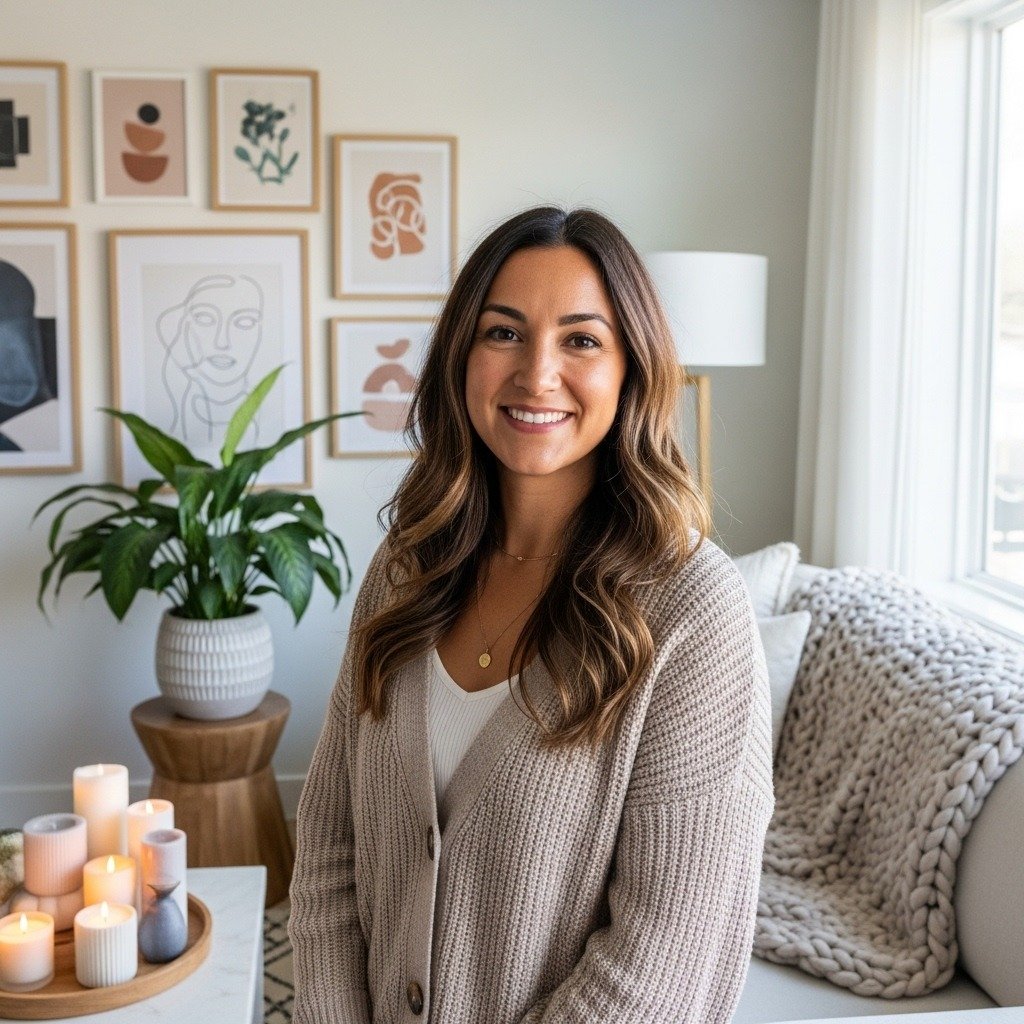

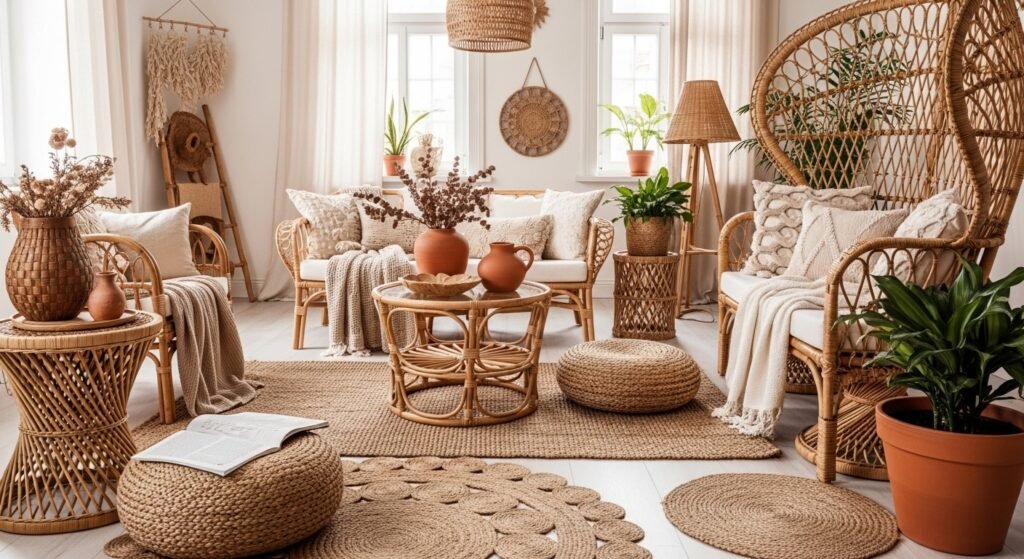
My living room had nice furniture and decent lighting but it still felt like a waiting room. Took me embarrassingly long to figure out it was missing texture. Once I started adding warm materials and layered heights, the room stopped feeling polite and started feeling lived in.
These ideas lean toward an earthy, lived-in look with modern and rustic touches. Most pieces are under $50, with a few splurges around $100 to $150. They work in living rooms, bedrooms, entryways, and anywhere that currently feels flat or cold.
Layered Neutrals for a Cozy Living Room
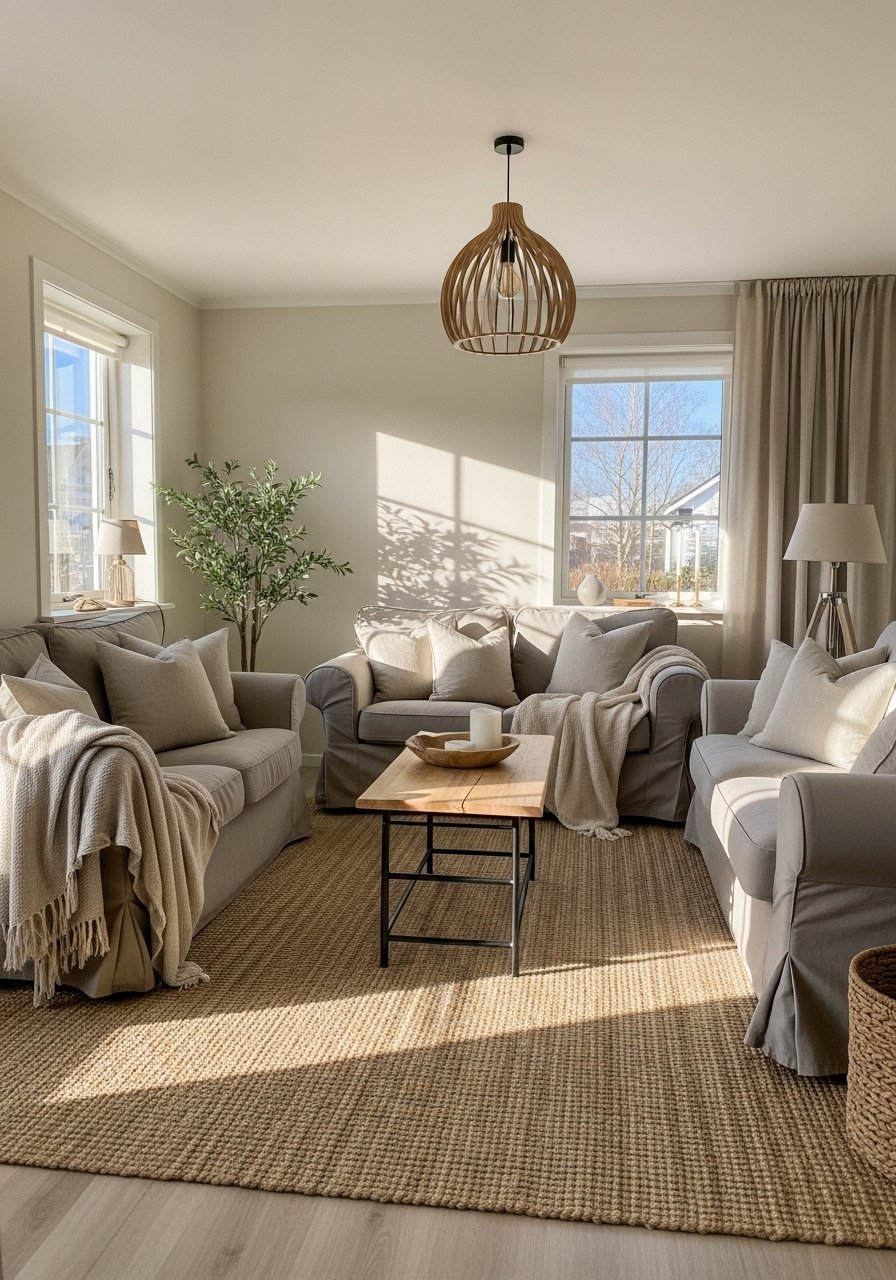
When I finally committed to a neutral palette I used texture to keep things interesting. The trick is an 80/20 color ratio, 80 percent warm neutrals and 20 percent one deeper tone. Use 22-inch down-filled linen pillow covers layered with a 16-inch wool lumbar to obey the rule of three visually. A chunky knit throw in cream (~$35-55) plus a slubby linen throw creates contrast. Common mistake is matching every pillow fabric. Swap textures instead. This palette is perfect for living rooms and reads as comfortable rather than flat.
Chunky Throw and Pillow Mix for Sofas
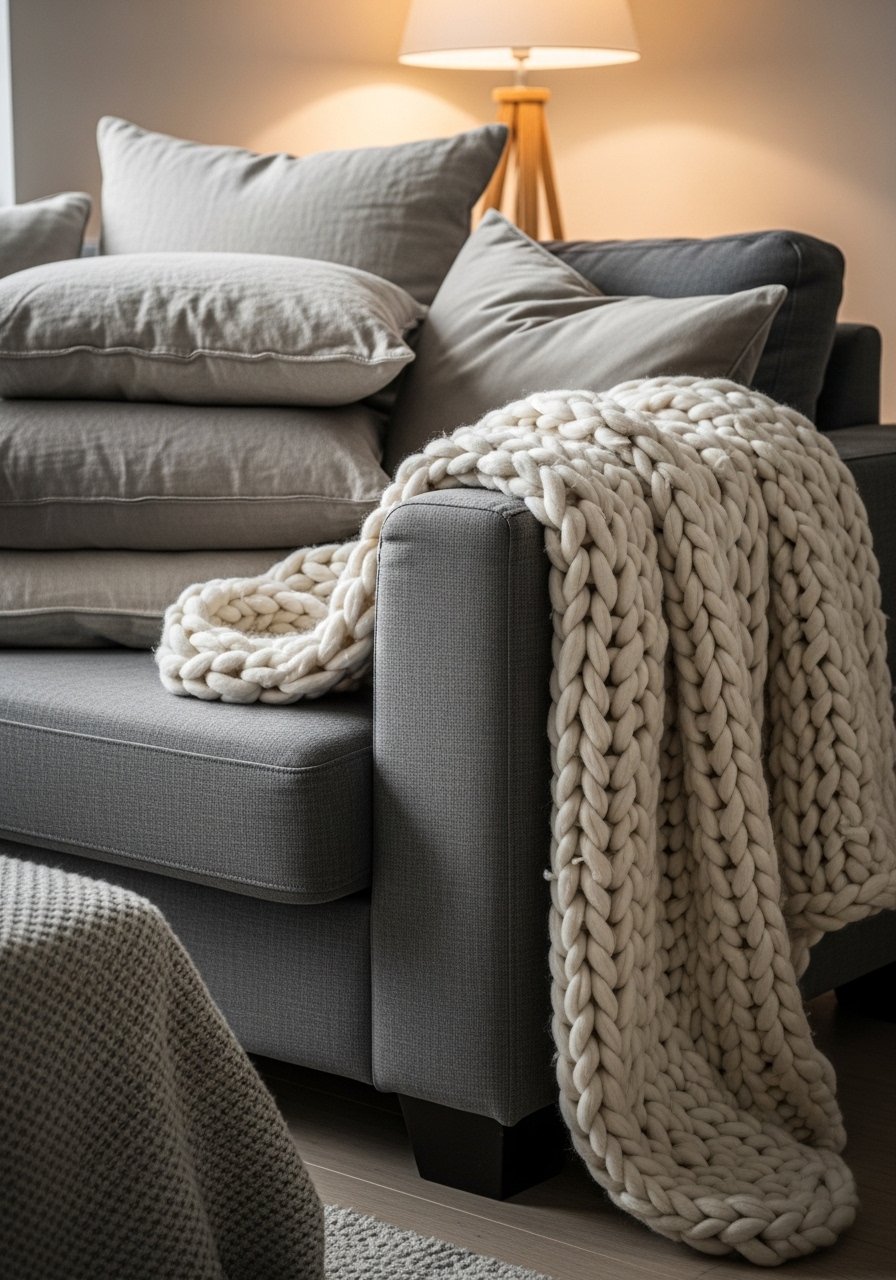
The moment I draped a chunky knit throw over the arm of my gray sofa, the whole room stopped looking flat. Aim for one oversized throw, one midweight throw, and two pillow sizes for balance. I like two 22-inch linen pillow covers with one 12×20 velvet lumbar. Found these velvet pillow covers for an affordable color pop. A common mistake is buying all matching pillows. Instead mix weave and finish. This approach works great in living rooms and guest bedrooms on modest budgets.
Jute Rug Layering for High Traffic Areas
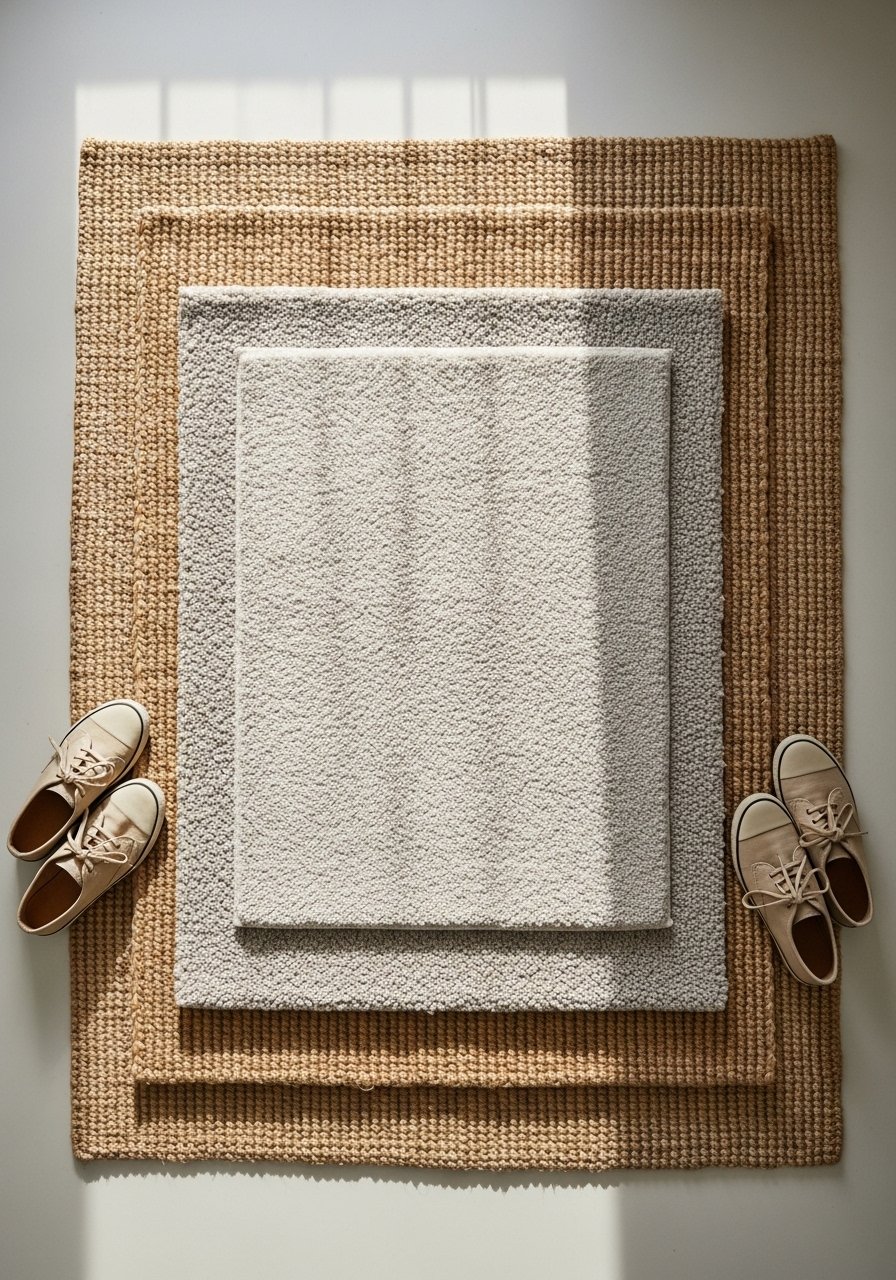
Layering a jute base rug with a softer rug on top makes a room feel both grounded and warm. I use a natural jute 8×10 as the anchor and a 5×8 wool rug centered under the coffee table. Bigger than you think is the mantra here. Most people pick rugs too small and the seating floats. Place all front legs on the top rug or all legs on the bottom, whichever fits your layout. I grabbed this 8×10 jute area rug because it hides pet hair and looks better with wear.
Warm Wood Shelves in a Casual Dining Nook
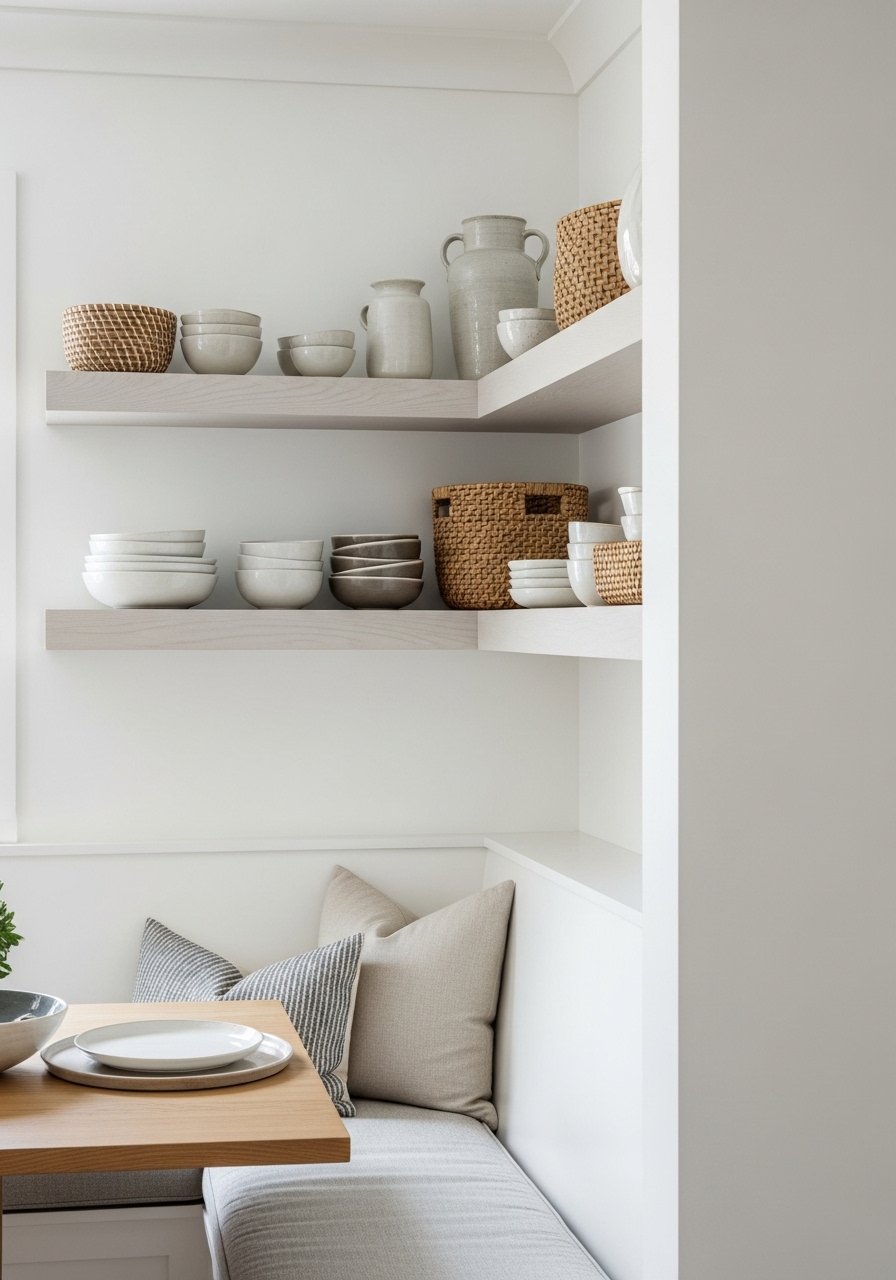
White oak beats dark wood in 2026, so I swapped painted shelves for raw wood and it softened the whole corner. Floating shelves at staggered heights create a handmade shelfie that feels collected. Mount the lower shelf 10 to 12 inches above the table top and the upper shelf another 12 to 14 inches higher to keep sight lines clear. A pair of white oak floating shelves looks current and holds pottery and linen napkins. Common mistake is installing shelves at identical heights. Vary them for a casual, curated look.
Textured Gallery Wall for Entry or Hall
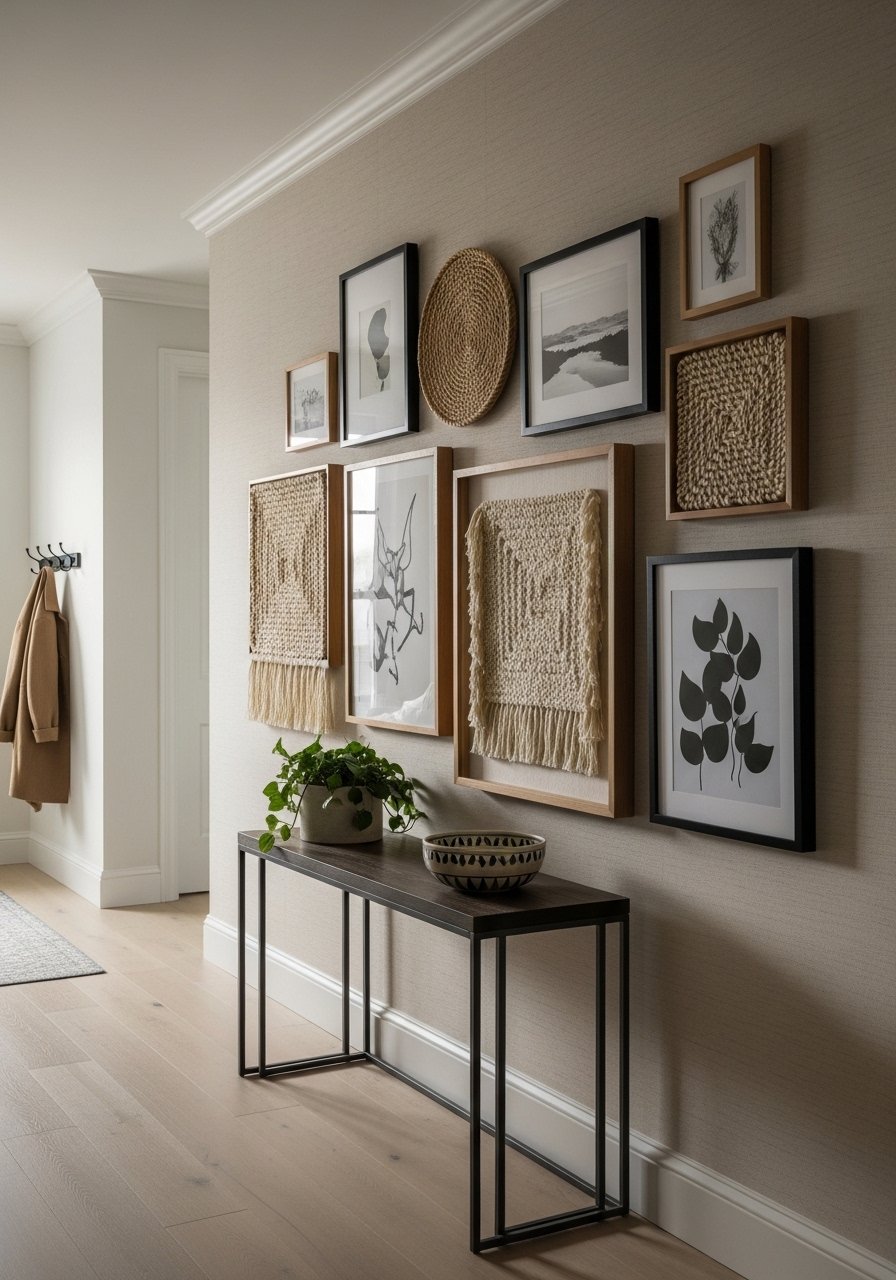
Gallery walls do not need to be all frames. I mixed woven pieces, a small mirror, and two framed prints for depth. Start with a center anchor piece and build in odd numbers to follow the rule of three. One specific detail I learned is to space frames about 2 to 3 inches apart when grouping small pieces, not 6 to 8 inches. I used mixed metal picture frames so the metals read intentional. The common mistake is copying a perfect grid from online and ignoring the scale of your wall and furniture.
Floor-to-Ceiling Linen Curtains to Add Height
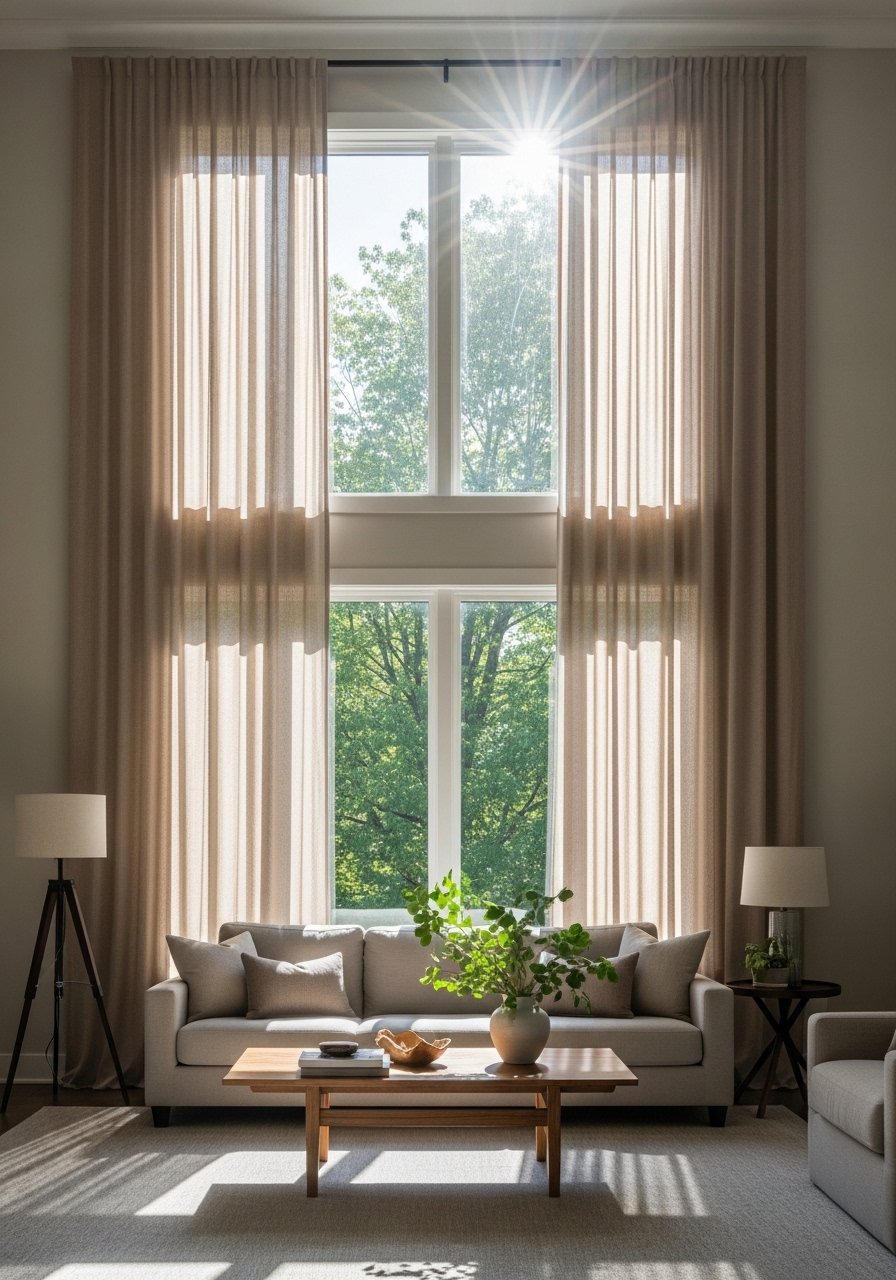
Most people hang curtains right at the window frame. That is why their rooms look shorter than they are. Instead mount the rod 4 to 6 inches above the window or up to the ceiling for a tall effect. I use 96-inch or longer panels for standard 9-foot ceilings and let them kiss or puddle the floor depending on the vibe. These 96-inch linen panels are affordable and launder well. Mistake to avoid is buying too-short panels. It kills the sense of height.
Natural Centerpiece for Kitchen Table
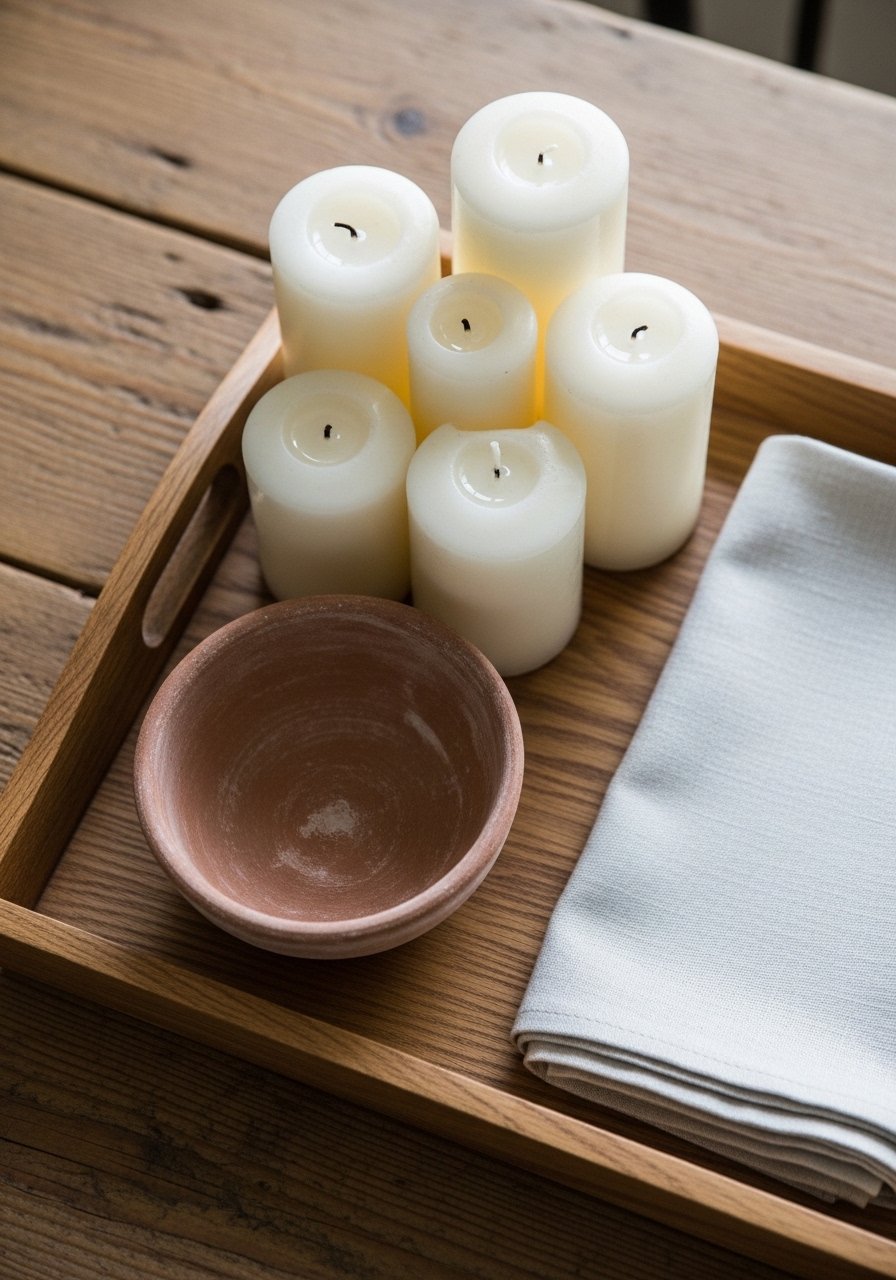
A simple wood tray, three candles at varying heights, and one low terracotta bowl of citrus feels intentional. The rule of three works here again. I prefer warm pillar candles to match the terracotta. This centerpiece costs under $40 if you shop thrifted trays and artisan candles. A common misstep is adding tall vases to a dining table that block faces. Keep centerpieces under 10 inches for conversation-friendly dining areas. I used a hand-carved wood tray that anchors the look.
Terracotta Accent Planters for Windowsill
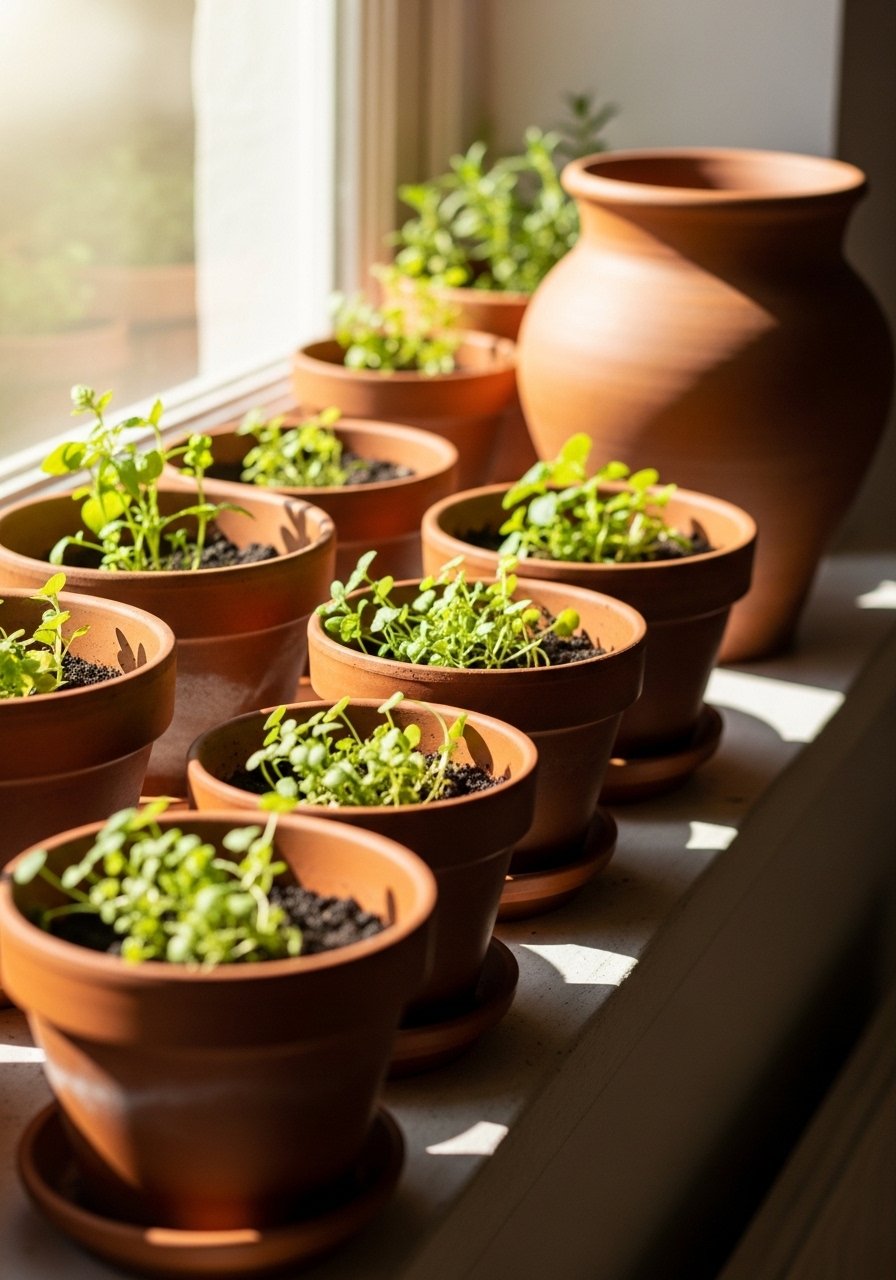
Terracotta warms a windowsill instantly. I mixed sizes, small 4-inch pots for herbs and one 8-inch for a trailing pothos. Specific detail to steal: alternate pot widths by about 2 to 3 inches so the grouping feels balanced, not symmetrical. Found these terracotta nursery pots set that are inexpensive and age nicely. A common mistake is grouping identical pots which reads manufactured. Instead let clay develop a patina over time.
Rattan Light Fixture for Warm Ambient Light
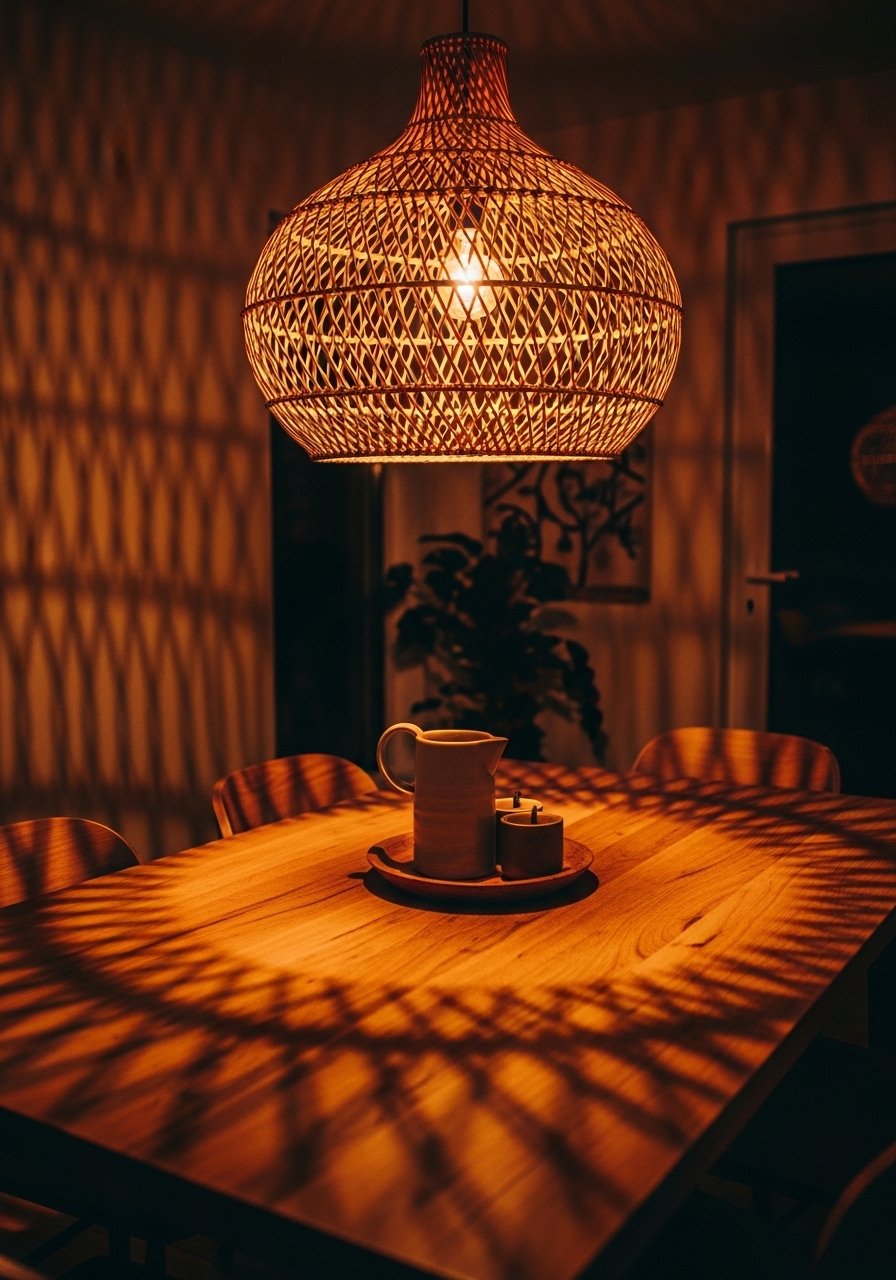
Swapping a cold chrome fixture for rattan added instant warmth. Rattan diffuses light so the room feels softer at night. Measure the table length and aim for a fixture about one third of that length for scale. I used a 20- to 24-inch pendant above my 60-inch table and it fits visually. A popular find is this woven rattan pendant light. Common mistake is hanging pendants too high over the table. Keep the bottom 28 to 32 inches above the table surface.
Leather and Linen Reading Nook for Bedrooms
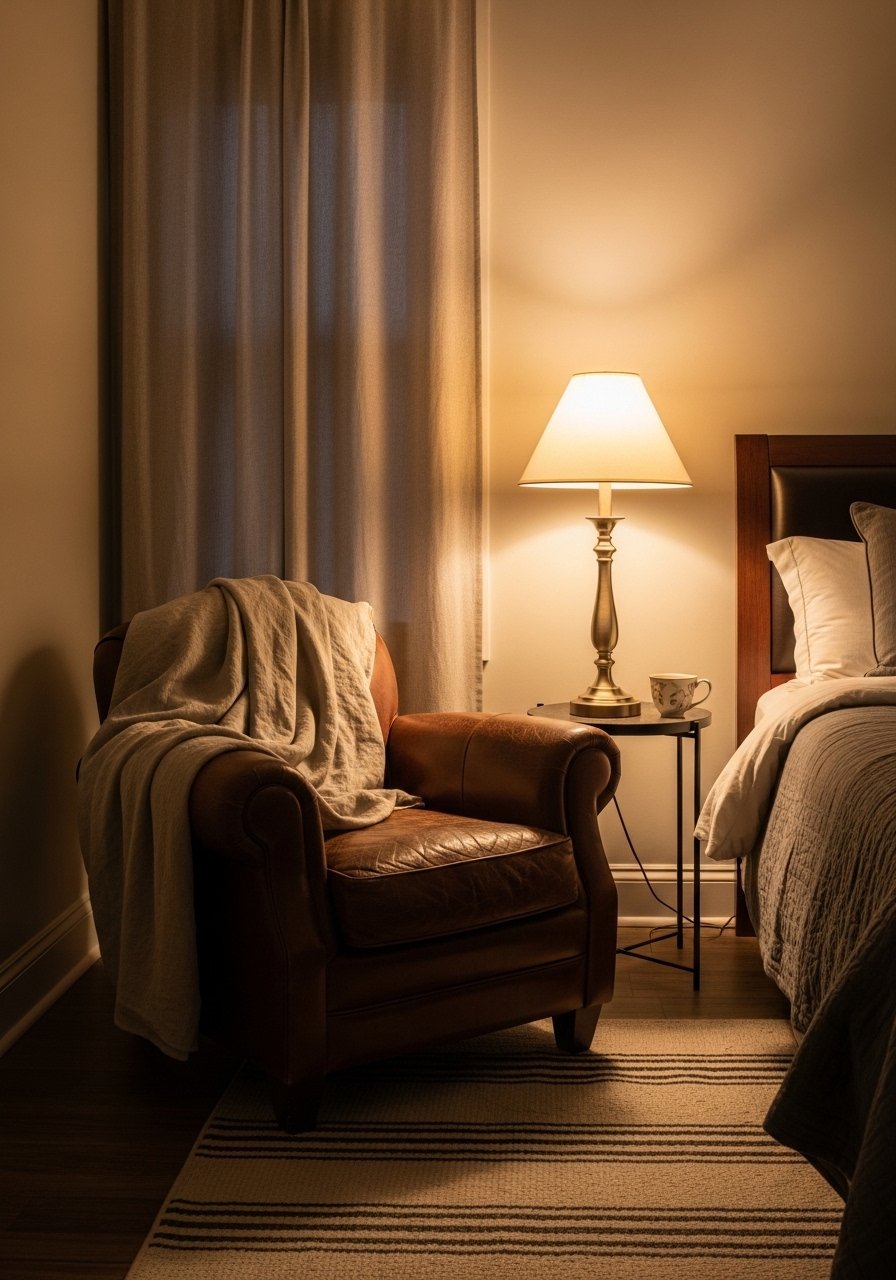
There is something about a reading nook with layered pillows that makes you want to cancel your plans. I paired a low leather chair with a linen throw and layered a 20-inch pillow with a narrow lumbar. Add a small wood side table to hold tea and a lamp with a warm bulb. I bought this leather accent chair secondhand and rehung it with a new cushion. The mistake people make is choosing all soft fabrics, which can read overly boho. Leather anchors the nook and keeps it grounded.
Earthy Color Block Accent Wall for Small Rooms
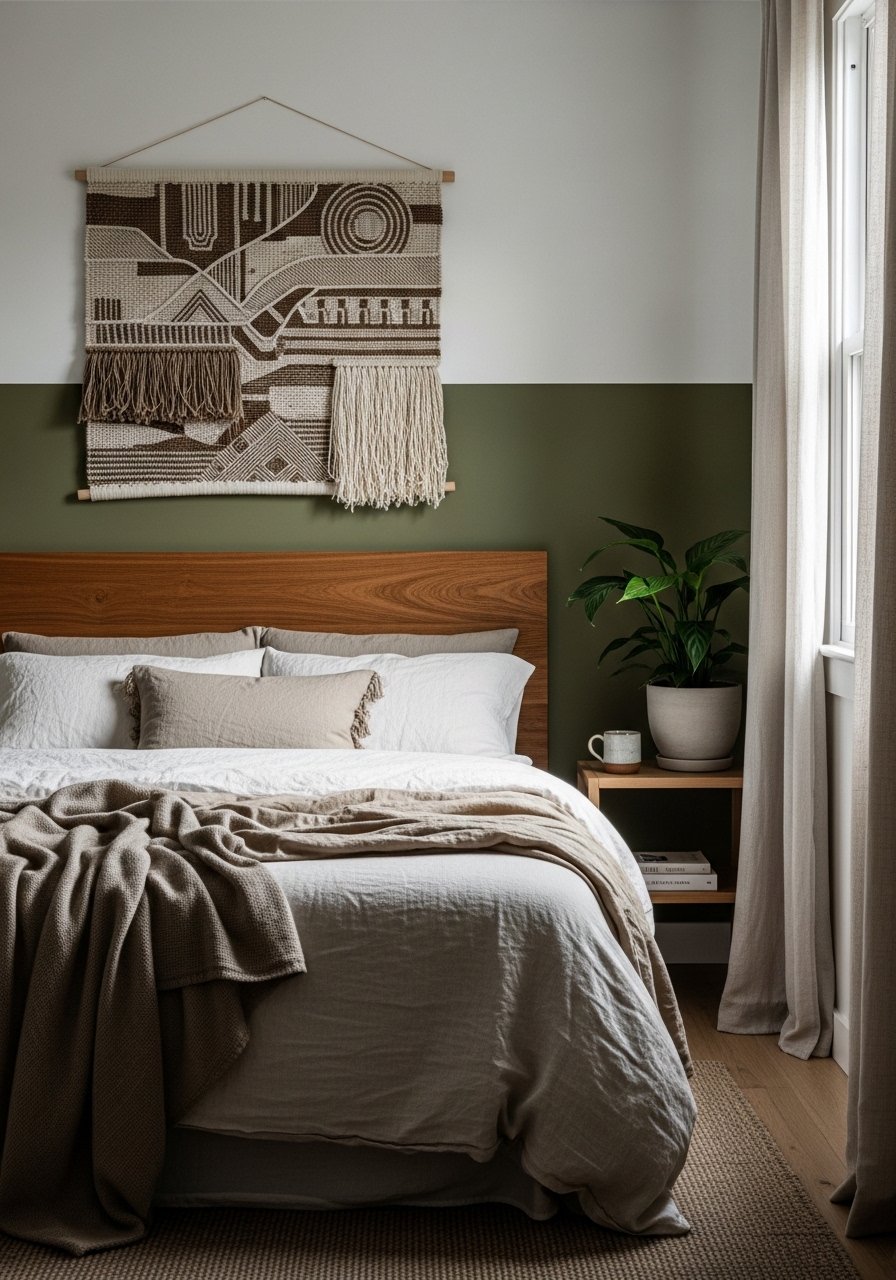
A single color block behind a bed or sofa gives warmth without painting the whole room. Pick a muted clay, olive, or deep taupe and limit coverage to one large rectangle that aligns with furniture edges. I painted a 5-foot tall block behind a queen bed and it made the ceiling feel higher by contrast. Use matte finish for a more natural look. A common mistake is painting random stripes that clash with furniture scale. Measure first and tape carefully for crisp edges.
Woven Basket Storage for Tidy Cozy Corners
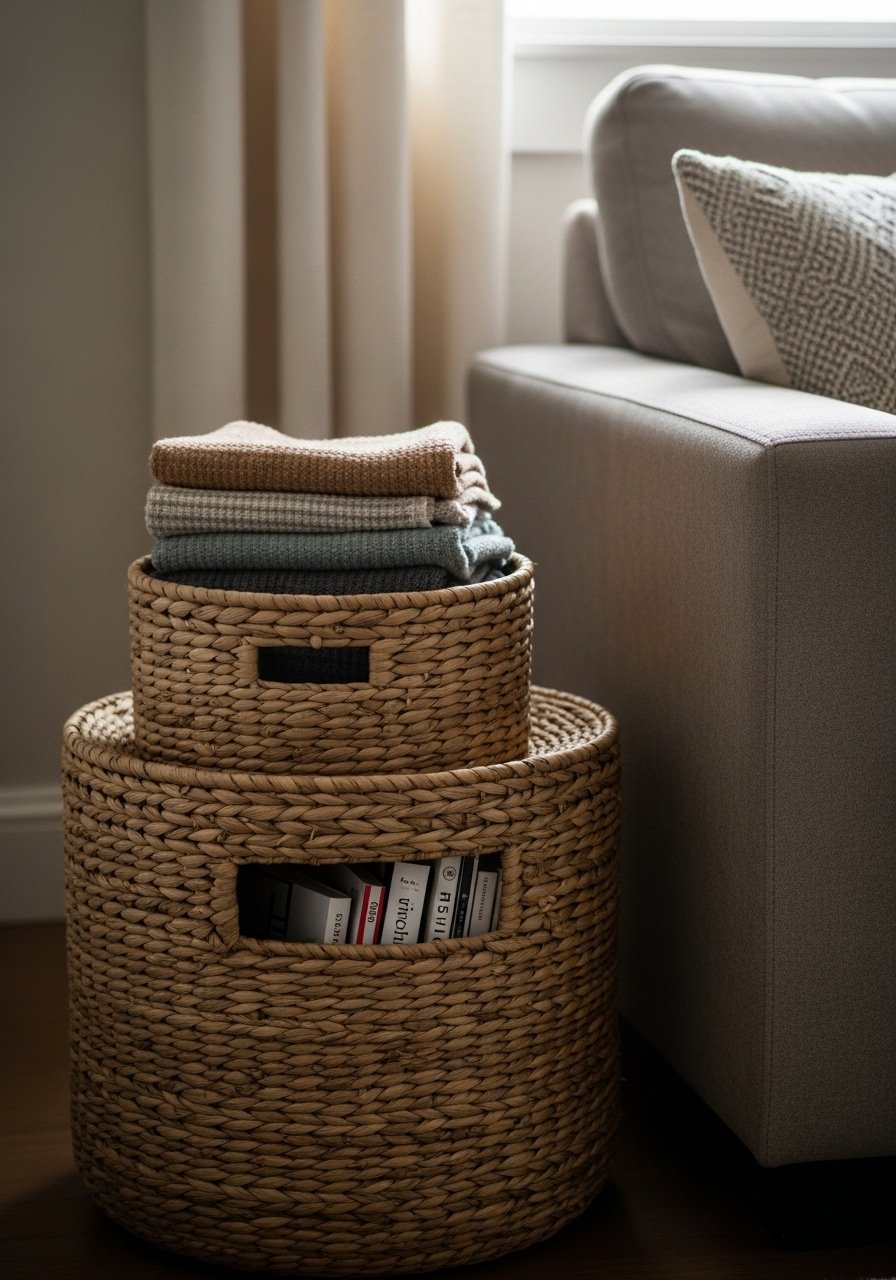
Baskets are both practical and decorative. I keep one 14-inch basket for throws and a 10-inch one for magazines. When everything has a spot the room reads calmer. A detail many miss is using two different weaves so they play off each other rather than disappear. I scored these woven storage baskets and use one on a shelf and one on the floor. The common mistake is overstuffing baskets so they look messy. Fold things, then tuck the fold inward for a neat look.
Brass and Wood Mix for Modern Rustic Shelving
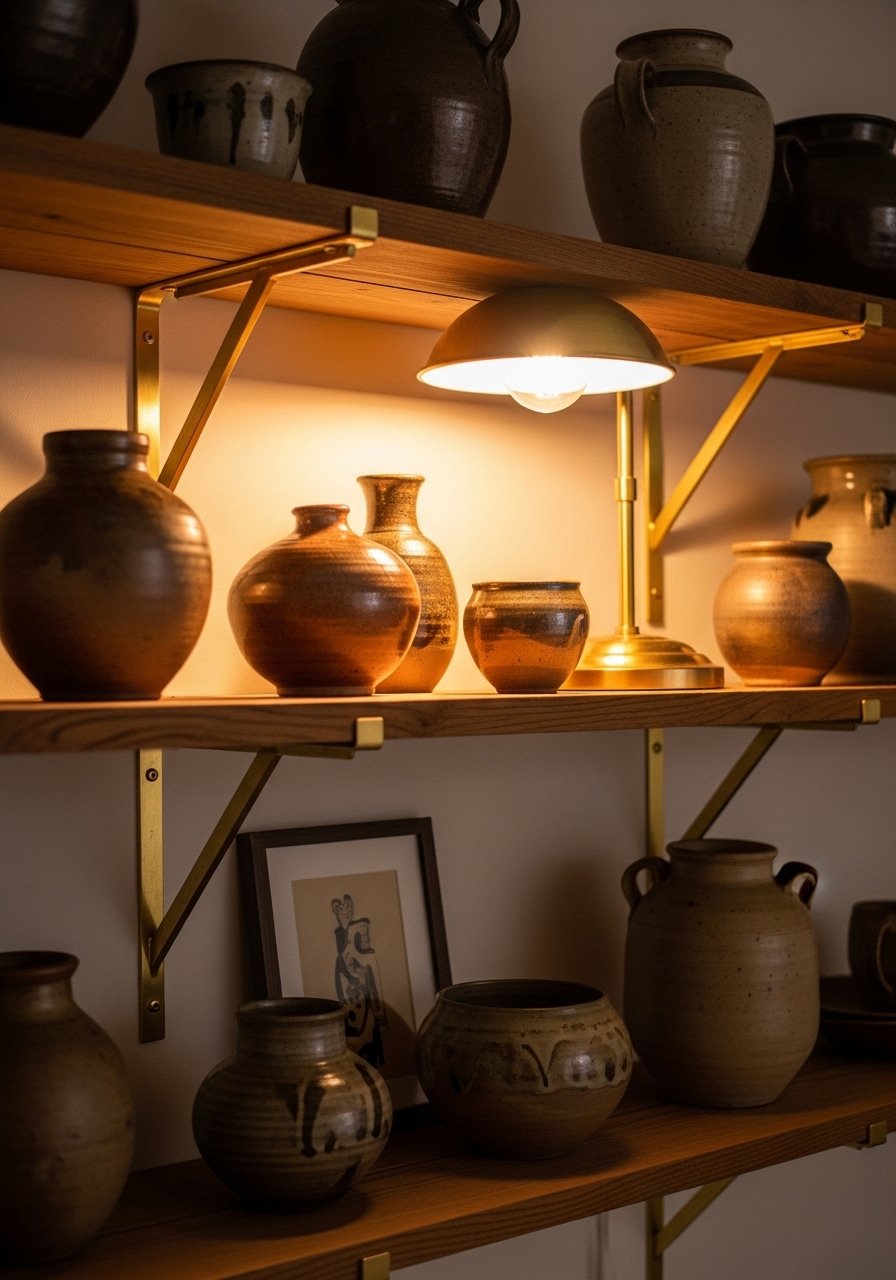
Mixing brass hardware with warm wood is less fussy than matching metals across a room. I use brass brackets with white oak shelves and it reads modern but lived in. A specific detail is using 1.5-inch thick planks for sturdiness and a weighty look. I mounted these with brass shelf brackets that are simple to install. Mistake to avoid is using thin boards that bow under ceramics. Choose thicker wood for a durable, earthy shelf.
DIY Clay Bead Garland for Mantel Styling
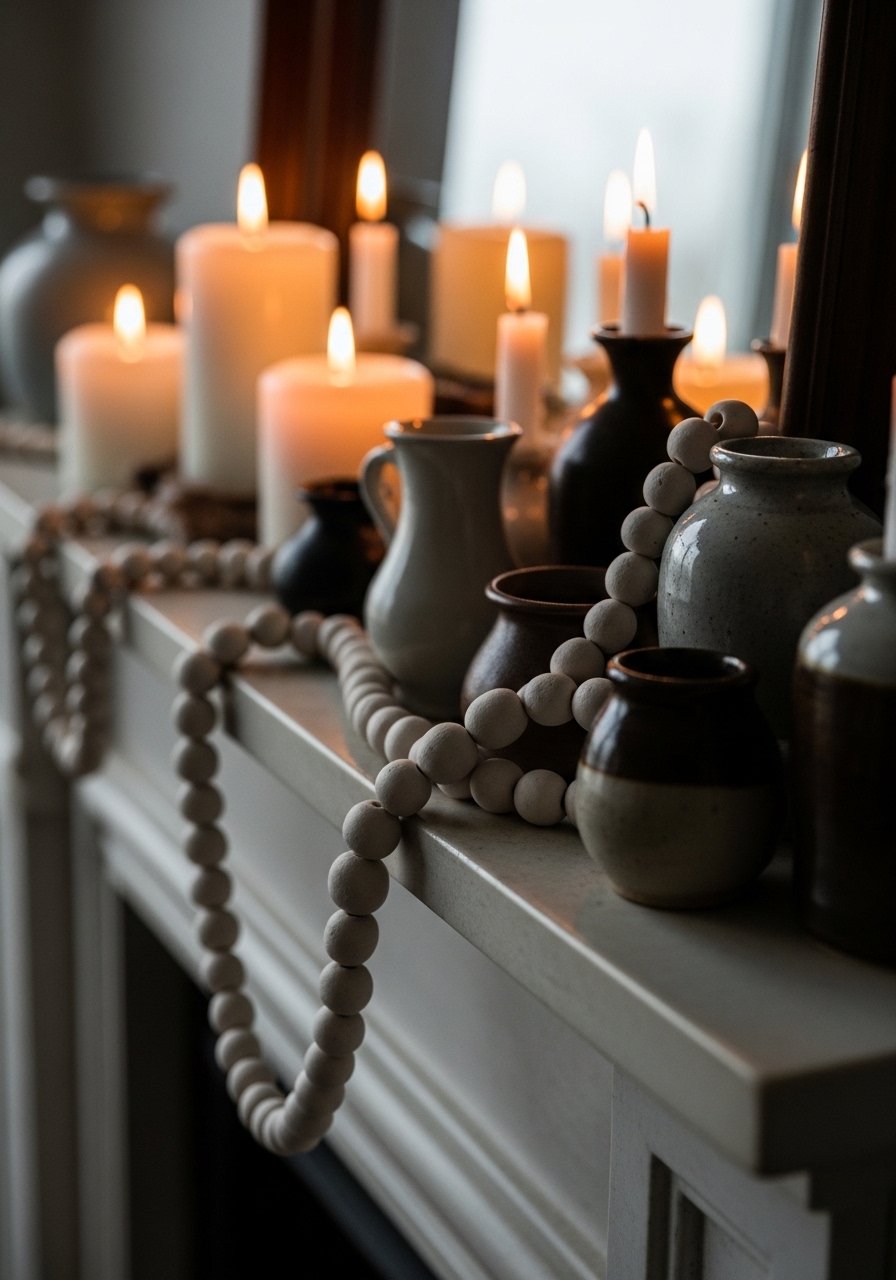
I made a simple clay bead garland in an afternoon to add a handmade feel to the mantel. Roll 12 beads to about 1 inch each, bake, then stain lightly with tea for an aged look. The garland tucks around candles and across frames and costs under $10 in materials. One detail most tutorials skip is spacing the knots 1.5 inches apart to prevent slippage. I keep mine with a small bowl of matches on a wood serving board for a styled vignette. Avoid over-cluttering the mantel so the beads read intentional.
Candle Cluster on a Wood Tray for Atmosphere
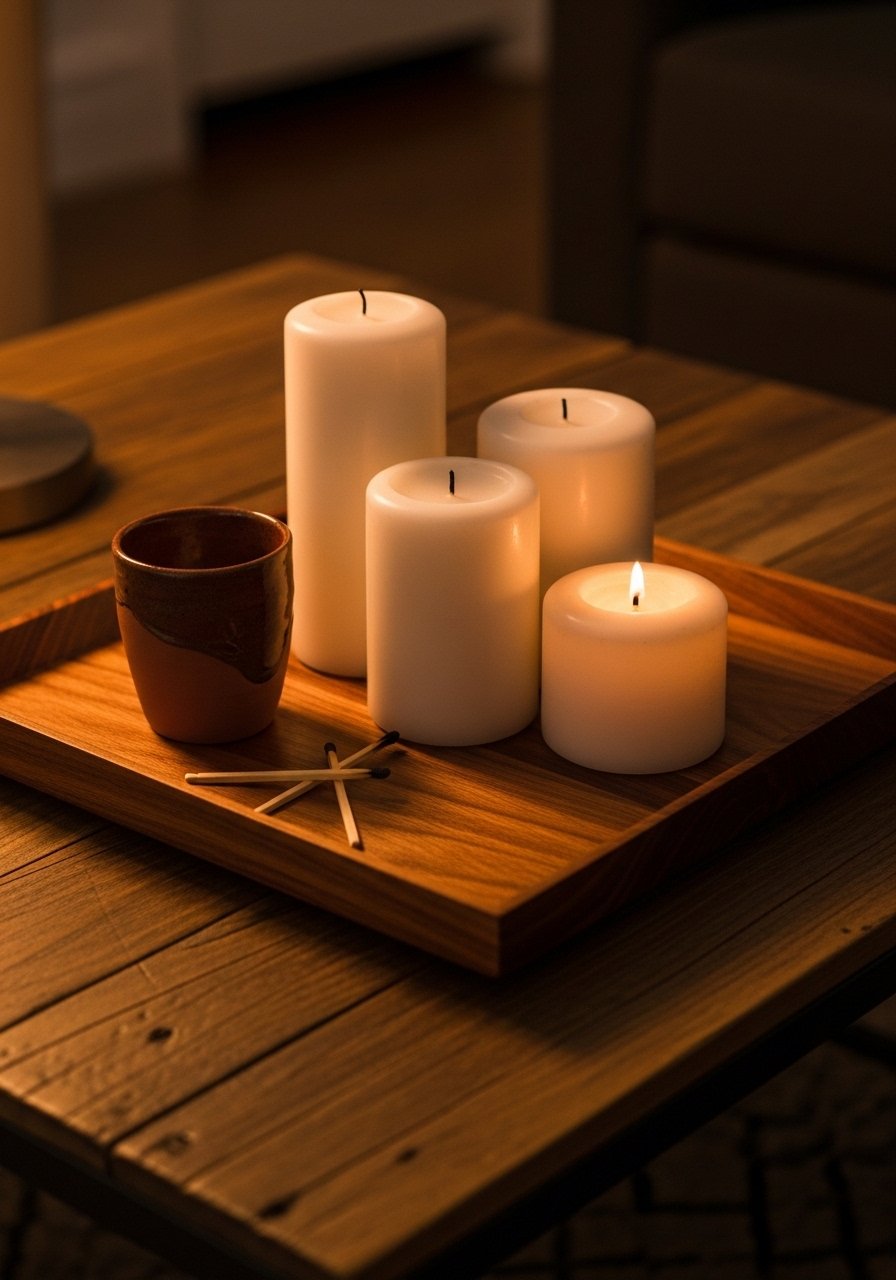
I used to light one candle. Now I group three of different heights on a wood tray and the room suddenly feels lived in. The rule of three applies again. Place candles at varying distances to avoid a straight line. I use unscented pillars for shared spaces and a small glass hurricane for safety. This set of unscented pillar candles is reliable. A typical mistake is placing candles directly on delicate surfaces. A tray protects the table and encourages intentional styling.
Dried Flowers and Grasses in Neutral Vases

Dried stems last and give texture without upkeep. I mix pampas grass with shorter dried wheat at different angles. One detail many forget is trimming stems so the tallest is roughly two thirds the height of the vase for pleasing proportions. I like a simple ceramic neutral vase that reads sculptural. Common mistake is stuffing a vase full with stems of equal height. Vary heights for movement and keep them away from open windows where wind can shed bits.
Layered Bedding with Mixed Textiles in Bedroom
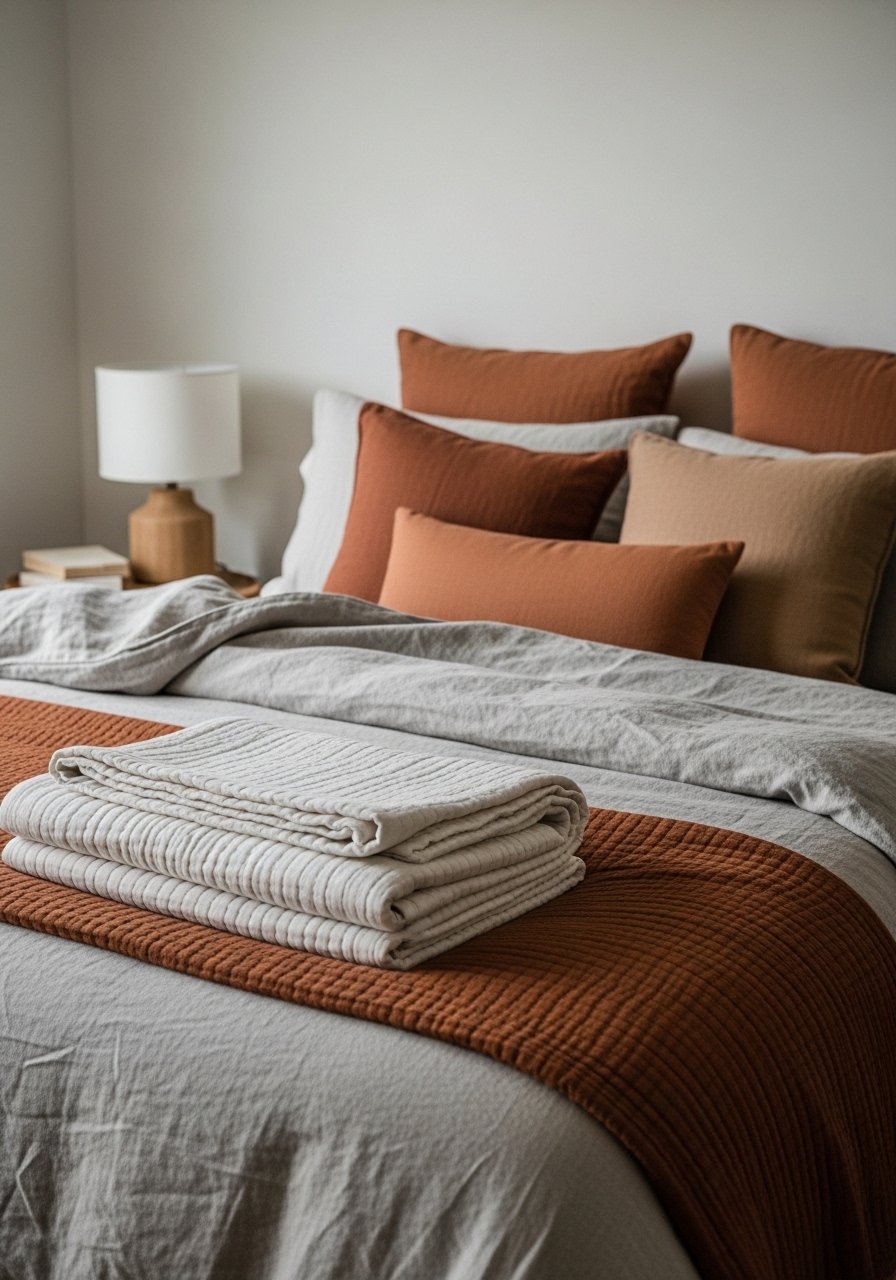
My guest room felt cold until I layered bedding. Start with a base linen duvet, add a cotton quilt folded at the foot, and three pillows in mixed fabrics. A good ratio is two sleeping pillows, two 22-inch decorative pillows, and one lumbar. I bought these linen duvet covers and they softened immediately after a few washes. Mistake people make is too many small pillows that look staged. Keep it simple and functional for real sleeping.
Large Mirror with Wood Frame for Dark Corners
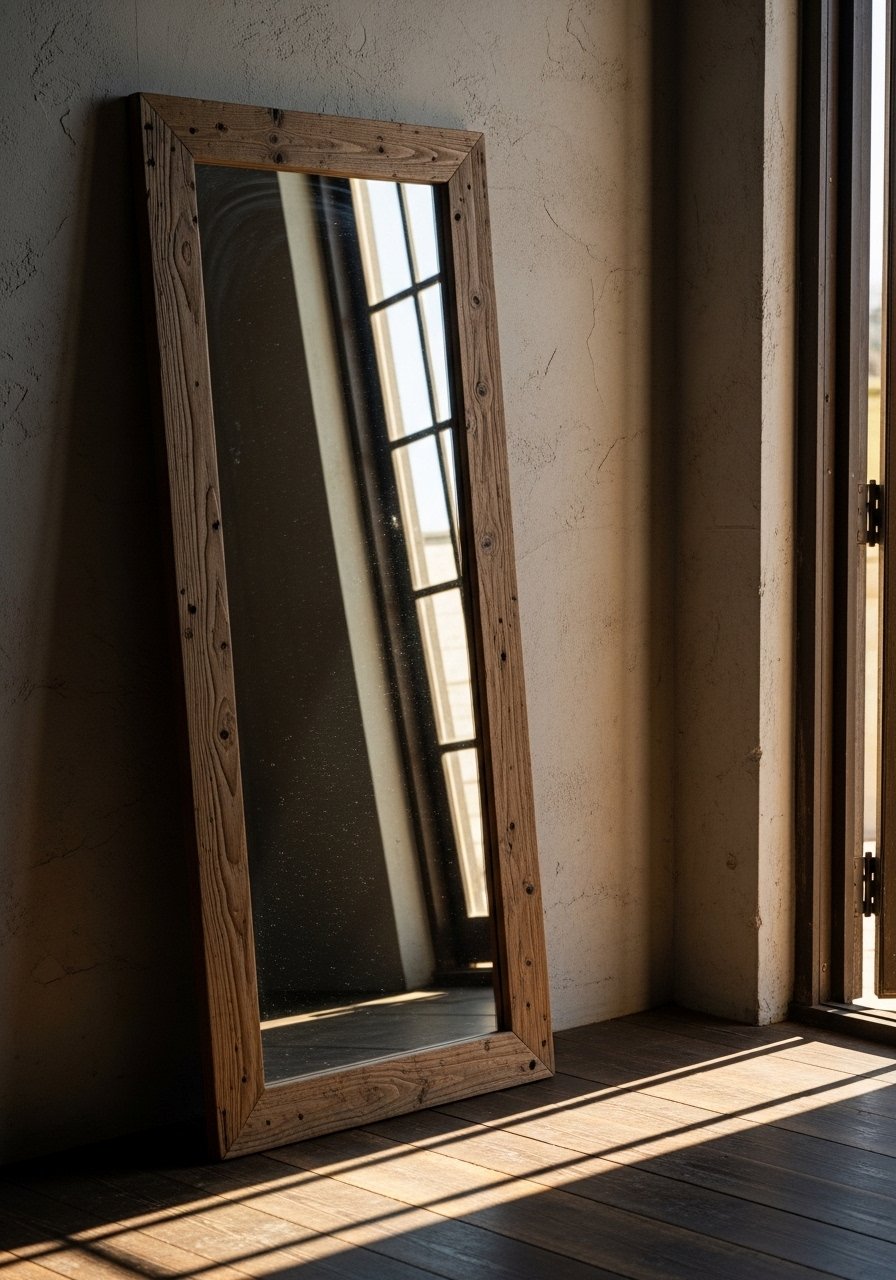
An oversized mirror brightens and makes a corner feel larger. I lean a 30×60 inch wood-framed mirror and it reflects the window light into the darkest spot. Specific detail to try is angling the mirror slightly toward the room rather than straight at a window to capture depth. I used this wood-framed floor mirror and it changed nighttime mood too. Mistake to avoid is hanging small mirrors where a bigger one will do the job far better.
Coffee Table Styling with Books and Stoneware
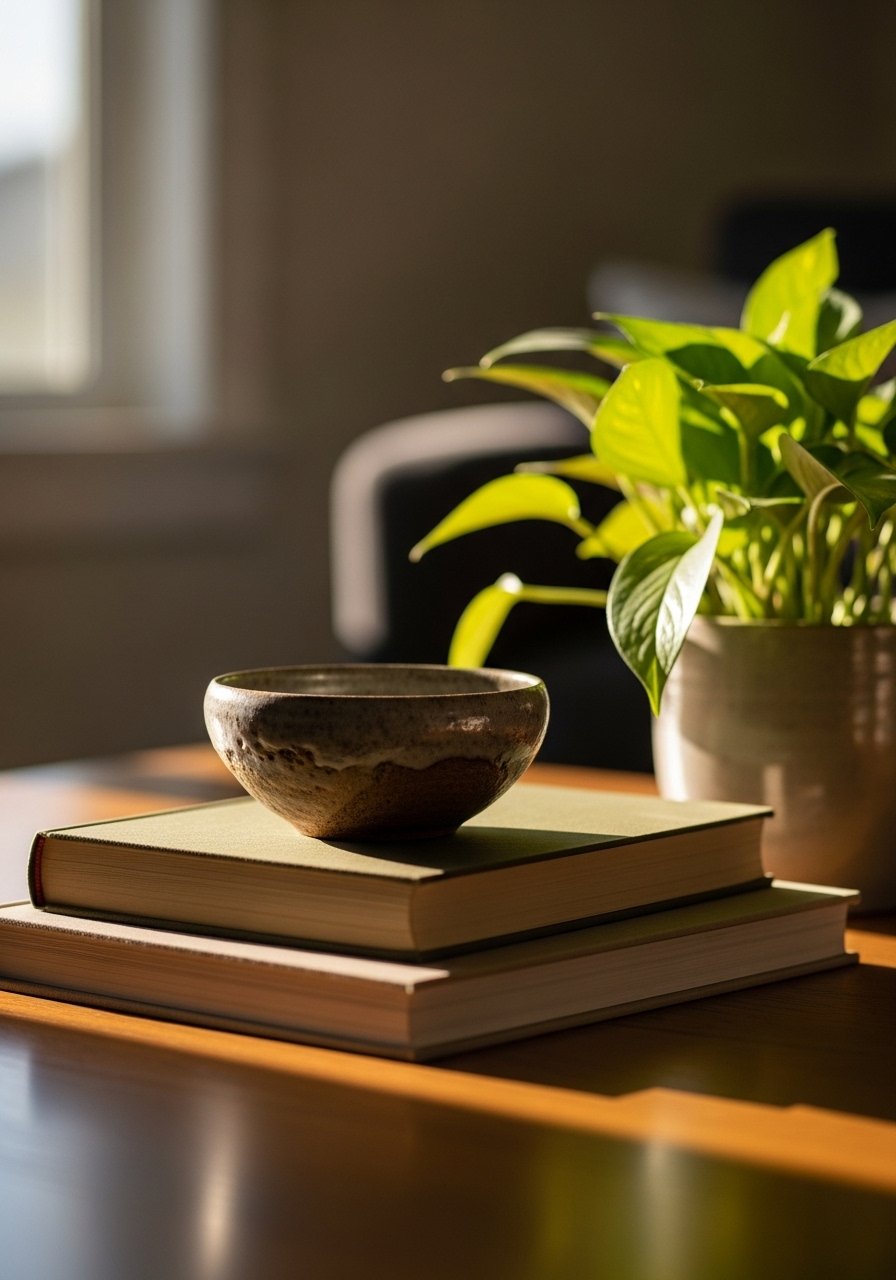
Spent $400 on a coffee table and thought that was the end of the problem. The table still looked empty until I added three objects of differing heights. Layer a hardcover book, a 4-inch stoneware bowl, and a small plant for texture. Keep the plant under 8 inches tall so it does not block sight lines. I bought this set of stoneware bowls for styling. The common misstep is over-decorating with many small items that read cluttered rather than curated.
Low Plant Stand Grouping for Entryway Impact
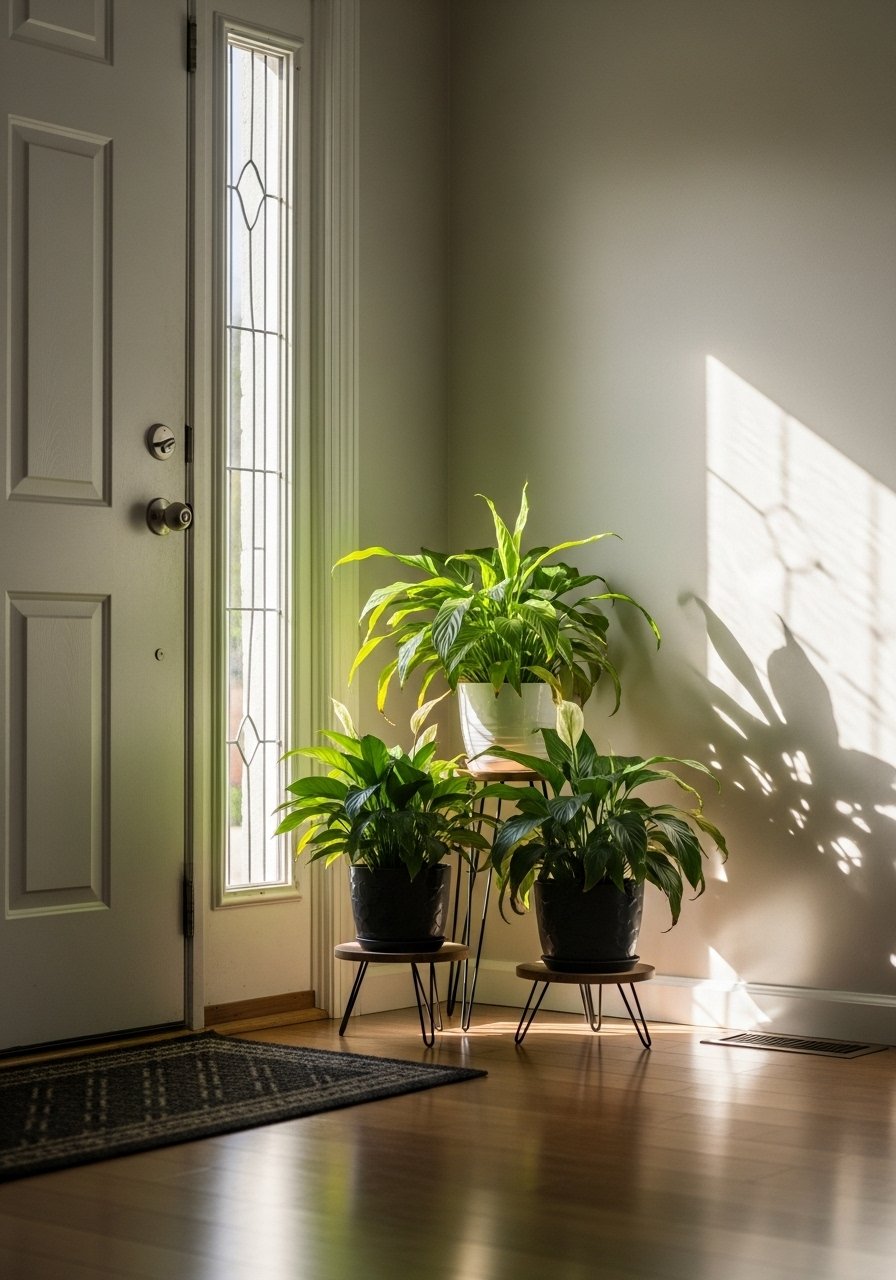
Everyone buys five small succulents. One single 6-foot fiddle leaf fig has ten times the visual impact. For renter-friendly spaces, use a low plant stand grouping with one tall plant and two shorter ones. I space stands about 6 inches apart and stagger heights for movement. This set of adjustable plant stands fits under low windows. The mistake is scattering tiny plants across surfaces. Grouping makes them feel intentional and reduces visual clutter.
Handwoven Wall Hanging for Bedroom Warmth
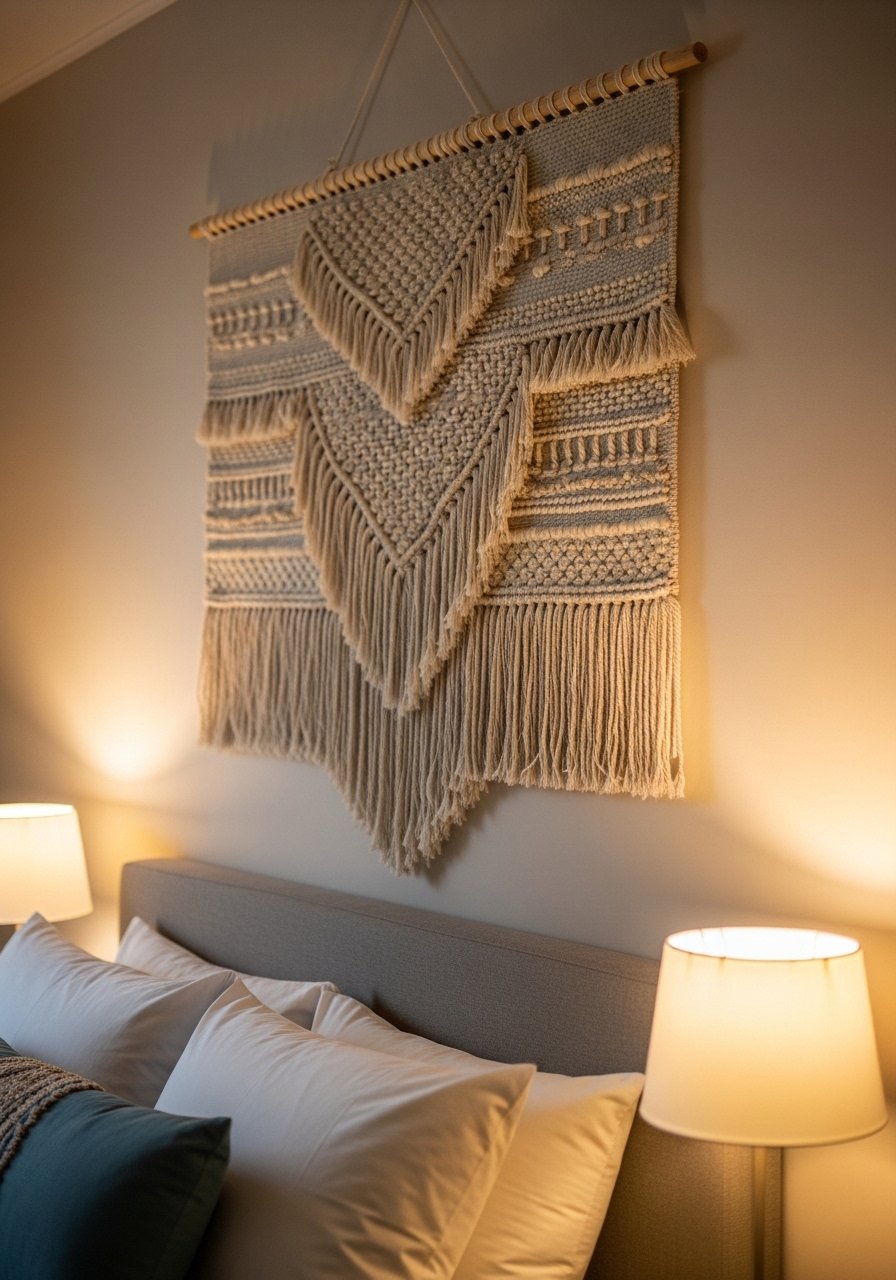
A single handwoven piece above a bed adds texture without fuss. I chose one about two thirds the width of the headboard so it reads proportional. A detail many miss is leaving a 4 to 6 inch gap between headboard and hanging for breathing room. I picked up this handwoven cotton wall hanging that was easy to mount. Avoid tiny macrame pieces that disappear on large walls. Scale matters for impact.
Ceramic Accent Tray for Everyday Collections
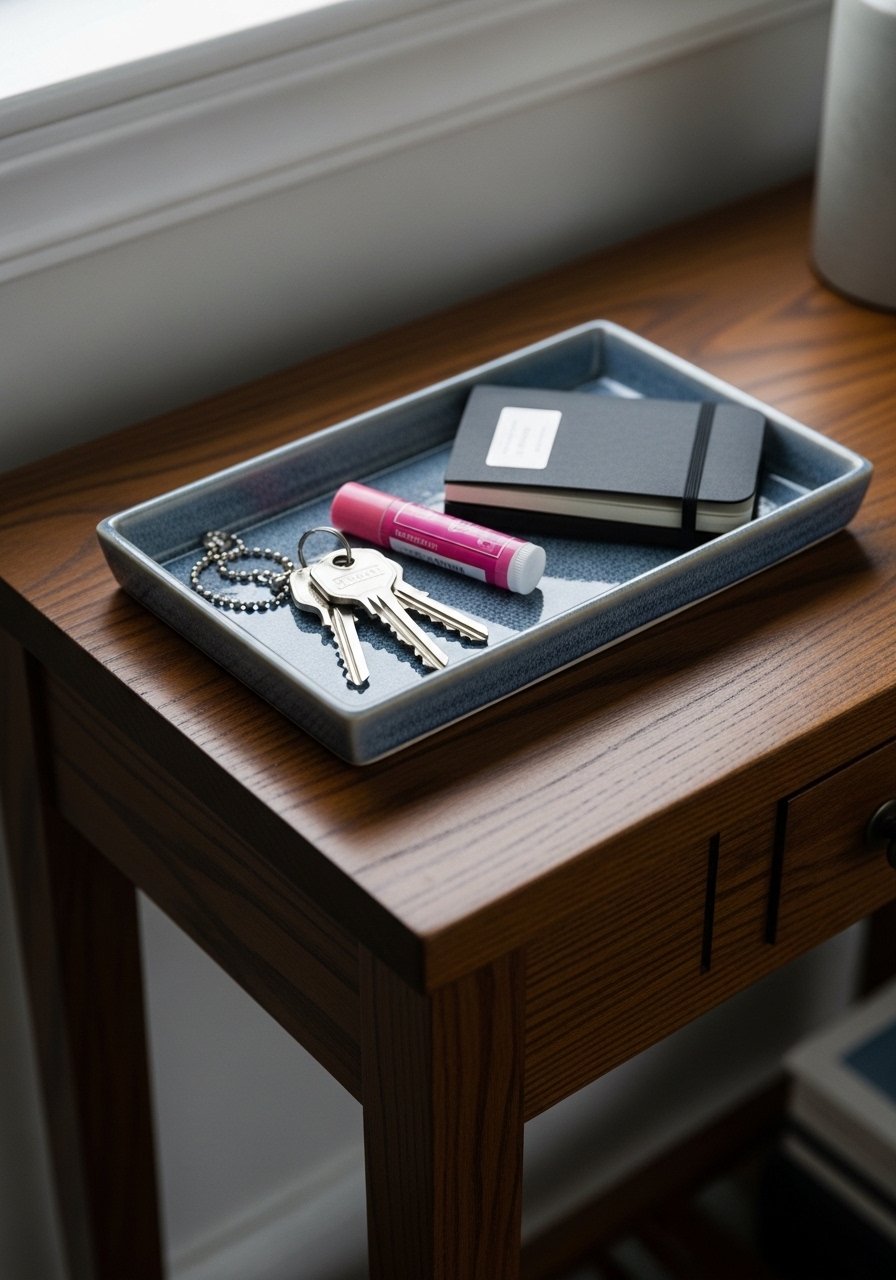
My entry used to be a dumping ground for keys and receipts. A ceramic tray changed the habit because it gave things a home. Pick a tray about 8 to 10 inches wide so it fits on most consoles and holds a wallet and keys. I use a glazed ceramic catchall tray that cleans easily. The common mistake is using a bowl that is too deep which hides small items. Shallow trays keep things visible and tidy.
Your Decor Shopping List
Textiles
- Honestly the best $40 I have spent. Chunky knit throw in cream (~$35-55). Drape over a sofa arm for instant warmth
- 22-inch linen pillow covers, set of 2 in natural tones for layered sofas
Wall Decor
- For the textured gallery wall, use mixed metal picture frames (~$20-40)
- Handwoven cotton wall hanging for above-bed warmth
Lighting
- Woven rattan pendant light for dining and living areas
- Warm LED floor lamp for reading nooks
Plants and Planters
- Terracotta plant pot set for windowsills
- Adjustable plant stands set for grouped displays
Budget Finds
- 8×10 jute area rug (~$80-150). Similar at HomeGoods for lower price
- Glazed ceramic catchall tray (~$15-30)
Shopping Tips
White oak beats dark wood in 2026. Design feeds shifted completely. These white oak floating shelves look current, not dated.
Grab velvet pillow covers for $12 each. Swap them every season and the whole room feels different.
Curtains should puddle or kiss the floor, never hang halfway up. These 96-inch linen panels are right for standard 9-foot ceilings.
Everyone buys five small succulents. One single 6-foot fiddle leaf fig has ten times the visual impact.
If you are on a budget, buy one good wood tray to style multiple surfaces. Hand-carved wood tray works everywhere.
Mix metals rather than match exactly. Start with brass shelf brackets and introduce a few darker accents elsewhere.
Frequently Asked Questions
Q: Can I mix boho textiles with modern furniture without it looking messy
A: Yes. Keep the furniture lines simple and use textiles for warmth. Pick one dominant neutral, then add two textured pieces in odd numbers to follow the rule of three. Avoid every accessory being patterned. Use one solid linen piece between patterned cushions.
Q: What size rug do I actually need for the layered rug look
A: Bigger than you think. For a standard living room start with an 8×10 jute base and a 5×8 wool rug on top under the coffee table. All front furniture legs should sit on the top rug or all on the bottom.
Q: Should I match my metals or mix them
A: Mix them. It looks more intentional. Begin with a primary metal and introduce a secondary metal in smaller doses. Mixed metal picture frames are an easy place to start.
Q: How high should I hang curtains to make a room feel taller
A: Mount the rod 4 to 6 inches above the window frame or at the ceiling line if possible. Use panels long enough to either kiss the floor or puddle slightly. Short panels are the most common mistake.
Q: Are dried flowers a good long-term choice
A: Yes for low maintenance warmth. Trim stems so the tallest is about two thirds the vase height and keep them out of direct drafts. They add texture without daily care.
Q: What’s the easiest swap to make a room stop feeling cold
A: Add layered textiles and a warm material like wood or terracotta. A single chunky throw and a 22-inch linen pillow will fix many rooms that feel like waiting rooms.