
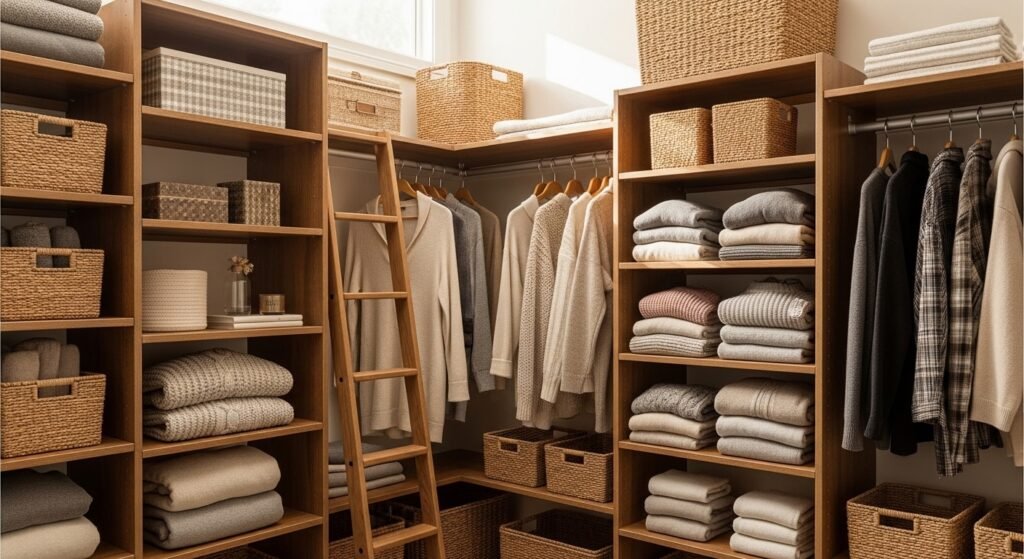
My bedroom closet used to be a pile of mismatched boxes and a sad single wire shelf. I built a few simple shelves one weekend and the whole space stopped feeling like a storage cave. These are the tricks I actually used, the mistakes I learned from, and the few affordable products that made each shelf feel intentional.
These ideas lean modern and practical with a slight Scandinavian vibe. Most builds run $10 to $100, with a couple of splurges around $150 for hardware and lighting. Works for reach-in closets, linen closets, pantry nooks, or that awkward hallway closet you keep avoiding.
Narrow Floating Shelves for Shoes in a Small Reach-In
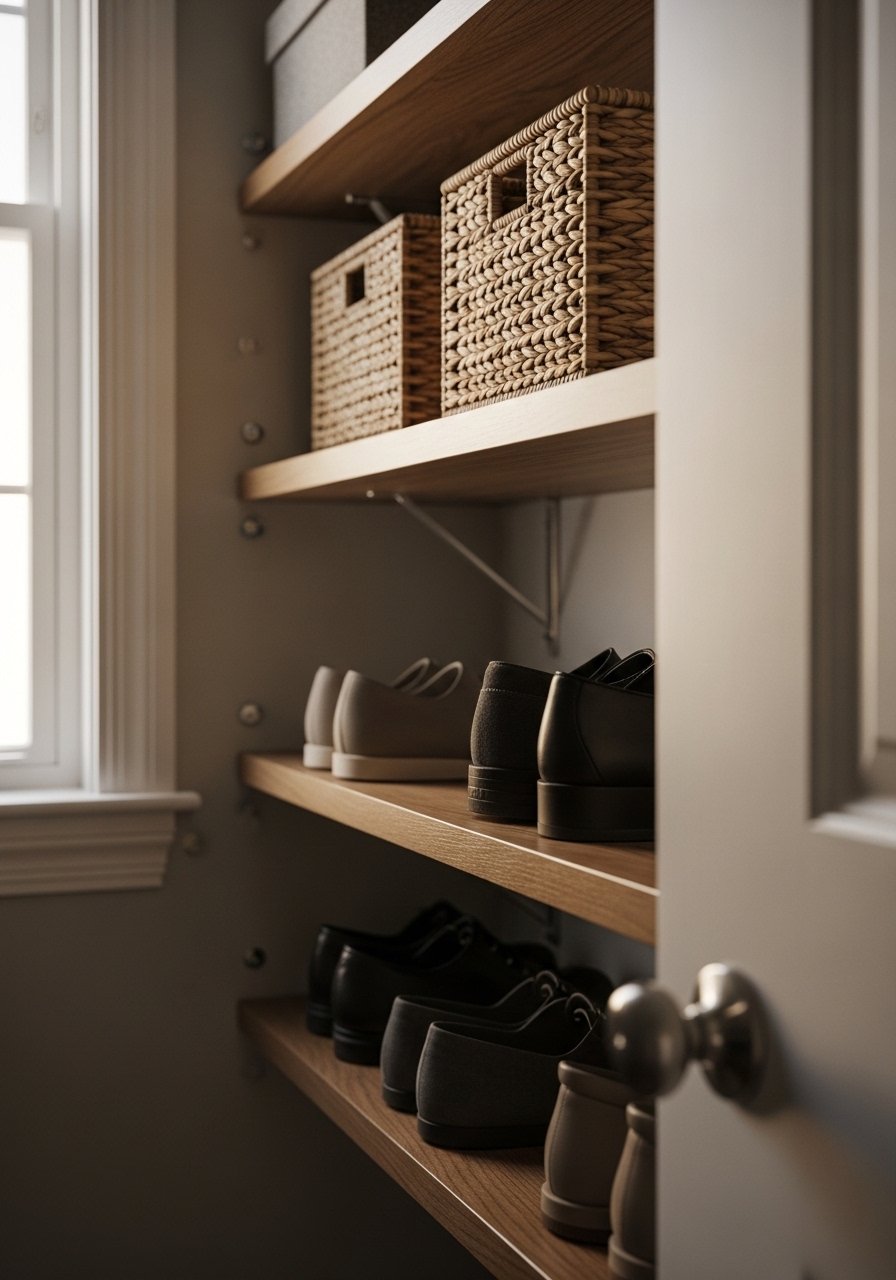
If your shoes are the reason the floor is always full, install 8-10 inch deep floating shelves at 6-8 inch vertical intervals. Visually it makes the closet look like a boutique and the measurement keeps taller boots off the shelf. I used simple white pine cut to width and hidden brackets, budget under $40 for materials per shelf run. I grabbed white floating shelf brackets to get the clean look. Common mistake is making shelves too deep, which eats into walkway space. Tip: paint the back of the shelf the same color as the wall for a seamless built-in feel.
Adjustable Track Shelving for Changing Needs
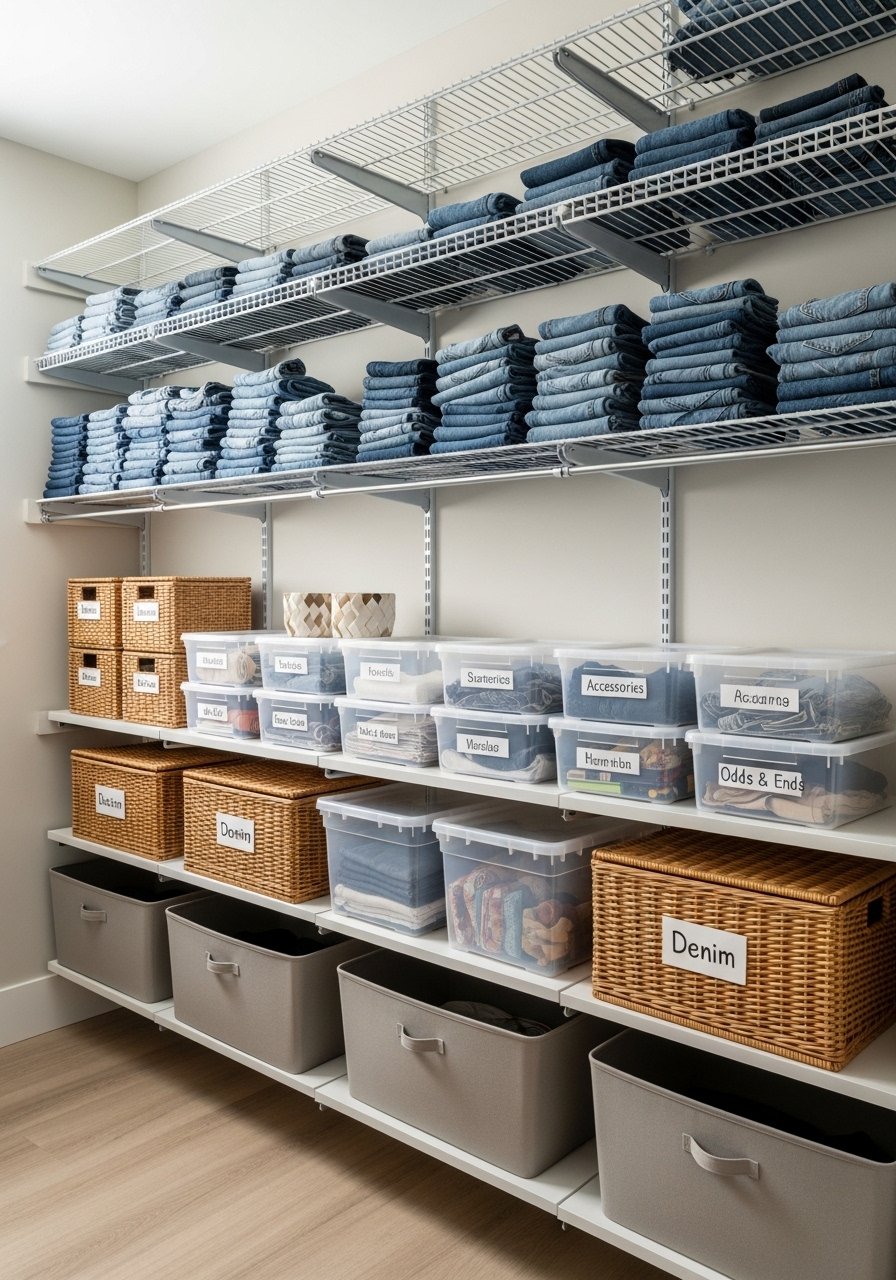
Adjustable track systems are lifesavers if your storage needs change every season. I installed a 48-inch track with brackets and moved shelves three times last year when I swapped winter sweaters for summer linens. Expect $60 to $120 depending on length and finish. I used track shelving kit and liked the heavy-duty brackets. Beginners often screw the track too low. Install the top track at eye level and follow the 2/3 rule: keep two thirds of vertical space for folded items and one third for baskets or accessories.
Ladder Shelves for a Cozy Bedroom Closet Nook
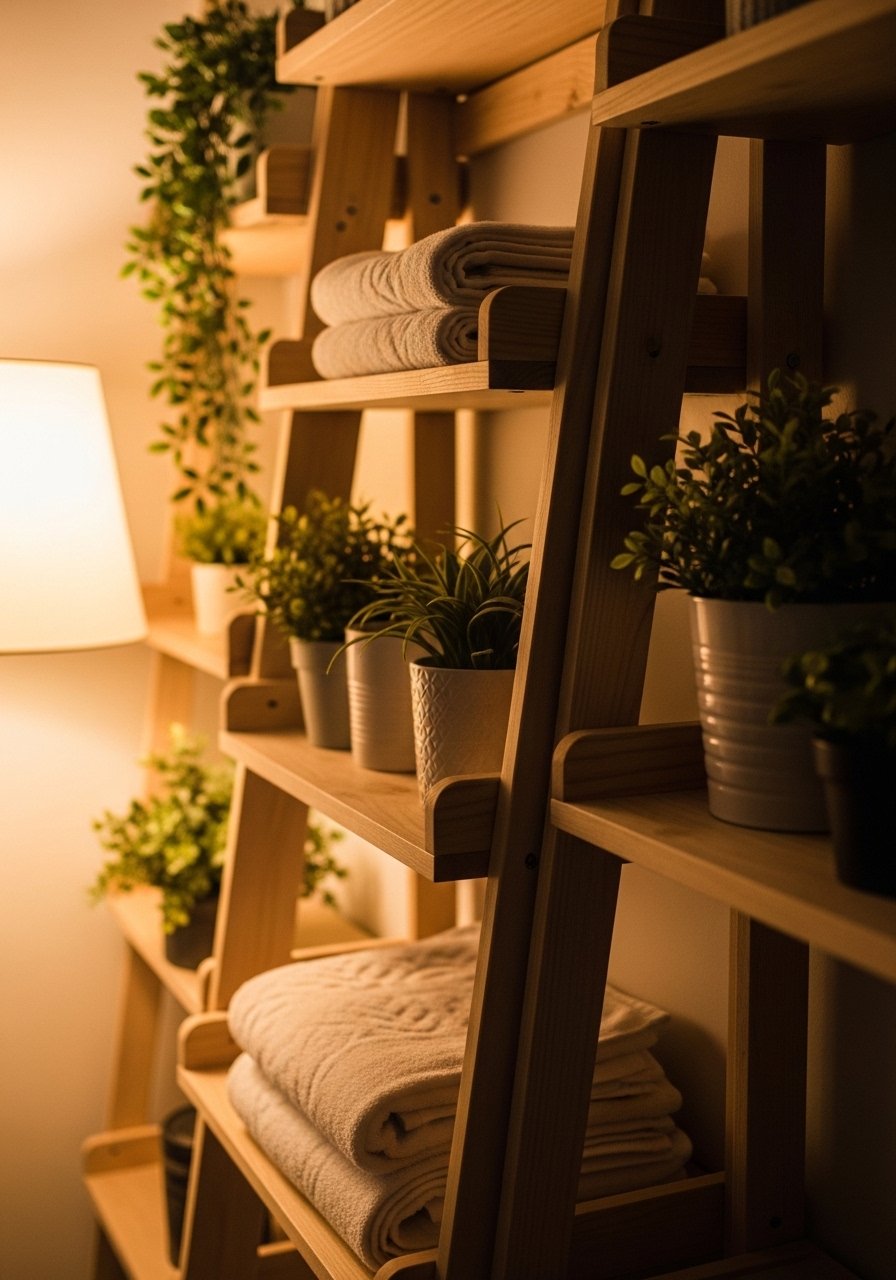
A leaning ladder shelf is easy to DIY and gives a relaxed, lived-in vibe. Mine is 12 inches deep at the bottom and narrows to 8 inches at the top, which saves floor space and looks balanced. Budget is $30 to $80 depending on wood. I finished mine with a clear wax and used wooden leaning shelf kit for stability. Newbies forget to anchor the top for safety. The ladder pairs really well with the gallery-ledge trick later in the article for small decorative pieces.
Wire Shelf Upgrade with Wooden Inserts for Pantries
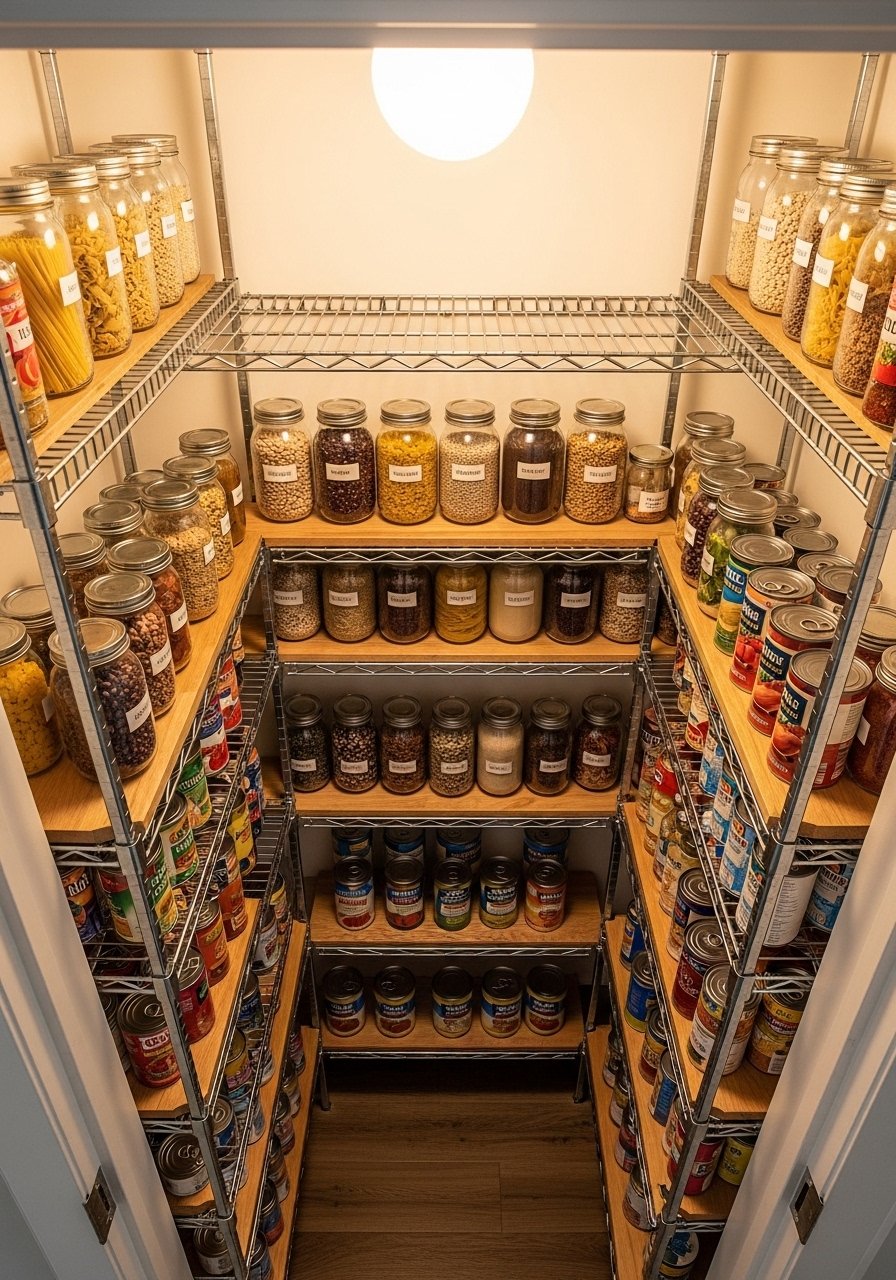
If you have the usual cheap wire shelving, add 1×8 wooden inserts to turn them into usable flat shelves for jars and folded items. I cut pine to fit the wire slots and stained it to match my kitchen. Cost for inserts was about $25 for three shelves. I used pre-cut pine boards and slid them onto the wires. Most people assume wire is unusable for small items. The trick is to keep insert pieces a half inch shorter than shelf width so they sit flush without binding.
Floating Corner Shelves to Use Dead Space
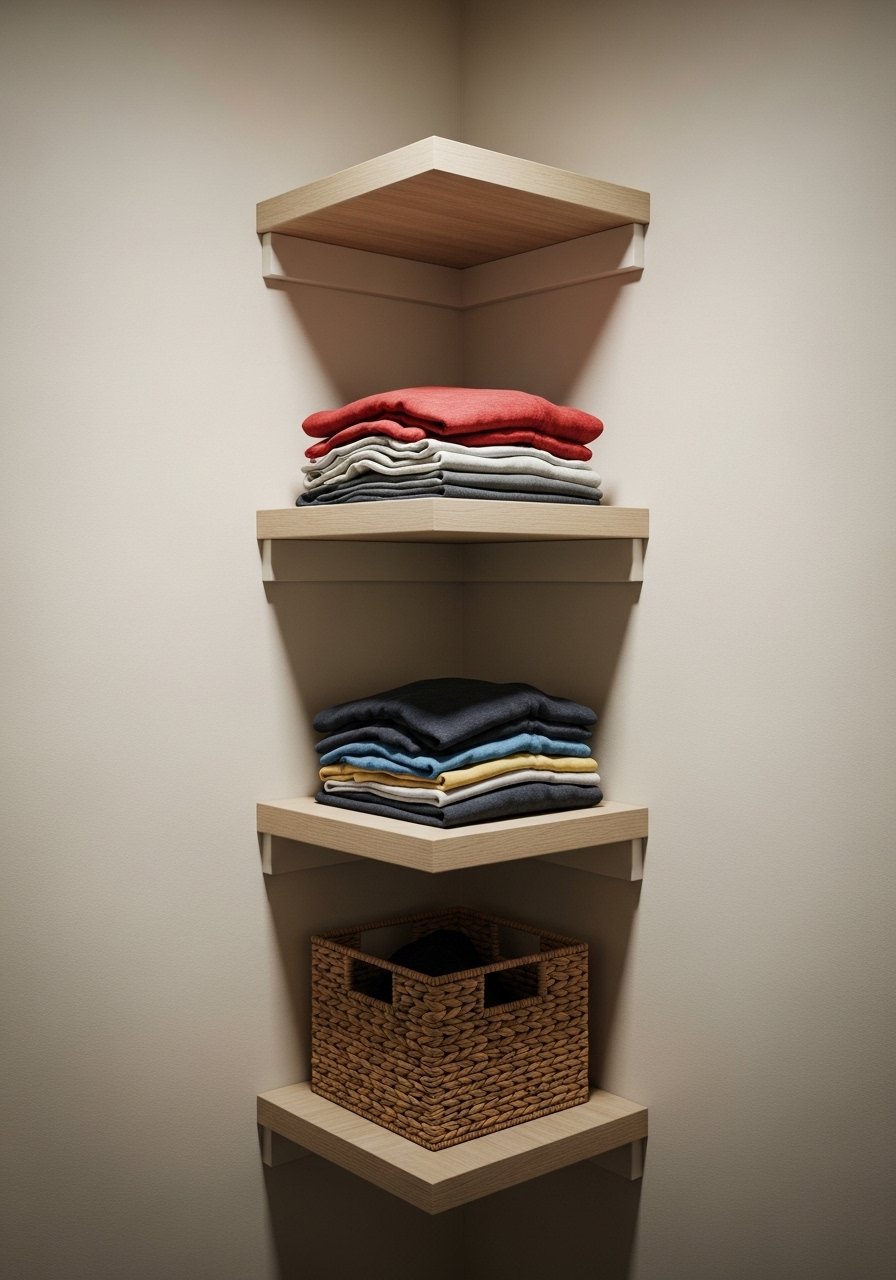
Corners often become black holes. I built triangular floating shelves 10-12 inches deep that fit snug into the corner and created a visible storage display. They make the closet feel intentional and give a place for baskets that hide small items. Materials for three shelves ran $35. I used corner floating shelf brackets. A common mistake is making the triangle too large so it blocks access. Keep the front edge to 10 inches for reach-in closets.
Built-In Ladder for High Shelves in a Walk-In
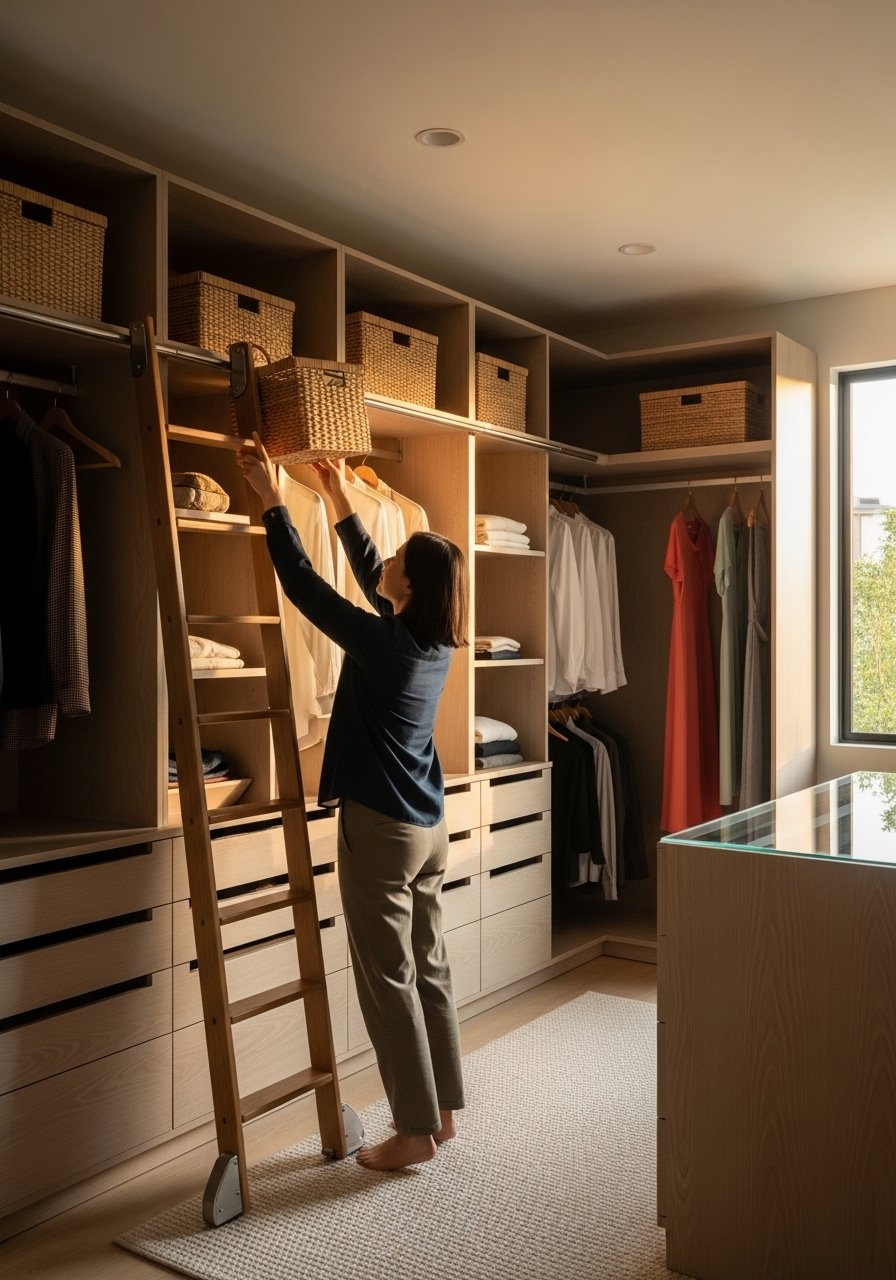
If you have high shelves, a sliding ladder is practical and surprisingly decorative. My ladder runs on a simple rail and gives me full access to top bins where I store seasonal gear. Budget starts near $120 for a sturdy kit. I ordered sliding ladder rail kit and stained the ladder a shade darker than the shelves. People often install shelves too deep up high. Keep top shelves no more than 18 inches deep so you can reach bins without a step stool.
Pegboard Shelving for a Utility Closet
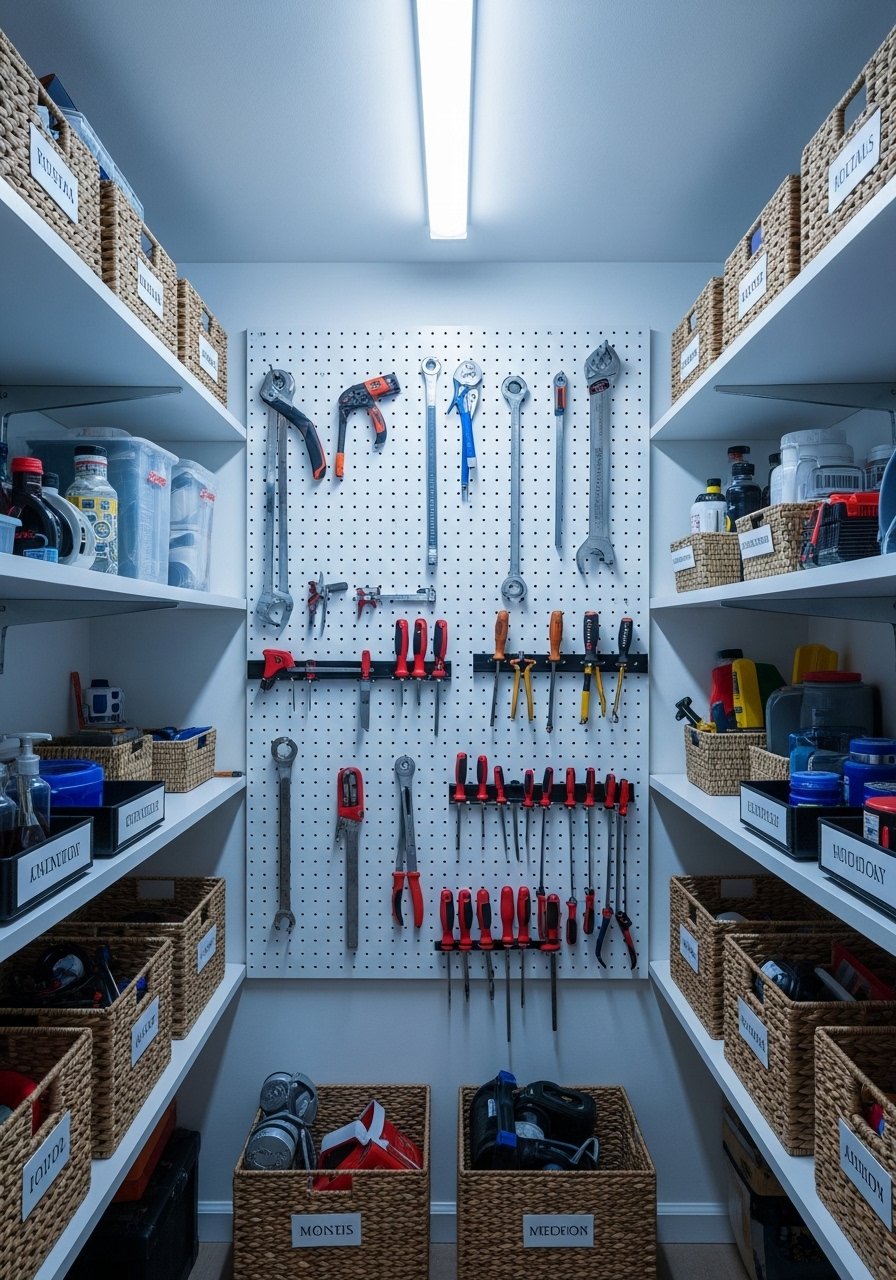
Pegboard can be stylish and functional. I mounted a painted pegboard and used shelf hooks so I could rearrange baskets and hang small items. Cost for a pegboard wall was under $50 including paint. I used pegboard shelf hooks. The mistake is leaving peg spacing too wide. Use 1-inch spacing holes for better weight distribution and to follow the rule of three when grouping storage bins across a shelf.
Wire Basket Shelves for Textiles in a Linen Closet
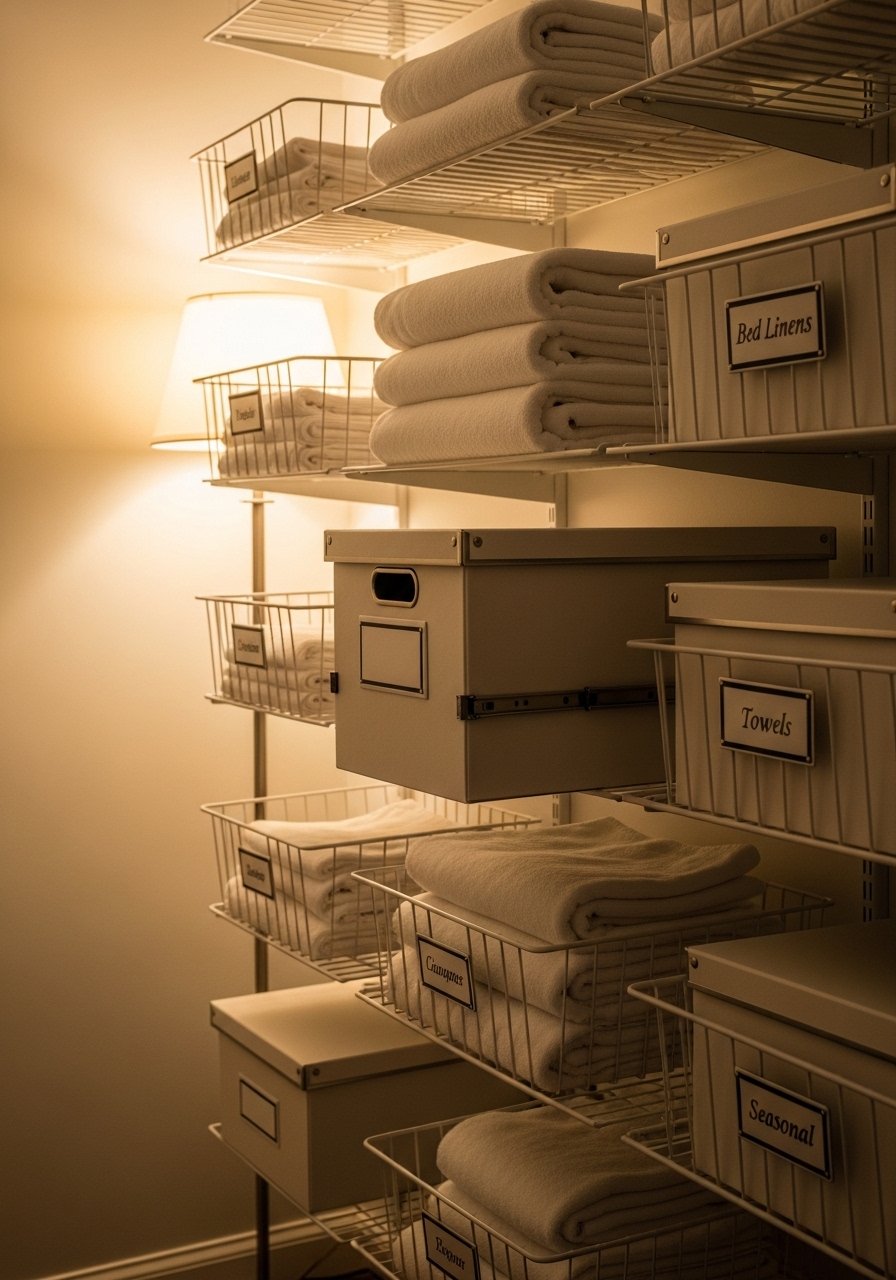
Wire basket shelves are great when you want breathability for towels and linens. I installed 14-inch deep wire baskets on slides so I can pull them out to see contents. The sliding option cost about $70 but feels like a splurge every time I use it. I ordered sliding wire basket system. A common oversight is using baskets that are too shallow. For folded towels go 12-14 inches deep; for thinner items 8-10 inches is fine.
Picture Ledge Shelves for Rotating Accessories
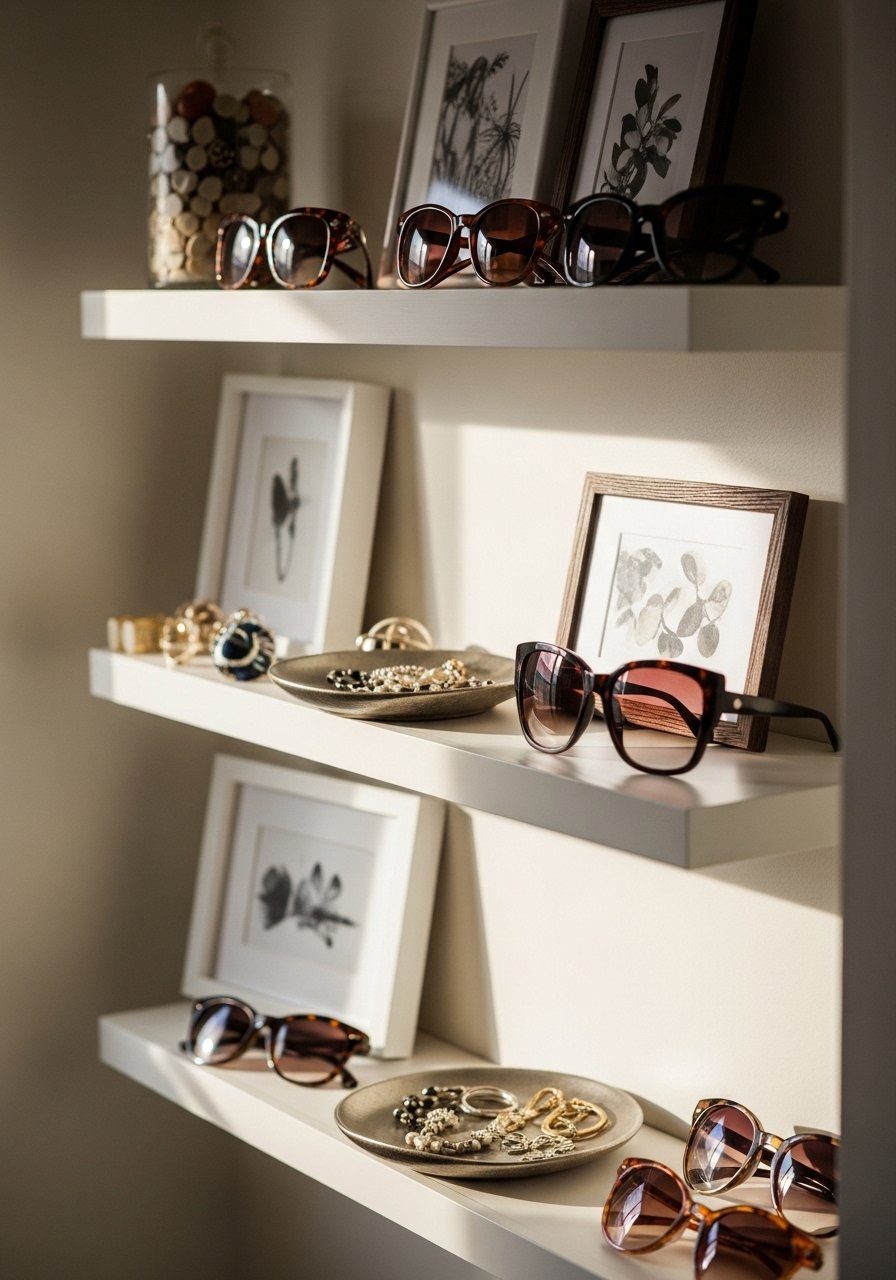
Picture ledges work surprisingly well in closets for switching out accessories. I use a 2-inch ledge to display small trays, framed inspiration, and a sunglasses row. It makes the space feel curated and is renter friendly. I bought narrow picture ledges for about $18 each. People often hang too many things on one ledge. Stick to the rule of three for objects and lean one frame for a layered look.
Pull-Out Shelf for Heavy Items like Small Appliances
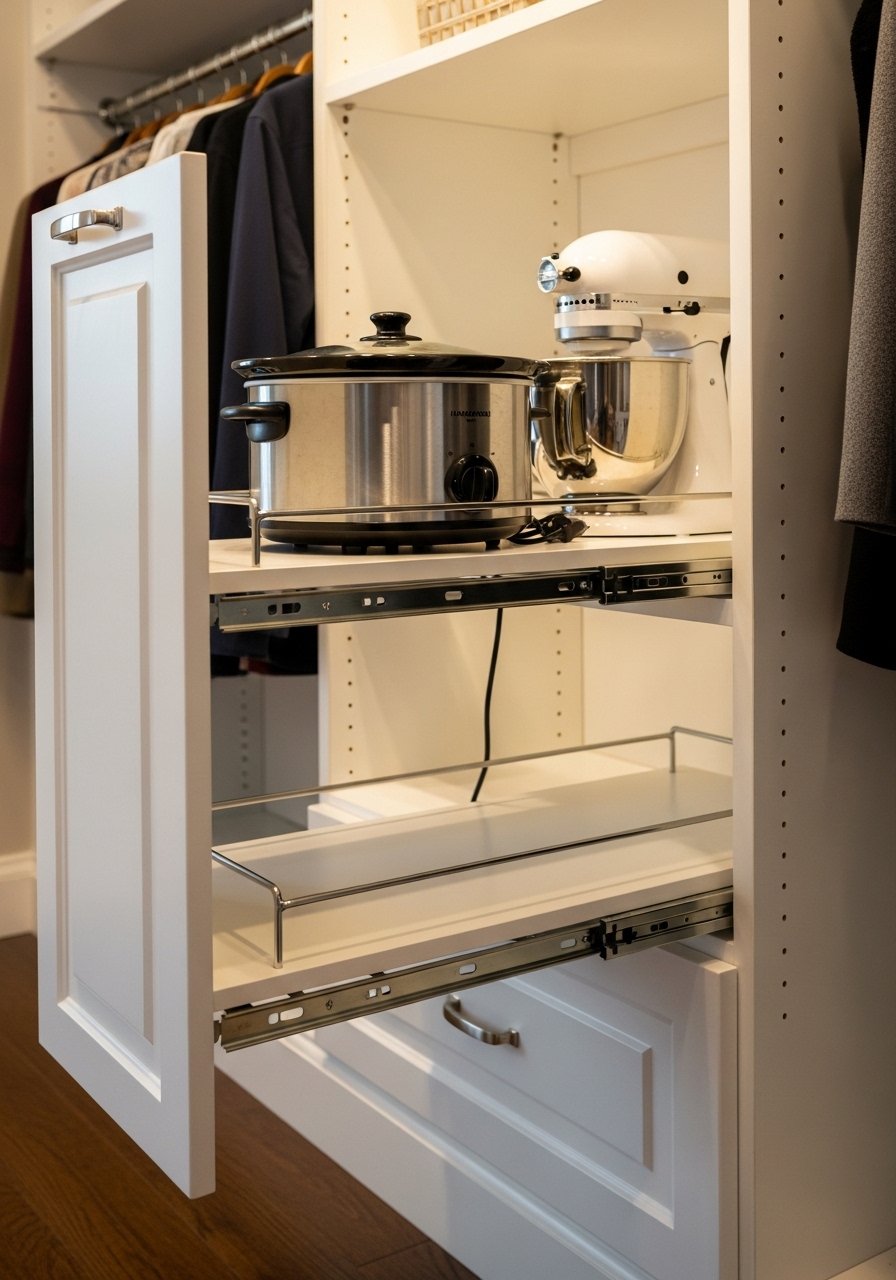
For heavy items, pull-out shelves save your back and protect shelves from sagging. I installed full-extension metal slides and put my slow cooker and heavy bins on those shelves. The slides cost about $25 per pair and the shelf was basic plywood. I used full-extension drawer slides. Common mistake is using cheap slides that bind under load. Buy slides rated for the weight you expect and leave 1/8 inch clearance each side for smooth movement.
Vertical Dividers for Folded Shirts and Jeans
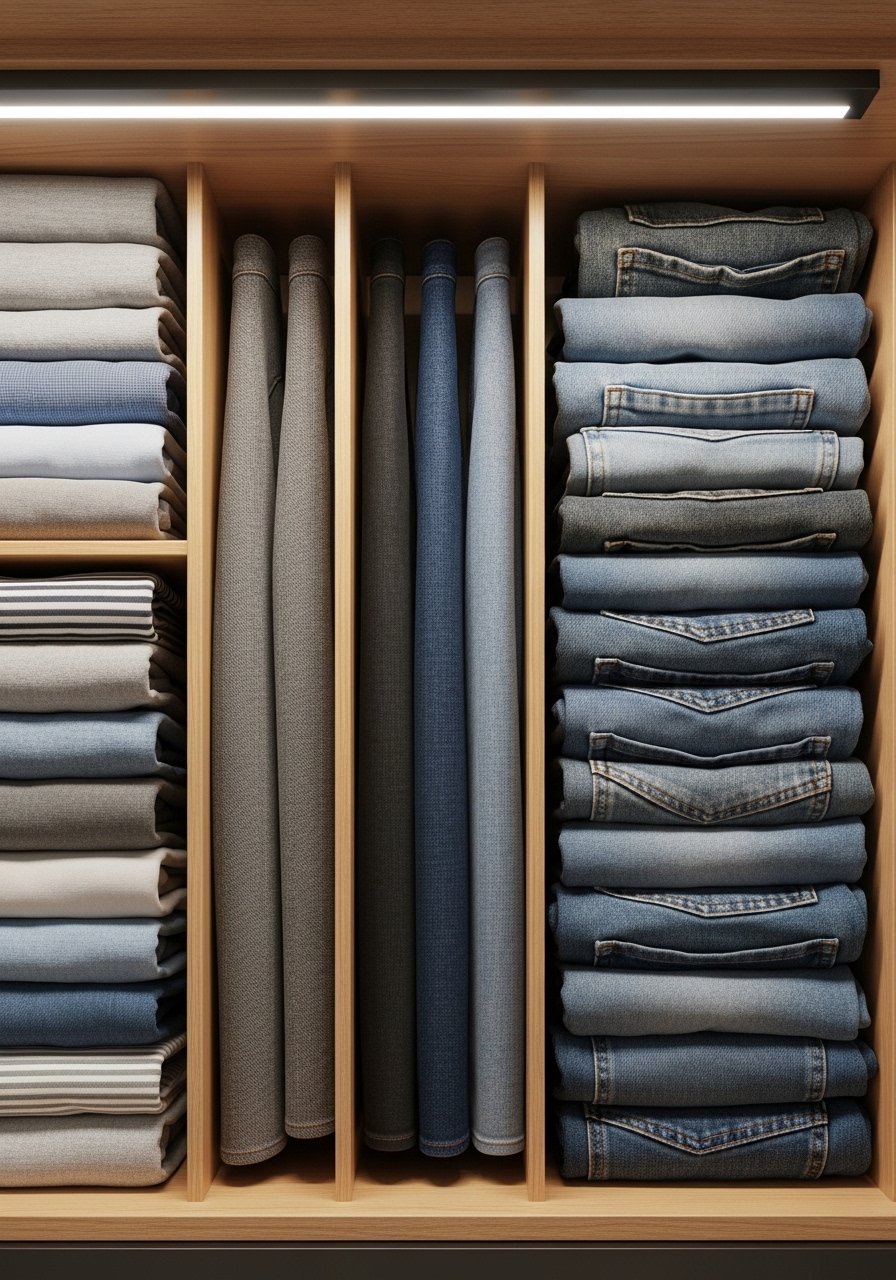
Vertical dividers keep folded clothes upright so you can see everything at once. I cut dividers to the drawer height and spaced them 10-12 inches apart for shirts and 8-9 inches for pants. The result is less rummaging and fewer messy piles. I used wooden drawer dividers that adjust to the inside width. People underestimate footing; leave 1 inch at the back so dividers sit flush without splitting the wood when the drawer closes.
Under-Shelf Lighting to Brighten Dark Closets
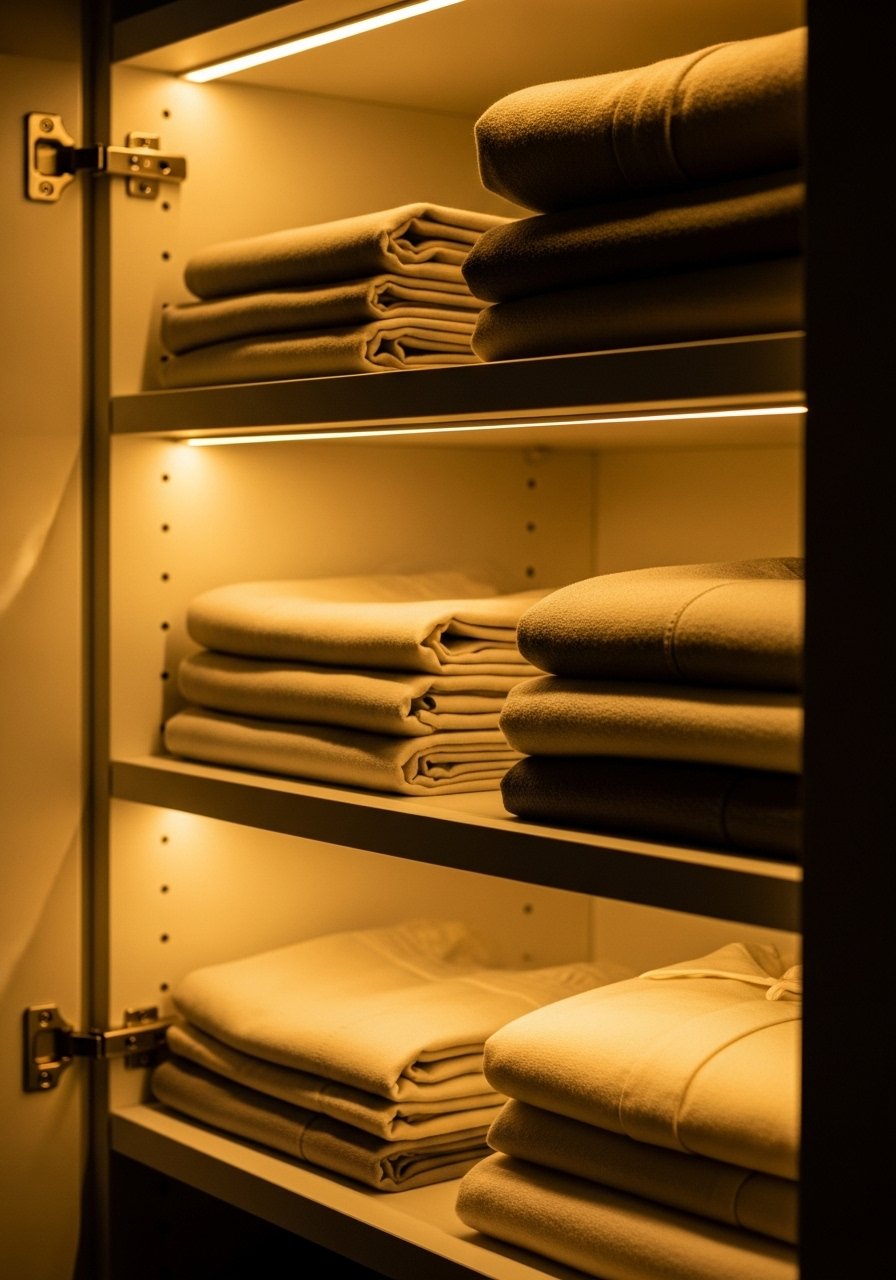
Lighting changes everything. I added 12-inch LED strips under each shelf and suddenly the top shelves became usable instead of dead space. My strips were motion-activated and battery powered so no electrician needed. Cost was about $30 for a set. I installed battery motion LED strips. The common mistake is using overly cool light. Go warm white for textiles so colors read true.
Slim Shelf for Jewelry and Small Accessories
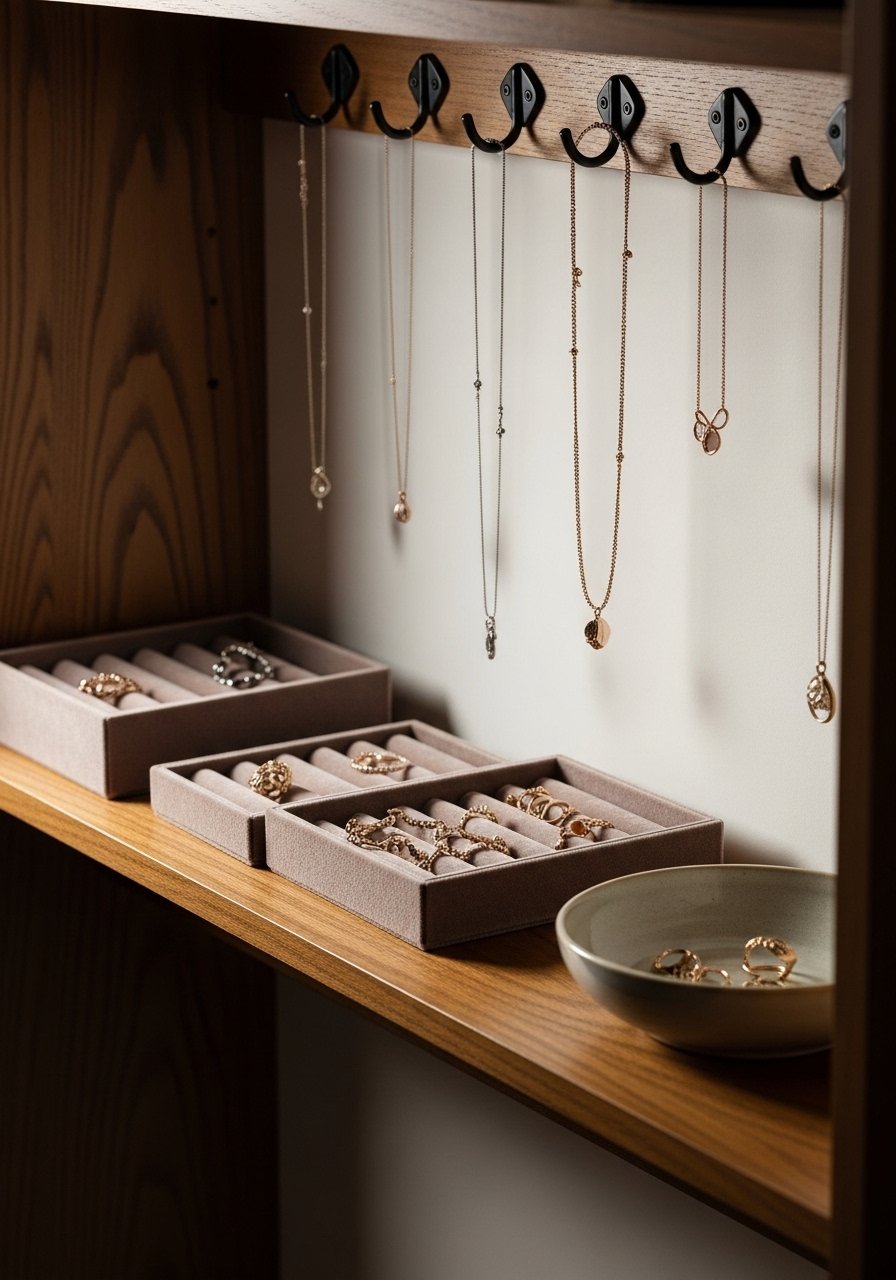
A skinny 3-4 inch shelf with a lip is perfect for jewelry trays and daily watch storage. I placed one at eye level near the closet door so I can grab everything on my way out. Cost is minimal, around $15 for the shelf and hooks. I used small display shelf with lip. People mount these too high. Keep this shelf within easy reach and pair it with the picture ledge idea earlier for a cohesive accessory wall.
Removable Tension Shelves for Renters
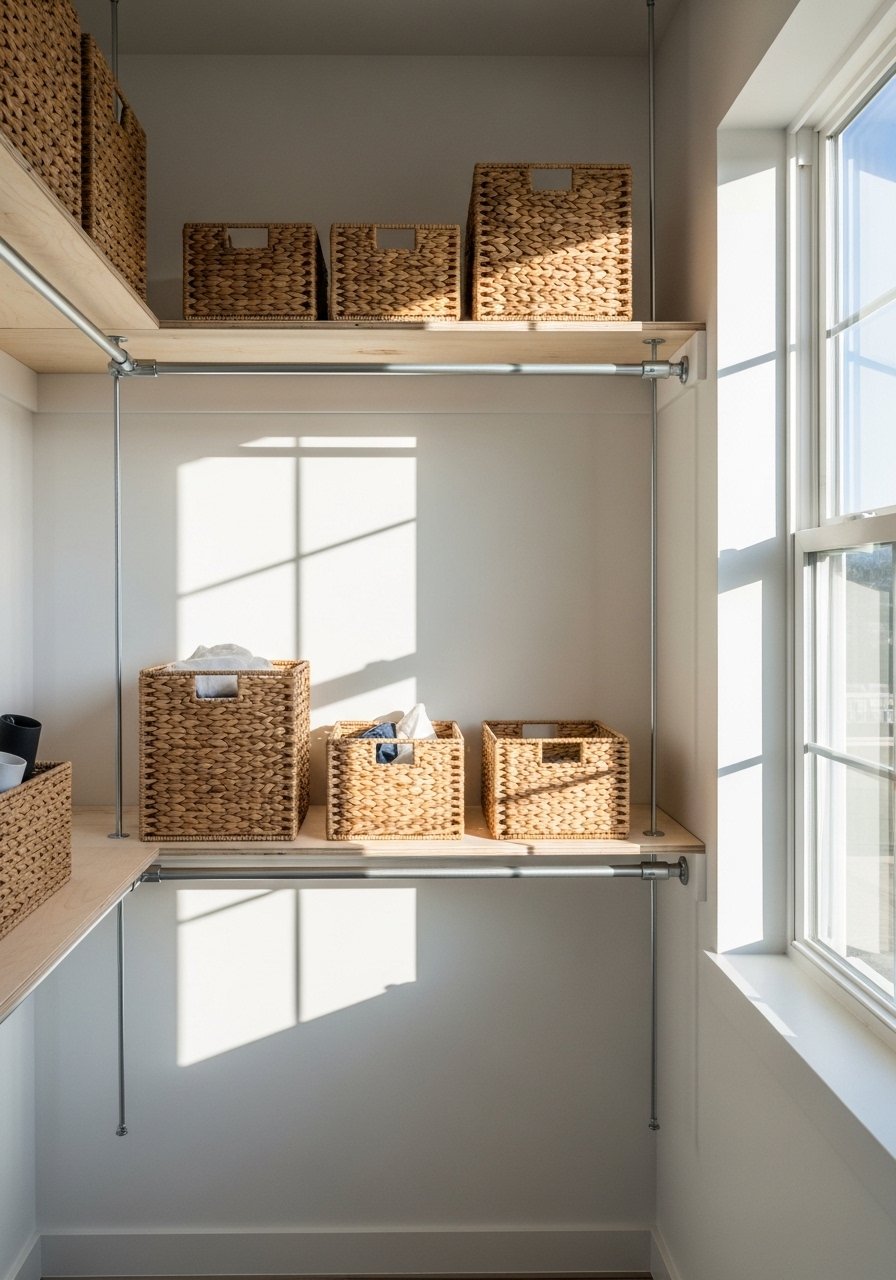
If you rent, tension shelves are the best compromise. I used adjustable poles with simple shelf platforms to create extra levels without drilling. Setup took under an hour and cost about $45 for a two-pole system. I bought adjustable tension closet shelves. The mistake is overloading tension systems. Keep heavy items on the bottom and follow the pole's weight rating to avoid sagging or slipping.
Shelf Depth Ratios for a Balanced Closet Layout
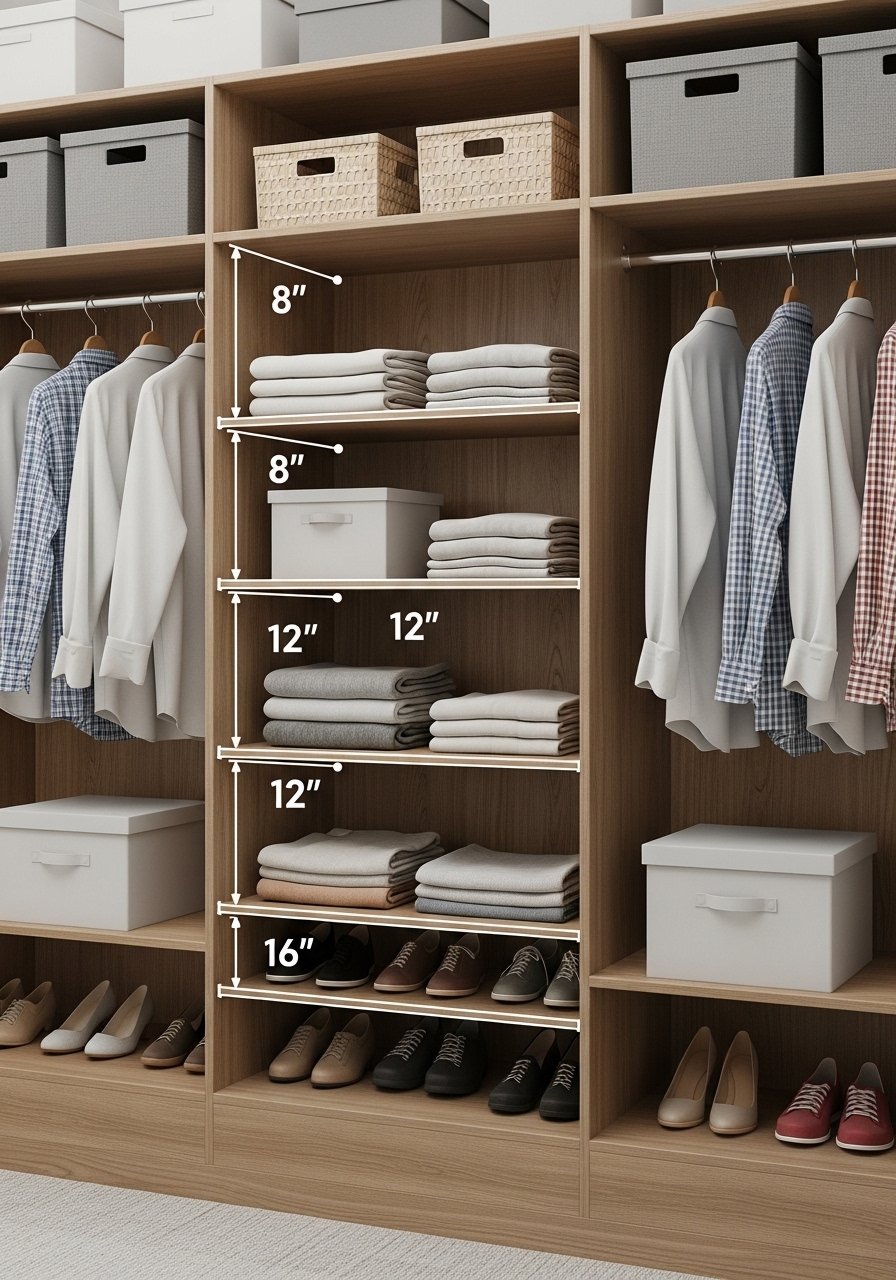
This is less a build and more a rule I live by. Use 8-10 inch shelves for small folded items, 12-14 inches for shoes and sweaters, and 16-18 inches for bulky bins. I rearranged my closet with those depths and stopped overbuying baskets that didn’t fit. For a visual harmony, follow the 80/20 color rule and keep 20 percent decorative elements. I used adjustable shelf board kits to test depths. People pick one depth for everything. Varying depths creates both function and an edited look.
Your Decor Shopping List
Textiles
- Honestly the best $40 I have spent. 22-inch down pillow covers in linen, set of 2 in natural and slate for layering
- Chunky knit throw in cream (~$35-55). Drape across a shelf or bench
Wall Decor
- For the picture ledge idea, get narrow picture ledges, 24-inch (~$18 each)
- Mixed metal small frames, set of 4 (~$25) for the accessory wall
Hardware & Shelving
- Floating shelf brackets hidden, pair for a clean built-in look
- Adjustable track shelving kit, 48-inch (~$80) for flexible layouts
- Full-extension drawer slides heavy duty pair for pull-out shelves
Lighting & Organization
- Motion-activated LED strip lights, 12-inch set (~$30)
- Sliding wire basket system, 14-inch deep (~$70)
- Adjustable tension closet shelf poles, two-pole system (~$45) Similar at Target or HomeGoods
Shopping Tips
White oak beats dark wood in 2026. Design feeds have shifted completely. These white oak floating shelves look current, not dated.
Grab velvet pillow covers in rich jewel tones for $12 each. Swap them, and the whole closet styling reads different season to season.
Curtains should puddle or kiss the floor, never hang halfway up. These 96-inch linen panels are right when you want height in an adjacent dressing area.
Everyone buys five small succulents. One single 6-foot faux fiddle leaf fig has ten times the visual impact for a corner in a walk-in closet.
If you are a renter, buy tension systems first, then permanent hardware. Tension closet poles let you experiment without holes.
Use warm white LEDs for textiles so colors look true. Warm white LED strips avoid weird color casts on folded clothes.
Frequently Asked Questions
Q: What is the best shelf depth for folded sweaters?
A: Aim for 12 to 14 inches. That depth holds a sweater folded twice without everything hanging over the edge. For thin tees 8 to 10 inches is plenty.
Q: Can I mix open shelves and closed bins without it looking messy?
A: Yes. Use the rule of three when styling open shelves and keep 80 percent of colors neutral. A few baskets hide small items and create the 20 percent interest. Woven storage baskets, set of 3 are ideal.
Q: How do I add lighting without rewiring?
A: Battery motion LED strips under each shelf work well and cost little. Stick them to the underside of shelves so you can see contents without flipping a switch. I used motion battery LED strips.
Q: My closet feels too shallow. Any quick fixes?
A: Paint the back wall a slightly darker shade than the shelves to create depth. Also use narrow ledges and vertical dividers to break the plane and make it feel deeper.
Q: Are tension shelves secure enough for heavy items?
A: They can be if you follow weight ratings and keep heavy items low. For appliances or heavy bins, use fixed tracks or pull-out shelves with rated slides instead.
Q: How do I stop small items from getting lost on deep shelves?
A: Use small bins that are no more than two-thirds the shelf depth and label the front. For shoes, keep front-to-back depth around 10 inches so pairs don’t slide out of sight.
Q: What is a common mistake when adding DIY shelves?
A: People forget to double check stud placement and end up with weak anchors. Always measure twice, use the right anchors, and consider toggles for hollow walls. For simple floating options, choose hidden bracket kits like hidden mounting shelf brackets for safety and a clean look.