
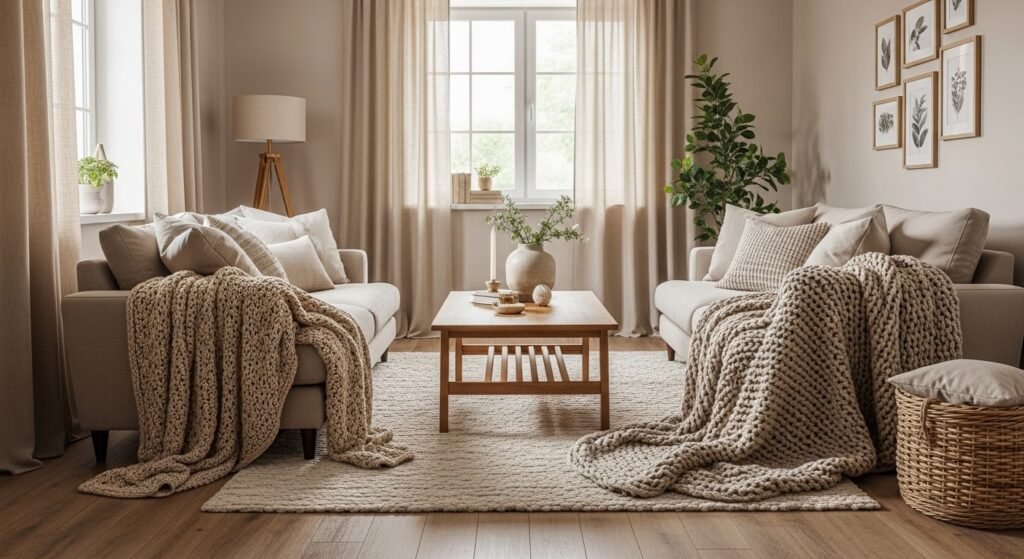
My living room had nice furniture but it still felt like a waiting room. Took me forever to notice everything was the same height and texture. Once I added three different pillow sizes, a woven rug, and swapped in warm bulbs, friends actually sat down instead of hovering. Small, cheap things made a big difference.
These ideas lean warm modern and casual transitional. Most items are under $100, with a few splurges around $150. They work in living rooms, family rooms, and open-plan sitting areas that need more texture and life.
Layered Neutrals With One Warm Accent
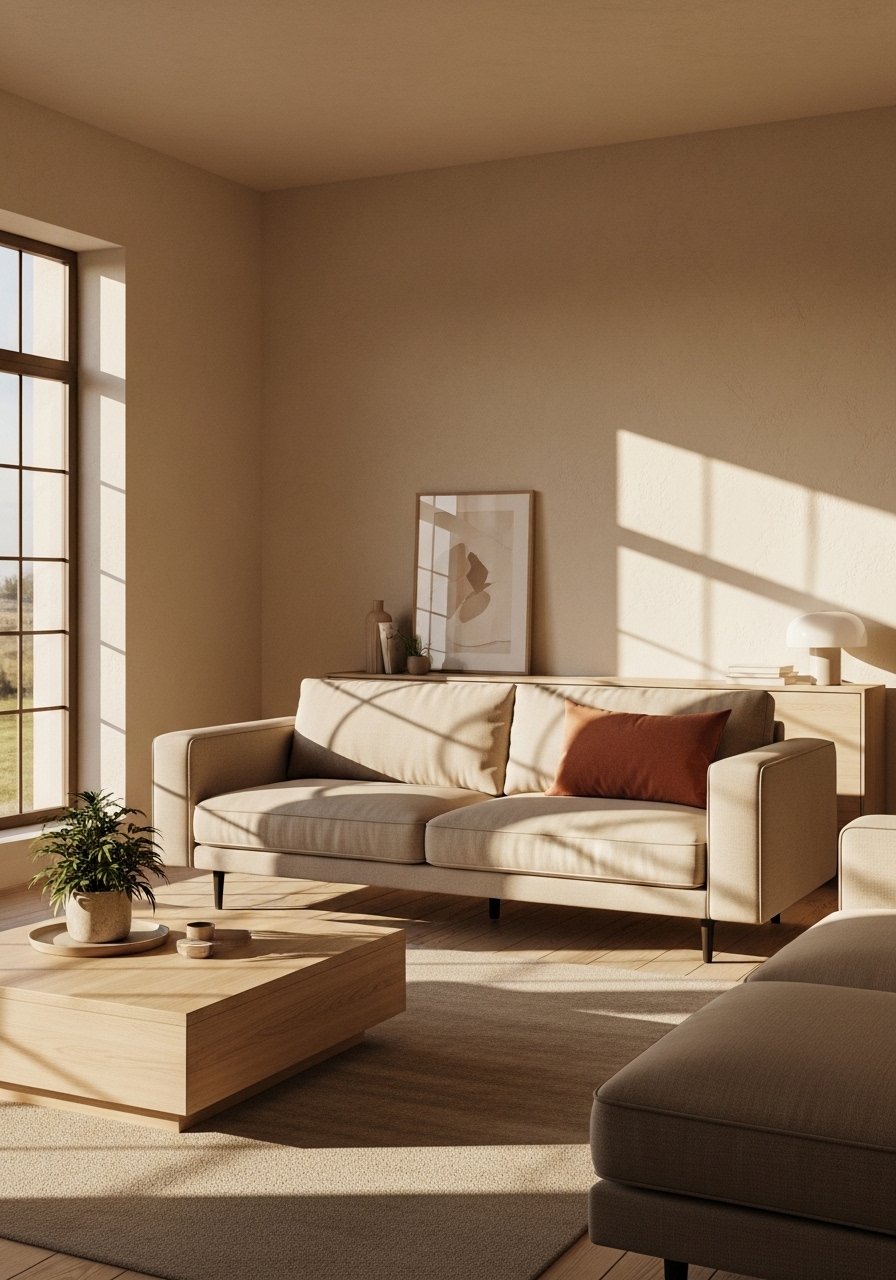
The moment I added a single terracotta pillow to my neutral sofa everything stopped blending into one beige blob. The rule I use is 80/20 color balance, with 80 percent soft beiges and creams and 20 percent a warm accent like rust or moss green. For pillows try Velvet pillow covers, set of 4 in one warm shade and two linen covers. Common mistake is matching every pillow to the sofa color. Instead mix a scale of textures and a single punch color. A small detail people miss is making the accent repeat somewhere else, like a vase or throw, roughly three times around the room so it reads intentional not accidental.
Chunky Knit Throws for Instant Warmth
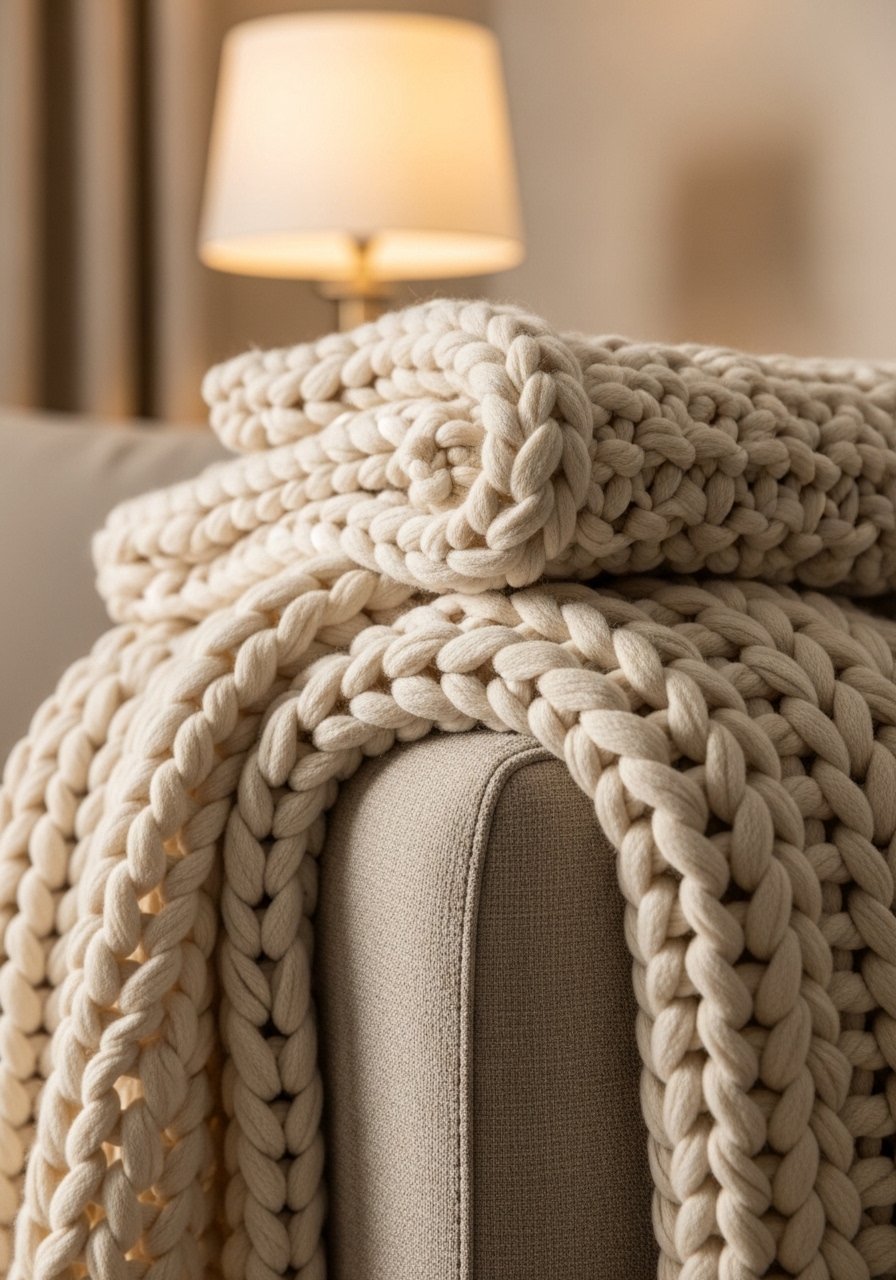
I spent $400 on a coffee table and still felt the room was missing something. Spent $35 on a chunky knit throw and suddenly the couch invited people to sit. Throws are about feel, not price. Fold one lengthwise and drape it over a corner so it looks relaxed but planned. I link this with the pillow mix above because the throw color should pick up one pillow tone. Avoid throws that are the exact same shade as the sofa. Try Chunky knit throw in cream. If your sofa is beige with yellow undertones, choose a throw with pink or warm gray undertones to avoid the room reading too flat.
Layered Pillows in Different Sizes and Shapes
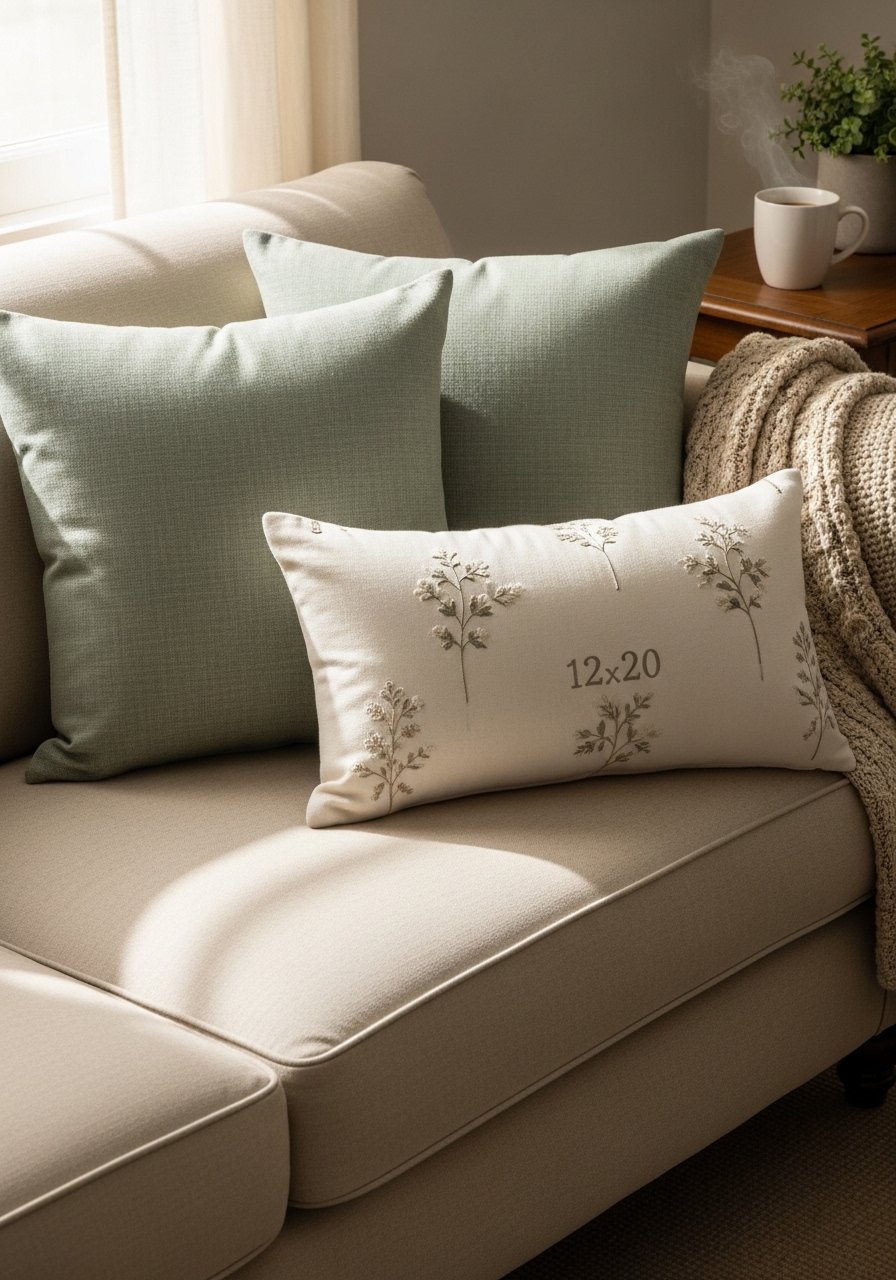
There is something about a reading nook with layered pillows that makes you put your phone down. My go-to mix is two 22-inch back pillows, one 20-inch front pillow, and a 12×20 lumbar. That ratio keeps the sofa from looking timid. I use linen, velvet, and a textured woven so the eye moves. Common mistake is buying all the same size. Also, buy pillow inserts that are 2 inches larger than covers for a plump look. For a practical option try 22-inch down-filled linen pillow covers and a 12×20 lumbar insert. I notice guests comment on pillows first about 3 out of 4 times.
Warm Wood Tones to Ground Beige
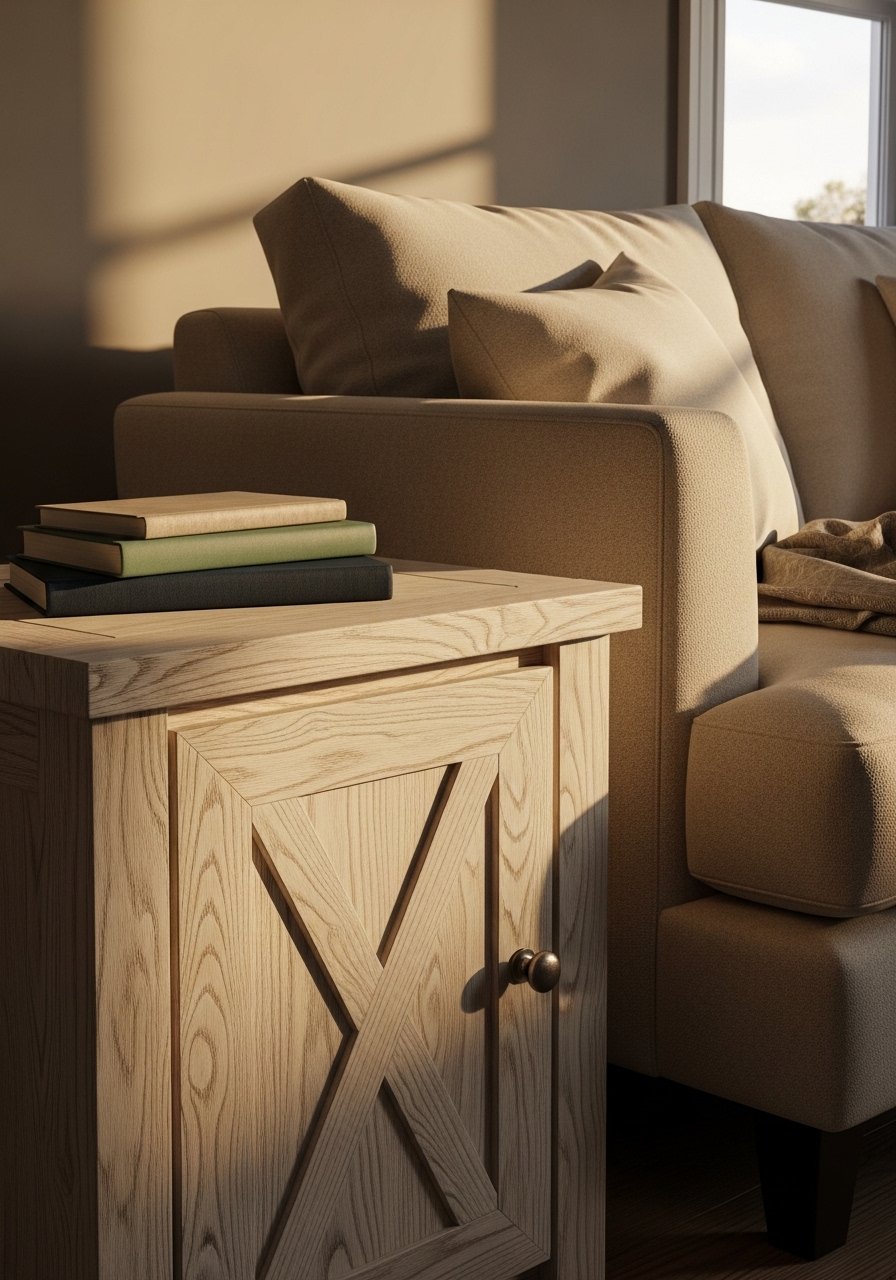
Beige loves warm wood. My living room felt airless until I replaced a black metal side table with a small white oak piece. Wood adds a human scale that beige fabrics often lack. A good sizing rule is a side table top between 18 and 24 inches high relative to the sofa arm. Avoid tiny tables that disappear. For a sturdy option try White oak side table with shelf. A detail most guides skip is matching wood undertones to a dominant piece like a coffee table, not every wood in the room. If you pick a warm oak, let it read as the main wood and use one other finish at most.
Mixed Metallics for Warmth and Interest
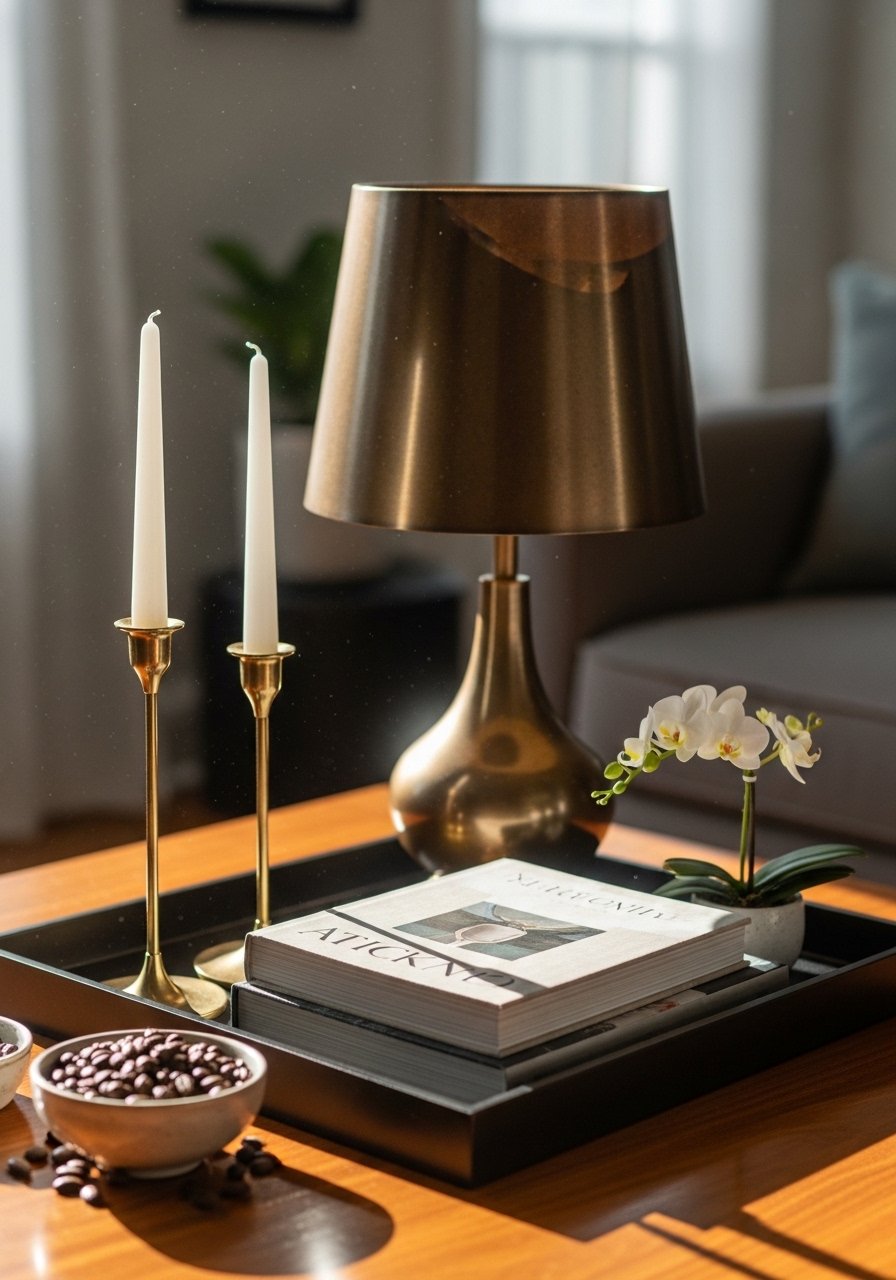
Most people match metals and end up with a flat look. I mix brass, warm bronze, and matte black so the finishes feel curated not accidental. Start with one dominant metal and add two smaller accents. For example, a brass lamp, bronze picture ledge, and black frame. I use Mixed metal picture frames for the gallery wall to tie everything together. A mistake is overdoing shiny brass. Tone down one shiny piece with matte finishes and natural materials like wood or terracotta for balance.
Floor-to-Ceiling Curtains to Add Height
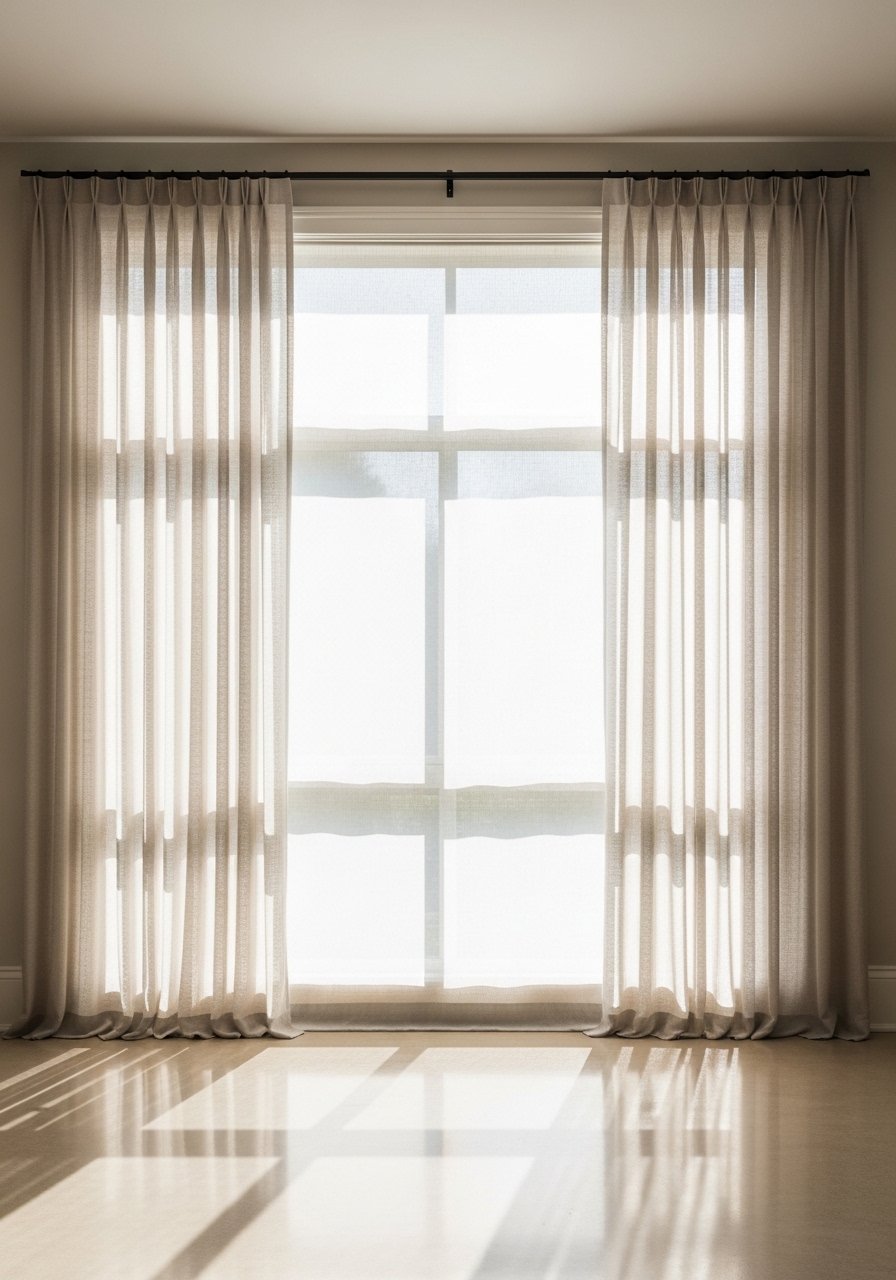
Most people hang curtains right at the window frame. That is why rooms look shorter than they are. Hang the rod 4 to 6 inches above the window trim or closer to the ceiling for a taller feel. Use panels that either kiss the floor or puddle an inch or two. For standard 8 to 9 foot ceilings I use 96-inch linen curtain panels. A detail I learned the hard way is to choose a curtain color with a warm undertone if your walls are beige with yellow undertones. Otherwise the curtains will look gray next to the walls.
Rug Anchoring With Warm-Toned Natural Fibers
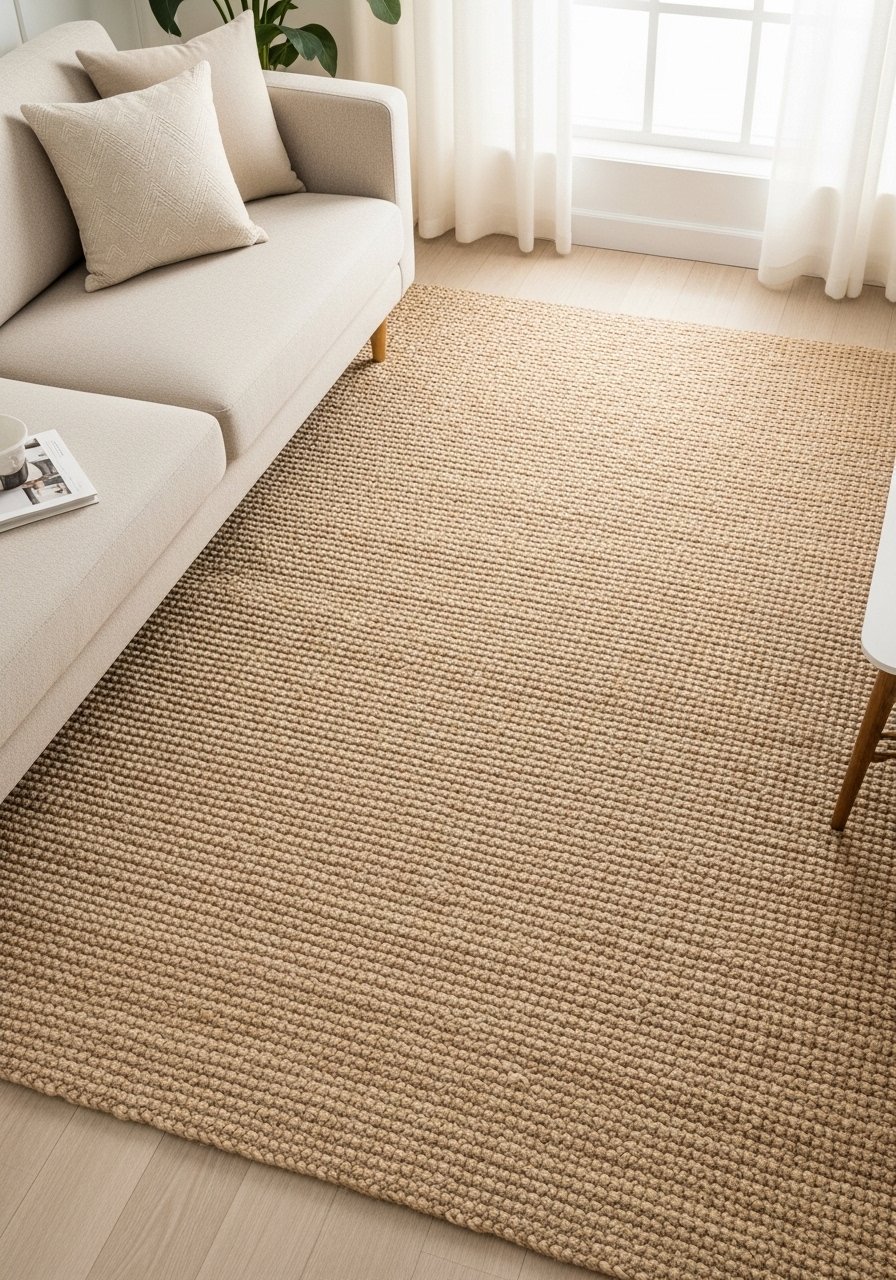
A rug that is too small makes even an expensive couch look like it floats. Go bigger than you think. For most living rooms an 8×10 rug is the safe minimum. Aim to have all front furniture legs on the rug or at least the sofa and coffee table anchored. I use a jute rug for texture and layer a softer wool runner on top if the room needs extra warmth. Try 8×10 jute area rug. A mistake is buying a light-beige rug that reads identical to your couch. Pick a rug with a warm undertone or a subtle pattern so it reads as part of the composition.
Ambient Lighting With Warm Bulbs and Dimmers
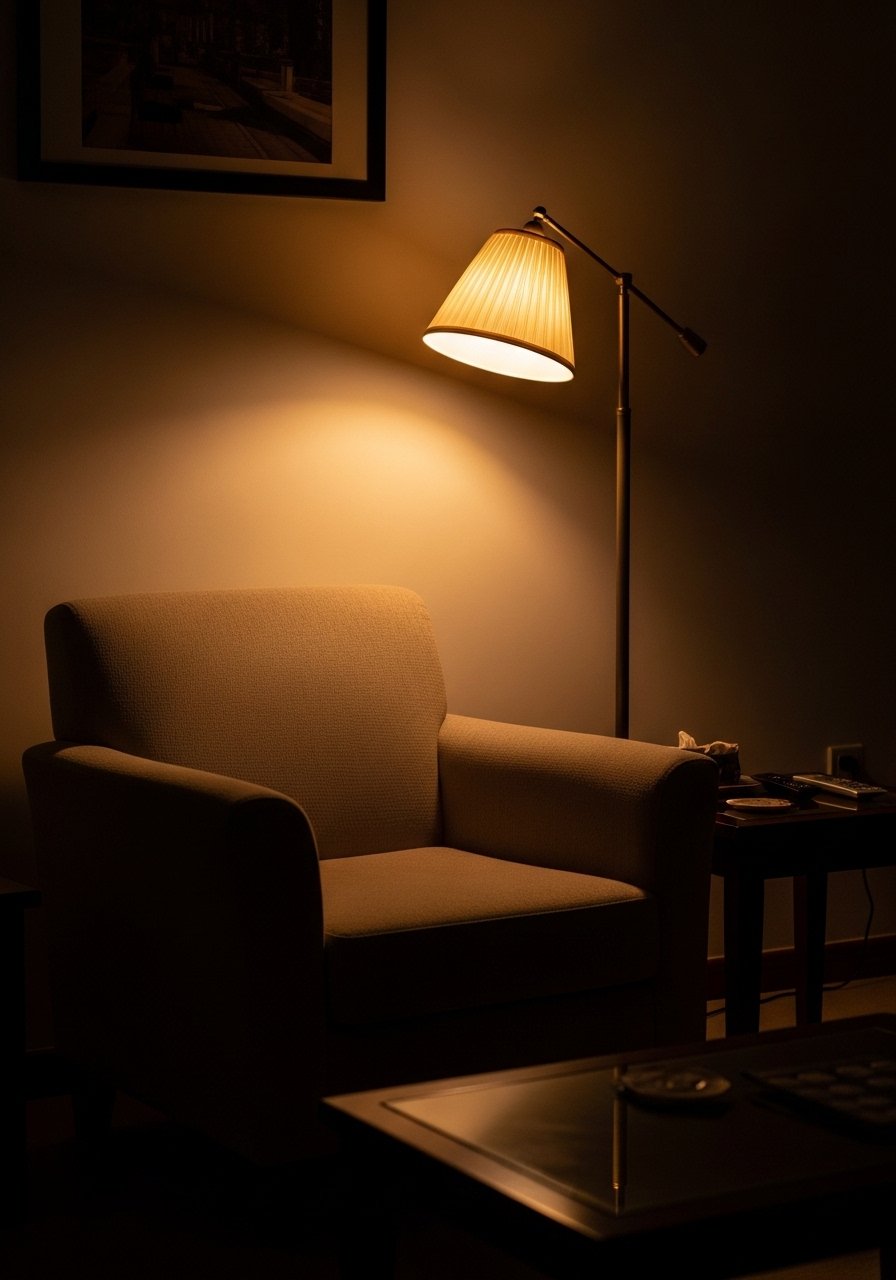
Lighting changes a beige room more than paint. Swap harsh cool bulbs for 2700K warm LED bulbs and add a dimmer to the overhead light. Layer three sources, for example, overhead, task, and accent. I replaced one bright pendant with a dimmable LED and a table lamp and the space finally felt like a living room at night. Find 2700K dimmable bulbs and a plug-in dimmer switch if hardwiring is not an option. A detail most articles skip is checking the bulb finish on lamp shades. Linen shades soften warm bulbs but metallic shades can throw color across walls.
Greenery and Terracotta Planters for Life
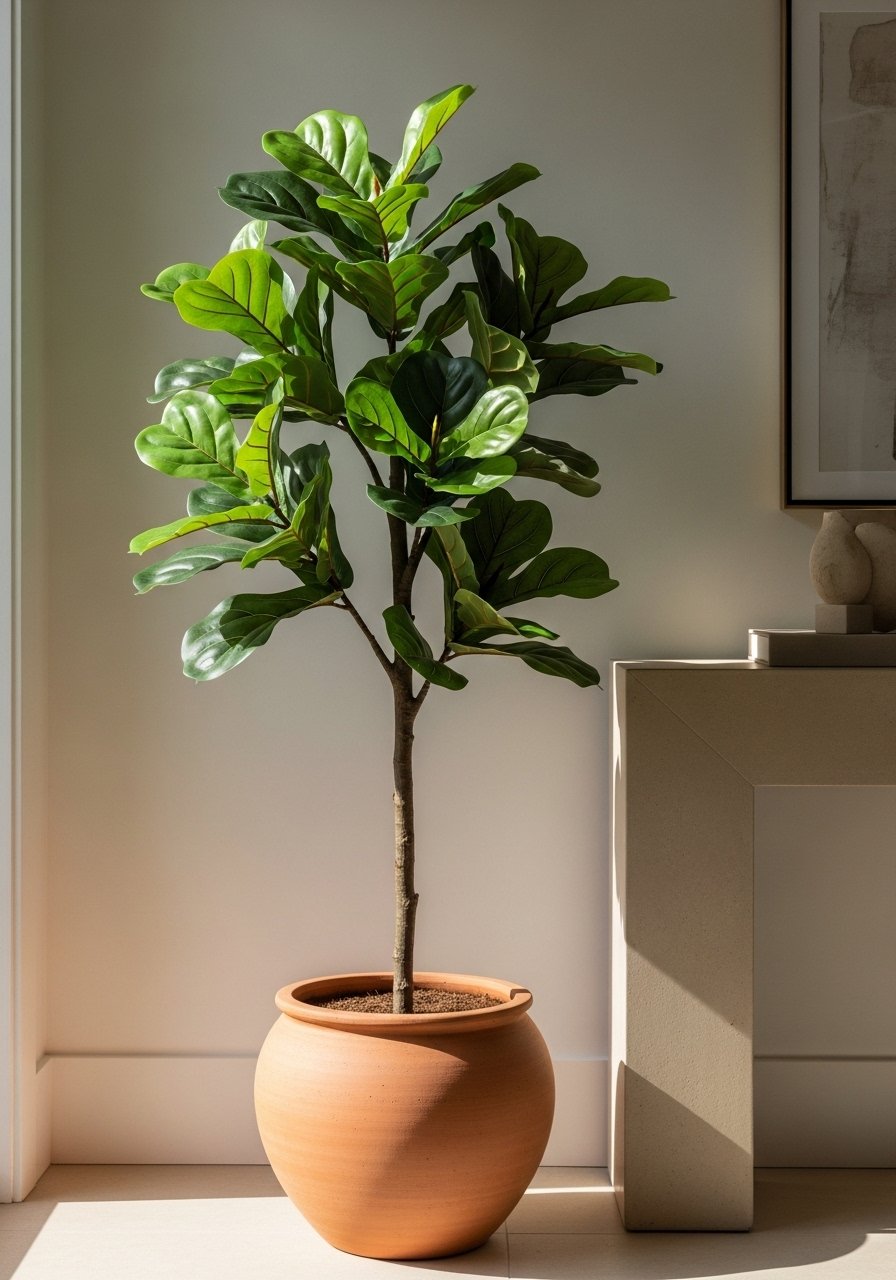
Real plants are great when you remember to water them. I keep one low-maintenance real plant like a snake plant and add a faux fiddle leaf fig for height where light is low. Terracotta warms up beige surfaces in a subtle way. Use one tall plant as an anchor and a few smaller ones in varying heights. I recommend Artificial fiddle leaf fig 6ft if you need height without the upkeep and glazed terracotta planters set for tabletop life. A mistake is scattering many small plants that create clutter. One or two deliberate plants read as design.
Layered Art and a Gallery Ledge in Warm Frames
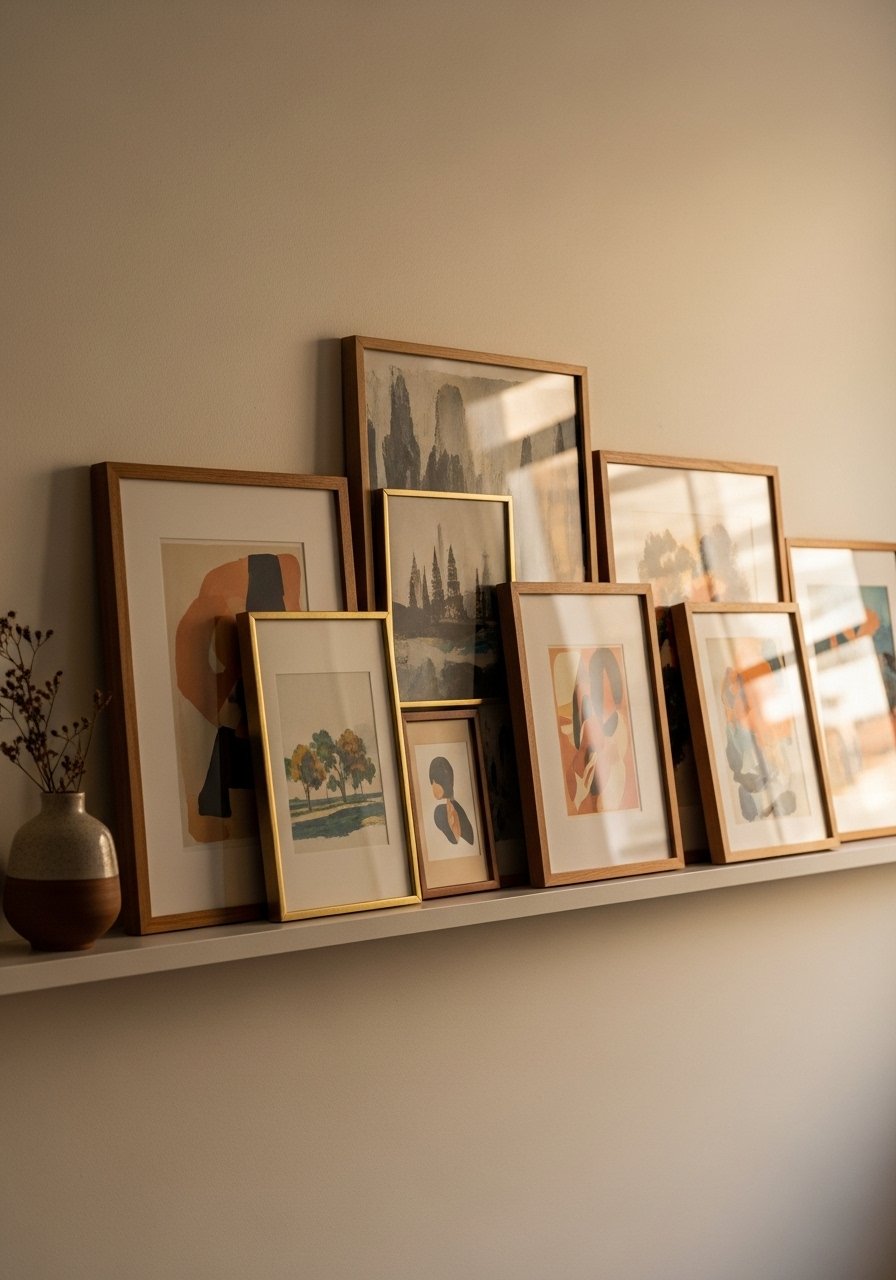
A friend texted me a photo asking why her living room felt cold and empty. Her art was hung off center and too high. I installed a shallow gallery ledge at eye level and leaned a mix of art pieces in warm frames. It reads casual and you can swap pieces without fuss. For easy swapping try Brass picture ledges. A specific trick is to keep the largest piece no more than 60 percent of the ledge length so smaller pieces have room to breathe. Avoid tiny frames spaced wide apart. That looks like an accident, not an arrangement.
Cozy Reading Nook With a Neutral Pouf and Task Lamp
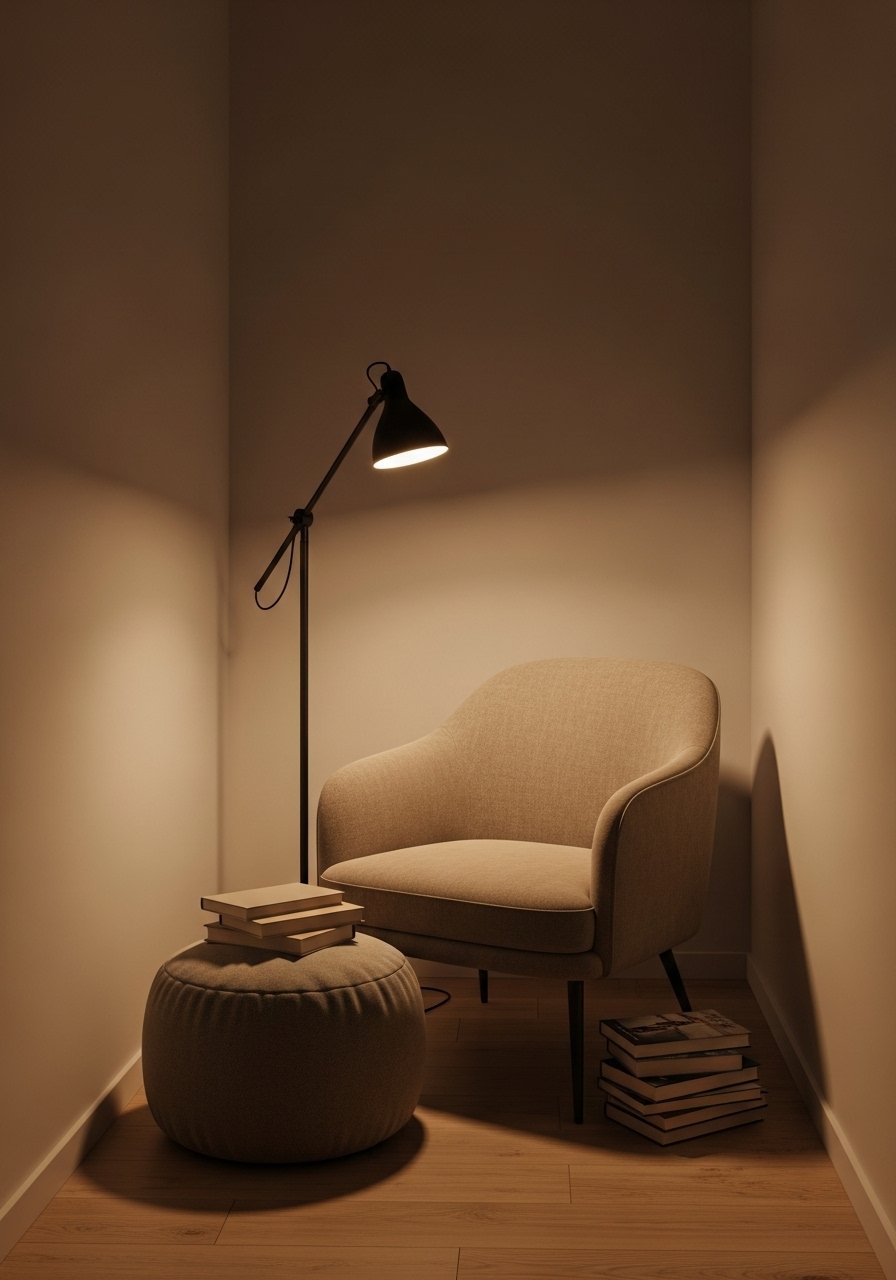
There is something about a reading nook that makes a living room feel used. I carved out a corner with a compact armchair, a neutral knit pouf, and a task lamp on a small side table. A pouf around 20 inches wide is proportional for most chairs. I use Beige knitted pouf and a warm brass task lamp. A mistake is picking a pouf that matches the sofa exactly. Contrast the texture and keep the scale smaller than the main seating so it reads as an accessory. I find about 2 to 3 small accessories in the nook make it feel lived in, not staged.
Your Decor Shopping List
Textiles
- Honestly the best $40 I have spent. Velvet pillow covers, set of 4 in rust, cream, and warm gray
- Chunky knit throw in cream (~$35-55). Drape over the sofa arm for instant warmth
- 22-inch down-filled linen pillow covers in natural and taupe
Wall Decor
- Brass picture ledges, 48-inch (~$25-40) for easy art swaps
- Mixed metal picture frames set to tie metals together
Rugs and Furniture
- 8×10 jute area rug natural, durable
- White oak side table with shelf (~$120-200). Similar at Target or HomeGoods for lower budgets
Lighting and Plants
- 2700K dimmable LED bulbs pack of 4
- Artificial fiddle leaf fig 6ft for low-light corners
Budget Finds
- Beige knitted pouf (~$45)
- Brass task lamp (~$55)
Shopping Tips
White oak beats dark wood in current feeds. Design has shifted toward lighter, warmer woods. These white oak floating shelves look current, not dated.
Grab velvet pillow covers for about $12 each. Swap them seasonally and the room feels different without replacing big pieces.
Curtains should puddle or kiss the floor, never hang halfway up. These 96-inch linen panels are right for 9-foot ceilings.
Everyone buys five small succulents. One single 6-foot fiddle leaf fig has ten times the visual impact.
Buy inserts larger than covers. A 20×20 down insert for a 18×18 cover gives a fuller finish.
Frequently Asked Questions
Q: What size area rug should I actually buy for a beige living room?
A: Bigger than you think. For most living rooms go 8×10 minimum. All front furniture legs should sit on the rug when possible. If you need a neutral option that reads warm try 8×10 jute area rug.
Q: Can I mix boho textiles with modern furniture without it looking messy?
A: Yes. Keep the color story tight and mix textures, not patterns. Use the rule of three for textures and repeat at least one textile color elsewhere in the room. For example, a woven throw, linen pillows, and a jute rug will play nicely with a mid-century modern sofa.
Q: Should I match my metals or mix them in a beige palette?
A: Mix them. Start with one dominant metal and add one or two smaller accents. Mixed metal picture frames are an easy starter that makes the mix look deliberate.
Q: What common mistake makes beige rooms feel cold?
A: Lack of texture and lighting. Beige fabrics can look flat under cool bulbs or with no layered textiles. Use warm 2700K bulbs, at least two lamps, a rug with texture, and three types of fabric to avoid the cold museum feel.
Q: Real plants or faux for a low-light living room?
A: Both. Use real low-maintenance plants like a snake plant if you can water weekly. Add one tall faux like an artificial fiddle leaf fig where you need height without care.
Q: How do I make beige feel intentional instead of boring?
A: Repeat a warm accent color three times, mix at least three textures, and vary heights across seating, tables, and wall decor. I keep about 80 percent neutral and 20 percent warm accent in a room so beige reads curated rather than accidental.