
A bedroom today is more than a place to sleep. It’s where you slow down, unplug, and reset after long days. Search trends show people craving cozy, layered bedrooms that feel calm without feeling boring. Texture matters. Lighting matters. Personal touches matter. The good news? You don’t need expensive furniture or full renovations. Small, thoughtful changes can reshape how your bedroom feels at night and how rested you feel in the morning.
Below are 24 practical bedroom decor ideas that mix comfort, personality, and smart design. Each one focuses on simple actions you can take right away, even on a tight budget.
1. Canopy Beds That Create a Cocoon Effect
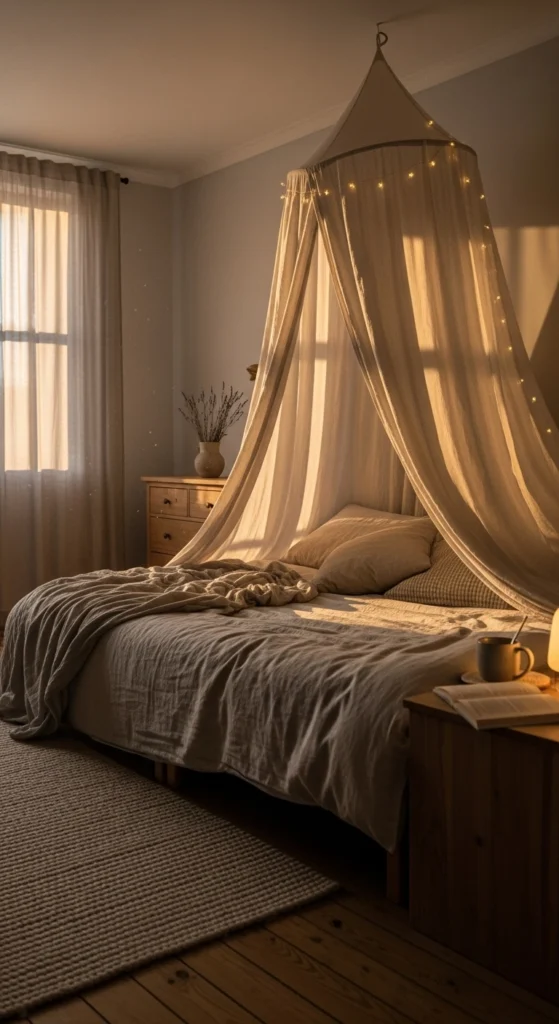
A canopy bed changes how a room feels the moment you add fabric. You don’t need a heavy frame. Ceiling hooks and lightweight curtains work just as well. Hang fabric slightly wider than the bed so it feels roomy, not boxed in. Use cotton or linen for airflow. Sheer fabric keeps the look calm and breathable.
If drilling isn’t an option, try a bed-mounted canopy frame. Many affordable options exist online. Keep colors soft. Cream, sand, or muted taupe work best. This setup reduces visual noise and makes the bed feel like a retreat. It also helps block harsh overhead light at night. For renters, this is one of the easiest ways to add drama without permanent changes.
2. Warm Neutral Color Palettes for Better Rest
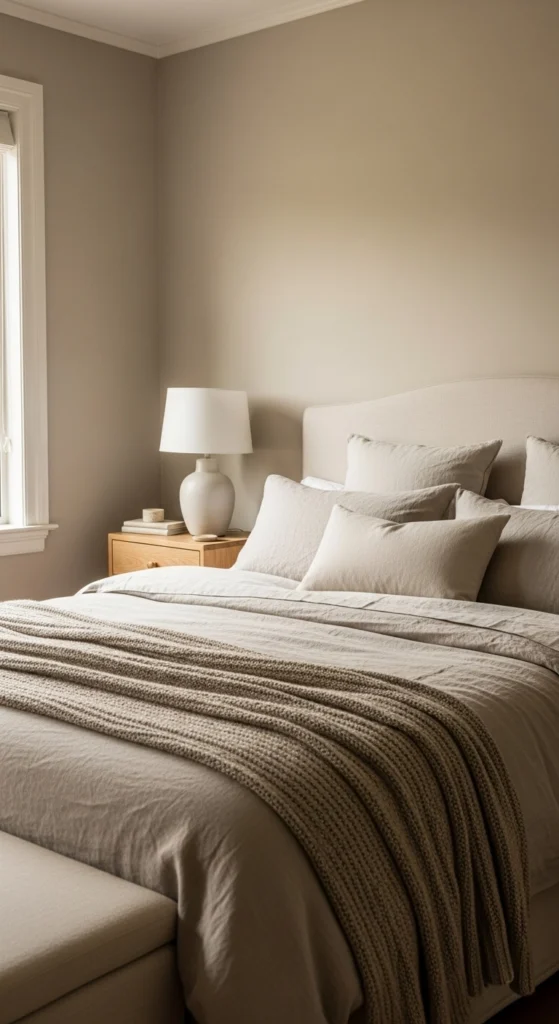
Cool gray walls can feel flat at night. Warm neutrals feel calmer. Think creamy beige, light caramel, or soft clay. These shades reflect light gently and feel comforting after dark. Paint is one of the lowest-cost updates with the biggest impact.
If painting feels like too much, add warmth through bedding and curtains instead. Layer ivory sheets with a beige quilt and a deeper-toned throw. Even one warm accent can shift the mood. Keep contrast low. This helps the room feel steady and restful, especially before sleep.
3. Layered Bedding That Feels Like a Hotel
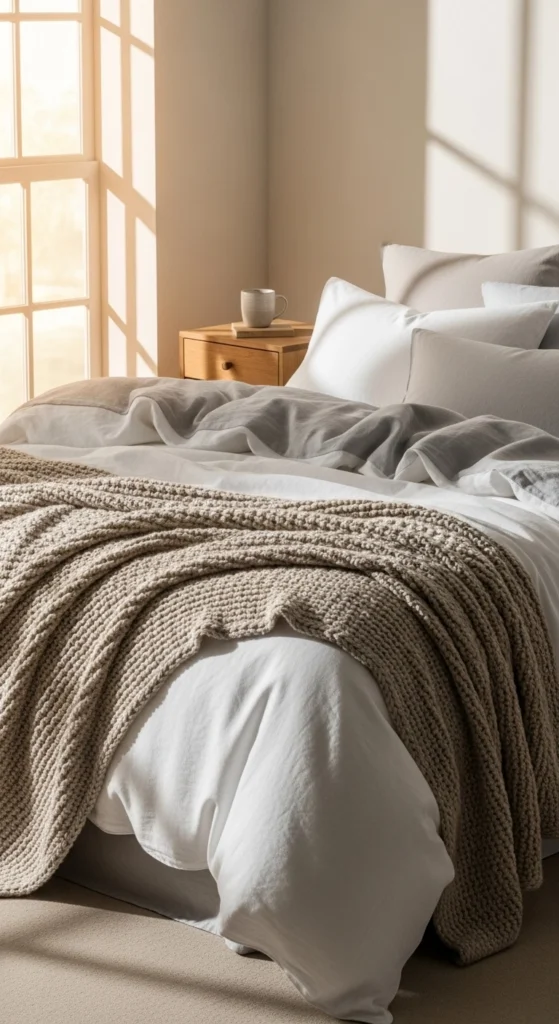
Layering isn’t about excess. It’s about choice. Start with breathable sheets. Add a mid-weight duvet. Finish with a throw at the foot of the bed. Each layer serves a purpose. Temperature changes during the night, and layers let you adjust without waking fully.
Use different textures. Smooth sheets. Soft quilt. Chunky throw. This adds depth without clutter. Budget tip: buy throws one size larger than needed. They drape better and feel fuller. Neutral tones keep the look calm while still feeling rich.
4. Oversized Headboards as the Main Feature
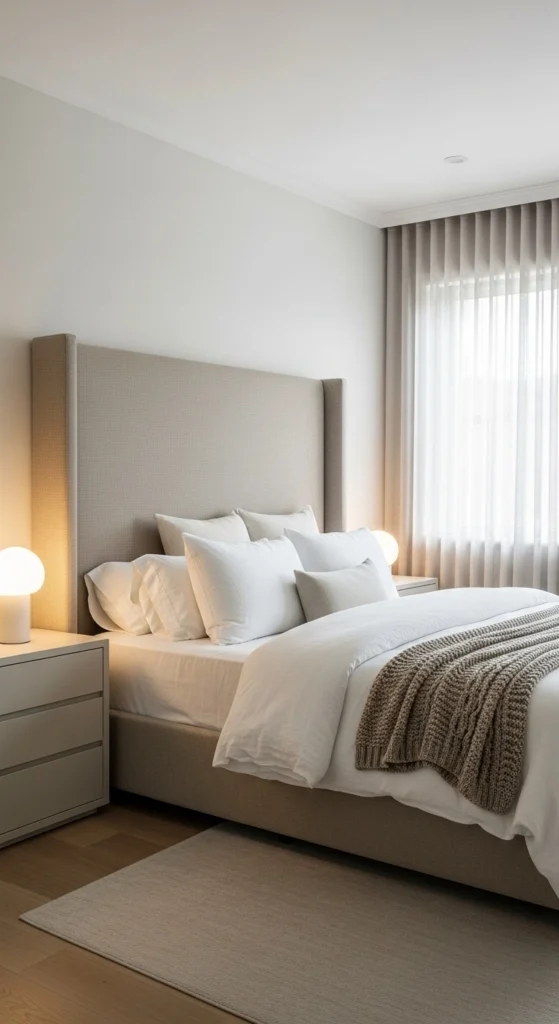
A large headboard can replace wall art. Upholstered styles in fabric or bouclé absorb sound and add softness. You can fake this look with a DIY wall-mounted panel made from plywood, foam, and fabric. It costs far less than buying new furniture.
Keep the color close to your wall shade for a seamless look. This makes small rooms feel taller. The bed becomes the focus without feeling loud. It also makes sitting up in bed more comfortable for reading.
5. Drapes Used Beyond Windows

Curtains don’t belong only on windows. Hang them behind the bed or along one wall to soften hard lines. This works well in boxy rooms. Use ceiling-mounted tracks for a clean look. Light fabrics keep the space airy.
This trick adds warmth and reduces echo. It also hides awkward wall shapes or uneven surfaces. Budget option: use extra curtain panels instead of custom fabric. The effect is still strong.
6. Reading Corners for Screen-Free Evenings
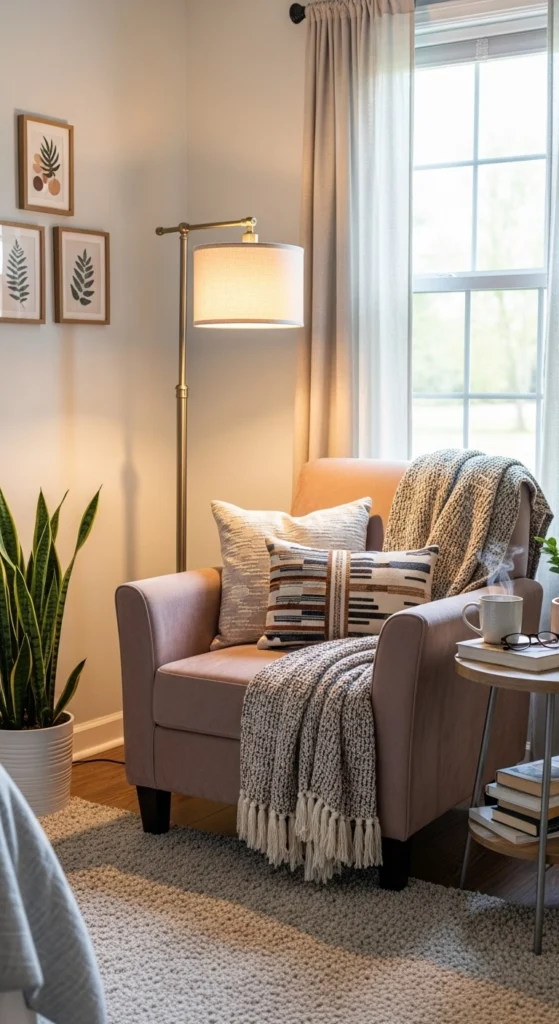
A reading corner changes bedtime habits. Even a chair and lamp in the corner works. Add a small cushion or folded throw. Keep lighting warm and low. This signals your brain that the day is winding down.
No space for a chair? Try a floor cushion beside the bed. Wall-mounted lights free up surface space. This small zone creates balance in bedrooms that feel overly bed-focused.
7. Earthy Boho Accents Without Clutter
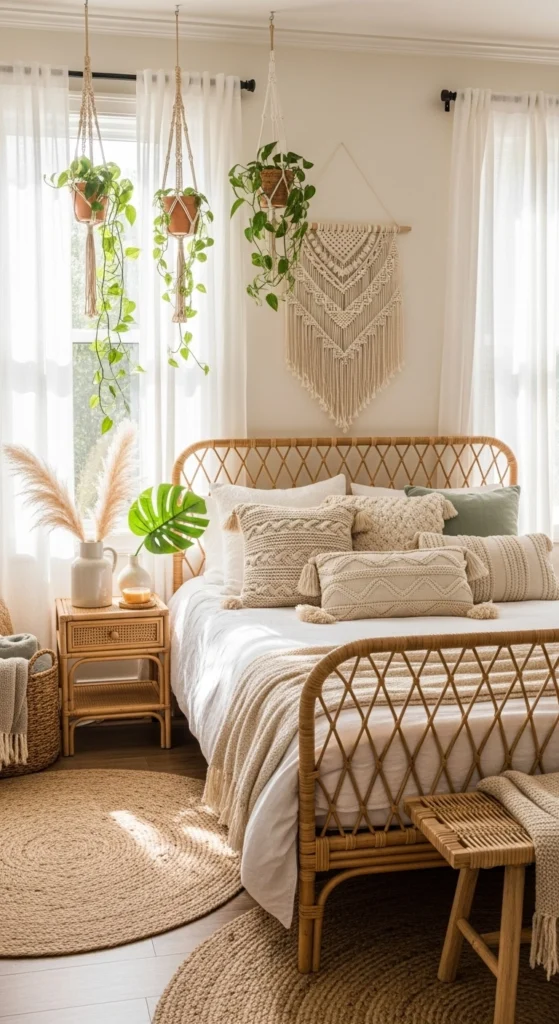
Boho style works best in small doses. Add one rattan lamp or a woven basket. Mix with solid bedding so textures stand out. Plants add life but don’t overdo it. One or two are enough.
Use natural materials that age well. Wood, cotton, and woven fibers feel calm. Skip heavy patterns. The goal is relaxed, not busy.
8. Curved Bed Frames That Soften the Room

Sharp edges feel harsh at night. Curved furniture feels gentler. If replacing the bed isn’t possible, soften the look with rounded pillows or a curved bench at the foot.
This approach works well in modern rooms that feel cold. Even one curved element can balance straight lines and make the room feel more welcoming.
9. Sense-Scaping With Light and Texture
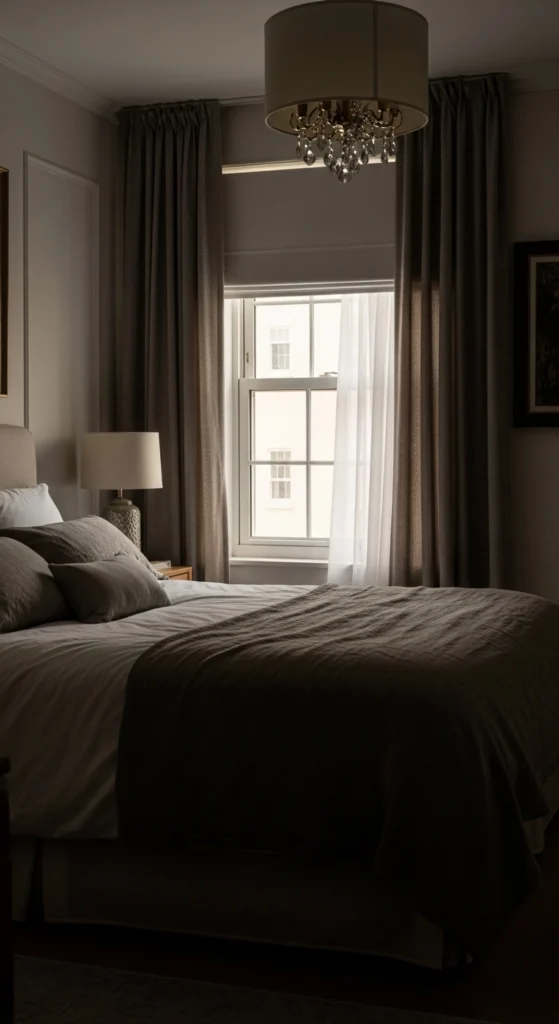
Bedrooms should feel calm in low light. Use multiple light sources. Bedside lamps. Wall sconces. Small floor lights. Avoid bright overhead lights at night.
Texture matters too. Rugs, curtains, and fabric headboards soften sound. This helps the room feel quieter and more settled before sleep.
10. Built-In Storage With Color

Storage doesn’t have to disappear. Painted wardrobes in warm tones add depth. This works well in small bedrooms where furniture takes up visual space.
If built-ins aren’t possible, paint a freestanding wardrobe the same color as the walls. It blends in while still adding interest.
11. Bed Nooks for Small Spaces
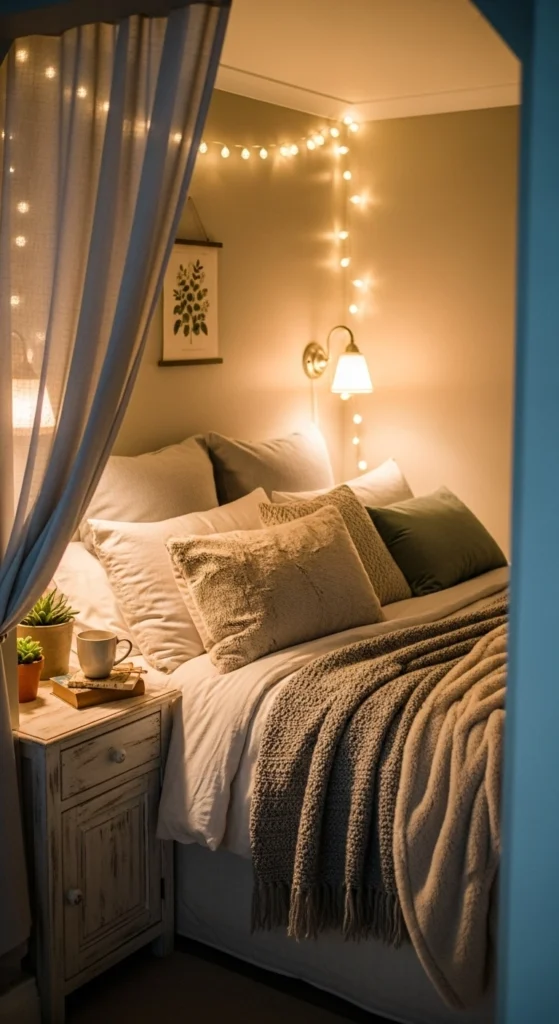
A bed nook feels secure and playful. Use shelves above for storage. Add wall lights instead of table lamps to save space.
This setup works well in studio apartments or small rooms. It defines the sleep area clearly without walls.
12. Quality Bedding That Changes Everything

Good sheets matter more than décor items. Linen or cotton sheets feel better against the skin and regulate temperature. Start with one good set and rotate.
Keep colors neutral for flexibility. This lets you swap throws or pillows seasonally without replacing everything.
13. Wood Paneling for Instant Warmth
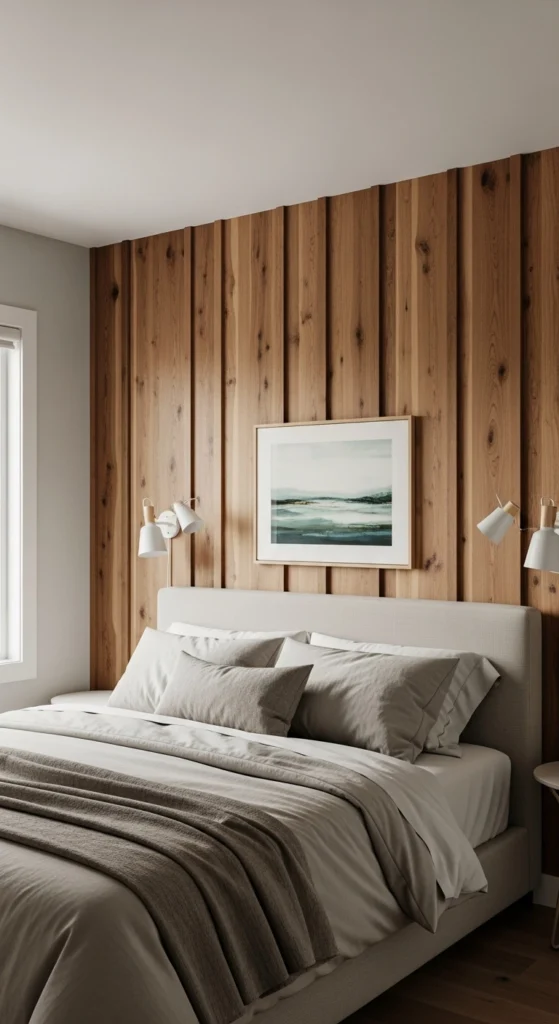
Paneling adds texture without clutter. Peel-and-stick panels are budget-friendly and renter-safe. Install them behind the bed for maximum impact.
Wood tones pair well with neutral bedding and soft lighting. This creates a grounded feel.
14. Feature Walls That Add Depth
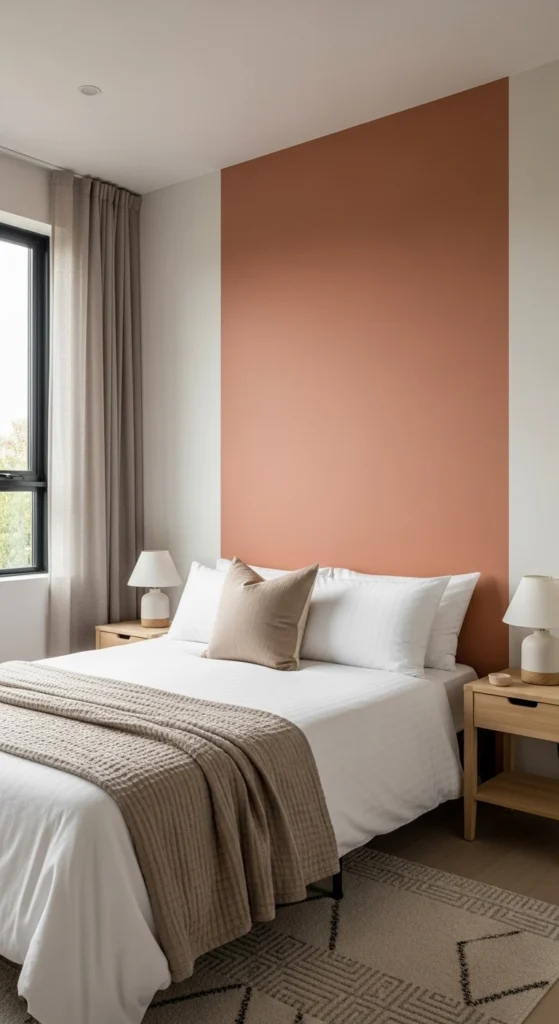
One wall is enough. Use paint or wallpaper behind the bed. Keep patterns subtle. This draws the eye and makes the room feel layered.
Avoid high-contrast colors. Soft shades work best for sleep spaces.
15. Rugs That Anchor the Bed
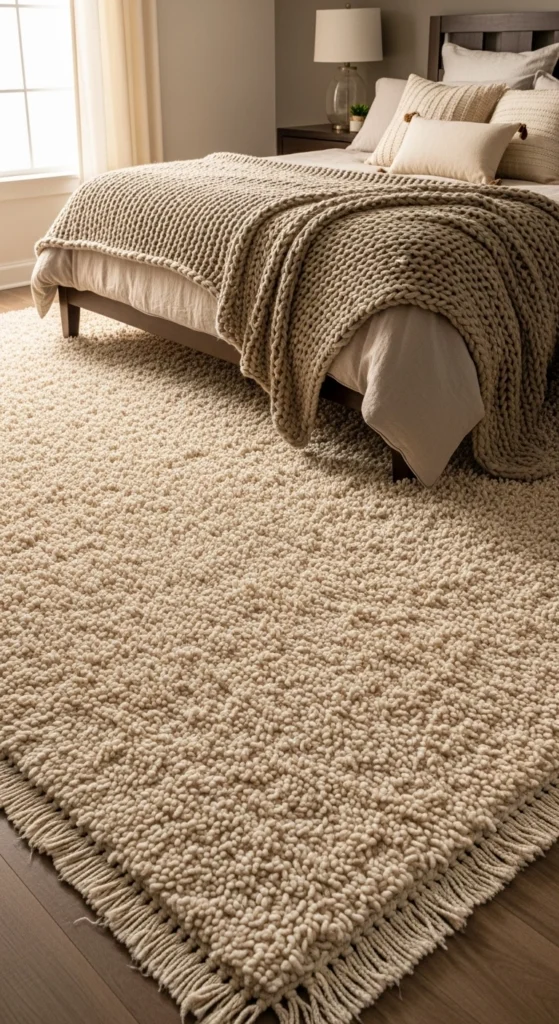
A rug under the bed makes mornings softer. Choose a size that extends at least halfway around the bed. This avoids a cramped look.
Low-pile rugs are easier to clean and layer well with other textures.
16. Soft Blues and Greens for Calm
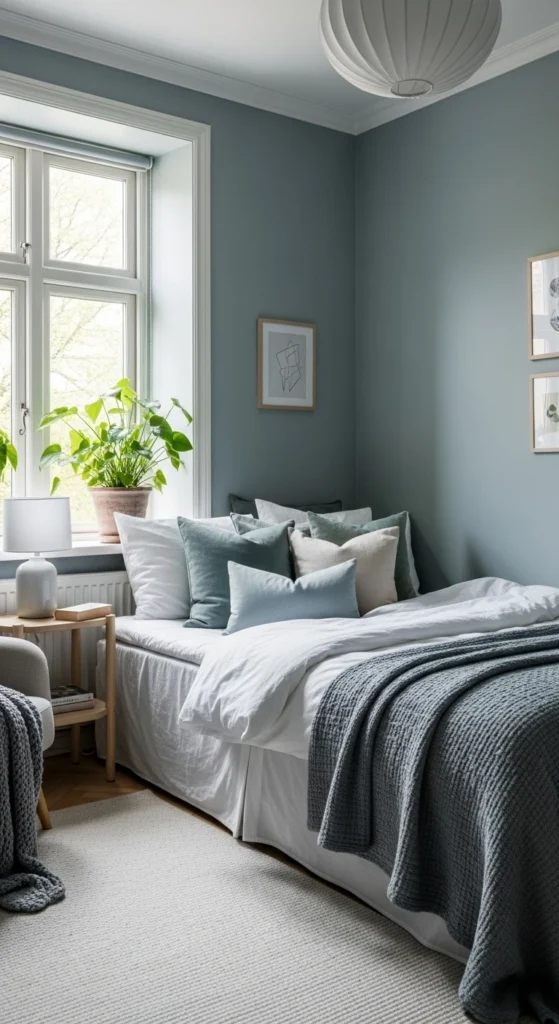
These colors feel cool without being cold. They pair well with wood and warm lighting. Use them on walls or bedding for balance.
Muted shades work better than bright ones for sleep.
17. Symmetrical Bedside Lighting
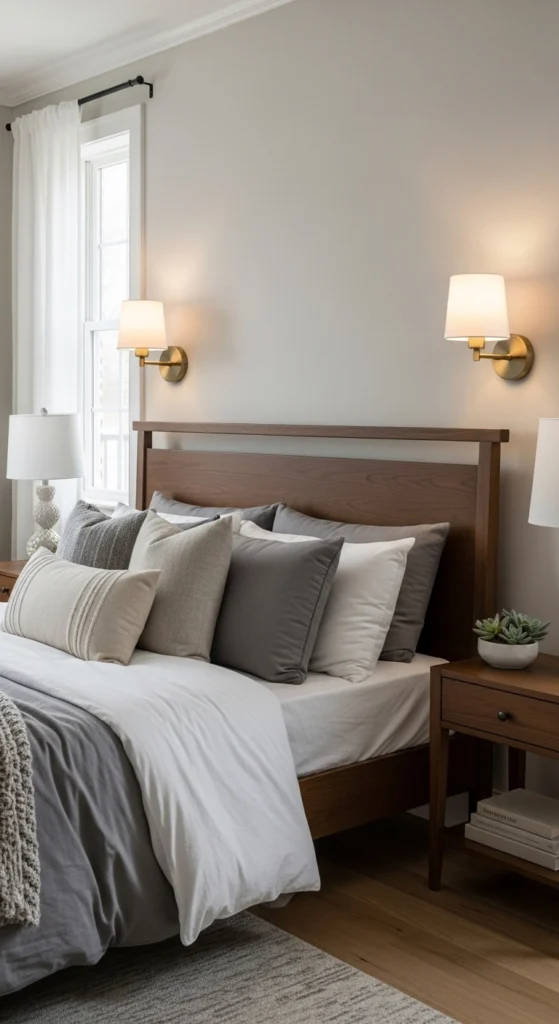
Matching lights create balance. Wall-mounted options save space and feel intentional. Choose warm bulbs for nighttime comfort.
This setup also keeps nightstands clear.
18. Vintage Pieces Mixed With Modern
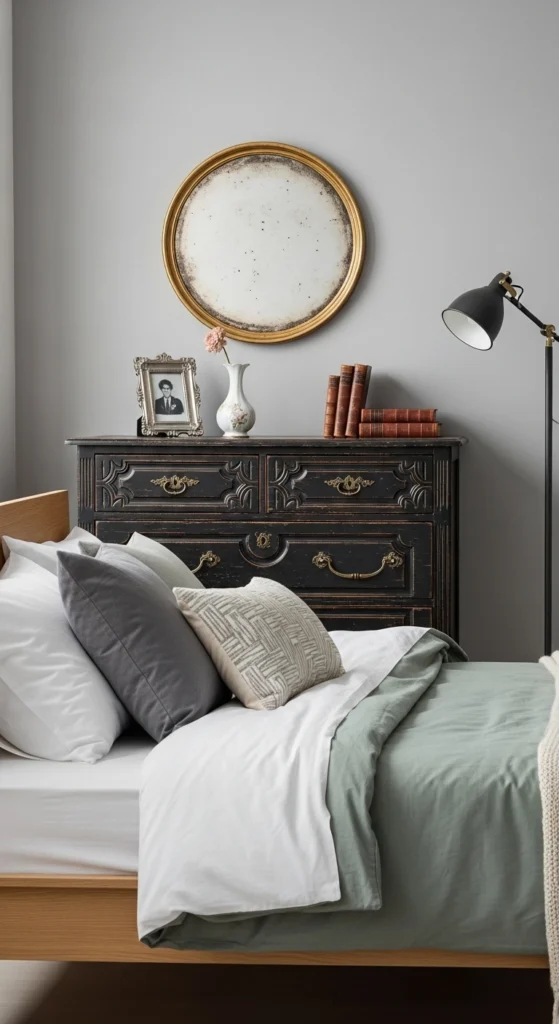
One older piece adds character. Pair it with simple bedding so it stands out. This keeps the room from feeling staged.
Secondhand shops are great for finding unique items on a budget.
19. Floating Beds for Airy Rooms

Low-profile beds make ceilings feel higher. Floating designs add lightness. If this isn’t an option, use a simple platform bed.
Keep bedding tailored to maintain a clean look.
20. Coastal Neutrals for Relaxed Vibes

Soft whites, sandy tones, and light fabrics create a relaxed feel. This works well in warm climates.
Keep décor minimal to maintain calm.
21. Personalized Hobby Corners
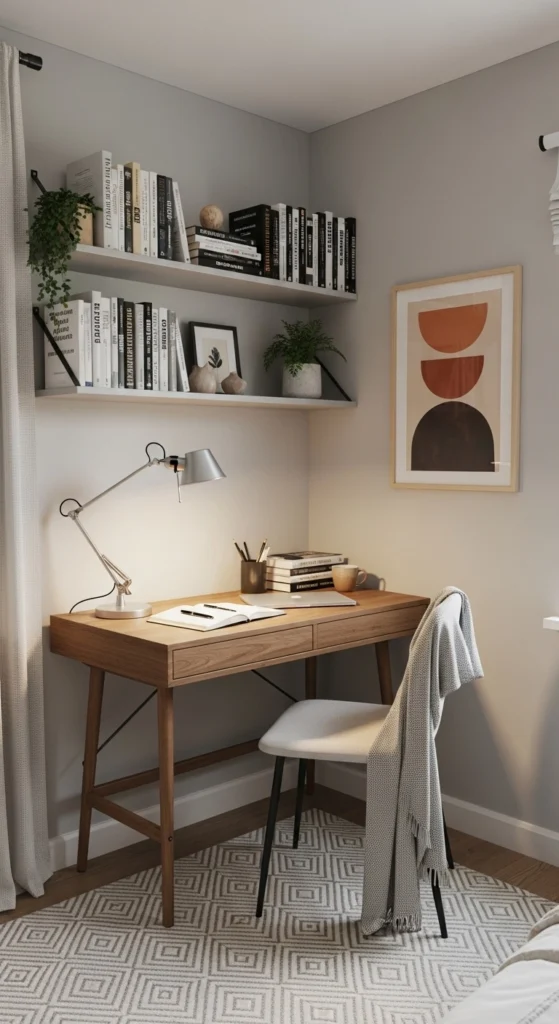
Bedrooms don’t have to be empty. A small shelf for books or hobbies adds personality. Keep it organized and visually quiet.
This helps the room feel lived-in without feeling busy.
22. Layered Pillows With Purpose

Use three to five pillows. Mix sizes. Keep colors close. This adds comfort without excess.
Store extra pillows during the day if space is tight.
23. Curtains That Filter Light Gently
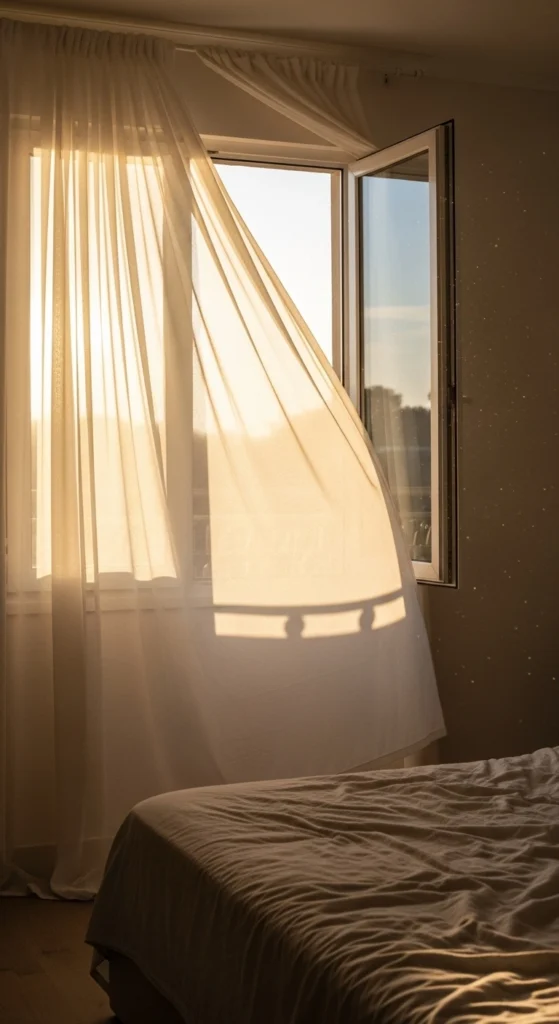
Sheer curtains soften daylight. Layer with heavier panels if privacy is needed. This setup works year-round.
Light control helps regulate sleep patterns.
24. Decluttered Surfaces for Mental Calm

Clear surfaces help the room feel calmer. Use trays to group essentials. Store the rest out of sight.
This simple habit makes the biggest difference over time.
Conclusion
A cozy bedroom isn’t about trends or expensive furniture. It’s about comfort, texture, and thoughtful choices that help you rest better. Start with one idea. Add layers slowly. Focus on how the room feels at night, not how it looks in daylight. Small updates, done with intention, can turn any bedroom into a place you actually look forward to ending your day in.
