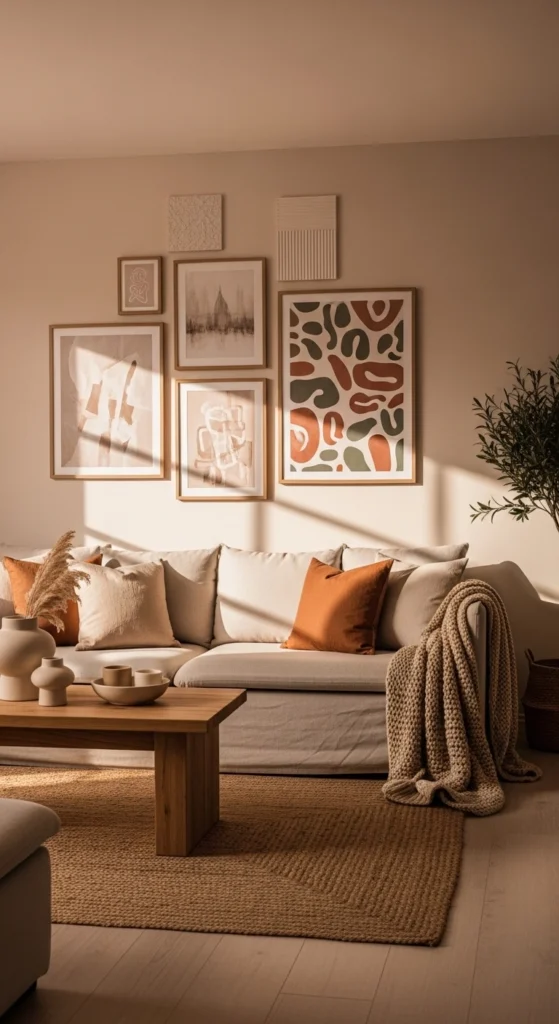
Blank walls can make a room feel unfinished, even when the furniture is right. Wall decor searches show a clear move toward warm, textured, and personal ideas that feel calm instead of cold. People want simple updates they can actually do—without special tools or big budgets. This list focuses on real homes, renter-friendly options, and DIY ideas that work in living rooms, bedrooms, hallways, and entryways. Each idea is practical, affordable, and easy to adapt to your space.
1. Japandi Wall Art With Wooden Frames

Japandi wall decor mixes Japanese calm with Scandinavian warmth. It works well when walls feel empty but you do not want clutter. Choose simple art with soft shapes, nature themes, or abstract lines. Keep colors gentle. Think sand, clay, warm grey, and sage.
Wooden frames make a big difference. Light oak or birch adds warmth without feeling heavy. You do not need custom art. Printable downloads or budget poster sets work fine. Hang two or three pieces in a straight line for balance.
For a DIY touch, frame fabric scraps, handmade paper, or pressed leaves. This keeps costs low and adds personality. Japandi walls feel calm, making them great for bedrooms and reading corners. The key is space. Leave breathing room around each piece so the wall feels intentional, not crowded.
2. Oversized Statement Art for Instant Impact
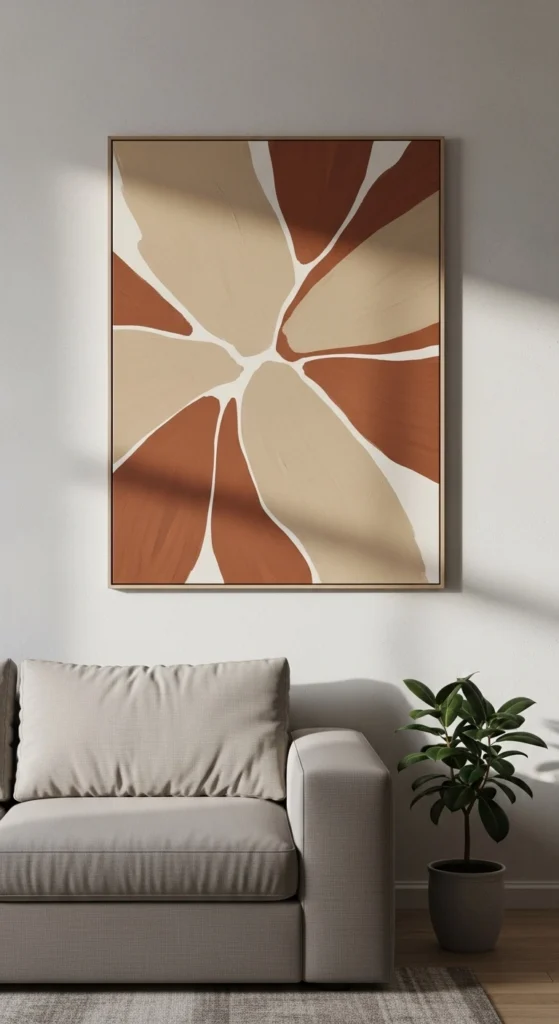
One large piece can do more than five small ones. Oversized art anchors a room and gives blank walls a clear purpose. This works especially well behind sofas, beds, or dining tables.
You do not need gallery-priced artwork. Large-scale posters, canvas prints, or even fabric wall hangings can create the same effect. Stick to warm tones or soft contrast so the piece feels calm, not loud.
If frames are expensive, hang the canvas unframed or use simple black clips. Another option is to lean the art against the wall on a shelf or console. This avoids drilling and keeps things flexible.
Oversized art is helpful in rental spaces because it fills visual space fast. One bold piece can replace several small purchases and still feel finished.
3. Neutral Color Gallery Walls
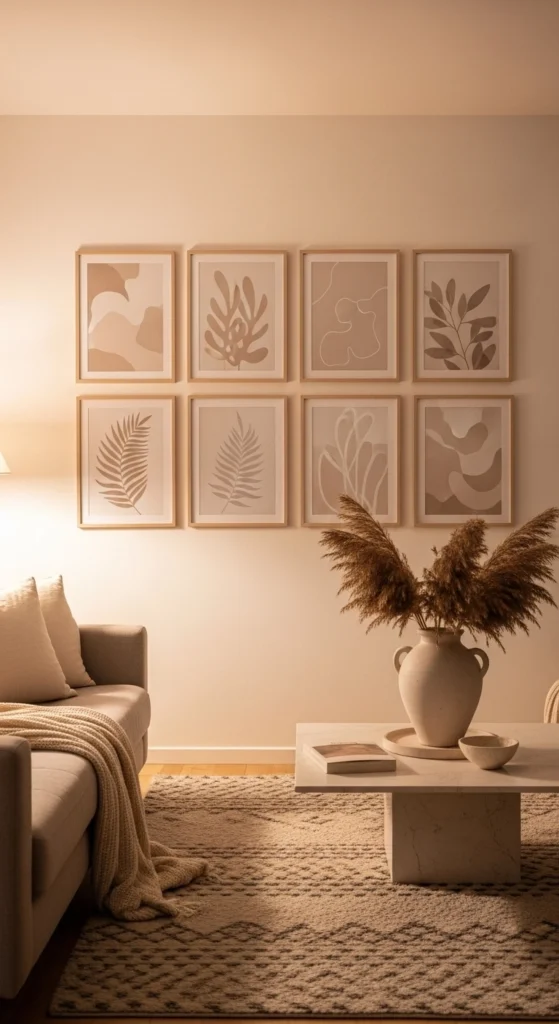
Gallery walls still work when done with restraint. Neutral palettes keep them calm and easy to live with. Use prints in similar tones so the wall feels connected.
Mix sizes but keep frame styles consistent. This avoids visual noise. You can combine photos, art prints, and simple line drawings. Black and white photos work well here.
Lay everything on the floor first. This helps you test spacing before hanging. Use paper templates or painter’s tape to plan the layout on the wall.
Budget tip: Print photos at home and use thrifted frames. A neutral gallery wall works well in hallways and staircases where walls often feel empty.
4. Textured Linen or Fabric Wall Panels
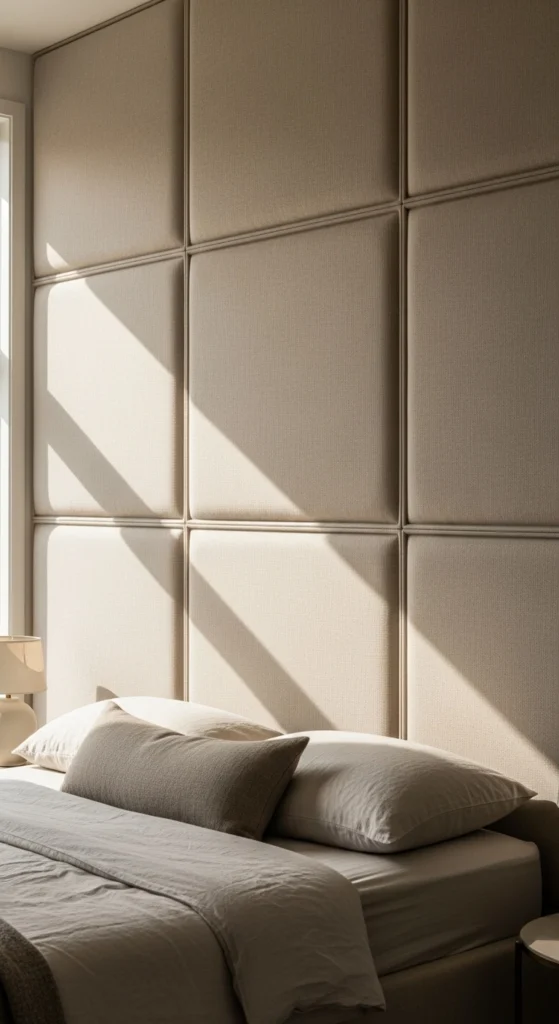
Texture adds depth without needing color. Linen, cotton, or woven fabric panels bring softness to plain walls. They work well in bedrooms where calm matters.
You can buy ready-made panels or create your own. Stretch fabric over thin wood frames or foam boards. Attach them with removable strips to keep walls safe.
Neutral fabrics keep the look timeless. Slight wrinkles are fine and add character. These panels also help with sound, making rooms feel quieter.
Fabric wall decor is a smart choice when you want warmth without artwork. It pairs nicely with minimal furniture and layered bedding.
5. Botanical Prints for Nature-Inspired Walls
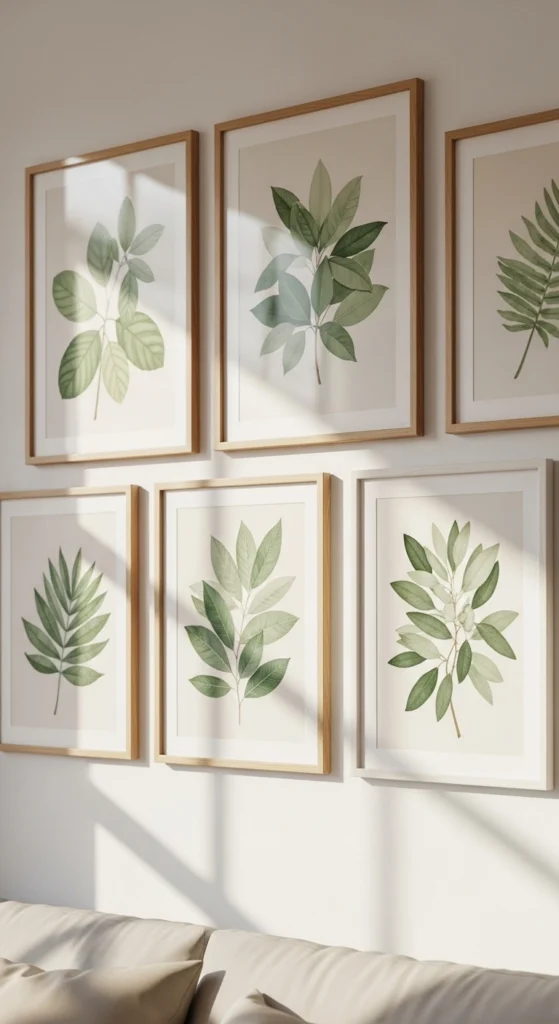
Botanical art brings nature indoors without upkeep. Leaf sketches, plant photos, and floral studies feel calm and familiar.
Choose prints with muted colors for a relaxed look. Avoid busy patterns if the room is small. Two or three matching prints can fill a wall without feeling busy.
DIY option: Press leaves or flowers and frame them. This costs almost nothing and adds meaning. Botanical walls work well in kitchens, bedrooms, and entryways.
They also pair nicely with wooden shelves or natural fiber decor. This creates a gentle, nature-inspired corner without effort.
6. Warm Minimalist Line Art
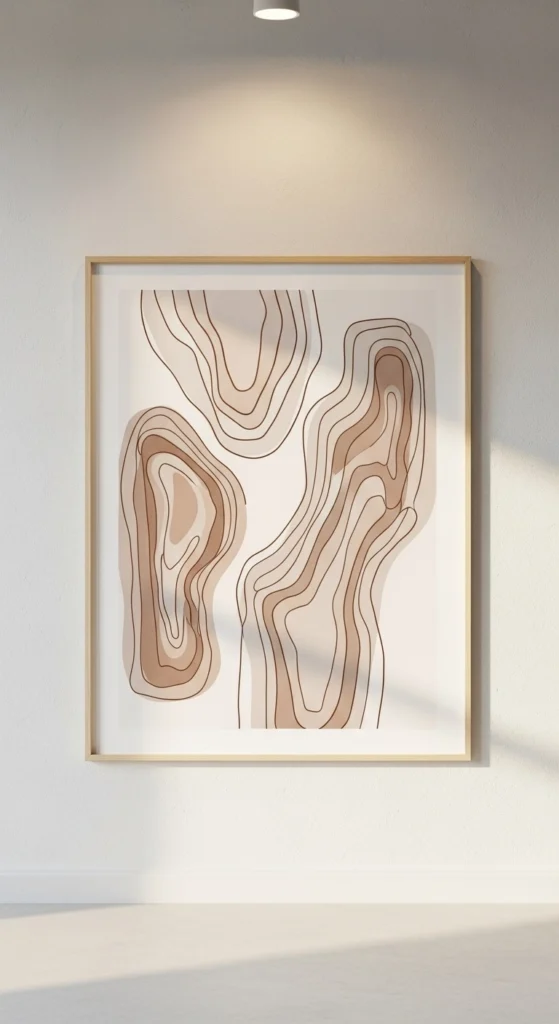
Line art keeps walls light and simple. Soft curves feel more inviting than sharp angles. Choose warm shades instead of stark black.
This style suits small rooms where heavy decor feels overwhelming. One or two prints can fill space without closing it in.
Line art is easy to swap out. You can change prints seasonally without reworking the wall. Affordable digital downloads make this flexible.
Pair line art with textured decor like baskets or fabric wall hangings for balance.
7. DIY Personal Photo Grids
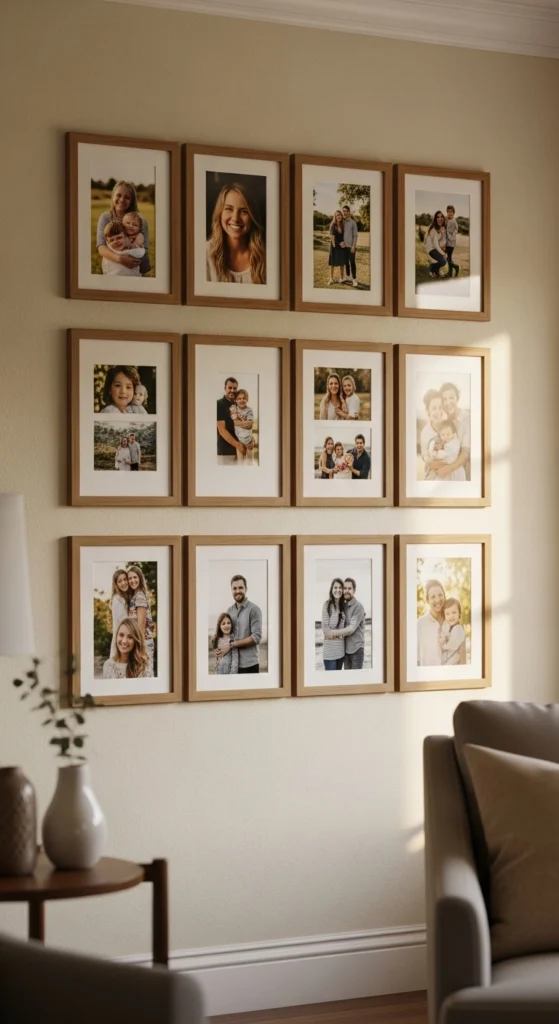
Personal photos make walls feel lived in. A simple grid keeps things tidy and avoids clutter.
Choose photos with similar lighting or color tones. Black and white works well if images feel mismatched. Use the same frame style for a clean look.
This works well in hallways and staircases. It tells a story without needing words. Print photos in standard sizes to save money.
Update the grid over time. Swap photos instead of buying new decor.
8. 3D Wall Panels for Subtle Drama
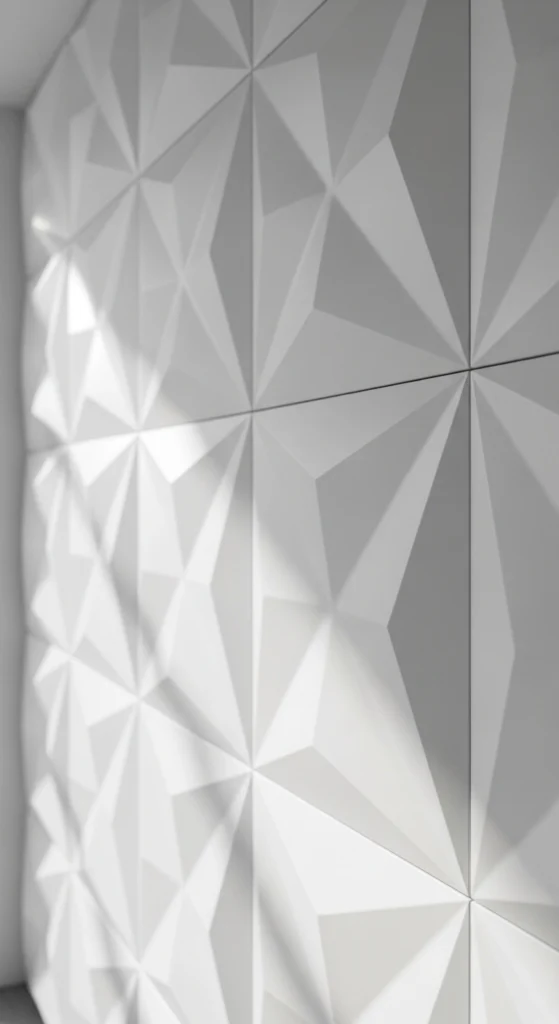
3D panels add interest without color. They create shadows that change throughout the day.
Many panels are lightweight and easy to install. Some even stick on with adhesive. Paint them the same color as the wall for a soft look.
Use panels on one wall only. This keeps the room balanced. They work well behind beds or in dining spaces.
Budget versions made from foam or MDF still look good when installed neatly.
9. Color-Drenched Accent Walls

Color drenching means painting the wall, frames, and decor in similar shades. This creates a calm, wrapped feeling.
Warm greens, clay tones, and soft browns work well. Avoid bright colors that overpower the space.
This idea works best on one wall. It adds personality without extra decor. It is also budget-friendly since paint does most of the work.
10. Macrame and Textile Wall Hangings
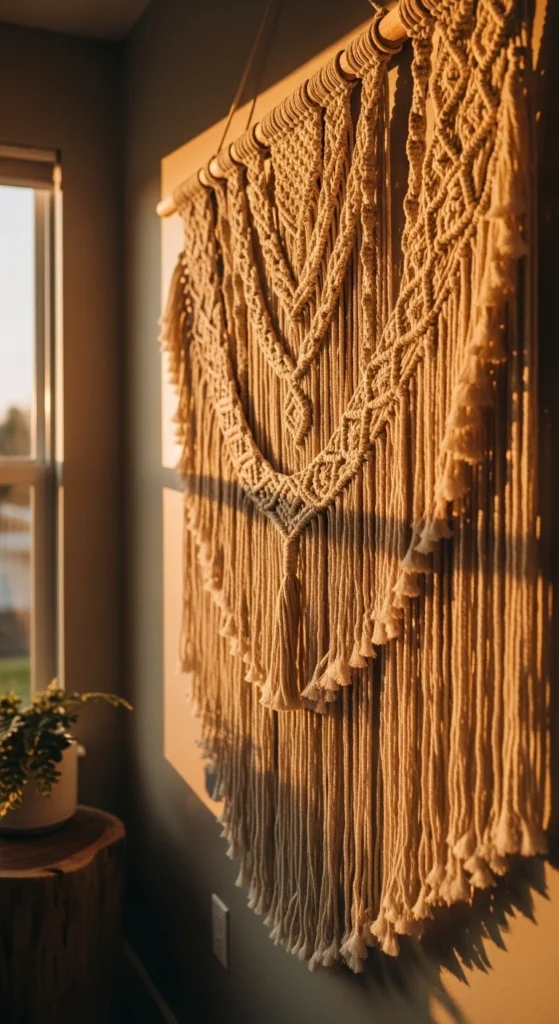
Textile wall decor adds softness and warmth. Macrame works well when art feels too flat.
Choose neutral colors to keep it calm. Hang it slightly higher than eye level for balance.
DIY kits make this affordable. Even simple woven pieces add texture without filling the wall.
11. Corkboard Walls for Daily Life
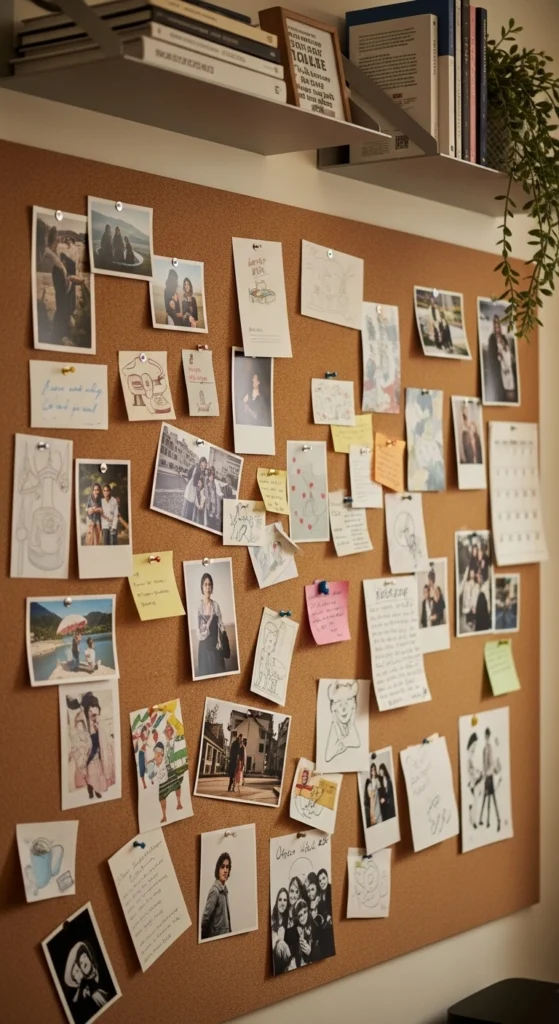
Corkboard walls change with your life. They work well in family spaces and home offices.
Cover a section of wall or use framed boards. Keep colors neutral so the wall feels calm.
Pin photos, notes, or small art. This keeps the wall active without permanent changes.
12. Metallic Wall Sconces as Decor
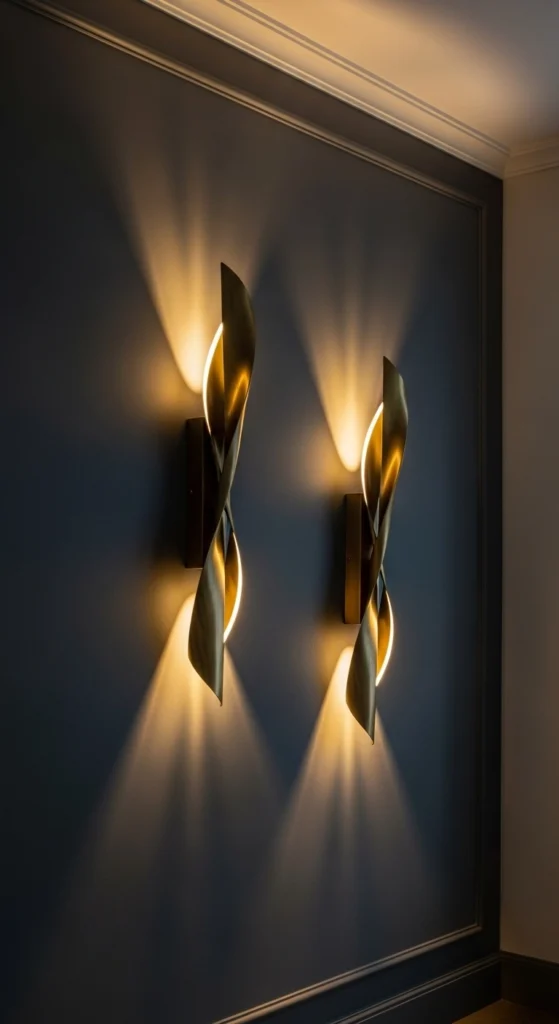
Wall lighting doubles as decor. Sculptural sconces add interest even when turned off.
Choose warm finishes like brass or bronze. Install in pairs for balance.
Plug-in options avoid wiring costs. This works well in bedrooms and hallways.
13. Mirror Panels to Open Small Rooms
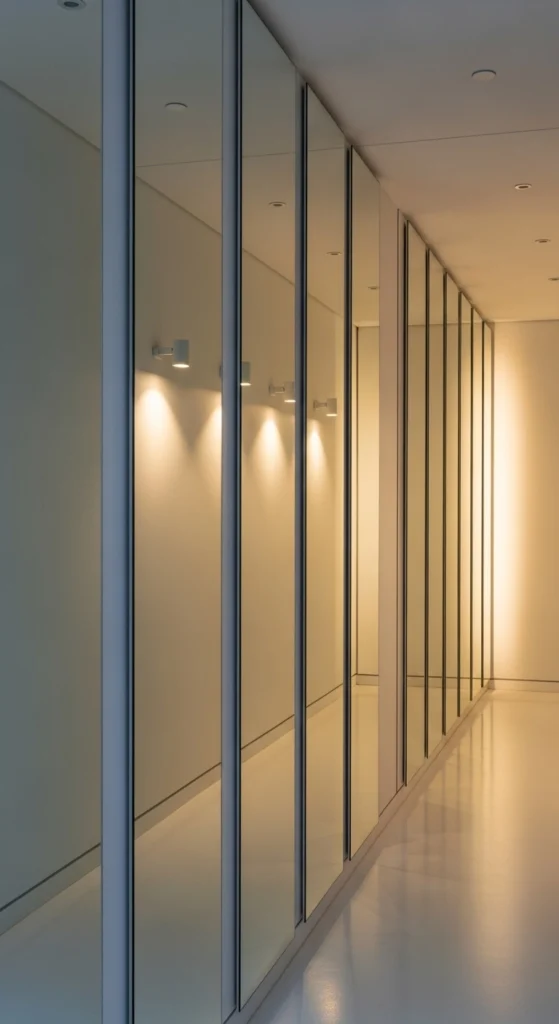
Mirrors help small rooms feel larger. Panel mirrors feel more polished than one large mirror.
Use slim frames or frameless designs. Keep placement simple to avoid glare.
Mirrors work especially well in entryways and dark corners.
14. Vintage Finds With Character
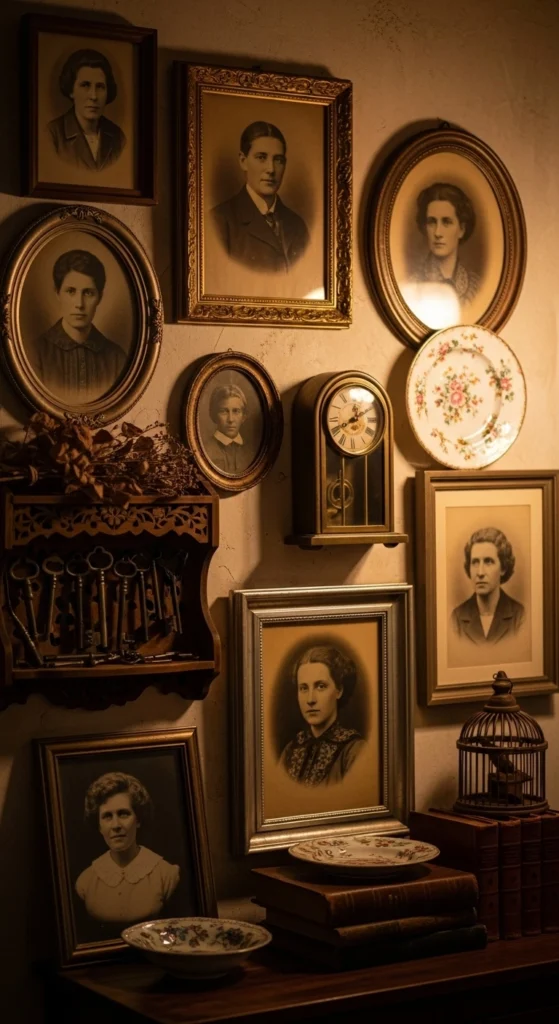
Vintage decor adds personality. Thrifted frames and art feel collected over time.
Mix old photos, maps, or illustrations. Keep colors similar so the wall feels intentional.
This style works well in reading corners and living rooms.
15. Peel-and-Stick Wall Art for Renters
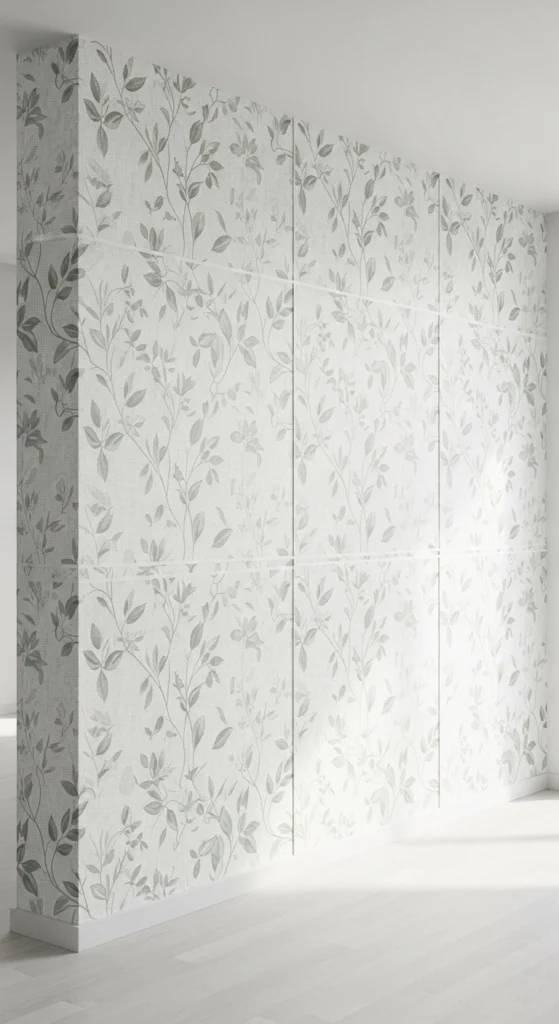
Removable decor keeps walls flexible. Peel-and-stick art and wallpaper install quickly.
Use it on one wall or inside frames. This avoids commitment and damage.
Great for seasonal changes or short-term spaces.
16. Meaningful Art With Personal Stories
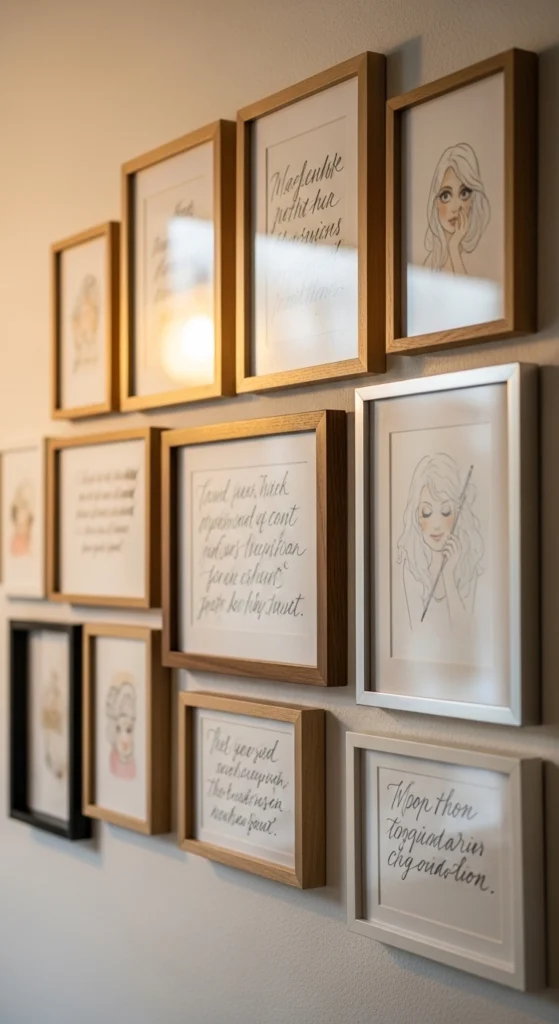
Art with meaning feels better than trend-driven pieces. Choose items that tell a story.
This could be handmade art, family drawings, or travel sketches.
These walls feel personal without needing explanation.
17. Rule-of-Three Art Clusters
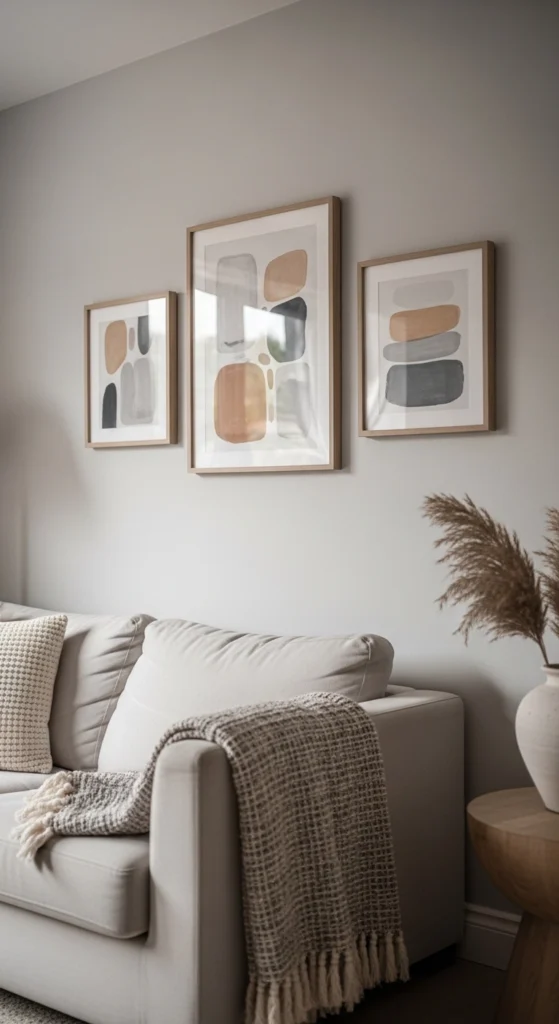
Groups of three feel balanced. Use similar themes or colors.
This works well above consoles or beds.
Spacing matters more than size. Keep gaps even.
18. Coastal and Beach-Inspired Prints
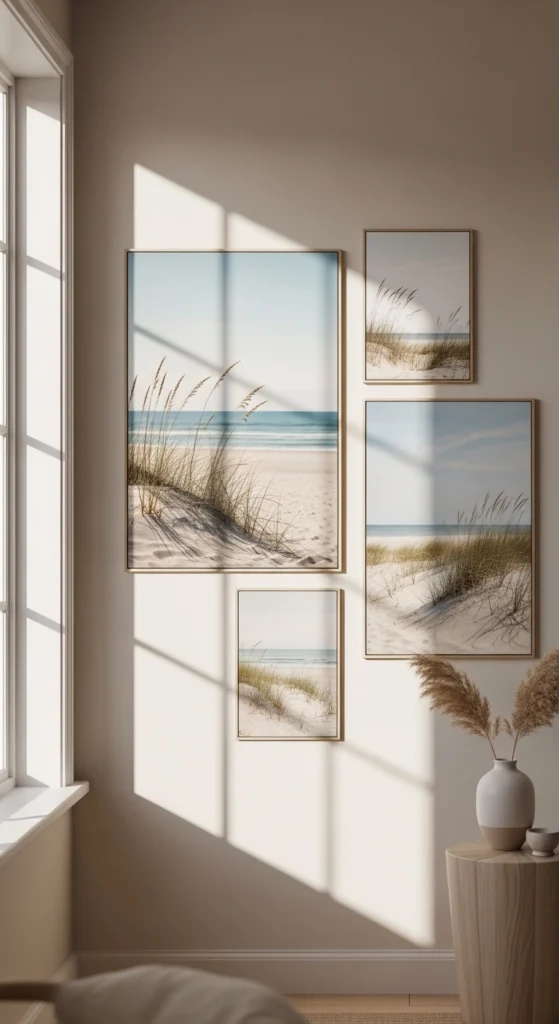
Coastal art feels calm even far from the sea. Stick to soft tones.
Avoid busy scenes. Simple textures work best.
Perfect for bedrooms and bathrooms.
19. Wooden Wall Shelves With Decor
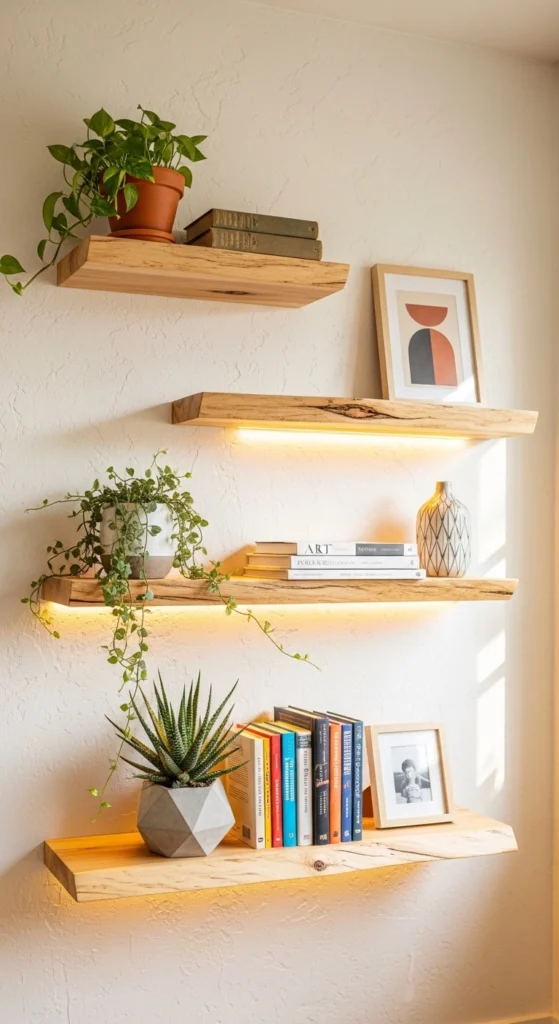
Shelves add depth and function. Keep styling light.
Mix vertical and horizontal items. Leave space between pieces.
This works well in living rooms and kitchens.
20. Kids’ Art as Wall Features
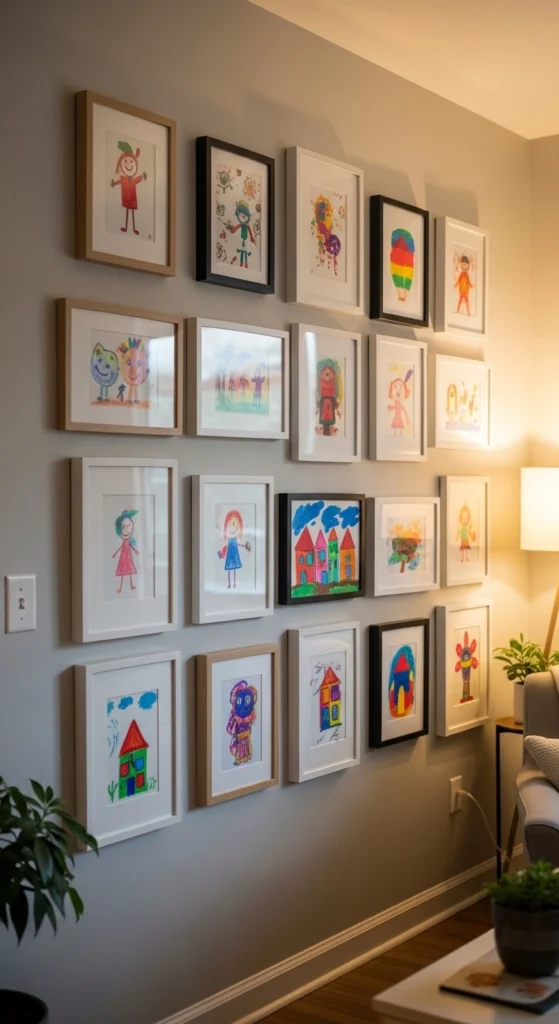
Kids’ art adds color and meaning. Frame it simply.
Rotate pieces over time. This keeps walls fresh.
It works well in hallways and play areas.
21. Abstract Art With Movement
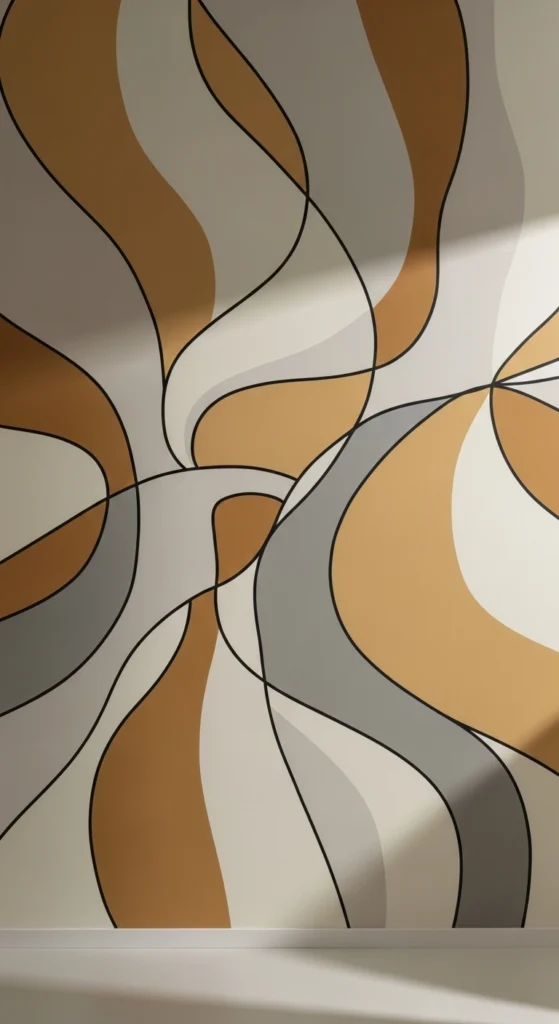
Abstract art adds energy without detail overload. Choose flowing shapes.
Warm colors keep it grounded. This works well in modern spaces.
22. Rattan and Woven Wall Accents

Woven pieces add warmth. Group different sizes together.
Keep colors natural. This avoids visual noise.
23. Entryway Statement Walls
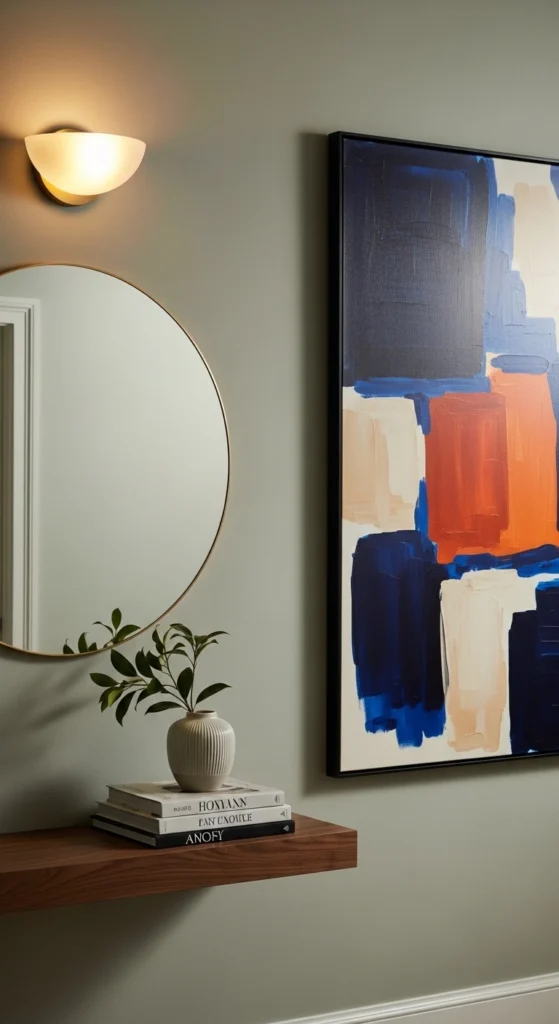
Entryways set the tone. One strong piece works better than many small ones.
Add a mirror or hook for function.
24. Bedroom Headboard Wall Art

Art above the bed frames the space. Keep it calm.
Avoid heavy frames. Lightweight art feels safer.
25. Hallway Art Runs
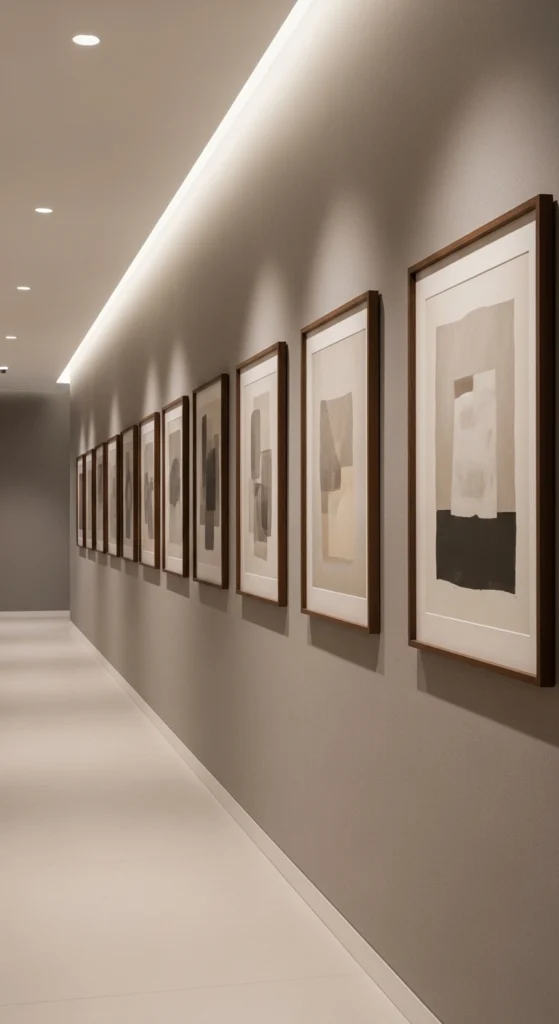
Hallways benefit from repetition. Use similar frames and spacing.
This guides the eye and fills long walls.
26. Sculptural Wall Objects
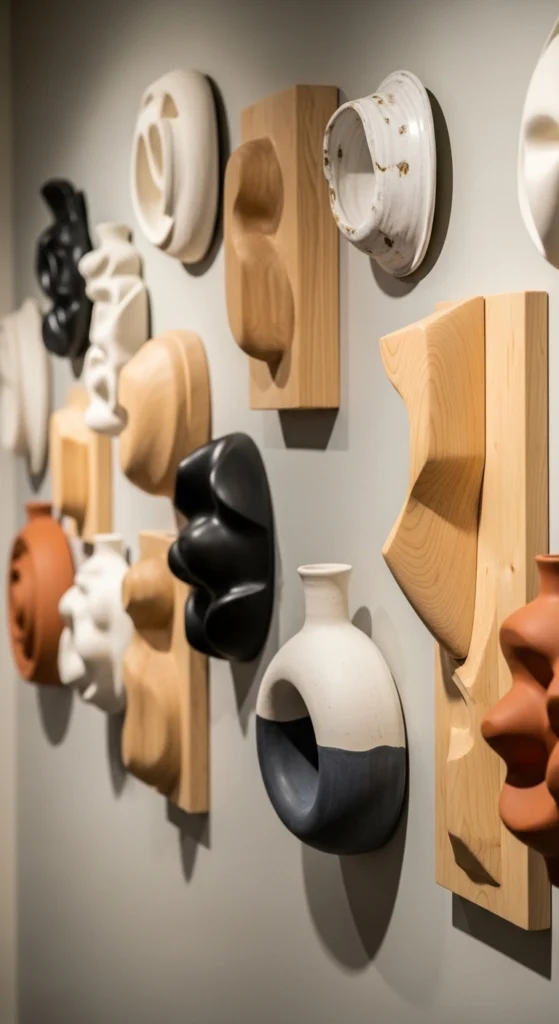
Sculptural decor adds depth. Use sparingly.
One or two pieces are enough.
27. Mixed Material Wall Collages
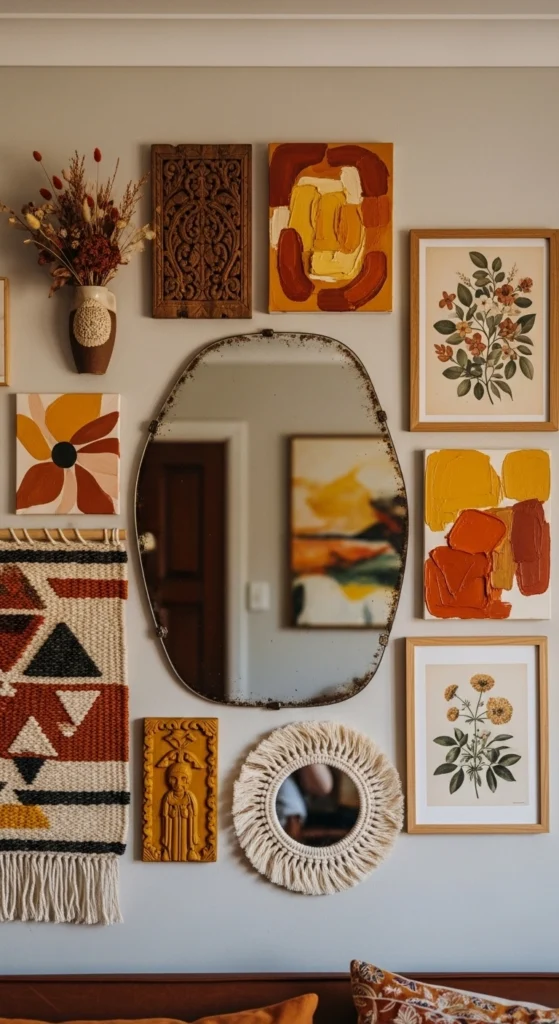
Mixing materials adds interest. Keep colors consistent.
Plan layout before hanging.
28. Floating Frames for Easy Updates

Floating frames make swapping art easy.
Use standard sizes to save money.
29. Calm Bedroom Wall Corners
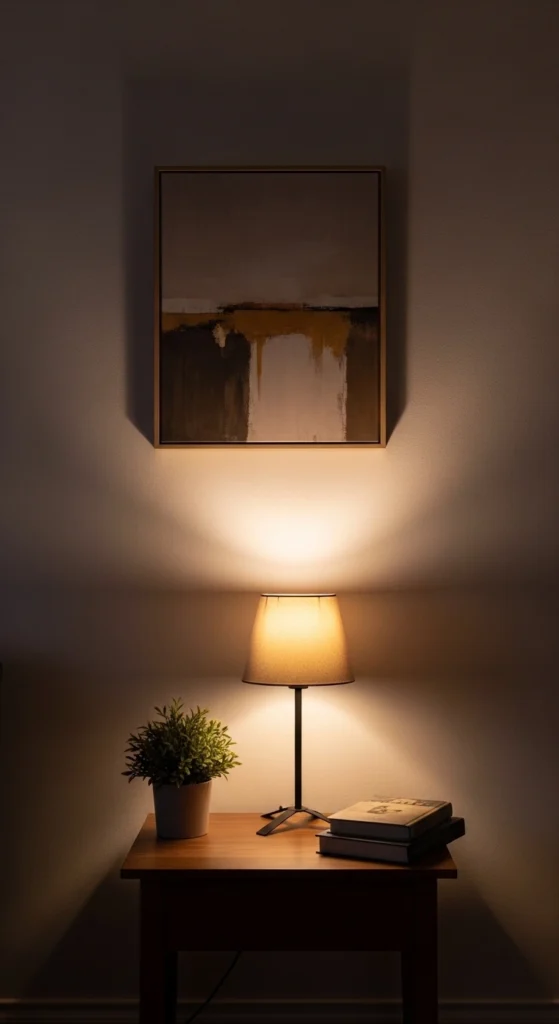
Not every wall needs filling. Small corners benefit from simple decor.
One piece can complete the space.
Conclusion
Wall decor works best when it feels warm, personal, and easy to live with. These 29 ideas show that you do not need complex tools or high spending to make blank walls feel finished. Start small, use what you already have, and build slowly. Try one idea, then layer more over time. Save your favorite ideas and turn your walls into spaces that feel calm, lived-in, and truly yours.
