I used to shove random things onto shelves and hope for the best. After a few returns and one shelf that sagged, I learned to edit. Now my shelves feel like living corners of the home, not museum displays.
These ideas are honest, practical, and something I’d actually live with. Pick a few that fit your room and try them.
26 Creative Shelf Decor Ideas That Look Professionally Styled
These 26 shelf decor ideas are the exact looks I’ve used in real rooms. I’ll show what worked, what I returned, and the few tweaks that make a shelf feel finished without stress. Use these as plug-and-play setups for living room shelves, kitchen nooks, or small-space alcoves.
1. Live-Edge Floating Shelves with Trailing Greenery
I installed a set of three live-edge floating shelves in my living room and it grounded the whole wall. I used trailing pothos on the top shelf and kept the lower shelves sparse. The raw edges add warmth and a soft, organic line against clean walls.
My first mistake was overcrowding each shelf. I removed half the pieces and the shelves finally breathed. Now they read calm and intentional, not staged.
Watch proportions. One wide piece, one short stack of books, and a trailing plant is my repeatable recipe.
What You'll Need for This Look
- Live edge floating shelf (walnut, 24 inches)
- Trailing pothos plant (faux or real)
- Matte black shelf brackets (set of 3)
- Matte ceramic vase, white
2. Layered Neutral Textiles That Make a Room Feel Finished
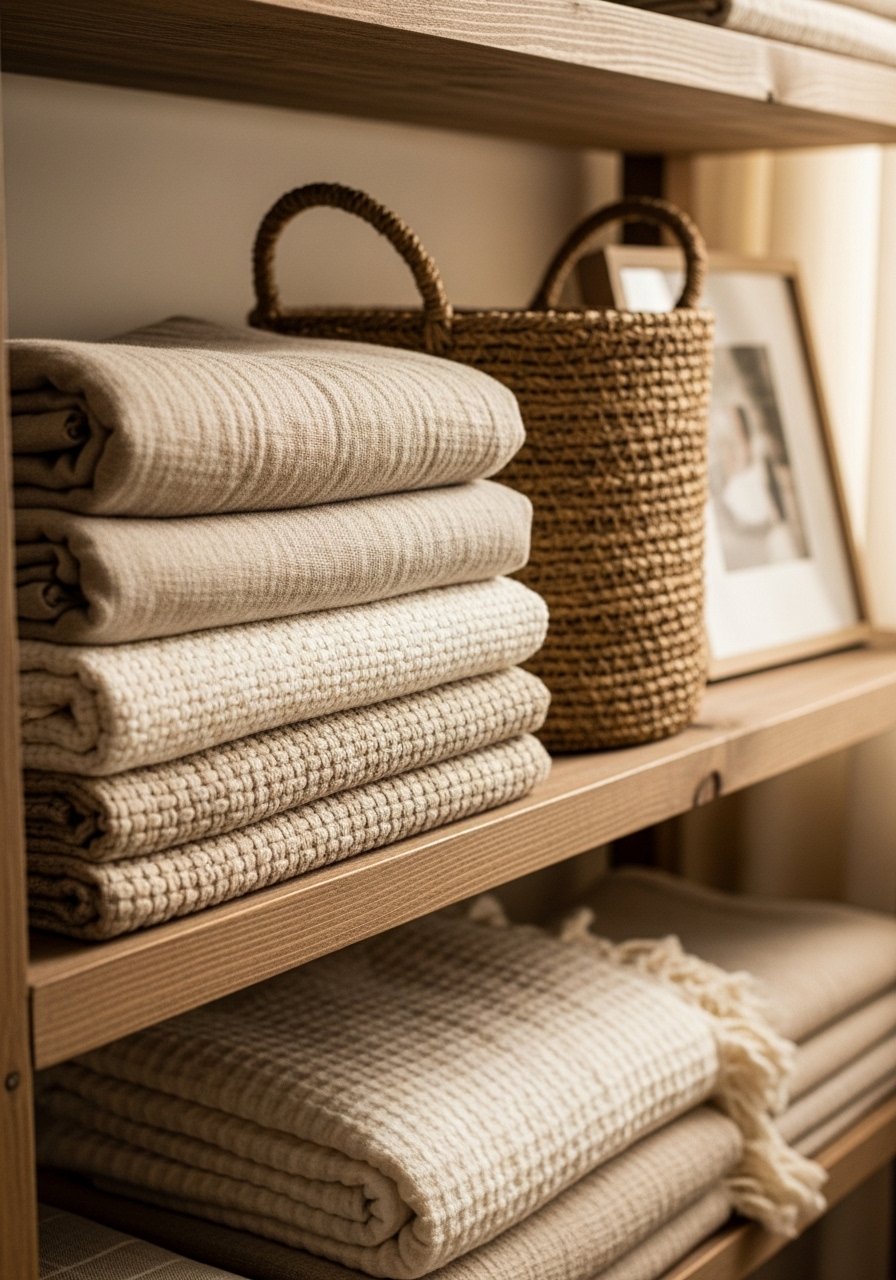
I started using folded linen throws and small woven textiles on a middle shelf and it changed the room’s temperature. The mix of rough basket fiber and soft linen makes the display feel lived-in. I usually pair textiles with a single framed photo.
I once used too many patterns and it read busy. The fix was to pull back to 2 textures and repeat a neutral color. That repetition calmed the shelf.
When you layer, think touch. If it would feel good to run your hand over it, you’re doing it right.
What You'll Need for This Look
- Linen throw blanket (50×60, warm beige)
- Woven storage basket (natural fiber, medium)
- 8×10 natural wood frame
- Neutral folded cotton napkins set
3. Blue-and-White Porcelain Vignette for Classic Calm
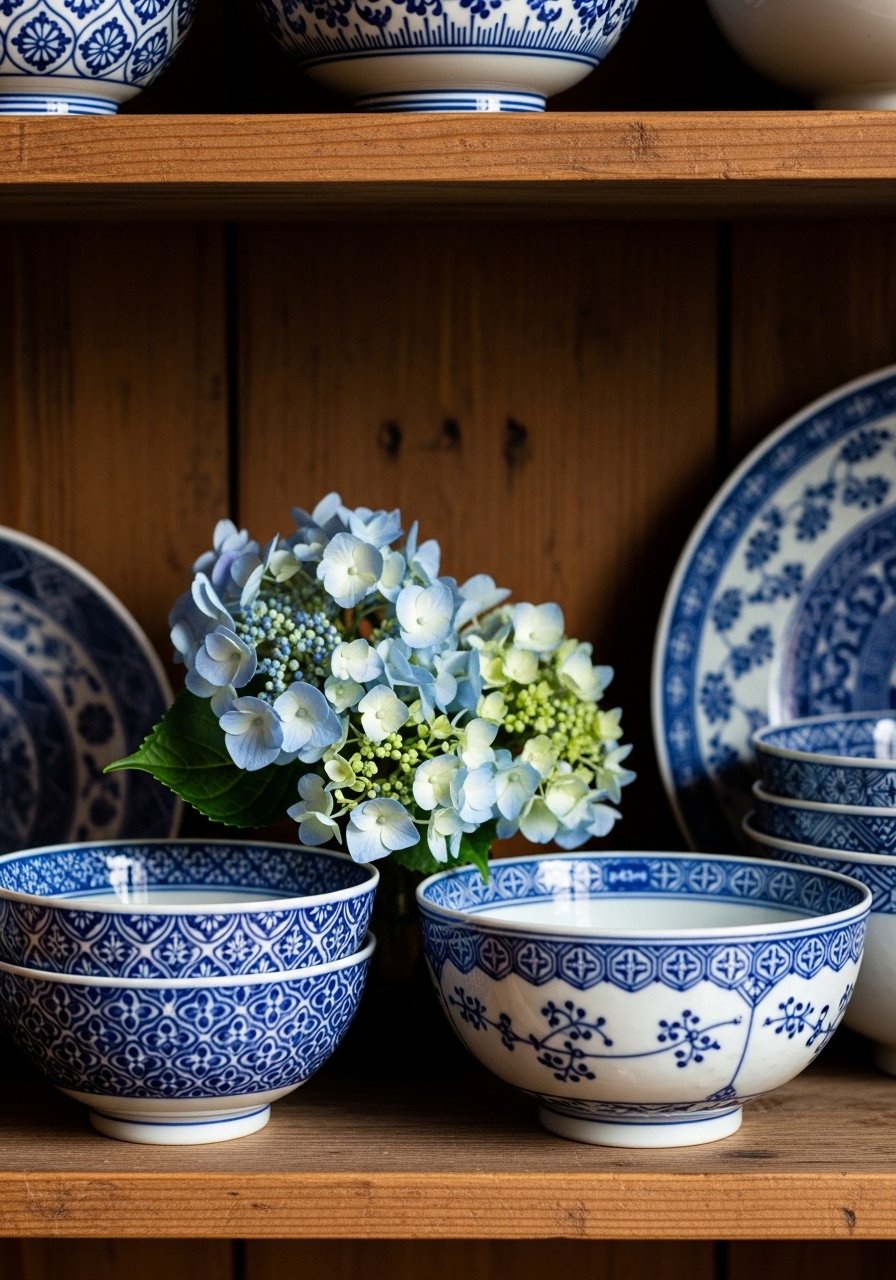
I collected a few blue-and-white porcelain pieces and placed them together on one shelf. It felt intentionally traditional without looking staged. I balanced scale by adding a small framed print and one short stack of books.
I made the mistake of adding too many blue pieces once; the shelf felt like a shop display. The trick was to pair porcelain with a natural element — dried hydrangeas or a rattan coaster.
If you like a cohesive look, limit the palette to two neutrals plus blue. It keeps things fresh and calm.
What You'll Need for This Look
- Blue and white porcelain bowl (medium)
- Small hydrangea stems (dried or faux)
- 8×10 framed print, light wood
- Stack of vintage books, neutral spines
4. Teal Painted Built-In Alcove with Mustard Accents
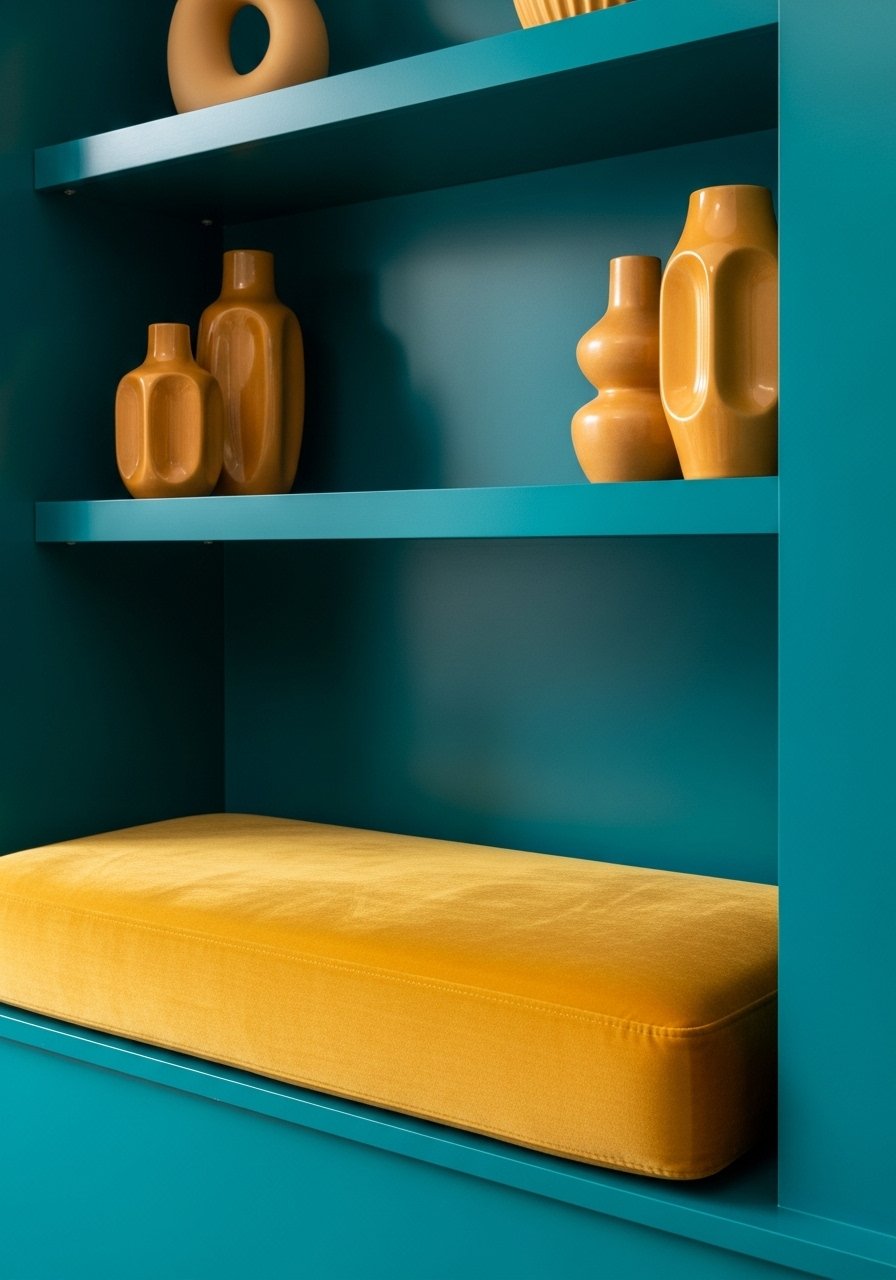
I painted a recessed shelf alcove teal and it felt like the room finally had a hug. The color added depth without needing new furniture. I added mustard velvet touches and ceramics to warm the blue-green.
I kept the styling simple—three items per shelf—and the alcove reads layered not loud. The painted background helps small items pop.
If you’re nervous about color, try a sample panel first. A tiny mis-sample once looked neon; the real thing was cozy.
What You'll Need for This Look
- Teal interior paint sample (matte)
- Mustard velvet accent pillow (12×12)
- Sculptural ceramic vase, neutral
- Small trailing plant, faux
5. Houseplants in Creative Vases (Faux-Friendly)
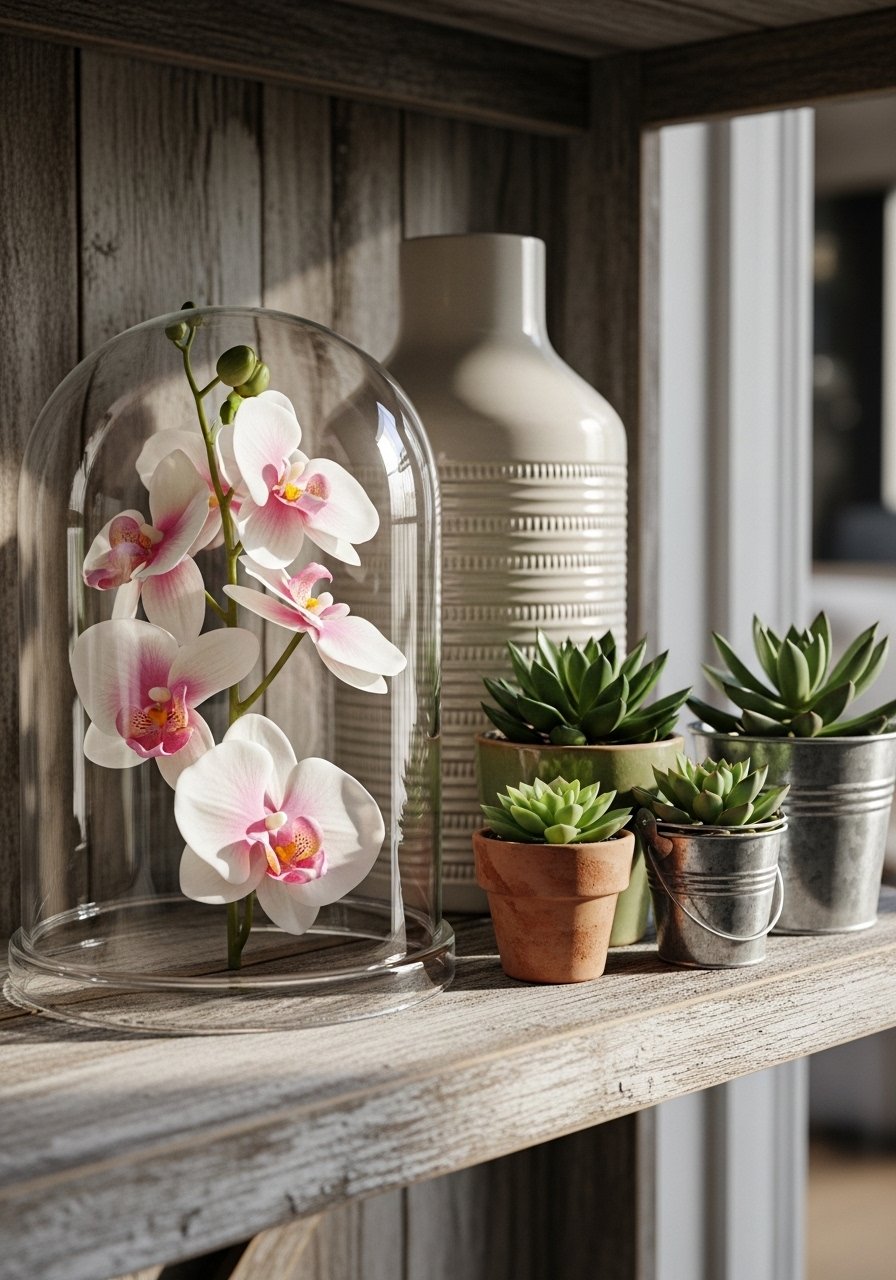
I learned quickly that real plants can be high maintenance on a sunny shelf. I switched to high-quality faux orchids in a glass cloche and no one said anything except my partner asking why it still looks alive. The cloche makes the plant feel curated.
I misjudged light once and bought a real fern that dried fast. Now I pick faux for upper shelves and real for sunny spots. Faux remembers no watering schedule.
Pick one taller piece and two small companions for balance.
What You'll Need for This Look
6. Stacked Decorative Crockery for Kitchen Shelves
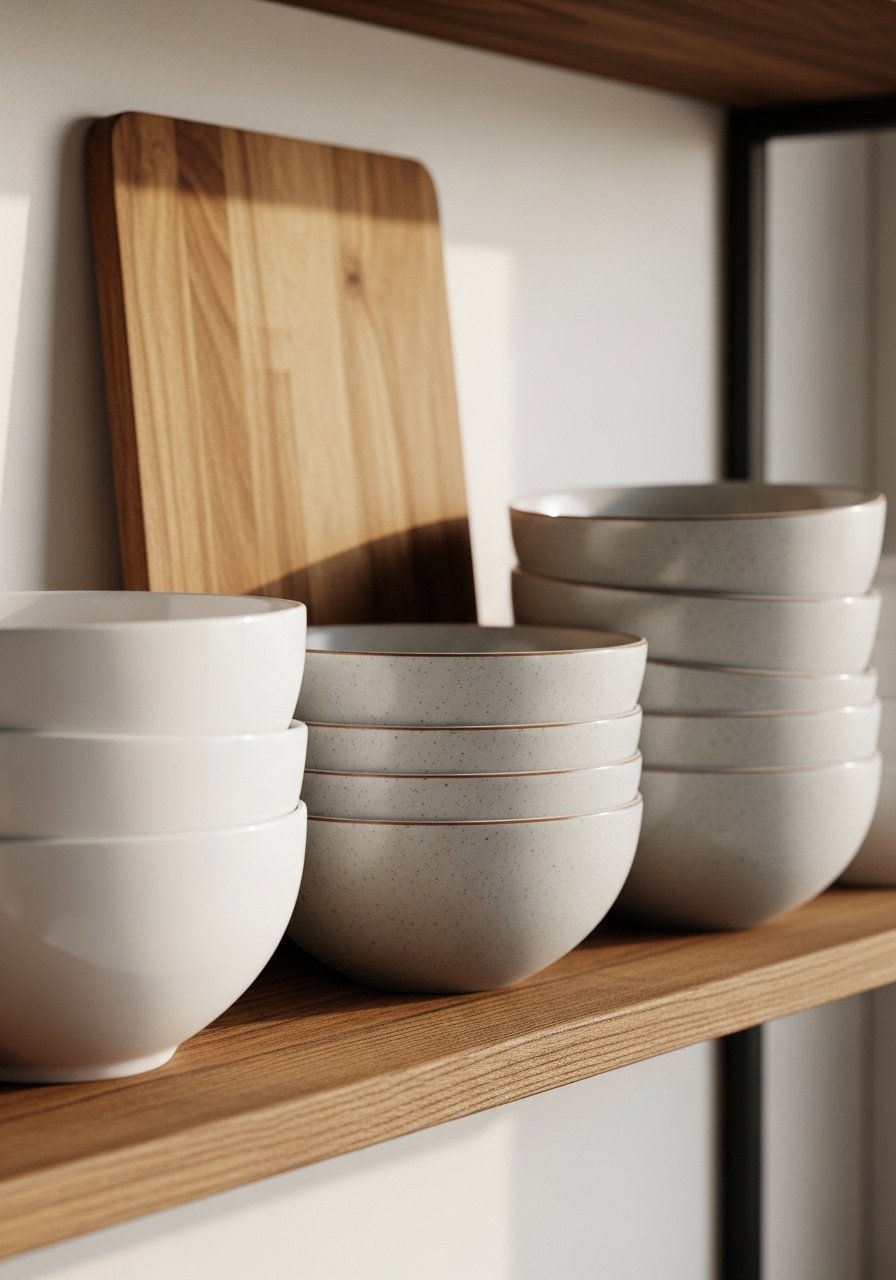
I started stacking bowls and plates on open kitchen shelves and suddenly my shelves looked useful and pretty. I vary sizes and let handles peek. The stacked crockery doubles as decor and storage.
Don’t try to display everything. I once put all my plates out and it looked like a store. Now I rotate favorites and keep some in cabinets.
Use negative space around stacks so the eye rests. A cutting board behind a stack gives depth.
What You'll Need for This Look
- Speckled ceramic bowls (set of 4)
- White stoneware dinner plates (set)
- Wooden cutting board (rectangular)
7. Woven Baskets for Warmth and Hidden Storage
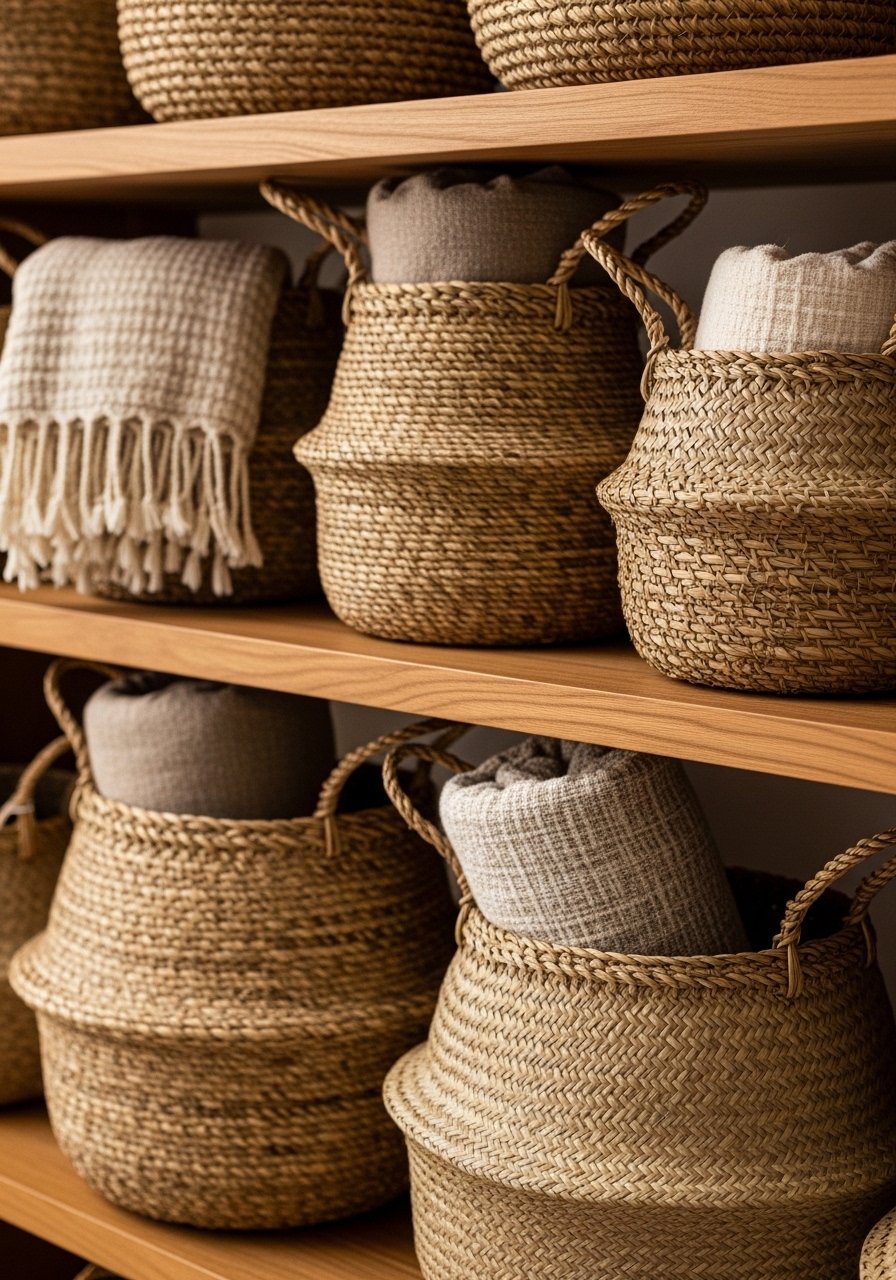
I use woven baskets to hide chargers, receipts, and small toys. They add texture and keep shelves tidy. On open shelving, baskets are my way to keep the look curated but practical.
One mistake: I bought baskets all different sizes and it read cluttered. I swapped for two matching medium baskets and one small, and the shelf read intentional.
Labeling the baskets helped my family return things where they belong. It’s a small win that keeps the shelf calm.
What You'll Need for This Look
8. Decorative Boxes in Mixed Finishes for Organized Luxury
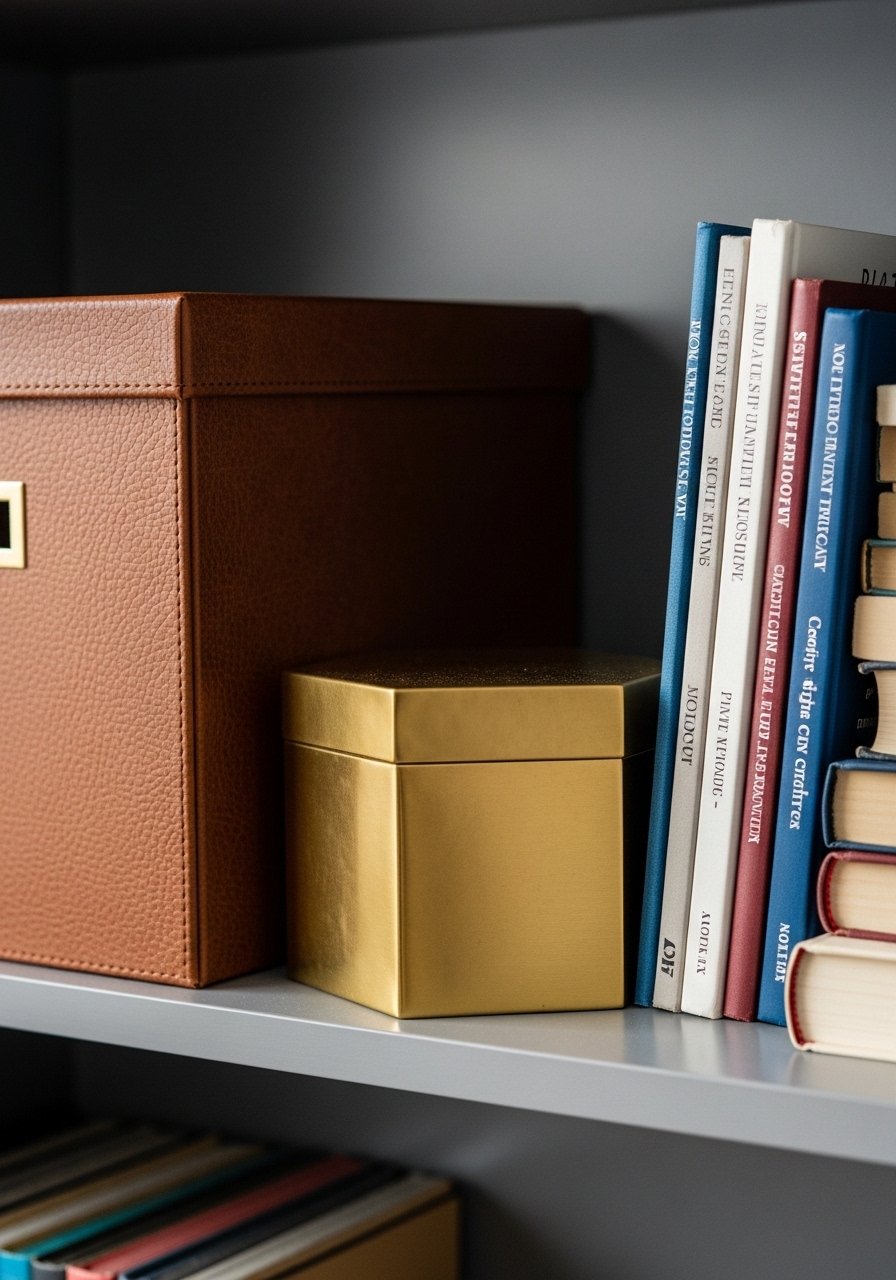
I love decorative boxes for hiding receipts and remotes while keeping a polished look. Mixing faux leather with a small metallic box adds contrast and personality.
I once chose boxes that matched too closely and the shelf felt flat. Now I mix matte and shine. One textured box, one smooth box, and a small stack of books makes a balanced trio.
Choose boxes that you’ll actually open. Pretty boxes are useless if you leave junk piled on top.
What You'll Need for This Look
- Faux leather storage box (medium)
- Gold hexagon decorative box (small)
- Stack of hardcover books (neutral spines)
9. Dark Wood Floating Shelves to Ground a Room
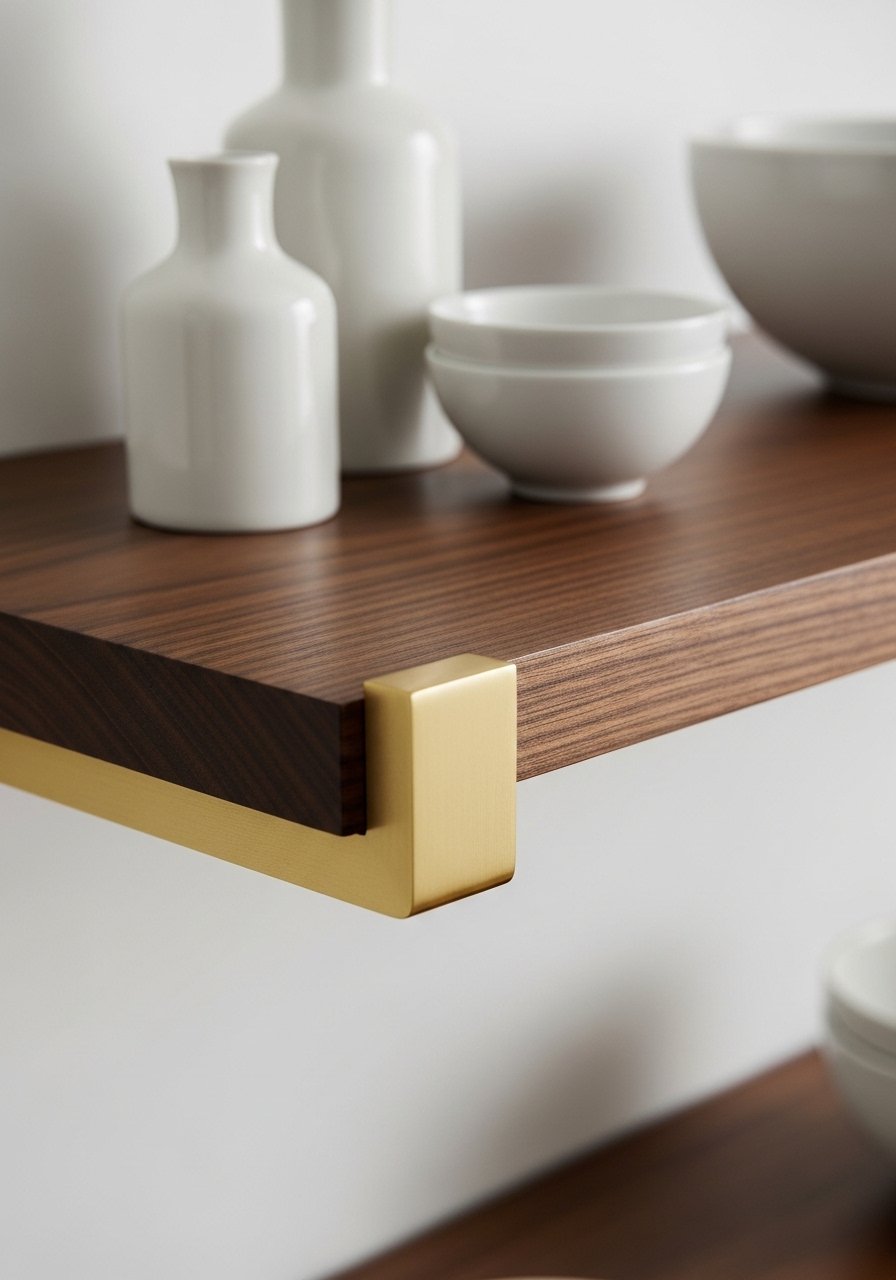
I replaced pale shelves with dark walnut floating shelves and the room felt anchored. The depth of the wood made the accessories pop. I paired them with matte brass brackets for mid-century warmth.
My early error was hanging them too high. I took them down and reinstalled lower; the scale finally matched the furniture. Proportion matters more than style.
Repeat the dark tone in small frames or a side table to tie it together. It makes the whole room feel cohesive.
What You'll Need for This Look
- Dark walnut floating shelf (36 inches)
- Matte brass shelf brackets (set)
- White matte ceramic vase (tall)
10. Corner Cane Shelves to Maximize Small Spaces
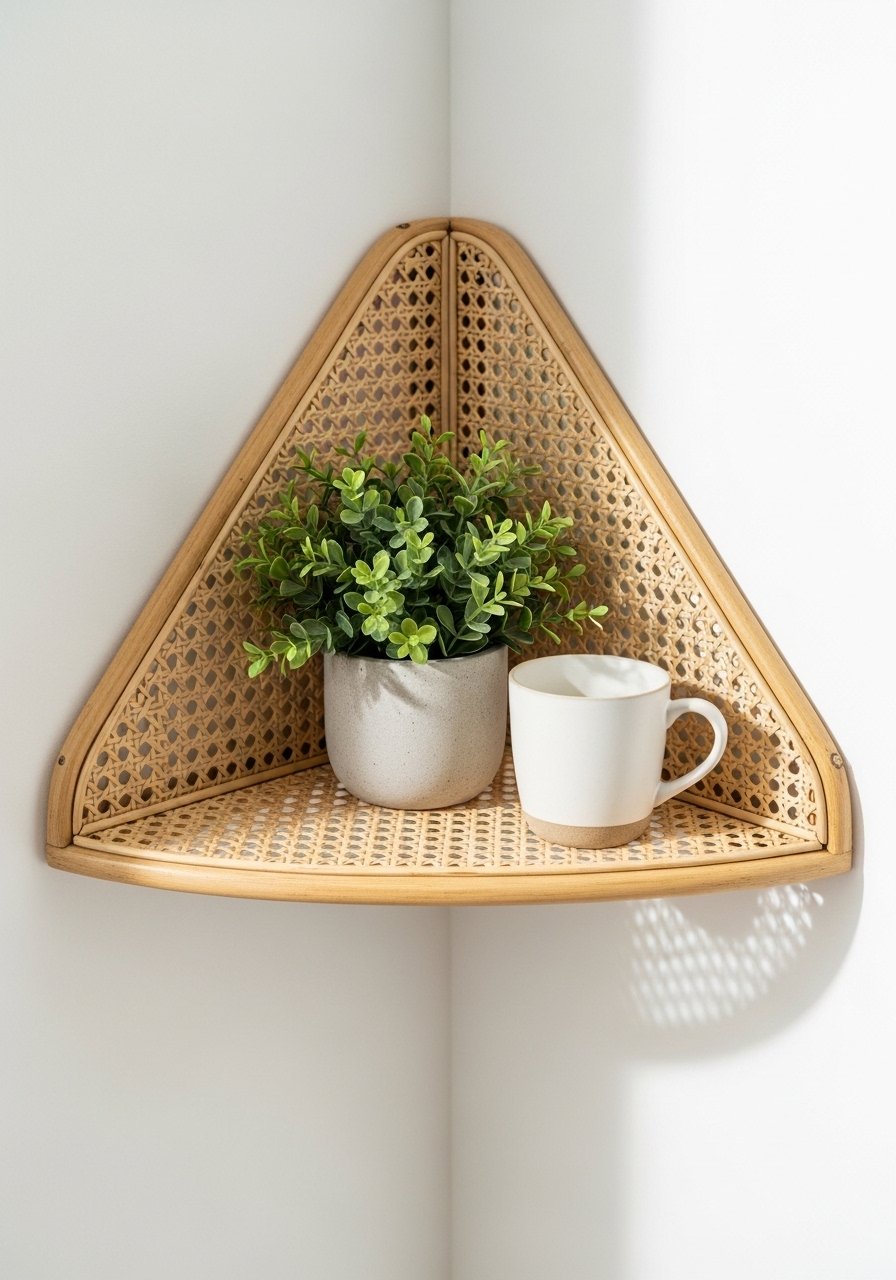
I had an awkward corner that never worked until I installed a cane triangular shelf. It saved space and looked thoughtful. The cane brings a soft natural texture that contrasts painted walls.
I sized mine too small at first and it looked lost. Upgrading to a slightly larger triangle made the difference. Measure twice and imagine the items you’ll display.
Corners are underrated. A vertical stack of three saves floor space and adds vertical interest.
What You'll Need for This Look
- Triangular cane corner shelf (acacia)
- Small ceramic planter (white)
- Mini stack of neutral postcards or prints
11. Contrasting Painted Shelf Back for a Bold Pop

I painted the back of an open shelf rust red and it acted like a stage for a few ceramics and books. The color made each object read sharper and gave a niche personality.
I once painted the whole cabinet and regretted it. Doing only the back panel keeps the effect without overwhelming the room. Small, intentional color feels confident.
If you’re unsure, paint a sample board and place it behind your items. Seeing it in the room helps you decide.
What You'll Need for This Look
12. Quirky Bookends That Tell a Story
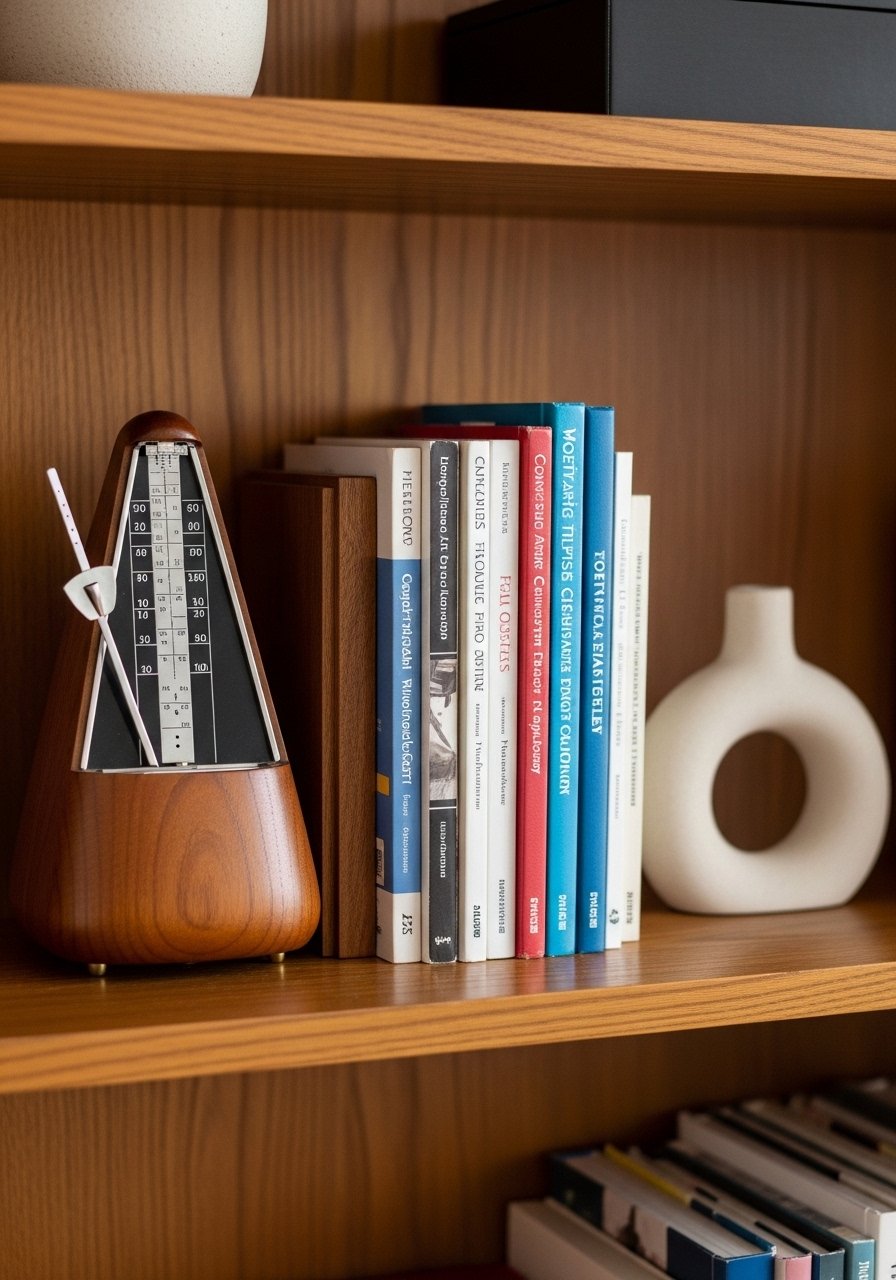
I replaced generic bookends with a metronome and a small vintage camera. They make people stop and ask. Bookends that reflect hobbies add personality and keep the shelf from feeling anonymous.
I used to match everything perfectly and lost character. Mixing in a single odd object makes the whole arrangement feel personal.
Keep the scale similar to your books so the eye moves smoothly across the shelf.
What You'll Need for This Look
- Vintage style metronome (decorative)
- Small vintage camera replica (decor)
- Pair of neutral bookends (if needed)
13. Trailing Greenery on Teal Built-Ins for Lush Layering
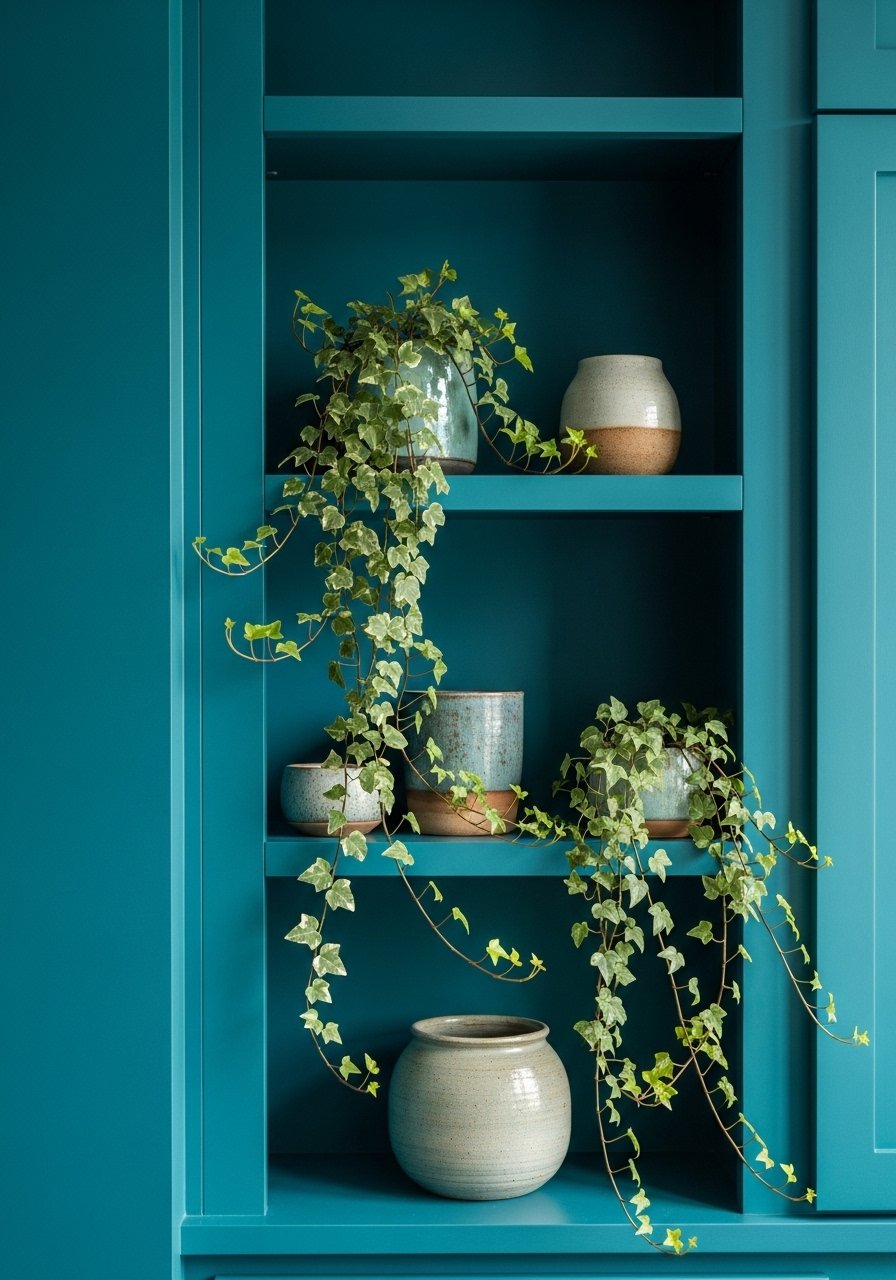
I put trailing ivy on the top row of a teal built-in and it softened the edges. The green against teal felt rich but lived-in. The ivy draped naturally and made the built-in feel less like furniture and more like part of the room.
I once overwatered and had a mess. Now I choose faux for upper shelves, or real with a small watering funnel. The look is the same with less stress.
Let the plant flow. A little asymmetry makes it look natural.
What You'll Need for This Look
14. Minimalist Organic Vase Cluster on a Single Shelf
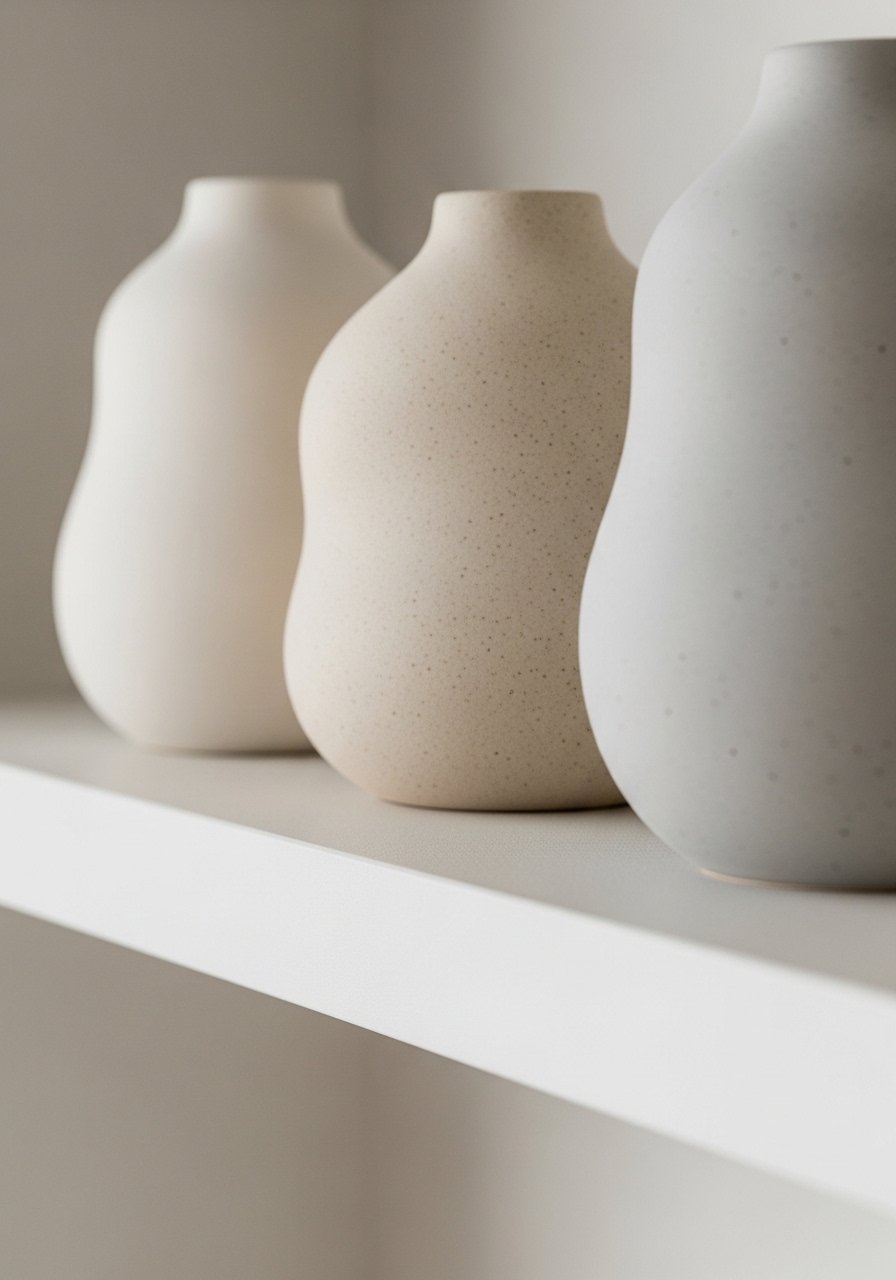
I group three organic vases of different heights on an otherwise empty shelf. That small cluster reads modern and calm. The shapes create movement without adding clutter.
I used to over-accessorize around the vases. Now I let the cluster be the statement and keep the rest minimal. It’s a small change that keeps the shelf clean.
Vary shape and glaze. Odd numbers always look friendlier.
What You'll Need for This Look
15. Color-Blocked Book Stacks That Read Like Art
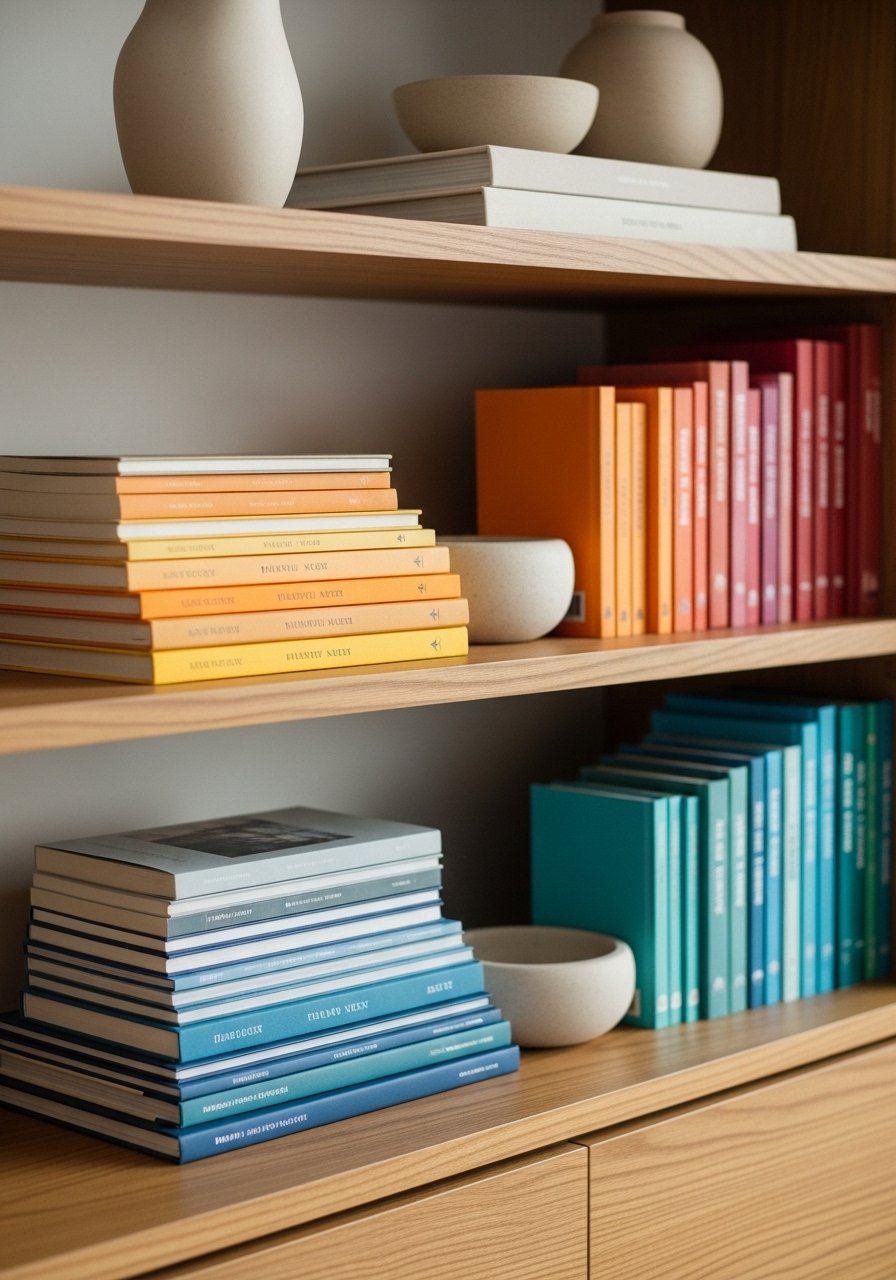
I organized a shelf by book color and it instantly felt curated. The trick is to mix horizontal stacks and vertical rows so it doesn’t read like a rainbow catalog.
I made the mistake of forcing every single shelf to be color-blocked. It looked contrived. Now I leave one shelf neutral to balance the visual weight.
Use a few small objects in repeated finishes to tie the color story together.
What You'll Need for This Look
- Set of hardcover books (various colors)
- Small neutral decorative object (wood or ceramic)
- Bookend (minimal)
16. Glass Terrariums and Succulent Grouping for Light Corners
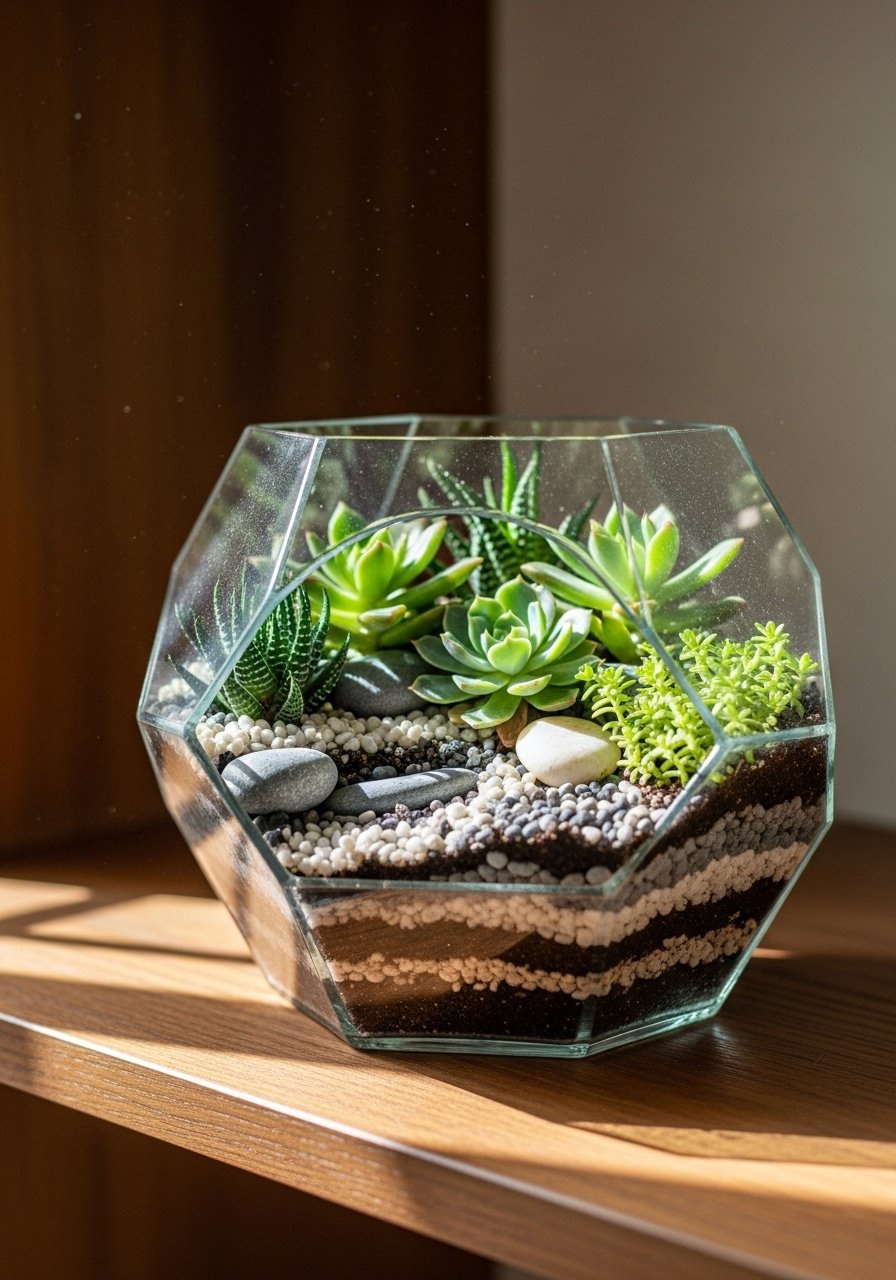
I love a small glass terrarium for a bright shelf. It’s a tidy way to add green without the mess of soil everywhere. I group one terrarium with two small succulents for repetition and scale.
I tried a large terrarium once in a dim corner and the plants suffered. Match light to the plant choice, real or faux. A glass terrarium needs light to feel lively.
A small tray beneath helps catch any dust and keeps the glass looking intentional.
What You'll Need for This Look
17. Layered Mirrors Behind Objects for Depth
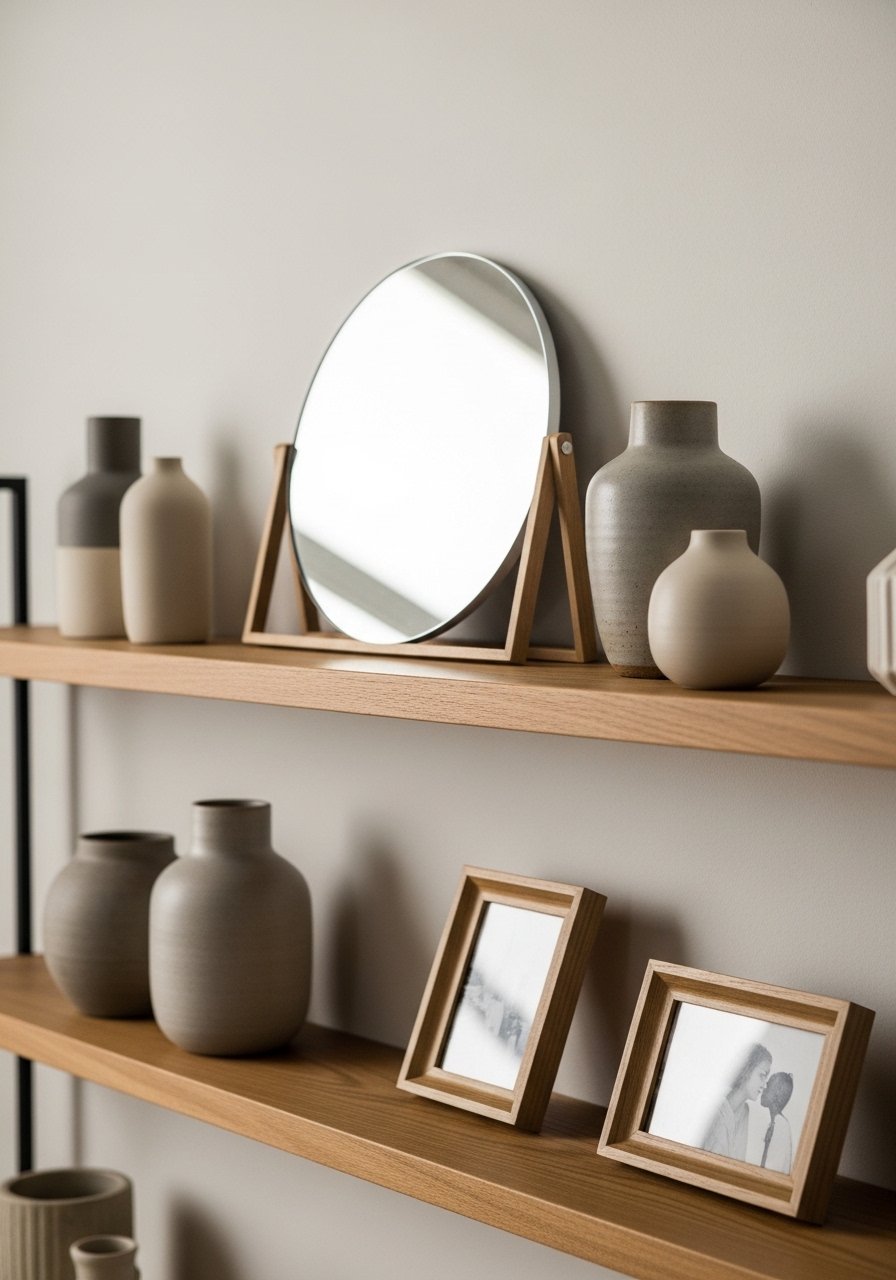
I prop a small mirror behind vases on a lower shelf and it creates a sense of depth. The reflected light brightens the shelf and gives a subtle, lived-in sparkle.
I once used mirrored backing on every shelf — it was too much. One or two mirrors in strategic spots is enough. Keep the mirror size proportionate to the shelf depth.
Choose a warm-frame mirror for continuity with wood tones in the room.
What You'll Need for This Look
18. Sculptural Ceramic Vases in Odd Numbers for Visual Rhythm

I collect small sculptural ceramic vases and group them in threes. The shapes create a rhythm that feels intentional and calm. I place one taller piece at the back, a medium in front, and a small off to the side.
I used to place them in perfect symmetry and it felt staged. The slight offset creates a natural look. Texture matters; matte glazes read warmer than glossy in my space.
Rearrange seasonally and you’ll never get bored.
What You'll Need for This Look
19. Rattan Tissue Box Cover as Functional Shelf Decor
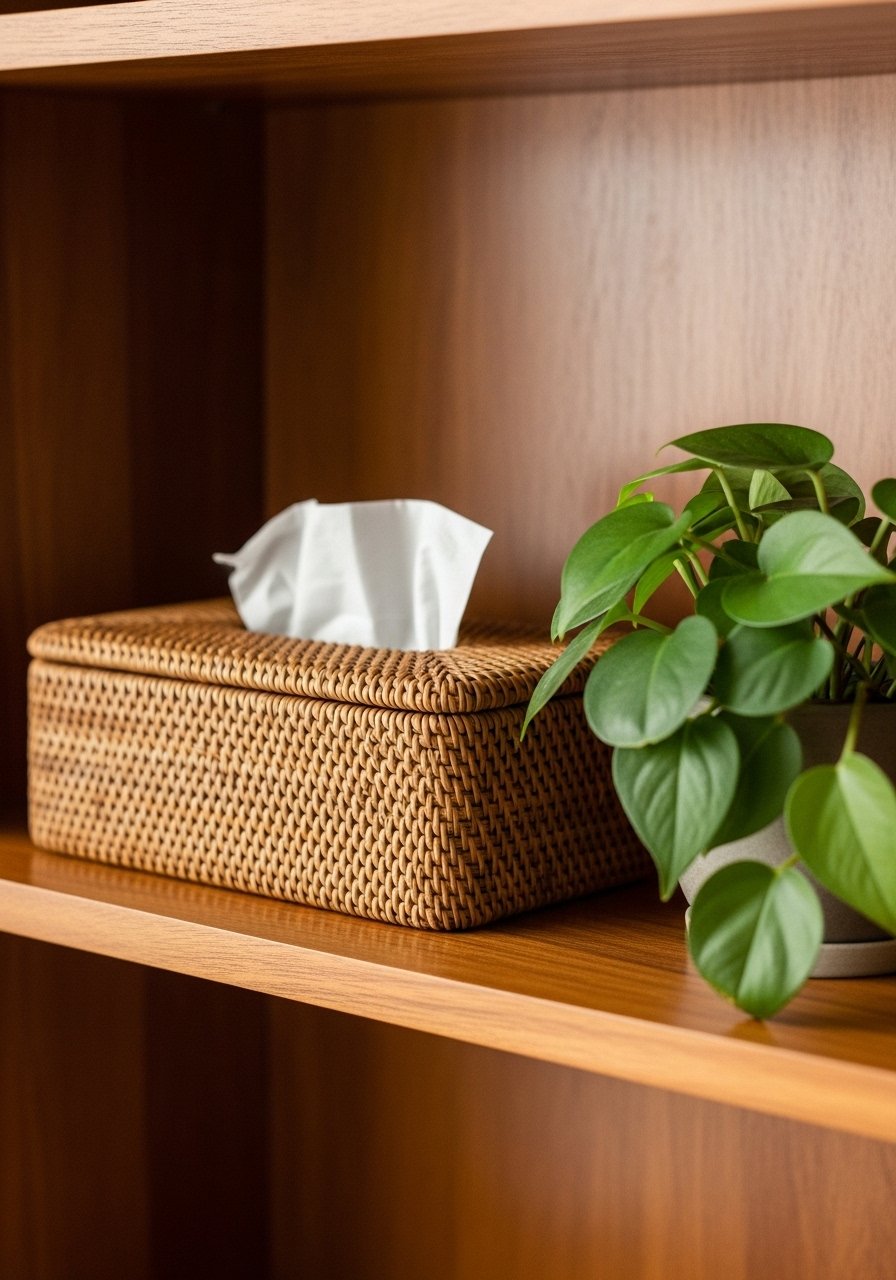
I hide practical items in pretty covers. A rattan tissue box cover on a bathroom shelf looked intentional, not messy. Functional items can be beautiful if they’re covered in texture.
I once put a plain tissue box on display and it read cheap. Switching to a rattan cover made the whole shelf feel pulled together. Practicality doesn’t have to be hidden, but it should match the mood.
Keep functional pieces grouped so they read as a single vignette.
What You'll Need for This Look
- Rattan tissue box cover (rectangle)
- Small ceramic tray (for keys or small items)
- Mini faux plant (for humidity-free bathrooms)
20. Carbon-Stained Shelves for a Rich, Modern Look
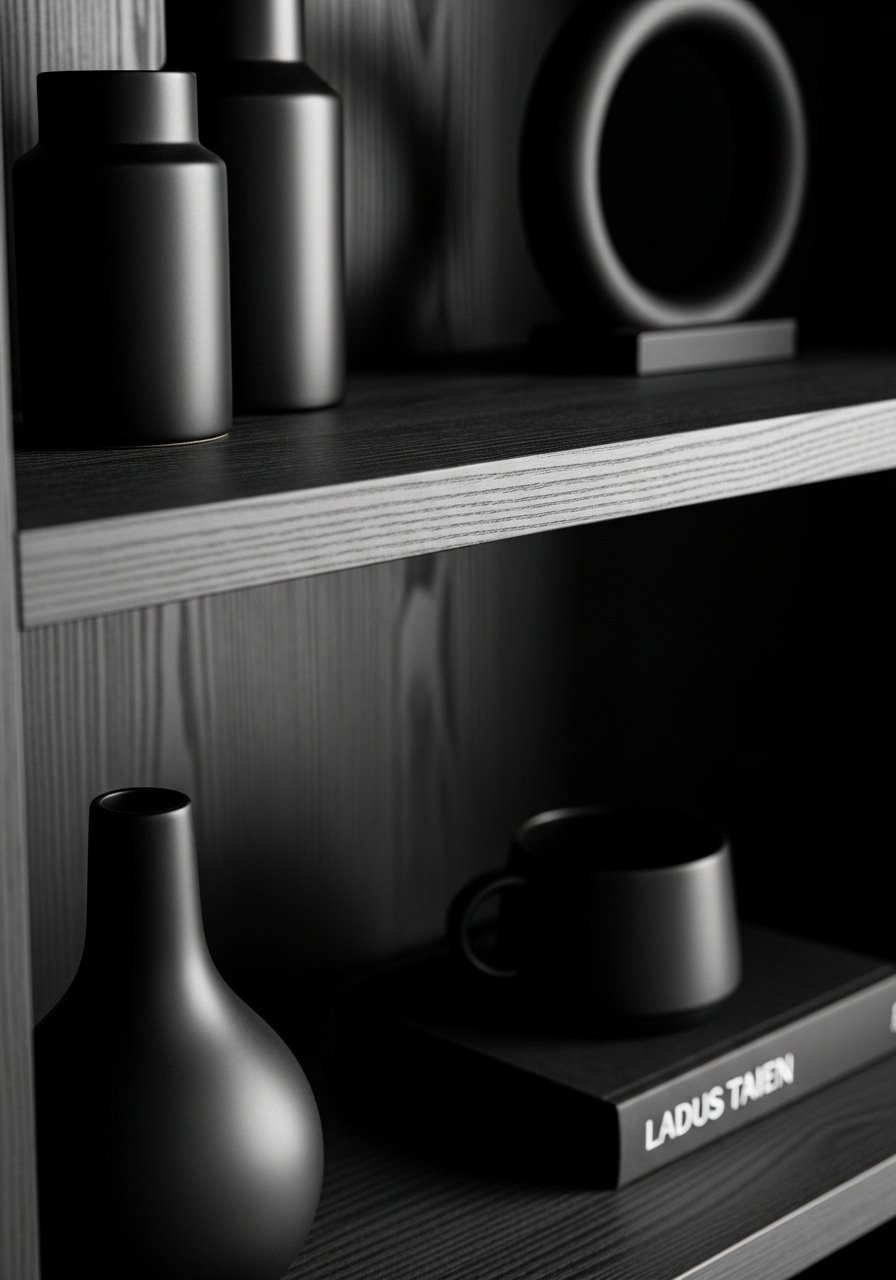
I swapped a painted shelf for a carbon-stained finish and the space felt quiet and modern. The dark tone gives a subtle sophistication without being flashy. It pairs well with brass and white ceramics.
I learned to test a small board first. On white walls, the stain can read either moody or muddy. Seeing it in your light matters.
Use lighter objects on top to keep contrast and readability.
What You'll Need for This Look
21. Small Shelf Lighting with Brass Clip Lamps
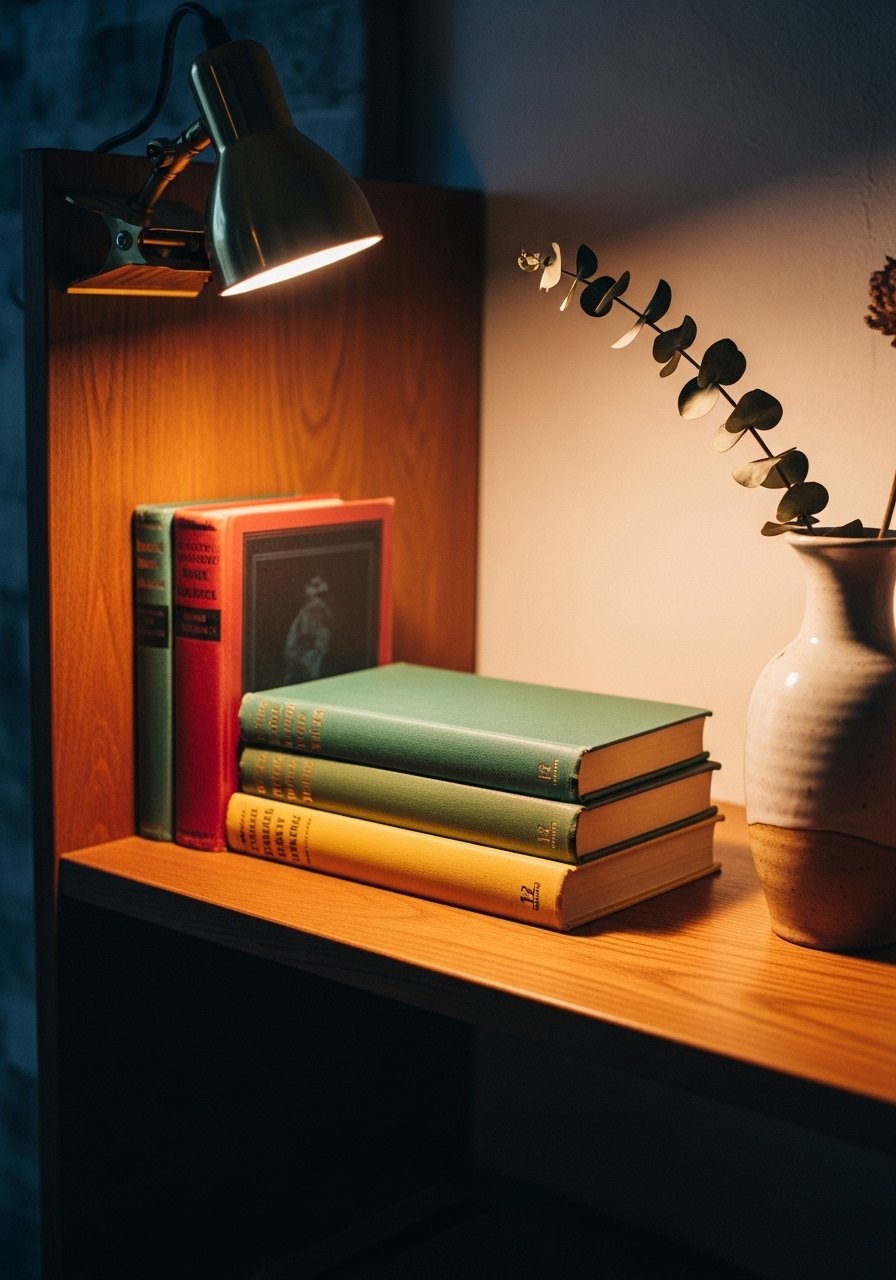
I clip a small brass lamp to a shelf to add warm light after dark. It creates a cozy pool of light and highlights textures. The lamp makes evening reading corners feel more intimate.
I once picked a lamp that was too bright and it washed out everything. A warm bulb and a low lumen level do the trick. The lamp should accent, not glare.
Clip lamps are renter-friendly and move with you, which I appreciate.
What You'll Need for This Look
22. Leaning Small Artwork for Casual, Collected Style
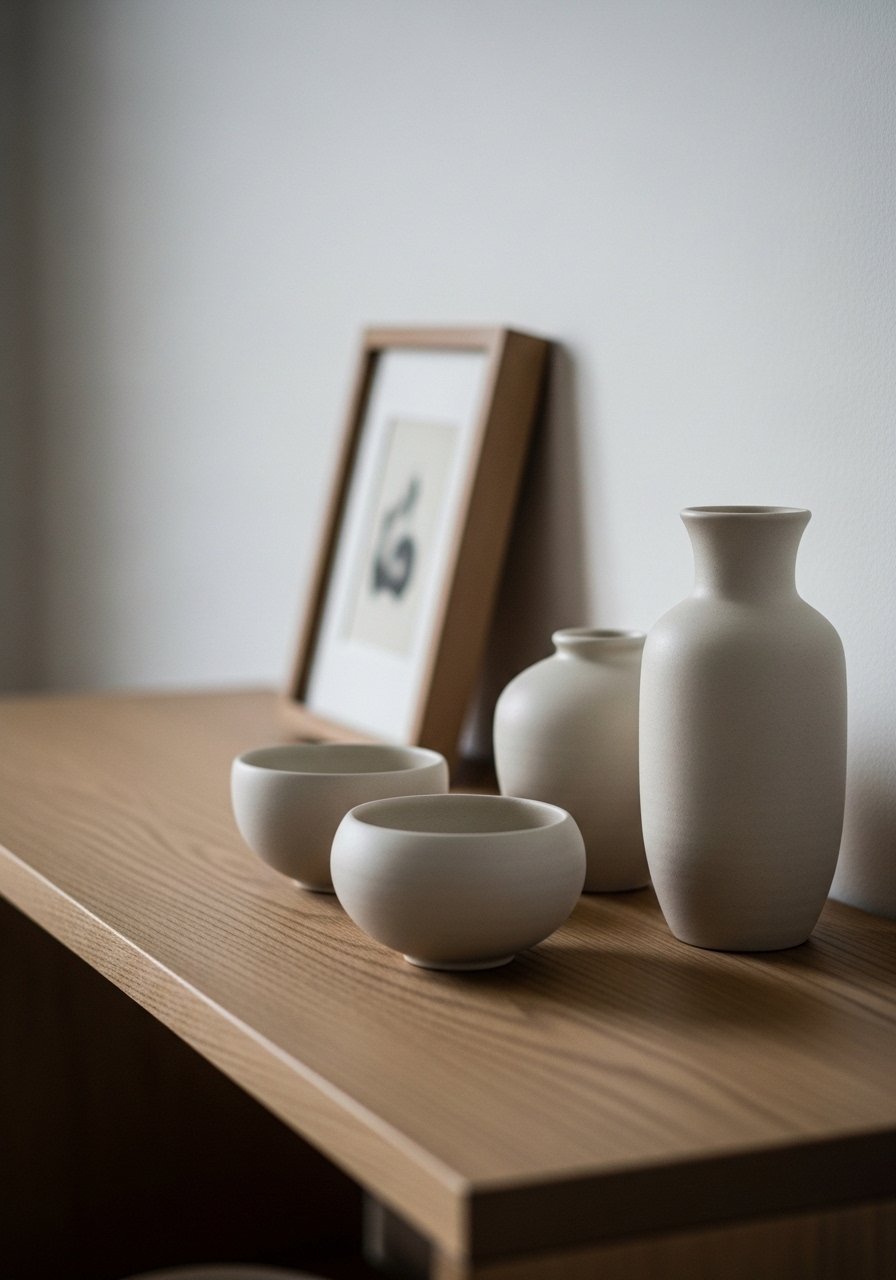
I lean small framed artwork against the back of a shelf and layer vases in front. It feels casual but curated, like the piece lives there rather than being staged.
I used to hang everything perfectly. Leaning allows easy swaps and seasonal refreshes. It’s low commitment and high personality.
If you have kids or pets, secure the frame with a small museum putty to avoid tumbles.
What You'll Need for This Look
- 8×10 framed print (unframed print plus frame)
- Small neutral vase (for foreground)
- Museum putty (small tubes)
23. Textile-Lined Shelf for Soft Texture and Protection

I line a shelf with linen fabric to soften the look and protect surfaces. It adds a textile layer that reads warm and collected. I tuck the edges under a basket for a neat finish.
I once used a patterned fabric that competed with everything. Switching to a neutral linen kept the shelf feeling calm. Texture not pattern is the win here.
This is a great trick for fragile items and glassware.
What You'll Need for This Look
24. Seasonal Switch-Out Shelf for Quick Updates
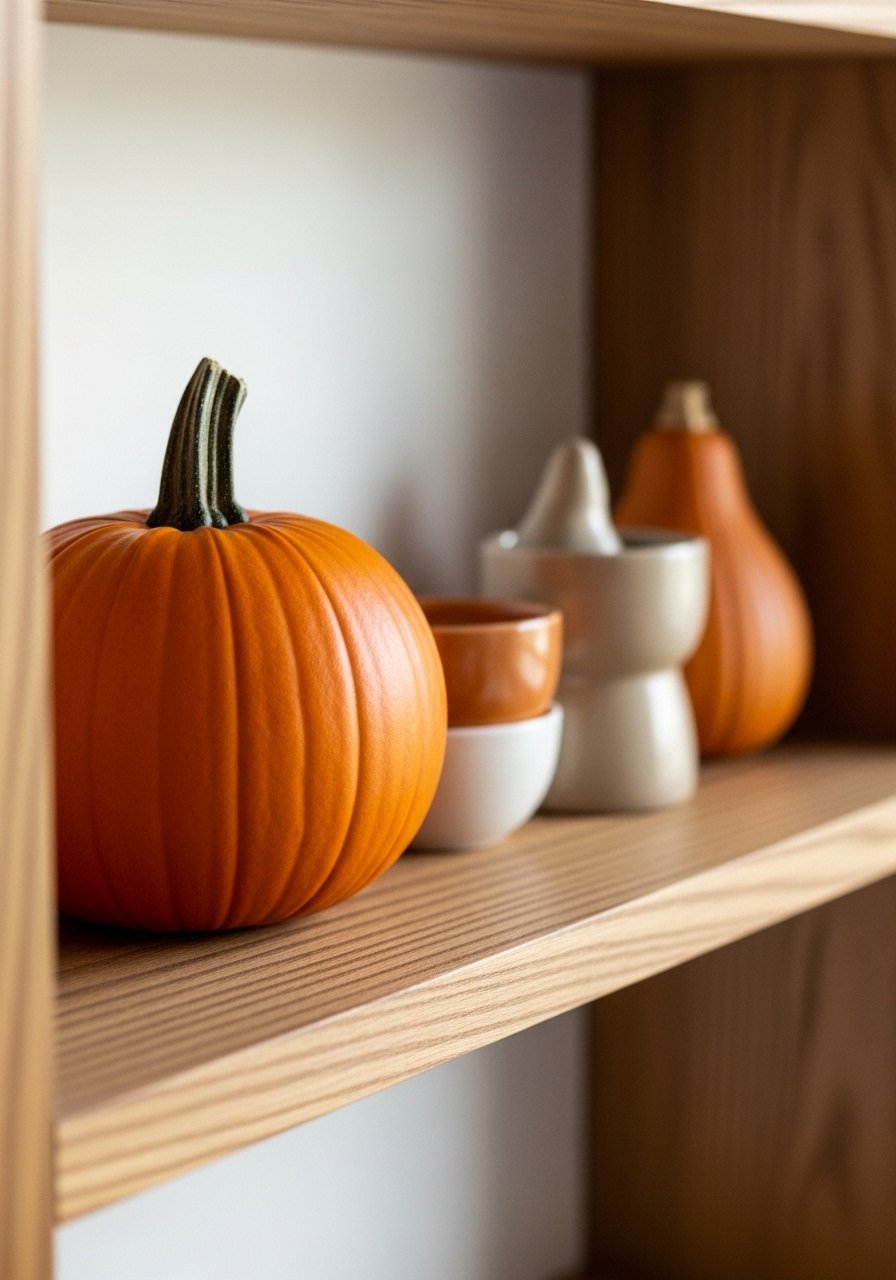
I keep one shelf as my seasonal spot. It’s the easiest way to refresh a room without a big budget. I swap small ceramics, a seasonal stem, and a throw in autumn or spring.
My mistake was trying to refresh every shelf; it was burnout. Now only one shelf changes and the room still feels fresh.
This approach keeps decorating fun and low pressure.
What You'll Need for This Look
- Small seasonal decor pieces (assorted)
- Neutral ceramic bowl (for centerpiece)
- Set of faux seasonal stems
25. Low-Maintenance Faux Greenery Mix for Busy Homes
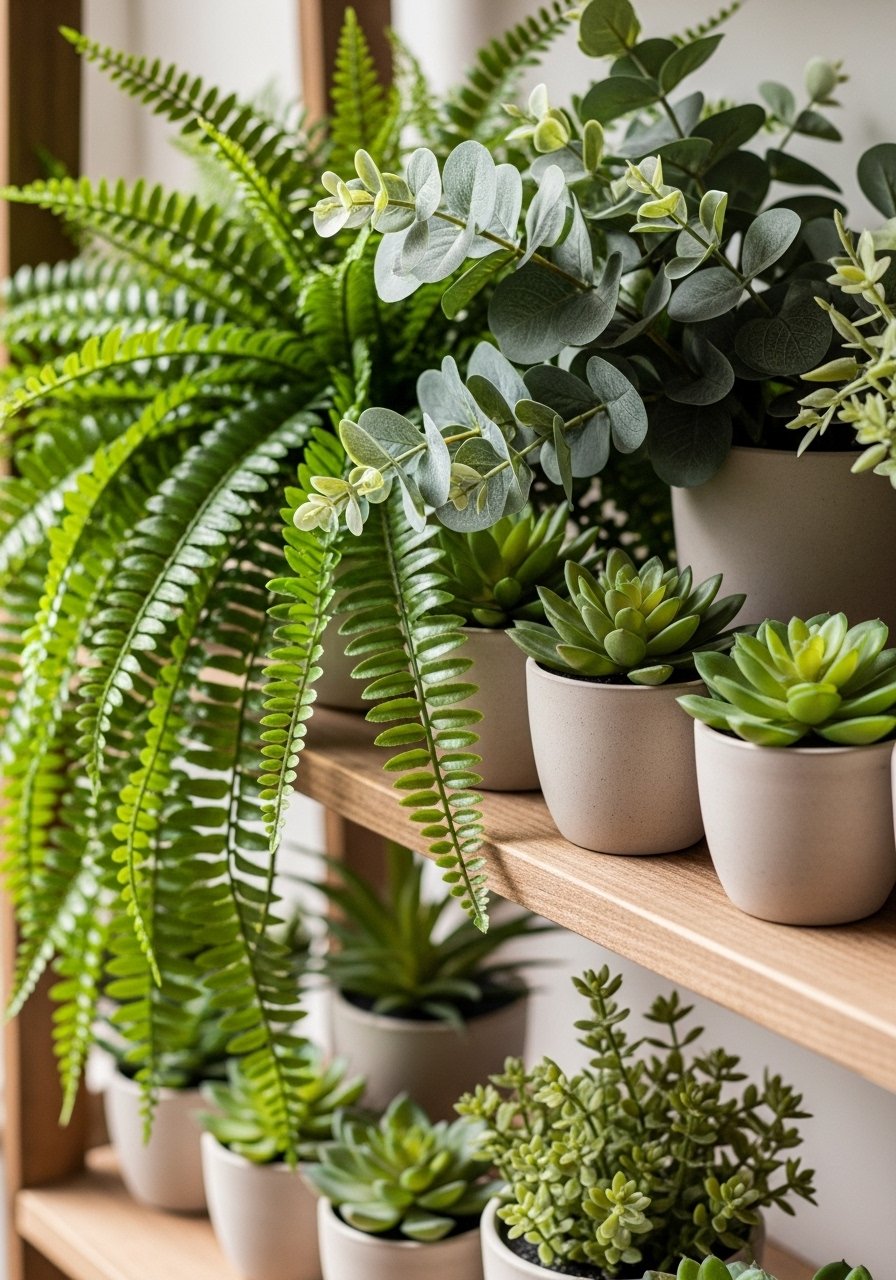
I mix faux ferns, eucalyptus, and succulents for a realistic shelf garden that doesn’t need checking. The variety of leaf shapes reads fresh and layered.
I once bought one obvious plastic piece and it stuck out. Now I buy higher-quality faux with matte leaves and natural stems. It’s worth a few extra dollars for realism.
Cluster items and vary heights for a natural grouping.
What You'll Need for This Look
26. Displayed Crockery as Art: Plates on Stands
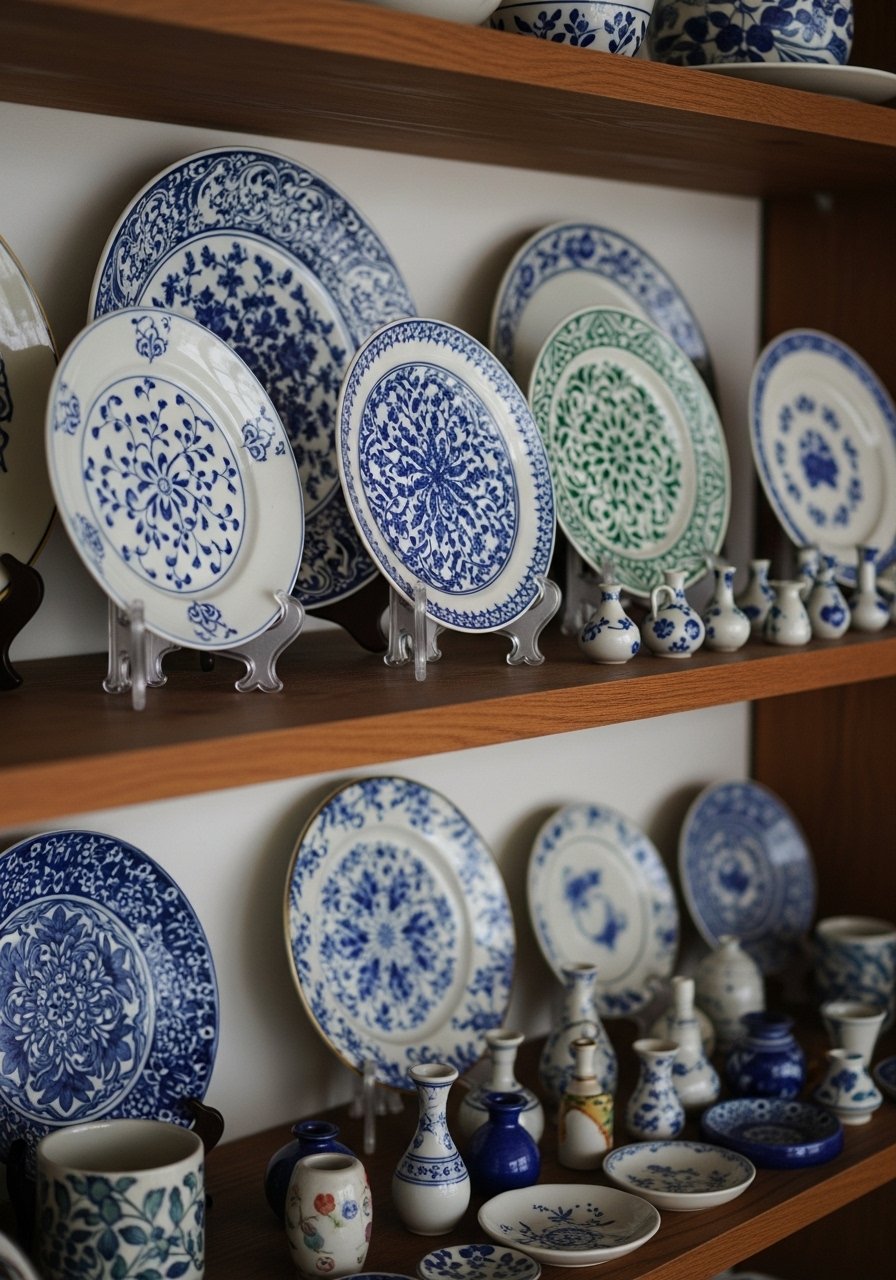
I started using plate stands to show off a few special plates on a shelf. Plates become art when displayed vertically and create instant visual interest.
I used to hide my favorite dishes in cupboards. Putting them on a stand turned everyday objects into thoughtful decor. A neutral backdrop keeps patterns readable.
Limit the number so the shelf feels curated, not like a collection exploded.
What You'll Need for This Look
- Decorative plate stand (black metal)
- Decorative dinner plate (patterned or plain)
- Small ceramic accent piece
Final Thoughts
I don’t style every shelf the same way. I pick one or two ideas that fit the room and live with them for a month. If it feels heavy, I edit again.
You don’t need to buy everything. Start with one change—a basket, a plant, a painted back—and see how the room responds. Trust your eye; shelves are for living, not for showing off.