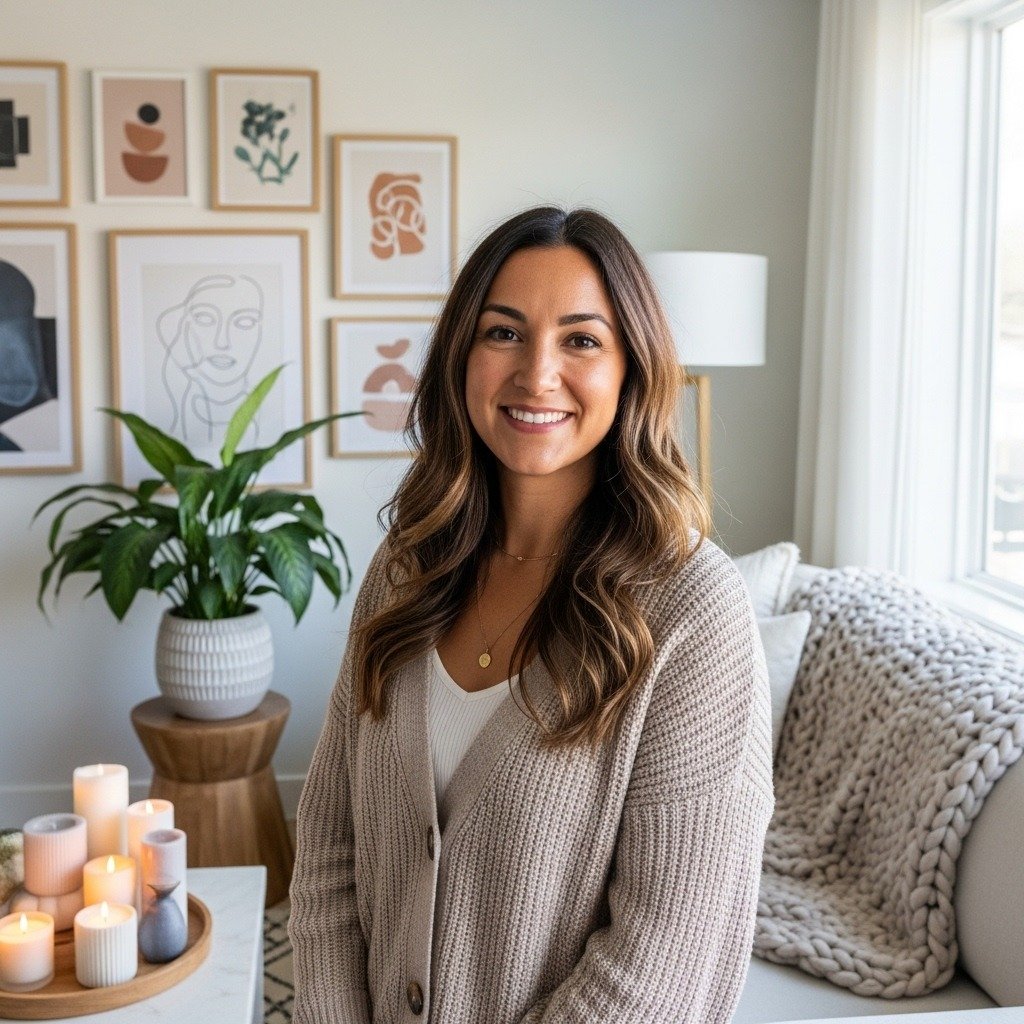
I spent years trying to make my apartment feel calm and useful at the same time. I kept stripping things away until the room felt empty, then learned to add back warmth gently.
These ideas are the real ones that stuck. Practical, lived-in, and focused on feel more than flair.
21 Serene Japandi Decor Ideas That Balance Style and Calm
These 21 ideas are small, usable moves I made in real homes to get a Japandi feel without feeling like a showroom. Expect low profiles, warm neutrals, and simple swaps you can do in a weekend.
1. Low-Profile Chabudai Table and Floor Cushion Nook
I switched my coffee table for a low chabudai and it changed how the room breathes. Sitting lower slowed me down. The room felt wider because vertical sightlines stayed clear.
I messed up once by choosing cushions that were too firm. I returned them and found softer zabuton-style cushions felt more inviting. Keep the palette warm beige or camel.
Pay attention to tray size and cushion thickness. If you’re in a small place, this becomes a table and an occasional dining spot.
What You'll Need for This Look
2. Rounded Sofa with Tactile Linen Throw
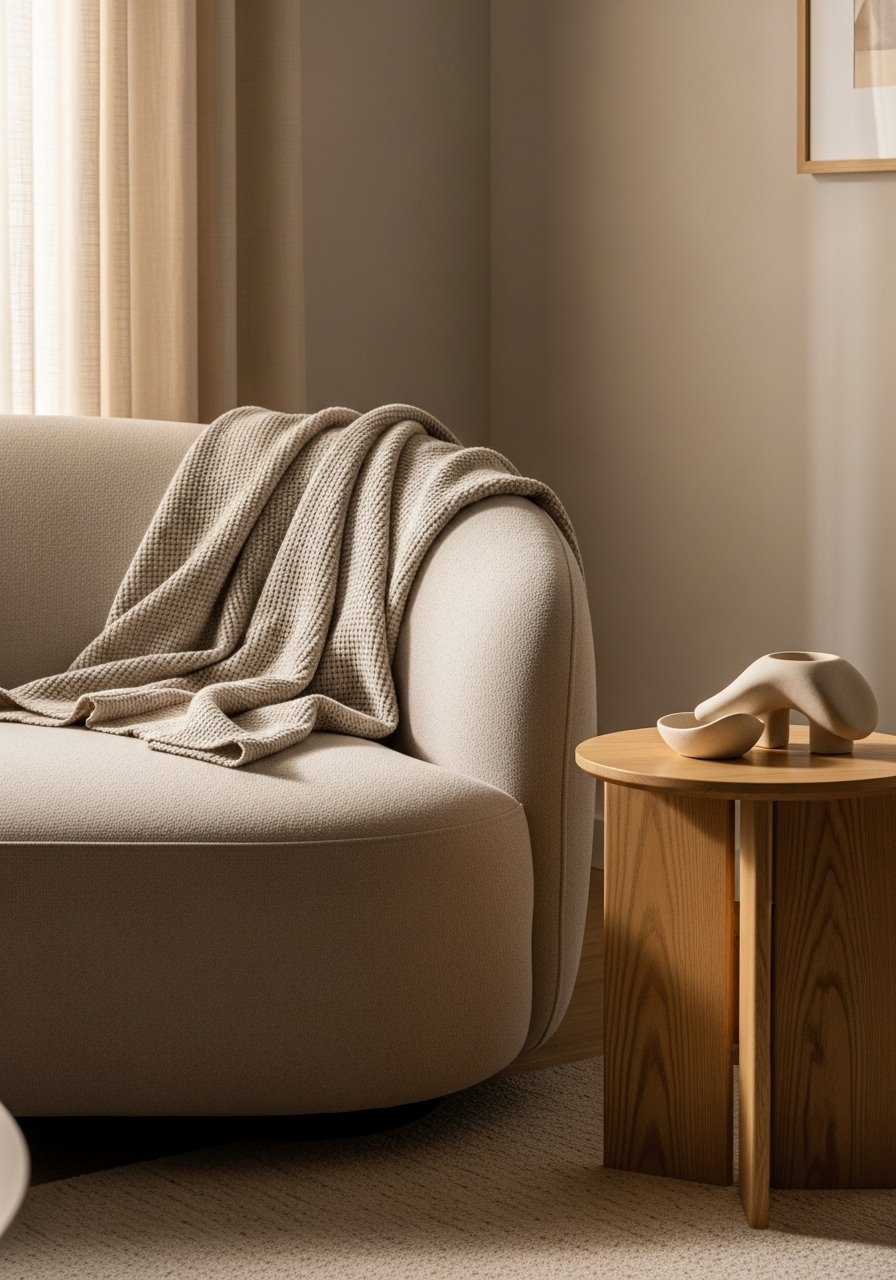
I bought a rounded sofa because hard edges made my living room stare at me. The curve reads calmer. A heavy linen throw softens the back and makes it feel lived-in.
At first I picked a linen that wrinkled oddly. I learned to embrace gentle texture—those small creases read as real. Keep cushions low and soft to echo the silhouette.
Visually, curves guide the eye. Pair with a simple wooden side table and that quiet, cozy feeling fills the room.
What You'll Need for This Look
3. Light Wood Open Shelving with Ceramic Vignettes
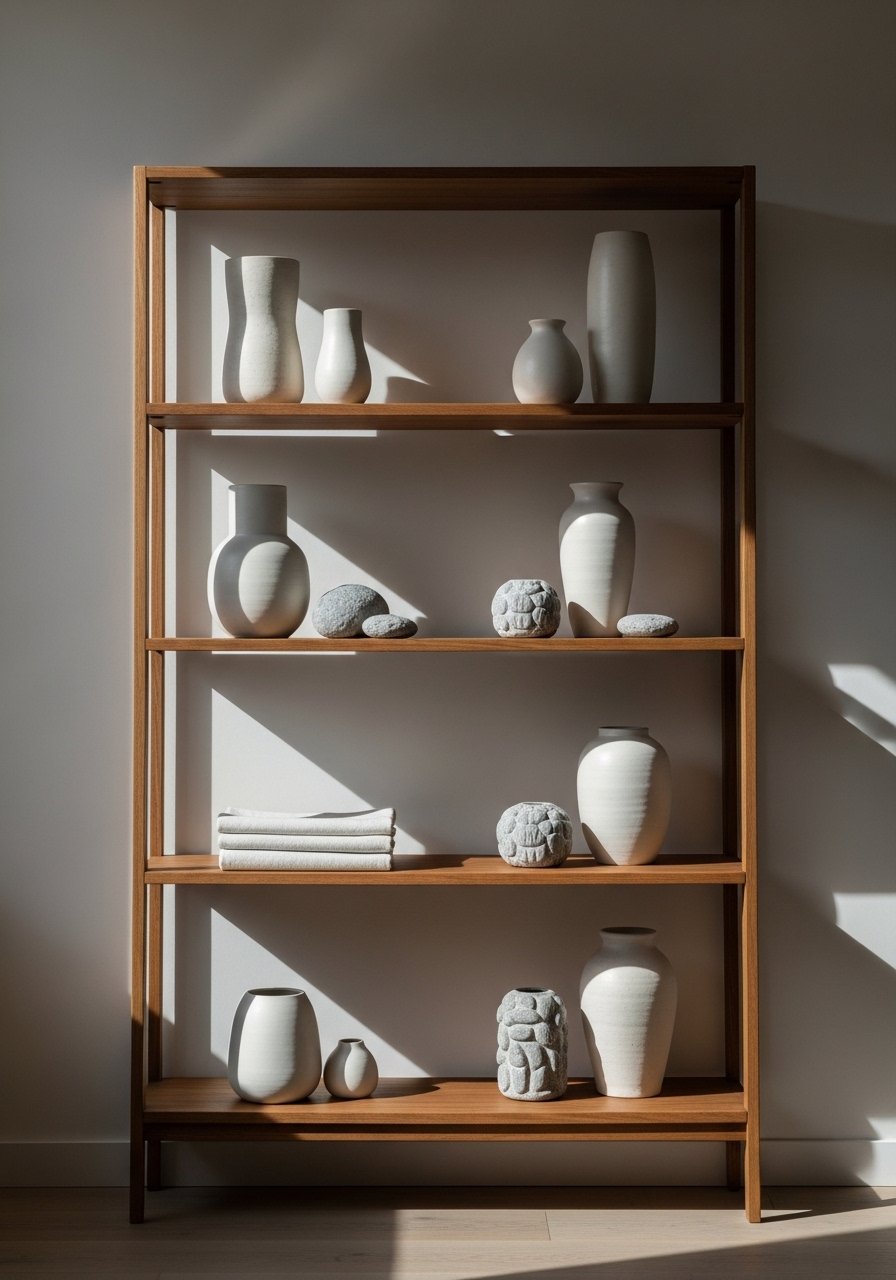
I swapped closed cabinets for open, light wood shelves and the room felt friendlier. Displaying a few ceramics and folded linens made the shelves breathe instead of scream "storage."
My first attempt was too cluttered. I edited down to three to five objects per shelf. Negative space matters. Use staggered heights and a single small plant for life.
Watch scale. Thin shelves handle ceramics better. The result is warmth without mess.
What You'll Need for This Look
4. Neutral Fabric Sofa with Rattan Baskets Around It

I bought a simple neutral sofa and used rattan baskets for storage instead of metal bins. The room felt cozier immediately. Baskets add pattern and soften the minimalism.
I once got baskets that didn’t have liners; they left marks on the floor. Use felt pads or a small rug beneath. Baskets are great for blankets, kids' toys, or stray magazines.
This combo keeps things tidy but warm. It’s an easy move if you like function that still reads comfortable.
What You'll Need for This Look
5. Earthy Muted Palette Anchored by a Walnut Table
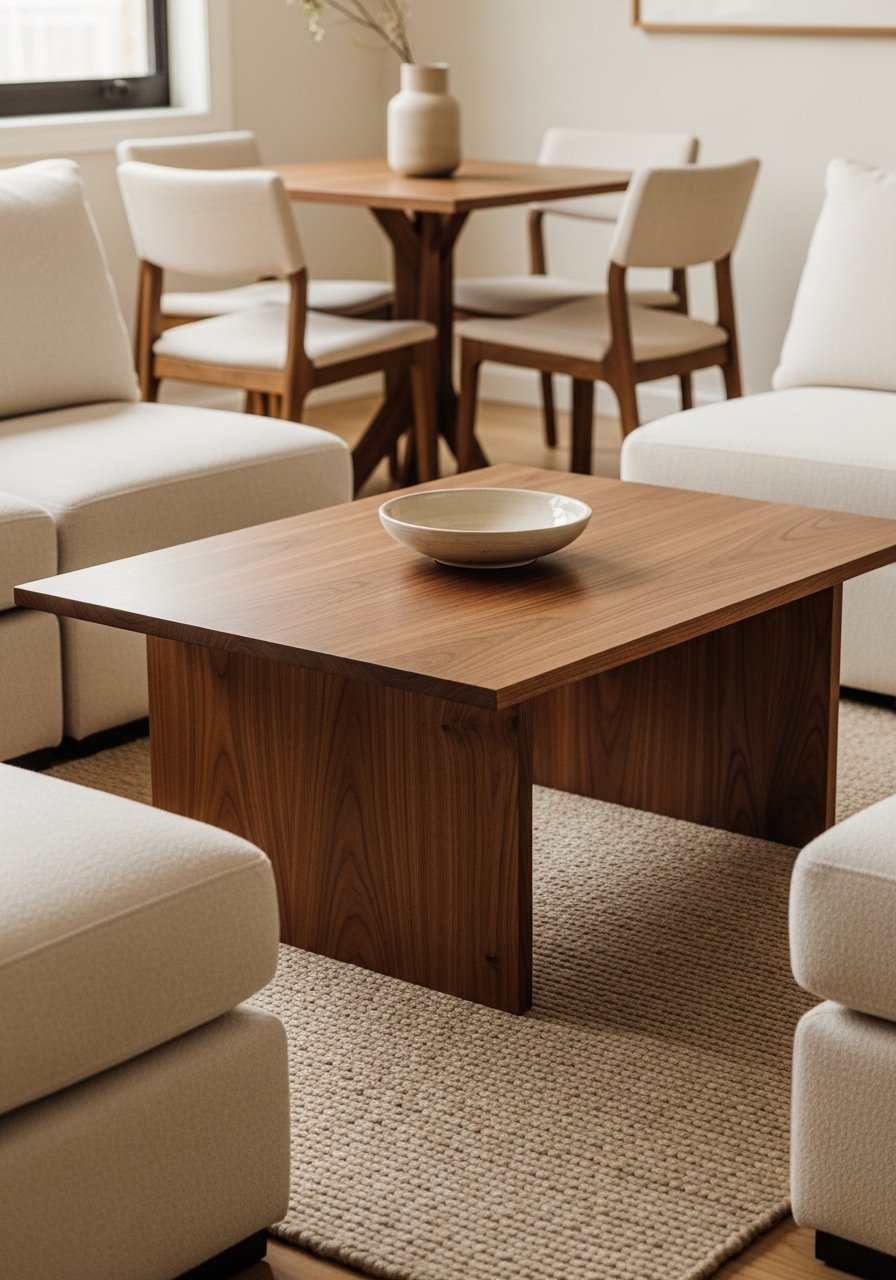
I introduced a walnut coffee table to add depth to an otherwise pale room. That single darker wood made the whole palette feel intentional and calm.
My early mistake was mixing too many woods. Now I keep one dominant wood and complement with lighter accents. It looks cohesive without being matchy-matchy.
Walnut adds weight without heaviness. Use it for anchors—tables, benches, or a media console—to root a soft, neutral room.
What You'll Need for This Look
6. Shoji Paper Lamps with a Small Bonsai Cluster
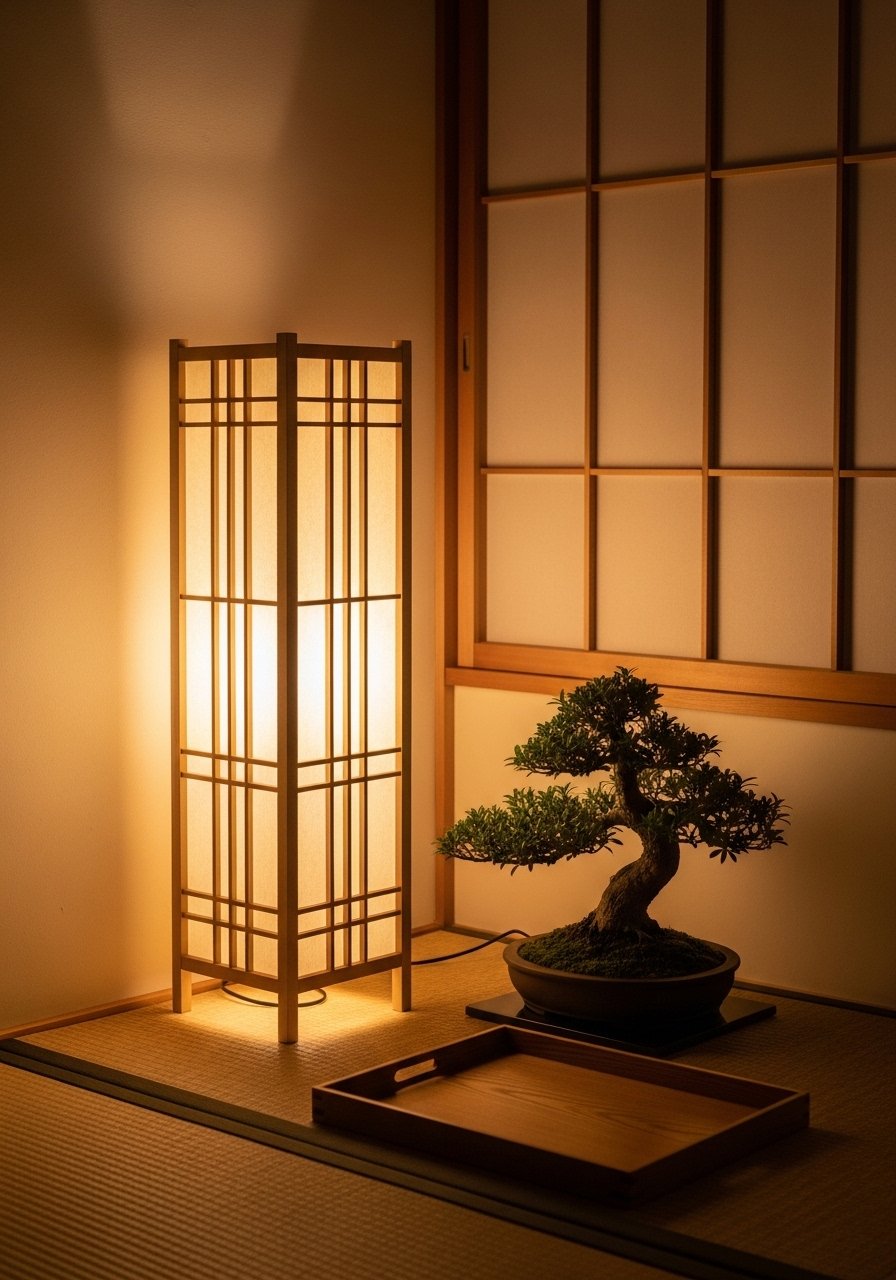
I swapped a harsh lamp for a shoji paper floor lamp and the light changed the whole evening mood. It softened edges and made the room feel calmer.
I put a small bonsai nearby. The plants made the light feel purposeful. I overwatered once and lost a plant—so pick an easy species or a faux bonsai if you travel.
Soft, diffused light and a tiny green cluster make a quiet, ritual corner for evenings.
What You'll Need for This Look
7. Low Silhouette Ash Wood Lounge Chair
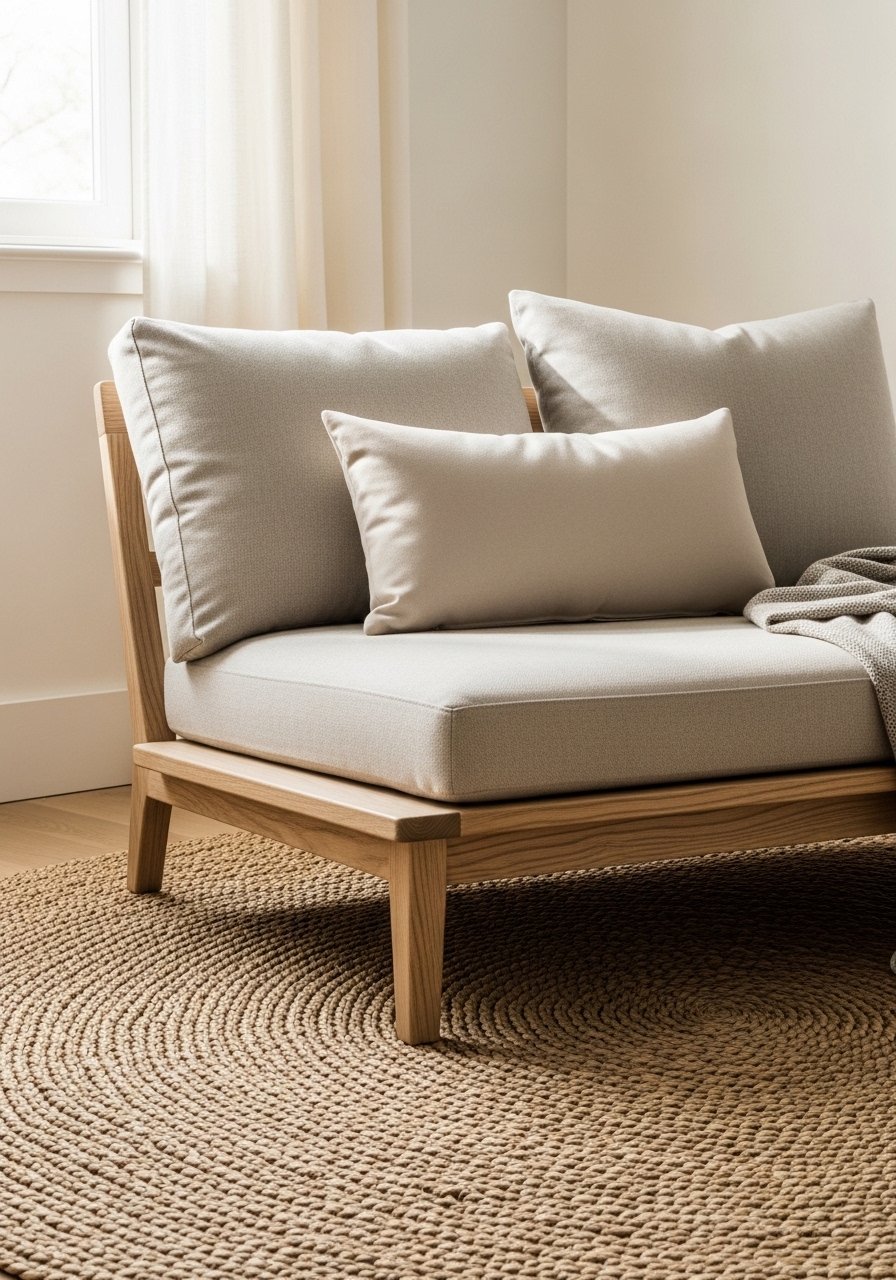
I bought a low ash wood lounge chair for my reading corner and it became my go-to spot. The low silhouette keeps the room airy but intentional.
My first cushion fabric was too smooth and slid around. I switched to a textured linen and it stayed put. Choose natural fabrics for grip and comfort.
This chair reads like an invitation. Place it near a soft lamp and a small side table for a complete nook.
What You'll Need for This Look
8. Tatami Mat Layering with a Ceramic Display
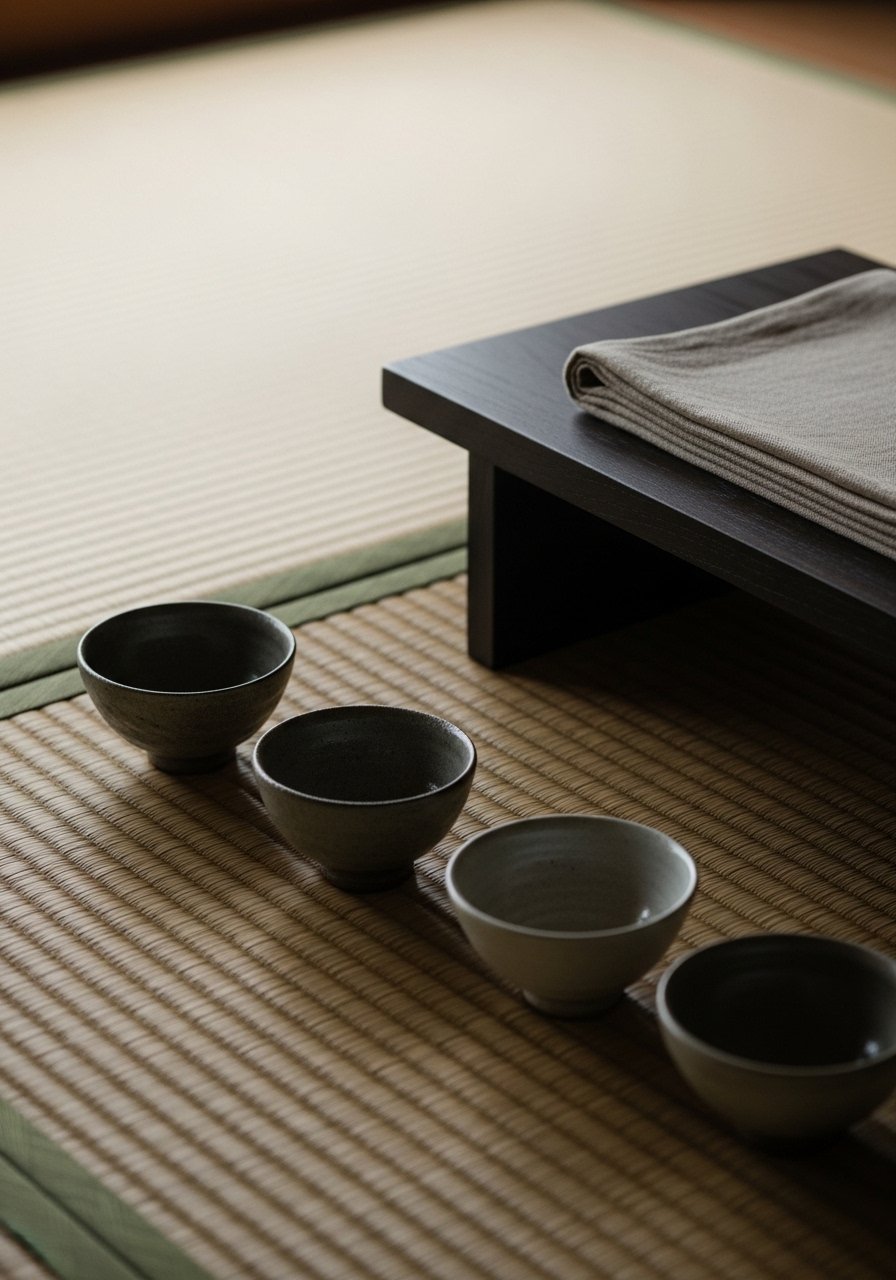
I added a tatami mat under my low table and instantly the room felt more grounded. The texture changes the floor from bland to intentional.
I made the mistake of placing a glossy object on tatami once; it looked out of place. Matte ceramics and stoneware read true to the look.
This is an easy way to define a zone for tea, reading, or meditation. Keep the surrounding palette muted.
What You'll Need for This Look
9. Sculptural Coffee Table in a Soft Neutral
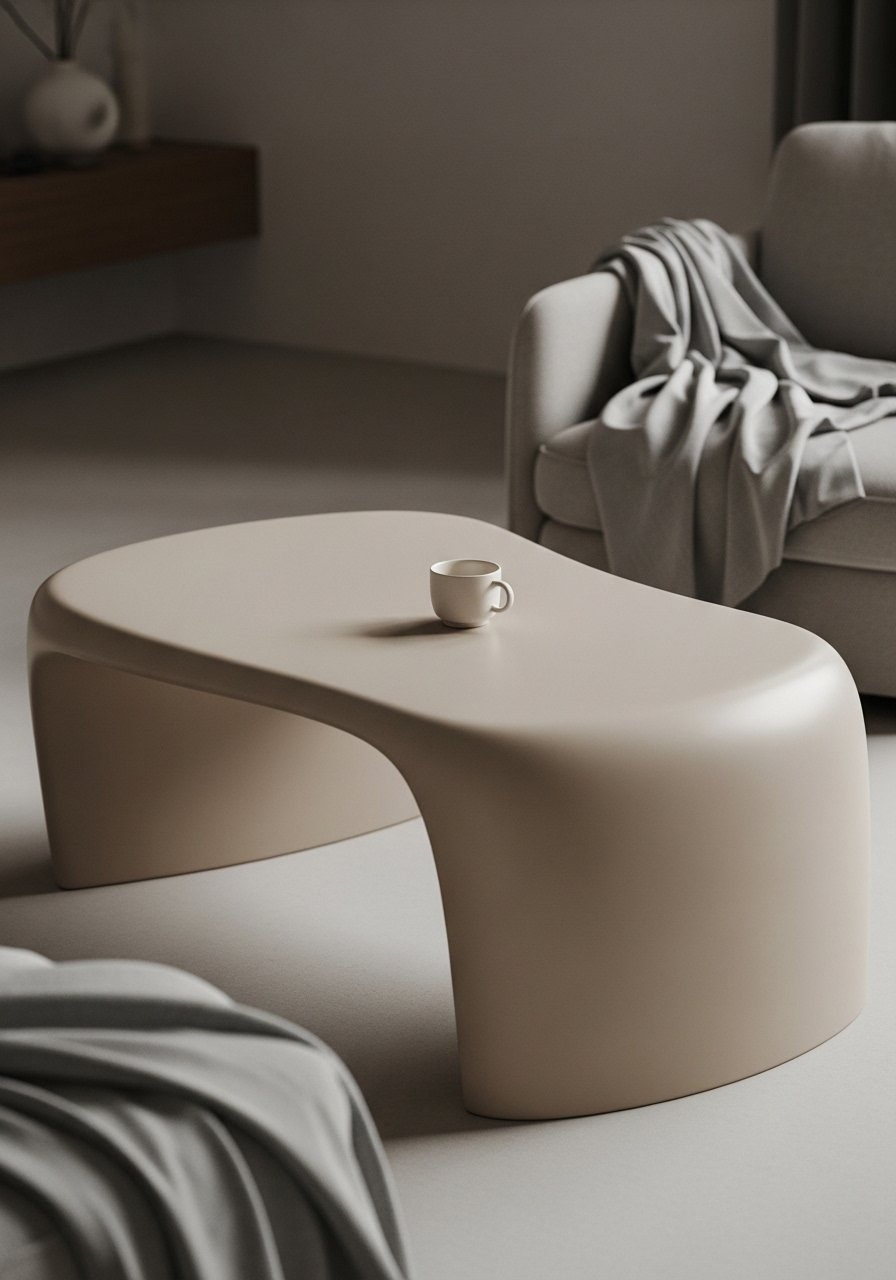
I picked a sculptural coffee table with flowing lines instead of rectangles. It softened the central point of the room and made movement feel natural.
I underestimated the need for balance. The table looked odd beside a sharp-armed sofa; I switched to rounded cushions to match the flow.
A sculptural piece can be a calm statement. Keep accessories simple—one bowl, one book—to let the form breathe.
What You'll Need for This Look
10. Layered Linen and Wool Throws for Hygge Depth
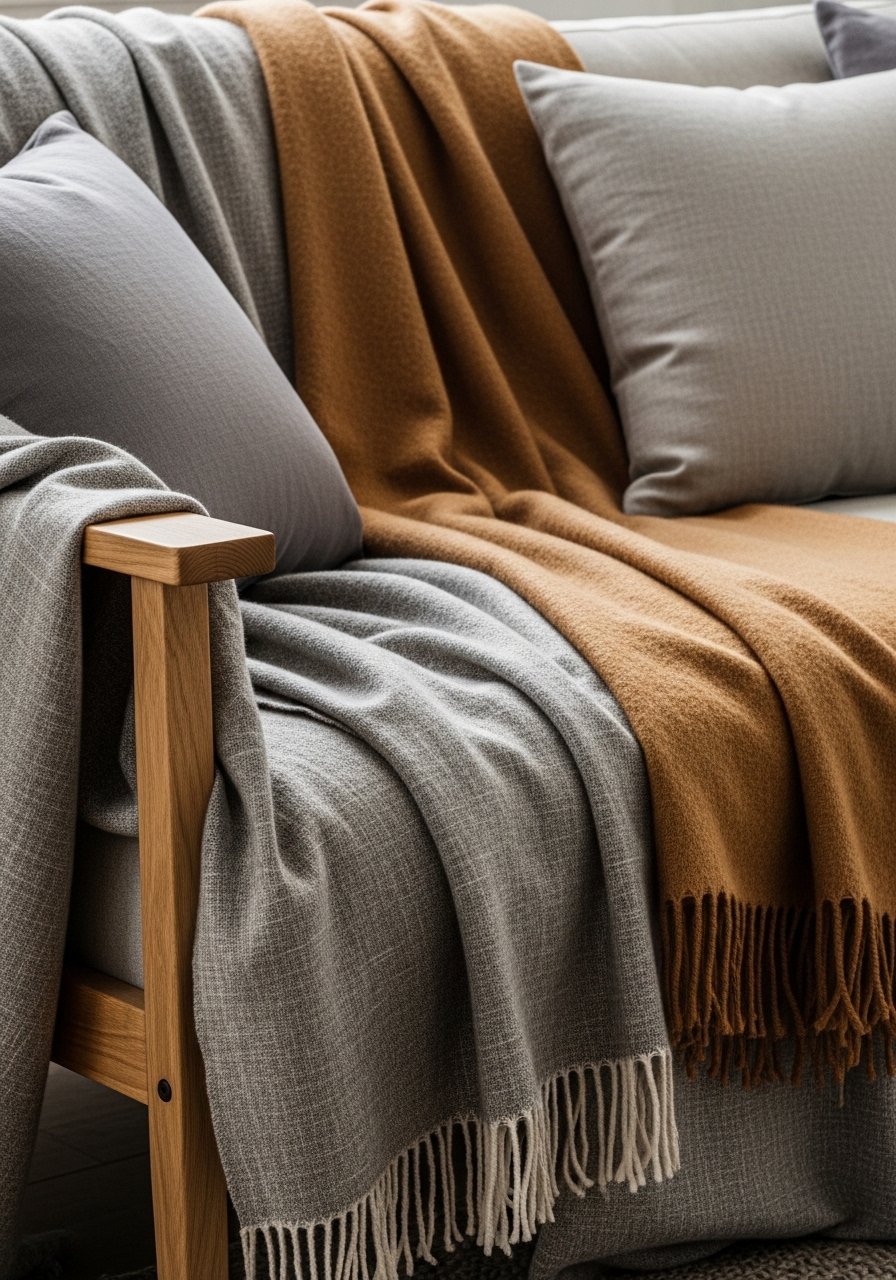
I kept throwing blankets out of habit. When I layered linen and wool in warm greys and camel, the sofa finally looked complete. Texture equals comfort.
I once piled too many patterns and it looked messy. Now I mix one plain linen with a textured wool throw. Less is more tactile.
These layers are my go-to fix when neutrals feel cold. Drape casually. Don’t fold them like in a showroom.
What You'll Need for This Look
11. Noren Curtains as Soft Room Dividers
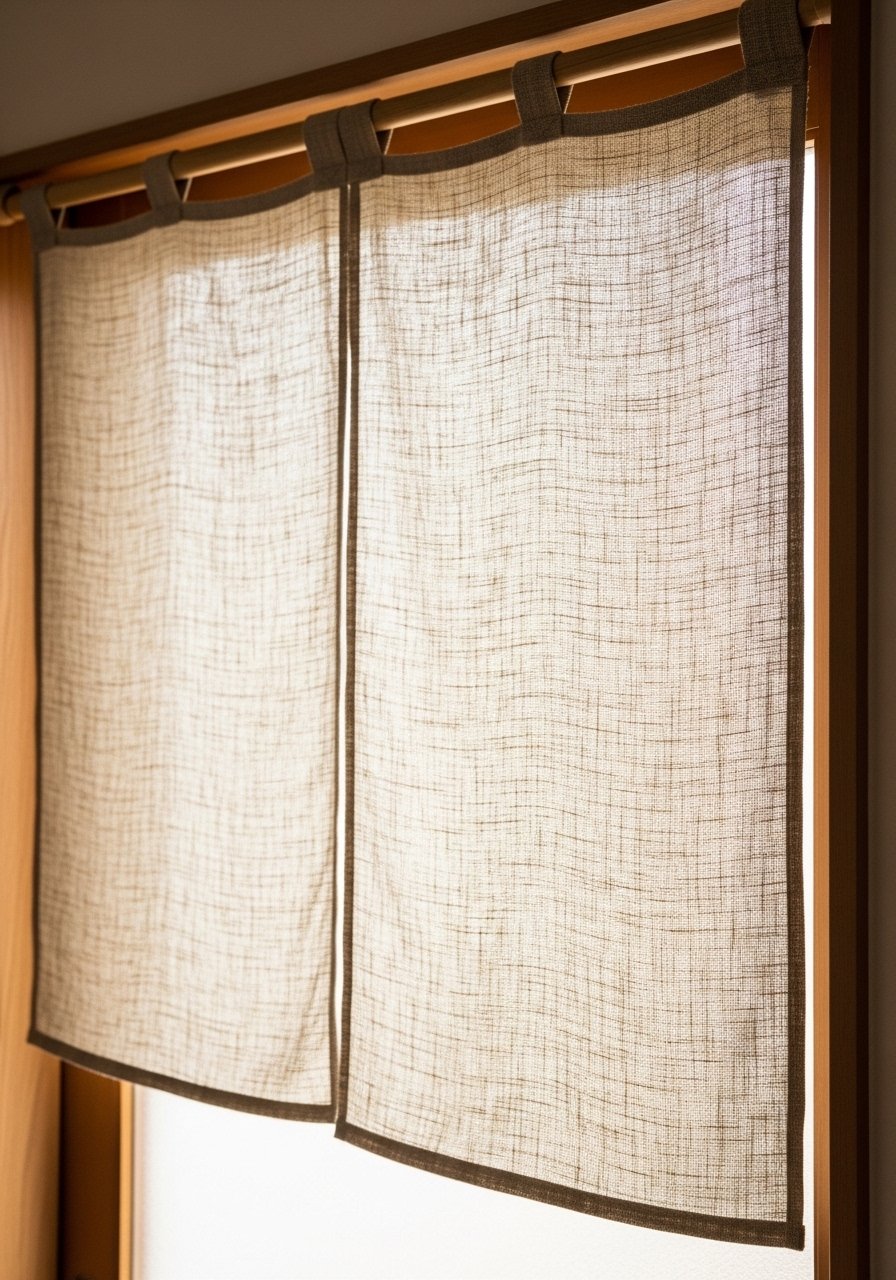
I used noren curtains to separate my sleeping area from the living room in a studio. The fabric keeps airflow and light while giving privacy.
My first panels were too heavy and blocked light. Switch to lightweight linen or cotton for a soft divide. They’re renter-friendly and easy to hang.
Noren add movement and texture without commitment. They make transitions feel gentle.
What You'll Need for This Look
12. Oval Dining Set in Light Oak for Flow

I pared down my dining area to an oval light oak table and it changed circulation. The shape avoids harsh corners in small homes.
I learned sizing the hard way—too small and the table felt fragile. Choose a modest but proportional size so chairs slide comfortably.
An oval table keeps things soft and communal. Add ceramic plates and simple linen napkins for texture.
What You'll Need for This Look
13. Soft Rattan Pendant Lighting Over Key Zones
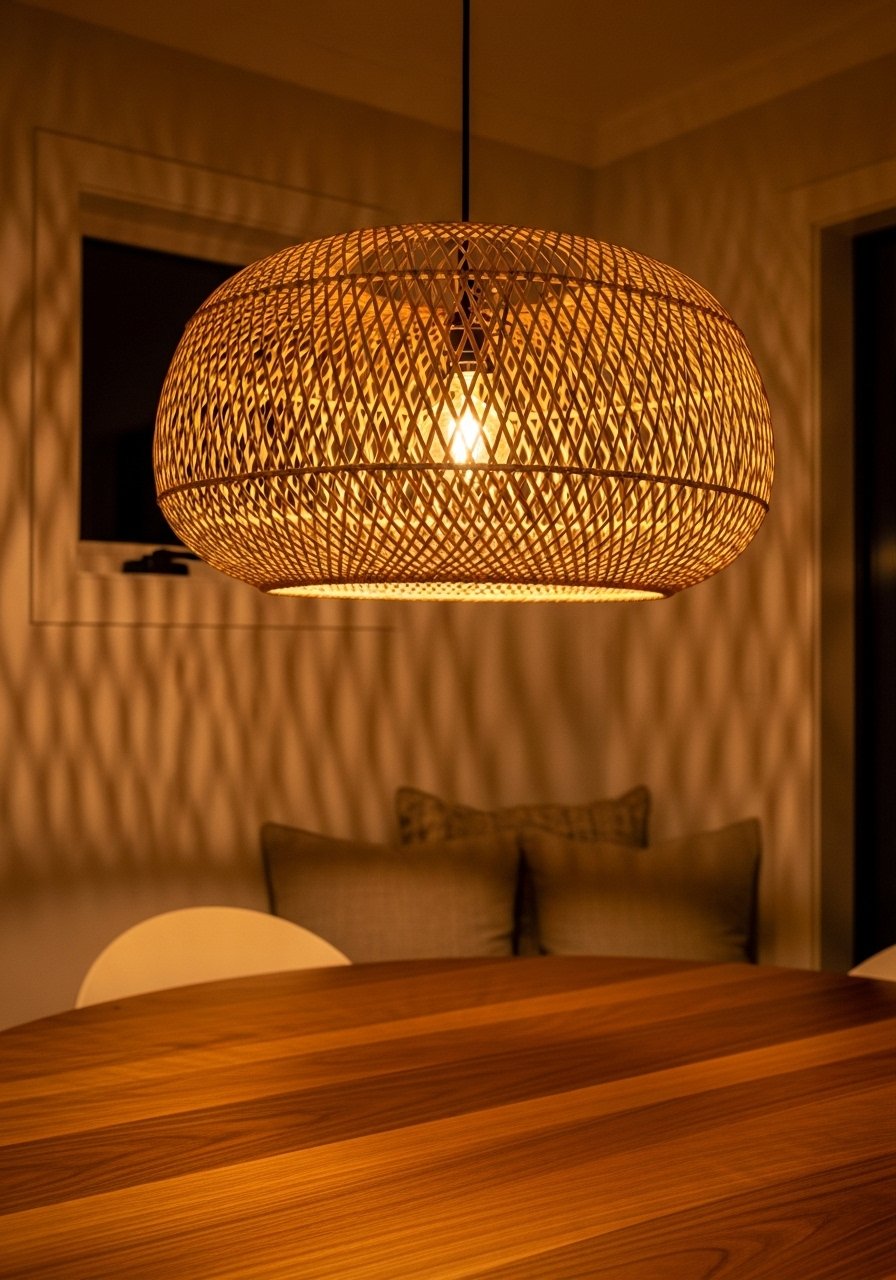
I swapped a metal fixture for a rattan pendant above my kitchen island. The light warmed the whole space and felt like an immediate softening.
My first bulb was too bright. I now use a warm 2700K bulb with a dimmer to control mood. Rattan casts soft shadows that read cozy, not busy.
Use one pendant over a small table or a cluster above a larger island. It’s simple but effective.
What You'll Need for This Look
14. Furoshiki Fabric as Wall Hanging or Throw

I discovered furoshiki cloths as inexpensive wall art. A single piece in indigo or muted patterns adds texture and a quiet focal point.
I tried hanging with tape once and it sagged. Now I use simple clips or a slim wooden rod. It’s renter-friendly and easy to swap.
This felt like a fresh, imperfect piece that didn’t scream for attention. It helped the room feel personal.
What You'll Need for This Look
15. Chabako Tea Corner with Low Tray and Ceramics
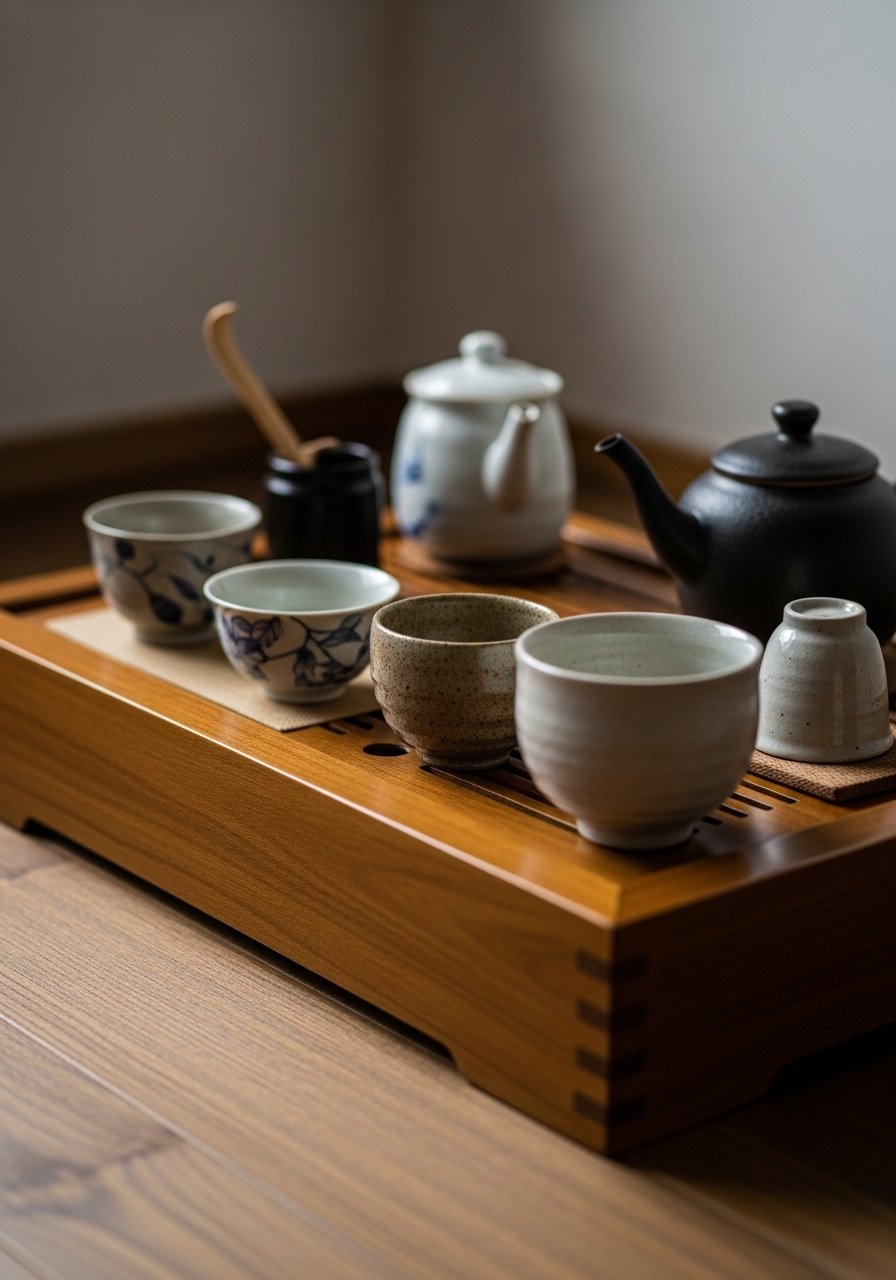
I made a tiny chabako tea corner and it became a daily pause. A low tray, a teapot, and a cup made ritual feel accessible in a small corner.
I overcomplicated it once with too many pieces. A single teapot and two cups are enough. Keep the colors muted and materials tactile.
It’s a small, intentional ritual that made the home calmer in practice, not just in photos.
What You'll Need for This Look
16. Rice Husk Boards for Eco-Friendly Shelving
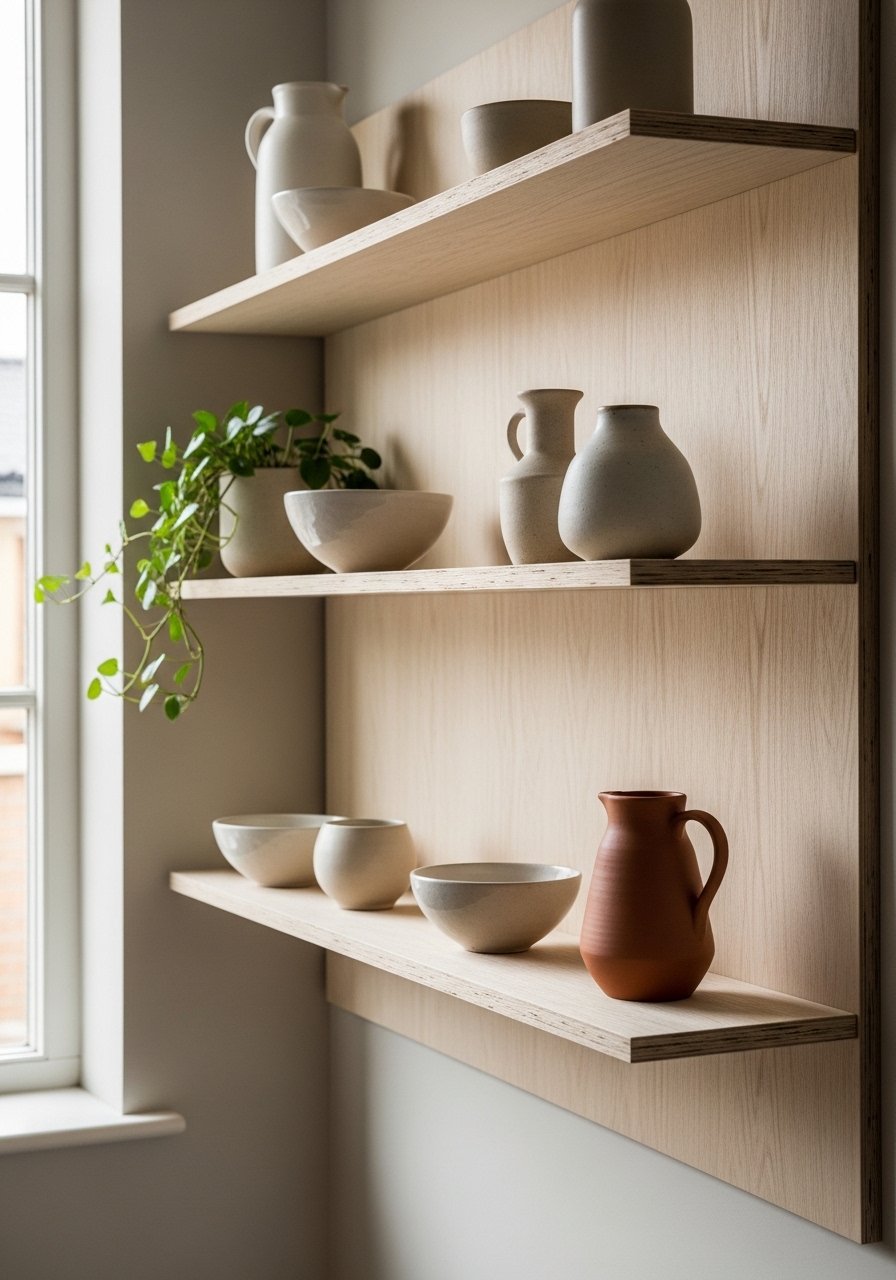
I switched one shelf to rice husk boards for a subtle eco update. It reads like lighter wood but with an interesting matte texture.
I misread load limits at first and had to add brackets. Learn the weight limits and mount securely. The look is refined when paired with ceramics and linen.
If you want a small sustainability touch that still feels intentional, rice husk boards are a quiet option.
What You'll Need for This Look
17. Low Storage Bench That Doubles as Seating

I added a low storage bench under a window and it solved both seating and clutter. It keeps things out of sight while staying part of the visual flow.
I bought one with flimsy hinges once and had to swap. Choose solid hardware and a cushion that breathes. The bench reads calm when textiles are neutral.
This is a practical piece that still fits the Japandi preference for low silhouettes.
What You'll Need for This Look
18. Layered Natural Rugs: Jute Under Tatami
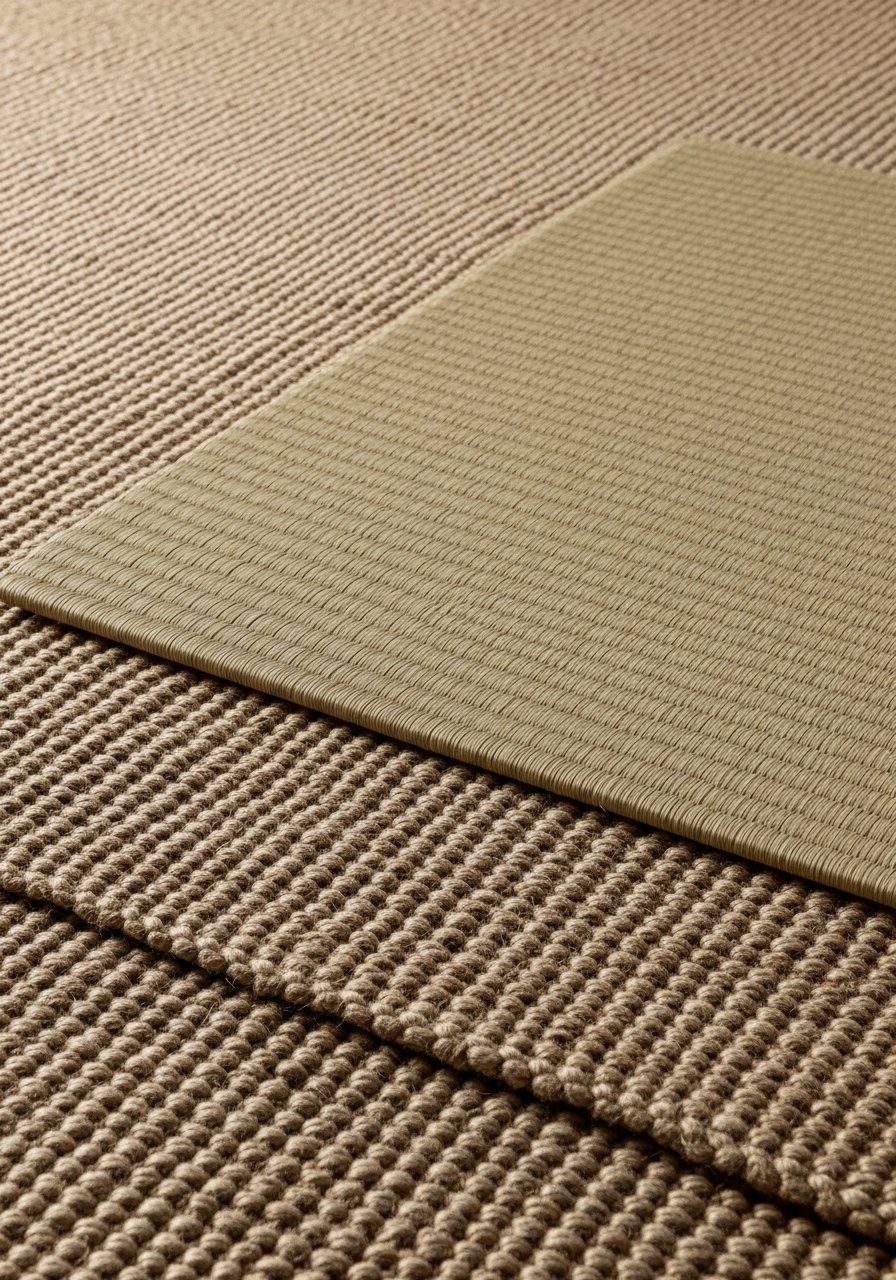
I layered a jute rug under a small tatami mat to define a seating area. The rough jute and smooth tatami complement each other and add depth.
I once skimped on rug size; it looked off. Make sure the base rug is big enough to anchor furniture. Layering adds warmth without clutter.
It’s an easy visual trick to make zones feel designed and cozy.
What You'll Need for This Look
19. Bonsai and Low Plant Groupings on Risers
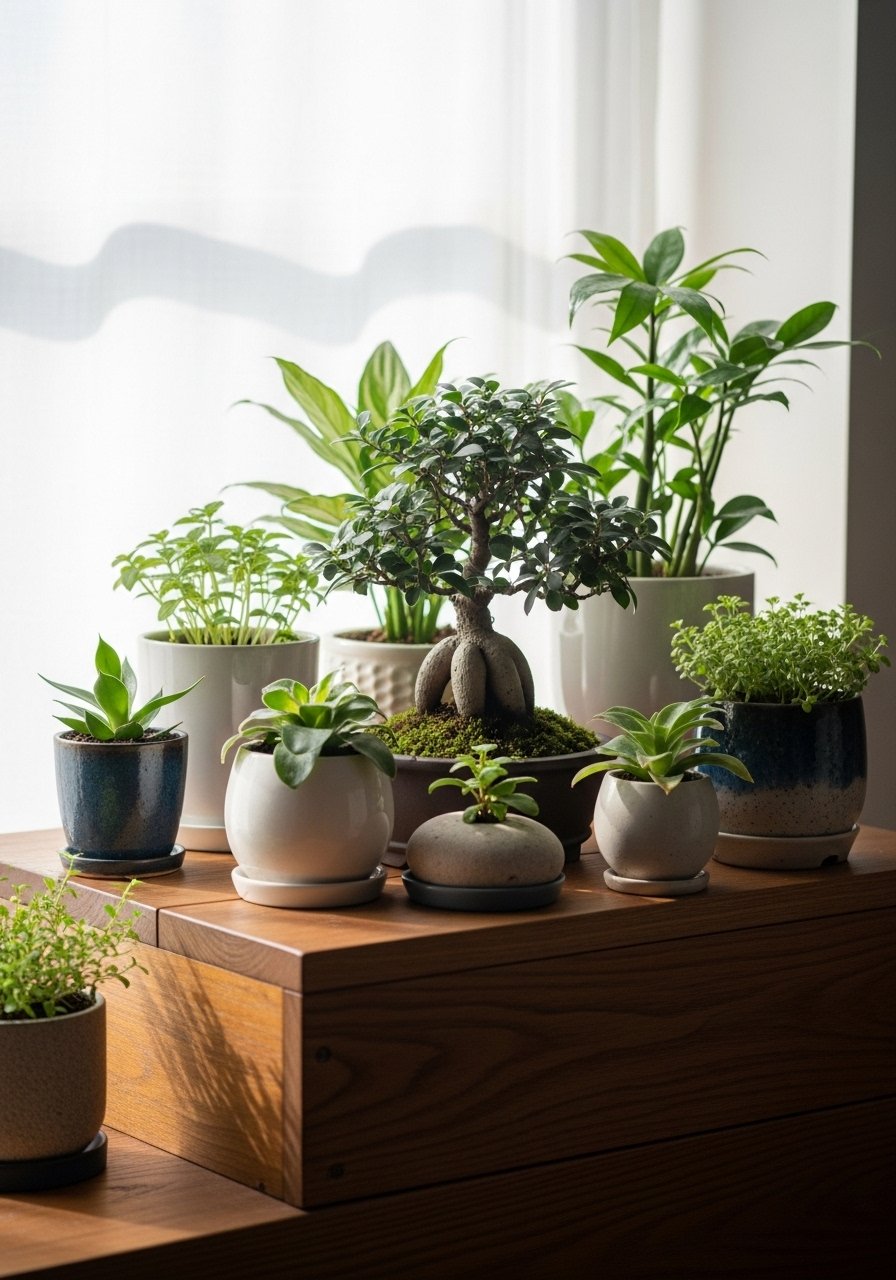
I stopped scattering plants and started grouping small ones on low risers. A bonsai plus two small pots creates a deliberate corner without chaos.
I killed a delicate plant once because I overwatered the group. I now mix low-care plants and rotate them. Use ceramic pots for a cohesive look.
Grouped plants read as a single compositional move. They bring life and quiet focus.
What You'll Need for This Look
20. Minimal Rounded Coffee Table with One Centerpiece
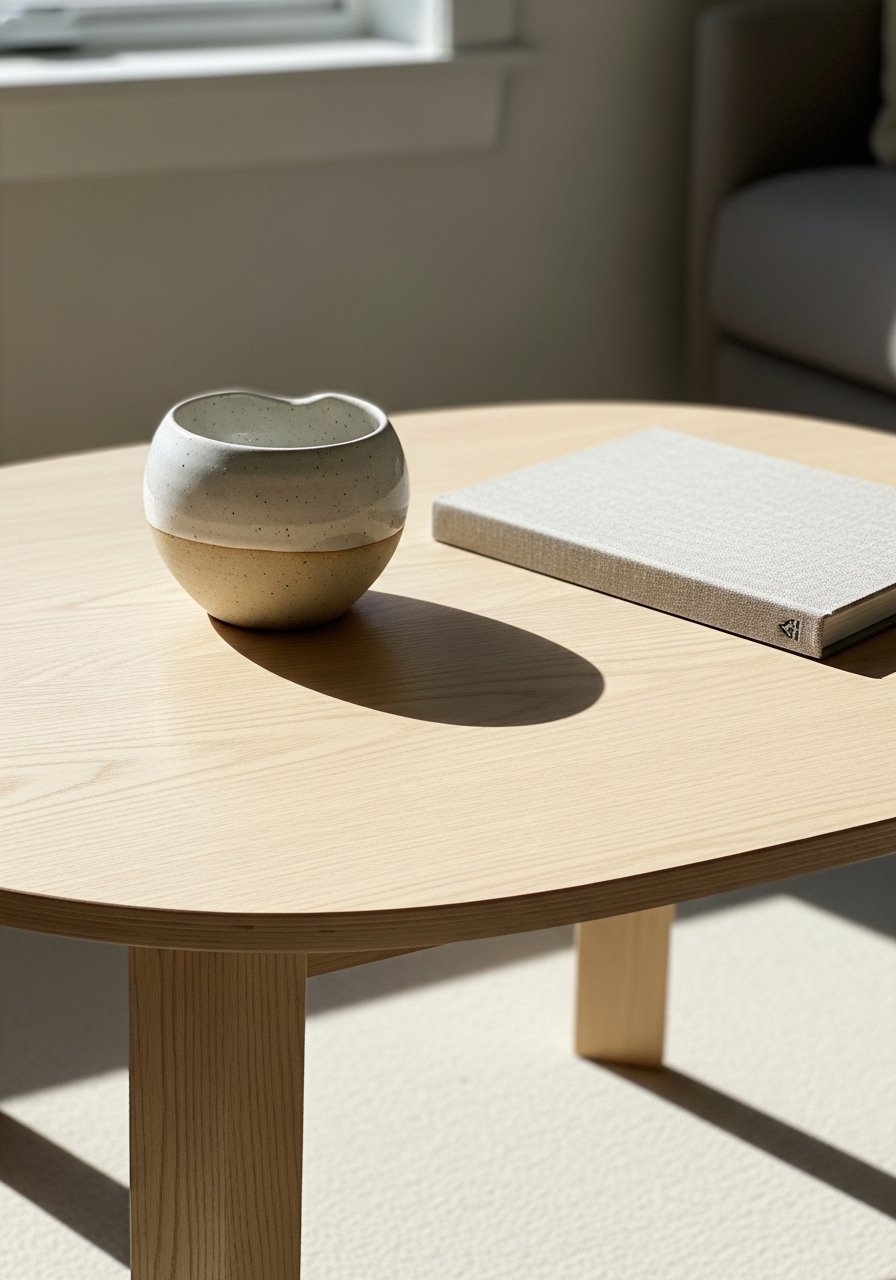
I learned that a simple rounded coffee table with a single ceramic bowl looks complete. Too many objects on a table pull the room away from calm.
I used to stack magazines and it looked cluttered. Now it’s one artful object and a book. That restraint makes the room breathe.
A rounded table supports the soft Japandi shapes and keeps the focus quiet.
What You'll Need for This Look
21. Rounded Poufs and Ottomans for Flexible Seating
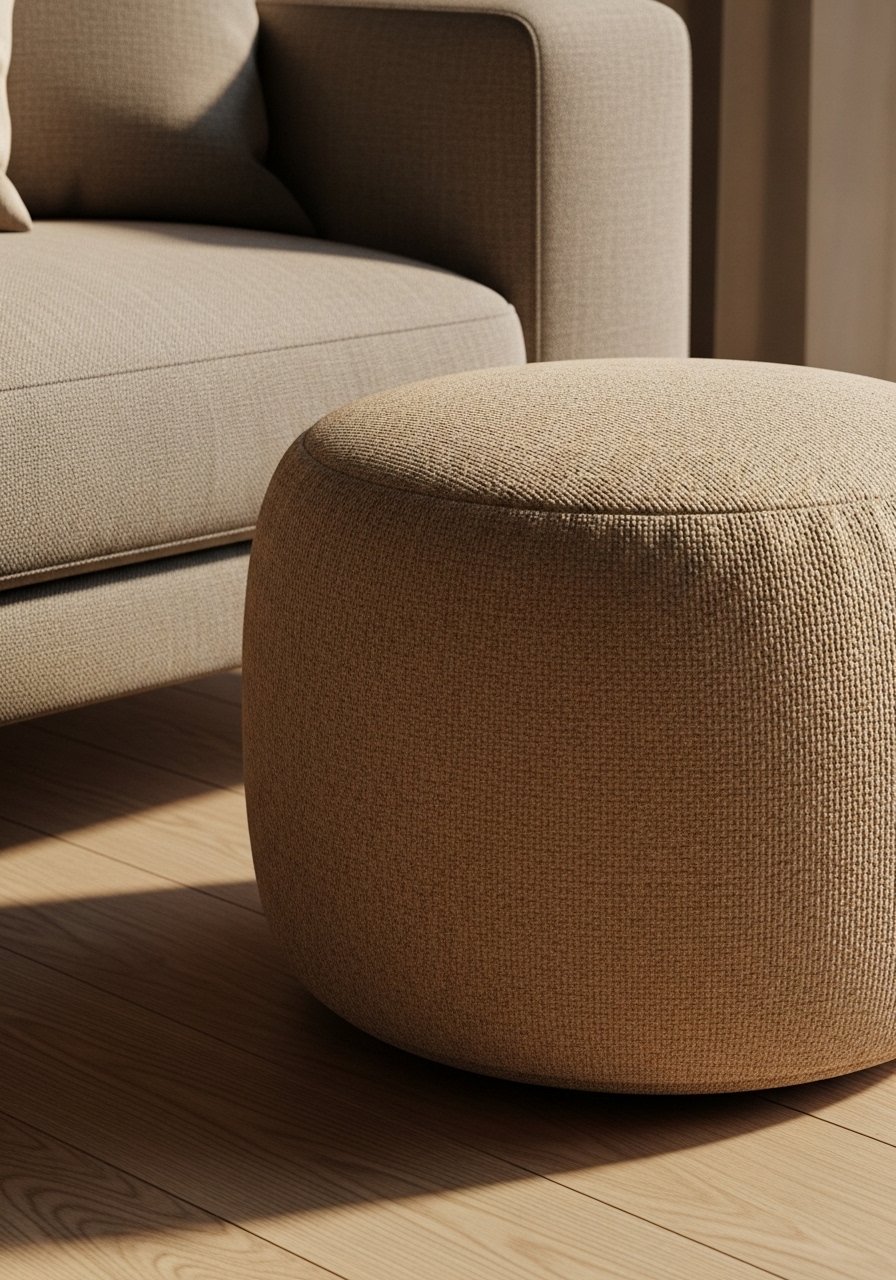
I added a couple of rounded poufs instead of extra chairs. They’re flexible, soft, and easy to move for guests or to use as footrests.
I bought one too small once and it disappeared visually. Choose proportionally sized poufs that sit low and wide. Fabric choice matters—textured linen reads lived-in.
Poufs are an inexpensive way to add seating and continue the soft, curved language.
What You'll Need for This Look
Final Thoughts
You don’t have to do all of this. Pick two or three moves that solve the things that bother you right now.
I found low profiles, warm woods, and a few tactile fabrics made the biggest difference. Start small. Live with it. It will feel like yours.