I always thought cottagecore was for farmhouses and photo shoots. Then I started layering quilts on a small rental bed and kept the thrifted crocks on the mantle. It stopped looking staged and finally felt like my life lived there.
These are things I actually added, returned, fixed, or kept forever. They’re simple, honest, and doable.
25 Romantic Cottagecore Decor Ideas That Feel Storybook
These 25 ideas are practical and lived-in. I include small mistakes I made, budget-friendly swaps, and how each choice changes the room’s mood. Read them, pick a handful, and start layering texture and warmth today.
1. Layered Neutral Textiles That Make a Room Feel Finished
I started with a plain white comforter and felt it was missing something obvious: depth. Adding a cream quilt, a slightly faded floral blanket, and a chunky throw made the bed look like a lived-in hug. It reads calm, not cluttered.
My mistake was buying everything in the exact same white. I learned to pick warm creams and one small patterned quilt for personality. Pay attention to scale—mix thin ticking stripes with larger florals so nothing fights.
Tip: layer three textiles and tuck one at the foot. It feels effortless after the first night.
What You'll Need for This Look
- Cream quilt bed cover (full/queen)
- Vintage-style floral throw blanket
- Cream chunky knit throw (50×60)
- Linen pillow covers in warm beige
2. Scalloped Jute Rug as a Natural Anchor

I finally replaced my cheap polyester rug with a scalloped jute one. The shape softened the room’s hard edges and suddenly the seating area read calm instead of chaotic. The natural texture holds dust but hides pet hair well.
At first I underestimated size. I bought the small one and the space looked disjointed. Bigger is better—let the rug sit under front legs of sofas and chairs. Pair it with a low-pile runner in the hallway for continuity.
Tip: vacuum gently and rotate seasonally to avoid uneven wear.
What You'll Need for This Look
3. Mix Light Wood Furniture with Slipcovers
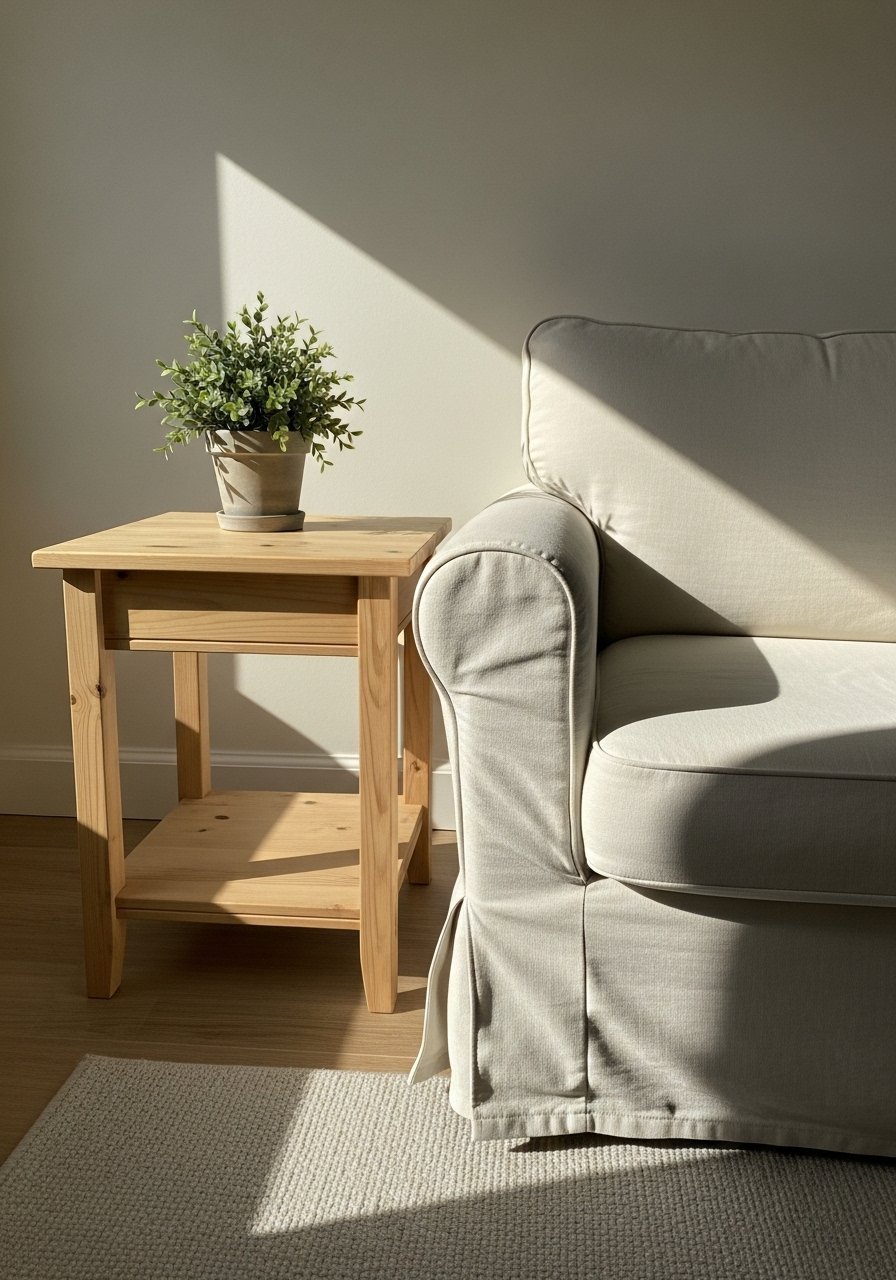
I love the way light wood grounds airy linens. I swapped a heavy upholstered chair for a slipcovered one and added a pine side table. The mix reads collected, not new showroom.
I once bought a slipcover that didn’t fit—huge waste. Measure first and choose washable linen blends. Slipcovers let me change color and texture seasonally without buying new furniture.
Tip: keep one wooden piece per seat grouping for balance.
What You'll Need for This Look
4. Floral Quilt Layering on a Neutral Base

When I added a thrifted floral quilt to my neutral bed, the room calmed instantly. It reads like a family piece, even though I bought it at a weekend market. Quilts give layers and warmth without heavy color.
I learned to avoid tiny prints across everything. One statement floral works best with plain sheets and textured throws. A floral quilt looks better with warm cream walls than stark white.
Tip: fold the quilt at the foot and let its pattern peek through.
What You'll Need for This Look
5. Massive Natural Wood Island (Scaled for Big Kitchens)
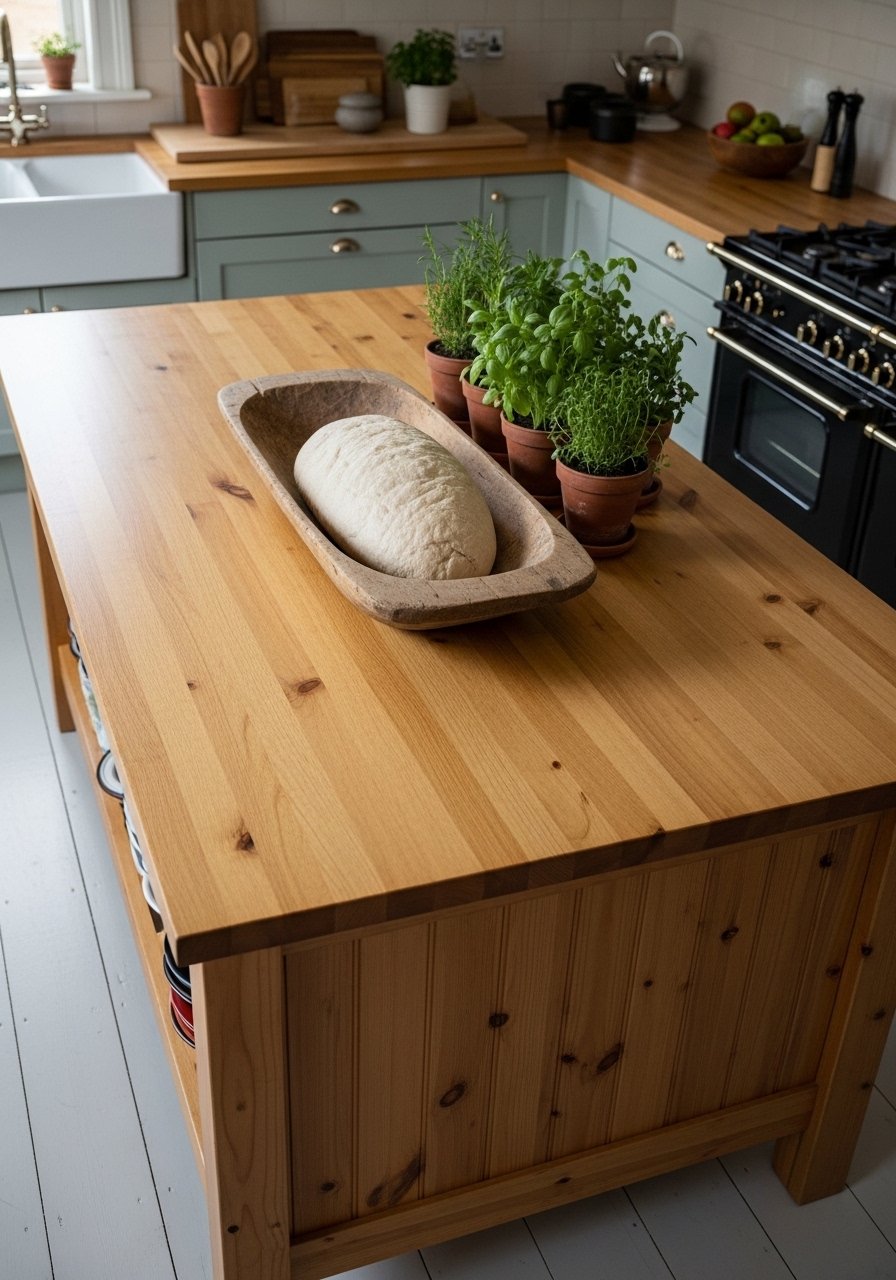
A big wooden island changed how my kitchen felt—now it's the room’s heart. Mine isn’t 84 inches, but choosing a substantial wood chunk created permanent warmth. It makes meal prep and gatherings feel slow and rooted.
My early mistake was choosing dark stain that made the room heavy. I switched to natural pine and it opened the space. If you can’t afford a full island, try a portable wood cart with a butcher-top.
Tip: add brass pulls and a large dough bowl for authenticity.
What You'll Need for This Look
6. Curved Mirrors and Rounded Tables to Soften Edges
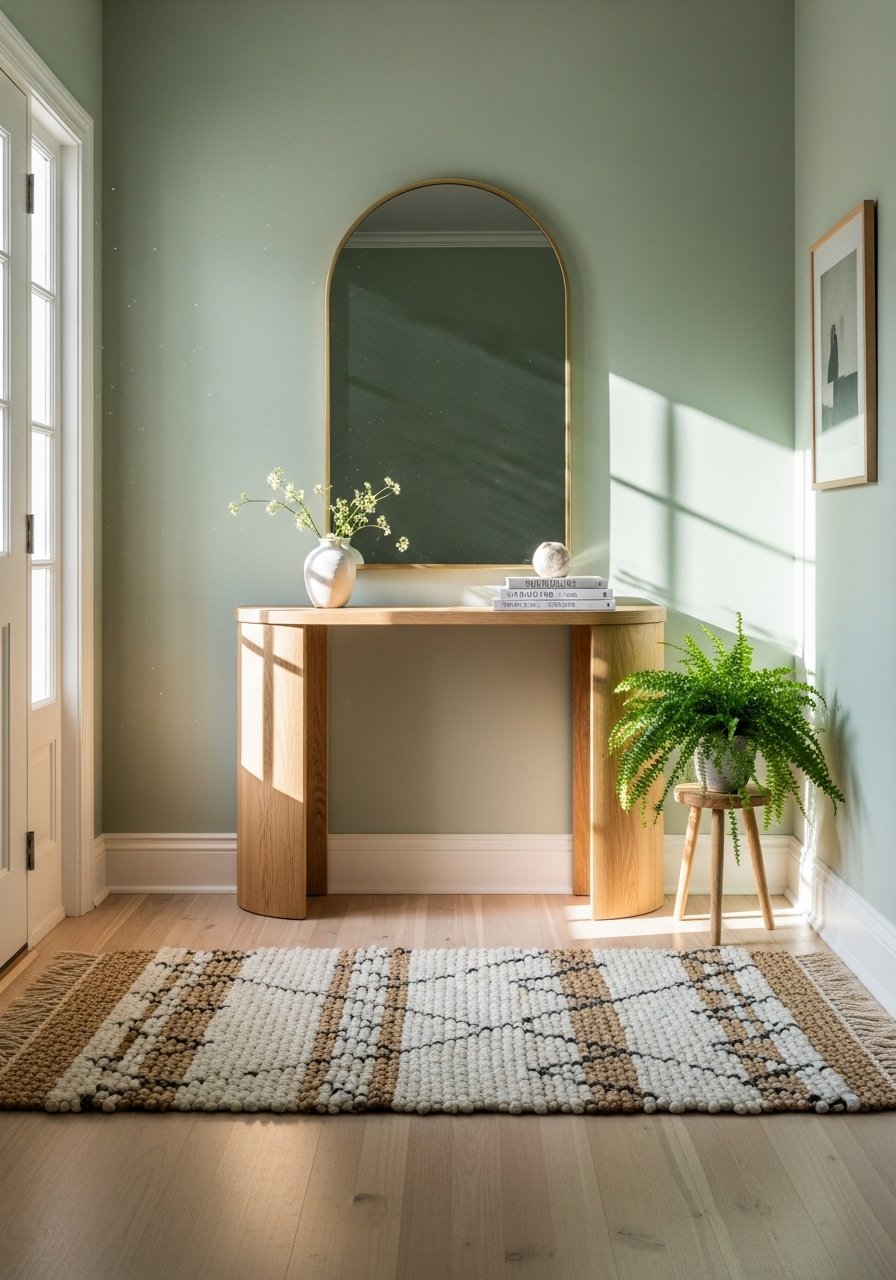
Swapping a rectangular mirror for an arched one made my entry stop feeling so sharp. Curves lower visual tension and invite you in. I added a round coffee table and the seating area immediately felt more intimate.
I bought a cheap arched mirror once with warped glass—lesson learned to splurge slightly on glass quality. Rounded forms hide a lot of placement mistakes. Use them near hard lines like shiplap or beams to balance.
Tip: pair a curved mirror with a simple vase and old book for a lived-in vignette.
What You'll Need for This Look
7. Soft Sage and Cream Textile Layers
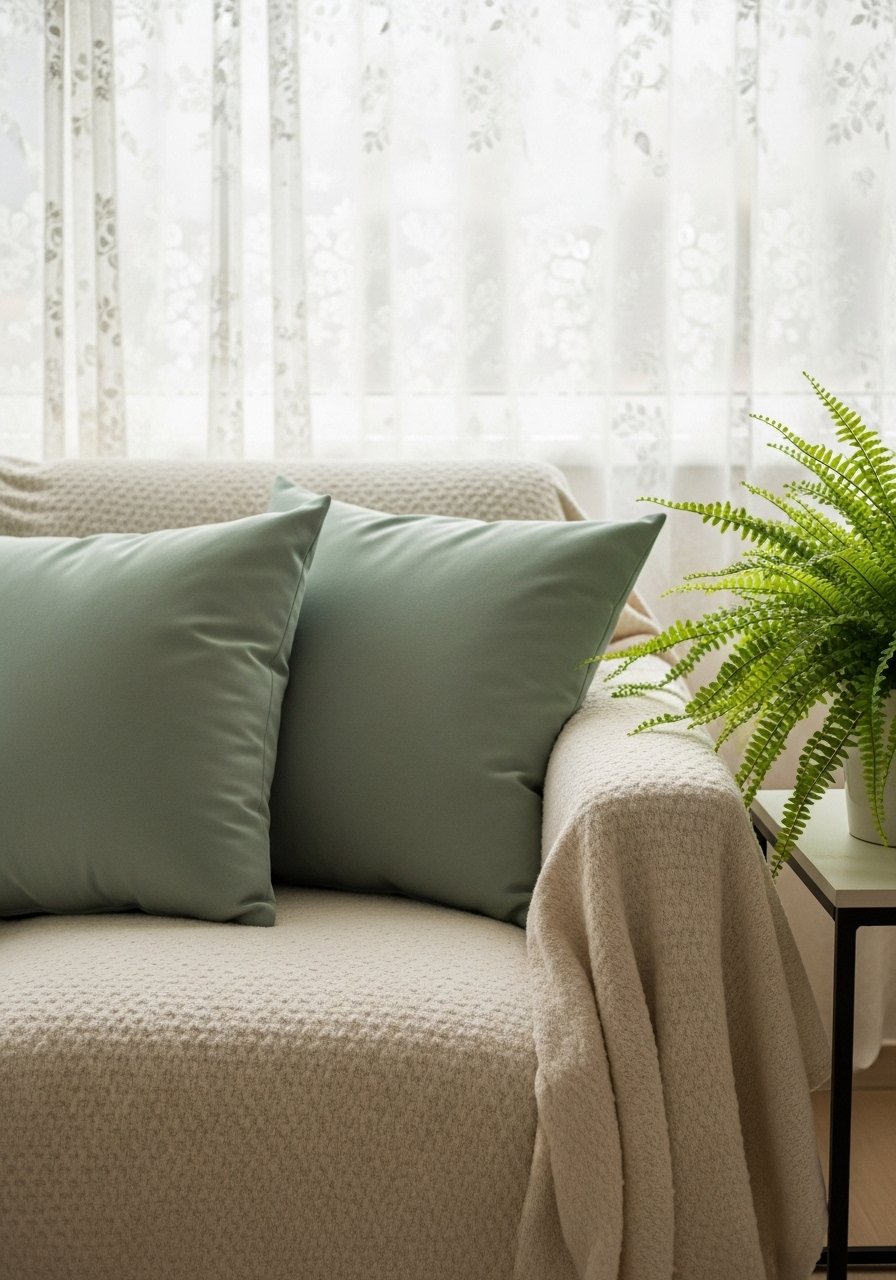
Sage green does something calm I didn’t expect. I swapped one or two pillows to soft sage and it read like spring without being loud. The cream base keeps it grounded and not matchy-matchy.
I once bought too-bright sage that looked artificial. Choose muted, slightly gray-green tones. Mix checks or stripes with a plain linen for variety. Sage pairs particularly well with brass or weathered wood.
Tip: start with two sage accents then add one small floral pillow to pull the look together.
What You'll Need for This Look
8. Floral Tapestry Pillows on a Ticking Sofa
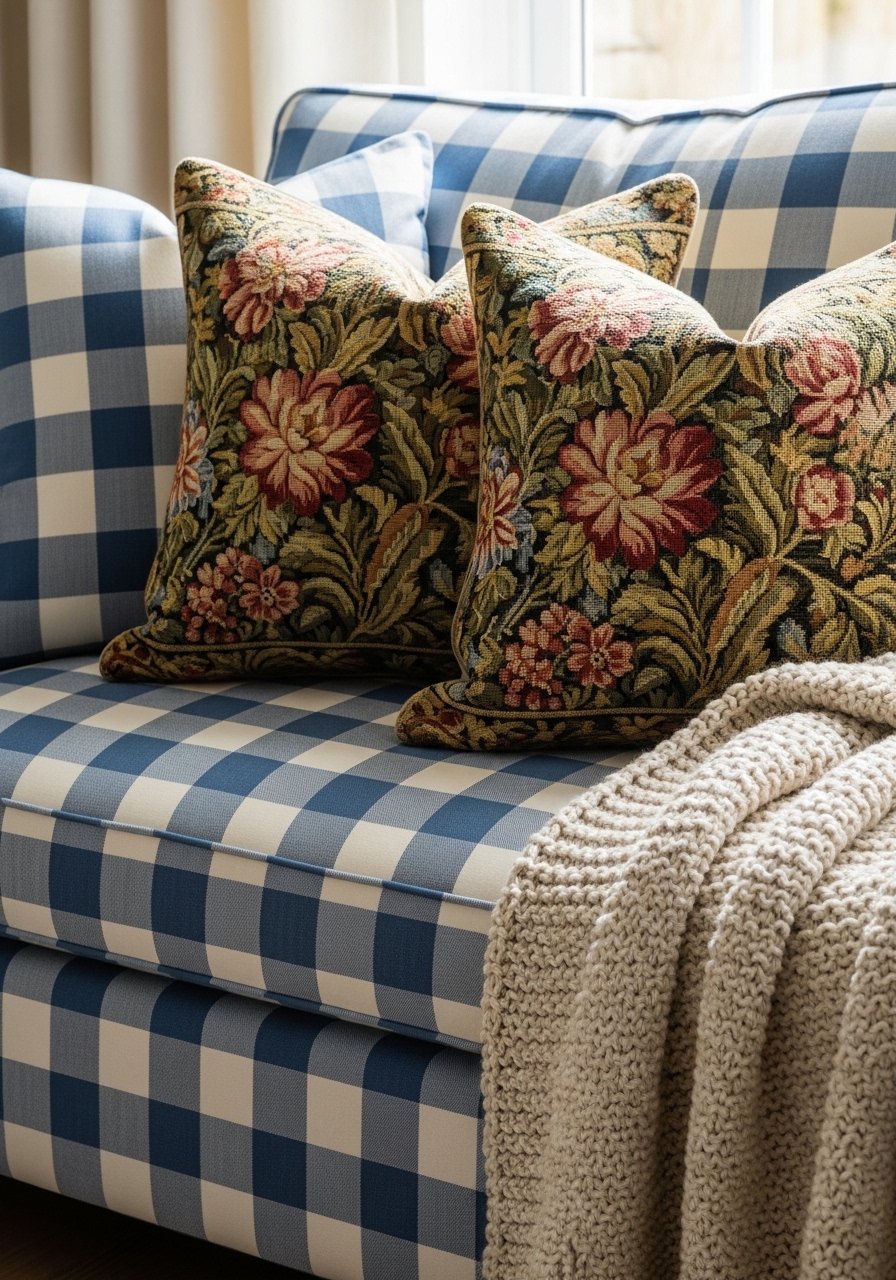
A ticking-stripe sofa felt too plain until I added floral tapestry pillows. The mix reads like an English cottage—collected, layered, soft. I like the visual contrast between narrow stripes and bigger florals.
My error was matching patterns too closely. Keep scale in mind: small stripes, medium floral, and one textured solid. Tapestry pillows add weight so balance them with softer linens.
Tip: pick a color from the tapestry to repeat in a nearby vase or blanket.
What You'll Need for This Look
9. Vintage Fabrics with Ruffles and Scallops
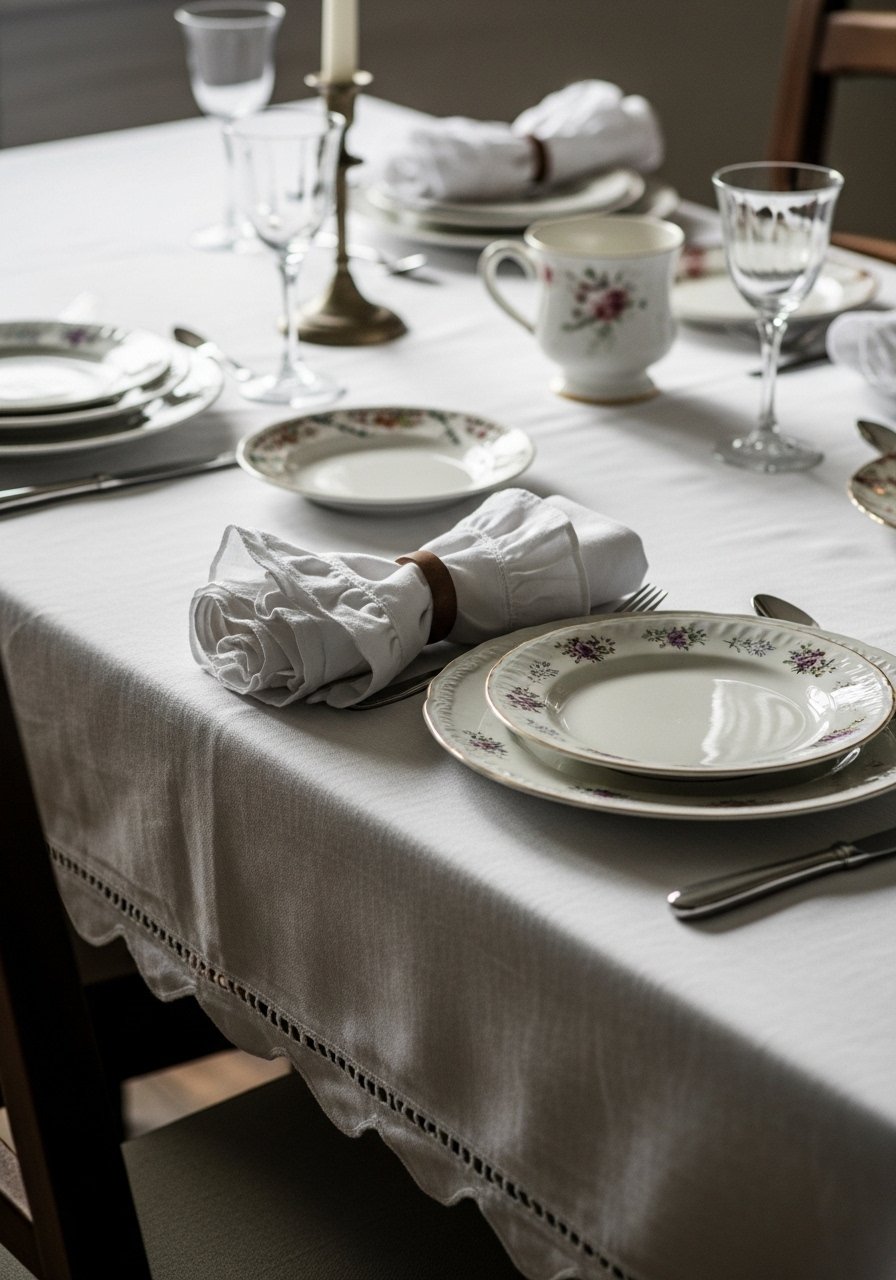
I have a small set of scalloped napkins that instantly make dinners feel slower and gentler. Ruffles and scallops add romance without being overdone. They read like something your grandmother would have kept and used.
My mistake was buying synthetic ruffled linens that didn’t soften with wash. Choose cotton or linen. Keep colors muted and pair them with simple ceramics so the details stand out.
Tip: mix one ruffled piece with plain tableware to avoid fussy tablescapes.
What You'll Need for This Look
10. Distressed Desk with a White Cane Chair for a Romantic Nook
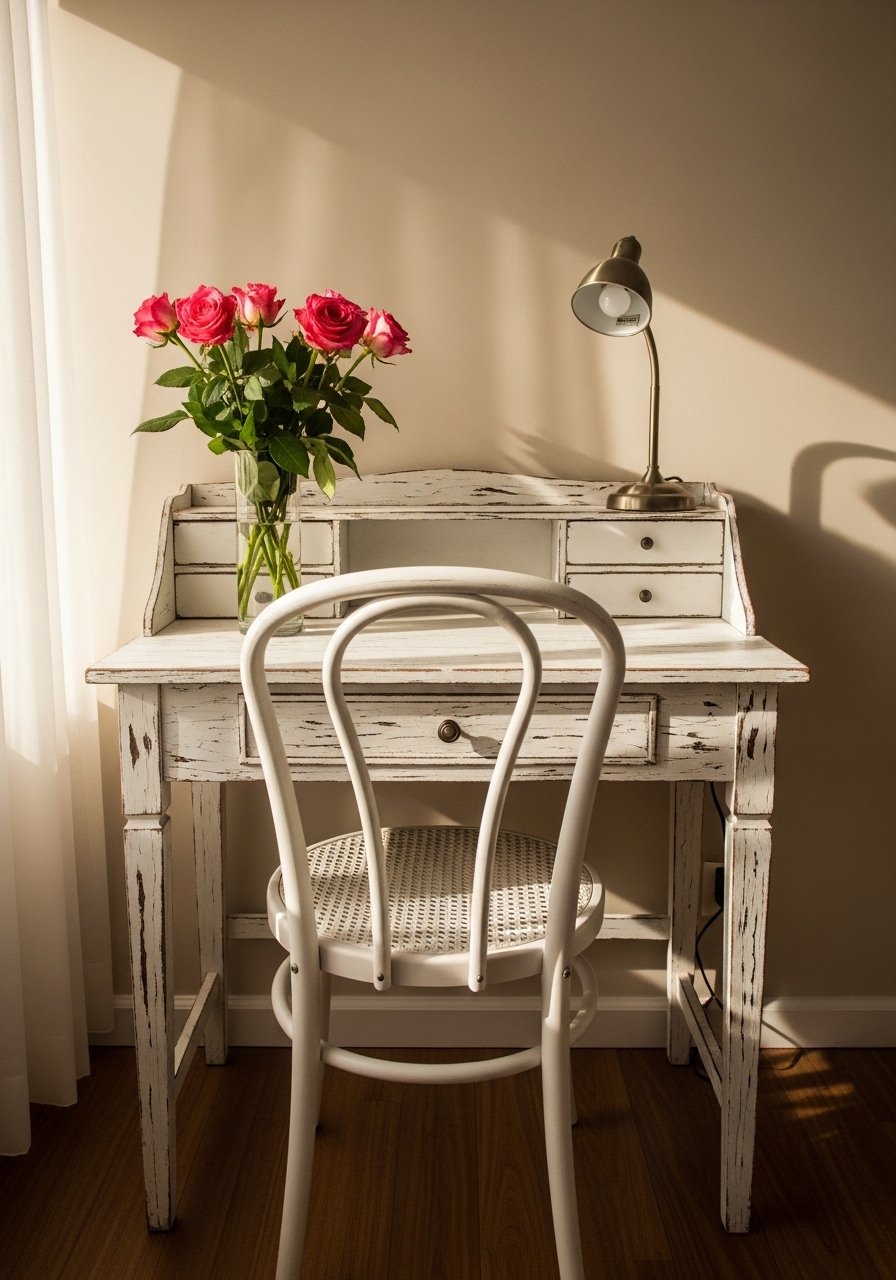
I set up a tiny desk under a window and added a white cane chair. It became my slow corner—letters, tea, and no laptop at night. Distressed paint reads like life lived, not showroom-new.
I bought a delicate cane chair that sagged after a year. Look for solid construction; cane can be delicate. Keep a small lamp and a vase of fresh flowers to make the nook feel intentional.
Tip: use a small brass clip-on lamp for extra warmth and easy reading light.
What You'll Need for This Look
11. Warm Taupe Walls Framed with Antiques

Painting my hallway a warm taupe softened the stark white in the rest of the house. It makes antiques sing instead of disappearing. The color brings a sense of history without feeling heavy.
I once used a sample that read too pink in evening light. Test paint at different times of day. Pair taupe with cream trim and a single antique chest for immediate personality.
Tip: add one small antique per wall group to avoid clutter.
What You'll Need for This Look
12. Butter Yellow Side Table as a Gentle Pop
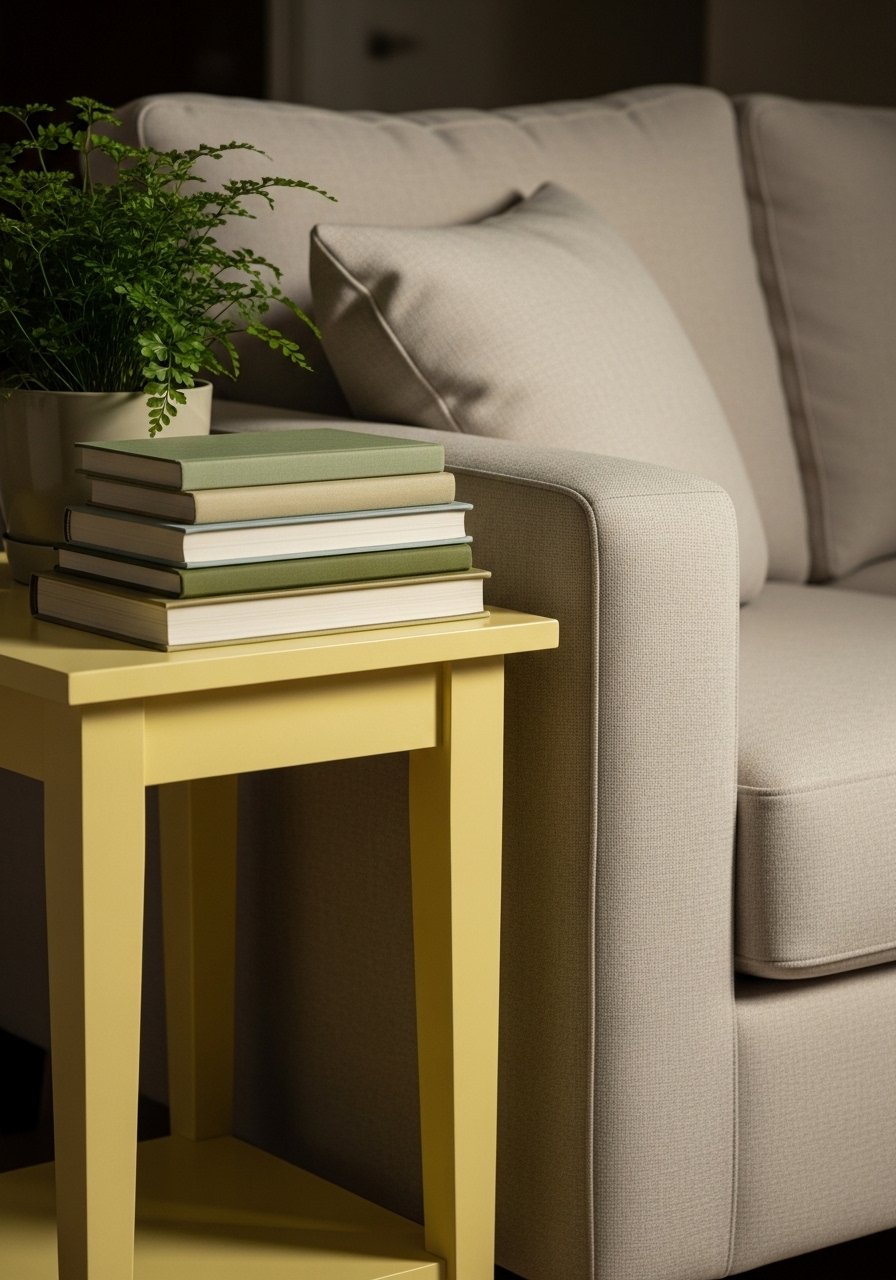
I added a butter yellow side table to a neutral living room and it instantly felt like spring without screaming color. The muted yellow reads warm and collected next to sage and cream.
My early pick was too bright and became the focal point for the wrong reasons. Choose a pastel butter tone, not neon. Use the table to hold a lamp and a small bouquet for a quiet statement.
Tip: repeat the butter tone in a pillow or candle to tie the room together.
What You'll Need for This Look
13. Layered Woven Textures with Old Books
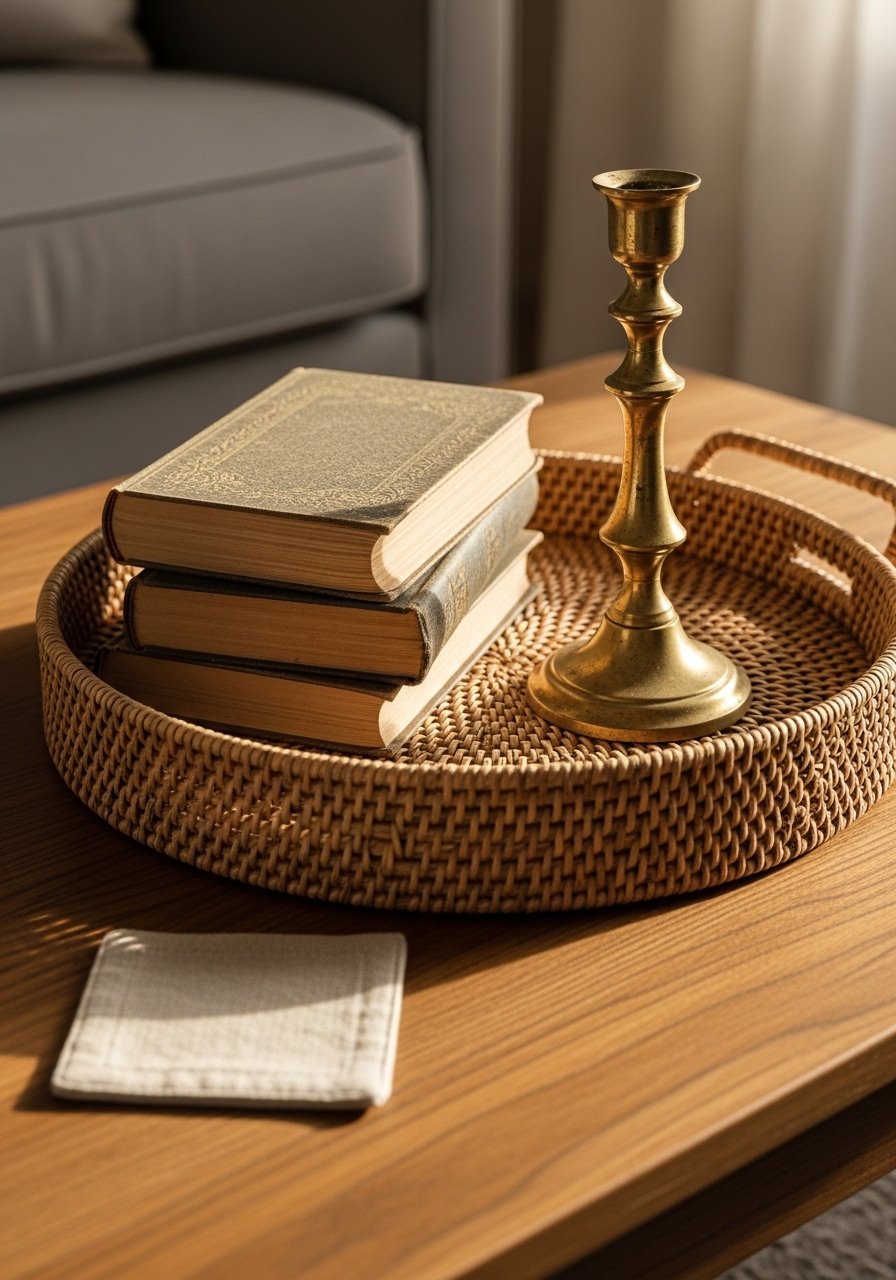
I use old books like cushions for objects. Stacks of worn spines, a woven tray, and a brass candle create tactile interest. It reads like someone lives and thinks here.
I once over-styled with too many books and it looked cluttered. Keep odd-numbered groupings and leave breathing room. Woven textures add softness and stop things from sliding.
Tip: use vintage books of varying heights and a small linen doily beneath the candlestick.
What You'll Need for This Look
14. Brass Accessories on Wooden Surfaces for Quiet Shine
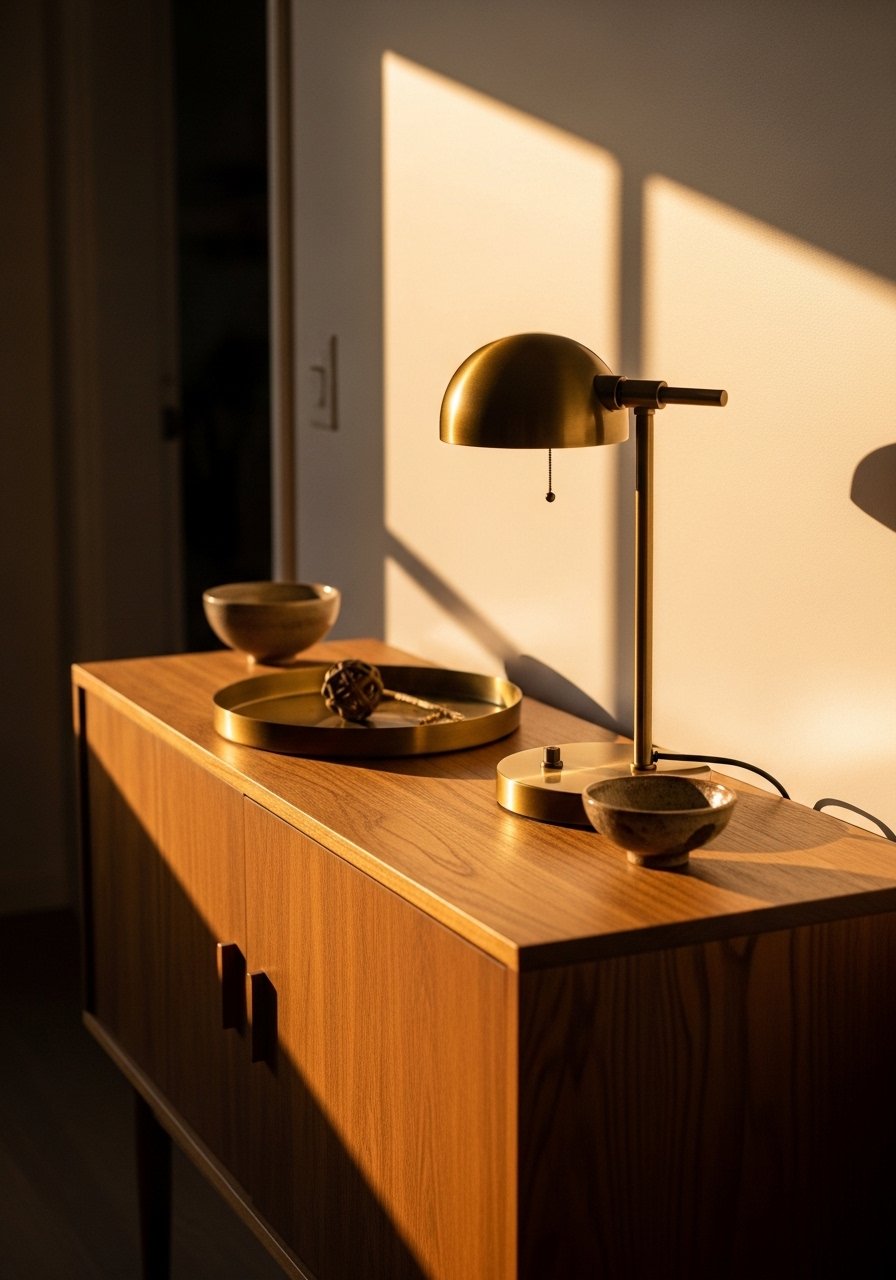
A brass lamp on my weathered console broke up all the wood tones in the best way. Small metallic accents catch light and keep things from feeling flat. They feel considered, not flashy.
My mistake was adding too many shiny items; it read fussy. Pick one brass lamp and one small brass tray. Patina is fine—don’t polish everything to a shine.
Tip: balance brass with matte ceramics and woven fibers.
What You'll Need for This Look
15. One Antique Per Room for Instant Soul
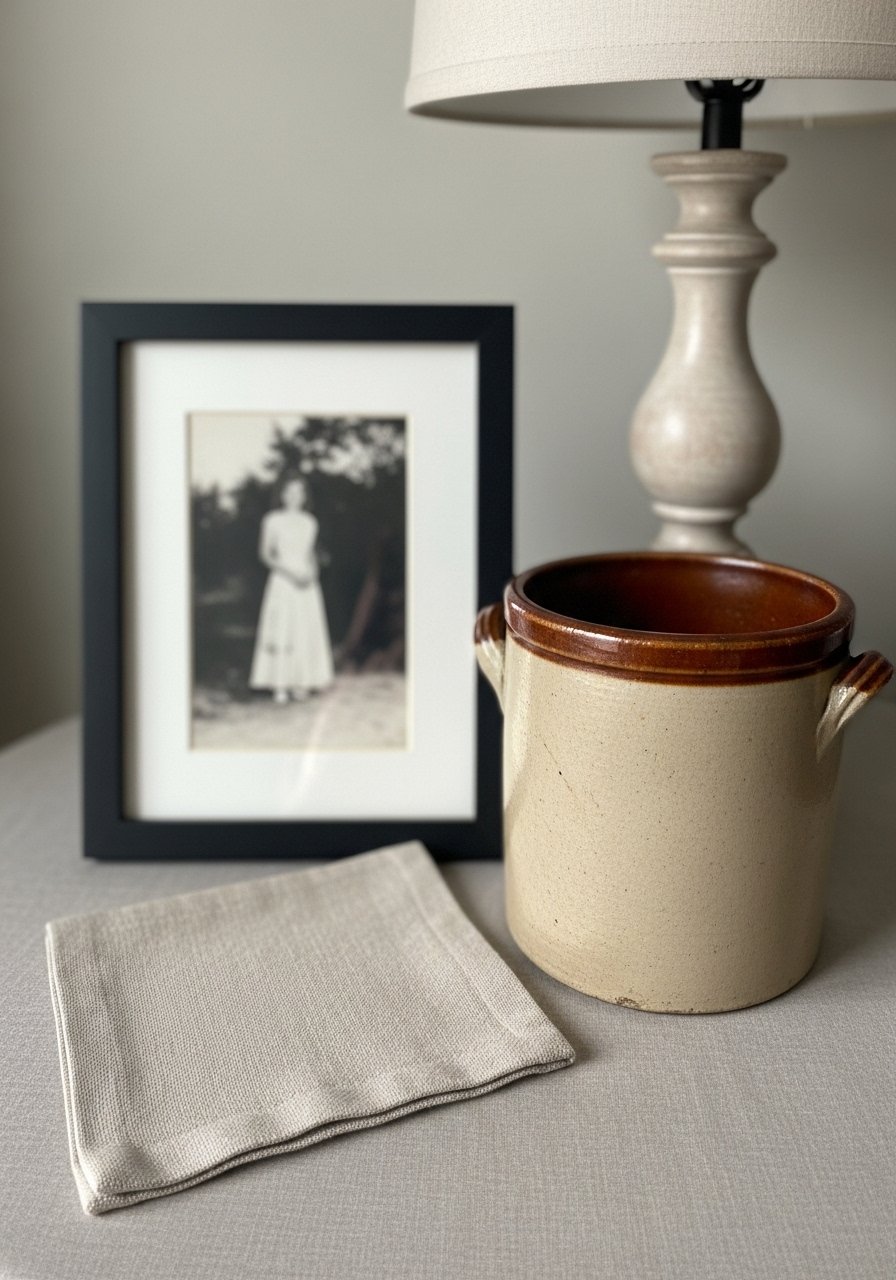
I committed to one real antique per room and it changed the whole vibe. A crock on the mantle or a worn chest anchors a space with history. It makes your home feel collected, not staged.
The mistake was buying too many small “antique-look” pieces that felt fake. Look for one authentic piece or a well-chosen vintage item with character. Let it sit alone or with two small friends—odd numbers read best.
Tip: use an antique as a functional piece, like storage or a plant holder.
What You'll Need for This Look
16. Painted Floors Under a Wood Island for Surprising Warmth
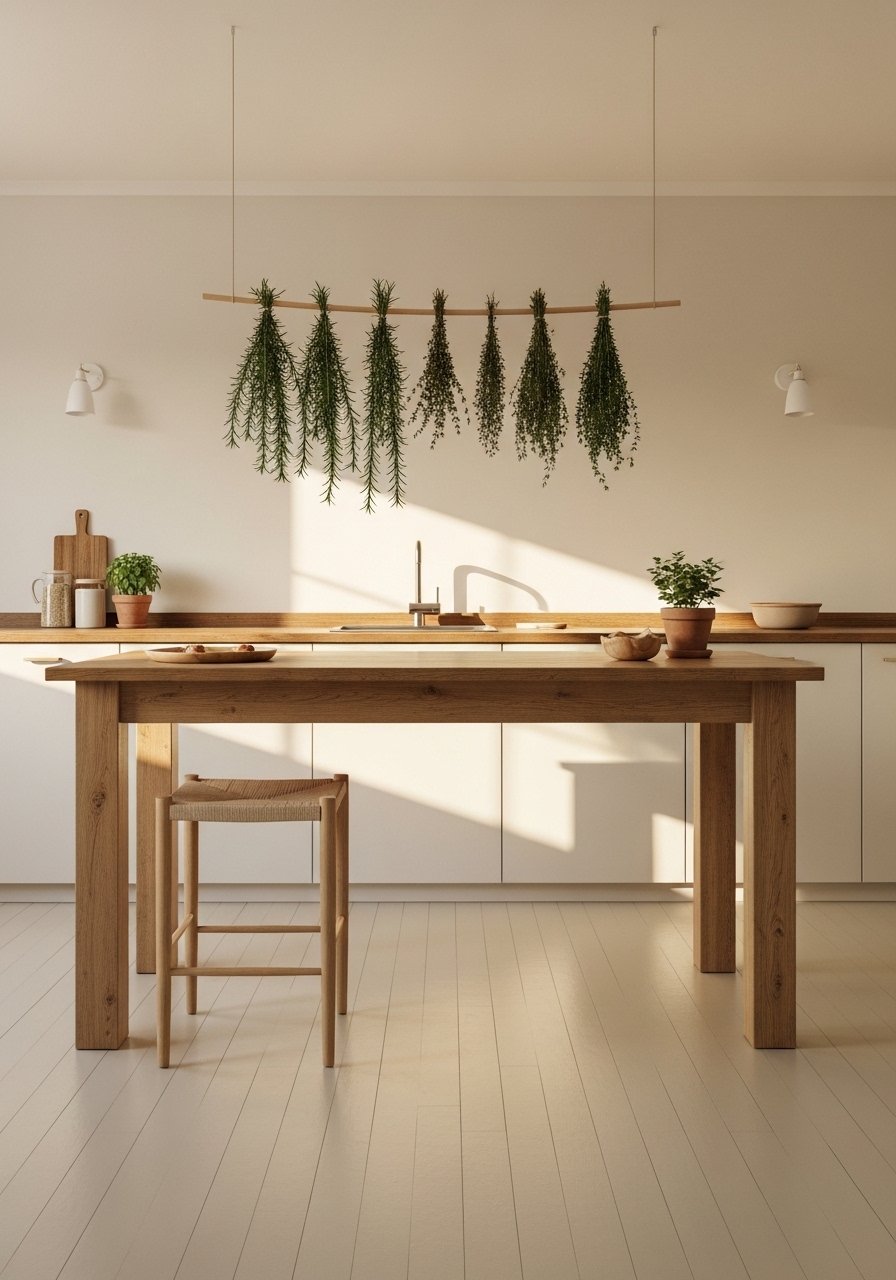
I painted the kitchen floor a soft cream under my wooden island and it made the wood glow. Painted floors give a storybook quality and make wood feel intentional. It’s a small remodel with big return.
My early attempt used a glossy paint that scuffed badly. Choose durable floor paint with a matte finish. If you rent, consider a large painted rug or floorcloth instead.
Tip: keep the color slightly warm to complement wood tones.
What You'll Need for This Look
- Matte floor paint (cream)
- Natural wood kitchen island or butcher block cart
- Vintage-style floorcloth (renter-friendly)
17. Green Checkered Pillows with Lace for Handmade Nostalgia
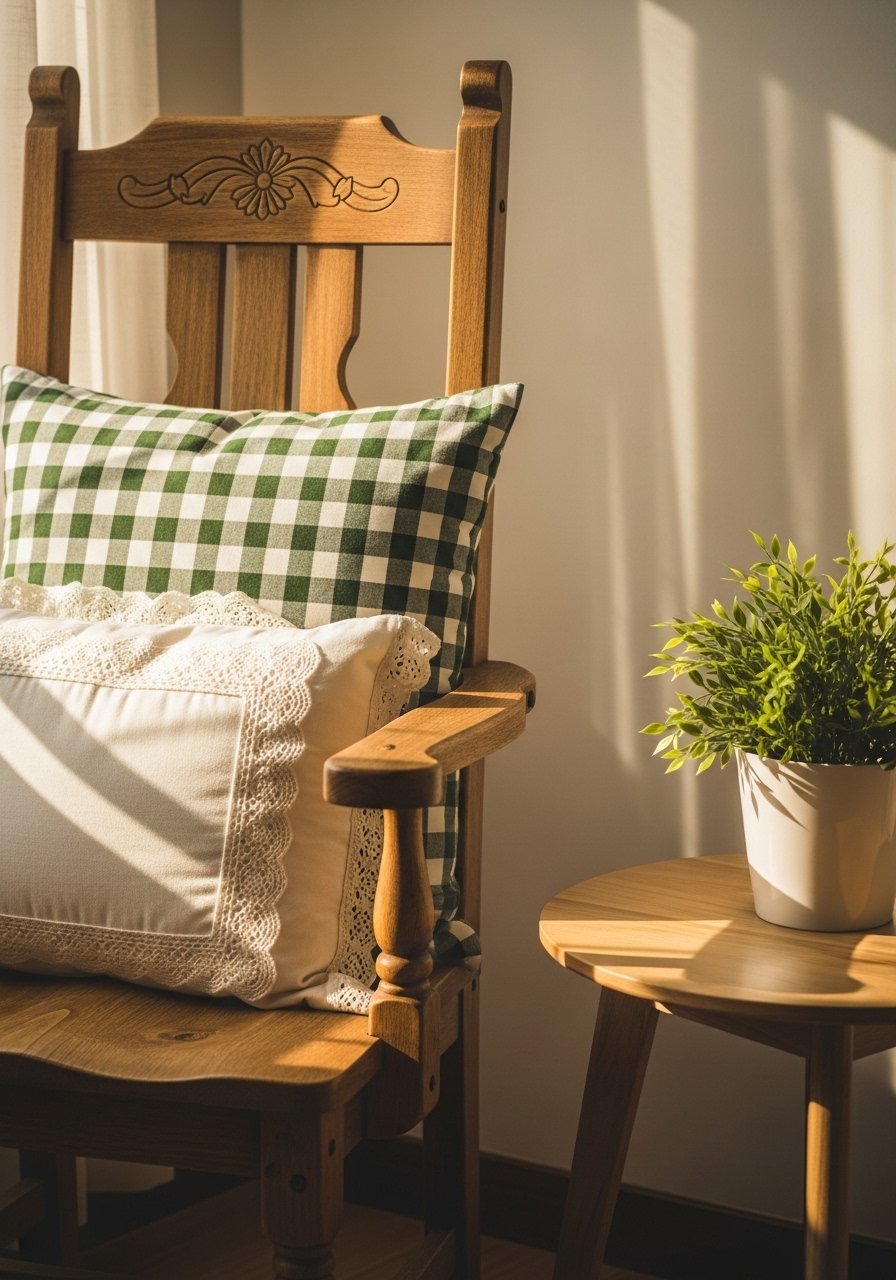
I found green checkered pillows that read like a summer cottage. Layering a small lace cushion with them makes the group feel homemade and approachable. The check is grounding; the lace is the gentle voice.
I once bought plastic-backed lace that squeaked. Look for cotton lace and breathable fabrics. This combo works well on a bench, kitchen chair, or a small reading nook.
Tip: repeat green in a ceramic pot or kitchen towel nearby.
What You'll Need for This Look
18. Jars, Jugs, and Crocks as Functional Decor

I stopped hiding jars in cabinets and started styling them on open shelves. Crocks hold utensils, jugs hold wildflowers, and glass jars store pasta. They add texture and feel useful, not decorative.
My mistake was buying every white jug the first season—it looked one-note. Mix glazes and sizes. Use them where you actually need them so styling feels natural.
Tip: collect one small jug at flea markets for authenticity.
What You'll Need for This Look
19. Layered Curtains: Linen + Lace
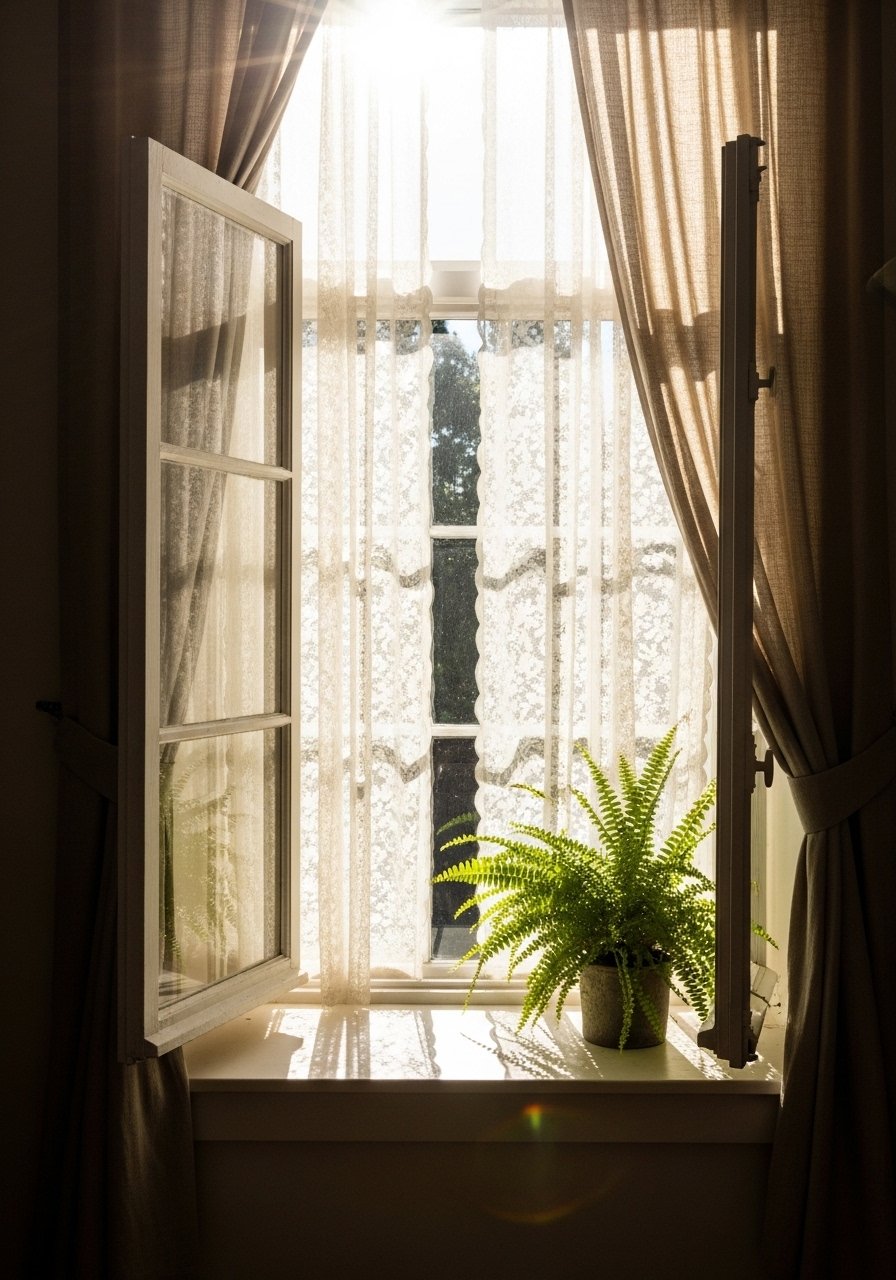
I hung linen drapes with lace panels underneath and the light became the room’s soft filter. Layered curtains allow privacy and texture while keeping rooms bright. Linen gives weight; lace gives romance.
I made the error of hanging curtains too short. They should puddle slightly or just kiss the floor for that collected look. Use simple iron rods—no need for heavy hardware.
Tip: keep the linen neutral and let lace be the delicate accent.
What You'll Need for This Look
20. Ruffled Bedskirts for Immediate Softness
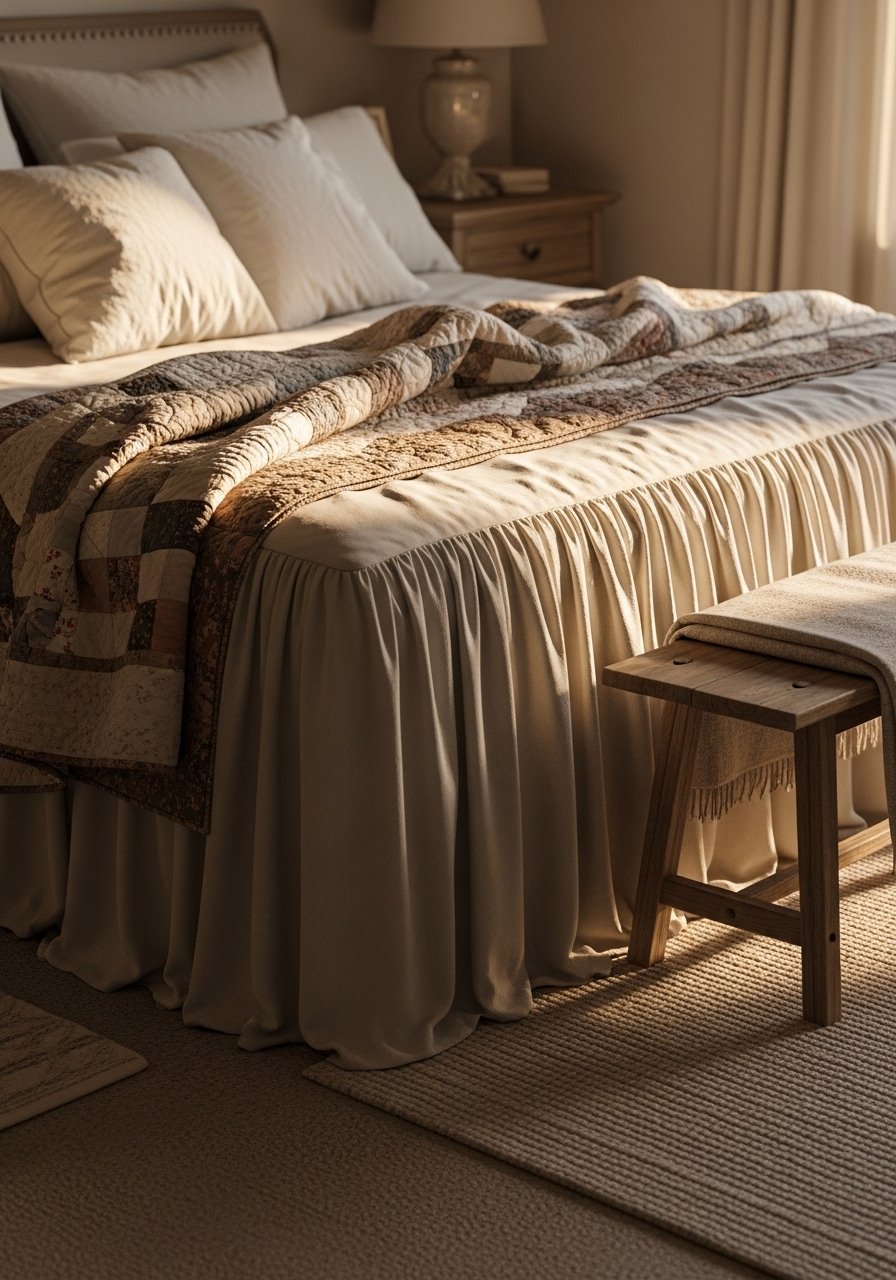
A ruffled bedskirt made my small bedroom feel finished. It hides under-bed storage and adds an extra layer of softness. I like it paired with a simple quilt and linen pillows.
My first skirt was too poofy and dated. Choose a shallow ruffle in soft cotton or linen for a modern Grandma-chic look. Keep colors neutral so the ruffle reads subtle.
Tip: measure the bed height to avoid dragging.
What You'll Need for This Look
21. Wicker and Cane Storage for Texture and Function
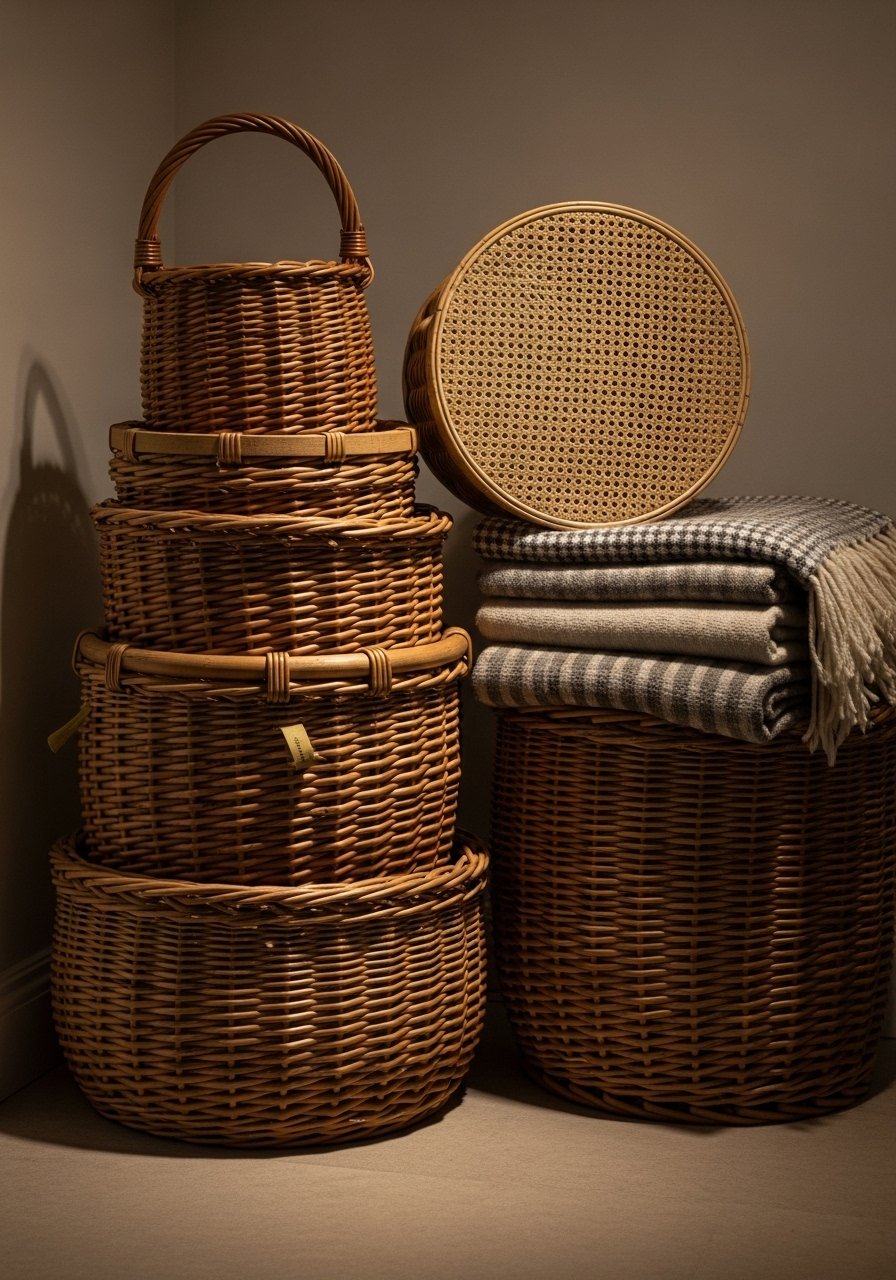
I swapped plastic bins for wicker baskets and suddenly everything looked intentional. They store throws, toys, and magazines while adding texture. Wicker breathes and softens corners.
My mistake was using open weave for small items—they fell through. Use lined baskets for tiny bits. Place a basket beside seating to encourage a lived-in, tidy look.
Tip: mix basket sizes and keep them within arm’s reach of seating.
What You'll Need for This Look
22. Small-Scale Wood Sideboards for Narrow Halls
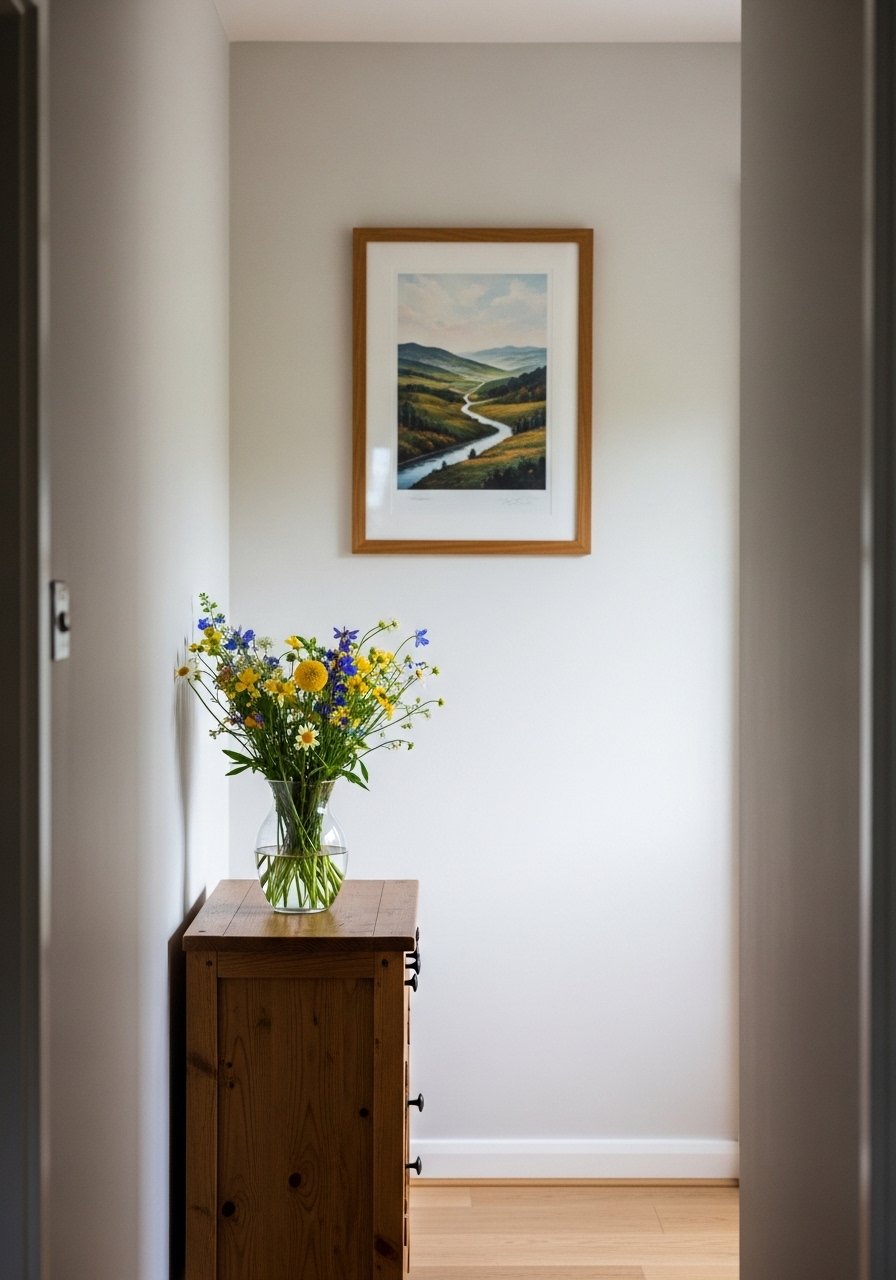
My hallway felt purposeless until I added a slim wood sideboard. It holds keys, mail, and a small lamp without crowding. Narrow, scaled furniture keeps small spaces usable.
I once bought a too-deep console that made the hall impassable. Go shallow—12 to 16 inches works well. Style with a bowl for keys and an old book to keep it approachable.
Tip: use one drawer for dog leashes or chargers so surfaces stay clear.
What You'll Need for This Look
23. Pet-Friendly Cottagecore: Durable Jute and Washable Linens
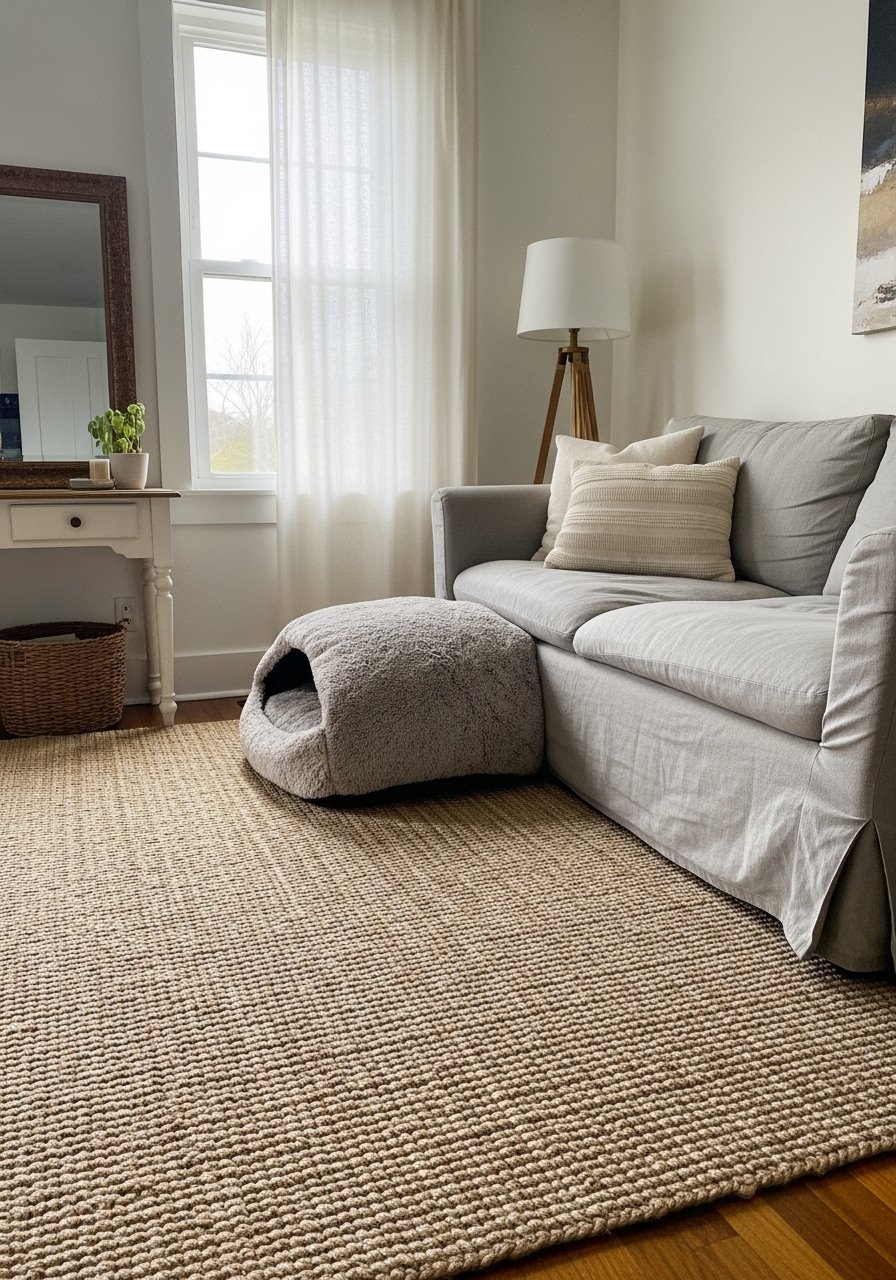
I have pets, so I learned to pick durable textiles. Jute rugs hide hair and dirt, and washable linen slipcovers save my sofa. Cottagecore can be lived in, even with a dog.
My first jute was too rough for paws—look for tighter weaves or add a low-profile runner. Keep a small pet blanket in the basket to reduce couch shedding.
Tip: choose linen blends for easier washing and less wrinkling.
What You'll Need for This Look
24. Easy Window Seats with Cushions and Throws
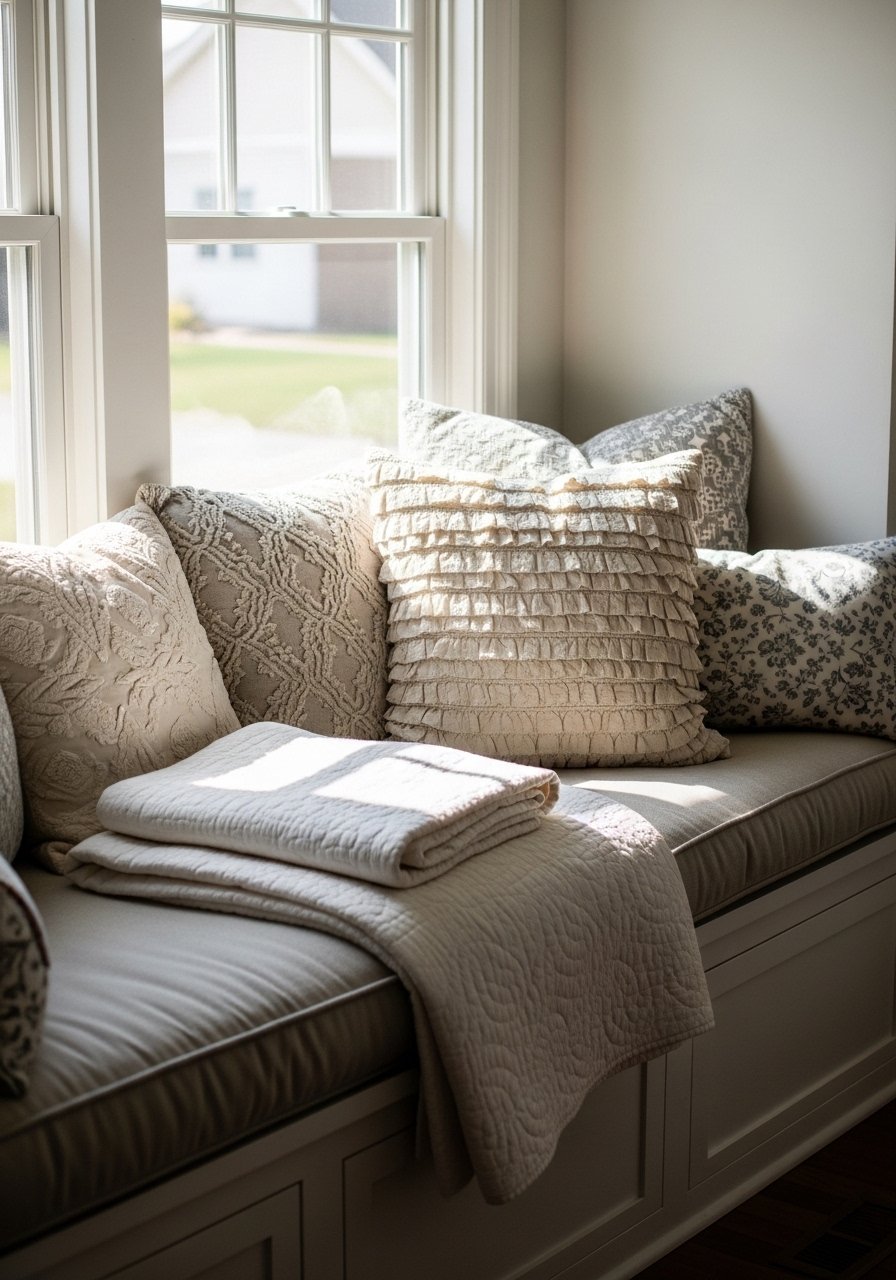
I built a simple cushion for the bay window and it became my favorite spot. Window seats feel like secret rooms. Add two cushions, a quilt, and a small basket for books.
I once chose thin foam that flattened quickly—invest in dense foam or a mattress topper layer. Keep textiles removable for washing. A window seat doesn’t need to be fancy to be irresistible.
Tip: use a neutral base cushion and swap covers seasonally.
What You'll Need for This Look
25. Dough Bowls and Fruit Trays for Kitchen Storytelling
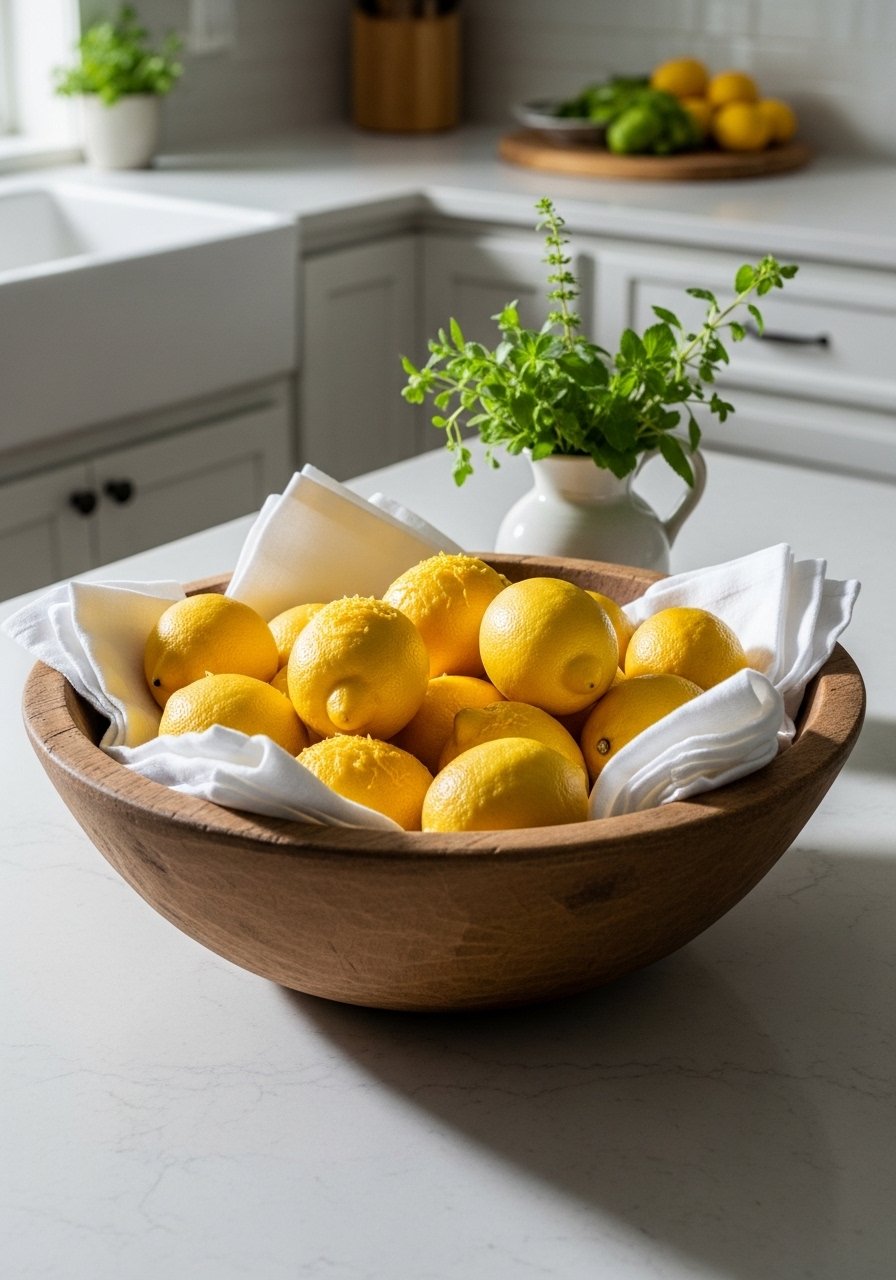
A wooden dough bowl on my island became the kitchen’s centerpiece. I use it for fruit, linens, and seasonal bits. It’s functional and tells a quiet story about slow meals and fresh bread.
I once used a very cheap bowl that split—choose solid wood or turned bowls. Size matters; pick one that fits your island without crowding prep space.
Tip: change the fill seasonally—lemons in winter, apples in fall, linens in spring.
What You'll Need for This Look
Final Thoughts
You don’t need every idea. Pick three that fit your space and do them well. I started with a quilt, one antique, and a jute rug—and that small change made my home feel like mine.
Take small risks. Live with choices for a month. Then adjust. It’s how real rooms become storybook, slowly and for real.