I used to live in beige boxes because I thought color was risky. Then I slowly started adding pieces that actually made me smile when I walked through the door. Some choices flopped. Some I returned. Mostly I learned what keeps a room feeling lively and lived-in.
Below are ideas I’ve tried, returned, re-bought and lived with. They’re practical, colorful, and friendly to real life.
28 Vibrant Colorful Home Decor Ideas That Energize Rooms
These 28 ideas are things I’ve actually done in my home — small swaps and bolder moves. Expect paint, textiles, and a handful of stylish risks that you can try room by room. Each idea is doable and grounded in lived experience.
1. Earthy Vibrancy Layered Textiles for Grounded Warmth
I pulled together ochres, mossy greens, and muddy blues on my living room sofa and it finally felt like home. I used woven pillows, a terracotta runner, and a jute throw. The mistake I made was starting with three bright pillows at once — it looked cluttered until I swapped one for a cream pillow.
The room went from flat to grounded. The colors somehow read natural, even with saturated pieces.
Pay attention to texture more than pattern. If you layer a woven pillow, a velvet, and a linen, the palette reads intentional instead of loud.
What You'll Need for This Look
2. Soft Mineral Green Accent Wall That Calms Nights
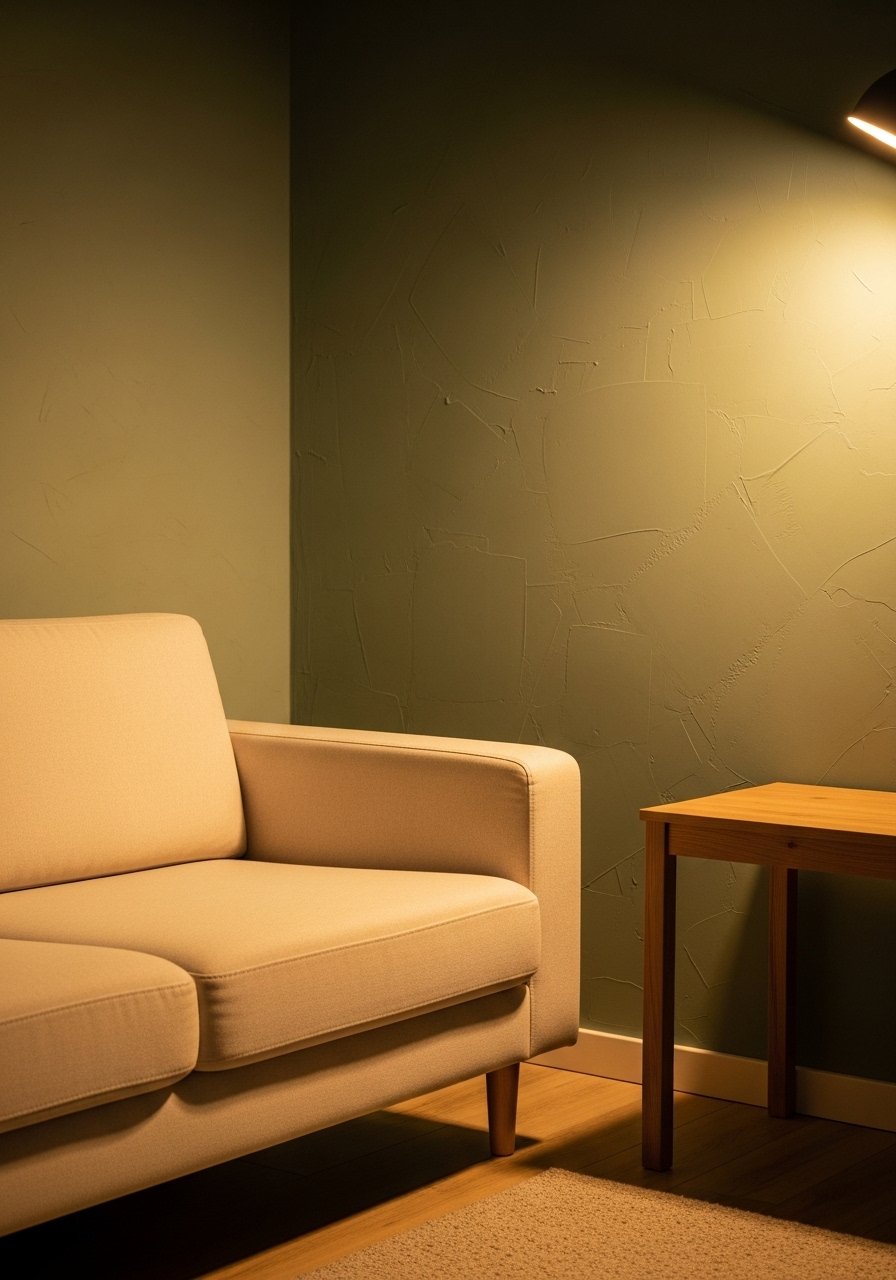
I painted one wall Prescott-green in our den and it softened the whole room. It fixed the post-holiday heaviness I felt every January. The wall reads fresh but not shouty; cream throws and light wood keep it cozy.
I noticed the color changes with afternoon light — in the morning it feels almost blue, at dusk more mineral. I kept the rest neutral so the wall could be the star without screaming.
Tip: test a 2-foot square first. I painted my test patch too small and misread the undertone until the whole wall was done.
What You'll Need for This Look
3. Dusty Pink Accents for Country-Home Charm
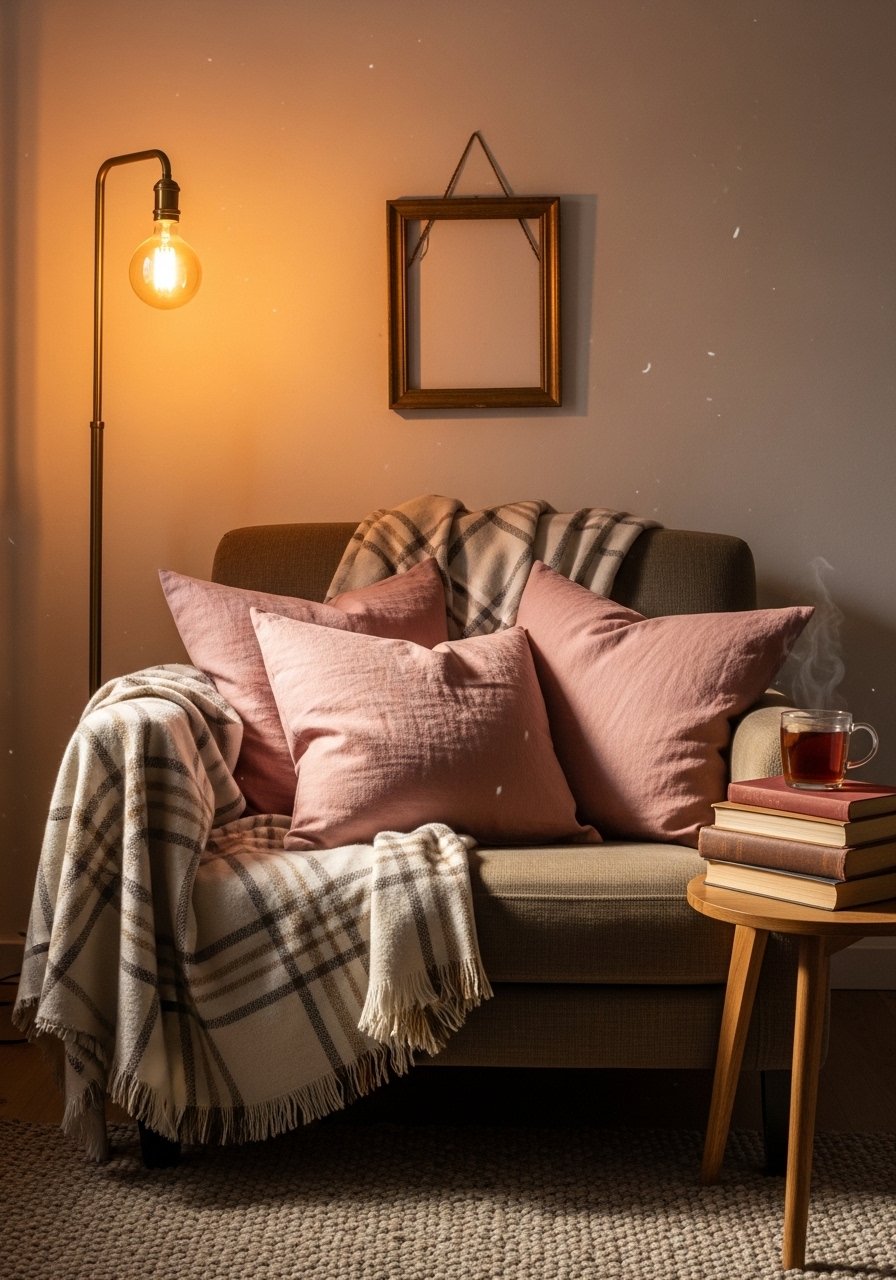
I brought dusty pink into my breakfast nook with linen pillows and a small wallpapered strip behind my chair. It felt British-country without the saccharine pink I’d worried about. I did mess up once by pairing the wrong brass tone — it clashed until I swapped to warmer brass.
Visually, dusty pink reads like an antique rose rather than a pastel, which worked with my wood table and brass frames.
If you’re nervous, start with pillows and a brass frame. It’s an easy swap and the color feels grown-up, not childish.
What You'll Need for This Look
4. Teal Cocooning Living Room Corners

I painted an alcove teal and added a Moroccan rug and ivory throws. That corner became the spot I curl up in most evenings. The teal feels restorative, like a quiet blue-green hug.
I kept the rest of the room light so the teal didn’t overwhelm. With warm wood and layered rugs it reads intentional and calm.
Watch out for glossy finishes — I chose matte paint and it reads softer. Teal likes warm accents; ivory and natural fibers balance its intensity.
What You'll Need for This Look
5. Warm Beige Foundation for Easy Layering
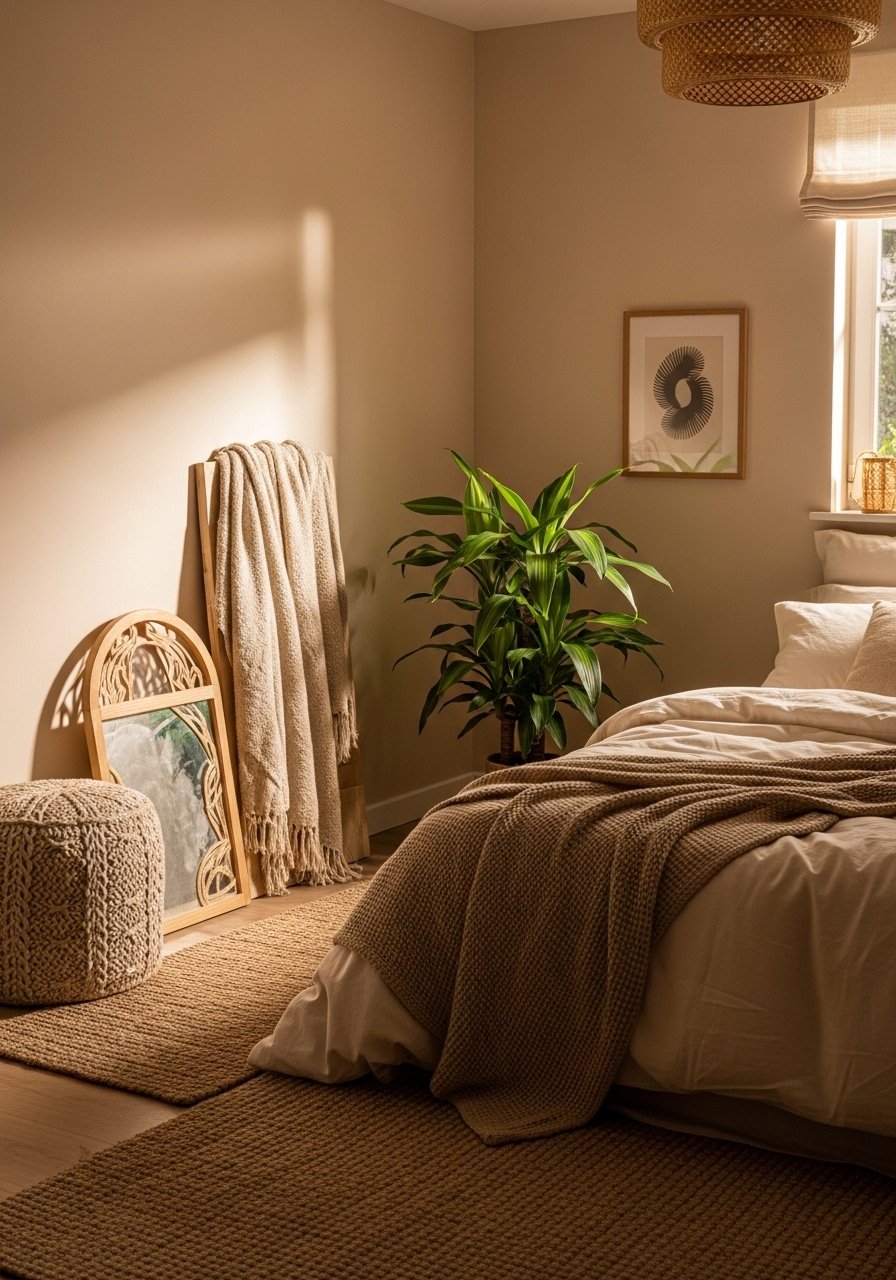
I swapped cold greys for warm beige in my bedroom and it instantly felt more human. The beige reads like a soft backdrop for anything — jewel tones, terracotta, or dusty pink. I once bought a beige that went pink in our light; lesson learned to sample in the room.
Warm beige makes layering easy: jute rug, cream bedding, and a green plant knit together naturally. It’s a safe base that still has personality.
If your space feels sterile, try swapping one big upholstered piece to warm beige before repainting.
What You'll Need for This Look
6. Clay Terracotta Accent Wall That Shifts with Light
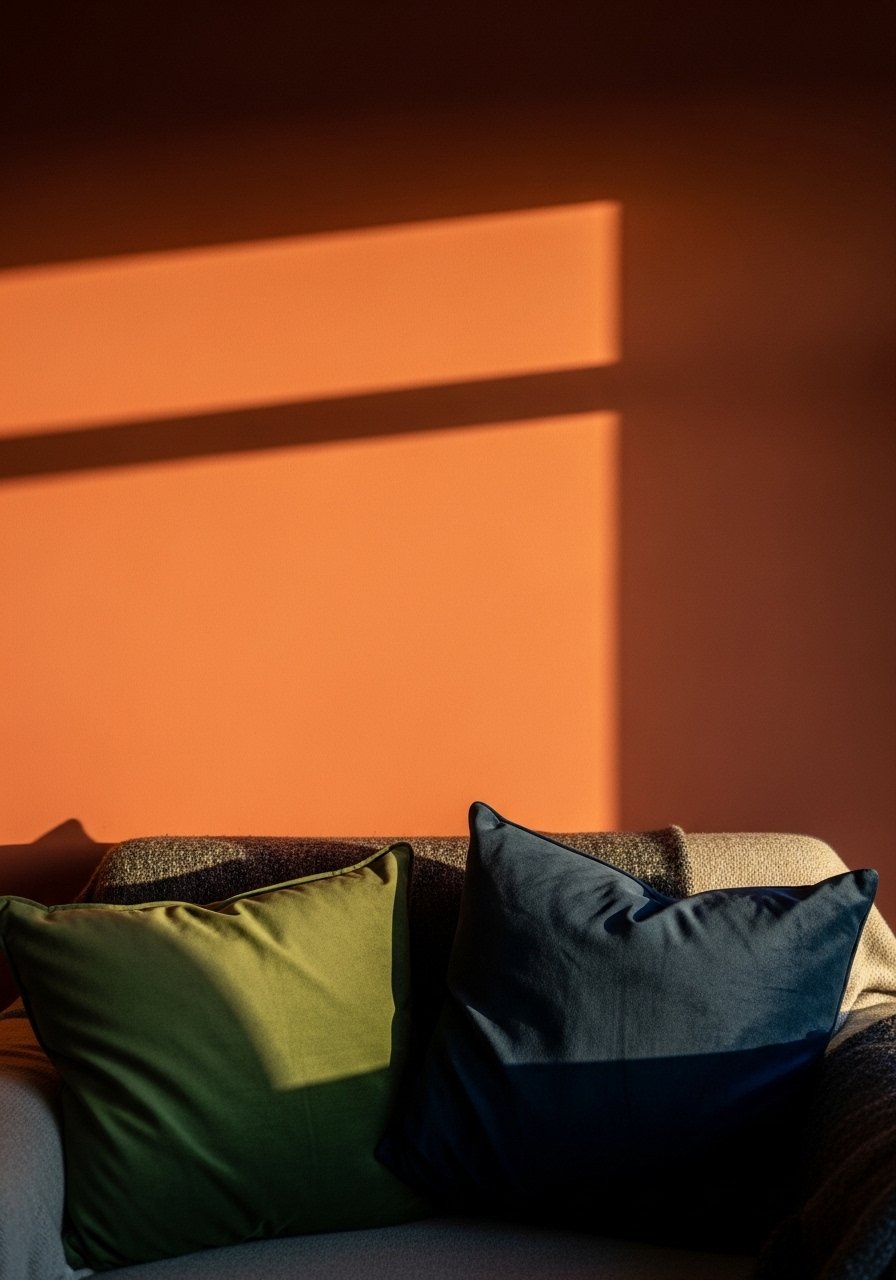
I painted a terracotta wall in my sunroom and fell in love with how the color shifts from warm orange in the afternoon to deeper rust at night. It grounded our furniture and made the plants look more vivid.
I had to be careful with complementary colors — midnight blues and forest greens read richer against terracotta than bright reds. A small mistake I made: I painted the whole room before realizing I preferred it contained to one wall.
Keep terracotta contained on a feature wall or behind a sofa so it reads intentional.
What You'll Need for This Look
7. Cremèle Neutral Sofa That Adds Subtle Zest
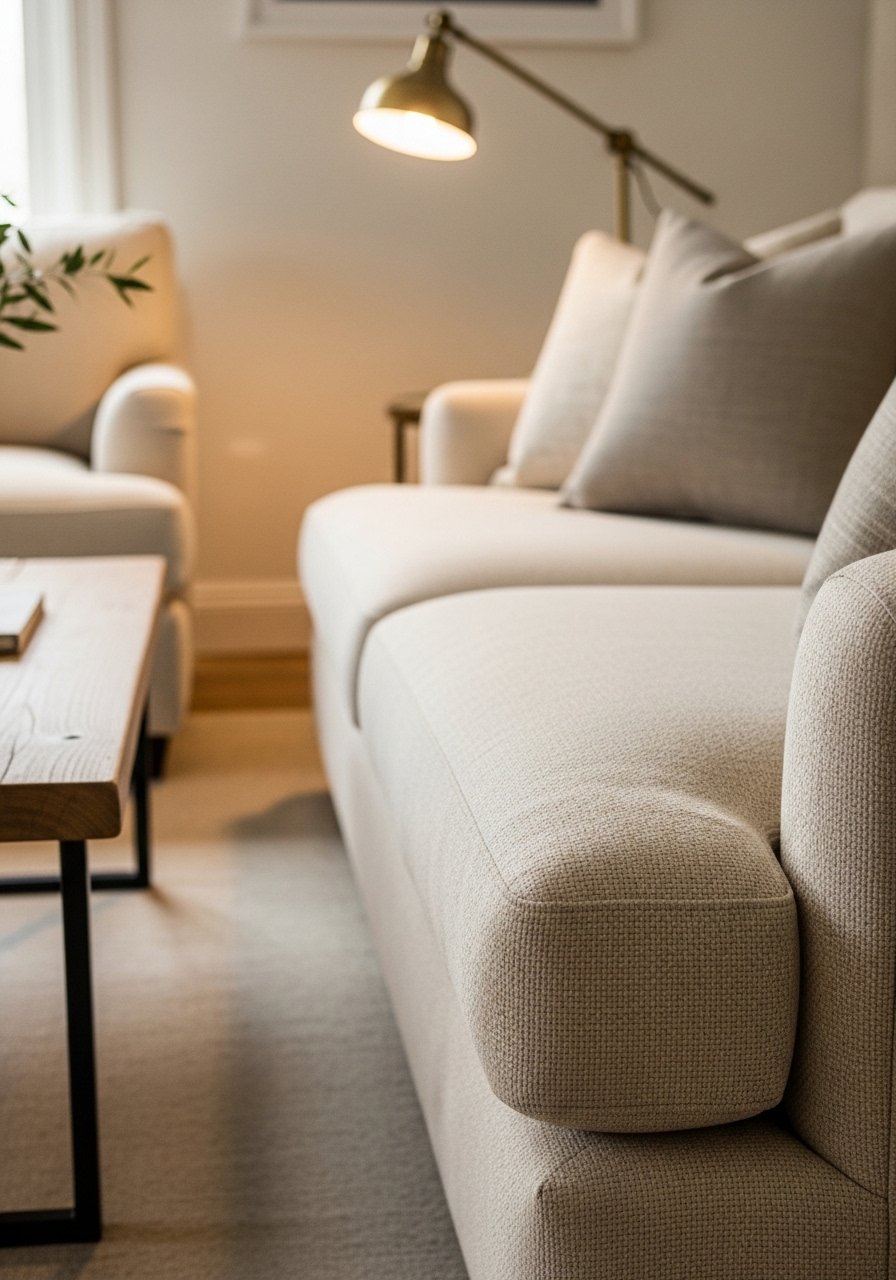
I replaced my old grey sofa with a cremèle (creamy-beige) sofa and it changed how everything else looked. The room felt warmer without losing a modern edge. I underestimated maintenance though — light fabrics show marks, so I invested in slipcovers.
Cremèle pairs beautifully with brass and raw wood. It’s a quiet upgrade that still lets colorful pillows sing.
If you have pets or kids, choose a removable cover or a slightly darker shade. I wish I’d done that sooner.
What You'll Need for This Look
8. Electric Blue Kitchen Cabinets in a Powder Room
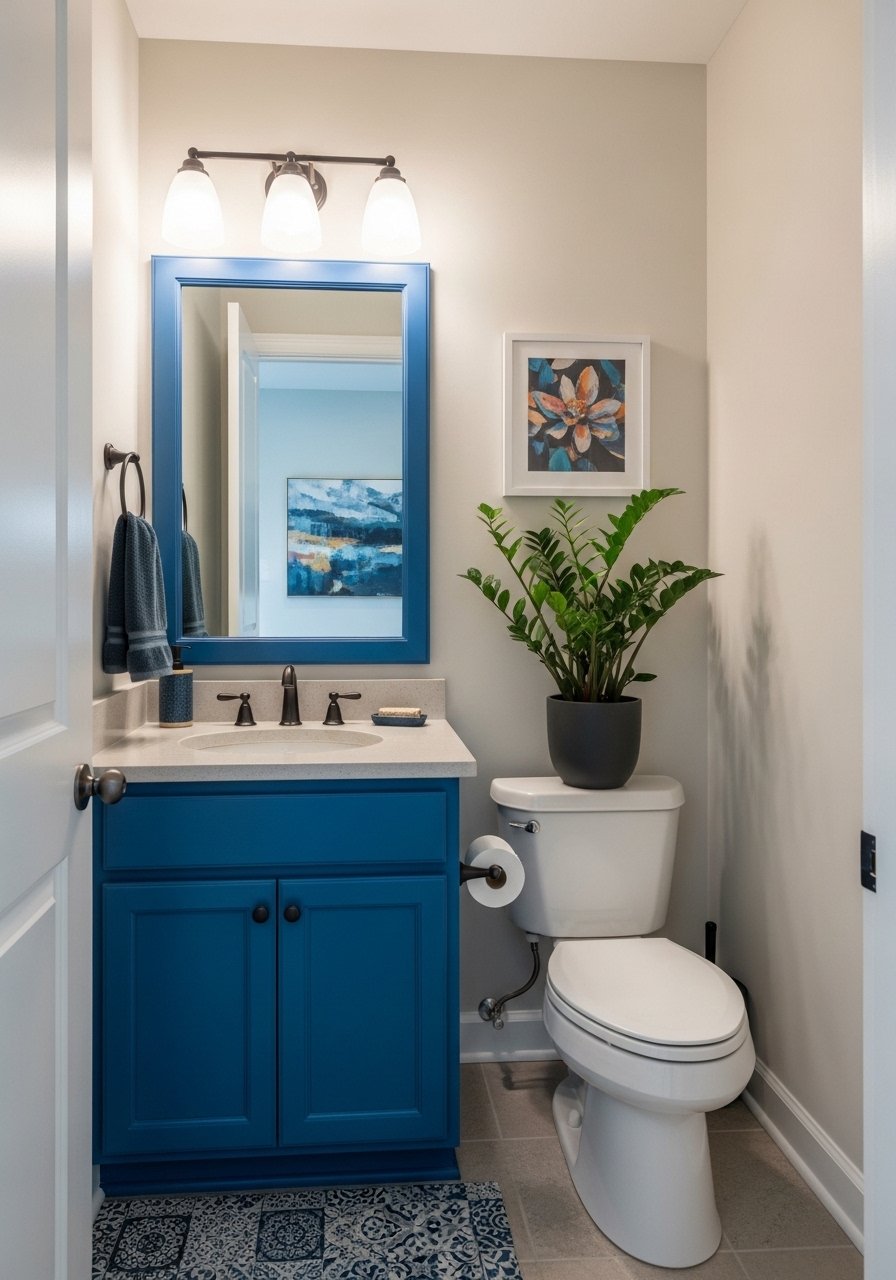
I wanted something bold but reversible, so I painted the powder room cabinets electric blue. It energized the space without risking resale. The first coat went streaky on MDF; sanding fixed that.
Electric saturation works best in small, contained areas. I kept counters neutral and added a lime-green towel for a playful note.
If you don’t want permanent, use peel-and-stick panels or removable paint finishes. The payoff is high for a small footprint.
What You'll Need for This Look
9. Coral Pops on Cream Bases for Uplift
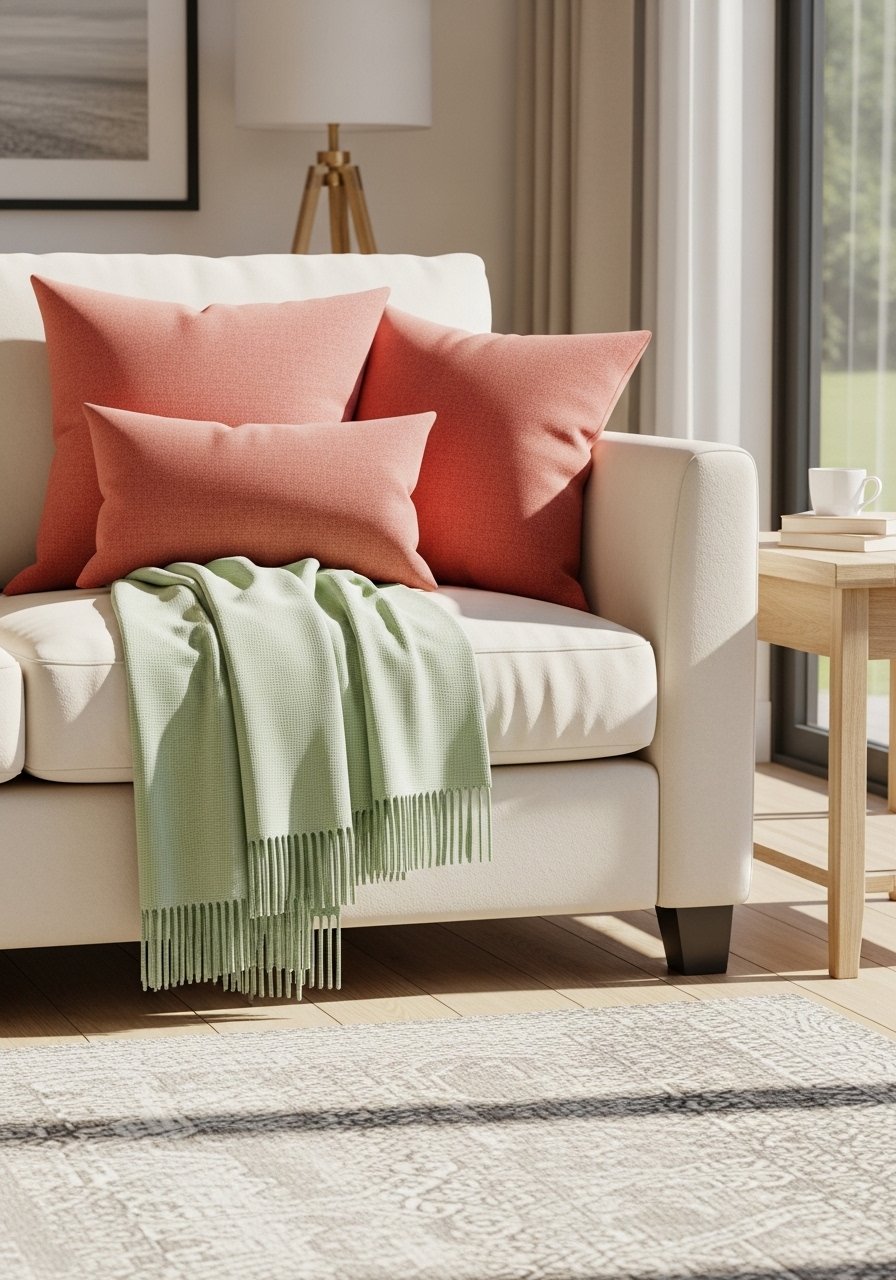
I swapped out my summer pillows for coral tones on a cream couch and the room brightened like a small celebration. Coral reads happy without being juvenile if the base is neutral.
I learned to temper coral with pastel greens or light wood; alone it can feel sugary. One hiccup: a coral pillow with too-bright dye bled slightly in the wash. Pre-wash covers before you mix them in.
Coral on cream is a low-commitment way to refresh for a season.
What You'll Need for This Look
10. Moody Sage Green Deep Walls for Romantic Depth
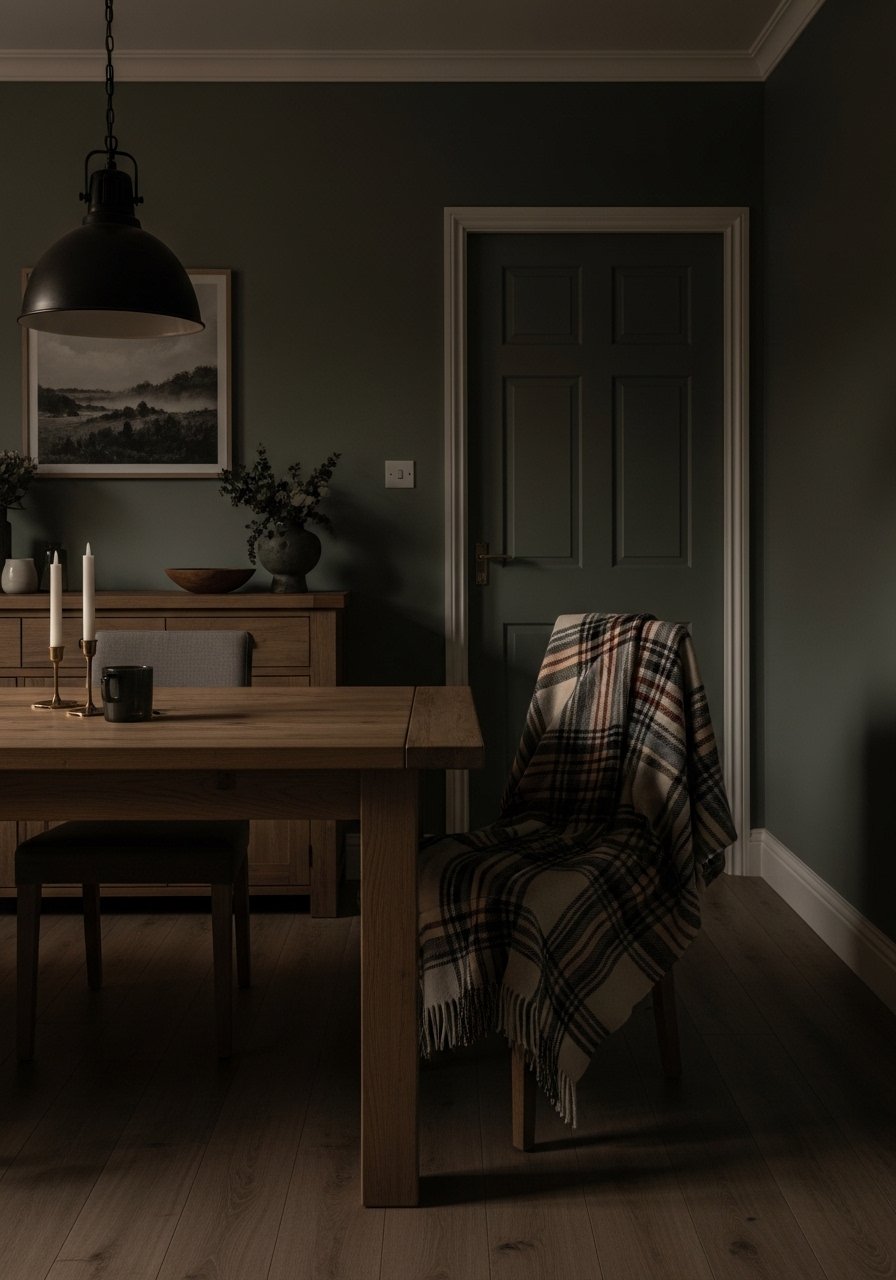
I painted our dining room a moody sage and the space felt calmer and more intentional. It’s softer than deep forest green but still romantic. I paired it with warm wood and plaid accents for texture.
One trick: moody sage works best in rooms with good lighting; in low-light it can read flat. I added warm bulbs and candles to keep the mood.
If you want depth without heavy color, moody sage gives a lived-in, grown-up feel.
What You'll Need for This Look
11. Blue-Green Romantic Walls for Serene Nights
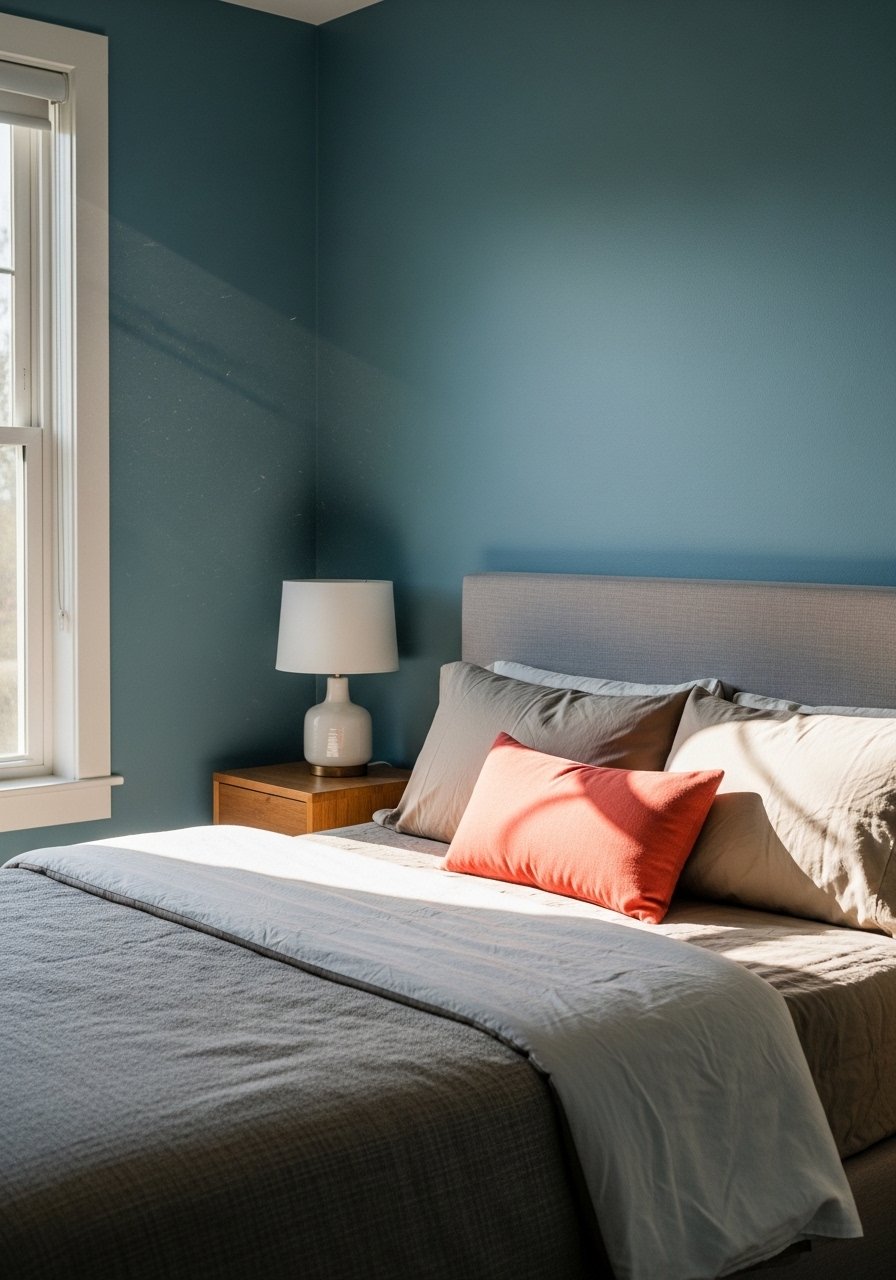
I painted our guest bedroom a blue-green and the room felt like a calm retreat. The color reads fresher than heavier earth tones and pairs wonderfully with neutrals.
I made the mistake of picking a paint with a cool green undertone that clashed with our warm wood floors; swapping the bedding warmer fixed it. Small adjustments made it sing.
Blue-green is romantic without being fussy. Start with bedding that echoes one undertone in the wall and build from there.
What You'll Need for This Look
12. Silhouette Charcoal Brown Layering for Sophistication
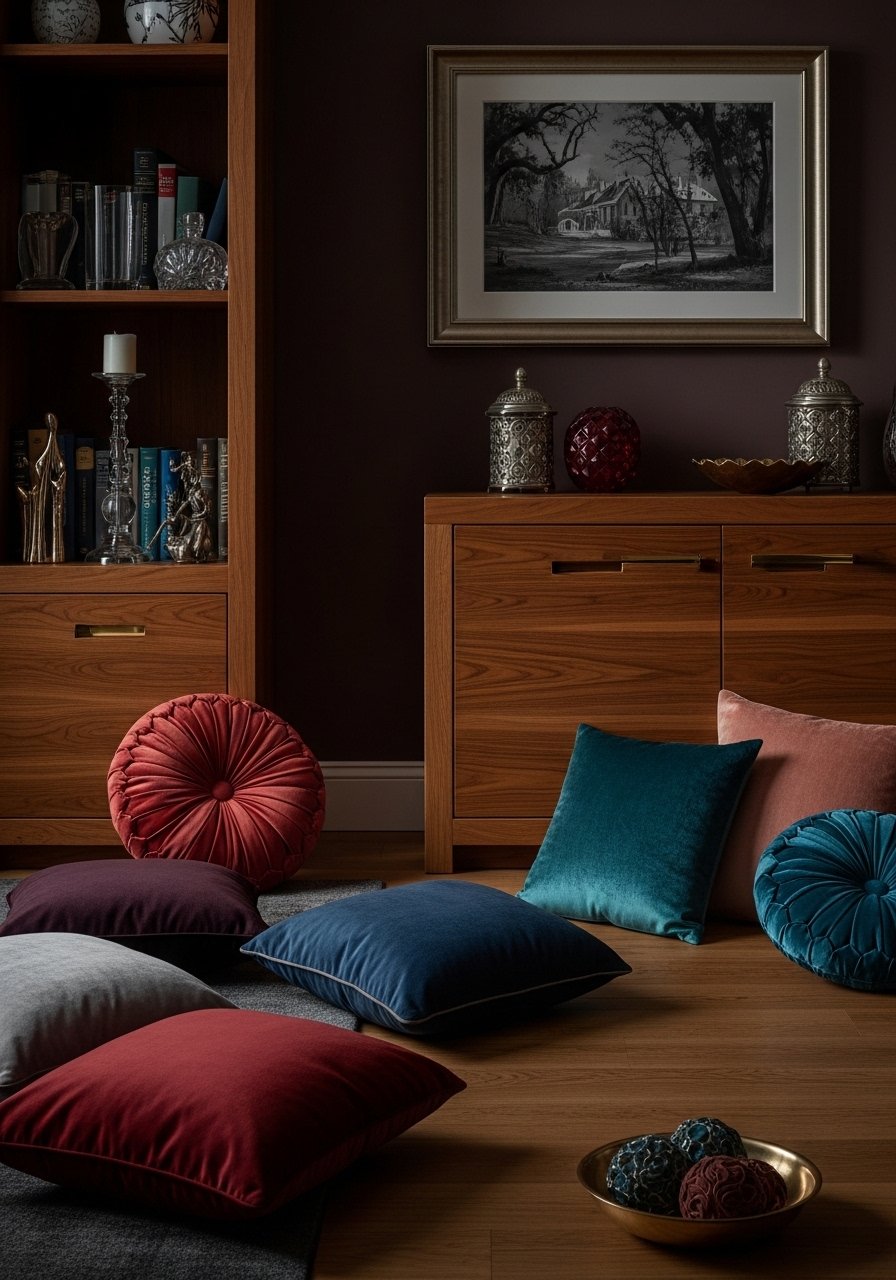
I painted a study wall in Silhouette (charcoal brown) and layered jewel-toned cushions and warm wood. It felt moody and very grown-up. The charcoal reads more elegant than plain black and warms up in candlelight.
I learned to bring in warm metals like brass to stop it from feeling heavy. Without warm accents it looked flat.
If you want a chic, moody base that still plays with color, charcoal brown is a strong alternative to grey.
What You'll Need for This Look
13. Burgundy Velvet Sofa for Emotional Color
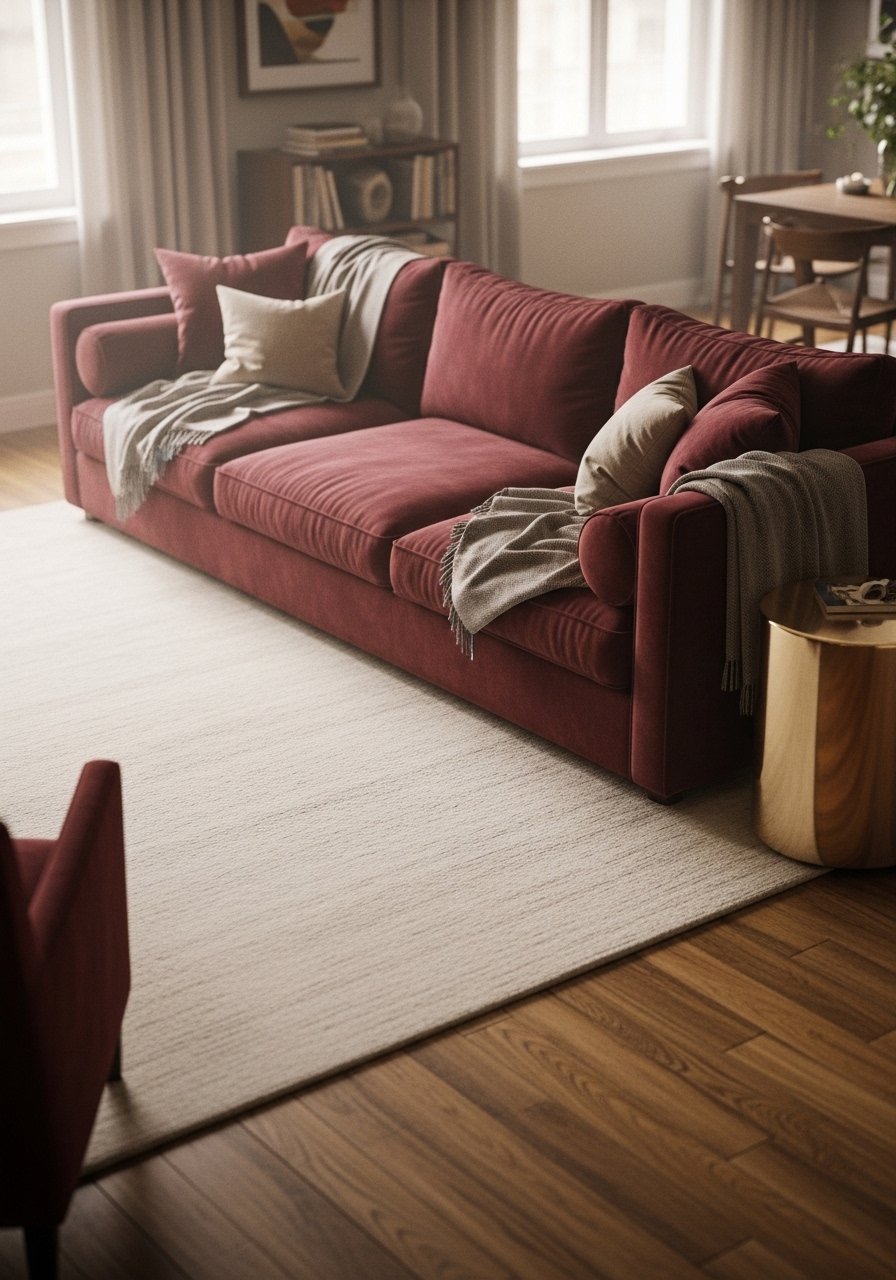
I replaced a beige sofa with a burgundy velvet piece and it changed the room’s mood completely. It felt rich, warm, and oddly calming. I did underestimate care — velvet needs brushing and occasional steam to look tidy.
Keep the rest of the room neutral: cream rug, wooden table, and brass lighting. Burgundy reads current when mixed with cream and brass.
If you want psychological color impact without going bright, burgundy is intimate and durable in style.
What You'll Need for This Look
14. Plaid Gaming Nook for Playful, Lived-In Corners
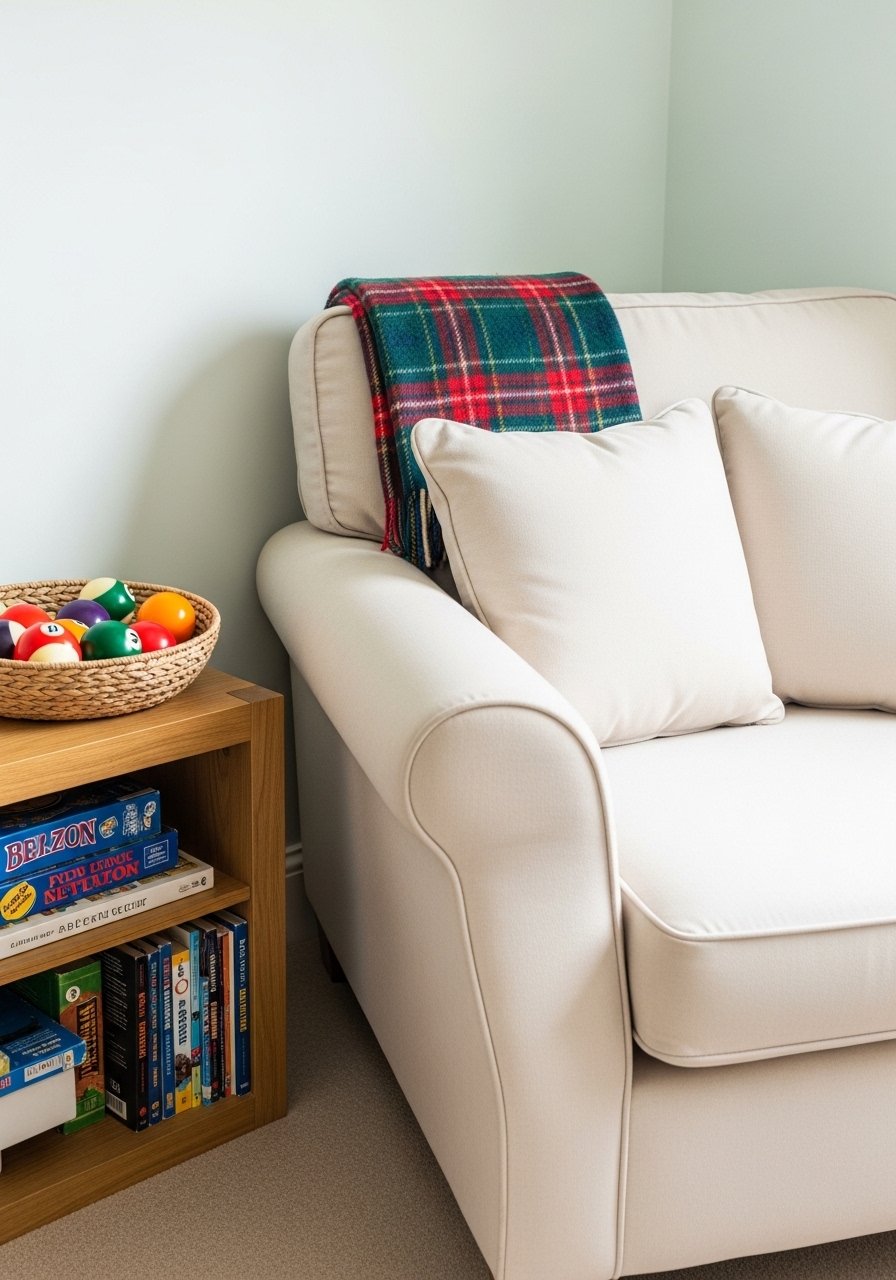
I created a small games corner with plaid pillows, a basket of cards and a bowl of billiard balls as a prop. It made the room feel used and friendly. The plaid adds a springy, slightly nostalgic note that I love.
I nearly over-styled it with too many patterns; I backed off to a single plaid and a solid to balance things.
Add tactile pieces like wool throws and a game box. It’s a small touch but it makes the room feel human.
What You'll Need for This Look
15. Layered Moroccan Rugs with Teal for Global Texture

I layered a Moroccan rug over a neutral jute rug under my coffee table and it grounded the seating area. The Moroccan pattern pulls teal and rust together in a natural way. I once chose two patterns too close in scale and they clashed — learn from me and vary scale.
The layers add depth and hide wear in high-traffic spots. It feels collected rather than showroom.
Pair with a teal sofa or teal pillows for continuity. Layering rugs is low-commitment and high-impact.
What You'll Need for This Look
16. Embroidery on Wood Elements for Unexpected Color
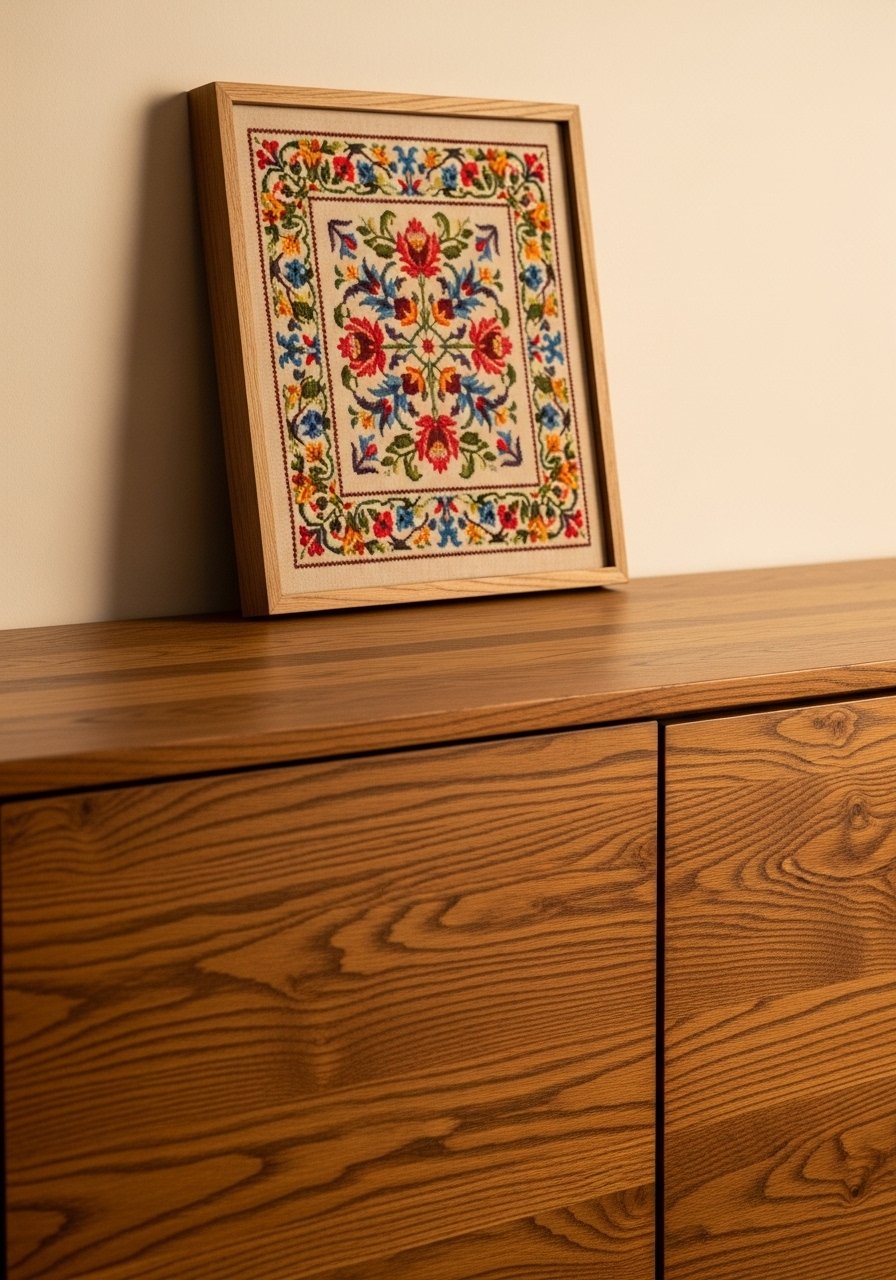
I added small embroidered panels to the faces of an old wooden cabinet and it made the piece feel bespoke. The hand-stitched colors echo cushions and rugs without stealing the show.
I tried a bold pattern first and it looked fussy. Scaling down to a small panel fixed it. Embroidery on wood is an overlooked way to introduce color in a subtle, tactile way.
If you can’t DIY, look for small embroidered art pieces or trays that layer easily.
What You'll Need for This Look
17. Retro Apricot-Mauve-Burgundy Wall Combo
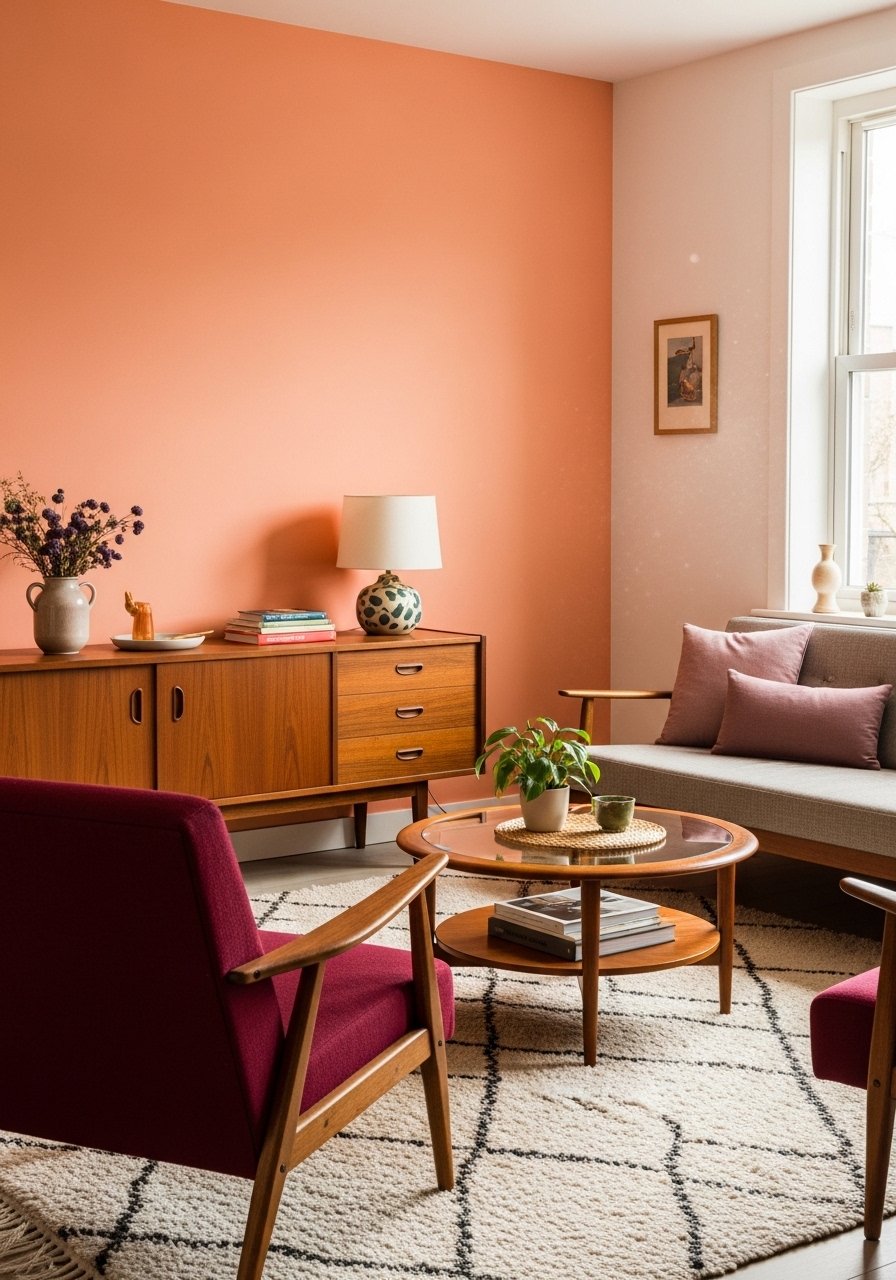
I experimented with apricot, mauve, and burgundy on an accent wall and a chair — it felt retro without being kitschy. The combo reads warm and unusual. I did go too saturated once; stepping back and muting one tone saved the palette.
Scale matters: choose one dominant color and let the others be accents. The result feels curated rather than dated.
Try this in a room with vintage furniture or brass accents for the most authentic vibe.
What You'll Need for This Look
18. Layered Jute and Wool Rugs for Natural Richness

I layered a patterned wool runner over a jute rug in my entry and it hid dirt while feeling welcoming. The wool absorbs color and the jute keeps things grounded.
I learned that thin rug pads stop slipping and keep the layer from bunching. It’s practical and richly textured without feeling overdone.
This pairing works anywhere you want texture—entry, under a coffee table, or at the foot of the bed.
What You'll Need for This Look
19. Brass Hardware with Cremèle Upholstery for Warmth
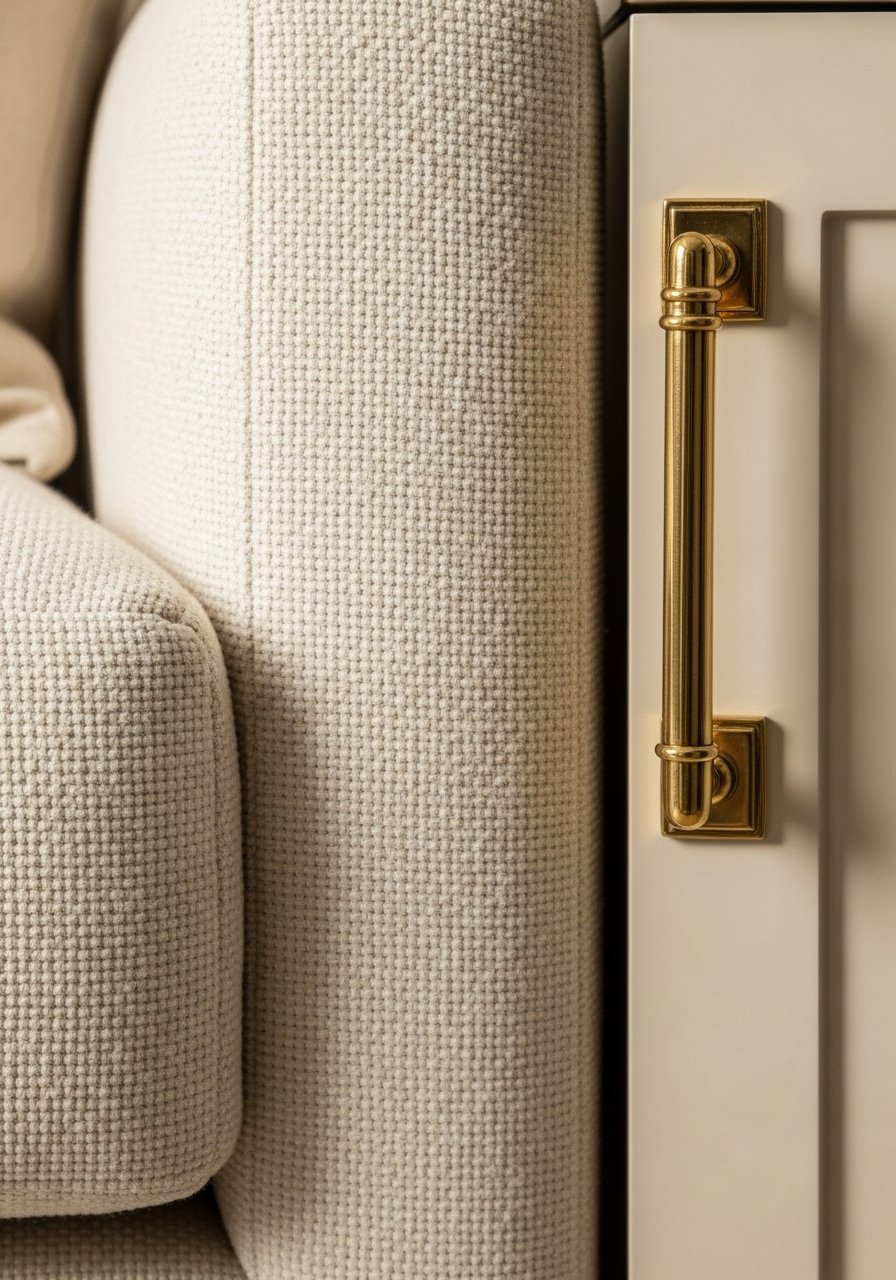
Switching old chrome pulls to warm brass while keeping a cremèle sofa made my room feel intentional. The small metallic notes bring cohesion and warmth across surfaces.
I once mixed cool and warm metals randomly and it looked disjointed. Sticking to one metal tone tied things together.
If you’re not ready for big furniture swaps, changing hardware and lamps is an easy warmth upgrade.
What You'll Need for This Look
20. Fat Furniture in Cremèle Tones for Comfortable Scale

I embraced a fat, overstuffed cremèle chair and it finally made our living room feel like a room you want to linger in. The chair is forgiving, comfortable, and reads modern rather than dated.
The only drawback was maneuvering it through narrow doorways — measure before you buy. Once in place, it became the room’s anchor.
Big, comfy pieces in warm neutral tones are surprisingly versatile and forgiving for color experiments.
What You'll Need for This Look
21. Budget Terracotta Throws That Look Luxe

I bought inexpensive terracotta throws and layered them on chairs and benches. They read luxe next to cream upholstery and hide day-to-day wear. One set faded faster than I liked, so pre-wash or choose slightly darker terracotta.
These throws are a cheap, reversible way to test terracotta in your home without painting.
If you want the color payoff without commitment, start here and move to a wall if you love it.
What You'll Need for This Look
22. Best Dusty Pink Pillows for Farmhouse Flair
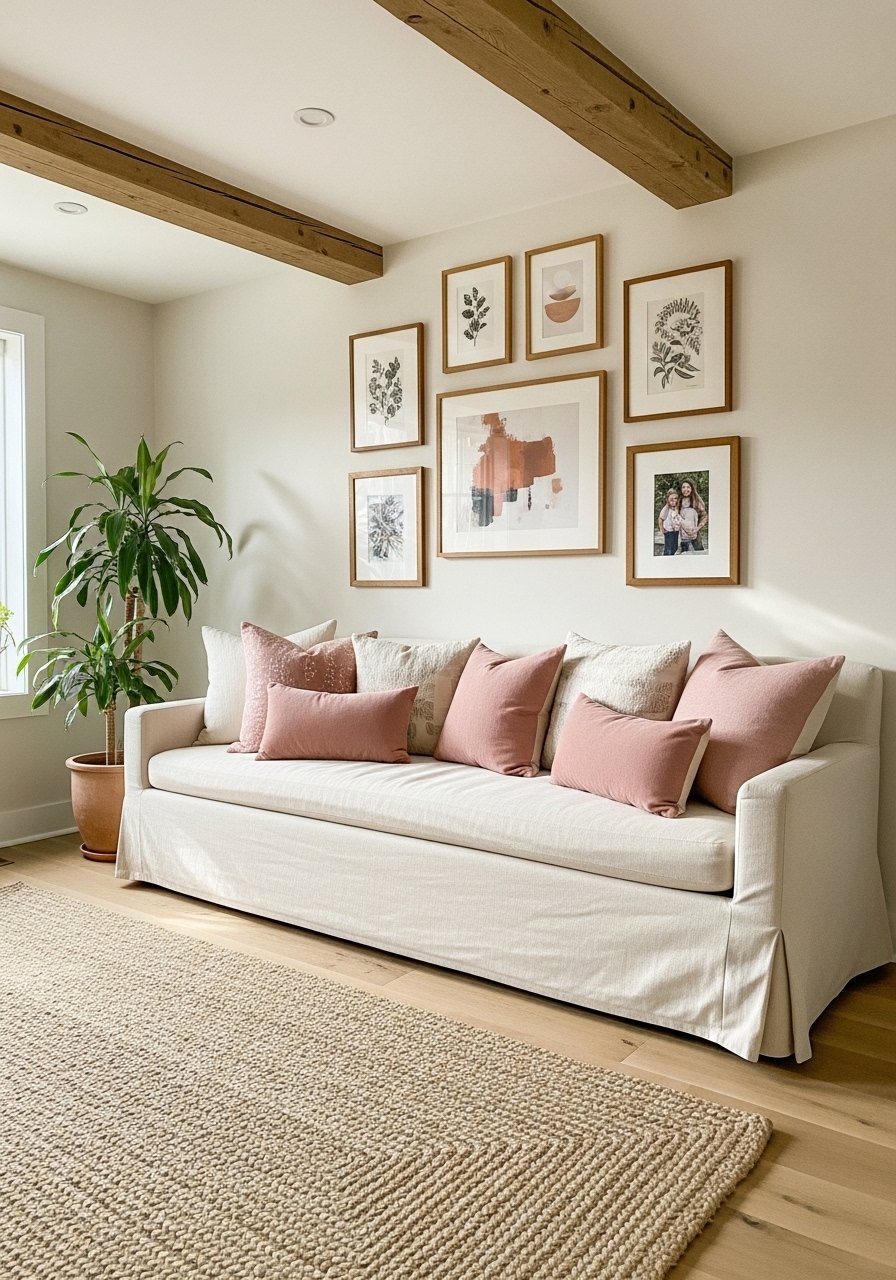
I added dusty pink linen pillows to our farmhouse bench and it read like a grown-up update. The linen texture keeps it cozy; dusty pink works with brass frames and raw wood.
I did once pick a pillow with the wrong undertone — it leaned salmon. Stick to samples or near-neutral dyed linens for reliability.
Dusty pink is a small swap with a big personality lift in casual homes.
What You'll Need for This Look
23. Mint Green Small Kitchen Accents That Refresh

I added mint-green canisters and a tea towel to my small kitchen and suddenly it felt fresher after winter. It’s an easy, affordable way to introduce color without repainting cabinets.
My first mint pieces clashed with my stainless hardware; swapping to warmer wood accessories smoothed the look. Small items can change the room’s mood quickly.
Try mint in textiles and smallwares for a subtle seasonal refresh.
What You'll Need for This Look
24. Velvet Cushions Mixing Jewel Tones with Cream
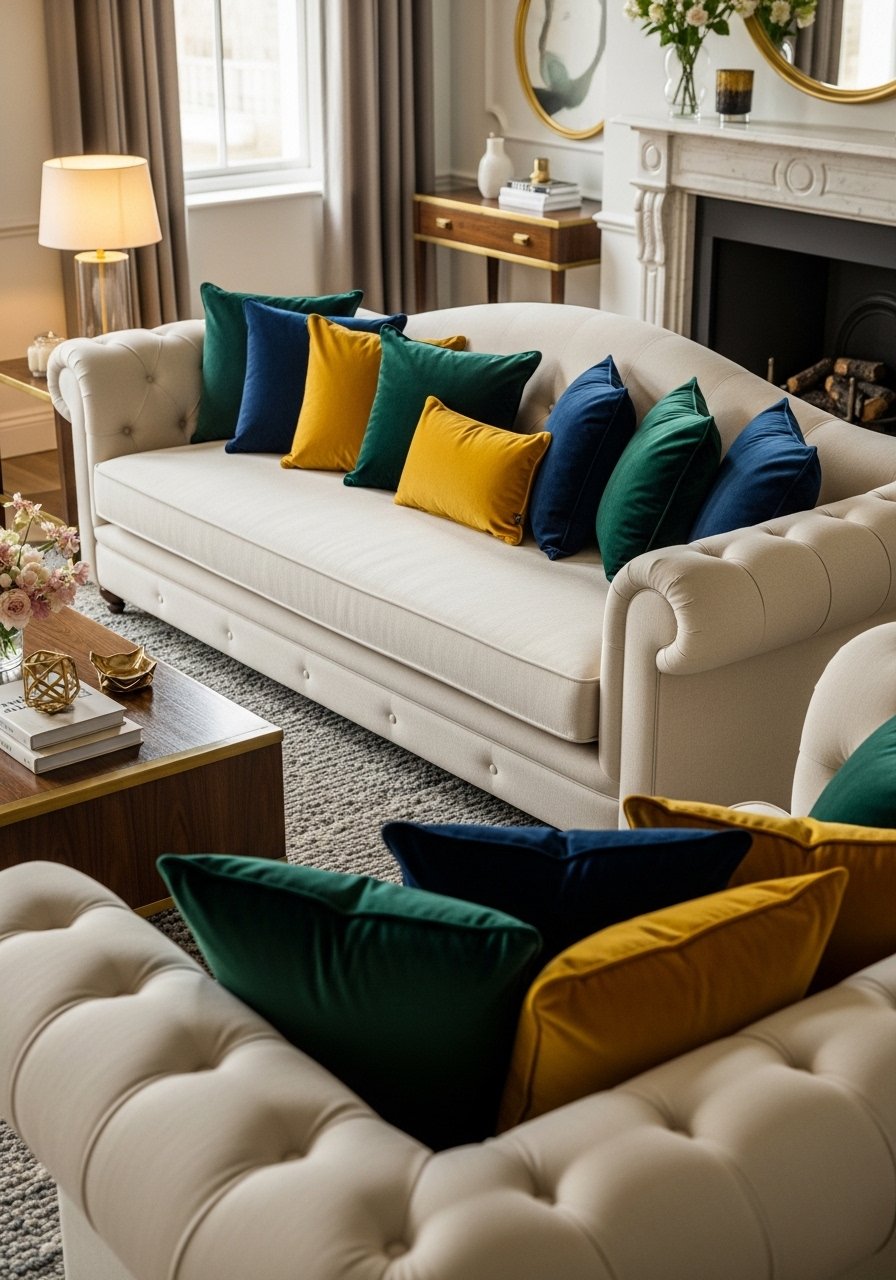
I layered velvet cushions in emerald, navy, and mustard on a cream sofa. The contrast felt luxurious and cozy without being fussy. Velvet brings saturation without needing many pieces.
I once used only jewel tones and it felt heavy; the cream base is what keeps the look breathable.
If you want drama that still invites you to sit down, velvet cushions are the easiest route.
What You'll Need for This Look
25. Coral Spring Upholstery Swap for Seasonal Joy
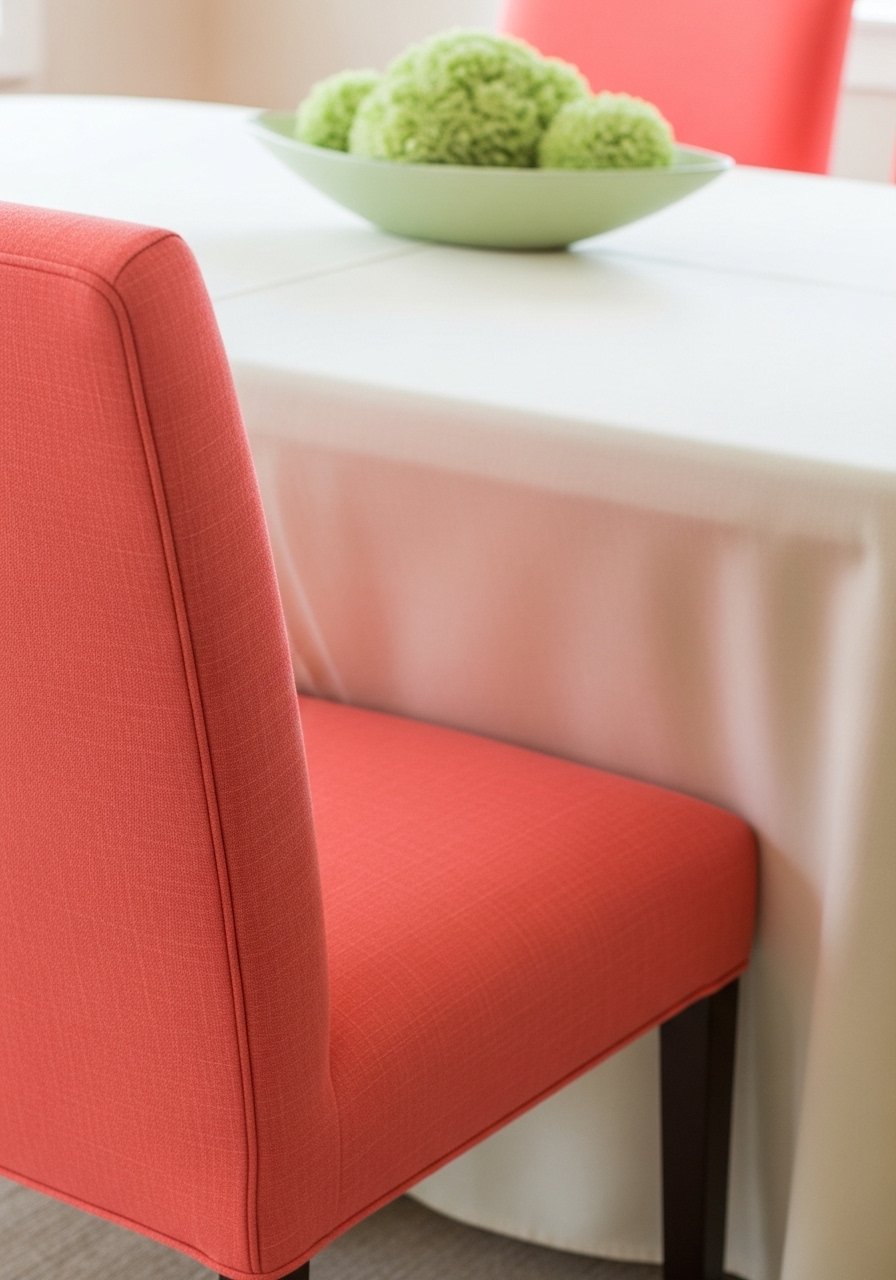
I reupholstered two dining chairs in coral for spring and it felt like the room took a deep breath. Coral in upholstery reads intentional and surprisingly easy to live with. I did miscalculate yardage once and had to reorder, so measure twice.
If you’re nervous about a full sofa, try a single chair or bench. It’s a focused color move that’s easy to change later.
What You'll Need for This Look
26. Budget Green Accent Walls That Feel Intentional
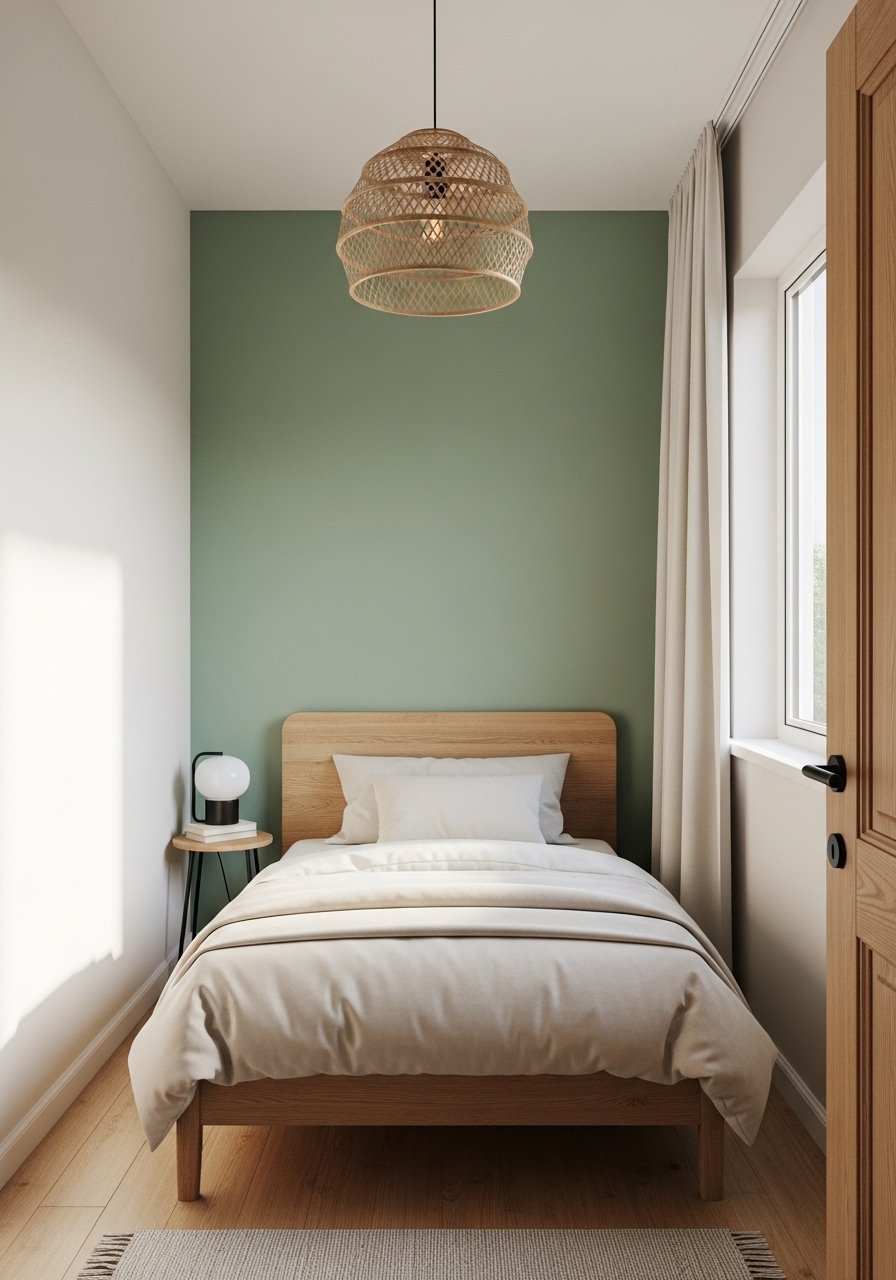
I painted only the wall behind my bed a mossy green to save money and the bedroom felt like a true room instead of a box. A single wall gives color impact while keeping costs down.
I tried painting the wrong wall once — a window wall — and it looked off. Pick a wall that anchors the room, like behind the bed or sofa.
For renters, peel-and-stick wallpaper in green tones works similarly.
What You'll Need for This Look
27. Mood Lighting with Colored Bulbs to Change Tone
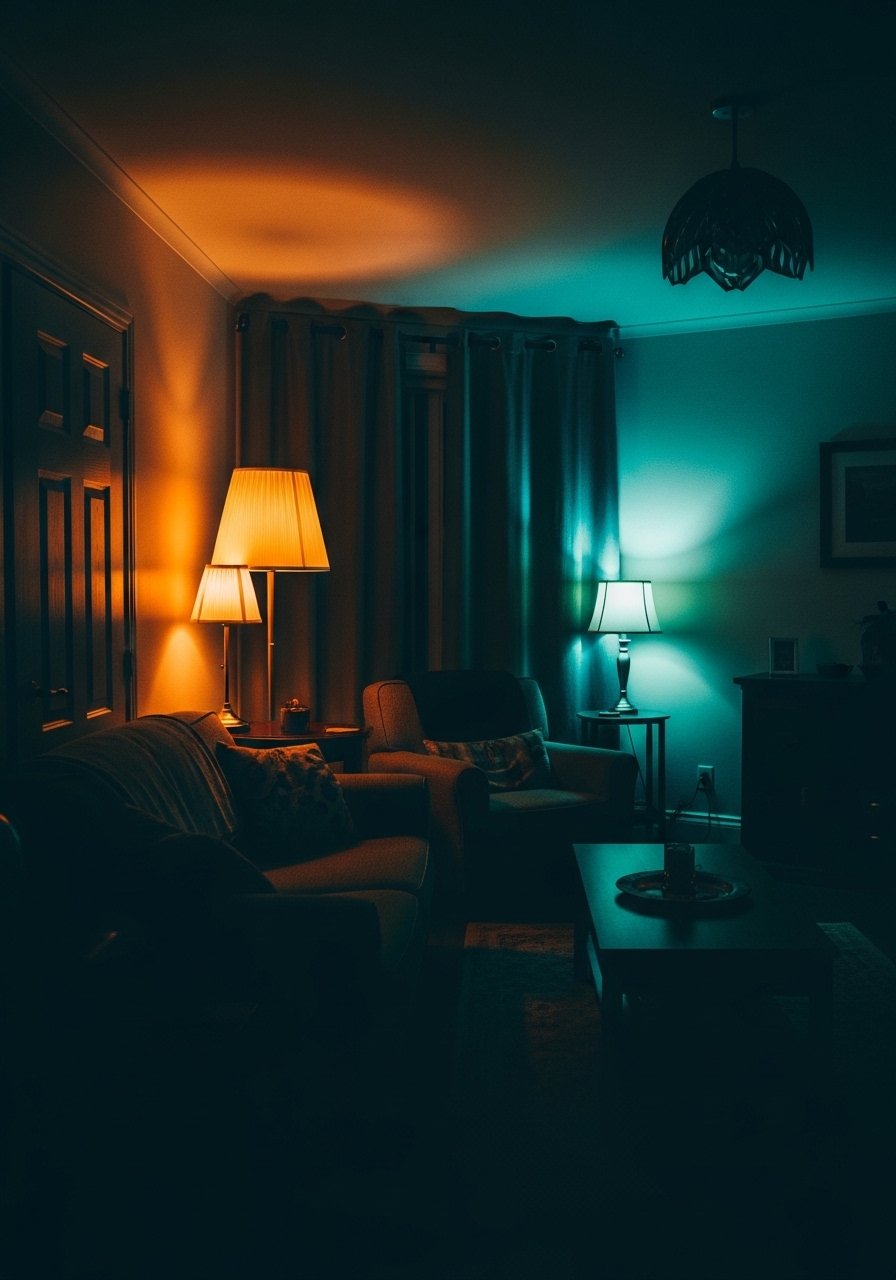
I started using colored bulbs in table lamps for evenings — warm amber for calm, soft teal for movie nights. Changing the color of the light shifts how paint and textiles read without permanent work.
My mistake was using too-saturated bulbs in a reading lamp; the light made pages hard to read. Use colored bulbs for ambiance and keep bright warm bulbs for task lighting.
Swap bulbs seasonally for an easy, low-cost mood tweak.
What You'll Need for This Look
28. Gallery Wall with Colorful Frames for Eclectic Energy
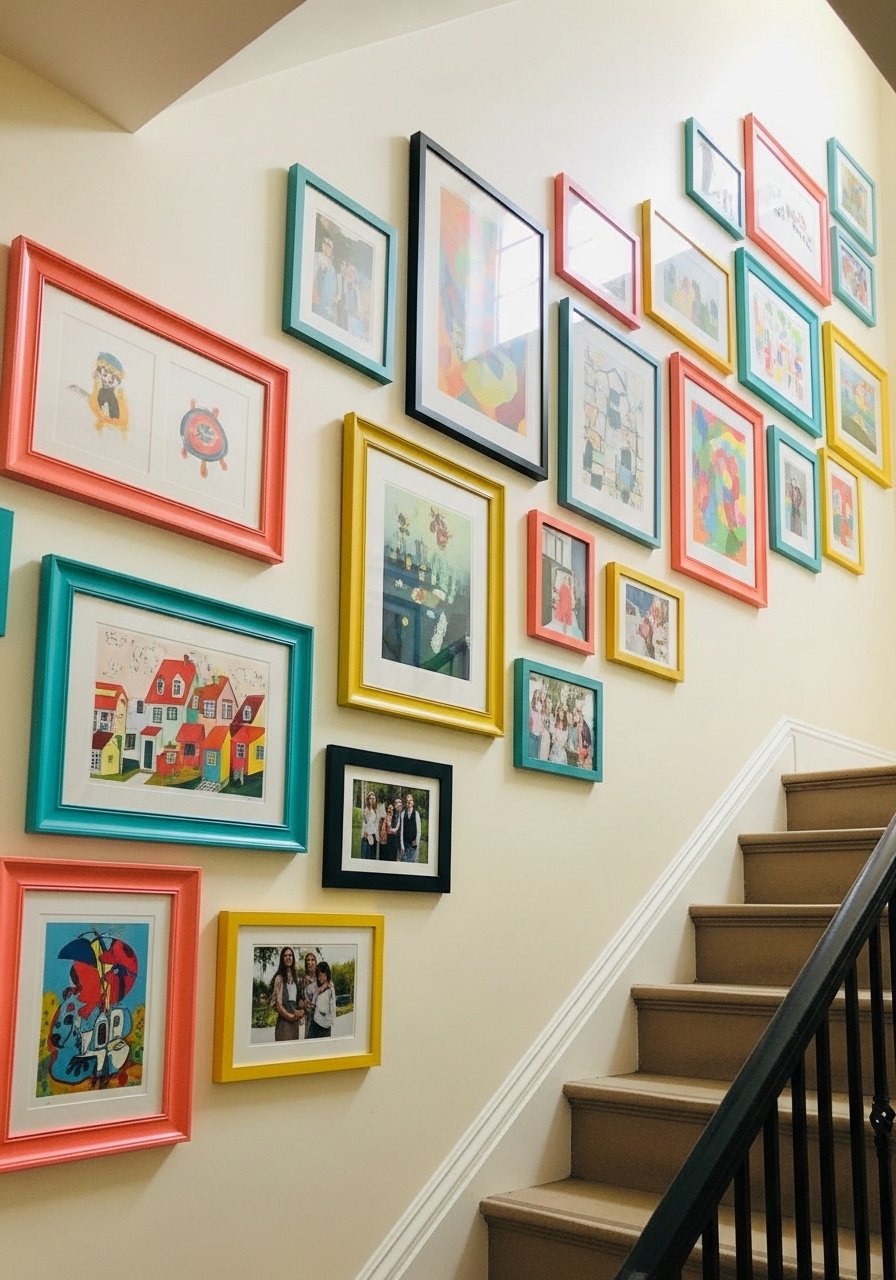
I hung a gallery wall using frames in coral, teal, and mustard over a cream backdrop. It reads energetic without chaos because the frames repeat a small palette.
I once mixed too many frame styles and it looked messy; sticking to one frame shape but different colors improved cohesion. Use your own photos and prints to make it personal.
Gallery walls are a forgiving place to be bold and change things over time.
What You'll Need for This Look
Final Thoughts
You don’t need to do all 28 ideas. Try one room, one wall, or one pile of pillows.
I found the small, imperfect moves were the ones I kept. Start cheap, live with it, and adjust. You’ll know what to keep.