


My living room had nice furniture and decent lighting but it still felt like a waiting room. Took me embarrassingly long to figure out it was missing soft layers at the windows. Changing curtains fixed proportion issues, hid a cheap blind, and suddenly the whole seating area stopped looking like a showroom.
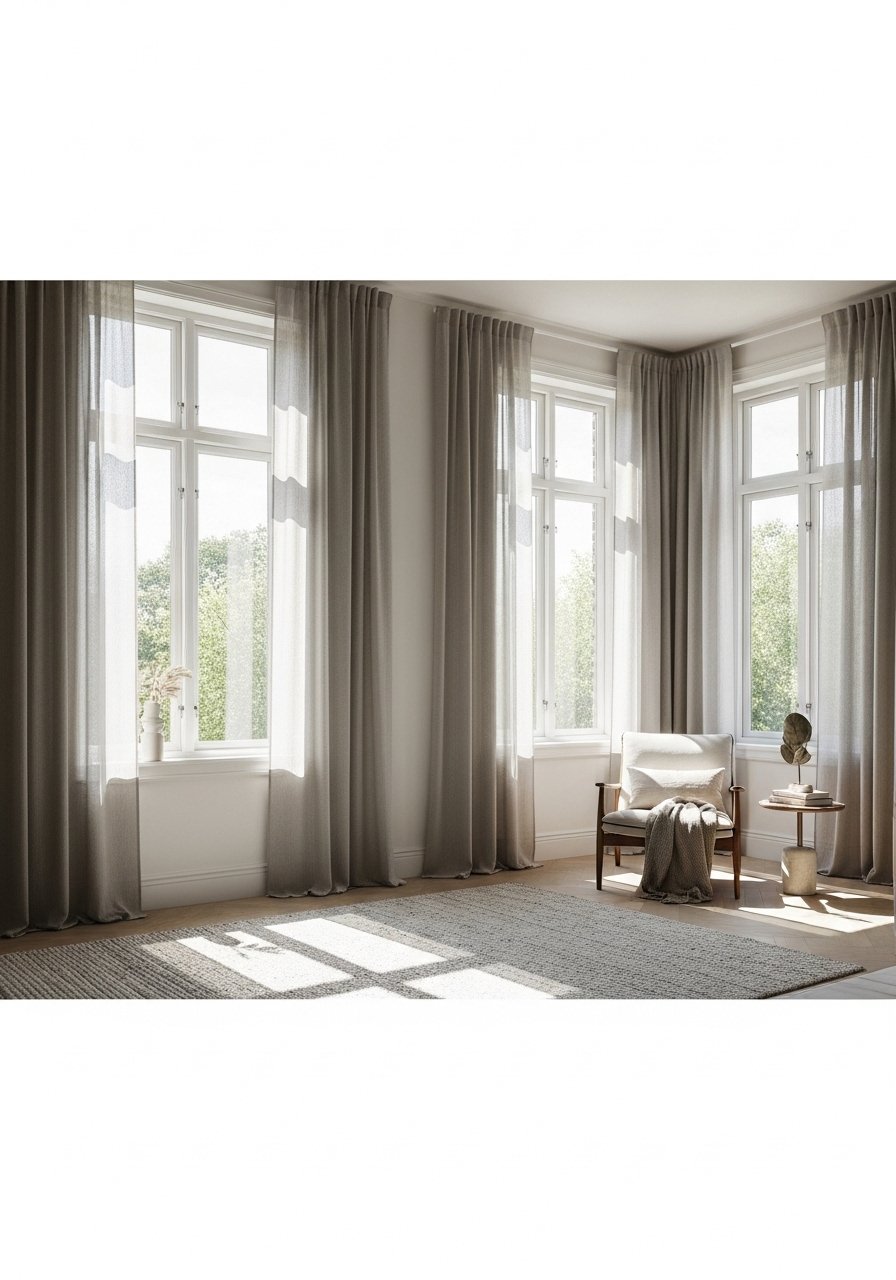
Floor-to-ceiling linen panels are the quickest trick I use when a room feels short. Hang the rod 4 to 6 inches above the trim and extend it 12 inches past each side of the window so the panels stack off the glass when open. Curtains hit the floor with a 1-2 inch kiss or soft puddle for that finished look. These panels work in traditional living rooms or bedrooms and run about $30 to $70 per panel depending on fabric. I like lined linen for the light control and to avoid that transparent, cheap look. Avoid the mistake of buying panels that end at the sill. If you have nine-foot ceilings, go 96-inch or 108-inch panels. Try 96-inch linen panels for a classic feel.
Heavy Velvet Drapes For Formal Traditional Living Rooms
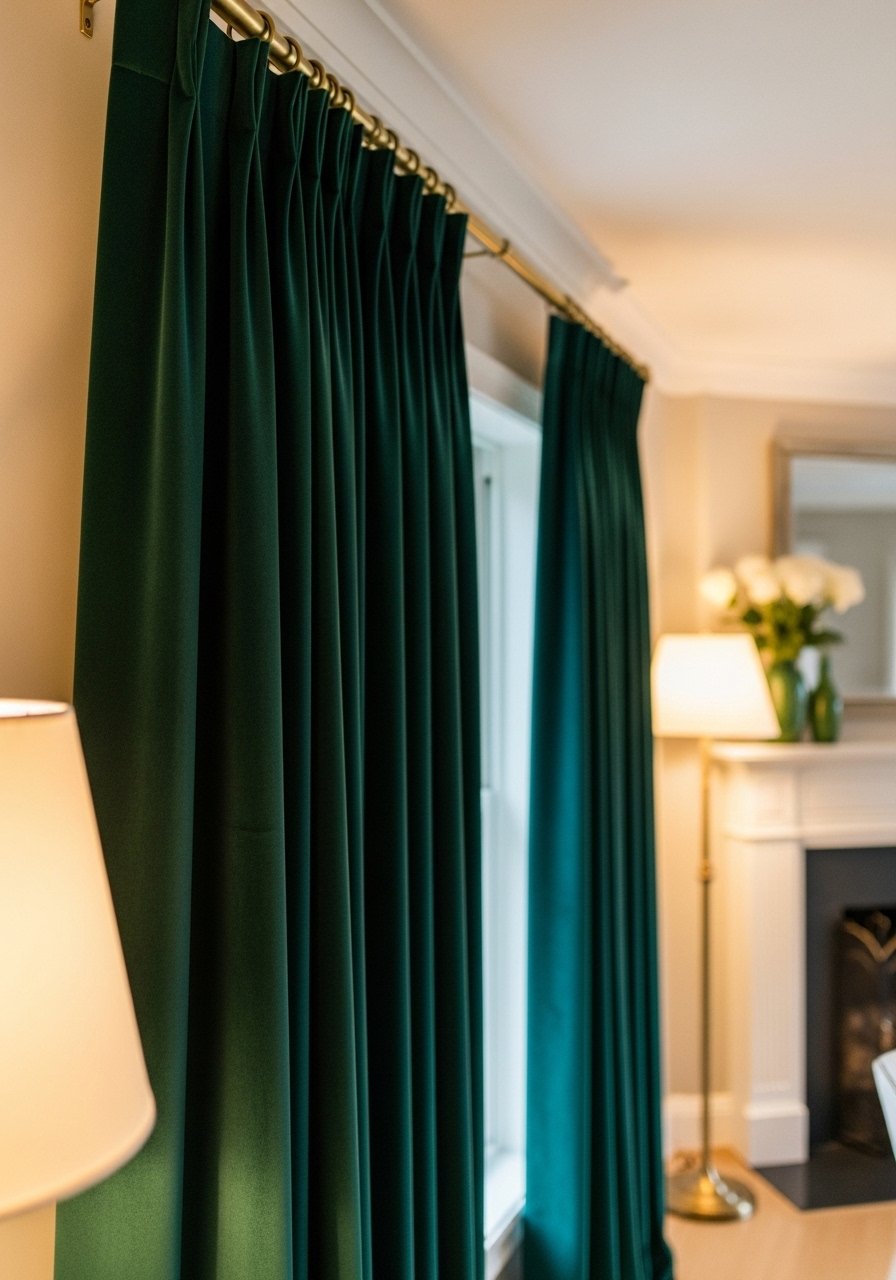
Velvet reads classic without trying too hard and it actually helps with sound in busy houses. I used thermal-backed velvet in my front living room during winter and it made the space feel anchored next to my bay window. Budget is higher, expect $80 to $200 per panel for real velvet. Common mistake is hanging velvet on a flimsy rod. Use a sturdy bracket and full rings so the fabric hangs evenly. If your walls are painted a deep navy, match the curtain lining base to avoid muddying the tone. More than half swear by machine scans these days for color picks, but I still recommend seeing a swatch at home in your light before you commit. Try thermal velvet drapes for a warm, formal result.
Patterned Damask Drapes For Classic Living Room Style
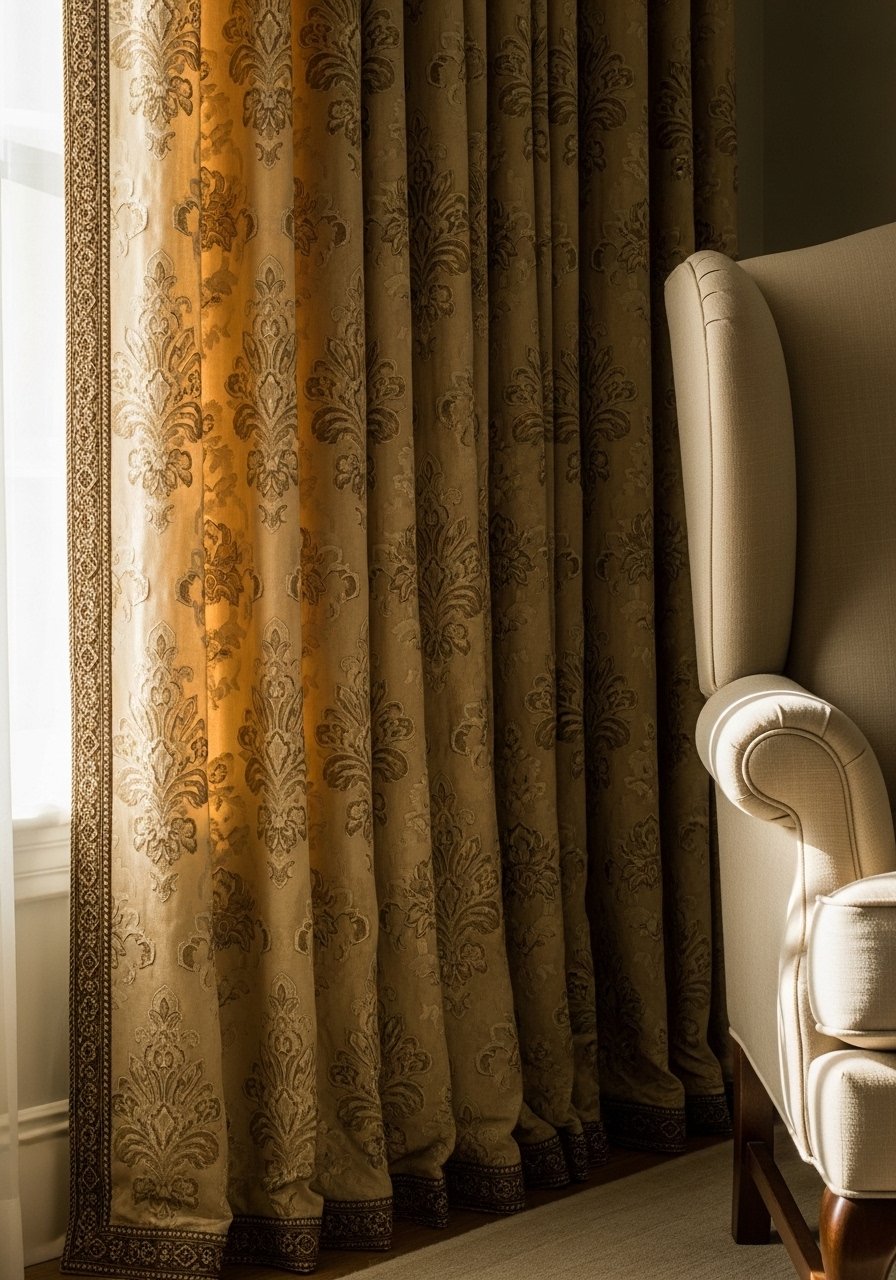
A damask pattern brings instant heritage style and stops a room from feeling too plain. I paired gold damask panels with neutral walls and the room finally read traditional rather than generic. Patterned drapes are best when the rest of the room stays simple. Keep scale in mind, large pattern for tall windows and smaller repeats for narrow sashes. Budget varies, $50 to $150 per panel. People often buy the pattern and forget lining. Lining protects the fabric from sun and keeps the pattern from reading dull on bright days. For a swap that saves cash, pull a competitor formula or look for cross-brand dupes, because Folks save a solid chunk going cross-brand smart.
Layered Sheers With Lined Panels For Soft Traditional Vibes
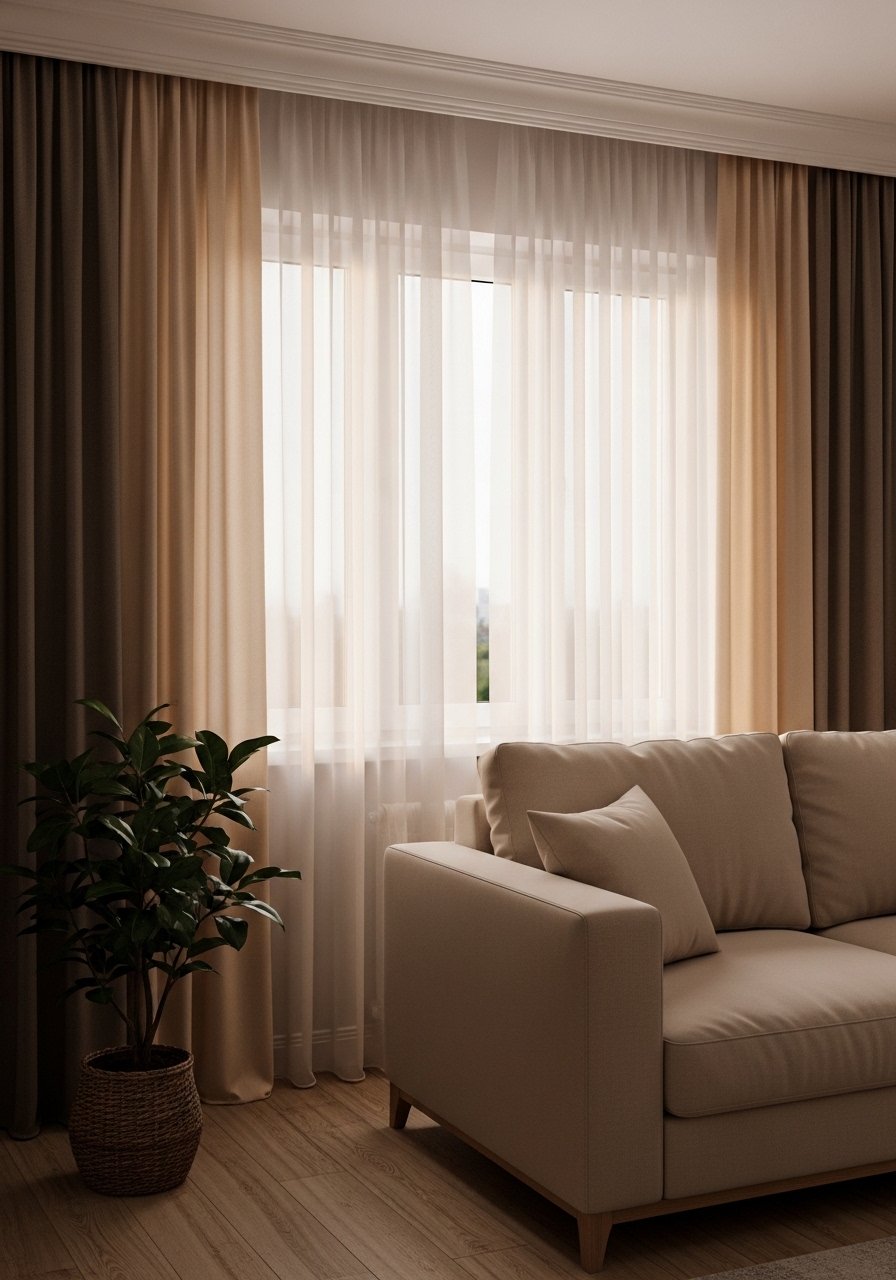
Layering sheers behind heavier panels is how I get light control without losing that soft traditional look. The sheers stay closed for daytime privacy while the lined panels frame the window at night. This combo works in family rooms and bedrooms and costs anywhere from $40 to $200 total depending on fabric choices. Common mistake is using sheers that are too short. Hang sheers full length and let them slightly puddle if the outer drape kisses the floor. A practical detail people skip is installing a double rod so each layer slides independently. Most matches flop on the first go because of sneaky room light, so test both layers in your actual light for two days before hemming or ordering custom.
Silk Damask For A Luxe Traditional Living Room
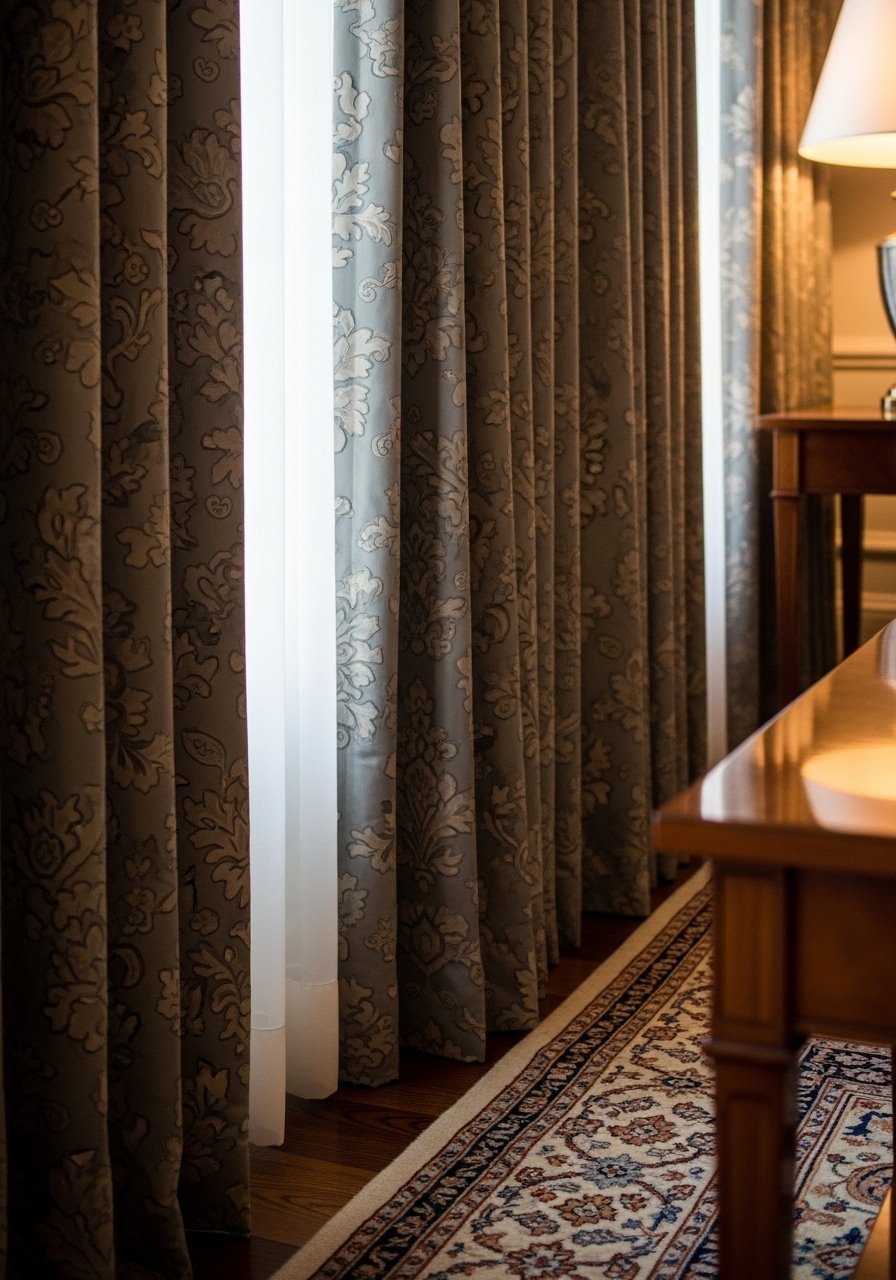
Silk damask has sheen that reads formal and old house appropriate. I splurged on a pair for a guest room and they made the once-plain windows feel tailored. Expect $150 and up per panel unless you find remnant sales. The real trick is using a warm lining rather than stark white. That tiny tweak prevents silk from looking washed out in north-facing rooms. People sometimes forget weight at the hem. Add a 4-ounce chain or hem weight for cleaner drape. If you live in a rental, consider silk look polyester for the same sheen at lower cost. I linked a silk-look option I have used in a spare room, silk-look drapes, which hold pleats well.
Tailored Pinch-Pleat Curtains For Traditional Scale
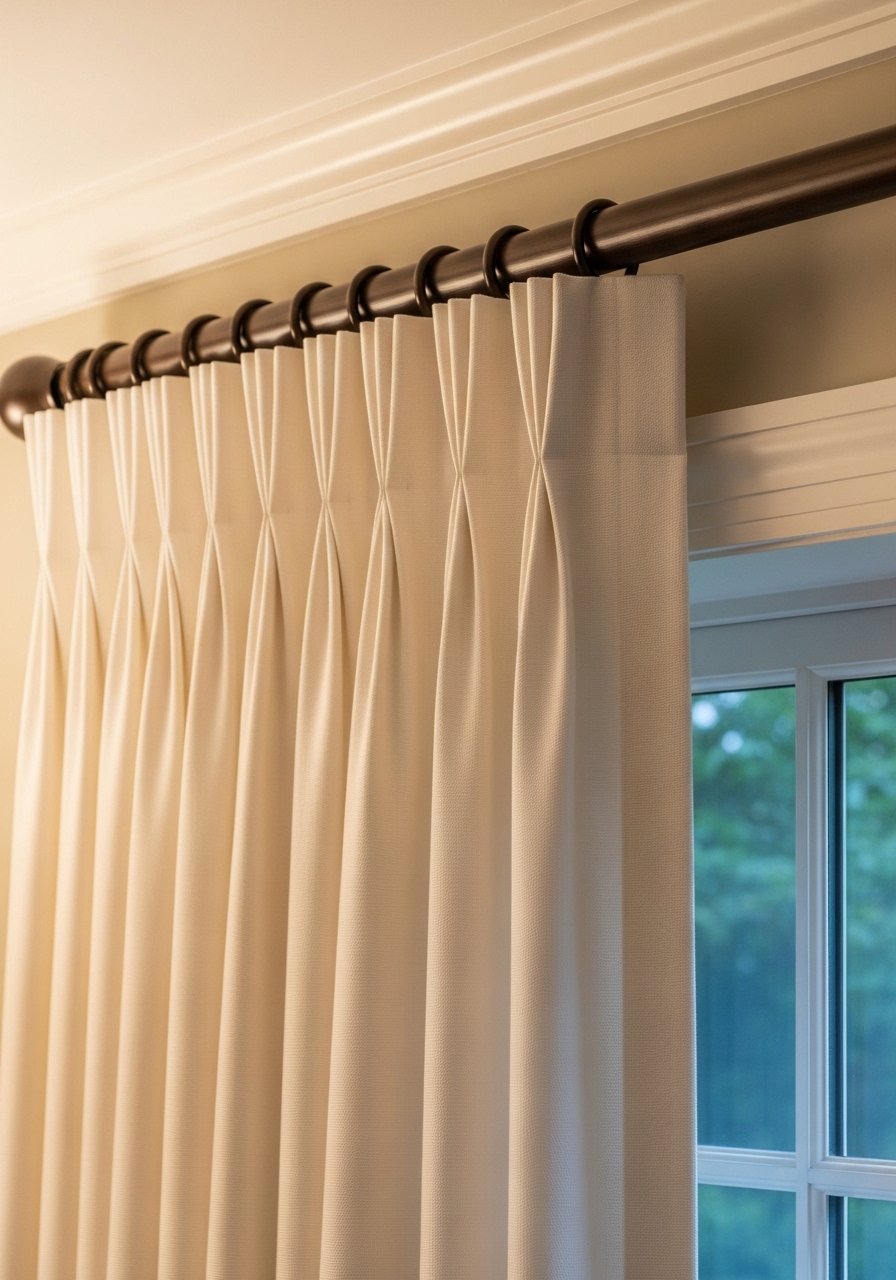
Pinch-pleat headers read tailored and formal without being stuffy. I tried this header style on a long run of windows and it immediately organized the rhythm of the room. They are great for living rooms where you want that classic hotel-lounge energy. Budget is mid-range because of header work, about $70 to $180 per panel for higher-end fabrics. Mistake people make is using the wrong pleat spacing. Standard is three finger widths between pleats for full-bodied curtains. Another detail no one tells you is to match the hook placement to your curtain rod height so the pleats hang flush with the cornice or trim. You can find ready-made pinch-pleat panels or order custom sew-in headers and attach pinch-pleat draperies easily.
Tasseled Trim And Tiebacks For Vintage Traditional Looks
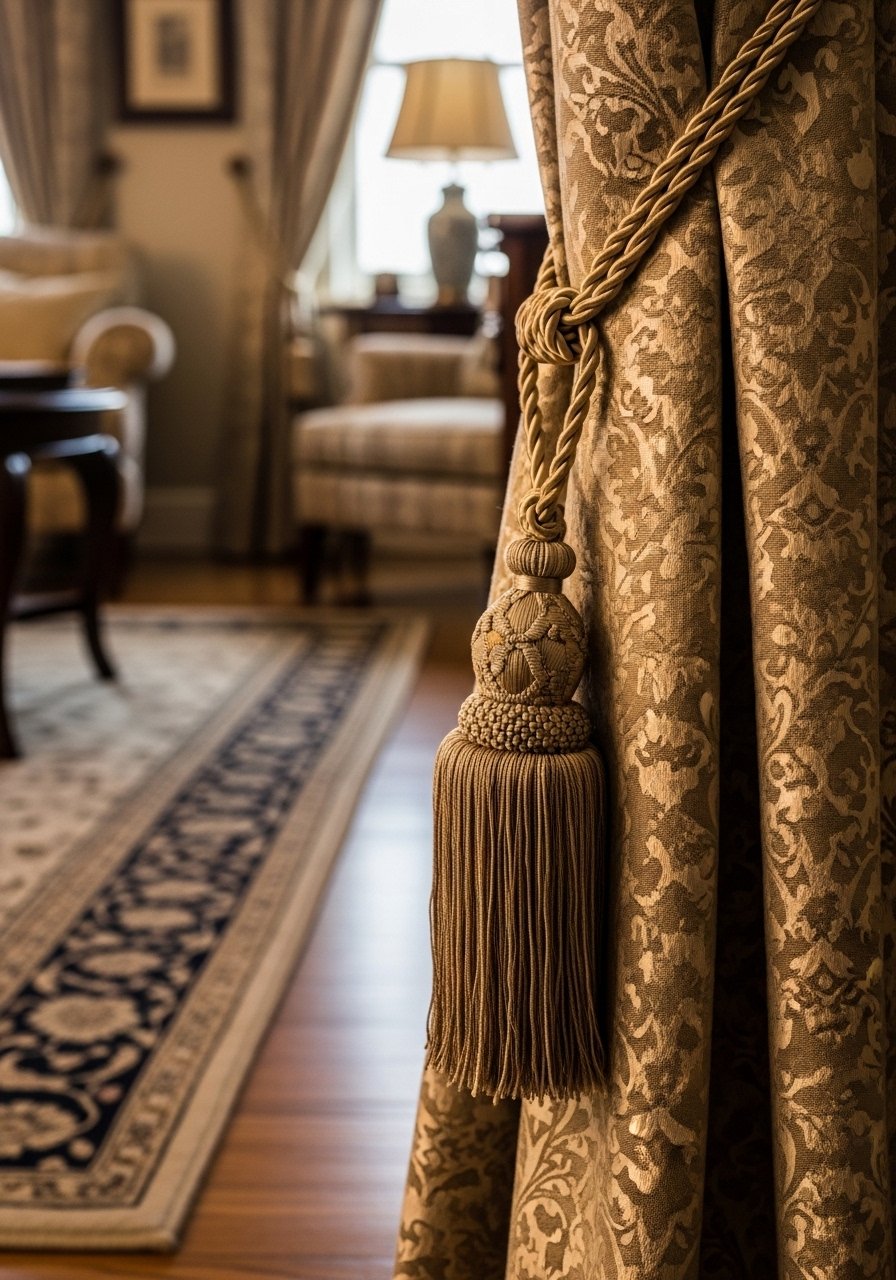
Tassels read vintage and give drapes a period-correct flourish. I added tasseled tiebacks to older curtains and it made a thrifted sofa feel like it belonged in the room. Tiebacks are an inexpensive upgrade, about $10 to $40, and they help control light when you want to showcase window details. The common error is using tiny tiebacks with heavy fabric. Match tassel size to fabric weight and window height. One small practical thing I do is loop the tieback 12 inches below the midpoint of the curtain for a balanced swoop. For renters, go with removable magnetic or hook styles to avoid making holes. I like tassel tiebacks that come with matching wall hooks.
Monogrammed Linen Panels For Personalized Traditional Rooms
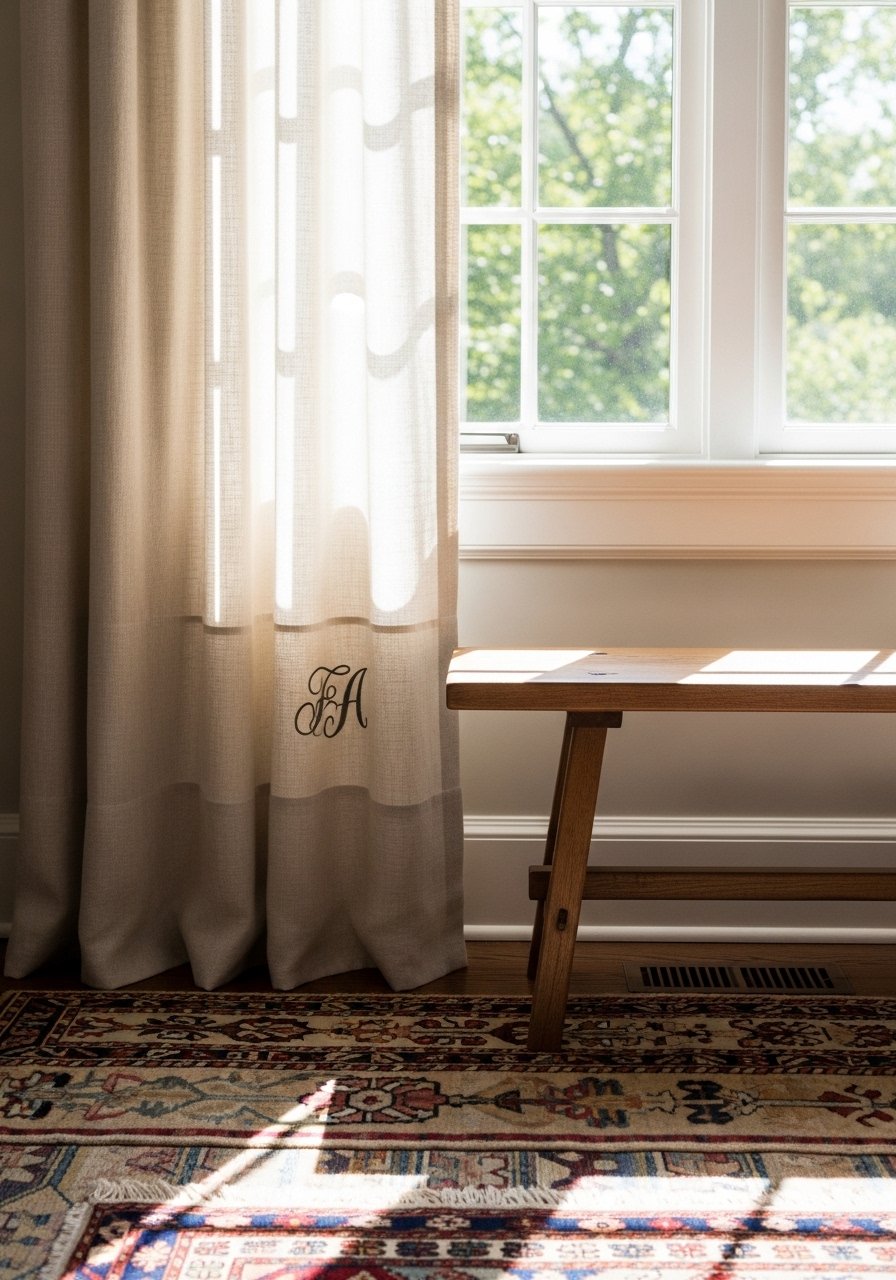
Monogrammed curtains add a personal touch that reads classic rather than fussy. I embroidered initials on kitchen window panels years ago and they keep coming up in conversations with guests. Linen is forgiving for embroidery and looks casual enough for everyday use in a family living room. Expect $30 to $80 extra for embroidery on ready-made panels or hunt for customizable panels for $100 and up. A mistake is overdoing the scale of the monogram. Keep it subtle, 6 to 10 percent of the panel height for balance. If you want the look for less, use linen-look panels and a removable embroidered band or trim that buttons on. Try embroidered linen panels for an heirloom feel.
Plaid Wool Curtains For Cold-Weather Traditional Living Rooms
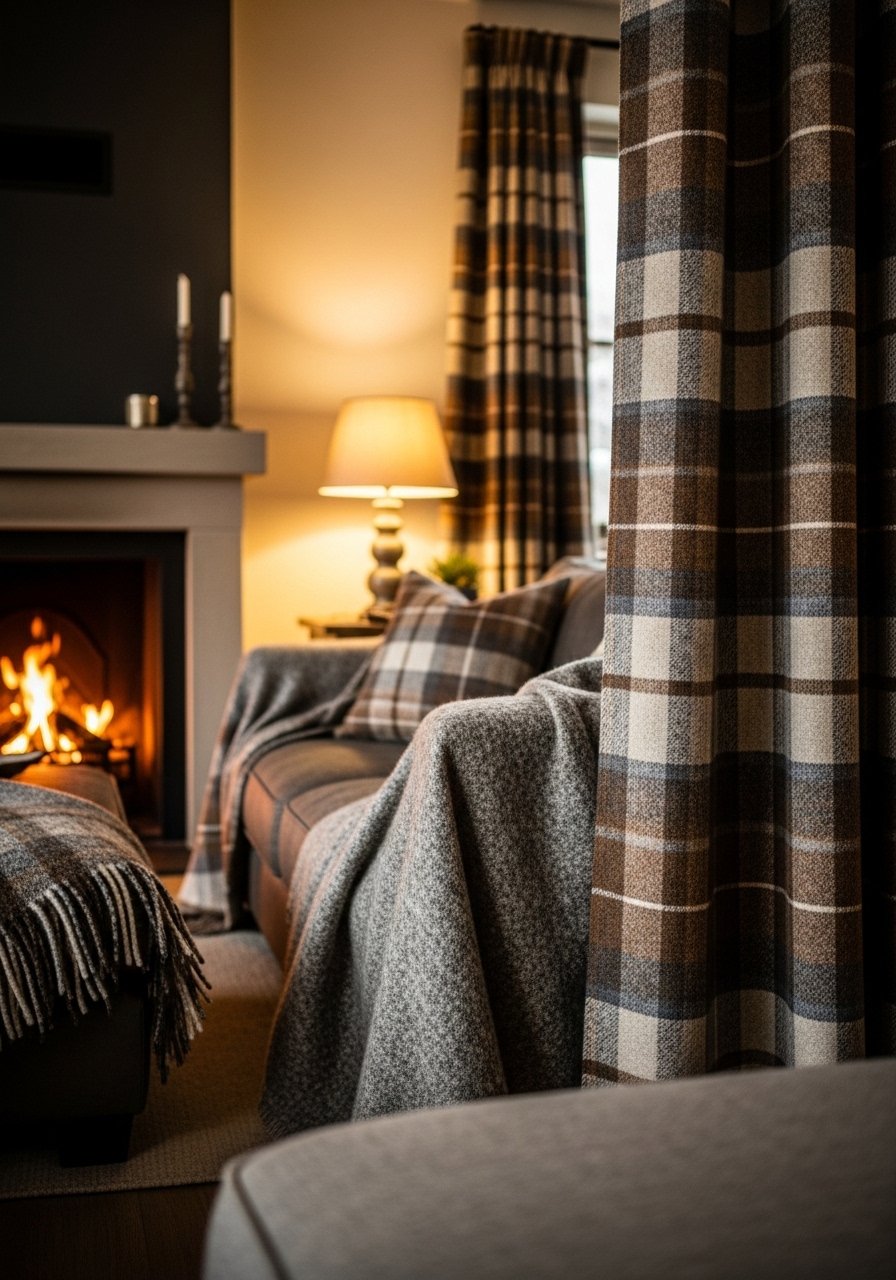
Plaid wool curtains are the secret weapon for rooms that need instant personality and insulation. I replaced spring-weight panels with lined wool checks in a north-facing den and it improved both the look and the warmth. Expect higher price for genuine wool, $120 and up per panel, but you get durability and texture. Common mistake is skipping lining for wool fabrics. Lining prevents abrasion and sunlight damage. A helpful rule is to desaturate the pattern 10 to 20 percent if you are matching upholstery or wall paint, because fabrics rarely match paint tones exactly. Pair these with leather furniture or dark wood for the full traditional lodge vibe. I use wool plaid drapes in colder rooms.
Your Decor Shopping List
Textiles
- Honestly the best $45 I have spent. 22-inch linen pillow covers, set of 4 in natural and slate for layered sofas
- Chunky knit throw in cream (~$35-55). Drape over the arm of a chair for texture
Window Hardware
- For the floor-to-ceiling trick, you need length. 96-inch curtain rod set, heavy-duty (~$30-60) holds velvet without sagging
- Found these while looking for something else. Brass curtain holdbacks and tassels set (~$18-35) for a vintage look
Lighting
- Table lamp with warm linen shade (~$40-90). Use near windows to balance night light
Budget Finds
- Silk-look polyester drapes, single panel (~$35) for rental-friendly sheen
- Similar at Target or HomeGoods for printed damask and seasonal swaps
Shopping Tips
Hang high and wide. Curtains should be taller than the window and wider than the frame to make windows read larger. 96-inch linen panels are the safe bet for standard nine-foot ceilings.
Grab thermal curtain liners if you want warmth and light control. They are cheap insurance for any fabric that will face direct sun.
If you are matching fabric to paint, scan the fabric but tweak by eye. Most matches flop on the first go because of sneaky room light. Fabric color matching kit helps you bring a sample to the paint desk.
Lead with a statement piece, not five tiny things. Grab one 6-foot faux fiddle leaf fig for height. One tall plant beats five small succulents.
Frequently Asked Questions
Q: How long should curtains be for a traditional living room?
A: Curtains should either kiss the floor with a 1-2 inch gap or have a soft puddle if you prefer that look. For nine-foot ceilings, 96-inch or 108-inch panels are common. Measure twice before ordering.
Q: Should I line patterned drapes?
A: Yes. Lining preserves pattern brightness and protects fabric from sun damage. It also stops the pattern from reading dark on bright days. For a small budget save, use a cotton blend lining instead of thermal.
Q: Can I mix modern furniture with traditional curtains?
A: Absolutely. Pair streamlined sofas with tailored pinch-pleat curtains to get a lived-in, balanced look. I often pair mid-century seating with classic drapes and it reads intentional rather than mismatched.
Q: What is the mistake people make when buying curtain hardware?
A: They buy a lightweight rod that sags under heavy fabric. Match the rod to the fabric weight and pick brackets rated for the total panel weight. A sturdy rod also keeps pleats neat.
Q: How do I match curtains to wall paint without ordering custom swatches?
A: Scan fabric samples if you want, but tweak by eye in your room light. Folks save a solid chunk going cross-brand smart when they pull a formula from one brand and have it mixed in another. Hang a large sample for 48 hours before committing.
Q: Are faux curtains worth it in rentals?
A: Yes. Faux silk and linen-look polyester give the look at lower cost and with easier care. Use removable curtain hooks and magnetic holdbacks to keep walls intact.