
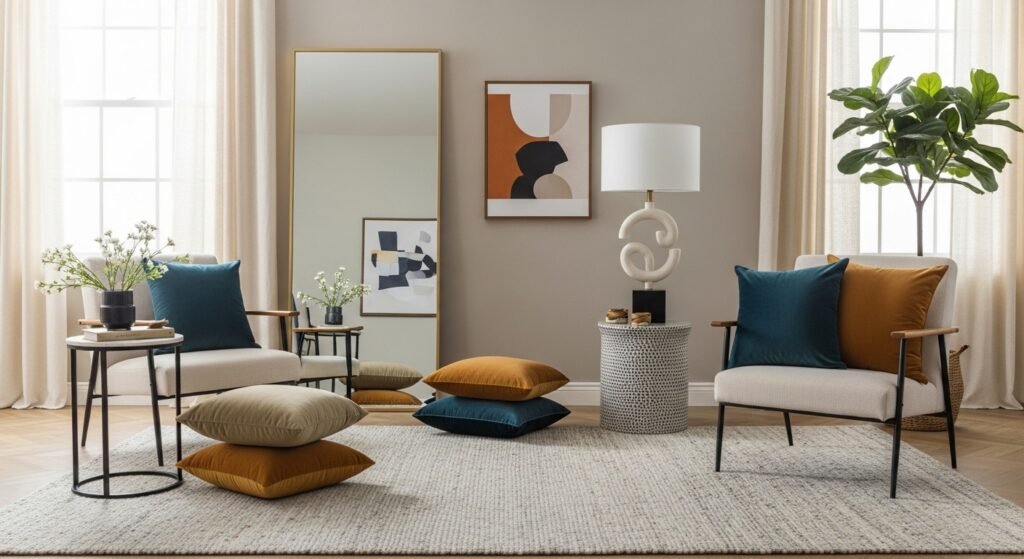
My living room had nice furniture and decent lighting but it still felt like a waiting room. Took me embarrassingly long to figure out it was missing texture. Every surface was smooth, every color was flat, and nothing invited you to actually sit down. I started swapping one small thing at a time and suddenly the room felt like someone lived there.
These ideas lean modern with warm, layered touches. Most items are under $50, with a few splurge pieces around $100-150. They work for living rooms, bedrooms, entryways, and even a small home office where everything still feels off.
Layered Neutrals With One Bold Accent Color
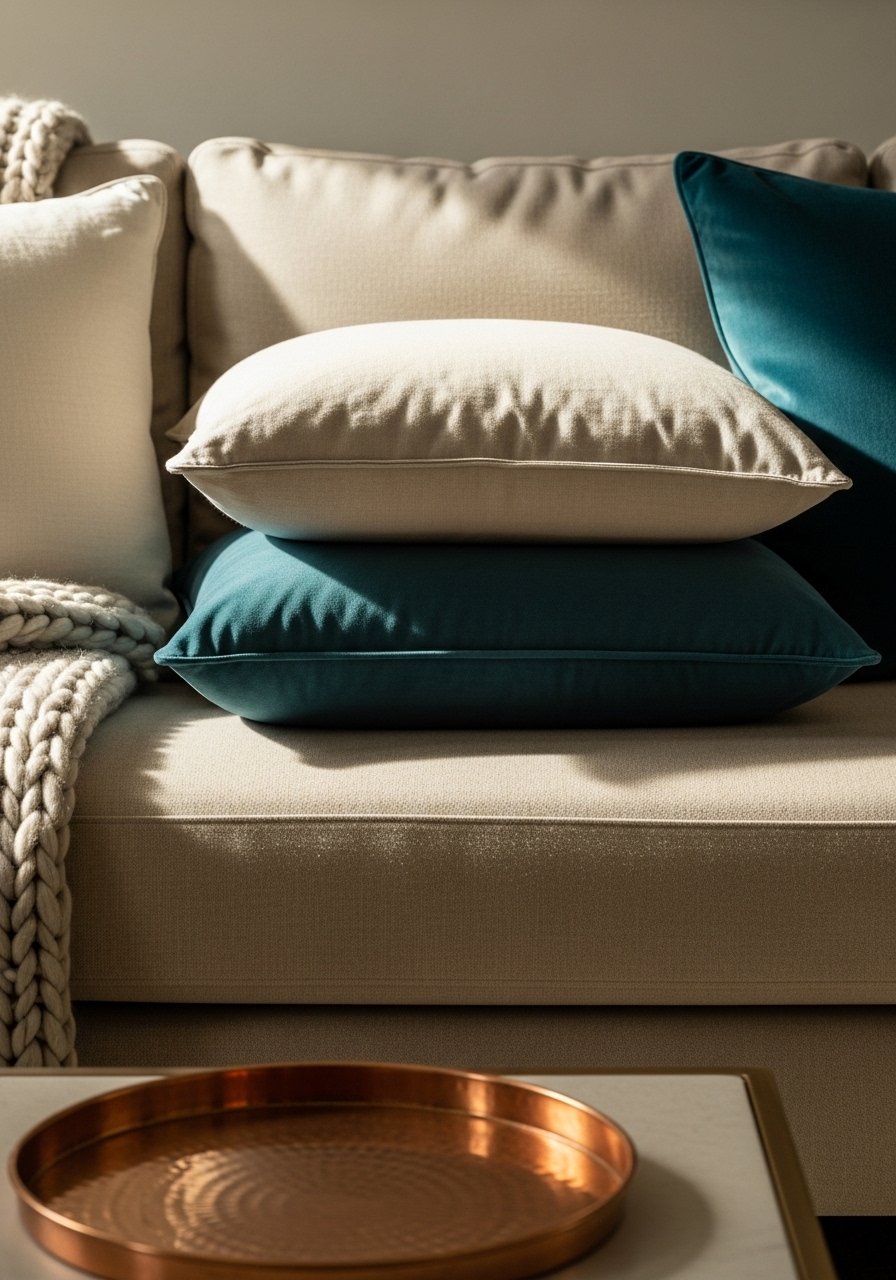
The moment I draped a chunky knit throw over the arm of my gray sofa the whole room stopped looking flat. Go neutral for 80 percent of the palette and let a single bold color take 20 percent. For scale use 22-inch down-filled linen pillow covers and one or two 18-inch velvet pillows in your accent color. I used deep teal and it read expensive without much cost. Mistake people make is buying six tiny pillows that look cluttered. Instead place two pillows per seat and stagger textures. I bought velvet pillow covers, set of 2 for the accent hits. Pair this with the textured throw idea later for the full effect.
Floor-To-Ceiling Curtains To Add Height
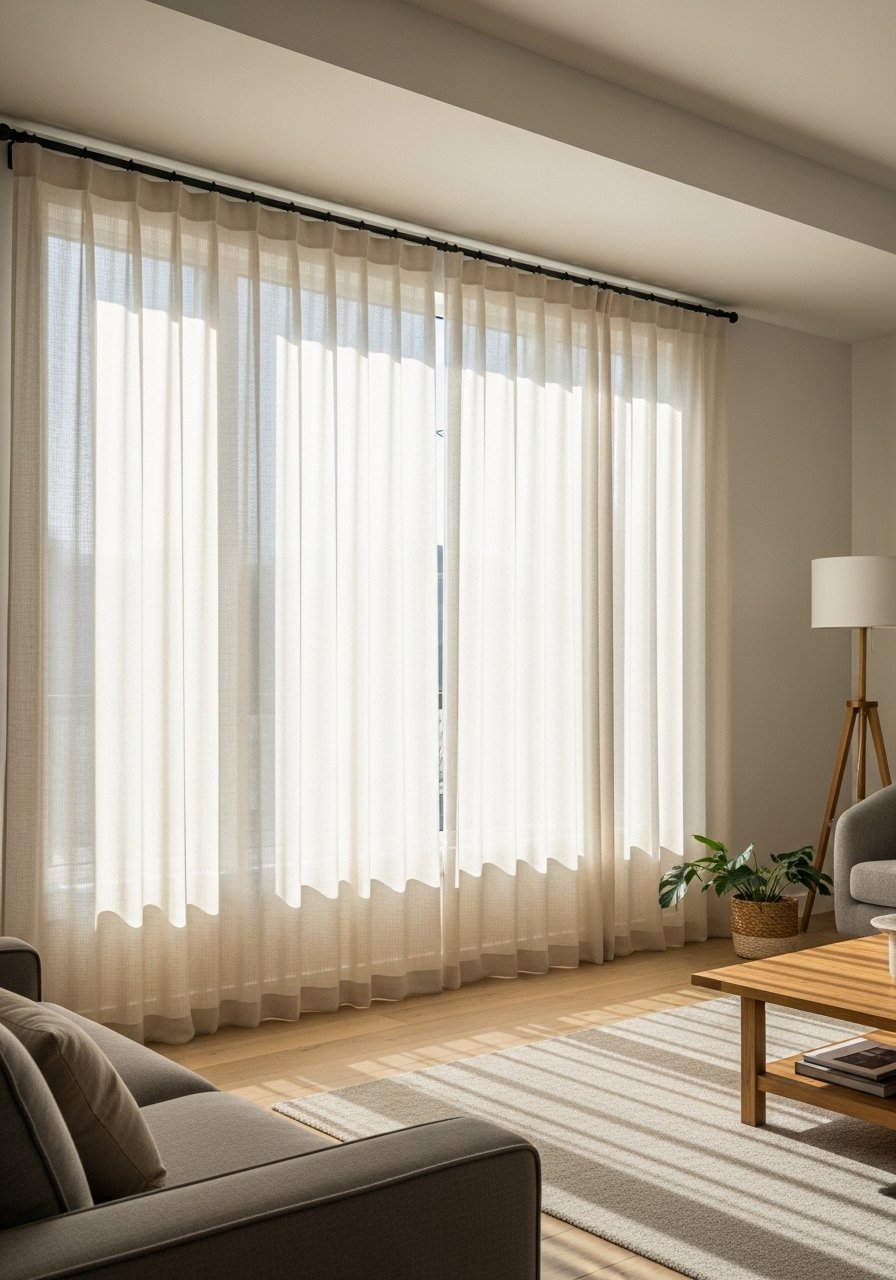
Most people hang curtains right at the window frame. That is why their rooms look shorter. Hang panels about 6 inches above the window frame and extend the rod 4 inches past each side. For standard 9-foot ceilings use 96-inch panels, and for extra drama use 108-inch panels that kiss or puddle the floor depending on your taste. I used neutral linen panels to make a small living room feel taller overnight. Common mistake is buying the wrong length then hemming badly. These linen curtain panels 96-inch are my go-to for a soft modern vibe and easy returns if the color is off.
Mixed Metallics For Modern Glam
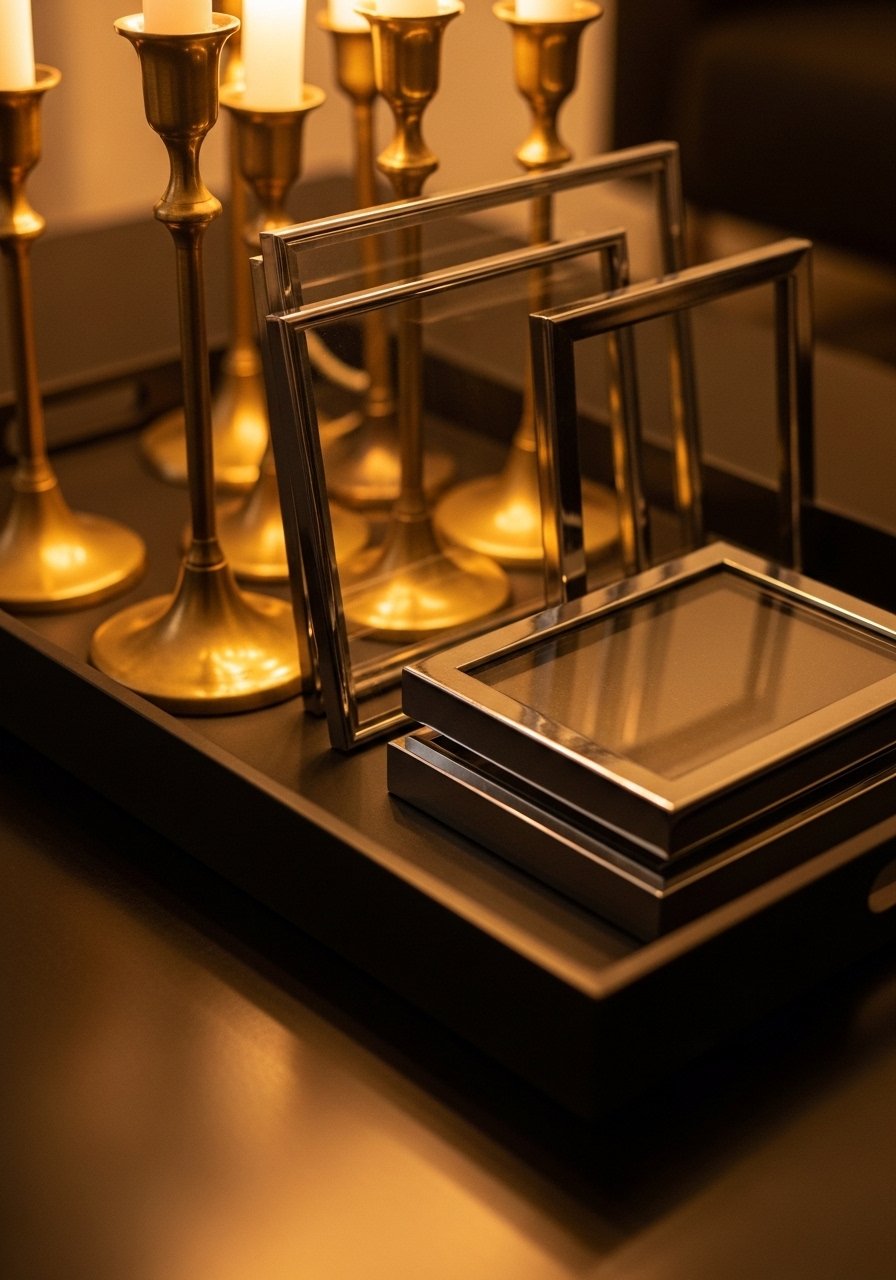
I used to buy every metal to match. It read flat. Mixing metals makes a space look intentional. Aim for one warm metal, one dark metal, and one accent like chrome. Keep brass to about 30 percent of visible metal finishes so it feels curated, not gaudy. A simple rule is three finishes max in a single vignette. I mixed matte black lamp bases, brass picture ledges, and chrome hardware in my entry and it finally felt cohesive. Avoid matching everything like hotel furniture. These mixed metal picture frames let you layer finishes without spending a lot.
Oversized Mirror To Brighten Dark Corners
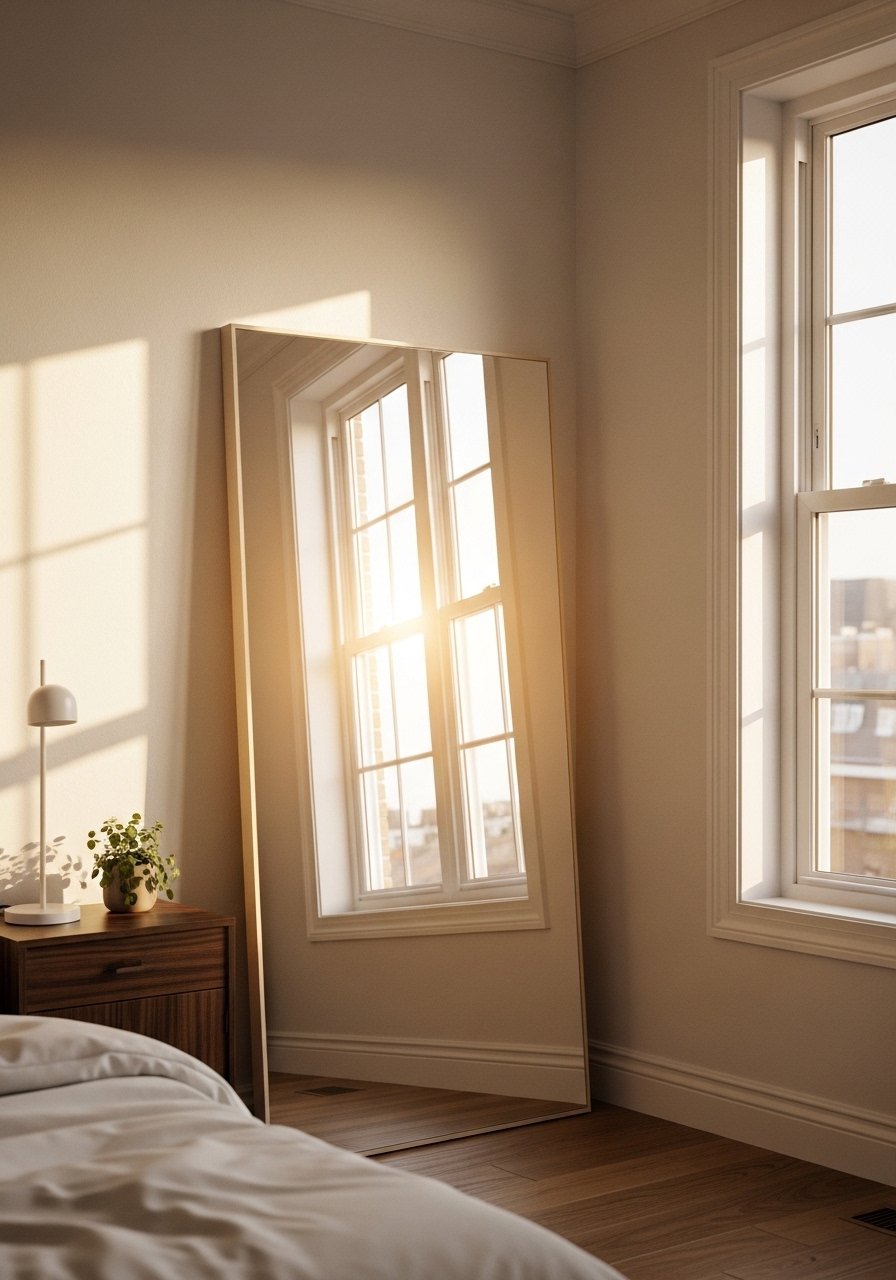
I bought an oversized leaner mirror after years of small round mirrors and it changed how light moves in the room. Aim for a mirror that is at least two thirds of the wall height where you place it. Position it opposite or adjacent to a window to bounce natural light into dark corners. A common mistake is hanging a mirror too high so it reflects ceiling instead of the room. For balance, leave 4 to 6 inches between a low console table and the mirror edge. I picked a clean black frame to keep the look modern. Try this large leaning mirror for an inexpensive brightening effect.
Layered Rugs For Texture And Warmth
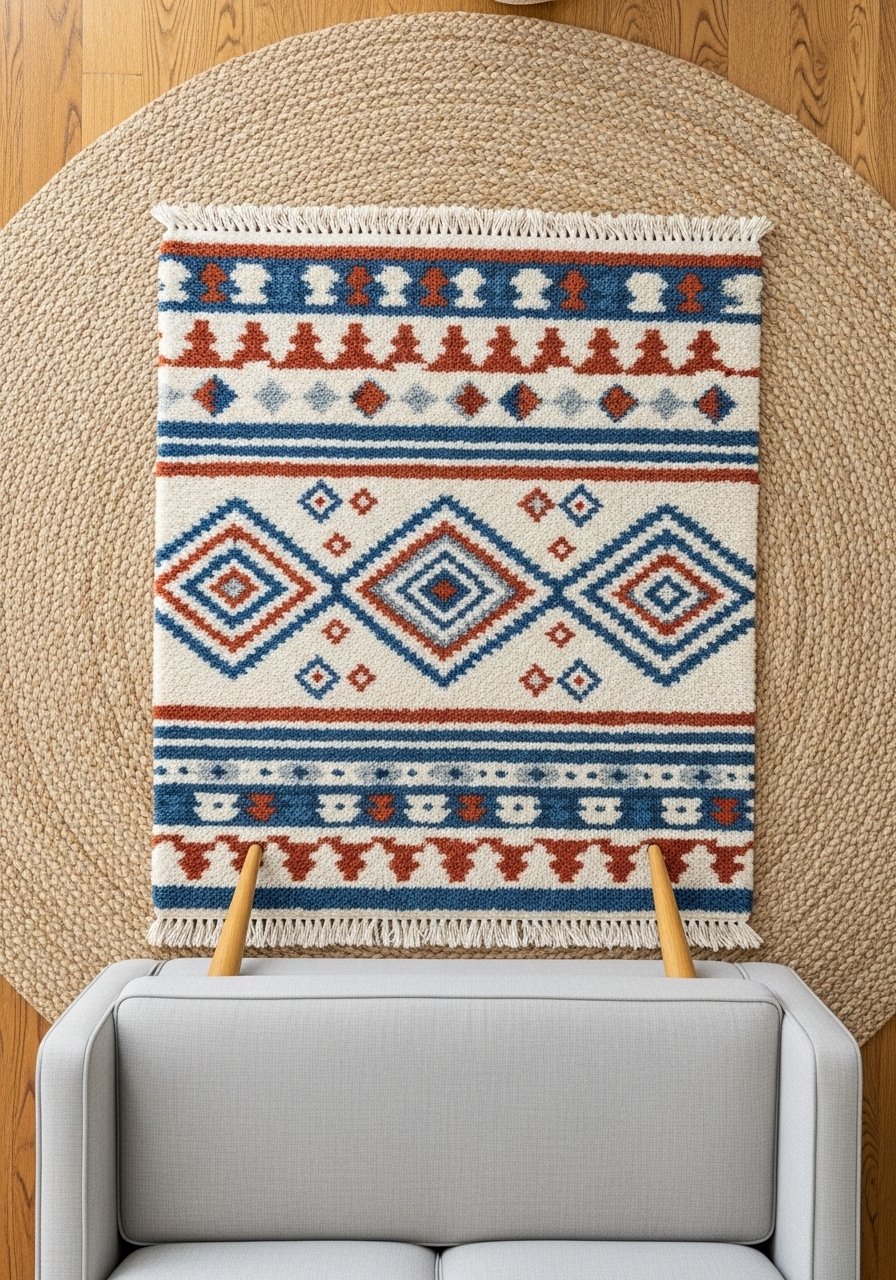
Rug sizing is the detail everyone gets wrong. Go bigger than you think. For a standard living room aim for a rug that allows all front furniture legs to sit on it. I layered a neutral 8×10 jute rug with a 5×8 patterned wool rug on top to add warmth and hide traffic paths. Layering rugs adds depth without a big budget. People often choose patterns that fight the sofa fabric. Pick a textured neutral base and a patterned top layer in the same color family. I bought this 8×10 jute area rug and a smaller accent rug for the layering trick.
Sculptural Lighting Instead Of Matching Lamps
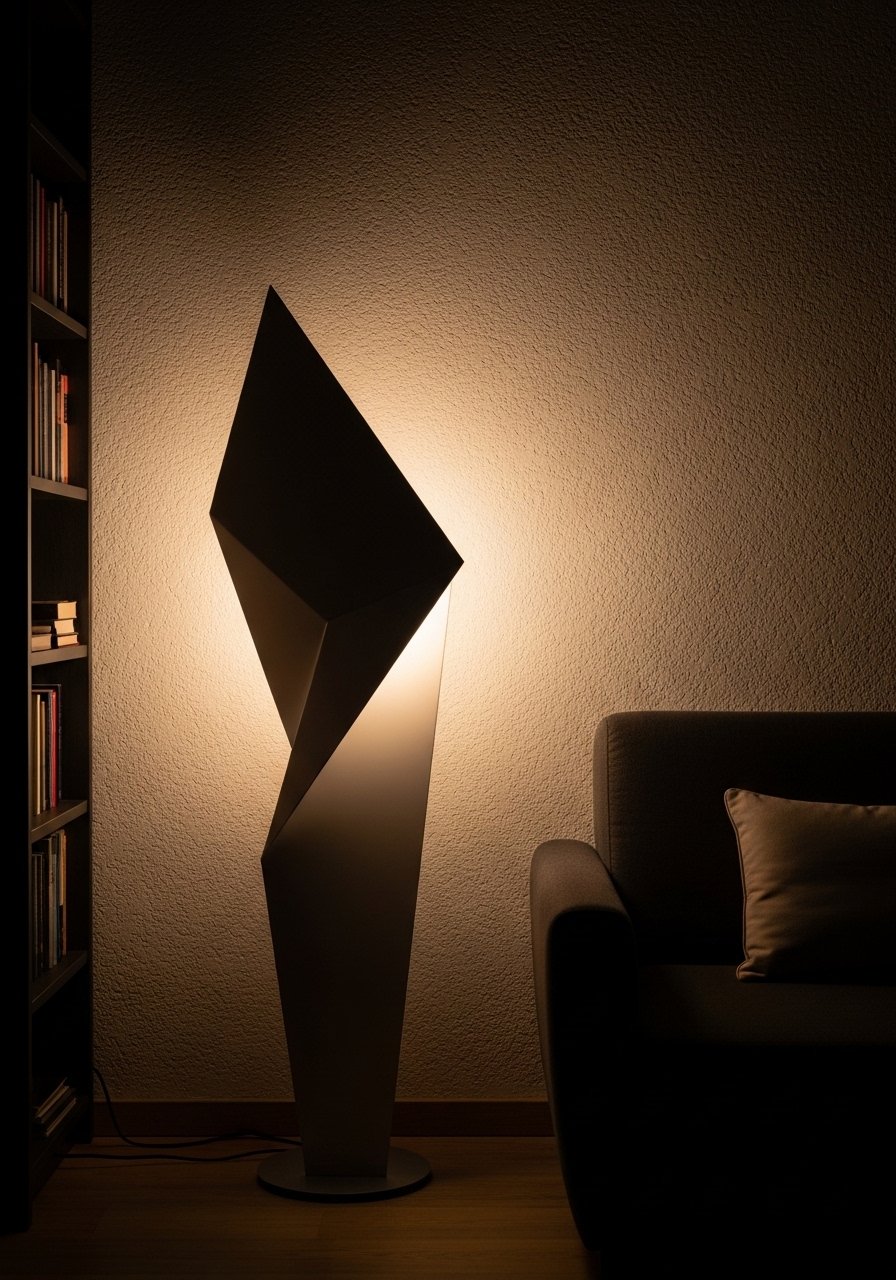
I replaced a pair of identical lamps with one sculptural floor lamp and a small table lamp for reading. A single statement fixture reads expensive because it creates contrast and scale. Place lamp shade top roughly at eye level when seated, about 60 inches from the floor. Matching lamps feel safe but safe can look boring. Pick one sculptural piece in matte black or brushed brass, then add a budget table lamp where you need task light. I found a lamp that looks designer for under $120. See this sculptural floor lamp for the idea.
Minimal Gallery Wall With Consistent Frames
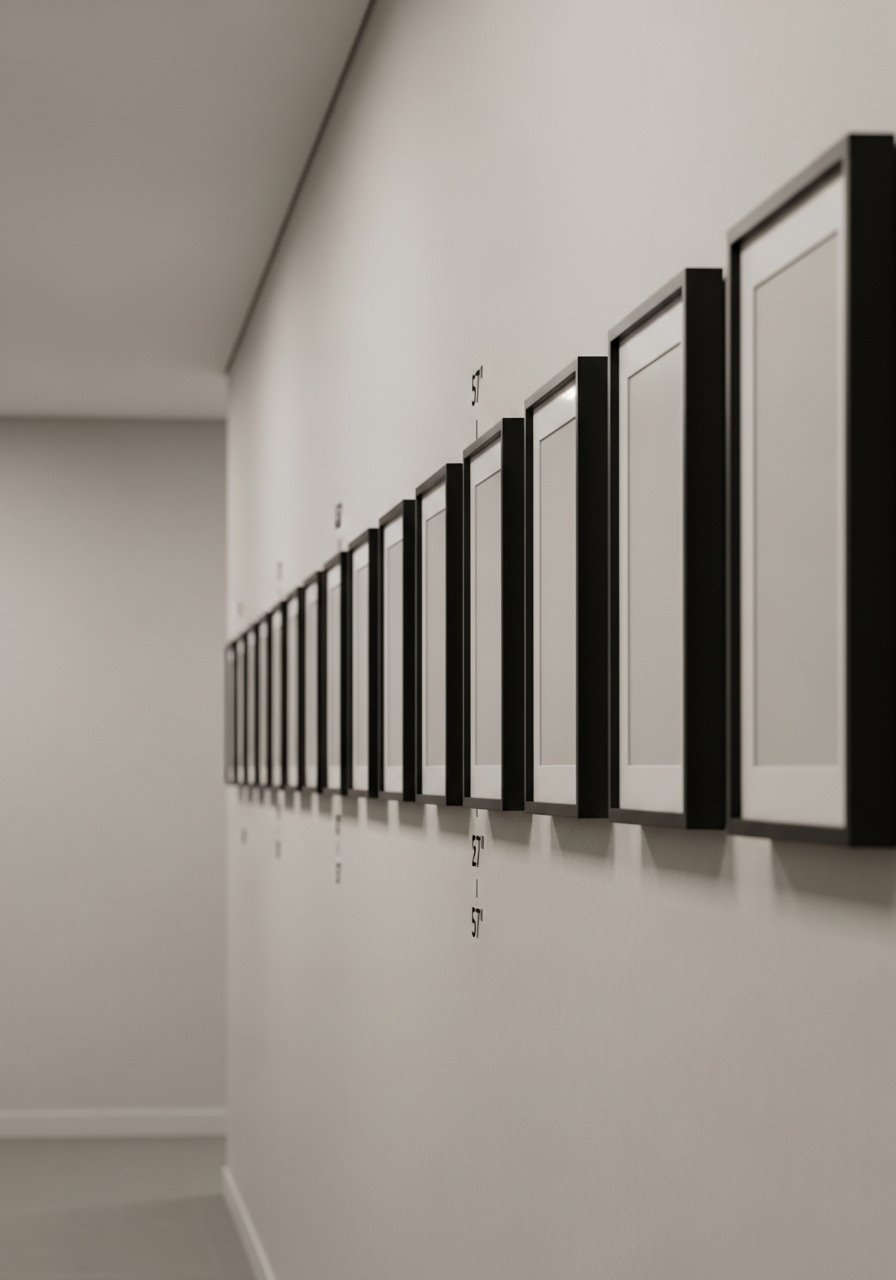
A gallery wall does not need 15 frames. Pick five to seven pieces, use the same frame color and mat for cohesion, and set the center line at 57 inches from the floor. Spacing should be about 2 inches between frames for a tight modern look. I used black frames for a minimal hallway and it read like a custom installation. The mistake people make is mixing too many frame styles and tiny prints. If you want to rotate art without new holes use picture ledges. I like these black frames with mats that make prints look gallery-ready.
Statement Greenery For Scale
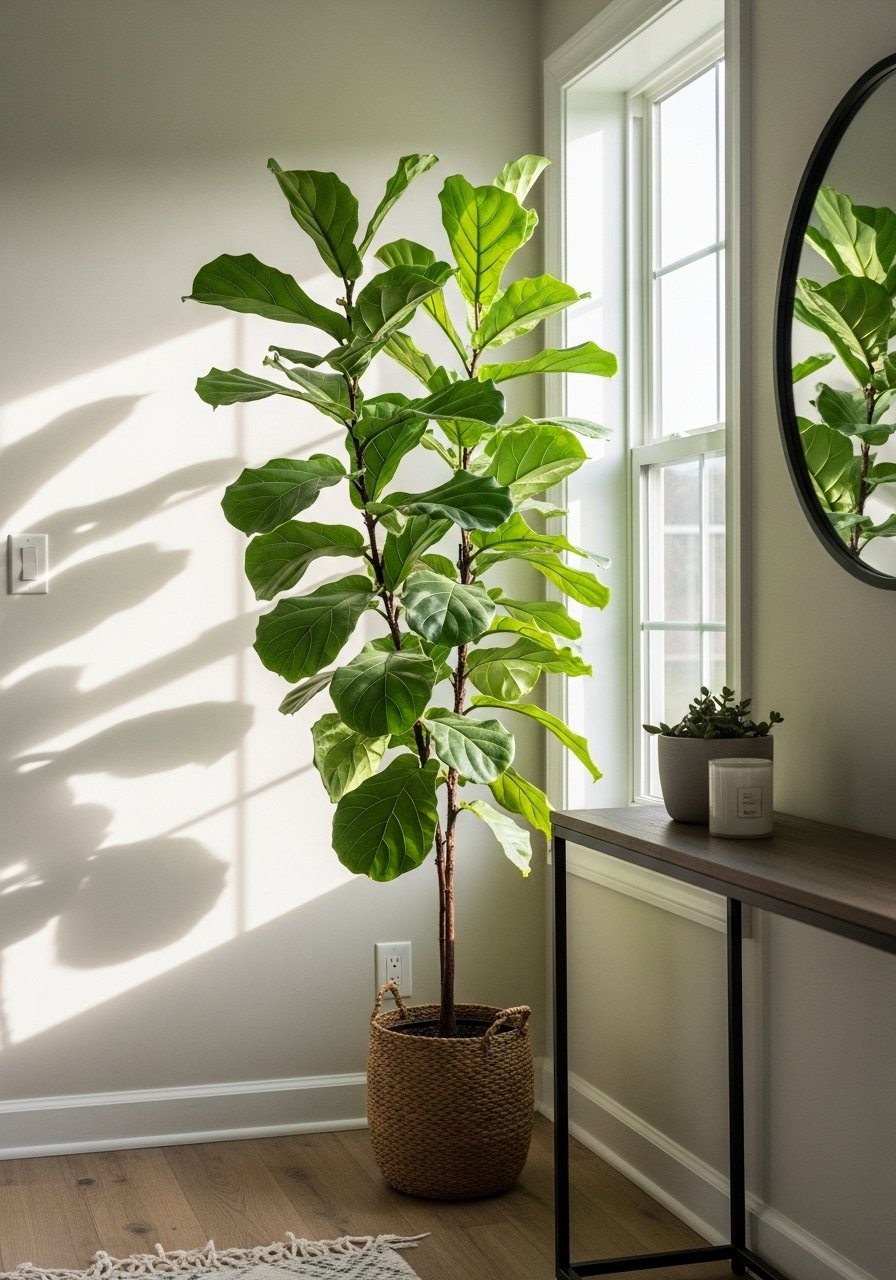
One large plant has more impact than a dozen small succulents. I swapped five plant pots for a single 6-foot fiddle leaf fig and the room finally had a focal point. Real plants are great if you want them to thrive. If you do not have light or time for care use a high-quality faux tree. Place it near a window or lamp so scale feels natural. Avoid small plants tucked on shelves that look like afterthoughts. I keep a mix in my home, and a faux option in darker corners. This artificial fiddle leaf fig 6ft saved me from killing one too many real plants.
High-Low Art Display With One Splurge Piece
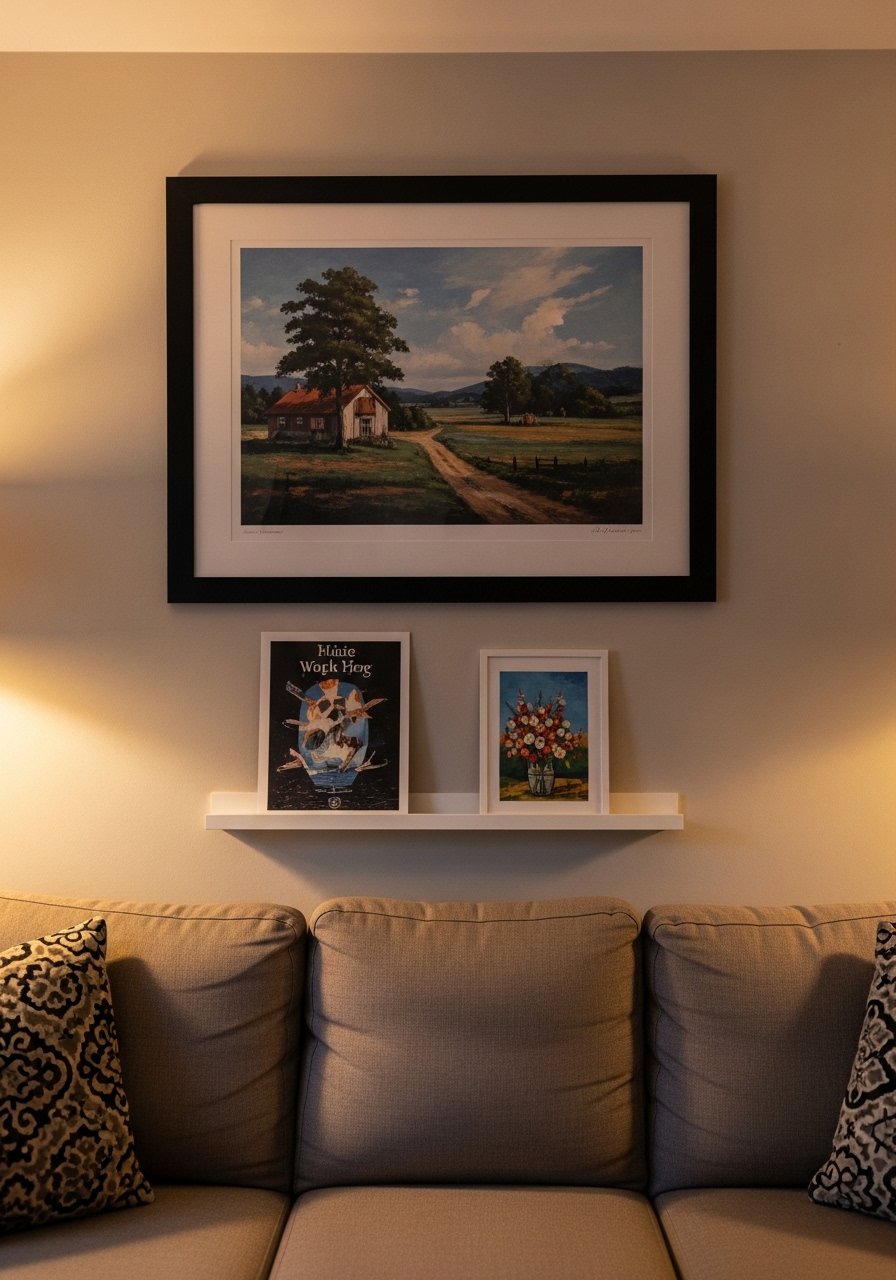
I used to buy all budget prints until I saved for one larger investment piece. A single splurge print anchors the space while cheaper prints on a ledge make the rest feel curated. Buy one large 24×36 or 30×40 framed piece and mix in 11×14 affordable prints on picture ledges. The real detail is scale. If your sofa is 84 inches long choose art about 2/3 the sofa length for balance. I purchased a large print and three inexpensive prints to layer. This large framed art print 30×40 gave the room an instant focal point.
Textured Throws And Pillows For Instant Warmth
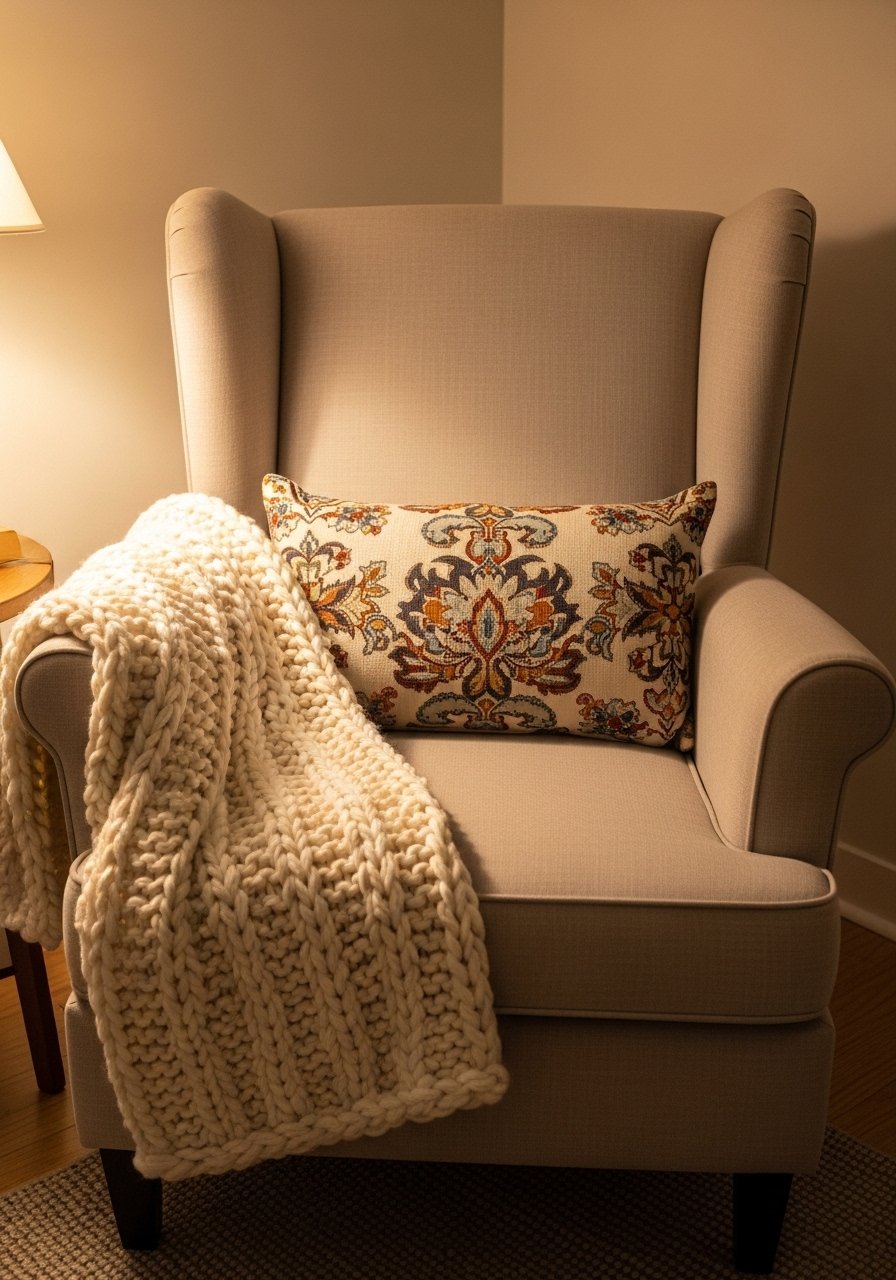
Spent $400 on a coffee table and the room still looked off. Spent $35 on a throw and three candles and suddenly everything clicked. Throws and pillows are the fastest way to add texture and softness. Use a chunky knit throw for softness and a woven or patterned lumbar pillow for contrast. Keep pillow sizes varied, like 22-inch square plus a 14×22 lumbar. Mistake is matching every textile to the sofa exactly. Mix materials. I use wool, linen, and velvet in the same seating area. Try this chunky knit throw blanket in cream for immediate coziness.
Small-Scale Furniture Tricks For Big Impact
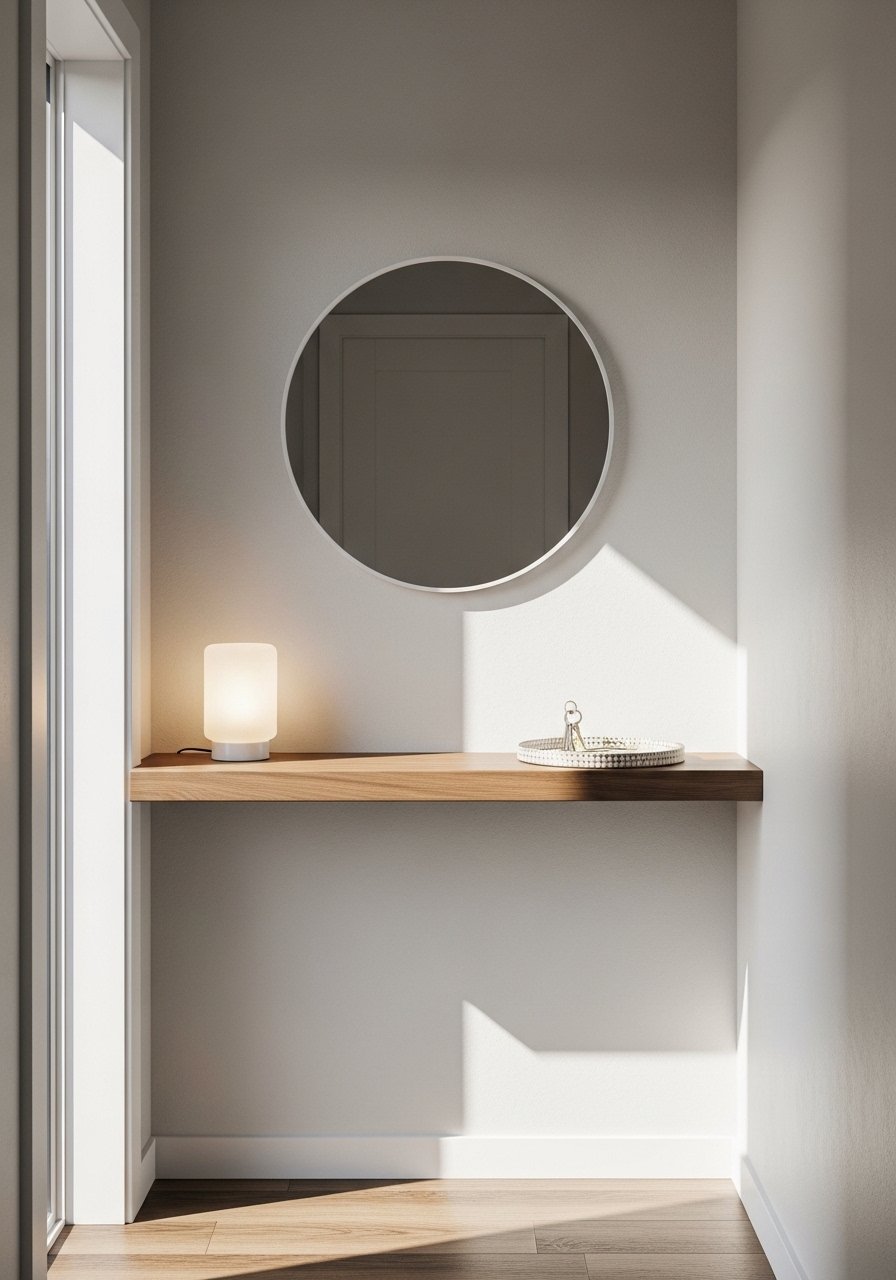
If your space looks crowded you probably have something out of scale. Coffee tables should be roughly two thirds the length of your sofa. Narrow console tables, 10 to 12 inches deep, keep hallways usable while still styling them. I swapped a chunky entry table for a slim one and the entire flow of our apartment improved. Another detail is leg height. Low furniture reads heavier, so pick pieces with visible leg space to make the room feel more open. For small homes, use nesting tables that tuck away. This slim console table 42-inch fits tiny entryways without looking like an afterthought.
Your Decor Shopping List
- Textiles: Honestly the best $40 I have spent. Velvet pillow covers, set of 2 in deep teal, 22-inch for sofa layering
- Curtains: For the curtain trick, you need length. Linen curtain panels 96-inch in ivory, machine washable
- Rugs: For layered rugs try a neutral base. 8×10 jute area rug plus a 5×8 patterned accent rug
- Lighting: Found this while looking for table lamps. Sculptural floor lamp matte black about $120
- Mirrors: Large mirror for light. Large leaning mirror black frame 60×30
- Frames: For a minimal gallery wall. Black frames with mat pack 11×14 and 8×10 sizes
- Plants: One tall piece for scale. Artificial fiddle leaf fig 6ft
- Throws: Chunky knit throw blanket cream roughly 50×60 inches
- Picture ledges: For rotating art without new holes. Brass picture ledges 24-inch
- Small furniture: Slim table for entryways. Console table 42-inch narrow
Notes: Many of these have similar options at Target or HomeGoods if you want to touch the fabric first.
Shopping Tips
- White oak beats dark wood in 2026. White oak floating shelves are a simple swap to keep trim and shelving feeling current.
- Grab velvet pillow covers for $12 each. Swap them every season and the whole room feels different.
- Curtains should puddle or kiss the floor, never hang halfway up. These 96-inch panels are right for standard 9-foot ceilings
- One large plant beats five small succulents. Artificial fiddle leaf fig 6ft gives scale without the maintenance
- Measure first. A coffee table should be about two thirds the length of your sofa. If you need something narrow try this slim console table 42-inch as a test piece
Frequently Asked Questions
Q: What size area rug do I actually need for a living room?
A: Bigger than you think. For most living rooms go 8×10 so front legs of the sofa sit on the rug. If your sofa is under 80 inches, a large 6×9 can work. Layer a smaller decorative rug on top for pattern.
Q: Can I mix boho textiles with modern furniture without it looking messy?
A: Yes. Use the rule of three textures and keep the color palette tight. For example, a linen base, a wool patterned rug, and a chunky knit throw read intentional rather than chaotic.
Q: Should I match my metals or mix them?
A: Mix them. Limit to three finishes and give the warm metal about 30 percent of visible spots. Mixed metal picture frames make mixing easy.
Q: How high should I hang curtains and art?
A: Hang curtains about 6 inches above the frame and extend the rod 4 inches beyond the window sides. Set art centers around 57 inches from the floor for most spaces.
Q: Real plants or faux?
A: Both. Real snake plants and pothos handle neglect. Use a faux fiddle leaf fig where you want height without care. See artificial fiddle leaf fig 6ft for a low-effort option.
Q: How do I stop a room from feeling like a waiting room?
A: Add texture, low lighting, and personal items. Swap one smooth surface for a woven rug or a chunky throw. Most items are under $50, with a few splurge pieces around $100-150 that make a room feel lived in.