

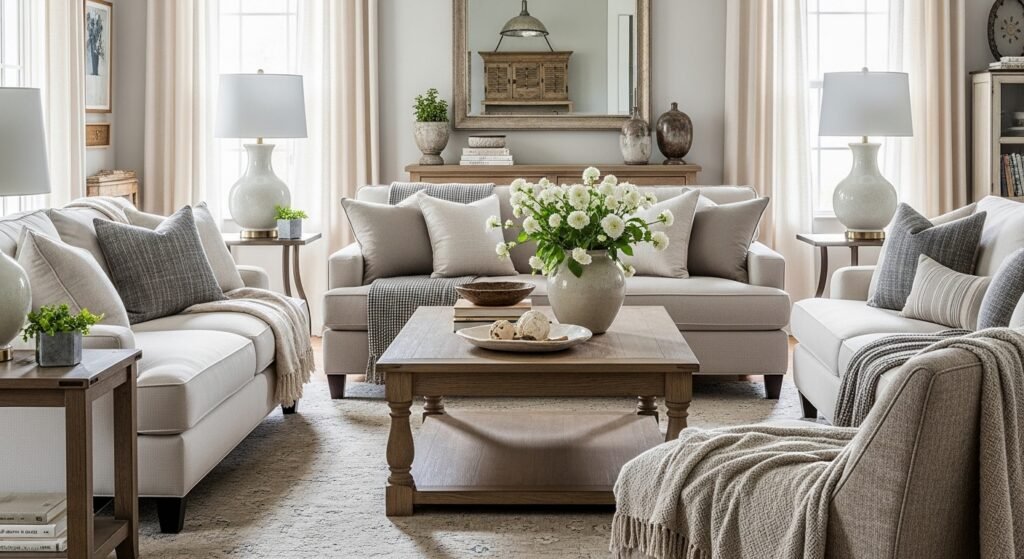
My living room had nice furniture and decent lighting but it still felt like a waiting room. Took me embarrassingly long to figure out it was missing texture. Every surface was smooth, every color was flat, and nothing invited you to actually sit down. After one weekend of swaps the couch finally felt like a place you wanted to linger.
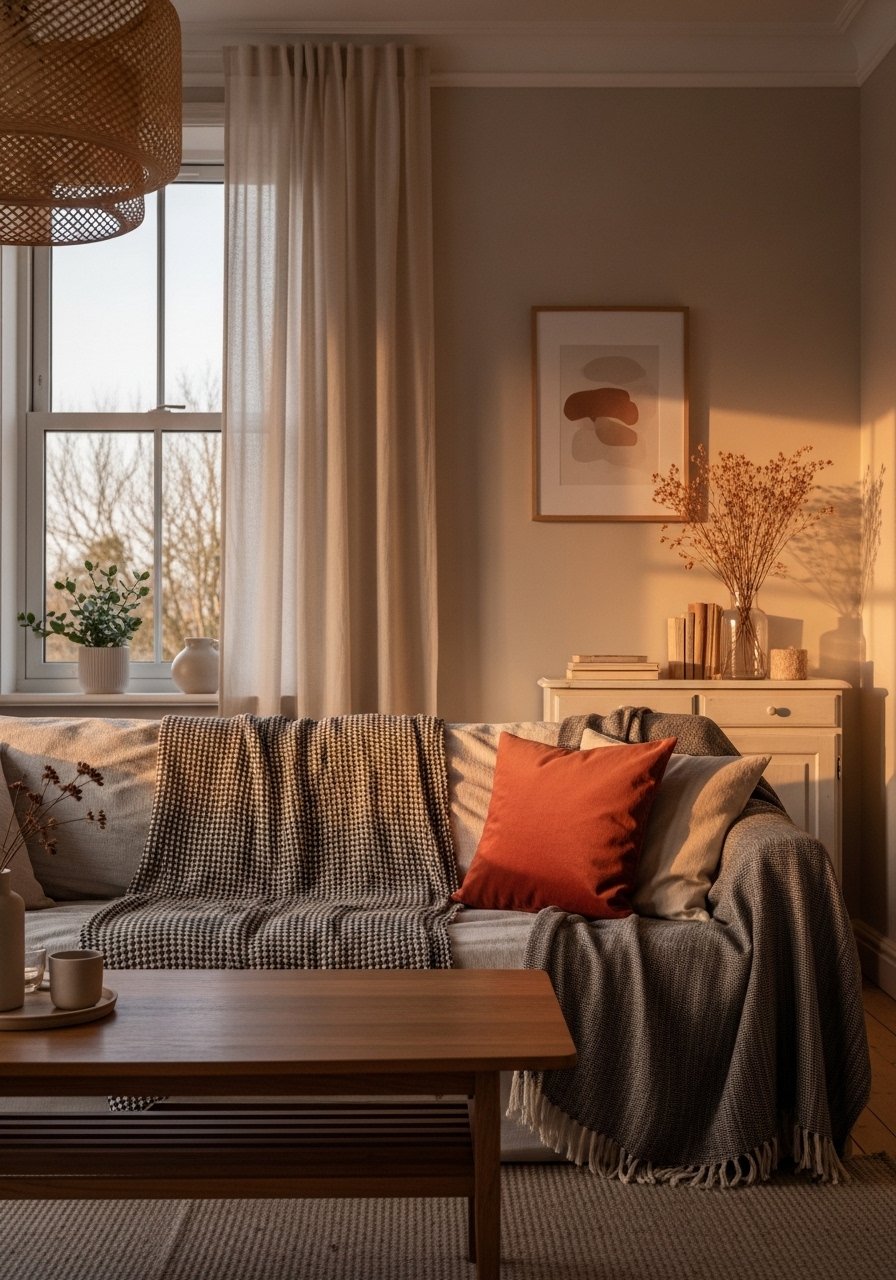
These ideas lean transitional and live somewhere between modern and classic. Most edits are under $50 with a few splurges around $100 to $150. They work for living rooms, bedrooms, entryways, or any spot that feels a little too rigid.
Layered Neutrals With One Warm Accent
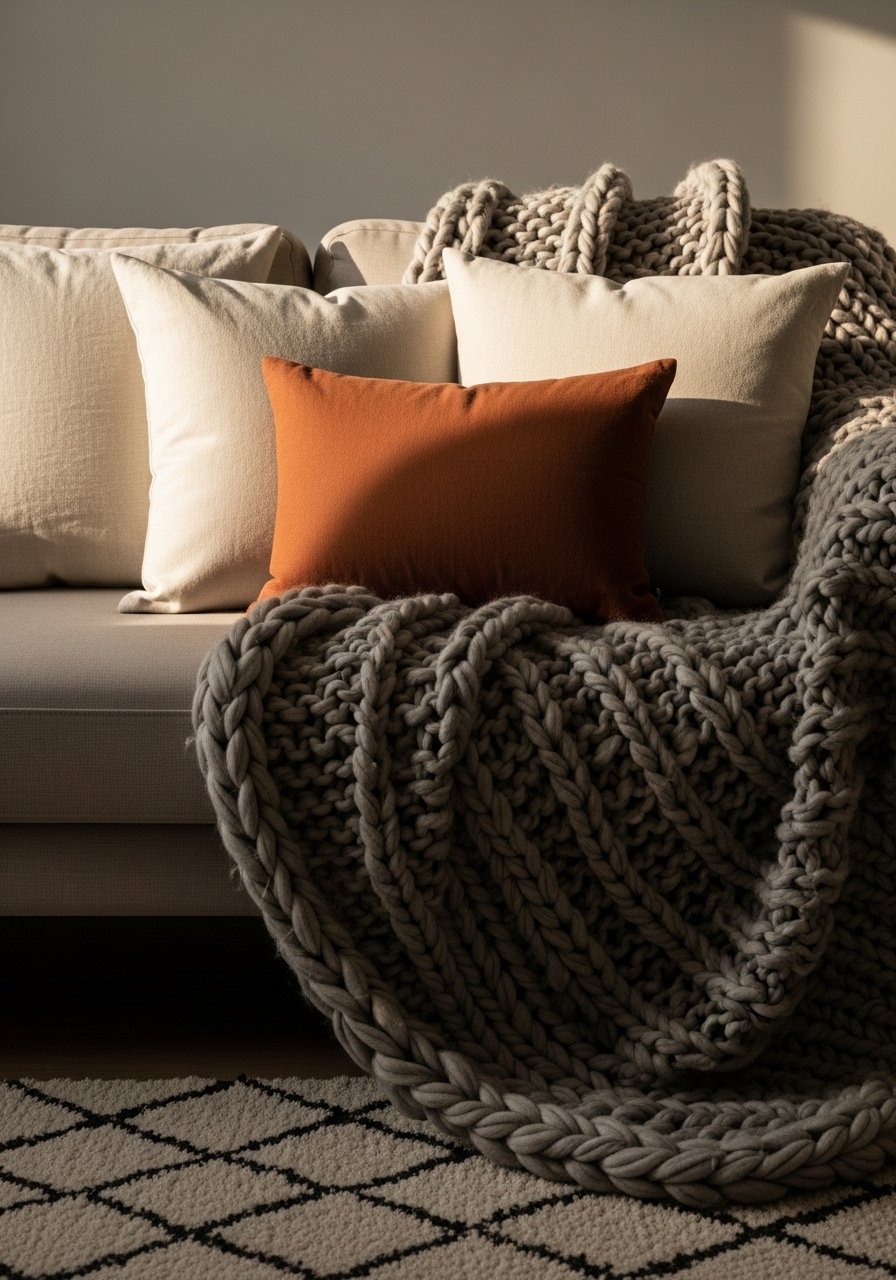
The moment I added a single warm rust pillow to my neutral sofa, the whole room stopped feeling flat. Use the 60, 30, 10 rule for color so the walls stay 60 percent neutral, upholstery 30 percent, and one 10 percent accent ties the eye. I like 22-inch down-filled linen pillow covers for the base layer and a smaller velvet accent for pop. One mistake people make is matching every textile too closely. Choose contrasts in sheen and scale instead. For a budget neutral pillow base try linen pillow covers, set of 2. For the small warm accent, a 16-inch velvet pillow looks intentional not loud.
Floor-To-Ceiling Curtains To Add Height
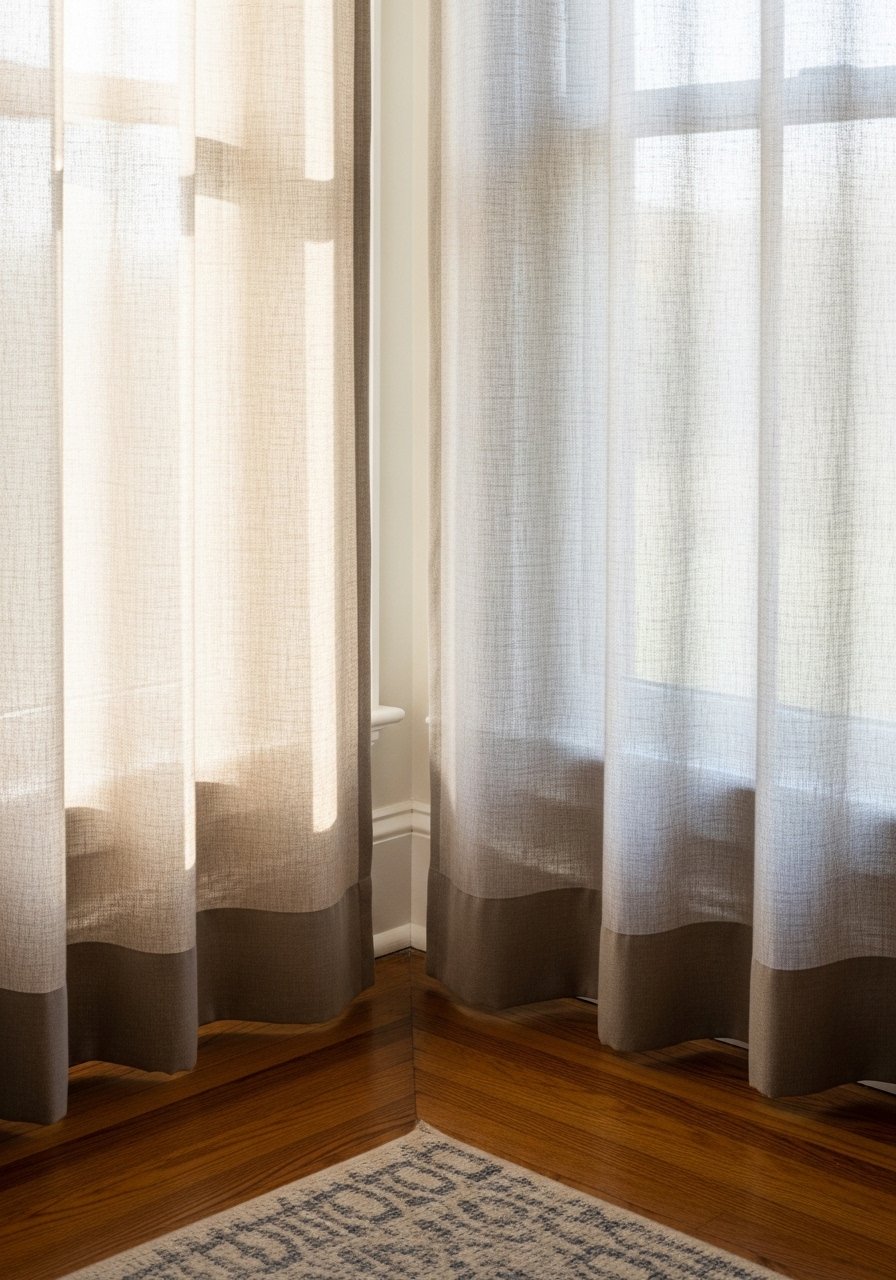
Most people hang curtains right at the window frame. That is why their rooms look shorter than they are. Hang panels four inches above the trim and run the rod wider than the window by at least 8 inches to create height. For standard 9-foot ceilings 96-inch linen panels work best and they feel expensive without a big price tag. Measure from rod to floor and make sure panels either kiss the floor or puddle a couple inches depending on your style. I use 96-inch linen curtain panels in pairs and they made my living room read taller overnight.
Chunky Textiles For Instant Softness
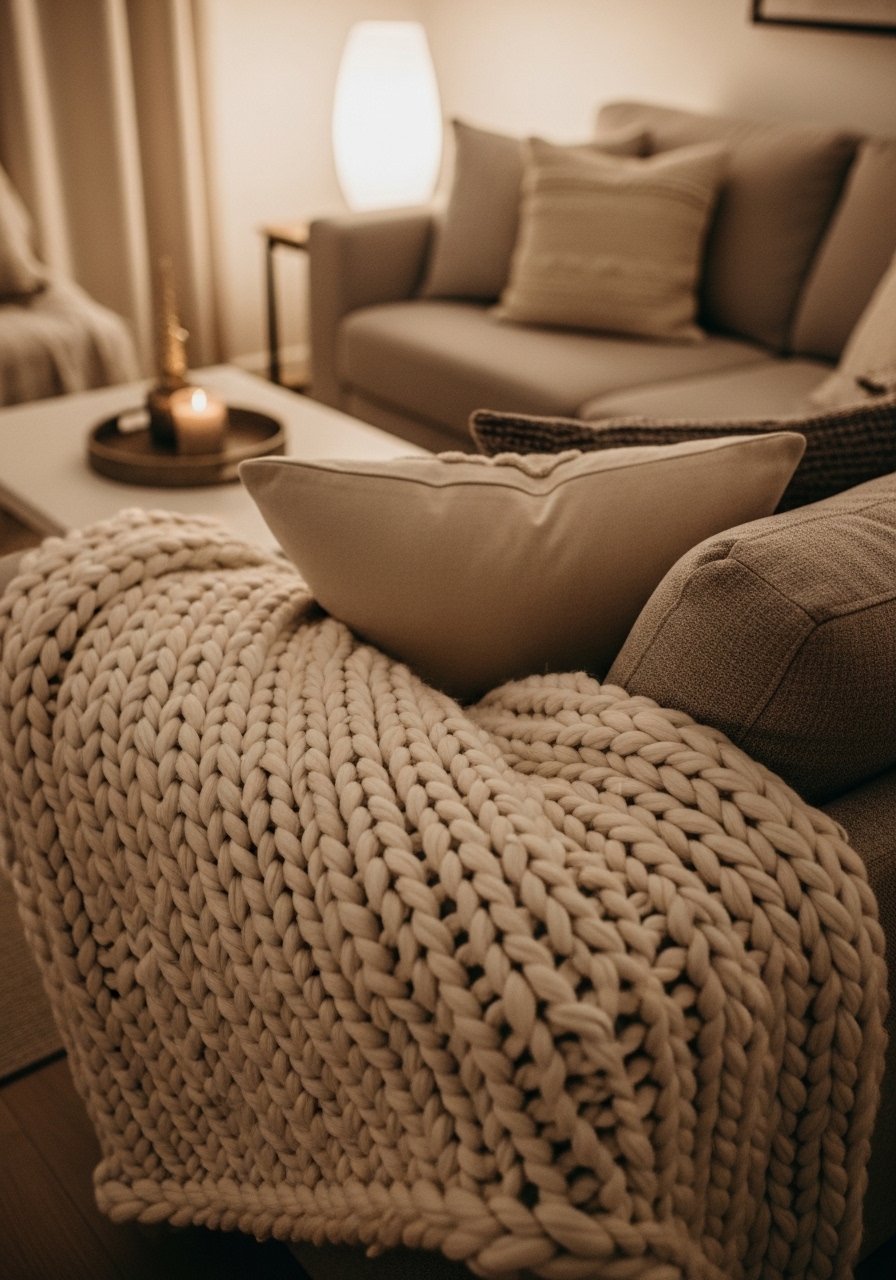
Spent $400 on a new coffee table. Room still looked off. Spent $35 on a throw and three candles. Suddenly everything clicked. A chunky knit throw in 50×60 is the single easiest softener for a room. Layer with a 22-inch linen pillow, a down insert, and a printed lumbar for depth. A common mistake is buying too-small accessories. Throws should cover one arm and a third of the seat when draped. Try chunky knit throw blanket in cream for texture that photographs well in afternoon light.
Gallery Wall Using Mixed Frames And Ledges
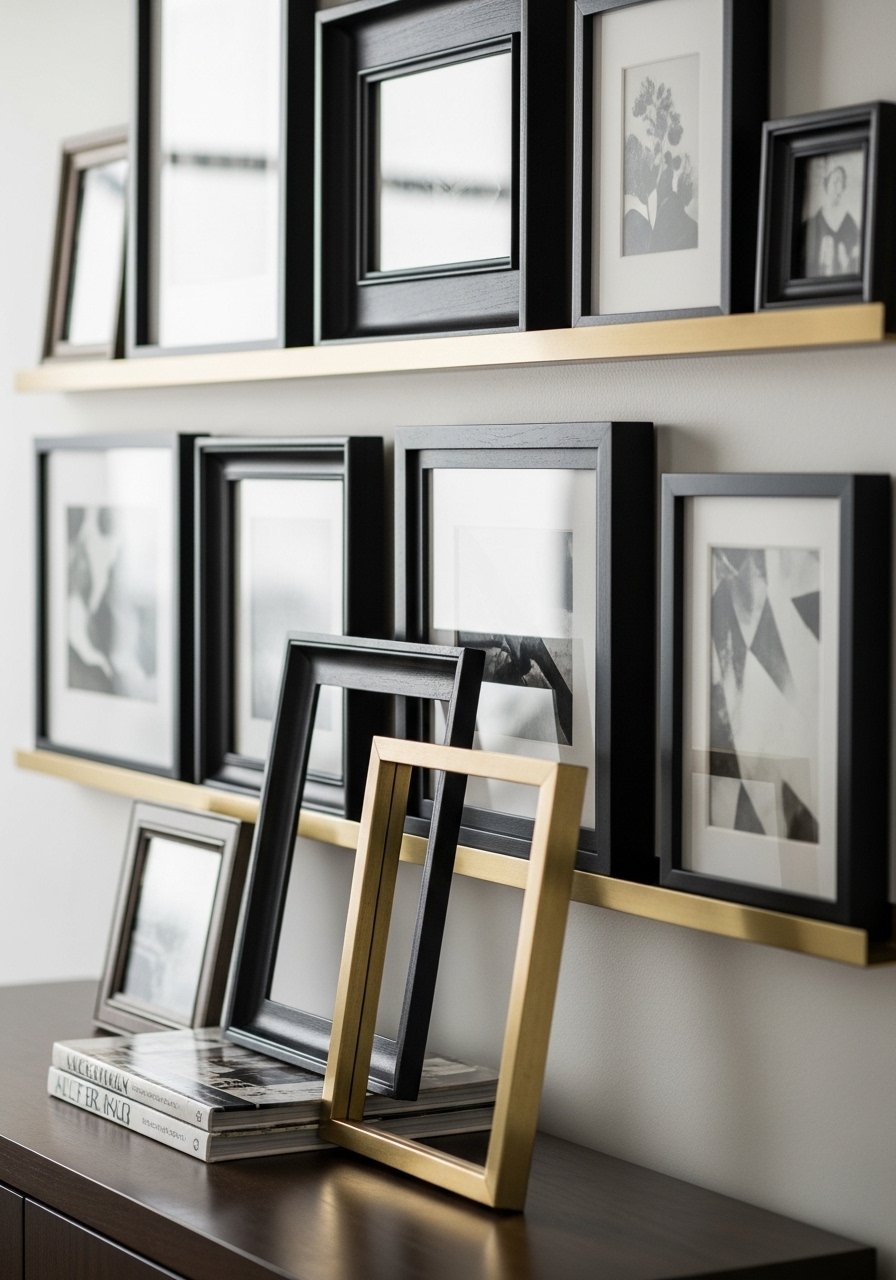
I found these brass picture ledges on Amazon for under $20 and they solved my gallery wall commitment problem. Use ledges so you can swap pieces without patching walls. Mix metals to avoid everything feeling matchy. Start with three medium frames and two small frames on each ledge, then step back and rearrange. A common error is hanging frames too high. The center of the gallery should be about 57 inches from the floor in living rooms. These brass picture ledges make edits painless and keep the wall looking curated, not contrived.
Oversized Mirror To Brighten Dark Corners
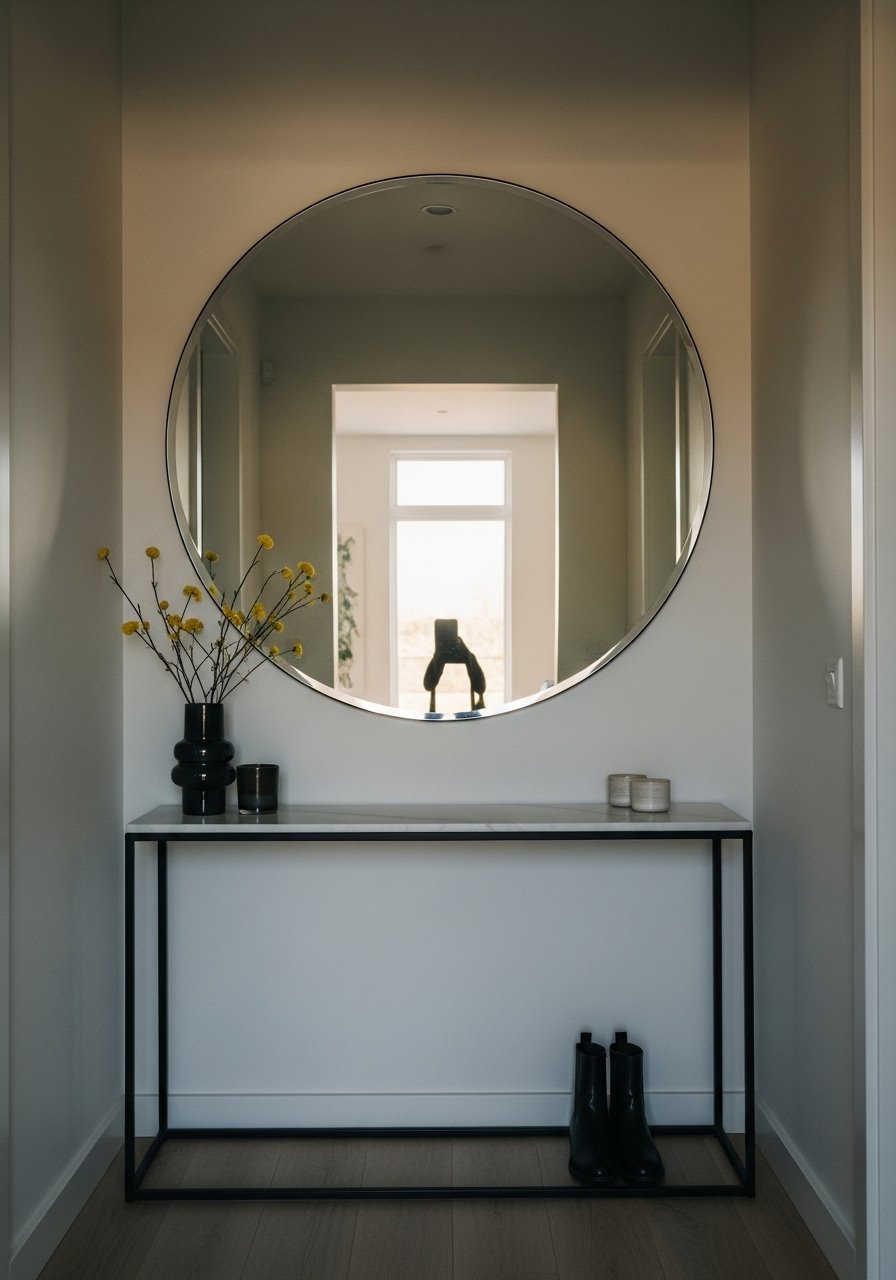
There is something about a big mirror that immediately makes a room breathe. I swapped a small framed print for a 36-inch round mirror and a dark corner lit up like it had a second window. Mirrors also help reflect layered lamp light in the evening so your room reads warmer. Avoid cheap thin frames that look flimsy. Pick a mirror with at least a 1.5-inch deep frame for presence. For tight budgets try 36-inch round decorative mirror and place it opposite a light source for the biggest impact.
Mixed Metals For A Modern Transitional Look
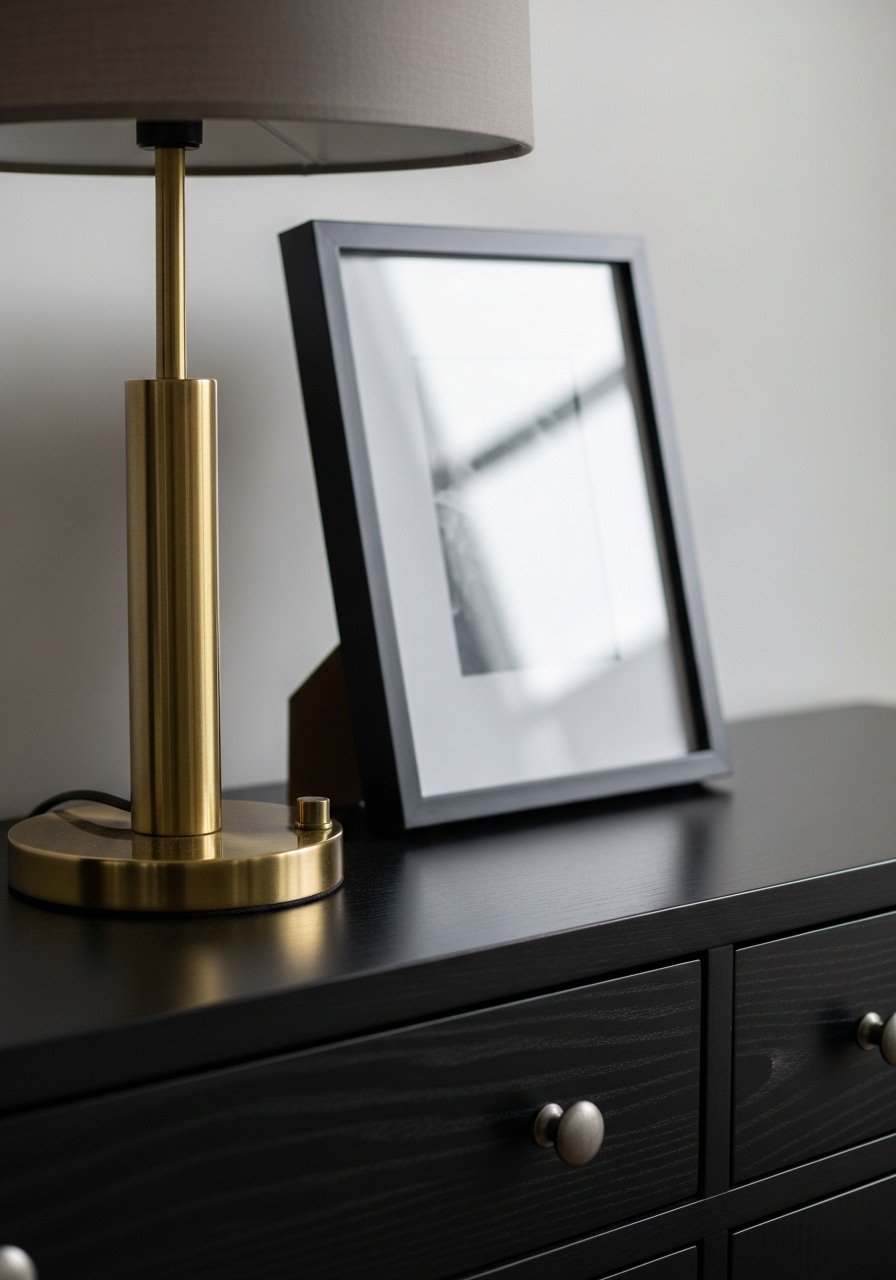
I used to match every metal and the room felt flat. Now I mix brass, black, and pewter and the room reads layered and collected. Swap out a single set of cabinet knobs and change a lamp base to start. One mistake is clustering identical metals in one area. Distribute mixed metals across the room for balance. For hardware swaps, consider these mixed metal drawer knobs and rotate metals between furniture pieces for cohesion.
Rug Layering To Define Zones And Add Texture
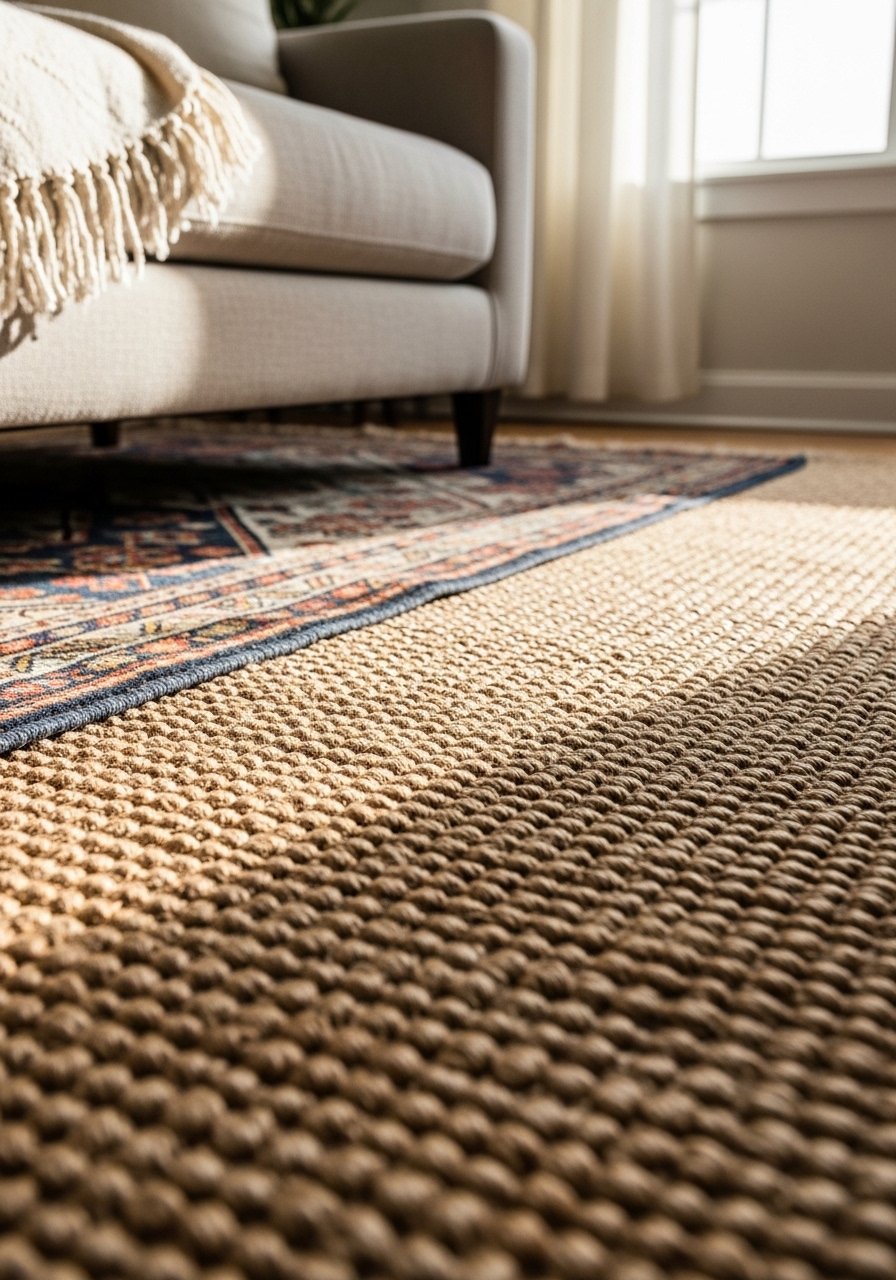
My living room felt split until I layered a patterned 5×8 on top of an 8×10 jute rug. Rug layering adds warmth and helps separate a seating area in an open plan. Rule of thumb is the larger rug should fit under all front legs of the seating and the smaller rug sits centered beneath the coffee table. A common error is choosing rugs that fight rather than play together. Pick the base rug neutral and the top one with scale contrast. Try 8×10 jute area rug as the anchor and layer a smaller patterned rug over it.
Light-Tested Paint Pairing For Transitional Walls
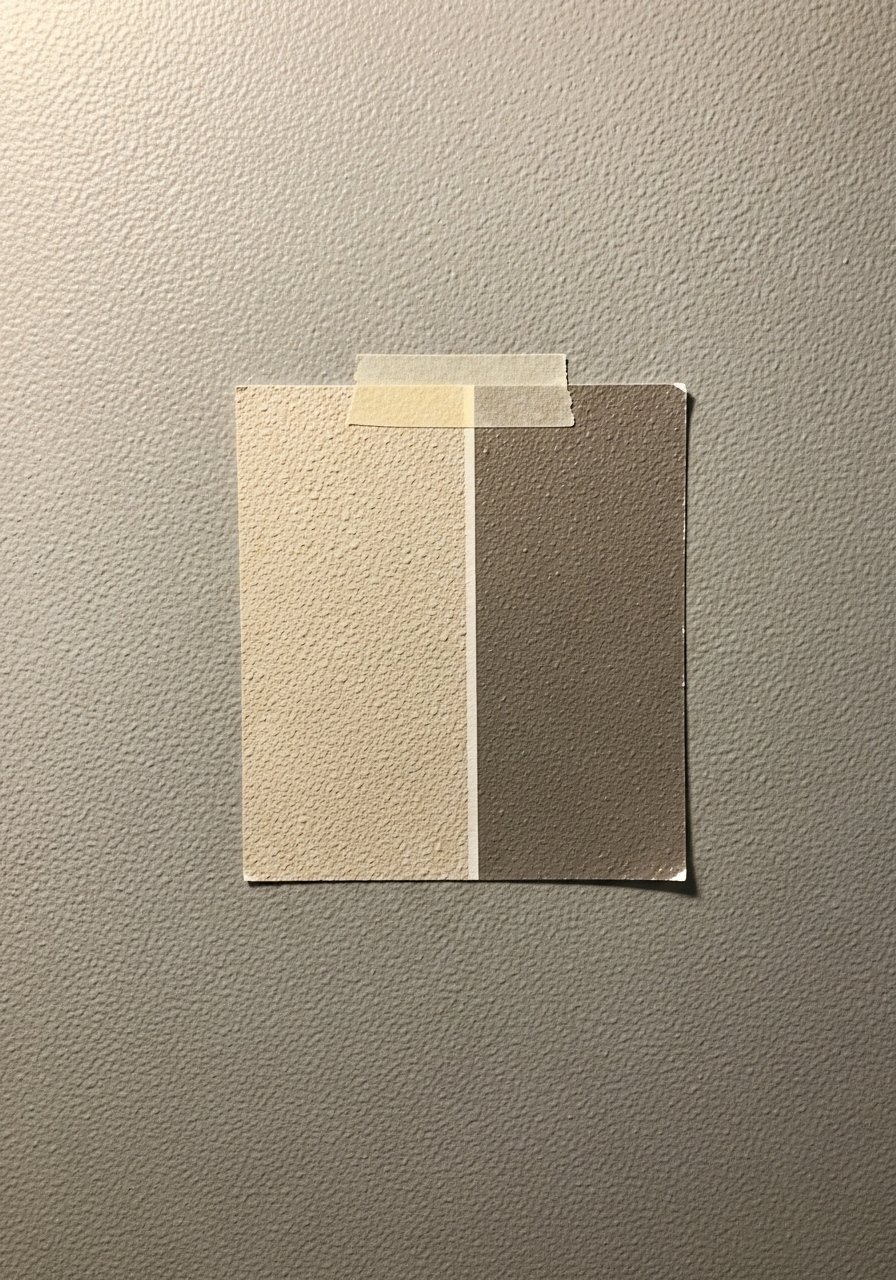
I tested swatches in AM and PM and it saved me a repaint. Tech gets you 70% there, but skip the light test and you're repainting. Pick a LRV-appropriate base too. For light crisp neutrals use Base 1 for colors with LRV over 80, and switch to Base 4 for deep tones. Spectrophotometer scans for fabric-to-wall matches are great for upholstery, but always view the sample at different times of day. A practical kit to try is paint sample pots set. A good chunk of folks end up repainting because the match bombed on the wall. Switching brands for matches knocks 25 bucks off per can easy when you ask the paint desk for a competitor formula.
Floating White Oak Shelves For Calm Storage
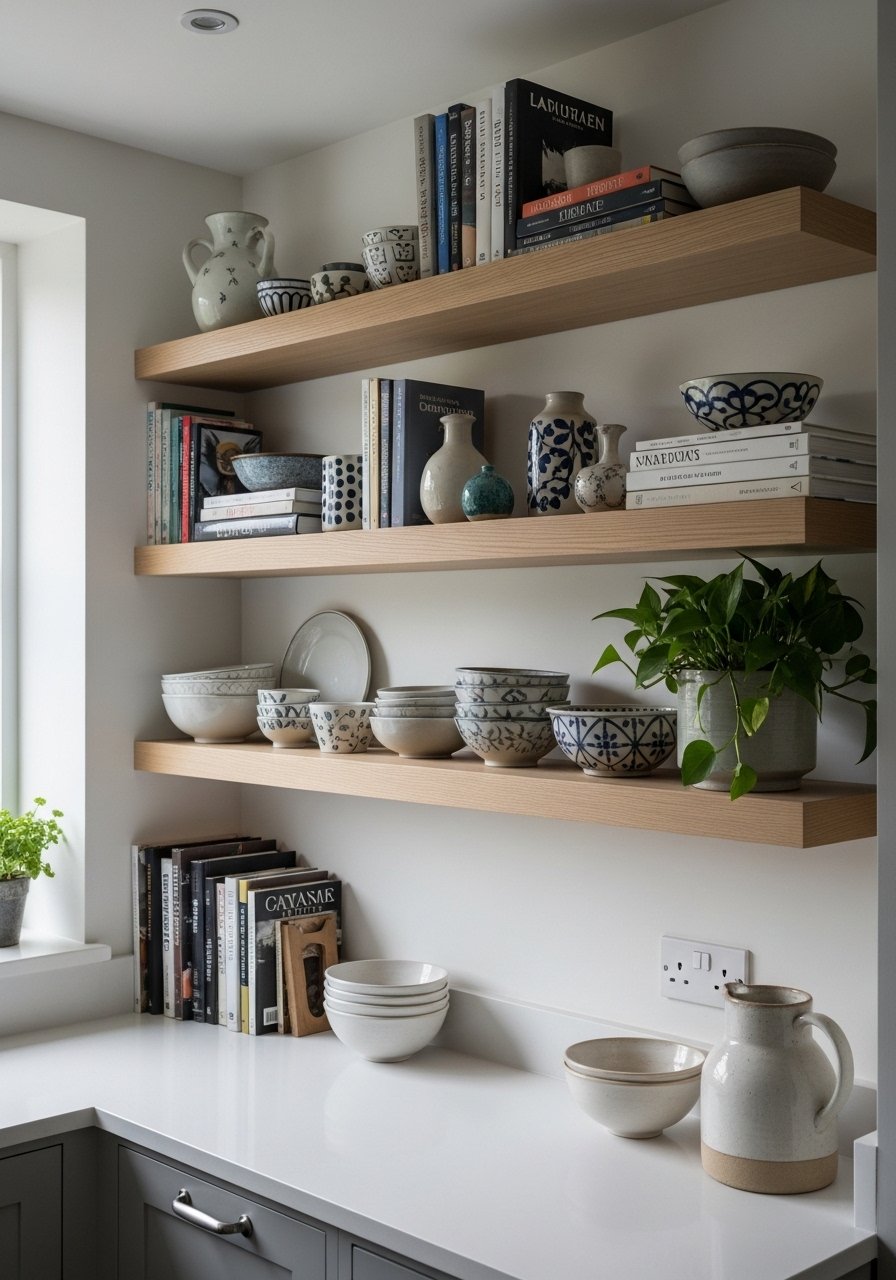
White oak shelves are in every design account I follow this year. Floating shelves instantly look current and keep things airy compared with chunky bookcases. For balance use two shelves of 36 inches and one 24-inch shelf above them. Styling tip, stack books horizontally under a ceramic bowl to create small vignettes. A mistake is overloading shelves with one type of object. Aim for objects in threes and vary heights. I use white oak floating shelves, 36-inch and swap ceramics seasonally to keep the shelf feeling edited.
Cozy Reading Nook With Layered Lighting
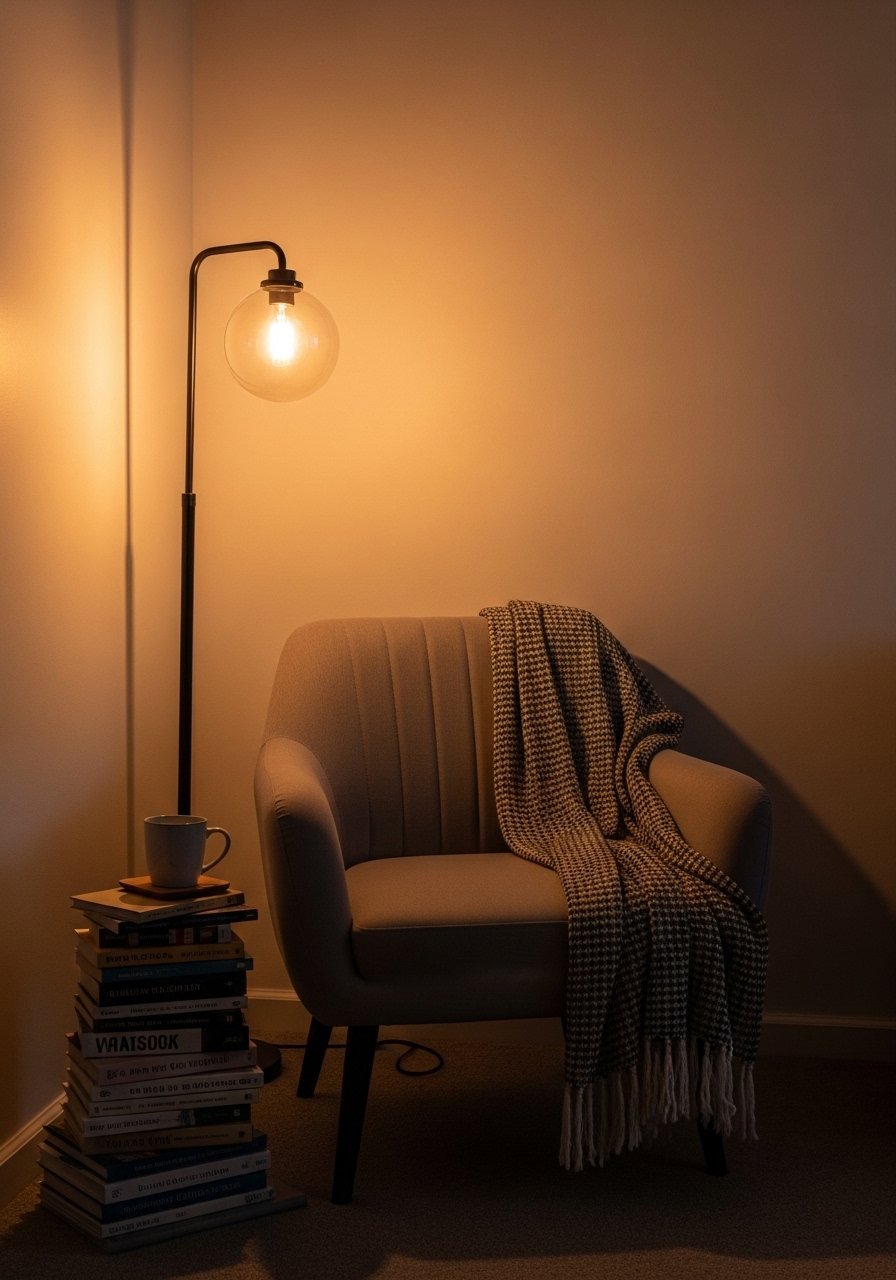
There is something about a reading nook with layered pillows that makes you want to cancel your plans. Build one with a 28-inch wide side table, a 24×72 floor lamp and a chair that you can curl up in. Add a 20×20 lumbar and a small throw for knee comfort. Mistake to avoid is a single overhead light. Use a floor lamp for task light and a lower table lamp for mood. For an affordable lamp that casts great reading light try adjustable floor lamp with warm globe. Pair this nook with the chunky textiles idea earlier for a built-in look.
Anchored Entry With Console Table And Tray
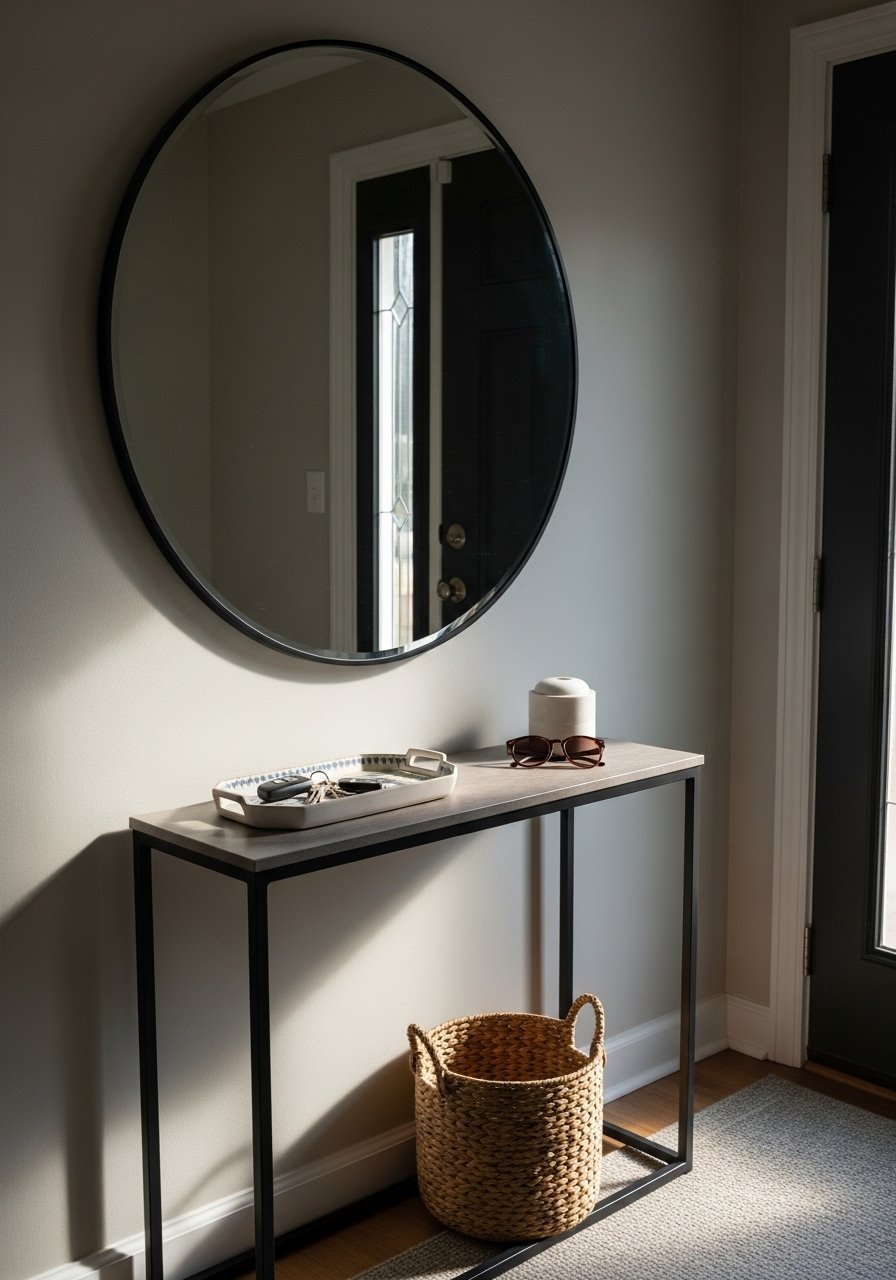
My entryway used to be a dumping ground for keys and mail. One slim console, a round mirror, and a tray for essentials made it feel intentional. Pick a console no more than 12 inches deep for tight halls. Use a tray about 10×14 to corral small items and a woven basket beneath for shoes. Common mistake is leaving the entry without a landing spot. Try narrow entry console table in walnut and a ceramic catchall tray for instant order that still reads casual.
Your Decor Shopping List
Textiles
- Honestly the best $40 I have spent. Chunky knit throw in cream, 50×60 in cream for sofas and armchairs
- Linen pillow covers, 22-inch, set of 2 down-friendly inserts recommended
Wall Decor - Found these while looking for something else. Brass picture ledges, 36-inch for swap-friendly gallery walls
- 36-inch round decorative mirror with 1.5-inch frame to brighten dark corners
Lighting - Adjustable floor lamp with warm globe for reading nooks
Rugs - 8×10 jute area rug neutral base for layering
Entryway Essentials - Narrow entry console table, 12-inch depth in walnut finish
Budget Finds - Ceramic catchall tray, 10×14 for keys and sunglasses
Similar items can often be found at Target or HomeGoods if you prefer an in-person swap.
Shopping Tips
White oak beats dark wood in 2026. Design feeds have shifted completely. These white oak floating shelves look current, not dated.
Grab linen pillow covers, 22-inch for about $15 each. Swap them every season and the whole room feels different.
Curtains should puddle or kiss the floor, never hang halfway up. 96-inch linen curtain panels are right for standard 9-foot ceilings.
One tall plant beats five tiny ones. 6-foot artificial fiddle leaf fig gives scale without extra care.
Frequently Asked Questions
Q: What size rug do I actually need for a living room?
A: Bigger than you think. For a standard living room go 8×10 minimum. All front furniture legs should sit on the rug. This 8×10 jute rug is neutral and tough for real life.
Q: How do I stop paint samples from lying to me?
A: Test them in your room, not in the store. Tape three 4×4 samples on the wall and take photos in AM and PM light. Tech gets you 70% there, but skip the light test and you're repainting.
Q: Can I mix boho textiles with modern furniture without it looking messy?
A: Yes. Keep scale and color proportions in mind. Use the 60, 30, 10 rule and mix one rustic fiber like jute with two softer textures like linen and velvet.
Q: Should I match my metals or mix them?
A: Mix them. It looks intentional. Spread brass, black, and pewter around the room rather than clustering one finish in a single corner. Try mixed metal drawer knobs to start.
Q: Real plants or faux plants in a transitional space?
A: Both. If you travel or forget watering, a faux fiddle leaf fig gives height without guilt. For low maintenance real options try snake plants or pothos in a simple ceramic pot.