

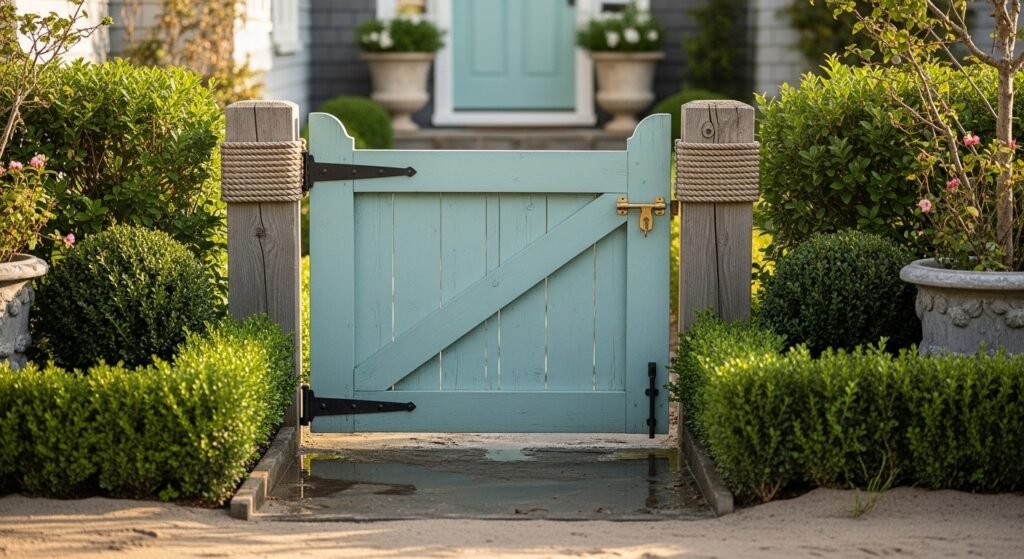
Spent $75 on a new latch and thought I was done. The gate still screamed thrift store until I swapped the hardware, added a planter on one side, and painted the pickets a slightly deeper blue than my house trim. Suddenly the whole entry read intentional. Small choices matter with gates because they are the first texture and color someone feels before they step inside.
These ideas lean breezy coastal with a mix of budget and splurge moves. Most fixes run from under $50 to about $300 if you add custom hardware. They work for front yards, side yard entries, and small garden gates where salt air and sand are part of the daily routine.
Weathered Wood Beachy Gate for Cottage Entry

The moment I swapped my glossy white gate for a sanded, weathered wood one, the entry stopped feeling staged. Weathered wood reads like it has a history, which is perfect for a cottage front. Aim for a 4-foot gate height for visual openness and set pickets 3 inches apart to balance privacy and airflow. A common mistake is sanding too aggressively and creating flat, fake distressing. Try light sanding on corners and rubbing with steel wool along the grain. For hardware, I like heavy-duty brass latches like this solid brass gate latch that patinas over time and pairs well with cedar or cypress.
Slim Aluminum Gate for Salt-Air Durability
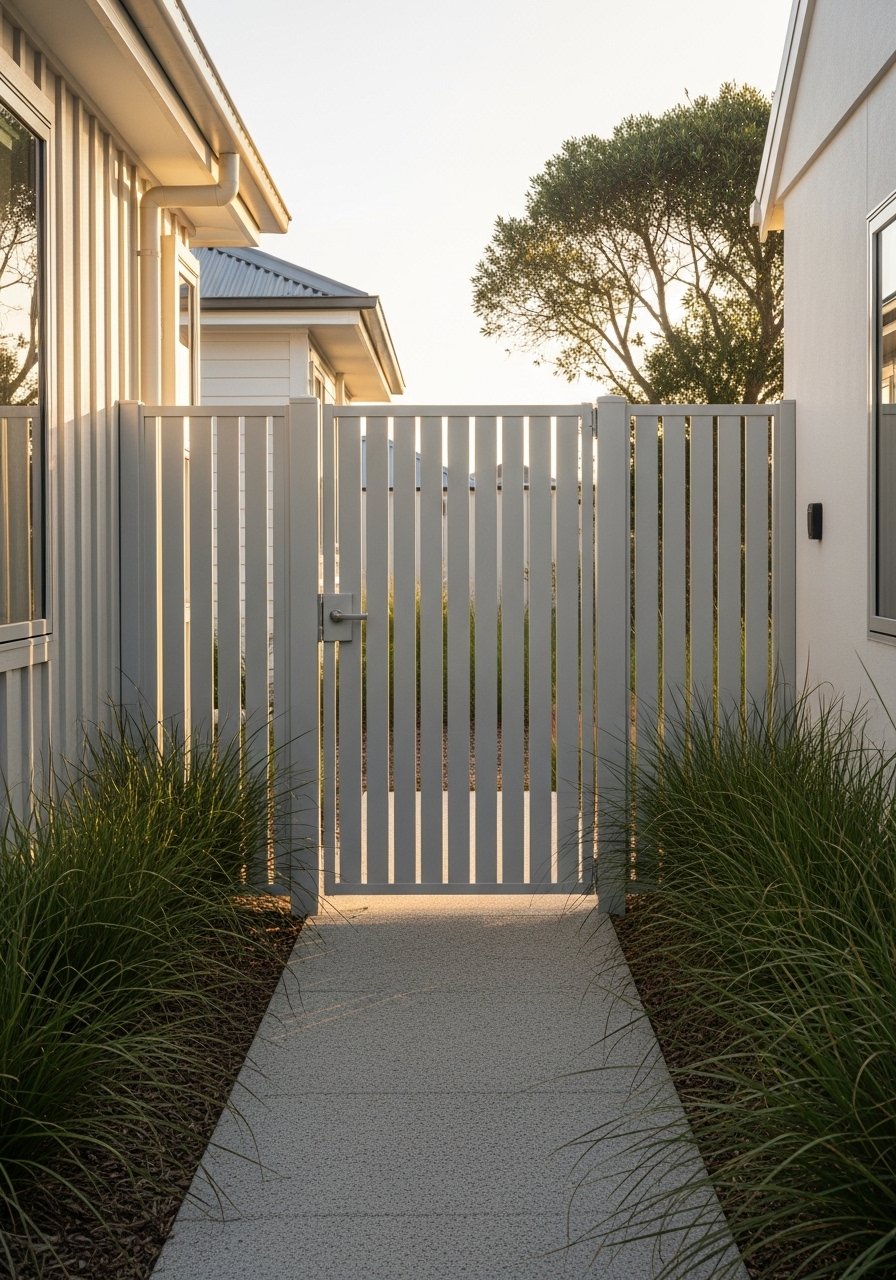
Material recommendation: Aluminum for coastal gates because it resists rust and corrosion in salty, humid environments. I used an aluminum frame at my back gate and never had mildew or rust problems. Aluminum lets you go thin and modern without losing structural strength. Keep the paint in a 80/20 ratio, with 80 percent neutral and 20 percent accent color on the trim or inset slats. A frequent mistake is using decorative hardware meant for interior doors. Use exterior-rated stainless steel screws and these aluminum gate hinges sized for 4-foot gates.
White Picket Gate with Hidden Planter Box
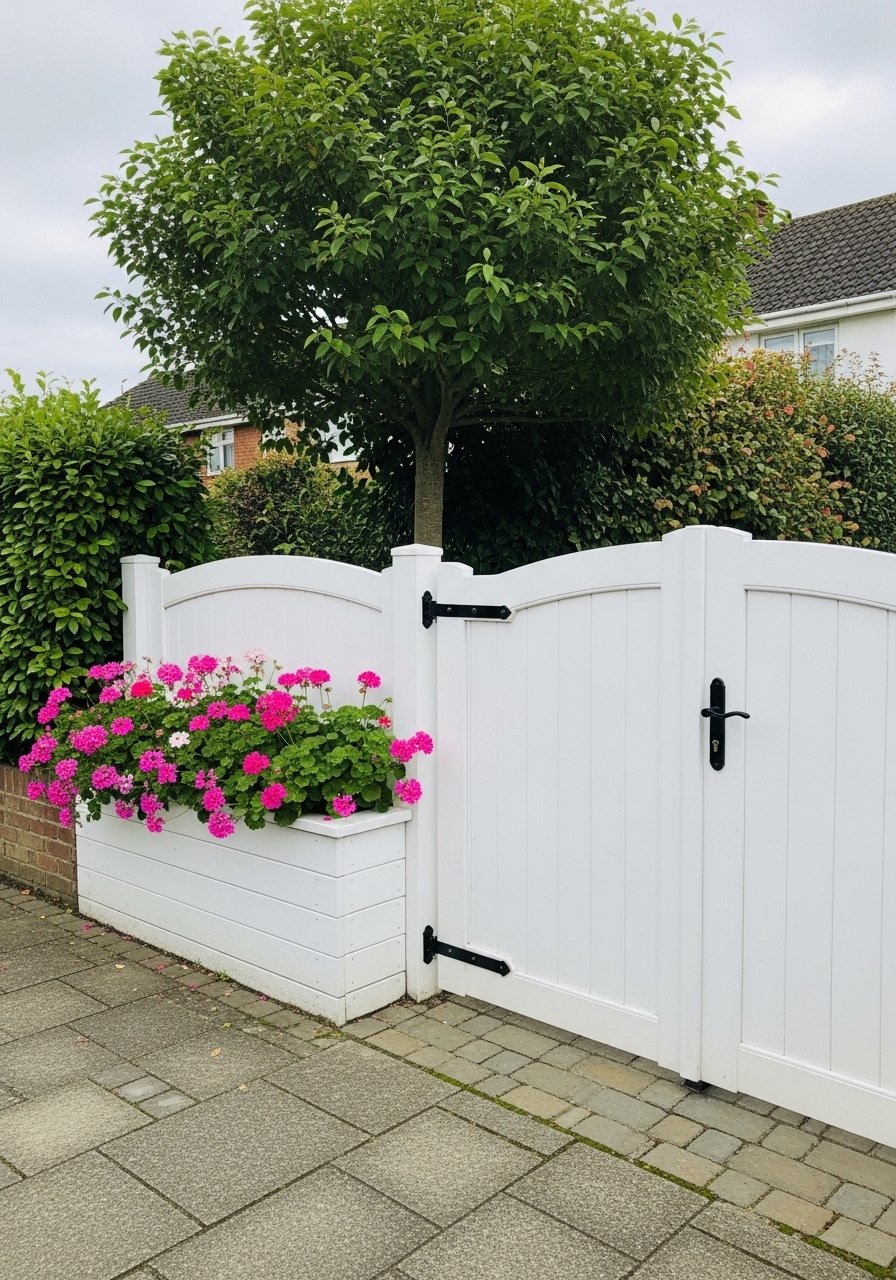
My neighbor installed a hidden planter box under her picket gate and suddenly everyone stopped walking straight past her house. The planter makes the gate feel intentional and softens weathering. For this look, build the box 8 inches deep and 24 inches long, so pots fit without crowding. Use rot-resistant cedar or a composite board for salt zones. The mistake people make is overplanting with tall varieties that block the gate. Stick to low spillers like succulents or trailing lobelia. For a quick buy, these weatherproof planter boxes work for narrow porches.
Nautical Rope Gate with Bronze Accents

There is something about rope that instantly reads coastal. Wrap the nearest post in marine rope and add bronze cleats for a subtle nautical note. Keep the rope wrap density at about three turns per foot to avoid sagging. A common error is using cheap sisal that frays within months. Go marine-grade rope and anchor it with stainless screws. I paired my rope-wrapped post with a bronze deadbolt and this marine rope 3/4 inch held up through storms.
PVC Panels with Nautical Cutouts for Renter-Friendly Entry
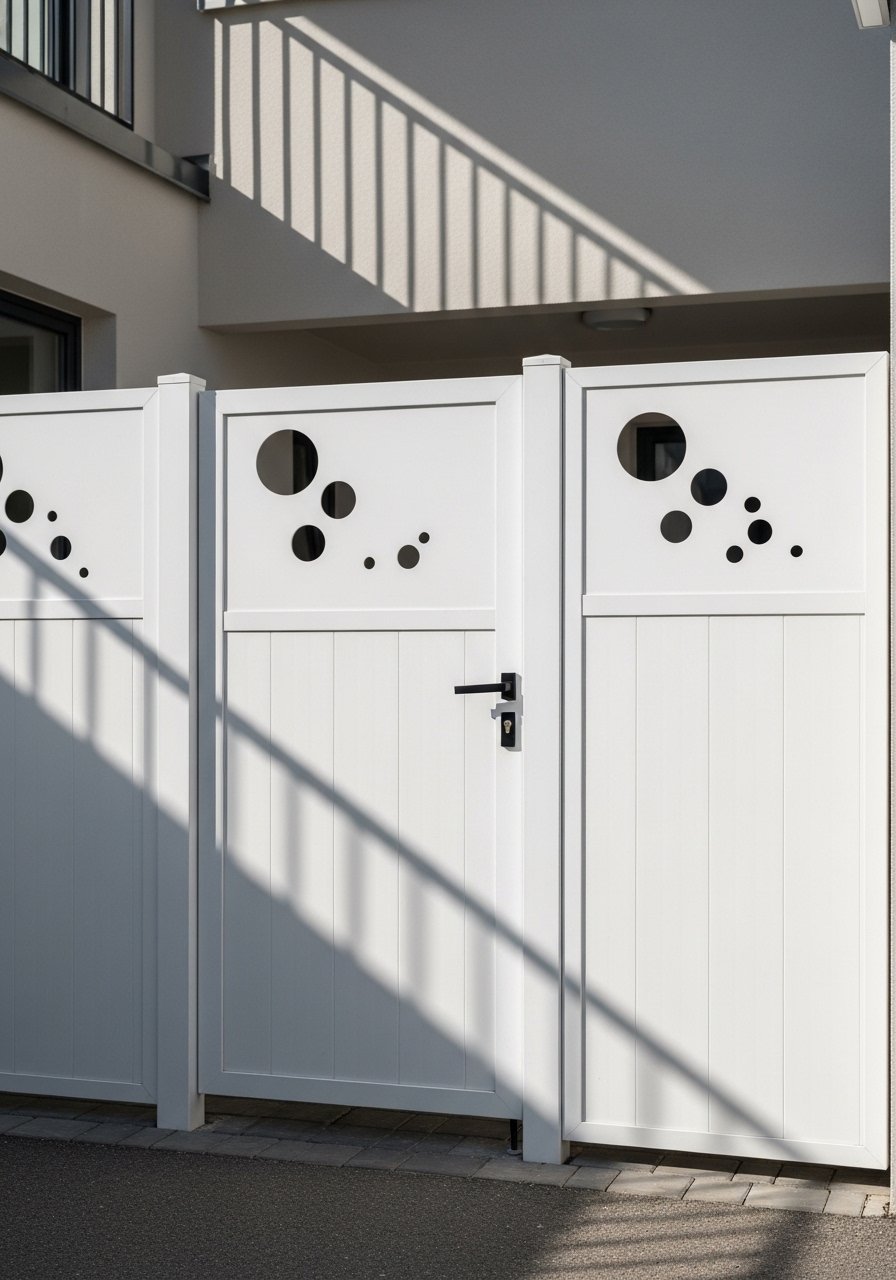
When I rented by the beach, I used PVC panels because I could install and remove them without damage. Design options mentioned: PVC panels with nautical themes, vinyl privacy fencing, decorative aluminum inserts like lighthouses. PVC is light, resists salt, and you can paint it with exterior acrylics. The trick is to leave a 1/4-inch gap at the bottom for sand to pass without collecting. People often screw panels too tight and they bow when hot. For a renter-friendly route try these decorative PVC panels.
Oversized Gate with Glass Inlay for Light and Privacy
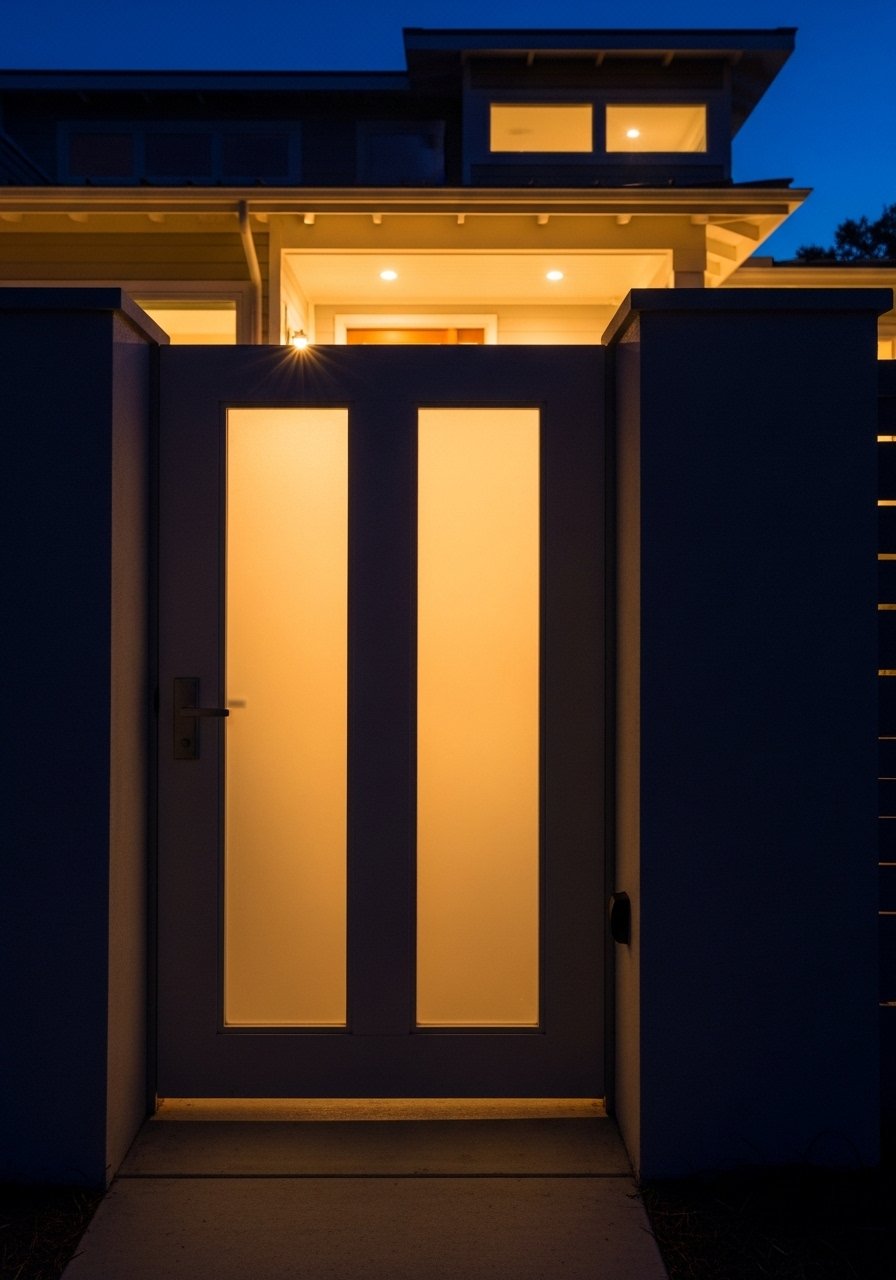
I wanted privacy at my backyard gate but missed the light. Frosted glass inlays give both. Aim for a frosted panel that occupies 25 to 30 percent of the gate face so it reads private but lets light through. A common mistake is choosing clear glass which removes privacy. Use laminated frosted panels and back them with a rubber gasket to stop rattling in wind. For a DIY version, these frosted acrylic sheets are lighter than glass and easier to secure.
Split-Gate Design for Wide Driveways and Flow
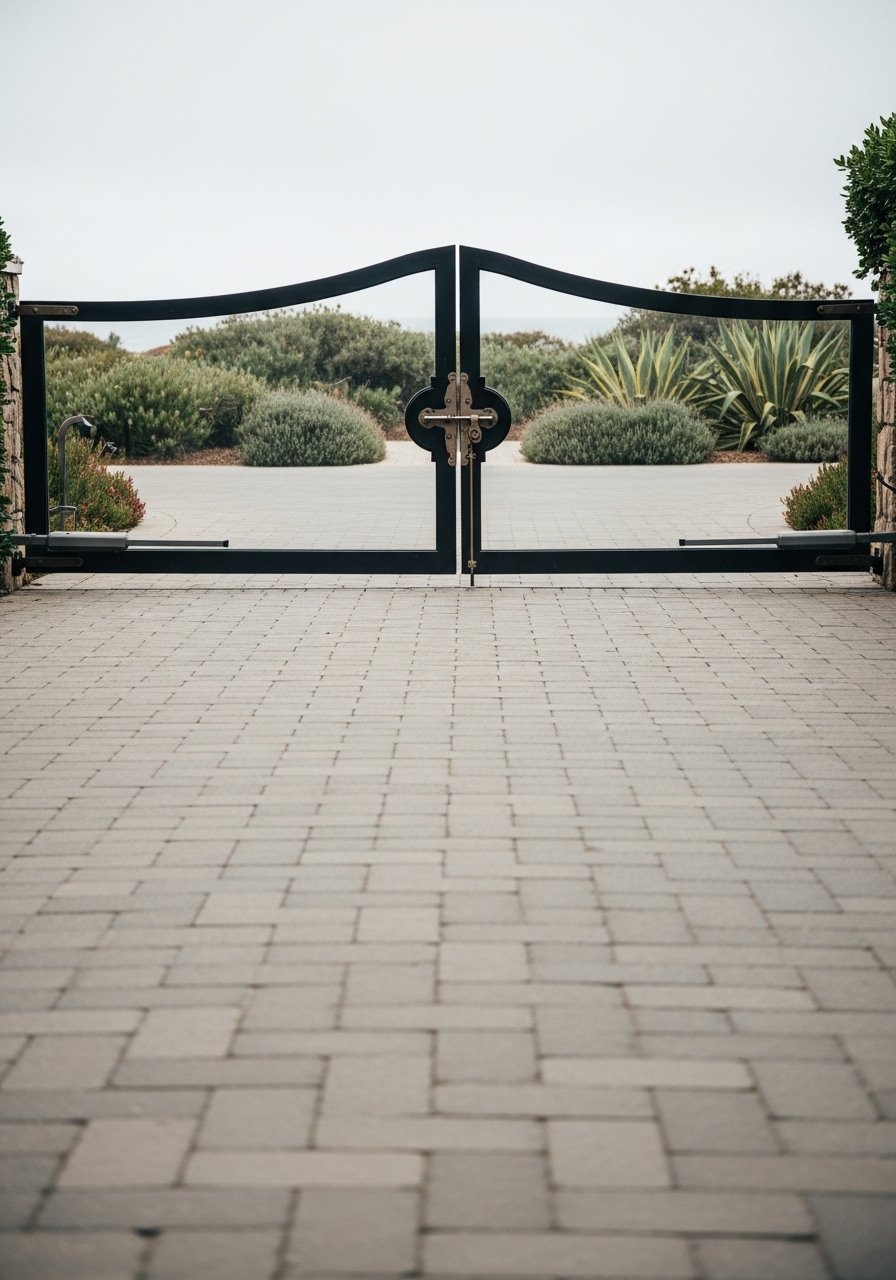
Split gates make arriving feel deliberate and avoid the clumsy single heavy leaf. My driveway went from awkward to elegant when I rebuilt it as a pair. Set each leaf at half the opening width plus 1 inch for clearance. I learned the hard way to place the top hinge 8 inches from the top edge and the bottom hinge 12 inches from the bottom. That keeps the gate from sagging. People forget to incorporate a drop bolt on one side for wind. This drop bolt kit solved the wobble.
Low-Country Louver Gate for Airflow and Privacy
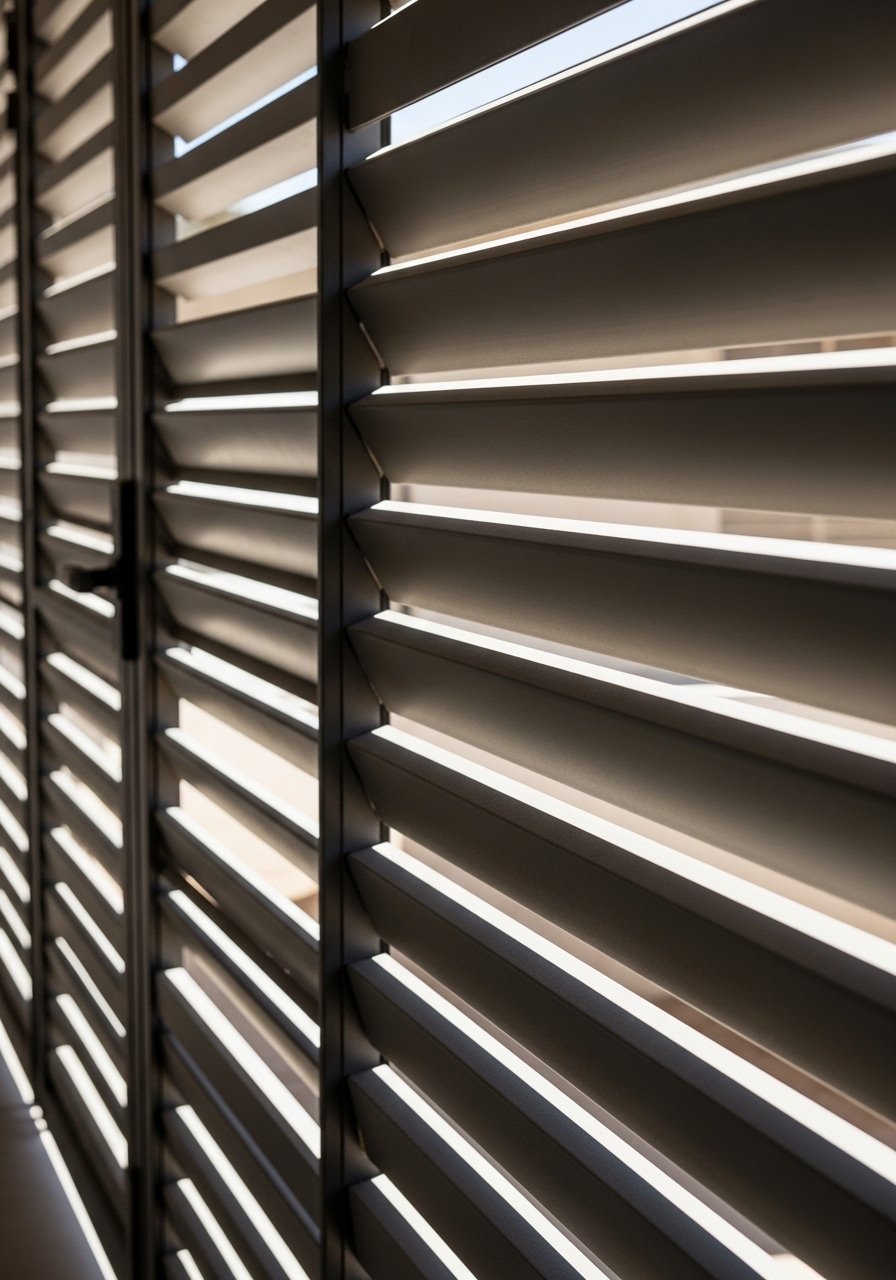
Most coastal yards need airflow more than solid privacy. A louvered gate gives both. For airflow without visibility, set louvers at a 20-degree angle and space them 2.5 to 3 inches apart. The mistake is making louvers too flat so they trap heat. Angle them just enough to diffuse sight lines but not block light. I paired mine with a bronze pull and these adjustable louver slats for a neat finished look.
Sliding Gate with Hidden Track for Contemporary Curb Appeal
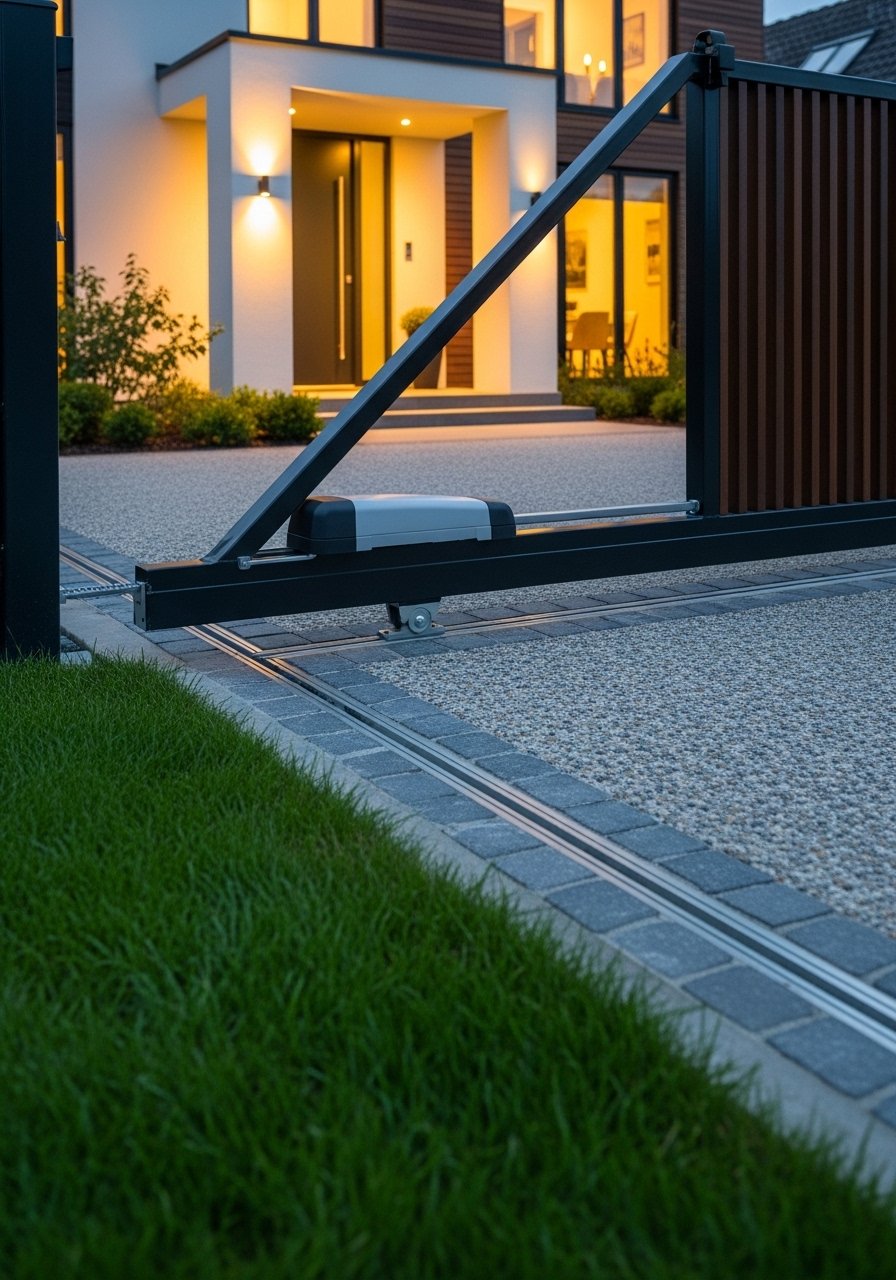
A sliding gate makes a narrow lot feel larger and keeps the gate from swinging into traffic. I installed a recessed track that sits flush with pavers and it made the approach feel seamless. The key is to allow at least 2 inches of clearance under the gate for debris and sand. People forget to install a removable debris tray in the recess and then the gate jams. Use a low-profile track and these gate sliding rollers rated for coastal climates.
Painted Chevron Gate for Visual Movement
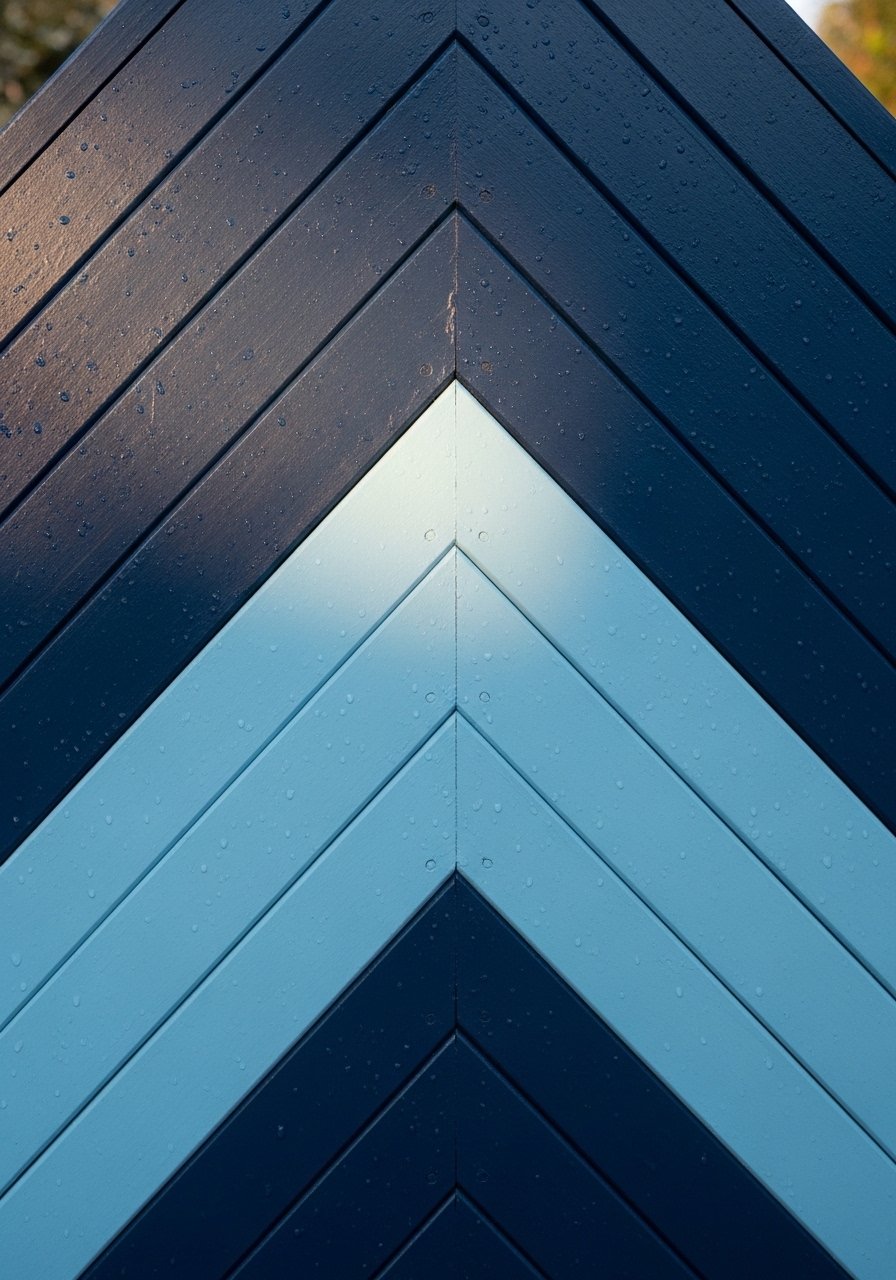
I painted a chevron pattern on a blank gate and neighbors started commenting on it like we had installed art. Chevron adds motion and lifts a simple design without expensive materials. Keep boards 3.5 inches wide for a crisp pattern and use a 45-degree cut for each board. A common mistake is mismatched board widths which ruins the angle rhythm. For paint, use a marine-grade exterior in satin finish and prime with an epoxy primer. I used this marine-grade exterior paint and it stood up to sun and salt.
Lattice Gate with Climbing Plant Pocket for Softness
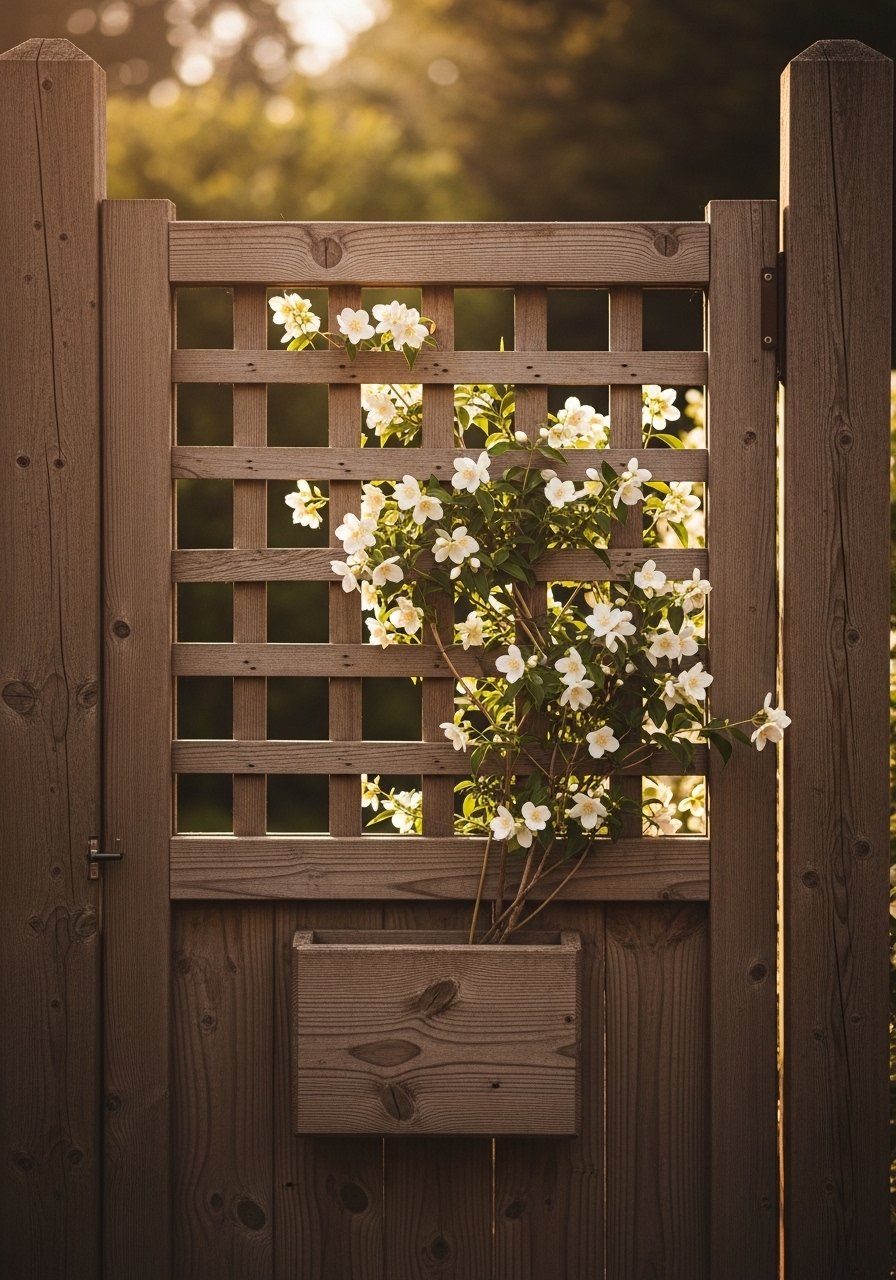
People underestimate how much living plants soften a gate. Add a lattice top and a shallow pocket for a climbing vine. Plant pocket dimensions I like are 8 inches deep by 12 inches wide so roots have room but the gate stays light. A mistake is planting heavy rooters that warp the frame. Choose star jasmine or creeping rosemary for coastal tolerance. For containment, these fabric grow bags keep roots manageable and make replacement easy.
Reclaimed Teak Gate with Bronze Inlay for Warmth
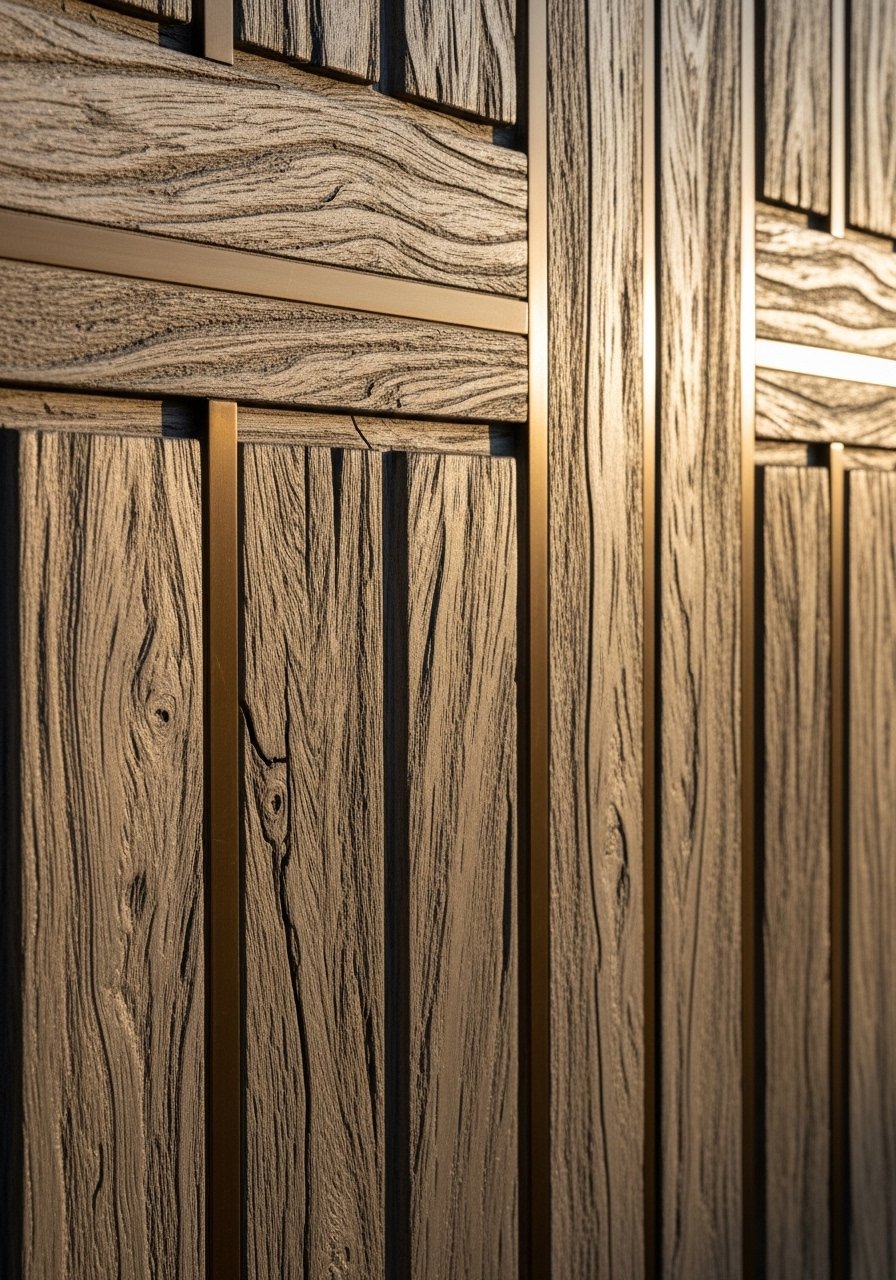
There is a warmth to reclaimed teak that is perfect by the sea. I used thin bronze inlays at 6-inch intervals to add a quiet metallic note. A specific detail most articles skip is to plane the inside edge of the boards by 1/16 inch to reduce splintering where hands touch. People assume reclaimed means fragile. Properly sealed teak lasts and actually gets better looking. For finishes, I used a penetrating teak oil and these bronze trim strips for accents.
Hidden Mail Slot and Clever Lighting for Nighttime Welcome
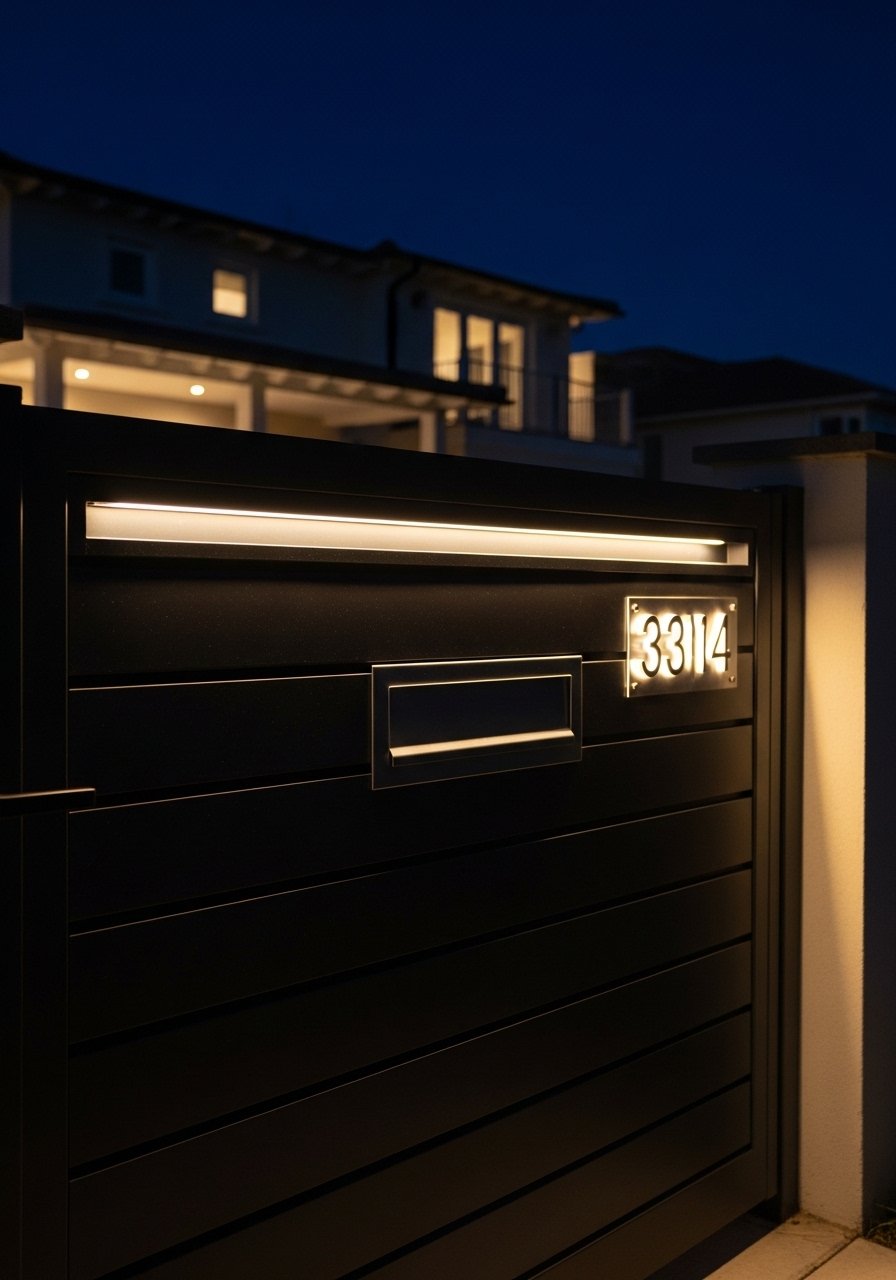
My gate felt anonymous until I added a hidden mail slot and an LED strip under the top rail. Mail slots keep the facade tidy and built-in lighting makes the hardware readable at night. Use an LED strip rated for outdoor use and aim for 3000K warm white. A common mistake is placing lights that glare toward neighbors. Mount the strip facing down inside the rail to wash the path. I used this outdoor LED strip kit for subtle evening glow.
Your Decor Shopping List
Hardware
- My go-to for longevity, solid brass gate latch. Use a 4-inch offset latch for thicker gates.
- Aluminum gate hinges sized to your gate weight. Top hinge 8 inches from top, bottom hinge 12 inches from bottom.
Materials and Finish
- Marine-grade exterior paint in a muted blue for coastal color, $40-60 per gallon.
- Frosted acrylic sheet 24×36 for light panels.
Planters and Greenery
- Wooden planter box outdoor for integrated pockets, cedar preferred.
- Grow bags 10 gallon to control vine roots.
Hardware Add-Ons
- Gate sliding rollers heavy duty for sliding systems.
- Gate drop bolt kit to anchor split gates.
Lighting and Extras
- Outdoor LED strip kit warm white for recessed rail lighting
- Marine rope 3-4 inch for wrapped posts, swaps well with bronze cleats
Notes: Many of the hardware pieces are also sold at local supply stores and HomeGoods sometimes carries similar planters. For paint, bring a sample board to test in both morning and afternoon light.
Shopping Tips
- White oak beats dark wood in 2026. Design feeds have shifted completely. These white oak floating shelves look current, not dated.
- Grab aluminum gate hinges for salt zones, they save money long term by avoiding replacement.
- For a quick visual update, buy solid brass gate latch for under $100. Swap hardware before repainting and the new metal lifts the whole look.
- Curtains on a gate porch? Use outdoor linen panels 96-inch and hang them 4 inches above the frame so they puddle gently when wet.
- One tall plant beats five tiny pots. Faux fiddle leaf fig 6ft gives instant height without fuss if you need scale.
Frequently Asked Questions
Q: What gate height works best for coastal front yards?
A: For a welcoming feel without feeling exposed, a 4-foot gate is common. If you need more privacy, 5 to 6 feet is standard. Keep picket spacing around 3 inches for that seaside balance of airflow and coverage.
Q: Can I mix materials like wood and aluminum without it looking messy?
A: Yes. Mix with intention. Use a single accent metal color across hinges, latch, and address numbers. Try an 80/20 color rule, with 80 percent wood tone and 20 percent painted or metal accents, and your gate will read cohesive.
Q: How do I prevent my gate hardware from rusting from salt air?
A: Use aluminum or stainless steel hardware and marine-grade finishes. Material recommendation: Aluminum for coastal gates because it resists rust and corrosion in salty, humid environments. Regular rinse with fresh water after storms will help.
Q: Is a sliding gate worth the cost for a narrow lot?
A: If driveway space is tight or you want a clean curb, yes. Sliding gates need a recessed track and a debris trap. Plan for at least 2 inches of clearance under the gate for sand and pebbles.
Q: What plant types actually survive in a planter attached to a gate?
A: Choose low root-volume, coastal tolerant plants like succulents, trailing lobelia, or rosemary. Avoid things with aggressive roots. Fabric grow bags or a cedar-lined pocket keep roots controllable so the gate stays light and operable.