

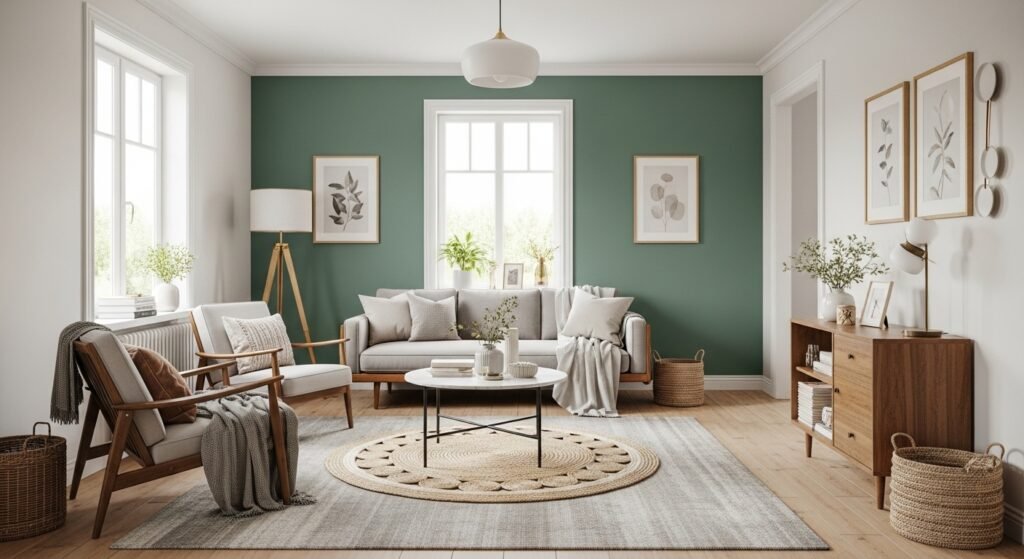
My living room had nice furniture and decent lighting but it still felt like a waiting room. Took me embarrassingly long to realize it needed one wall with personality, not a wall of beige. One weekend with sample pots, a cheap brush, and a small ladder changed the whole vibe.
These ideas lean modern cozy with a few playful options. Most projects cost under $75, with a couple of splurges around $150 for quality paint and tools. They work for living rooms, bedrooms, hallways, kitchens, and rental-friendly spots where you do not want permanent changes.
Cozy Accent Wall for a Small Living Room
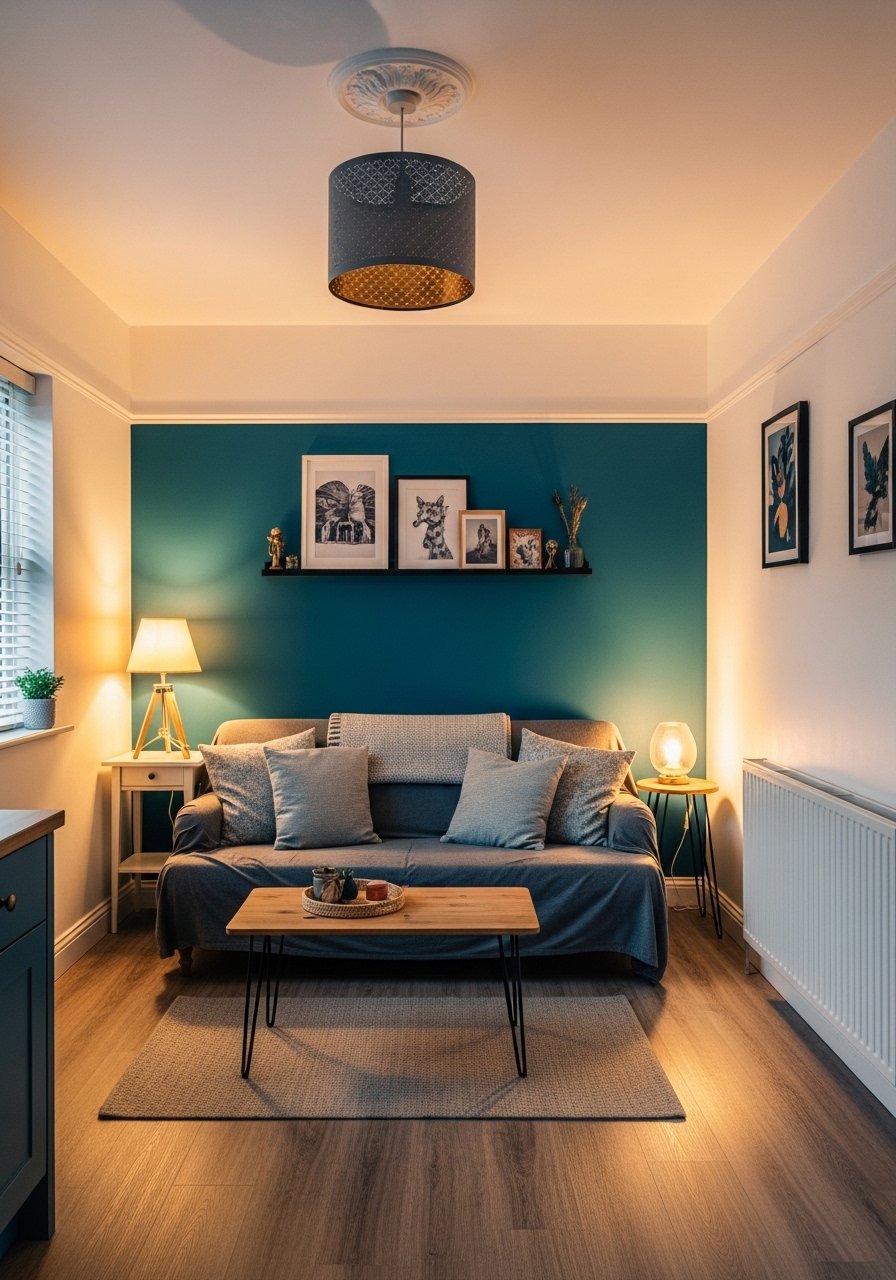
The moment I rolled on a rich teal behind my sofa, the whole room stopped feeling flat. An accent wall gives a focal point without repainting the entire house. For small living rooms pick a darker shade for one wall only, about 20-30 percent of the room visually. I used a sample pot first and taped off edges with painter’s tape for crisp lines. For tools try angled sash brushes and a smooth foam roller. Budget under $60 if you use 1-quart samples and already have drop cloths. Common mistake is picking the brightest swatch from the chip card. Swatches look more saturated on paper than on a wall, so test at both morning and evening light.
Two-Tone Walls for a Modern Bedroom
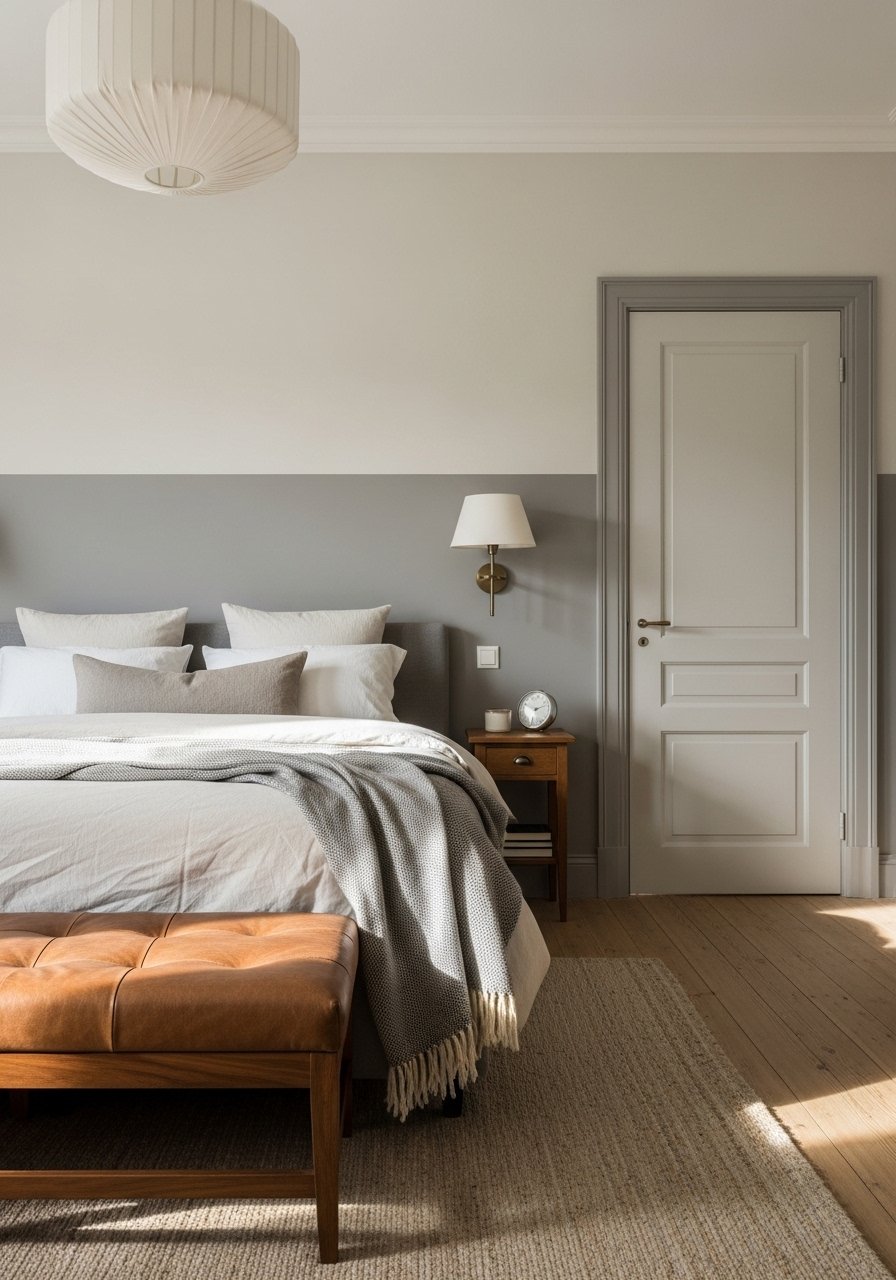
I split my bedroom wall horizontally to anchor the bed and suddenly the headboard looked intentional. Two-tone walls work especially well where you want a cozy feel without darkness. Make the lower color darker and stop the line about 36 to 44 inches from the floor, or roughly at the bottom third of a standard room height. You can paint the lower half in washable eggshell for durability and the upper half in a flat finish to hide imperfections. I used sample-size colors at first. A mistake I see is matching both paints too close in value. If the tones are within one shade they read as a single color, which defeats the idea. Pair this with the painted trim trick from the next idea for extra polish.
High-Gloss Trim for a Clean, Classic Feel
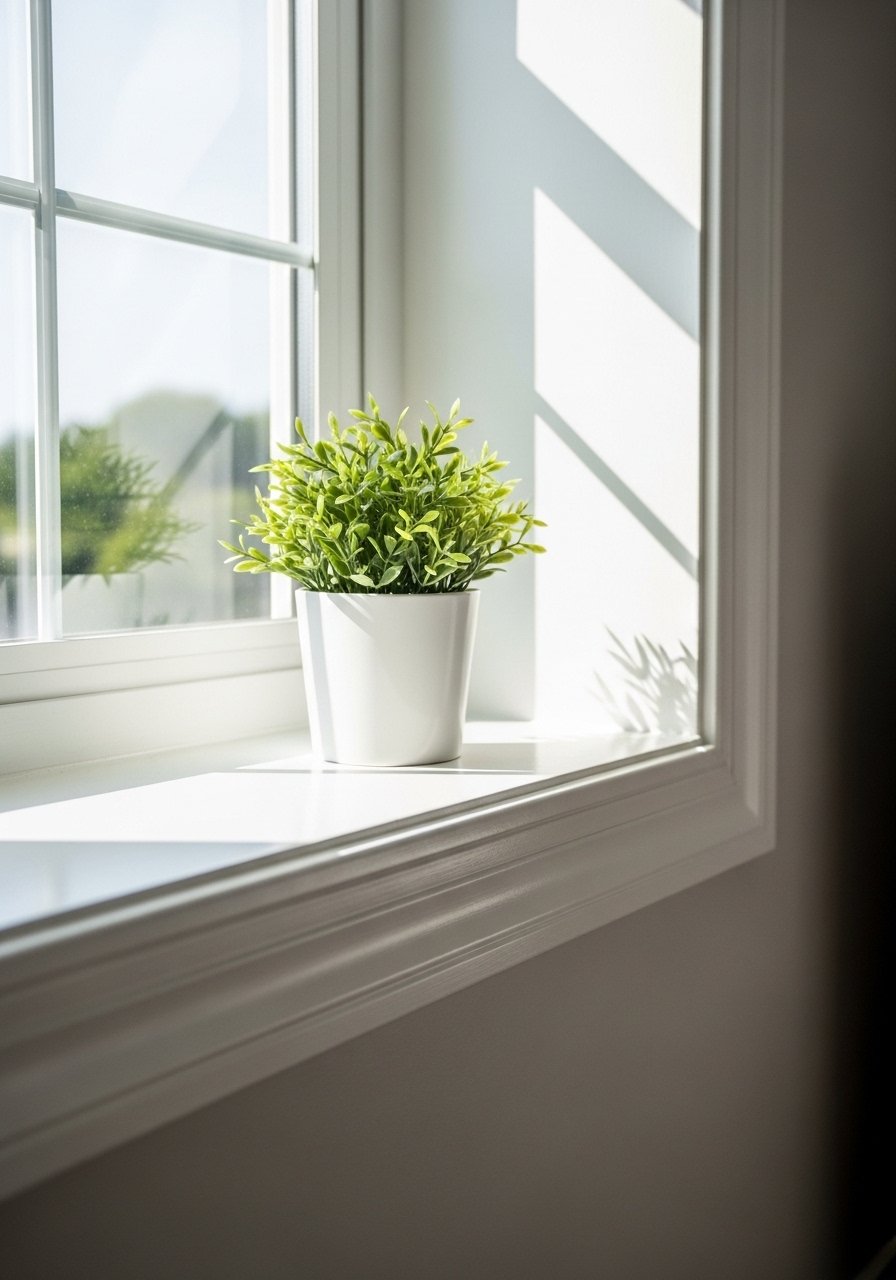
Most rooms look cleaner when trim has a slight sheen. I swapped matte baseboards for a high-gloss white and the whole apartment felt more finished. High-gloss trim reflects light and frames colors better, especially next to a matte wall. Use an angled sash brush for inside corners and a mini foam roller for larger runs. High-gloss enamel is worth the splurge; it wipes clean and shows fewer scuff marks. Common mistake is brushing too fast, which leaves visible strokes. Go slow and sand between coats with a fine grit pad. This works in any room, but it’s especially effective in entryways and bathrooms.
Painted Ceiling to Add Drama in Dining Room
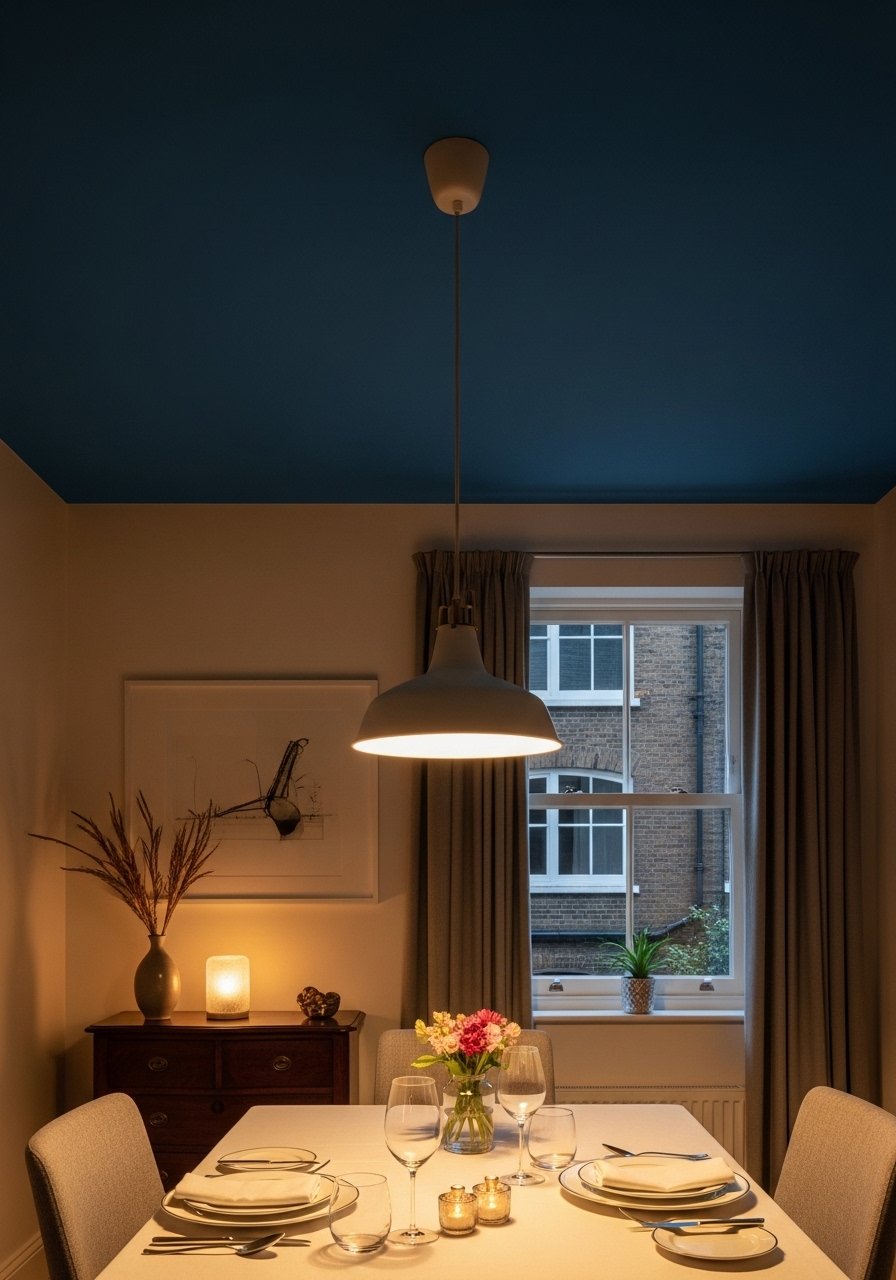
There is something about a painted ceiling that makes you look up and stay. I painted my dining room ceiling one shade darker than the walls and guests instantly said it felt snug and intentional. Darker ceilings bring the focus inward, while a pale color can visually lift a room. For standard rooms, go one to two shades deeper than your wall color. Use a good extension pole and microfiber roller covers to keep splatter down. The common mistake is skipping a primer for ceilings that had stains. A thin primer keeps those from showing through. Pair a painted ceiling with the high-gloss trim idea for a custom, cohesive look.
Color-Blocked Entryway for Instant Interest
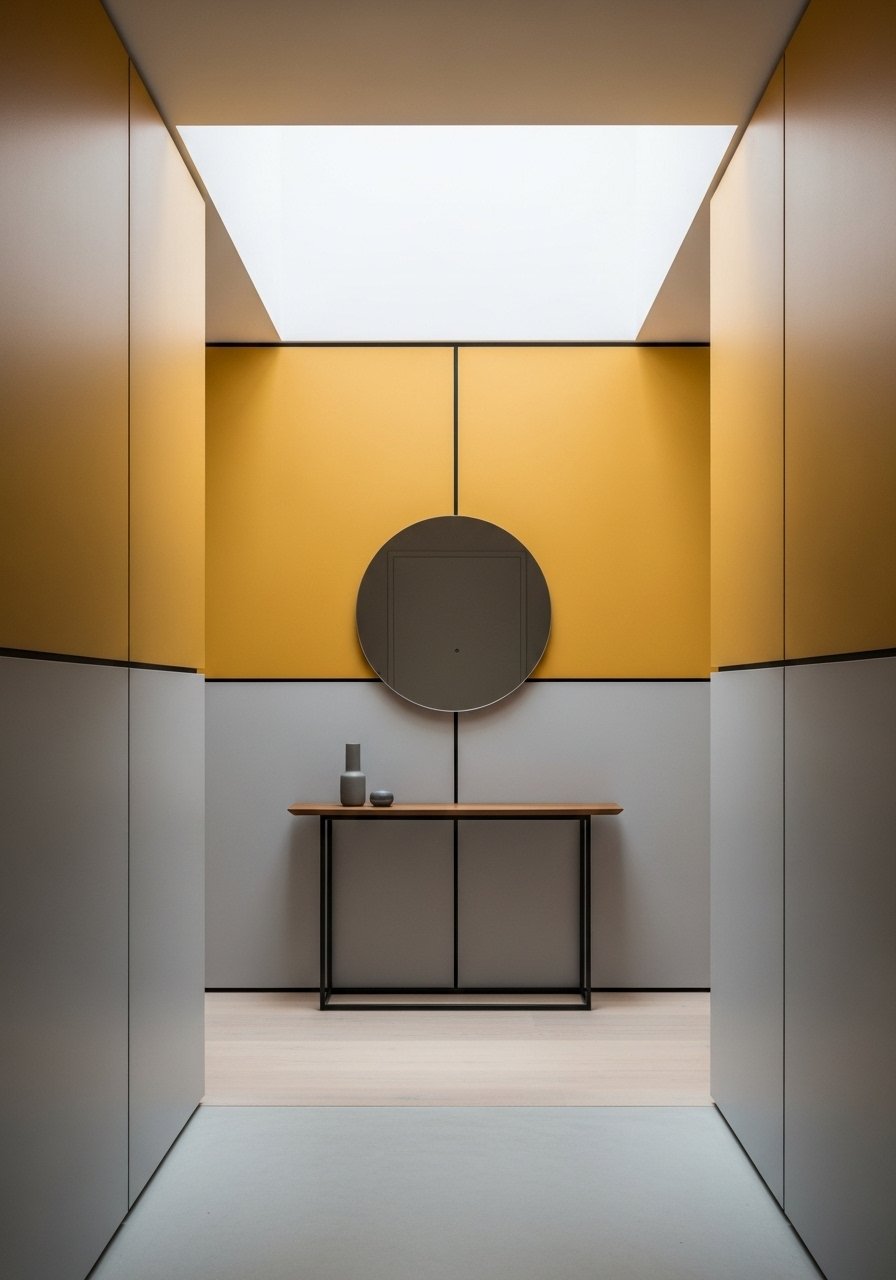
My entryway used to be a dumping zone. I blocked color in geometric panels and suddenly every shoe and key had context. Color blocking is great in narrow spaces because it adds art without frames. Use painter’s tape to create rectangles roughly one to two feet wider than your console table. A ratio I like is panels covering 40 to 60 percent of the wall height. Try sample paint pots so you can test combos. People often pick too many colors, which makes the space busy. Stick to two or three related tones and repeat one of them elsewhere in the room to tie it together.
Ombre Wall Behind a Bed for Soft Focus

If you want a soft, dreamy headboard without buying new furniture, try an ombre wall. I did a gentle fade from warm clay to pale peach behind my bed and it made the room feel grown up but relaxed. Blend with a wide, dry brush in horizontal strokes and work quickly while paint is wet. Use three tones where the middle is about 40 percent of the height. A set of blending brushes helps. Common mistake is harsh transitions. Keep edges feathered and step back often. This approach is perfect for bedrooms and cozy reading corners.
Chalkboard Paint for a Playful Kitchen Nook
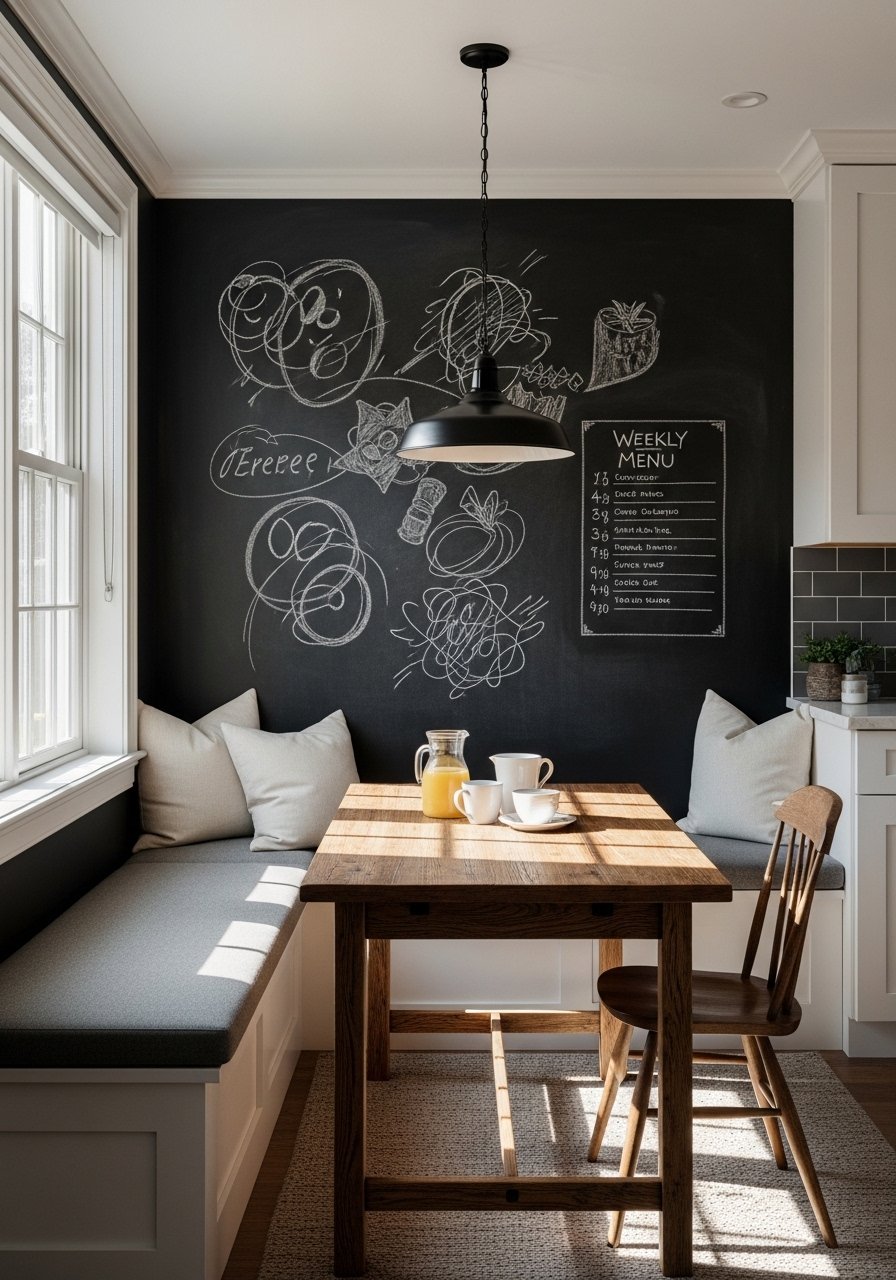
I painted a slim strip of wall near my kitchen table with chalkboard paint and suddenly dinner planning was fun. Chalkboard paint is easy to apply and renter-friendly if you use a removable chalkboard panel or framed board. For durability pick a satin-finish chalk paint and prime glossy surfaces first. Chalkboard paint cans come in small sizes so you can try without commitment. The mistake people make is painting the whole wall black. Keep the surface limited to a 2-3 foot wide area and use it as a utility feature rather than decoration. Works well in kitchens, mudrooms, and kids’ rooms.
Painted Interior Door for an Unexpected Pop
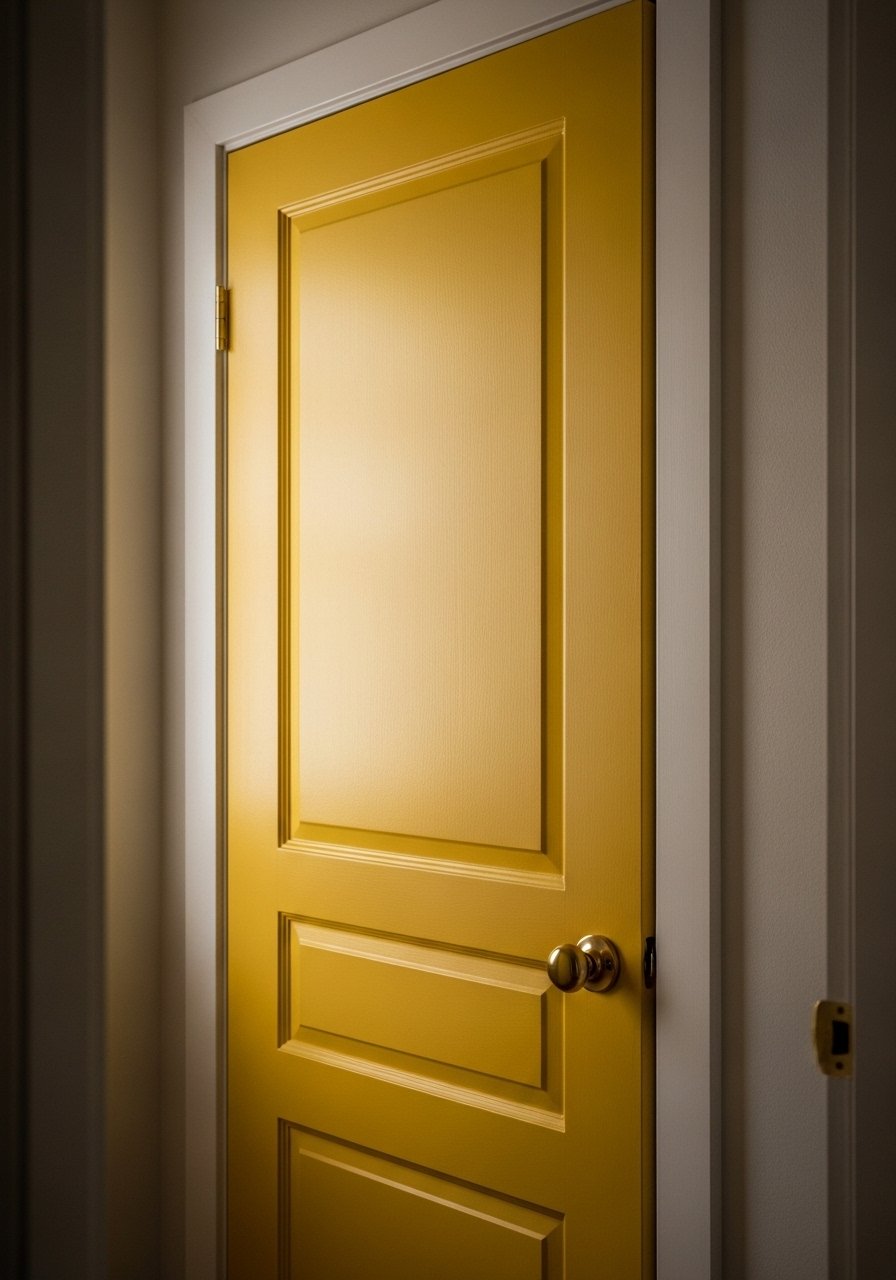
A painted door is the easiest way to add personality without heavy lifting. I painted my bedroom door a deep mustard and it changed how visitors described the whole apartment. Doors are forgiving because they are framed and often closed. Use a satin or semi-gloss for durability and paint both sides for rental consistency. Door paint kits speed the job. Avoid colors that clash with your hardware. One mistake is not checking the door in different light. A color that feels bold in a hallway might read flat in the bedroom. If you want less risk, paint only the interior of built-in cabinet doors for a similar effect.
Striped Hallway to Stretch Narrow Spaces
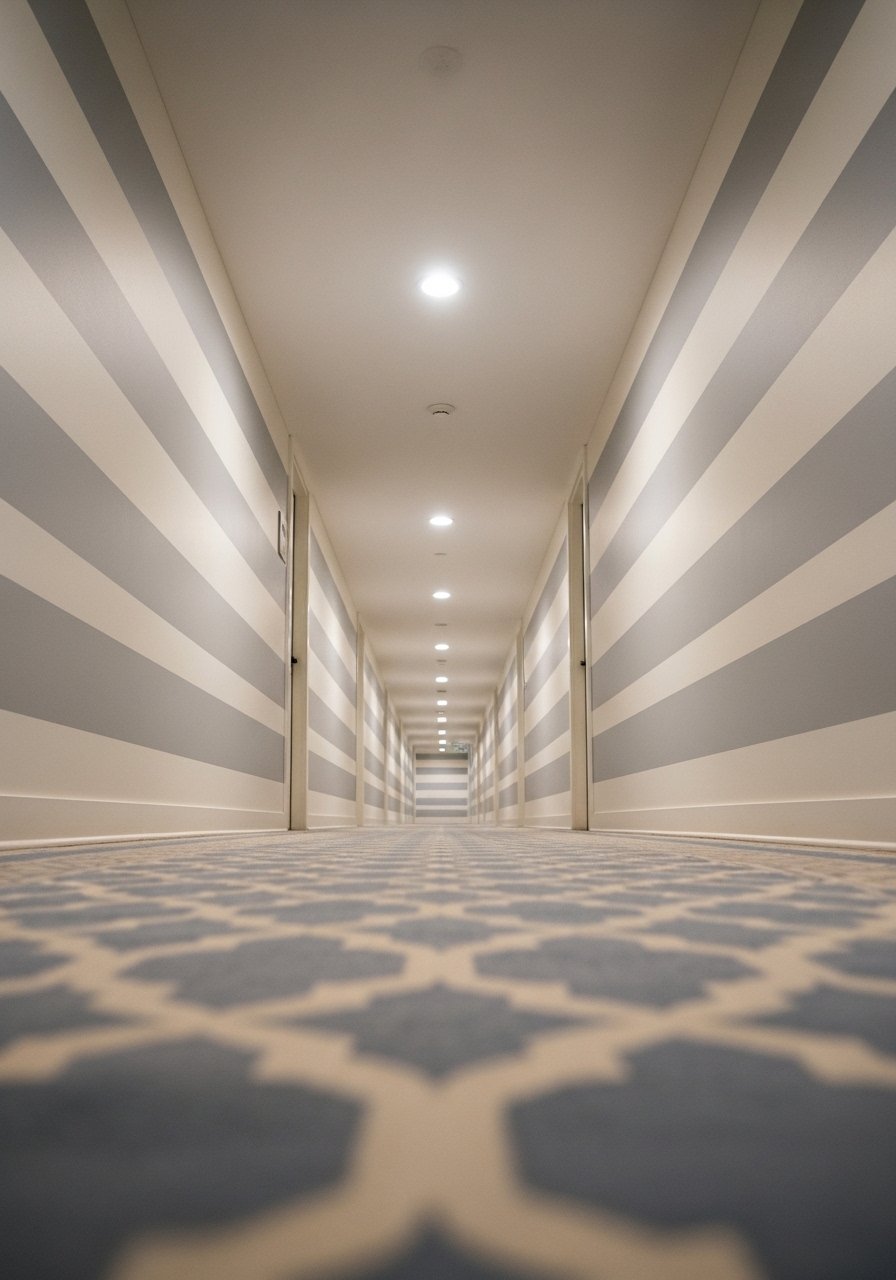
There is an easy optical trick that makes narrow hallways look wider. I painted wide horizontal stripes in two neutral tones and the space felt less boxy immediately. Aim for stripes that are between 12 and 24 inches tall, depending on your ceiling height. Use a level and painter’s tape, then seal the tape edge by brushing the base color over it before the stripe color goes on. I used low-tack painter’s tape so the paint doesn’t peel. The common mistake is making stripes too thin. Thin stripes can read busy and make a small hall feel cramped. Pair this with a painted ceiling for a high-design look.
Paint-Backed Shelves to Tie a Room Together
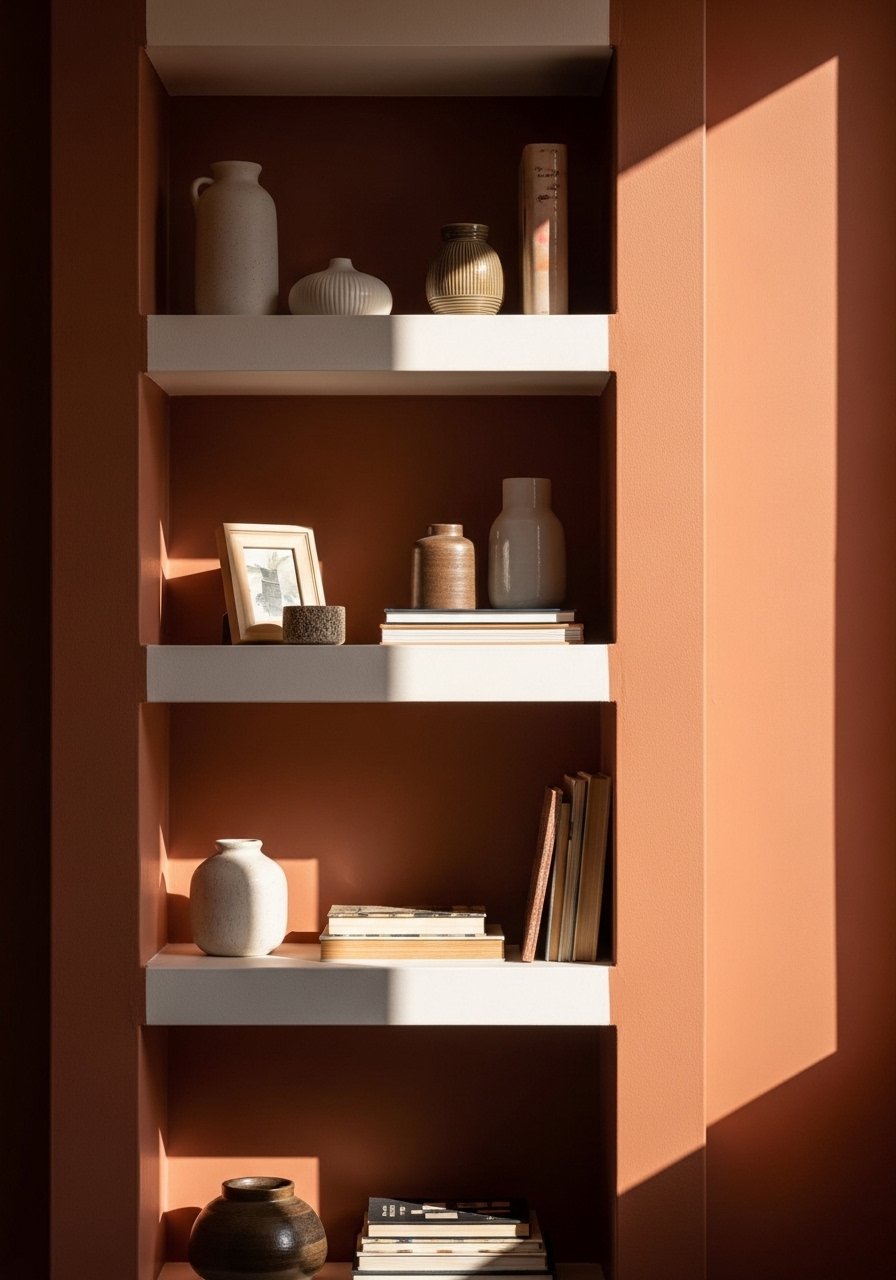
I painted the back of my built-ins a warm terracotta and it made my knickknacks look intentional. Painting the inside of shelves is a small step that gives depth and connects accessories to wall color. Use a satin finish so items slide without scraping. For scale, paint just the back panel if shelves are deep, or paint the whole box on shallow units. A small brush and mini roller gets into tight corners. Mistake to avoid is picking a color that competes with everything you own. Test with a shelf-sized sample and leave it for a week to live with before committing.
Painted Fireplace for Seasonal Refresh
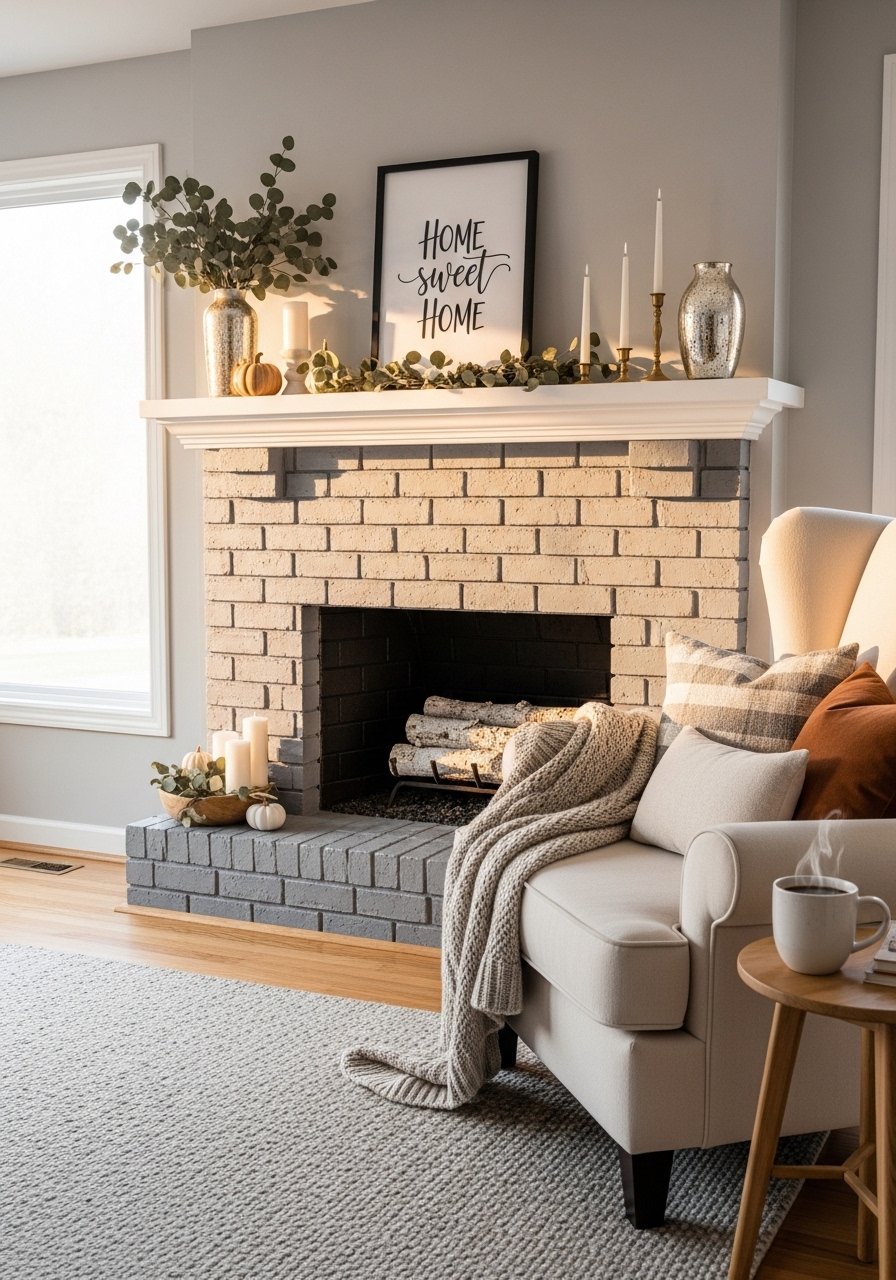
My mantel used to disappear into the wall. Painting the brick early last winter in a charcoal shade made mantelscaping simple and seasonal. For brick, use a bonding primer then two thin coats of masonry paint. If you want to revert later, try painting only the facing and not the hearth. Masonry primer and a synthetic brush are your friends. People often use too thick a coat which hides brick texture. Thin, even layers keep character while changing color. This works for real and faux fireplaces and looks great paired with the painted ceiling idea for a cozy feel.
Your Decor Shopping List
- Honestly the best $40 I have spent. Angled sash brushes for trim and detail work
- For clean lines try low-tack painter’s tape (~$7), I use 3M for crisp edges
- For quick walls use mini paint roller and tray set (~$12), perfect for shelves and doors
- For testing colors grab paint-sample quarts so you can try colors in different light, usually $5-15 each
- For trim finish choose high-gloss enamel (~$30), worth the splurge for durability
- Found these while looking for something else. Microfiber roller covers (~$8) keep paint smooth
- For chalk areas pick chalkboard paint can in a small size if you are renting
- Budget drop cloths are fine. Canvas drop cloth 6×9 (~$20) is reusable and traps dust
Similar options can often be found at Target or HomeGoods if you prefer to see things in person.
Shopping Tips
- White oak beats dark wood in 2026. Design feeds have shifted completely. White oak floating shelves look current, not dated.
- Grab velvet pillow covers for $12 each. Swap them every season and the whole room feels different.
- Curtains should puddle or kiss the floor, never hang halfway up. 96-inch linen panels are right for standard 9-foot ceilings.
- Everyone buys five small succulents. One single 6-foot fiddle leaf fig has ten times the visual impact.
- If you are unsure about a color, use paint-sample quarts applied to multiple walls. Live with them for a few days before committing.
Frequently Asked Questions
Q: Can I do a painted ceiling in a low room?
A: Yes. Pick a lighter or neutral shade and paint with a flat finish so it does not feel oppressive. A slightly darker shade than the walls works better than a dramatic contrast in low rooms.
Q: What size stripe should I use in a hall?
A: Go big. Stripes between 12 and 24 inches work for standard ceilings. Wider stripes read cleaner and make narrow halls feel wider.
Q: Can I paint over brick fireplace myself?
A: You can, but prep matters. Use a bonding primer for brick, then two thin coats of masonry paint. Avoid heavy first coats or the texture will disappear.
Q: Is chalkboard paint permanent?
A: Not if you use a framed chalkboard panel or paint a removable board. Full-wall chalkboard paint is fairly permanent and can be harder to revert in rentals.
Q: How do I avoid paint color regret?
A: Test samples on multiple walls and observe them at different times of day. Tape off a 2-foot square and live with it for at least 48 hours. Colors change a lot between morning and evening.
Q: Can I mix different paint sheens in one room?
A: Yes. Matte or flat on walls hides flaws, satin or eggshell on high traffic sections cleans easier, and high-gloss on trim frames everything nicely. Use the right tool for each finish.