

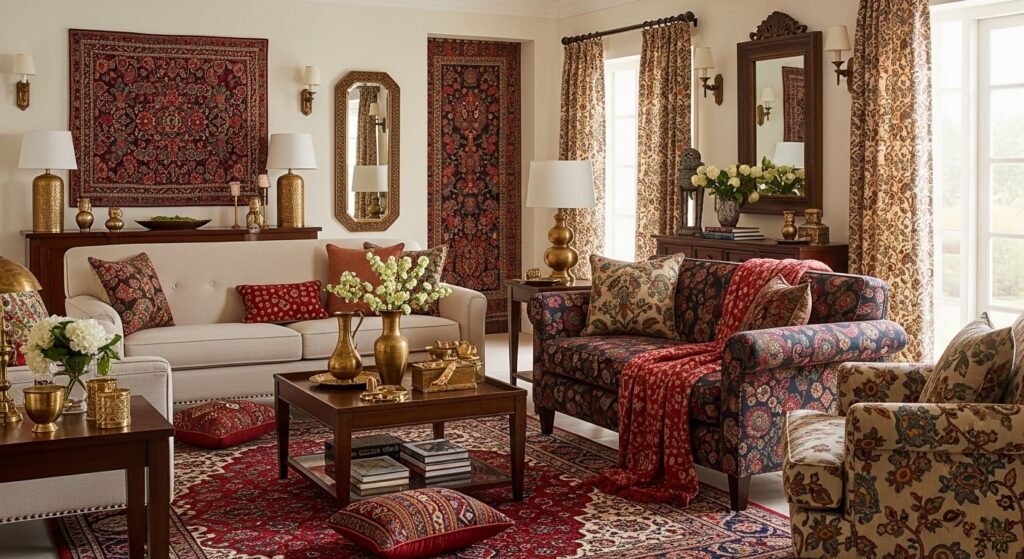
My mother once accused me of treating a living room like a showroom, all the right pieces but none of the warmth. I brought home a stack of block print throws and a brass urli, and everything relaxed. These ideas lean toward classic Indian motifs with a touch of modern practicality. Most pieces are under $75, with a few heirloom splurges around $150. Works for living rooms, entryways, bedrooms, and small altars that need to feel lived in.
Layered Block Prints For Living Rooms And Bedrooms
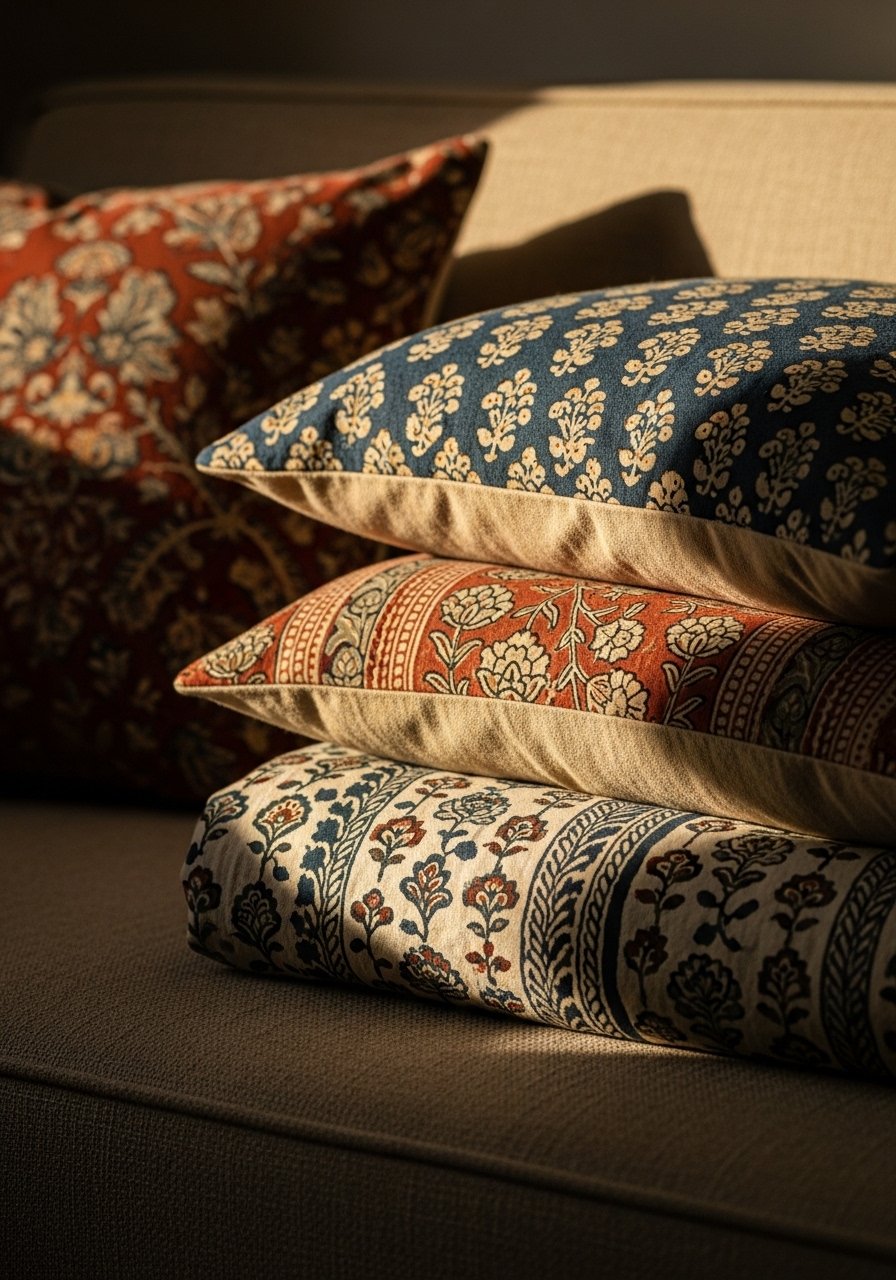
The moment I draped a block print throw over my grey sofa the room stopped feeling flat. Block prints add pattern without loud color, so they work in a bedroom or a family room. Budget is flexible, $20 to $80 per cover depending on fabric. I like pairing a 22-inch down-filled linen cushion with a smaller 14-inch block print pillow for a 2:1 ratio that reads intentional. Avoid matching every textile to the same pattern. One common mistake is buying prints that are all the same scale. If you want a quick swap, grab these block print cushion covers and layer with plain linen.
Brass And Copper Groupings For Shelves And Mantels
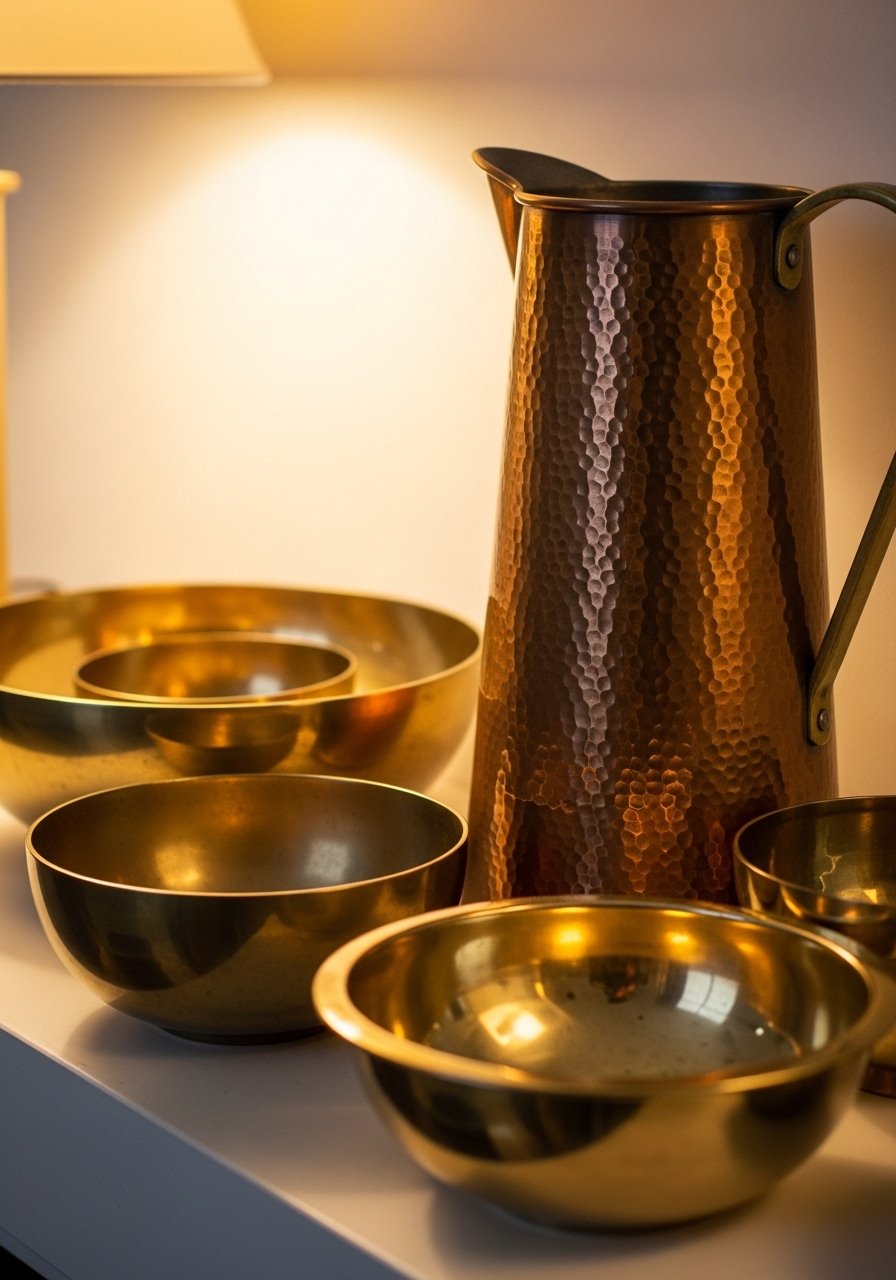
Brass and copper make a space feel rooted in tradition. I keep a small brass diya and a hammered lota together on a bookshelf and they read like a collected set. Expect $15 to $120 depending on size and age. The mistake people make is buying one shiny piece and nothing that ages with it. Pair a polished item with a lightly patinated bowl for contrast. If you want an easy starter, try this brass diya set and mix it with a thrifted bowl for depth.
Jharokha Mirror As An Entryway Anchor
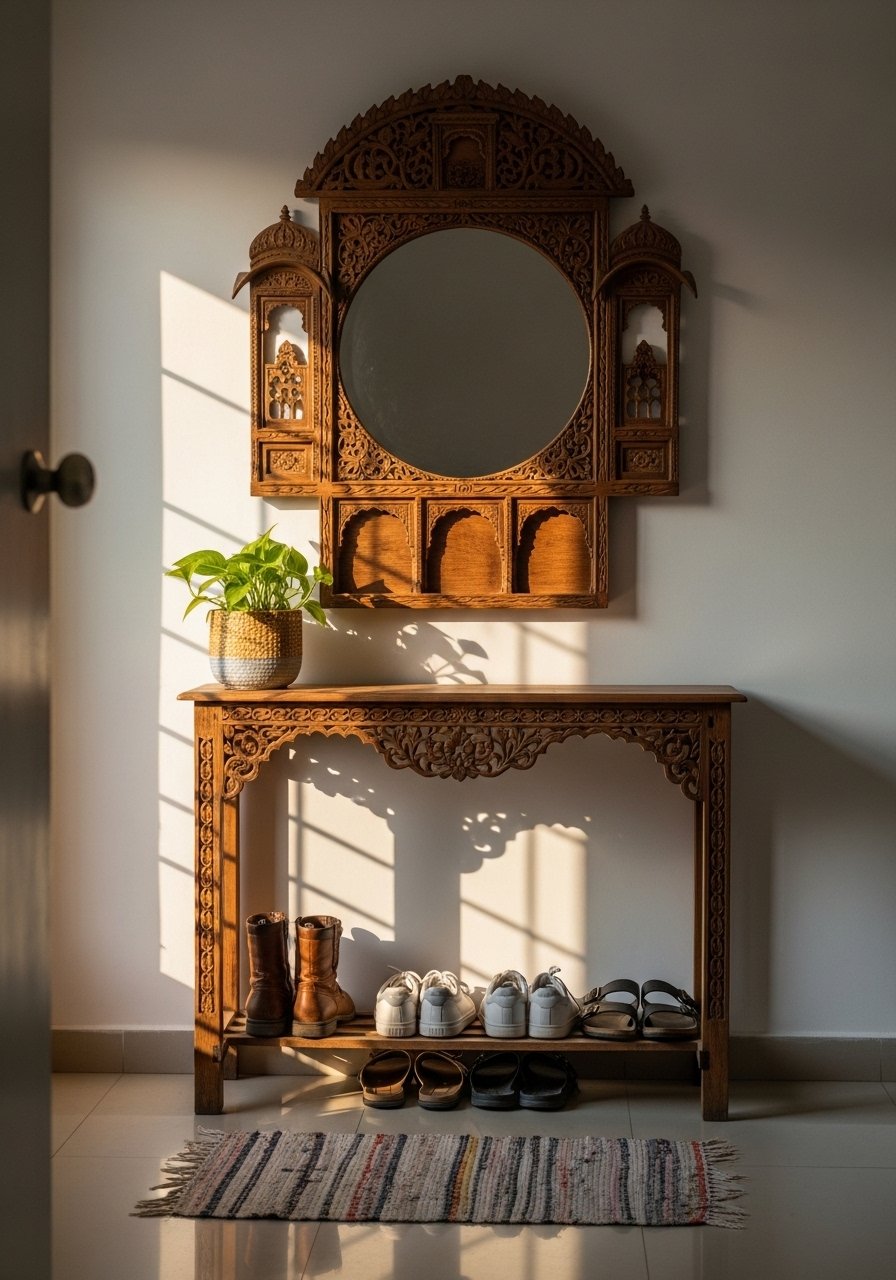
Hanging a jharokha mirror above an entry console changed how guests felt in my home. It reads like a story piece and reflects light back into the hall. For standard doors, hang the mirror so its bottom sits 4 to 6 inches above the console top. Budget runs $50 to $200. People often pick a mirror that is too small for the wall. If you want an easy buy, this carved jharokha mirror fills an average foyer without overwhelming it.
Handwoven Dhurrie Rugs For Layered Floors
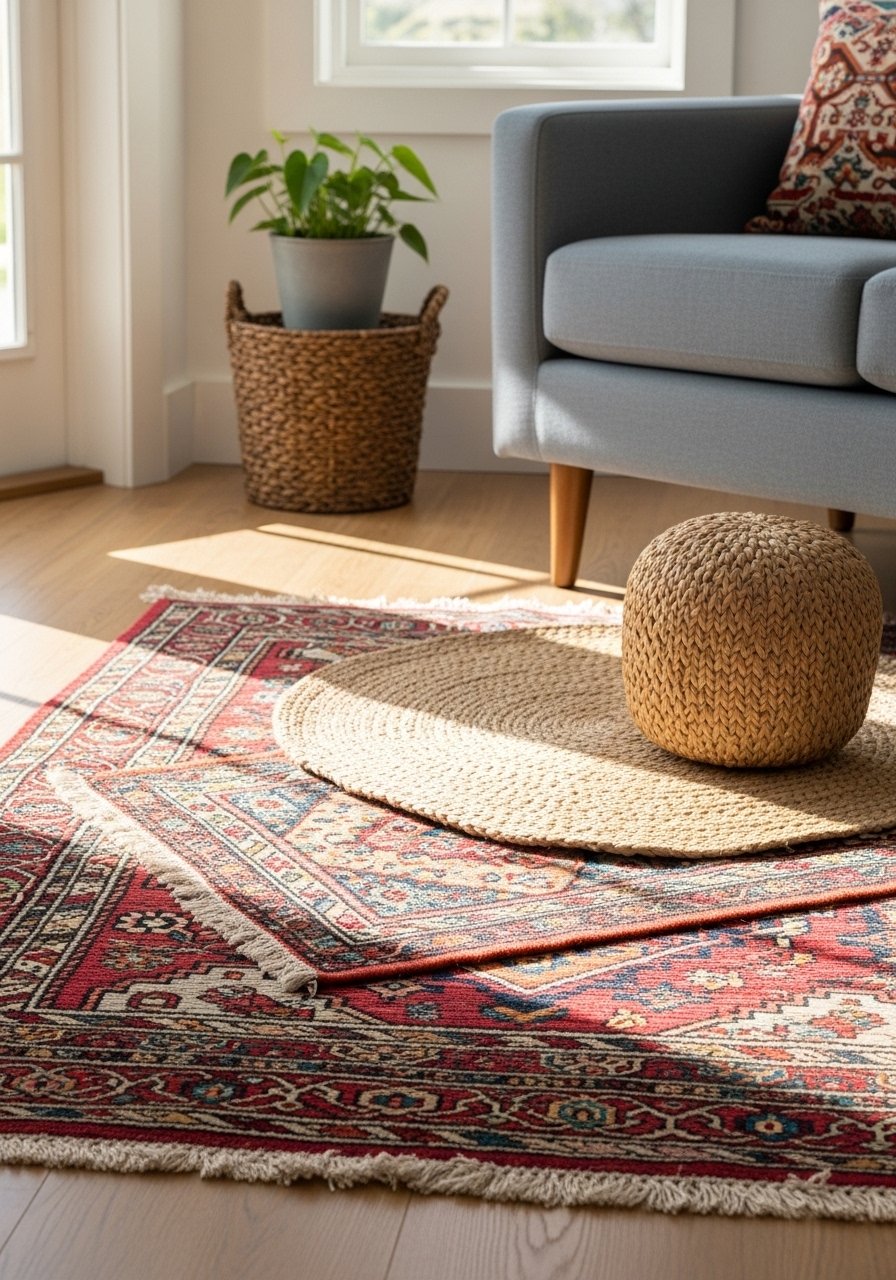
Dhurries anchor a seating area without the thickness of shag rugs. I use a plain jute under a patterned dhurrie to tame the print and protect high traffic zones. For a sofa and two chairs, aim for at least an 8×10 rug so front legs sit on the rug. Expect $60 to $250 for good quality. A mistake I see often is buying a rug that is too small for the furniture layout. Start with this dhurrie-style flatweave rug if you need a durable colorful layer.
Toran Door Hangings To Soften Doorways
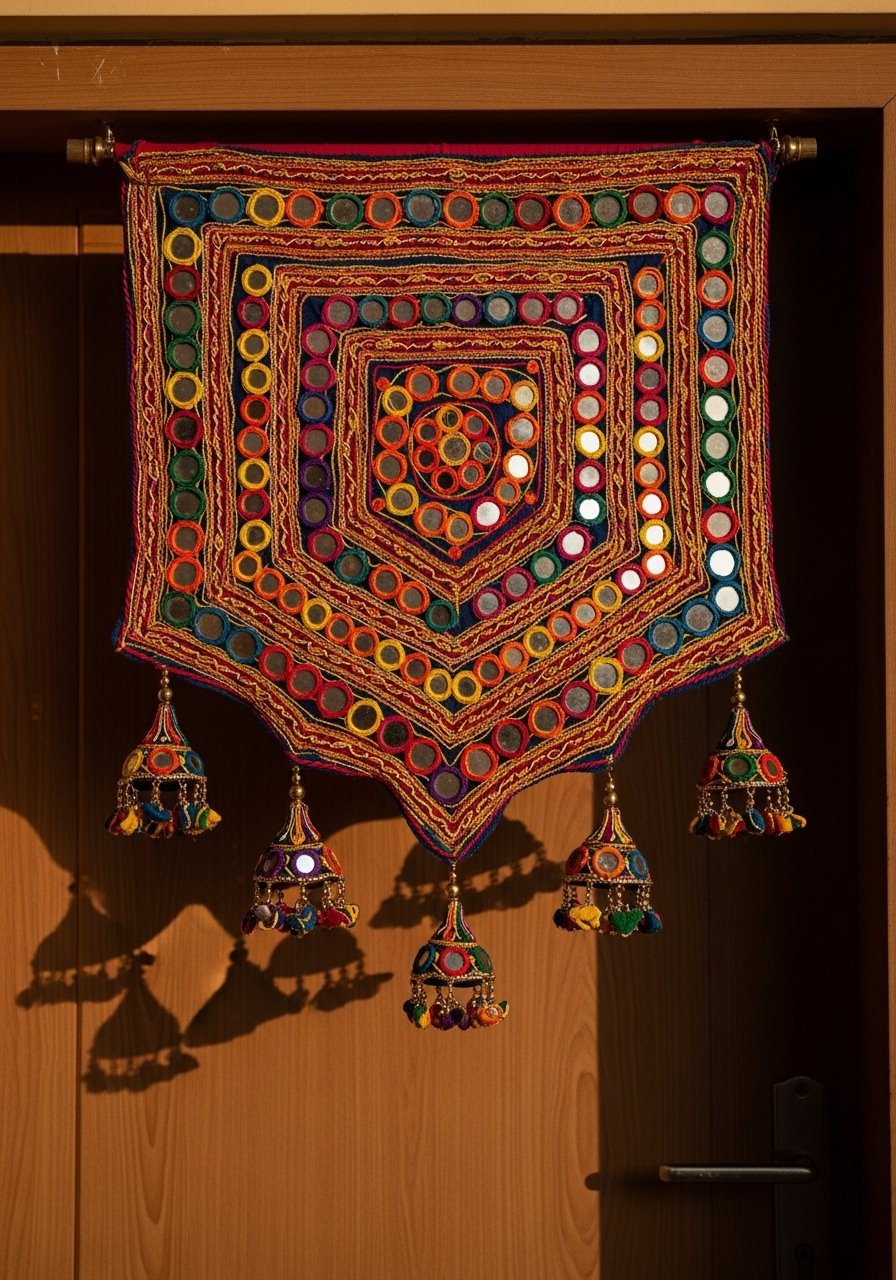
A toran over the doorway signals welcome and adds pattern right where people look. I hang mine so the lowest tassel is about 6 inches above head height, which keeps it visible but out of the way. Most torans are $15 to $60. The typical mistake is buying a toran that is too long or too narrow for the door frame. Try this mirror-stitched toran and measure your frame first.
Madhubani Or Kalamkari Prints For Wall Groups
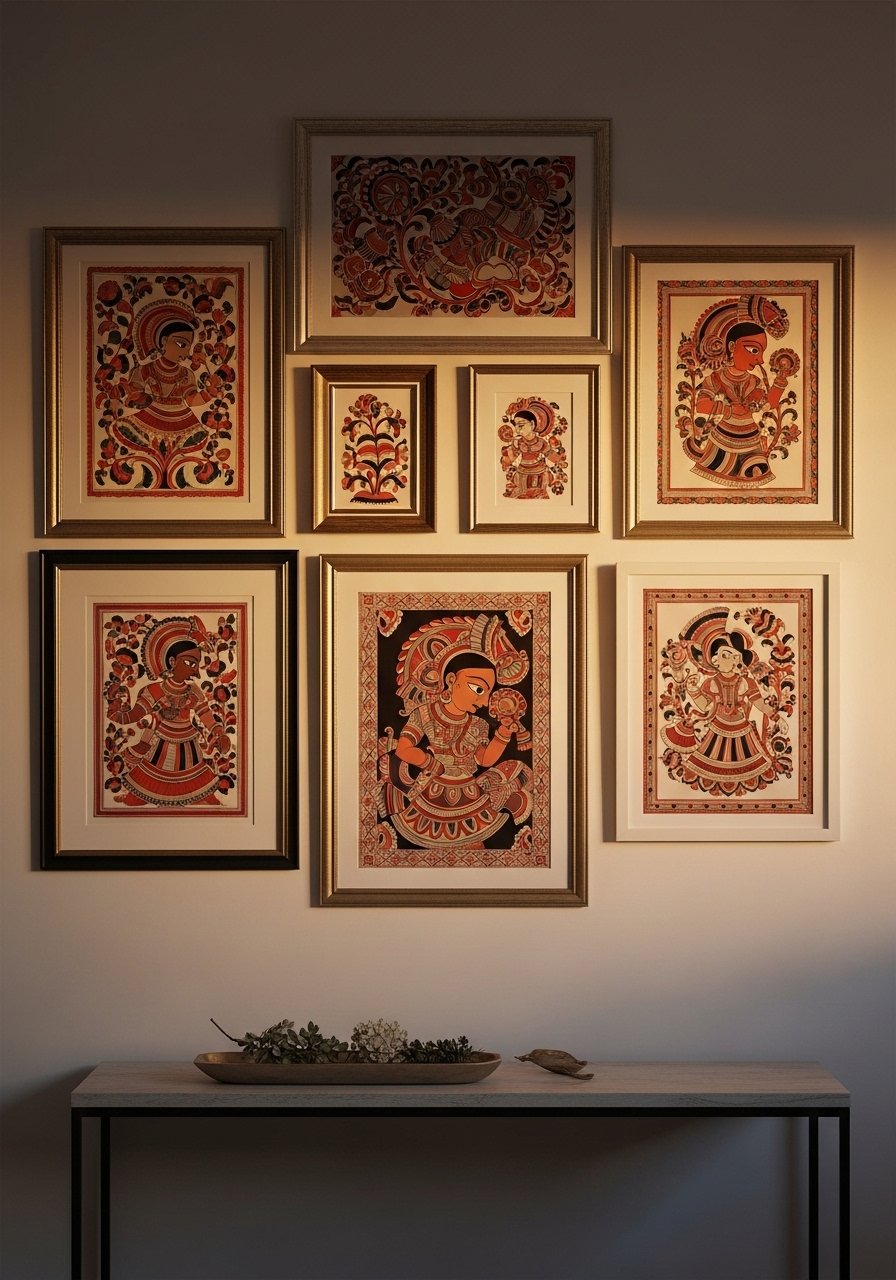
A set of three small traditional prints packs more punch than a single oversized piece if your walls feel anonymous. I frame two 12×16 prints and a 9×12 to keep scale varied. Budget for prints and frames can be $30 to $150. People often pick frames that clash with the art. Choose mixed finishes but similar widths to tie the group together. I use these Madhubani art prints in slim black frames for a grounded look.
Carved Wooden Console For Entry Or Hallway
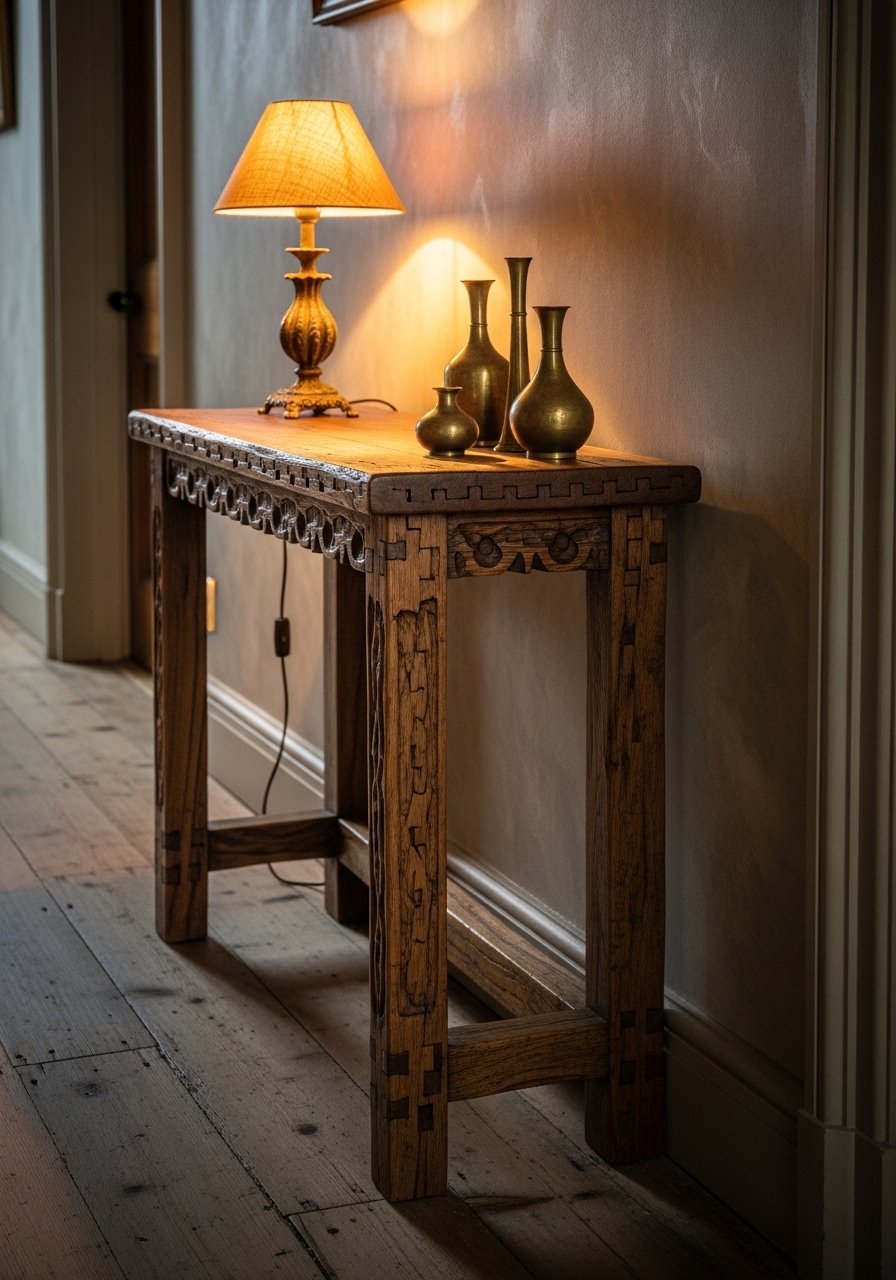
A carved wooden console brings warmth and a little history into a modern corridor. I bought a secondhand console and sanded only the top to keep the original patina. Expect $120 to $400 for solid pieces. The mistake is picking one that is too deep for a narrow hallway. Aim for 12 to 16 inches depth for tight spaces. If you want a quick option, this carved wooden console table fits a standard hallway and leaves room for baskets underneath.
Jaali Screens For Light And Privacy In Living Areas
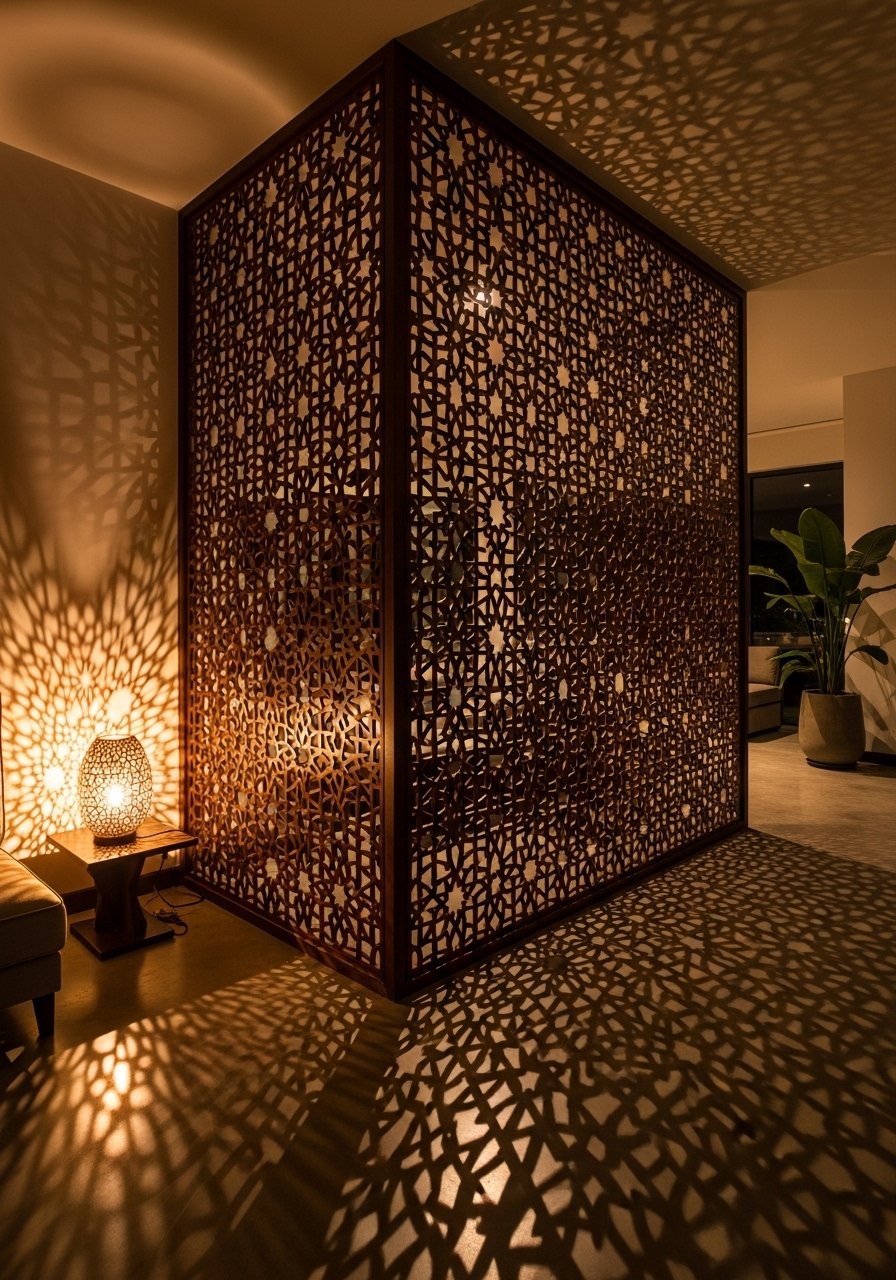
A jaali screen brings pattern and partial privacy without blocking light. I placed one behind my sofa to create a visual backdrop and it made the seating area feel deliberate. Budget is $80 to $250. People sometimes buy a screen that blocks too much light. Choose a jaali with open patterns if you want light to filter through. For a ready option, consider this folding jaali room divider.
Brass Urli With Floating Flowers As A Centerpiece
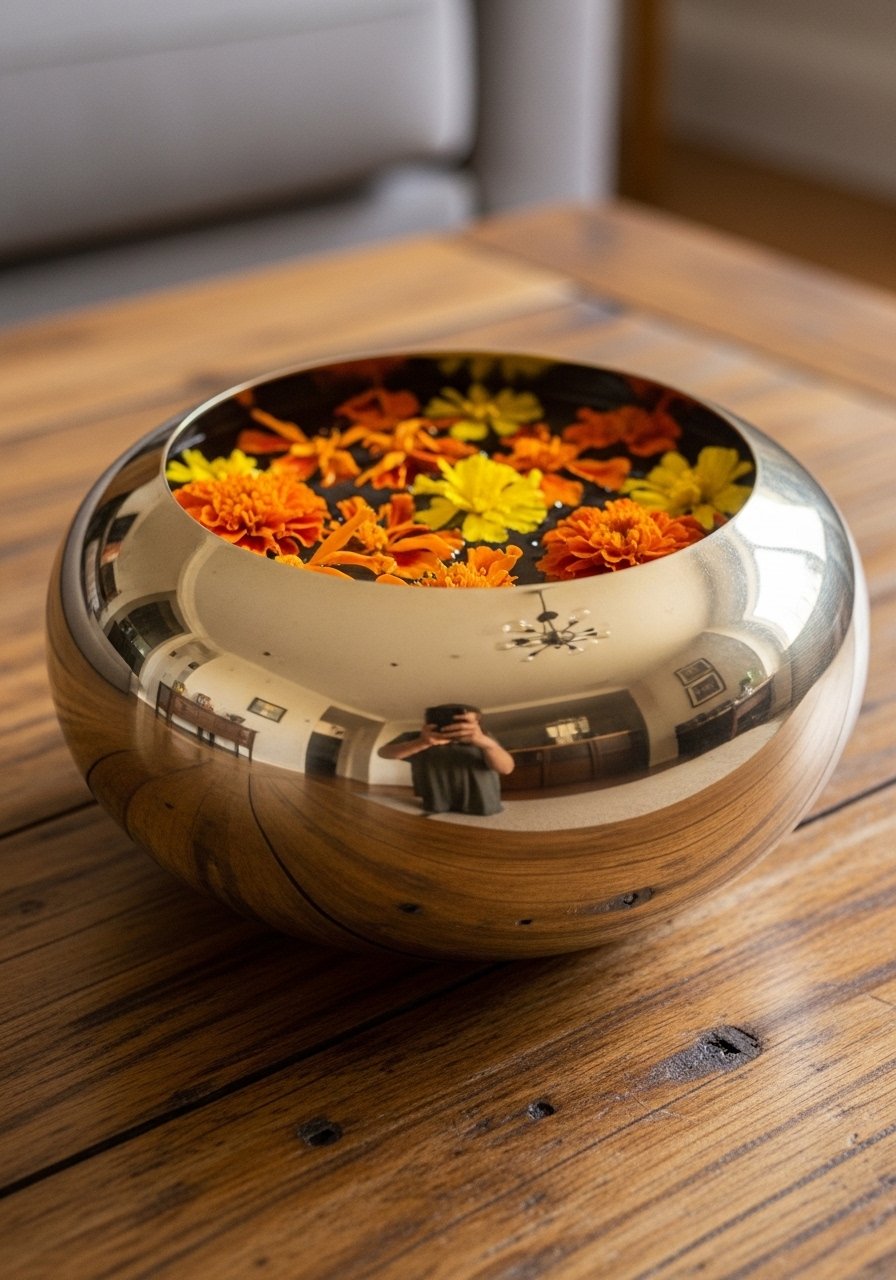
An urli filled with water and floating flowers is an instant focal point for a coffee table. My rule is a shallow bowl that is about two-thirds the width of the table, which keeps the scale balanced. Expect $25 to $100. A common mistake is making the urli too small for the table and then adding clutter around it. If you want an easy starter, this brass urli bowl is a good size for most coffee tables.
Terracotta Pots And Planters For Windowsills
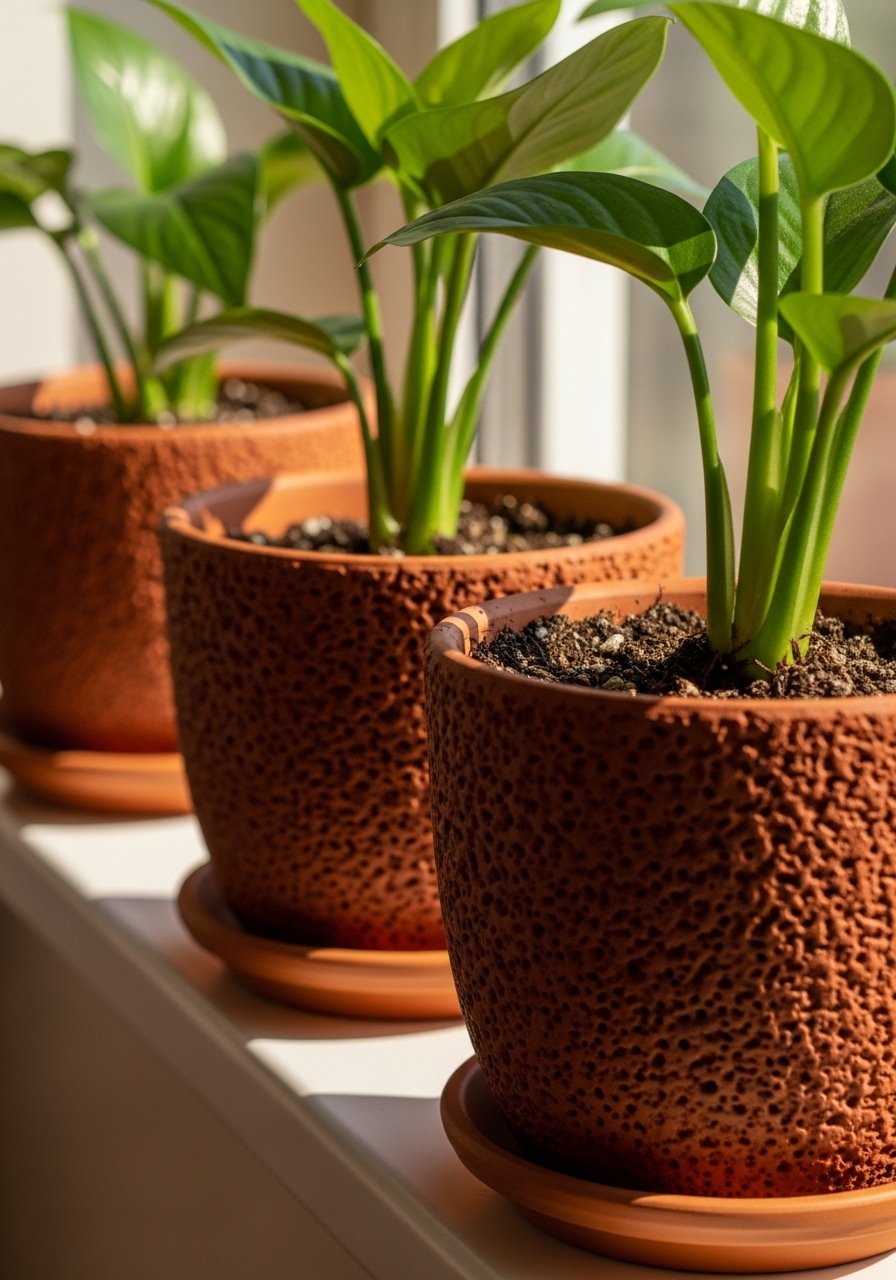
Terracotta holds moisture steady and looks right with Indian textiles. I plant a snake plant in a tall terracotta pot and a small pothos in a shallow one. Budget is $8 to $60. People often pick glossy ceramic that reads too new next to rustic textiles. Mix heights for visual rhythm, and use odd numbers for groupings. Try these terracotta planters for a low-maintenance green touch.
Traditional Lighting With Jali Lamps For Warm Glow
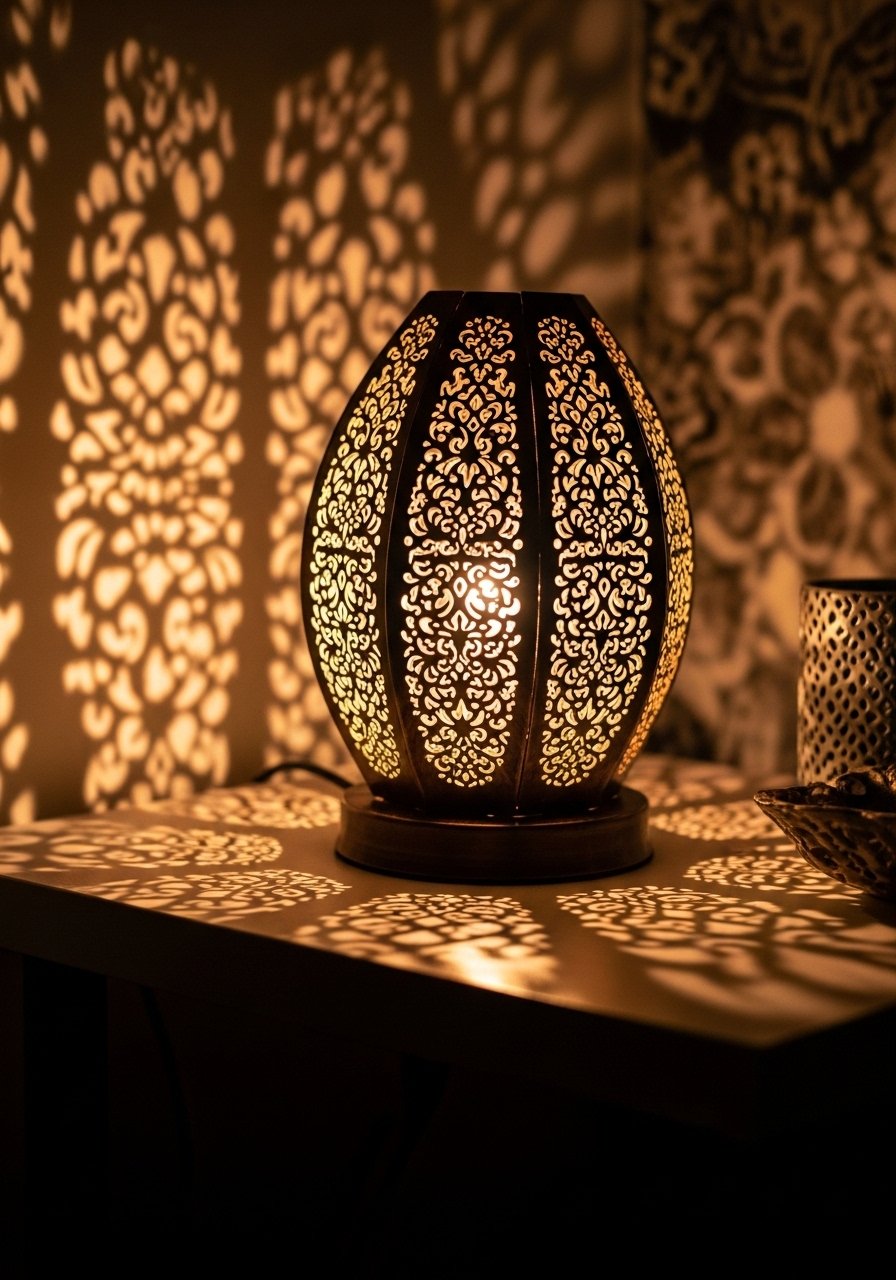
Jali lamps make the light itself part of the decoration. I switched one overhead bulb to a jali-patterned table lamp and suddenly the corner felt intimate. Budget $30 to $140. A mistake is using a jali lamp in a tiny room without balancing with plain light, which creates cluttered shadows. Use one patterned lamp per zone and keep the rest simple. I like this jali table lamp for living room corners.
Baskets And Cane Storage For Everyday Indian Style
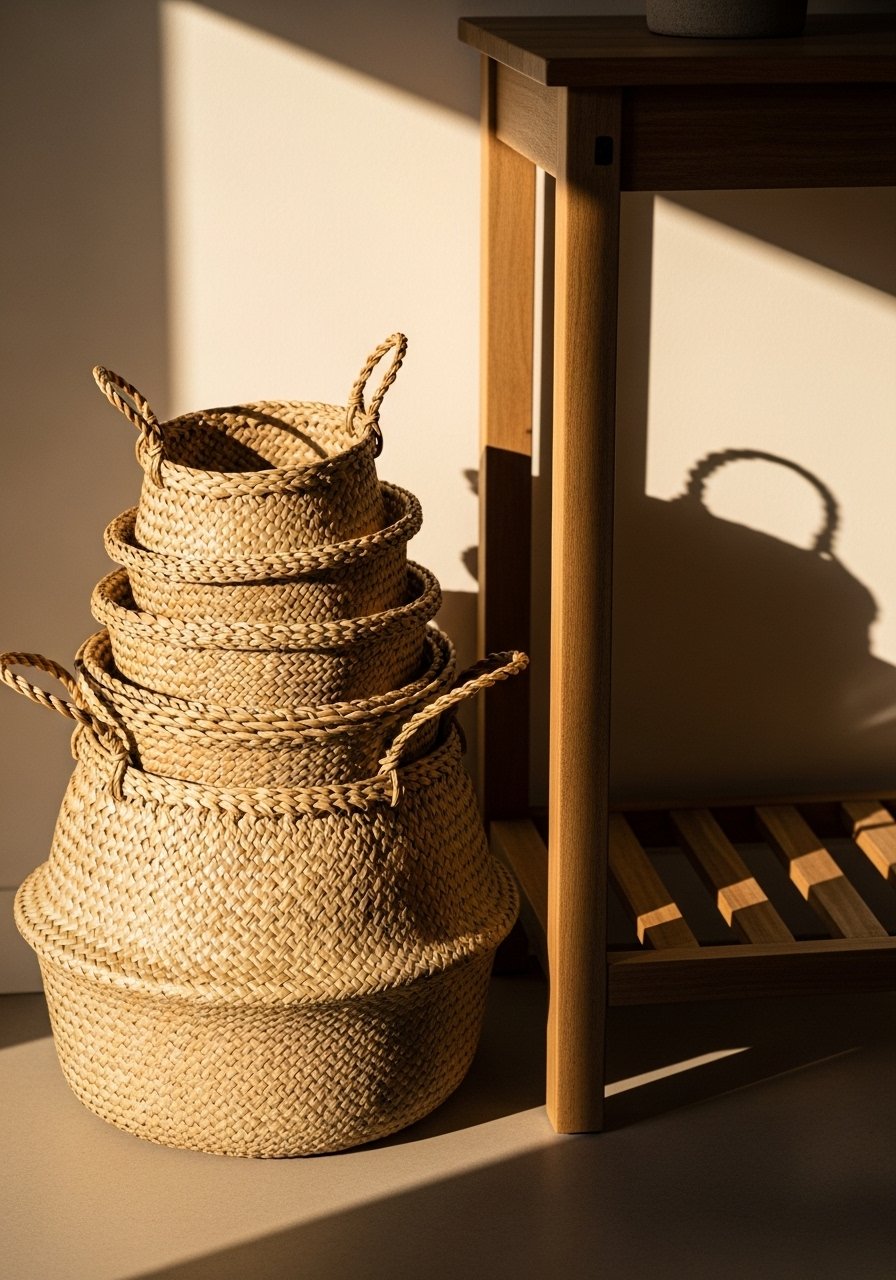
Seagrass and cane baskets hide the odds and ends that make a home feel lived in. I stash scarves and kids toys in a 16-inch basket and keep a smaller one for mail. Budget $15 to $60. The mistake is choosing storage that is too decorative and not functional. Choose baskets with handles and lid options for a neater look. Found these useful seagrass storage baskets that fit under consoles.
Rangoli Accents And A Simple Puja Corner For Intentional Space
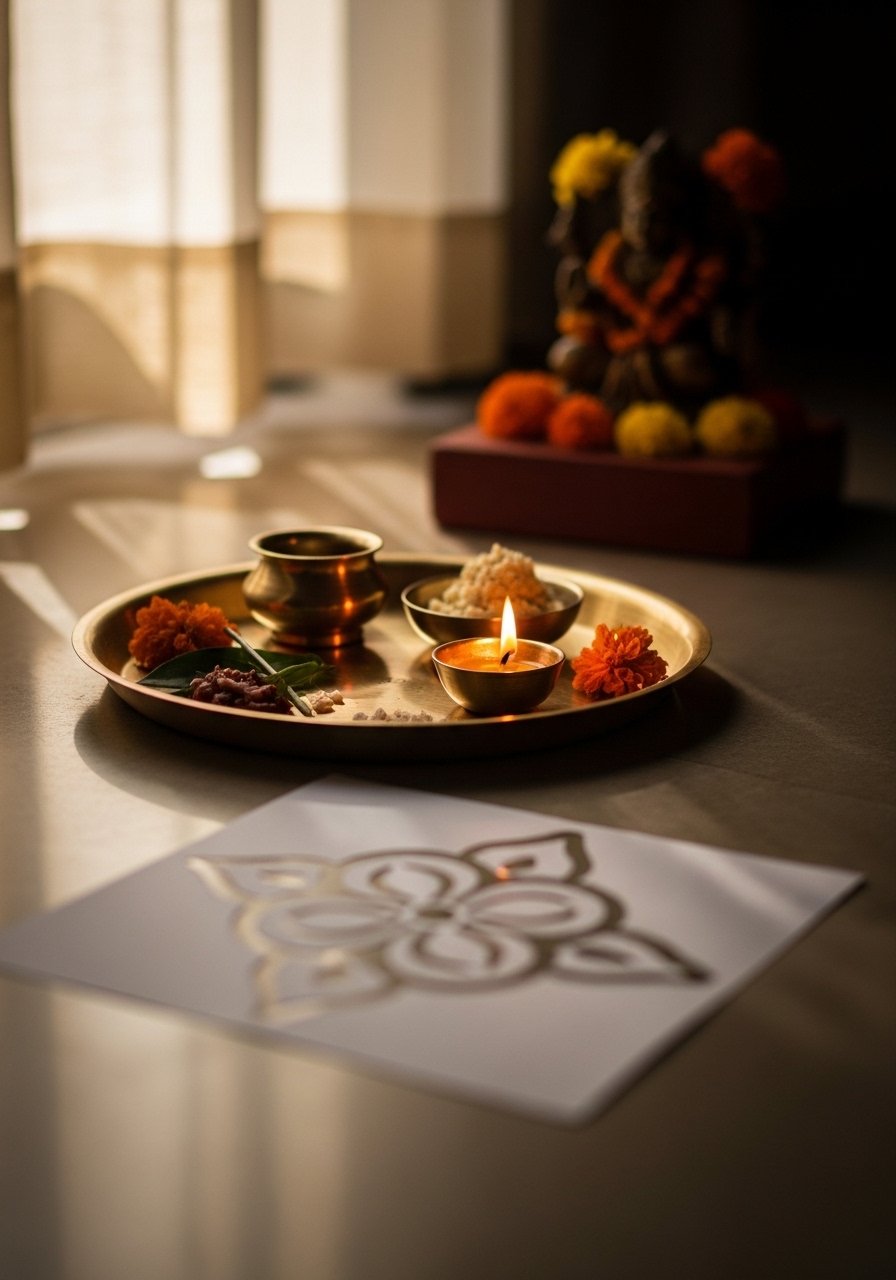
You do not need a whole room for a puja setup. I use a small wooden shelf with a brass thali and a fresh marigold string, then mark a tiny rangoli spot outside the door. For rangoli, peel-off stencils make it renter friendly and clean. Expect $10 to $70 for a basic setup. A common mistake is making the puja area cluttered. Keep one or two meaningful items and rotate flowers or incense. For stencils try these rangoli stencil kits.
Your Decor Shopping List
Textiles
- Honestly the best $45 I have spent. Hand-block printed throws, cotton, 50×70 inches in warm indigo and marigold.
- For cushion swaps, 22-inch down-filled linen pillow covers in neutral tones.
Wall Decor
- Found these while hunting for small prints. Madhubani art prints, set of 3 in 12×16 size.
- Carved jharokha mirror, 28 inches works above a narrow console.
Lighting
- Jali-patterned table lamp for corners that need mood.
- Brass diya set, small for shelves and mantels.
Planters And Baskets
- Terracotta planter set of 3 with saucers.
- Seagrass storage baskets, set of 2 for tidy entryways.
Centerpiece
- Brass urli bowl, 12-inch for floating flowers, budget friendly and dramatic.
Most of these items have similar options at Target or HomeGoods if you prefer to touch fabric before buying.
Shopping Tips
White oak beats dark wood in 2026. Design feeds have shifted completely. White oak floating shelves look current next to traditional pieces.
Grab block print cushion covers for $20 each. Swap them seasonally and the room feels different without a full overhaul.
Curtains should puddle a little or kiss the floor, never hang halfway up. These 96-inch linen panels are right for 9-foot ceilings.
If you want brass that ages well, buy a small piece that can patina naturally. Hammered brass bowls show character over time.
One large plant does more than five small ones. Artificial fiddle leaf fig, 6-foot works if you cannot keep a live tree.
Frequently Asked Questions
Q: Can I mix modern furniture with traditional Indian textiles without it looking messy?
A: Yes. Keep furniture lines simple and use textiles as your color and pattern layer. For balance, pick three colors from the textiles and repeat one in an accessory or plant pot. Avoid clashing scales by mixing one large print with two smaller ones.
Q: How do I pick the right size jharokha or mirror for a hallway?
A: Aim for the mirror to cover about two-thirds of the wall width above the console. If the console is 36 inches wide, a mirror around 24 inches works well. Leave 4 to 6 inches between the console top and the mirror bottom for visual breathing room.
Q: What size rug do I actually need under a seating group?
A: Bigger than you think. For a sofa and two chairs, go 8×10 minimum. All front furniture legs should sit on the rug for coherence. This 8×10 flatweave rug is sturdy and hides traffic.
Q: How do I keep brass from looking too shiny against old wood?
A: Mix finishes. Pair a polished brass item with one that has a light patina. Let a small piece age naturally instead of polishing everything. A mix reads like a collection and not like one big purchase.
Q: Are faux plants acceptable in traditional Indian decor?
A: Both real and faux have a place. Use live plants where you can care for them. For tight or low-light spots, a good faux plant like this 6-foot fiddle leaf fig gives height without upkeep.