

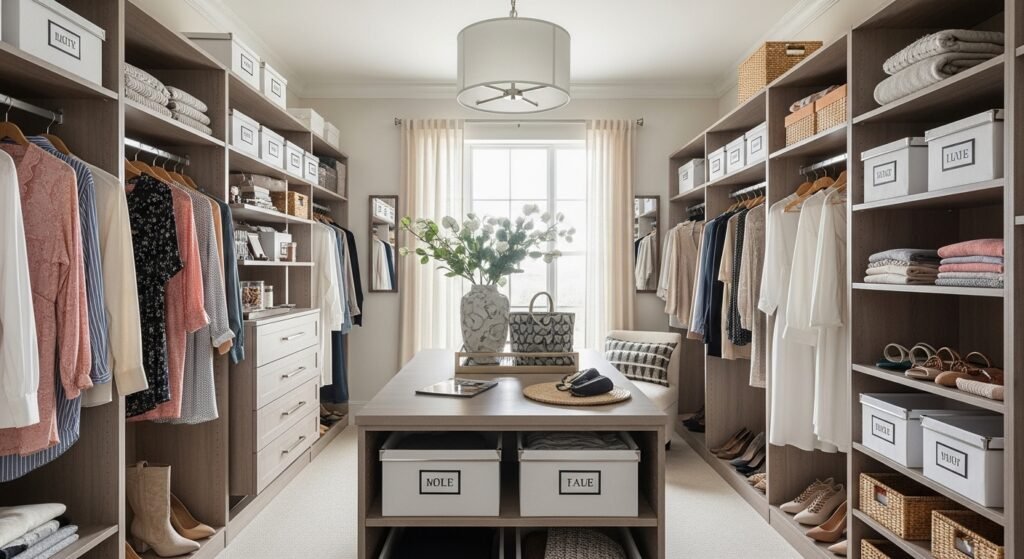
My closet was a collapsing mess the week I moved into a smaller apartment. I had hangers packed so tight shirts never aired out and shoes piled like a sad sculpture. Once I started swapping a few cheap tools for smarter placement the whole routine changed. These are the tricks I actually used, the mistakes I made first, and the products that solved the leftovers.
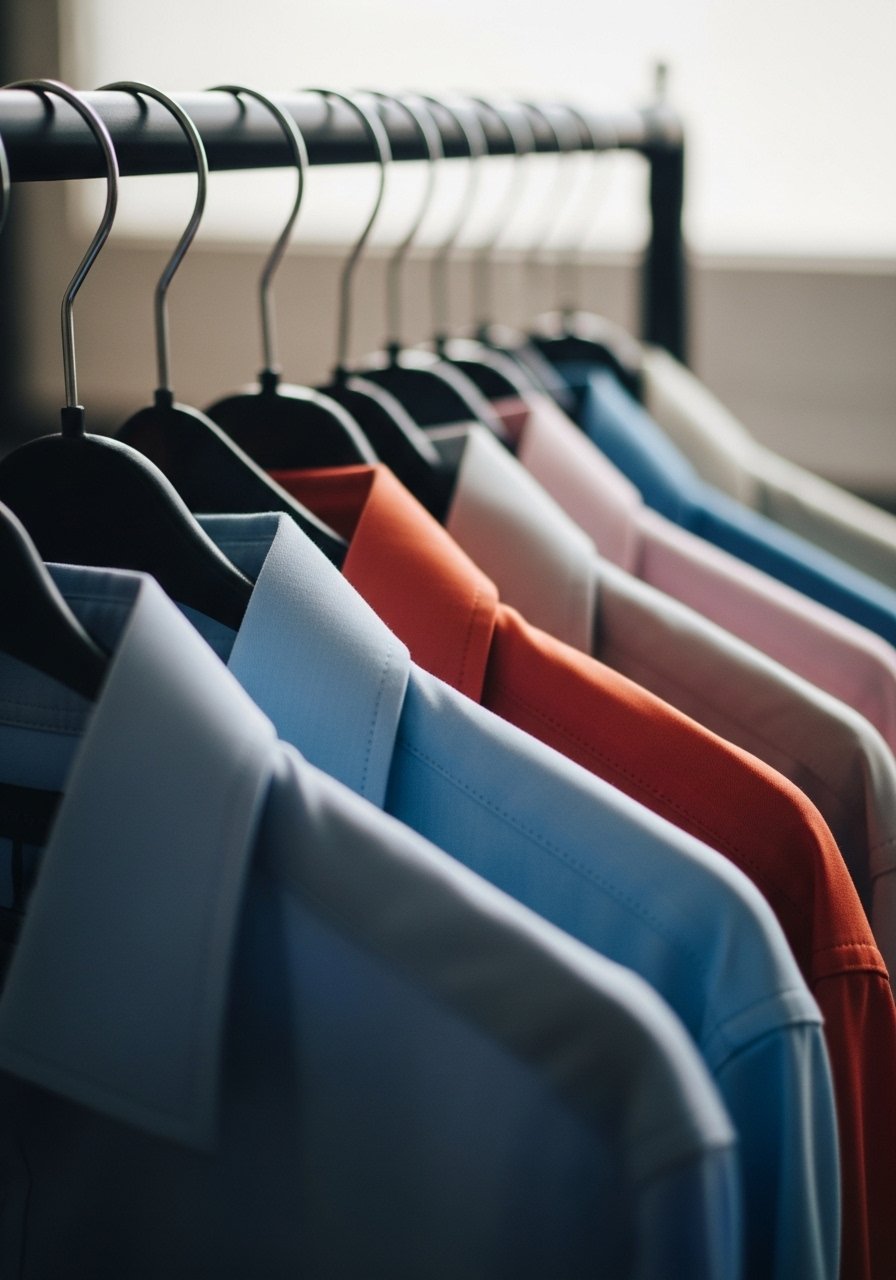
I prefer a clean, modern-organized vibe with warm accents. Most builds here are under $50, a few go to $100 if you want nicer bins. These ideas work for small reach-in closets, narrow hall closets, or the shelf-and-rod setup inside bedrooms.
Slim Hangers for Instant Space and Uniformity
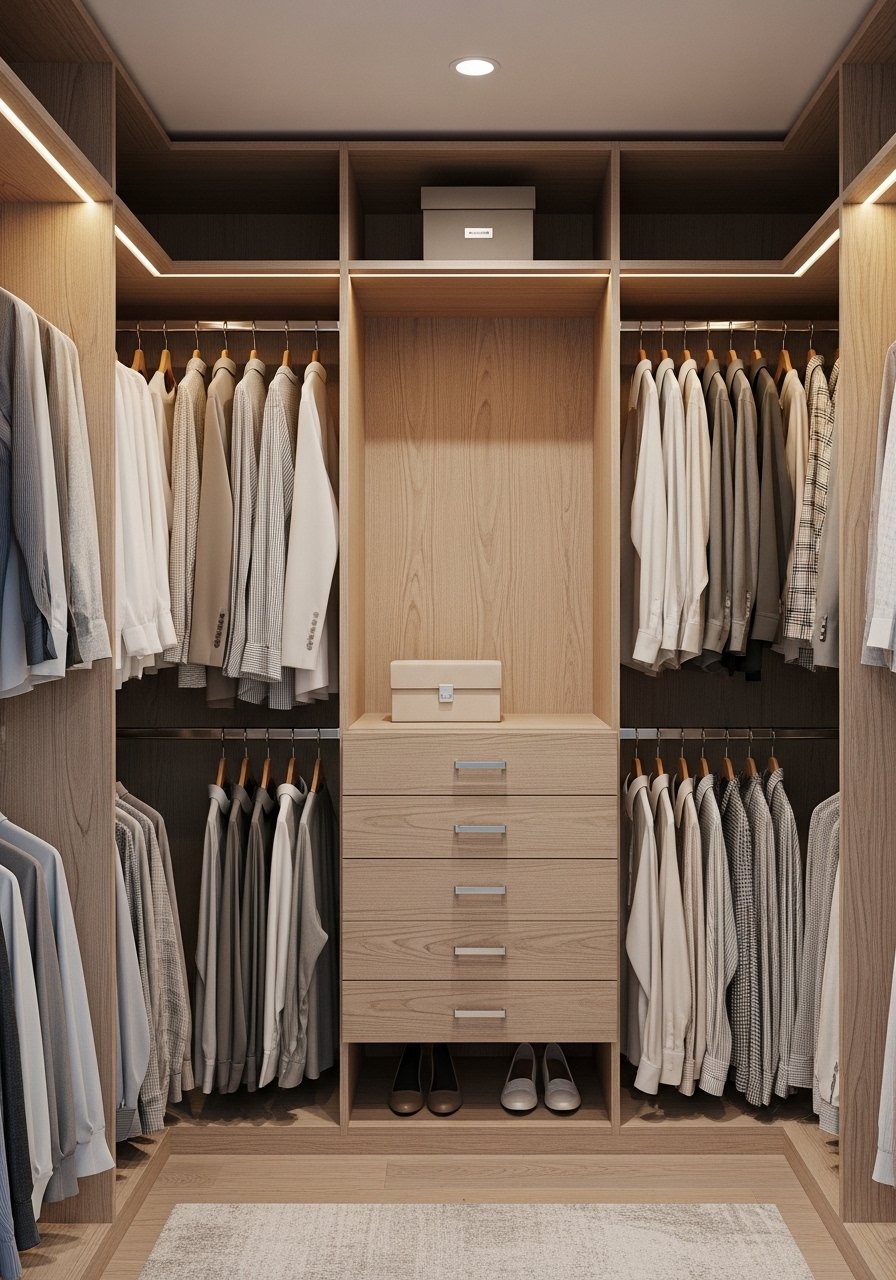
The moment I swapped bulky plastic for slim velvet hangers, three shirts fit where one used to live. The trick is 0.5 inch hangers to save depth and keep shoulders neat. Use them in a bedroom or hall closet for a cohesive look. They cost about $15 to $30 for a set and I used slim velvet hangers across my wardrobe. A common mistake is mixing hanger types, which ruins the tidy effect. Pair these with the double-rod idea below for maximizing vertical space.
Double Your Hanging With A Tension Rod Split
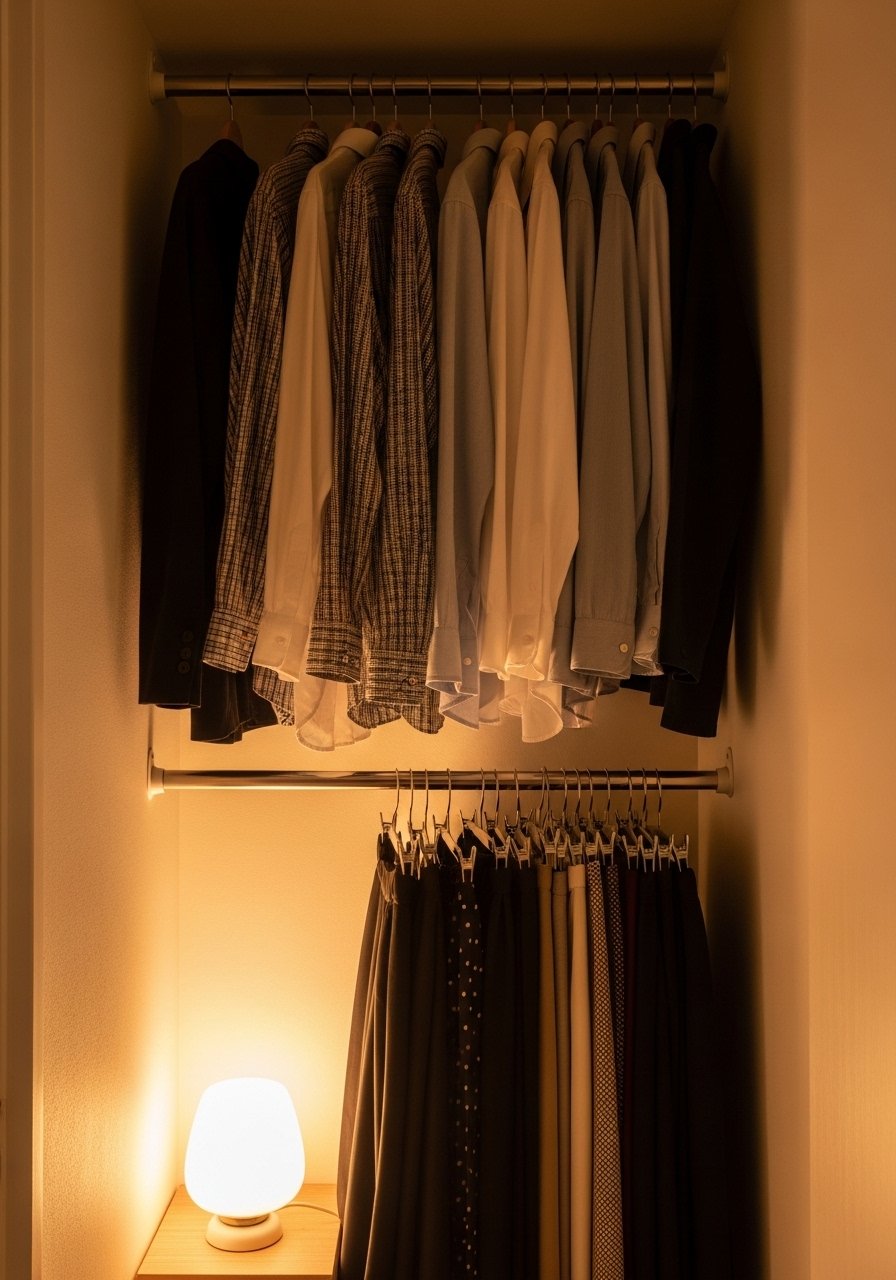
Most people leave the lower third of a closet unused. I added an adjustable tension rod about 42 inches from the top rod and suddenly had two hanging tiers. Tension rods cost under $20 and are renter-friendly. I used adjustable tension rods that extend to 48 inches. Watch out for overloading one rod, which bends it. For best results keep heavier items on the original rod and use the lower tier for shirts or folded hangers. This pairs great with slim hangers to avoid crowding.
Use Clear Shoe Boxes for Stackable Shoe Visibility
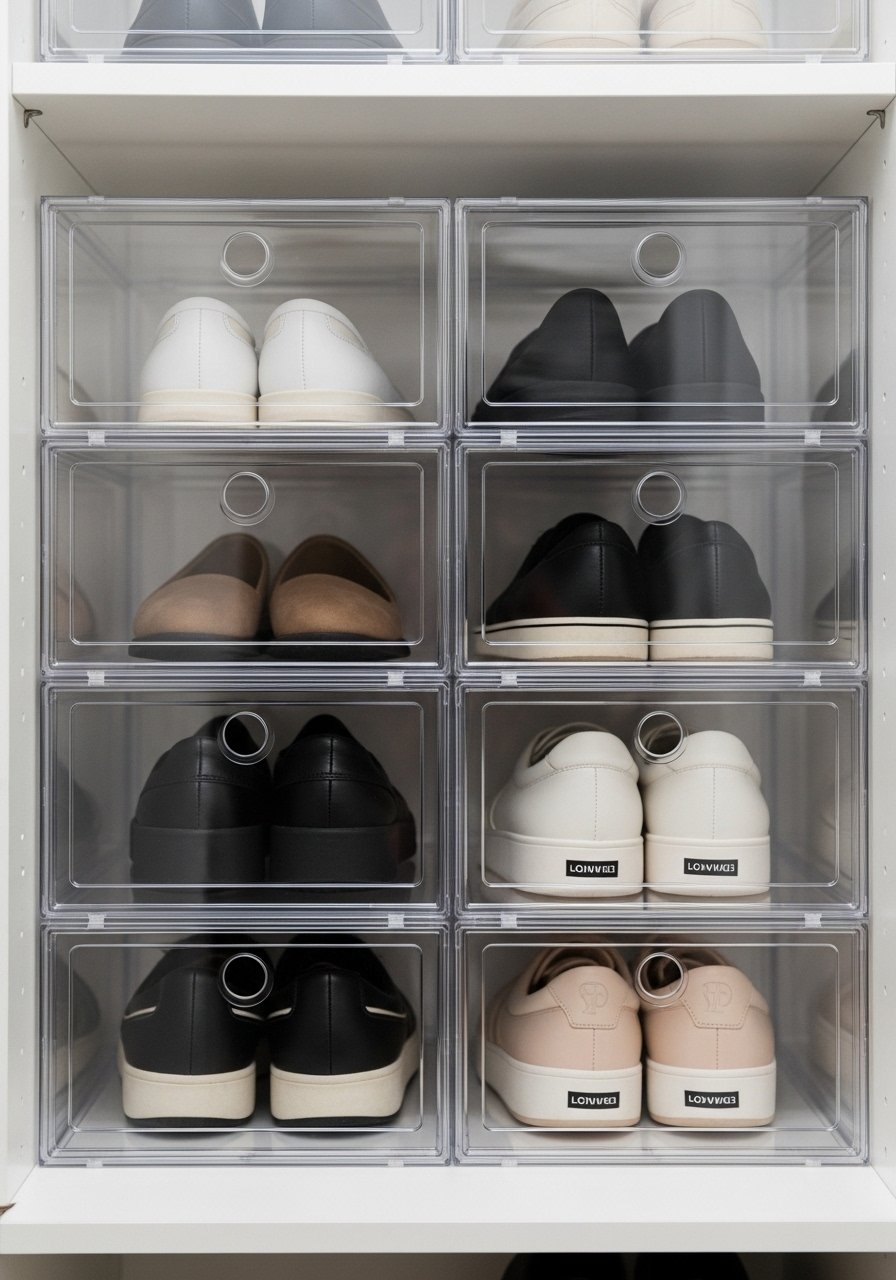
I used to dig through a pile of sneakers every morning. Clear boxes solved that. Each box takes roughly 14 x 8 x 5 inches, so measure your shelf first. These are great for small walk-ins and hall closets. I eventually switched to clear acrylic shoe boxes so I could see pairs without unstacking. A mistake is buying ones that are too deep, wasting vertical shelf space. For boots, use a taller box or the boot shaper trick later in this list.
DIY Shelf Dividers From Foam Board For Neat Stacks
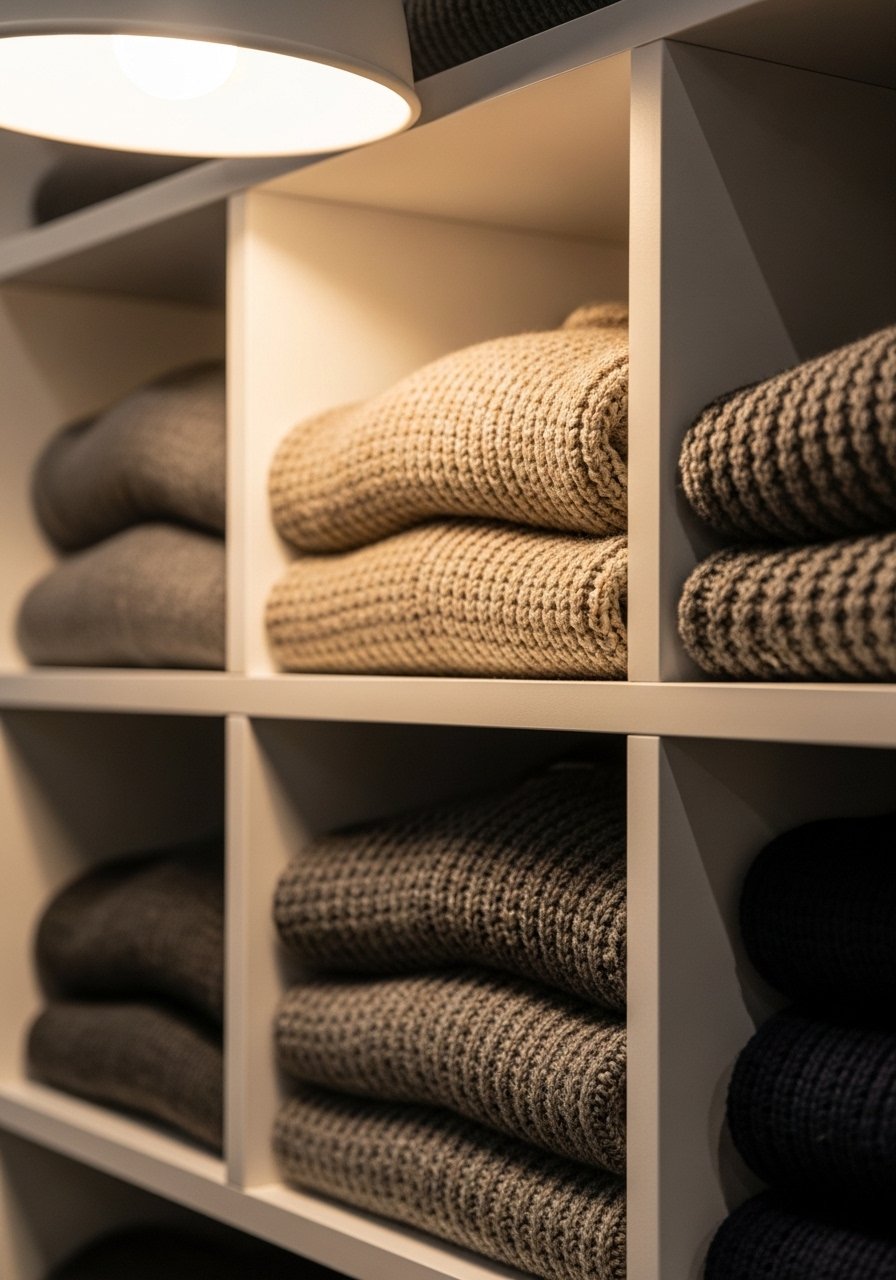
Shelves become slumping piles if you do not contain them. I cut foam board into 10-inch dividers and covered them with fabric. They take about 10 minutes each and cost under $5. For sweater stacks keep 8-10 inches between dividers so air circulates. You can also use shelf dividers if you want a cleaner look. People often shove tall stacks without dividers and the back becomes a mess. This approach keeps seasonal rotation neat and avoids that dreaded topple.
Over-the-Door Belt And Scarf Rack For Small Closets
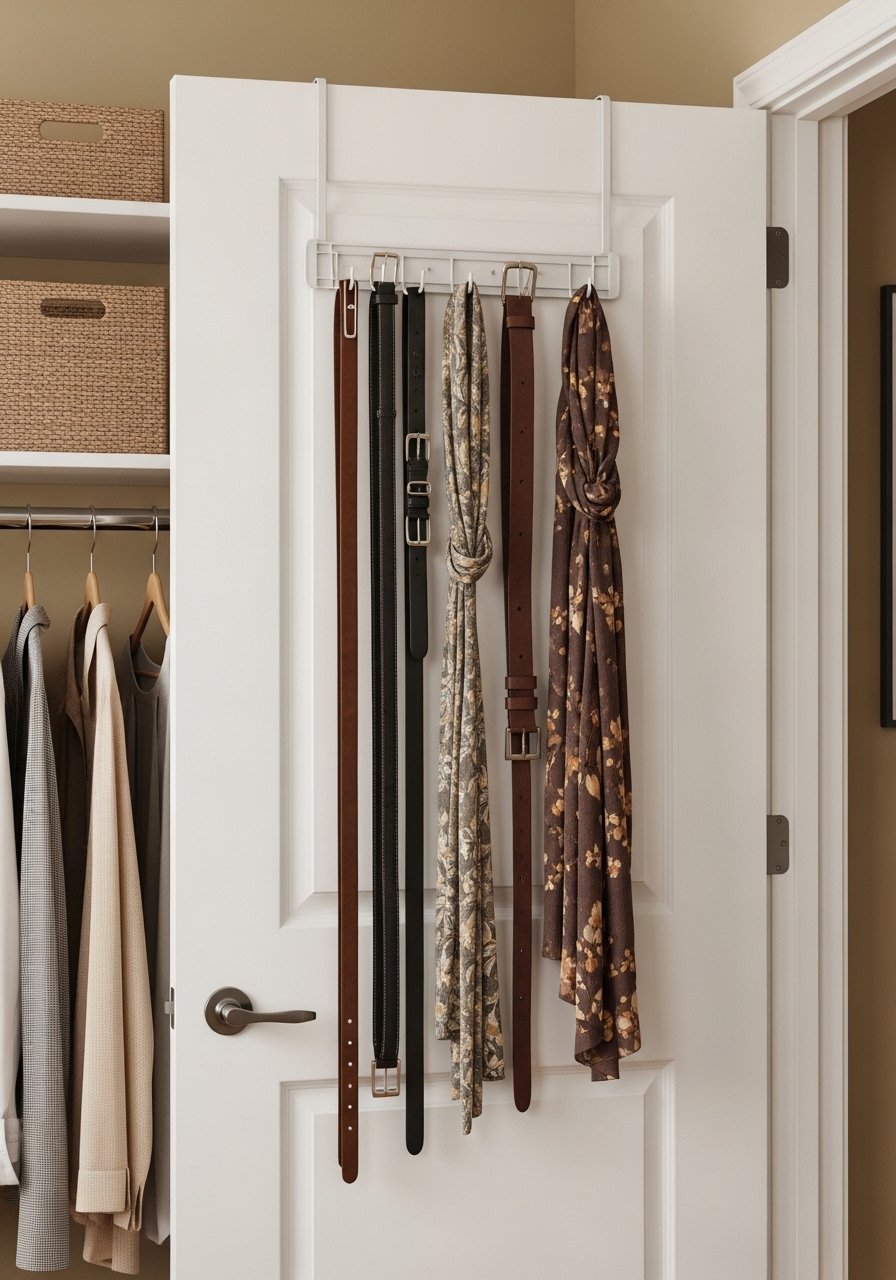
Belts and scarves usually end up in a drawer and get wrinkled. An over-the-door rack frees drawer space and makes selection visible. I picked a 12-hook rack that hangs straight and cost under $25. Try over-the-door-organizers designed for accessories. A common mistake is crowding too many items on one hook. Limit to three items per hook so nothing creases. This works in rental closets because no drilling is required and it pairs with the hanger uniformity trick.
Magnetic Strip For Metal Tools And Small Accessories
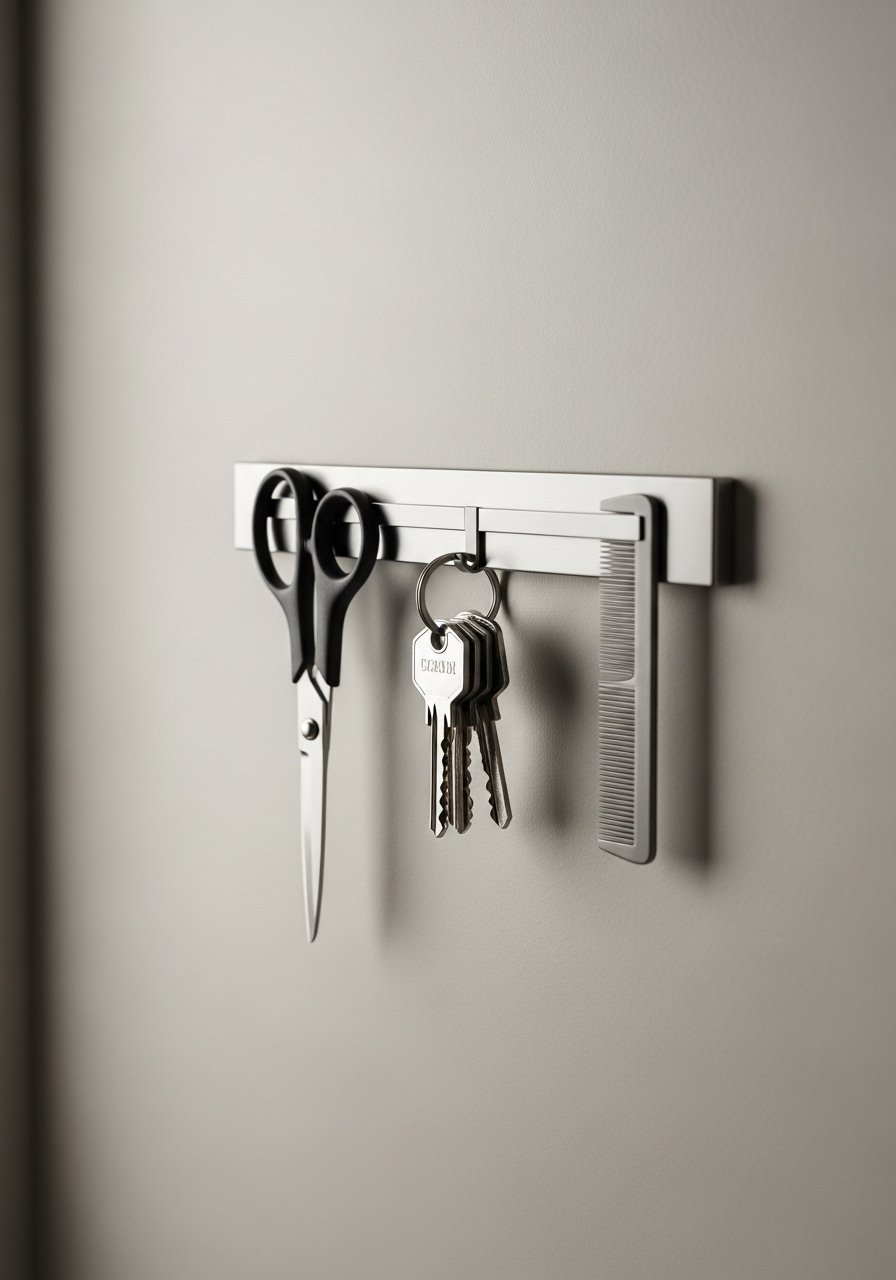
I repurposed a kitchen magnetic strip to keep metal tools and keys off the floor. It mounts with a couple of screws or strong adhesive for renters. Use it for bobby pins, small scissors, and metal belt buckles. I use a magnetic strip about 12 inches long. Don’t put heavy items on a lightweight strip or it will detach. This saves drawer clutter and pairs well with the jewelry tray idea later for mixed storage.
Cubby Bins For Seasonal Rotation and Quick Access
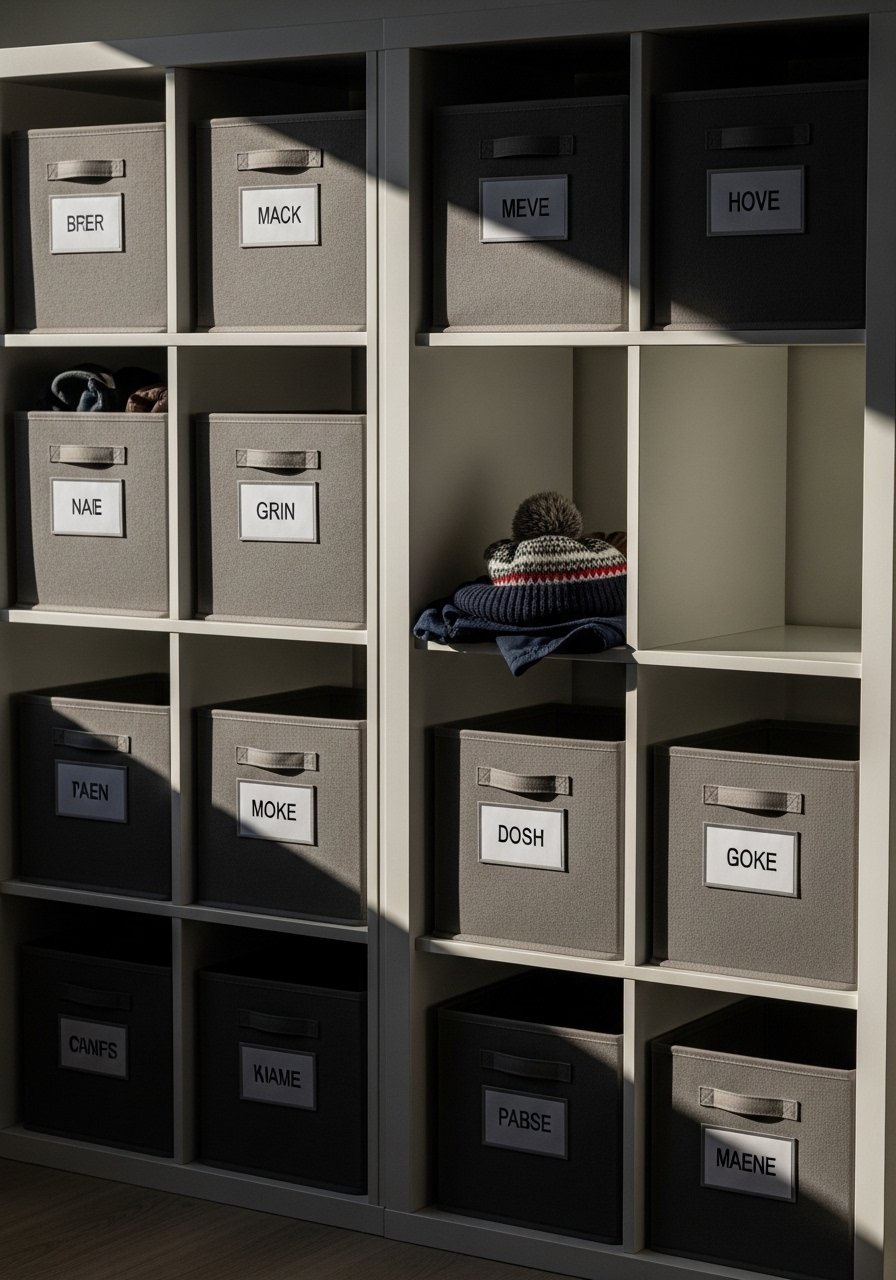
Seasonal clothes took over my closet until I used fabric cubby bins. Pick 11 x 11 x 11 inch cubes to fit standard shelving. I used fabric storage bins in neutral colors for a tidy look. Cost ranges from $8 to $25 depending on material. A mistake is choosing deep, unlabeled bins; you need labels for quick finding. I label the front with washi tape and a marker so I can rotate winter next to spring without pulling everything out.
Use Tiered Hangers For Pants And Scarves
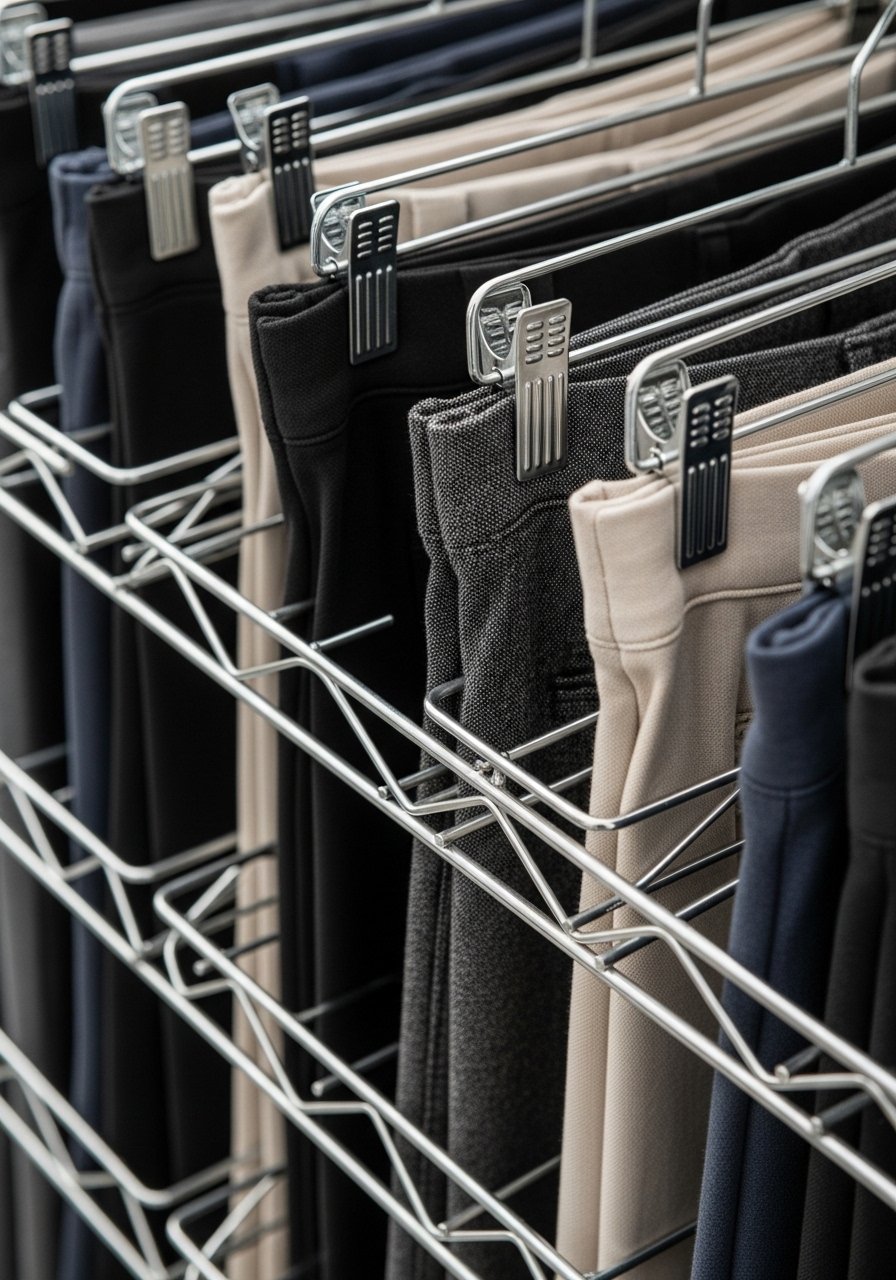
I hated folding pants. Tiered hangers store multiple pairs vertically, saving rod space. Each hanger holds about three garments and takes up the width of one standard hanger. I grab tiered hangers and assign one per clothing category. Avoid mixing heavy coats on the same bar, which puts stress on the rod. This method works best in a closet with at least 40 inches of rod depth and it complements the slim-hanger system for a uniform front.
Repurpose Magazine Holders For Scarves And Slender Items
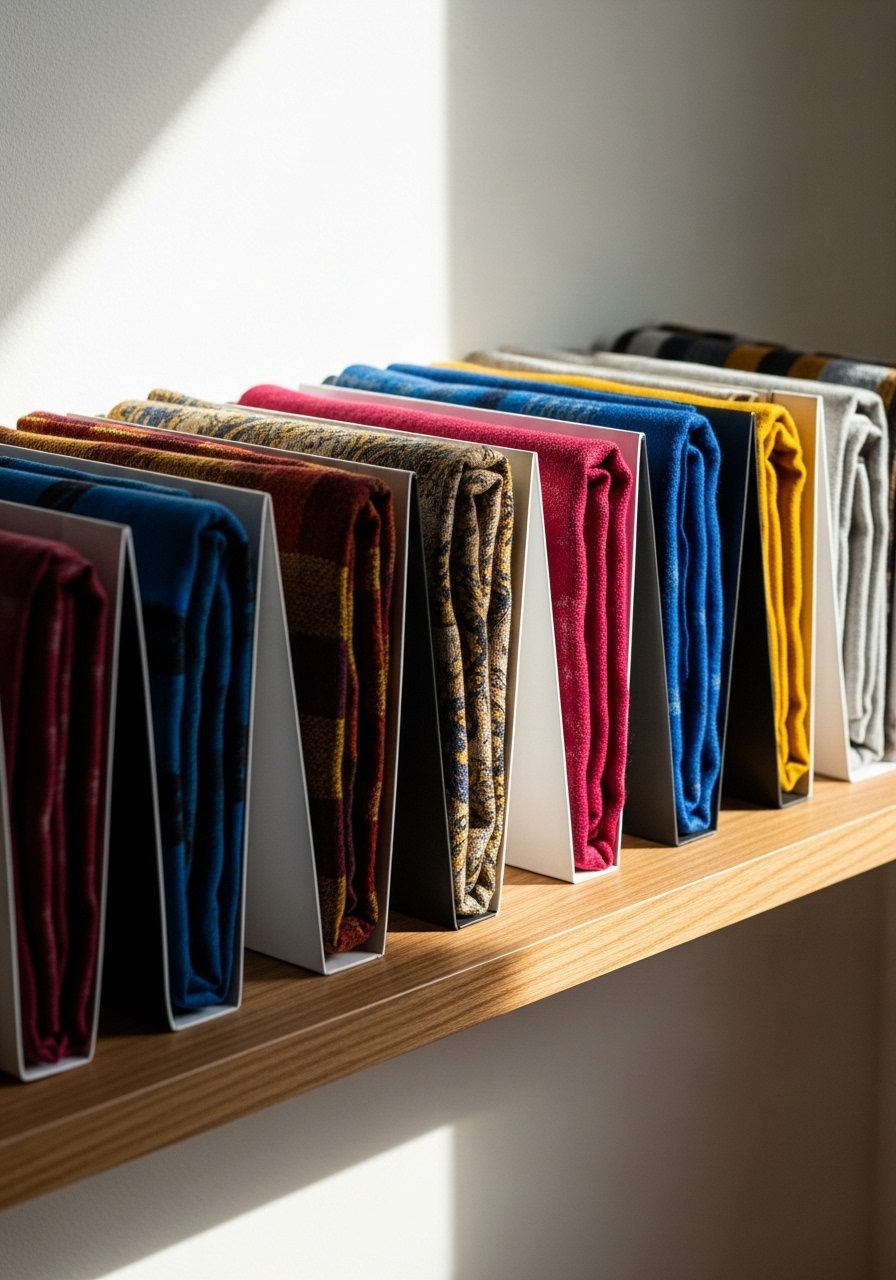
Magazine holders are cheap and underrated. I put them on a shelf turned sideways to corral scarves, gloves, and folded tanks. Standard holders are about 3.5 inches wide, which is perfect for rolled scarves. I picked up magazine holders in a matching color so the shelf looks intentional. A typical mistake is overcrowding a single holder. Keep three to five items per compartment so you can slide things in and out easily.
Command Hooks For Lightweight Bags And Daily Picks
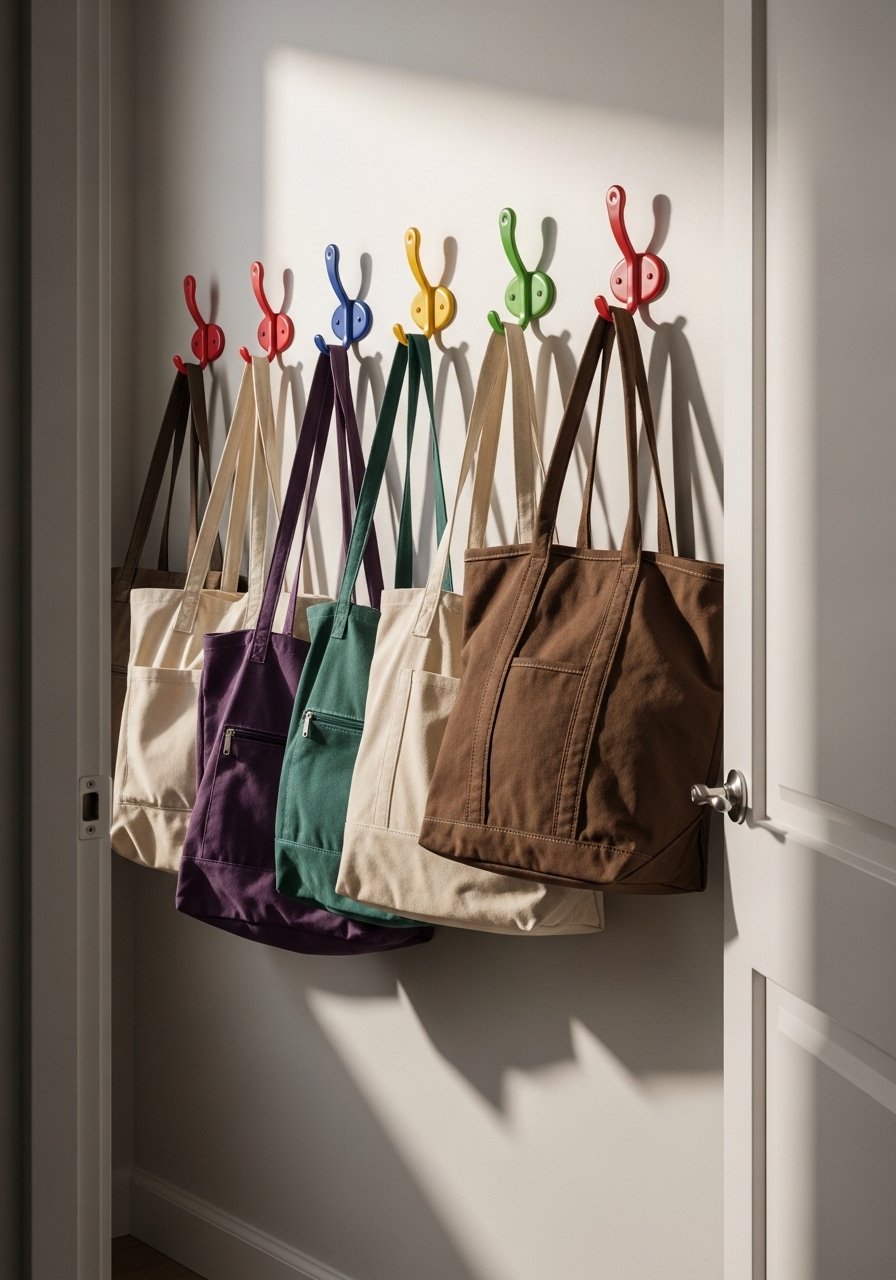
Command hooks saved my crossbody bags from the floor. They hold light to medium bags and peel off cleanly when you move. Use a 3-hook spread to keep daily options visible. I hang command hooks on the inside wall and rotate by color. The mistake is overloading a single hook, which can fall. This approach is perfect for renters and pairs with the magnetic strip and over-the-door rack to keep accessories separated.
Clear Labels For Bins And Shelves To Cut Decision Fatigue
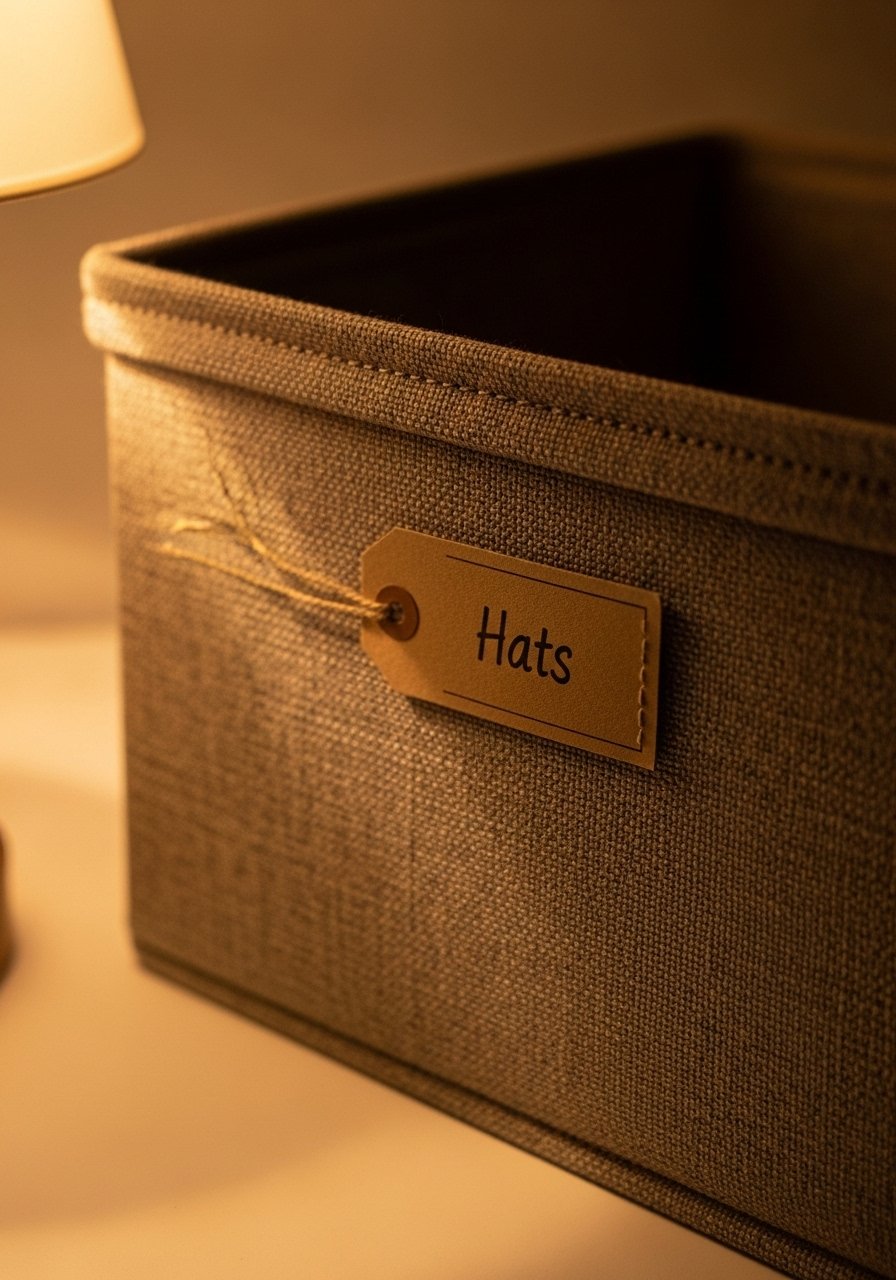
When I labeled everything I stopped asking myself what was in a bin. Use a simple label maker or kraft tags and write the item and season. I use a label maker for durability and washi tape for temporary tags. A mistake is vague labels like 'Stuff'. Be specific, for example 'Spring Tops' or 'Workout Shorts'. Try the 80/20 color rule for labels by keeping 80 percent neutral and 20 percent colored tags for quick seasonal markers.
Use Rolling Drawers Under Hanging Clothes For Small Items
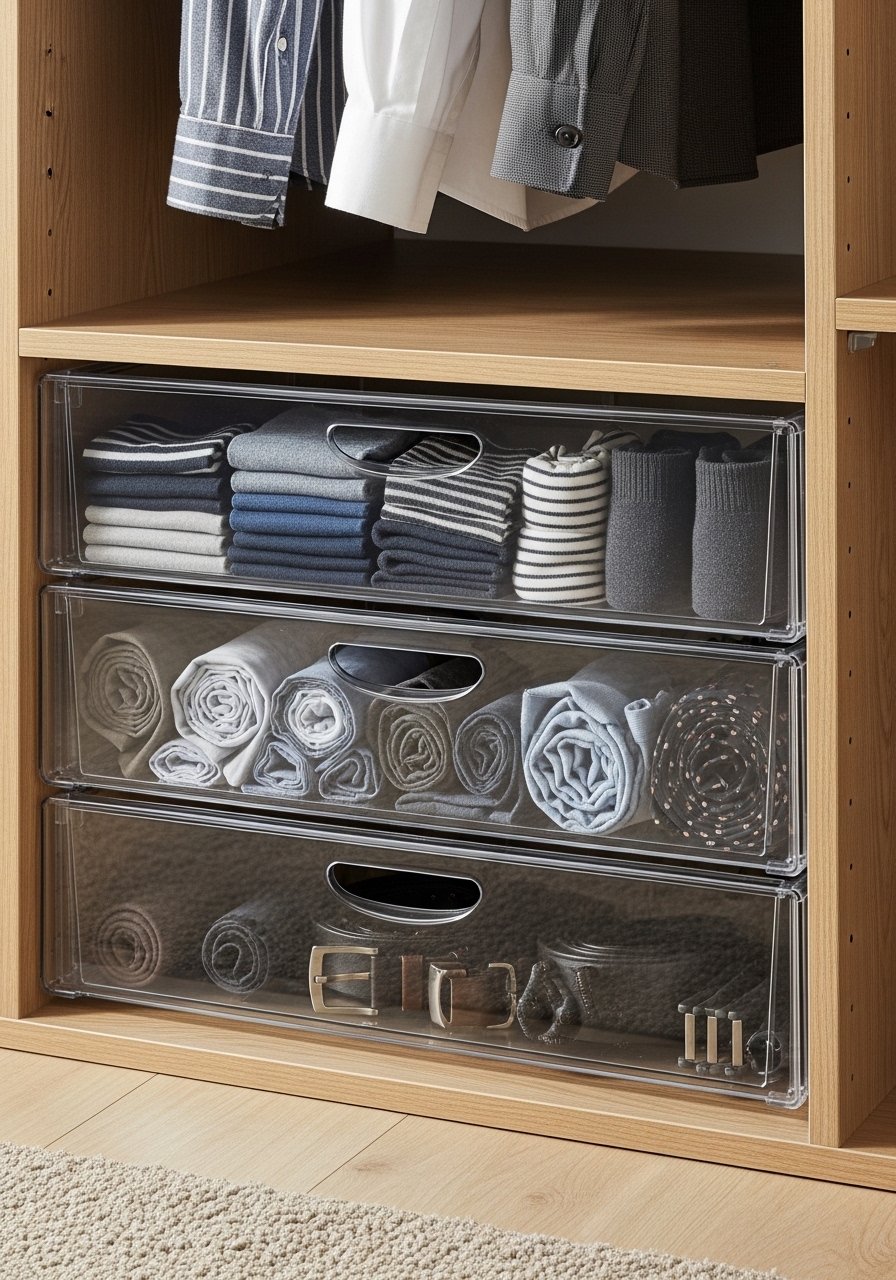
There was no drawer space in my tiny closet until I added rolling drawers under the hanging clothes. Clear plastic units about 15 x 20 inches fit most standard closets. I use rolling storage drawers to keep socks, belts, and folded tees accessible. People often shove these under heavy coats which makes them hard to roll. Keep them under lighter items and use the top drawer for things you reach for daily.
Boot Shapers From Pool Noodles For Tall Boots
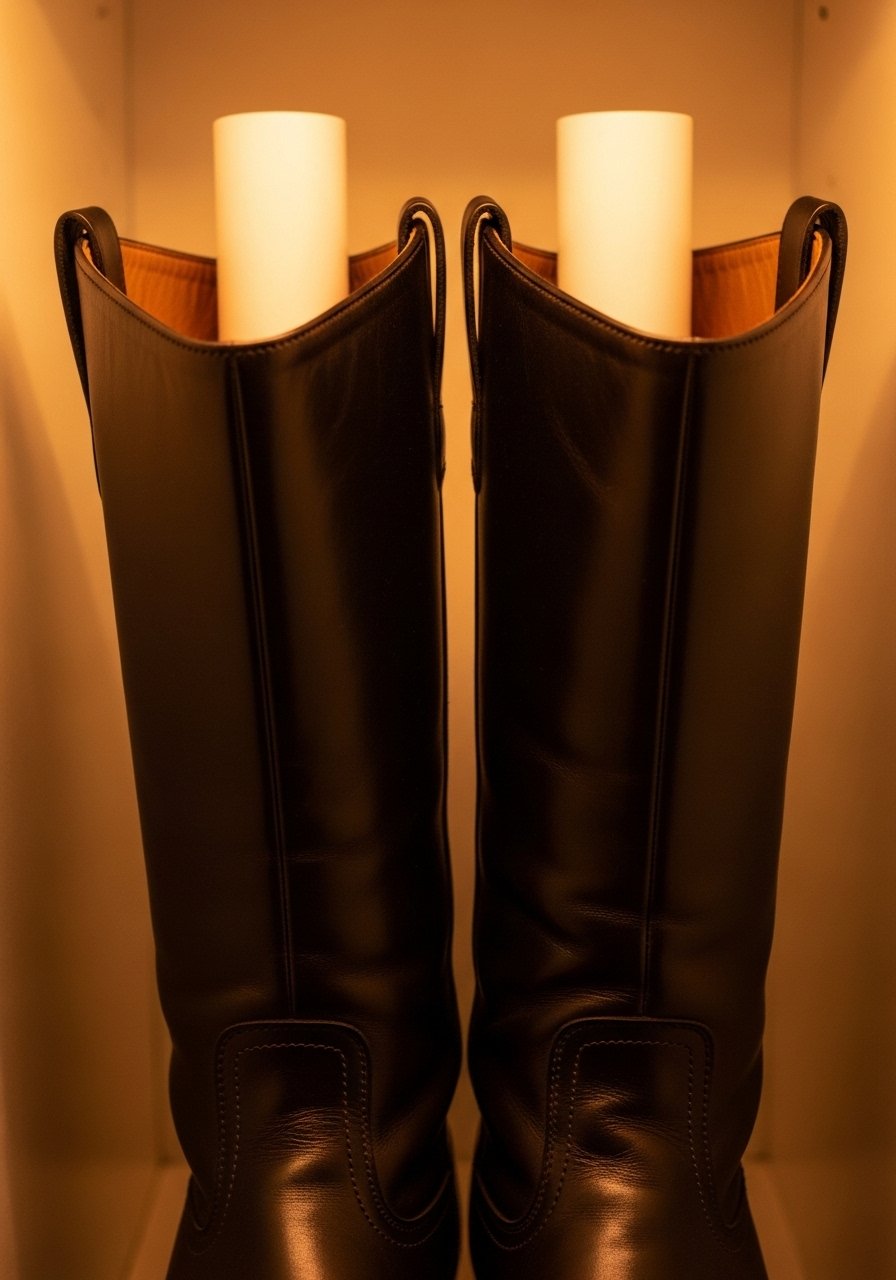
Boots used to slouch and take up twice the space. I cut pool noodles into 14-inch lengths and slid them into boots. They cost under $2 per boot and keep shafts upright. If you prefer a cleaner look try boot shapers. A rookie mistake is stuffing boots too tightly which creases the leather. Leave a 1-inch gap from the top so the boot keeps its natural shape. This is a cheap fix that makes tall boots stack better on a shelf or in a box.
Layering Drawer Dividers For Jewelry And Small Accessories
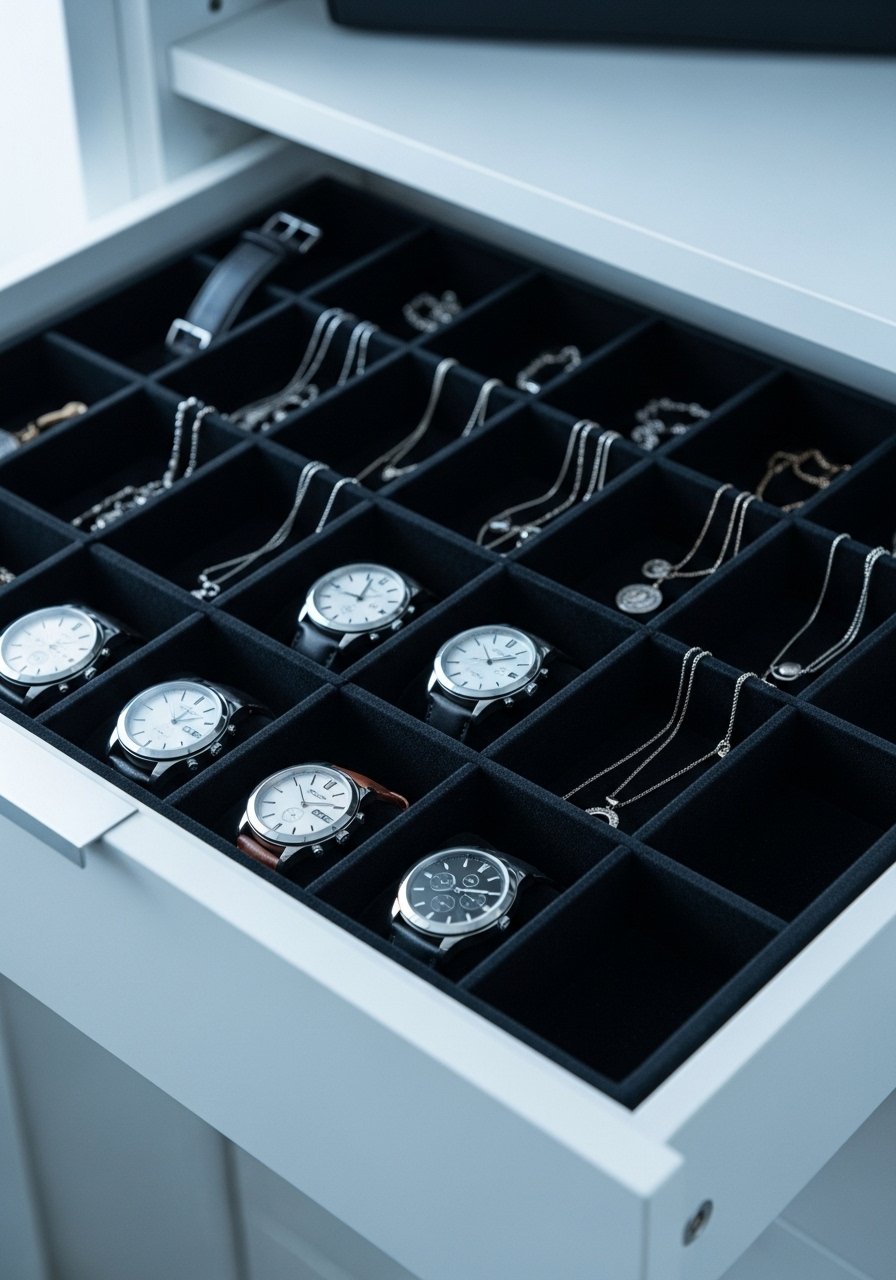
My jewelry got hopelessly tangled until I bought adjustable drawer dividers. Pick 2-inch to 3-inch compartments for rings and bracelets. A velvet surface prevents scratching. I use a velvet jewelry tray inside a shallow drawer to keep pieces separate. Avoid piling multiple necklaces in one slot, which still tangles. This method is perfect for bedroom closets with a drawer under the hanging section and pairs well with the magnetic strip for metal items like earrings.
Seasonal Vacuum Bags For Bulky Outerwear
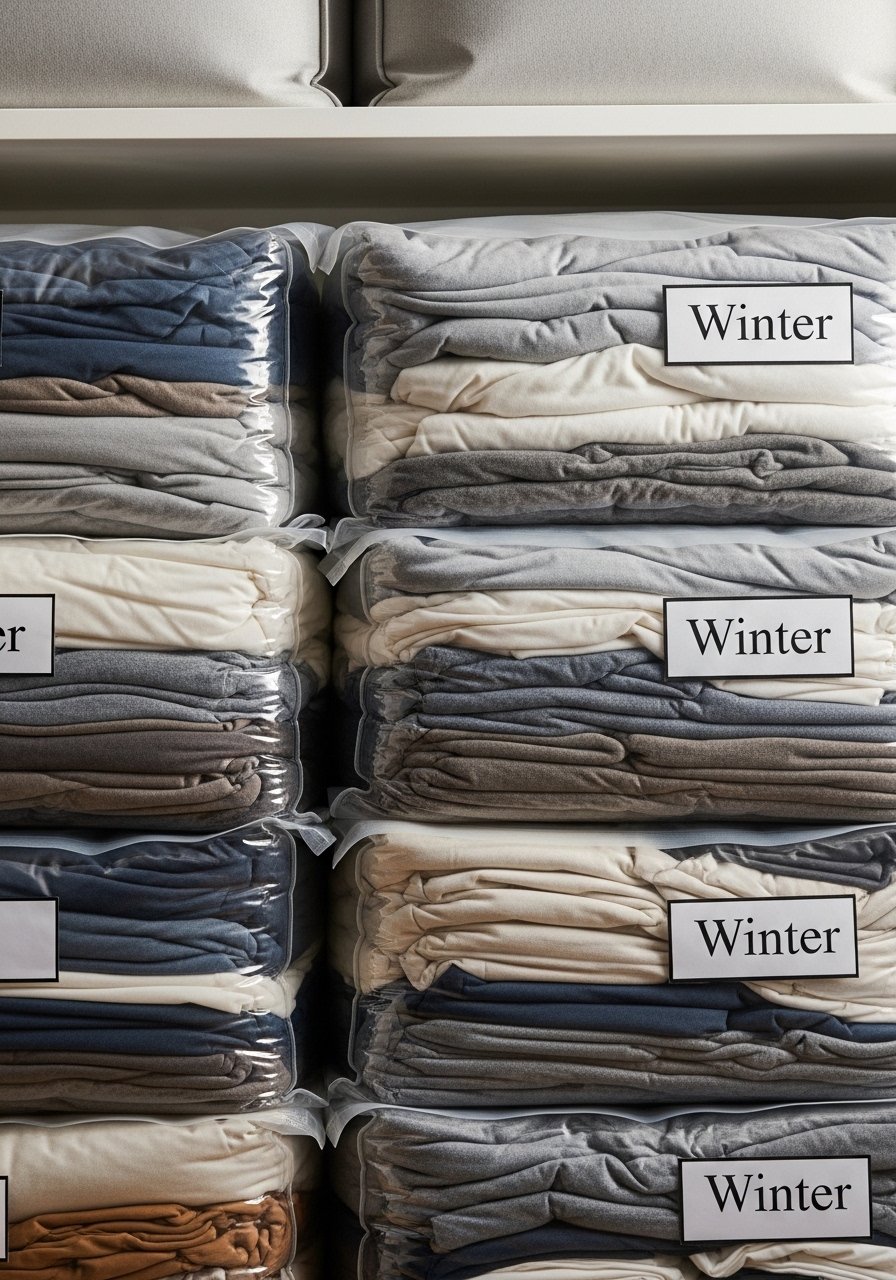
Winter coats had been hogging prime shelf real estate until I strapped them into vacuum bags. A 24 x 30 inch bag compresses bulky items down by about 60 percent. I used vacuum storage bags for coats and bulky blankets. Don’t use them for delicate knitwear that needs air. A mistake is sealing damp items, which creates odor. These are great for closets with limited shelves and pair with clear labels so you can swap seasons fast.
Your Decor Shopping List
Textiles
- Honestly the best $30 I spent. Slim velvet hangers in black, set of 30, uniform shoulder shape
- Chunky knit throw in cream (~$35) for staging seasonal bins
Storage & Organizers
- For clear shoe storage, clear acrylic shoe boxes 14x8x5 inches, set of 10
- Found these on sale: fabric storage bins 11x11x11 in beige and gray, collapsible, similar at HomeGoods
- Rolling storage drawers 15×20 for under-rod use
Hardware & Hooks
- Adjustable tension rods extendable to 48 inches, budget friendly
- Command hooks assorted pack for renter-friendly hanging
Accessories
- Label maker brother p-touch for durable labels
- Velvet jewelry tray for shallow drawers
- Vacuum storage bags 24×30 inches, pack of 6
Budget Finds
- Magazine holders in neutral tones, under $15 each
- Tiered hangers to maximize rod capacity
Shopping Tips
White oak beats dark wood in 2026. Design feeds have shifted completely. These white oak floating shelves look current, not dated.
Grab slim velvet hangers for $15 a set. Swap them in one day and the closet looks edited.
Curtains should puddle or kiss the floor, never hang halfway up. These 96-inch panels are the right pick if your closet has a near-window nook.
Found these while looking for something else. Clear acrylic shoe boxes make outfit planning twice as fast.
Everyone buys five small succulents. One single 6-foot fiddle leaf fig has ten times the visual impact when styling closet vignettes.
Frequently Asked Questions
Q: Can I install shelves in a rental closet?
A: Yes, but pick solutions that remove cleanly. Tension rods, over-the-door racks, and Command hooks make big impact without drilling. For more permanent shelving consider bracket systems that screw into studs if your lease allows.
Q: How do I store seasonal clothes without losing access to daily items?
A: Use clear bins or vacuum bags for off-season items and label them with exact contents and season. Keep current season items in the easiest-to-reach cubbies so you are not digging when weather changes.
Q: What size clear shoe box should I buy for most sneakers?
A: Aim for roughly 14 x 8 x 5 inches for casual sneakers. For boots choose taller boxes or use boot shapers so boots stand upright without collapsing.
Q: Will slim hangers damage heavy coats?
A: Slim velvet hangers are best for shirts, dresses, and lighter coats. For heavy winter coats use wider, sturdier hangers to protect the shoulder line and avoid misshaping the garment.
Q: How do I stop jewelry from tangling in a drawer?
A: Use small velvet trays or dividers and place necklaces in individual slots with the clasp on top. A magnetic strip for metal studs and a velvet tray for delicate pieces is a quick winning combo.
Q: What is one quick trick that competitors often miss?
A: Use magazine holders on their sides to store scarves and thin items. It is cheap, fits most shelves, and keeps items visible without folding them into a messy pile.