
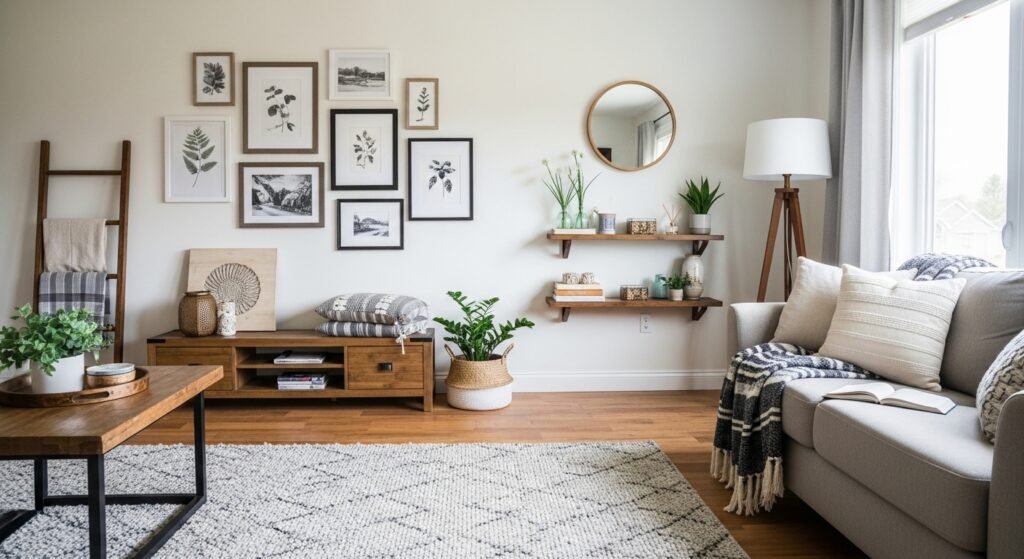
Spent $400 on a new coffee table. Room still looked off. Spent $35 on a throw and three candles. Suddenly everything clicked, and the whole space felt like somewhere people actually live. These ideas lean cozy-modern with a few vintage touches. Most projects are under $75, a handful hit $100-150 if you want nicer hardware or fabric. They work in living rooms, entryways, bedrooms, and small kitchens where quick wins make the biggest difference.
Layered Neutrals With One Bold Accent Color For Living Rooms
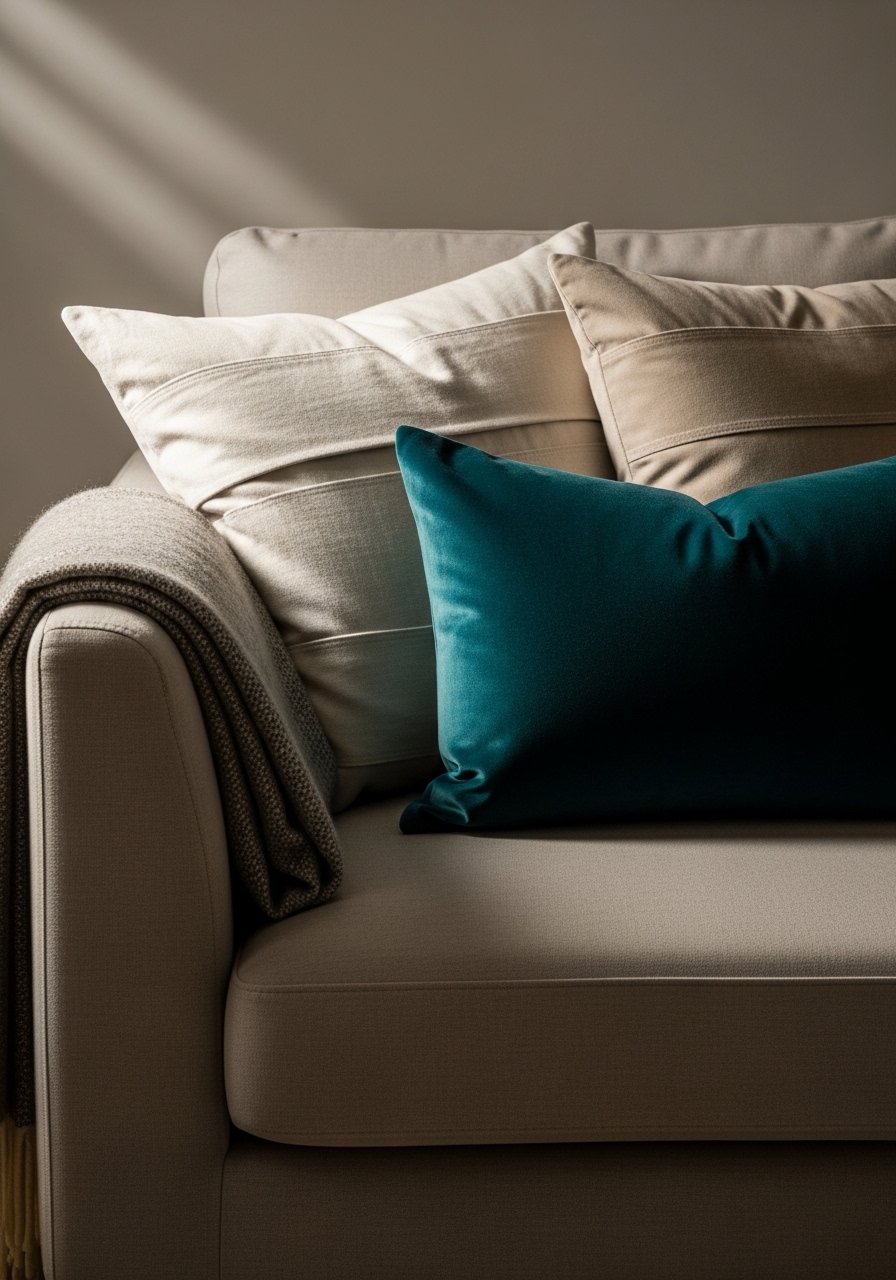
The moment I draped a chunky knit throw over the arm of my gray sofa, the whole room stopped looking flat. Start with an 80/20 color ratio, 80 percent neutrals, 20 percent your accent color. For pillows aim for 22-inch down-filled linen pillow covers mixed with a 20-inch velvet pillow for contrast. I used 22-inch linen pillow covers and a plush velvet accent pillow. Common mistake, people match every pillow exactly. Mix textures and scales instead. A real-life detail most guides skip, keep one pillow at least 2 inches larger or smaller than the others to create a deliberate, uneven look.
Gallery Wall Using Mixed Frame Sizes For Halls And Staircases
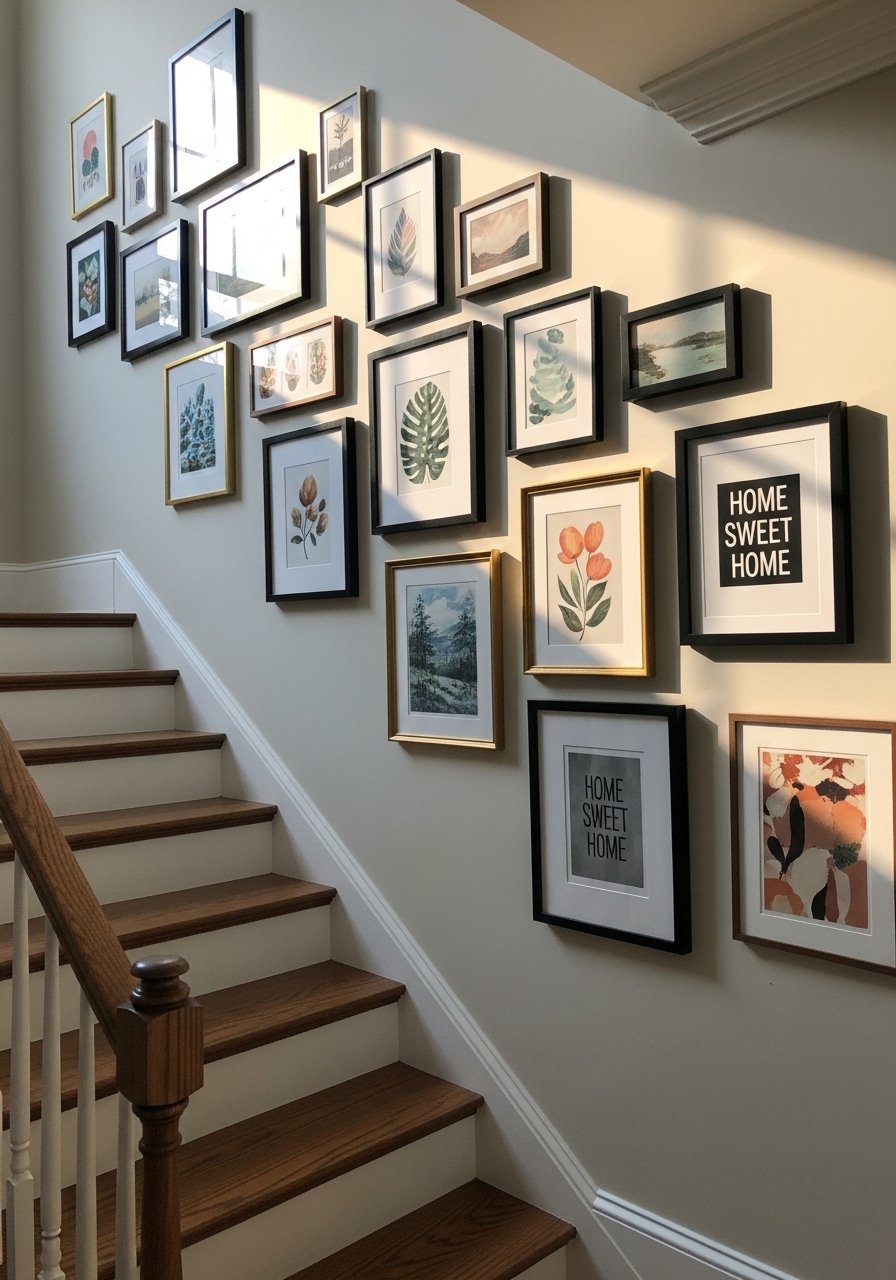
I found these brass picture ledges on Amazon for under $20 and they solved my commitment problem, because I could layer frames without hammering new holes. Hang the center of your gallery at about 60-65 inches from the floor. Use a mix of three frame sizes, and follow the rule of three for groupings. Brass picture ledges and a set of mixed frame sizes make it painless. The mistake I see is spacing frames evenly like a grid. Stagger them, and keep at least one frame 2 inches overlapping a ledge or another frame for a collected look.
Floor To Ceiling Curtains To Add Height In Living Rooms Or Bedrooms
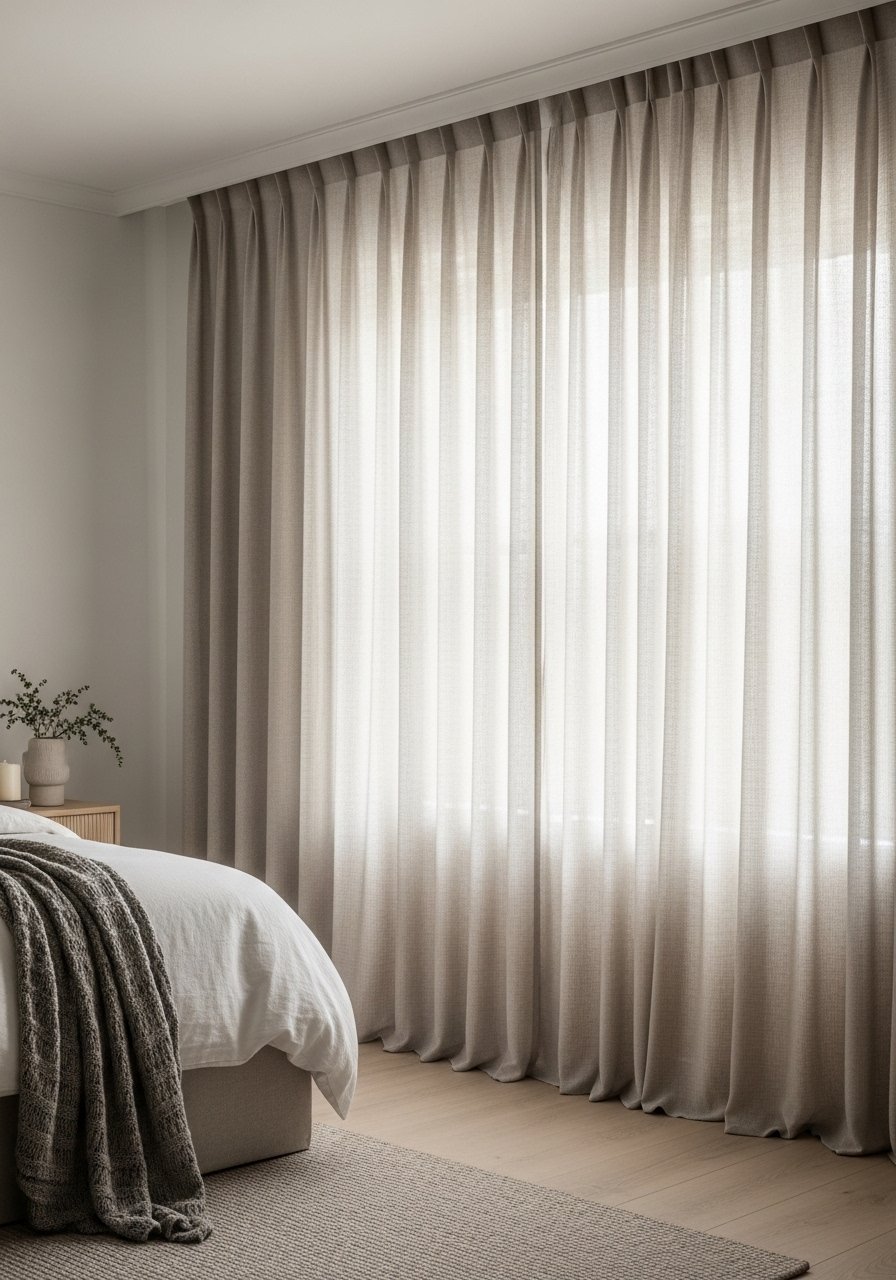
Most people hang curtains right at the window frame. That is why their rooms look shorter than they are. Hang panels 4 to 6 inches above the frame and use 96-inch or 108-inch panels depending on ceiling height. I use 96-inch linen panels for standard ceilings and 108-inch panels for taller rooms. A common mistake is buying panels too narrow. Each window needs two panels that together equal 2 to 2.5 times the width of the frame for proper fullness. If you have drywall gaps or renters, tension rods and clip rings can fake the look without holes.
Oversized Mirror To Brighten Dark Corners And Entryways
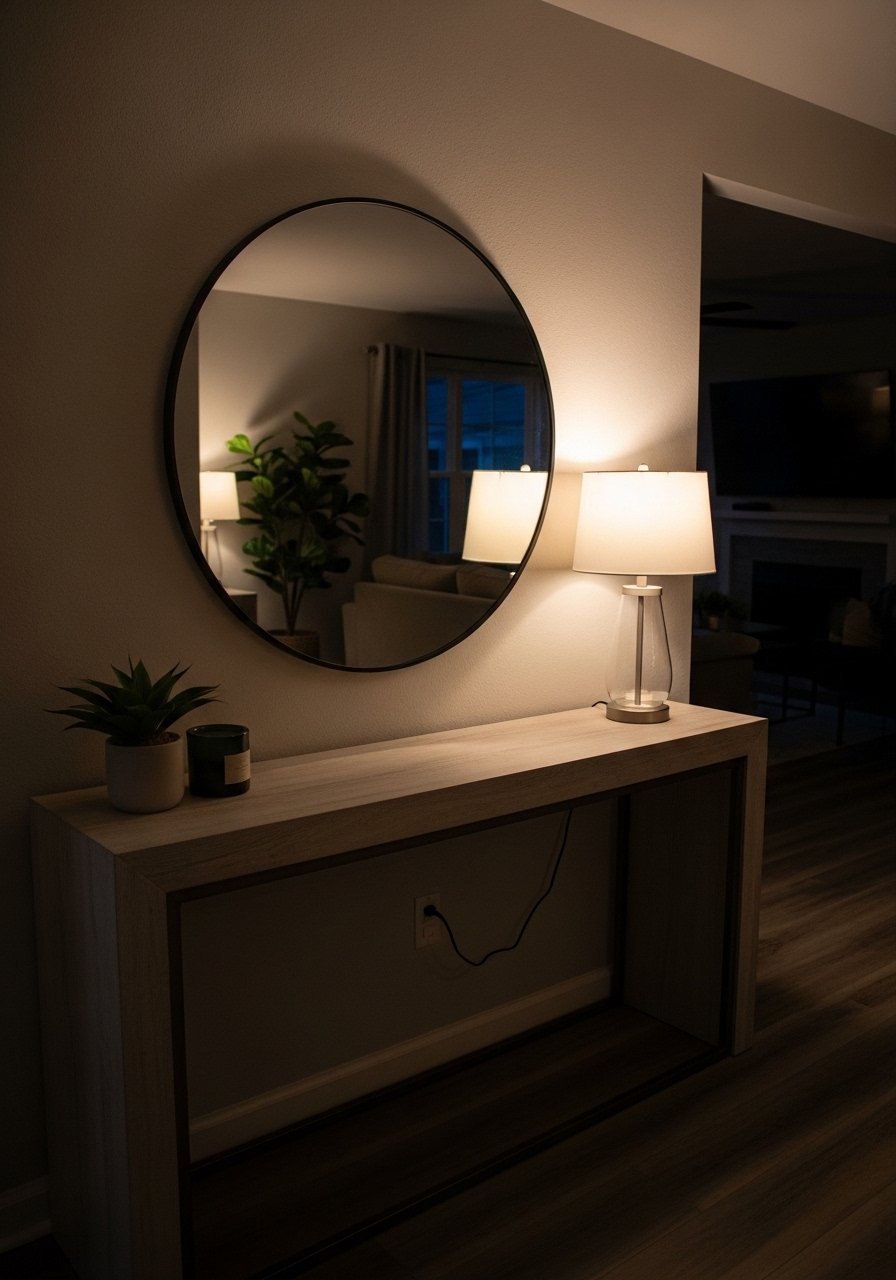
An oversized mirror opens a small entry as much as a fresh coat of paint. I leaned a 36-42 inch round mirror on a console and it bounced light into a once gloomy corner. Try a 36-inch round mirror or a tall 48-inch leaner for narrow walls. Budget is usually $60-200 depending on frame. People mount a mirror too high. Keep the center of the mirror at roughly eye level, or let the bottom sit a few inches above furniture it rests on. If you have patterned wallpaper, mirror placement creates a framed focal point that ties patterns to scale.
White Oak Floating Shelves For Books And Decor In Living Rooms
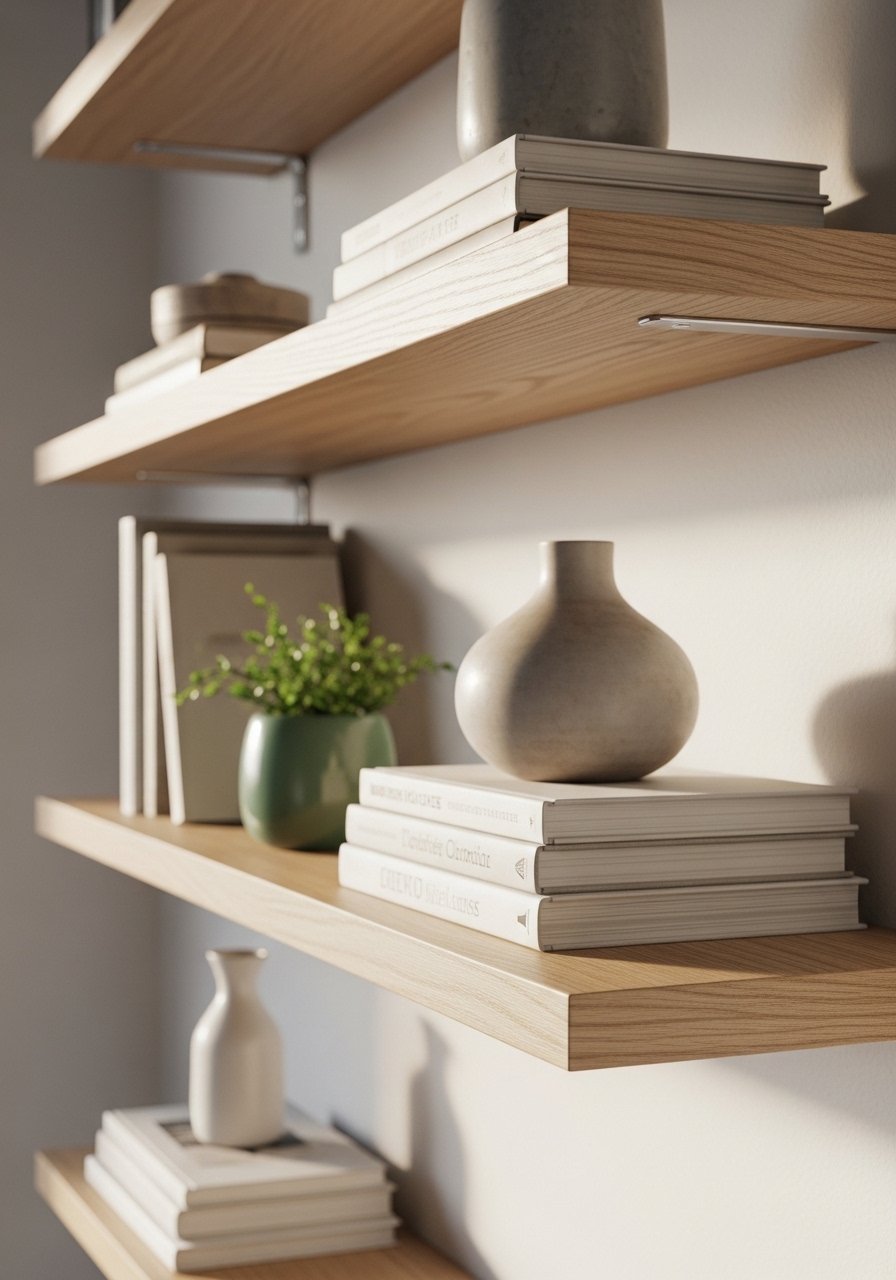
White oak shelves are in every design account I follow this year, and they make a space look custom without built-ins. Install shelves so the bottom shelf sits 12-14 inches above a console or sofa back. I used white oak floating shelves paired with small brass brackets for safety. Visual trick, stack three items in odd numbers per shelf and follow the rule of three with heights. People cram shelves full. Leave empty space on at least one shelf to let your eye rest. For books, place some vertically and some horizontally, with a small object on the horizontal stack to anchor it.
Peel And Stick Wallpaper Accent For Renters And Small Rooms
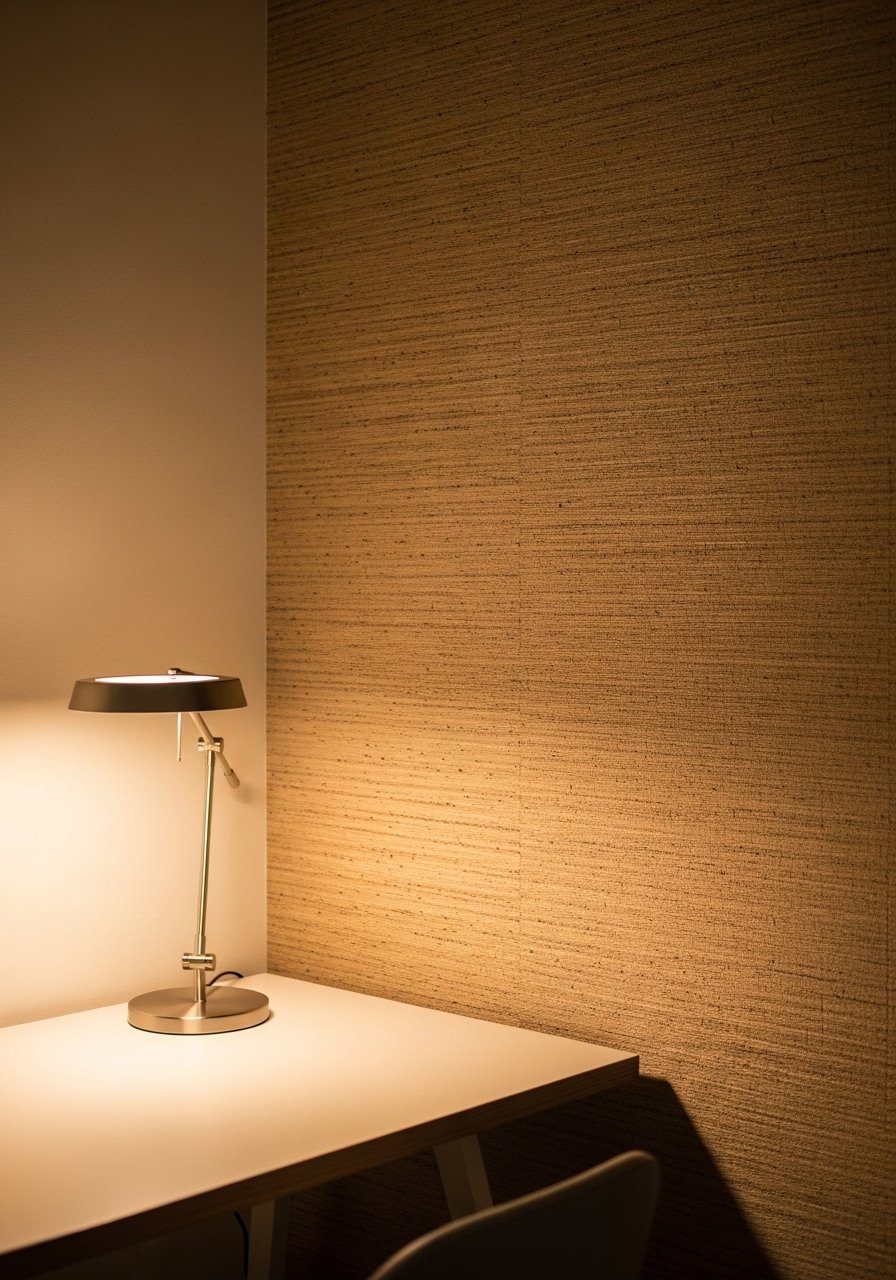
Peel-and-stick wallpaper makes a weekend project out of trying a bold pattern, and it is renter-friendly. Pick a single wall behind a bed or desk. I used a grasscloth look peel-and-stick and it hid scuffs and gave the room depth for under $75. Try grasscloth peel-and-stick wallpaper. A common error, people paper an entire small room and then feel overwhelmed. Start with one wall. Pro tip most guides forget, apply vertical strips with a 1/16-inch overlap and smooth with a plastic squeegee to avoid air pockets.
Small Entry Console With Baskets For Shoe Clutter And Mail
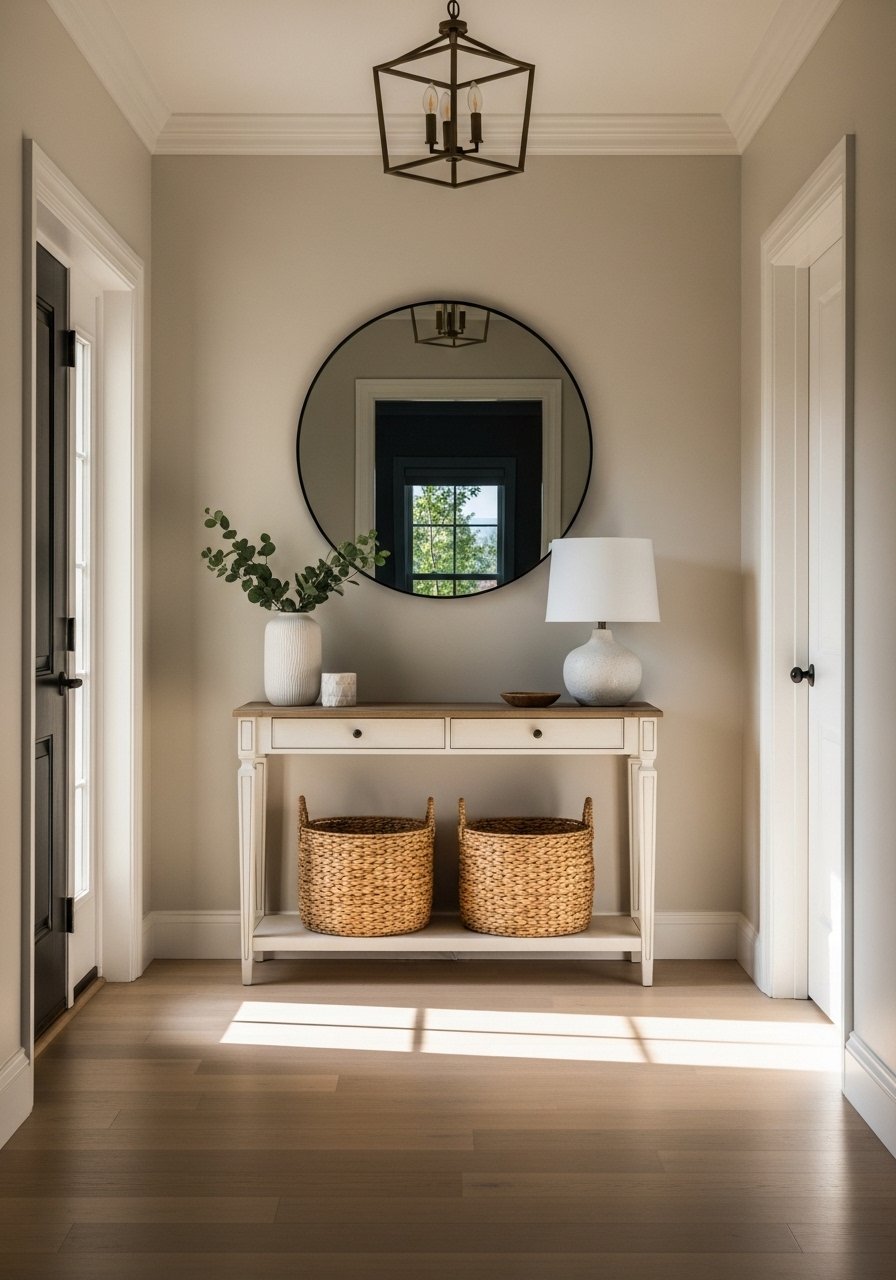
My entryway used to be a dumping ground for keys and shoes. One console table and a round mirror changed everything. Choose a slim console 10-12 inches deep and slide two woven baskets beneath for shoes and kids' backpacks. I recommend slim console table and woven storage baskets. Budget $60-150. Mistake, people buy a console too wide for the walkway. Measure your hall and leave at least 30 inches of clearance. The detail a lot of posts skip, line the baskets with non-slip drawer liner to keep things from bunching.
Painted Cabinet Doors For An Instant Kitchen Refresh
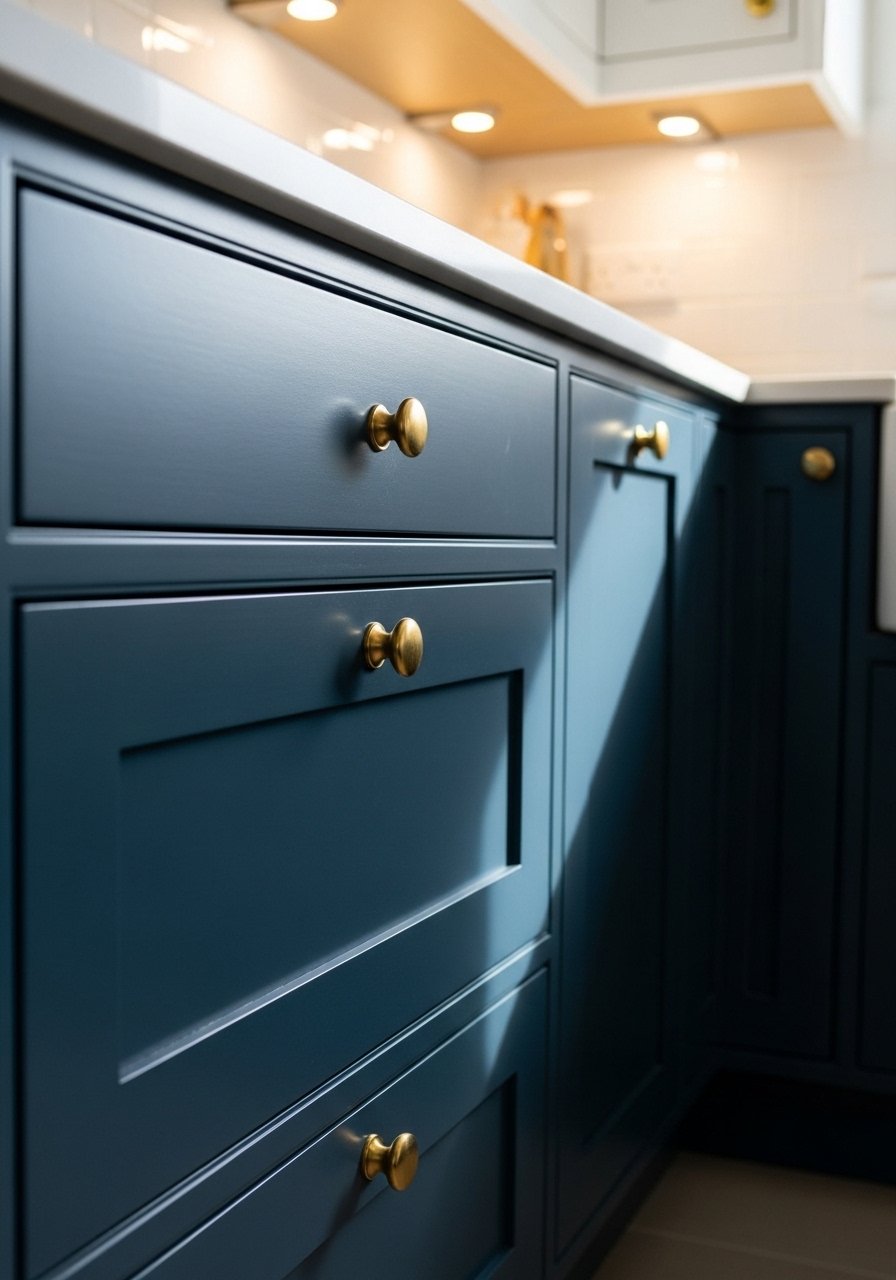
Painting cabinet doors is messy but worth it. I unscrewed doors, sanded lightly, and used a satin cabinet paint in two coats. Swap old knobs for brass cabinet knobs for added polish. For small kitchens plan on $75-150 for paint and hardware. People paint and then forget to seal edges. Roll thin coats and lightly sand between each one for a smooth finish. If you are nervous about full paint, try painting lower cabinets only to ground the room.
Refinished Nightstand With New Hardware For Bedrooms
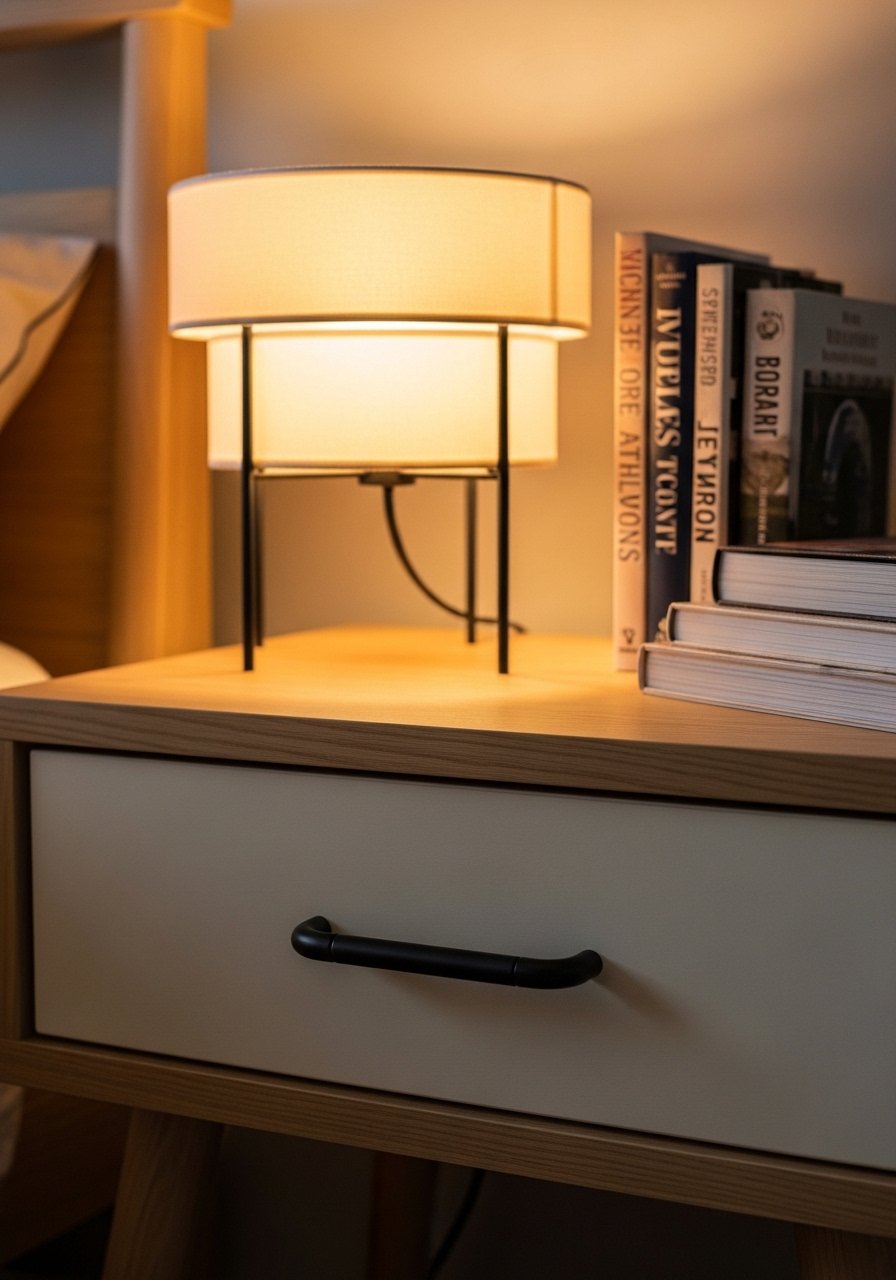
I swapped the hardware and painted my thrifted nightstand in one afternoon and it looked like a splurge. New pulls update scale and style immediately. I used black metal drawer pulls and chalk paint for a quick finish. Typical mistake, people use knobs that are too small for wide drawers. Pick pulls that span one-third to one-half the drawer width. A small detail I never see in other guides, replace two screws if the old holes wobble and use wood filler before repainting for a professional look.
Floating Nightstand To Free Floor Space In Small Bedrooms
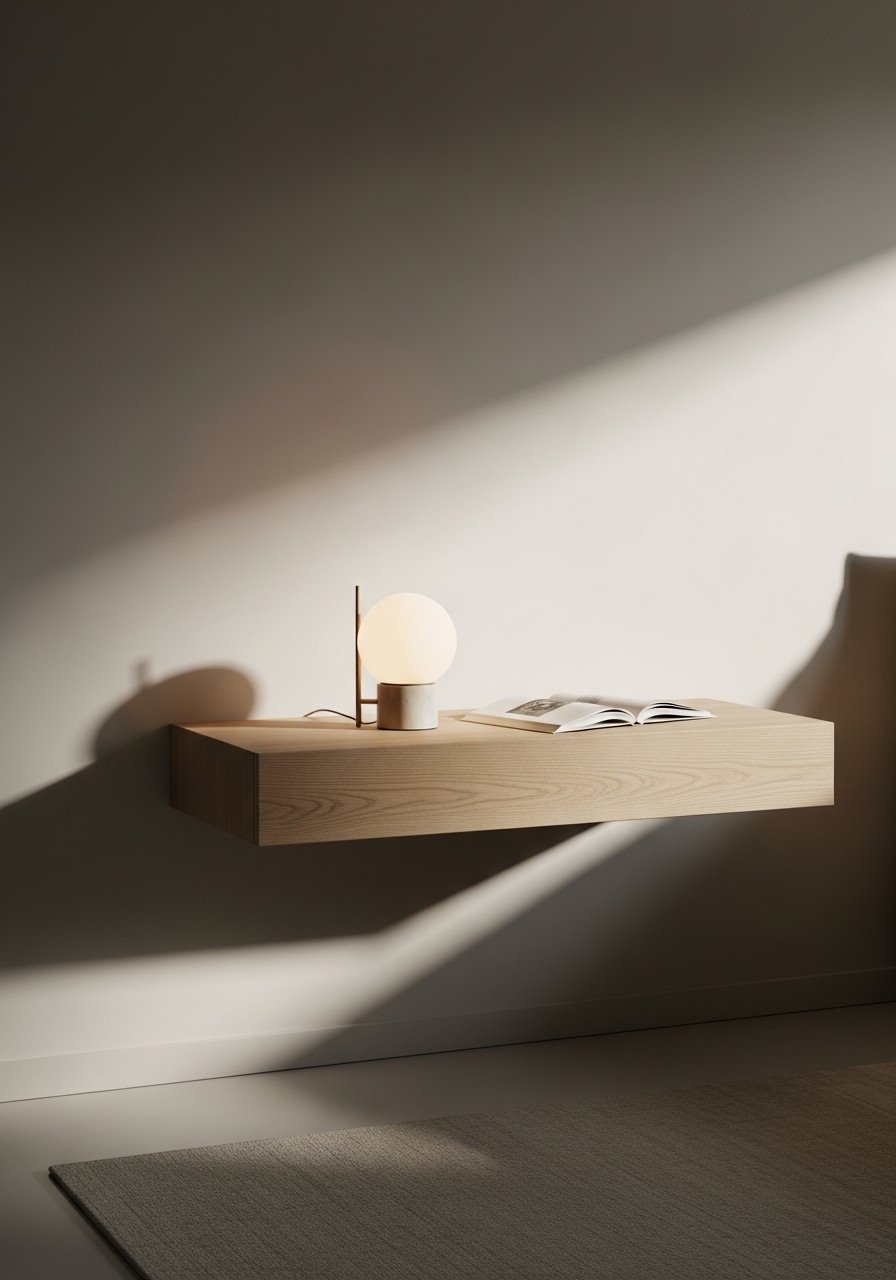
There is something about a reading nook with layered pillows that makes you want to cancel your plans. A floating nightstand is an easy weekend install that frees visual weight in small rooms. Mount at 24 inches above the top of the mattress for easy reach. I recommend a compact wall-mounted nightstand shelf. Watch the mistake people make, they mount too low and the nightstand interferes with bedding. Use a stud finder, or toggle anchors rated for at least 50 pounds.
DIY Upholstered Headboard From Panels For Bedrooms
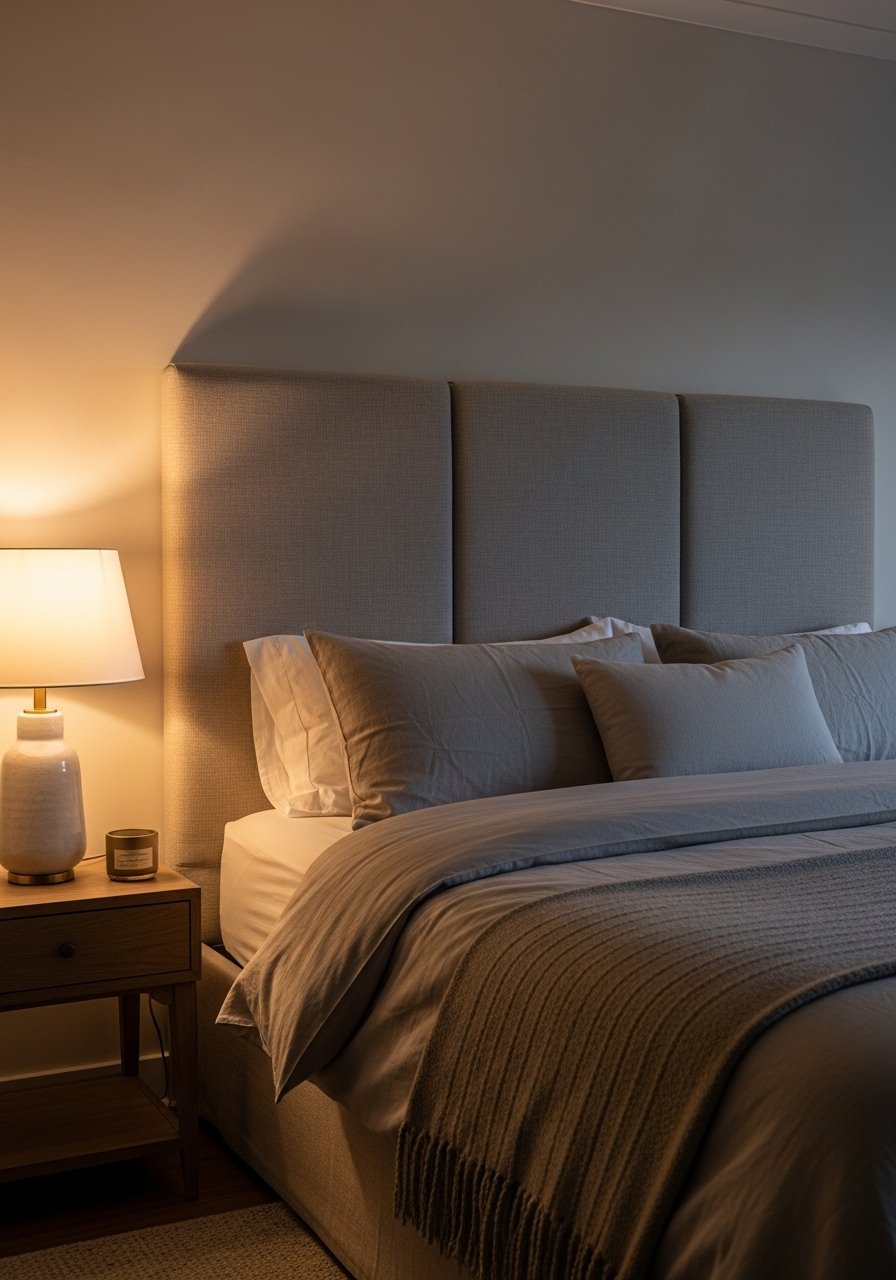
I built a simple upholstered headboard from three plywood panels wrapped in batting and fabric, and it became the room's anchor. Cut panels to the width of your bed plus 2 inches, wrap in 1 inch of batting, and staple fabric on the back. Use upholstery foam and linen fabric. Budget is usually $60-150 depending on fabric. Mistake, people stretch fabric too tight so the panels look flat. Leave a little give for softness. Pair this with the gallery wall idea for a layered bedroom headboard wall.
Layered Rugs For Texture In Living Rooms
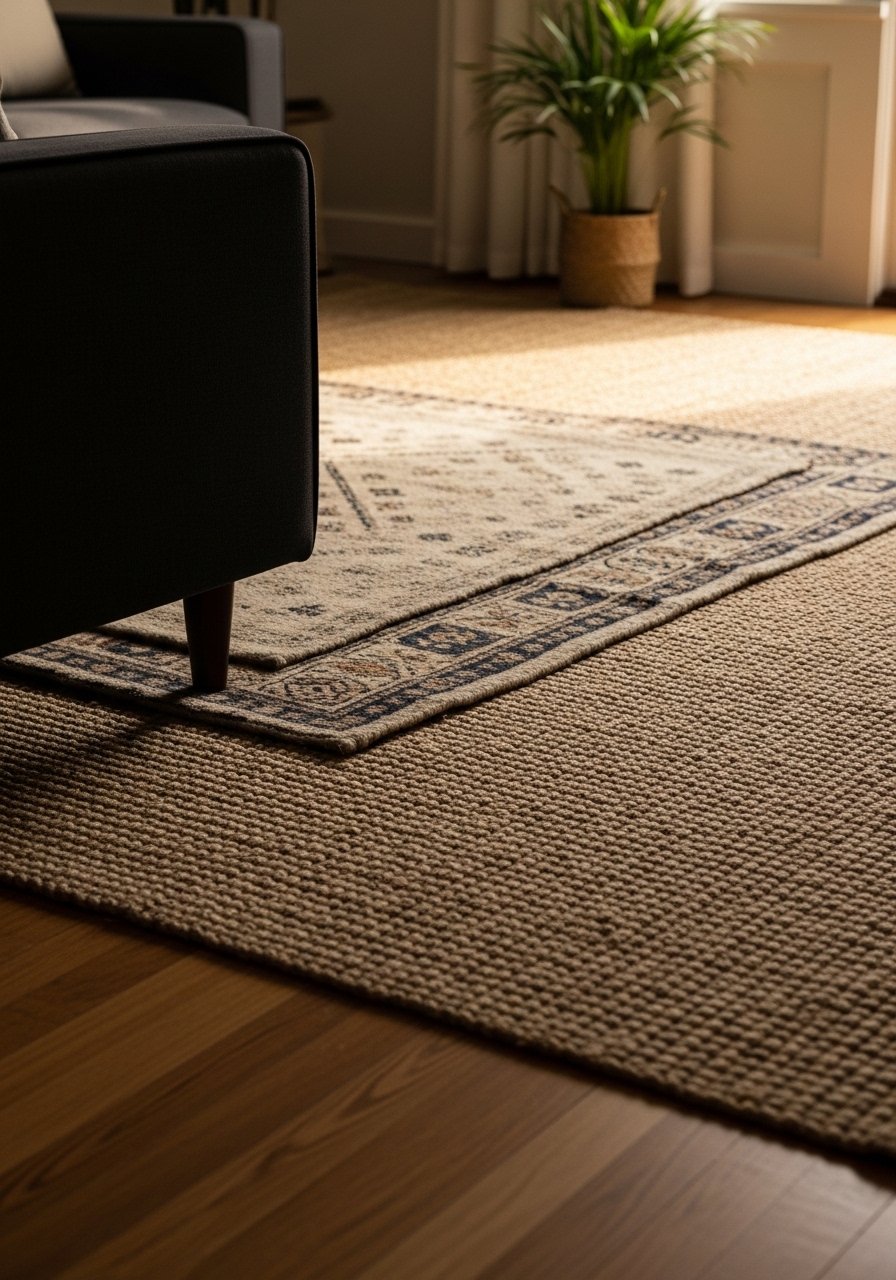
Layered rugs add texture and keep a room from feeling too designed. Start with a base rug like an 8×10 jute and add a smaller 5×8 patterned wool on top, offset so you can see the base around the edges. I used 8×10 jute rug and a 5×8 patterned wool rug. Real mistake, rugs too small for furniture. Make sure at least the front legs of big furniture sit on the base rug. Add a rug pad to keep layers from sliding.
Window Seat Cushion And Throw For A Cozy Reading Nook
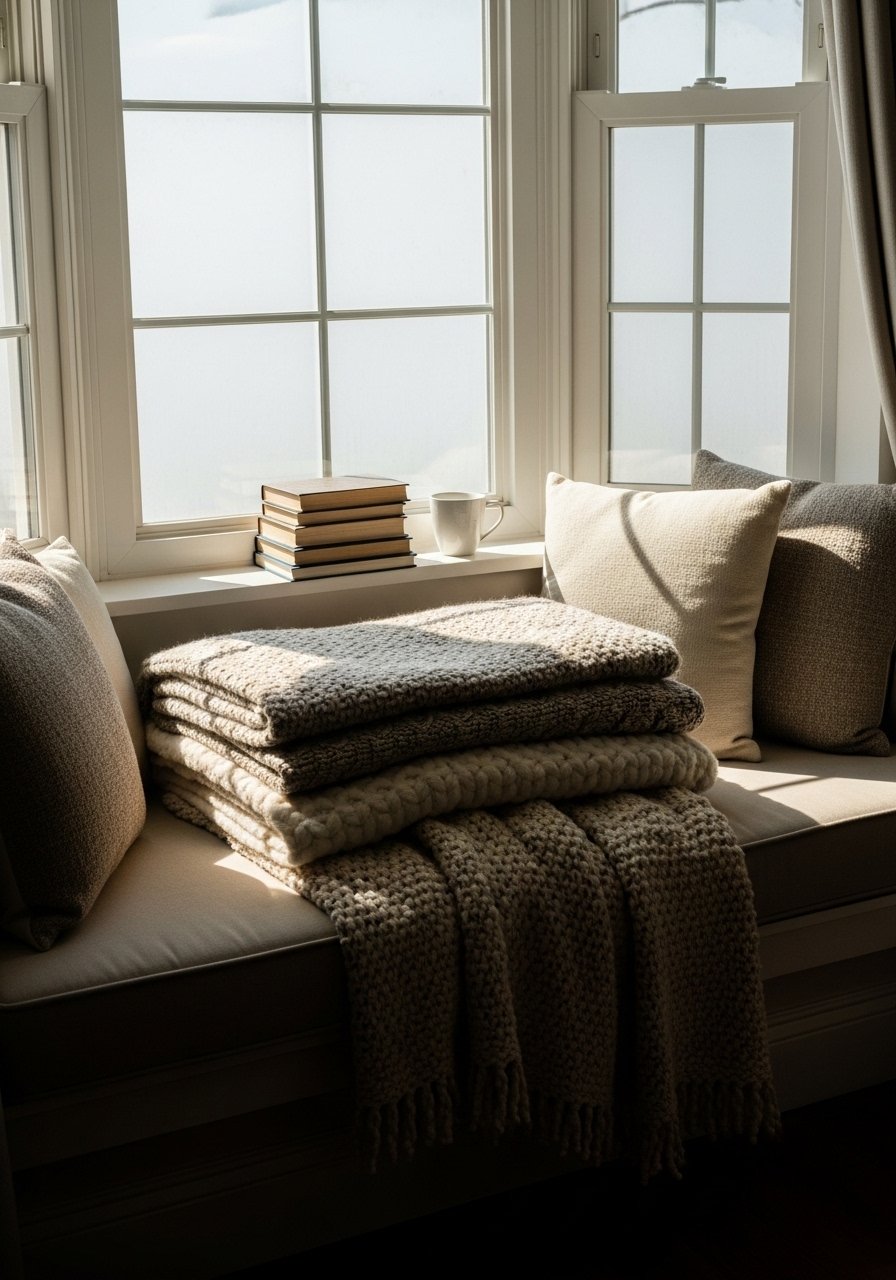
There is something about a reading nook that makes you want to cancel your plans. Build a window seat cushion using high-density foam cut to fit, top with a 3-inch foam topper for comfort, and finish with a washable cover. I bought a custom foam cushion and a machine-washable seat cover. Mistakes include underpadded cushions that compress in weeks. Use at least 4 pounds per cubic foot density foam for lasting support. Pair with the layered pillows idea from earlier for a curated look.
Repurposed Frame Shelves For Plants And Kitchen Herbs
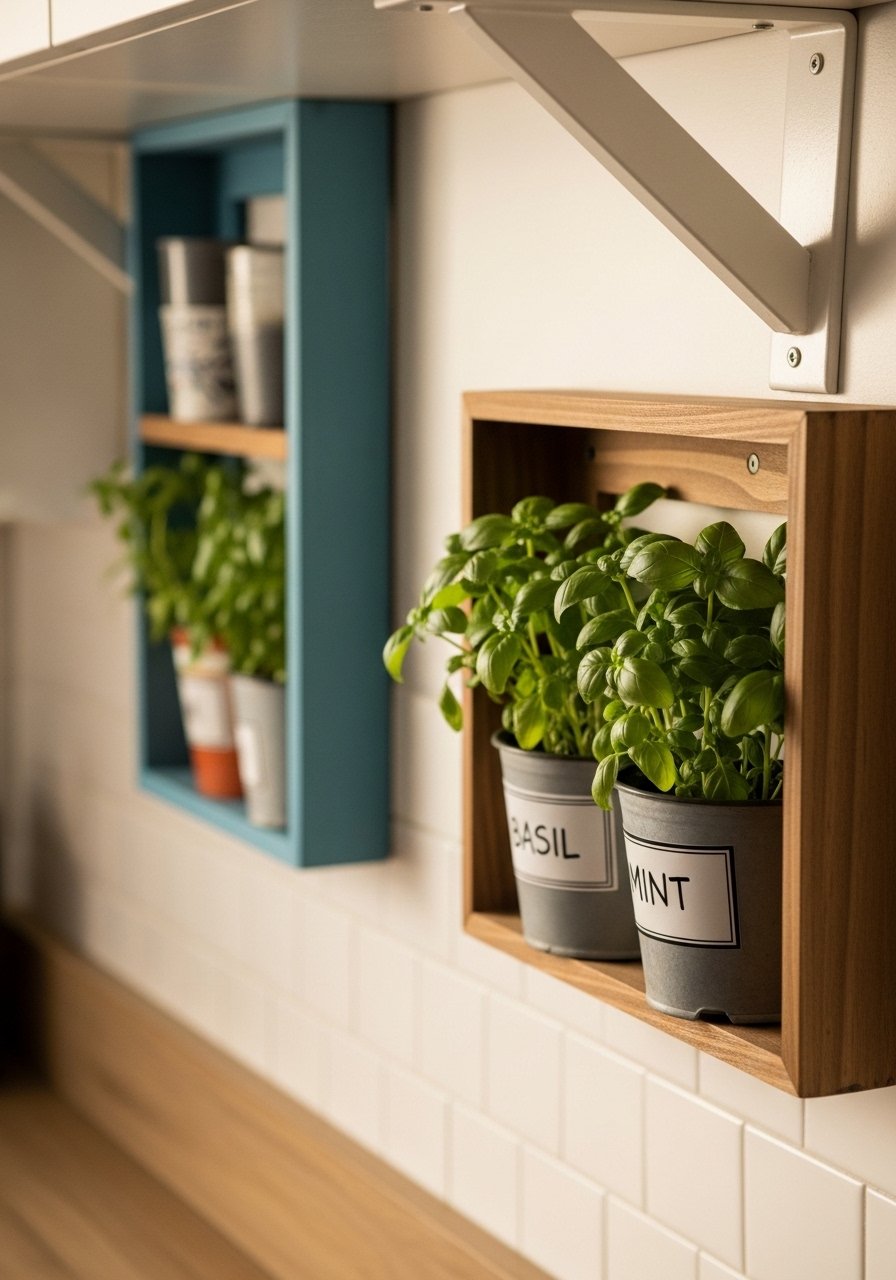
I took old picture frames, added thin shelving, and suddenly my herbs had a home. Use frames 2-3 inches deep and line the shelf with a thin tray for watering. Small terracotta pots set and a galvanized metal tray keep things tidy. Budget under $50 for supplies. People put too many plants close together. Give each pot 2 inches clearance so leaves can breathe and watering is simple. This works great above narrow counters or in a sunny breakfast nook.
Swap Outdated Switch Plates And Outlets For A Polished Finish
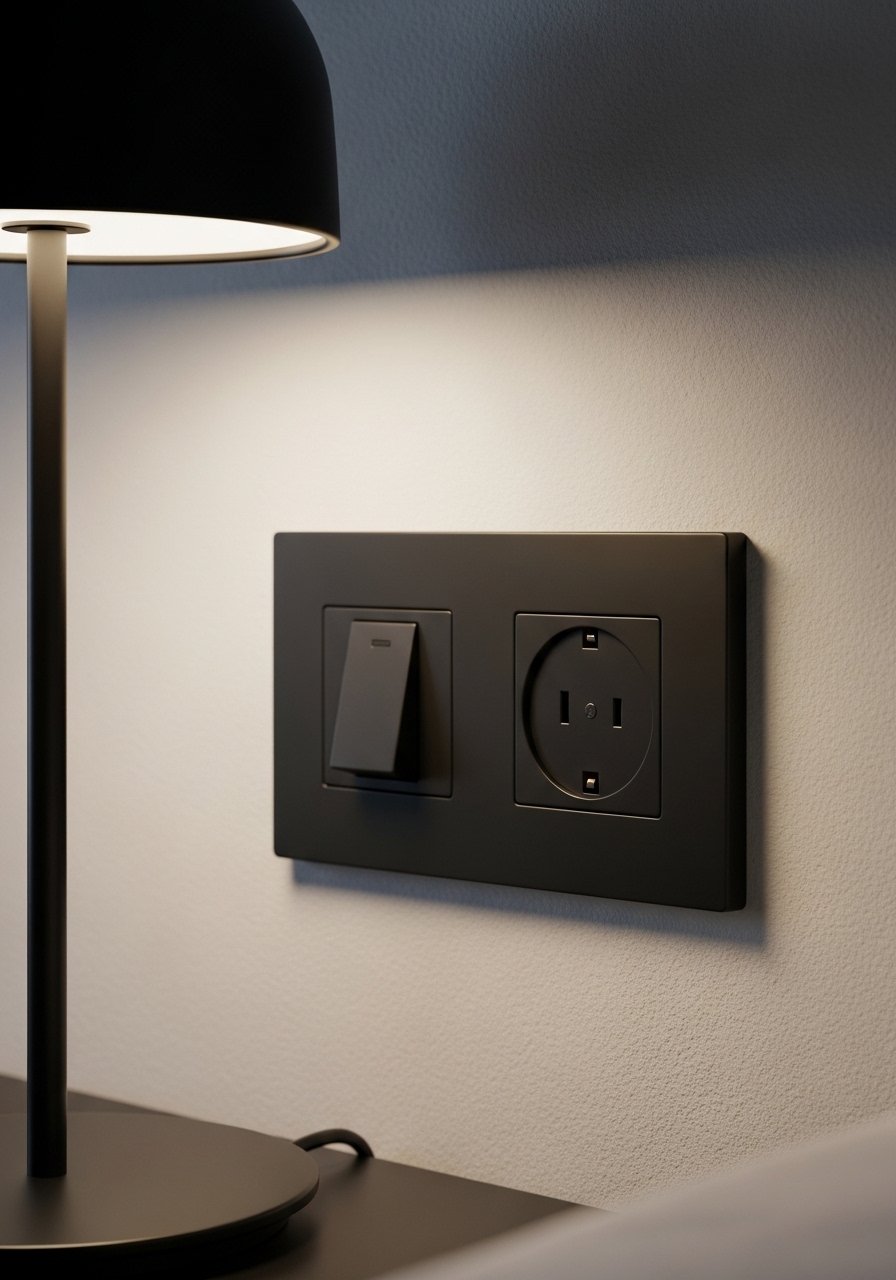
Small details matter. Replacing yellowed outlet covers and dated toggles takes minutes and makes rooms feel cared for. Install a USB outlet with brass plate where you charge phones, and swap other plates for matte black or white to match hardware. Budget $15-60. Mistake, people pick lightweight plates that flex. Choose metal or solid polycarbonate and tighten screws evenly. If you are uncomfortable, turn power off at the breaker and test before touching wires.
Add Trim And Baseboard For Instant Architecture In Living Rooms
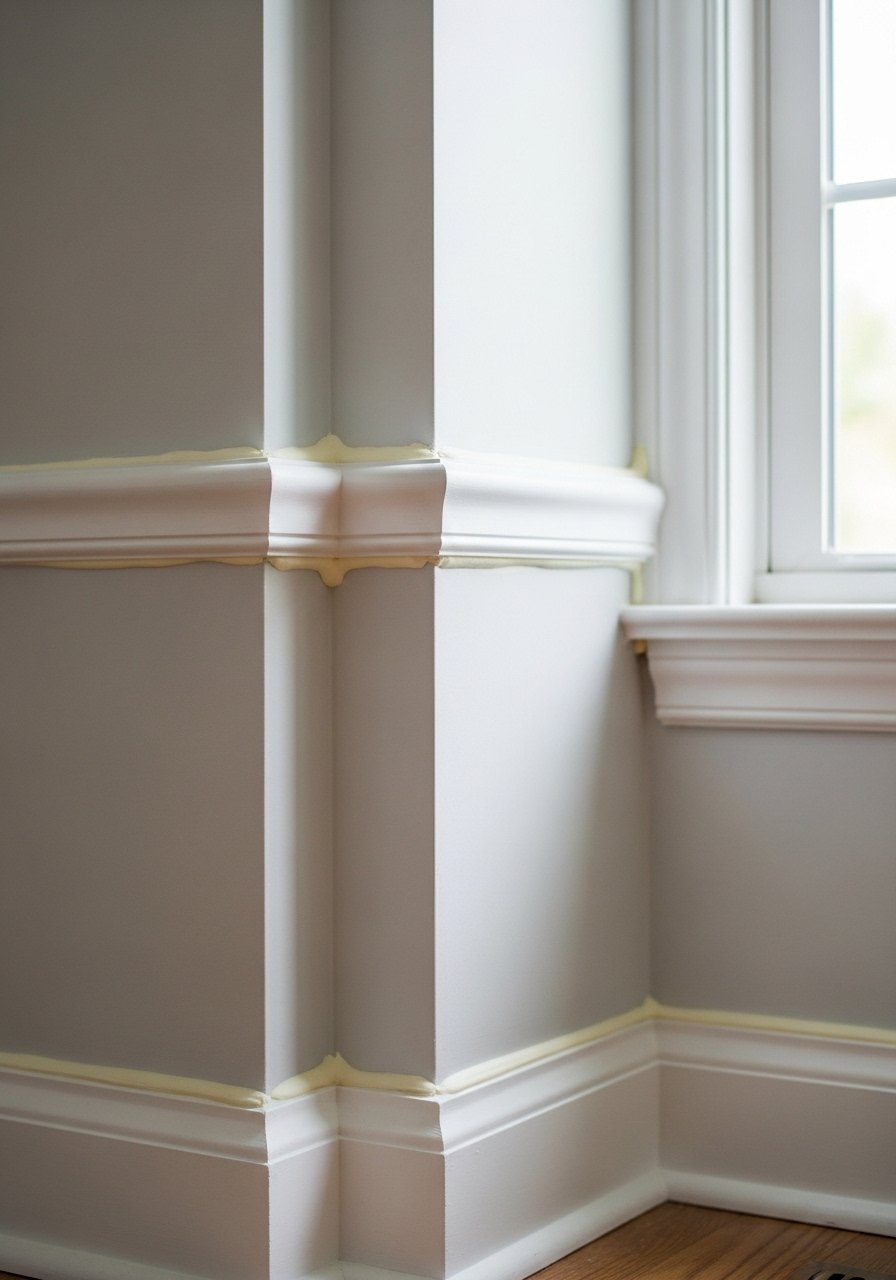
Adding baseboard and a simple picture rail changed my rental living room from plain to finished. Use 3.5 to 4-inch baseboard for modern spaces. For chair rail, set it at one-third of wall height for balanced proportions. I used 3.5-inch baseboard molding and a small tube of paintable caulk to hide gaps. Budget runs $60-120 for materials. A common mistake, people leave visible nail holes. Counter-sink nails and use wood filler before painting for seamless results.
Concrete Countertop Paint Refresh For Small Kitchens
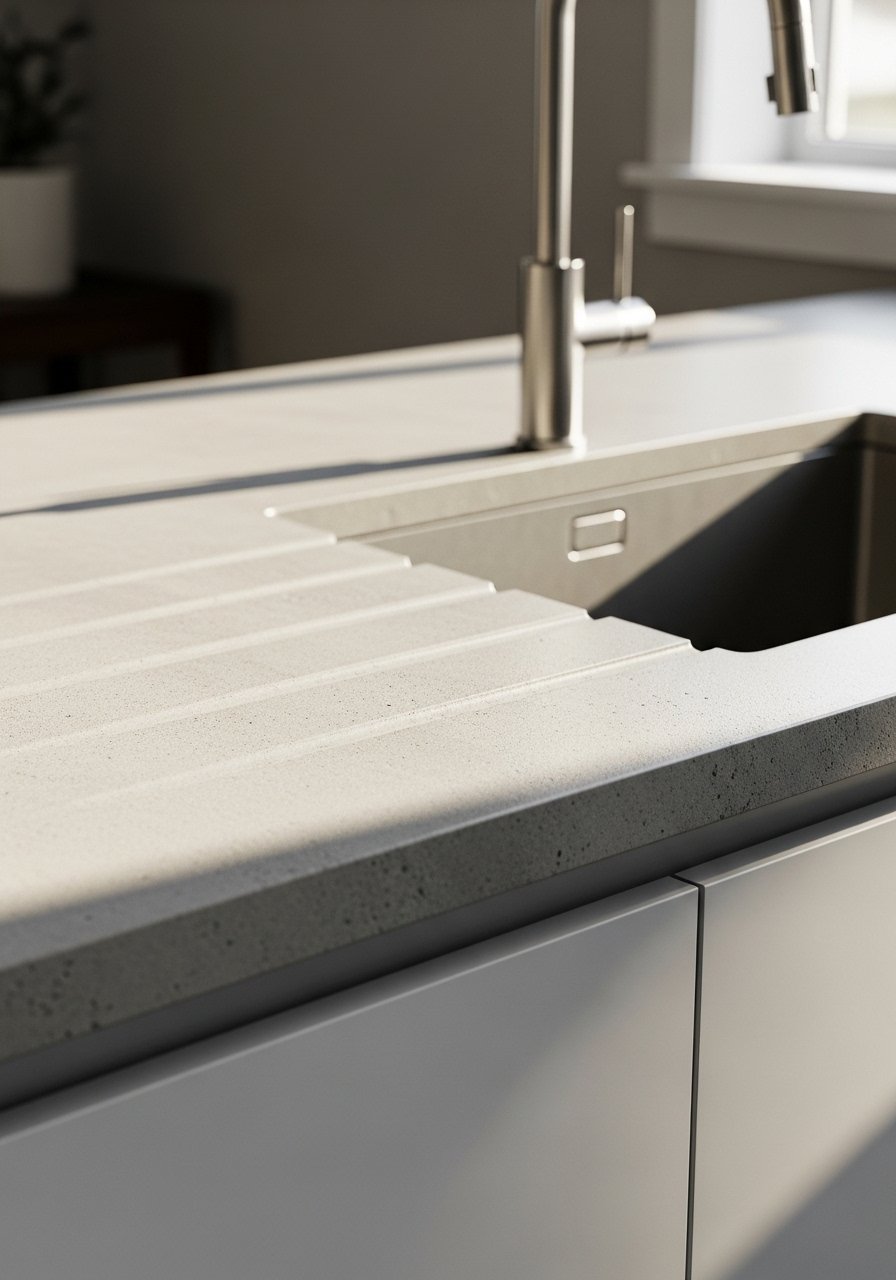
Full countertop replacement is expensive, but a concrete-effect paint kit gives the illusion of stone for under $150. Prep is the work, sand and clean thoroughly, then apply base, texture layers, and a durable sealer. I used a concrete countertop kit. Mistake, skipping the topcoat. Without a proper sealer the surface stains. Use a clear polyurethane rated for kitchens and avoid cutting directly on the surface.
Backless Bench With Cushion For Dining Nooks And Hallways
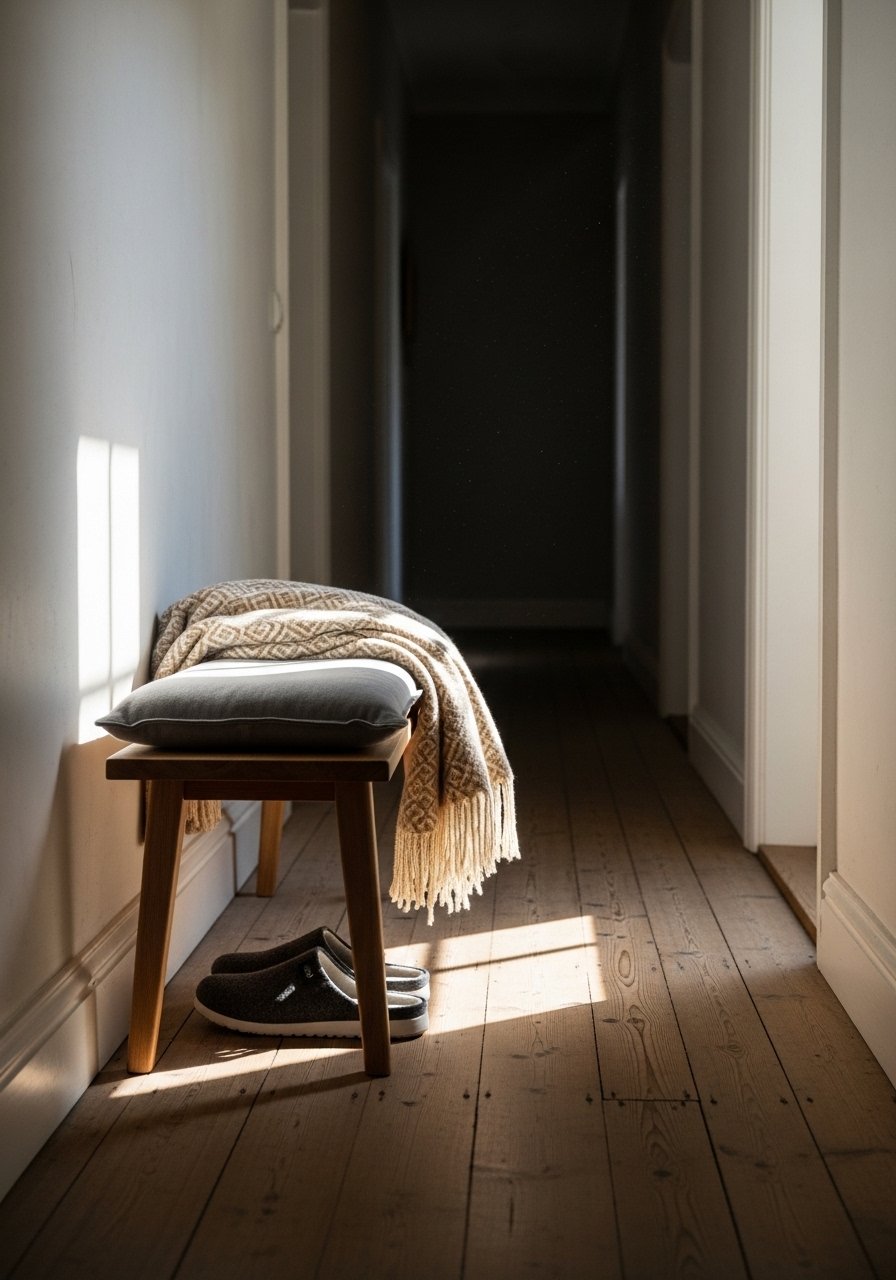
A backless bench fits under windows or against a long wall and gives extra seating without visual bulk. Choose a 14-16 inch seat height and a cushion 2-3 inches thick. I used a 12×48 bench cushion and a simple pine bench base for $80 total. People buy benches too low for dining tables. Match seat height to table or intended use. For hallway benches add nonslip pads so the cushion does not slide off when people sit.
Simple Pendant Lighting Swap For Dining Or Entry
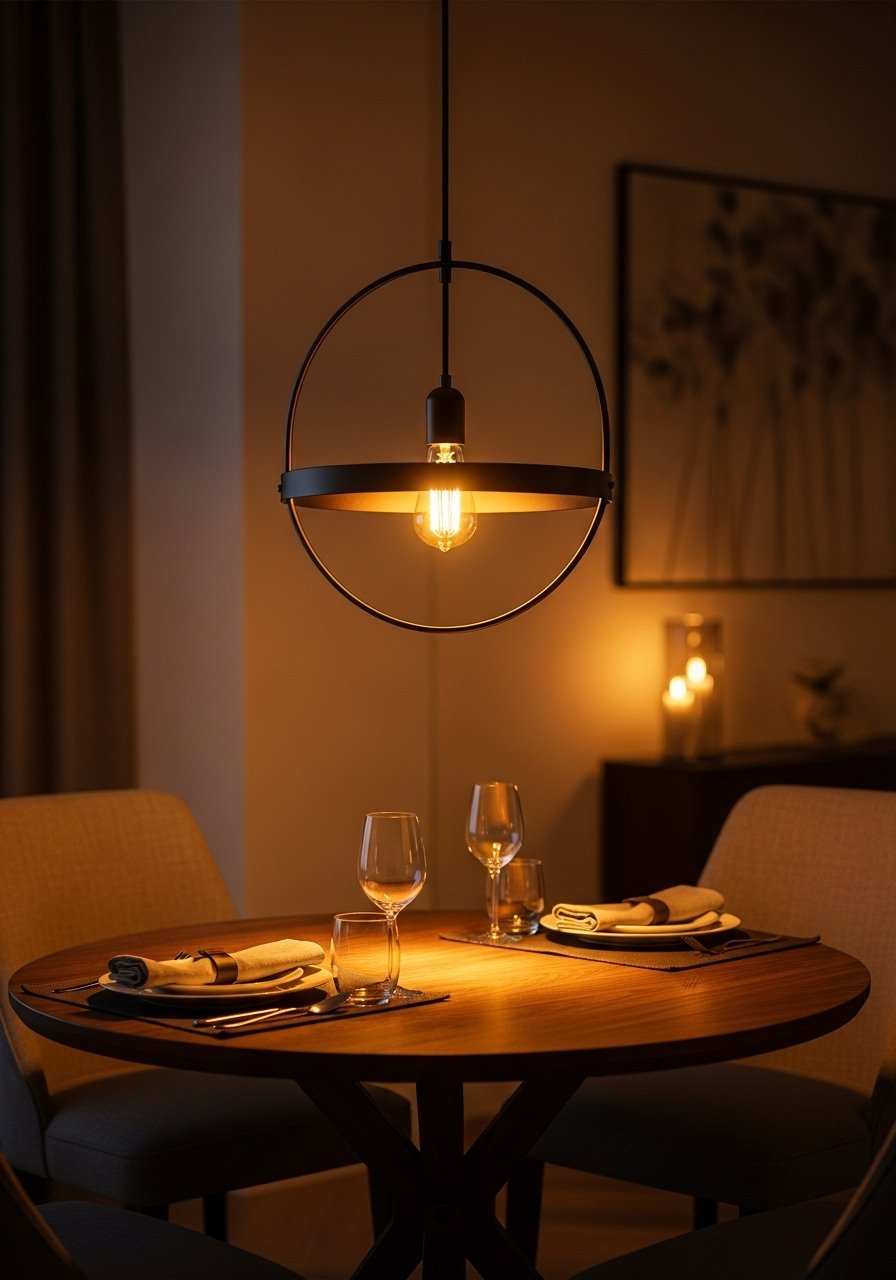
Swapping a dated flush mount for a pendant changes a room's perceived ceiling height and focus. Mount pendants 28-34 inches above a dining table and center them over the table. I used a black metal pendant light and a vintage-style LED filament bulb. Budget $50-150. A common error is picking a pendant too small. Choose one with a diameter at least one third of your table's smallest dimension. For high ceilings add a multi-foot chain to keep the scale correct.
Curated Coffee Table Tray Styling For Living Rooms
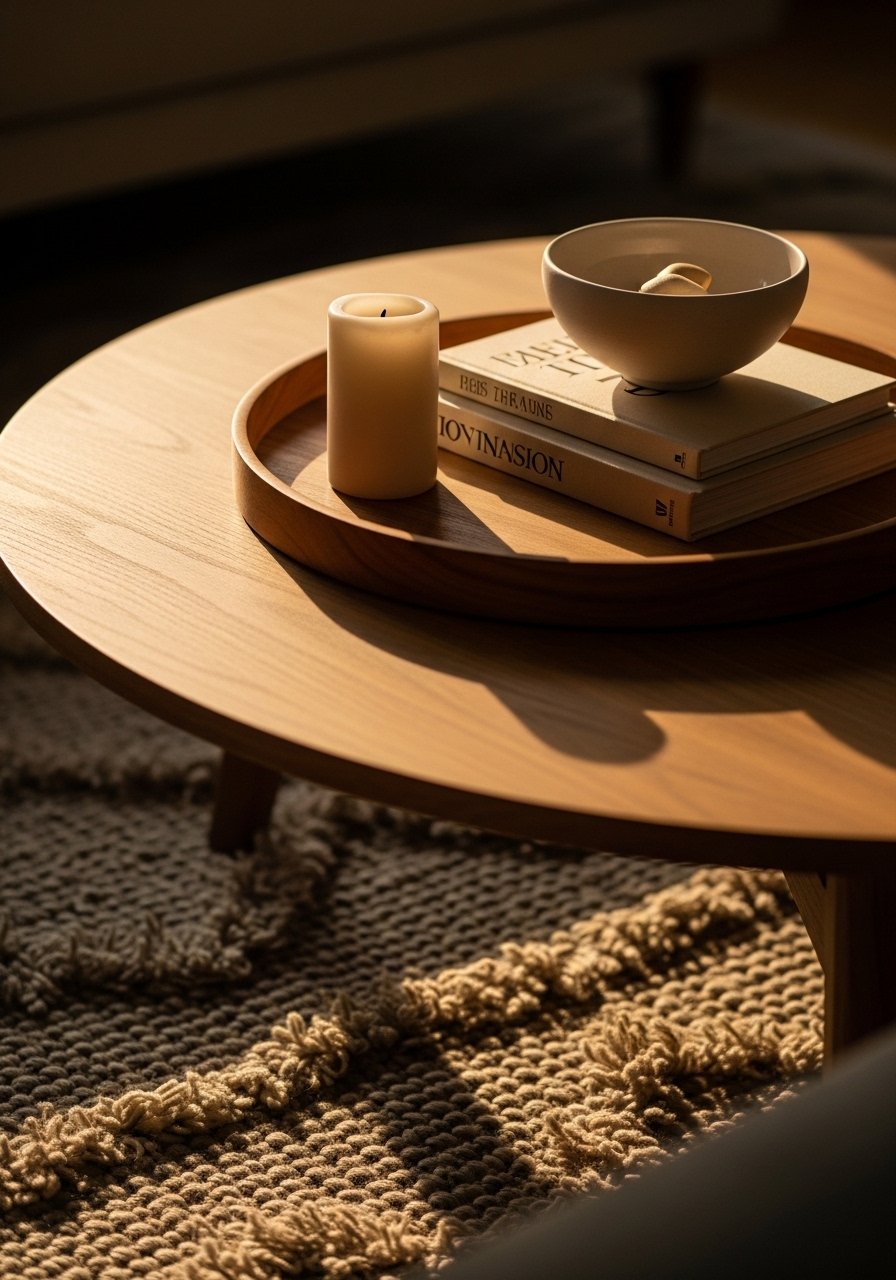
Spent $35 on a throw and three candles. Suddenly everything clicked. A tray contains curated clutter and makes coffee table styling look intentional. Use a wooden tray about 12×18 inches, place one stack of books, a small candle, and a living item like a plant or bowl. I keep a wood serving tray and a set of small decorative candles. Mistake, people center everything. Push items toward one side of the tray and leave negative space for balance. Pair with the layered rug idea for cohesion.
Your Decor Shopping List
Textiles
- Honestly the best $40 I have spent. Chunky knit throw in cream (~$35-55). Drape over the sofa arm for instant warmth
- 22-inch linen pillow covers, down-filled in two neutral colors (~$18 each)
- 96-inch linen curtains (~$30-50 per panel) for standard 9-foot ceilings
Wall Decor
- 36-inch round mirror leaner ($60-200), similar styles at Target
- Mixed frame set for gallery wall (~$25-45)
Lighting & Hardware
- Black metal pendant light ($50-120)
- Brass cabinet knobs, set of 6 (~$20-40)
Plants & Planters
- Terracotta pots set and planter tray (~$20-35)
Budget Finds
- Brass picture ledges set (~$18-30)
- Woven storage baskets, set of 2 (~$30-50)
Extras
- 8×10 jute area rug and rug pad
- Concrete countertop kit (~$100-150) for small refreshes
Shopping Tips
White oak beats dark wood in 2026. Design feeds have shifted completely. These white oak floating shelves look current, not dated.
Grab velvet pillow covers for $12 each. Swap them every season and the whole room feels different.
Curtains should puddle or kiss the floor, never hang halfway up. These 108-inch panels are right for taller ceilings.
Lead with a single bold item rather than repainting everything. Try grasscloth peel-and-stick wallpaper on one wall first.
Everyone buys five small succulents. One single 6-foot fiddle leaf fig has ten times the visual impact.
Frequently Asked Questions
Q: Can I mix boho textiles with modern furniture without it looking messy?
A: Yes. Use the rule of three for textures and stick to an 80/20 color ratio to keep things cohesive. For example, two linen pillows, one fringed boho pillow, and a velvet accent will read intentional. Swap pillows seasonally with velvet pillow covers to change the vibe.
Q: What size rug do I actually need for the layered rug look?
A: Bigger than you think. Start with a base 8×10 or larger for standard living rooms and put a smaller 5×8 or 6×9 on top, leaving a visible border of the base rug around the edges. All front furniture legs should sit on the base rug for a grounded feel.
Q: How high should I hang art above a sofa?
A: Aim for a 60-65-inch center line from the floor. If the sofa has a tall back, leave 6-8 inches between the top of the sofa and the bottom of the art. If you use a gallery wall, keep the tallest frame roughly aligned with the 60-inch center line.
Q: Can peel-and-stick wallpaper look high end in a rental?
A: Yes, when you pick textures that mimic plaster or grasscloth and install on a single wall only. Follow manufacturer instructions, overlap strips by 1/16 inch, and press with a squeegee. Remove slowly if you need to, and patch any minor wall marks afterwards.
Q: Should I mix metals in a room?
A: Mix them. Matte black, brass, and warm steel can coexist if one metal reads as the dominant finish and the others repeat in small doses. Try mixed-metal frames to test the look.
Q: Real plants or fake for a low-light space?
A: Both. Use low-care live plants like snake plant or pothos where they get light. For scale and consistent height choose a high-quality faux, like a 6-foot fiddle leaf fig that looks real in corners with little light.
Q: How do I avoid my room looking too matchy?
A: Avoid buying identical pairs of everything. Mix pillow sizes, swap texture, and introduce one deliberate odd item such as a vintage tray or a colored accent pillow. Keep a consistent color story and vary materials for depth.
Q: What small fix gives the biggest perceived value on a budget weekend?
A: Swap textiles and hardware. A new throw, two new pillow covers, and updated cabinet pulls refresh both bedrooms and kitchens for well under $150. Mix in a new light bulb or a mirror and the space reads upgraded.