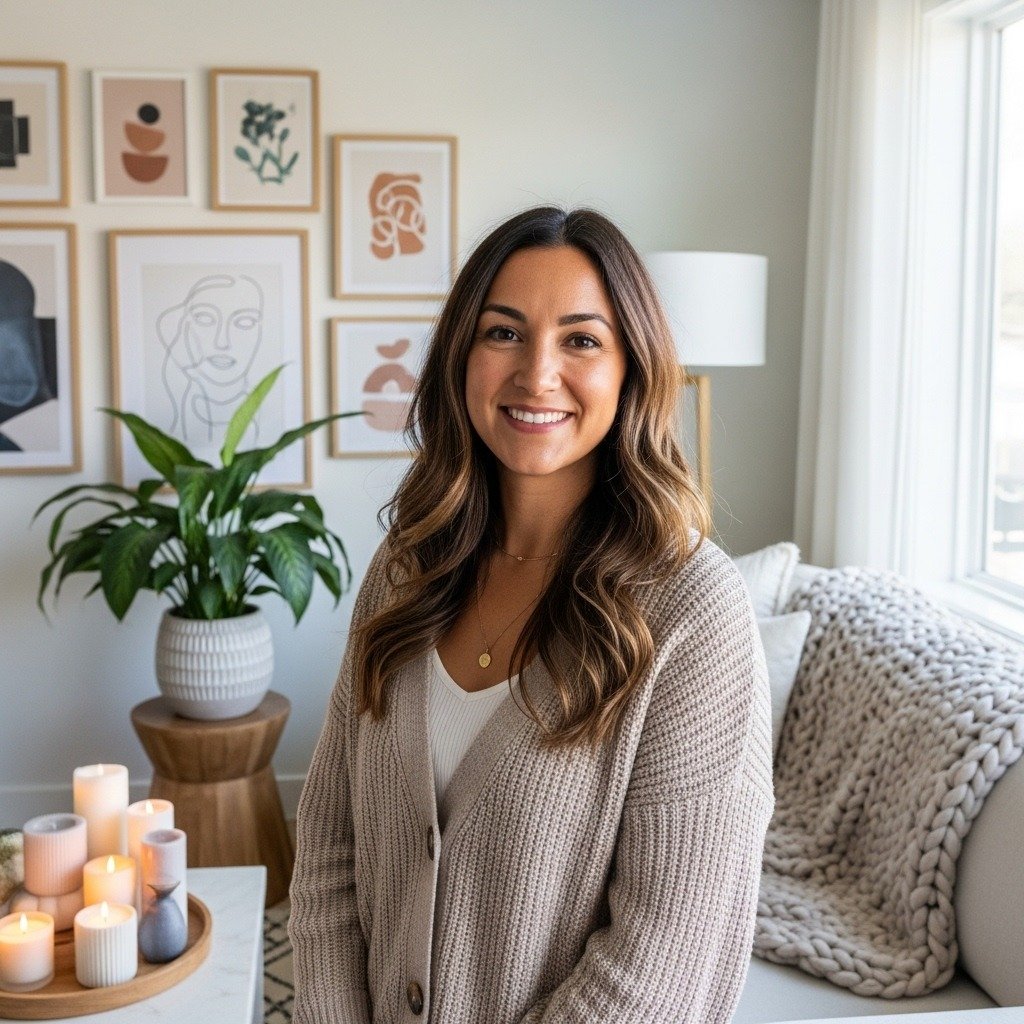

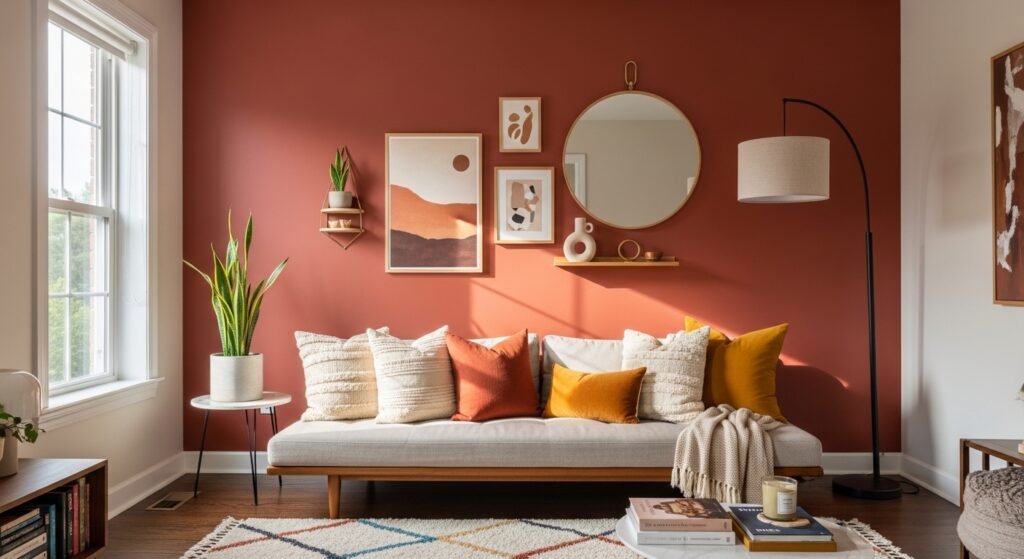
My living room had nice furniture but it still felt like a waiting room. Took me embarrassingly long to figure out it was missing texture and a focal point. These ideas lean modern cozy with a few rustic and glam options mixed in. Most projects run $25 to $200, with a few splurges for real wood or custom wallpaper. Works for living rooms, bedrooms, entryways, and small kitchens where one wall needs personality.
Bold Geometric Paint for Living Room
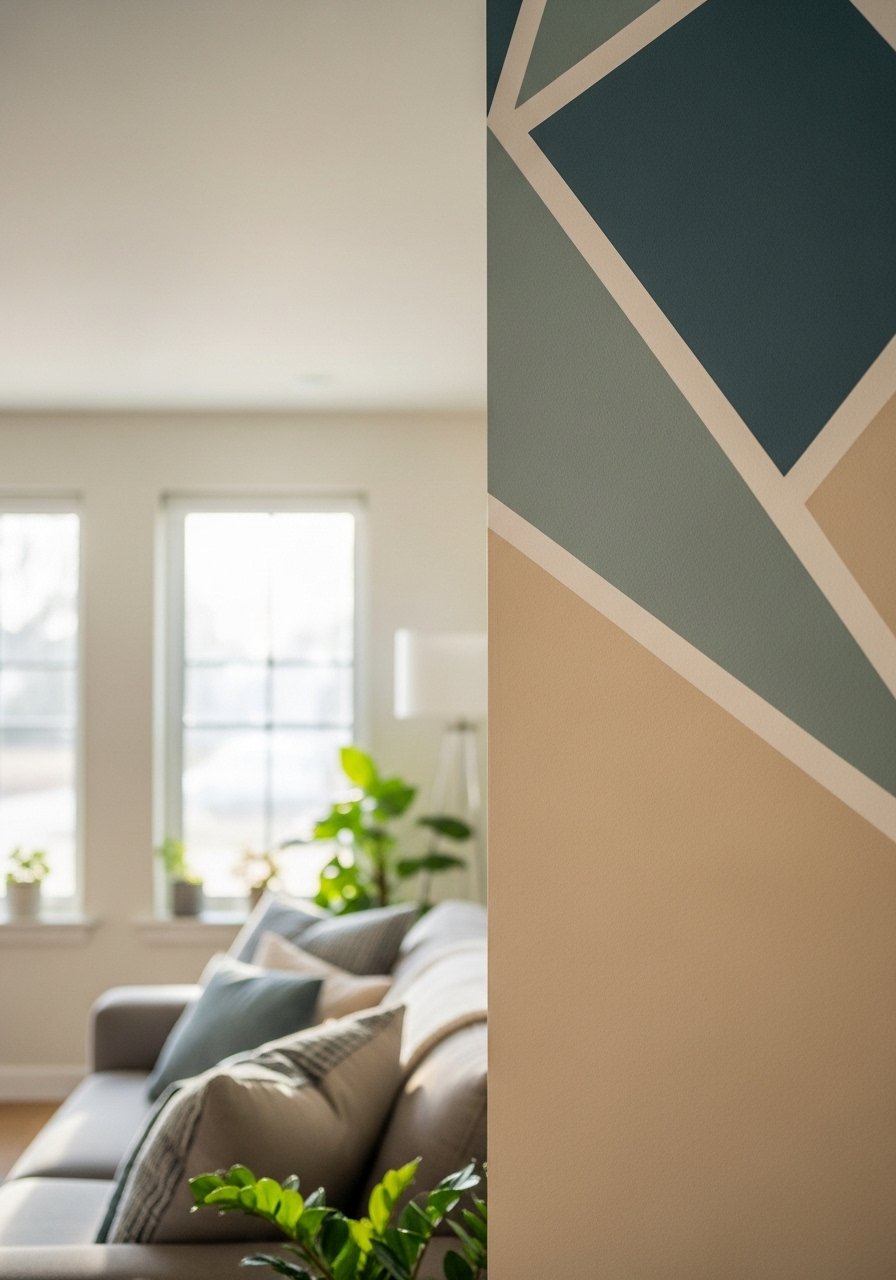
The first time I taped a triangle on my living room wall I felt like I finally gave the room intent. Geometric shapes work because they break up flat expanses and give your eye a place to rest. Use a 80/20 color ratio, with 80 percent being a neutral like warm gray and 20 percent the bold terracotta. I used 1-inch painter’s tape and a small angled brush to feather edges, then an interior eggshell paint for the field and a satin for the color block. Expect $20 to $60 in paint and tape. A common mistake is skimping on tape width which causes bleed. If your ceilings are 9 feet, make triangles about 30 to 40 inches tall so the scale reads right from the sofa. Try accent-wall-paintable-stencil for repeatable shapes.
Peel-and-Stick Wallpaper in a Bedroom
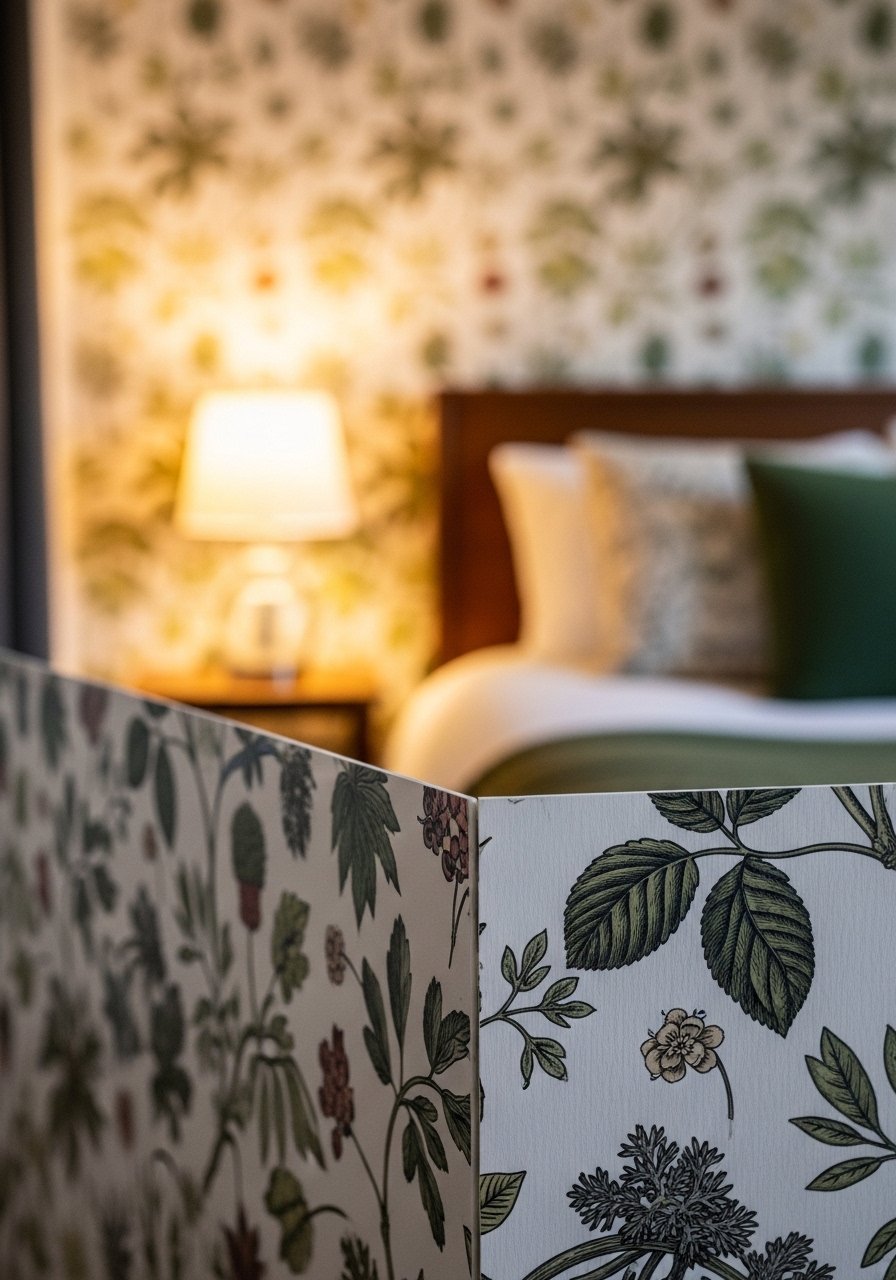
Wallpaper used to scare me, then I learned peel-and-stick exists. It’s renter-friendly and good for pattern shy people because you can test a strip before committing. For an average headboard wall measure width and buy 10 percent extra for pattern matching. Budget runs $35 to $120 per roll. My trick is to align the pattern with the top of the headboard so the bed reads like the anchor. Avoid matching busy wallpaper with busy bedding unless you want visual noise. A common mistake is starting the first strip crooked. Use a long level and a smoothing tool. I swapped my usual pillow colors after wallpapering and everything felt balanced. Grab botanical-peel-and-stick-wallpaper to try.
Vertical Wood Slat Accent for Dining Room
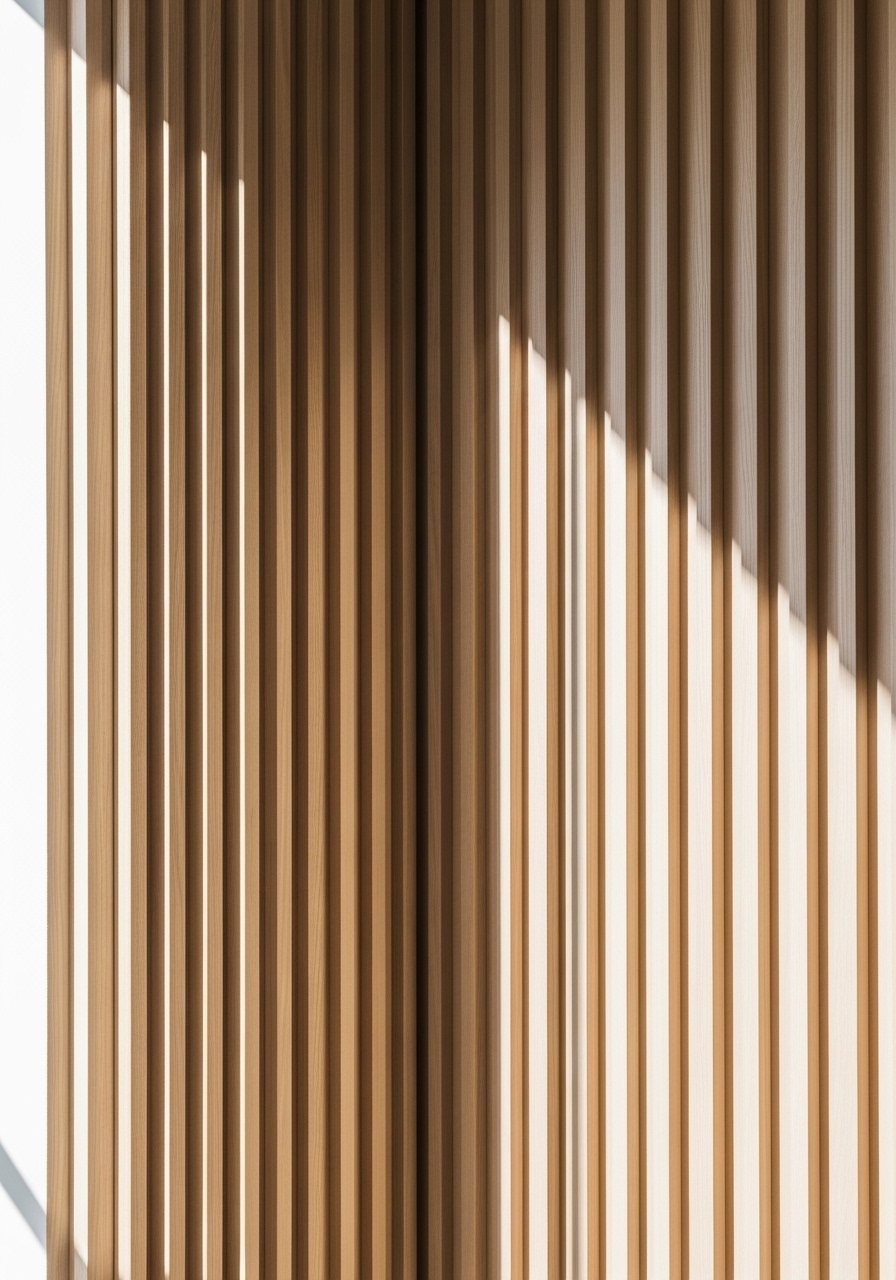
Vertical slats add rhythm and height. I installed 1×2 pine strips on a painted background and left 1/4-inch gaps for shadow lines. Paint the backwall 20 percent darker than the slats for depth. Shelf depth should be 8 to 10 inches if you plan to layer decor on the slats. Cost depends on wood choice, $60 to $250. A rookie move is nailing unevenly. I used a brad nailer and measured every 12 inches to keep spacing consistent. Slats pair beautifully with the gallery wall idea below, tuck a small round mirror between them for a focal pop. Prefinished-wood-slats made my life easier.
Board and Batten for a Cozy Entryway
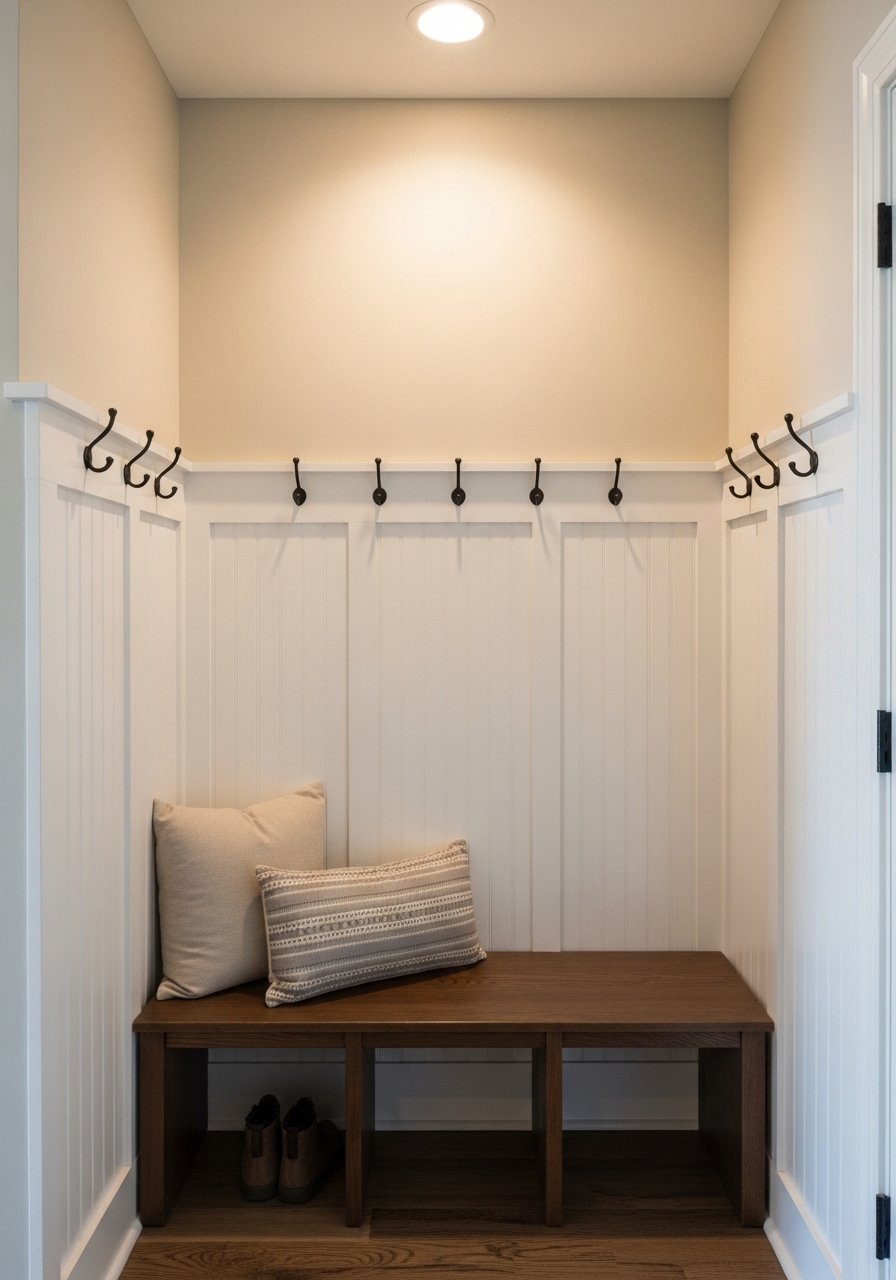
Board and batten makes cheap drywall read like custom millwork. I kept the top rail at 36 inches for an average wall and painted the battens semi-gloss so they stand out against an eggshell wall. Works great in narrow entryways because it adds texture without eating width. Budget is $80 to $300 depending on MDF versus real wood. People often make the panels too small. Use the rule of three, the largest panel should be roughly twice the width of the smallest for pleasing variation. If you rent, try peel-on molding alternatives or freestanding console panels. I used MDF-picture-rail-molding for a clean look.
Chalkboard Paint for a Playful Playroom
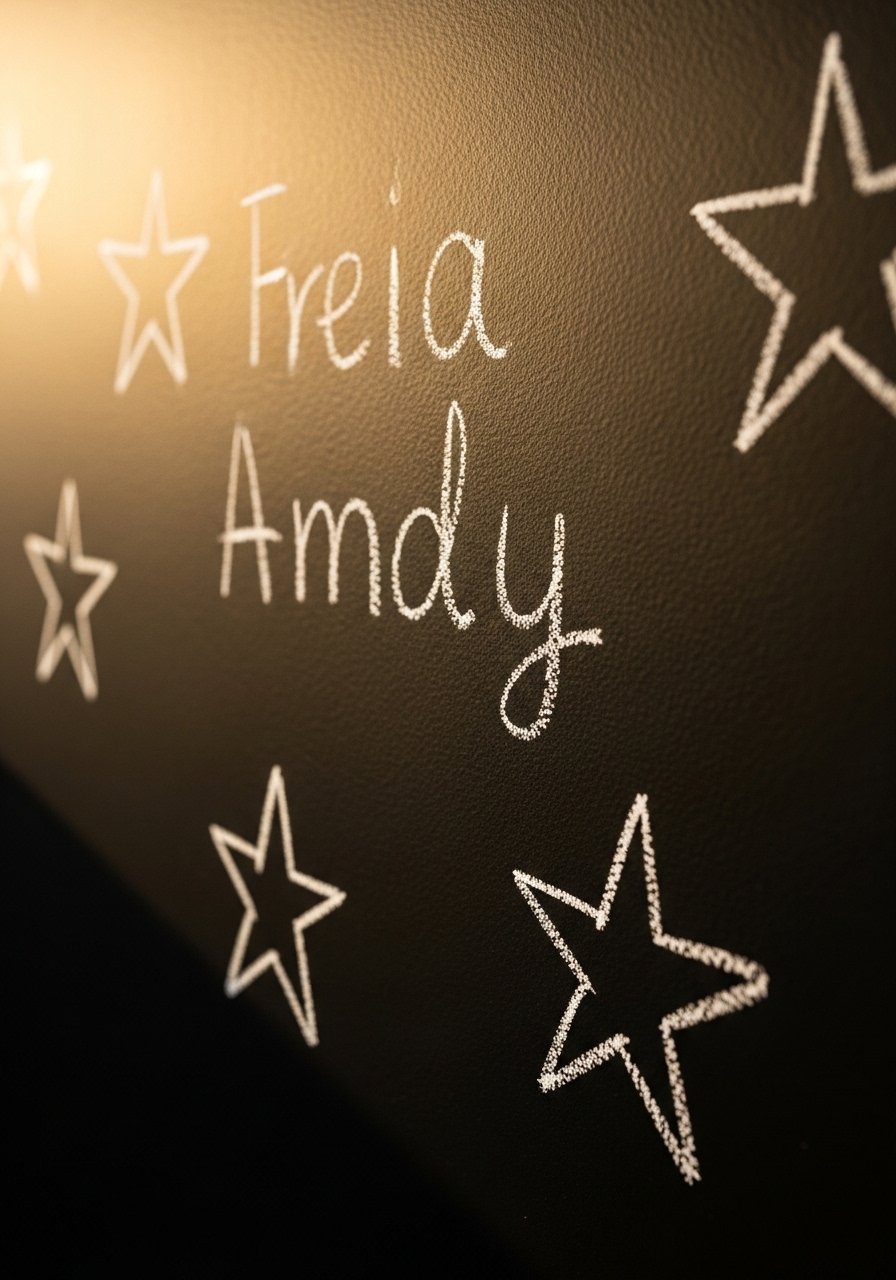
A chalkboard wall solves "where do we put the daily drawing" instantly. Use magnetic chalkboard paint if you want magnets for artwork. Paint the whole wall in two coats and condition it by rubbing a piece of chalk flat over the surface, then erase. Budget is $25 to $60. The problem it solves is art clutter. Avoid chalk dust near electronics, put a tiny shelf below for chalk. Scale matters. For a full wall in a 10-foot room you need at least 2 coats on a quart and expect some sheen variation the first week. I keep a small tray with a damp cloth and a mason jar of chalk magnetic-chalkboard-paint.
Oversized Textile Panel for a Boho Bedroom
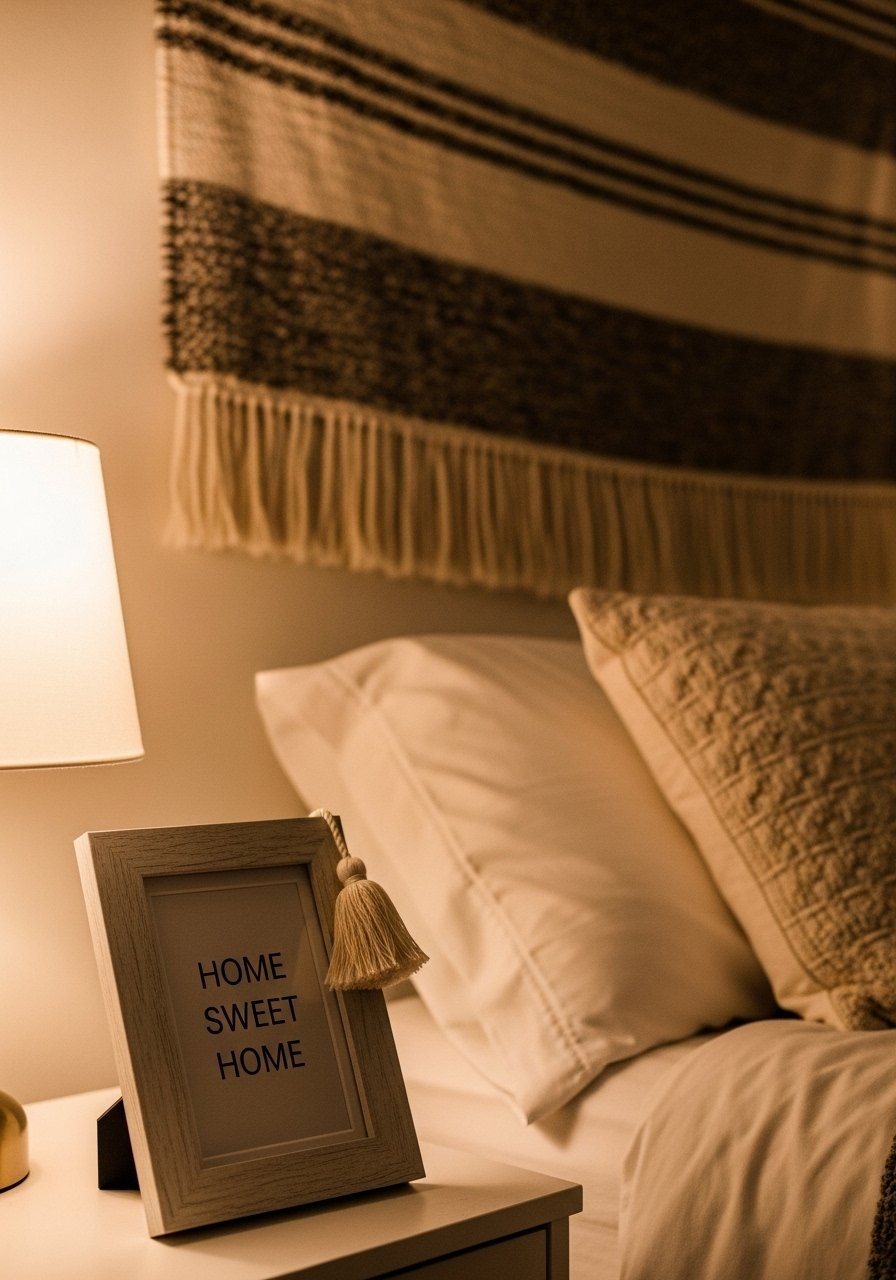
There is something about a reading nook with layered pillows that makes you want to cancel your plans. Hanging a large textile or kilim saves money versus wallpaper and adds instant softness. Use a 48 to 60 inch wide hanging rod and center the textile so it extends two to four inches beyond the headboard on each side. Budget is $40 to $200 depending on the piece. People make textiles too small. Aim for the textile to take up at least 60 percent of wall width behind the bed. It works wonderfully with the curtain trick later on for extra texture. I found a great oversized-woven-wall-hanging.
Peel Vinyl Marble for a Kitchen Nook
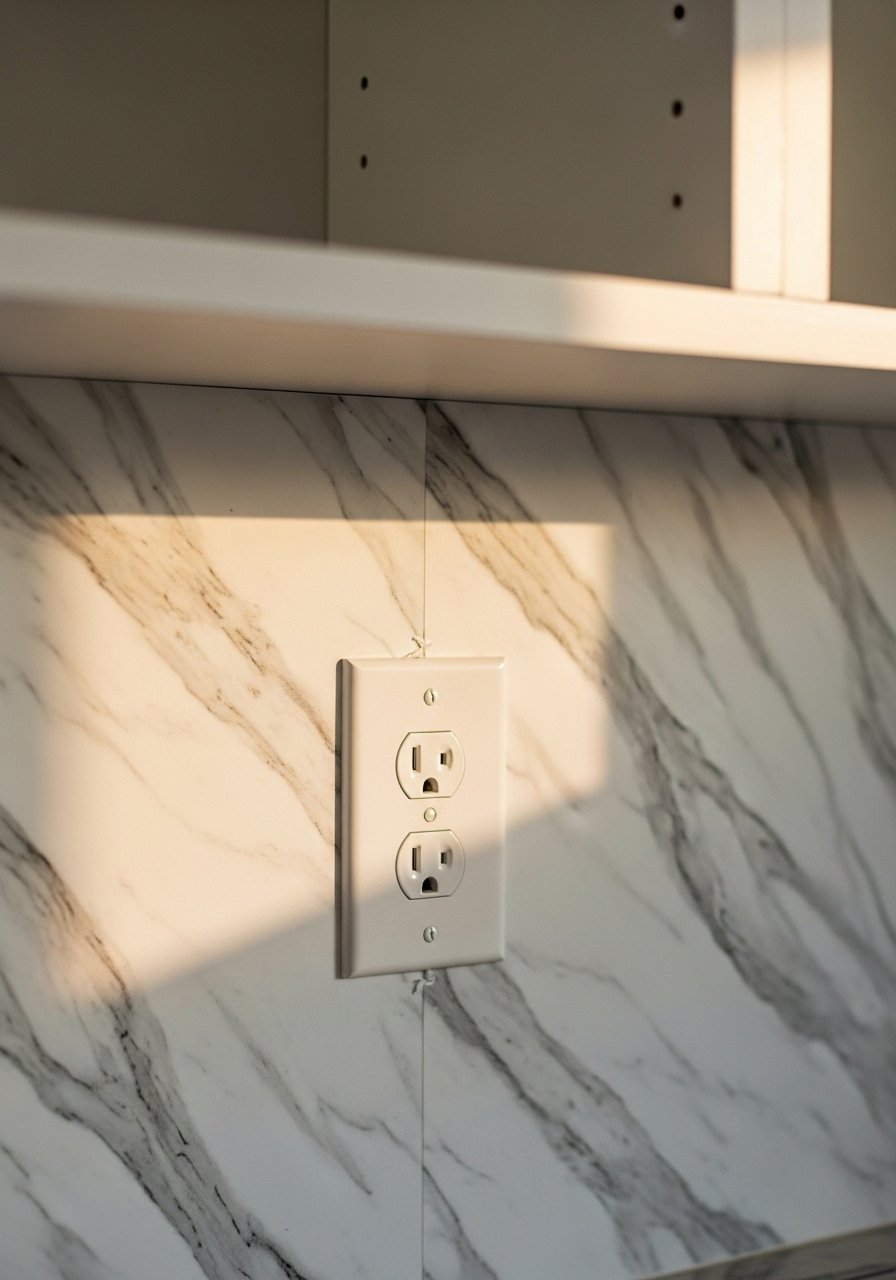
If you want the marble look without demo, peel vinyl is a solid hack. Match the pattern veins across seams and use a heat gun to soften corners. Use a satin finish for easy wiping. Budget $30 to $120. A lot of people pick white grout with white vinyl thinking it will read realistic. Instead choose a slightly tonal grout line or caulk color to disguise seams. Measure backsplash height as 18 inches for countertops without uppers. I used marble-peel-and-stick-vinyl and it held through a kitchen remodel.
Gallery Wall Using Mixed Frame Sizes for Living Room
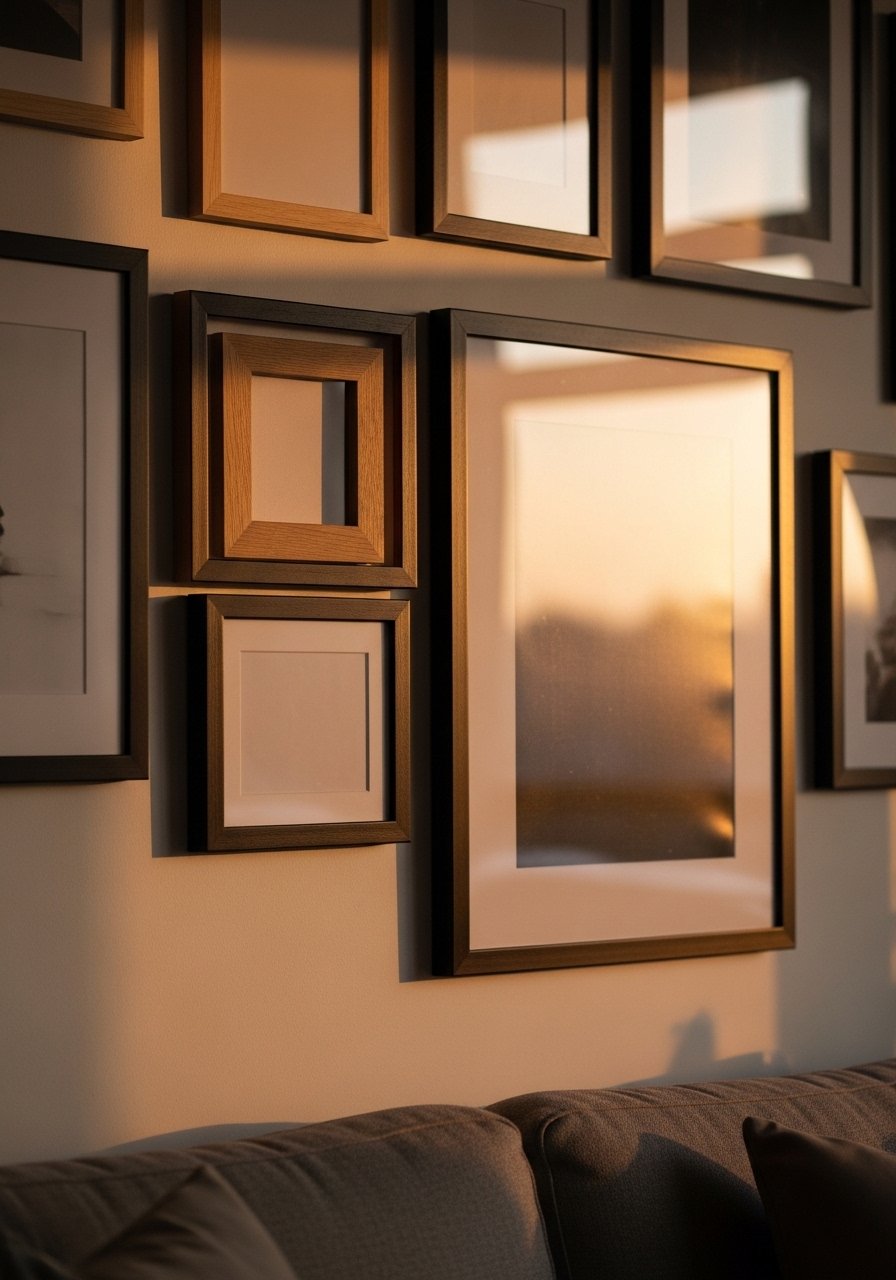
Gallery walls are the ultimate proof that scale and spacing matter more than the art. I map on kraft paper, tap the paper to the wall, and hang using 2-inch spacing between frames. Stick to the rule of three when grouping similar pieces. Budget can be $40 to $300 depending on art prints and frames. A common mistake is hanging art too high. Aim for a center point at 57 inches from the floor if the wall stands alone, or align to the sofa back if above furniture. Mix frame finishes for an edited look. Mixed-frame-set saved me time.
Floor-to-Ceiling Curtains to Add Height
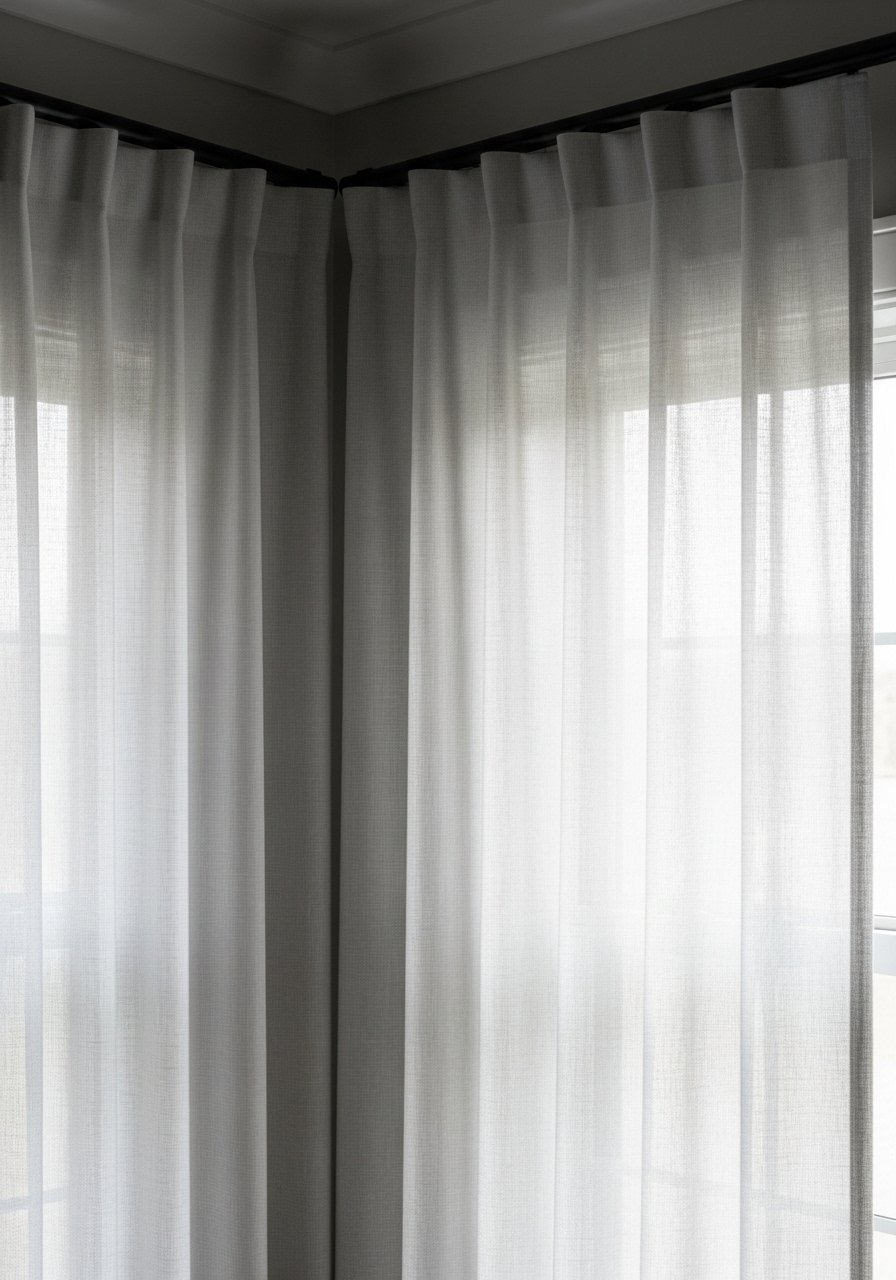
Most people hang curtains right at the window frame. That is why their rooms look shorter than they are. Raise the rod 4 to 6 inches above the frame and let the curtains kiss or slightly puddle the floor. Use 96- or 108-inch panels for 9 to 10 foot ceilings. Budget is $30 to $120 per panel. Heavy-duty rings and a sturdy rod prevent sagging over wide windows. Curtains are the simplest way to make a rental look intentional. Pair this with the gallery wall idea above to frame the whole vignette. These 96-inch-linen-panels are what I use.
Painted Ombre for a Soft Nursery
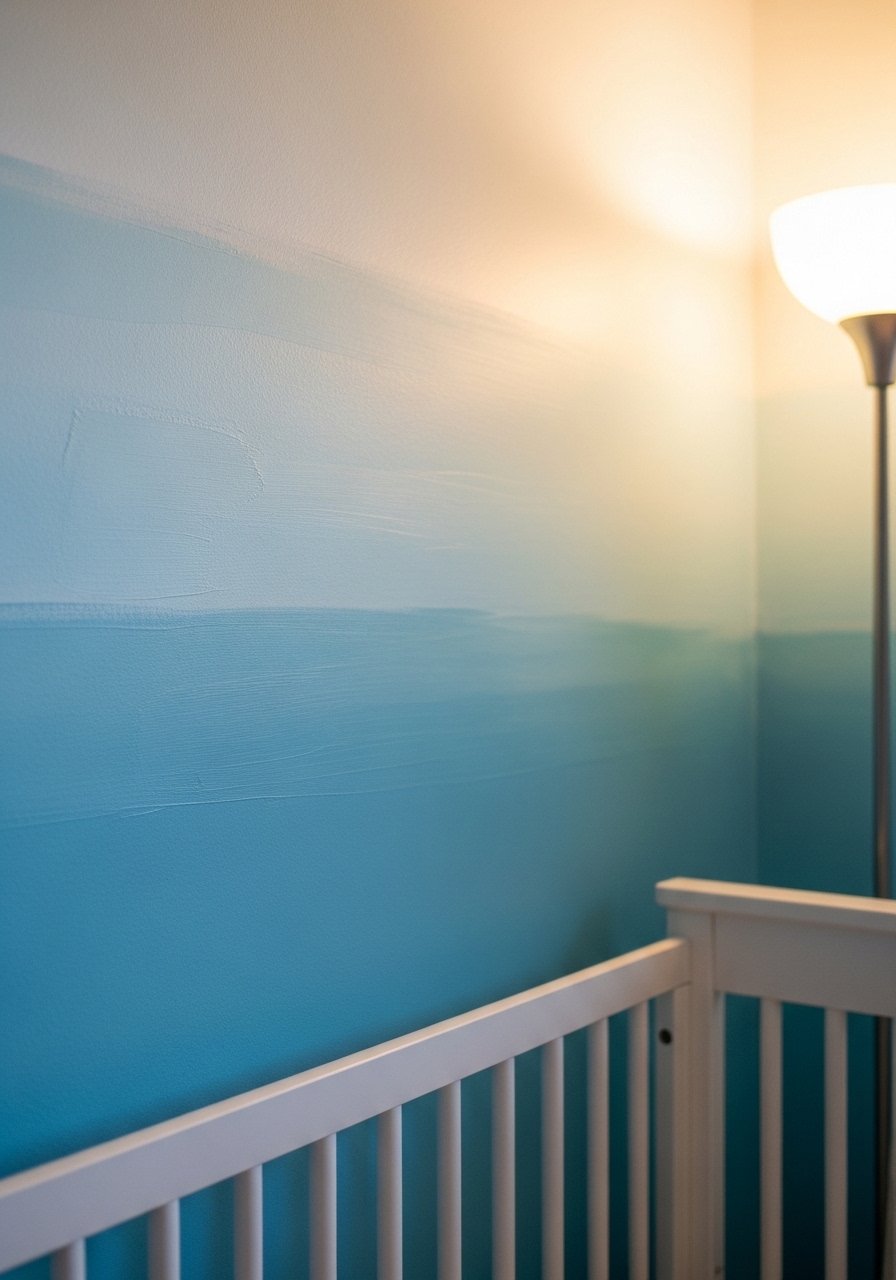
An ombre wall reads dreamy without needing pattern. Use three tones of the same color family and blend using a dry brush and horizontal strokes. Start with the darkest at the bottom for grounding. Budget $25 to $80. Parents like this because it hides scuffs lower down when painted darker. People often blend too abruptly. Keep transitions about 12 to 18 inches wide so they read gradual from across the room. For a 9-foot wall, make each tone roughly 30 to 36 inches tall. Ombre-paint-kit helped me match tones.
Peel Tiles for a Bathroom Accent
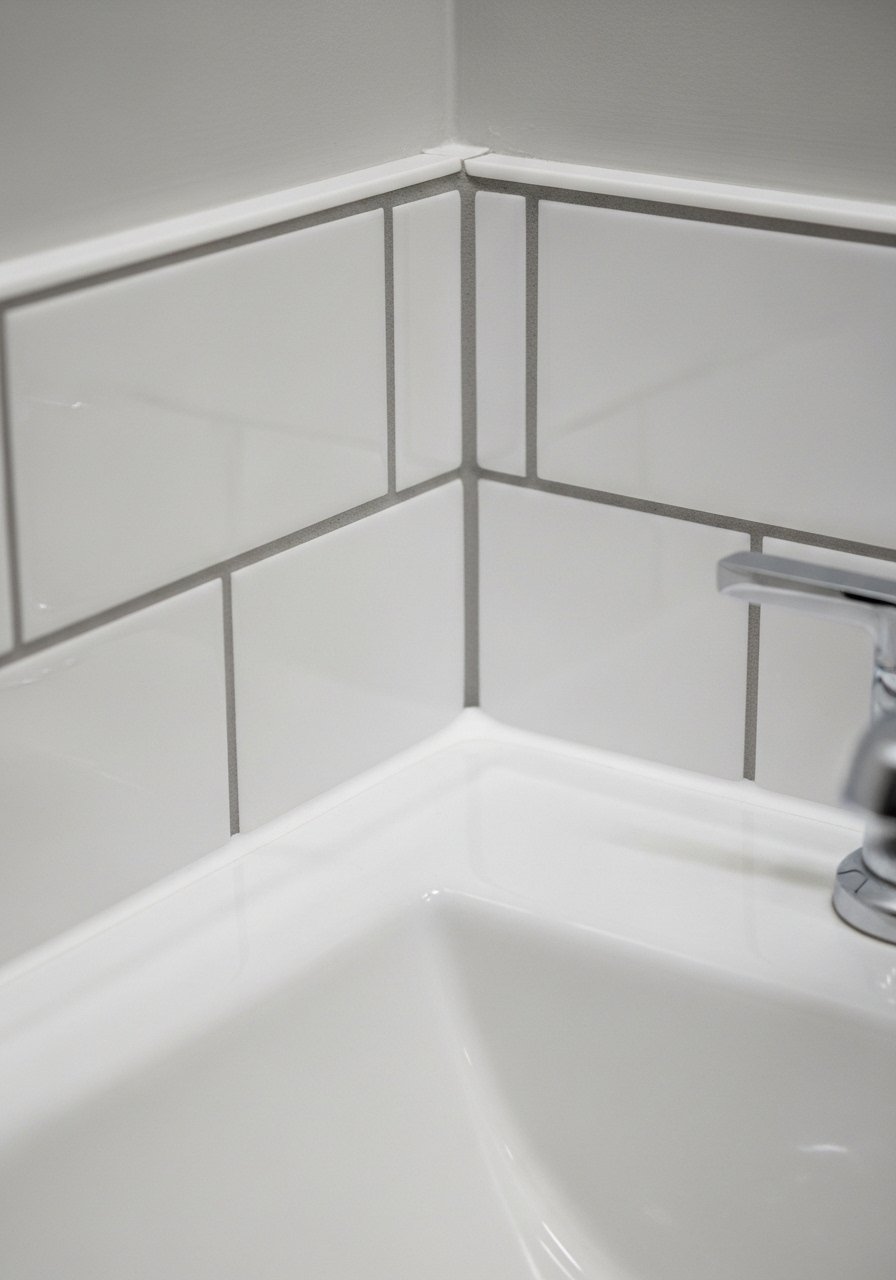
Peel tiles give the look of real tile without grout work. On damp walls use a waterproof primer first. Choose a grout-color caulk instead of white for less maintenance. Budget is $20 to $80 per sheet. The mistake is applying to uneven plaster. Sand and fill first. For shower walls you need real tile, but for vanity backsplashes peel tiles are perfect. My tip is to run tiles vertically for an unexpected twist. Peel-and-stick-subway-tile was a weekend win.
Metallic Striped Wall for Modern Glam Bedroom
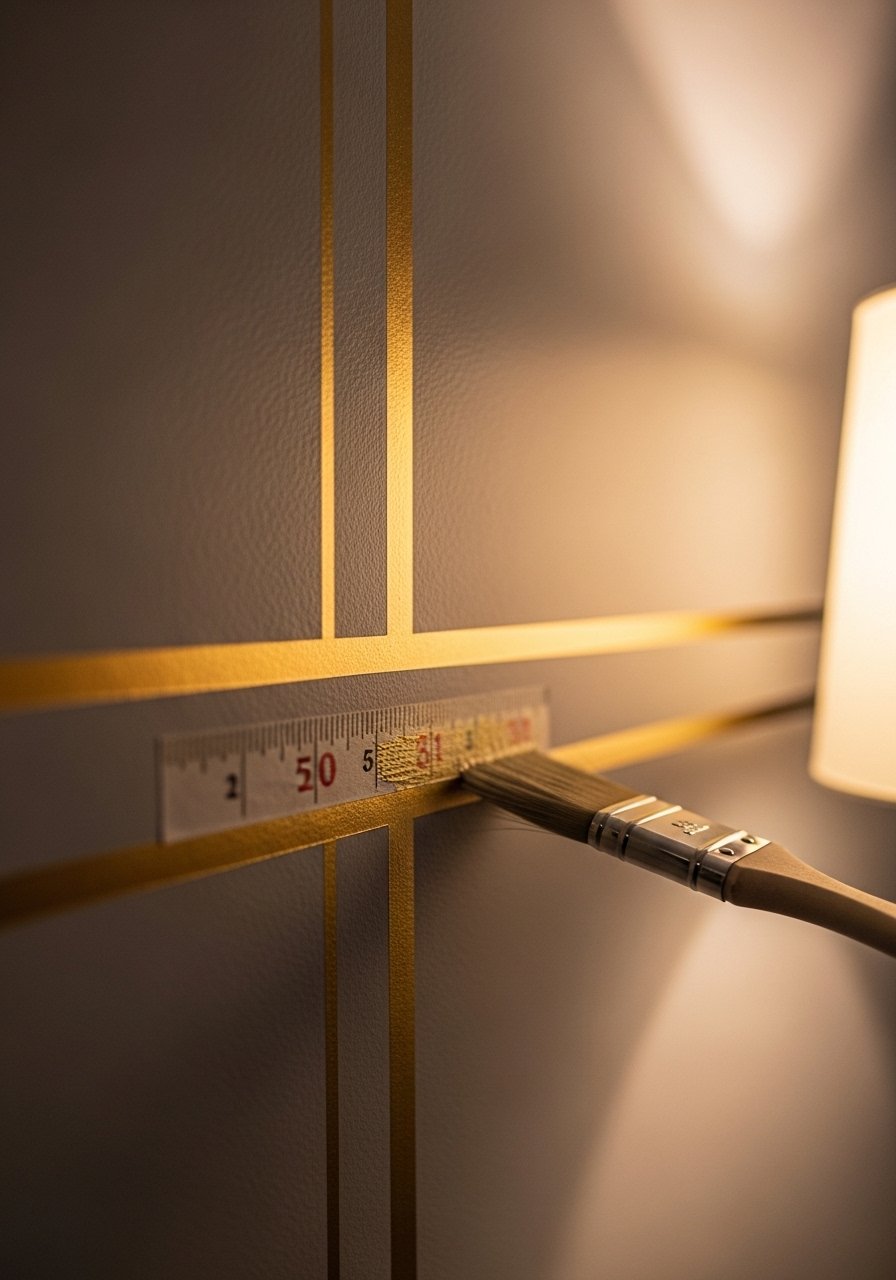
Thin metallic stripes add glamour without screaming. Use metallic paint and a 1/4-inch striping tape. Keep stripes evenly spaced at 6 to 8 inches apart for a subtle rhythm. Budget $30 to $90. A common mistake is using metallic over textured walls. Sand smooth first. Use matte wall paint for the base and metallic in satin so the stripes catch light. This pairs well with mixed metallic frames in the gallery wall section above. Gold-metallic-accent-paint gives a jewelry-like finish.
Floating Shelves Vignette with Plants in Living Room
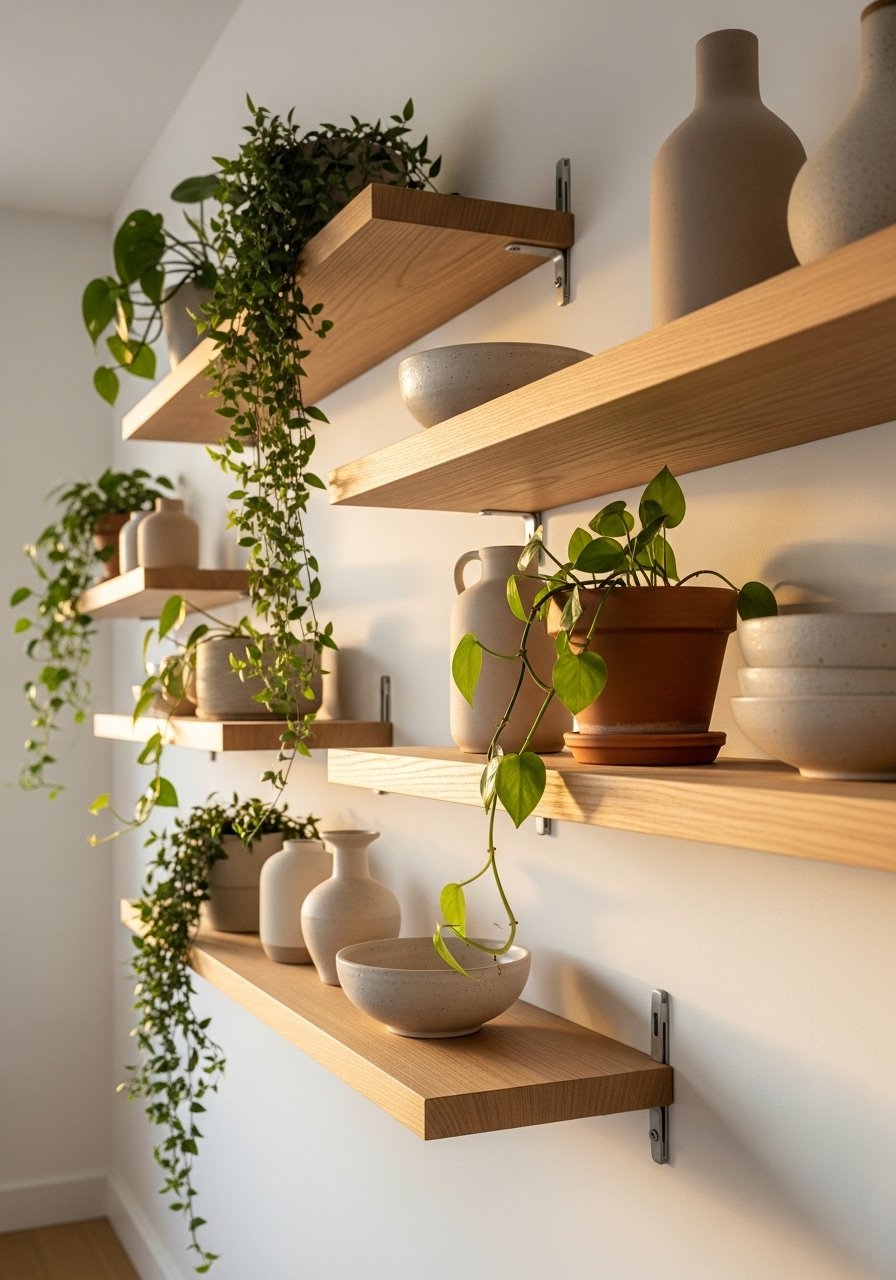
Shelves do more than hold things, they make a wall feel intentional. Stick to odd numbers and the rule of three when styling. Shelf depth of 10 inches is safe for most decor. Budget $30 to $150 per shelf depending on material. The problem this solves is cluttered tabletops. Don’t overcrowd shelves. Leave negative space and rotate pieces seasonally. Use a level and toggle bolts for drywall mounting. Pair with the vertical slat idea for twin-texture contrast. White-oak-floating-shelves held up everything from plants to heavy books.
Patterned Wallpaper Nook for a Small Office
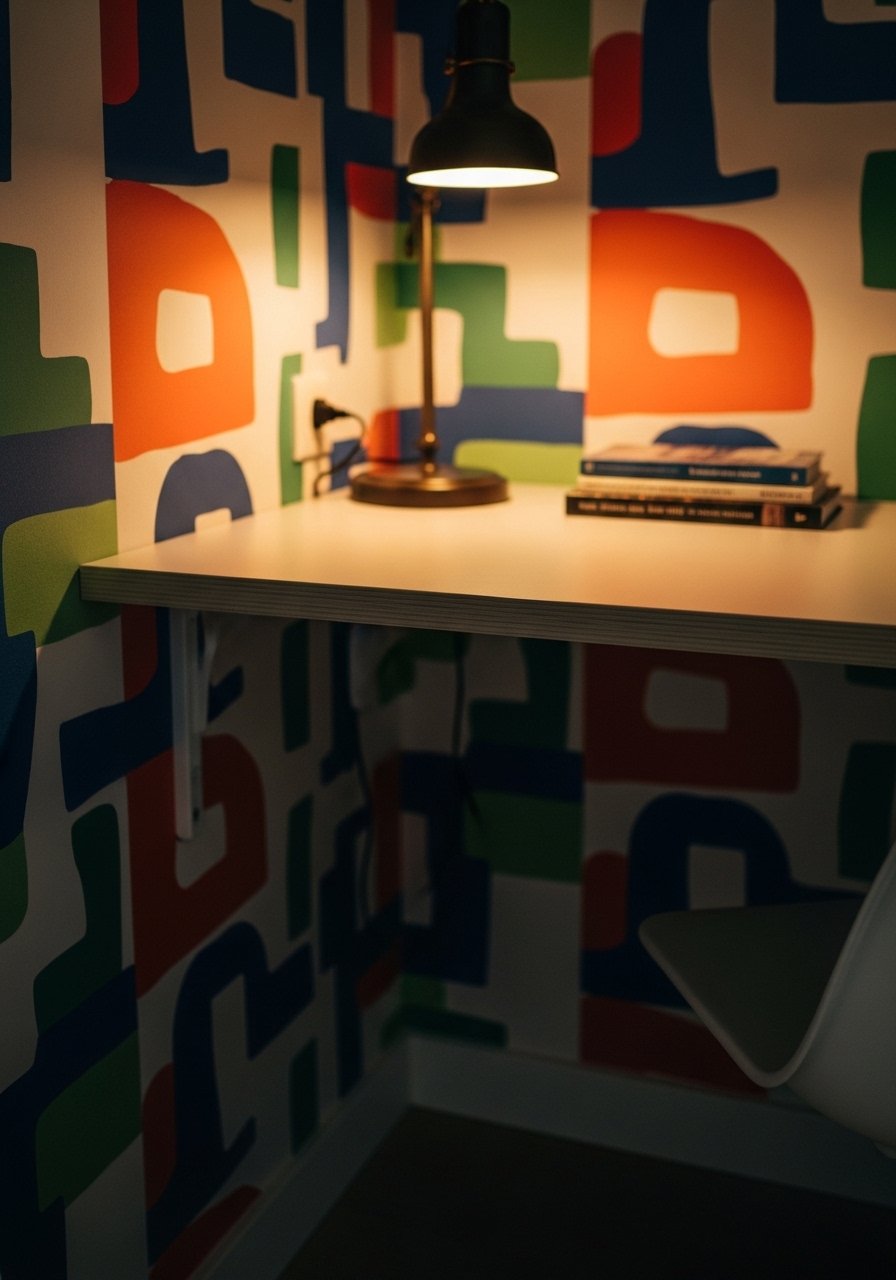
A patterned wallpaper in a small office makes the space feel designed, not thrown together. Pick a scale that matches the wall width. For desks under 48 inches wide avoid giant florals. Budget $35 to $150 per roll. People forget to check pattern repeat when matching corners. Use 10 percent extra yardage. Wallpaper plays nicely with floating shelves and the gallery wall technique, but keep one anchor piece like a large print to ground everything. I used small-scale-pattern-wallpaper and a single brass lamp.
Stenciled Pattern in a Home Office
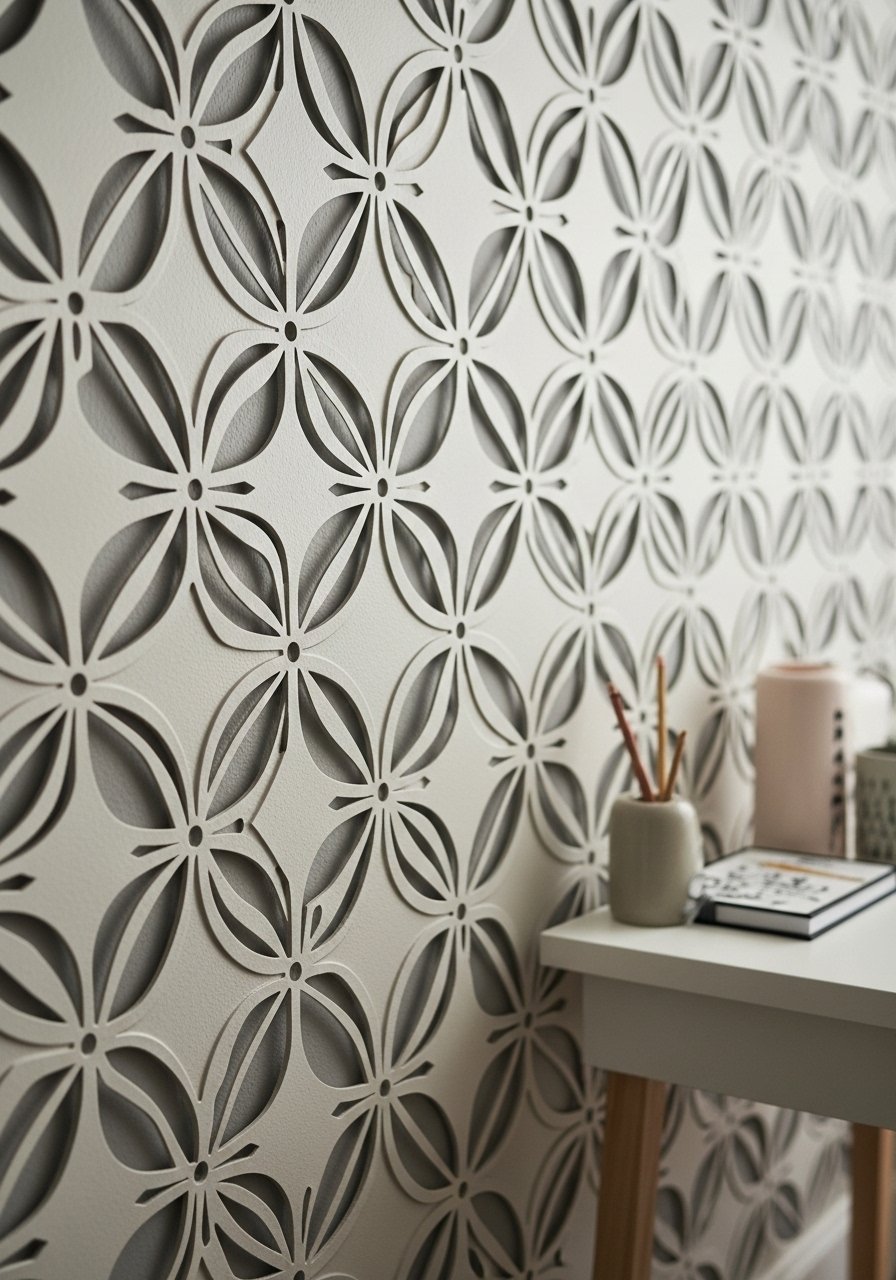
Stencils let you get a custom look on a budget. Use a foam roller and a paint tray for even coverage. Keep the stencil spacing at 2 to 3 inches for patterns that breathe. Budget $20 to $70. Don’t overload with paint or you will get blotches. Stenciling is cheaper than wallpaper and perfect when you want a repeatable motif. It also makes a small office read purposeful. Pair a stenciled wall with the floating shelves idea for styling. Geometric-stencil-kit made lining up easy.
Faux Brick Panels for a Rustic Family Room
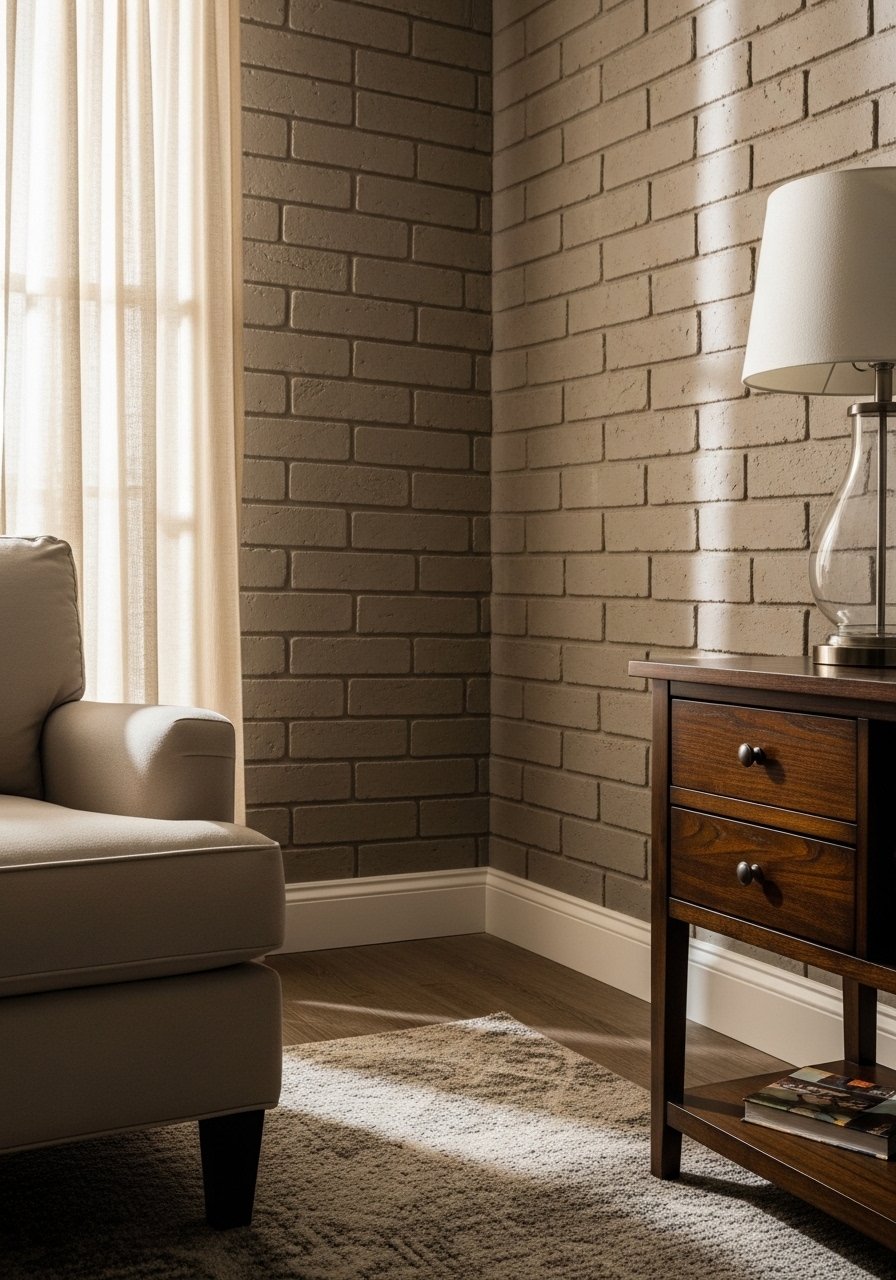
Faux brick adds a tactile backdrop without the cost of real masonwork. Prime the wall and use thin-set caulk to blend panel seams. Paint the mortar a shade darker than the bricks for depth. Budget is $80 to $300. A frequent error is going too white on everything. Add warm tones in furniture to keep the space lived in. Faux brick pairs beautifully with reclaimed wood shelving. I installed faux-brick-paneling on a weekend and felt like I had a cabin.
Projected Mural for a Statement Wall
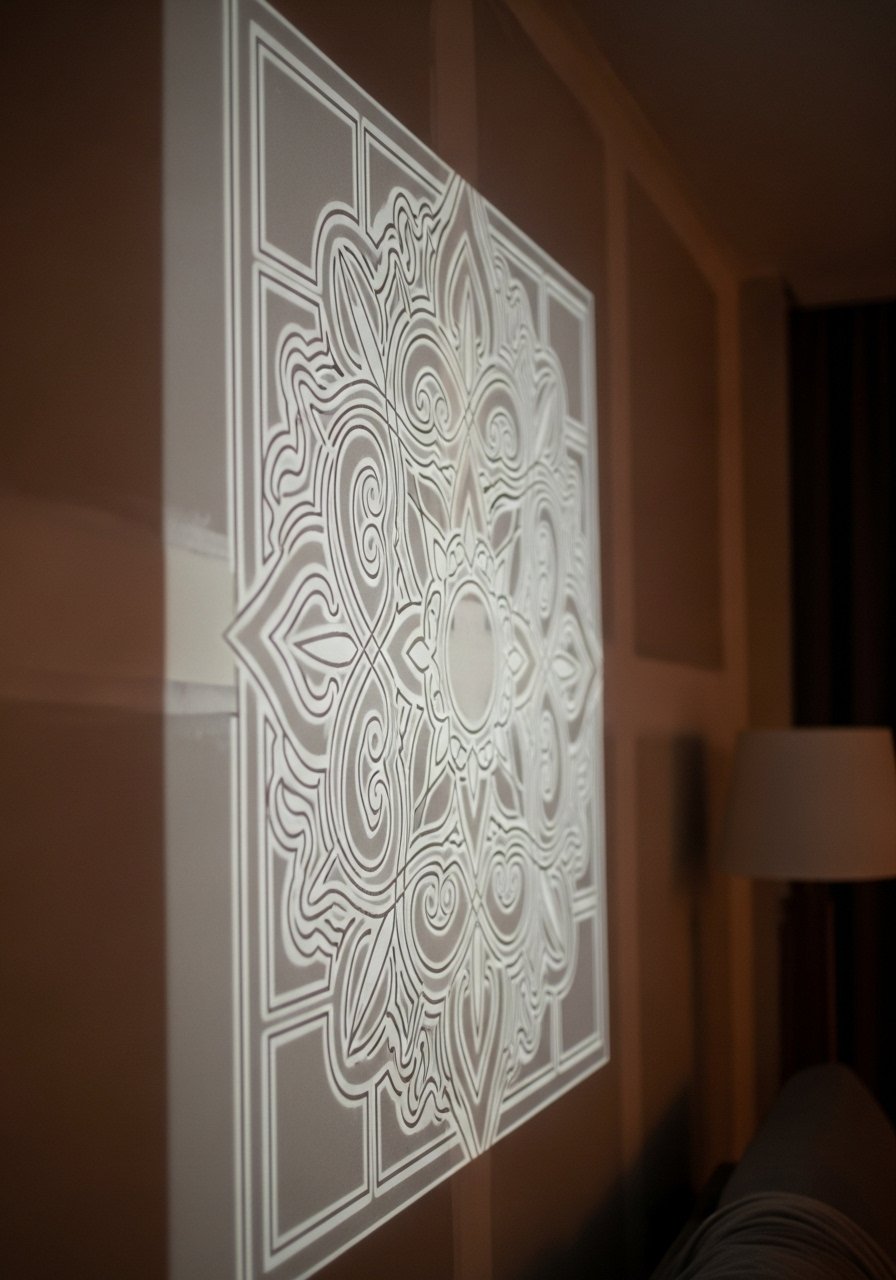
If you want a mural but not the trust fall of freehand, use a cheap projector to trace an image. Scale the image to the wall and trace with a light pencil, then paint with a brush. Budget $0 to $200 depending on how intricate you go. A common mistake is choosing a mural that overwhelms furniture. Test with a sheet taped to the wall first. Projected murals let you work from a photo and get precise lines. I used portable-mini-projector for my first attempt.
Reclaimed Wood Planks for a Warm Family Room
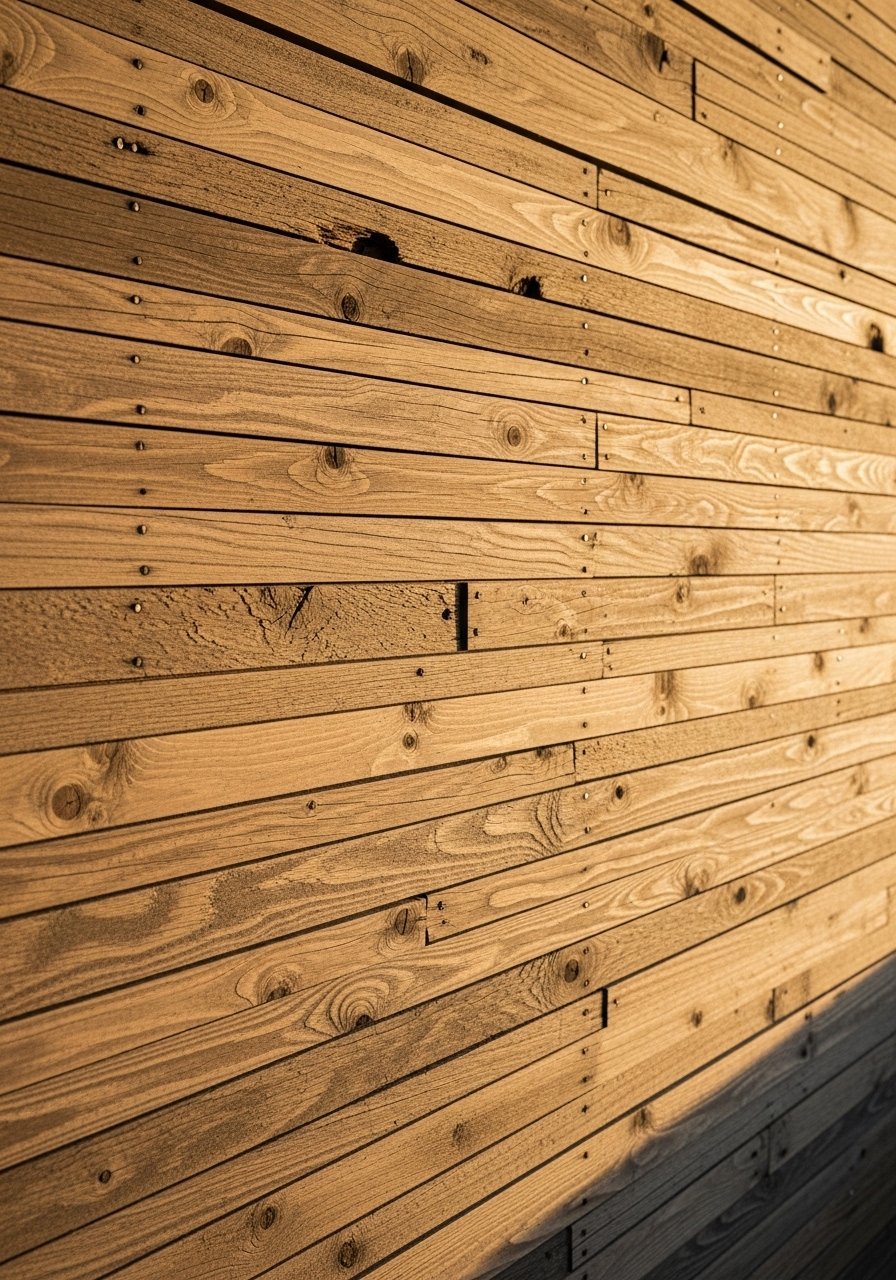
Reclaimed wood brings instant warmth and history. I cut planks to stagger lengths and nailed them to a plywood substrate. Keep plank widths varied between 3 and 6 inches for a relaxed, not uniform, look. Budget varies widely, $100 to $600. People assume reclaimed equals rough. Sand and seal with a matte finish to keep it touchable. Pair with neutral upholstery and one bold art piece for balance. Reclaimed-wood-plank-kit was a helpful shortcut.
Mirror Mosaic to Brighten a Dark Hallway
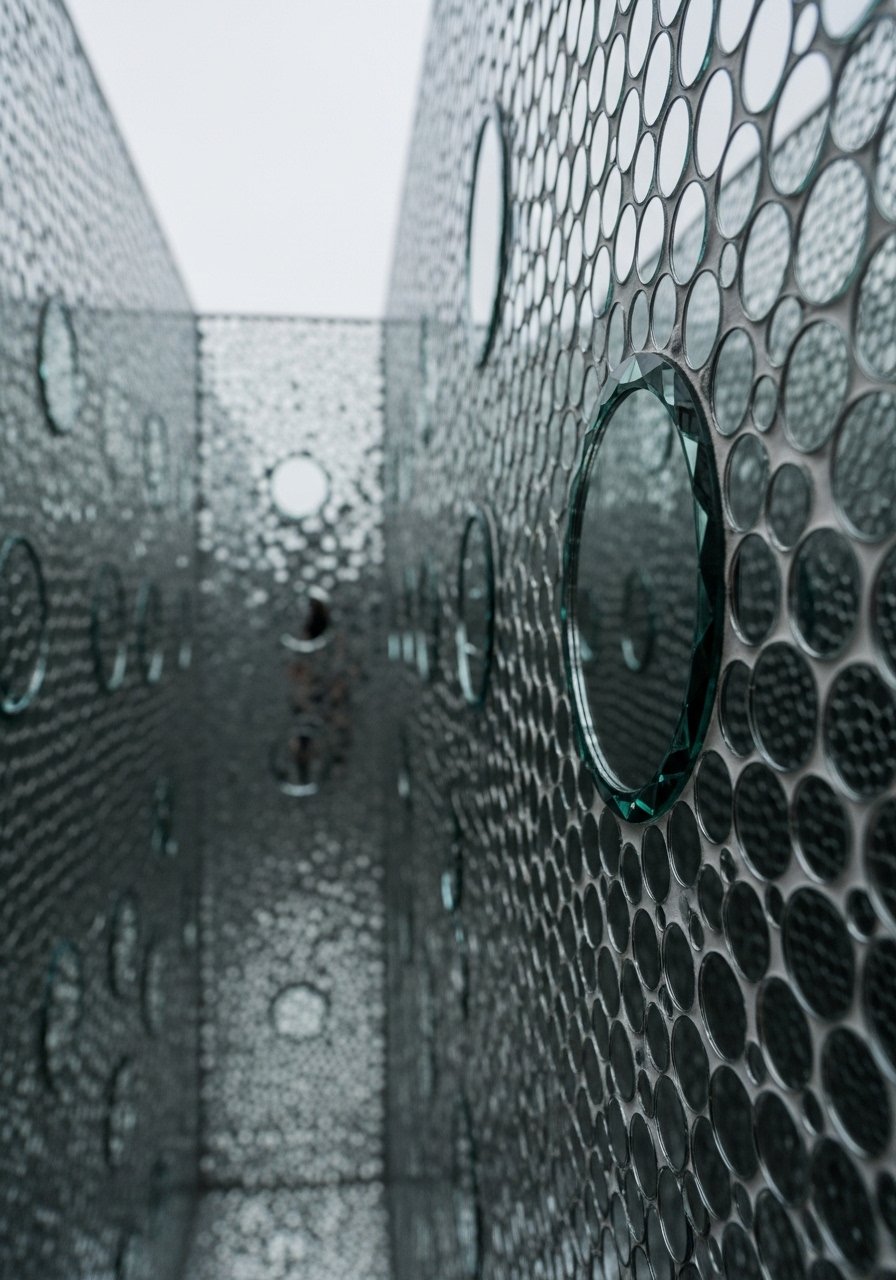
A cluster of mirrors solves the "dark hallway" problem fast. Stick to a single shape, like rounds between 6 and 12 inches, and stagger them in an organic composition. Budget $40 to $200 depending on sizes. Avoid mirror placement that faces a messy entry. Use a picture hanging grid on the floor to plan before committing. Mirror clusters pair with a small runner rug and slim console for a complete entry. I used round-beveled-mirrors-set for a bright result.
Cork Pinboard Wall for a Practical Craft Room
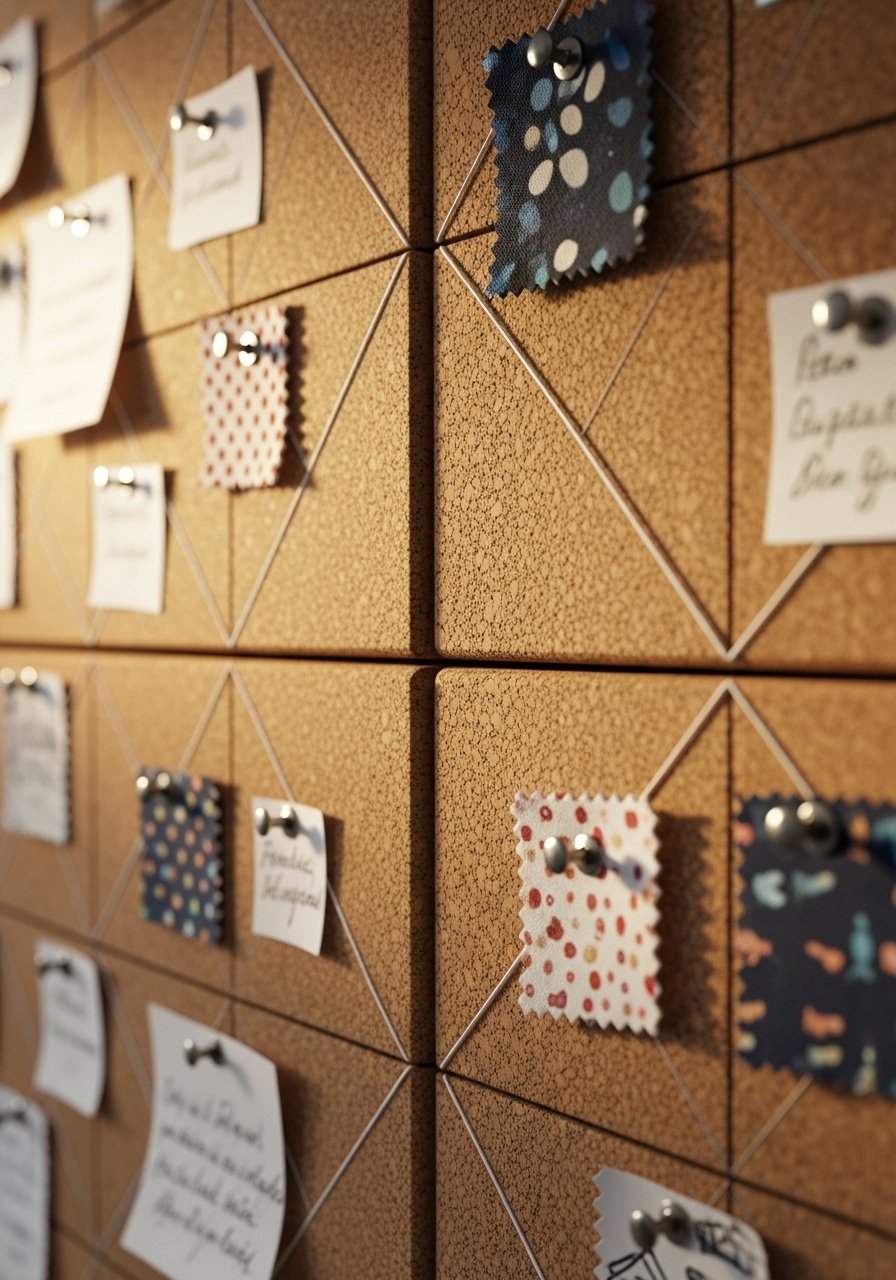
A cork wall is both functional and tactile. Use 12×12 tiles for fast coverage and stagger seams like brick. Budget $30 to $120. People think cork looks cheap and cover it with photos. Leave negative space for breathing room. Cork works great behind a workbench or as a bulletin wall in a home office and is a renter-friendly option if mounted on pegboard. I keep a small basket for pins and a labeled fabric swatch collection. Self-adhesive-cork-tiles made installation painless.
Your Decor Shopping List
- Honestly the best $40 I have spent, Chunky knit throw in cream (~$35-55). Drape over the sofa arm for instant warmth
- For the curtain trick, you need length. 96-inch linen panels (~$30-50 per panel). Similar at Target if you want to see fabric in person
- For quick wallpaper, try botanical-peel-and-stick-wallpaper (~$40-110 per roll). Order an extra roll for pattern matching
- White oak floating shelves, 10-inch depth (~$60-150). Best for styling plants and ceramics
- 1-inch painter’s tape (~$6-10). Use for crisp geometric shapes
- Peel-and-stick-subway-tile (~$25-70 per sheet). Great for kitchen nooks
- Gold-metallic-accent-paint, sample size (~$12-25). Use sparingly for stripes or trim
- Round-beveled-mirrors-set (~$40-120). One mirror creates light, a cluster creates a feature
- Self-adhesive-cork-tiles, 12×12 (~$20-70 for set). Fast, practical wall covering
- Portable-mini-projector for murals (~$70-200). Use to trace large-scale art
Shopping Tips
White oak beats dark wood in 2026. Design feeds have shifted completely. These white oak floating shelves look current, not dated.
Grab velvet pillow covers for $12 each. Swap them every three months to change the room’s mood with almost no effort.
Curtains should puddle or kiss the floor, never hang halfway up. These 96-inch panels are right for standard 9-foot ceilings.
Lead with the link: peel-and-stick-subway-tile for quick kitchen updates. Pick a grout-color caulk to hide seams.
Everyone buys five small succulents. One single 6-foot faux fiddle leaf fig has ten times the visual impact.
Frequently Asked Questions
Q: Can I mix boho textiles with modern furniture without it looking messy?
A: Yes. Use the rule of three with patterns and limit one bold pattern to 60 percent of your textiles. Anchor with simple neutrals and pick one metal finish to repeat. Swap pillow covers if you need a reset.
Q: What size area rug do I actually need for a living room?
A: Bigger than you think. For a standard living room go 8×10 minimum. All front furniture legs should sit on the rug. This 8×10 jute rug is neutral and durable.
Q: How do I know if peel-and-stick wallpaper will look real?
A: Check the pattern repeat and match seams. Order a sample strip and test in the room light. Peel paper reads best when you align a major motif with furniture height.
Q: Can renters create bold accent walls?
A: Absolutely. Use peel-and-stick wallpaper, hanging textiles, or removable molding. Avoid paint changes that require repainting to original color unless you get landlord approval.
Q: What paint sheen should I use on an accent wall?
A: Use eggshell for the main field and satin for details like stripes or board and batten. Satin reflects light and keeps crisp edges visible without being shiny.
Q: How high should I hang art above a sofa?
A: Hang art so the bottom sits 8 to 10 inches above the sofa back. If you have multiple pieces, aim for a center height of 57 inches from the floor when the wall stands alone.
Q: Should I match metals or mix them?
A: Mix them. It looks more edited. Start with one metal as the dominant finish and echo a second as a contrast. Mixed-metal-frames make that simple.
Q: What’s the easiest way to brighten a dark hallway?
A: Add mirrors and a light color on the accent wall. A cluster of round mirrors reflects hall light and makes the space feel wider. Round-beveled-mirrors-set works well.