

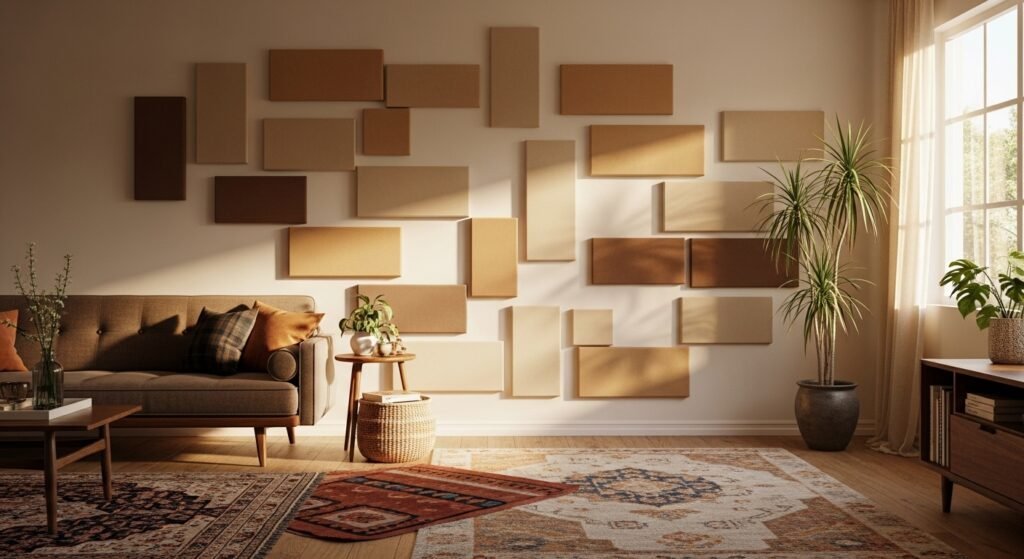
My living room had nice furniture and decent lighting but it still felt like a waiting room. Took me embarrassingly long to figure out it was missing texture. Every surface was smooth, every color was flat, and nothing invited you to actually sit down. Adding acoustic wall panels fixed more than the echo. They broke up flat planes and gave the room a real human scale.
These ideas lean modern cozy, with some rustic and Scandinavian options mixed in. Most builds are under $100 per panel, with a few splurges around $150. They work in living rooms, bedrooms, home studios, and even covered patios.
Minimalist Studio Panel Grid for Accurate Sound
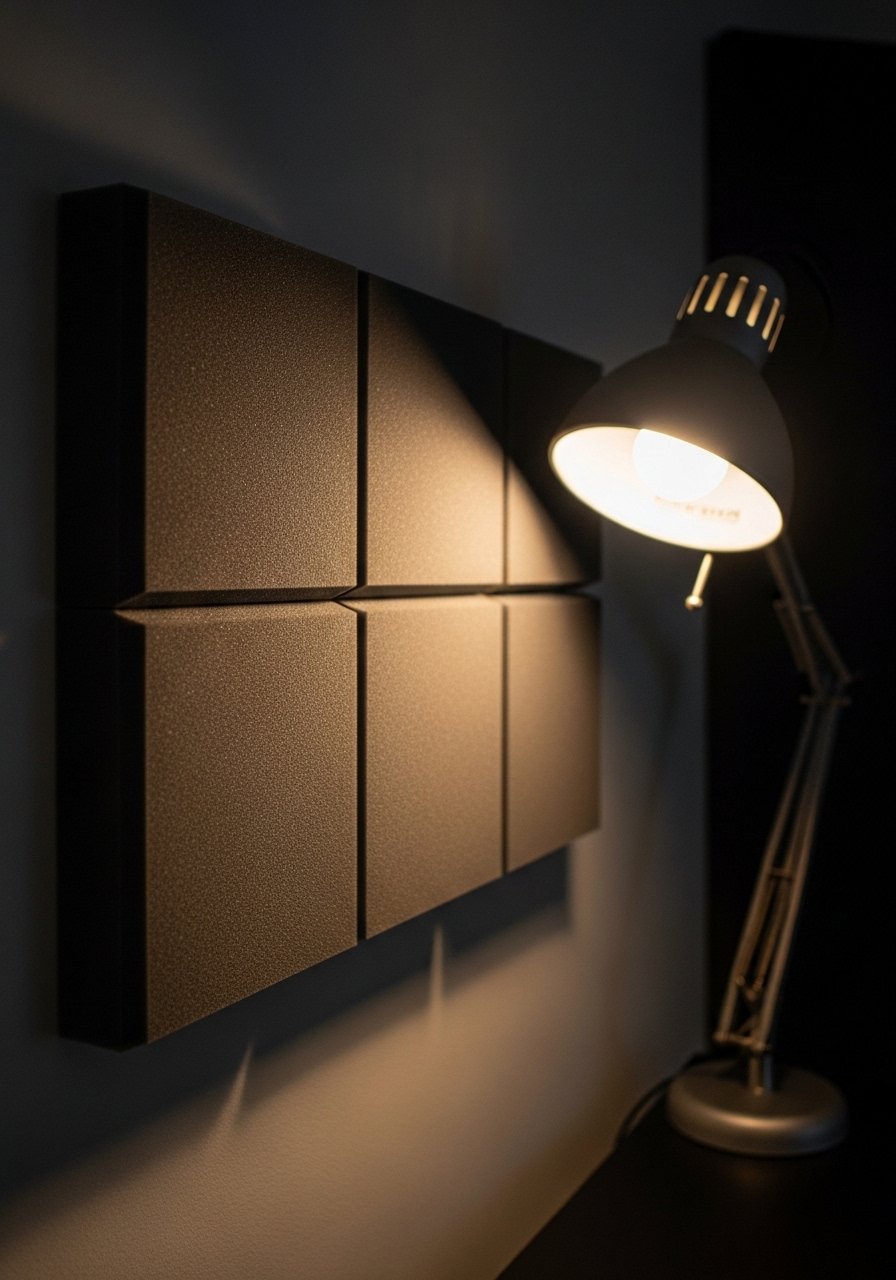
If you want cleaner recordings without hiring a pro, a 3×3 grid of 12-inch square panels is my go-to. The grid reads modern and hides irregularities. High-density panels absorb mid and high frequencies which is perfect for voice. Budget range is $8 to $30 per panel depending on density. I use high-density acoustic foam panels behind the mic and then a couple of fabric-wrapped panels for reflections. The common mistake is spacing them too far apart. Keep gaps under 2 inches so the wall still reads as one surface. Pair it with the corner bass trap idea later for full-range control.
Upholstered Fabric Panels for a Cozy Living Room
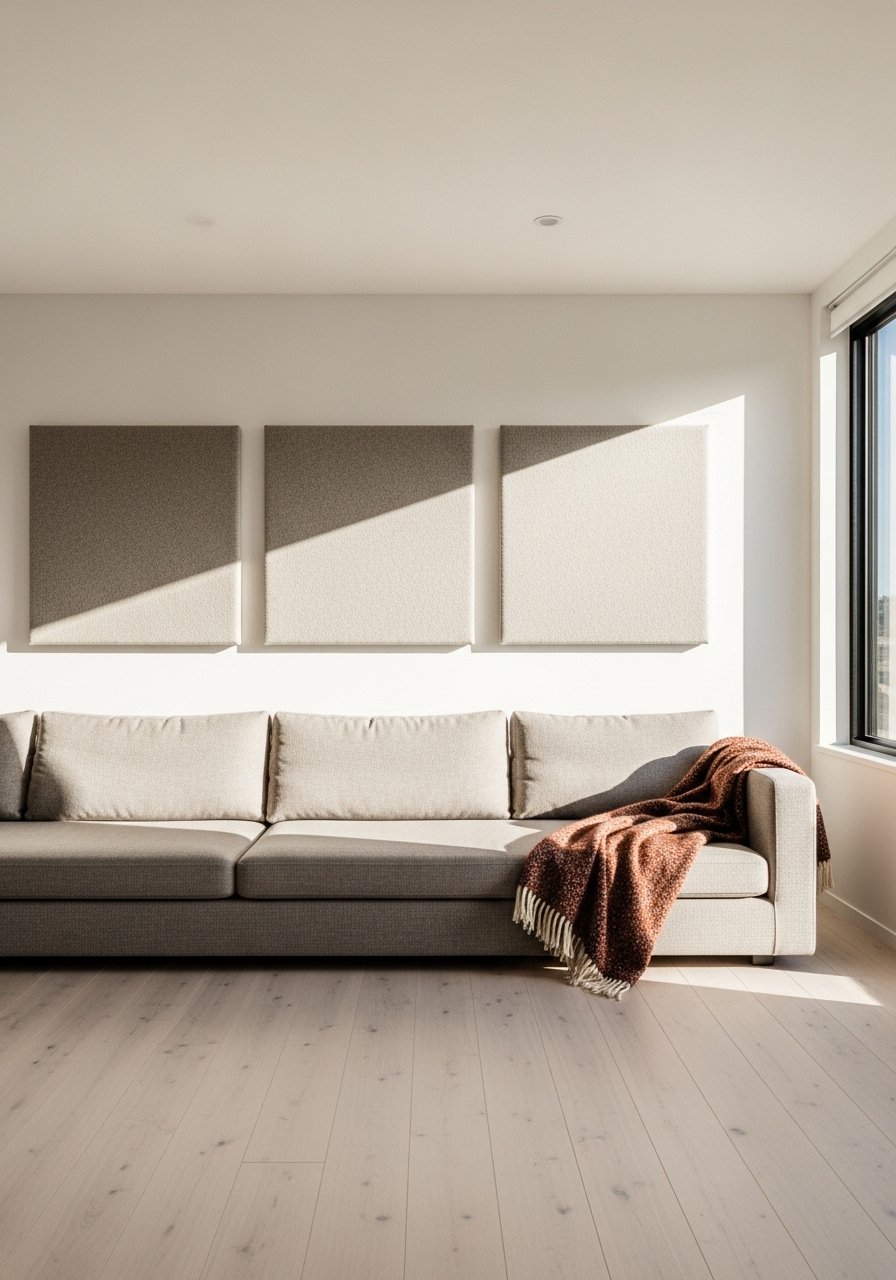
The moment I wrapped foam in wool and framed it, the sofa no longer looked orphaned. Upholstered panels feel like art and work for echo and insulation. Aim for 30 to 36-inch wide panels above seating so the scale matches common sofa widths. Cost is $40 to $120 per panel depending on fabric. I used wool blanket fabric by the yard and hidden Z-clips to hang them. A mistake people make is choosing shiny fabrics that reflect sound. Stick to matte, textured textiles. This pairs nicely with the layered textile gallery idea below.
Cork and Wood Rustic Panels for the Dining Room
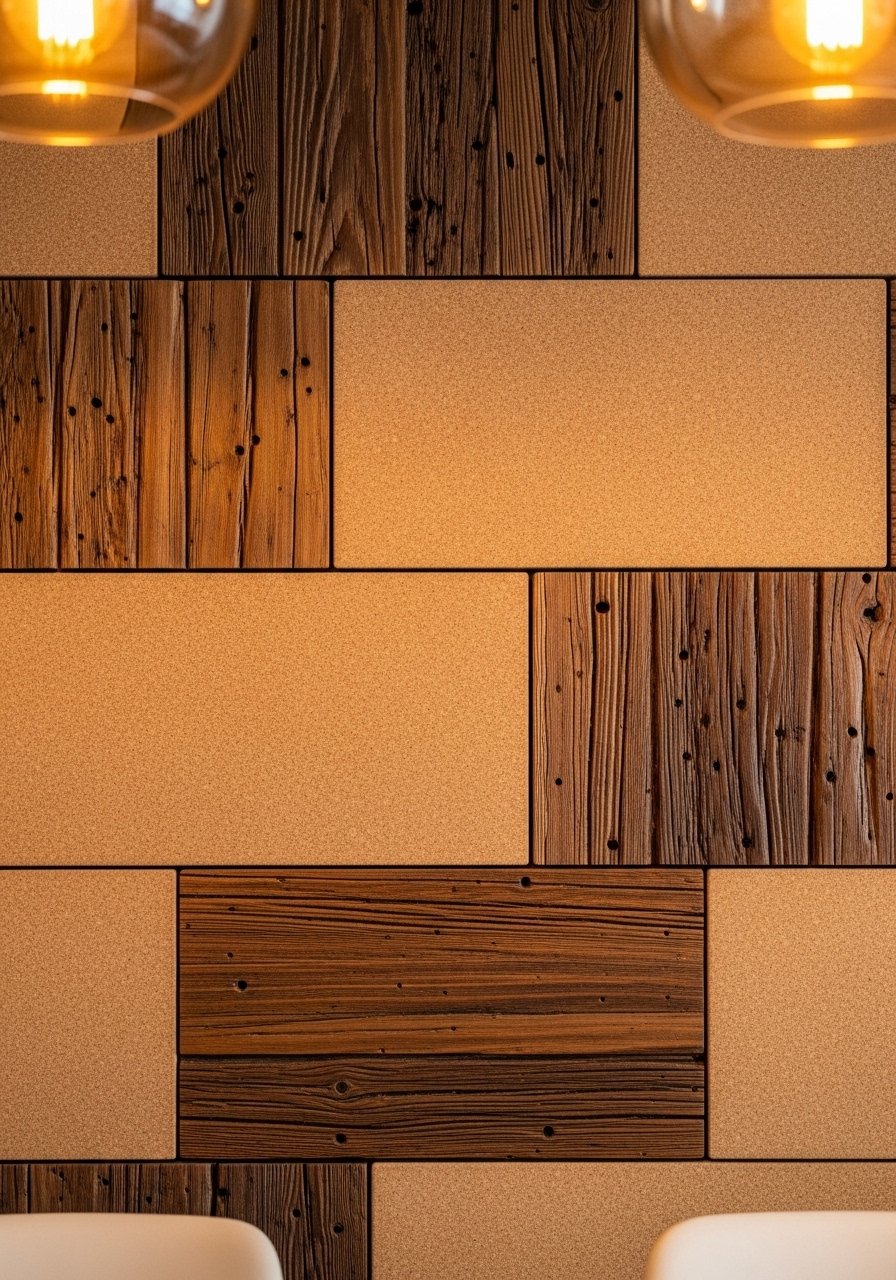
If your dining area sounds like a restaurant kitchen table, cork panels are underrated. Cork soaks up midrange and combined with thin wood slats you get warmth without deadening conversation. Use 2:1 wood-to-cork ratio so the wall keeps visual interest. I cut 12×24-inch cork tiles and glued them to plywood backing. Natural cork tiles are cheap and renter friendly. A common mistake is leaving exposed adhesive edges. Wrap seams with a 1/4-inch trim for a clean look. Swap heavy wainscoting for this when you want a dated look avoided.
Printed Art Acoustic Panels for a Modern Bedroom
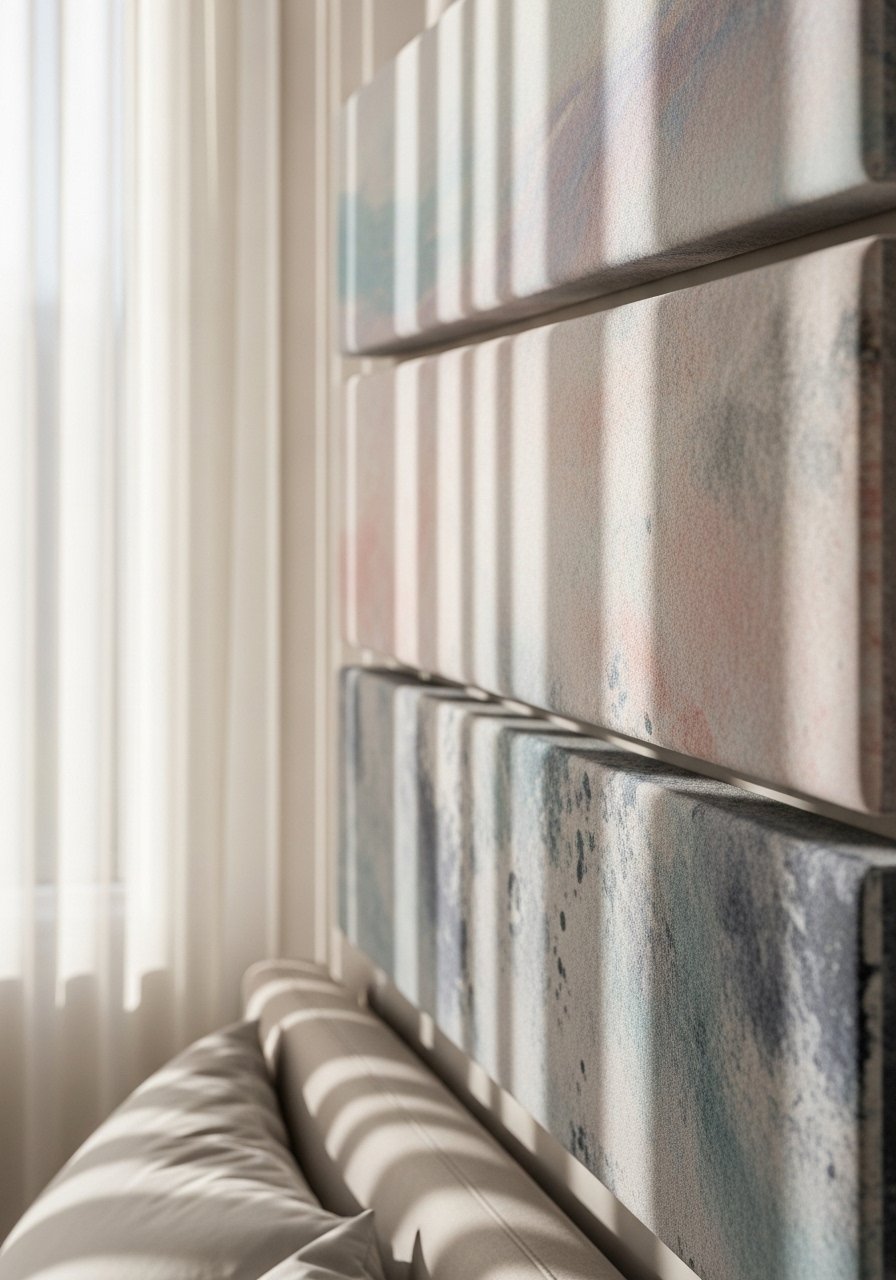
For a bedroom that feels intentional, print your favorite photo or illustration on acoustic fabric. The panels absorb sound and act like oversized art. Keep the printed area at roughly 60 to 70 percent of the panel surface so the texture still reads as fabric. I used acoustic-print fabric panels and found one large image beats five small ones for a restful space. Mistake to avoid is using bold, noisy prints in a small bedroom. Go subtle for sleep quality and pair with soft bedside lamps.
Vertical Slat Panels for a Modern Hallway
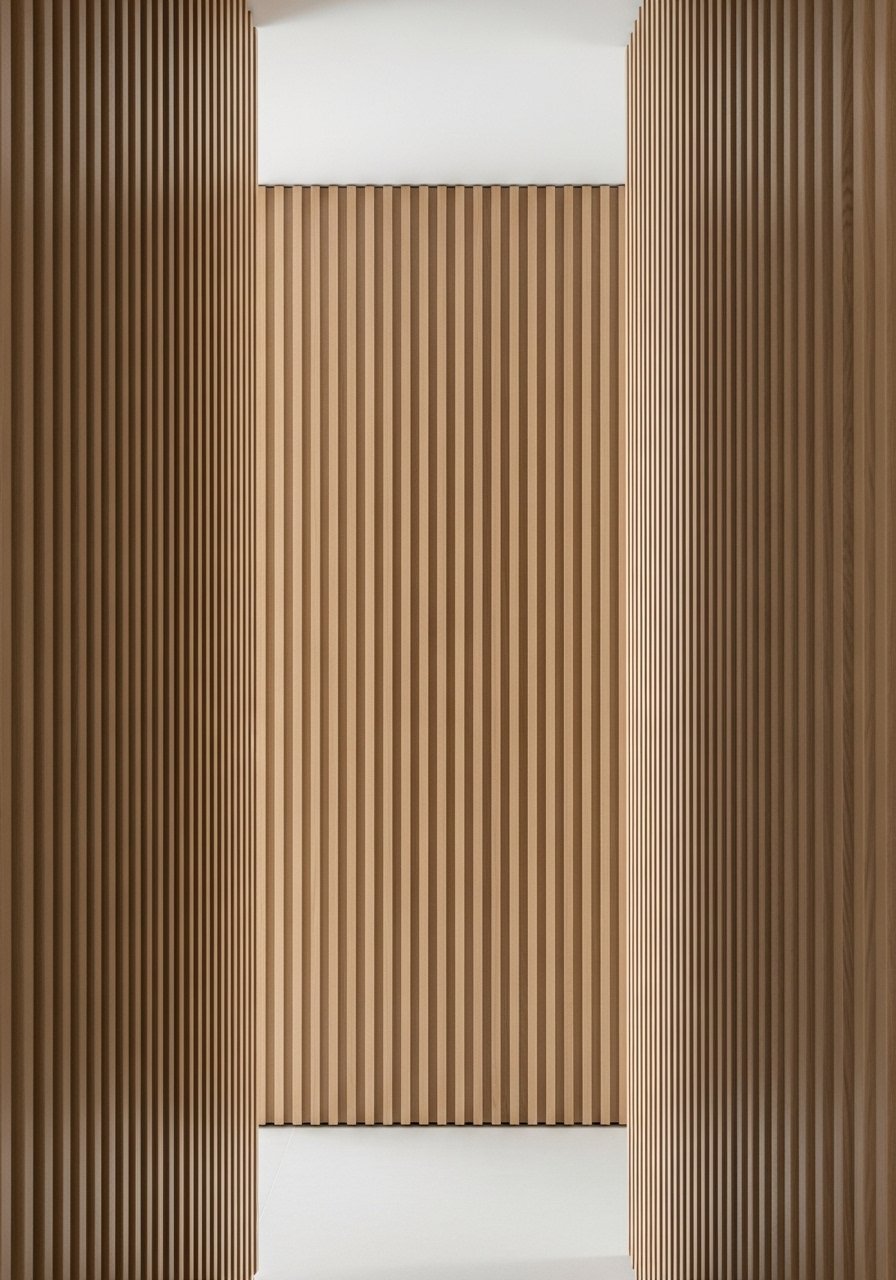
Most hallways echo because surfaces are narrow and reflective. Vertical slats with 1-inch gaps break up reflections and add perceived height. For standard 8-foot ceilings, 2.5-inch-wide slats look proportional. I installed white oak slat panels on MDF backing, which costs more but lasts longer. A frequent error is using slats the same color as the wall. Choose a slightly different tone so you see the texture. Pair this with the oversized mirror idea to brighten tight spaces.
Reclaimed Wood Frame Panels for a Loft Living Area
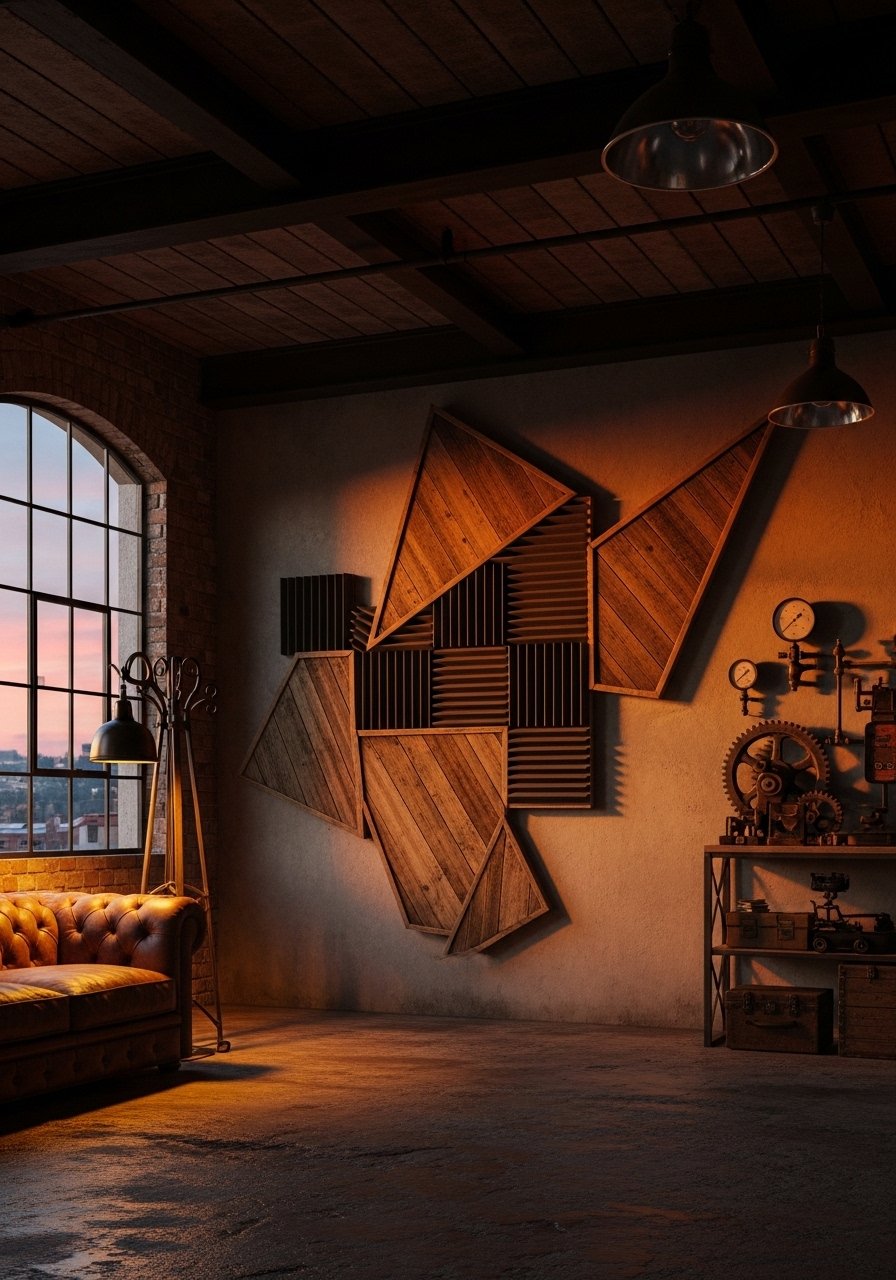
If your place has high ceilings and hard floors, reclaiming pallet wood to frame compressed felt panels makes the room feel anchored. Use a 1:3 ratio of wood trim to felt area to keep the focus on texture, not lumber. Felt panels cost about $25 to $60 each and the frames are salvage or cheap pallet boards. I glued felt to 1/2-inch MDF and face-nailed the frame for that imperfect look. Avoid using too many different wood tones or the wall will look messy. This is a fresh angle most decorators skip, because it doubles as art and acoustic treatment.
Hanging Felt Clouds for a Nursery or Playroom
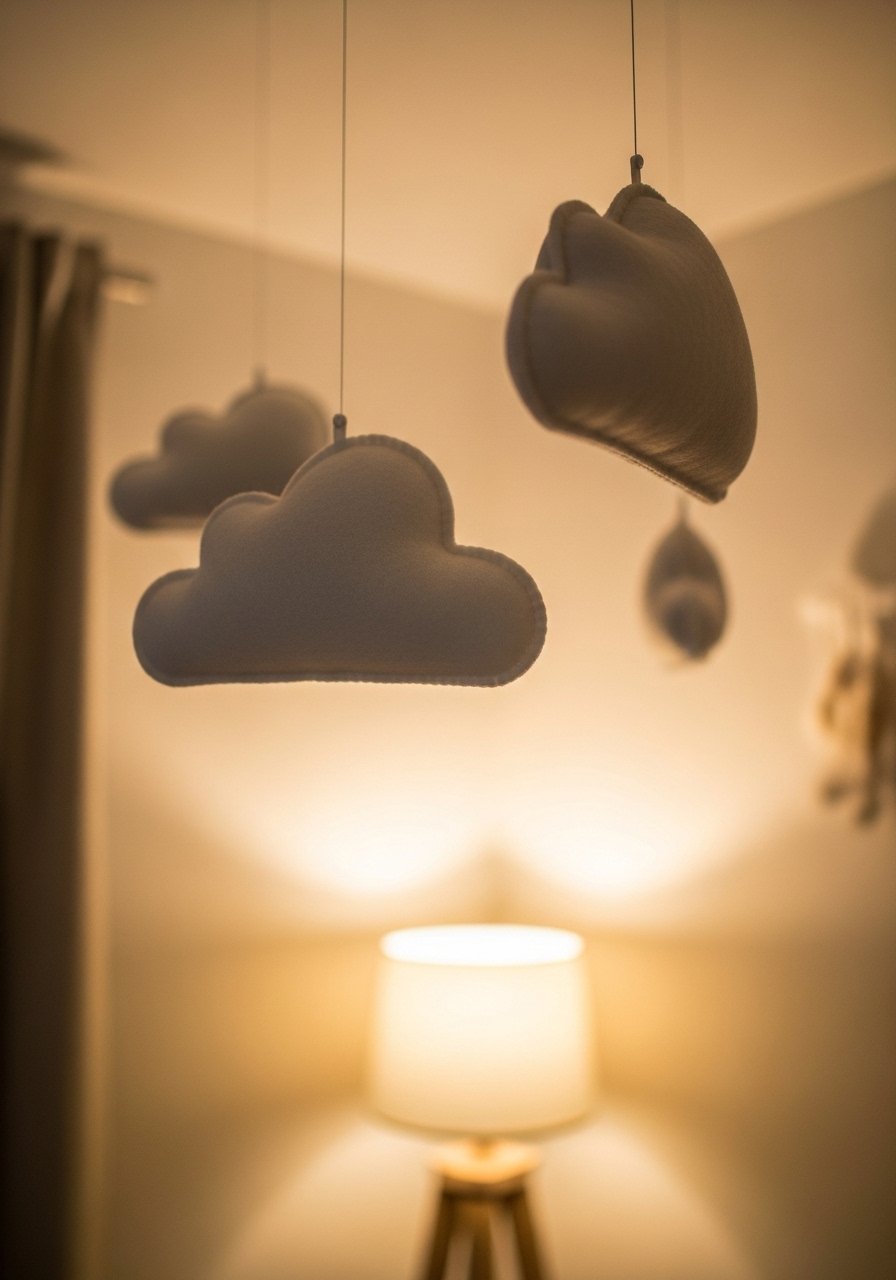
There is something about a reading nook with layered pillows that makes you want to cancel your plans. Suspended felt clouds cut echo without crowding walls which is great for a nursery. Keep clouds at least 6 inches from the ceiling to be effective. Use lightweight felt and clear fishing line so they seem to float. I picked up decorative felt panels that came with grommets. A common mistake is hanging them too low and making the room feel chopped. Aim for eye-level clearance in play areas.
Woven Textile Panels for a Cozy Reading Nook
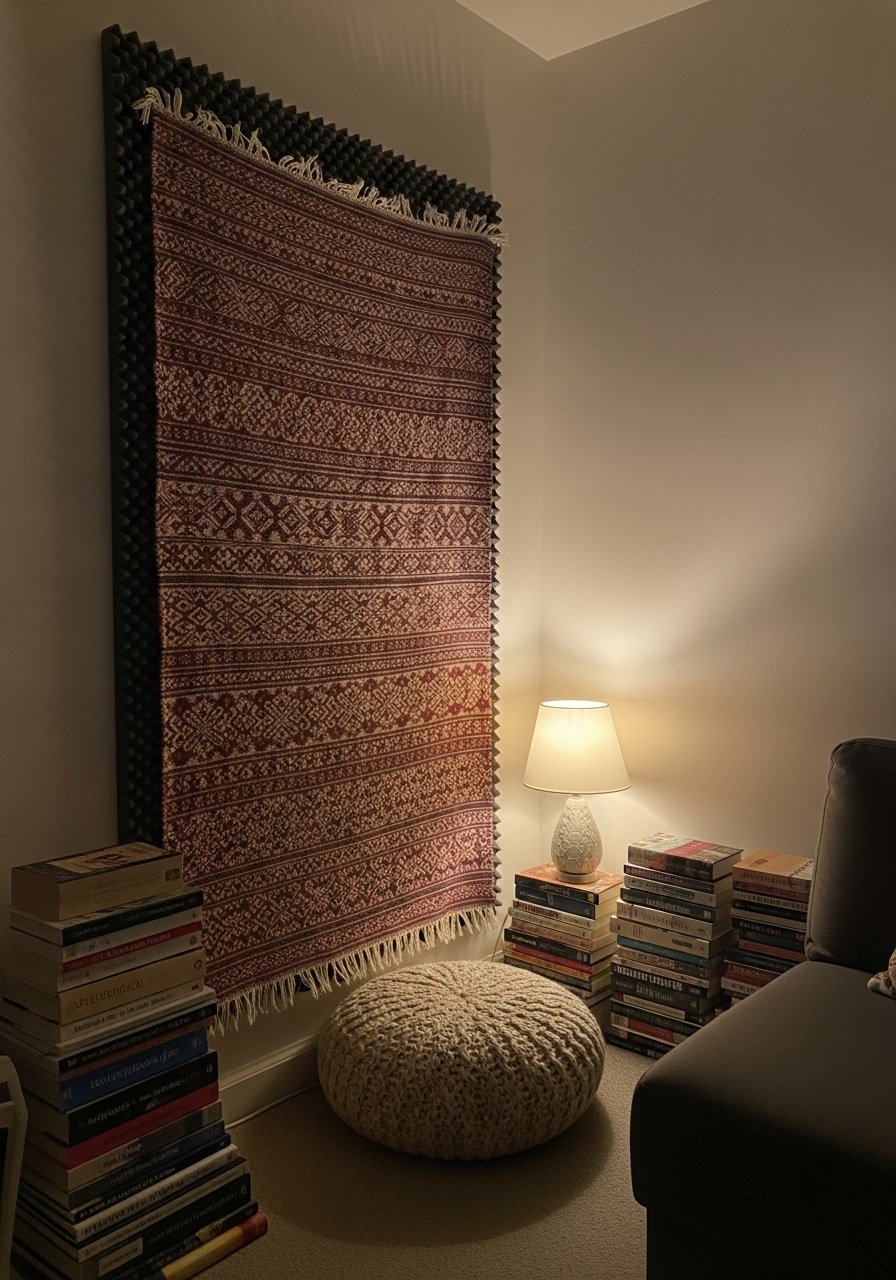
There is a cozy confidence when a woven textile replaces blank drywall. Stretch a 40×60-inch woven piece over an acoustic core and you get sound control plus tactile warmth. Keep the textile tensioned evenly so the weave does not sag. I used a linen backing and stapled the textile to a frame, then set it on cleats for removal. Handwoven wall hangings work if you want a ready-made option. Mistake: picking a thin wall tapestry that does nothing acoustically. Choose loosely woven, thicker textiles.
Framed Quilts as Family Room Absorbers
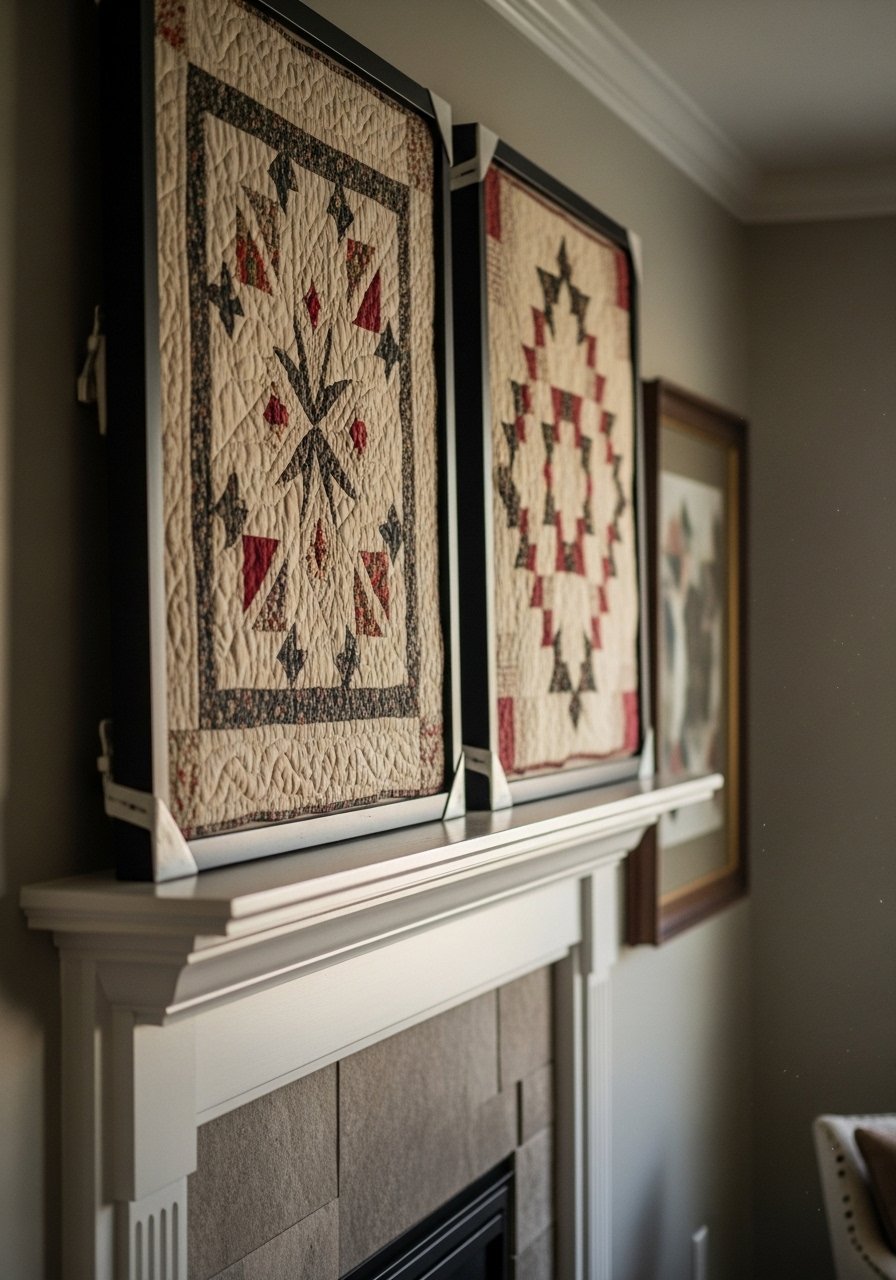
My grandmother's quilt stopped the echo in our family room and instantly felt familiar. Quilts add thickness and a layered pattern that hides seams. When framing, leave a 1/2-inch air gap behind the quilt for better absorption. You can mount quilts on 1/2-inch acoustic board or back them with recycled denim batting. Quilt batting by the yard is budget friendly. Newbie mistake is stretching quilts too tight which flattens the pattern. Let the handwoven character remain, it reads authentic not staged.
Hidden Eggcrate Foam Behind Bookshelves in a Home Office
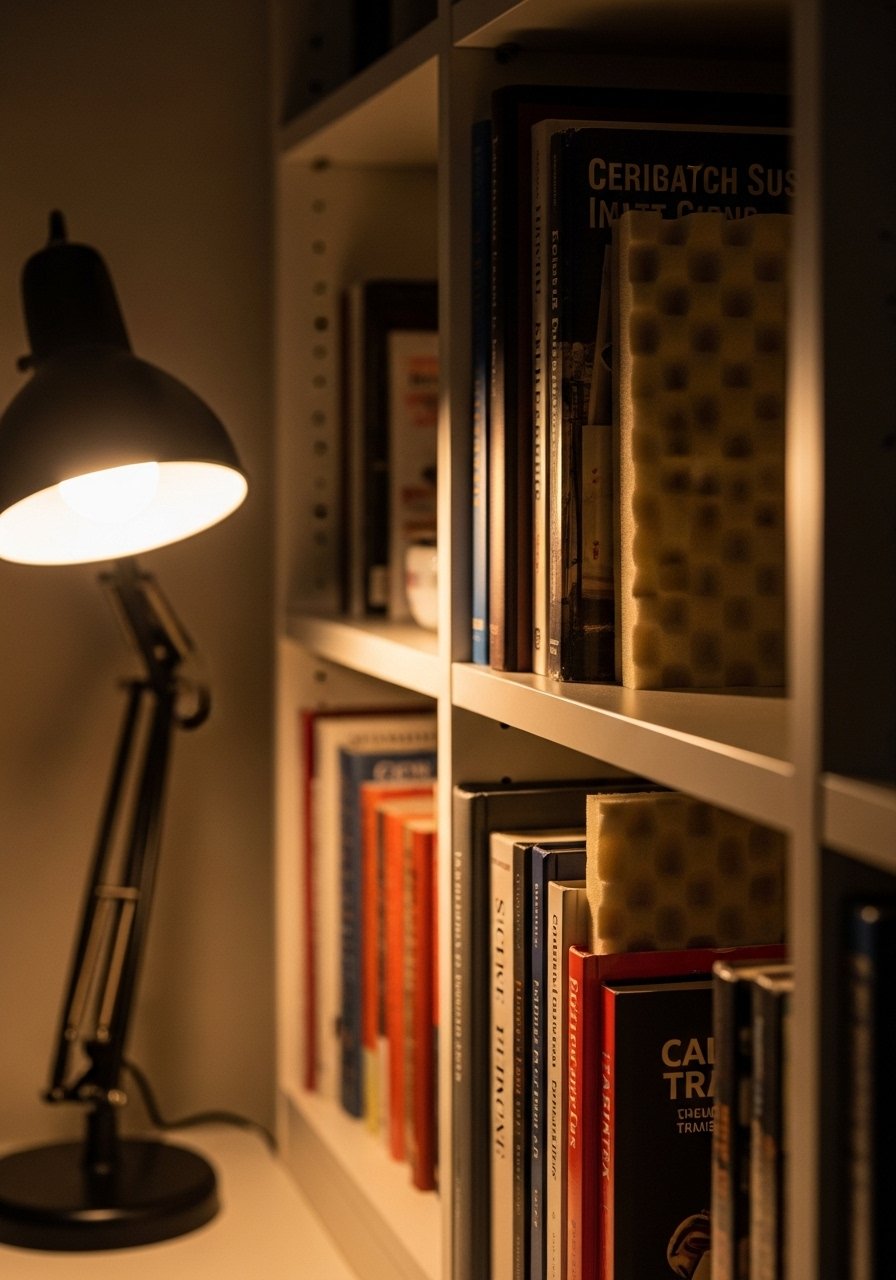
For people who want discreet treatment, eggcrate foam tucked behind books reduces midrange reflection without obvious panels. Measure shelf depth first. You need at least 6 to 8 inches behind the book face to make this work. I used eggcrate acoustic foam sheets cut to fit and the books themselves become part of the treatment. The common mistake is thinking foam alone fixes low bass. It will not. Combine with corner traps for balanced room sound.
Moveable Panel Screens for Open Plan Living
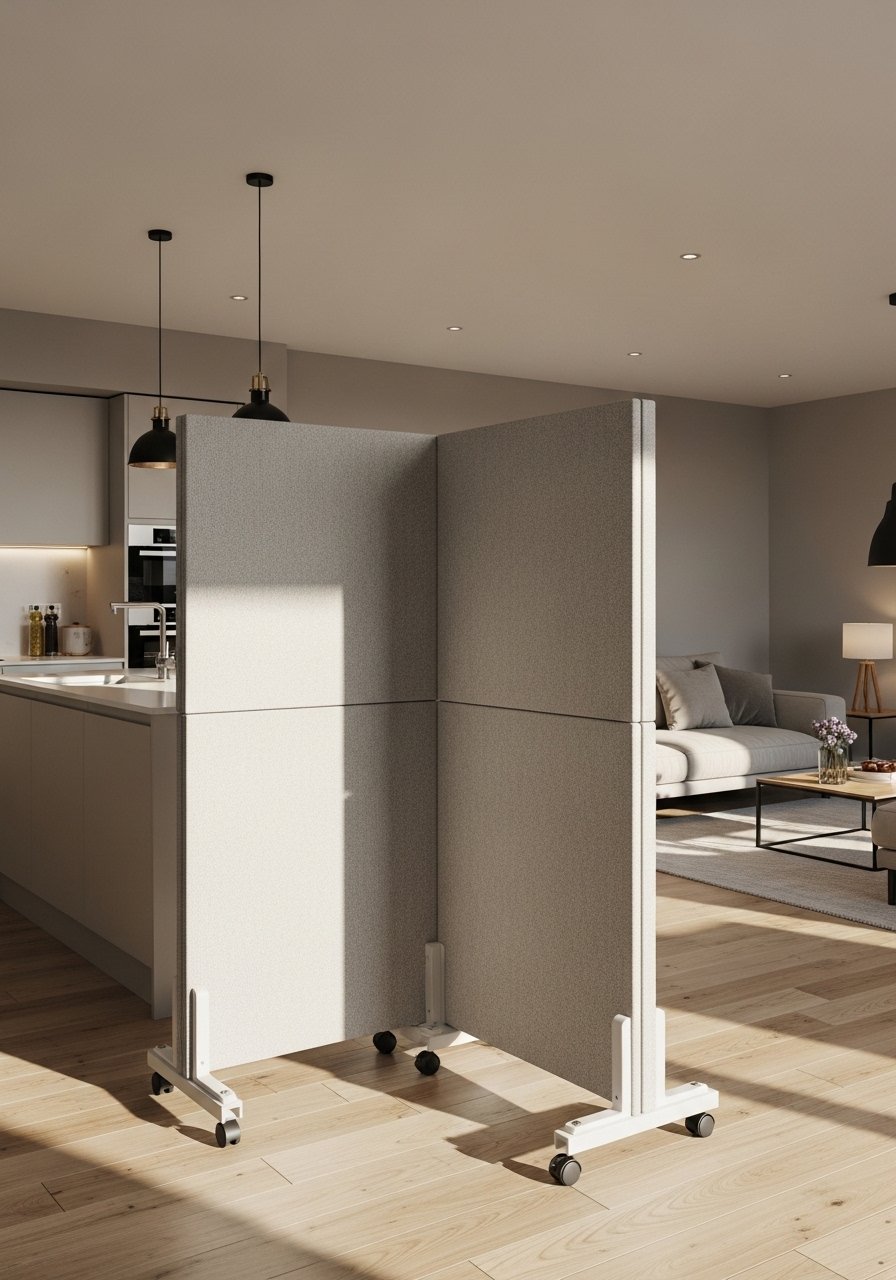
Open plans create constant background noise. A freestanding acoustic screen solves the problem and can be moved. Typical panel width is 18 to 24 inches, and a three-panel setup should total about 5 feet across. I built frames with thin feet and used portable acoustic room dividers with casters for flexibility. Mistake: using panels that are too short. They need to be at least the height of seated heads, around 40 to 48 inches, to be effective.
Pegboard Backed Fabric Panels in a Creative Studio
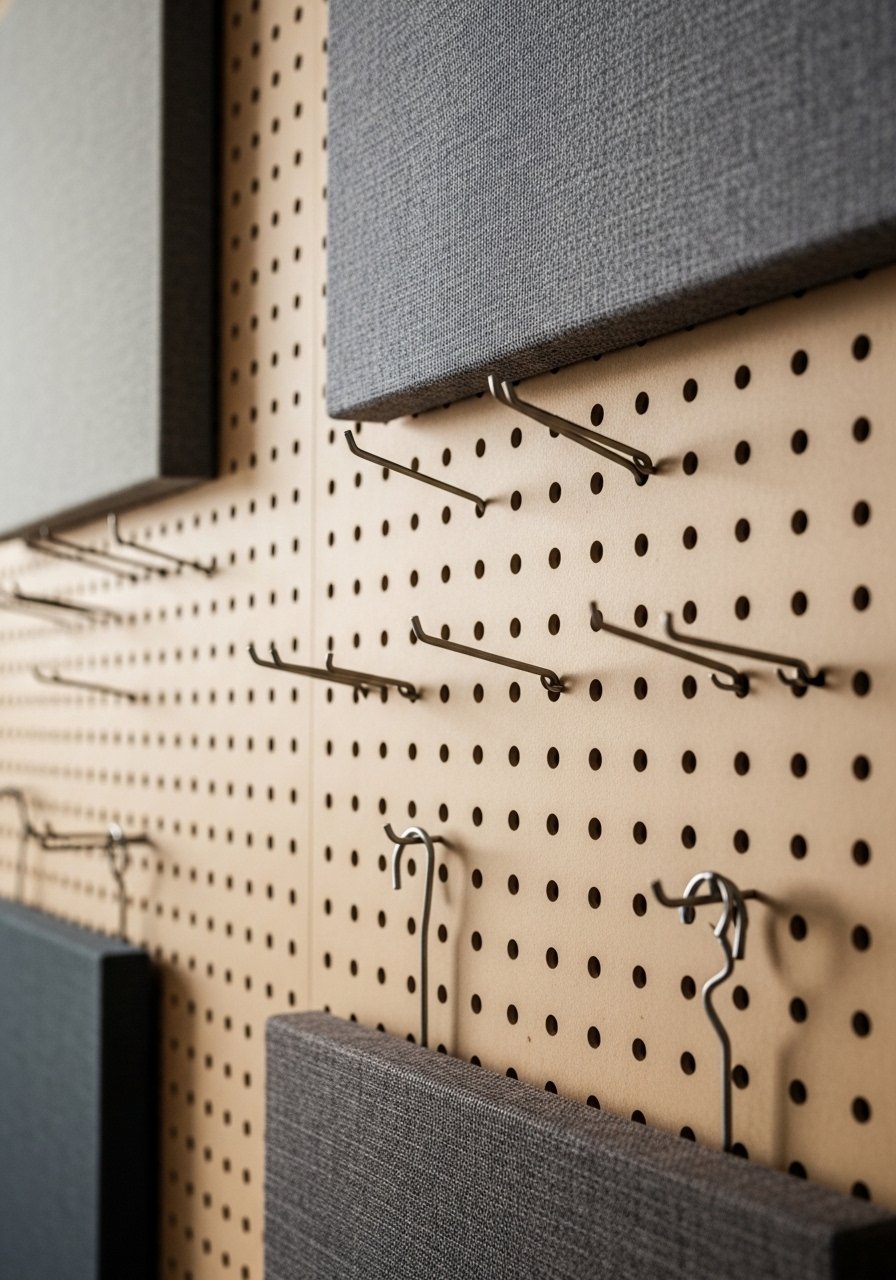
I wanted the ability to move panels without wall damage. Mounting fabric panels to a 4×8 pegboard gives you a grid to rehang or add shelves. Use 1/4-inch pegboard and 1-inch acoustic foam, then wrap in cotton. Standard pegboard sheets are cheap and renter friendly. A common misstep is overloading the pegboard mounts. Keep panels under 15 pounds each or add wall anchors. This is a competitor-missed angle because most DIY guides skip modularity.
Layered Fabric with an 80/20 Color Ratio for Bedroom Calm
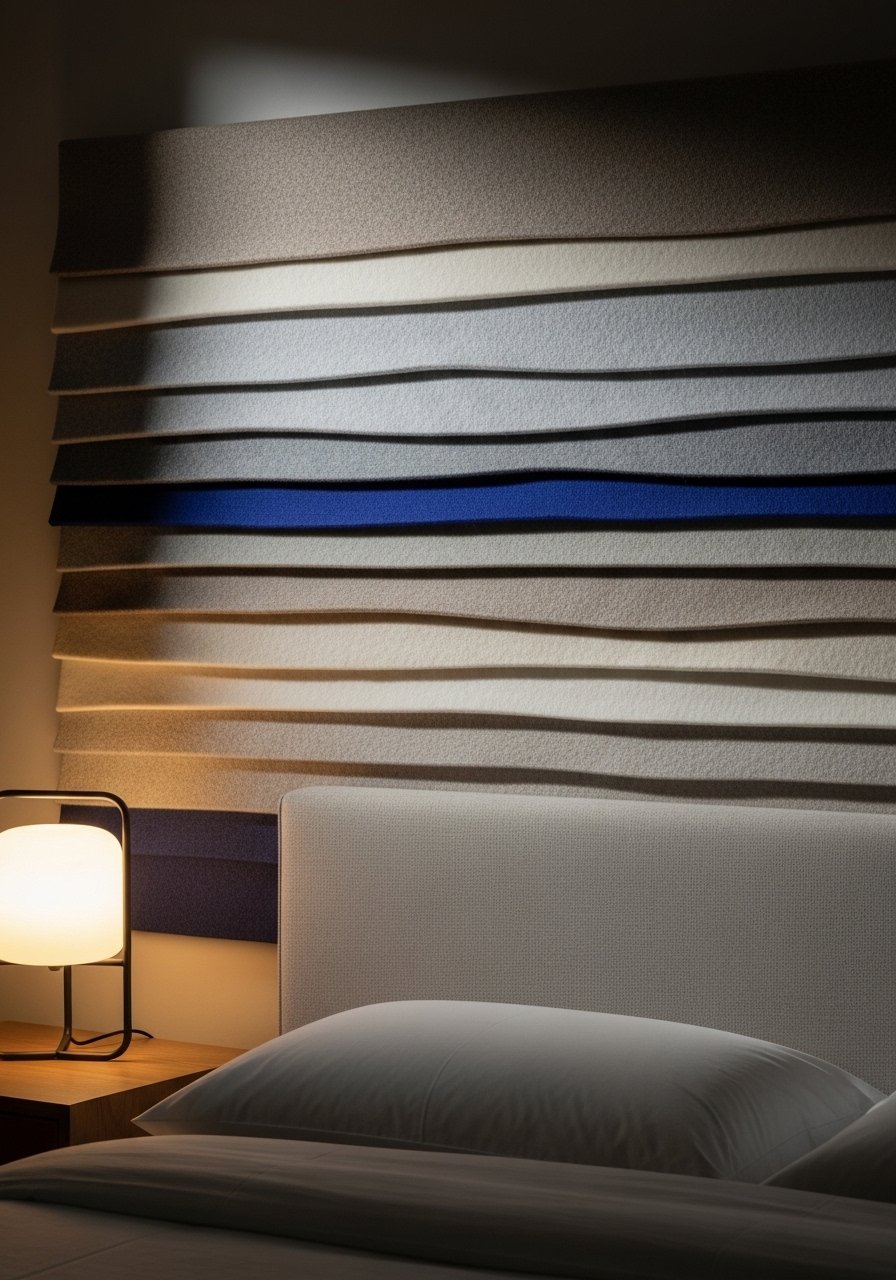
I use the 80/20 color rule here. Eighty percent neutral base fabric, twenty percent accent fabric keeps the panel restful and interesting. Panels are 36 to 48 inches wide above a king or queen. I layered two fabrics over an acoustic core and stapled the backing for a tailored edge. Neutral upholstery fabric by the yard makes this easy. Mistake: going 50/50 with two colors which reads busy. The 80/20 approach solves the "bedroom feels cold" issue mentioned by friends.
Corner Bass Trap Panels for Home Theater
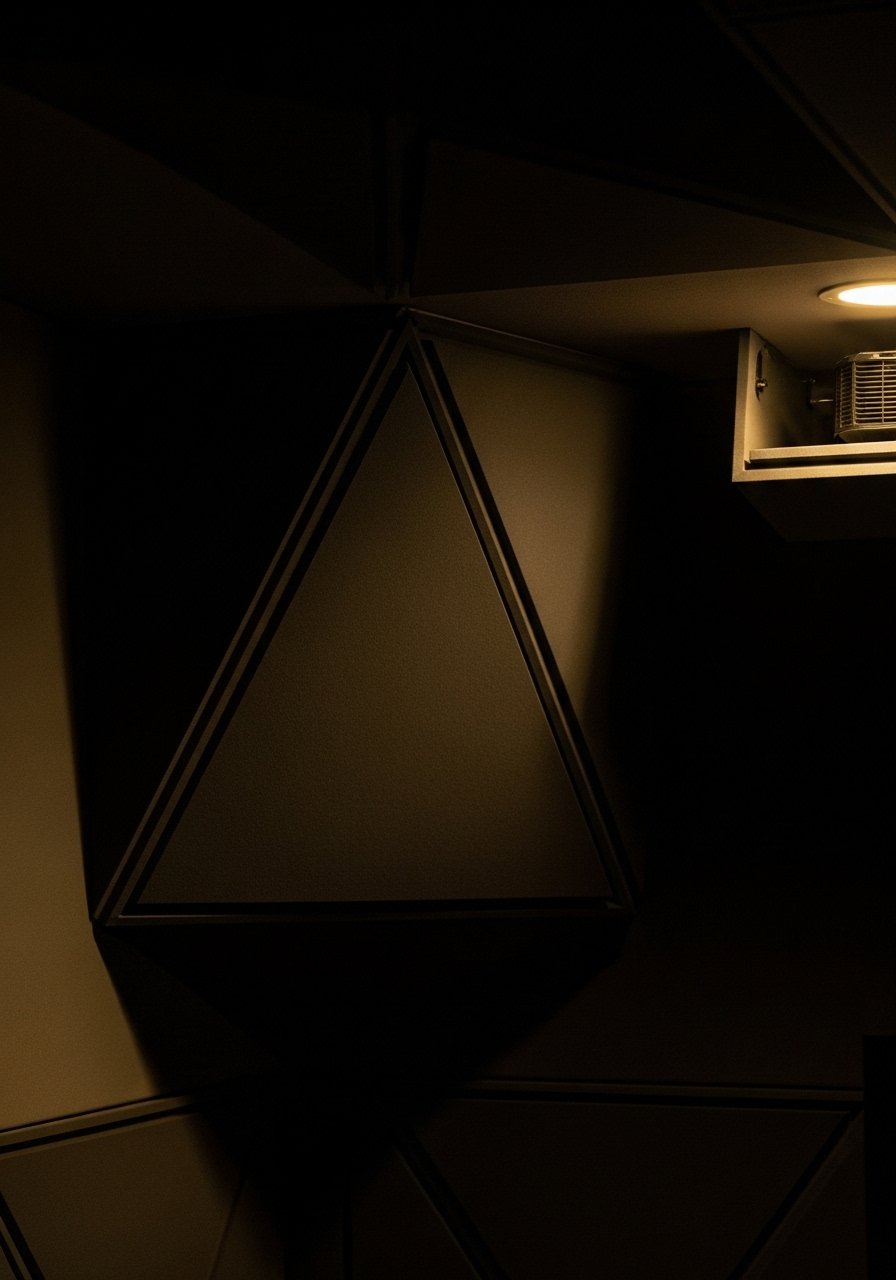
Low bass loves corners and can make a home theater boomy. Triangular bass traps, 6 to 12 inches thick, fitted into corners tame that rumble. Use mineral wool or rigid fiberglass core and cover in acoustically transparent fabric. I used rigid fiberglass panels and trimmed them to fit corners. A mistake is buying only thin panels and expecting bass control. Thicker traps or stack two panels for better low-end absorption.
Acoustic Mirror Panels to Brighten Dark Corners
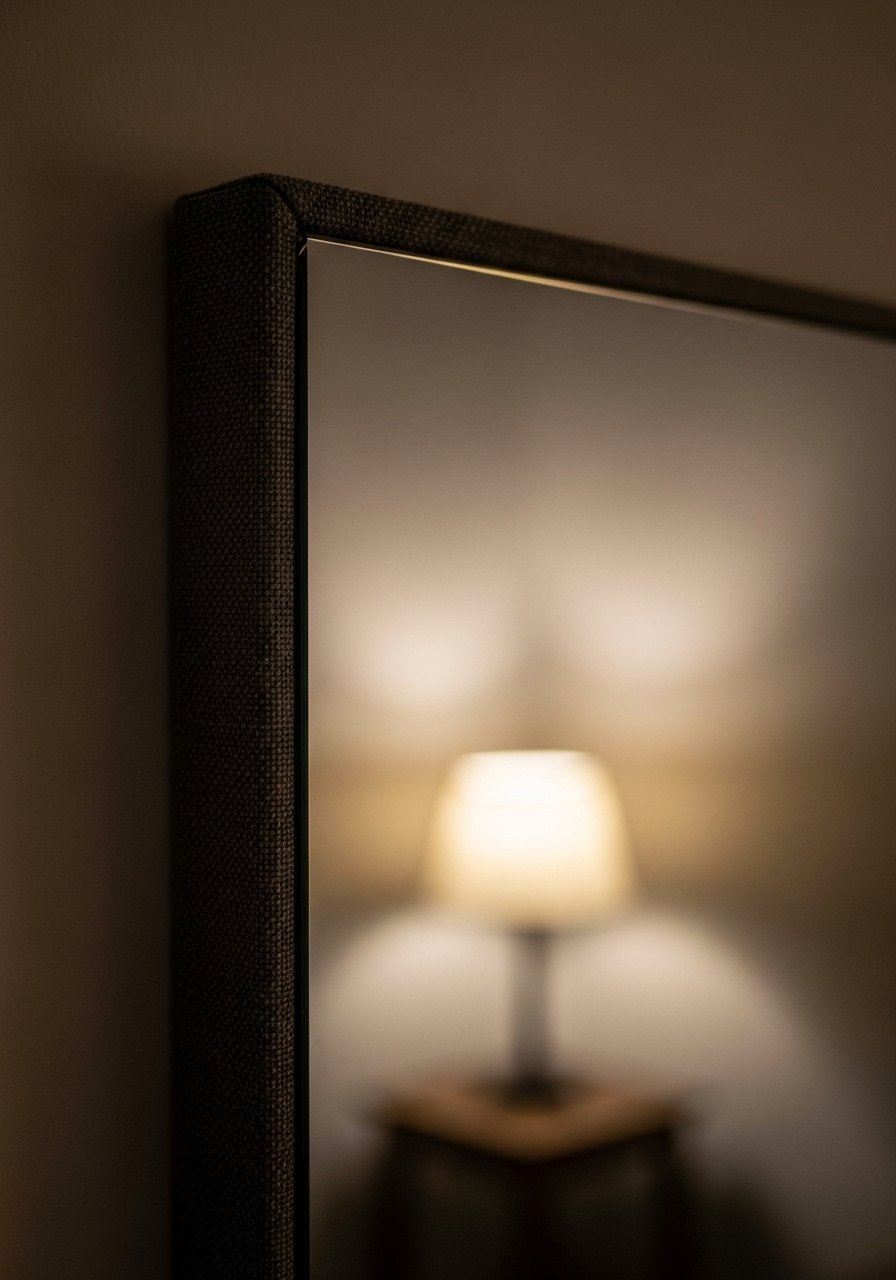
An oversized mirror can make a small room feel larger but it usually adds a reflection problem. A mirrored acoustic panel uses a one-way acoustic mirror film over fabric so you get light without extra echo. Keep mirrors off-axis to avoid glare. I ordered a custom acoustic mirror film kit and mounted it over a 24×36-inch panel. Mistake: placing mirrors directly opposite windows which creates hot reflections. Angle them slightly to bounce light into darker corners.
Outdoor-Rated Acoustic Panels for a Covered Patio
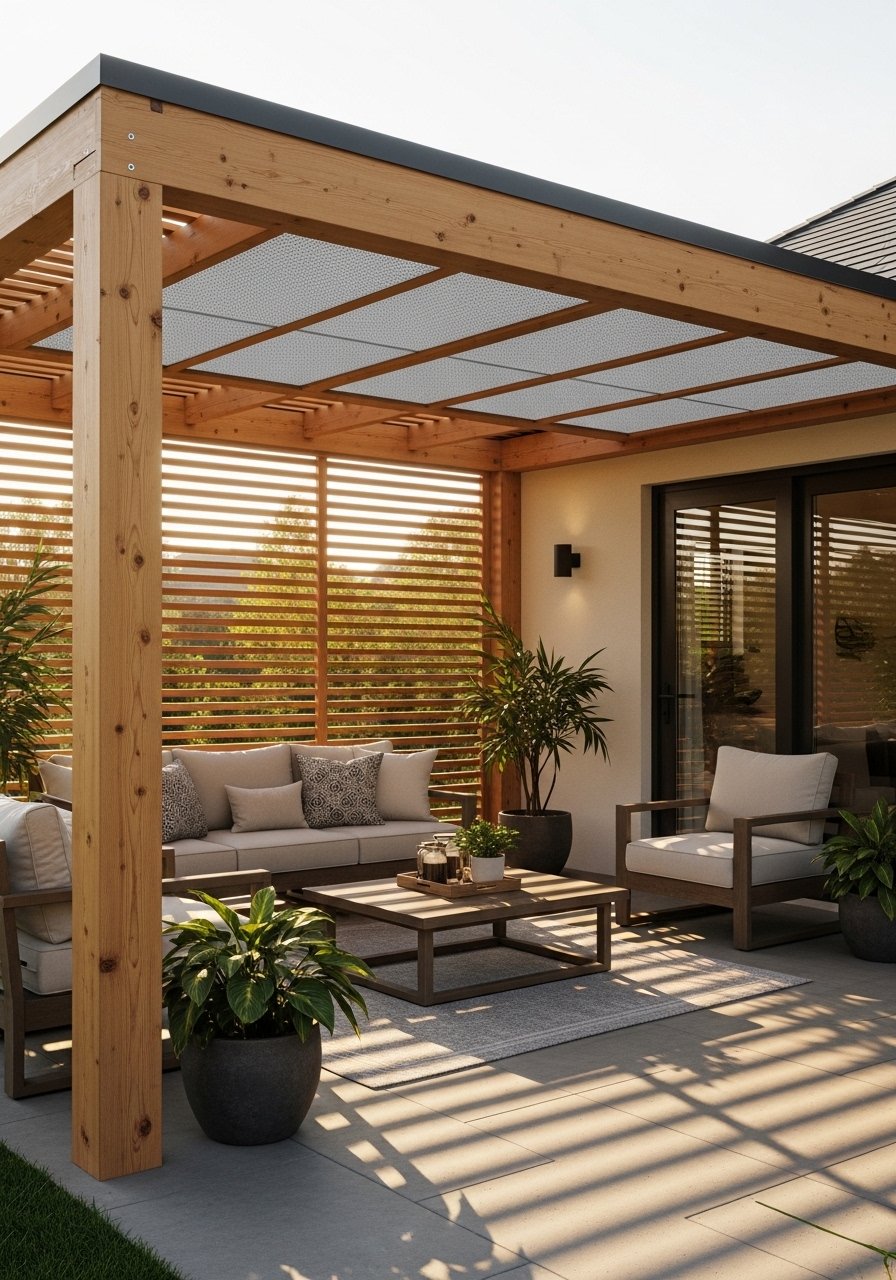
Patios echo when hard surfaces multiply sound. If your space is covered, outdoor-rated panels made of closed-cell foam or marine fabric help. Look for UV and moisture resistance and aim for 1-inch minimum thickness. I used outdoor acoustic panels rated for covered use. Mistake: using indoor fabric outdoors which fades or traps mildew. This avoids that dated swap of heavy outdoor rugs that only hide mildew temporarily.
Painted Geometric Panels for a Mid-Century Bedroom
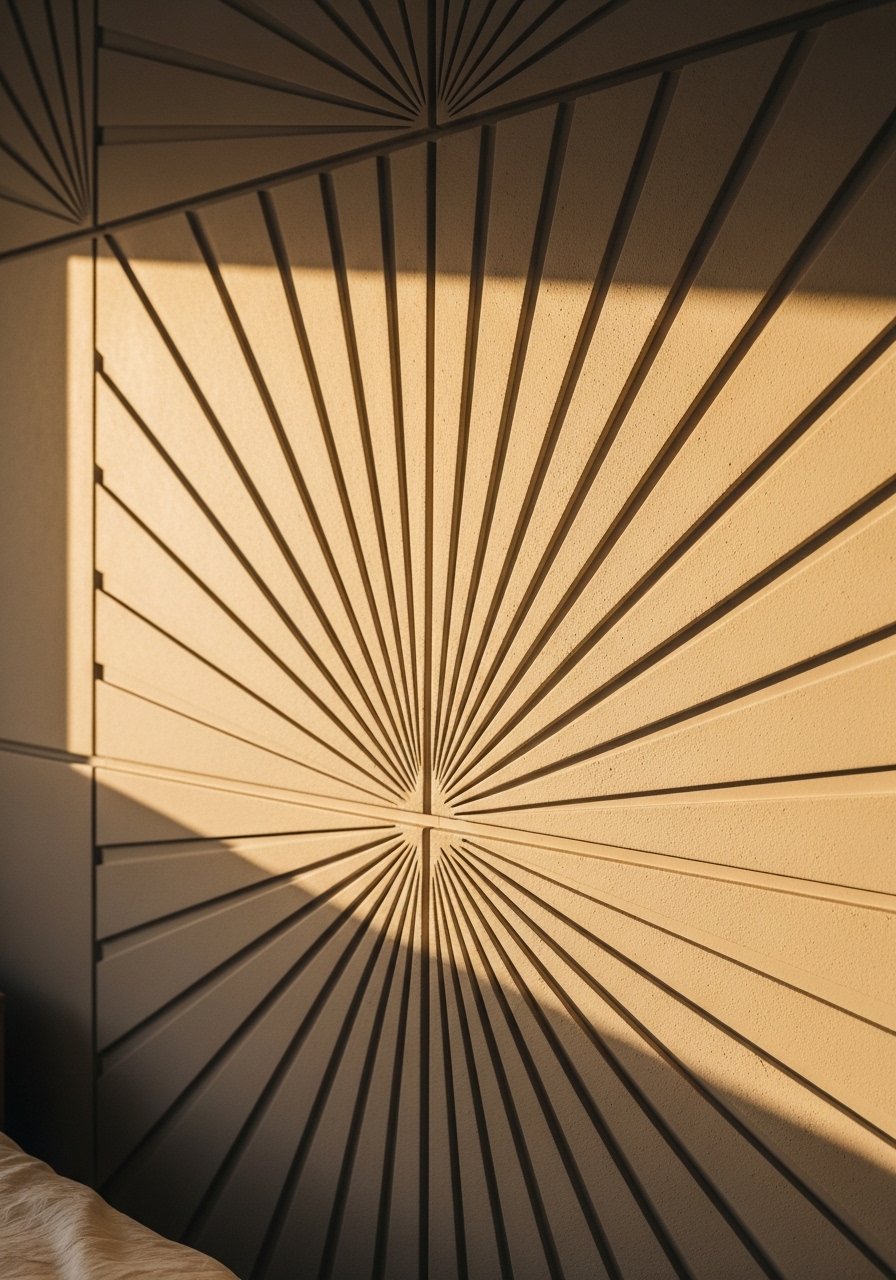
If you like pattern, paint acoustic board with water-based paint and use frog tape for crisp lines. Keep painted shapes at about 1/3 the panel height to keep rhythm across a wall. I used 12×36 panels and a muted palette to match teak furniture. Acoustic-safe primer and paint prevents clogging the fabric. Mistake: heavy glossy paint that ruins acoustic porosity. Matte paint maintains absorption.
Bookshelf-Integrated Panels for a Home Library
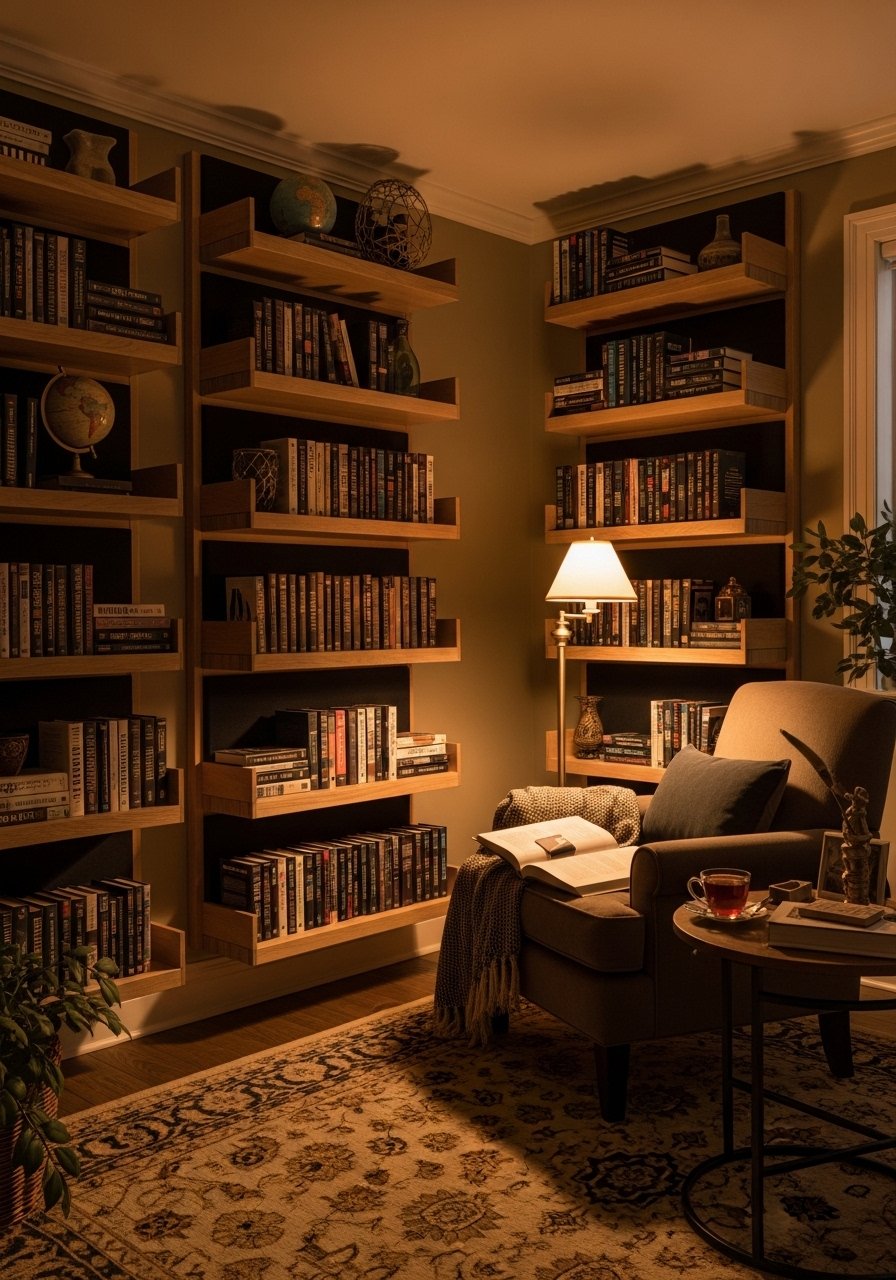
A full bookshelf is actually an acoustic tool, but gaps still reflect sound. Place thin panels behind sections where you sit to read. Panels 12 inches deep behind shelving reduce slap echo without losing shelf storage. My trick is cutting panels to fit behind the shelf back and upholstering in a neutral. Thin acoustic board sheets worked well. Mistake: assuming books alone solve acoustics. They help but targeted panels finish the job.
Bench With Built-In Acoustic Panels for Entryways
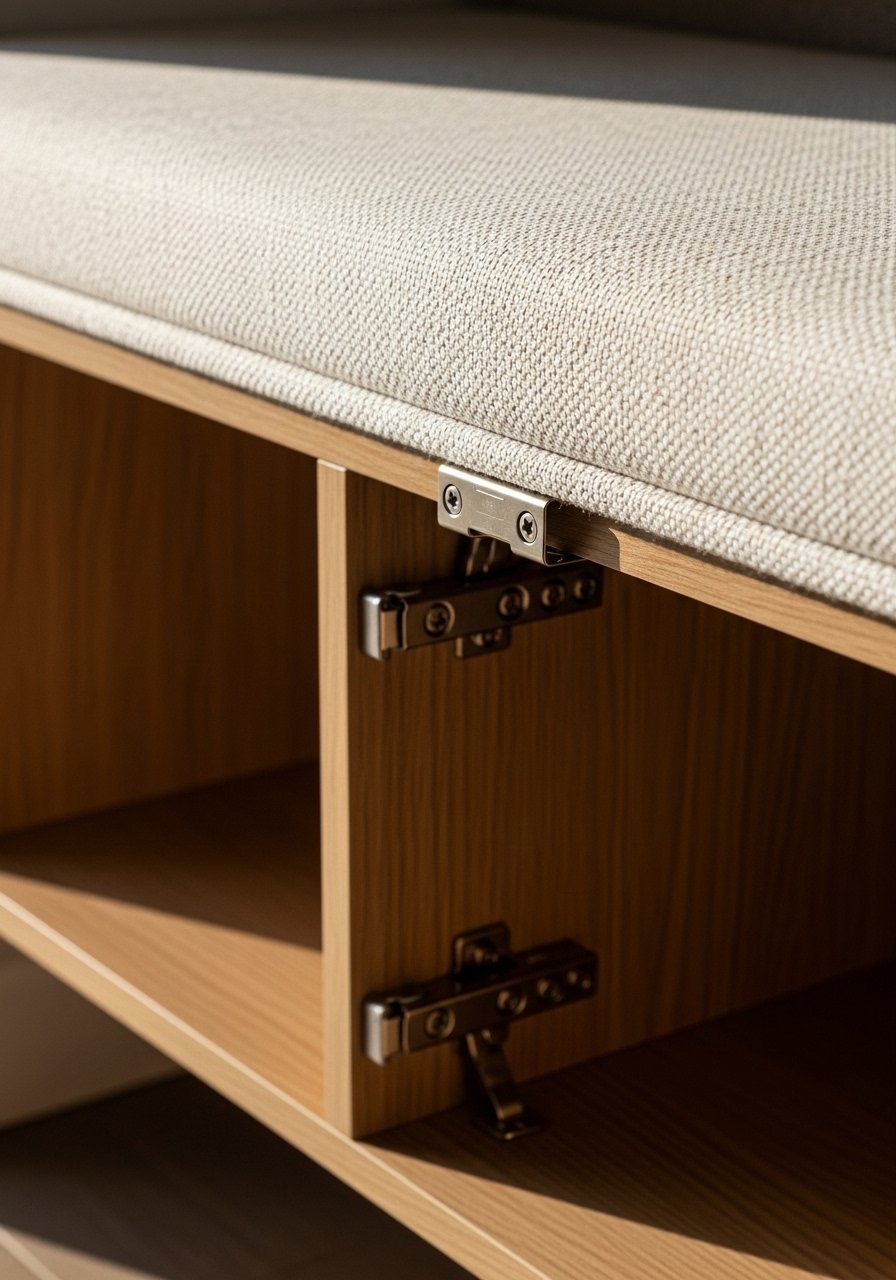
Entryways feel hollow when they are all tile and hard walls. A bench with an upholstered acoustic front softens footsteps and noise while giving storage. Use a 2-inch acoustic core on the bench front and durable fabric for scuffs. I built mine 48 inches long which fits most standard entry widths. Durable upholstery fabric keeps it real-life proof. Mistake: choosing light fabric that shows marks. Pick something forgiving.
Fold-Down Bulletin Acoustic Panels for Craft Rooms
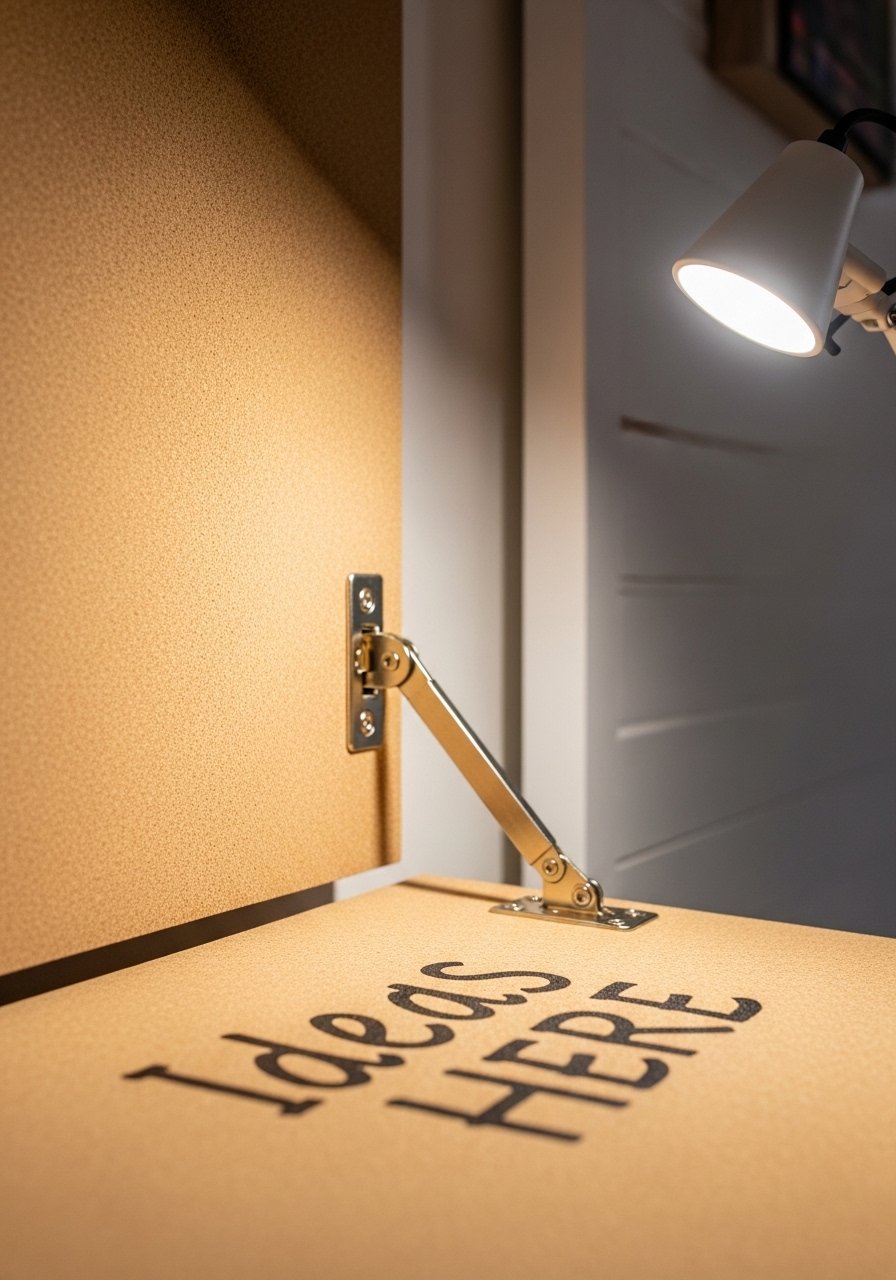
Craft rooms need quiet but also inspiration. A fold-down acoustic panel that doubles as a pinboard gives function without permanent wall clutter. Use cork front over a 1-inch acoustic core, and heavy-duty piano hinges for longevity. I used a 24×36-inch board that folds up when not in use. Cork bulletin boards with backing are ready-made and easy. Mistake: mounting with weak hinges that sag. Use continuous hinges for repeated use.
Painted Fabric Panels for an Affordable Statement Wall
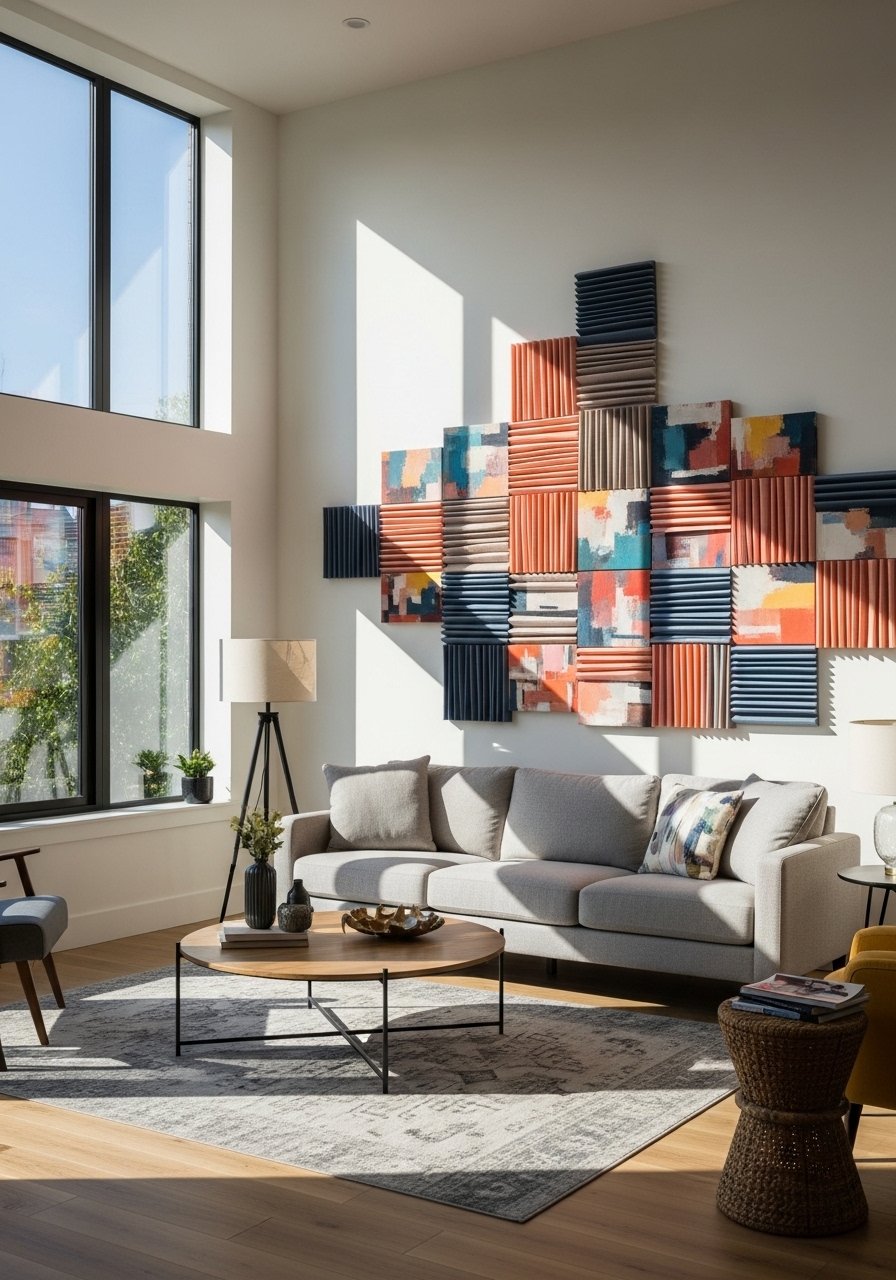
You can get an artful statement wall on a budget by painting fabric-wrapped acoustic panels in a limited palette. The trick is keeping contrast low and repeating one accent color three times across the layout. I did panels at 18×24 inches and kept spacing at 2 inches to maintain unity. Budget acoustic fabric panels make this affordable. Mistake: using too many colors which reads chaotic. The rule of three with one repeated accent keeps it calm.
Your Decor Shopping List
Textiles
- Honestly the best $40 I have spent. Wool blanket fabric by the yard in charcoal for upholstered panels
- Durable upholstery fabric in dark tones (~$25 per yard), similar at Target
Wall Decor
- Acoustic-print fabric panels for custom art panels
- White oak slat panels (~$60-$120) for hallways
Hardware & Cores
- Rigid fiberglass acoustic panels for bass traps and corner installs
- High-density acoustic foam panels for studios
Fasteners & Finishing
- Pegboard sheets 4×8 for modular mounts
- Cork tiles 12×24 for bulletin or dining room panels
Specialty Finds
- Portable acoustic room dividers for open plan flexibility
- Eggcrate acoustic foam sheets for hidden shelf installs
Shopping Tips
White oak beats dark wood in 2026. Design feeds have shifted completely. These white oak floating shelves look current, not dated.
Grab velvet pillow covers for $12 each. Swap them every 3 months and the whole room feels different.
Curtains should puddle or kiss the floor, never hang halfway up. These 96-inch linen panels are right for standard 9-foot ceilings.
I found these brass picture ledges on Amazon for under $20 and they solved my gallery wall commitment problem. Brass picture ledges set
One single 6-foot fiddle leaf fig has ten times the visual impact. Faux fiddle leaf fig 6ft
If you are renting, use Z-clips or picture cleats instead of screws. Z-clips picture hanging hardware hold heavy panels securely.
Frequently Asked Questions
Q: How thick do DIY acoustic panels need to be to actually help?
A: For mid and high frequencies, 1 to 2 inches works fine. For low bass you need 4 to 6 inches or corner traps. Combine thinner panels on walls with thicker traps in corners for balanced results.
Q: Can I make acoustic panels that still look decorative?
A: Yes. Printed fabric, painted fabric, or framed textiles read as art. Keep printed areas to about 60 to 70 percent of the panel surface for texture. Avoid glossy finishes which reduce absorption.
Q: Will panels stop all echo in an open plan?
A: No single solution fixes an entire open plan. Use a mix of moveable screens, ceiling clouds, and corner traps. Start with the biggest reflective surfaces and treat those first.
Q: What is the renter-friendly option for acoustic treatment?
A: Pegboard-mounted panels, Z-clips, and freestanding dividers avoid permanent changes. Cork tiles applied with removable adhesive are also effective.
Q: How do I choose fabric so panels still absorb sound?
A: Use matte, tightly woven natural fibers or acoustically transparent fabric. Avoid shiny synthetics. Test by holding the fabric up to a light source; if too translucent it may be thin, if too reflective it will hamper absorption.
Q: Can I combine panels with plants and soft furnishings?
A: Absolutely. Plants help diffuse sound visually and some soften noise. Most people hang curtains right at the window frame. That is why their rooms look shorter than they are. Use full-length curtains with panels for a layered approach.
Q: Do I need professional help to install corner bass traps?
A: You can DIY them if you are comfortable cutting rigid fiberglass and wearing protective gear. For permanent built-ins or complex rooms, a pro will save time and reduce mistakes.