
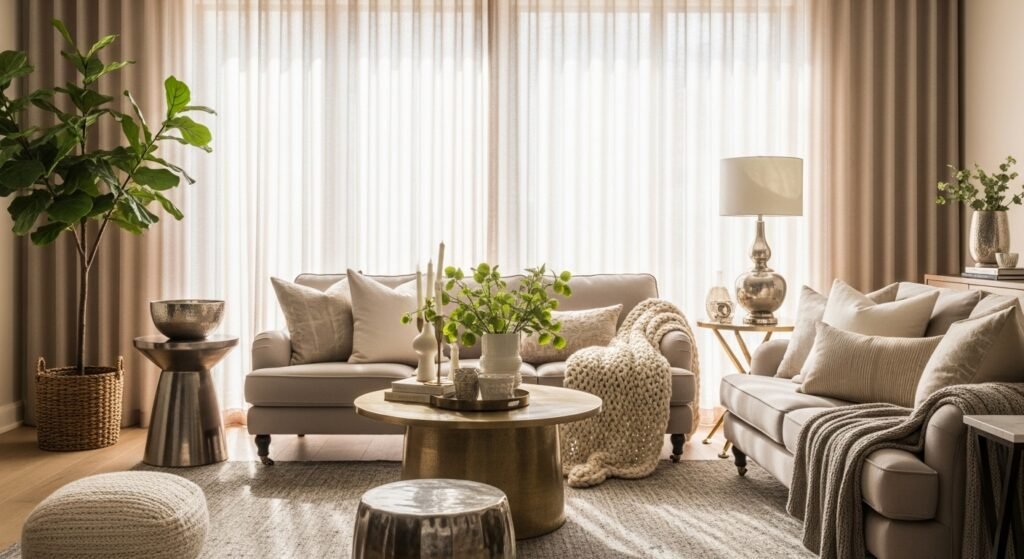
My living room had nice furniture but it still felt like a waiting room. Took me embarrassingly long to figure out it was missing texture. Every surface was smooth, every color was flat, and nothing invited you to actually sit down. These are 15 simple projects I did on weekend afternoons that made rooms feel lived-in, not staged.
These ideas lean modern cozy with a hint of vintage finds. Most projects cost $10 to $75, with two that push closer to $150. They work for living rooms, bedrooms, entryways, and small kitchens where a few tweaks go a long way.
Chunky Throw and Layered Pillows for Instant Warmth
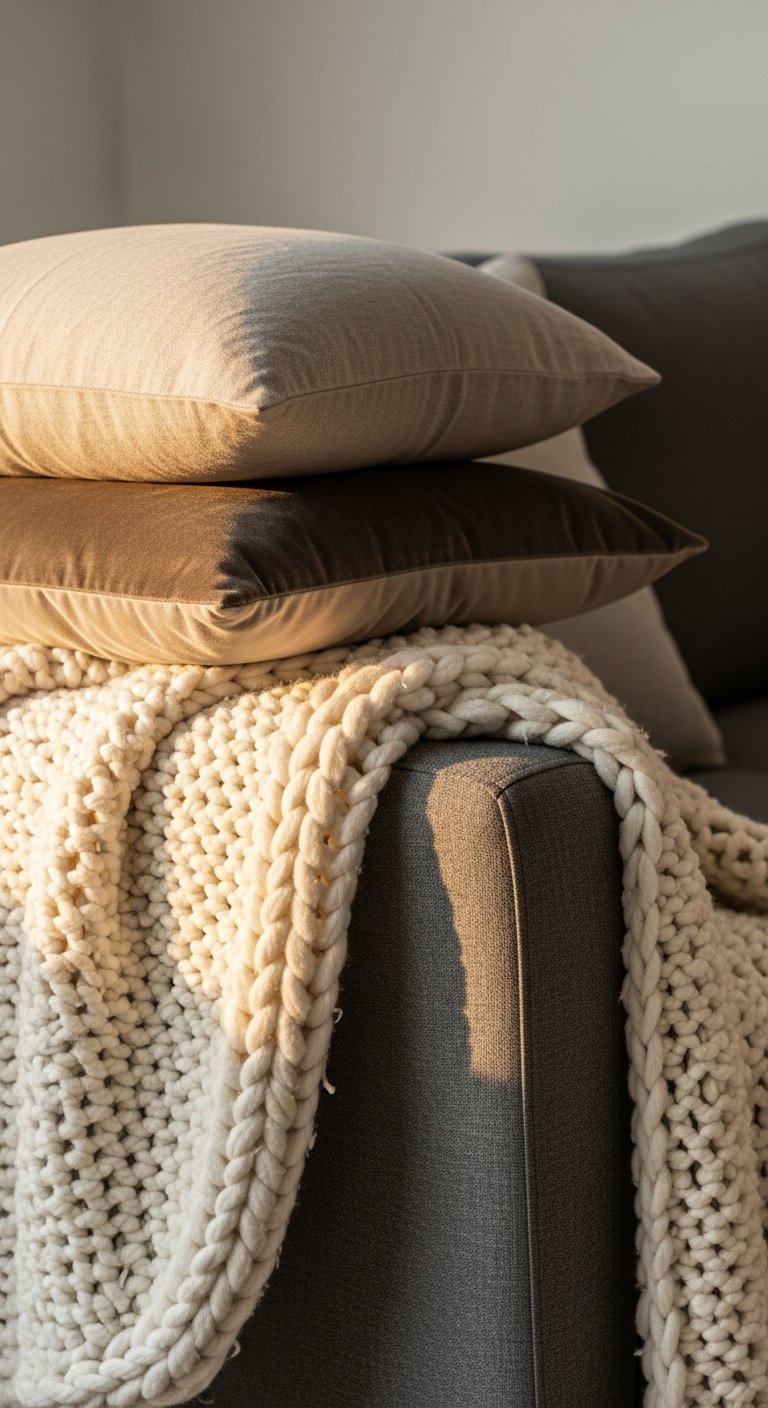
The moment I draped a chunky knit throw over the arm of my gray sofa, the whole room stopped looking flat. Aim for a 2:1 ratio with pillows, two larger linen pillows at 22 inches and one 18-inch velvet accent. I use a chunky knit throw in cream for the sofa and swap a velvet pillow cover in deep green when I want moodier evenings. Common mistake is matching everything to the sofa color. Instead pick one contrasting accent and follow an 80/20 color ratio, 80 percent neutrals, 20 percent color. Works in living rooms and bedrooms, budget $30 to $60.
Gallery Wall Using Picture Ledges for a Casual Look
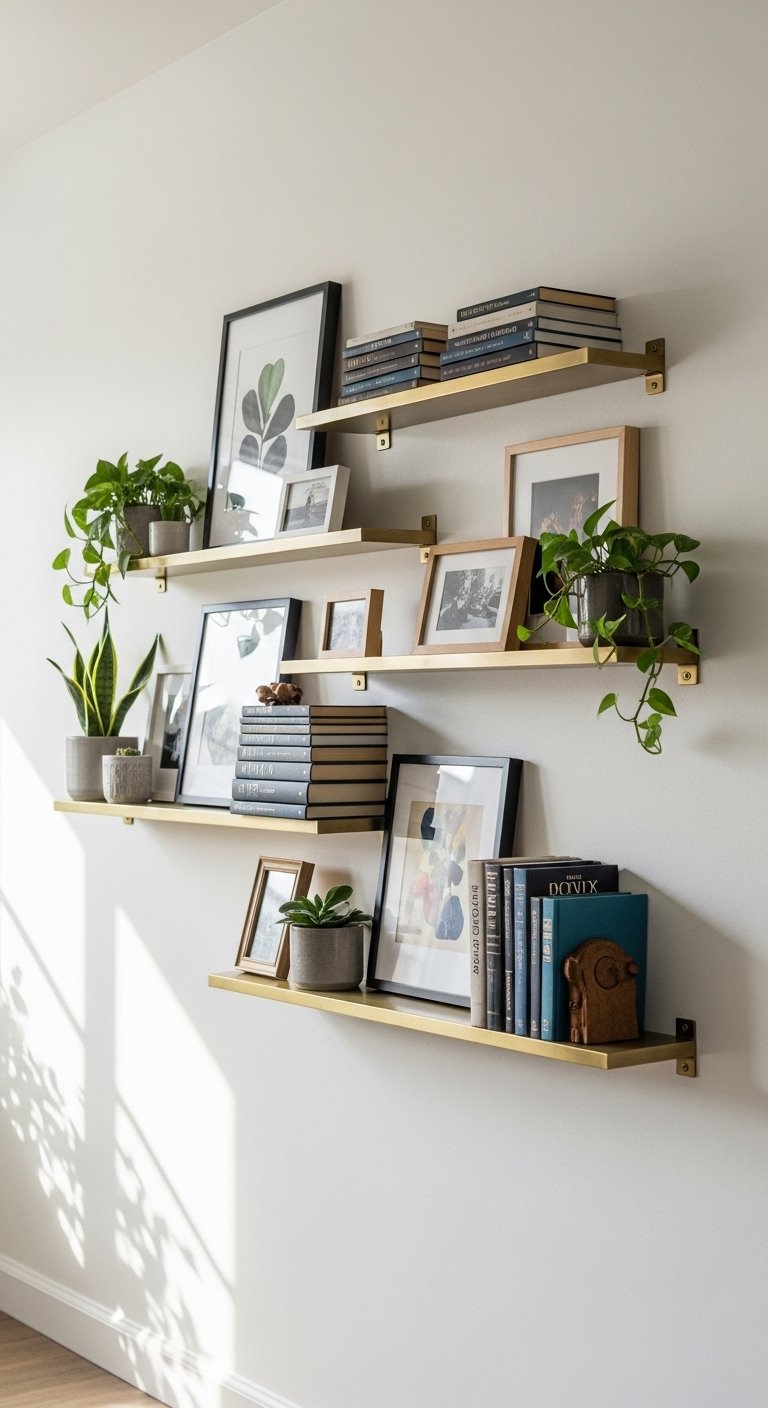
I found these brass picture ledges on Amazon for under $20 and they solved my gallery wall commitment problem. Picture ledges let you change art without new nail holes. Hang the bottom ledge at 6 to 8 inches above a sofa back and use the rule of three when styling objects on the ledge. Try brass picture ledges set and mix frame finishes. The common mistake is spacing frames equally like a grid. Instead cluster at varying heights so the eye moves, and use painter’s tape to mock the layout first. Works great in entryways and dining nooks.
Floor-to-Ceiling Curtains to Add Height
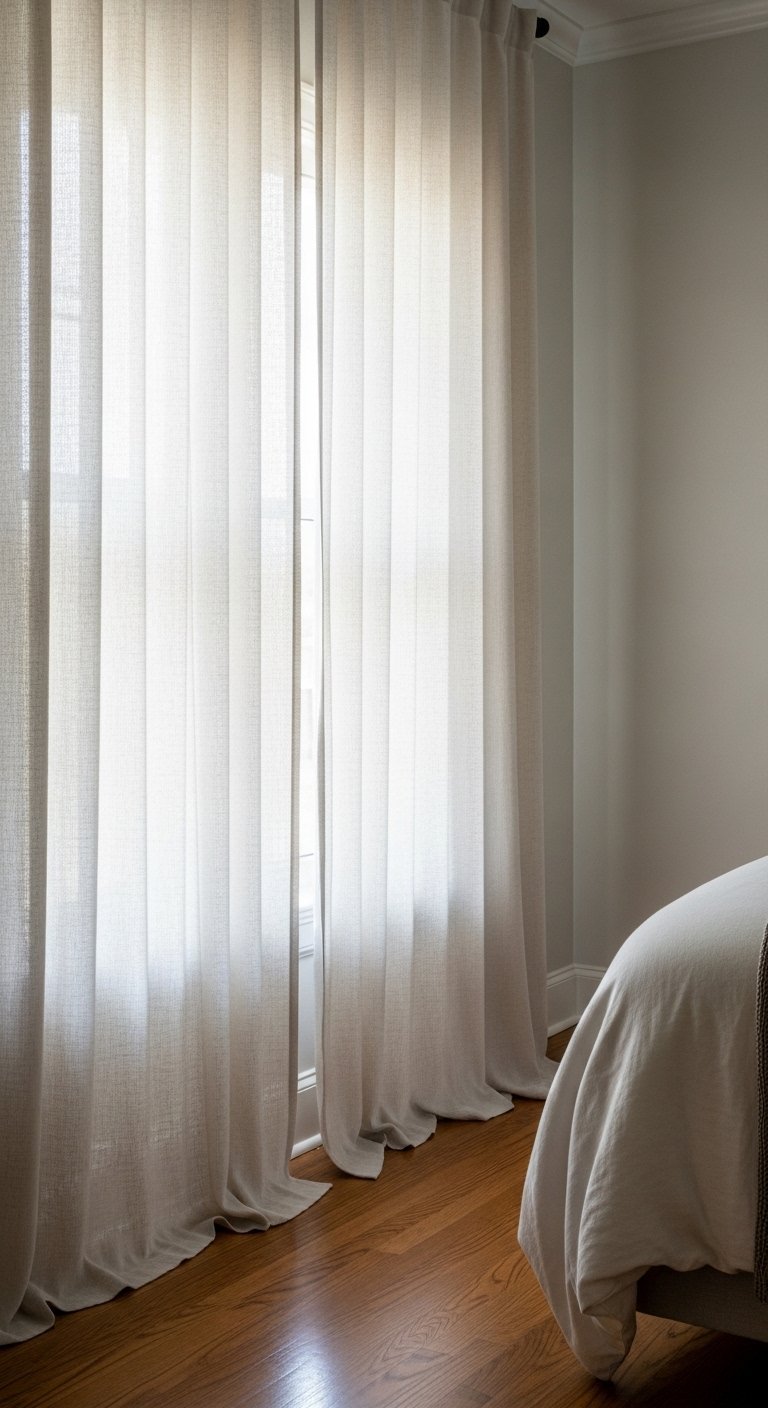
Most people hang curtains right at the window frame. That is why their rooms look shorter than they are. Hang panels 4 to 6 inches above the window frame, or closer to the ceiling if you have the height, and aim for 2 to 2.5 times the window width in total fabric for good gathers. For a clean look use 96-inch linen curtain panels. A mistake I see often is choosing the wrong length. If your ceilings are nine feet, 96-inch panels usually kiss or puddle slightly which looks intentional. Pair with the oversized mirror idea for more impact.
Oversized Mirror to Brighten Dark Corners
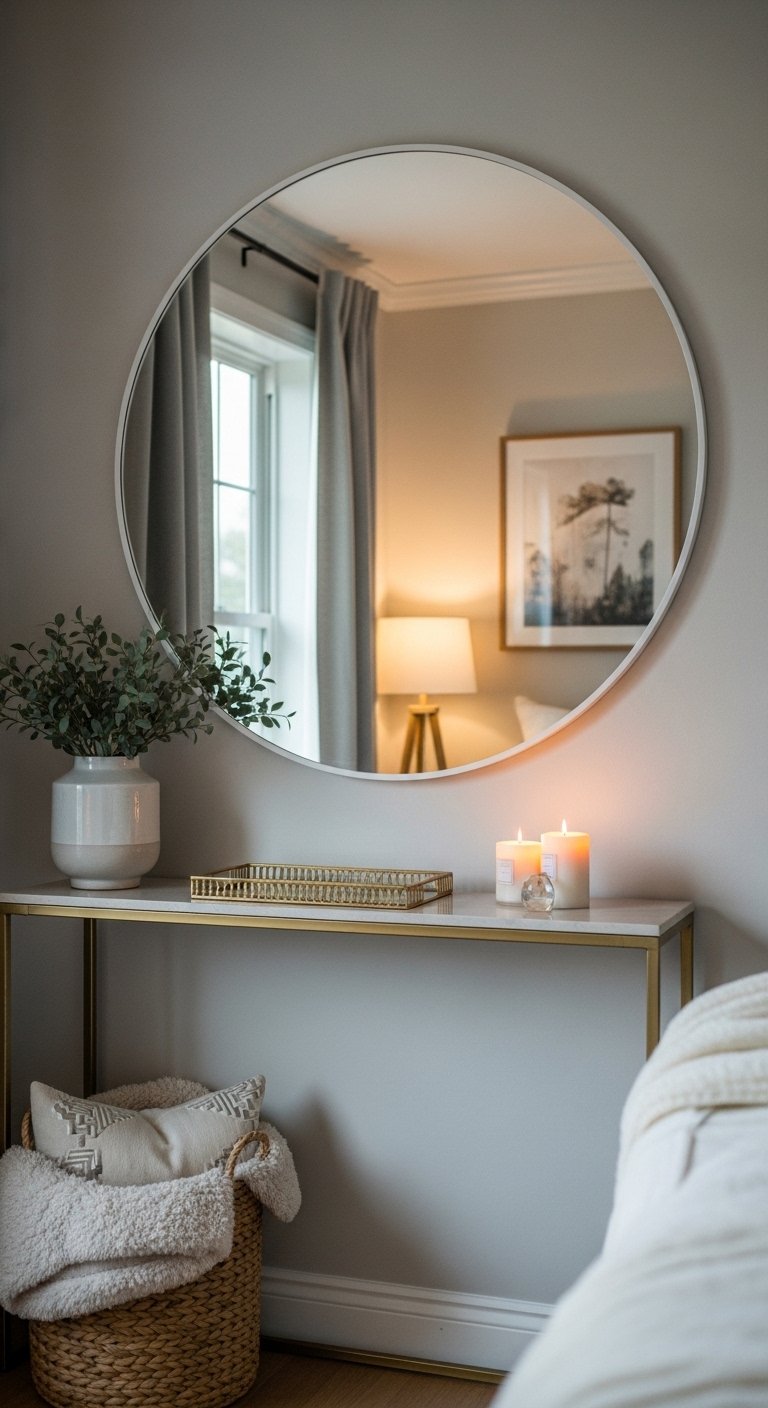
Leaning an oversized mirror against the wall changed my gloomy hallway overnight. Mirrors bounce light and make small spaces feel twice as deep. Choose one that is about two thirds the height of the wall you place it against. I used a 36-inch round floor mirror and set it behind a slim console table. Common mistake is hanging a mirror too high. The center should be around eye level, roughly 57 inches from the floor. Mirrors work in entryways, bedrooms, and above mantels.
Floating Shelves for Cozy Nooks and Books
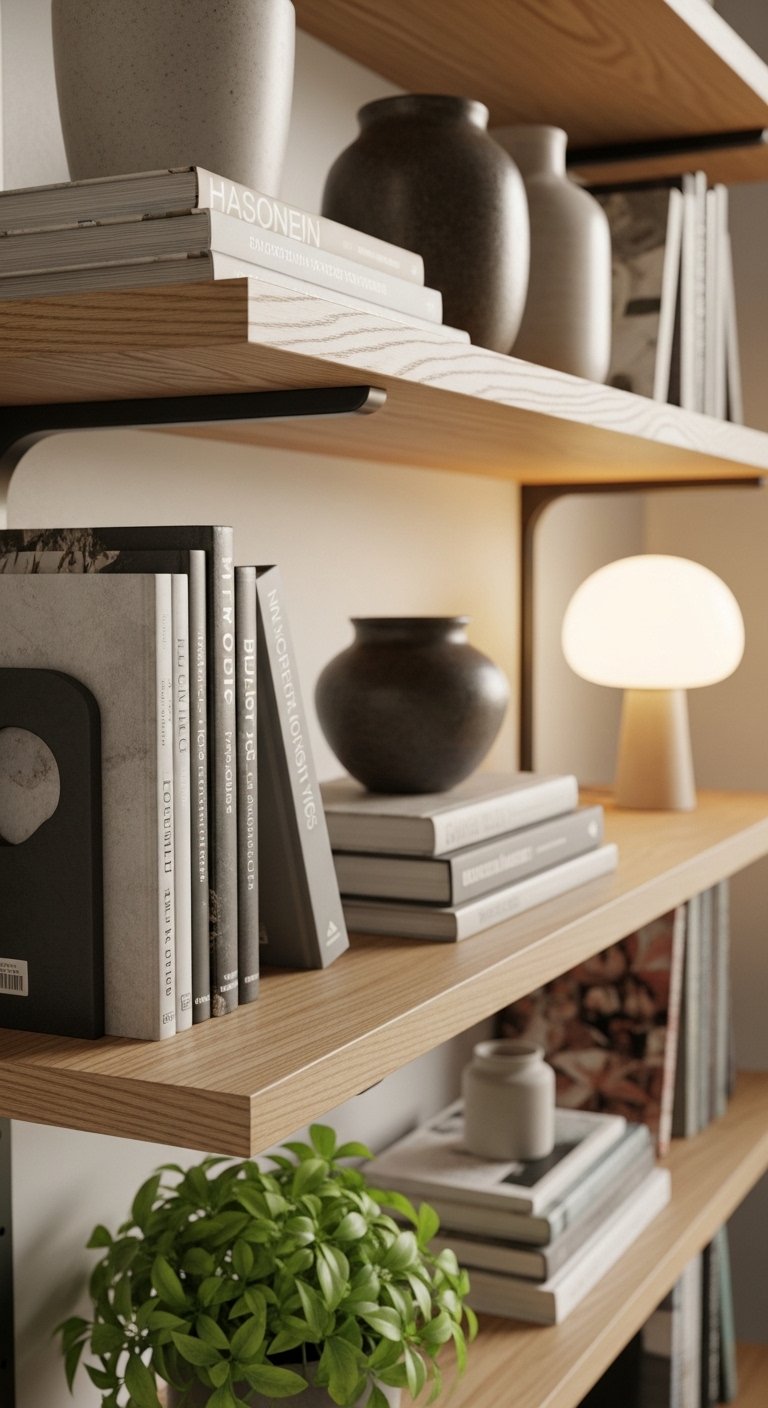
White oak shelves are in every design account I follow this year. Floating shelves add storage without visual heaviness. Use two or three staggered shelves and follow the rule of three when styling objects so you never have a cluttered single shelf. I like these white oak floating shelves for a modern look. A rookie move is lining books up by height only. Instead stack books horizontally and top with a small object to vary scale. Shelves are great for kitchens, bathrooms, and above dressers.
DIY Plant Hanger to Add Vertical Life
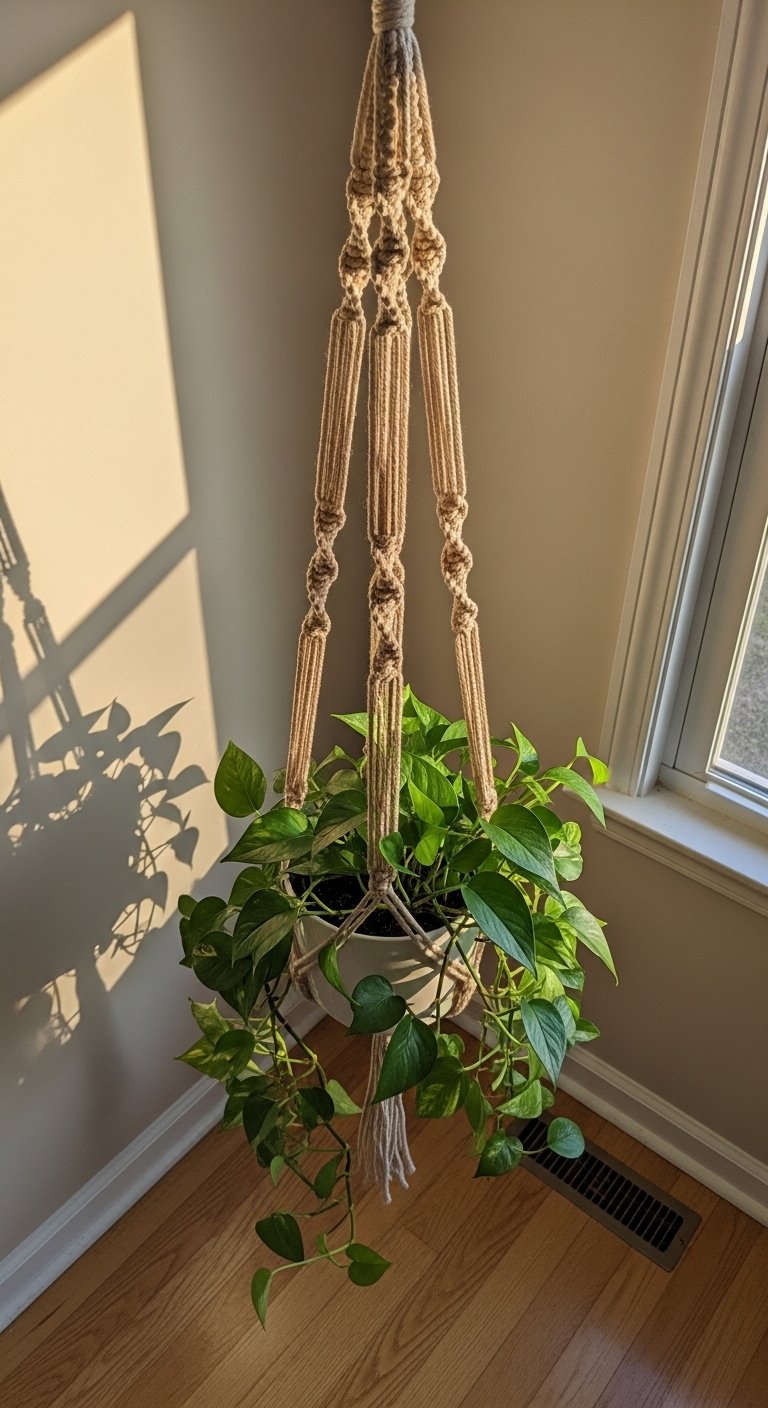
There is something about a reading nook with layered pillows that makes you want to cancel your plans. Hanging plants free up floor space and draw the eye up. Make a simple macrame hanger with cotton cord and a 12-inch hoop and hang a 6-inch pot. I used a kit and a macrame plant hanger kit to get started. People often cram too many small plants together. One hanging pothos and one floor plant like a fiddle leaf fig has more impact than five tiny succulents.
Painted Accent Wall with a Two-Tone Ombre
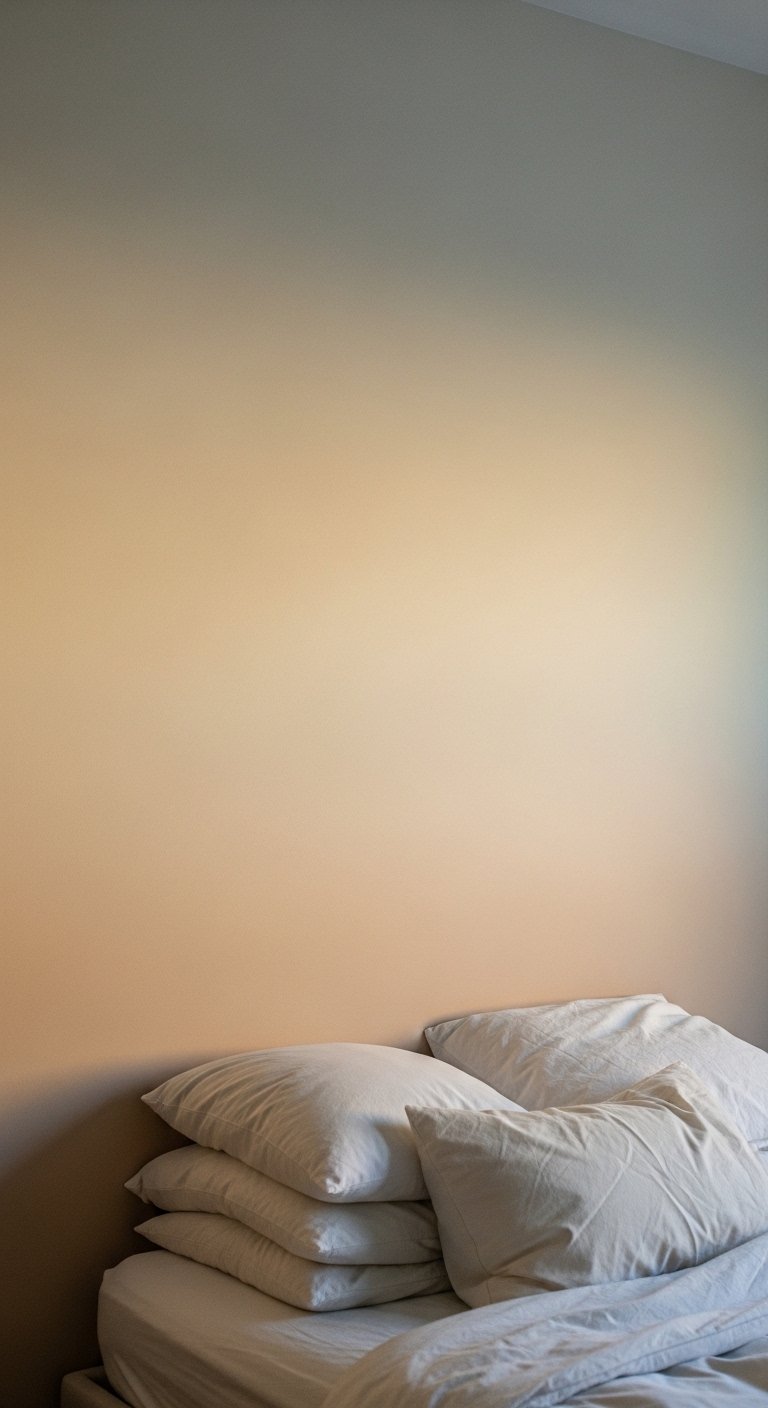
A subtle two-tone wall saved my guest room that felt bland. Use a darker value at eye height and blend up to a lighter shade near the ceiling for depth. I painted the bottom third in a warm taupe and the top two thirds in cream, a simple 1:2 vertical ratio that adds coziness without overwhelm. Try sample-size paint sets before committing. The mistake is going too bold without testing in your light. Paint looks different at noon and at lamp-light, so test swatches on three walls.
Peel-and-Stick Tile Backsplash for Renters
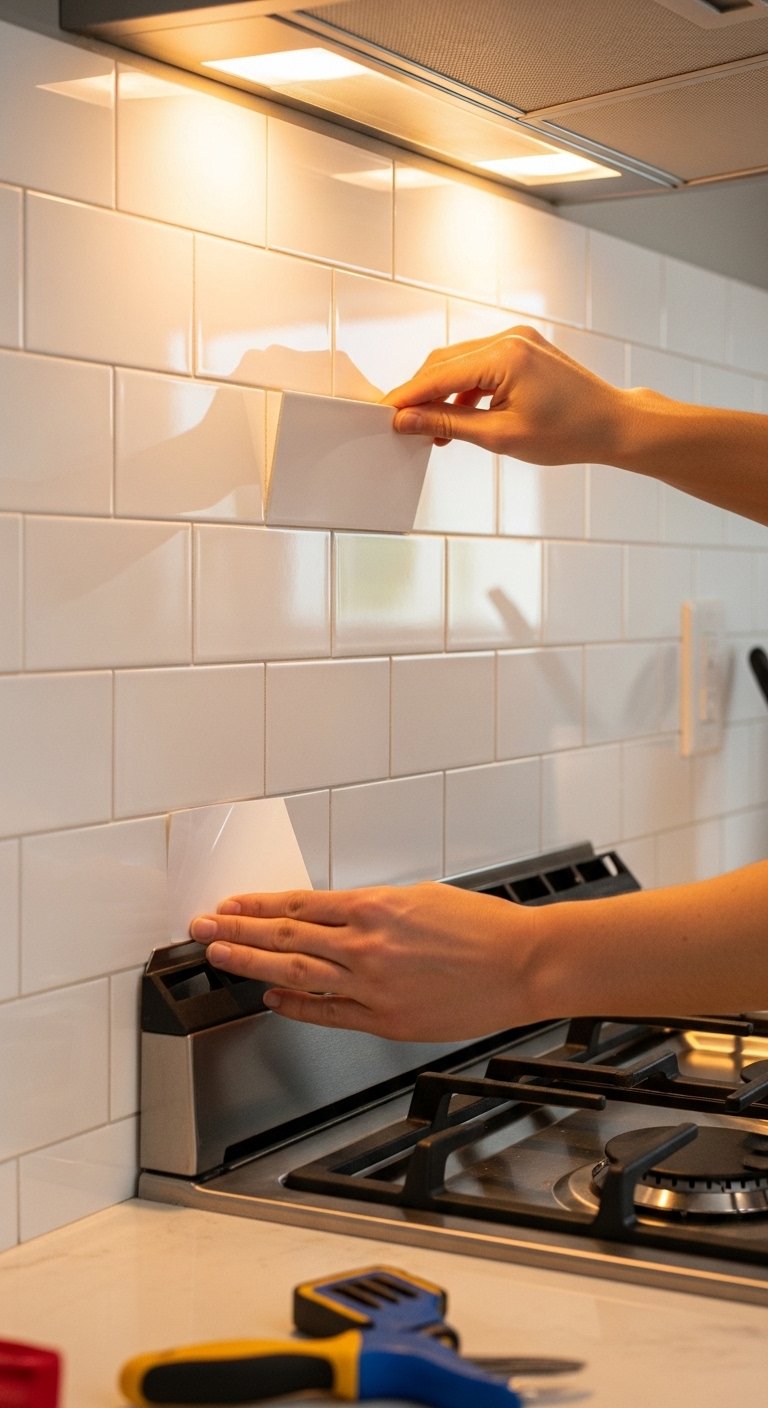
If you rent, you can still get a high-impact backsplash that peels off later. Peel-and-stick subway tiles make small kitchens feel finished overnight. I used a white subway peel-and-stick tile pack and a level to keep lines straight. Mistake is not wiping grease first. Clean surface means tiles stay put. Works behind vanities and inside laundry rooms too, and it costs under $75 for a small area.
Refinish a Thrifted Side Table with Two-Tone Paint
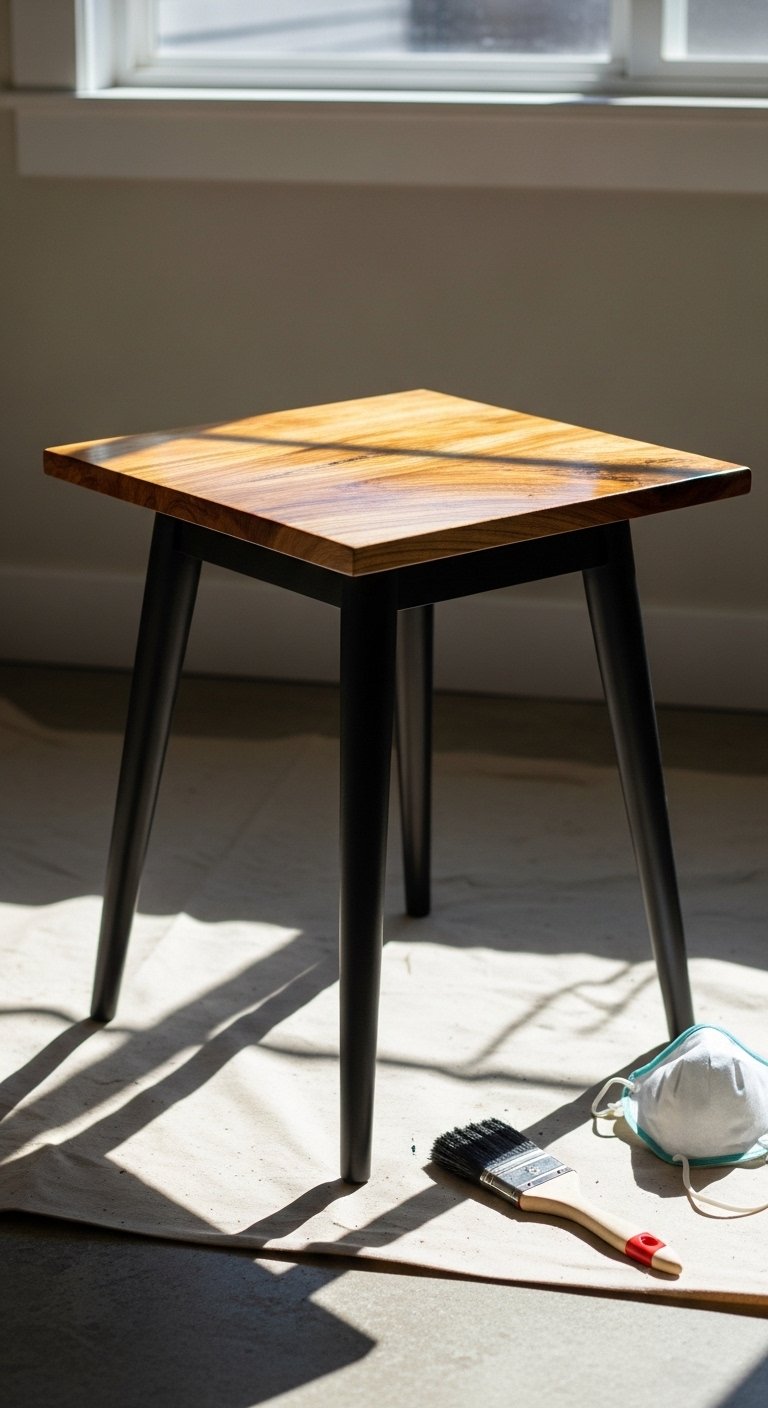
I thrifted a sad little table and painted just the legs for modern contrast. Two-tone refinishing keeps character while making a piece feel fresh. Sand the top, stain or seal it, and paint the base in a complementary color using an 80/20 paint coverage idea where 80 percent is neutral. For supplies grab a latex chalk paint in matte black and a clear furniture sealer. A common slip is skipping primer on glossy surfaces. A quick sanding and primer prevent peeling later.
DIY Candle Trio for Tablescapes
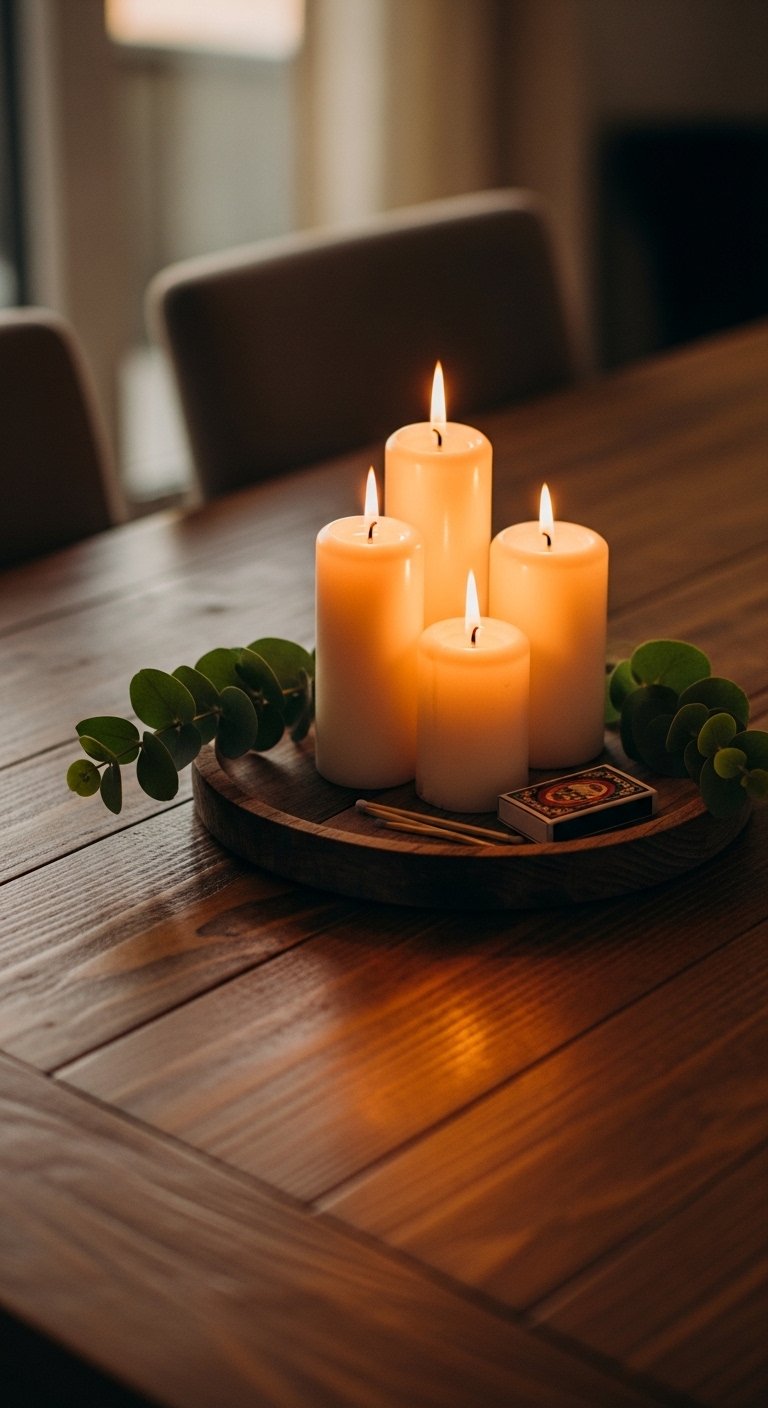
Spent $400 on a coffee table. Room still looked off. Spent $35 on a throw and three candles. Suddenly everything clicked. A candle trio anchors a table and adds instant atmosphere. Use two taper candles and one short pillar in a triangle and line up one candle an inch forward to break monotony. I use taper candles in off-white and a small wooden serving tray. A mistake is burning tapers at full height on a fragile surface. Use a heatproof base and trim wicks so flames are small and steady.
Woven Headboard from a Drop Cloth for Cozy Bedrooms
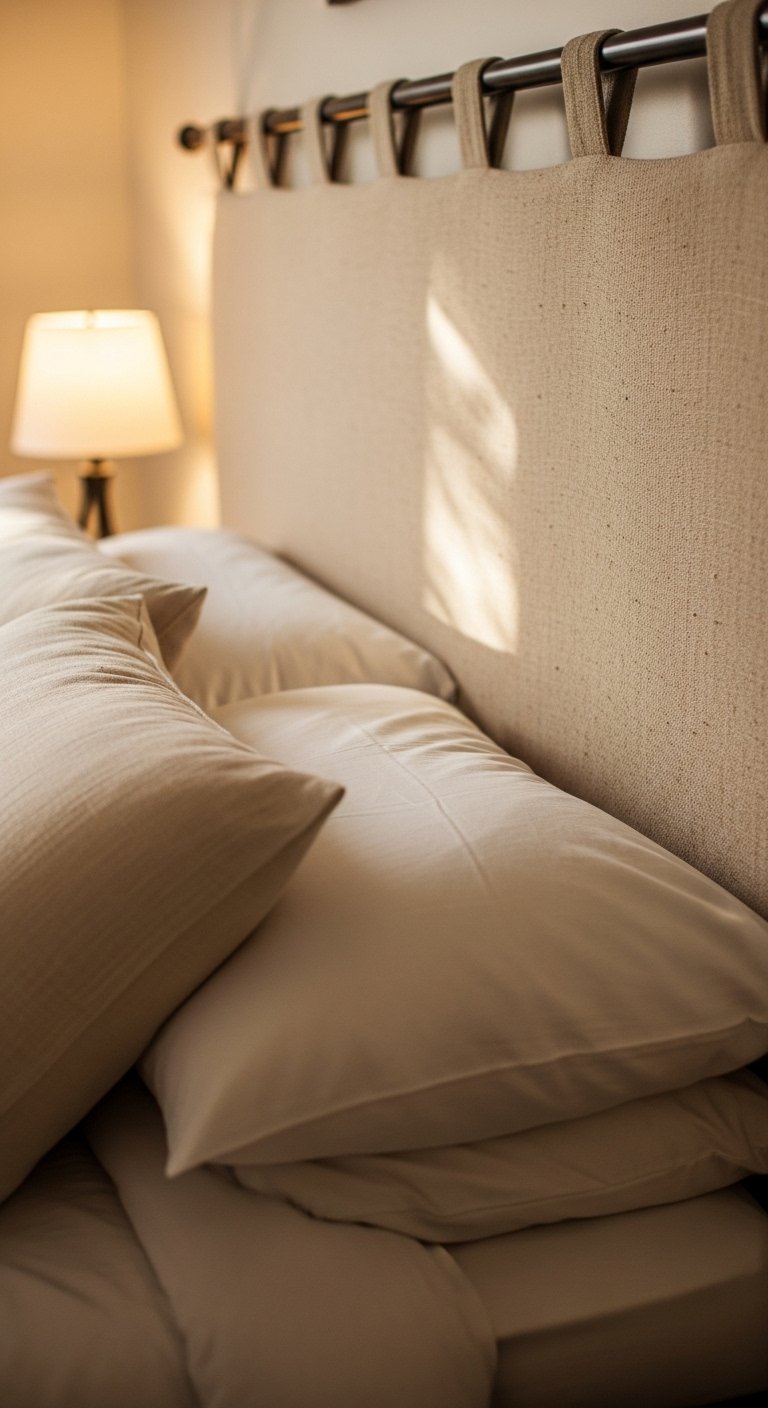
I wanted texture without spending $400. Making a simple woven headboard from a heavy drop cloth and a plywood frame gave the room a focal point for under $75. Use a headboard that is about two-thirds the width of the bed and 24 to 36 inches tall for a balanced look. I used heavy canvas drop cloth material and jute webbing. The error people make is going too narrow. A narrow headboard looks like it is trying to hide. Wider is better, as long as it stays in proportion to the bed frame.
Layered Rugs to Define Zones
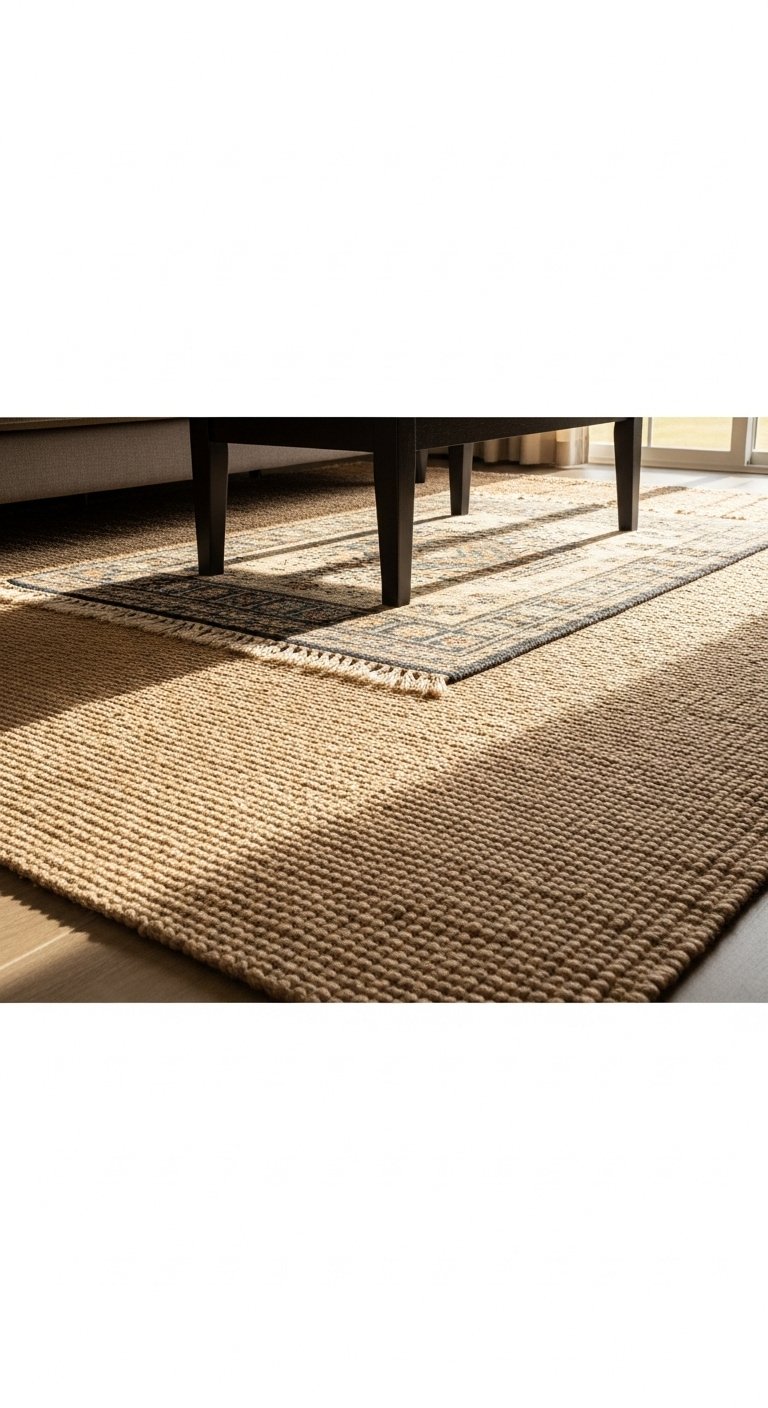
Layering rugs adds warmth and corrects mistakes in rug sizing. Bigger is better for the bottom rug. For a standard seating area start with an 8×10 under the whole arrangement, then add a smaller patterned rug to anchor the coffee table. I use a jute 8×10 rug under a 5×7 patterned wool rug. Most people buy rugs too small. All front legs of sofas and chairs should sit on the large rug for cohesion.
Entryway Tray and Hook Station to Stop the Drop Zone
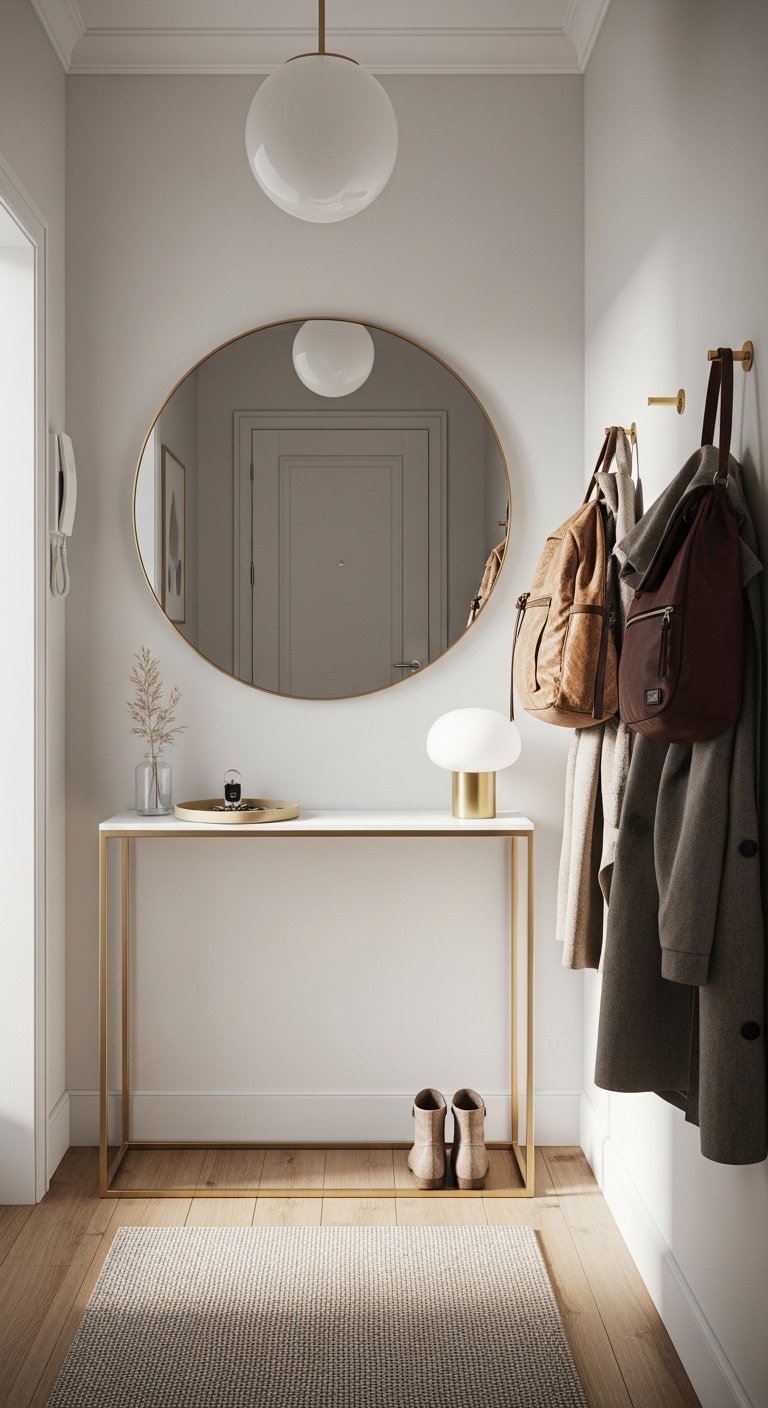
My entryway used to be a dumping ground for keys and shoes. One console table and a round mirror changed everything. Add a shallow tray for daily clutter, a small hook at shoulder height for bags, and a slim shoe basket below. I keep a ceramic catchall tray for keys and a slim metal wall hook set. A common mistake is making hooks too high. Mount them so handles sit around 60 to 66 inches off the floor for easy reach.
Thrifted Frame Update with New Mats and Paint
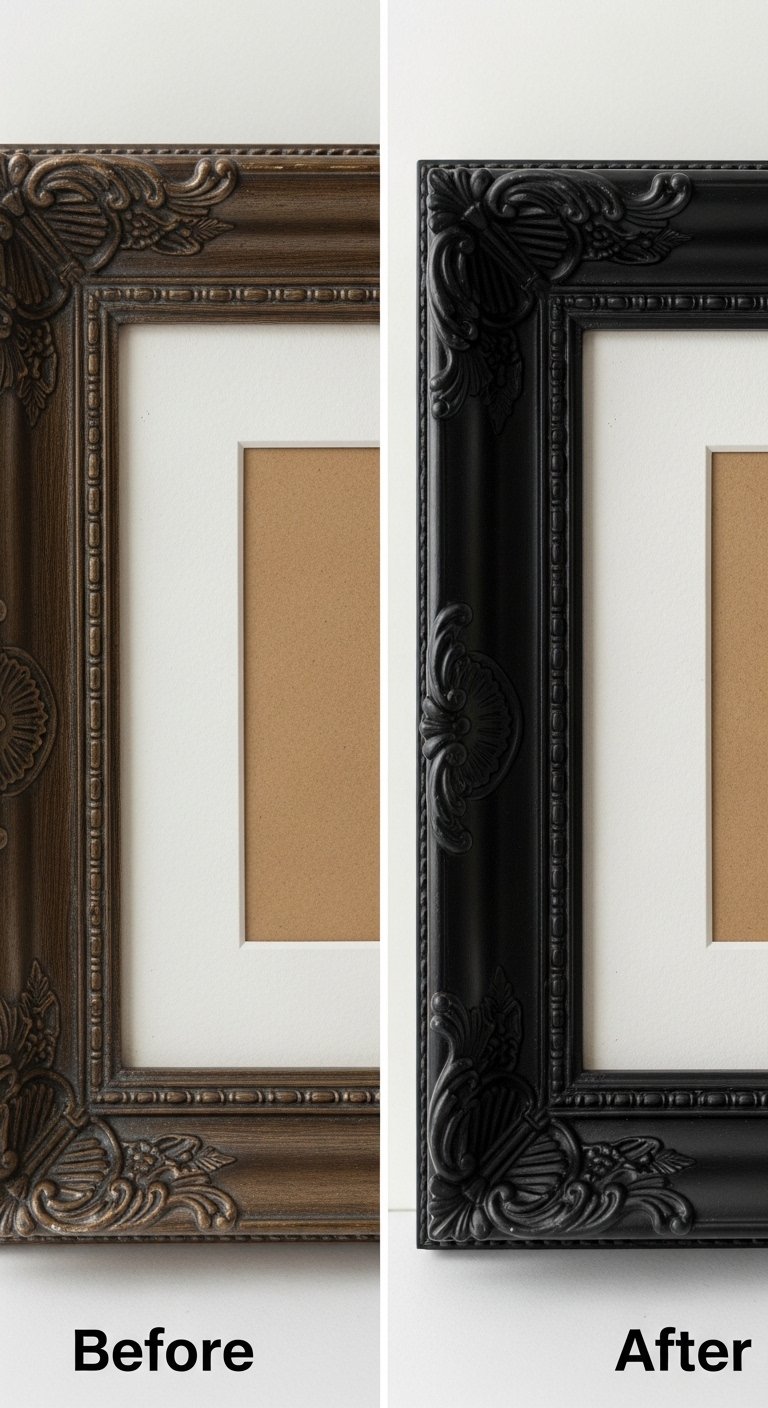
Old frames are cheap and dramatic when updated. Replace yellowed mats with clean off-white mats and paint the frame in a modern tone. I turned a dated gold frame into a focal point with matte black paint and a new 16×20 mat. Use 8×10 off-white mats and a small mat cutter tool if you want perfect edges. People often leave frames as-is. A fresh mat immediately lifts the art without changing the piece.
Simple Switch Plate and Cabinet Hardware Swap
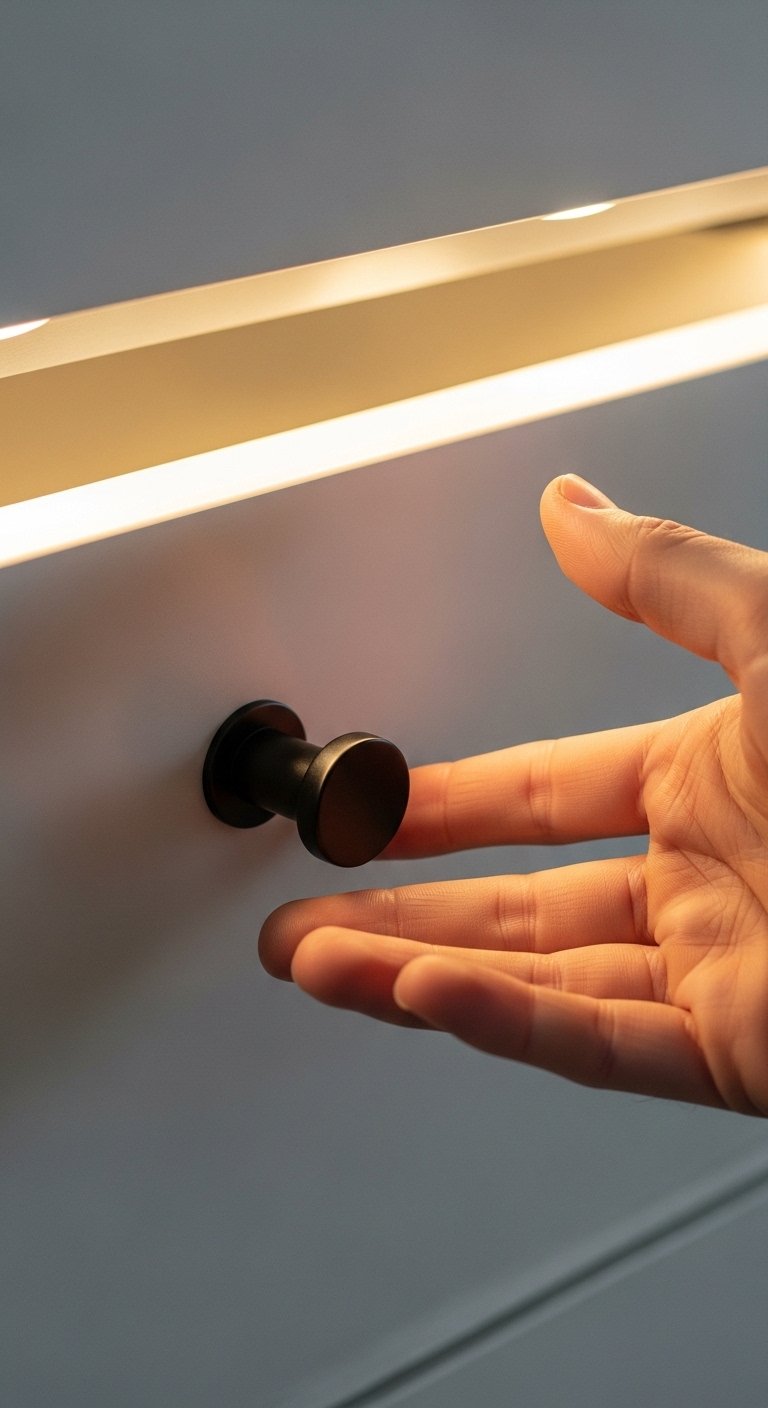
Swapping out hardware is a tiny job that reads like a renovation. New knobs or a matte black switch plate make old cabinets look custom. I used matte black cabinet knobs and matched them to black switch plate covers for continuity. Most people replace one knob and call it done. Replace all visible hardware or at least the drawer pulls to avoid a mismatched look. Budget is usually $20 to $60 depending on quantity.
Your Decor Shopping List
Textiles
- Honestly the best $40 I have spent. Velvet pillow covers, set of 2 in deep green and cream, 18×18 inches.
- Chunky knit throw in cream (~$35). Drape over the sofa arm for instant warmth.
- 96-inch linen curtain panels (~$30-50 per panel). Similar at Target or HomeGoods.
Wall Decor
- Brass picture ledges set (~$20) for swap-friendly gallery walls.
- 36-inch round floor mirror ($$$ for statement).
Lighting and Candles
- Taper candles in off-white (pack of 6).
- Small wooden serving tray for candle groupings.
Plants and Planters
- Macrame plant hanger kit (~$15).
- Artificial fiddle leaf fig 6ft where real light is limited.
Hardware and Small Tools
- Mat cutter tool for thrifted frames.
- Matte black cabinet knobs set.
Budget Finds
- Peel-and-stick subway tile for renters, under $75 for small areas.
Shopping Tips
White oak beats dark wood in 2026. Design feeds have shifted completely. White oak floating shelves look current, not dated.
Grab velvet pillow covers for $12 each. Swap them every season and the whole room feels different.
Curtains should puddle or kiss the floor, never hang halfway up. 96-inch linen panels are right for standard 9-foot ceilings.
Lead with one big plant instead of five tiny succulents. A 6-foot artificial fiddle leaf fig has ten times the visual impact.
Frequently Asked Questions
Q: What size area rug do I actually need for a living room?
A: Bigger than you think. For a standard seating area, go 8×10 minimum so all front legs sit on the rug. If your sofa sits against the wall you can get away with an 8×10 under the front legs and a smaller patterned rug on top for definition.
Q: Can I mix boho textiles with modern furniture without it looking messy?
A: Yes. Stick to an 80/20 color ratio and use the rule of three with accessories. Keep furniture neutral and add one colorful textile, two neutrals, and a textured natural like jute to tie it together.
Q: How do I hang a gallery wall without measuring obsessively?
A: Use picture ledges and painter’s tape on the wall to mock placements. Start with a central piece at 57 inches to center the group and work outward. Brass picture ledges make it forgiving.
Q: Are fake plants acceptable in low-light rooms?
A: Both real and faux have roles. Use real snake plants where you can, and a real-looking artificial fiddle leaf fig where light is minimal or you travel a lot.
Q: What common mistakes should I avoid with curtains?
A: Hanging curtains too low and picking the wrong length. Hang 4 to 6 inches above the window frame or higher toward the ceiling to add visual height. Choose width that is at least twice the window width for natural gathers.
Q: How do I style floating shelves without them looking cluttered?
A: Use the rule of three and vary heights. Combine books stacked horizontally with one plant and one art object. Leave negative space on at least one shelf so it breathes.