
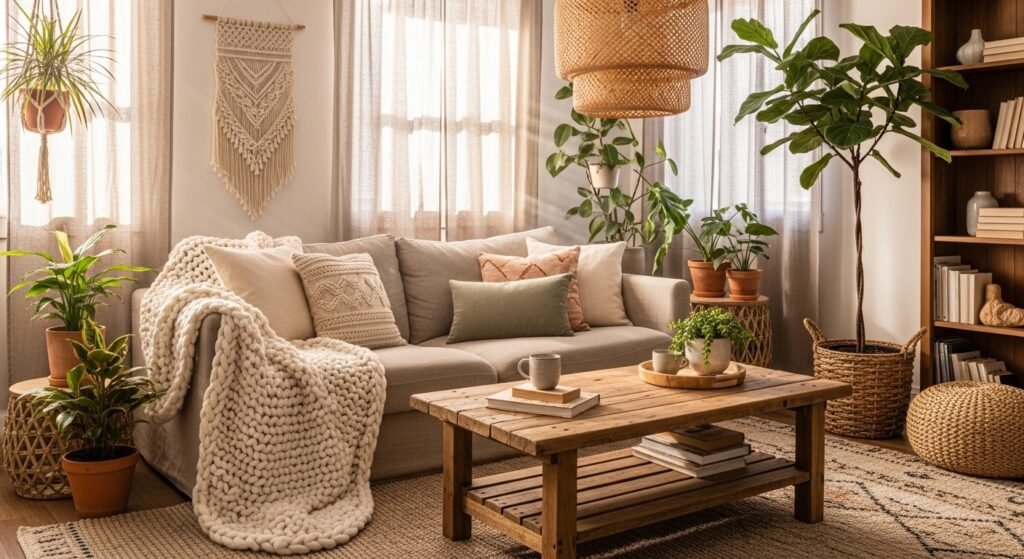
My living room had good bones but it never felt lived in. A few small swaps made it cozy, and I started paying attention to where materials came from. Changing fabric and finishes made the space feel intentional and less wasteful. These are the sustainable home decor moves I use when I want style that lasts and a lower footprint.
These suggestions lean modern-casual with boho and minimalist touches. Budgets range from under $25 for rugs and pillows to $200 for statement lighting. They work in living rooms, bedrooms, dining nooks, and entries. Everywhere I look this year, natural materials and warm wood tones are showing up, which makes mixing sustainable pieces really easy.
What You'll Need to Get This Look
Textiles and Soft Goods.
- Chunky knit throw blanket in cream. Around $35-55. I drape mine over the sofa arm and it instantly looks more tactile.
- Linen blend curtains, 84-inch. About $30-50 per panel. They filter light without blocking it.
- Velvet pillow covers, set of 4. $25-45 depending on size. Mix two colors for layered depth.
Wall Decor and Art.
- Set of 3 floating shelves white oak. $45-70. Stagger heights for interest.
- 36-inch round oversized mirror. $80-120. Opens up small rooms.
Lighting.
- Rattan pendant light shade. $30-60. Swapping a shade updates the whole room.
- LED warm white Edison bulbs. $15-20. I use these in every lamp.
Plants and Greenery.
- Artificial fiddle leaf fig 6ft realistic. $60-90. One tall plant beats five small ones.
Budget-Friendly Finds.
- Peel and stick wallpaper neutral panels. $20-35 per roll. Try one accent wall.
Layered Textiles for a Cozy Reading Nook

The moment I draped a chunky knit throw over my gray sofa, the whole corner stopped feeling flat. This is a cozy, slightly boho look that works best in living rooms or bedrooms and runs $30-120 depending on textiles. Use a 60-30-10 color rule with neutrals, a muted accent, and one pop. In photos the pile looks perfect. In real life cushions compress. Buy covers separately so you can swap fabrics without throwing away inserts. Avoid shiny polyester that looks cheap. I use a chunky knit throw and linen pillow covers for texture and longevity.
Reclaimed Wood Accent Table for Rustic Modern Living Room
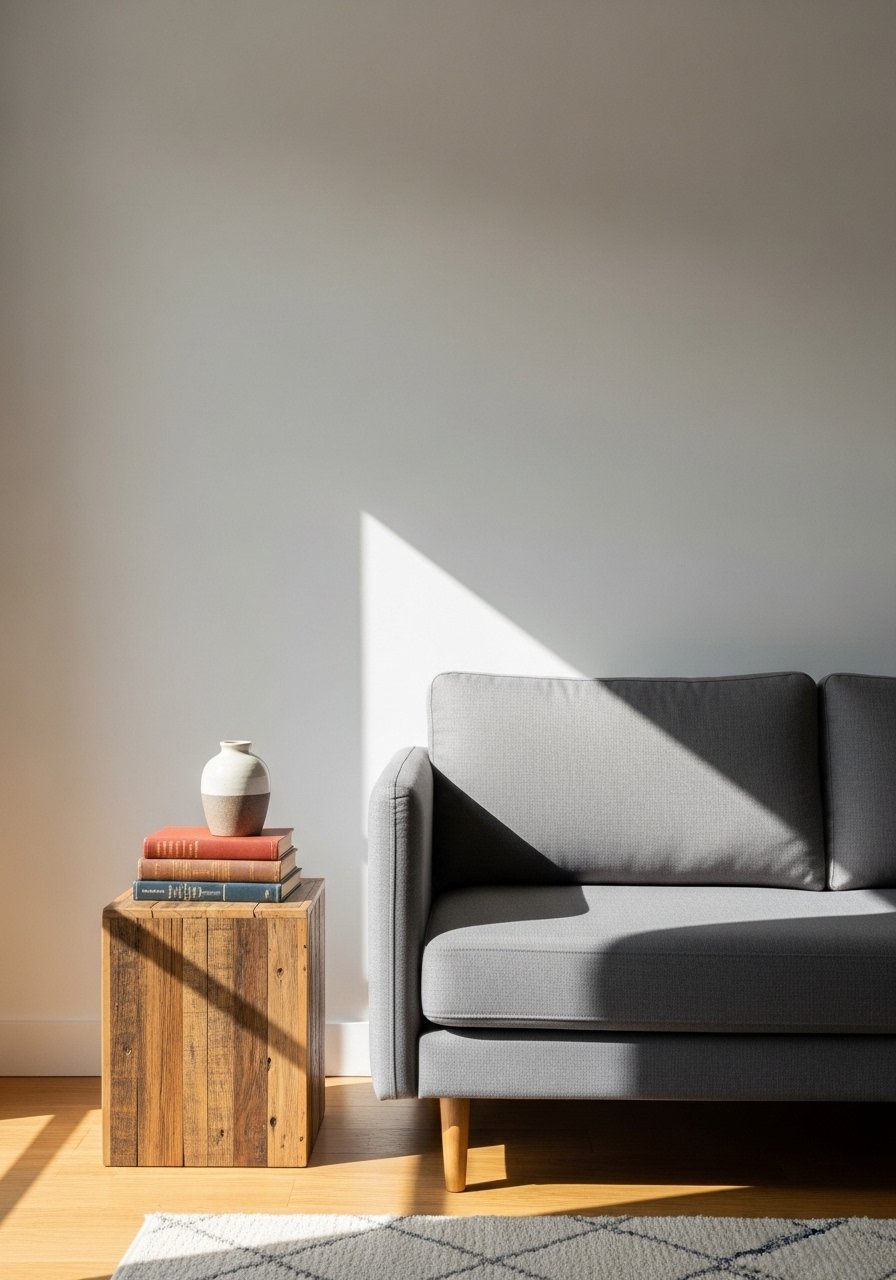
A small reclaimed wood table anchors a conversation area. I keep mine close to the sofa so it reads as intentional. This piece leans rustic-modern and suits living rooms, dens, and entries. Expect $80-250 for a good reclaimed piece. Look for tight joints and finished edges. In photos, rough wood looks artisanal. Up close, unfinished edges can catch on fabrics. The rule I use is 1:2 scale for side tables to sofa height. Pair it with metal legs for contrast. Grab a reclaimed wood side table or scout HomeGoods for thrifted versions.
Live-Edge Shelves with Curated Greenery for a Modern Boho Wall
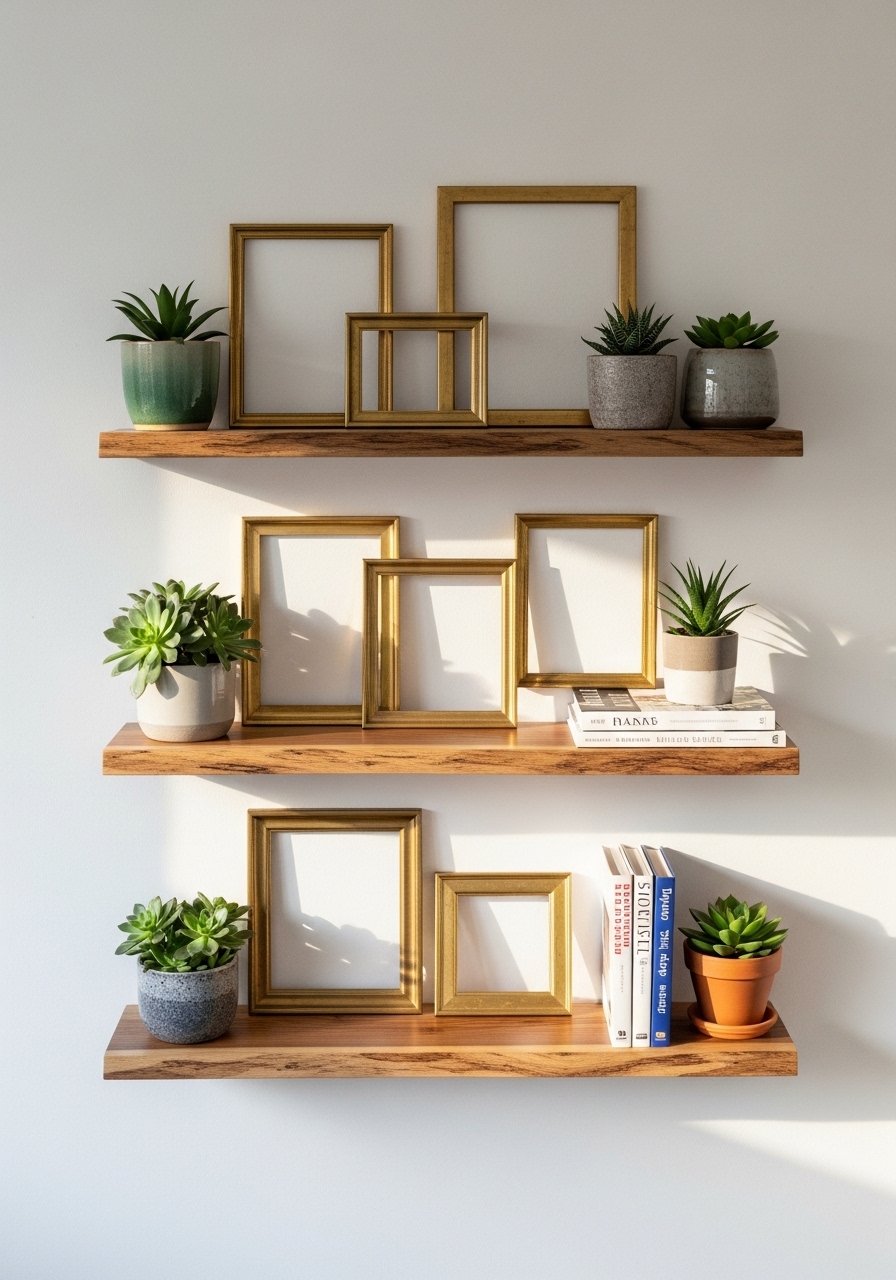
I keep seeing white oak live-edge shelves in design feeds this year. They add organic lines and act as a small art platform. This is great for kitchens and living rooms. Budget is $40-120 per shelf. Use odd numbers when styling. Group three objects, not two, for balance. Photos often show perfectly spaced items. In real rooms clutter creeps in. My tip is to reserve one shelf for plants and one for tactile items. Buy white oak floating shelves and use terracotta pots for the plants.
Natural Fiber Rugs to Ground a Minimalist Space
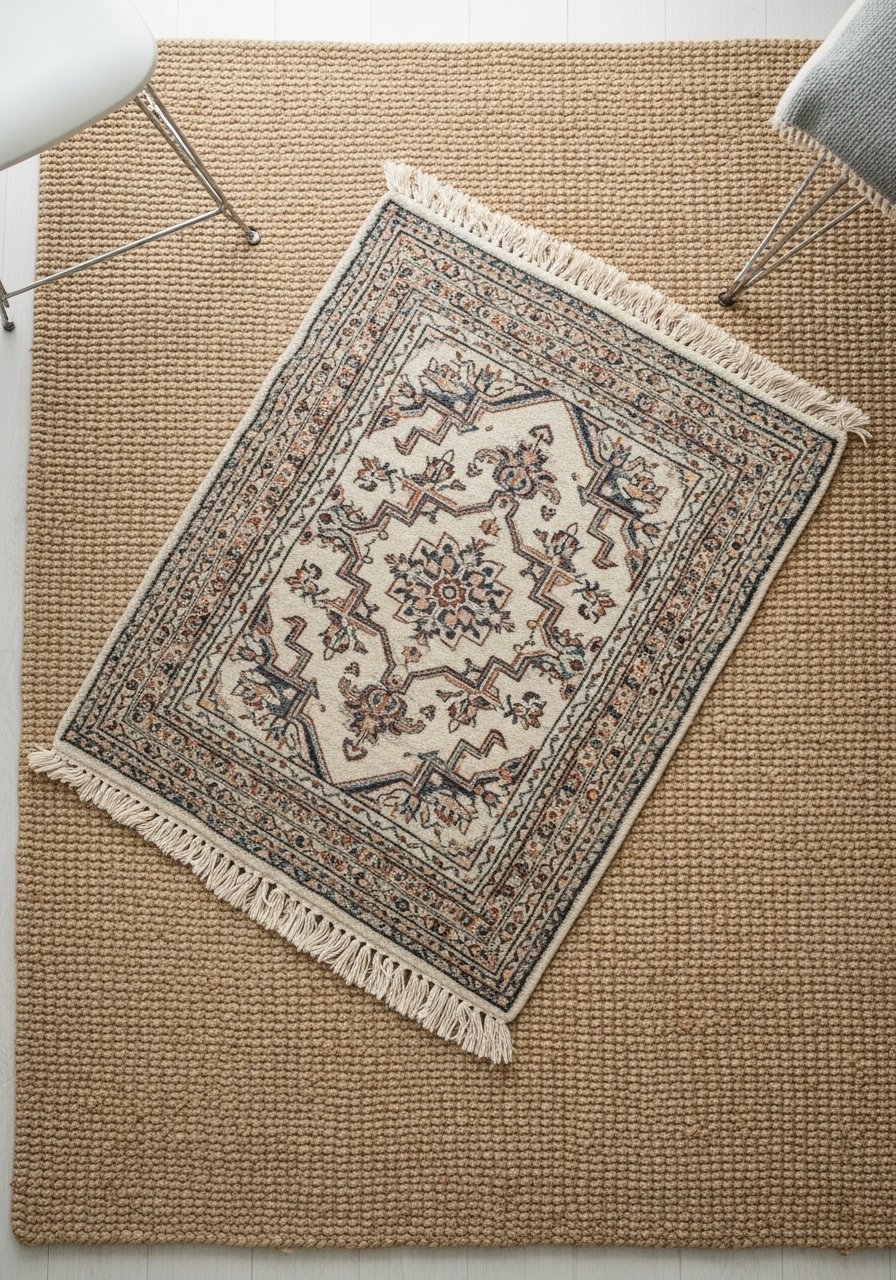
Natural fiber rugs make minimalist rooms feel warmer without color overload. I switched to a jute 8×10 and everything in the living room suddenly anchored. This is a neutral, sustainable move that costs $60-250. For small rooms go larger than you think. My rule is that front furniture legs should sit on the rug. Synthetic flat-weave rugs look fine in photos. In real life they pill and show footprints. Choose a wool or jute with a tight weave. Consider 8×10 jute rug for durability.
Upcycled Vintage Finds for an Eclectic Bedroom
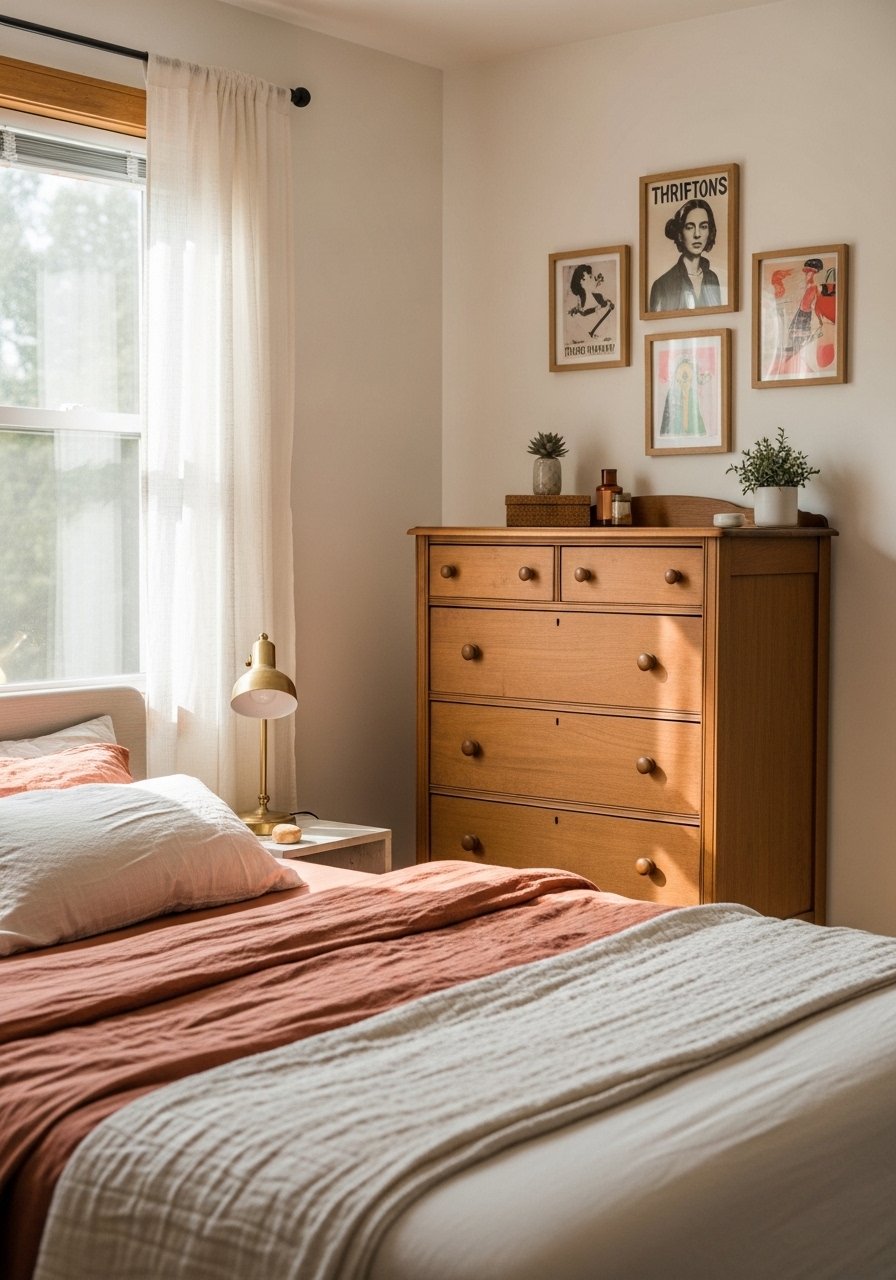
A friend asked me about mixing modern beds with vintage dressers. I say yes, if the finishes are coordinated. Upcycled pieces add character and reduce waste. This vibe is eclectic and works best in bedrooms. Plan $50-300 depending on the find and DIY time. Keep finishes visually consistent. For example, refinish a thrifted dresser with a matte warm gray to match modern hardware. One mistake is leaving mismatched glossy varnish next to matte linen. That reads dated. Look for solid joinery and replace cheap knobs with brass drawer pulls for cohesion.
Low-Waste Gallery Wall with Thrifted Frames and Neutral Art
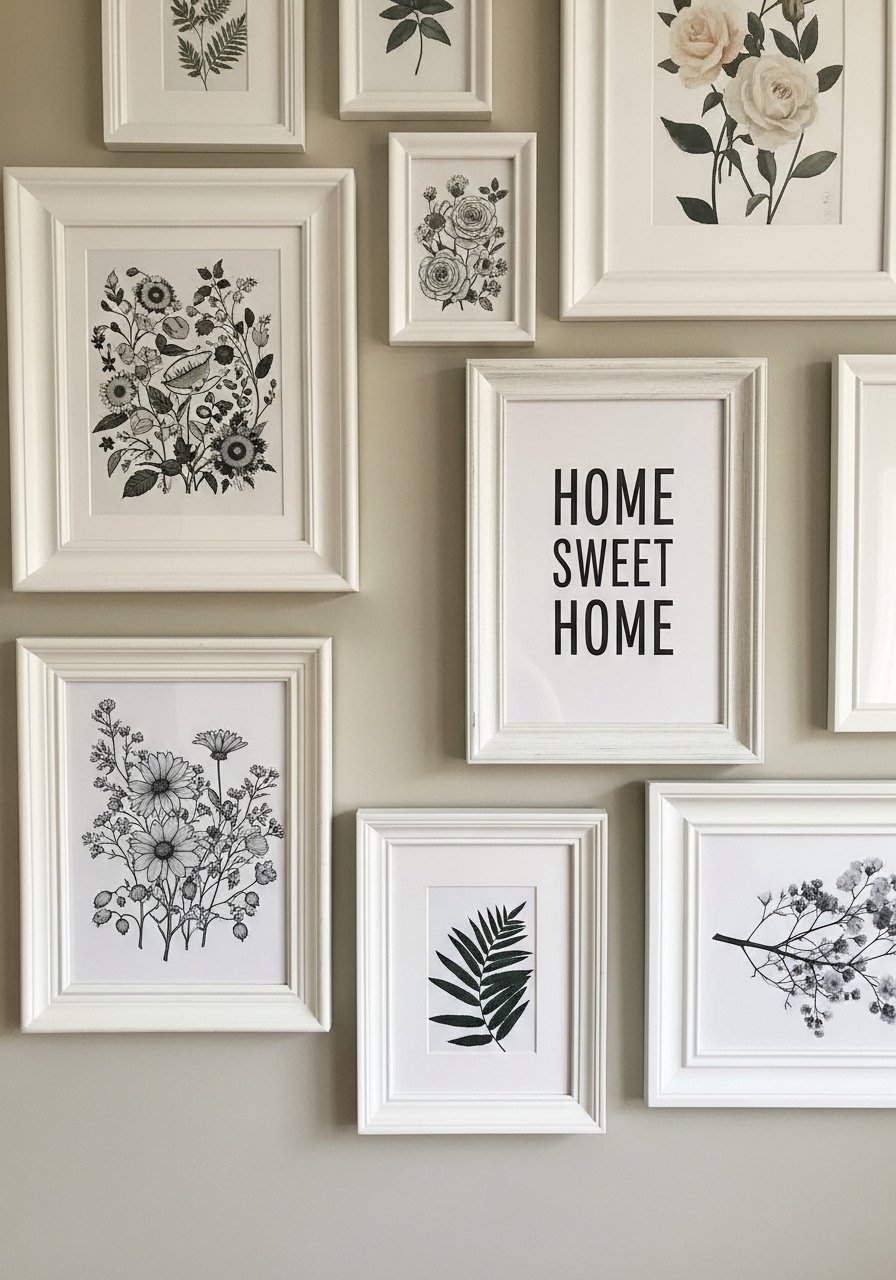
I used thrifted frames painted a uniform color to create a cohesive gallery. This approach is budget-friendly, sustainable, and gives a curated look. It suits hallways and living rooms and ranges $10-150 based on finds. Use a central focal piece and arrange others in odd numbers. The 60-30-10 rule applies to mat sizes, not just color. Pictures that look great in staged photos can look busy in narrow hallways. Measure the wall and lay frames on the floor first. I used white picture mats and matte spray paint to unify frames.
Houseplant Groupings in Terracotta Pots for Airy Corners
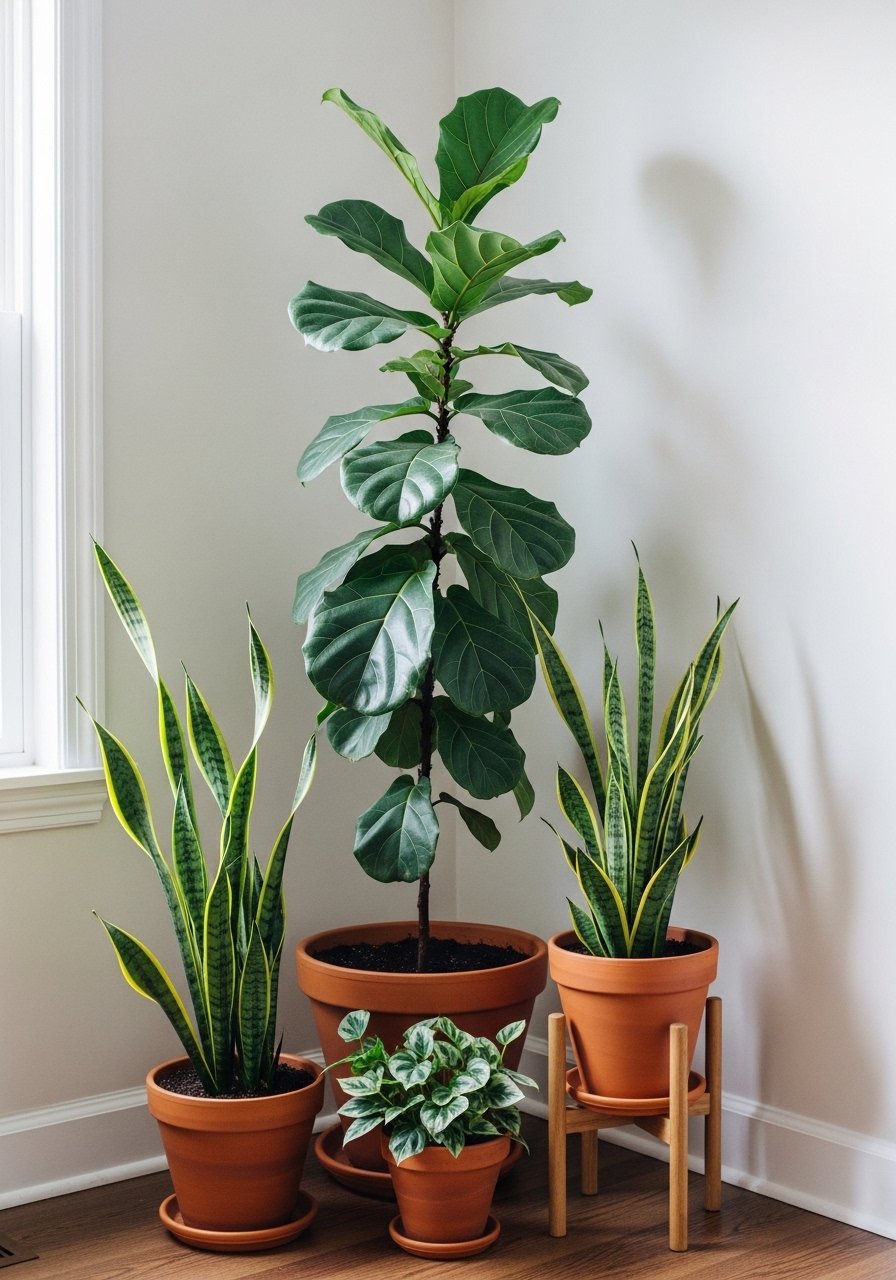
My feed is full of plant groupings this year. A trio of plants in different heights reads intentional and organic. This works in living rooms and entries with natural light. Budget from $15 for small plants to $80 for a large fiddle leaf fig. Use a 1-2-3 height rule, meaning one tall, two medium, three small. Real life is messier than photos. Leaves collect dust. Pick plants that tolerate your light. For a low-maintenance option try a realistic artificial fiddle leaf fig if you lack sunlight.
Linen Slipcovers for a Breezy Sustainable Sofa Update
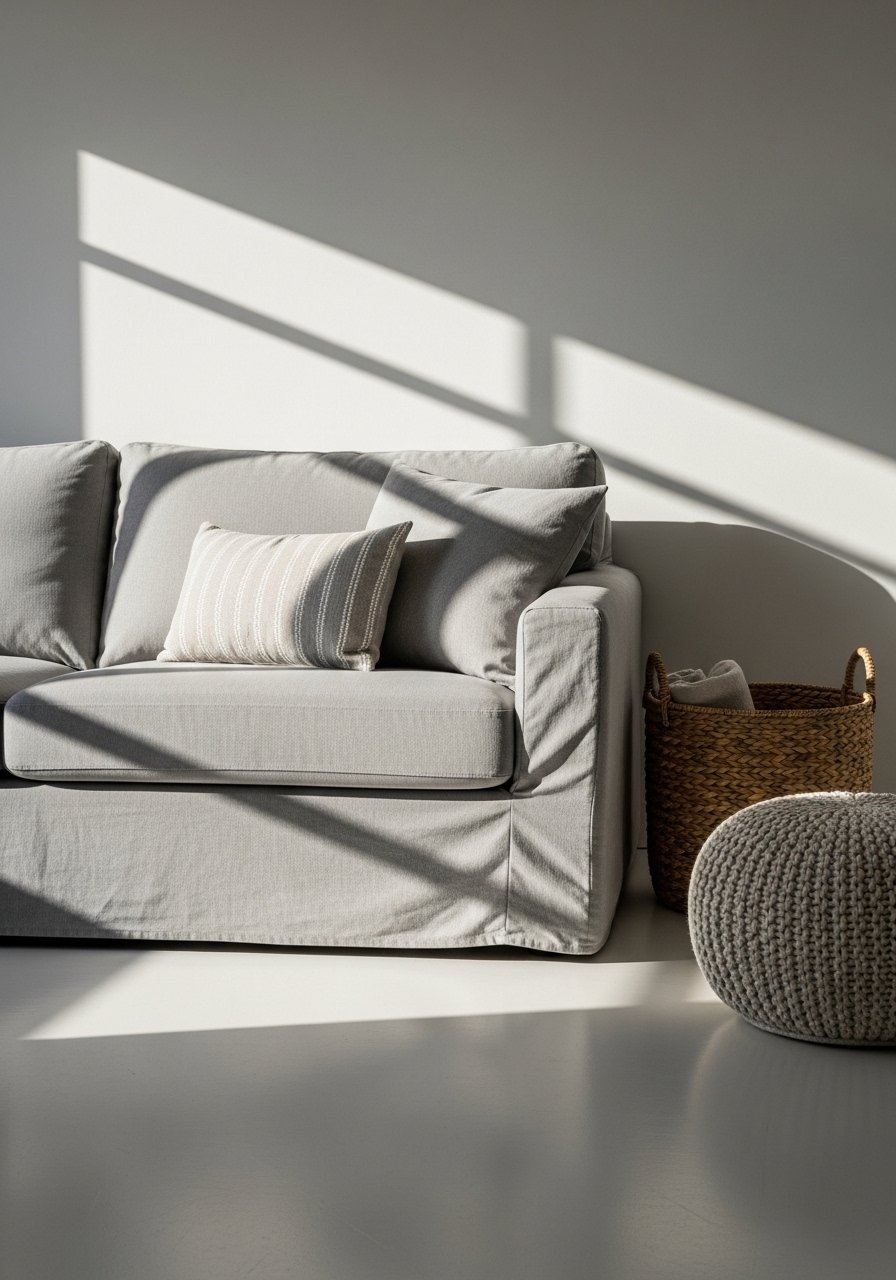
I switched to linen slipcovers six months ago and they made my sofa feel fresh without replacing it. Linen is breathable and ages well. This is a relaxed, coastal-friendly choice for living rooms and family rooms. Expect $50-200 depending on fit. Photos show crisp linen. In daily life wrinkles are normal and add to the look. Avoid thin blends that pill. Get a tailored fit for clean lines. I recommend linen slipcovers with deep pockets for a secure fit.
Energy-Smart Lighting with Warm LED Bulbs and Dimmer Switches
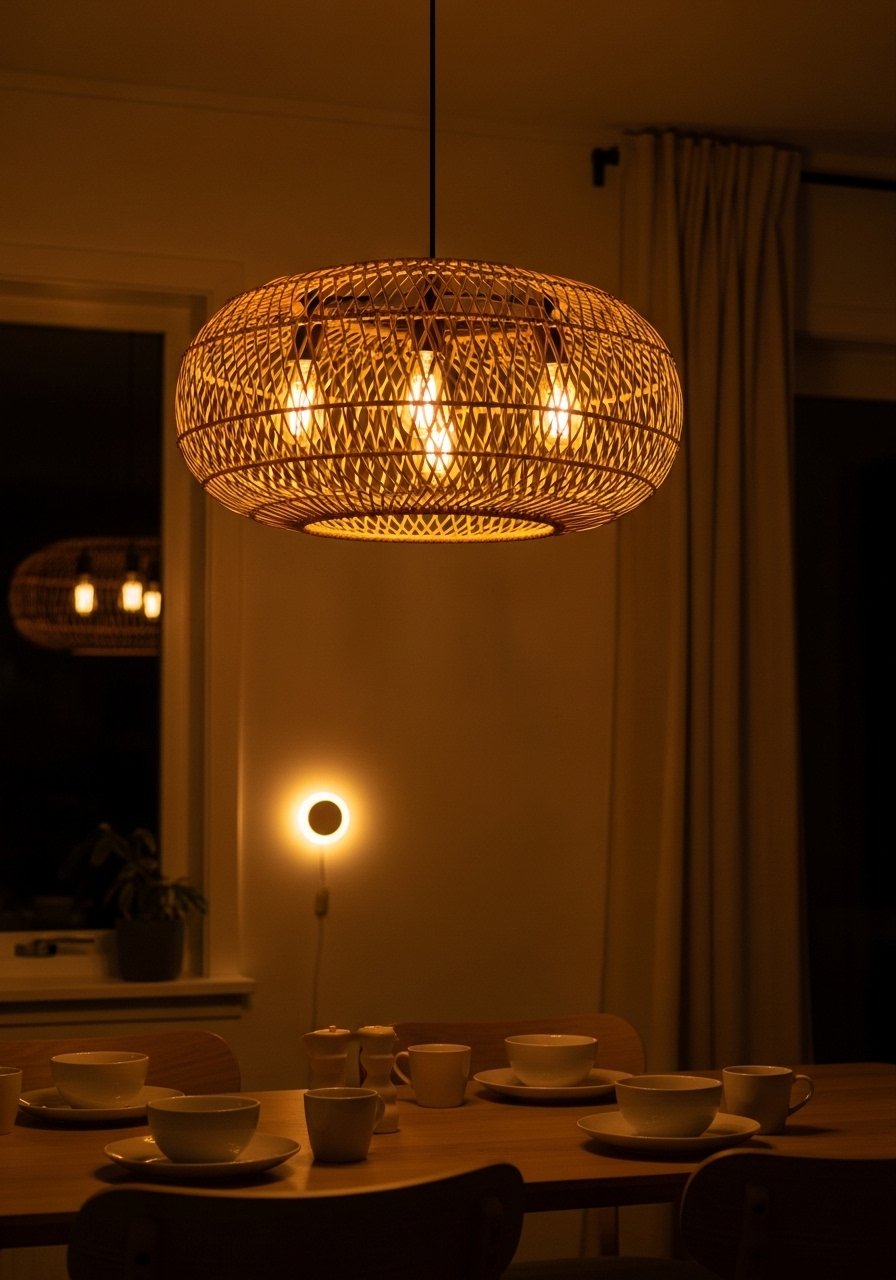
Every showroom I walk into has begun using warm LED bulbs for ambience. Changing bulbs is a small sustainable swap with big impact. For dining rooms and living spaces, use dimmable LED Edison bulbs to keep a warm glow. Expect $15-40 for quality bulbs and add a dimmer for $20-60. Photos often show uniform brightness. Real life needs layering from floor lamps and pendants. Avoid cool white bulbs in relaxing spaces. I use LED warm white Edison bulbs and a smart dimmer.
Hemp Throw Pillows for a Boho Lounge

I keep seeing hemp and hemp-blend pillows in boho rooms this year. They have a lived-in texture and are sturdy. This is a good option for lounges and sunrooms and runs $20-60 per cover. The common cheap version is printed polyester. It looks fine in a photo and feels synthetic up close. Choose natural fibers and replace inserts rather than covers. I use odd-number groupings, two large pillows and one small lumbar. Try hemp pillow covers for texture.
Floor-to-Ceiling Curtains to Add Height and Softness in a Modern Space
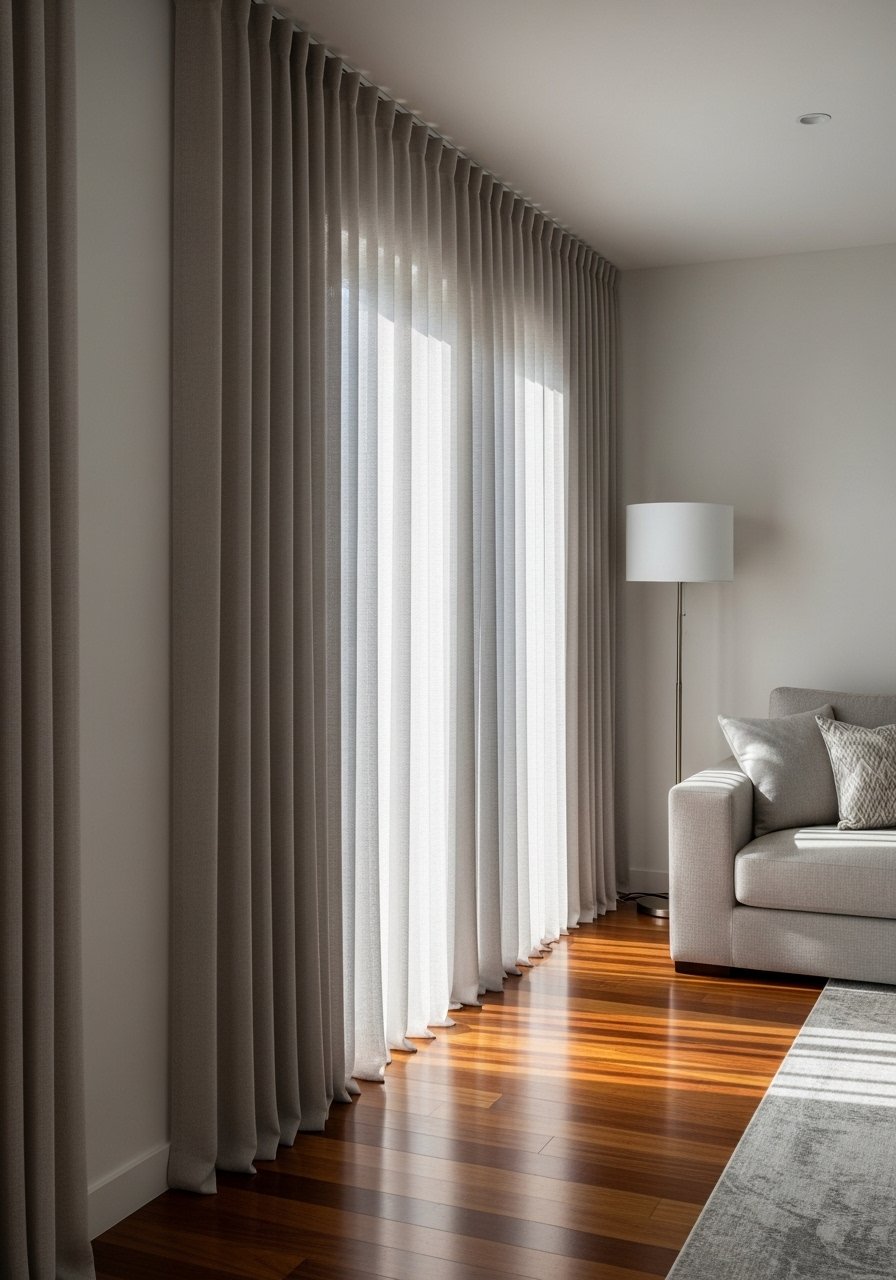
Most people hang curtains at the window frame. That's why rooms look shorter. Hanging panels near the ceiling visually raises the height. This trick costs $40-120 per panel and suits living rooms, bedrooms, and dining rooms. Use 96-108 inch panels for 9-foot ceilings. In styled photos panels are always perfectly hung. In apartments curtain hardware is the weak link. Reinforce anchors and choose linen blends for drape. I use linen blend curtains 96-inch and mount rods three inches below the ceiling.
Bamboo Blinds Paired with Sheer Drapes for Layered Privacy
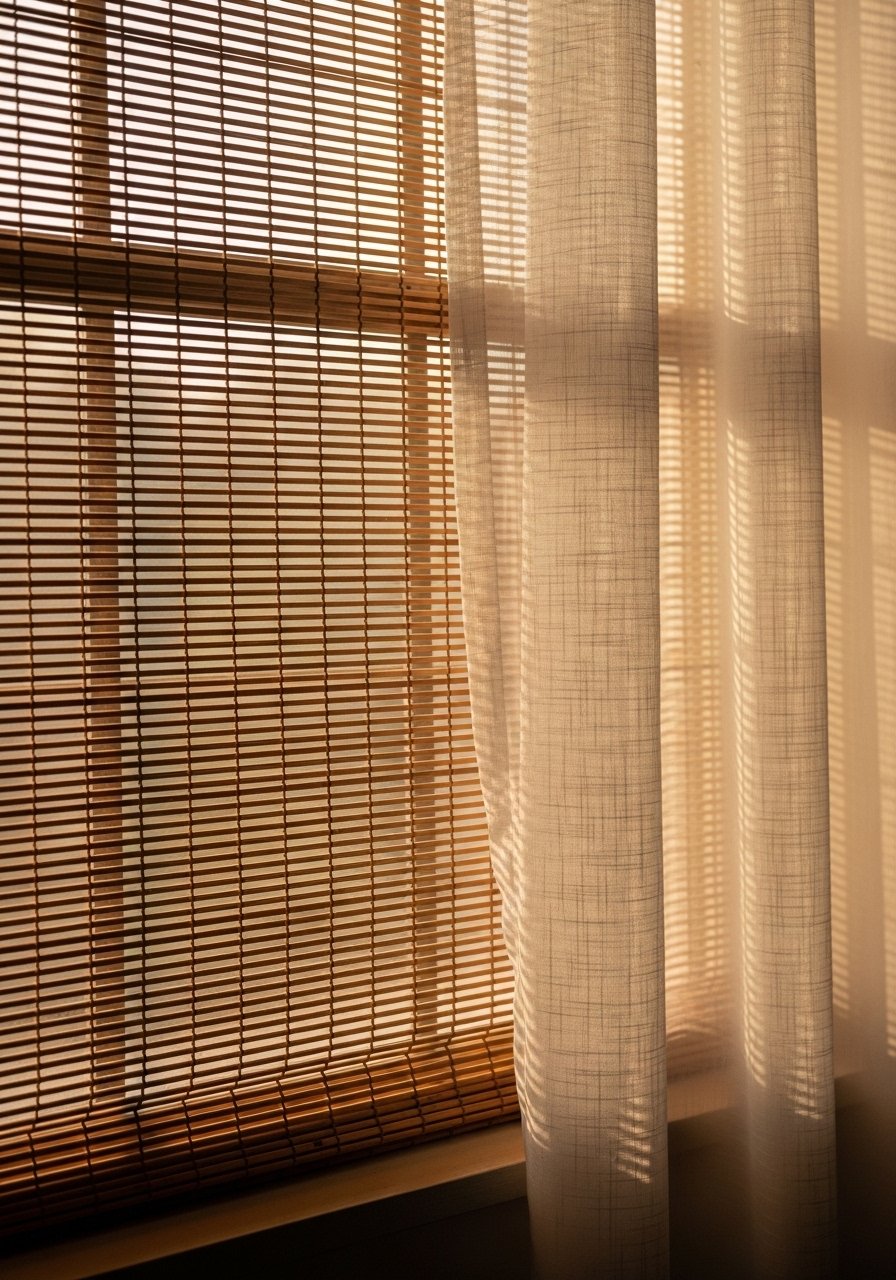
My living room struggled with glare until I added bamboo blinds under sheer drapes. The pairing gives daytime privacy and softens the light. This is a natural, minimalist look for sun-drenched rooms. Budget is $30-150 depending on custom size. Avoid thin bamboo that bends easily. Use blinds with a smooth roll and pair them with sheers hung high. In photos this combo looks tidy. In practice cords can clutter. Use cordless options for a cleaner look. I recommend bamboo roller shades.
Refillable Candle Station for Scented Living Spaces
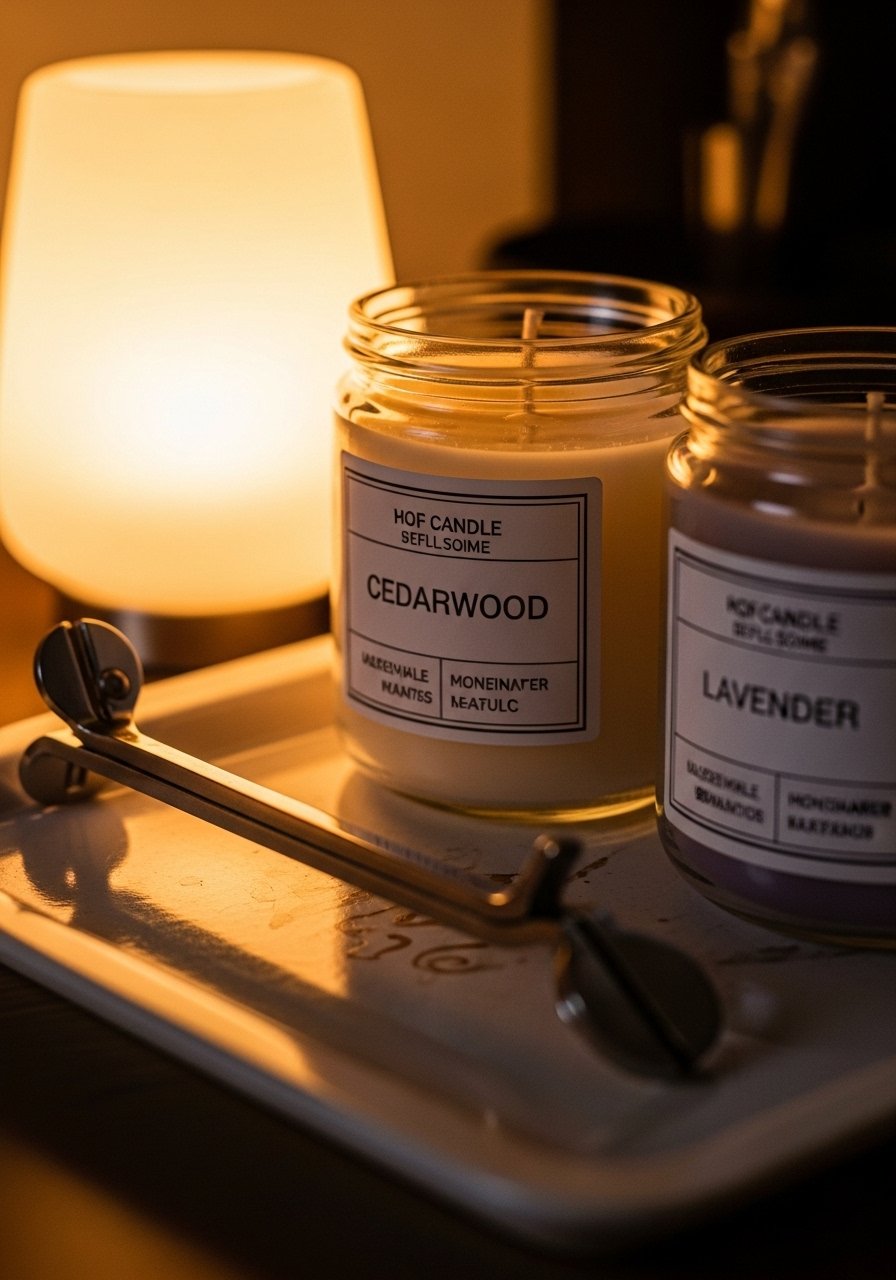
A refillable candle station reduces waste and adds scent without single-use packaging. I keep a small tray with two jars and matches by the sofa. It suits living rooms and bathrooms. Expect $20-60 to set up, plus refill packs. Scent strength in photos is implied. In reality you might need to rotate fragrances. A common mistake is using too many scented items at once. I buy unscented staples and add one scented candle. Try refillable glass candle jars.
Secondhand Mirror with New Frame for a Modern Entry
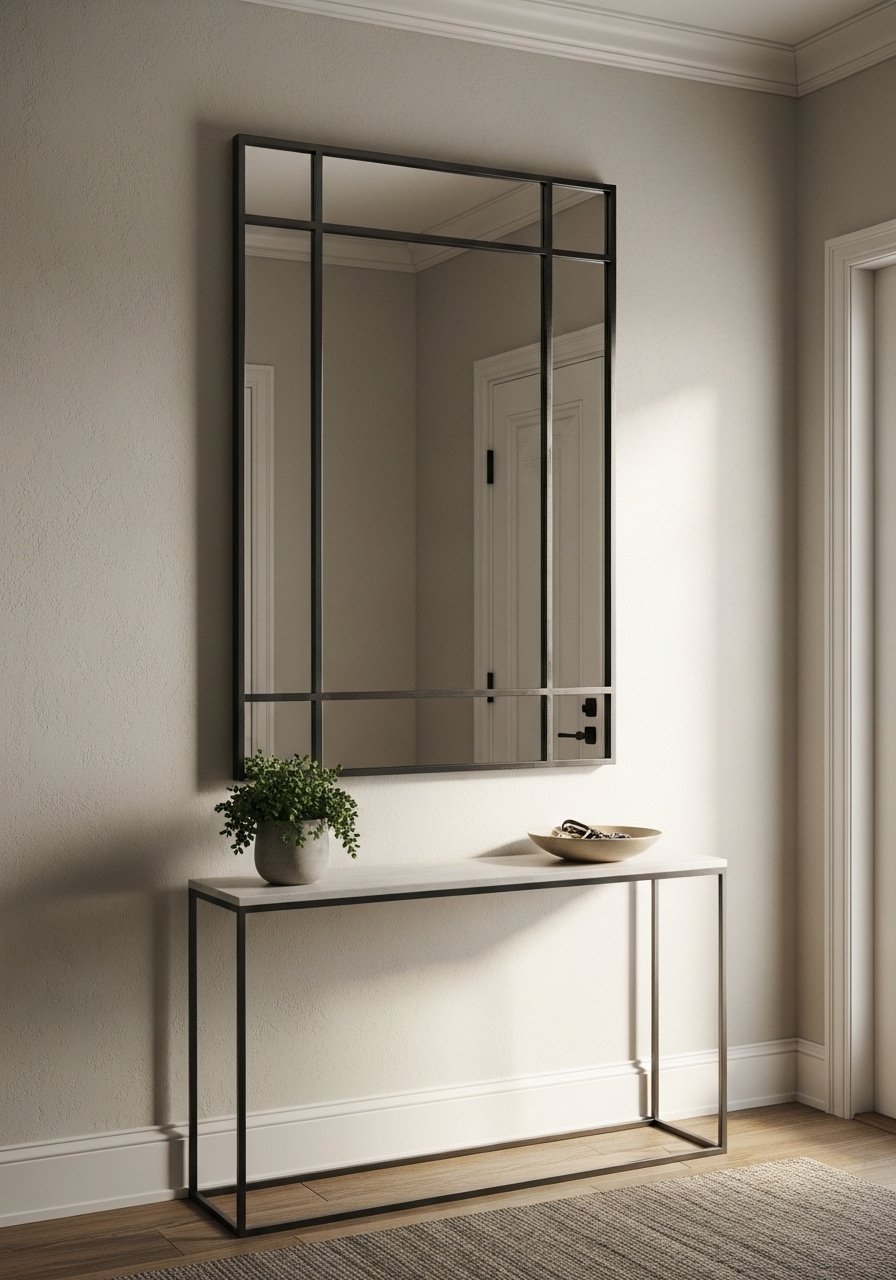
A large mirror opens up entries. I picked up an old mirror and added a new slim frame to modernize it. This is an affordable focal point for entries and living rooms. Budget ranges $40-200. The homemade frame trick is cheaper than buying new. In photos mirrors are always spotless. Real life reveals smudges and fingerprints. Keep a small bin for daily cleaning. Swap ornate for minimalist frames to keep the look current. I used large round mirror 36-inch for scale reference.
Cork Bulletin Board as Art and Memo Center in a Home Office
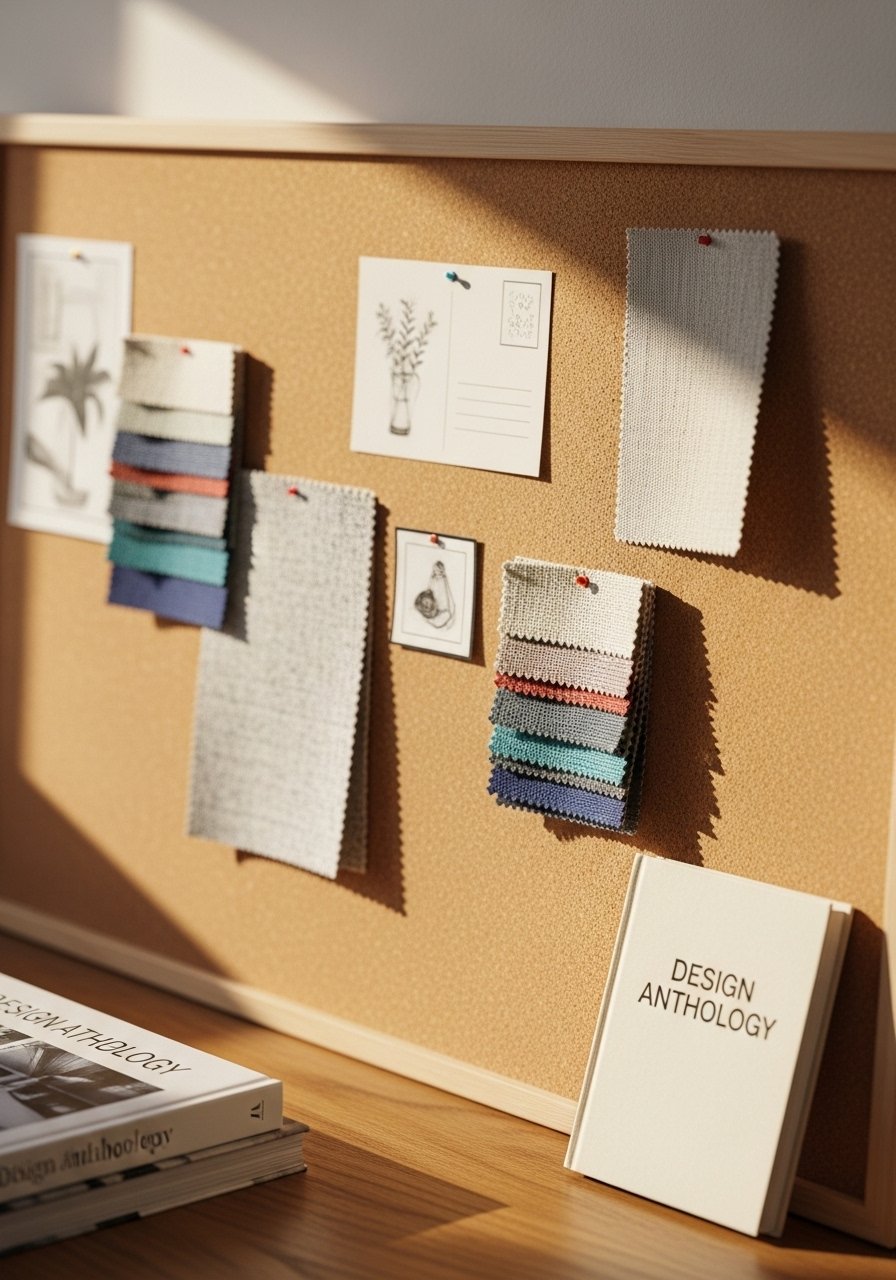
I used a cork board instead of another print in my office. It keeps inspiration visible and is low-waste. This practical look is great for home offices and craft rooms and costs $15-60. Keep the layout 60 percent functional, 40 percent decorative. A common cheap version is a flimsy cork sheet that peels. Buy a thick cork with a slim frame. Pair it with neutral push pins and a small wall shelf. Grab a cork bulletin board framed for instant organization.
Jute Pendant Lamp for Dining Room Ambience with Natural Texture
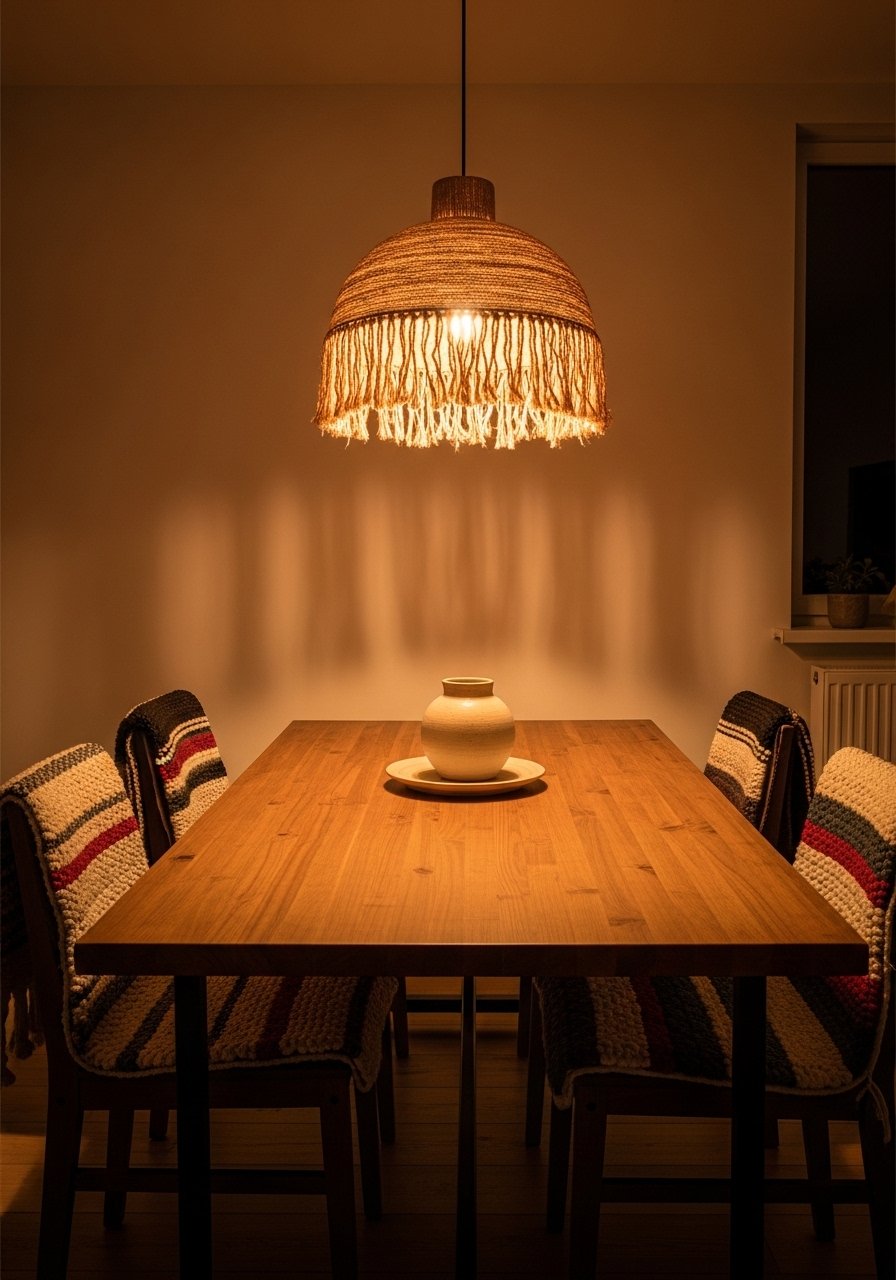
I switched my metal pendant to a jute shade and the dining area felt calmer immediately. Natural fiber lighting softens overhead light and hides fingerprints. This suits dining rooms and kitchens. Expect $40-120. The common cheap look is paper pendants that yellow. Choose woven jute with an inner lining for even light. Photos show ideal glow. Real dinners need bulbs that are warm and dimmable. I use a rattan pendant light shade and a dimmer.
Natural Wood Trim on Open Shelving to Anchor Kitchens
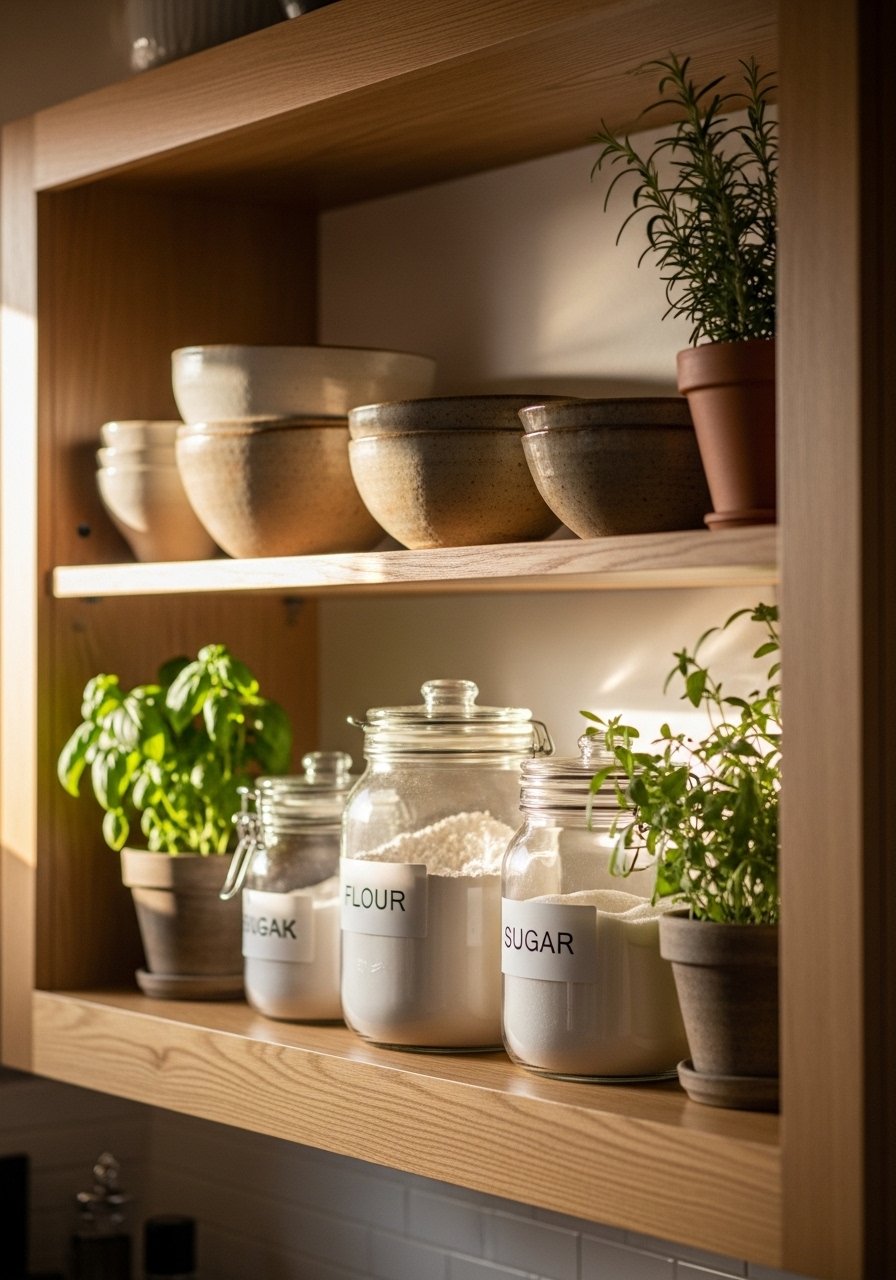
Every showroom I walk into has warmer wood tones on shelves now. A narrow natural wood trim anchors open shelving and prevents it from looking like a display. This is a kitchen-focused upgrade. Budget $30-150 depending on length. Photos can hide misaligned edges. In real life shelf depth matters for plates. I use 10-12 inch deep shelves for most dishes. Avoid very pale pine that looks unfinished. Pair with ceramic storage jars for cohesion. I use white oak floating shelves.
Wool Poufs for Flexible Seating in Small Rooms
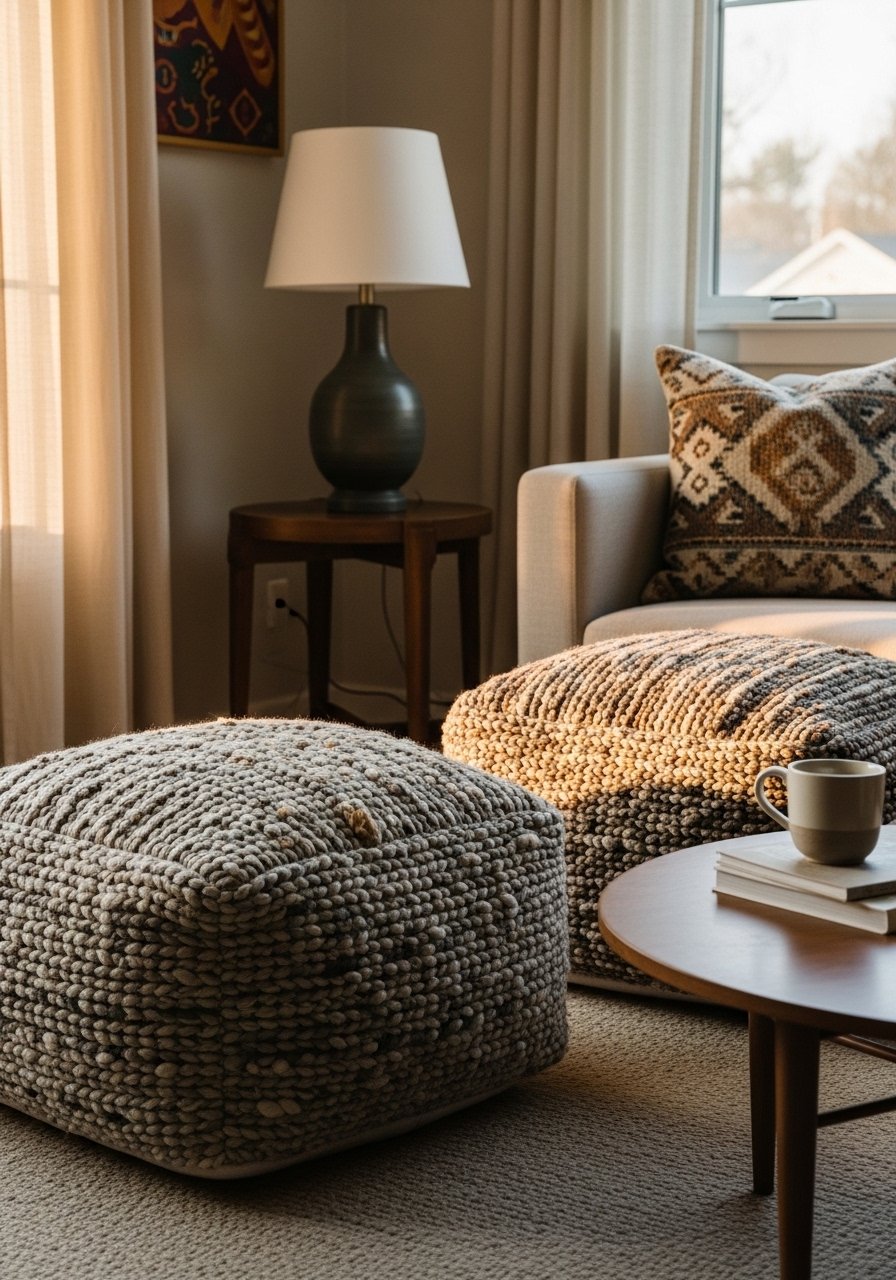
My small apartment needed seating that tucks away. Wool poufs give extra seats and texture without bulk. This works well in studio spaces and family rooms with a $30-120 price range. Use two at most for balance. Photos show perfect round poufs. In daily use they flatten slightly. Choose a dense wool fill for durability. Avoid synthetic filler that collapses. I pair poufs with a low table for stability. Try handwoven wool pouf.
Neutral Peel-and-Stick Wallpaper for Accent Walls in Rentals
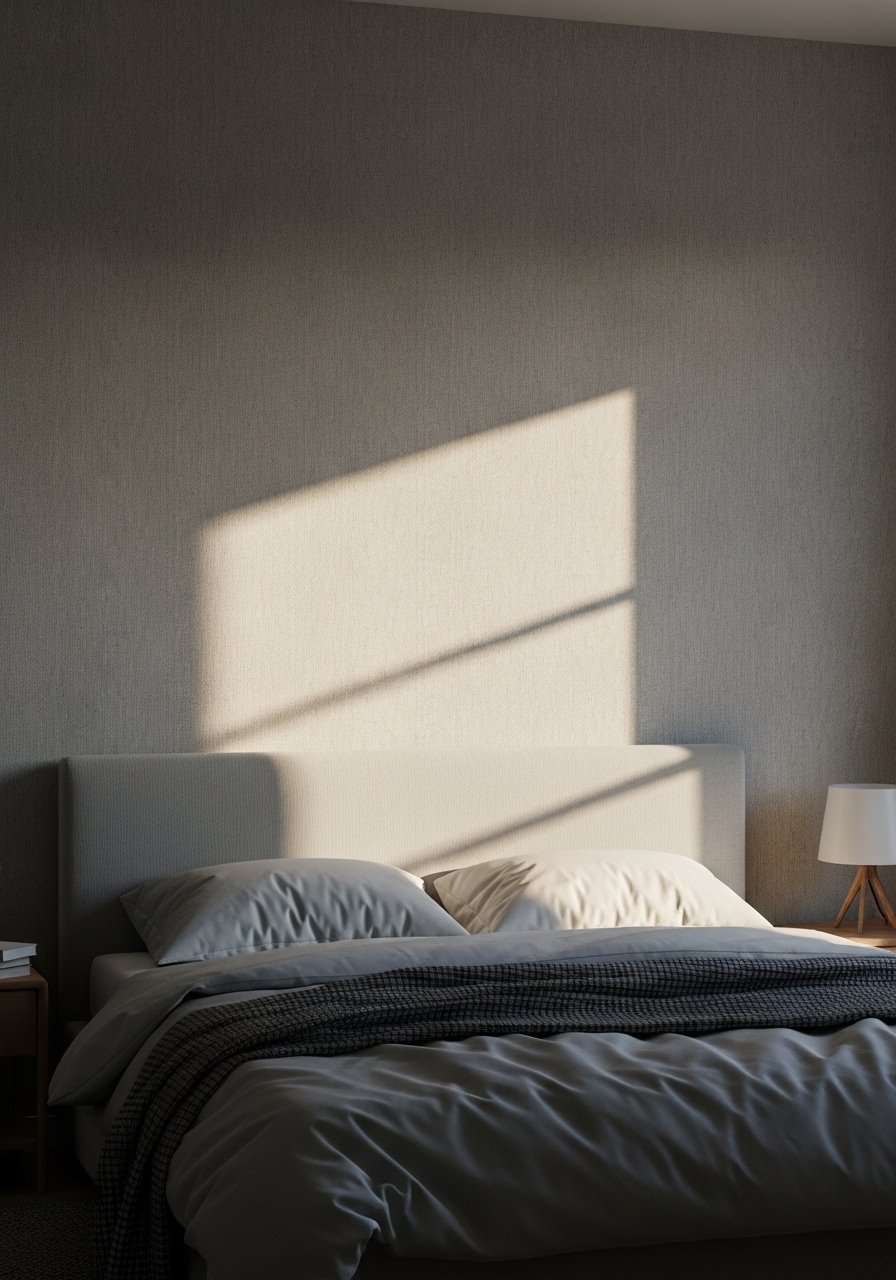
Peel-and-stick wallpaper made one wall in my rental feel custom. Pick a neutral geometric for longevity. This is renter-friendly and usually $20-50 per roll. Use it on one wall only for impact. In photos it looks seamless. In real life seams can show if you misalign panels. Cut panels with a straight edge and take your time matching pattern repeats. I used neutral peel-and-stick wallpaper panels and left the other walls painted.
Rotating Seasonal Vignettes Using Found Objects on a Console Table
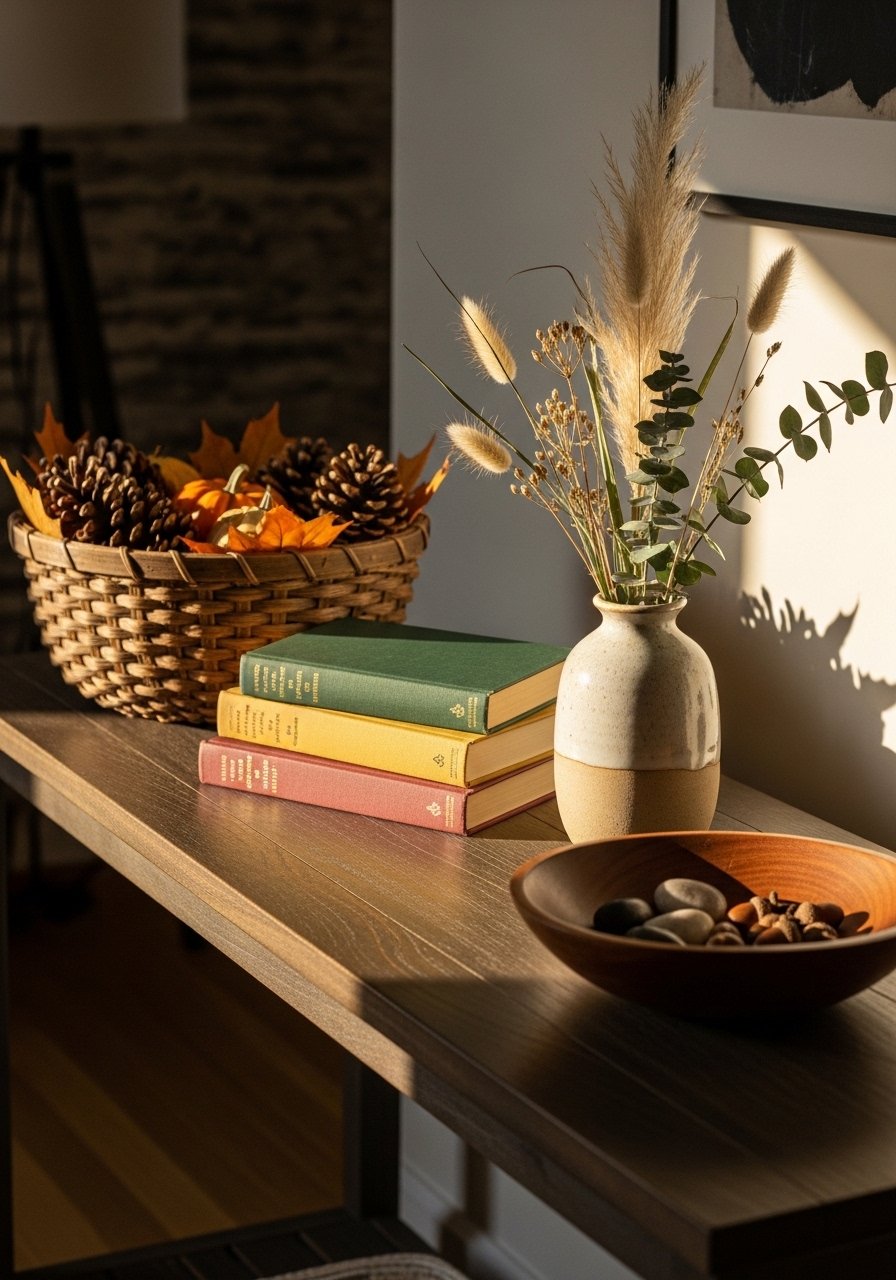
A rotating vignette keeps a space feeling cared for without buying new decor. I change mine each season using thrift finds, natural foraged items, and ceramics. It works for entries and mantels. Budget is mostly free to $60 for a new statement piece. One mistake is adding too many small items that read cluttered. I follow a 3-2-1 rule. Three objects at differing heights, two textures, one natural element. Use a woven basket as a base for volume.
Sustainable Storage Baskets to Declutter and Style a Family Room
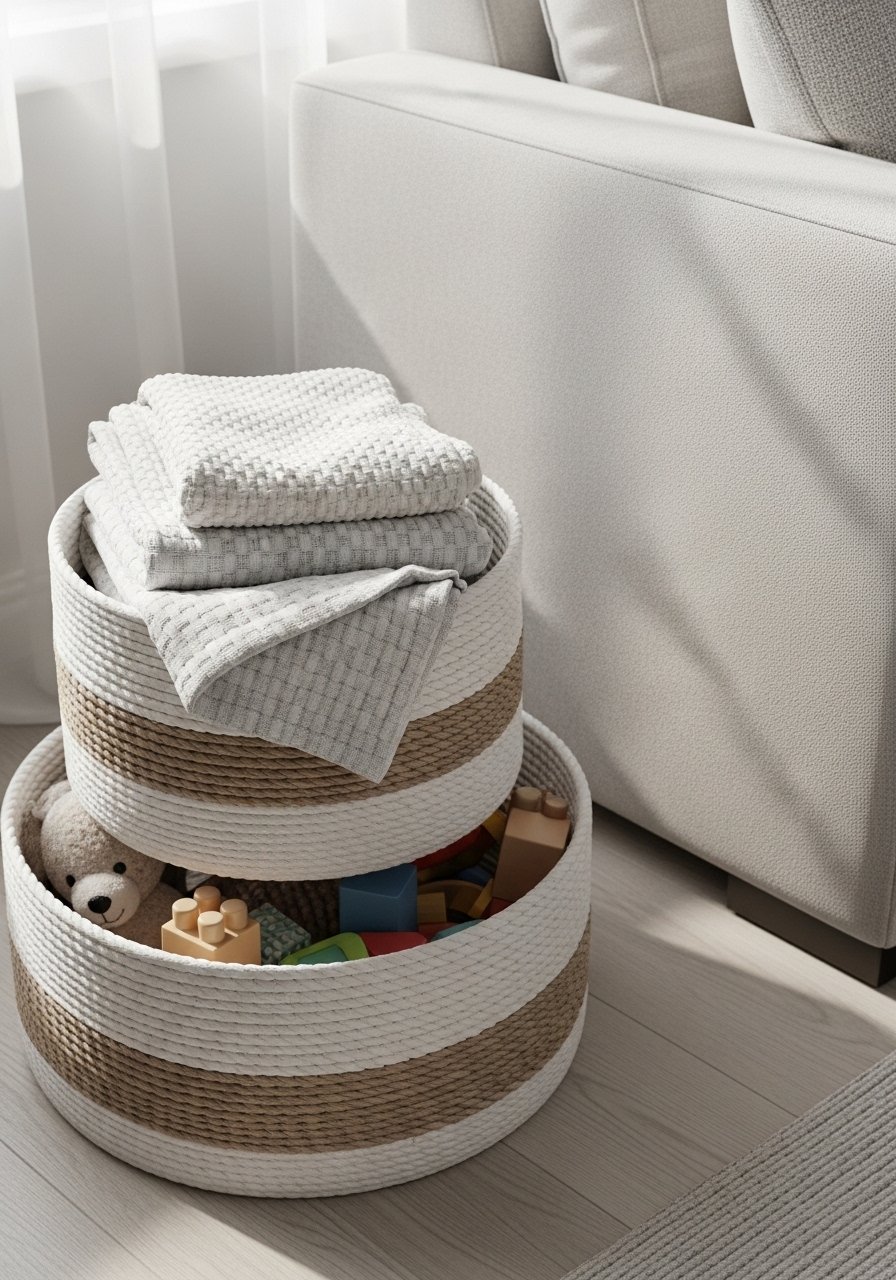
My kids' toys used to be everywhere. Adding three matching woven baskets solved the chaos. Baskets are practical, sustainable, and stylish for family rooms and bedrooms. Expect $25-80 each. Stick to natural fibers and reinforced bases. The cheap versions sag and collapse. For small rooms, choose slim-profile baskets. For large rooms, go larger and use one per corner. I use seagrass storage baskets with removable liners.
Ceramic Planters with Drainage for Real Plant Health
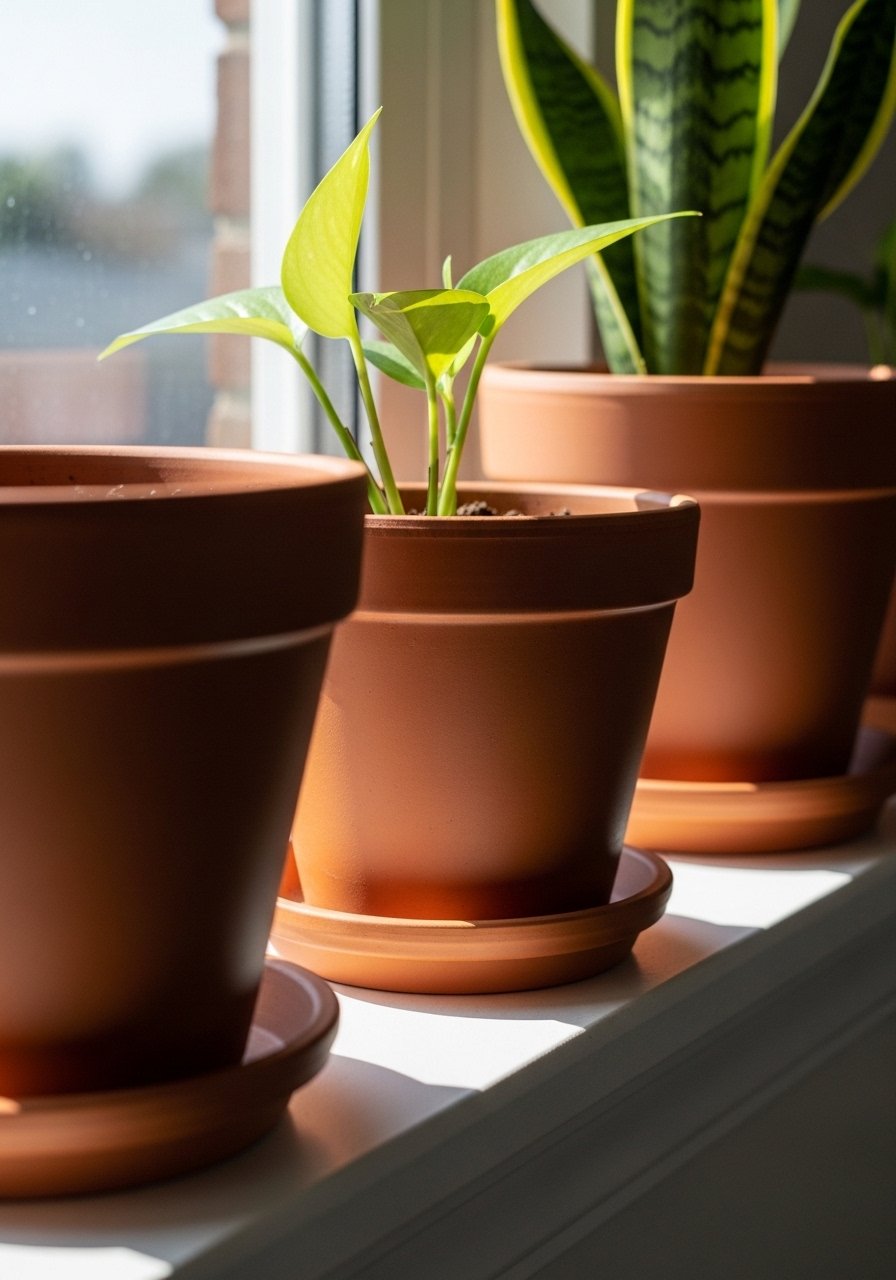
The last three homes I visited all had ceramic planters with saucers. Drainage keeps roots healthy and prevents rot. This matters in kitchens and bright corners. Expect $15-60 per planter. Photos often show plants in decorative pots without saucers. In reality overwatering happens. Choose glazed ceramic with a drainage hole and a saucer. Pair planters with pebble layers if you worry about mess. I use ceramic planters with drainage saucers for most houseplants.
Recycled Glass Vases for Simple Centerpieces
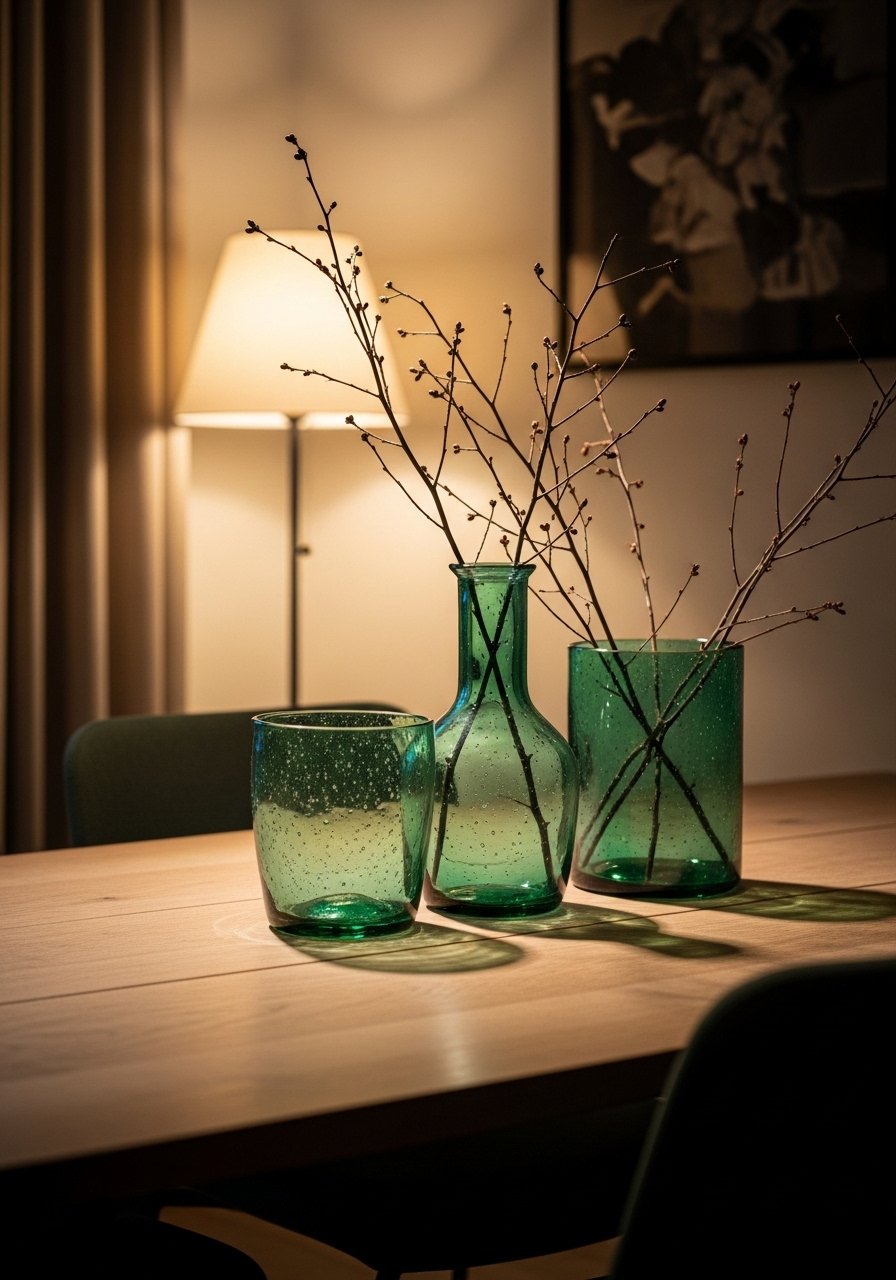
I switched my floral budget to recycled glass vases and fewer stems. One sculptural vase looks better than five small vases. This is a sustainable dining centerpiece move and costs $20-80. The cheap glass looks flawless in photos but can feel mass-produced. Recycled glass often has small bubbles and color variations that give it character in person. Use a single branch or an odd-numbered group of stems. Try recycled glass vase.
Repair and Restyle Thrifted Lighting for Budget-Friendly Chic
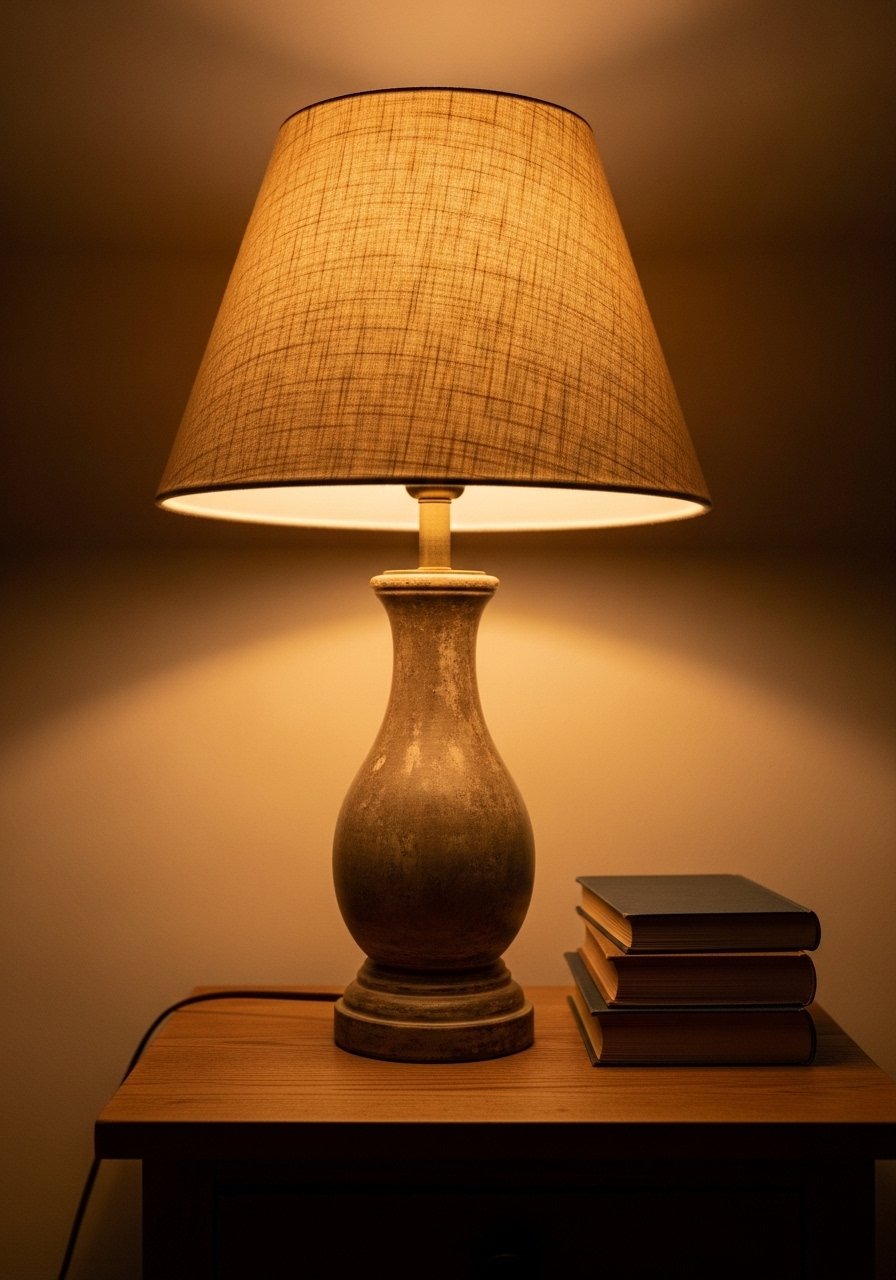
I found a brass lamp at a thrift store and swapped the shade for a linen one. It looked like a $200 find after the change. Repair and restyle reduce waste and save money. This works in bedrooms and living rooms. Expect $10-80 to restore a lamp. A common mistake is keeping a mismatched bulb and shade. Use warm white bulbs and match the scale of the shade to the lamp base. I recommend linen lamp shades 12-inch for most bedside lamps.
Layered Textures on a Minimalist Mantel for Winter Warmth
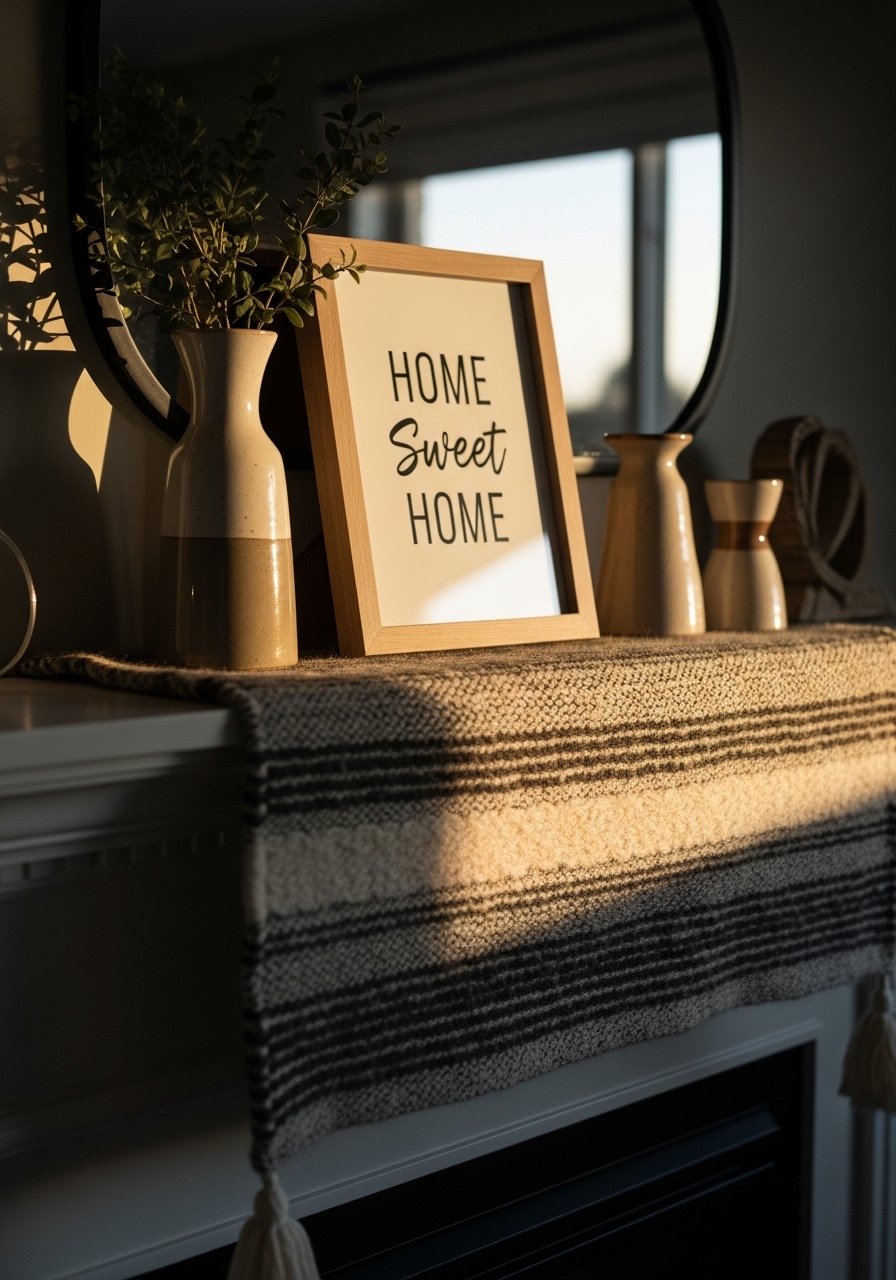
My mantel used to be a single row of frames. Adding a runner, layered objects, and a plant made it feel curated. This suits living rooms and costs $30-150 depending on textiles. Use one large anchor object, then add two medium and one small. In photos mantels look effortlessly styled. In reality heavy objects can tip. Keep heavier pieces closest to the wall and secure tall items. I use a wool runner and two ceramic candlesticks for balance.
Shopping Tips for These Looks
Buy the best textile you can afford. Fabric quality makes the biggest visual difference. Linen pillow covers last years longer than polyester.
Grab white oak floating shelves for a current look. My feed is full of warmer woods and these read modern, not dated.
Curtains should puddle or kiss the floor, never hang halfway. 96-inch panels are right for 9-foot ceilings.
Buy one statement plant instead of five small succulents. Realistic fiddle leaf fig 6ft works if your light is poor.
Swap shades, not entire fixtures. Rattan pendant shade updates the look for less.
Vintage frames are cheap at thrift stores. Pair them with white picture mats for a refined gallery wall.
Buy throws and pillows seasonally. Velvet pillow covers are an easy swap that changes mood quickly.
Frequently Asked Questions
Q: Can I mix boho textiles with modern furniture without it looking messy?
A: Yes. Keep proportions and color temperature aligned. Use the 60-30-10 rule. For example, a modern sofa in gray counts as 60, woven pillows 30, and a terracotta lumbar 10. Swap pillow covers like velvet pillow covers to test combinations.
Q: How do I make thrifted frames look intentional?
A: Paint them a uniform matte color and use consistent mat sizes. I paint frames white and use white picture mats for a cohesive gallery wall.
Q: Real plants or faux for sustainable style?
A: Both. Real plants help air quality and change seasonally. Faux plants are great where light is poor. I use a realistic artificial fiddle leaf fig 6ft in a north-facing room.
Q: What size rug should I buy for my living room?
A: Bigger than you think. Go so at least the front legs of major furniture sit on the rug. For a standard living room, start with 8×10. 8×10 jute rug is a neutral go-to.
Q: How do I keep sustainable decor from looking dated?
A: Choose natural materials with good finishes, avoid ultra-trendy motifs, and focus on quality joinery. Swap small accessories seasonally and invest in one timeless piece like a reclaimed wood side table that ages with the home.