
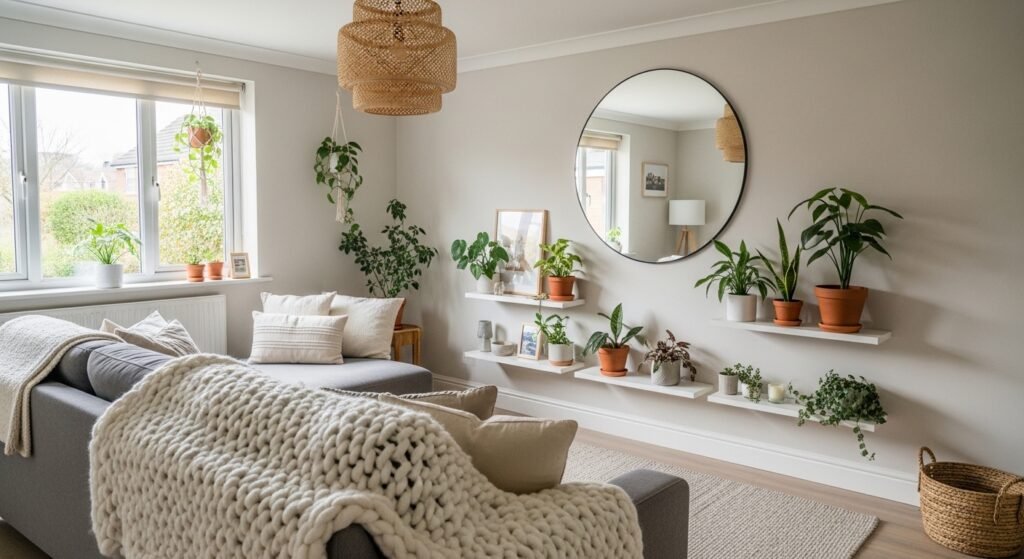
My living room had good bones and still felt flat until I added texture and varied heights. One small swap, a woven rug and a pair of linen curtains, made it feel like someone actually lives there. I kept the palette neutral and focused on balance rather than matching everything.
These ideas lean modern-minimalist with warm, tactile touches. Budgets run from under $25 for pillow covers to around $200 for splurge lighting. Use them in living rooms, bedrooms, entryways, and small home offices. Everywhere I look this year I see warm woods and layered textures taking center stage.
What You'll Need to Get This Look
Textiles and Soft Goods
- Chunky knit throw blanket in cream. (~$35-55). I drape mine over the sofa arm and it instantly softens the room.
- Linen blend curtains, 84-inch. (~$30-50 per panel). Filter light without blocking it completely.
- Velvet pillow covers, set of 4. (~$40). Mix two muted tones for depth.
Wall Decor and Art
- Set of 3 floating shelves in white oak. (~$45-70). Stagger heights for interest. Similar at Target.
- 36-inch round mirror. (~$80-120). Round opens a wall more than a rectangle.
Lighting
- Rattan pendant light shade. (~$30-60). Swapping a shade updates the room fast.
- LED warm white Edison bulbs, 4-pack. (~$15-25). I put these in every lamp.
Plants and Greenery
- Artificial fiddle leaf fig tree, 6ft. (~$60-90). One tall plant beats five small ones.
Budget-Friendly Finds
- Peel and stick wallpaper panels in neutral tones. (~$20-40). Commit to one accent wall.
Extras
- 8×10 jute area rug. (~$120-200). Durable and neutral enough for any style.
Layered Textiles for a Cozy Reading Nook
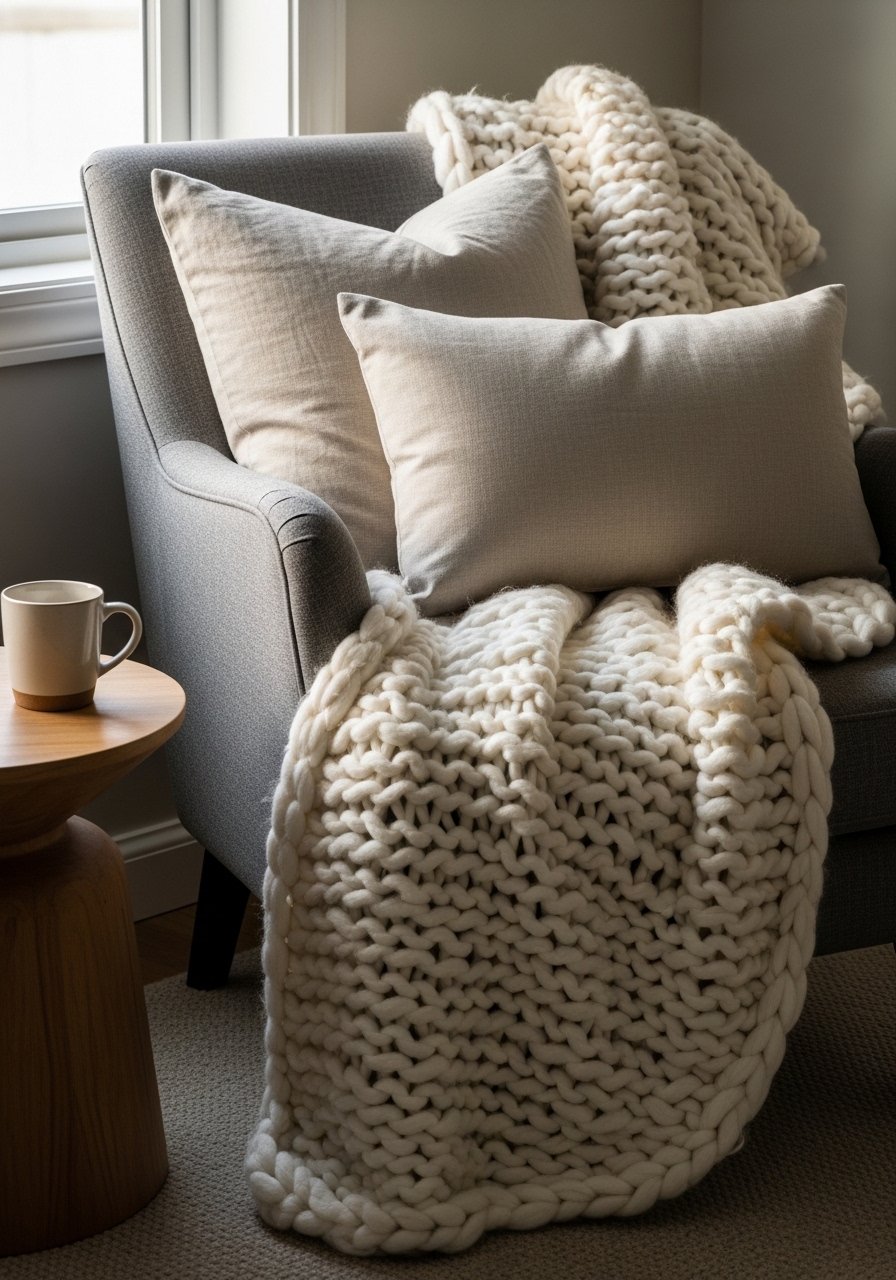
The moment I draped a chunky knit throw over the arm of my gray sofa the whole corner stopped looking staged. I used a 60-30-10 feel with texture as the 10. In practice that meant 60 percent neutral upholstery, 30 percent wood and woven surfaces, and 10 percent a darker charcoal pillow. Works best in living rooms or bedroom corners on a $25 to $150 budget. Avoid tiny, same-color pillows that blend into the sofa. I recommend chunky knit throw blanket and a linen pillow cover. Photos exaggerate the fluff. In real life pick denser weaves or they flatten after a few sits.
Floor-to-Ceiling Curtains to Add Height in the Living Room
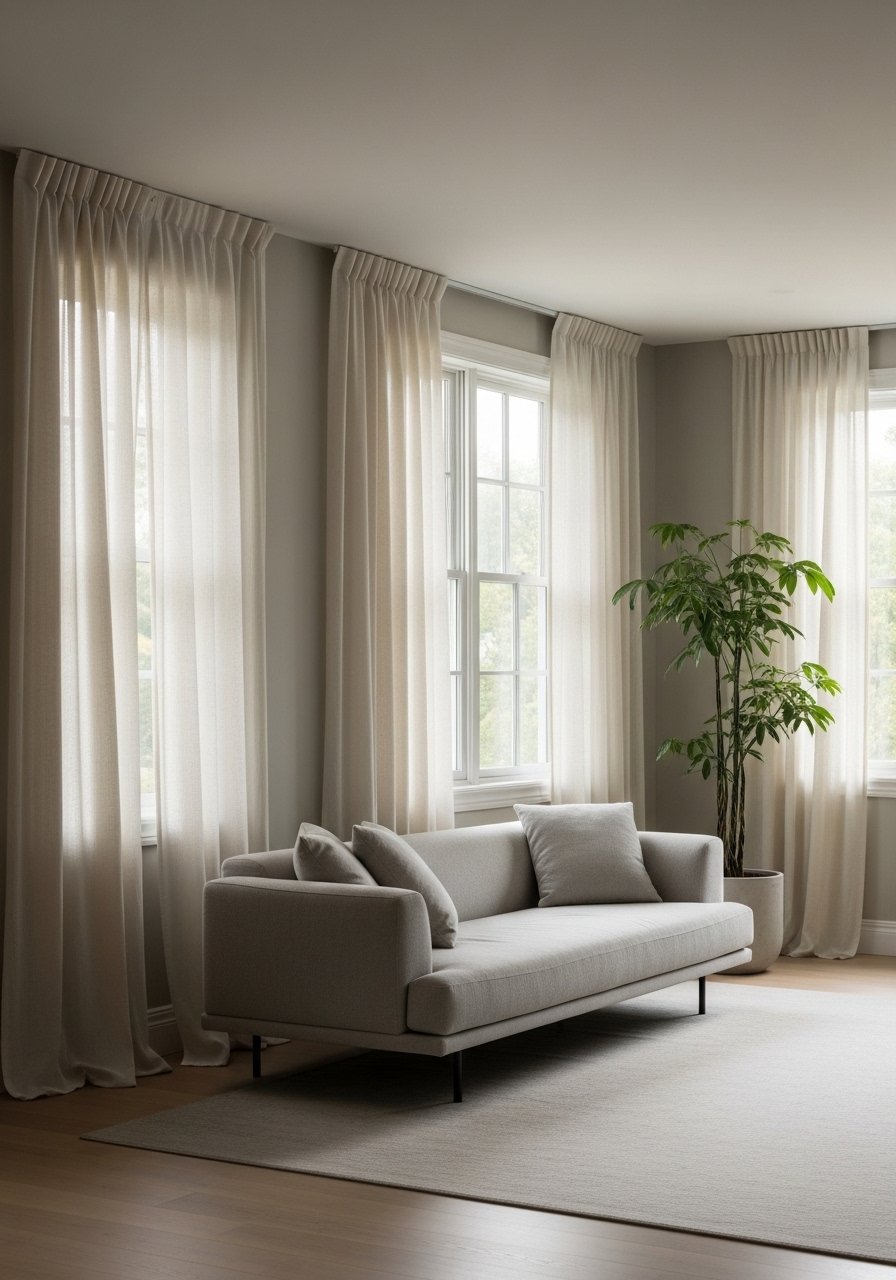
Most people hang curtains inside the window frame. That makes ceilings feel lower. I raised the rod near the ceiling and used 96-inch linen curtains. The room gained perceived height. Budget around $30 to $80 per panel. Avoid heavy patterns that compete with other textures. For small rooms choose lighter linen blends. In large rooms let curtains kiss the floor. The difference looks dramatic in photos and more lived-in in person.
Jute Rug to Ground a Minimalist Living Area
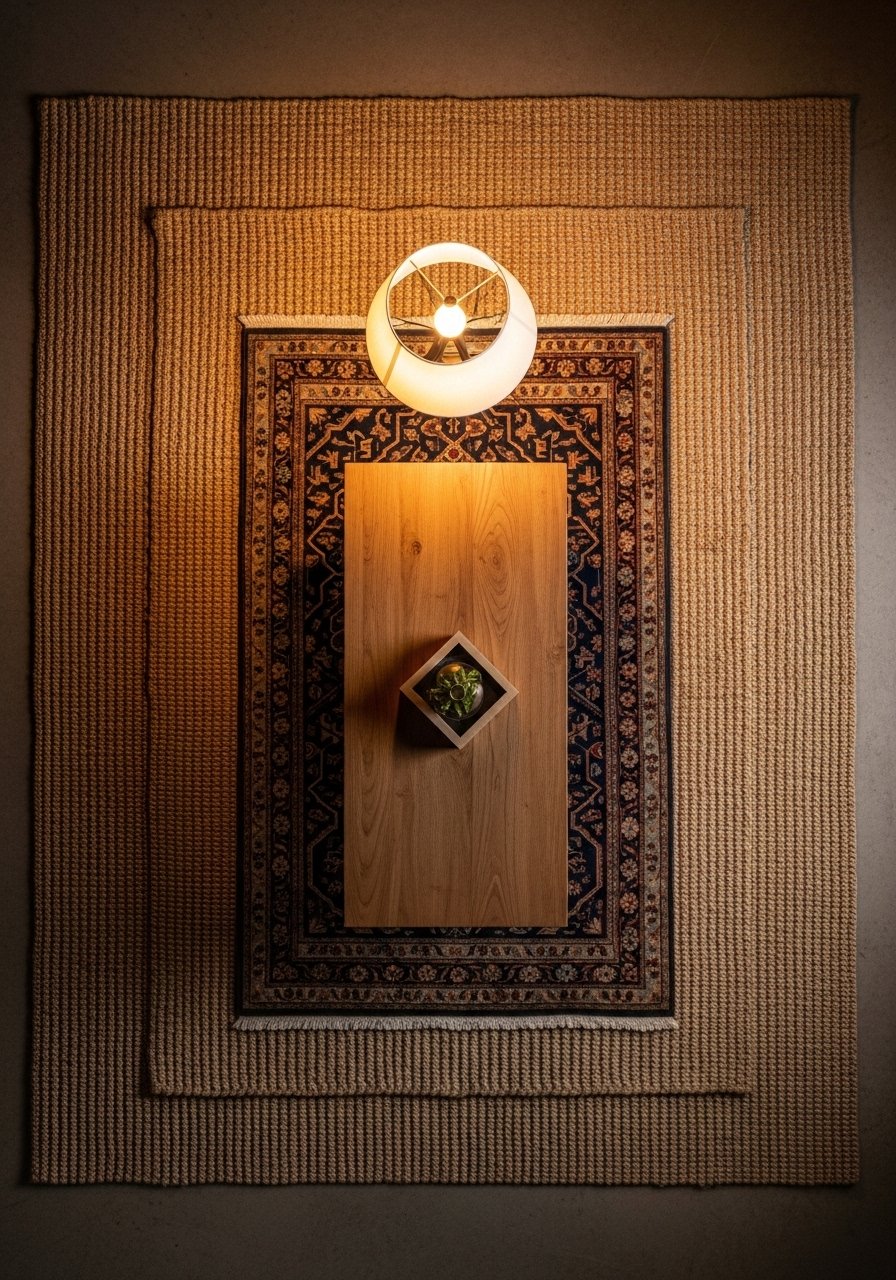
I used an 8×10 jute area rug under my sofa and the room finally read as intentional. Rule of thumb, go bigger than you think. For a standard layout aim for the front legs of furniture on the rug. Works best for minimalist and coastal vibes. Budget $100 to $250. The cheap versions fray and look dated within months. Pair jute with a softer layer on top if you want comfort under bare feet. Photos hide rough texture, so test swatches if possible.
Gallery Wall with Mismatched Vintage Frames in the Hallway
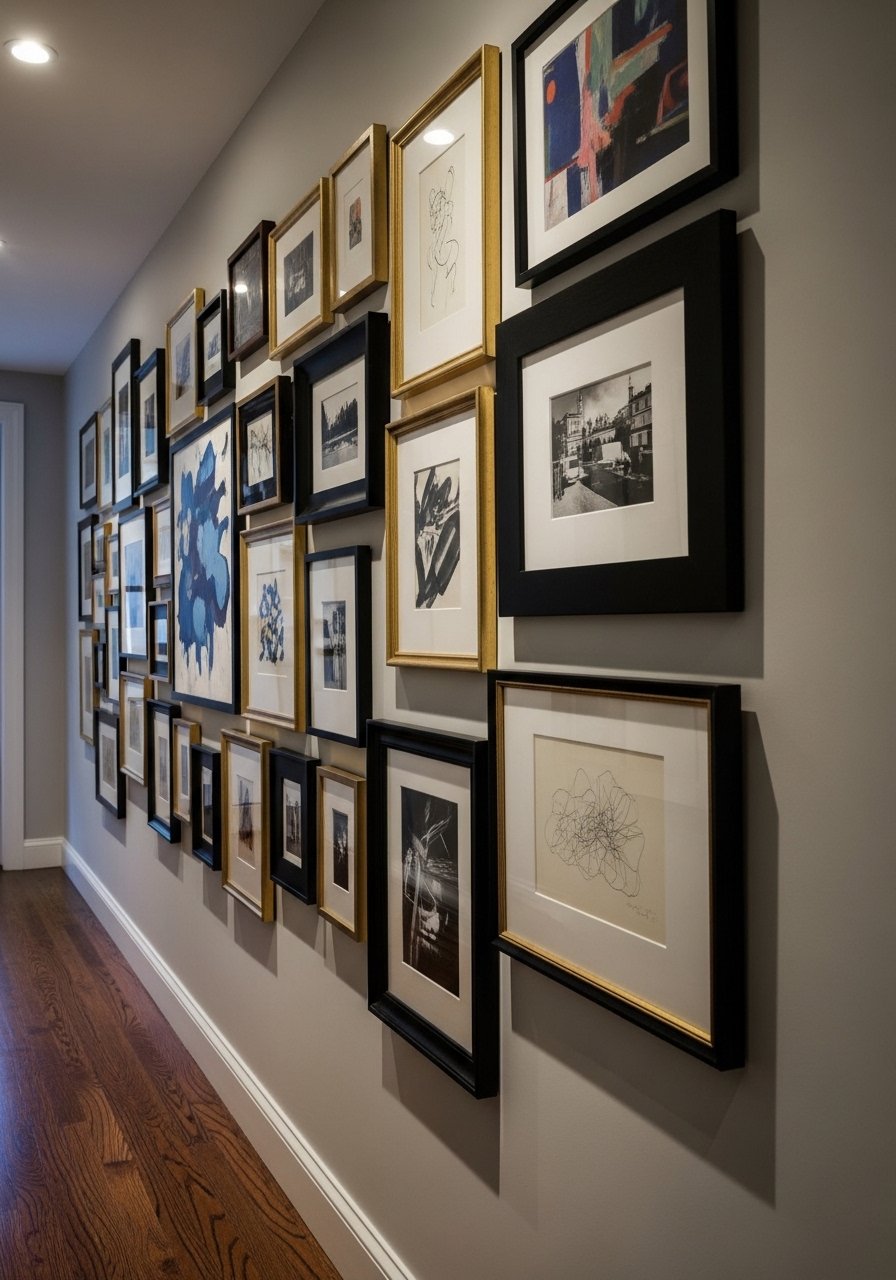
A friend asked me about gallery walls last week and I told her mismatched frames can read curated when you use white mats. I collected thrift frames and added fresh mats for cohesion. Use an odd number of pieces and keep top edges within a 10-inch span for balance. Works for entryways and small dining areas on a $50 to $200 budget. Common mistake is spacing frames evenly like a grid. That looks static. I used brass picture frames and inexpensive white mats. In photos the wall looks perfect. In real life adjust spacing for visual weight, not math.
Floating Shelves with Curated Greenery in the Kitchen
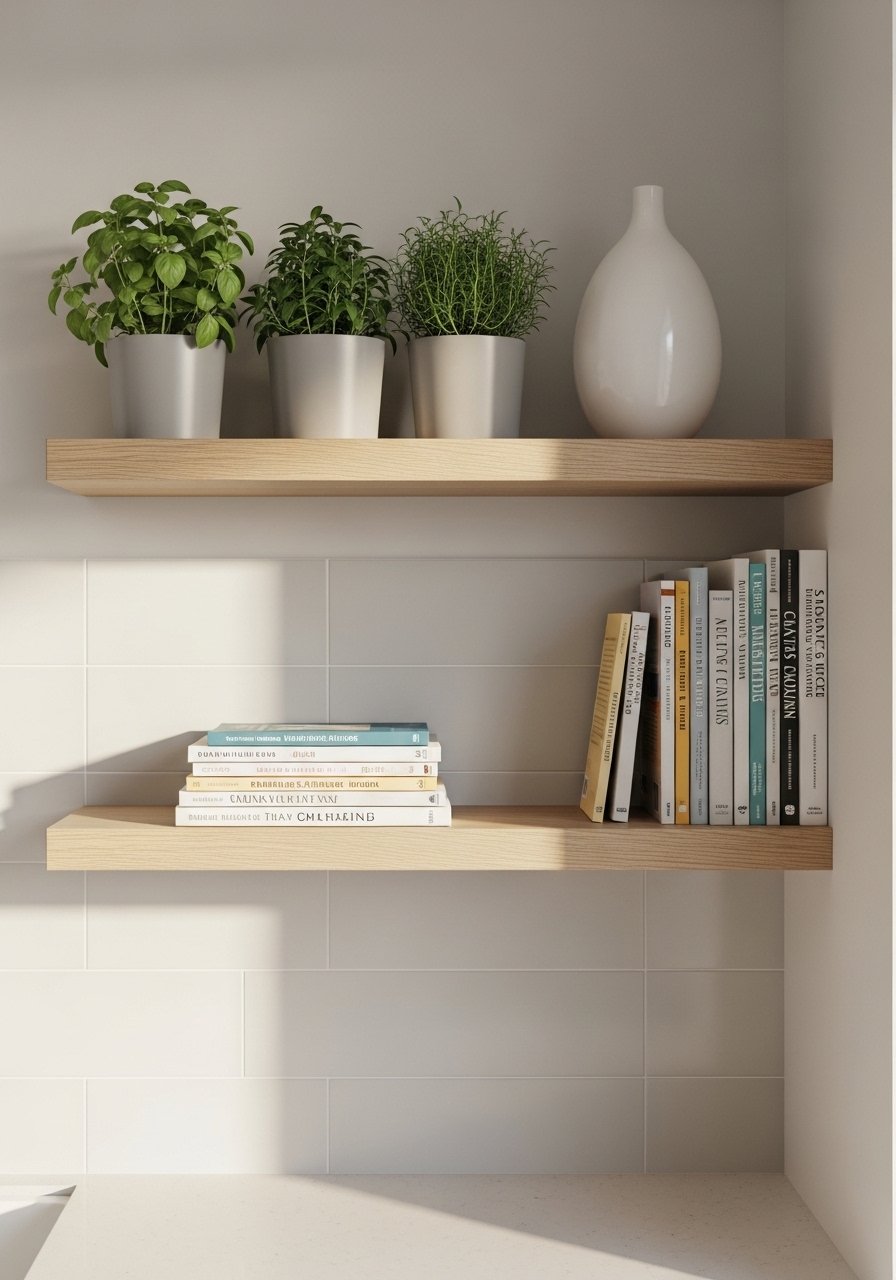
I keep seeing white oak floating shelves in kitchens this year. They read modern and warm. I installed three staggered shelves. The 60-30-10 balance applied again, with wood as the 30. For narrow kitchens use 10 to 12-inch-deep shelves to avoid crowding. Common mistake is overstyling with identical objects. Vary heights and leave negative space. Try white oak floating shelves and a set of ceramic planters. In photos shelves look tidy. In everyday life pick durable finishes that tolerate steam and spills.
Oversized Mirror to Brighten Dark Corners in the Bedroom
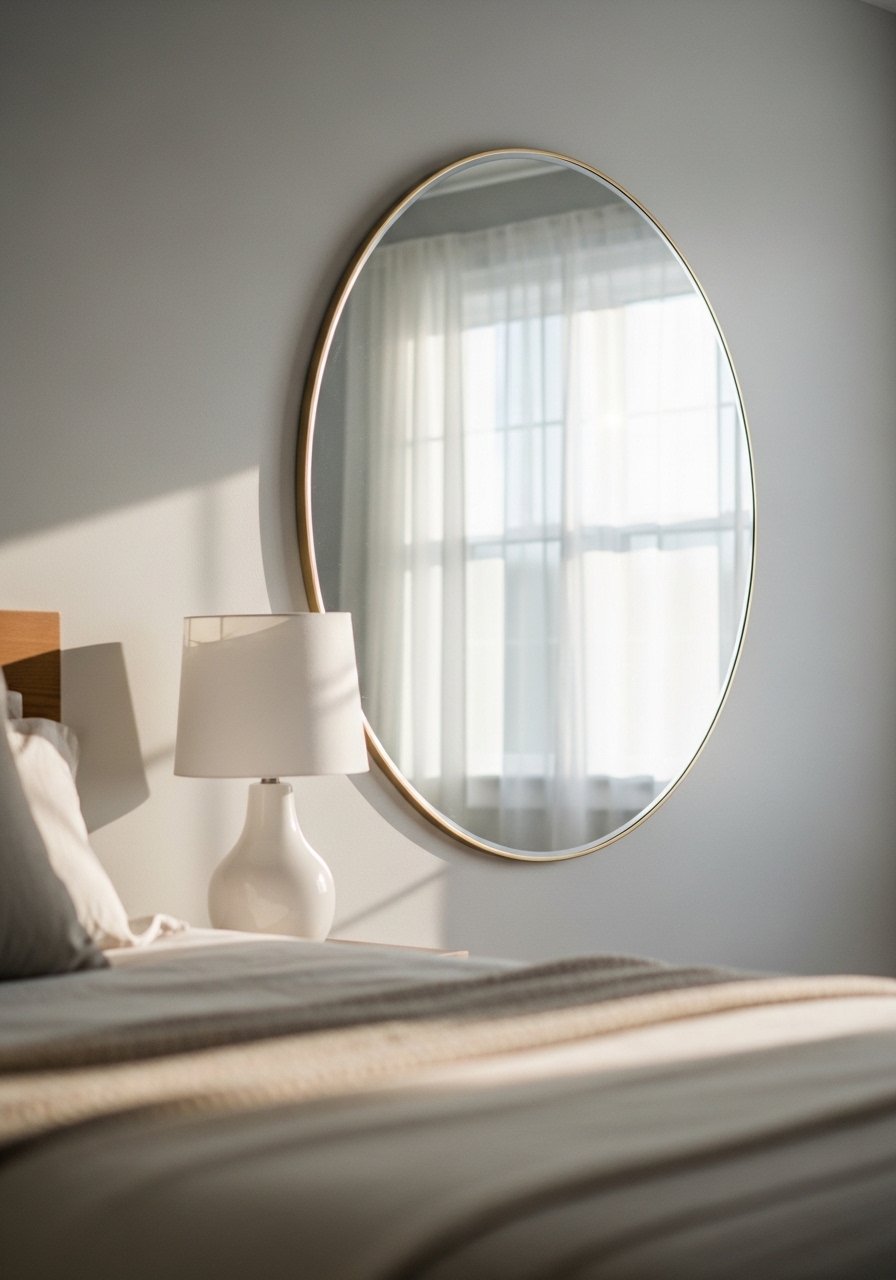
An oversized mirror opened a dark bedroom corner I had struggled with. I leaned a 36-inch round mirror on the wall and it bounced light across the room. Budget $80 to $150. The common error is hanging a heavy mirror without anchors. Leaning works for renters and creates a relaxed vibe. For small rooms the mirror should reflect a window, not a cluttered closet. In photos a mirror can look staged. In real life pick shatterproof backing if you have pets or kids.
Mixed Metallics for a Modern Glam Accent in the Dining Area
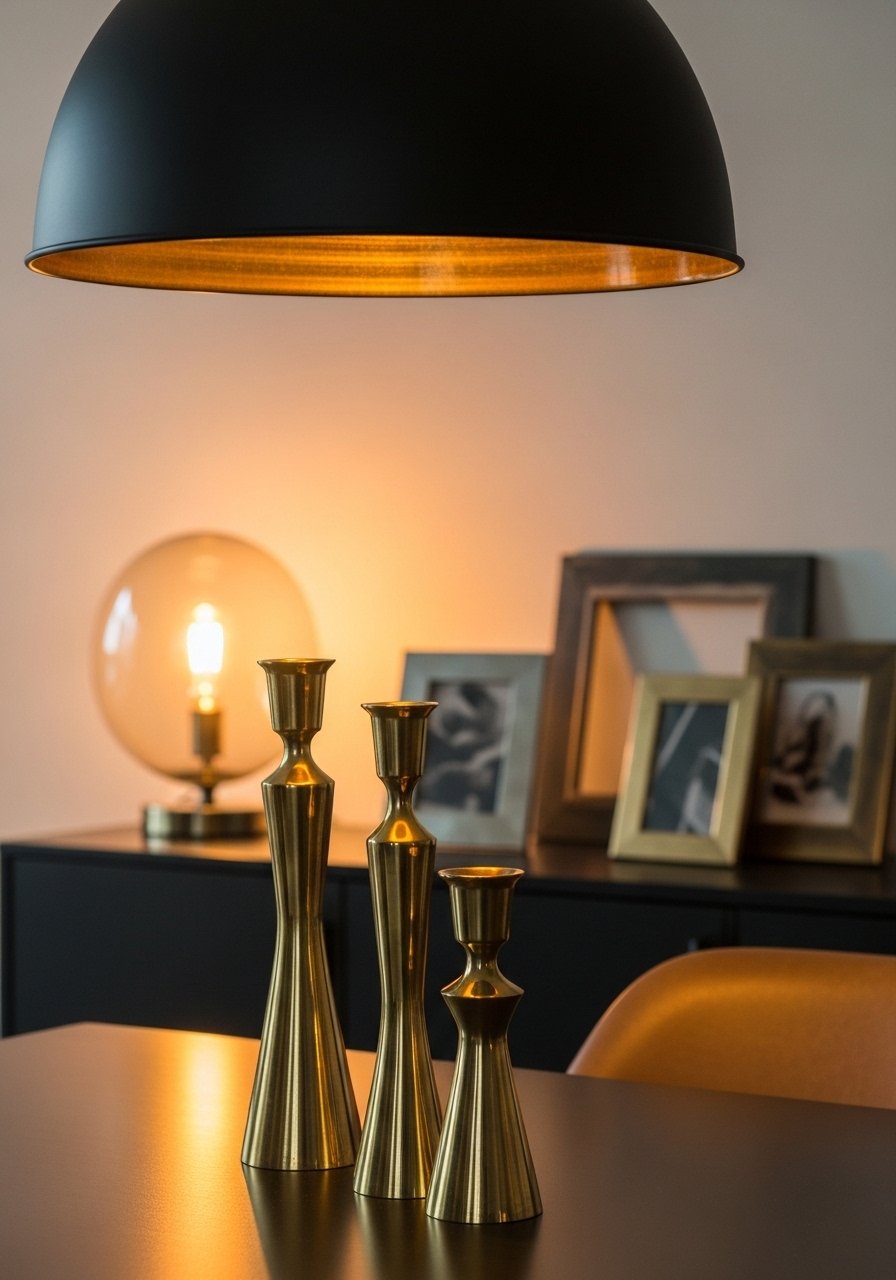
My feed is full of mixed-metal styling this year. I paired brass candlesticks with a matte black pendant and it read intentional. Use warm brass as the accent if your neutrals lean warm. Budget $40 to $300 depending on fixtures. A common mistake is matching every metal. That feels flat. Mix two or three finishes and repeat one finish in three places to make it feel cohesive. Try brass candlesticks for small accents and a matte black pendant for overhead interest.
Rattan Pendant and Layered Lighting for a Warm Entryway
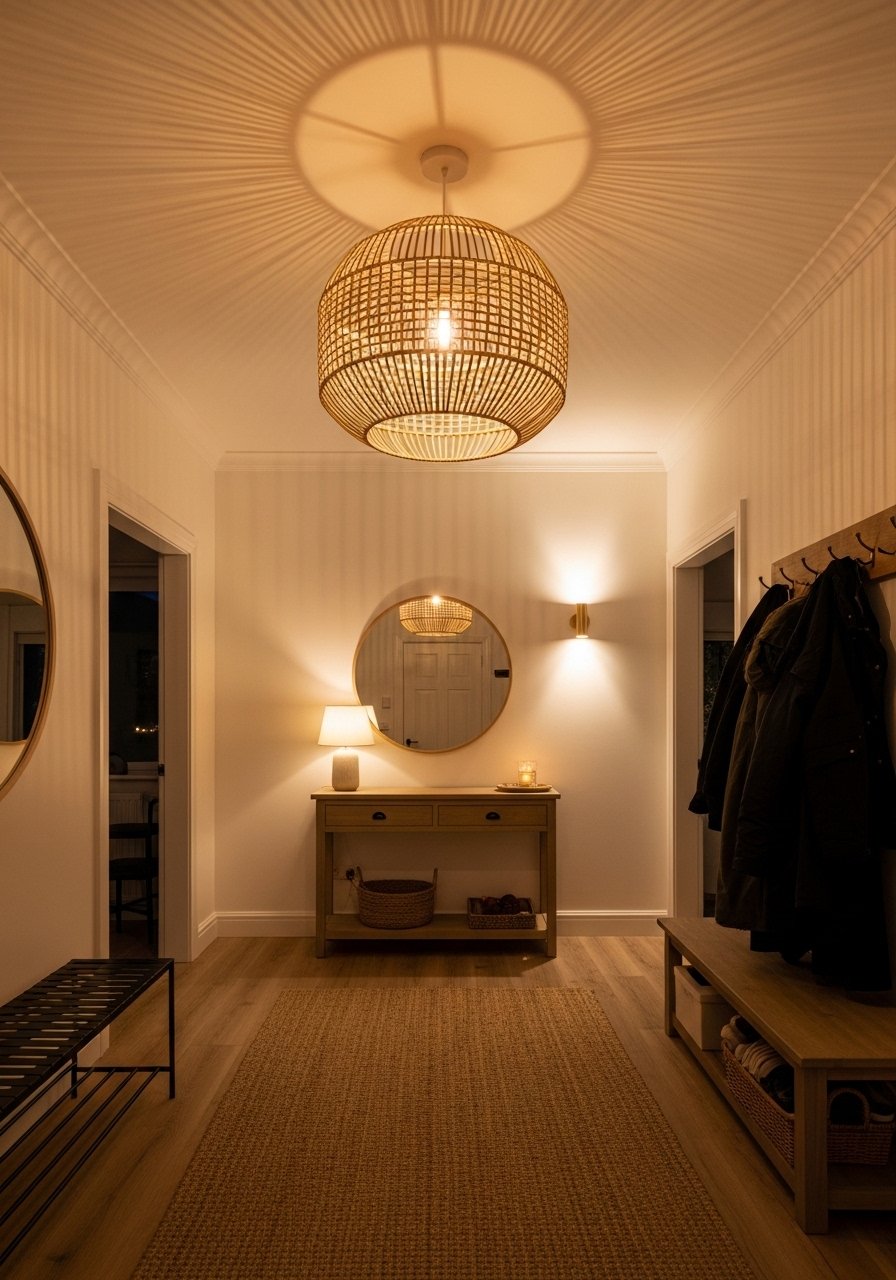
I swapped out a standard flush mount for a rattan pendant shade and the entryway instantly felt curated. Layered lighting matters more than one big fixture. Budget $40 to $150. The typical mistake is relying solely on overhead light. Add a table lamp or sconce for depth. For small entryways choose low-hanging pendants and measure clearance for door swing. In photos pendants look charming. In day-to-day living pick durable finishes that handle fingerprints.
Neutral Palette with One Bold Accent Color for a Modern Living Room
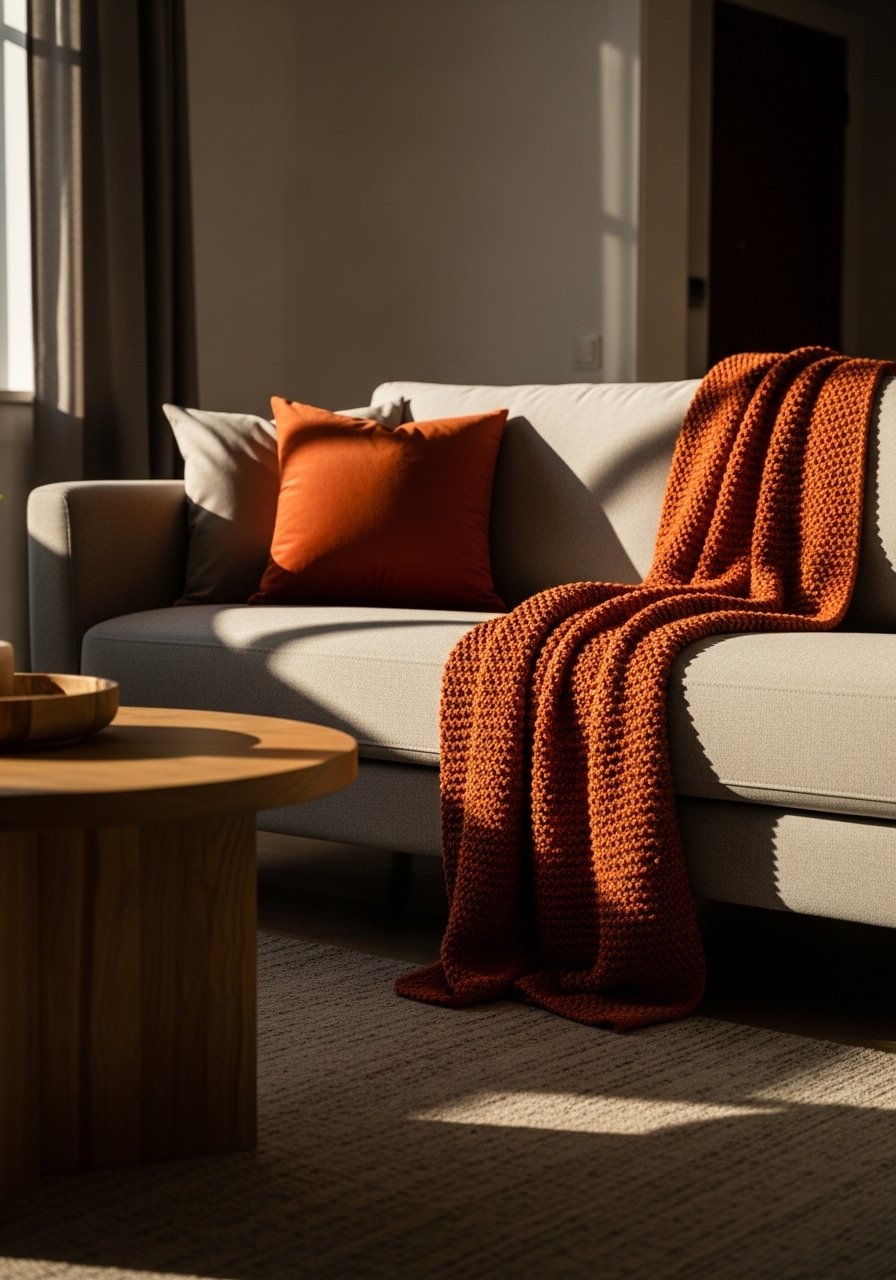
I used mostly creams, warm wood, and greys and added a single burnt orange pillow as the accent. The effect felt balanced, not loud. The 60-30-10 rule helped. Budget for accents is flexible, under $50 for pillows. Avoid splashing multiple saturated colors in small rooms. Pair the accent with a tiny item elsewhere, like a vase. Grab velvet pillow covers in your accent color. Photos make an accent look bigger than it is. In person the color ties a room if repeated in at least two spots.
Monochrome Kitchen Styling with Natural Wood Accents
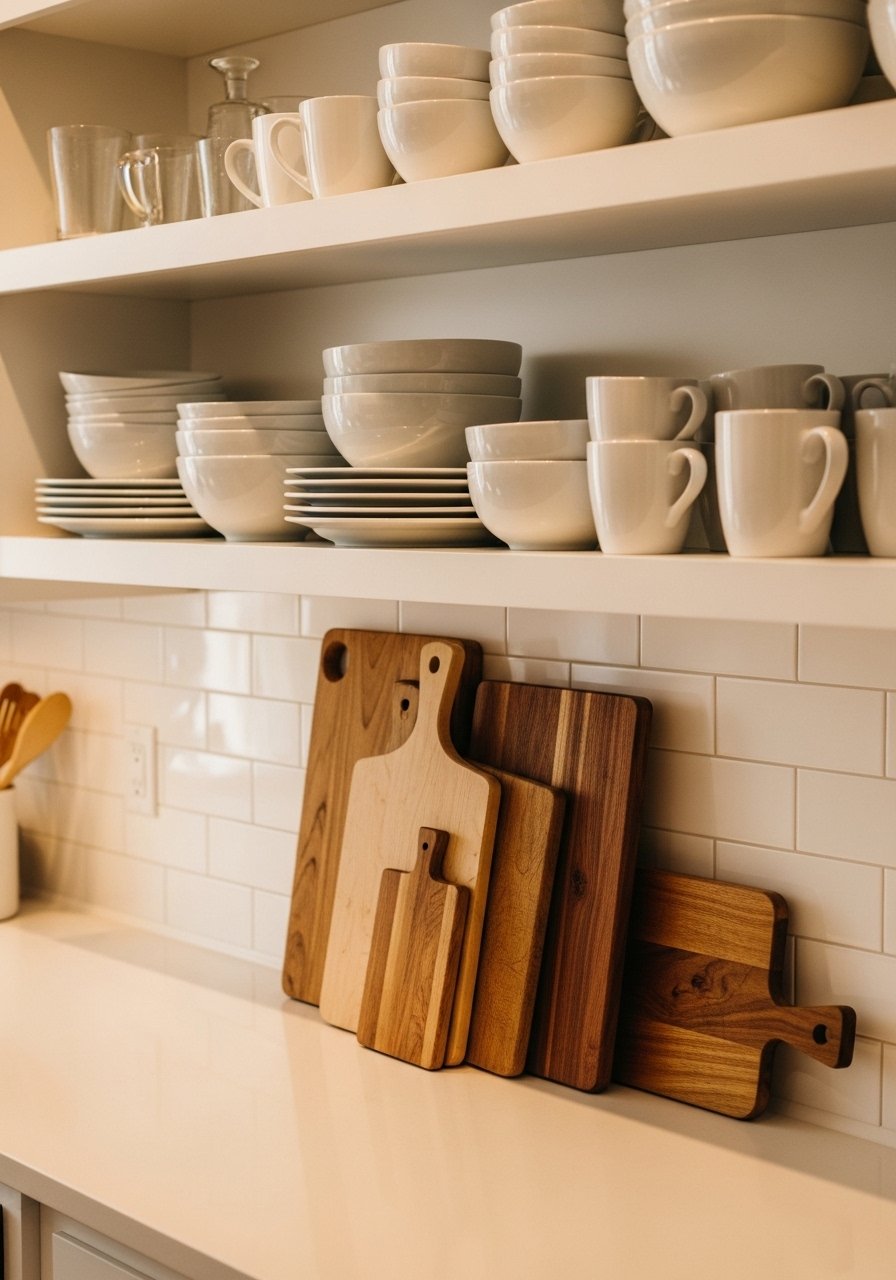
A friend asked me about neutrals in kitchens and I pushed monochrome white with natural wood accents. It reads calm and modern. Budget varies, $20 for boards to $200 for shelving. The common mistake is too much matchy white. Add wood, rattan, or stone for texture. Use one focal piece like a set of wood cutting boards to avoid clutter. I recommend wood cutting board trio and ceramic storage jars. In photos white looks pristine. In real life choose matte finishes that hide fingerprints.
Minimalist Entryway with a Multipurpose Console and Mirror
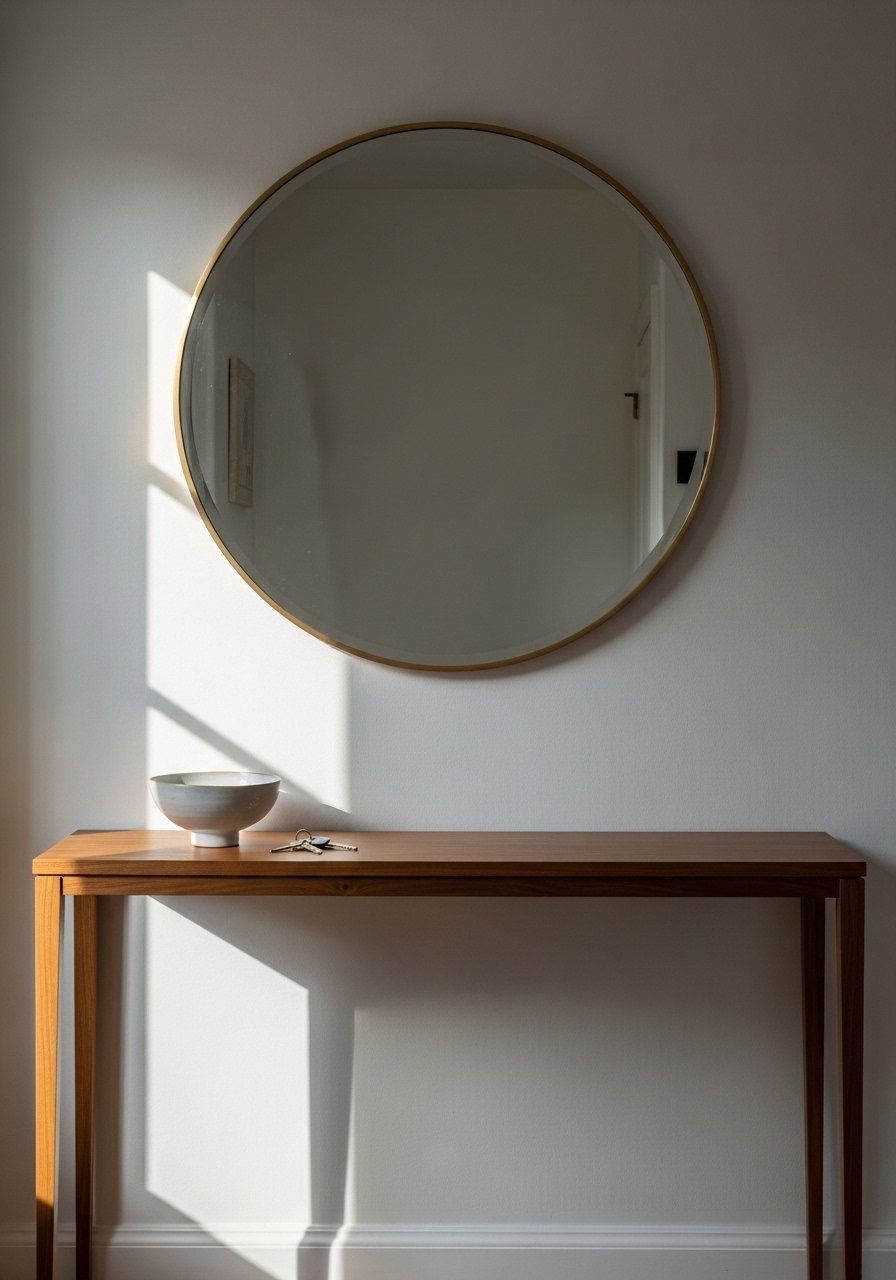
My entryway used to be a dumping ground. Adding a slim console table and a round mirror solved it. Choose a console 10 to 12 inches deep for tight spaces. Budget $80 to $250. Avoid bulky storage that blocks traffic. A small tray or shallow basket keeps keys tidy. I linked a slim console table that fit my narrow hall and a round mirror. Photos hide daily clutter. In reality you need solutions that are both pretty and functional.
Boho-Neutral Macrame and Texture Wall in the Bedroom
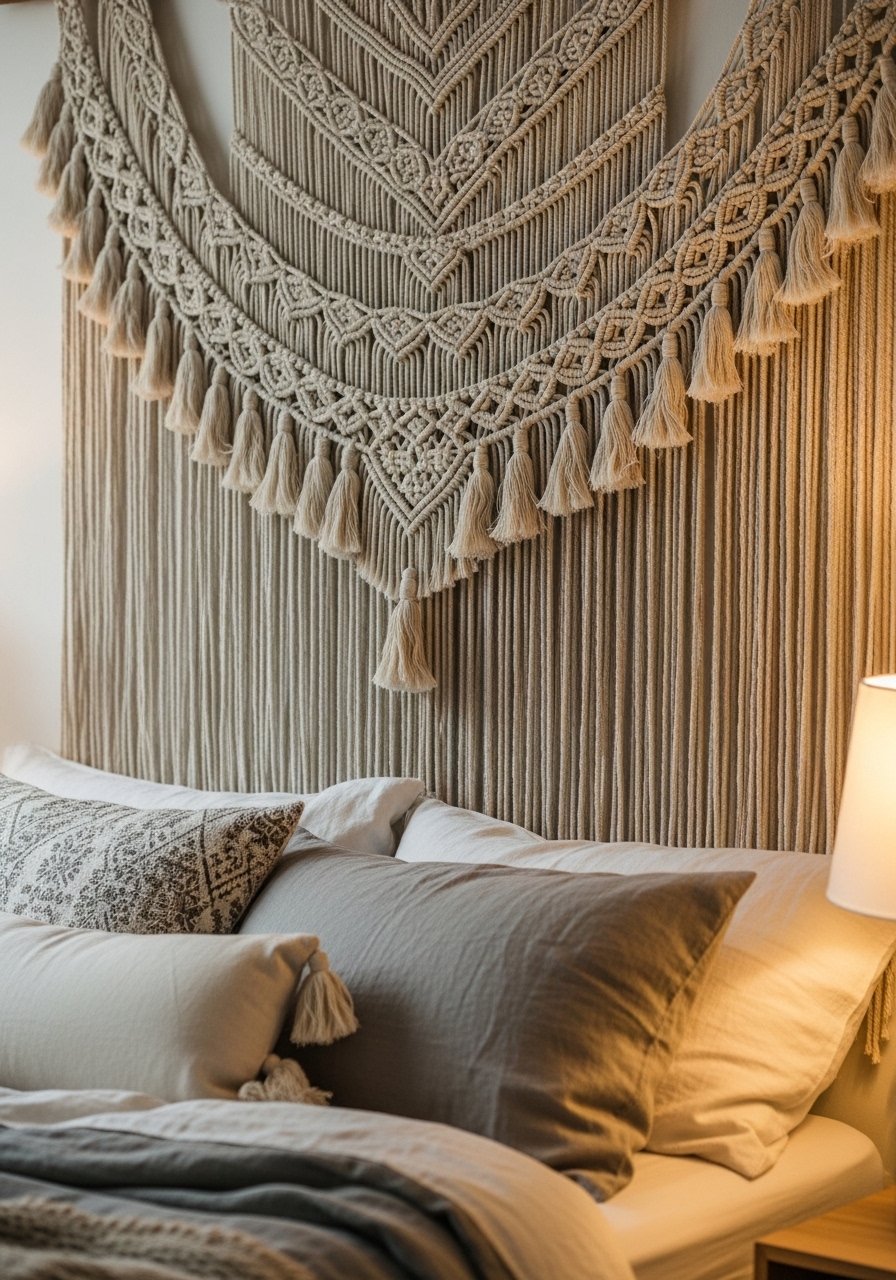
I used a large macrame piece above my bed for tactile interest without color. I see boho textiles mixed into minimalist rooms all the time. Budget $40 to $120. The mistake is using several busy patterns together. Keep pattern scale varied and limit saturated colors. Pair the macrame with linen bedding and a small woven bench. Try macrame wall hanging and linen duvet cover. Photos can flatten fiber detail. Up close you want dense knots for longevity.
Upholstered Statement Headboard for a Soft Bedroom Look
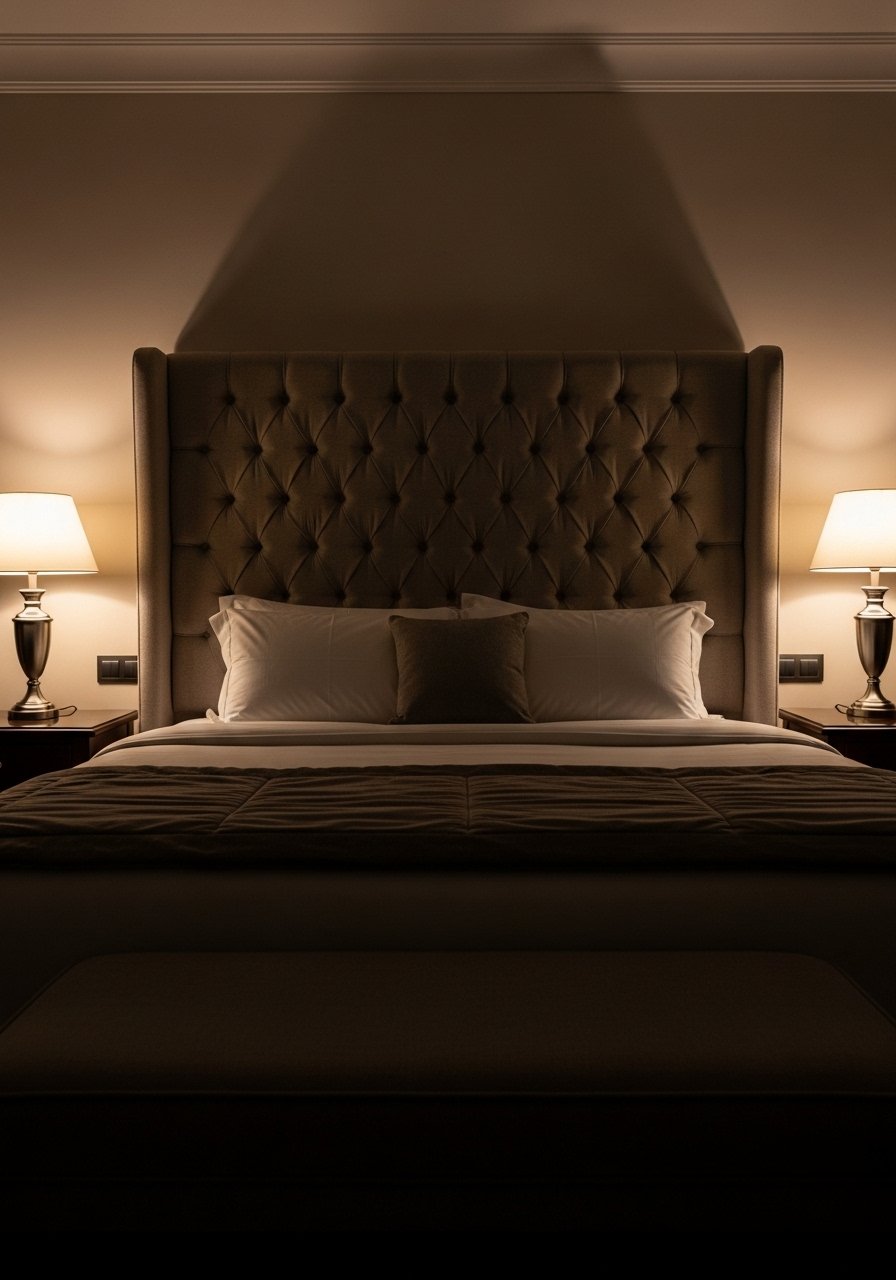
I switched to a tall upholstered headboard to anchor my queen bed. It added vertical weight without heavy wood. Budget $150 to $600 depending on fabric. Avoid tiny headboards that disappear against a wall. For small bedrooms the headboard can double as a focal point and visual anchor. I used a neutral upholstered headboard. In photos it looks luxe. In daily use pick stain-resistant fabric or add a washable slipcover.
Neutral Tonal Ceiling Paint to Create a Cocooned Feeling
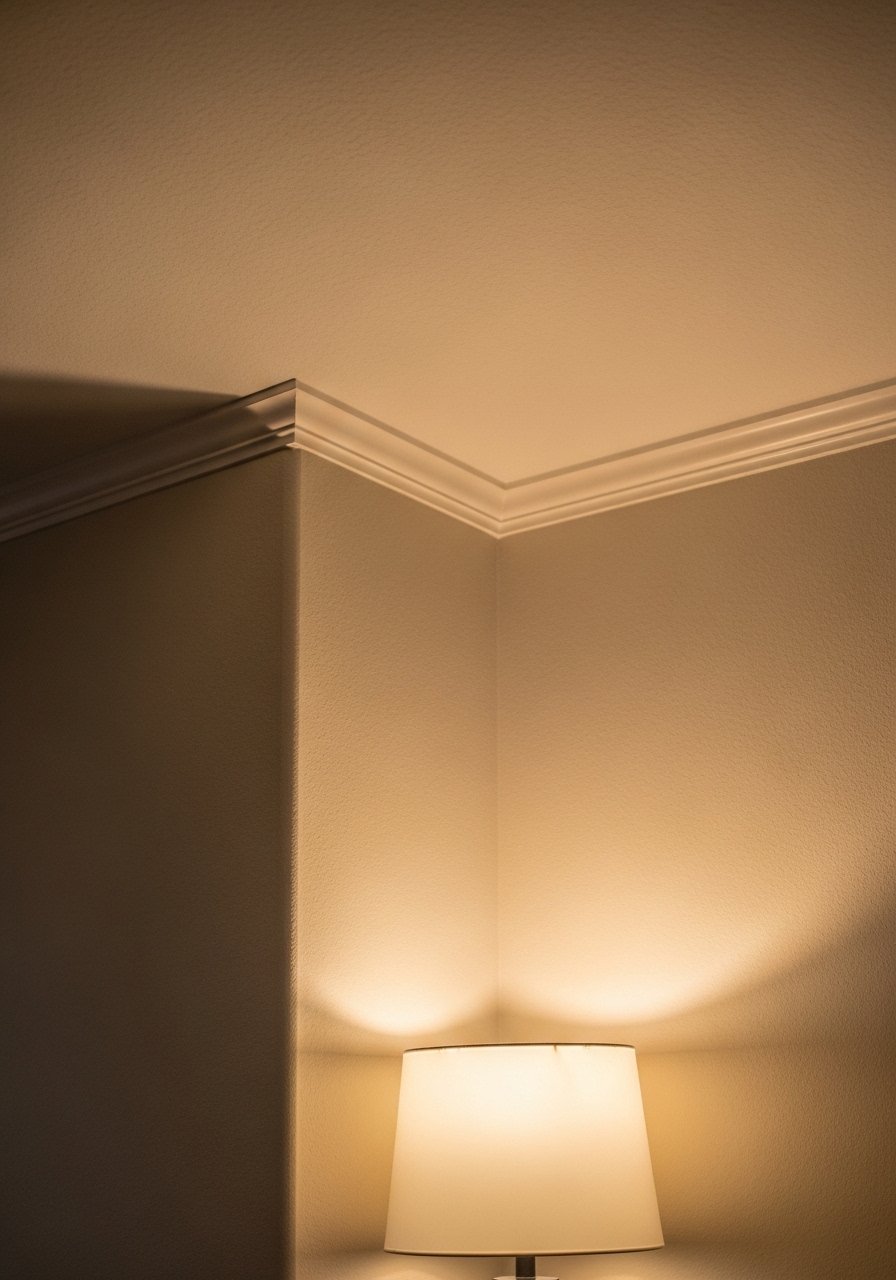
I used a slightly darker neutral on the ceiling and the room felt cozier. A subtle tonal ceiling adds depth without drama. Budget for paint and primer, around $40 to $80. The mistake is choosing a ceiling too dark for a small room. Keep it within two shades. For tall rooms a darker ceiling can actually feel grounding. I used a warm beige eggshell. Photos often ignore ceilings. In person the small change shifts perceived proportions.
Window Seat with Storage and Layered Cushions for a Small Apartment
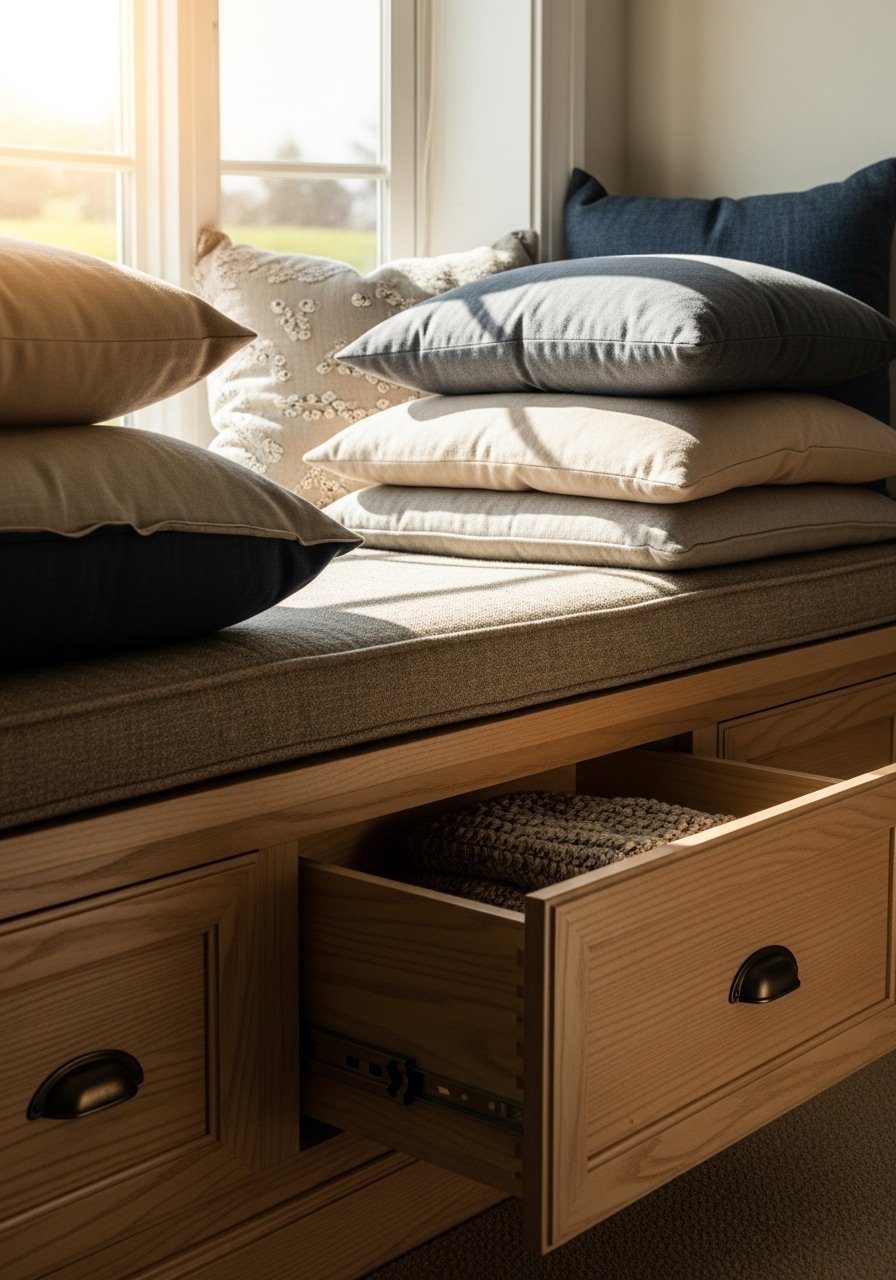
A built-in window seat with drawers turned an awkward alcove into extra seating and storage. My feed is full of multiuse furniture this year. Budget $200 to $800 depending on carpentry. Common mistake is shallow storage that does not hold real items. Go deep enough for blankets. Use a firm foam cushion covered in linen and layer two pillows. Storage bench with drawers worked for my layout. Photos show tidy cushions. Real life needs durable fabrics and easy-to-clean covers.
Scaled-Down Furniture for Balance in Studio Apartments
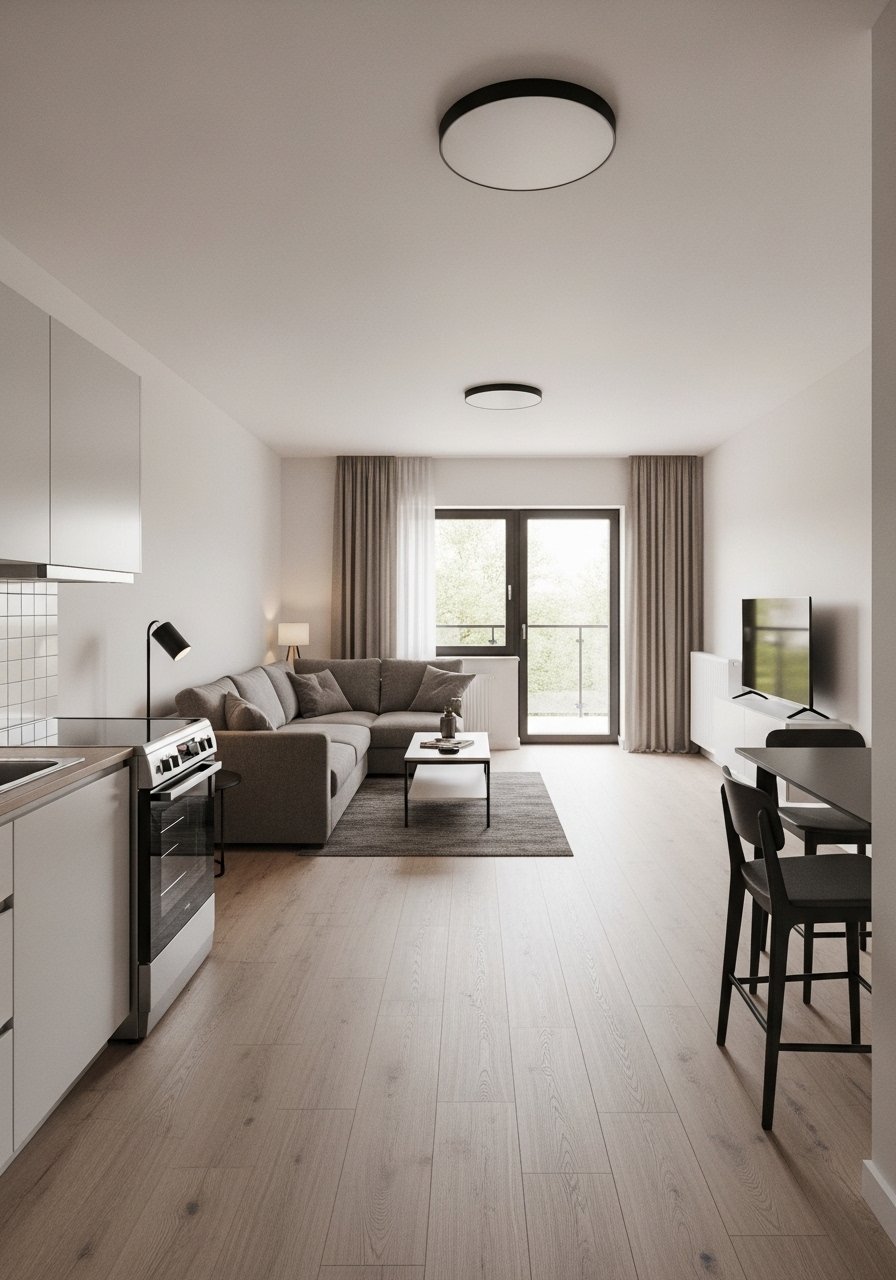
I used a smaller sofa and a narrow coffee table to keep sight lines open. In compact studios scale makes or breaks comfort. Budget varies, $300 to $1,200. Avoid oversized pieces that block flow. The rule I use is to leave 18 inches between sofa and coffee table for movement. A compact sofa and a small coffee table saved the layout. Photos may hide tight walkways. Live with the pieces in your space before committing.
Multi-Texture Bathroom Styling with Neutral Towels and Wood Accents
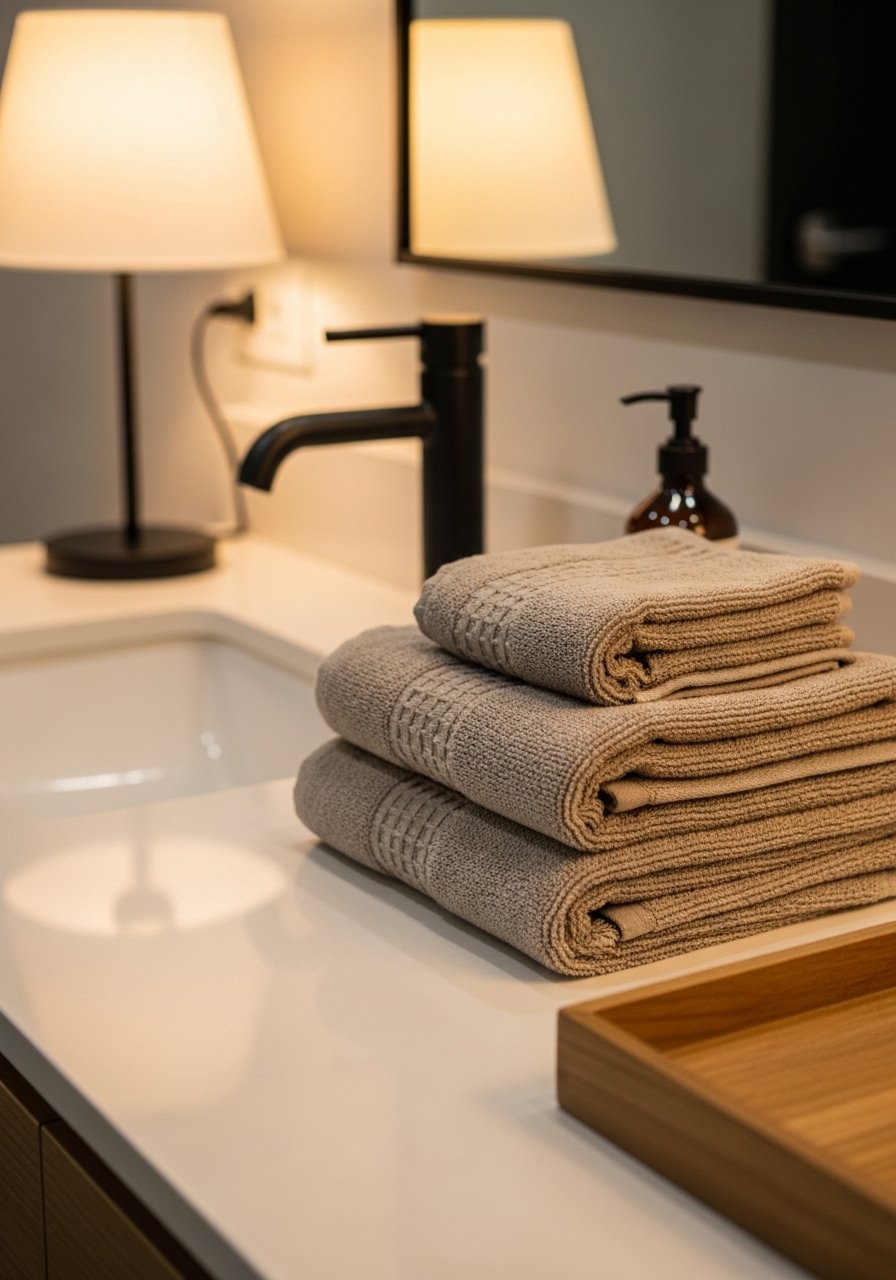
I swapped smooth towels for waffle-weave ones and the whole bathroom stopped feeling sterile. Use a mix of stone, wood, and soft textiles. Budget for towels and small accessories is $50 to $200. A common mistake is matching towel colors to fixtures. Keep towels in warm neutrals that contrast with tile. I like waffle weave towels and a wood vanity tray. Photos can look spa-like. In reality choose towels that dry quickly and hold up to frequent washing.
Styled Nightstand with Odd-Numbered Accessories in the Bedroom
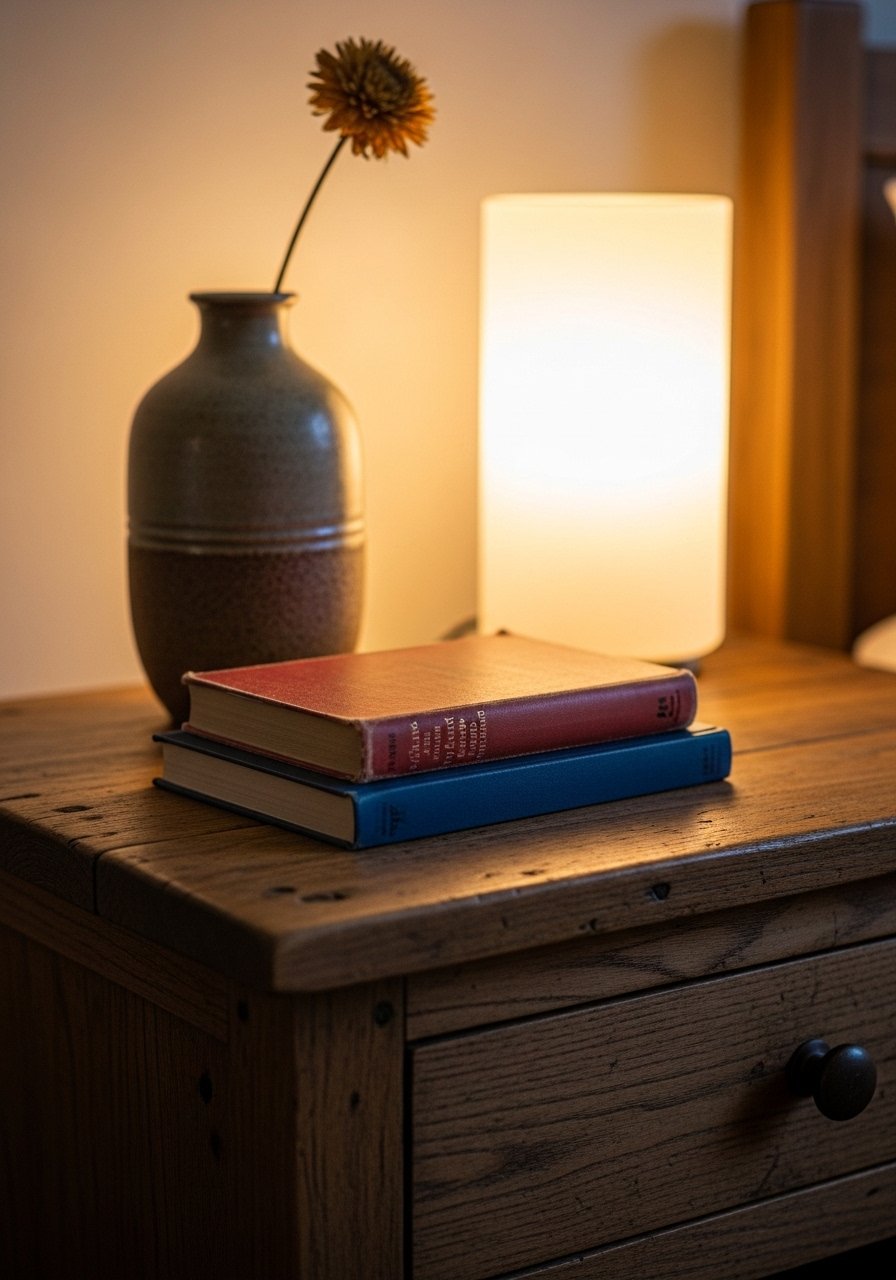
There is something about odd numbers that reads curated. I stopped placing two identical items on the nightstand and instead used a lamp, a stack of books, and a small vase. Budget under $75 for styling pieces. The mistake is cluttering with too many small items. Keep three items and vary heights. I use ceramic vases and a table lamp with warm bulb. Photos flatter small arrangements. In daily use prioritize items you need at night like a glass of water.
Minimalist Workspace with Hidden Storage for Productivity
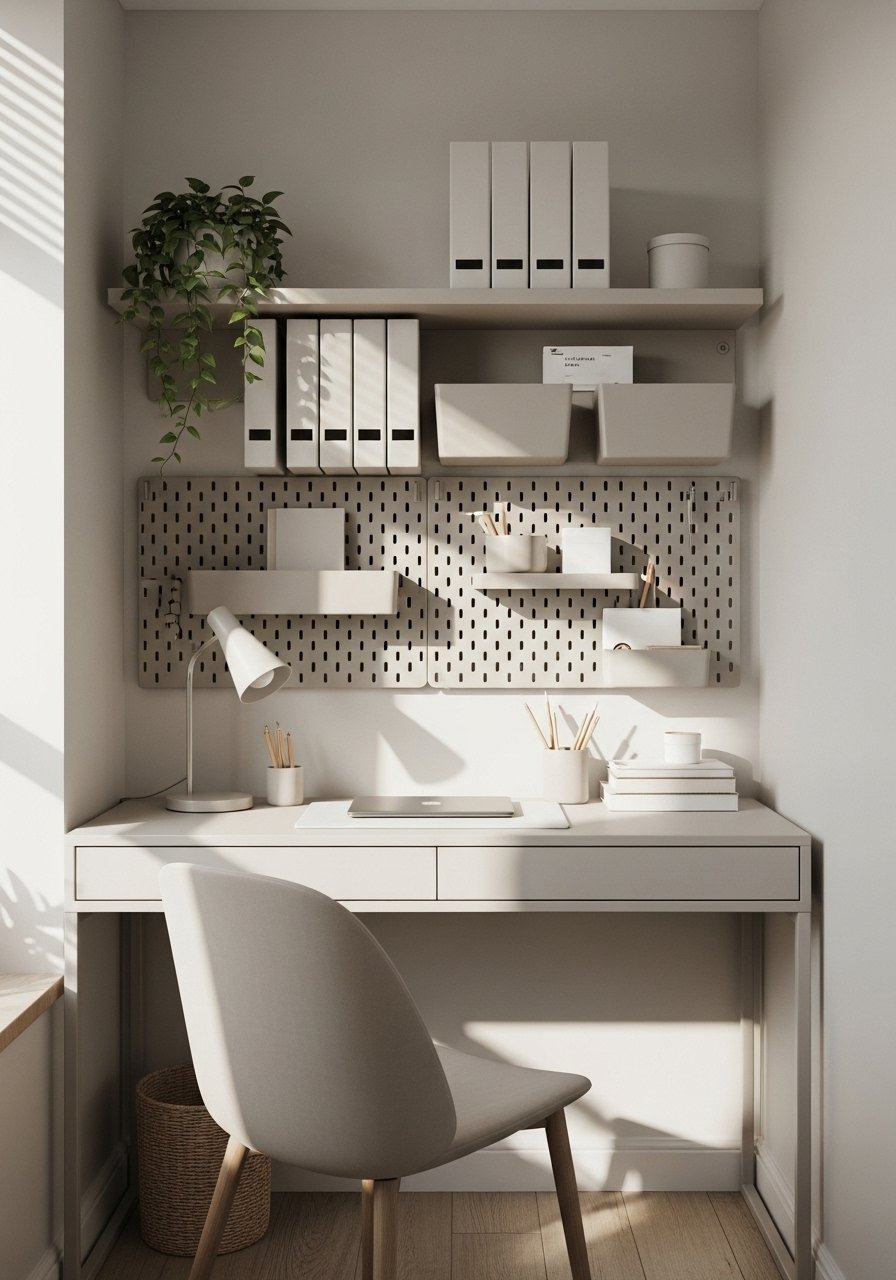
I created a workspace with a slim desk and a floating shelf for paperwork. Hidden storage reduces visual noise and helps concentration. Budget $100 to $400. Avoid open stacks of paper on top of the desk. Use a small file box in a drawer or a desk organizer with drawers. In photos neatness looks easy. In practice pick storage that fits the exact items you use daily.
Textured Peel-and-Stick Wallpaper Accent for a Rental-Friendly Wall
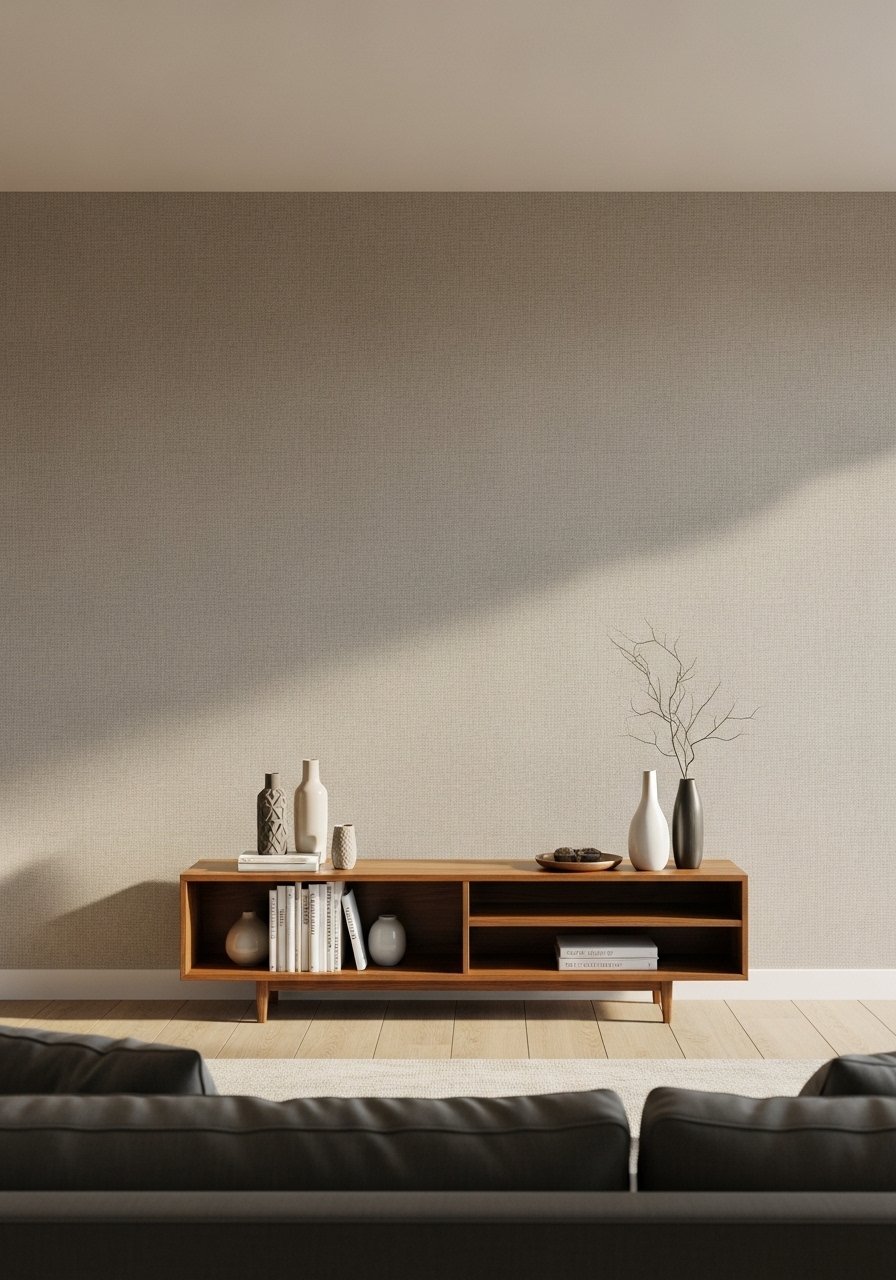
Peel-and-stick wallpaper lets you have texture without commitment. I used a grasscloth-look panel on an accent wall for under $50. The mistake is covering all walls with pattern in a small room. Stick to one wall. For renters choose removable adhesive and test a corner. Try peel-and-stick wallpaper in grasscloth texture. Photos can make seams disappear. In real life align strips carefully and smooth bubbles immediately.
Layered Rugs for Depth in Open-Plan Layouts
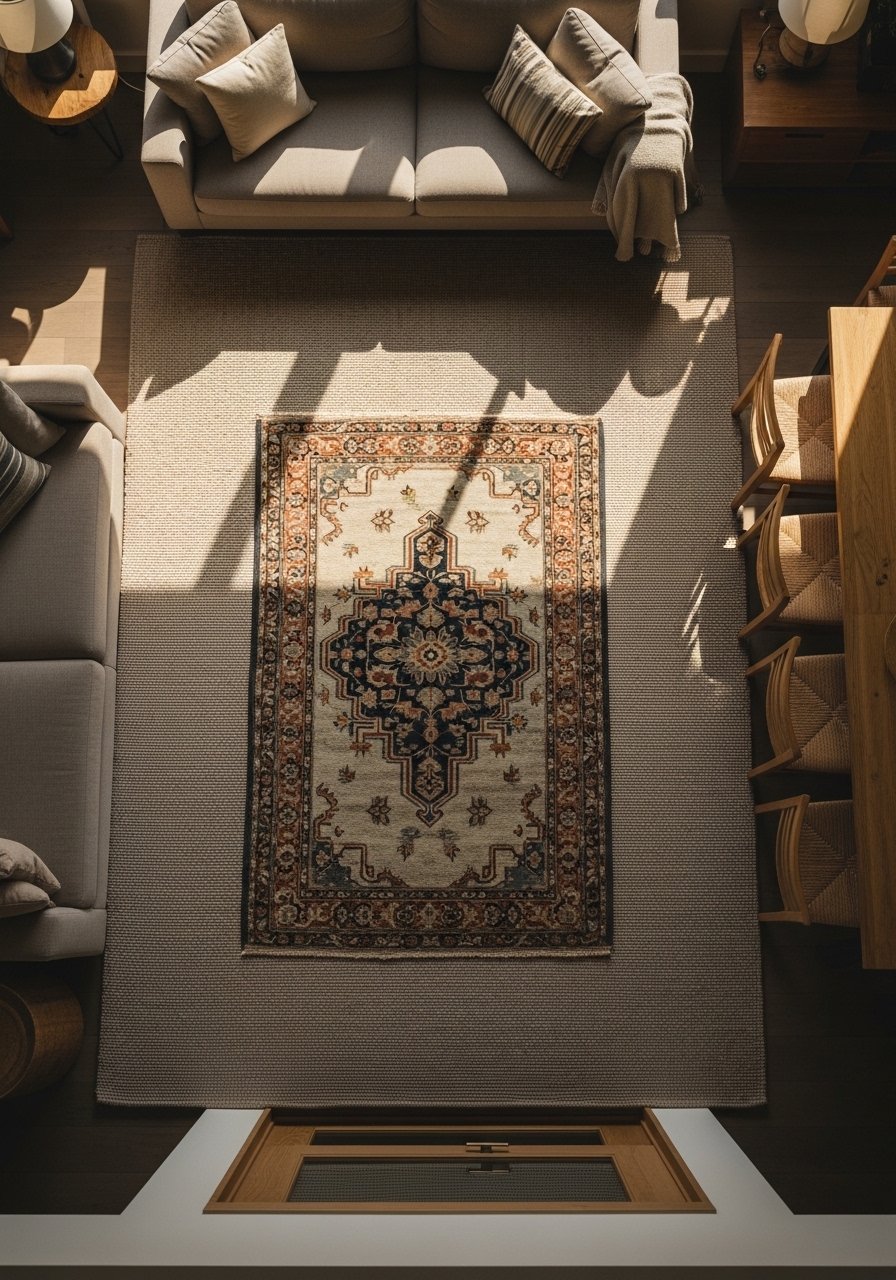
I layered a softer wool rug over a jute base to get comfort underfoot while keeping a grounded look. Layering rugs adds visual depth and defines zones in open plans. Budget $150 to $500. Common mistake is using rugs with conflicting undertones. Match warm tones to warm wood, cool tones to cool metals. I paired an 8×10 jute rug with a small patterned wool rug. Photos can hide uneven pile. In real life secure corners with rug tape to prevent trips.
Acoustic Panels as Decorative Wall Art in a Home Office
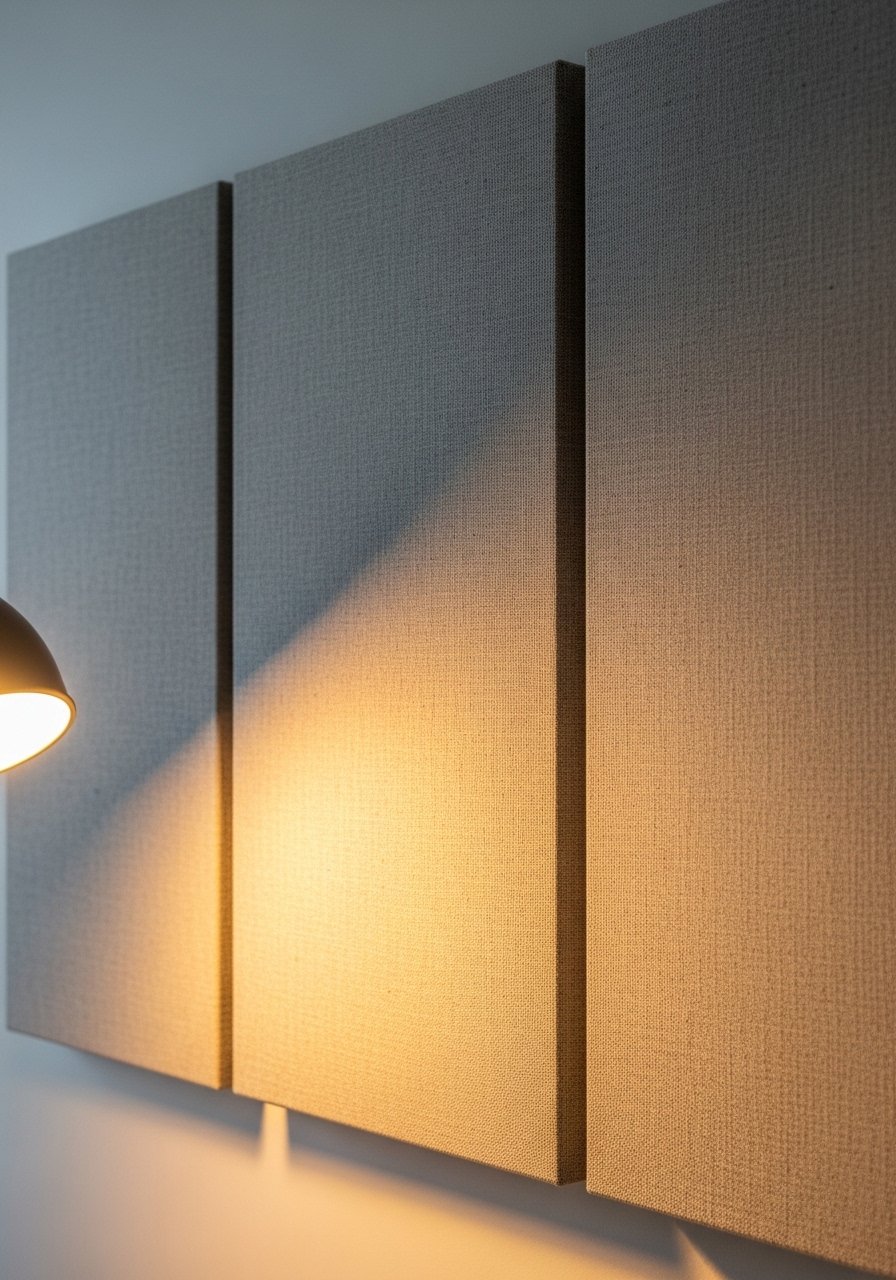
I added fabric acoustic panels to my home office and noise levels dropped while the wall gained interest. This is an under-covered idea I keep seeing more of in 2026. Budget $60 to $200. Avoid glossy or reflective panels that show seams. Choose neutral linen-covered panels and arrange in odd numbers. I used acoustic wall panels in linen finish. Photos make panels look flat. In person the fabric softens sound and feels tactile.
Scaled Wall Art Above Sofas for Balanced Proportions
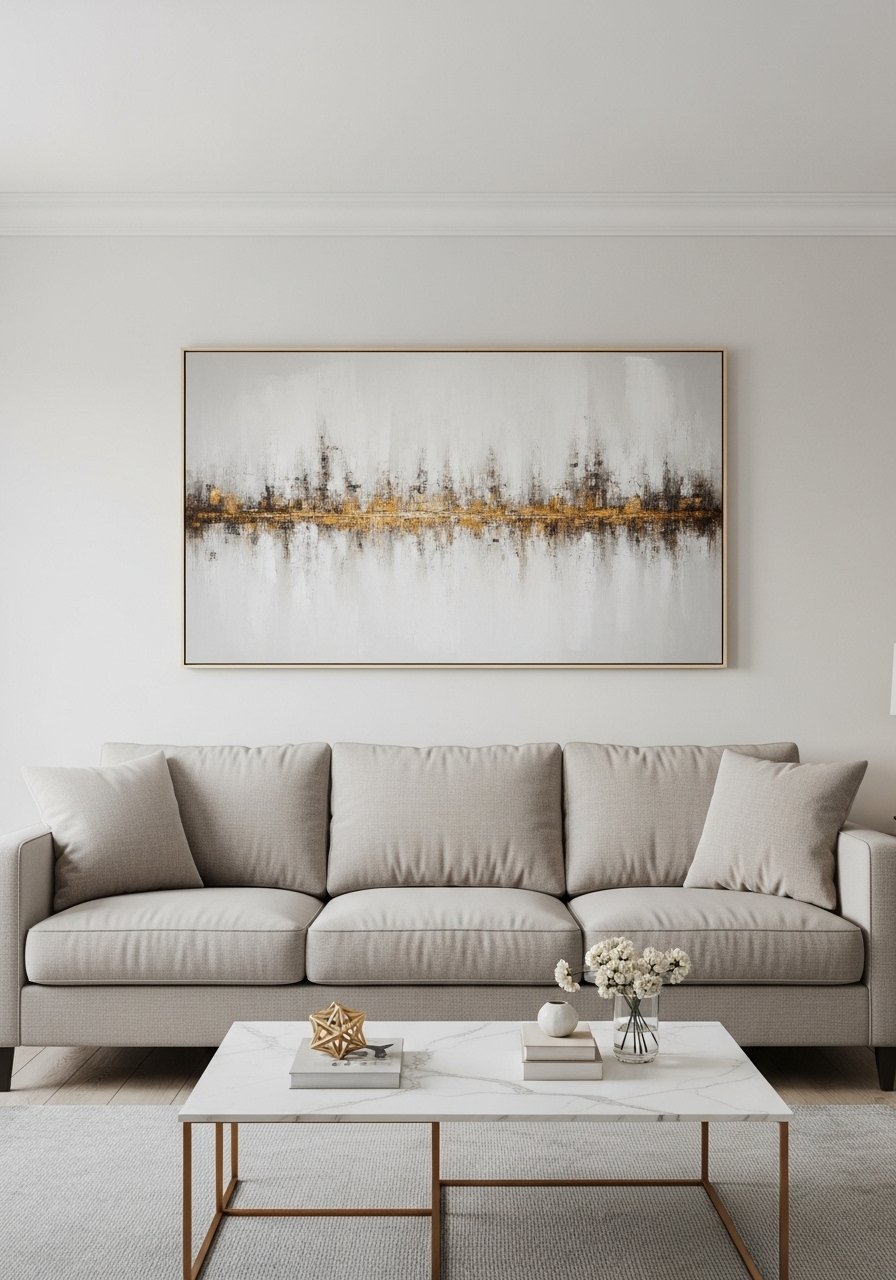
My sofa looked lost with a small frame above it. I switched to a large horizontal piece that spans about two-thirds of the sofa width. The scale instantly balanced the seating area. Budget ranges from $50 for prints to $400 for originals. The mistake is hanging art too high. Keep the center of the piece at eye level, roughly 57 inches from the floor. I used a large neutral art print. In photos art reads bigger. Measure and tape paper mockups to test scale first.
Shopping Tips for These Looks
Buy swatches first. Fabric and rug colors shift in different light. Order samples. Linen curtain swatches are cheap and save money.
Grab velvet pillow covers for under $15 each. I swap mine seasonally and it refreshes a room.
Curtains should puddle or kiss the floor, not hang halfway. 96-inch panels work well for 8-9 foot ceilings.
White oak beats dark wood in a lot of modern feeds. White oak floating shelves look current, not dated.
One tall plant is worth more than five small succulents. Artificial fiddle leaf fig, 6ft if your light is limited.
If you love pattern, limit it to one large textile plus one small accent. Patterned wool accent rug pairs well with neutral underlayers.
Frequently Asked Questions
Q: Can I mix boho textiles with modern furniture, or does it look messy?
A: Yes, you can mix them. Pick a neutral palette and let texture do the work. Keep color saturation low and repeat one small boho element in two places. I pair a macrame wall hanging with a streamlined sofa and it reads intentional. Try macrame wall hanging.
Q: What size mirror should I use to brighten a small living room?
A: Bigger than you think. Aim for a mirror that is at least half the width of the furniture it sits above or reflects a window. I used a 36-inch round mirror and it multiplied light. 36-inch round mirror.
Q: Are peel-and-stick wallpapers durable enough for rental walls?
A: Yes, quality removable panels hold up well if applied carefully. Test a hidden corner first and peel slowly. I used grasscloth-look peel-and-stick for an accent wall and it held through two moves. Peel-and-stick wallpaper in neutral grasscloth.
Q: How do I choose the right rug size for my seating area?
A: Go larger than your instinct. For a living room aim for at least an 8×10 so front legs of seating rest on the rug. Too small makes the room feel chopped. I use an 8×10 jute rug.
Q: Should I use real plants or realistic fauxs in low-light apartments?
A: Both. Use real low-light plants where possible, like snake plants. Add a realistic faux fiddle leaf fig for height if needed. Realistic faux fiddle leaf fig, 6ft.
Q: How can I make a studio apartment feel balanced without replacing furniture?
A: Edit pieces to lighter scales, create visual zones with rugs, and add vertical accents like a tall lamp or mirror. I swapped my sofa for a compact version and used a slim coffee table to keep sight lines open. Compact sofa.