
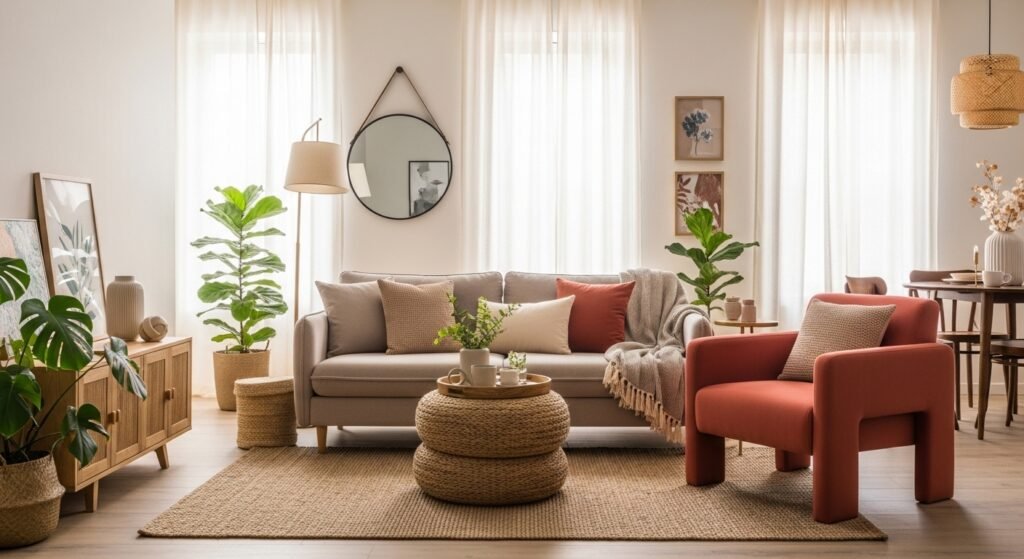
I stared at my one-room apartment and realized the problem wasn't size — it was that nothing had a job. Once I started assigning zones, my tiny space felt calmer and more intentional. These are the ideas I used to carve out sleep, work, cook, and relax areas without building walls. Most cost under $150, and a few splurges bring the whole studio together like a collected, lived-in home.
These ideas lean modern, Scandinavian, and relaxed boho. Budget ranges mostly under $100 with smart splurges around $100–$250. They work for studio living rooms, micro-kitchens, and combined bedroom/living spaces. I focused on 2026 trends: warm woods, layered textures, and mixed metals. Everything here is practical for renters and homeowners who want clear zones without permanent changes.
What You'll Need to Get This Look
Textiles & Soft Goods:
- Chunky knit throw blanket in cream (~$35-55)
- Linen blend curtains, 84-inch (~$30-50 per panel)
- Velvet pillow covers, set of 4 (~$40-50)
Wall Decor & Art:
- Set of 3 floating shelves, white oak (~$45-70)
- Large round mirror, 36-inch (~$80-120)
Lighting:
- Rattan pendant light shade (~$30-60)
- LED Edison bulbs, warm white (~$15-20)
Plants & Greenery:
- Artificial fiddle leaf fig tree, 6ft (~$60-90)
Budget-Friendly Finds:
- Peel and stick wallpaper panels, neutral (~$20-35)
Similar at Target or HomeGoods for quick in-person swaps. I mix IKEA basics with West Elm or Pottery Barn accents for texture and scale.
Layered Neutrals With One Bold Accent Color
Style/Vibe: Modern Scandinavian / Cozy
Budget: $$ (under $150)
Best For: Living area / Studio main room
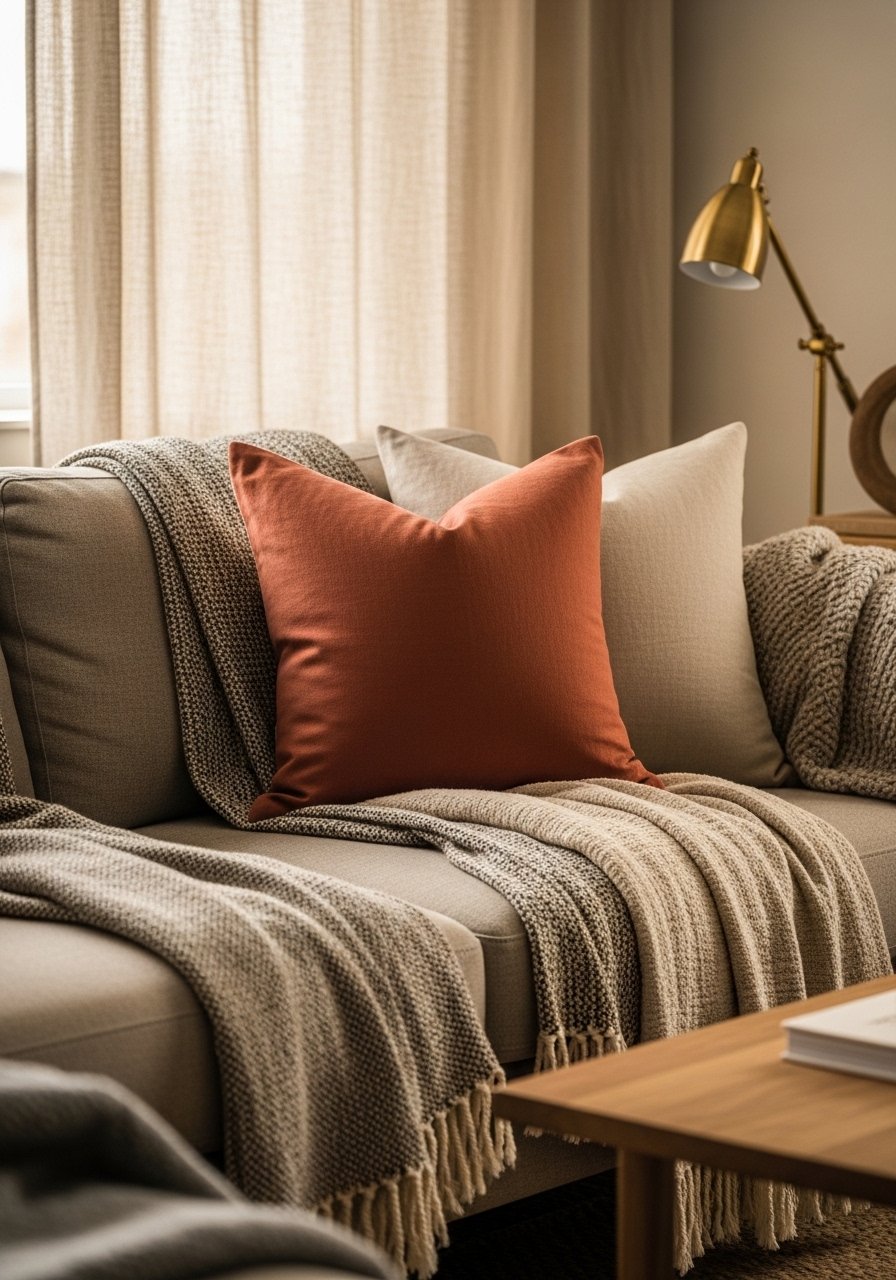
I built a calm base with warm beige, cream, and soft gray, then added a single terracotta chair to anchor the seating zone. I used this cream chunky knit throw and velvet pillow covers for tactile contrast. The result feels calm but not flat. Avoid too many competing colors — stick to one bold accent and repeat it in a pillow and small decor object for cohesion and balance.
Open Shelving To Define Kitchen Nook
Style/Vibe: Modern Farmhouse / Functional
Budget: $ (under $100)
Best For: Kitchen / Eating area
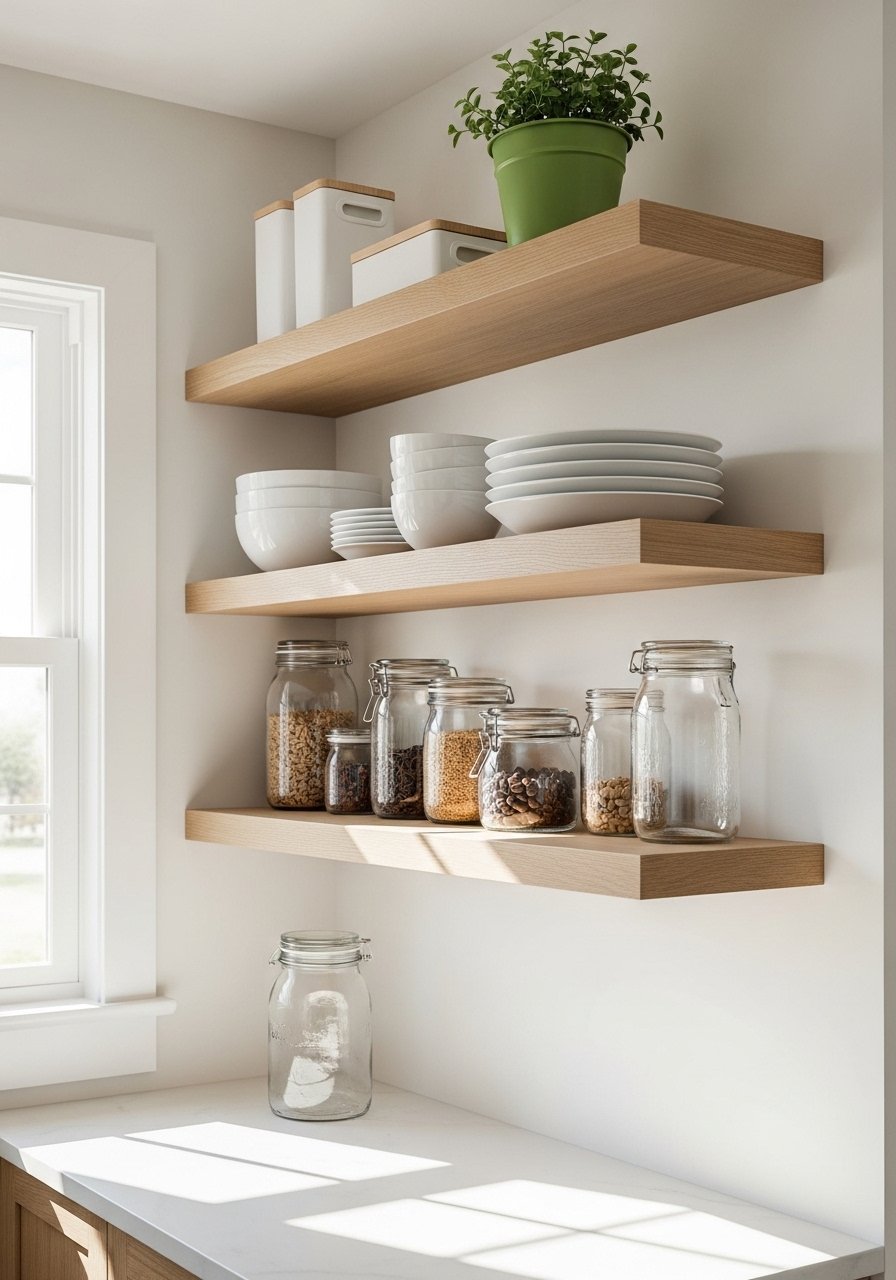
Floating shelves create a visual boundary above a compact counter and give the kitchen a purpose separate from the living zone. I installed white oak floating shelves and styled them with glass jars and a small herb pot. It reads intentional and tidy. The common mistake is overstuffing shelves — I stick to odd-number groupings (3–5 items) and keep heavier items lower so the kitchen zone reads light and organized.
Floor-To-Ceiling Curtains To Add Height
Style/Vibe: Minimalist / Elegant
Budget: $ (under $100 per panel)
Best For: Living room / Studio window
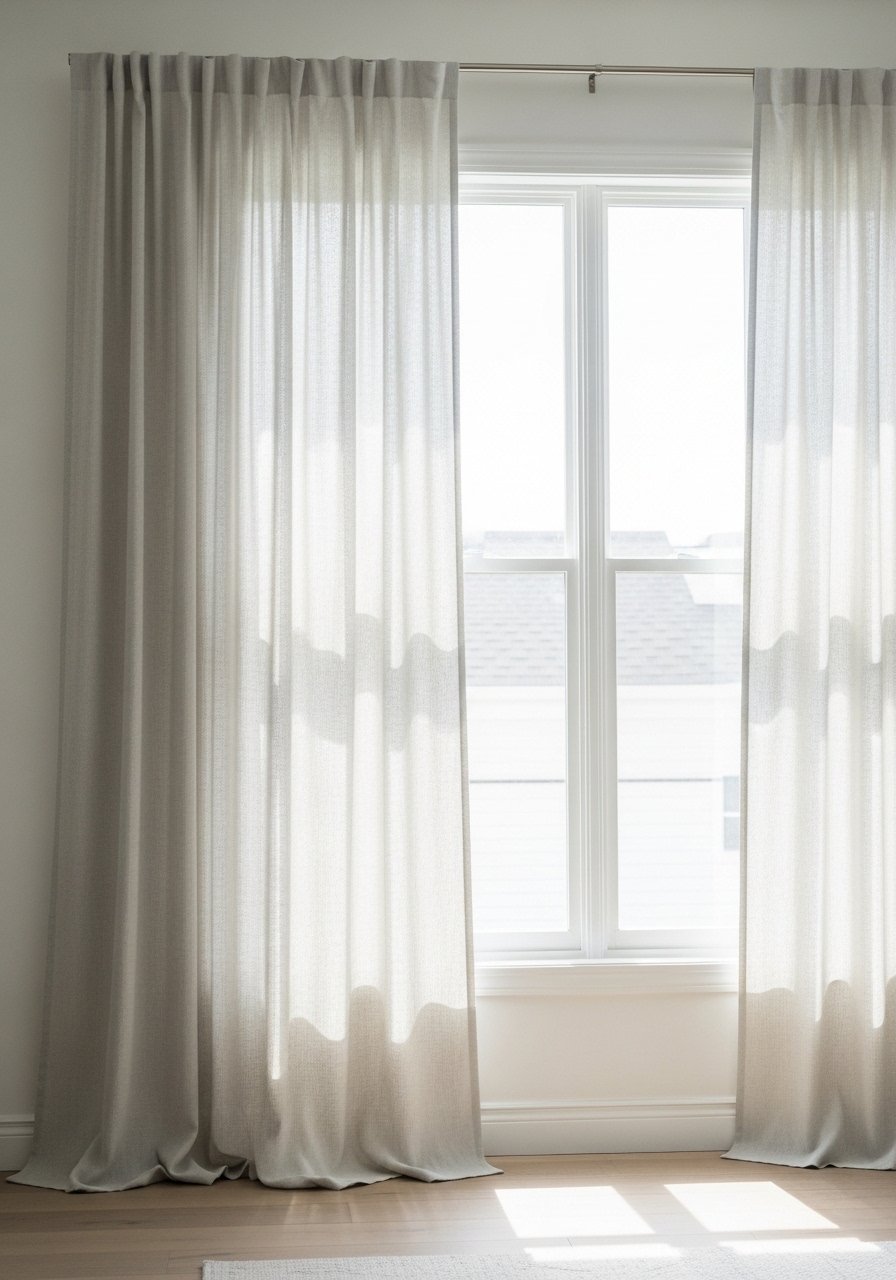
I hung linen blend curtains, 84-inch panels close to the ceiling to create the illusion of taller walls and a defined sleeping zone when closed. They act like a soft wall between bed and sofa without blocking light. Avoid hanging curtains too low; that makes the room feel chopped. White or warm neutral tones keep the studio feeling open while adding privacy and texture.
Rug Layering To Separate Living And Sleeping
Style/Vibe: Boho / Layered Textures
Budget: $$ (under $200 total)
Best For: Living + sleeping separation
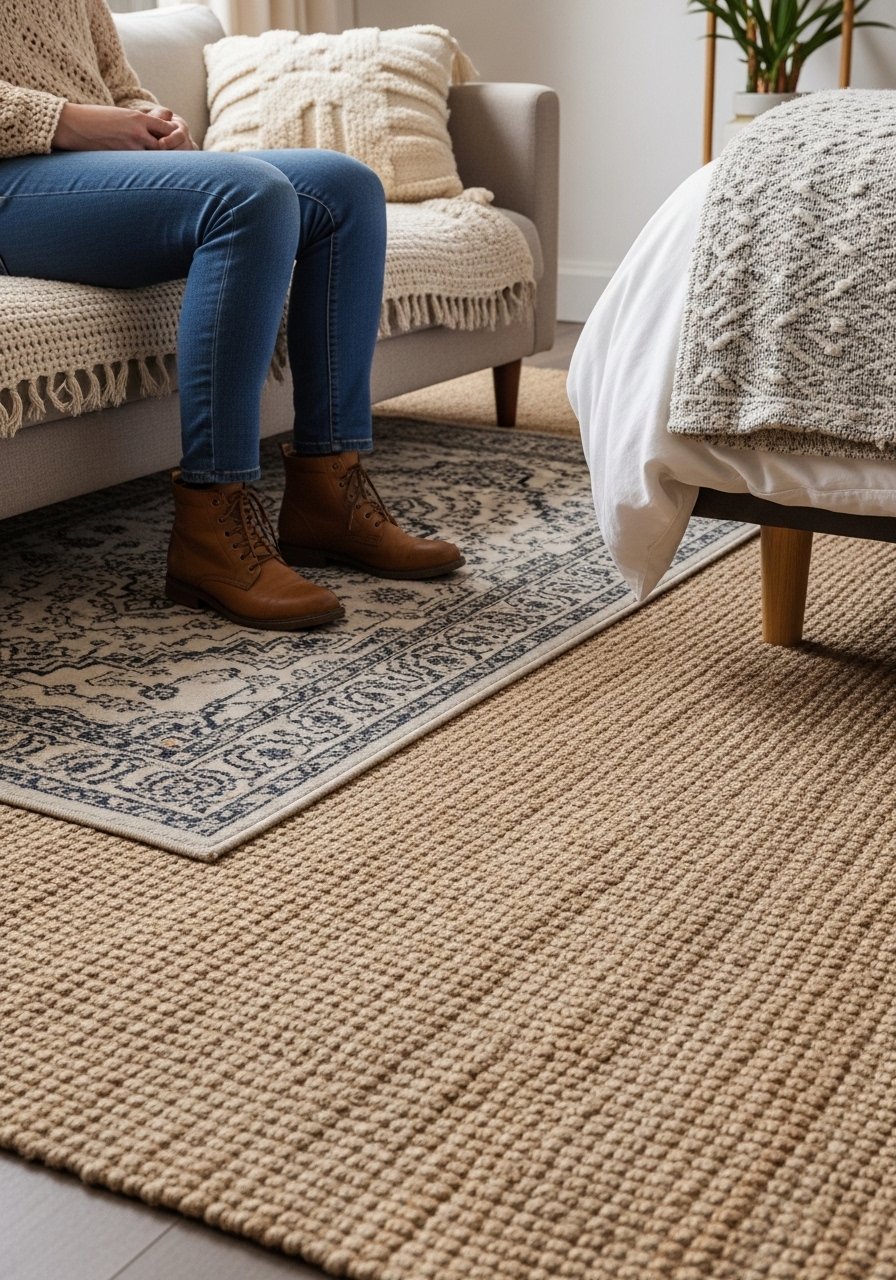
I use a larger natural jute rug across the whole studio and layer a softer 5×8 patterned rug under the seating area to visually carve out the living zone. Layering defines boundaries and adds warmth. I picked a neutral jute base and a smaller wool-look rug on top to soften underfoot. The trap is choosing rugs too similar in color—keep contrast in texture or tone so each zone reads separate and intentional.
Folding Screen Divider With Boho Textiles
Style/Vibe: Boho Chic / Flexible
Budget: $ (under $100)
Best For: Bedroom privacy / Dressing area
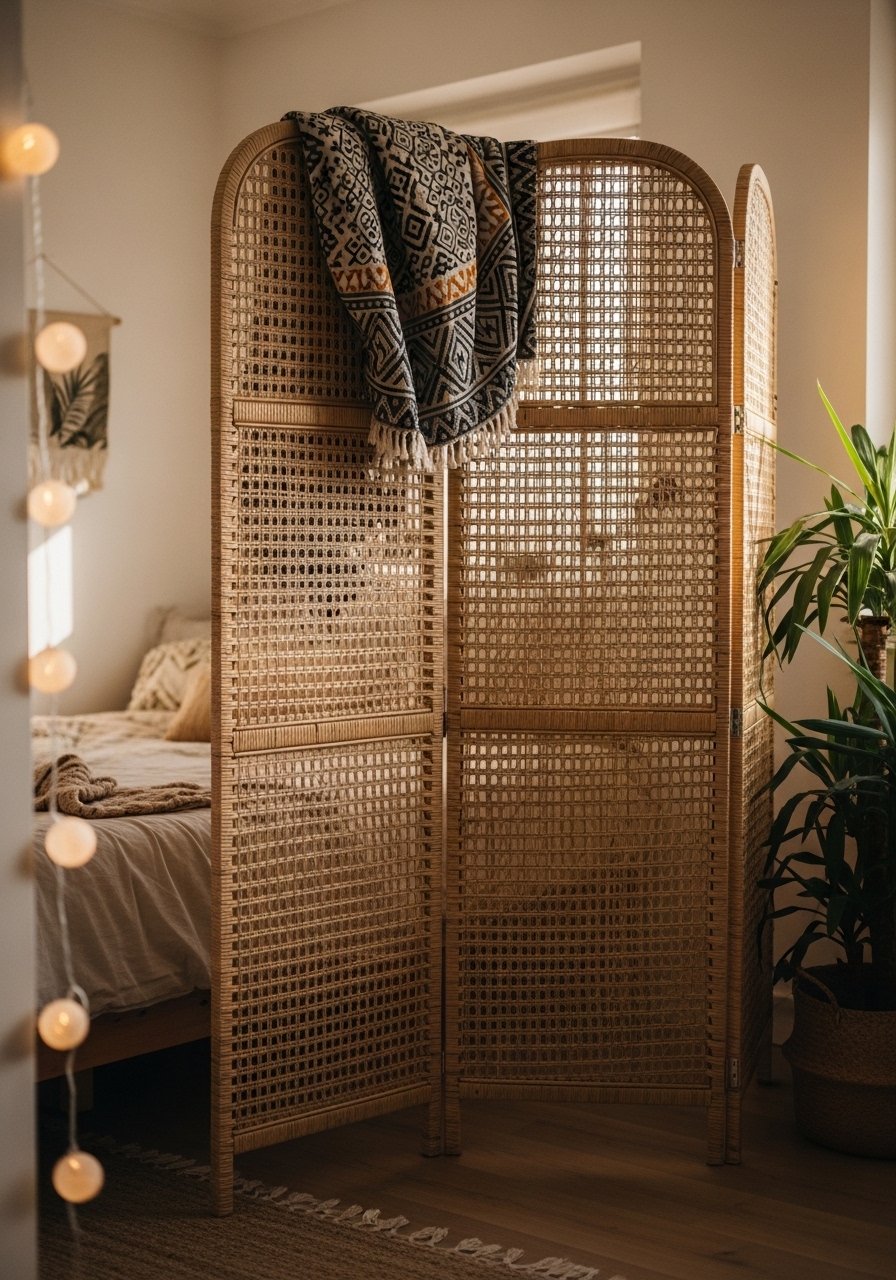
A folding screen is a renter-friendly divider that adds pattern and privacy. I layered a carved wood screen with a lightweight boho textile and hung LED warm white bulbs nearby for ambience. It’s portable, affordable, and doubles as a backdrop for video calls. Don’t pick a flimsy screen—choose one with enough height to hide the bed and anchors like a plant or side table so it doesn’t feel tacked-on.
Lofted Sleeping Platform For Storage
Style/Vibe: Industrial / Efficient
Budget: $$$ (splurge around $200)
Best For: Studio with high ceilings / Sleeping area
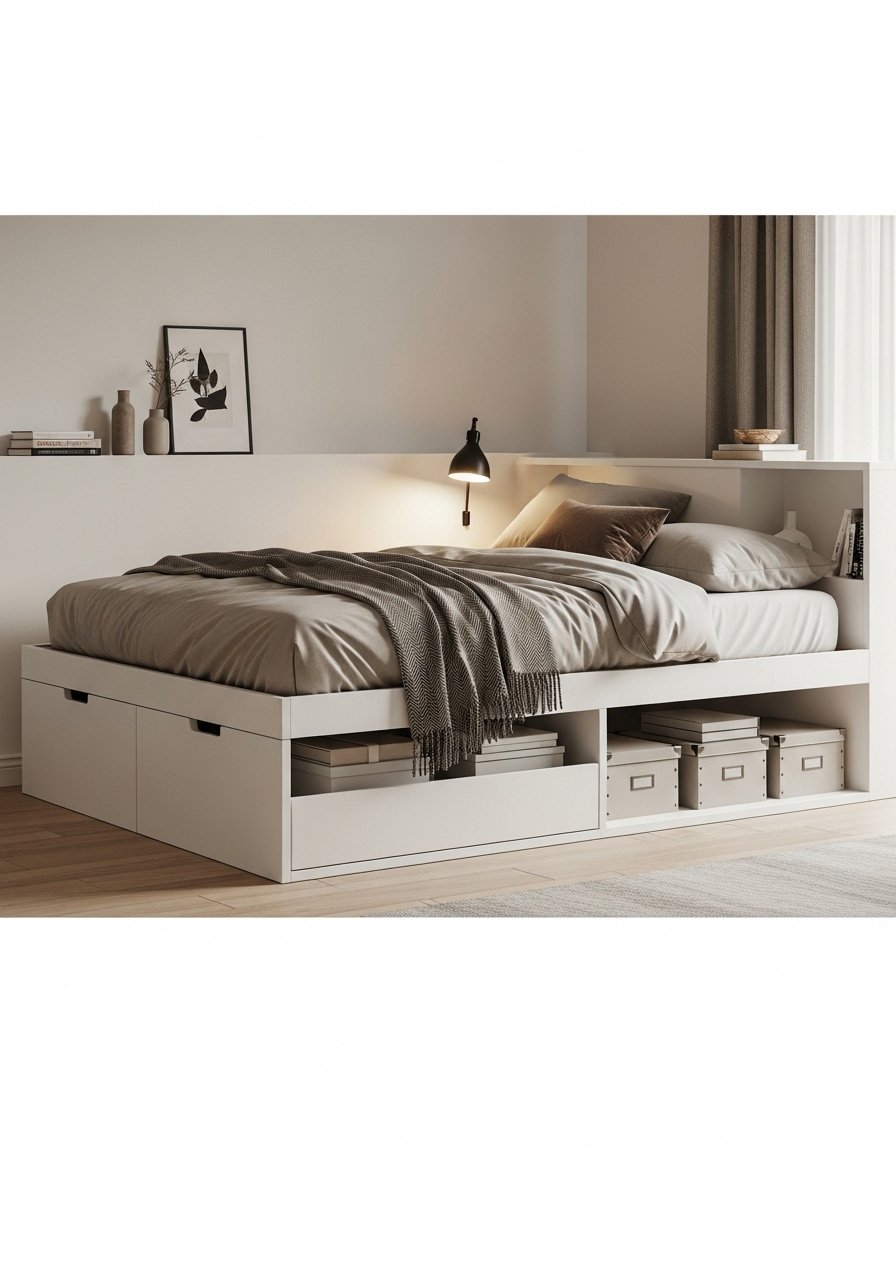
I built a low sleeping platform with drawers underneath to raise the bed slightly and tuck storage below. This defines the bedroom as its own architectural zone and keeps clutter out of sight. Use solid-wood tones or painted MDF for a built-in look that reads custom. The key mistake is making the platform too high for the room—keep it low-profile so the studio still feels open and headspace remains comfortable.
Multipurpose Sofa That Doubles As Guest Bed
Style/Vibe: Contemporary / Practical
Budget: $$–$$$ (depends on model)
Best For: Living area / Guest-ready
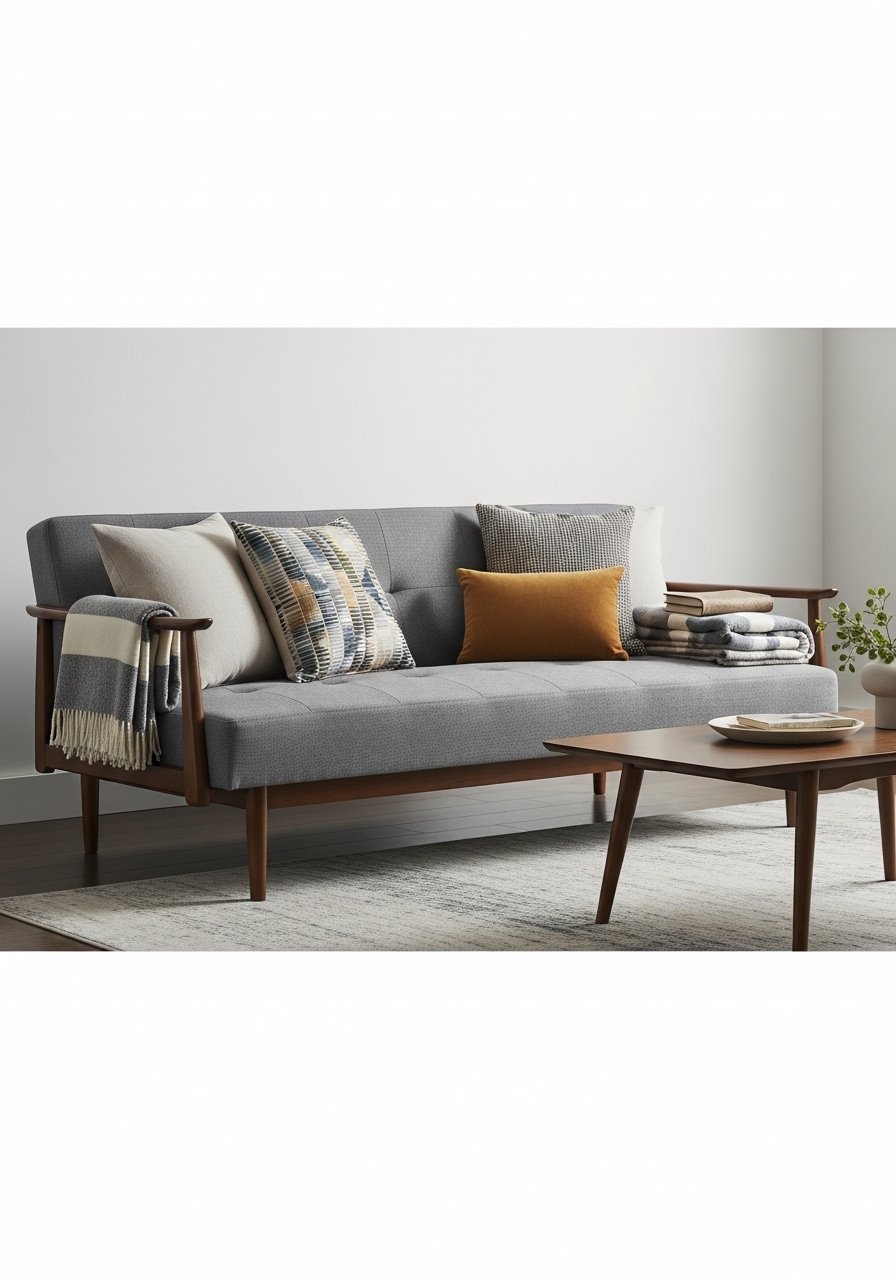
I swapped my bulky couch for a streamlined sleeper sofa that acts as the living focal point by day and a guest bed by night. Choose one with easy conversion and a supportive mattress; I like models with a slatted base and memory foam top. Avoid overly plush sofas that swallow the room. This gives a clear living zone while solving overnight stays without adding another piece of furniture.
Floating Desk Niche For A Compact Home Office
Style/Vibe: Scandinavian / Functional
Budget: $ (under $150)
Best For: Workspace / Study
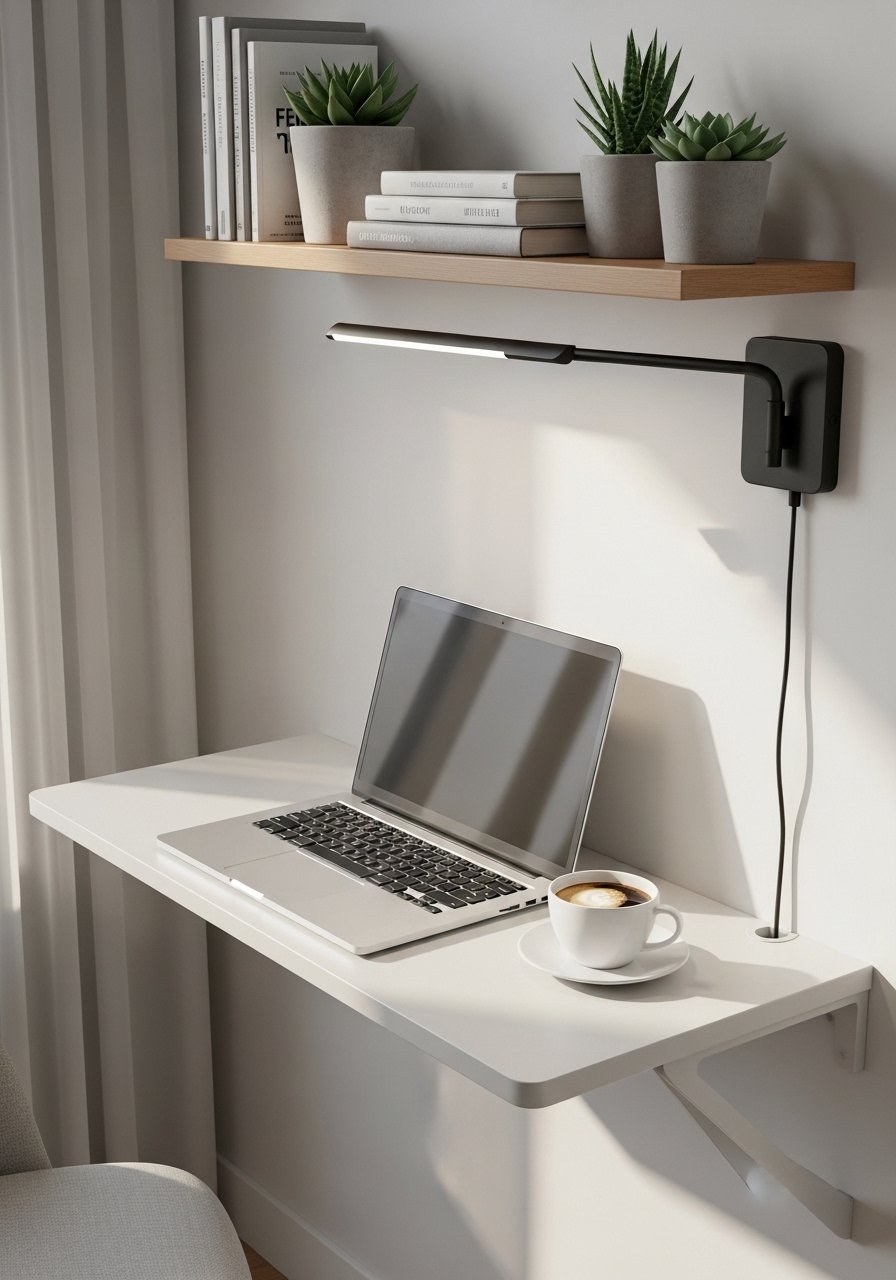
A wall-mounted floating desk carves out a focused work zone without consuming floor area. I paired mine with a small rattan pendant and white oak floating shelves above to store supplies. It reads like a built-in nook and keeps the workspace visually separate from the sofa. The mistake is choosing a desk too narrow for your usual tasks—measure your laptop and paperwork first so the surface actually fits your daily routine.
Oversized Mirror To Brighten Dark Corners
Style/Vibe: Minimalist / Brightening
Budget: $$ (under $150)
Best For: Entryway / Dark studio corners
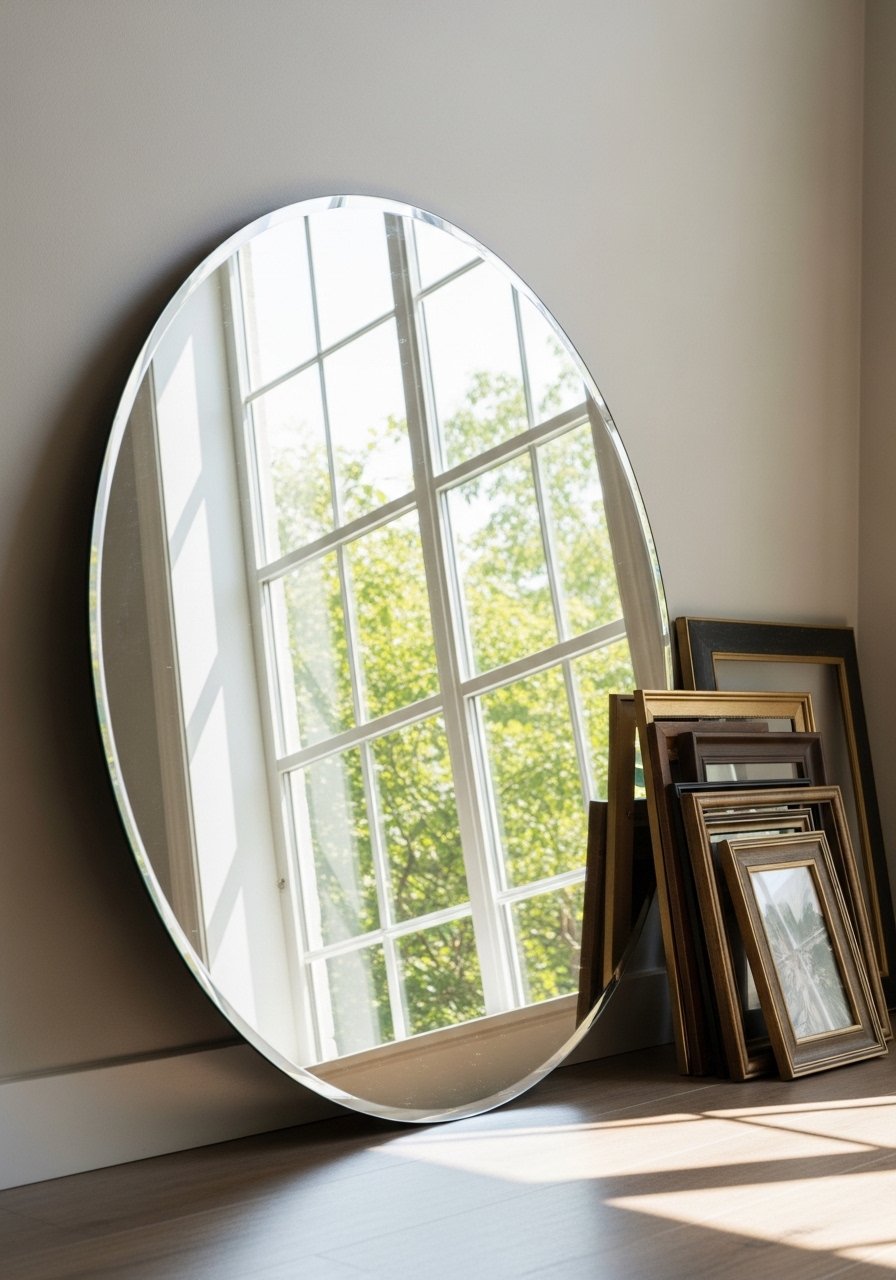
I leaned this 36-inch round mirror to bounce light into a dim corner and visually split the studio into separate zones. Mirrors read like windows, which opens up the sleeping area when placed opposite the bed. Avoid hanging tiny mirrors in large empty walls—the scale should be generous to actually make a difference. A round shape softens corners and works well above a narrow console or behind a seating vignette.
Gallery Wall To Frame A Micro-Dining Area
Style/Vibe: Eclectic / Collected
Budget: $ (under $100)
Best For: Dining nook / Entry console
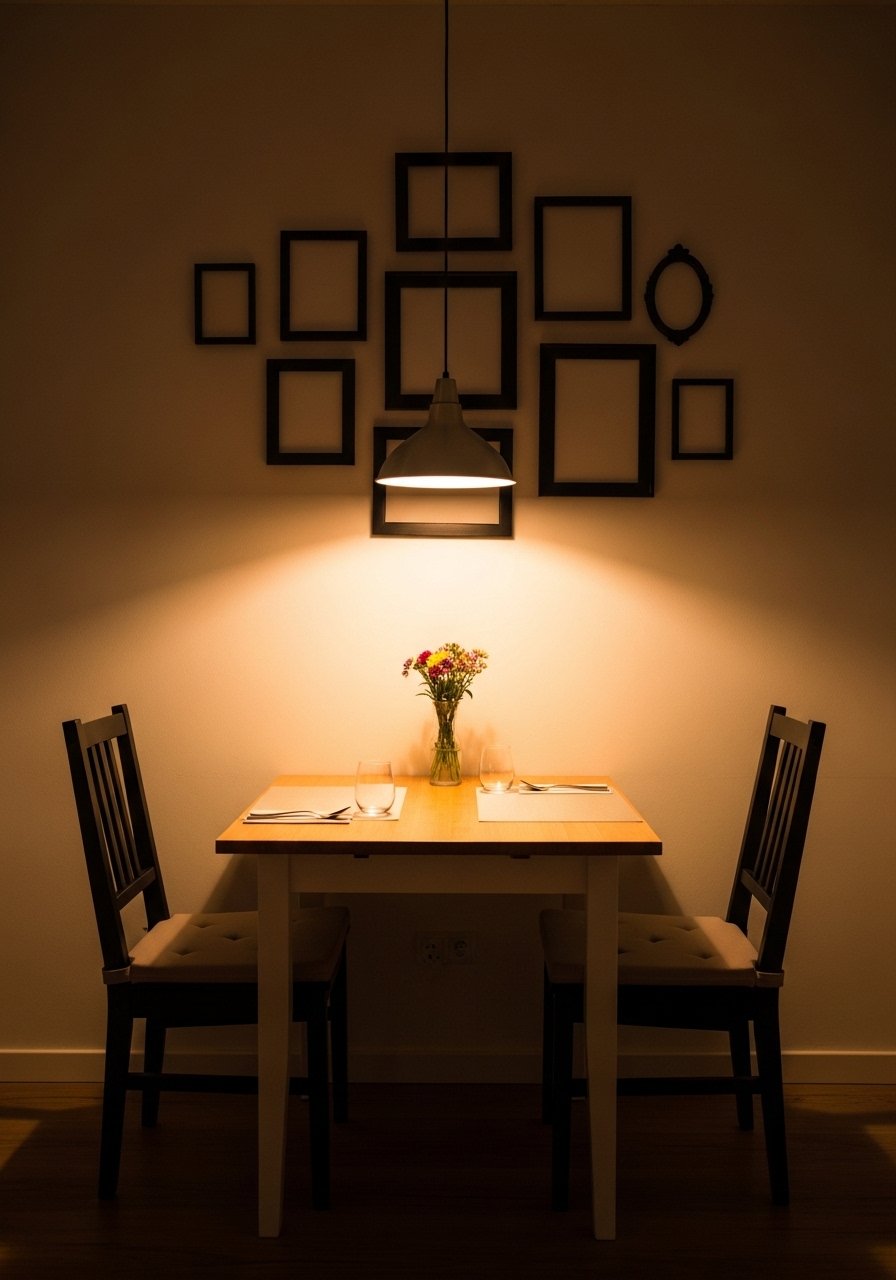
I treated the tiny dining corner like a mini room by creating a gallery wall of mismatched frames and cohesive matting. Thrift frames and use new mats for polish. I added a small pendant above the table to complete the zone. Avoid tiny art pieces that disappear—choose a focal piece plus smaller companions and keep frames in a consistent color for cohesion. It suddenly feels like a separate dining room tucked into a studio.
Vertical Plant Wall For A Green Divider
Style/Vibe: Urban Jungle / Fresh
Budget: $$ (under $150)
Best For: Living area / Divider
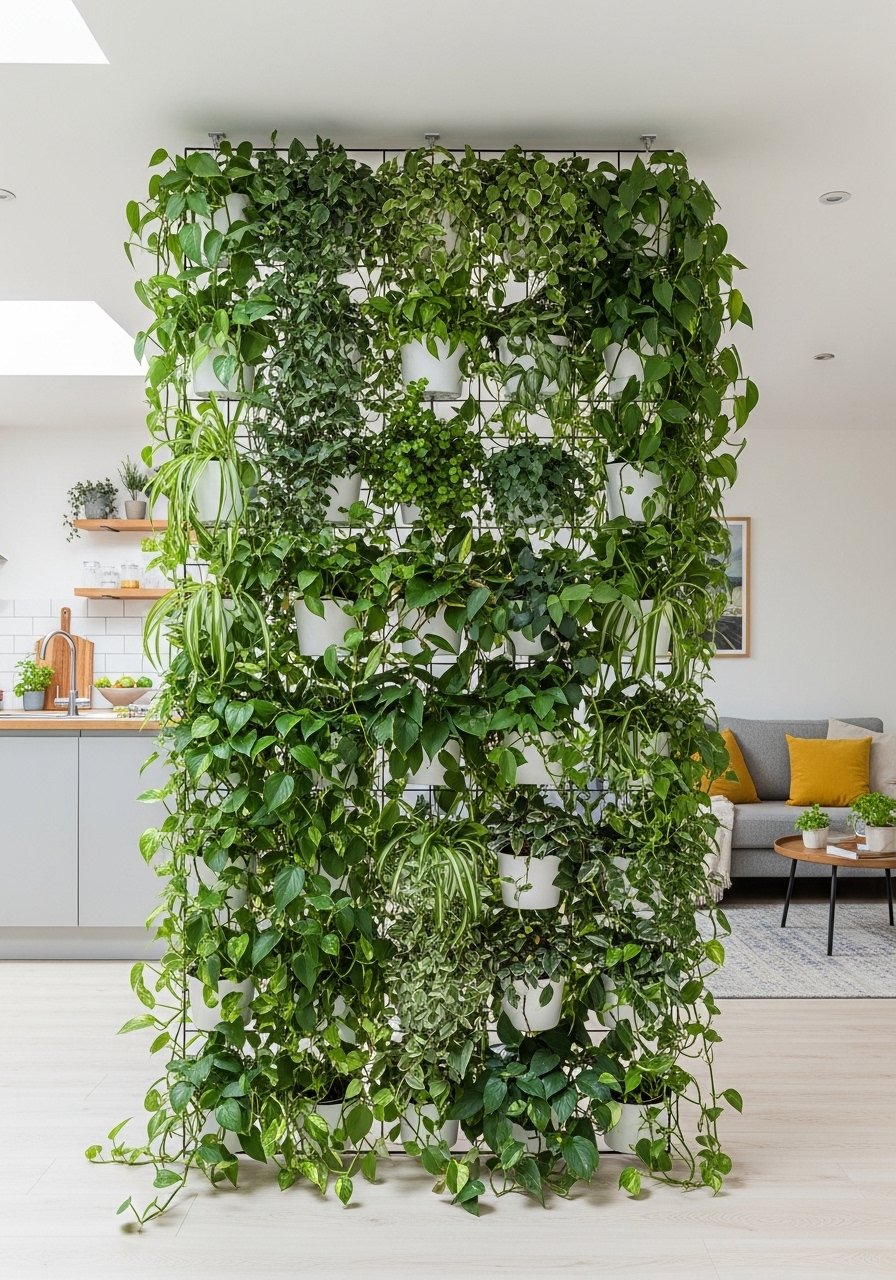
I built a vertical plant wall with staggered planters to soften the line between kitchen and living areas. Greenery adds life and acts like a semi-private divider. Use a mix of real and high-quality faux plants where light is limited and choose trailing varieties for movement. Don’t overcrowd the grid—leave breathing space so each plant reads as intentional. This also absorbs sound a bit, which helped reduce kitchen noise bleeding into my workspace.
Mobile Kitchen Cart As A Flexible Island
Style/Vibe: Industrial / Flexible
Budget: $ (under $150)
Best For: Kitchen / Entertaining
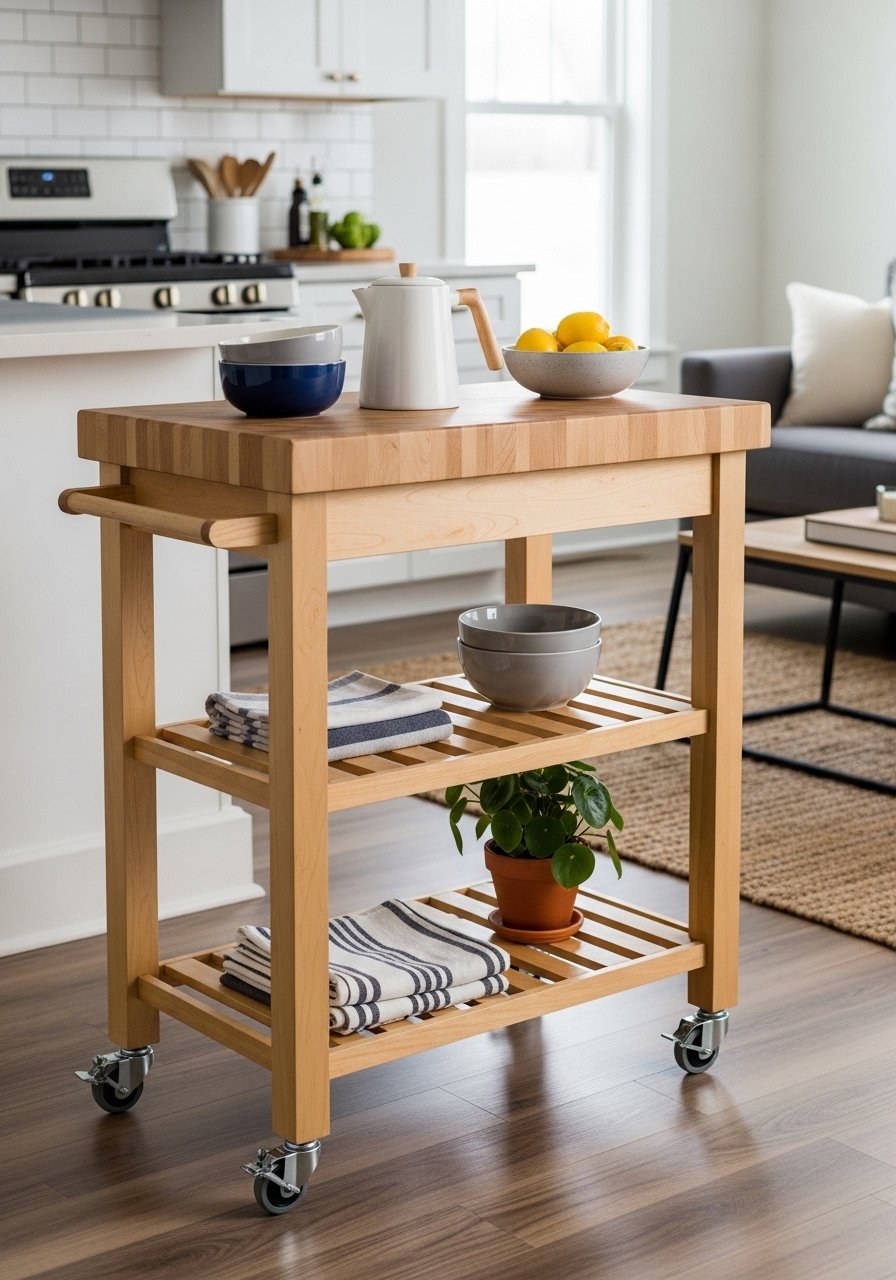
A rolling kitchen cart creates a moveable island that defines cooking and serving zones. I picked one with a butcher block top and locking casters so it stays put during prep and moves for extra dining surface. It provides storage, counter space, and reads as a purposeful kitchen boundary. Avoid carts with flimsy wheels—solid locking casters are worth the extra cost for stability and longevity.
Mixed Metallic Lighting To Zone Spaces
Style/Vibe: Modern Glam / Layered Light
Budget: $$ (under $200 per fixture)
Best For: Living / Dining / Work areas
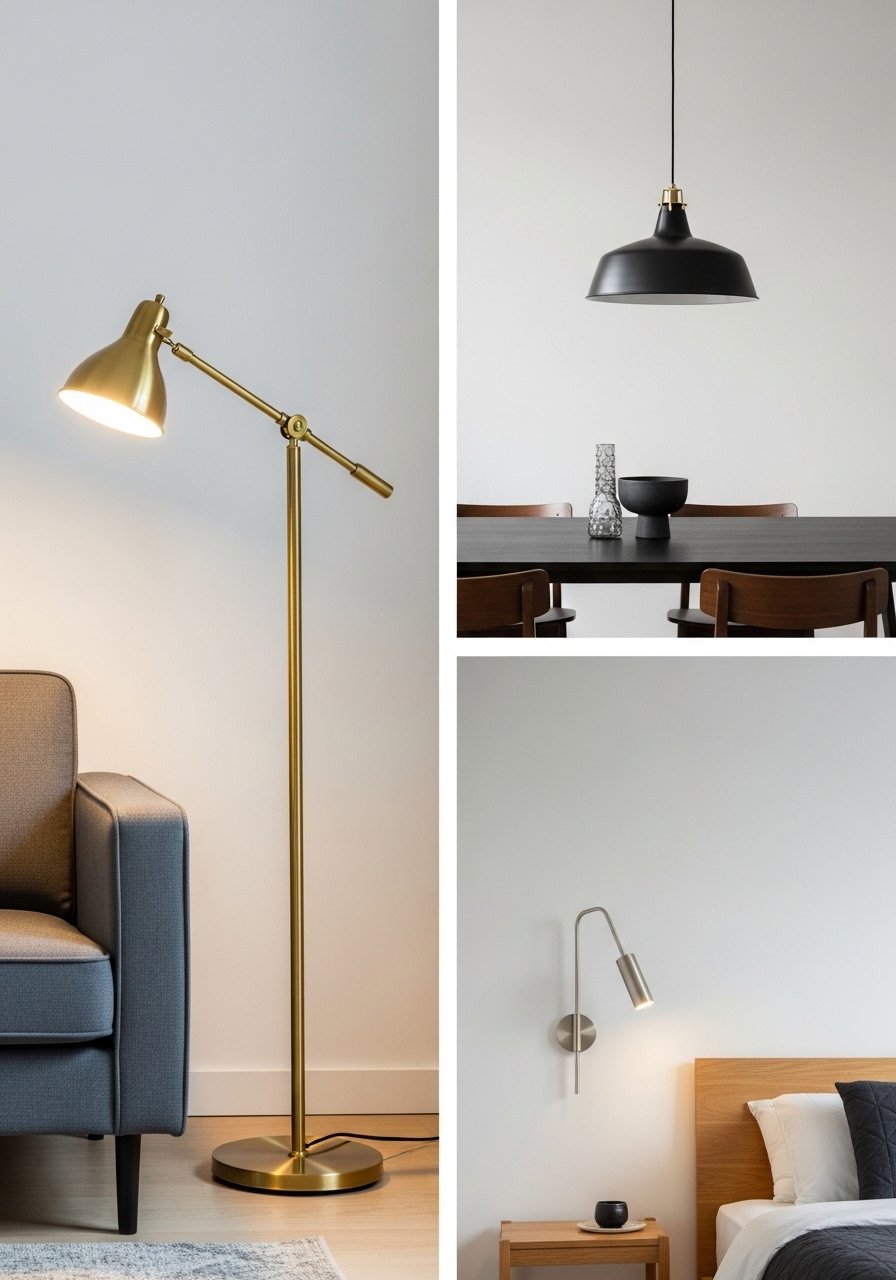
I layered fixtures—brass floor lamp near the sofa, black pendant over the table, and a nickel sconce by the bed—to assign tasks and make zones distinct. Mixing metals feels current and curated; tie them together with a single warm bulb temperature. The mistake is matching everything—mixing adds personality. Use dimmers so each zone has its own light level; soft, layered lighting makes tiny spaces feel composed and flexible.
Built-In Look With Matching Furniture Finishes
Style/Vibe: Transitional / Cohesive
Budget: $$$ (some splurges)
Best For: Studio-wide cohesion
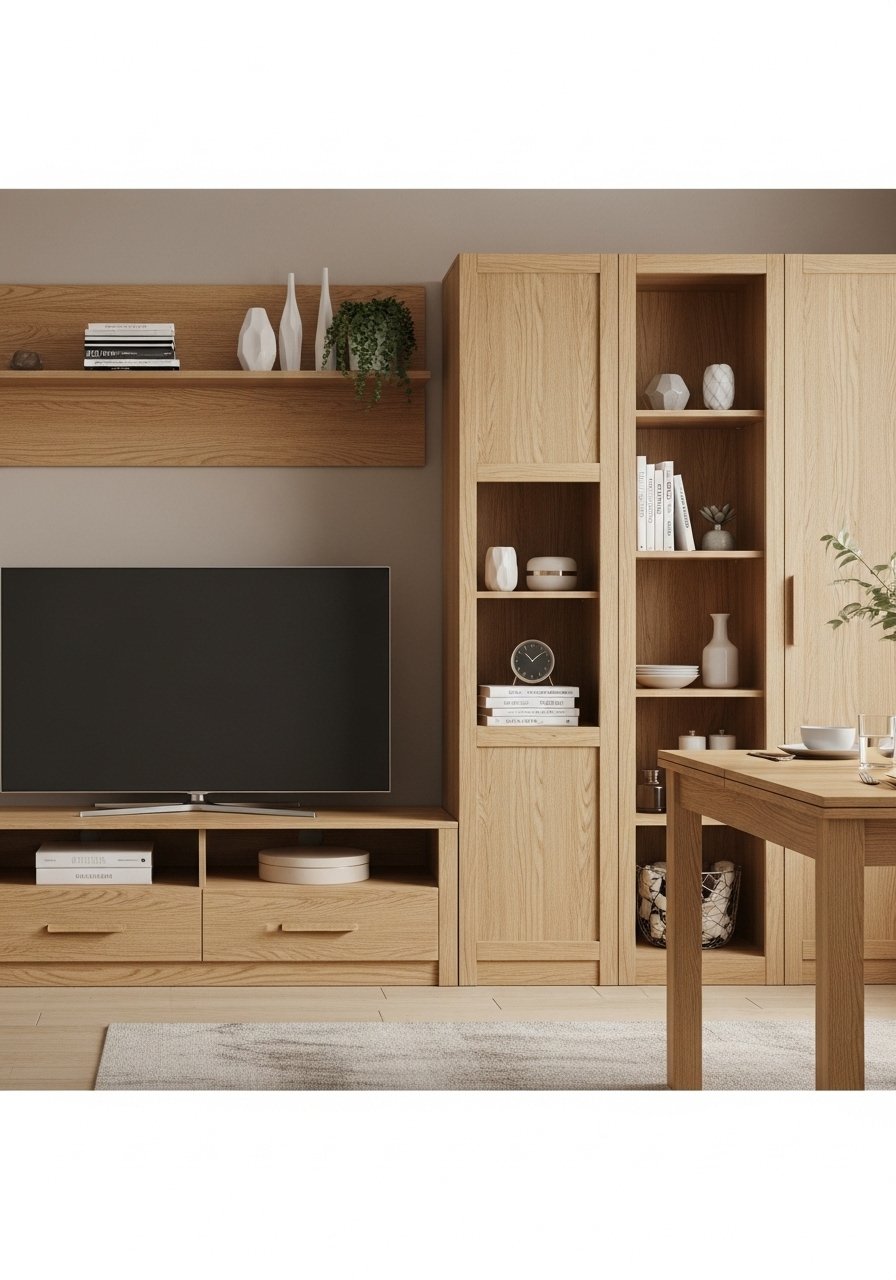
I matched a white oak TV console, shelves, and dining table so the whole studio reads like a single, thoughtful room instead of a collection of random pieces. Matching finishes give a built-in feel without construction. This creates visual flow and makes zones work together. Avoid buying everything in the exact same tone—subtle variations in grain add depth. I mix in a painted piece or two (IKEA hacks with West Elm knobs) to avoid a showroom look.
Minimalist Storage Bench For Entry And Seating
Style/Vibe: Minimal / Practical
Budget: $ (under $150)
Best For: Entry / Foot of bed / Sofa end
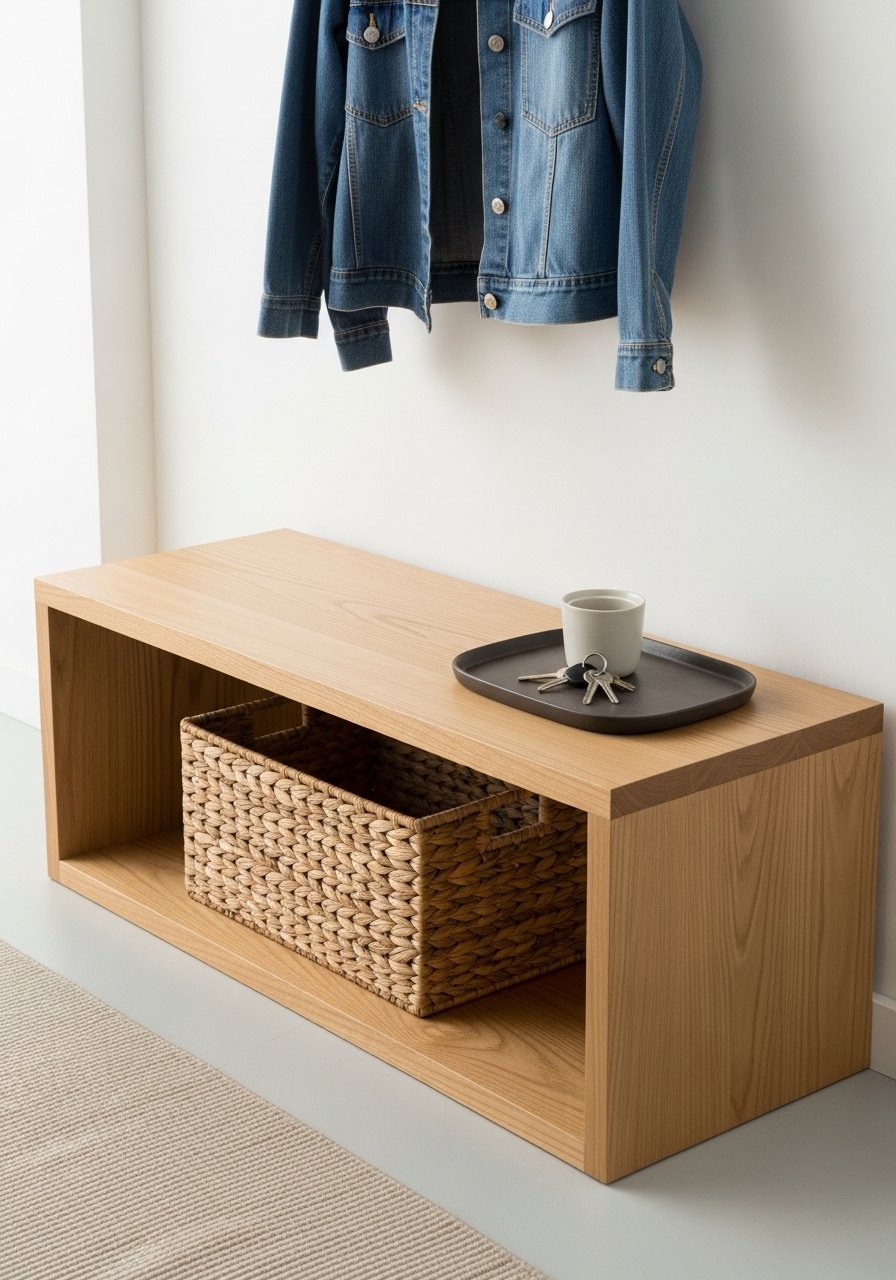
A storage bench near the entry doubles as seating, shoe storage, and a visual buffer between door and living zone. I chose a 36-inch bench with an internal compartment for shoes and seasonal items. It hides clutter and offers a landing spot that makes the studio feel organized. Avoid benches with poor hinges—soft-close lids prevent slams and extend life. This small anchor creates a discrete transition from public hallway to private home.
Accent Wallpaper Behind The Bed To Create Depth
Style/Vibe: Bold Minimalist / Textured
Budget: $ (under $80 panels)
Best For: Sleeping zone / Feature wall
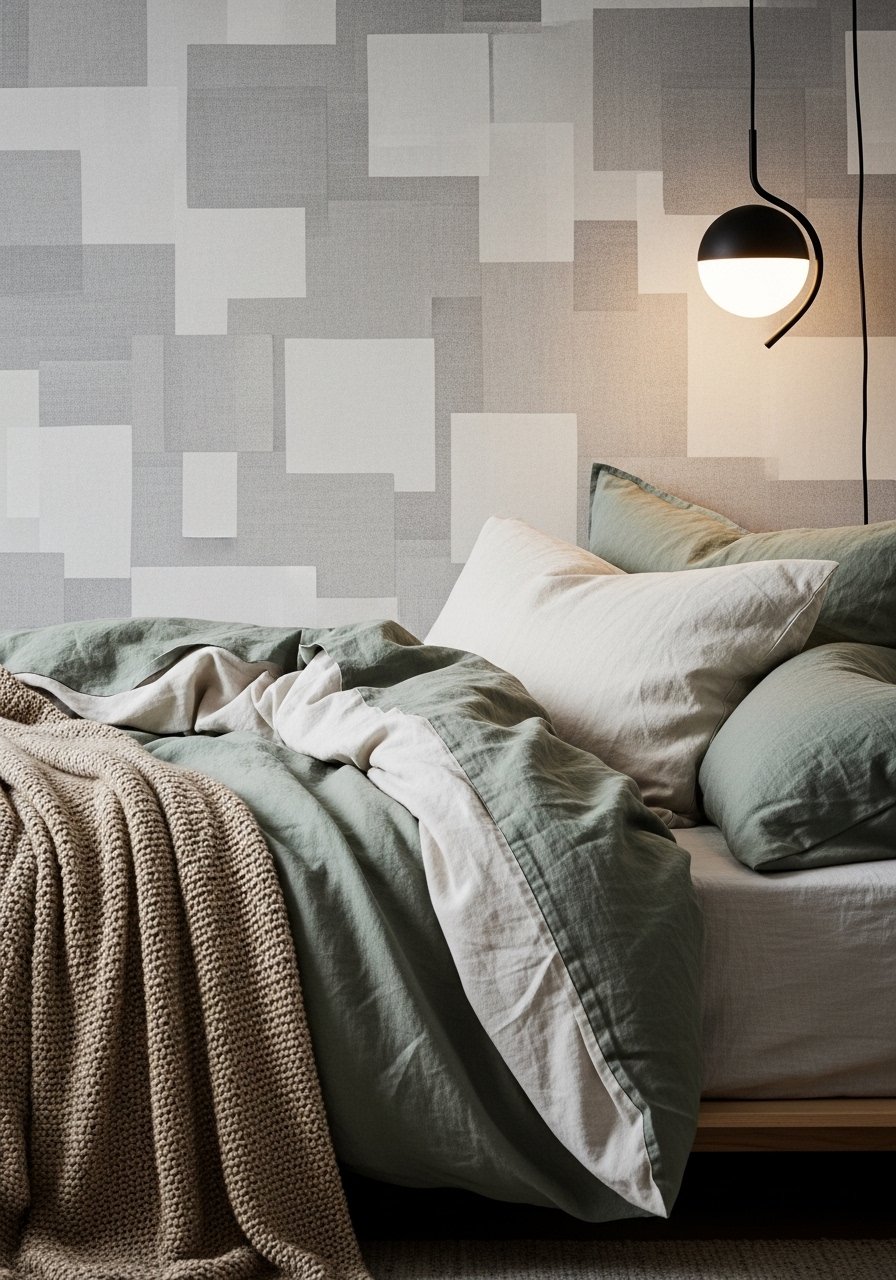
I applied peel-and-stick wallpaper in a subtle geometric pattern behind the bed to give the sleeping area an obvious identity. It reads like an accent wall and is renter-friendly. I used neutral tones so it reads calm but distinct. The mistake is choosing a busy pattern that overwhelms a tiny room—pick scale appropriate to the bed width and keep bedding simple so the wall remains the focal point.
Built-In Bookshelf Around TV For Cohesion
Style/Vibe: Contemporary / Curated
Budget: $$ (mix of budget and splurge pieces)
Best For: Media zone / Living area
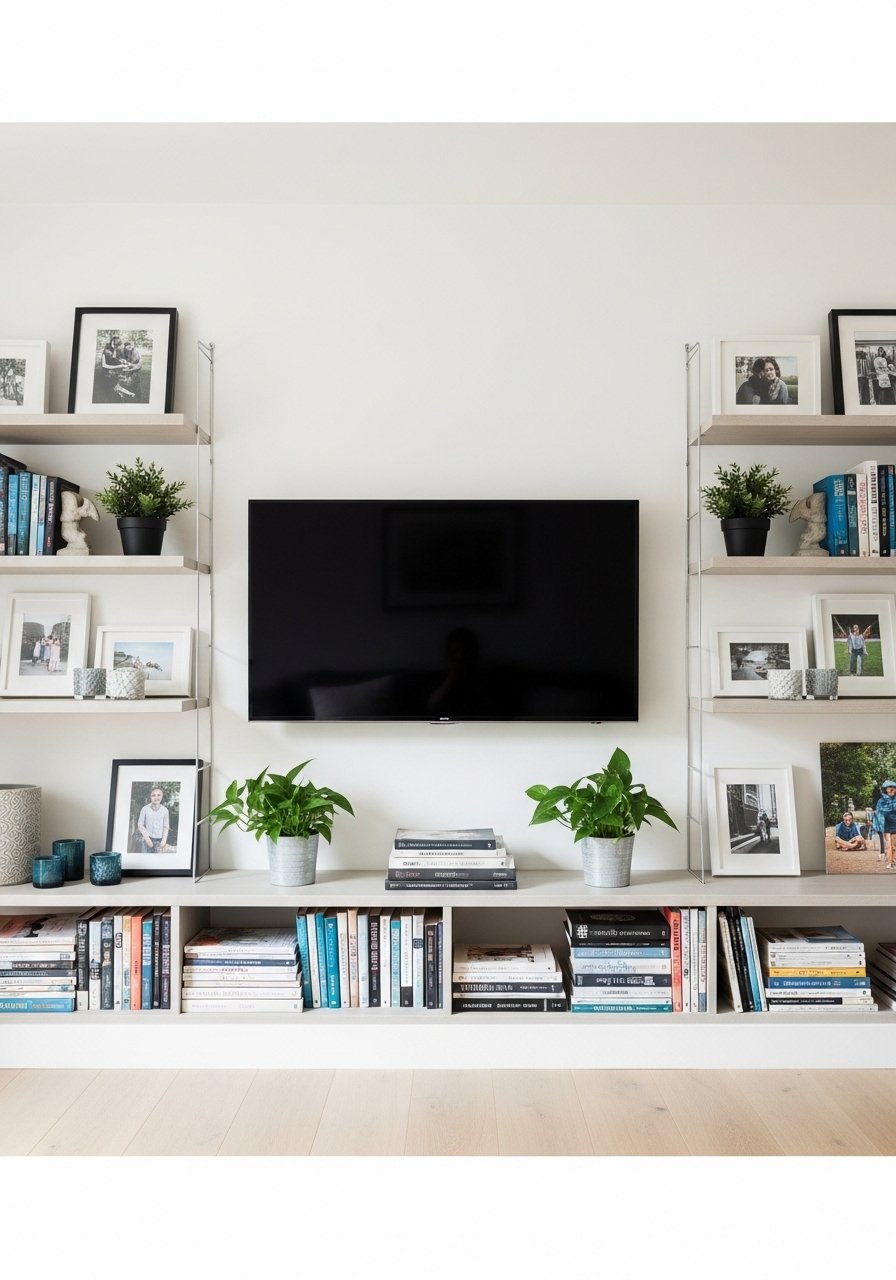
A bookshelf framing the TV turns a media wall into a living-room feature and anchors the seating zone. I used modular units from IKEA and styled them with books, baskets, and small art. Keep bigger, heavier items on the bottom and decorative pieces at eye level. The common mistake is cluttered shelves—leave negative space and rotate objects seasonally to keep the display feeling edited and intentional.
Corner Reading Nook With Layered Textiles
Style/Vibe: Cozy / Eclectic
Budget: $ (under $150)
Best For: Corner / Quiet retreat
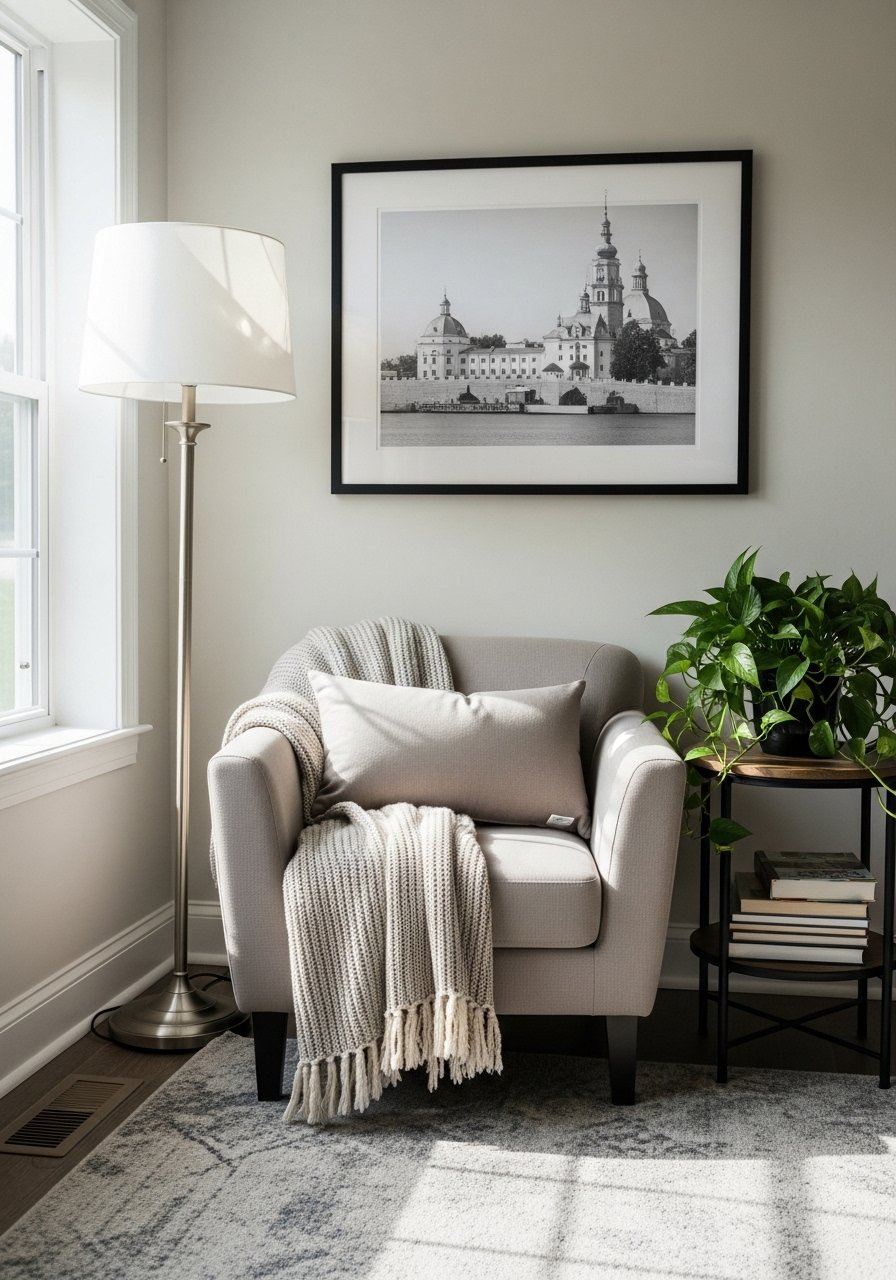
I carved a tiny sanctuary with a compact armchair, a slim floor lamp, and layered textiles—linen cushion, wool throw, and a jute rug to delineate the nook. I added a narrow side table for a cup and a small bookshelf nearby. The key is scale: choose a chair that reads like a single-person zone. Avoid oversized seating that swallows the room. This corner now feels like a separate mini-room for reading and reflection.
Statement Headboard As Bedroom Anchor
Style/Vibe: Modern Boho / Graphic
Budget: $$ (under $200)
Best For: Sleeping area / Visual anchor
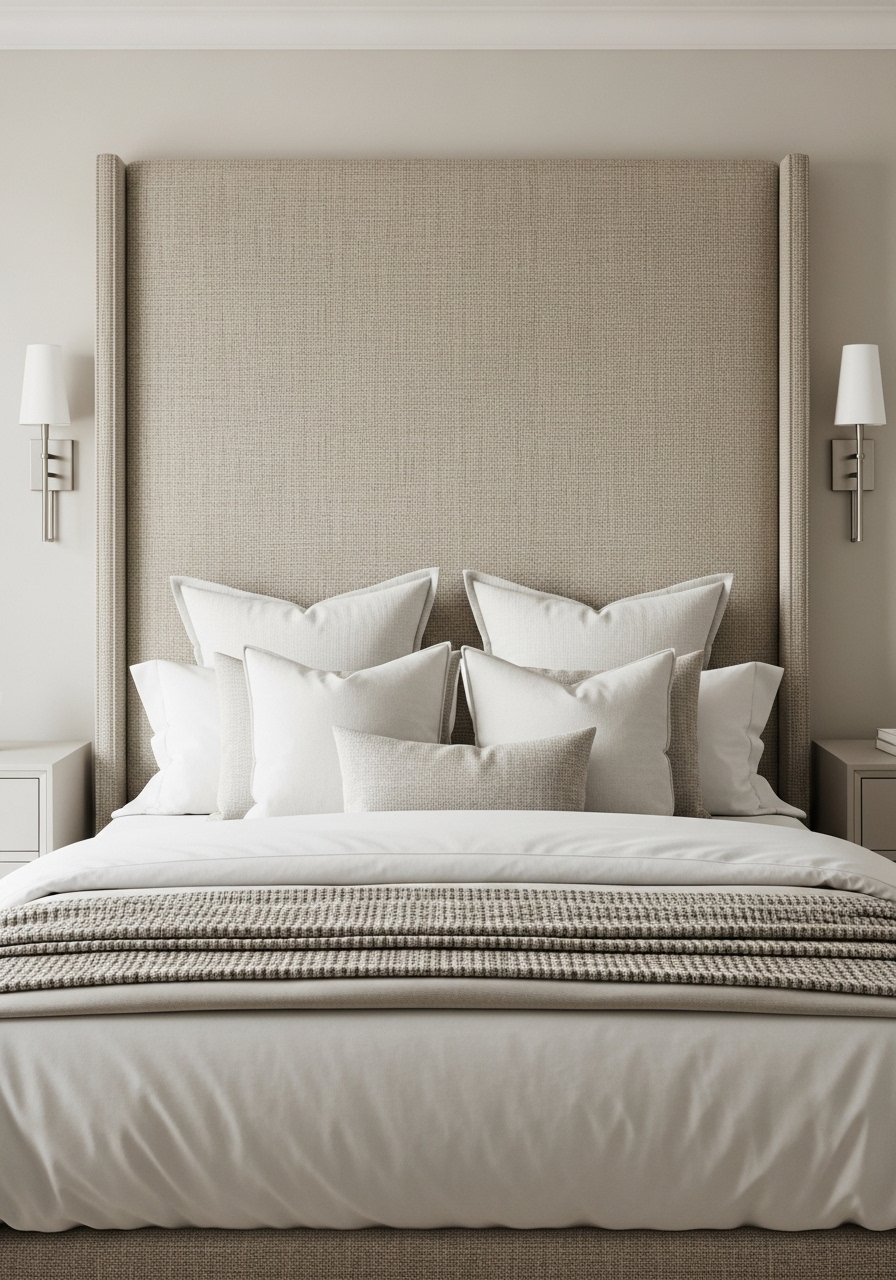
A bold headboard instantly designates the sleeping zone and creates a focal point that separates bed from the rest of the studio. I chose a woven, high-back headboard in warm tan to ground the bed and pair it with small wall sconces to save surface space. Avoid low headboards that get lost; height matters in studio zoning. This single piece makes the bedroom feel intentional without needing physical walls.
Neutral Palette With Texture For Calm Studio
Style/Vibe: Timeless / Serene
Budget: $ (mix of budget pieces)
Best For: Entire studio / Anyone needing calm
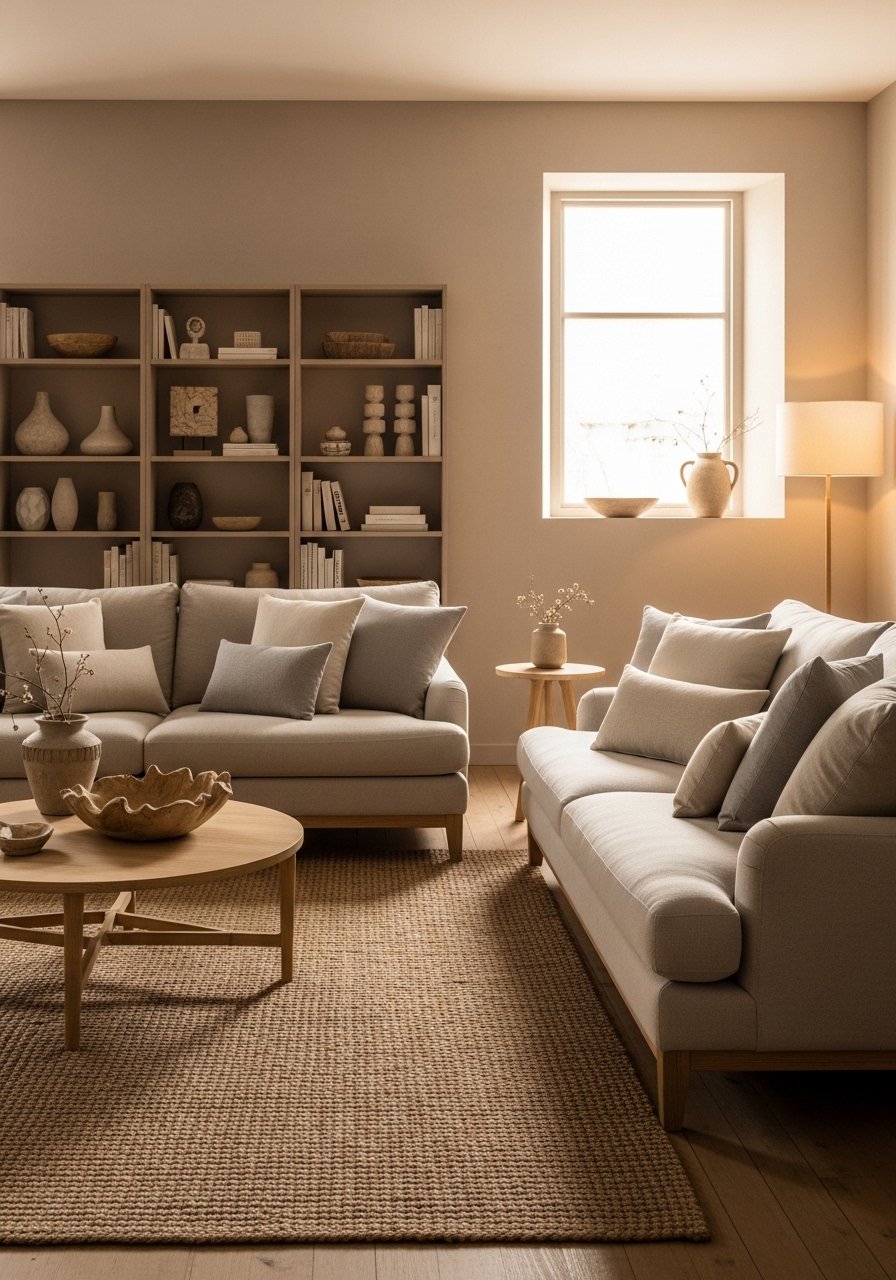
I kept a mostly neutral palette—creams, warm grays, and warm wood tones—and used texture (linen, wool, rattan) to add depth. Warm wood tones are trending hard this year; I used a white oak coffee table to anchor the living zone. The result reads cohesive and calm, making each area feel part of a whole. Beware of flat surfaces—texture prevents a neutral scheme from looking boring.
Petite Dining Set For Two That Doubles As Desk
Style/Vibe: Compact / Dual-Purpose
Budget: $ (under $200)
Best For: Dining / Workspace
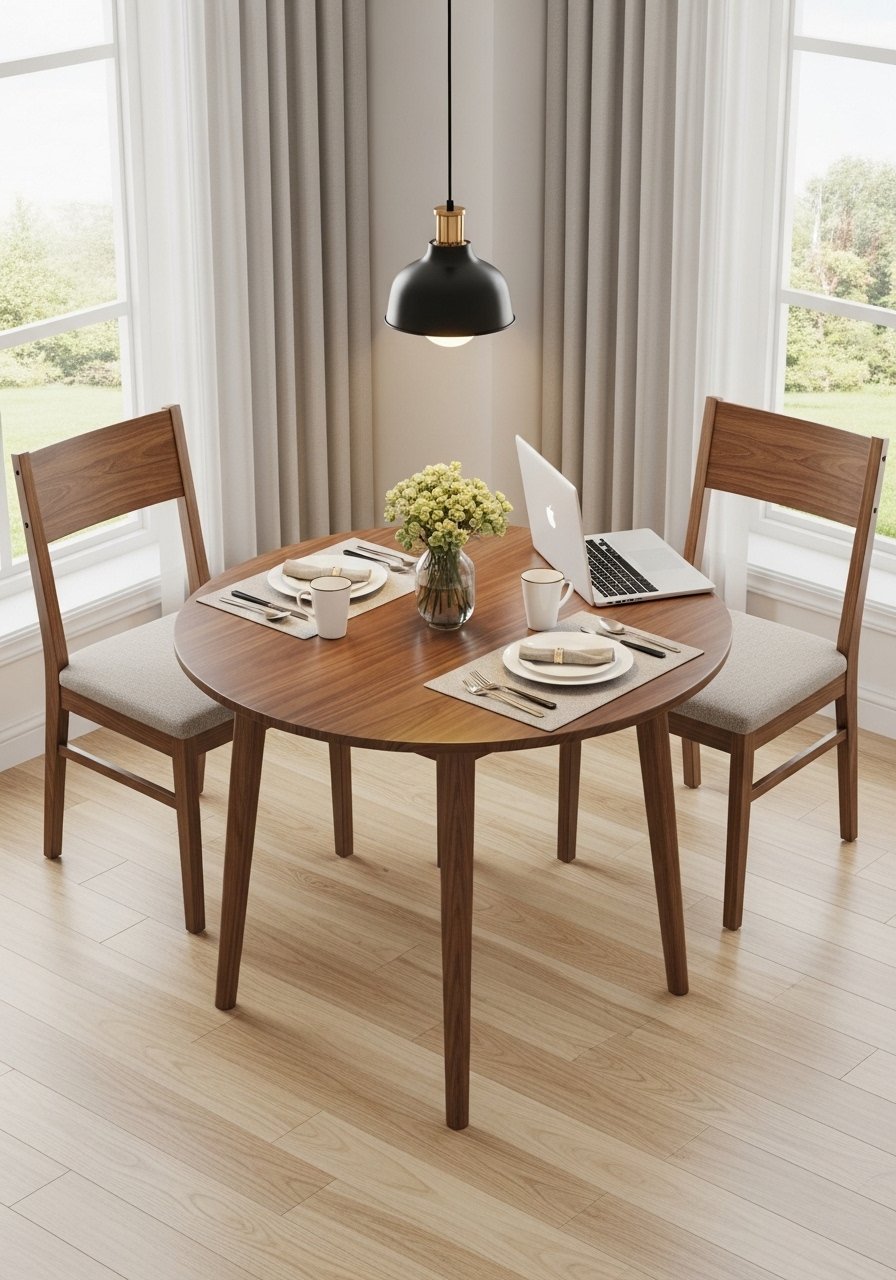
I picked a 30–36-inch round table that functions as both dining surface and home office. Rounded tables are great for traffic flow and define a dining zone without a lot of footprint. When working, I slide one chair out and keep a plant in the center. The pitfall is choosing a table too large for circulation—measure clearance around seating so the table becomes an intentional zone, not a traffic hazard.
Hidden Storage Under Furniture To Reduce Clutter
Style/Vibe: Practical / Sleek
Budget: $ (under $150 per piece)
Best For: Entry / Bed / Sofa storage
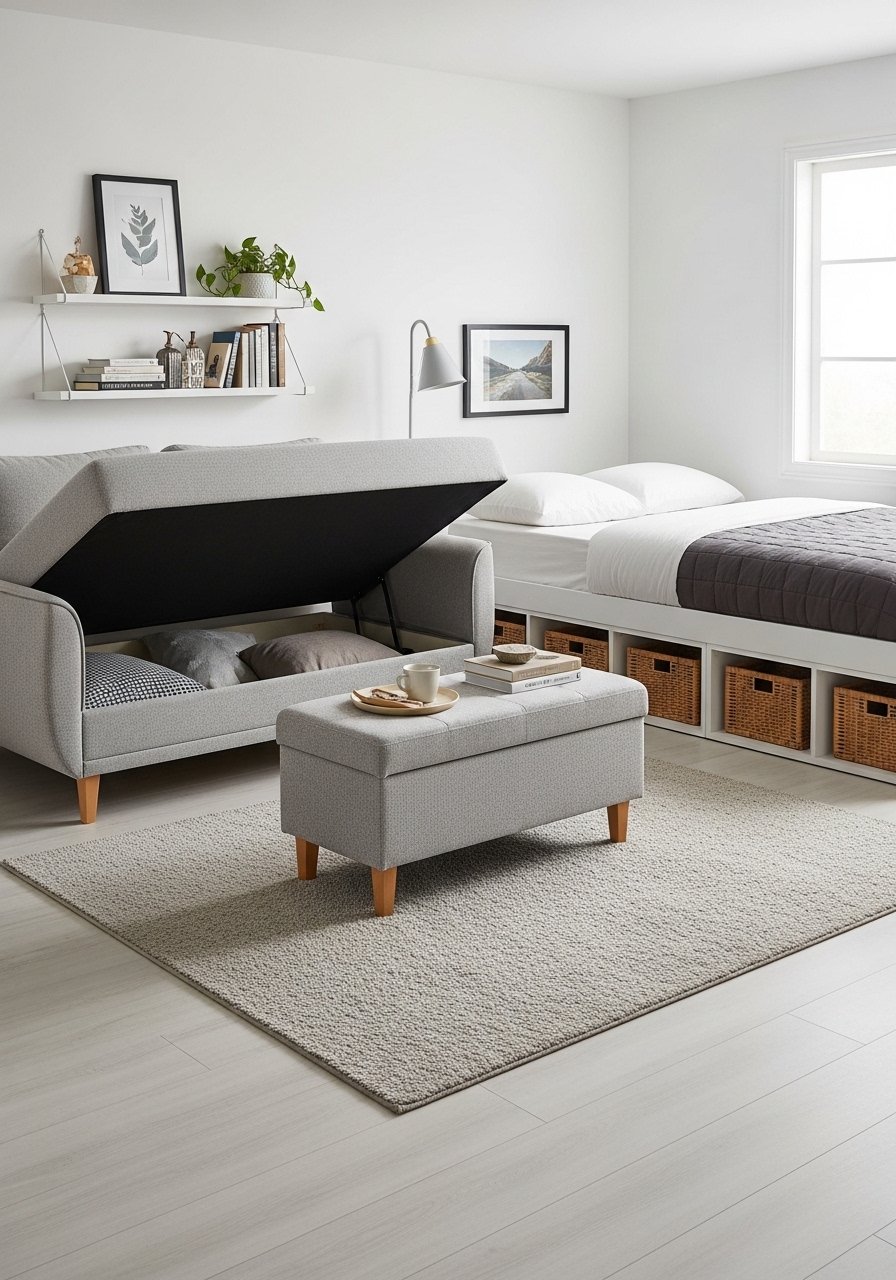
I maximize every inch with under-sofa boxes, a bed with drawers, and a storage ottoman that doubles as a coffee table. Hidden solutions keep zones feeling calm because clutter is invisible. I recommend clear bins for seasonal items and woven baskets for daily use. The mistake is stacking too many boxes—keep unknown items in labeled bins so you can actually retrieve what you need and prevent the “out of sight, out of mind” pileup.
Shopping Tips for These Looks
Buy throws and pillows seasonally: I swap textures every season. These velvet pillow covers are a quick style swap.
Invest in one large plant, not five small ones: A 6-foot plant like this faux fiddle leaf fig has more impact.
White oak beats dark wood in 2026: Try white oak floating shelves for a current look.
Pick multi-use furniture: A rolling kitchen cart becomes island and bar.
Use peel-and-stick for renters: Neutral peel-and-stick panels add depth without commitment.
Soft-close hardware matters: For benches and platforms choose lids with soft-close hinges.
Frequently Asked Questions
Q: How can I zone a studio without losing light?
A: Use translucent dividers like curtains or a low shelf. I rely on linen blend curtains to keep light while adding privacy.
Q: What's the easiest way to add storage in a studio?
A: Choose furniture with hidden storage—beds with drawers or storage ottomans double as seating and stash space.
Q: Can small studios handle wallpaper?
A: Yes—use peel-and-stick panels behind the bed or dining nook. I used peel-and-stick wallpaper panels to add texture without commitment.
Q: What rug size should I use to define a living zone?
A: Aim for at least a 5×8 under seating or an 8×10 if the sofa and chairs should sit fully on the rug. This 8×10 jute rug works well for open-plan studios.
Q: Should I choose real or faux plants for a low-light studio?
A: I mix both. For drama I use a real snake plant in brighter spots and a realistic faux fiddle leaf fig where light is limited.
Q: How do I make a studio feel cohesive across zones?
A: Carry a single material or tone—like white oak or warm brass—throughout. Small accents, such as brass picture frames, tie zones together visually.