
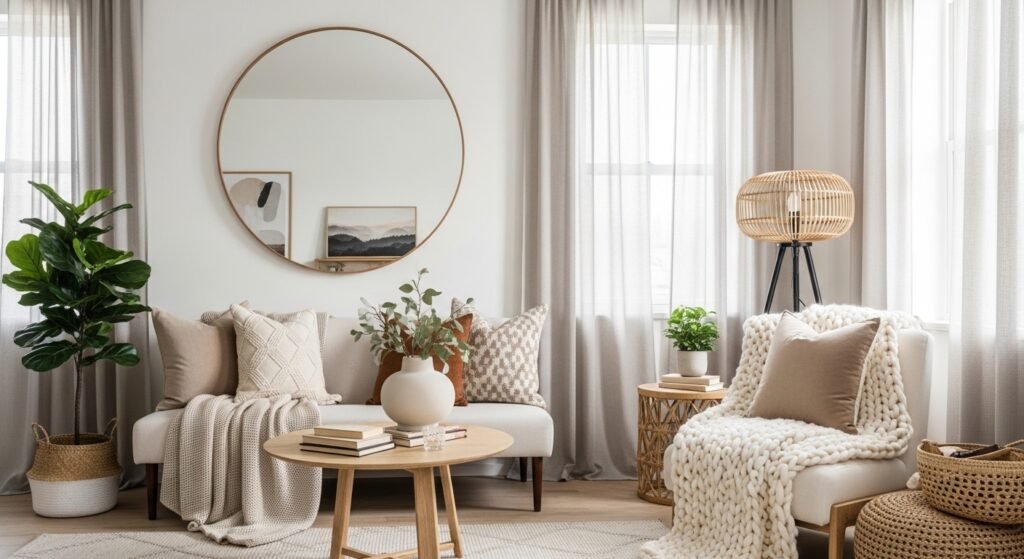
I stared at my tiny sofa for months wondering why the room felt boxed in. Then I hung an oversized mirror, swapped bulky curtains for floor-to-ceiling linen, and suddenly the room breathed. These 23 changes are about scale, light, and clever editing. Most are budget-friendly. I pulled ideas from showrooms, Target runs, and my own trial-and-error. If your living room feels cramped, these practical swaps will make it feel larger and more calm.
This guide leans modern-meets-Scandi with cozy and minimalist touches. Budgets range from thrifty finds under $30 to a few $100 splurges. These ideas work for living rooms, studio apartments, and open-plan dens. I’m following 2026 trends like warm wood tones, mixed metals, and organic textures. Expect layered textiles, smart lighting, and styling that reads curated, not crowded. Most items I recommend are easy to swap seasonally or find at Target, IKEA, or local thrift stores.
What You'll Need to Get This Look
Textiles & Soft Goods:
- Chunky knit throw blanket in cream (~$35-55)
- Linen blend curtains, 84-inch (~$30-50 per panel)
- Velvet pillow covers, set of 4 (~$40-50)
Wall Decor & Art:
- Set of 3 floating shelves, white oak (~$45-70)
- Large round mirror, 36-inch (~$80-120)
Lighting:
- Rattan pendant light shade (~$30-60)
- LED Edison bulbs, warm white (~$15-20)
Plants & Greenery:
- Artificial fiddle leaf fig tree, 6ft (~$60-90)
Budget-Friendly Finds:
- Peel and stick wallpaper panels, neutral (~$20-35)
Similar at Target or HomeGoods for quick swaps.
Layered Neutrals With One Bold Accent Color
Style/Vibe: Modern / Cozy
Budget: $$ (under $100)
Best For: Living room / Studio
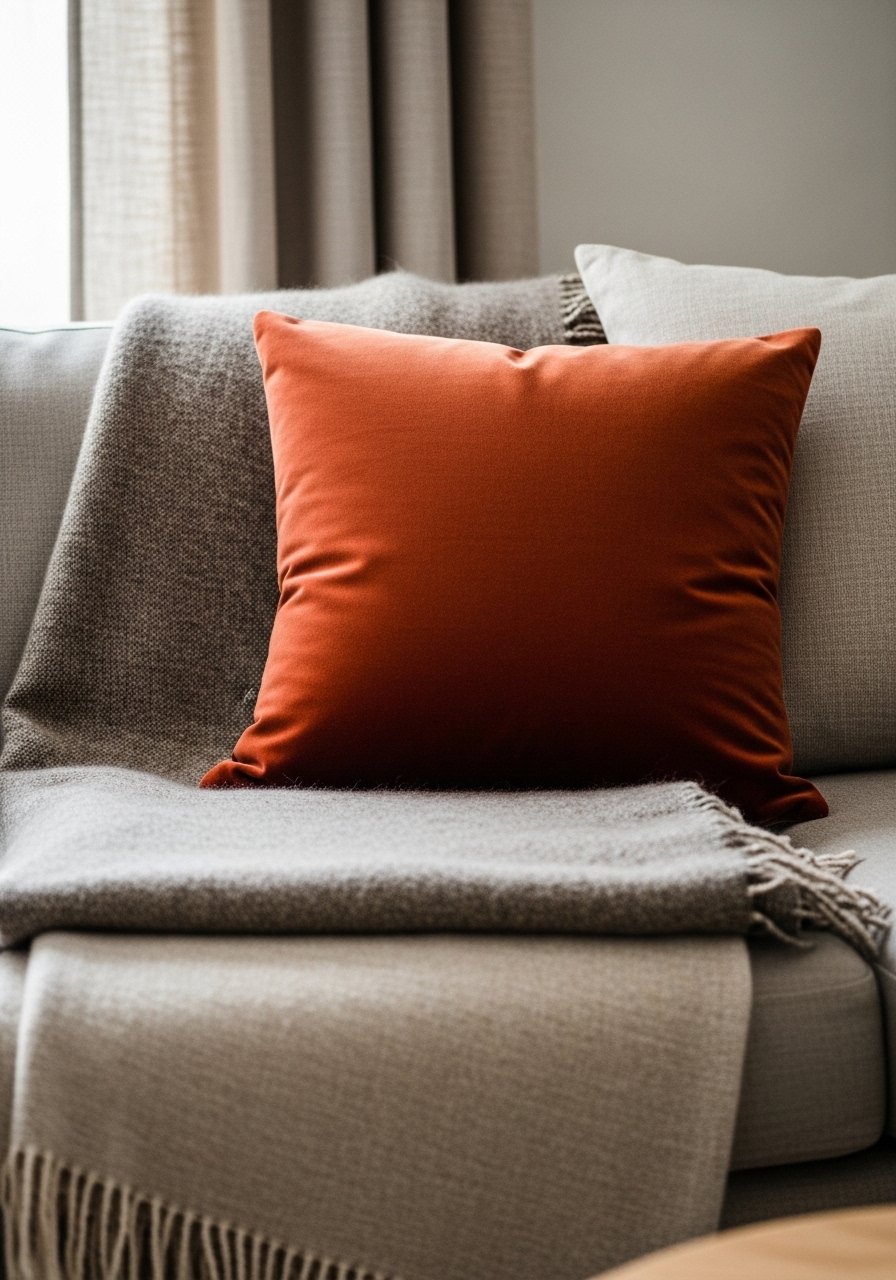
Layered neutrals make a small room feel calm and expansive. I used cream, warm beige, and a single rust pillow to anchor the seating area. I paired linen blend curtains, 84-inch with velvet pillow covers. The rule I follow: 3 neutral tones, one punch color. Avoid too many patterns; it reads busy in small rooms. This setup brightens the space and feels intentionally cozy without clutter.
Floor-to-Ceiling Curtains to Add Height
Style/Vibe: Scandinavian / Minimalist
Budget: $$ (under $100)
Best For: Living room / Rental
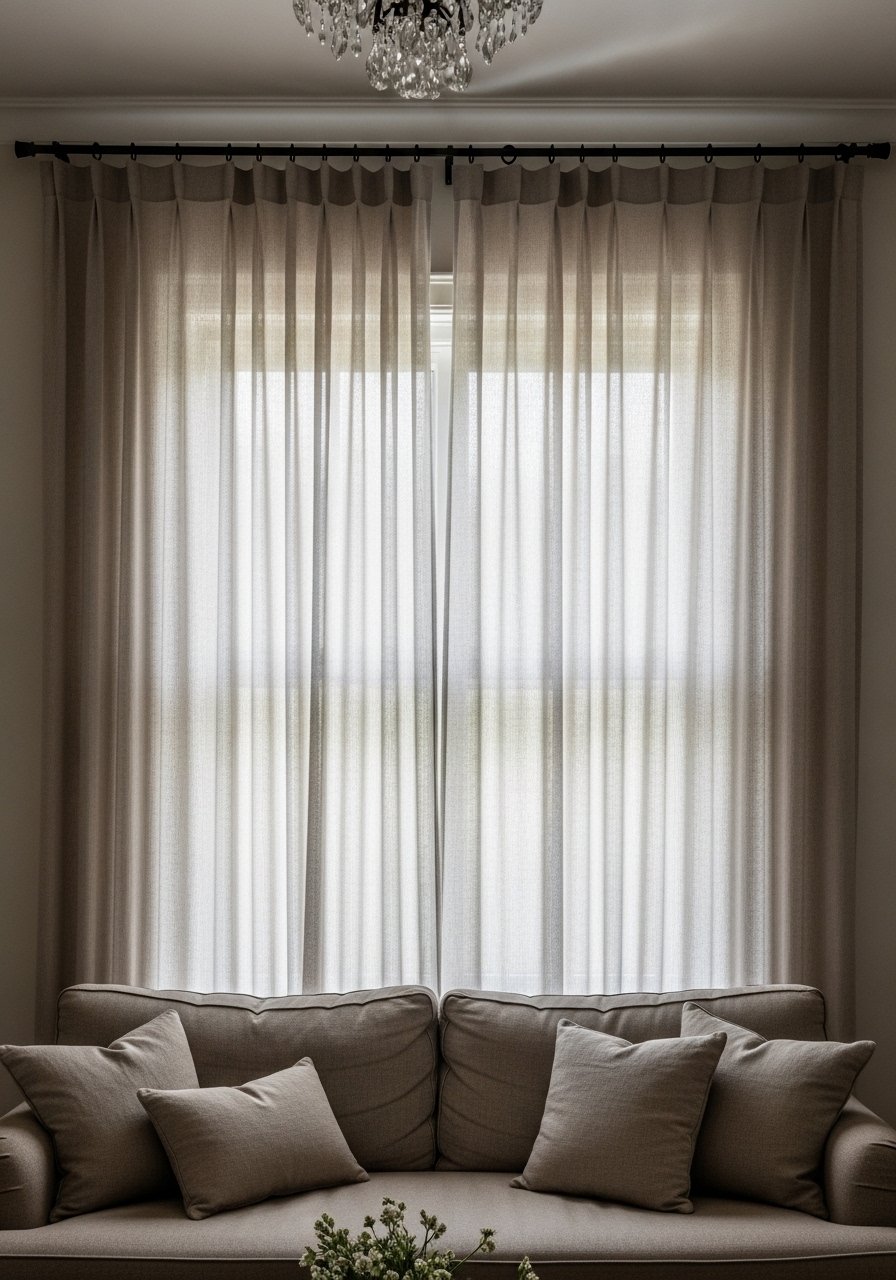
Hanging curtains near the ceiling instantly raises perceived height. I switched to 96-inch panels above my window and the room felt taller overnight. I used neutral linen panels and a slim black rod to keep lines clean. Avoid cutting curtains short; that kills the effect. If you have 8-foot ceilings, 84-inch panels can work if mounted higher than the frame. This trick increases vertical visual space and pairs well with a tall mirror.
Oversized Round Mirror to Brighten Dark Corners
Style/Vibe: Modern / Transitional
Budget: $$$ ($80-150)
Best For: Small living rooms / Entryways
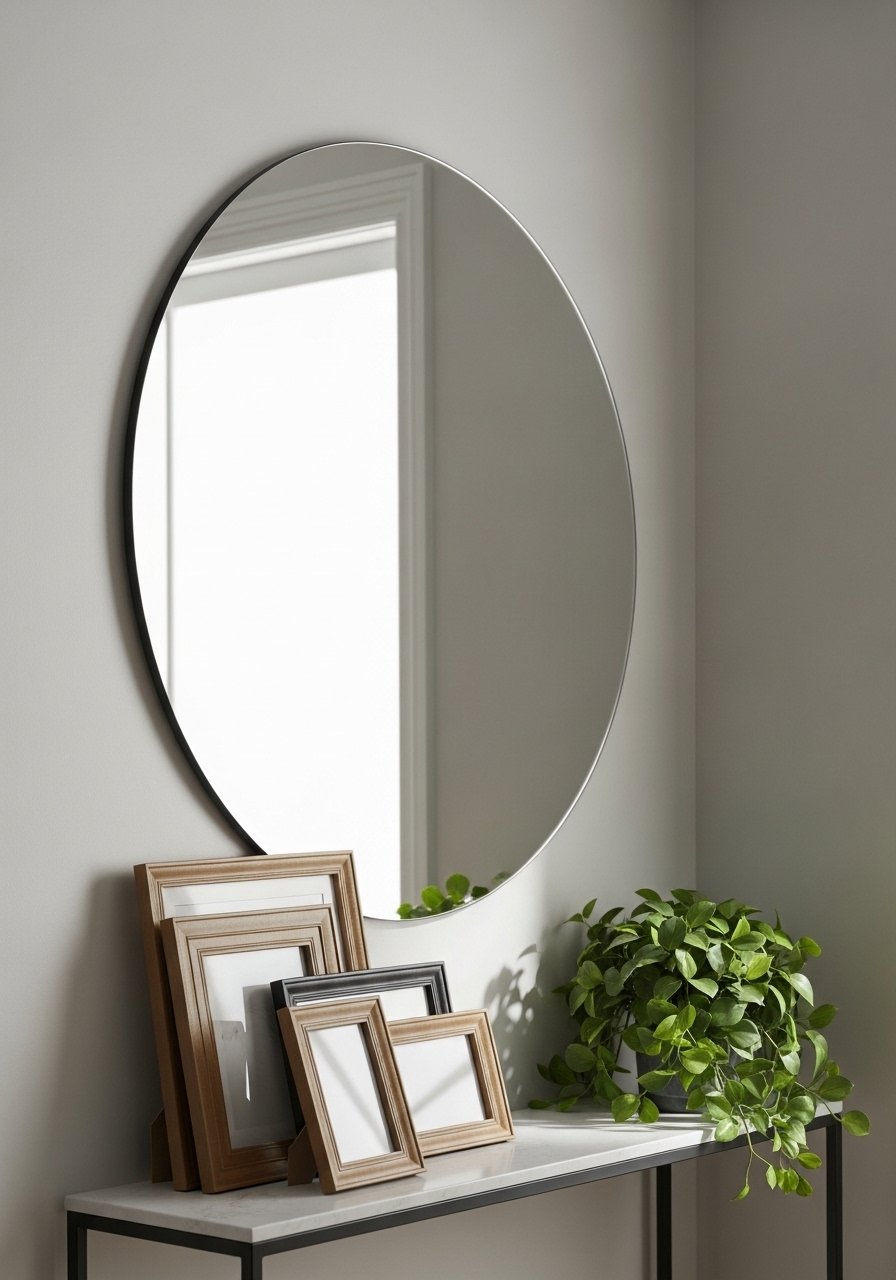
An oversized mirror reflects light and doubles perceived depth. I leaned a 36-inch round mirror behind a slim console to bounce afternoon sun into the seating area. I recommend placing mirrors across from windows for max effect. Avoid tiny, decorative mirrors; they don’t move enough light. Mirrors also create a focal point so you can keep furniture low and airy. This move instantly brightens corners that used to feel closed off.
Low-Profile Sofa With Exposed Legs for Airiness
Style/Vibe: Mid-century / Modern
Budget: $$$ ($200-600)
Best For: Studio apartments / Living rooms
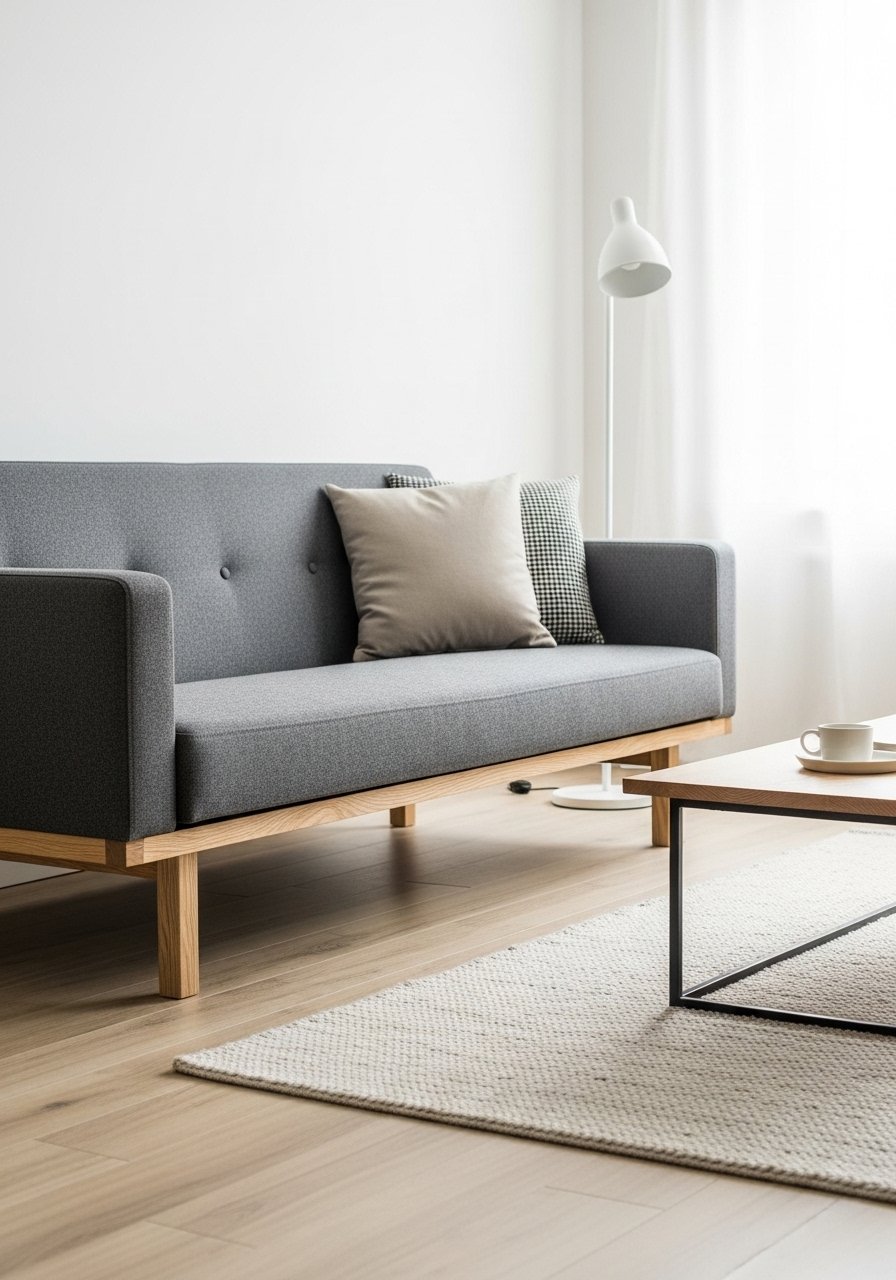
A sofa with exposed legs shows more floor and makes a room feel open. I swapped my deep skirted sofa for a 30-inch high piece with white oak legs and the space looked larger. Keep back cushions slim and avoid oversized armrests. I paired it with a narrow coffee table to maintain walkways. The common mistake is choosing a too-deep seat; in small rooms, keep depth under 36 inches to preserve circulation and sightlines.
Slim Floating TV Console to Free Floor Space
Style/Vibe: Modern / Minimalist
Budget: $$ (under $150)
Best For: Living rooms / Media corners
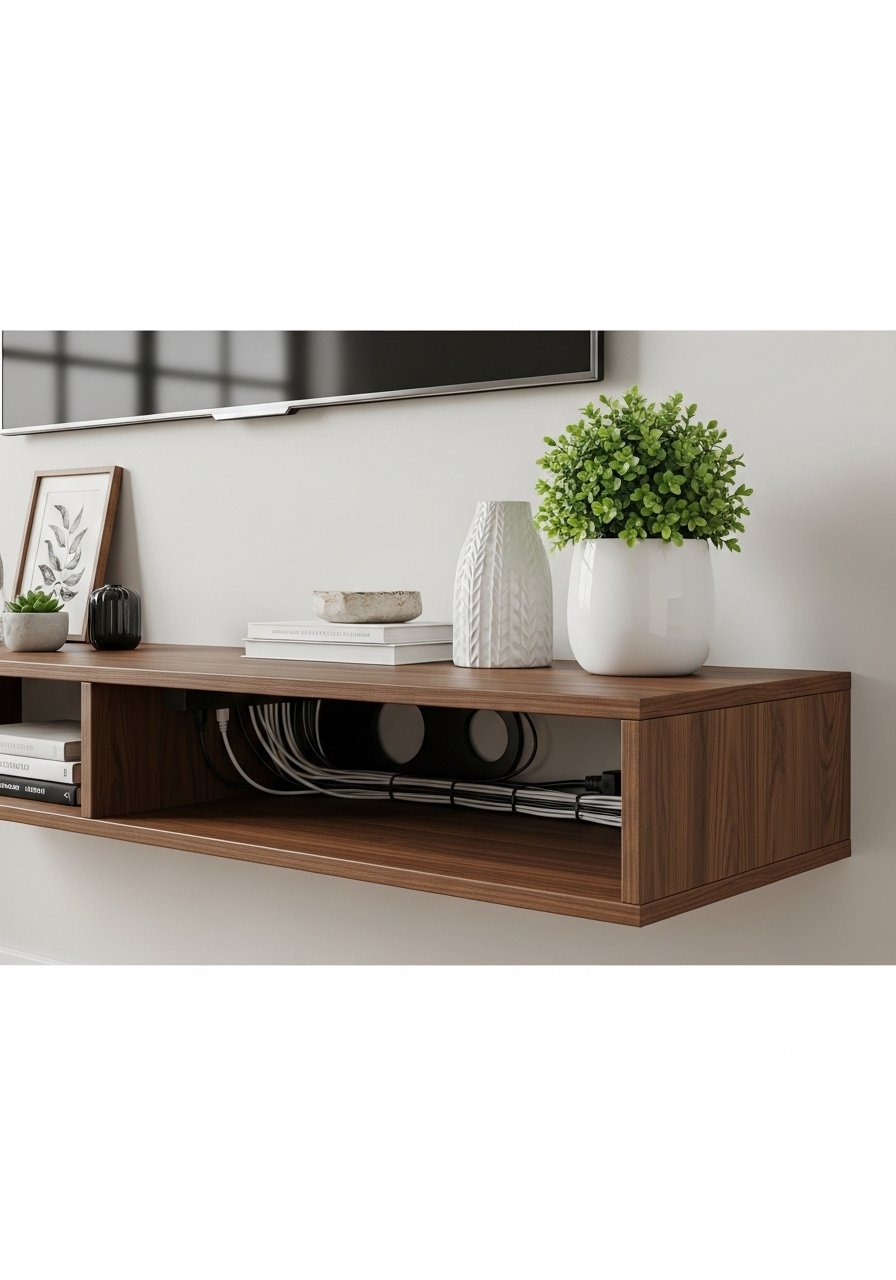
Floating consoles clear the floor visually. I mounted a white oak floating console under my TV so the rug and floor continue uninterrupted. It hides cords and keeps the area tidy. Avoid bulky cabinets that block sightlines. Choose a unit no deeper than 14 inches in tight rooms. The result is cleaner flow and more visible floor area, which tricks the eye into thinking the room is bigger.
Built-In-Look Shelving Without the Commitment
Style/Vibe: Modern Farmhouse / Transitional
Budget: $$ (under $200)
Best For: Living room / Nooks
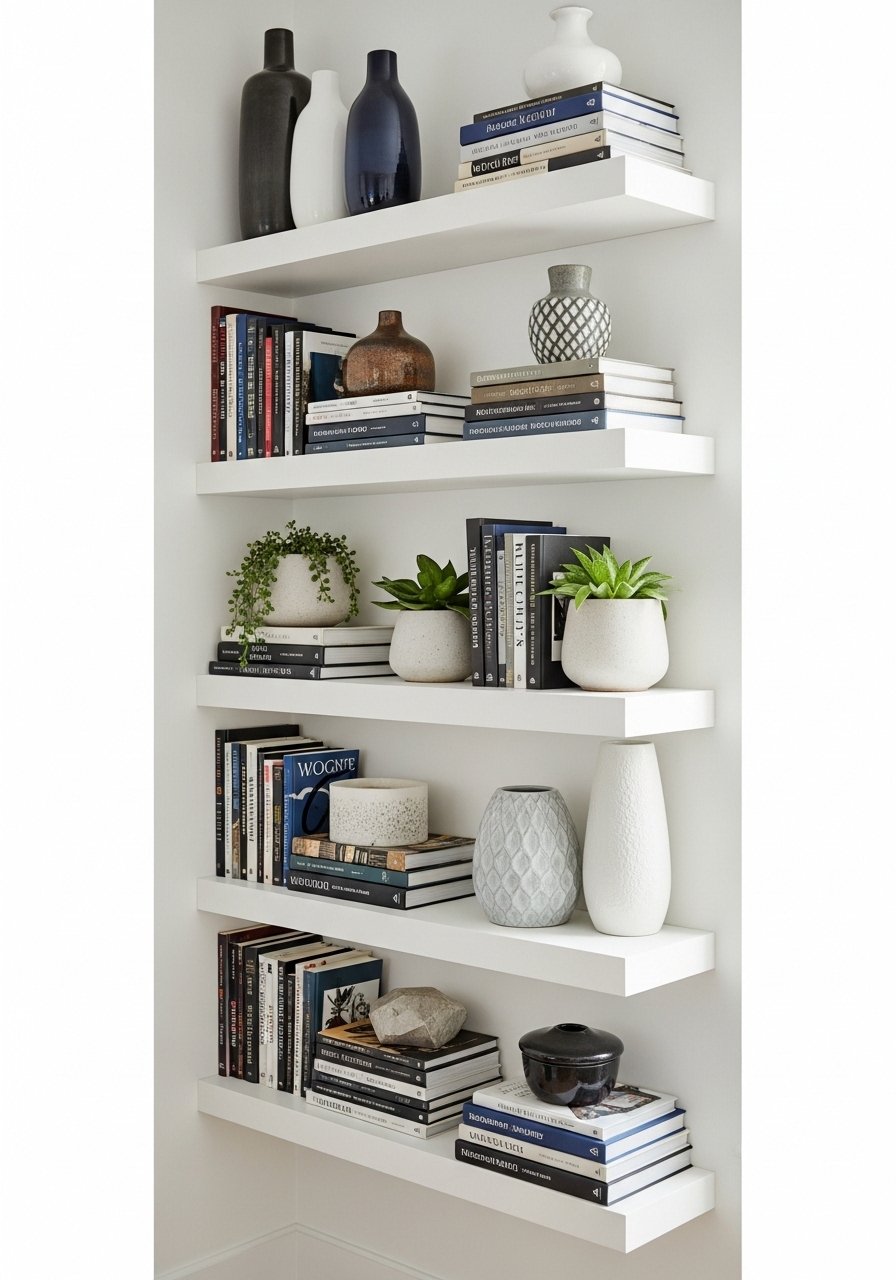
Vertical floating shelves give a built-in feel without construction. I staggered three white oak shelves up a narrow wall to draw the eye upward. Style in odd numbers and vary heights for interest. The big mistake is over-styling; leave breathing room between objects. These shelves display tasteful decor and make an awkward wall feel intentional, enhancing vertical rhythm and perceived ceiling height.
Glass Coffee Table to Keep Sightlines Open
Style/Vibe: Modern / Minimalist
Budget: $$ (under $150)
Best For: Small living rooms / Glass-forward spaces
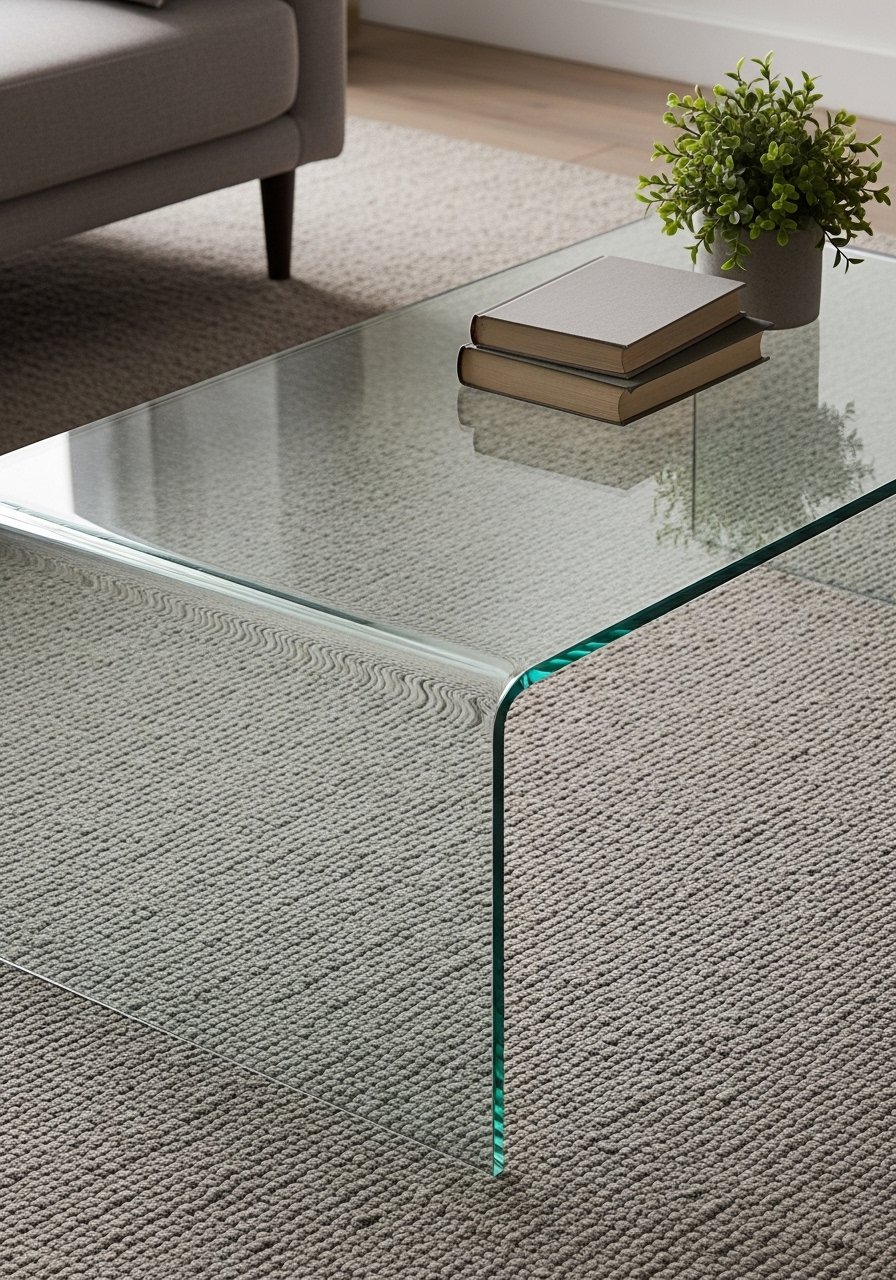
A glass table keeps the floor visible and reduces visual bulk. I replaced a chunky wooden table with a tempered glass oval and the room felt twice the size. Glass suits minimalist and modern rooms best. Beware of tiny decor piles — they show up more on glass. Use a single tray and one sculptural object. This keeps a functional surface while preserving openness and natural light flow.
Neutral Rug With Layered Texture to Ground the Space
Style/Vibe: Scandinavian / Cozy
Budget: $$ (under $150)
Best For: Living room / Open plan
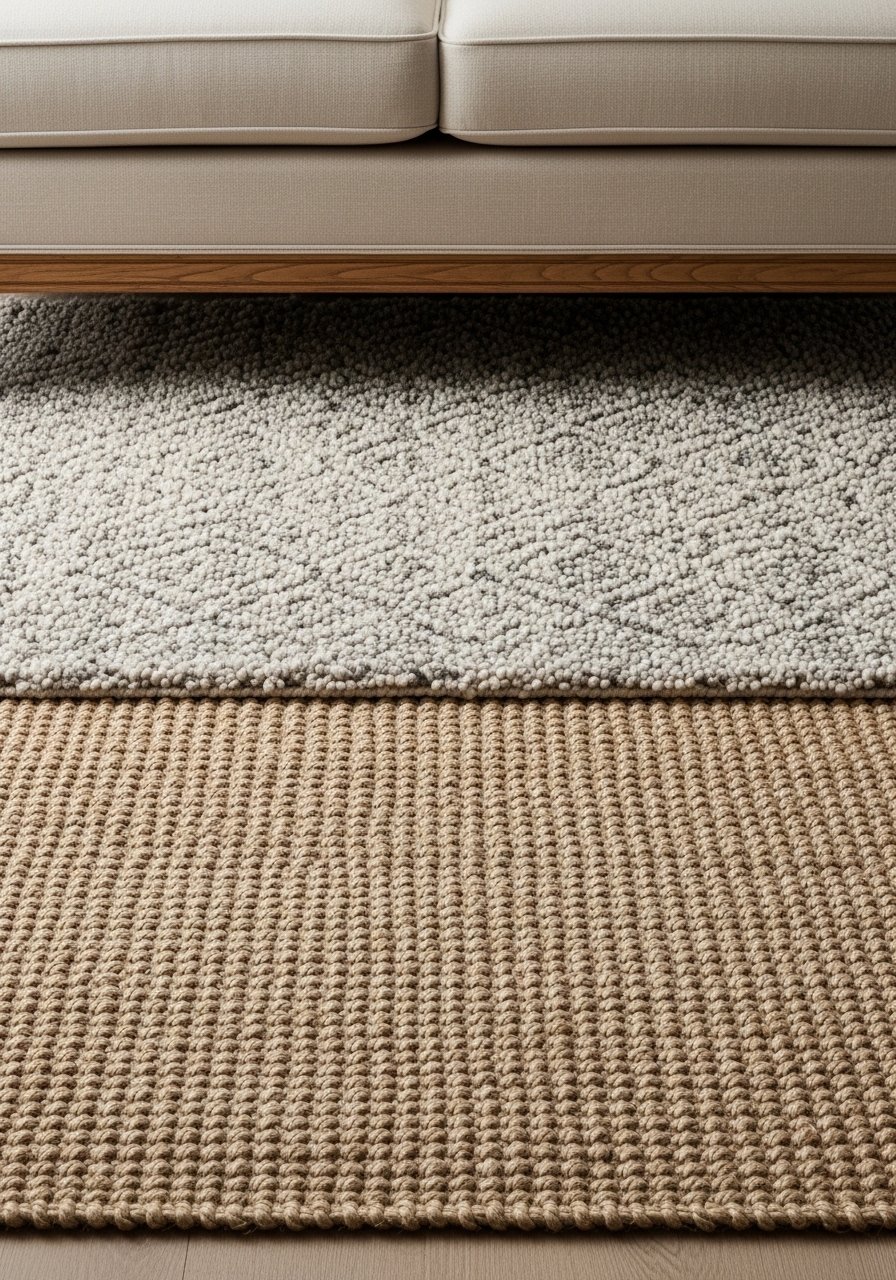
Layering a jute rug with a soft wool runner adds warmth without shrinking the room. I layered an 8×10 jute base with a 5×7 patterned wool rug to define the seating zone. Keep the outer rug neutral and the inner one slightly darker for depth. Avoid tiny rugs that float in the middle; they fragment space. This combo grounds furniture while keeping edges visible, which makes the layout read larger and more deliberate.
Slim Armchairs Instead of a Sectional for Flexibility
Style/Vibe: Mid-century / Modern
Budget: $$ (under $300 each)
Best For: Living rooms / Multi-use spaces
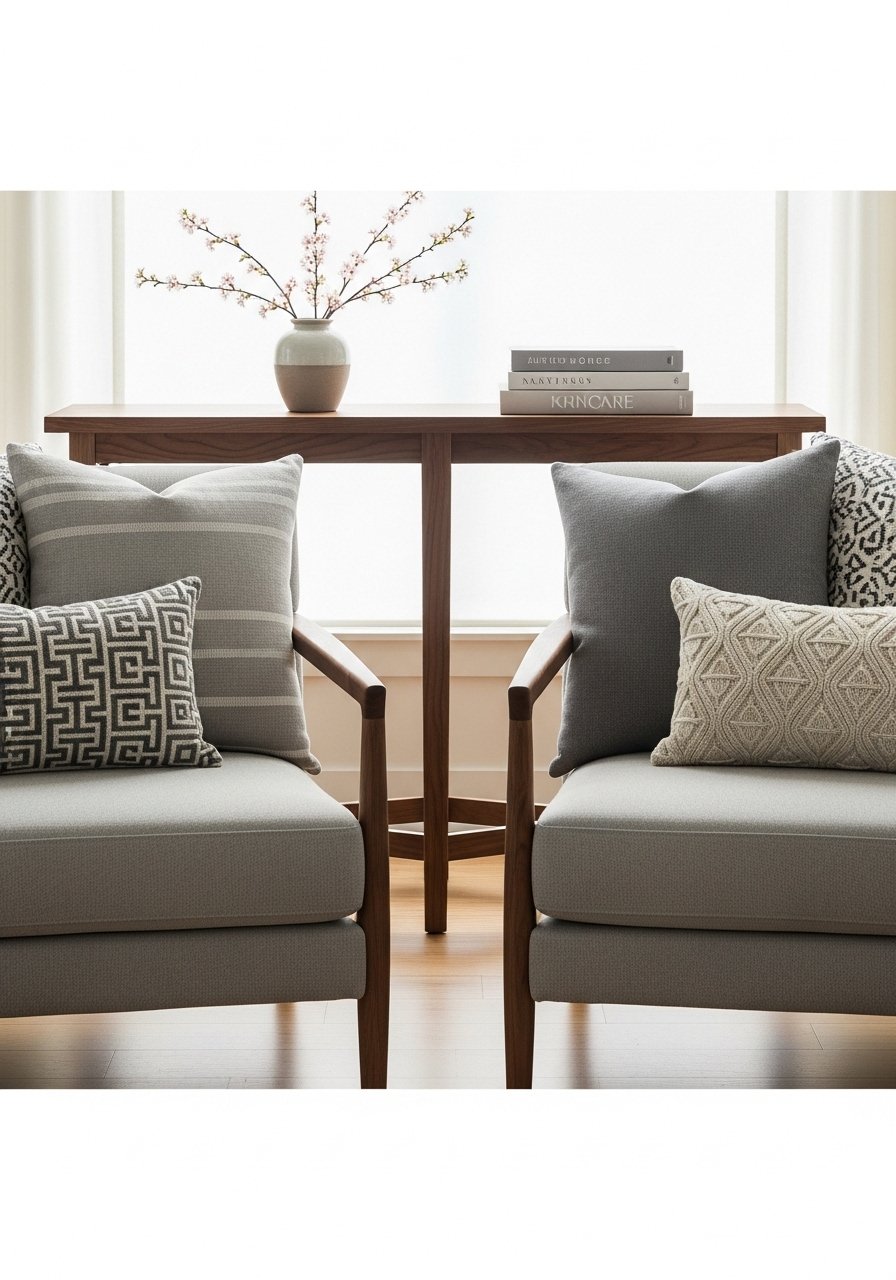
I ditched a bulky sectional for two slim armchairs and a loveseat. The seating arrangement breathes and allows multiple walk paths. Choose chairs with exposed legs and lower arms. Don’t push everything against the walls; pulling furniture a few inches away creates depth. The mistake is forcing a sectional into a narrow room — it blocks flow. This flexible setup makes the room adaptable for guests and keeps sightlines open.
Use Mirrors as Art for Decorative Depth
Style/Vibe: Transitional / Modern
Budget: $$ (under $150)
Best For: Living room / Hallways
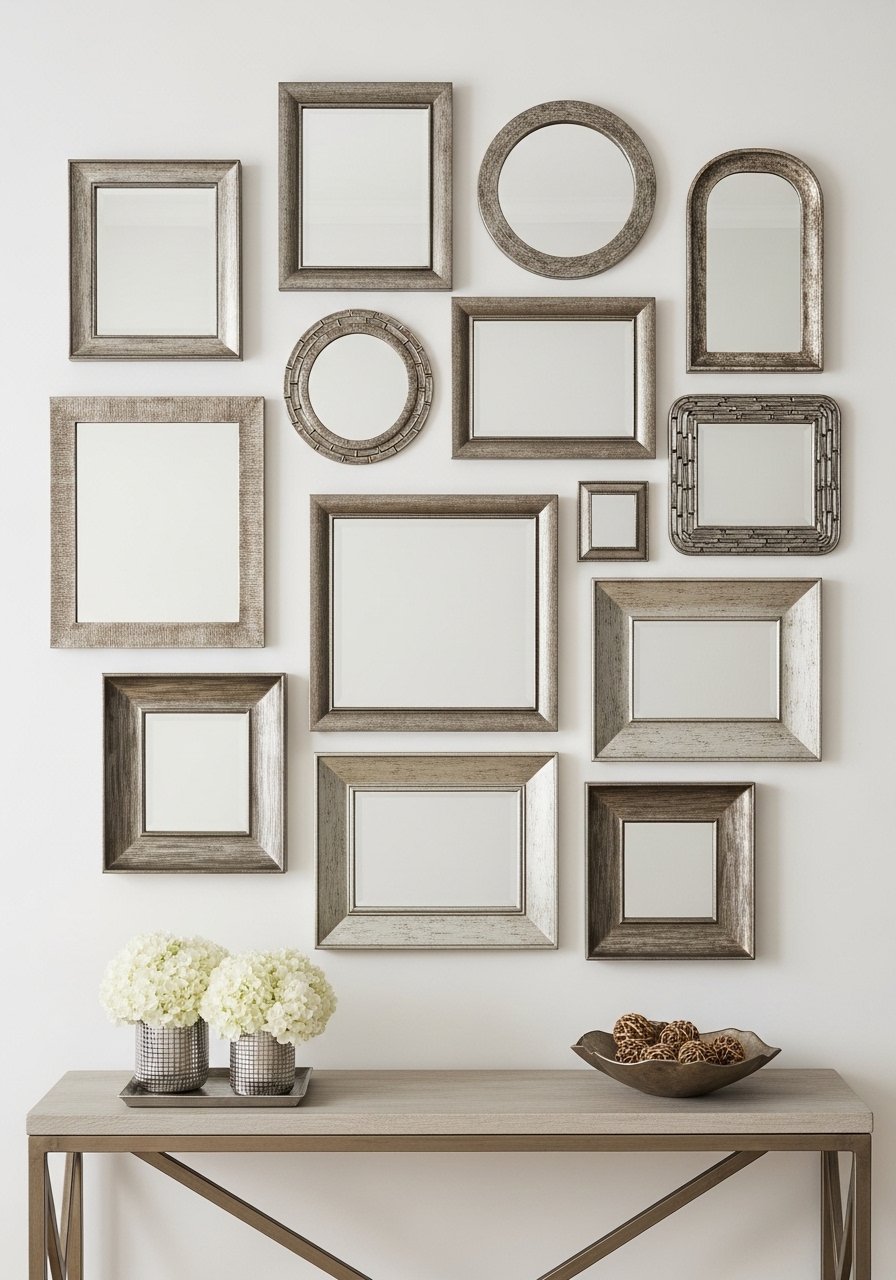
Mirrors arranged like art add personality and depth. I grouped three mismatched round mirrors above my console for visual interest and extra light. Stick to a cohesive color palette for frames to avoid chaos. The common error is mixing too many styles — aim for a dominant metal or wood tone. This trick brightens a wall and gives the room perceived expansiveness without sacrificing style.
Thin-Legged Coffee Table for a Lighter Look
Style/Vibe: Modern / Mid-century
Budget: $$ (under $150)
Best For: Small living rooms / Minimalist setups
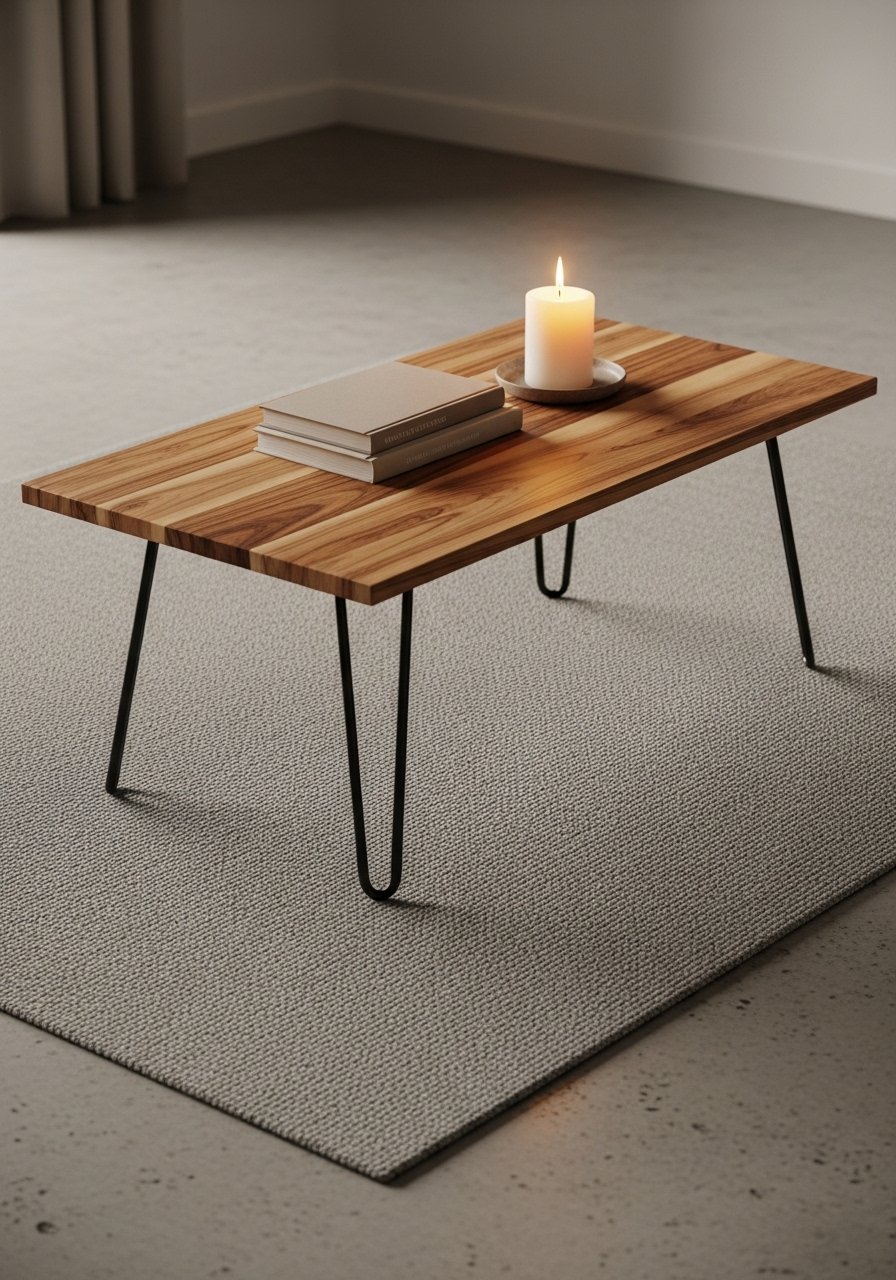
Thin legs create airy furniture profiles. I picked a coffee table with slim metal legs and a round top to keep the center open. This subtle change reveals more floor and keeps the room feeling light. Avoid pedestal bases or thick plinths that anchor the center too heavily. This table style works with layered rugs and low sofas, giving a modern feel without closing in the space.
Hidden Storage Ottoman for Clutter Control
Style/Vibe: Cozy / Practical
Budget: $ (under $100)
Best For: Living room / Multifunctional spaces
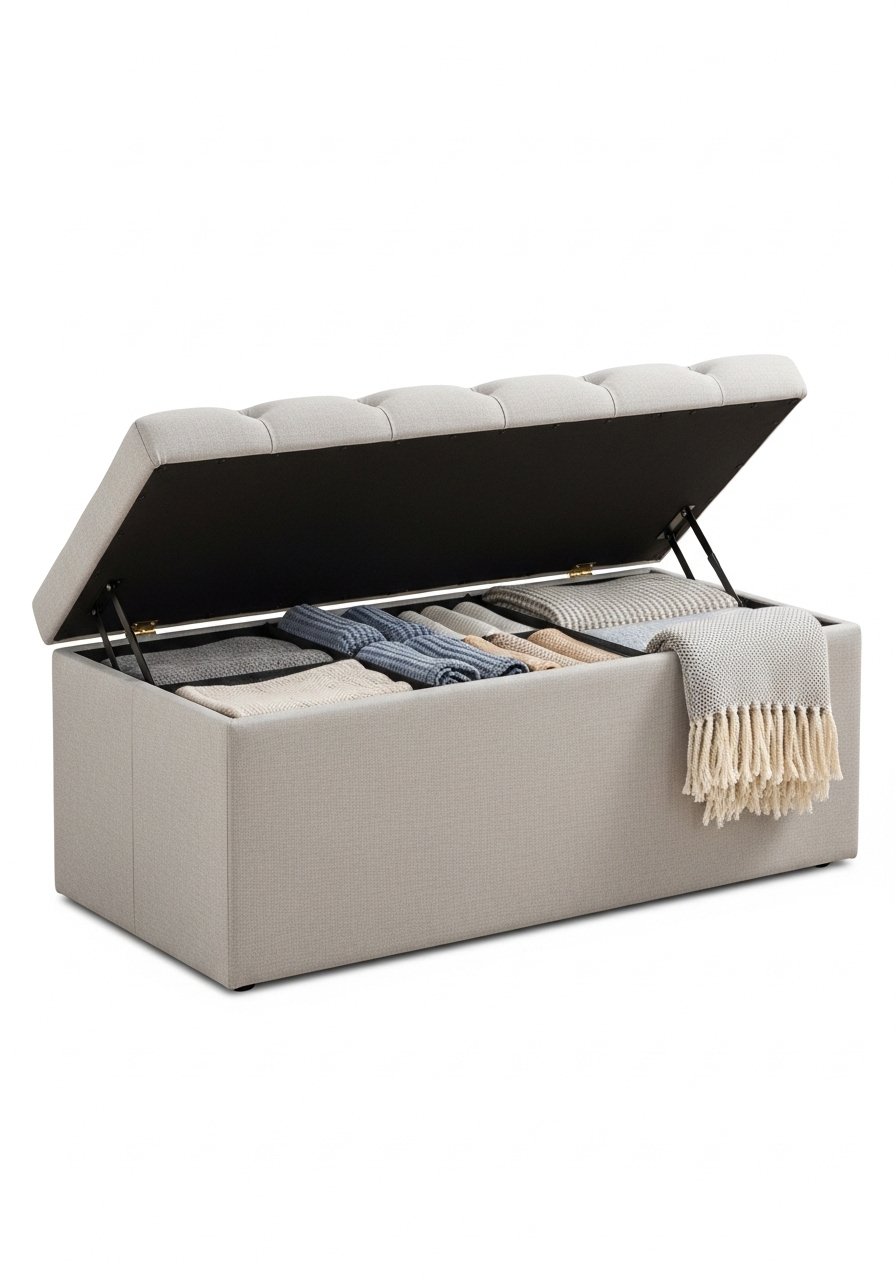
Clutter shrinks a room faster than anything. I use a hidden storage ottoman to tuck away throws and magazines. It doubles as extra seating and a casual coffee surface with a tray on top. The mistake is choosing an ottoman that’s too tall; it should align with sofa seat height. This keeps surfaces clean and makes small living rooms feel calmer and more spacious.
Vertical Stripes With Subtle Paneling to Add Height
Style/Vibe: Modern Farmhouse / Transitional
Budget: $$ (under $150)
Best For: Living room / Accent walls
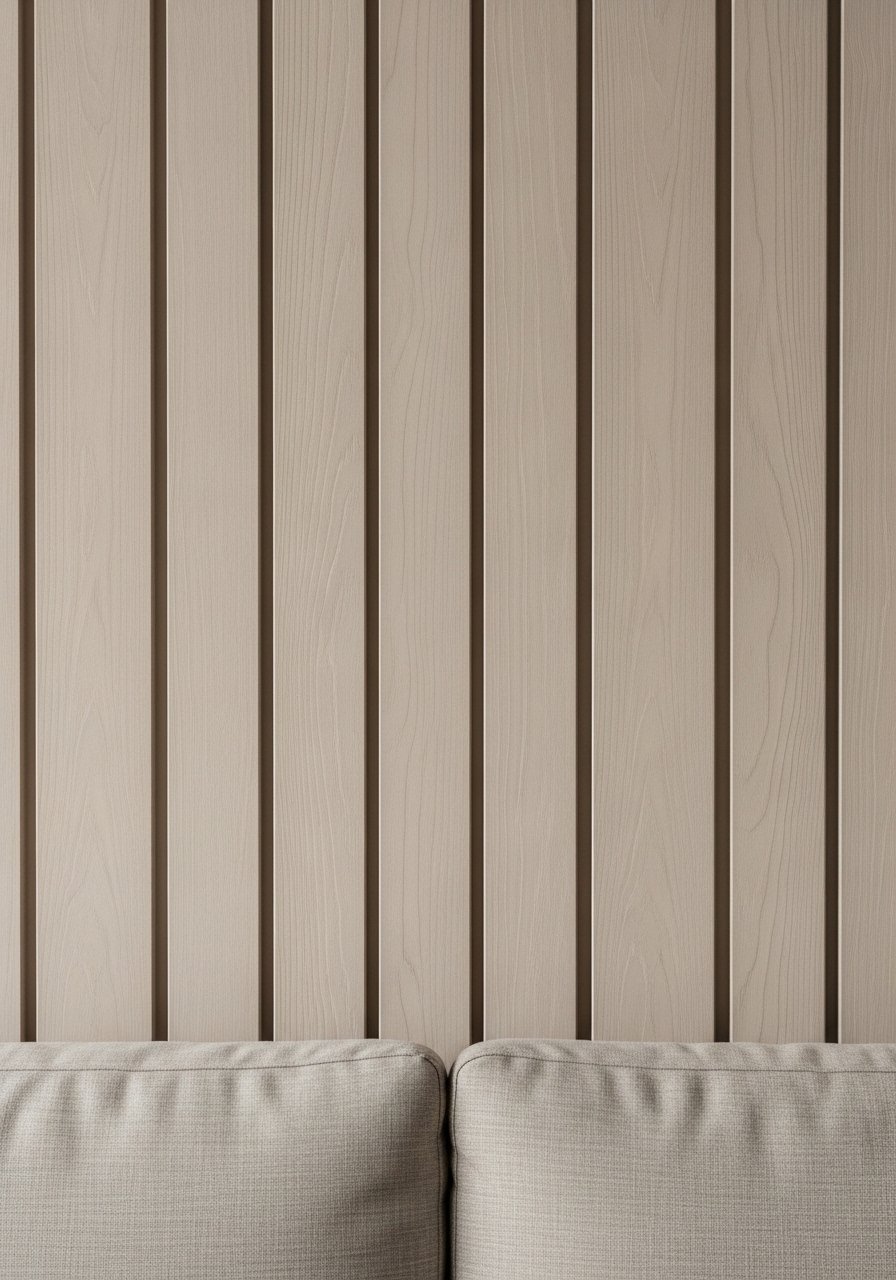
I added narrow vertical paneling behind my sofa and painted it a soft beige. The vertical lines draw the eye up, making ceilings read higher. Keep the color close to the wall hue so it doesn’t feel busy. Avoid contrasting bold stripes; they can make a room feel boxed. This under-covered trick competitors miss — it’s subtle, inexpensive, and creates architectural interest without heavy renovation.
Multi-Functional Furniture for Tight Layouts
Style/Vibe: Minimalist / Scandinavian
Budget: $$-$$$
Best For: Studio apartments / Open plan
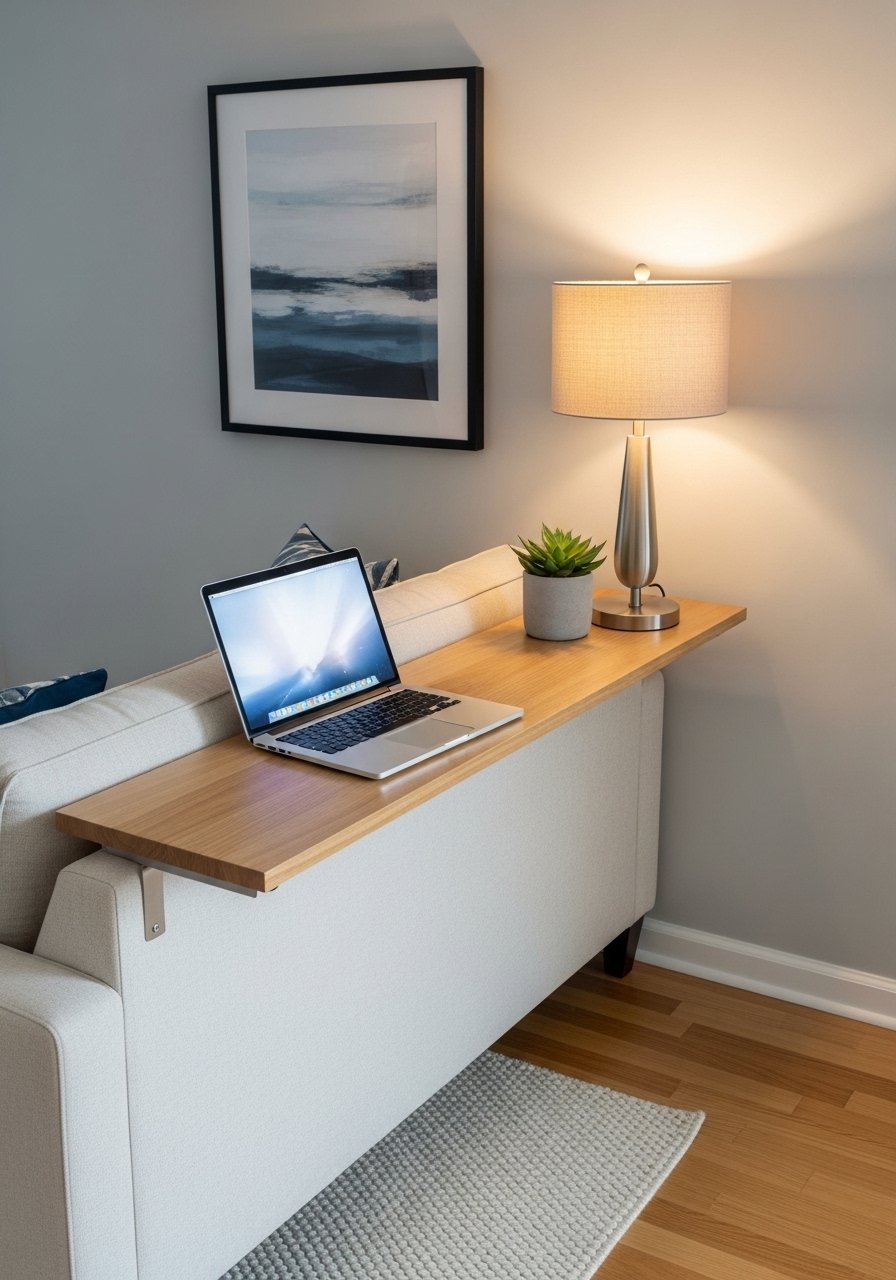
Multi-functional pieces save space and add purpose. I use a narrow console behind my sofa as a desk and bar cart. Choose items with slim profiles that can tuck against a wall. Mistake to avoid: picking furniture that tries to do everything but does none of it well. When pieces have dual uses, they reduce clutter and keep the room flexible for work, dining, or lounging.
Scale Down Art With a Large Matte to Create Impact
Style/Vibe: Modern / Transitional
Budget: $ (under $100)
Best For: Living room / Gallery walls
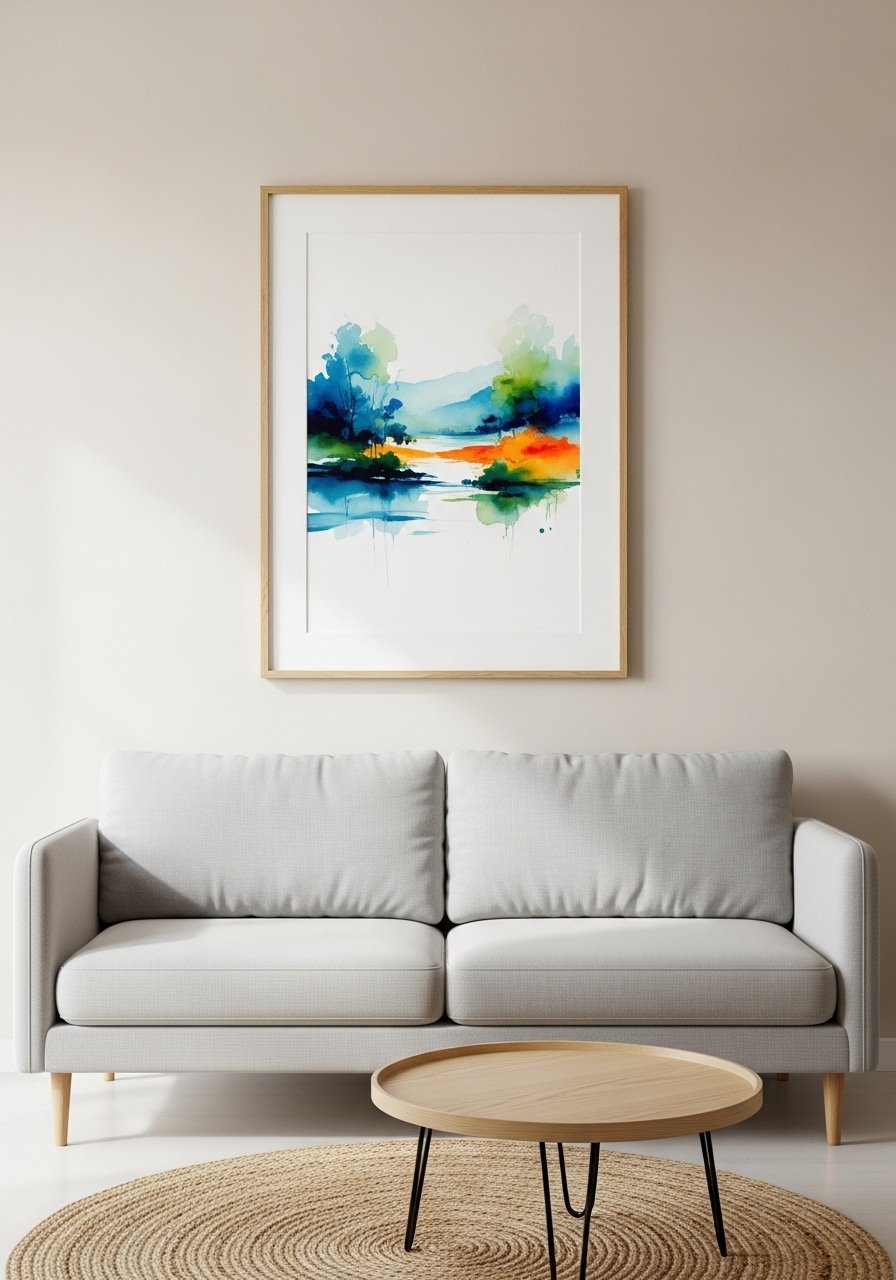
Small art can read large with a big mat and clean frame. I reframed a 9×12 print into an 18×24 frame with a wide white mat and it suddenly felt intentional. This sizing trick creates breathing room on a wall without adding bulk. Common mistake: using tiny frames with no mat — they disappear. A single matted piece anchors a wall and keeps the gallery feeling curated rather than cluttered.
Light Wood Tones Instead of Dark for More Air
Style/Vibe: Scandinavian / Modern
Budget: $$ (under $300)
Best For: Living rooms / Coastal styles
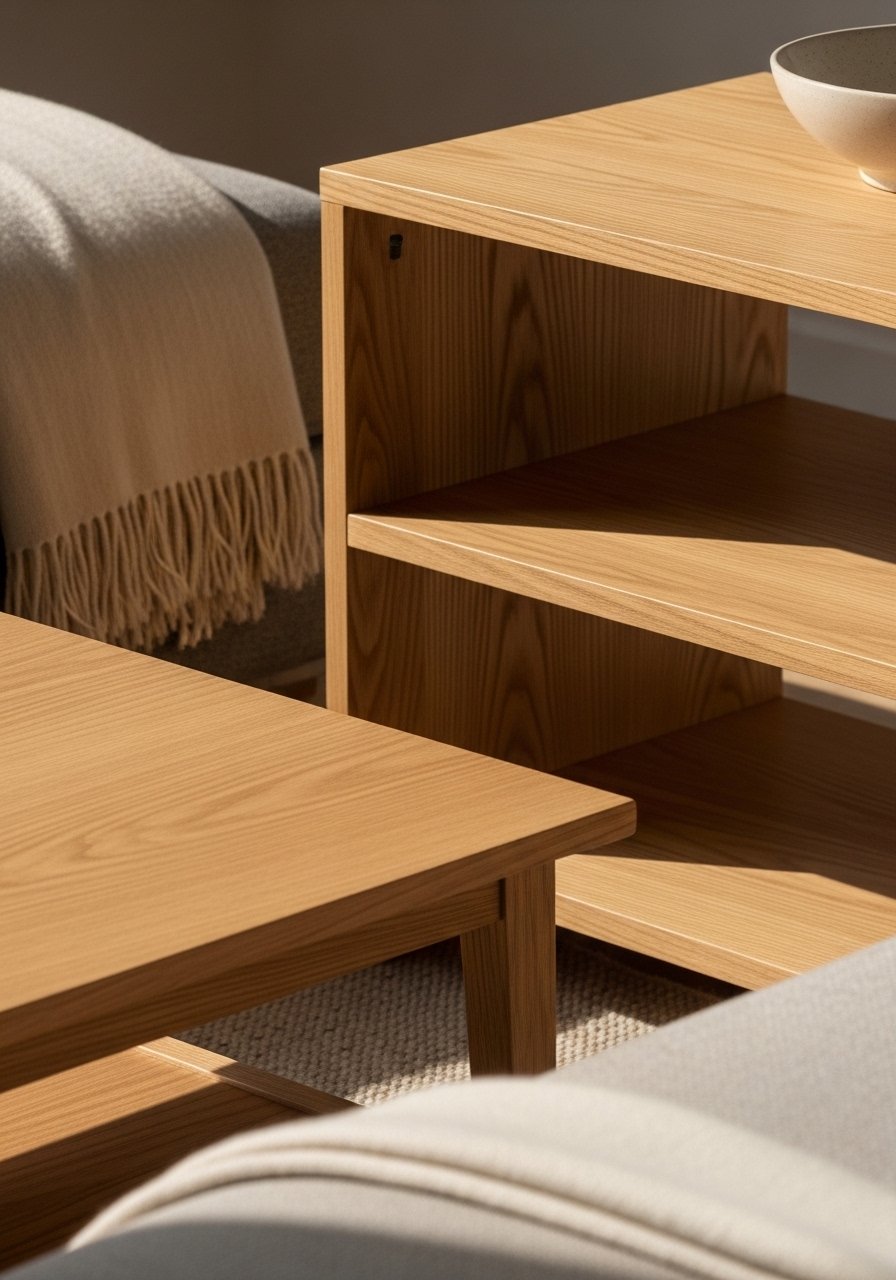
I swapped dark walnut pieces for white oak and the room felt brighter and more open. Light woods reflect warmth and pair well with warm neutrals and greenery. Avoid mixing too many dark finishes in a small room; they visually weigh it down. White oak floating shelves and a slim coffee table keep the palette airy and modern, a 2026 trend I’m seeing in every showroom visit.
Sculptural Lighting to Create Vertical Interest
Style/Vibe: Modern / Contemporary
Budget: $$-$$$
Best For: Living rooms / Reading nooks
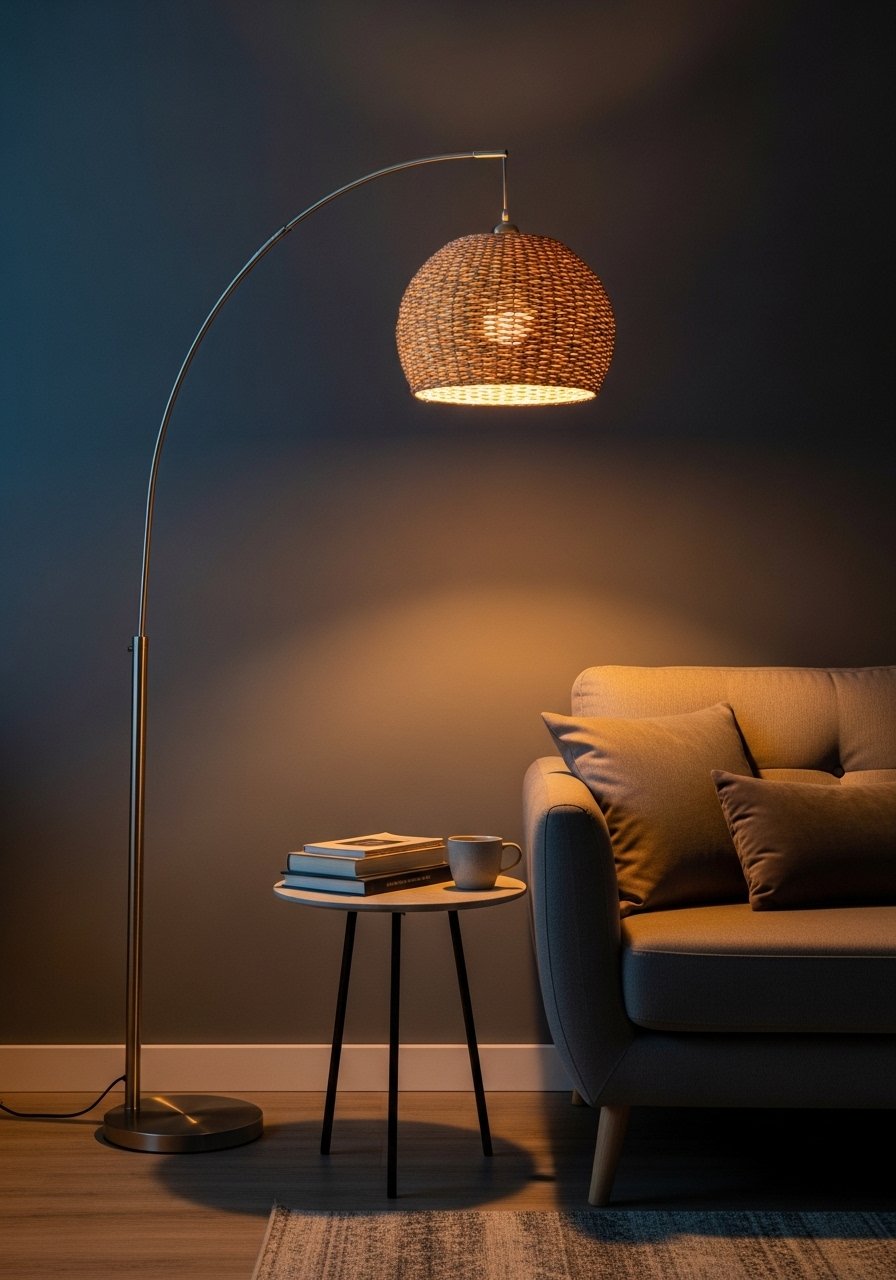
Sculptural lighting draws the eye up and layers light. I added an arcing floor lamp with a rattan shade to my corner and the vertical curve added drama without crowding. Avoid overly ornate fixtures that compete with small spaces. Choose slim profiles and warm LED bulbs. This adds function and a design focal point while keeping the room feeling open.
Open-Back Shelves to Keep Sightlines Flowing
Style/Vibe: Industrial / Modern
Budget: $$ (under $200)
Best For: Loft-style living rooms / Small apartments
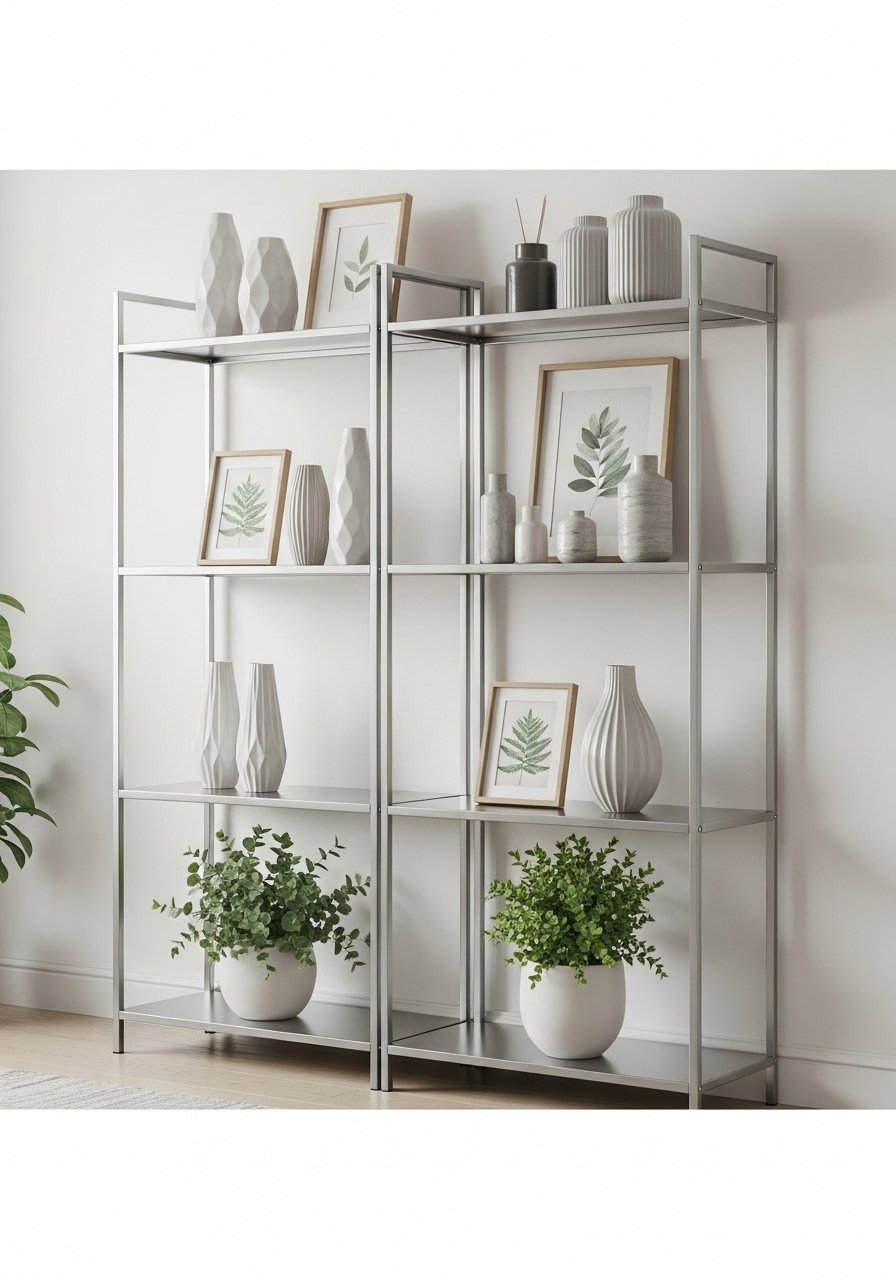
Open-back shelving shows wall color through the unit, keeping the room from feeling boxed. I use black metal open shelves for books and pottery. Don’t overcrowd the shelves; negative space is crucial. Closed cabinetry can feel heavy in small rooms. This approach offers storage while preserving wall continuity and depth.
Narrow Console Tables to Separate Zones
Style/Vibe: Transitional / Modern
Budget: $ (under $150)
Best For: Open plan / Studio apartments
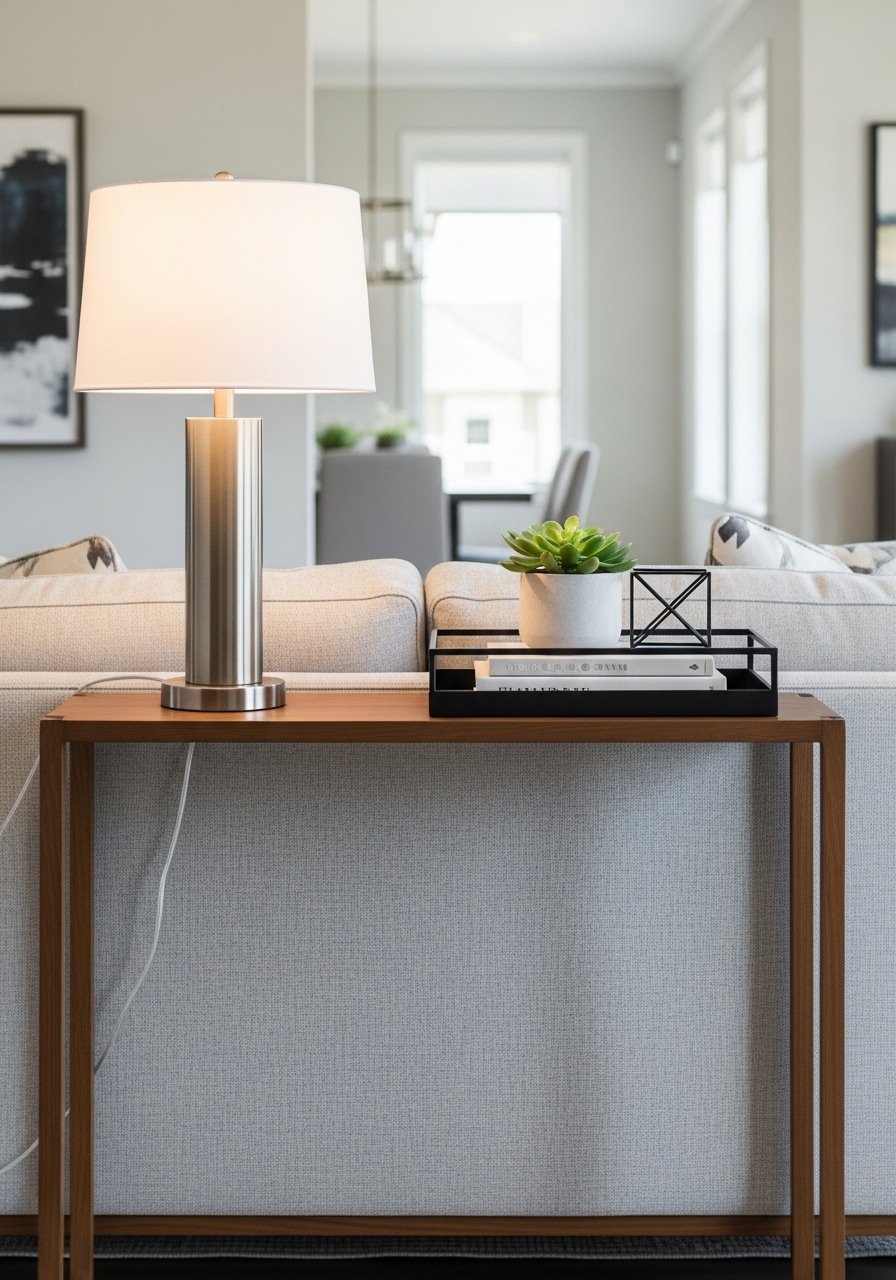
A slim console behind a sofa defines zones without blocking flow. I keep mine 10 inches deep to hold keys, a lamp, and a few books. Avoid wide consoles that become visual barriers. This trick creates separation in open layouts and provides a surface without sacrificing walking space or making the living room feel smaller.
Neutral Peel-and-Stick Accent Wall for Depth
Style/Vibe: Modern Farmhouse / Boho
Budget: $ (under $50)
Best For: Rentals / Accent corners
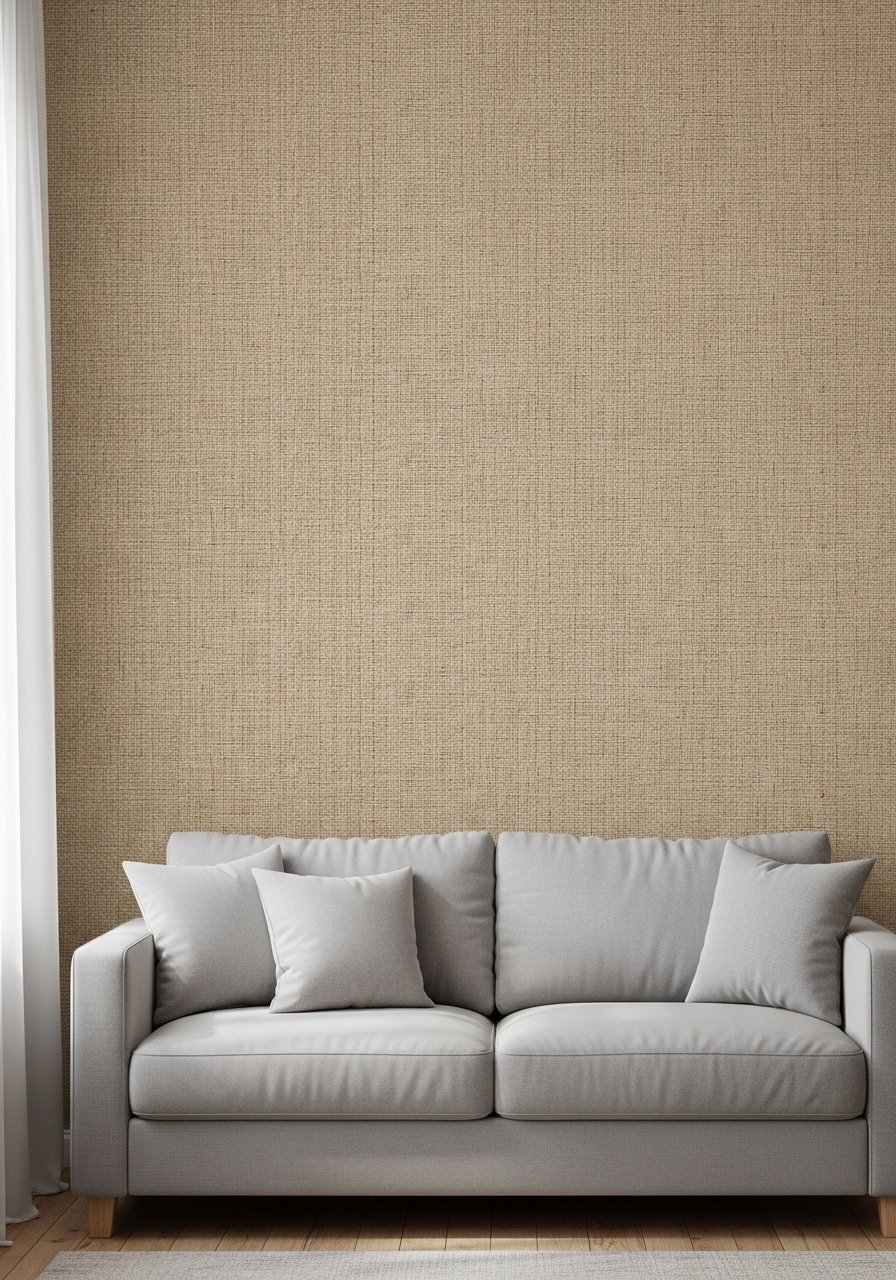
Peel-and-stick wallpaper adds depth without commitment. I used a linen-texture panel behind my sofa for warmth and tactile interest. Choose neutral tones so the pattern doesn’t shrink the room. The mistake is picking a busy print; it can make small rooms feel chaotic. This inexpensive update is renter-friendly and gives the wall the illusion of dimension.
Curated Minimal Bookshelves to Avoid Clutter
Style/Vibe: Minimalist / Scandinavian
Budget: $ (under $150)
Best For: Living room / Study corners
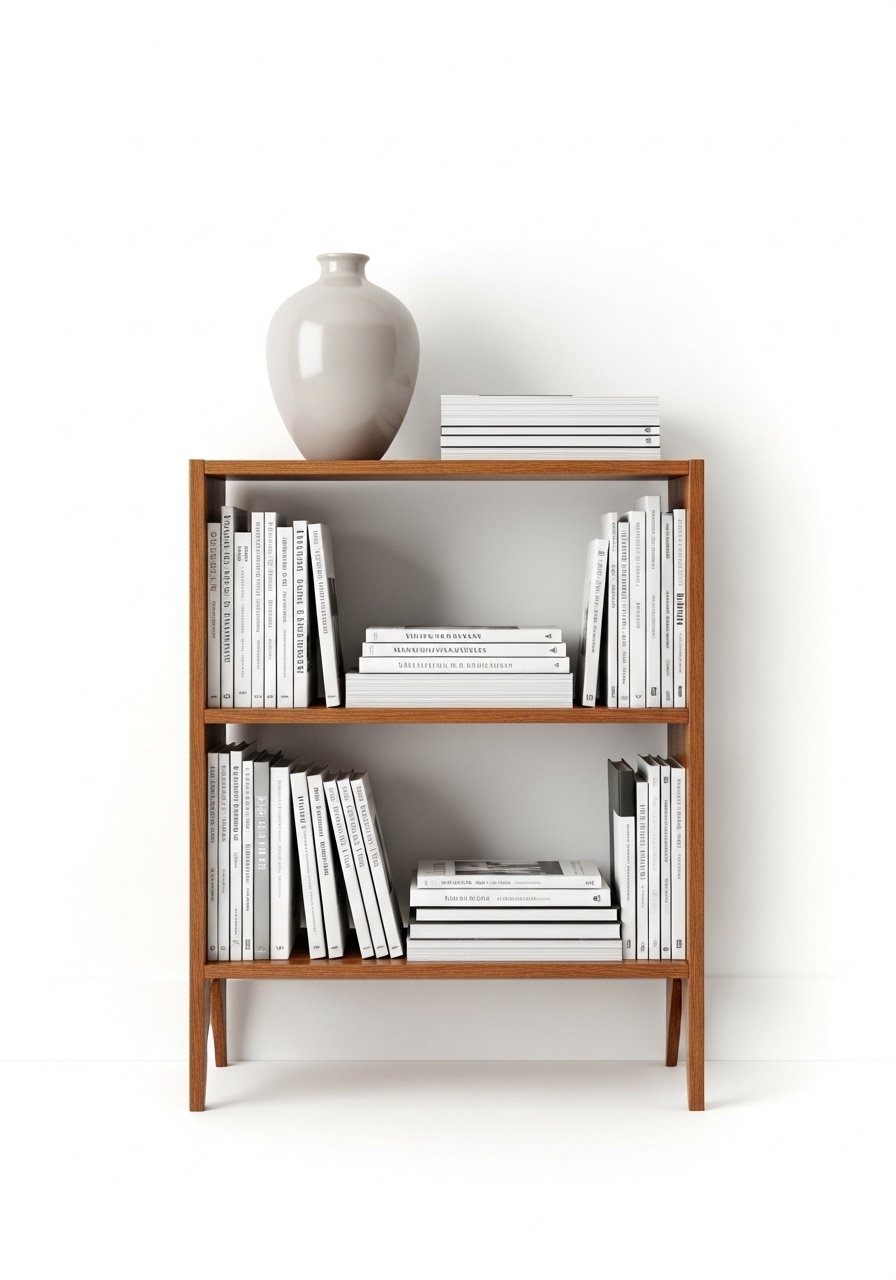
Bookshelves can shrink a room when overfilled. I style mine with horizontal stacks, a few vertical books, and decorative objects in odd numbers. Keep at least 30% empty shelf space. Avoid lining every shelf with books. Curated styling looks intentional and keeps the wall from feeling heavy, which preserves the airy feel in a small living room.
Reflective Metallic Accents to Add Light
Style/Vibe: Modern Glam / Transitional
Budget: $ (under $100)
Best For: Living rooms / Accent pieces
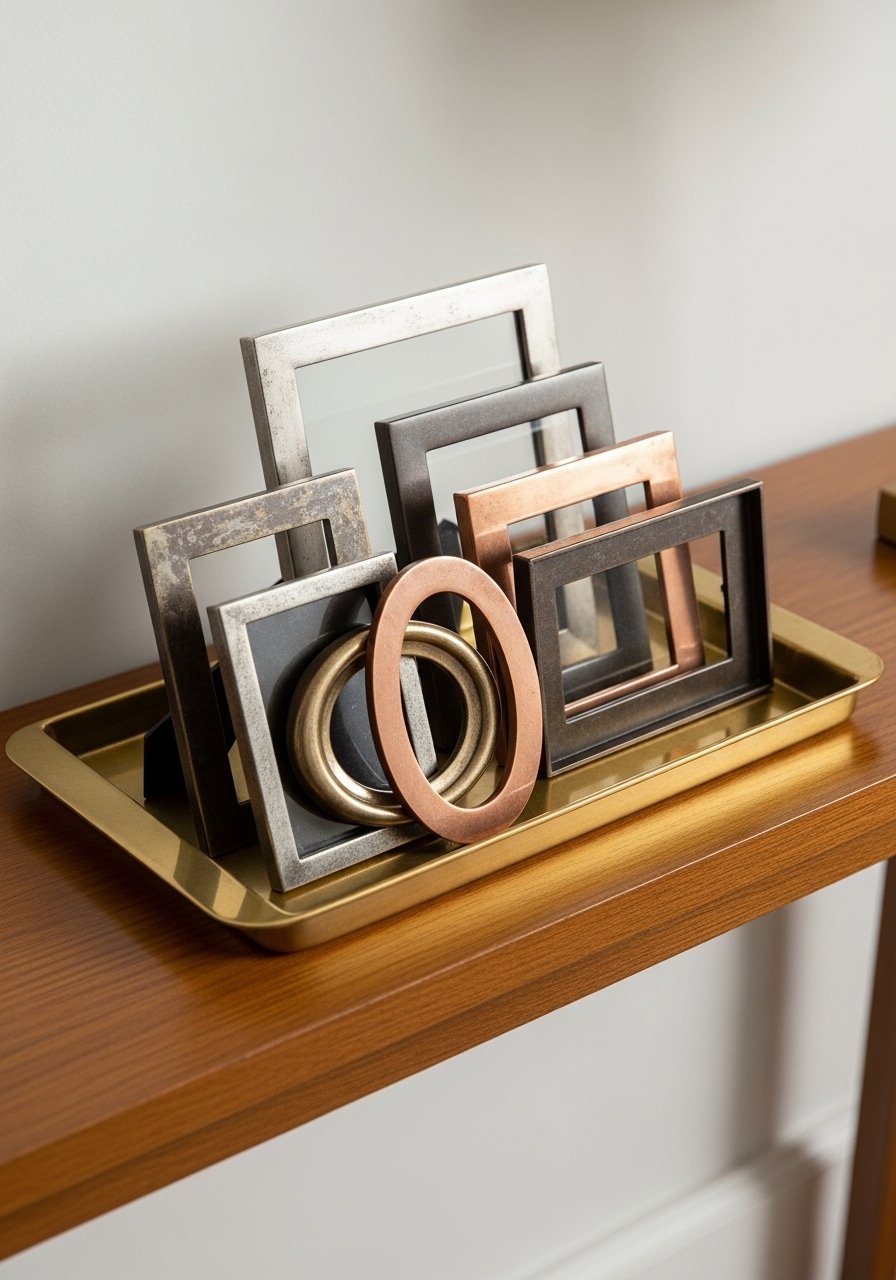
A few reflective accents—brass lamp base or a chrome tray—bounce light and add polish. I use one brass lamp and mixed-metal picture frames to keep it balanced. Avoid overusing shiny metals; too much reflects clutter instead of light. Mixing warm brass with cooler nickel is modern and keeps the palette interesting. This adds dimension without crowding the space.
Create Visual Pathways by Pulling Furniture Off Walls
Style/Vibe: Transitional / Modern
Budget: $ (free layout change)
Best For: Any living room
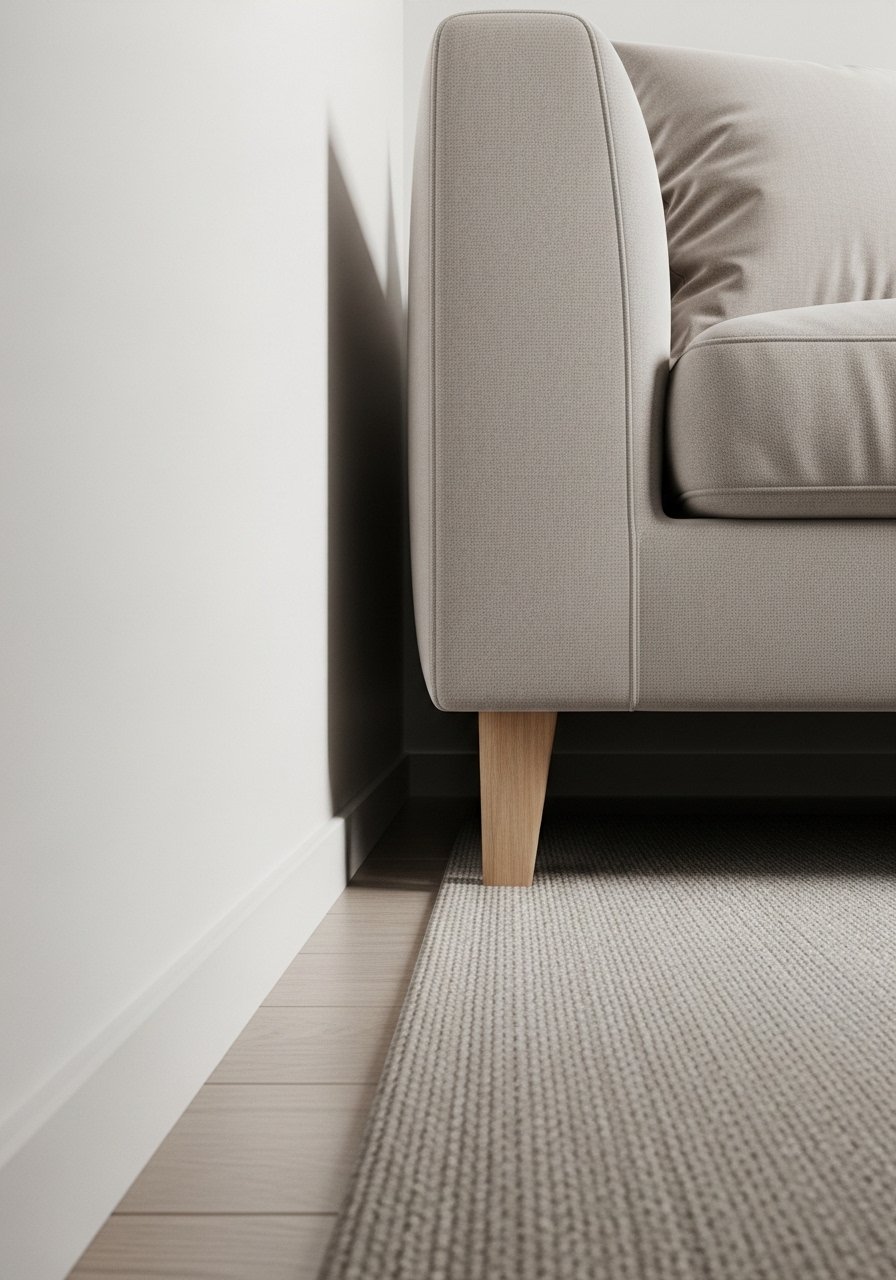
Pulling furniture a few inches from walls creates breathing room and depth. I moved my sofa 4 inches forward and the room felt intentional. This creates shadow lines that visually enlarge the space. The mistake is pushing everything flush against walls — it flattens the room. This layout change is free and one of the easiest ways to make a small living room feel more like a thoughtfully designed space.
Minimal Window Treatments With Sheer Layers
Style/Vibe: Scandinavian / Coastal
Budget: $ (under $100)
Best For: Bright living rooms / Rentals
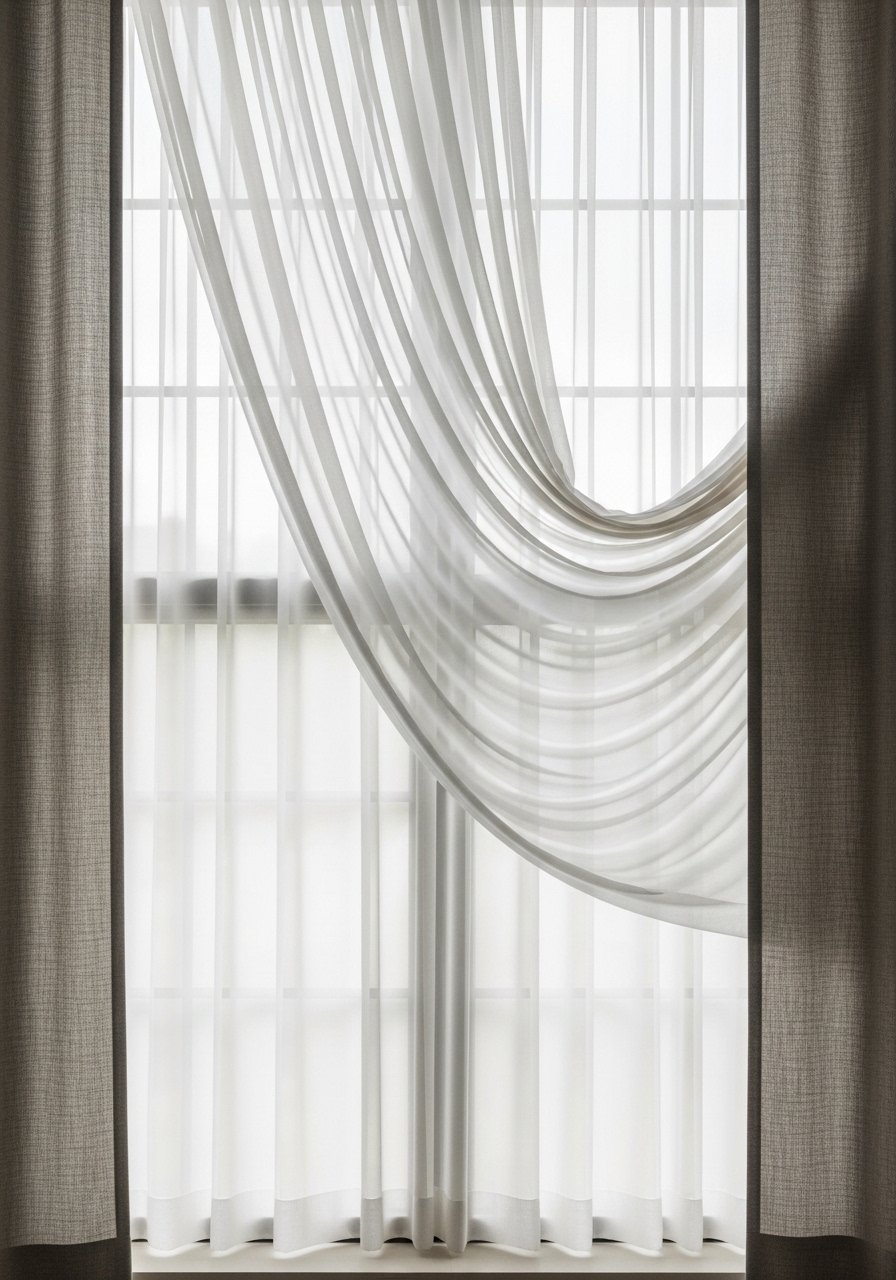
Sheer layers diffuse light while keeping views open. I combined sheer panels with linen drapes on either side for privacy that still feels airy. Avoid heavy curtains that block light. Keep the rod width wider than the window to expose more daylight. The result is softer, evenly lit rooms that read larger and feel calm.
Use Tall Plants to Add Vertical Scale
Style/Vibe: Boho / Modern
Budget: $$ (under $100)
Best For: Living rooms / Corners
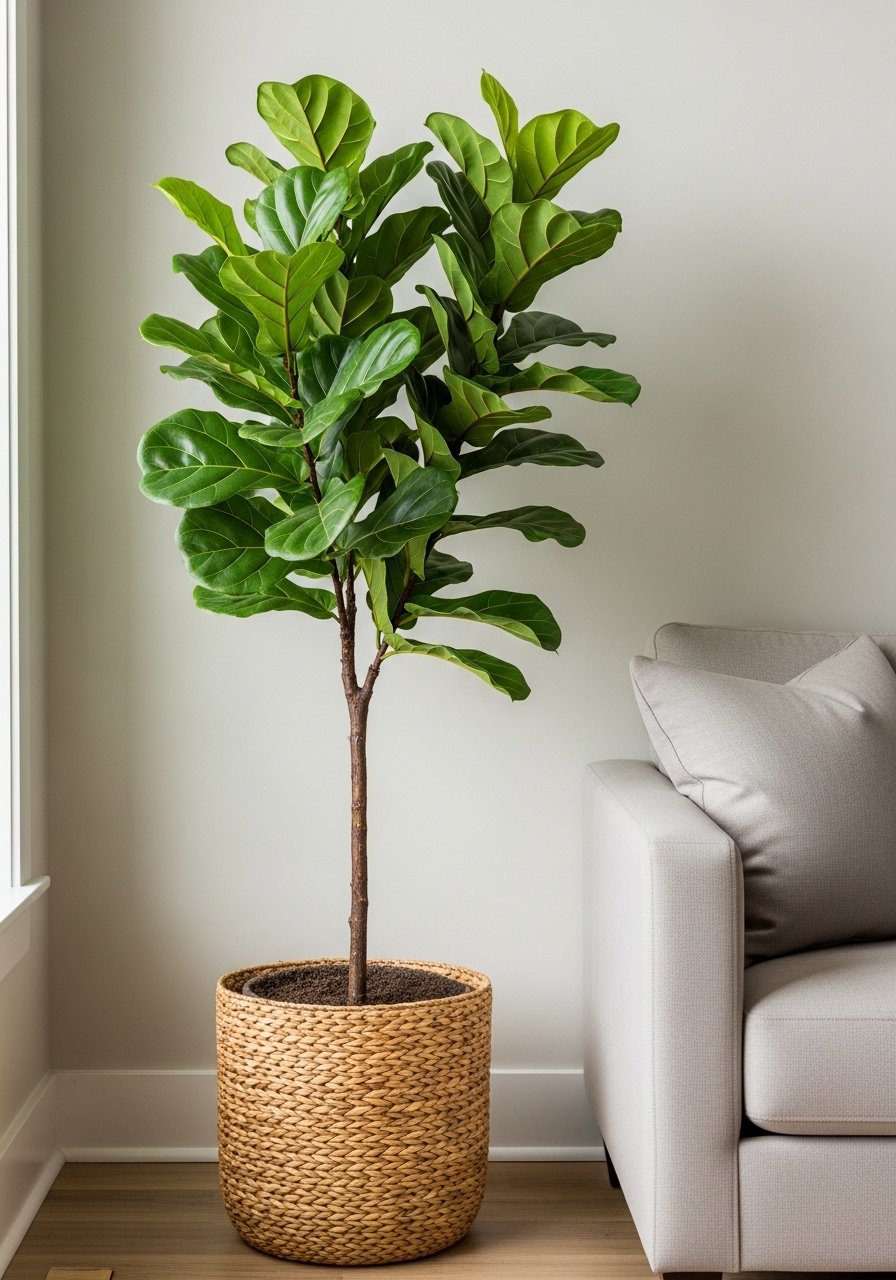
Tall plants add instant vertical scale and life. I placed a 6-foot fiddle leaf fig in an empty corner and the area felt purposeful. Choose a realistic faux if you can’t keep plants alive. Avoid tiny succulents alone; they don’t provide scale. Plants also soften hard lines and pair well with warm wood tones, which I’m seeing more of this year in showrooms and catalogs.
Slim Profile Side Tables for Function Without Bulk
Style/Vibe: Mid-century / Modern
Budget: $ (under $100)
Best For: Small living rooms / Reading nooks
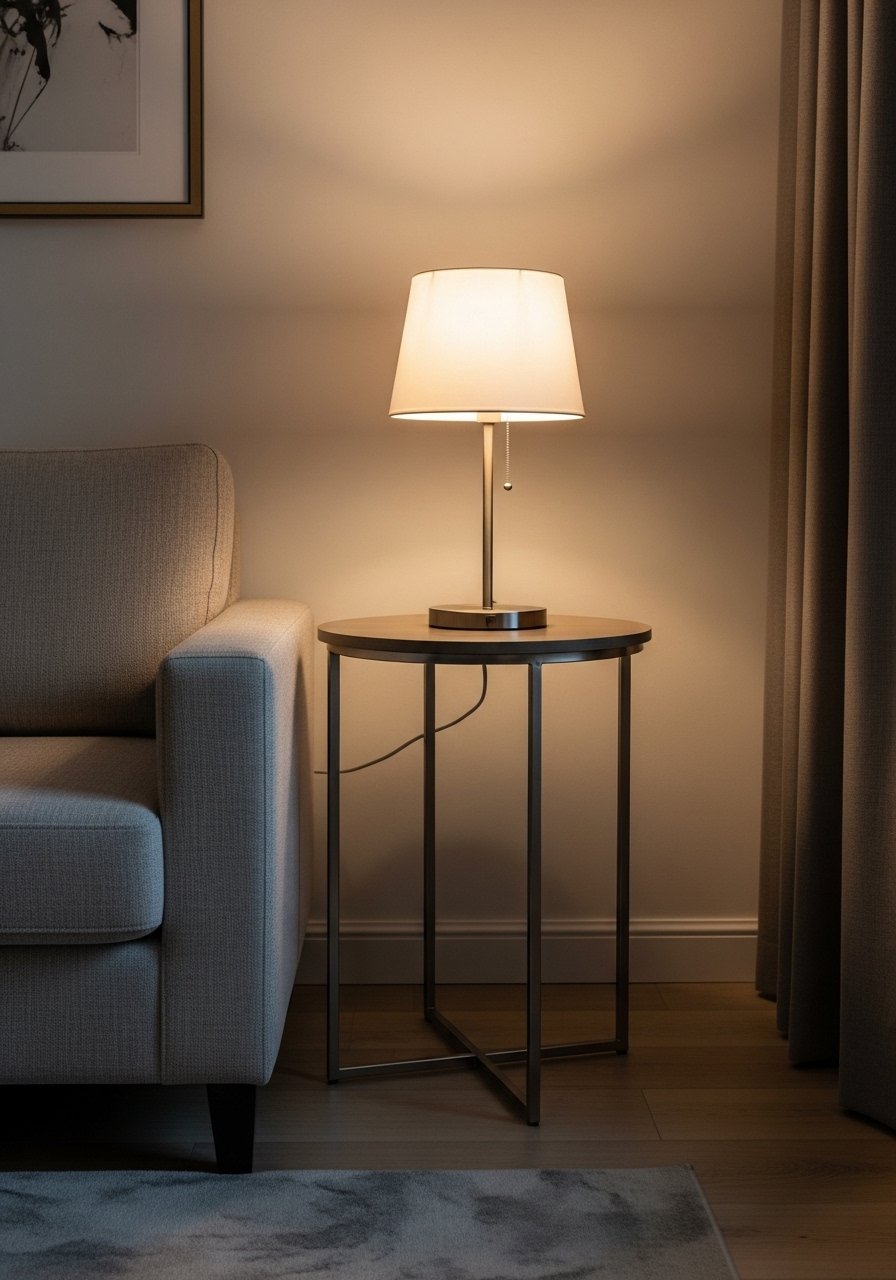
Side tables with thin tops and legs give function without crowding. I prefer 16-inch diameter tables that hold a lamp and a cup. Avoid oversized or blocky tables that eat visual floor area. Slim profiles keep movement easy around seating and maintain clean sightlines, so the room reads larger even when fully furnished.
Smart Storage Baskets That Double as Decor
Style/Vibe: Boho / Cozy
Budget: $ (under $60)
Best For: Living room / Entryways
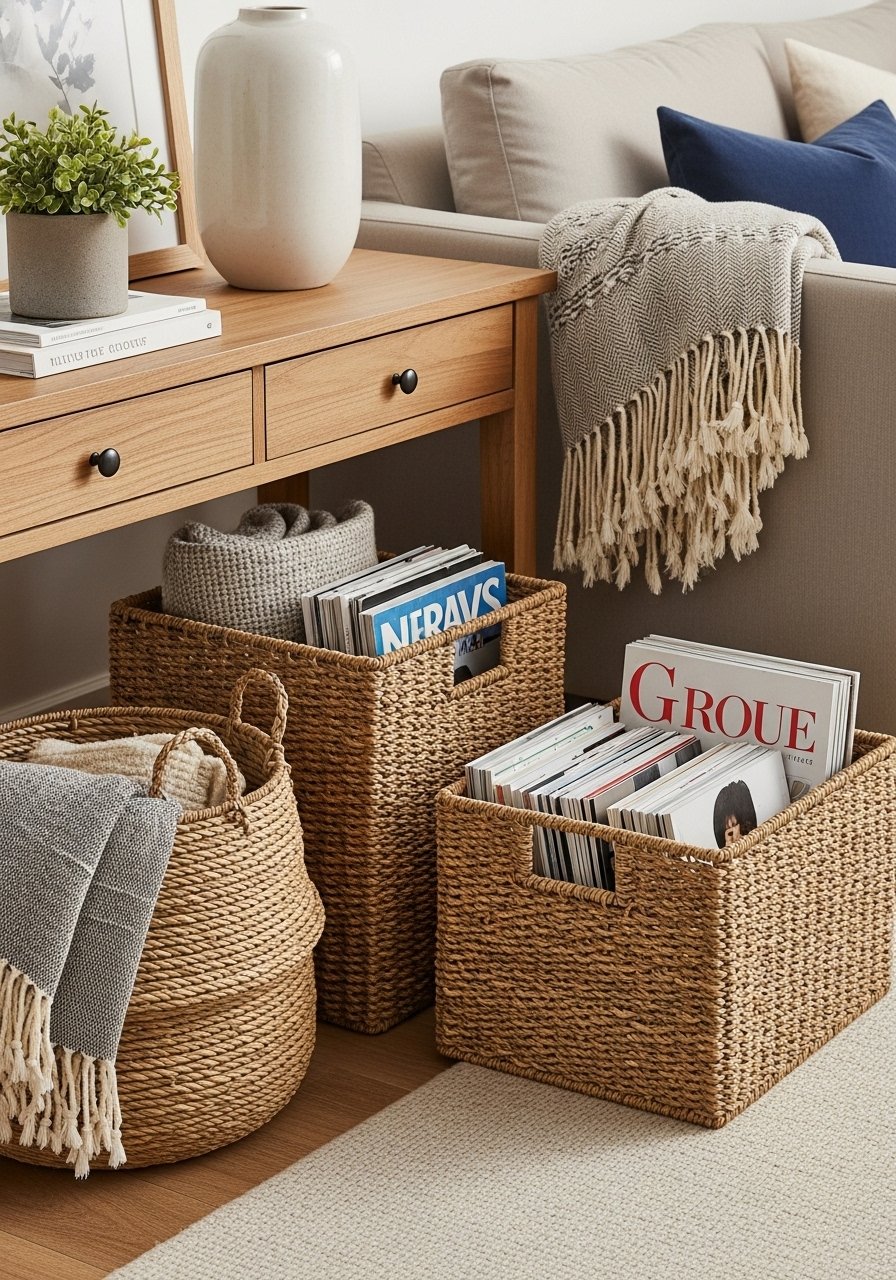
Woven baskets hide mess and add texture. I tuck throws and kid toys in a pair of jute baskets and they act like decor. Use baskets in odd numbers and vary heights to avoid uniformity. The mistake is stuffing them to overflow — keep contents tidy. Baskets are an easy way to reduce visible clutter, which in turn makes a small living room appear larger and calmer.
Shopping Tips for These Looks
Buy throws and pillows seasonally: I swap mine every few months. This cream chunky knit throw is under $50 and refreshes a sofa fast.
Invest in one large plant, not five small ones: A single 6-foot fiddle leaf fig has more impact than many minis.
White oak beats dark wood in 2026: Try white oak floating shelves for a current look.
Thrift frames, buy mats new: Pair vintage frames with white picture mats for polish.
Choose warm LED bulbs: LED Edison bulbs, warm white make spaces feel cozy and larger.
Go glass for a table if you need openness: A tempered glass top keeps sightlines open and light flowing.
Frequently Asked Questions
Q: How do I make a small living room feel bigger without renovating?
A: Use light colors, an oversized mirror, and furniture with exposed legs. I hung this 36-inch round mirror opposite a window and the room instantly felt larger.
Q: What size rug should I pick for a small living room?
A: Aim for an 8×10 if possible; at least the front legs of furniture should sit on it. I recommend this 8×10 jute rug for a neutral base.
Q: Should I use real or faux plants in a small space?
A: Both work. If low light or busy schedule is an issue, a realistic faux fiddle leaf fig provides height without upkeep.
Q: How many throw pillows are too many on a standard sofa?
A: Keep 5-7 pillows in varying sizes for a balanced look. Use 22-inch euro pillow inserts in the back and layer smaller sizes in front.
Q: What’s the easiest cheap change that makes the biggest visual difference?
A: Swap curtains to floor-to-ceiling linen panels and hang them high. I used linen blend curtains, 84-inch for an easy lift.
Q: Can mixing metals work in a small living room?
A: Yes—mix warm brass with cooler nickel for depth. These mixed metal frames are an easy place to start.