
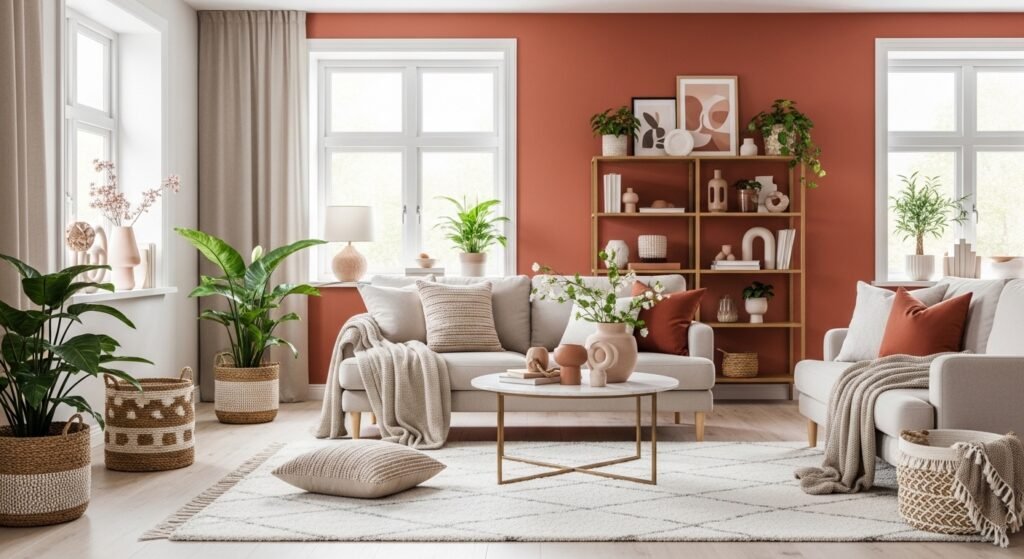
I stared at my thrifted sofa for months, unsure how to make it feel intentional instead of mismatched. The solution was collecting, not buying matched sets: a single bold rug, a couple of vintage pieces, and a consistent color thread. These 23 ideas are the exact edits I used to make my apartment feel like a home that had history, not inventory. Small swaps, layered textures, and playful scale fixes gave the rooms a collected, artistic vibe.
Quick context: This is for an artistic, eclectic home decor mix—think modern boho with curated vintage. Budget ranges from under $30 finds to occasional $150 splurges. Works in living rooms, bedrooms, entryways, and small apartments. I’m leaning into warm neutrals and organic textures, which I’ve seen everywhere this year. If you’re worried about clutter or matching, these ideas show how to keep things intentional and cozy without feeling chaotic.
What You'll Need to Get This Look
Textiles & Soft Goods:
- Chunky knit throw blanket in cream (~$35-55)
- Linen blend curtains, 84-inch (~$30-50 per panel)
- Velvet pillow covers, set of 4 (~$35-50)
Wall Decor & Art:
- Set of 3 floating shelves, white oak (~$45-70)
- Large round mirror, 36-inch (~$80-120)
Lighting:
- Rattan pendant light shade (~$30-60)
- LED Edison bulbs, warm white (~$15-20)
Plants & Greenery:
- Artificial fiddle leaf fig tree, 6ft (~$60-90)
- Set of ceramic planters, mixed sizes (~$25-40)
Wall & Flooring:
- Peel and stick wallpaper panels, neutral texture (~$20-35)
- 8×10 jute area rug, natural (~$120-180)
Similar at Target/HomeGoods for frames, rugs, and curtains if you prefer to shop in person.
Layered Textiles for a Cozy Reading Nook
Style/Vibe: Boho-modern, cozy
Budget: $$
Best For: Living room, reading corner
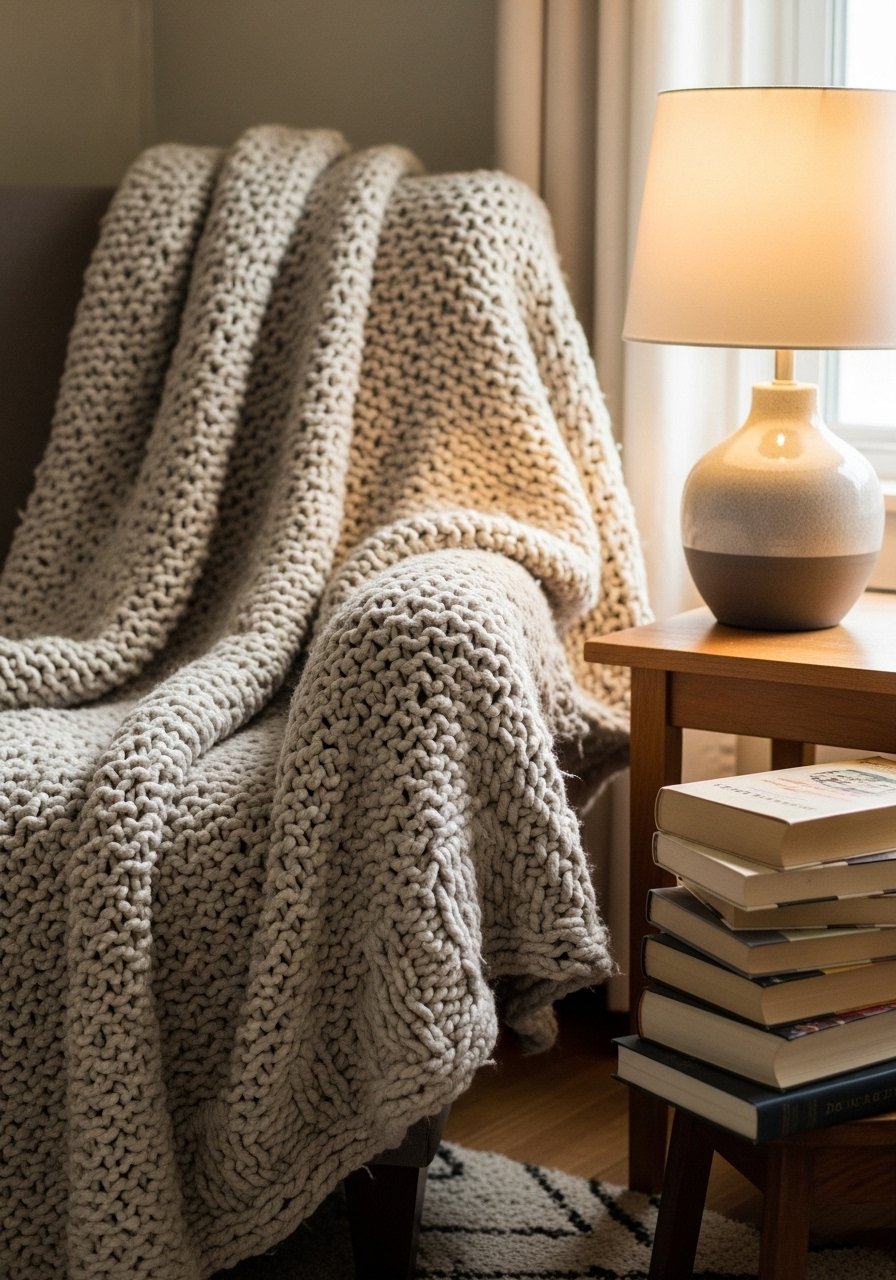
I made a tiny corner feel collected by layering a cream chunky throw over a mid-century armchair and adding a velvet lumbar pillow. I used this cream chunky knit throw and velvet pillow covers for texture contrast. Odd-numbered stacks of books and a small plant keep the composition balanced. Avoid overstuffing the chair with pillows — two to three is the sweet spot so it still looks usable and not staged.
Gallery Wall With Mismatched Vintage Frames
Style/Vibe: Eclectic vintage-meets-modern
Budget: $
Best For: Hallway, living room
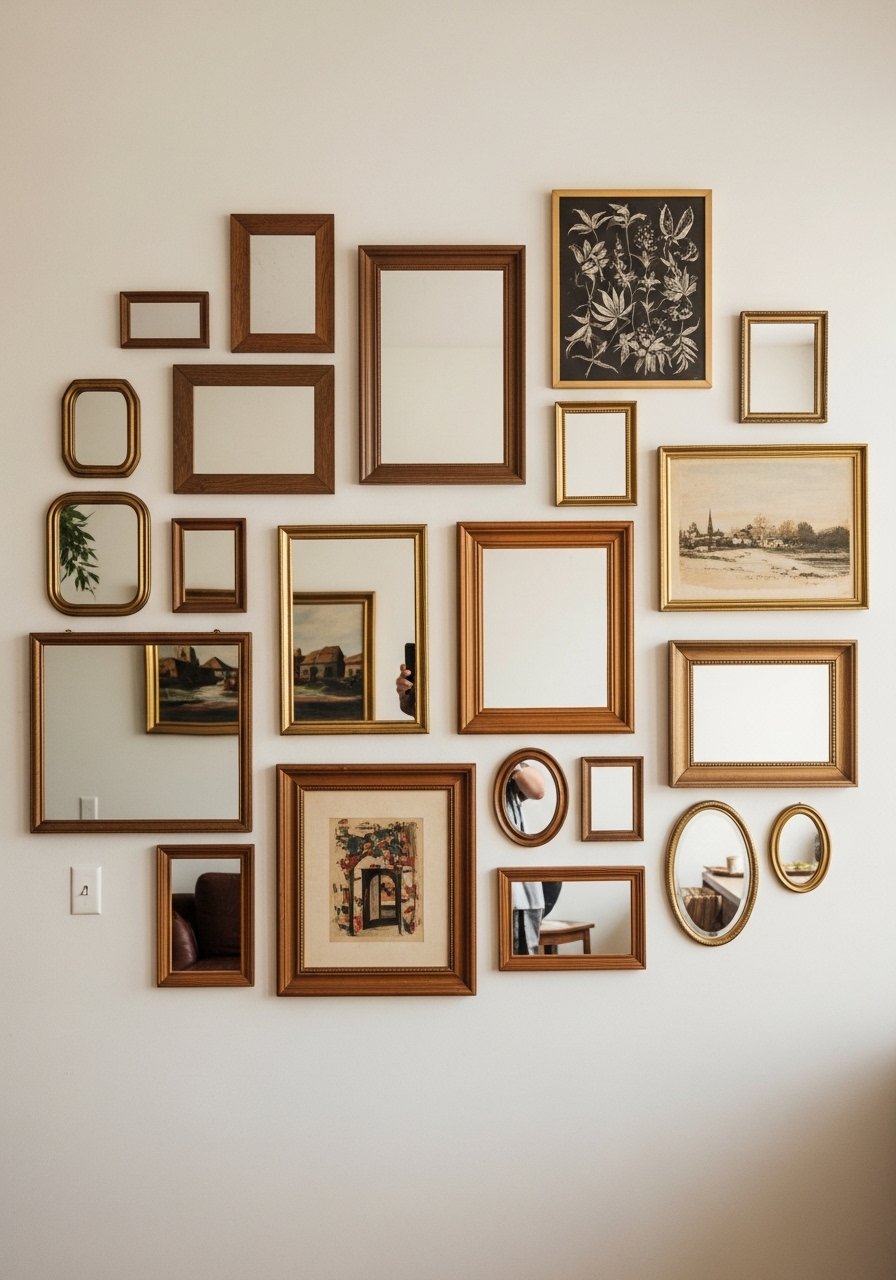
My gallery started with three thrifted frames and grew into a story. I mixed brass, black, and wood frames, then unified them with consistent mat sizes. Thrift frames, then use white picture mats to make different pieces read as a set. Keep eye level rules: center cluster around 58–60 inches high. Common mistake: spacing frames too far apart — keep 2–3 inches between frames for an intentional curated feel.
Statement Rug to Anchor an Open Plan Living Room
Style/Vibe: Global-eclectic, warm
Budget: $$$
Best For: Living room, open-plan spaces
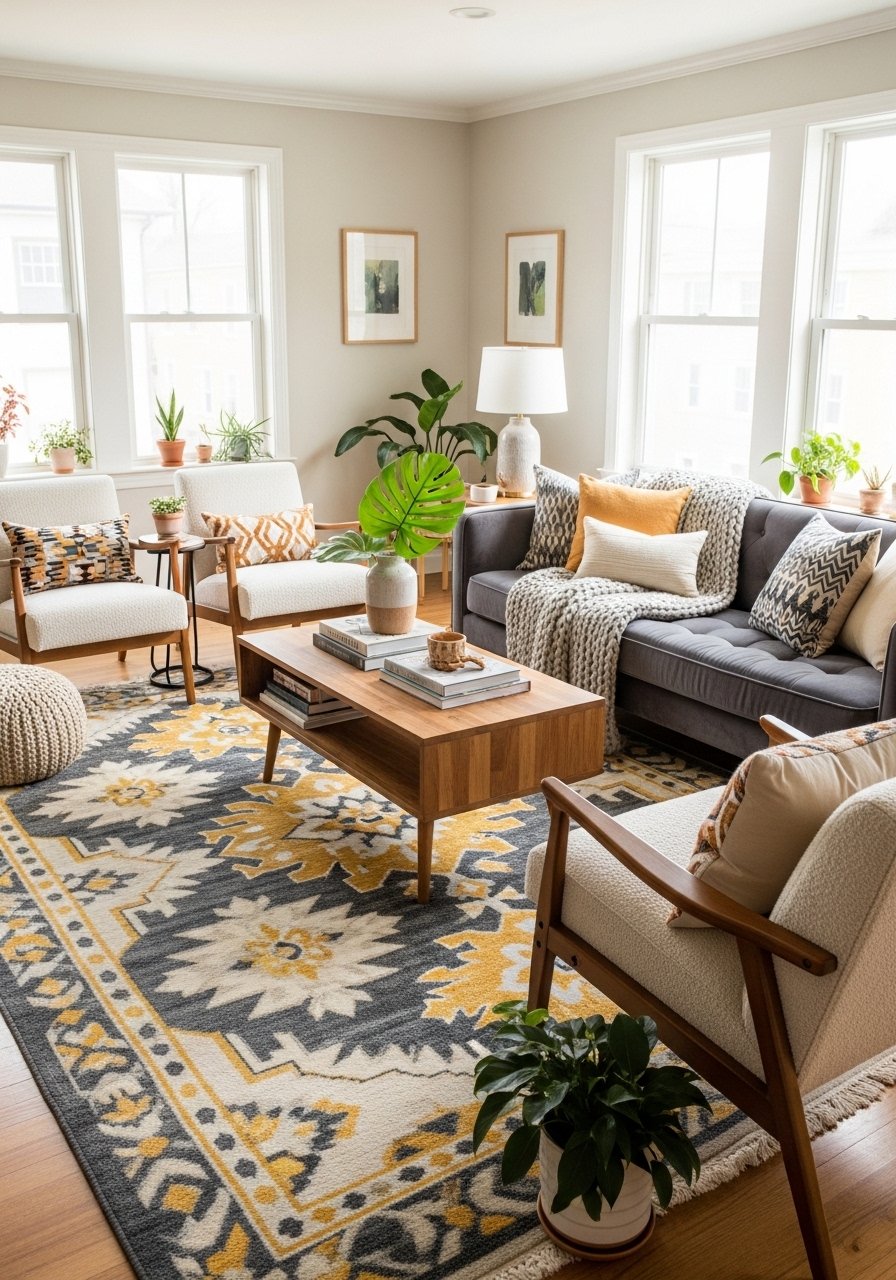
An oversized patterned rug grounded my seating and made disparate furniture feel like a set. I chose an 8×10 jute with a layered Persian-style rug on top for depth. Neutral base rugs with one colorful runner creates rhythm. I recommend this 8×10 jute area rug as a neutral anchor. Avoid tiny rugs that float — if the front legs aren’t on the rug, it will feel disjointed and smaller than it is.
Mix Gallery Shelving With Plants and Objects
Style/Vibe: Modern-boho display
Budget: $$
Best For: Living room, entryway
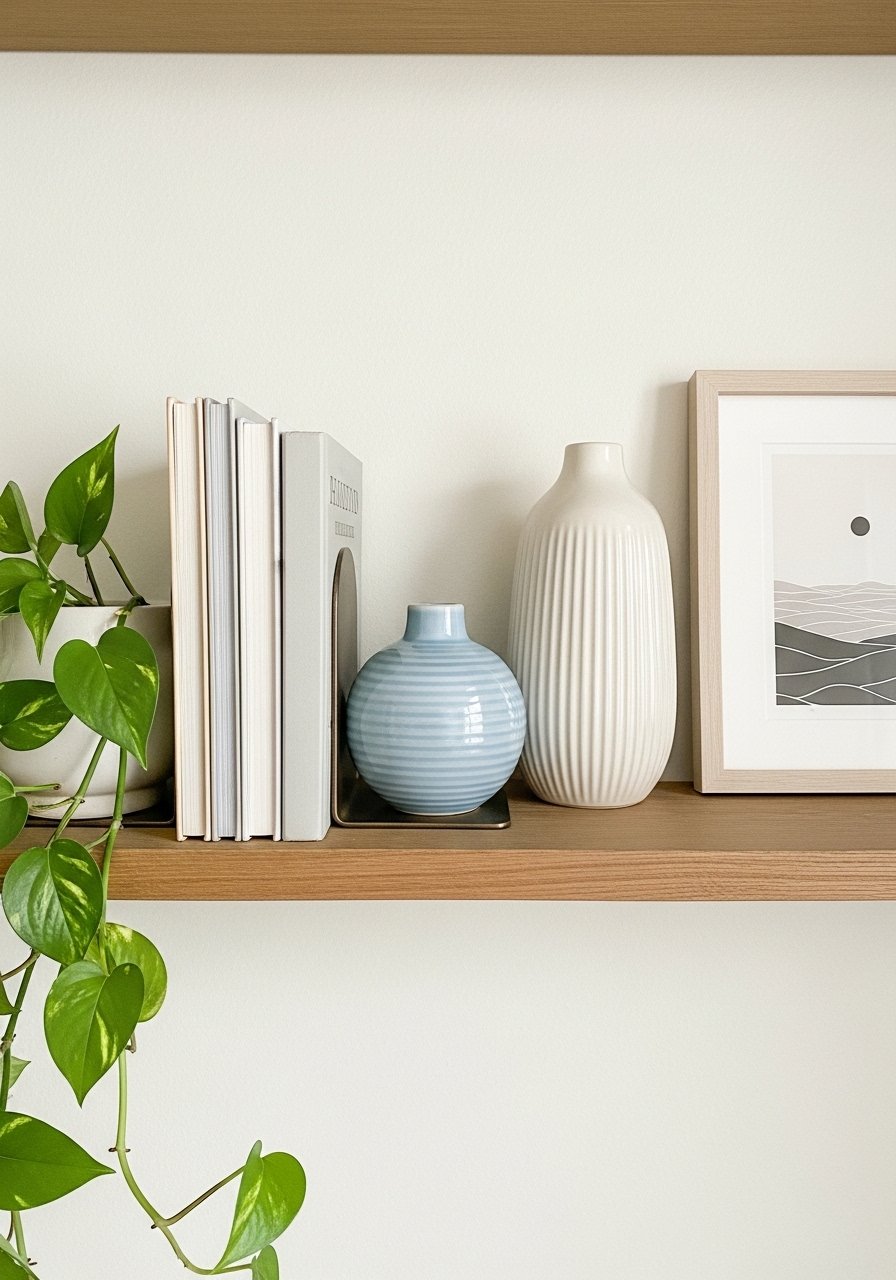
Floating shelves are where I blend ceramics, books, and greenery to look collected. I used white oak shelves for warmth and arranged items in odd groups — three ceramics, stack of two books, a small plant. These white oak floating shelves are sturdy and current. Mistake to avoid: lining everything up perfectly. Let height variation and negative space breathe so the shelf reads curated instead of cluttered.
Oversized Mirror to Brighten a Dark Corner
Style/Vibe: Minimal-eclectic, airy
Budget: $$
Best For: Entryway, small living room
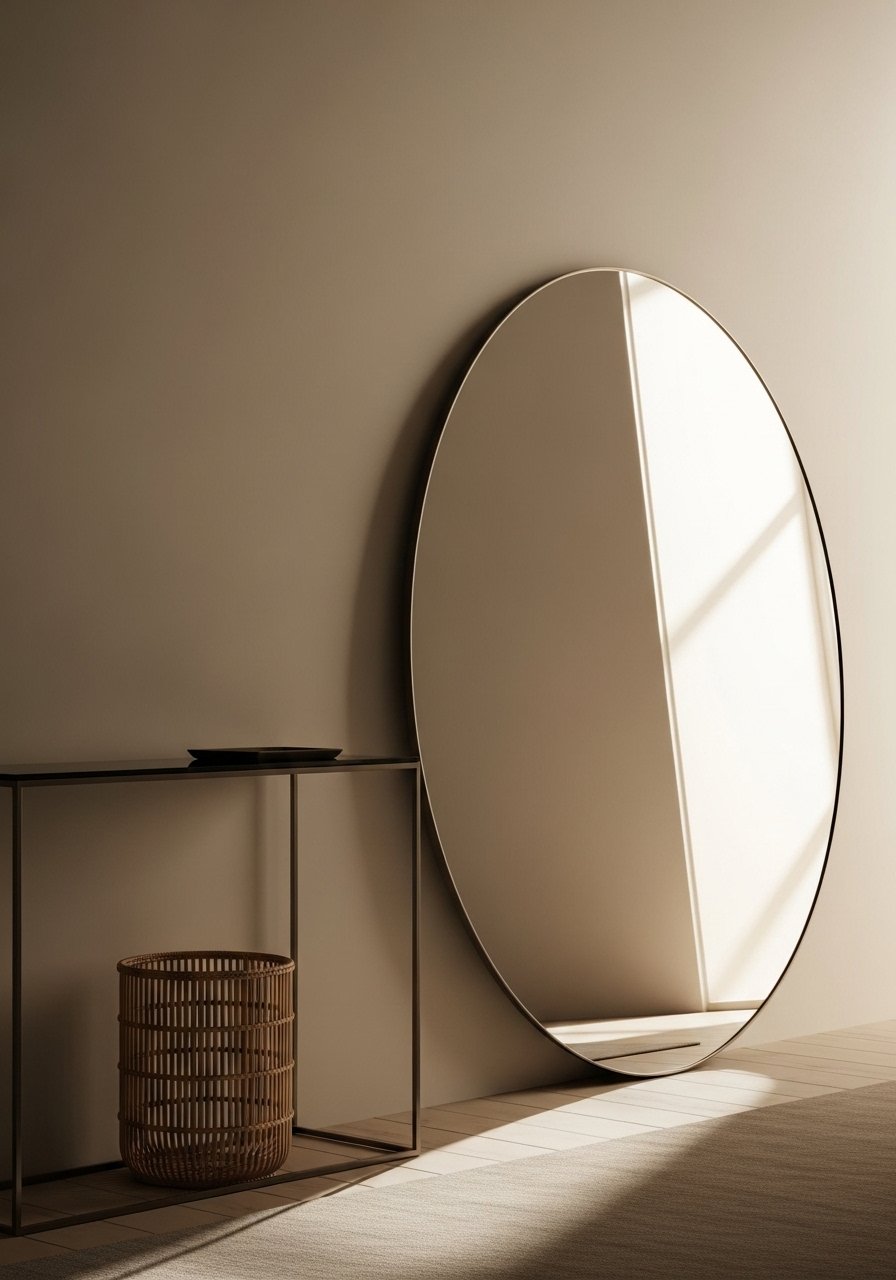
I leaned a 36-inch round mirror against a narrow wall and the room felt double-sized instantly. Mirrors reflect light and unify mixed metals when you pair brass frames nearby. I used this 36-inch round mirror. Avoid placing mirrors opposite messy areas — they double the clutter. Instead aim them toward a plant, window, or a lighter wall to amplify brightness and make the space read intentional and airy.
Curate a Color Thread Across Rooms
Style/Vibe: Collected, cohesive
Budget: $–$$
Best For: Whole-home coordination
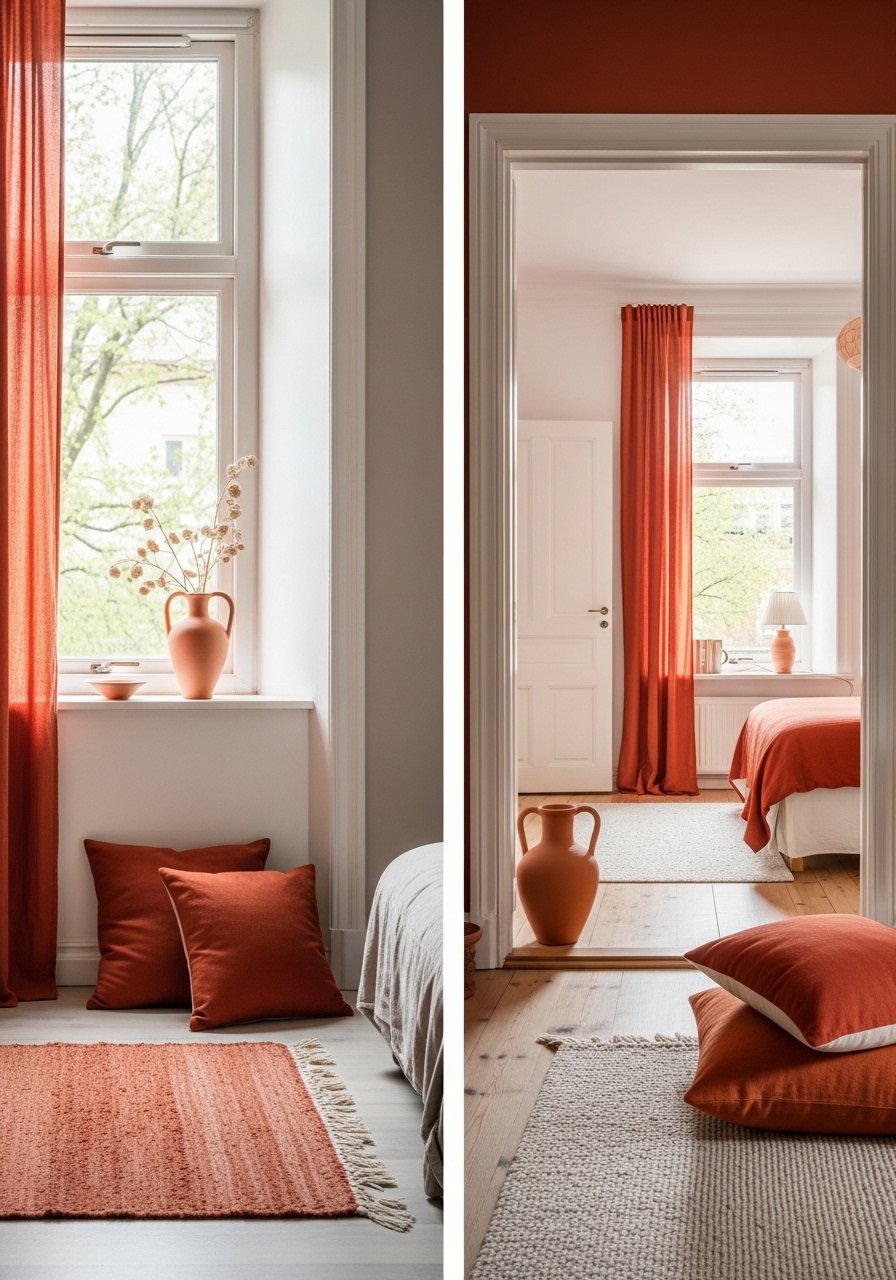
I picked terracotta as my subtle color thread and introduced it in small doses: a pillow, a vase, and a small runner. Repeating one accent color across rooms ties eclectic pieces together without matching everything. Use repeat ratios — one large, two medium, three small touches — to keep it balanced. I added terracotta ceramic vases as an easy way to echo the hue. Don’t overdo it; too many accents makes the color feel planned, not gathered.
Vintage Finds With Modern Frames for Art
Style/Vibe: Vintage-modern mix
Budget: $–$$
Best For: Living room, home office
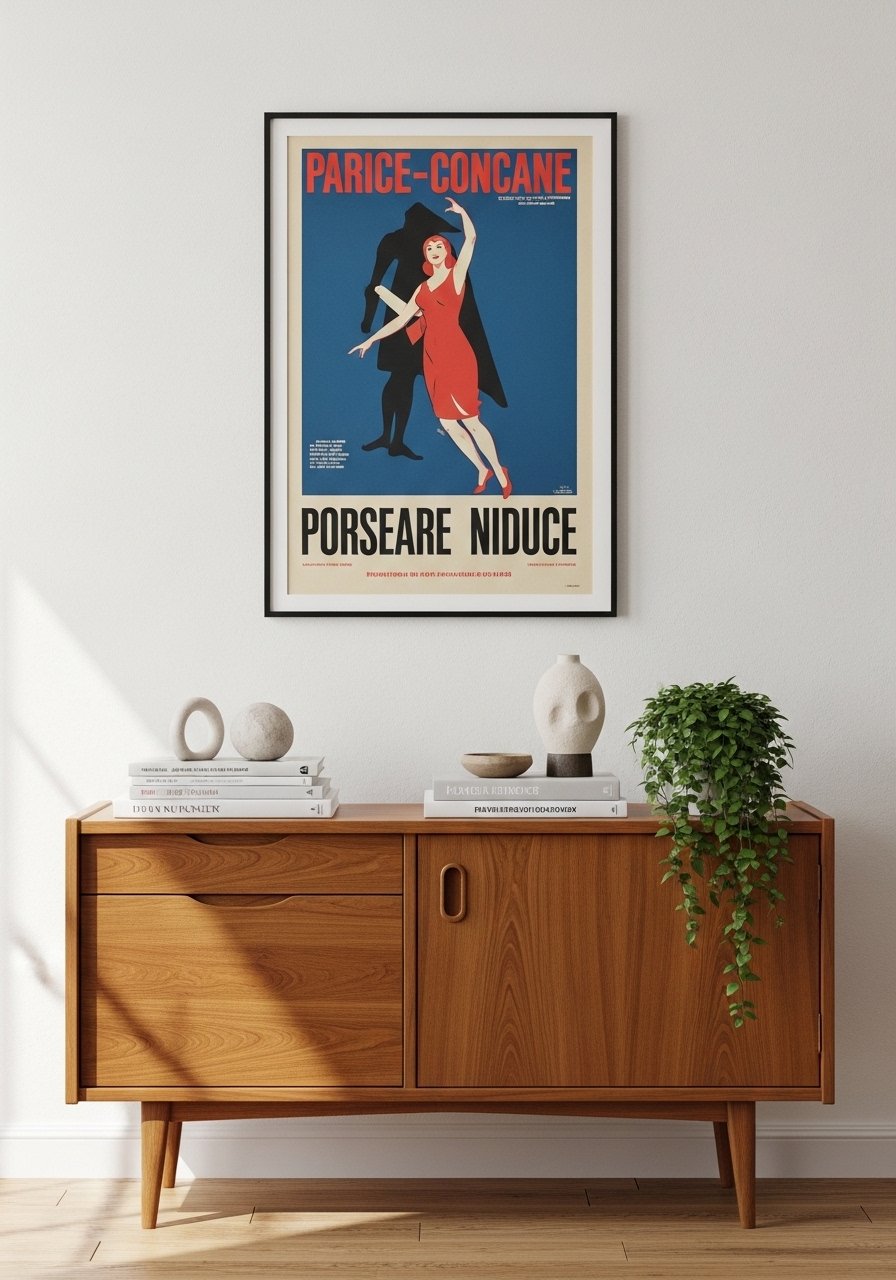
I love pairing thrifted posters with sleek modern frames to prevent the space from feeling dated. Buy inexpensive frames and use archival mats to protect art; affordable metal frames make sale finds look gallery-ready. Common mistake: leaving vintage paper unframed — it looks unfinished. Keeping frames consistent in color or profile creates cohesion while letting the art’s age be the character.
Mix Metals for a Modern Eclectic Kitchen
Style/Vibe: Industrial-eclectic
Budget: $$–$$$
Best For: Kitchen, dining area
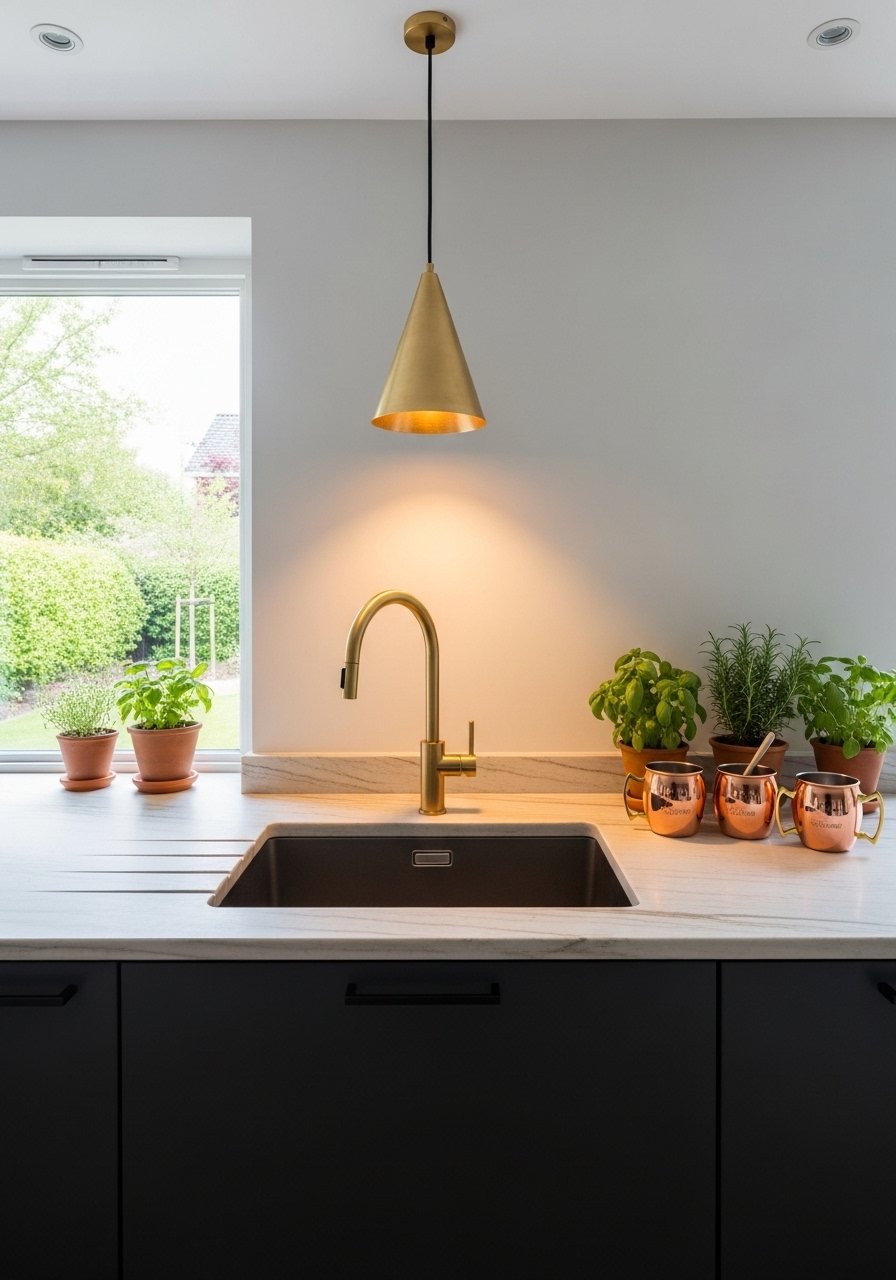
I stopped matching metals and started layering them: brass faucet, black cabinet pulls, and copper pendant lights. Mixing warms the space and feels curated. Start with one dominant metal and add small accents in another. I added LED Edison bulbs in warm tone to unify the look. One mistake is too many shiny finishes — balance with matte elements like black or aged brass to avoid a flashy, inconsistent feel.
Textured Wallpaper as an Accent Nook
Style/Vibe: Modern eclectic, tactile
Budget: $
Best For: Reading nook, entryway, powder room
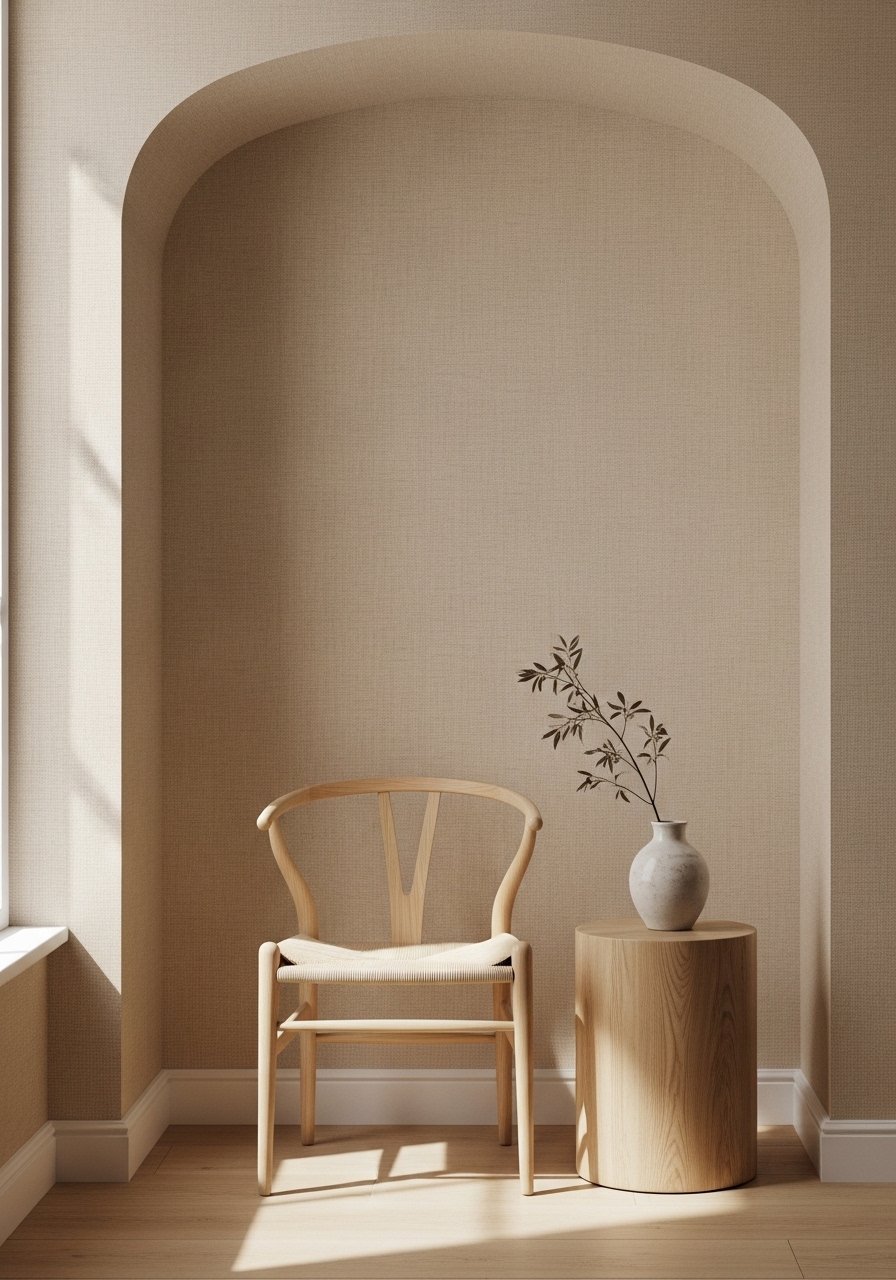
Peel-and-stick wallpaper gave my entryway personality without commitment. I chose a linen-texture neutral to add depth behind a console table. I used neutral peel and stick panels and avoided busy patterns in small spaces. Mistake: covering an entire small room in a loud pattern — it shrinks the space. Keep texture or pattern on one focal wall and echo colors through accessories for a collected look.
Statement Lighting to Define Zones
Style/Vibe: Mid-century eclectic
Budget: $$–$$$
Best For: Dining area, living room
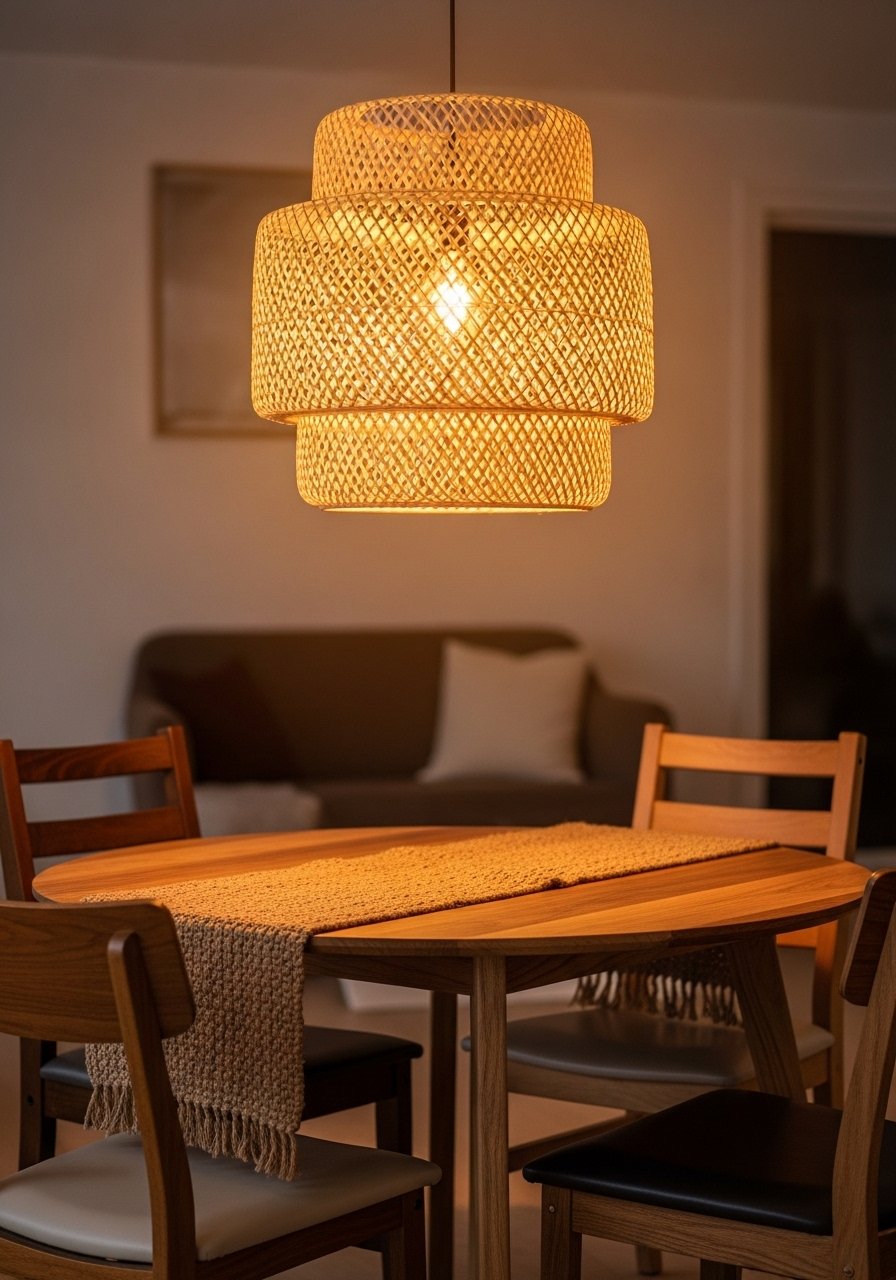
A rattan pendant over my dining table made the zone feel purposeful and lived-in. Lighting creates focal points and layers. I used this rattan pendant light shade and paired it with warm bulbs. Don’t choose a pendant that’s too small — aim for at least 30 inches across for an average dining table. Avoid overly ornate fixtures in a simple room; let texture, not shine, do the talking for an eclectic feel.
Layered Mirrors for Gallery-Like Reflection
Style/Vibe: Artistic eclectic
Budget: $
Best For: Hallway, living room
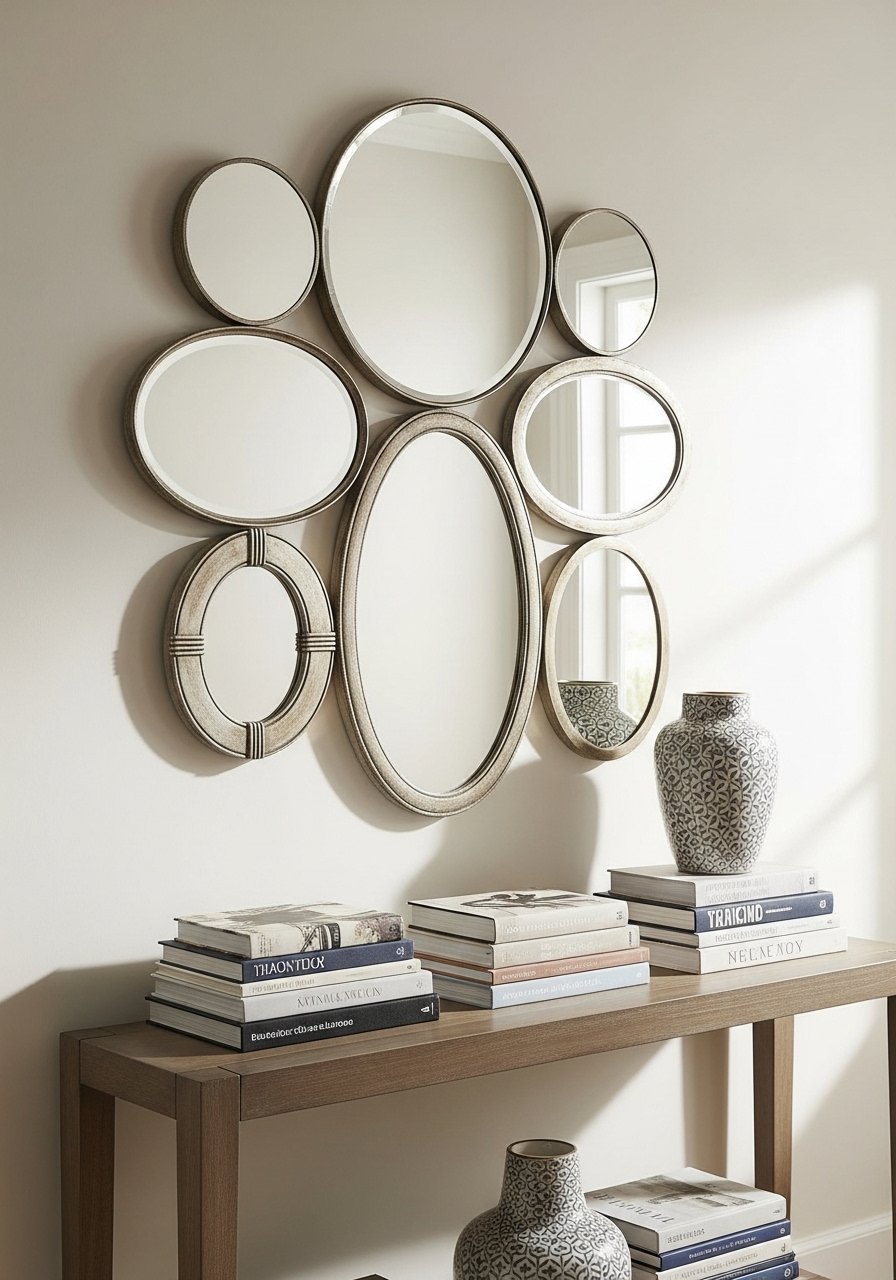
I created a mirror cluster above my console to reflect artwork and add dimension. Mixing frame styles — wood, brass, black — makes the arrangement feel intentionally collected. Use odd numbers and vary heights for visual flow. I paired several small mirrors with this set of mixed metal picture frames nearby for cohesion. Avoid cramped spacing; give each mirror breathing room so the cluster reads as a composed installation, not a jumble.
Sculptural Objects to Add Curiosity
Style/Vibe: Artistic, tactile
Budget: $–$$
Best For: Shelves, coffee table
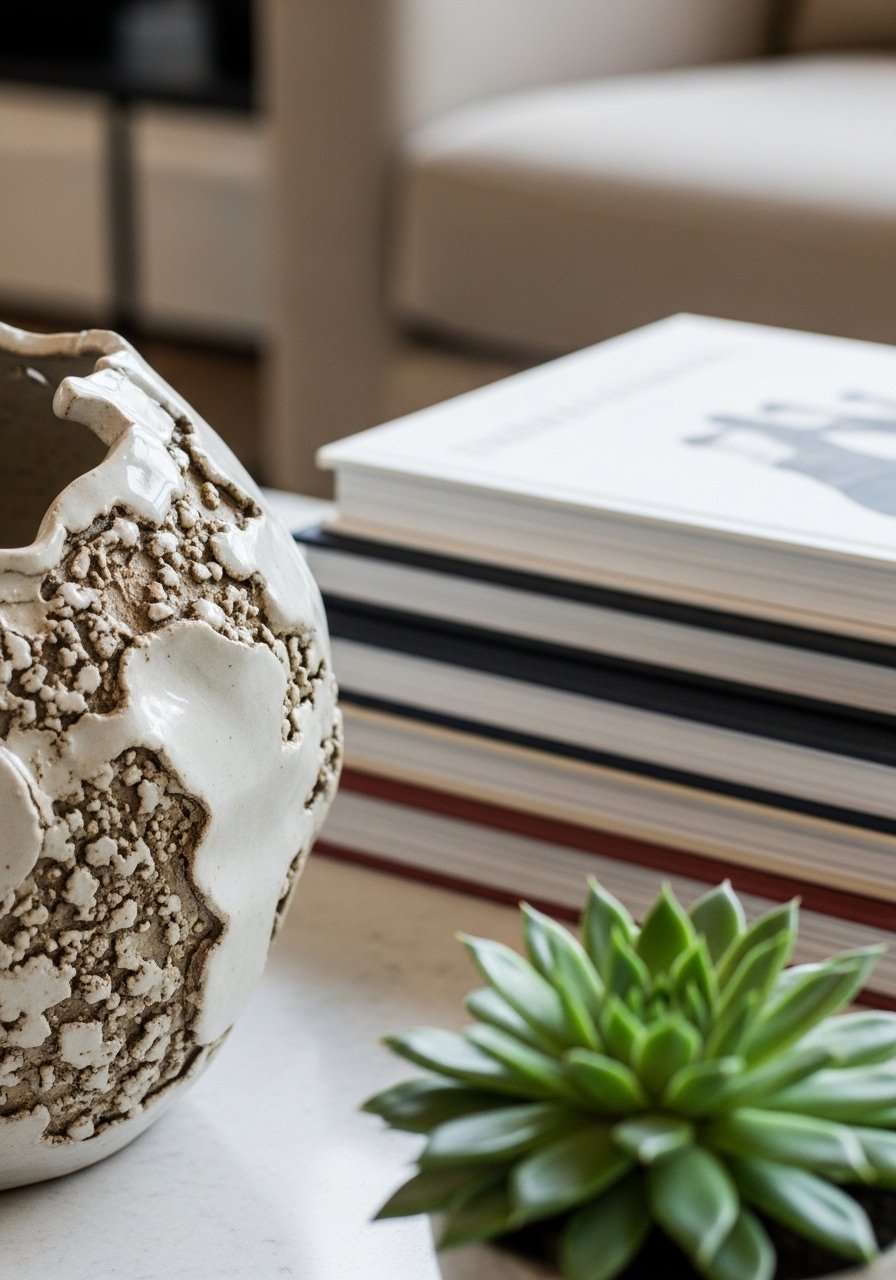
I collect small sculptural objects from flea markets and place them on stacks of books to create focal points. A single tactile piece can anchor a coffee table vignette. I like terracotta sculptural bowls for warmth. Common mistake: grouping many small objects without a base — use a tray or stack of books to ground them. These tactile accents add personality without adding visual clutter.
Unexpected Fabric Mixes: Leather and Linen
Style/Vibe: Modern-rustic eclectic
Budget: $$$
Best For: Living room, study
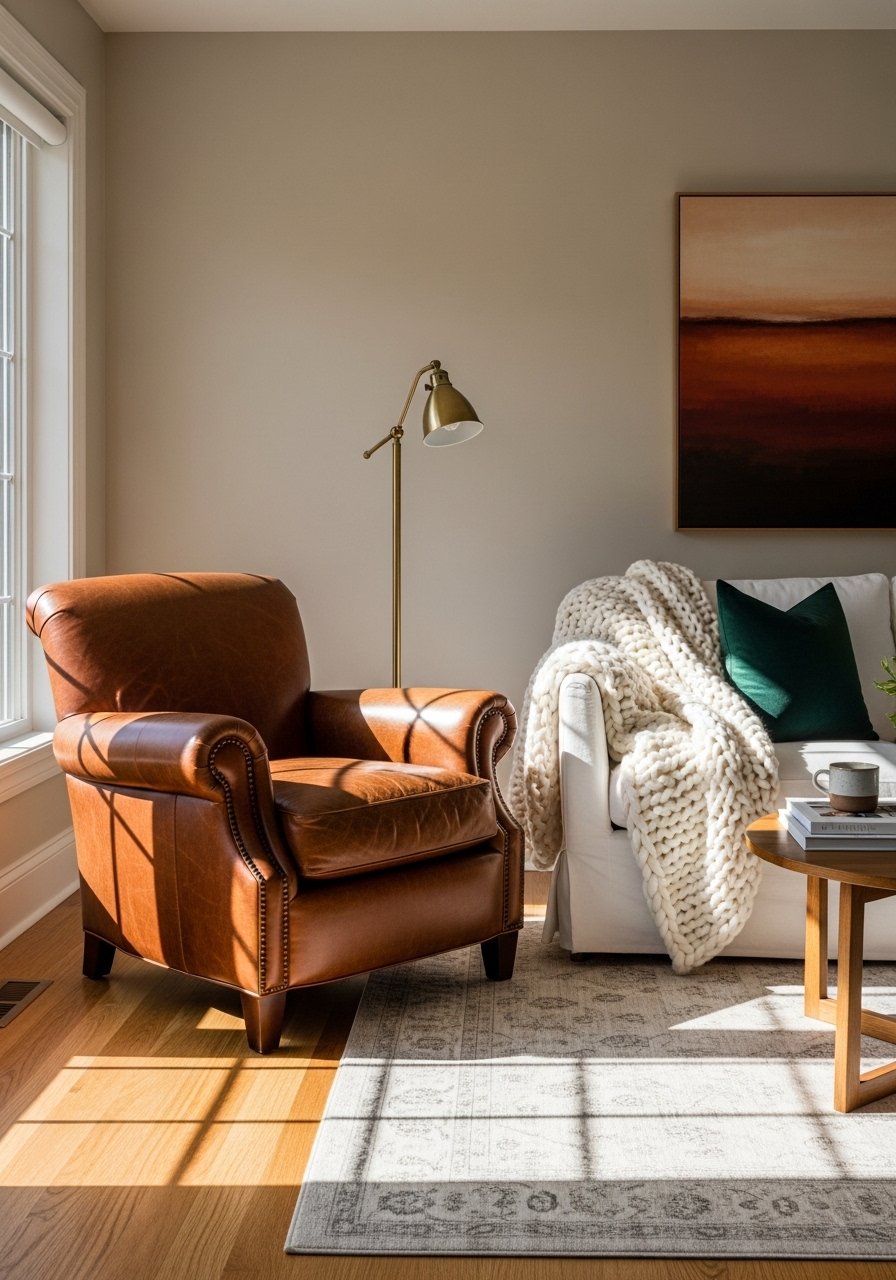
Pairing a worn leather chair with a linen sofa gave my living room contrast and balance. Leather brings weight; linen brings softness. I layered with linen blend curtains and a chunky throw. Avoid matching textures too closely — contrast is what makes eclectic feel curated. I also watch scale: a heavy leather piece needs lighter companions so the room doesn’t feel bottom-heavy.
Curated Book Stacks as Color Blocks
Style/Vibe: Artistic-casual
Budget: $
Best For: Shelves, coffee table
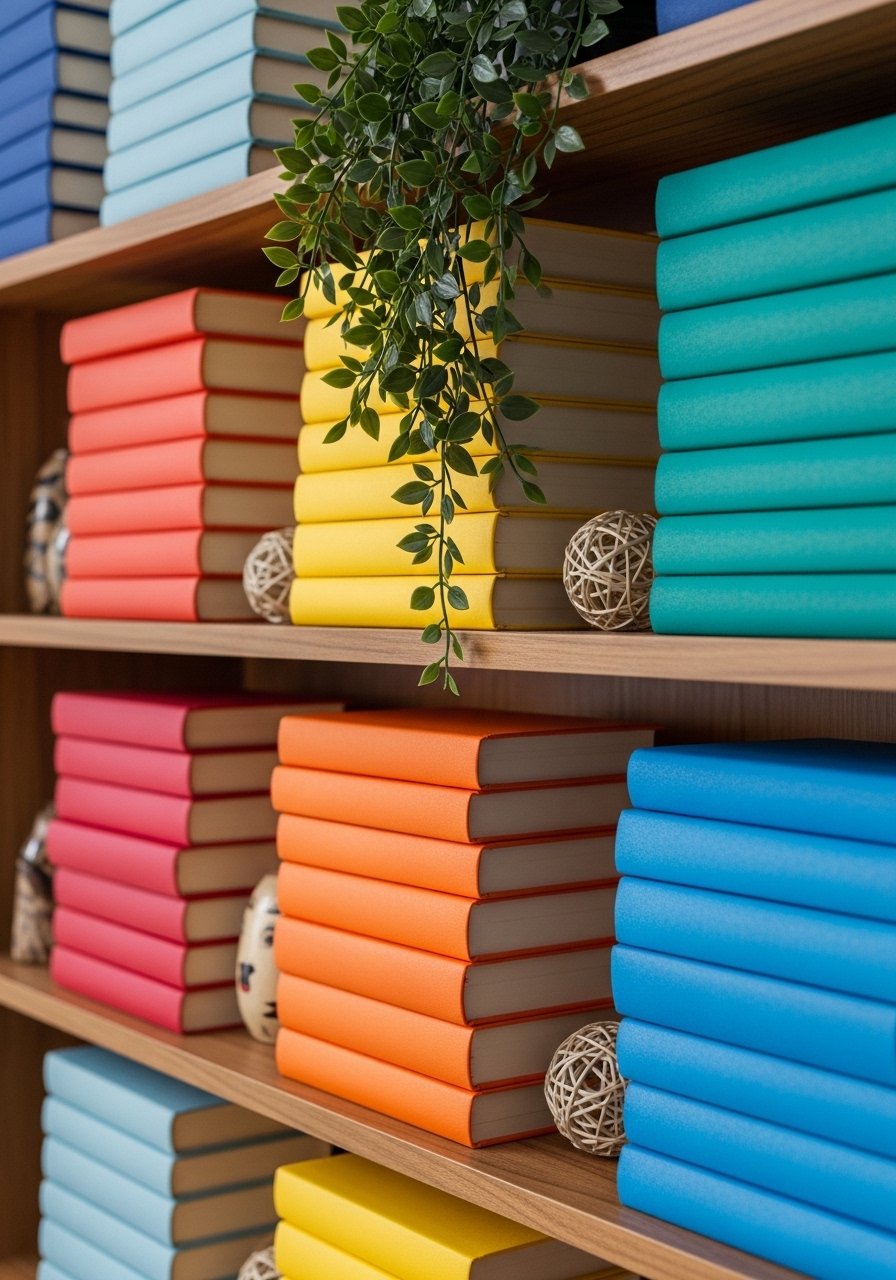
I stack books by color to create graphic blocks of hue on my shelves. This trick makes old paperbacks read like design pieces. Pair stacks with a single ceramic planter or sculptural object to break the line. I use ceramic planters set for scale mix. Mistake: arranging every shelf identically — vary heights and leave negative space so each cluster feels intentional, not formulaic.
Mix High-End With Thrifted Pieces
Style/Vibe: Collected, layered
Budget: $–$$$
Best For: Whole home
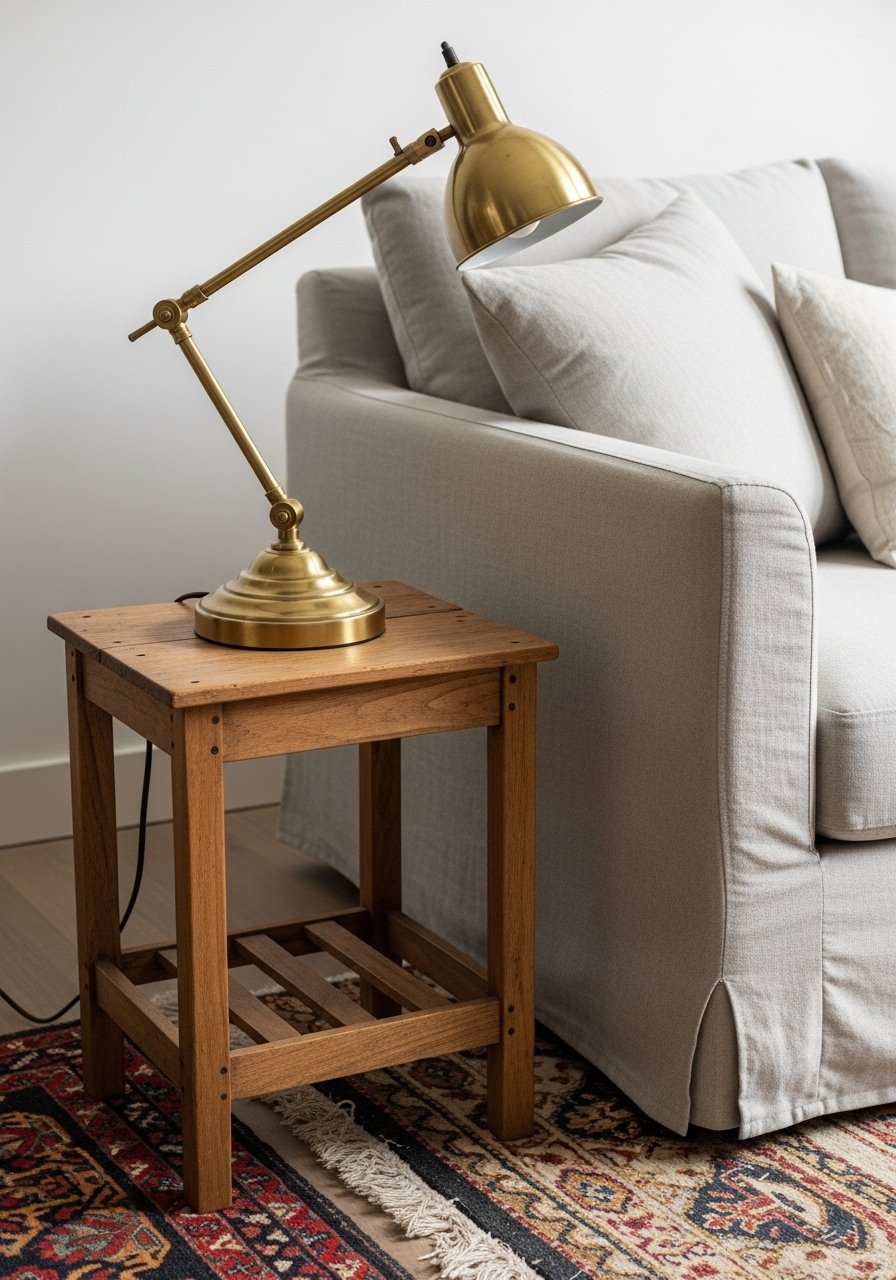
I spent on a linen sofa but shopped thrift for side tables and vintage lamps. The expensive piece anchors the room while thrifted items add story. I recommend investing in one solid upholstery item and supplementing with secondhand finds. For new accents, I like velvet pillow covers. Avoid buying everything new at once — a mix of price points gives authenticity and keeps the budget sane.
Artful Use of Negative Space on Coffee Tables
Style/Vibe: Minimal-eclectic, intentional
Budget: $
Best For: Living room
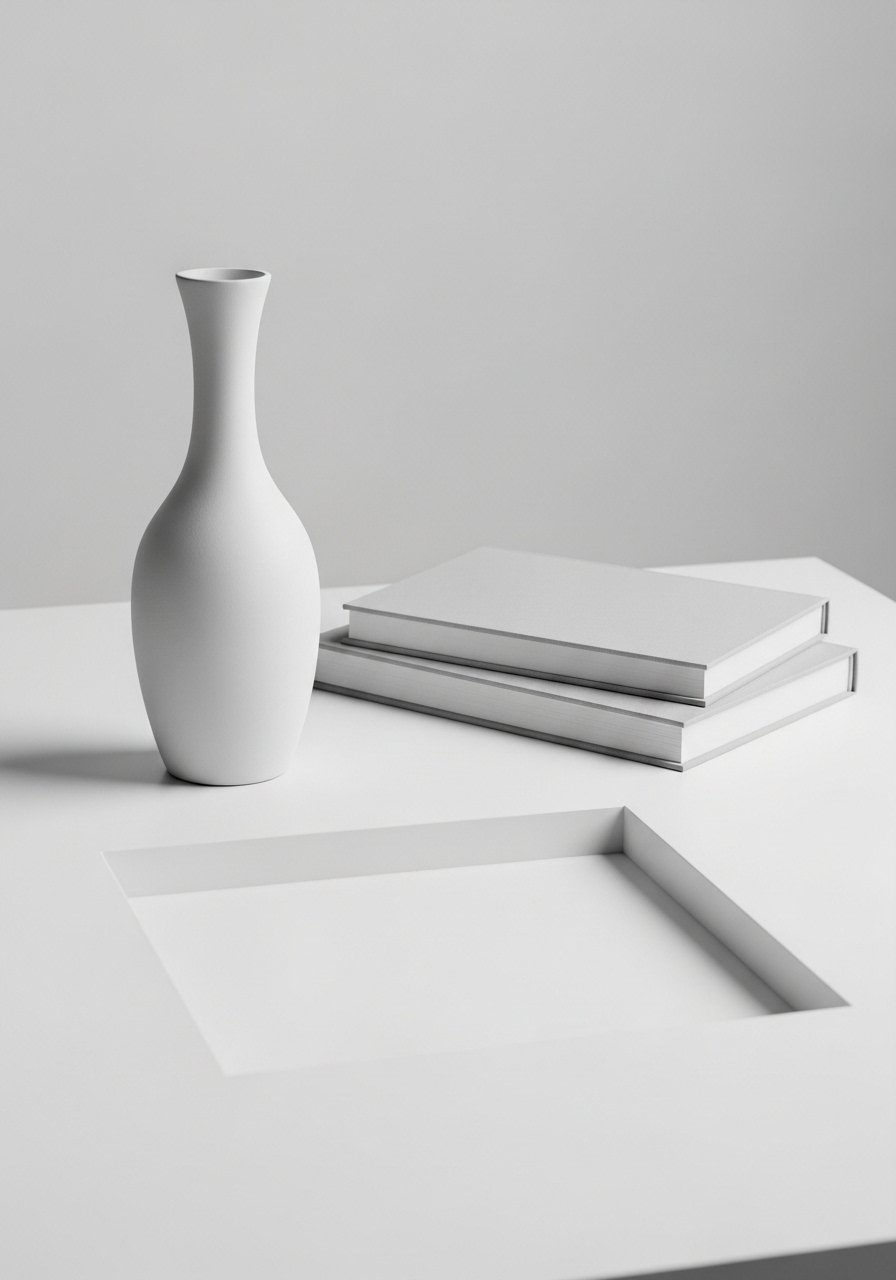
I used negative space on my coffee table to let each object read clearly. One sculptural vase, one stack of books, and a tray make a calm composition. I placed sculptural bowls sparingly to avoid clutter. Mistake: expecting every surface to be full — leaving deliberate empty areas makes a home feel edited and collected, not overcrowded. It’s a minimal trick that adds visual breathing room.
Layered Rugs for Depth and Warmth
Style/Vibe: Global-eclectic, textured
Budget: $$–$$$
Best For: Living room, bedroom
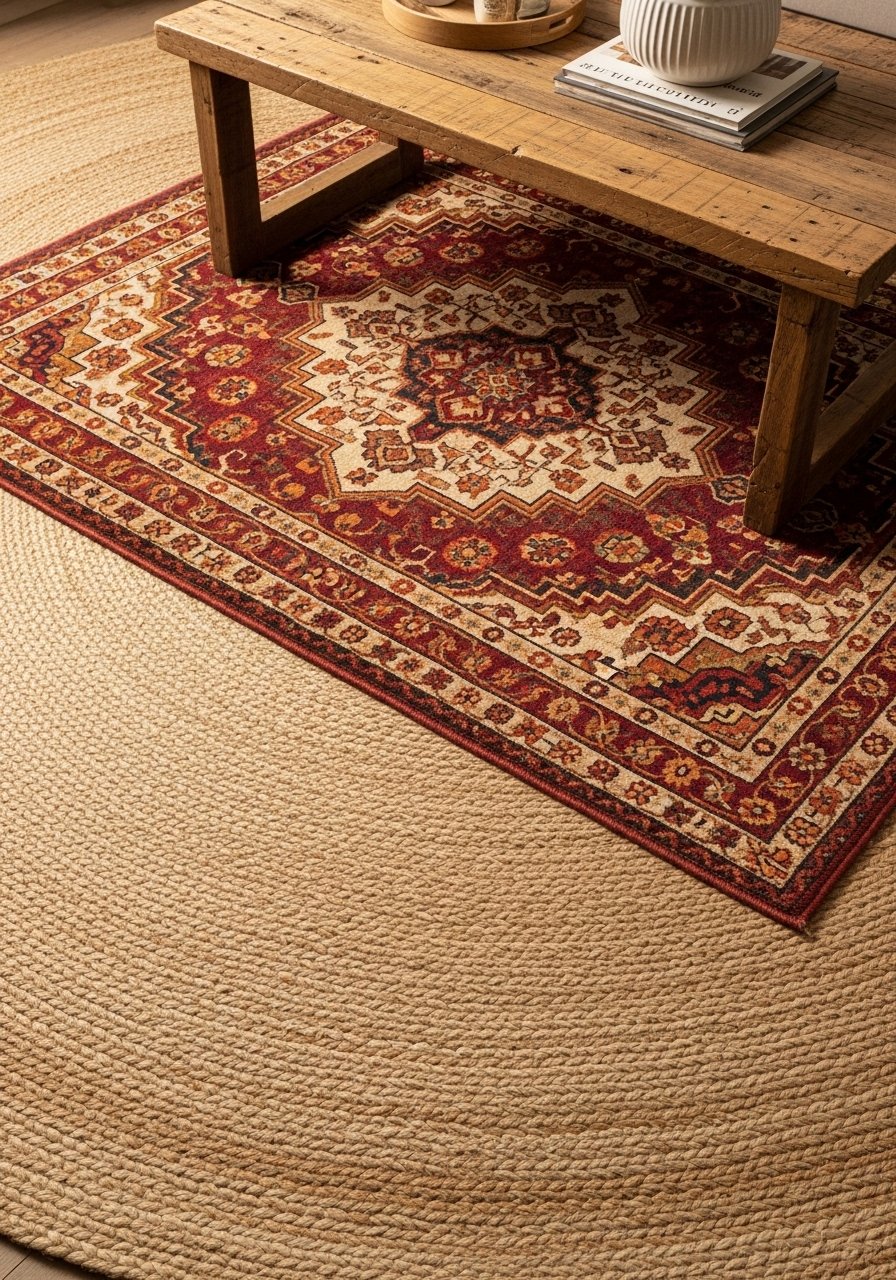
I layered a neutral jute under a vibrant patterned rug to get durability and character at once. The jute handles traffic while the patterned rug offers color and pattern. I recommend 8×10 jute area rug as a neutral base. Common mistake: putting two rugs of similar patterns together — contrast is key. Keep a plain base and a patterned top for balance and to avoid visual competition.
Statement Headboard From Unlikely Materials
Style/Vibe: Boho-artisan
Budget: $–$$
Best For: Bedroom
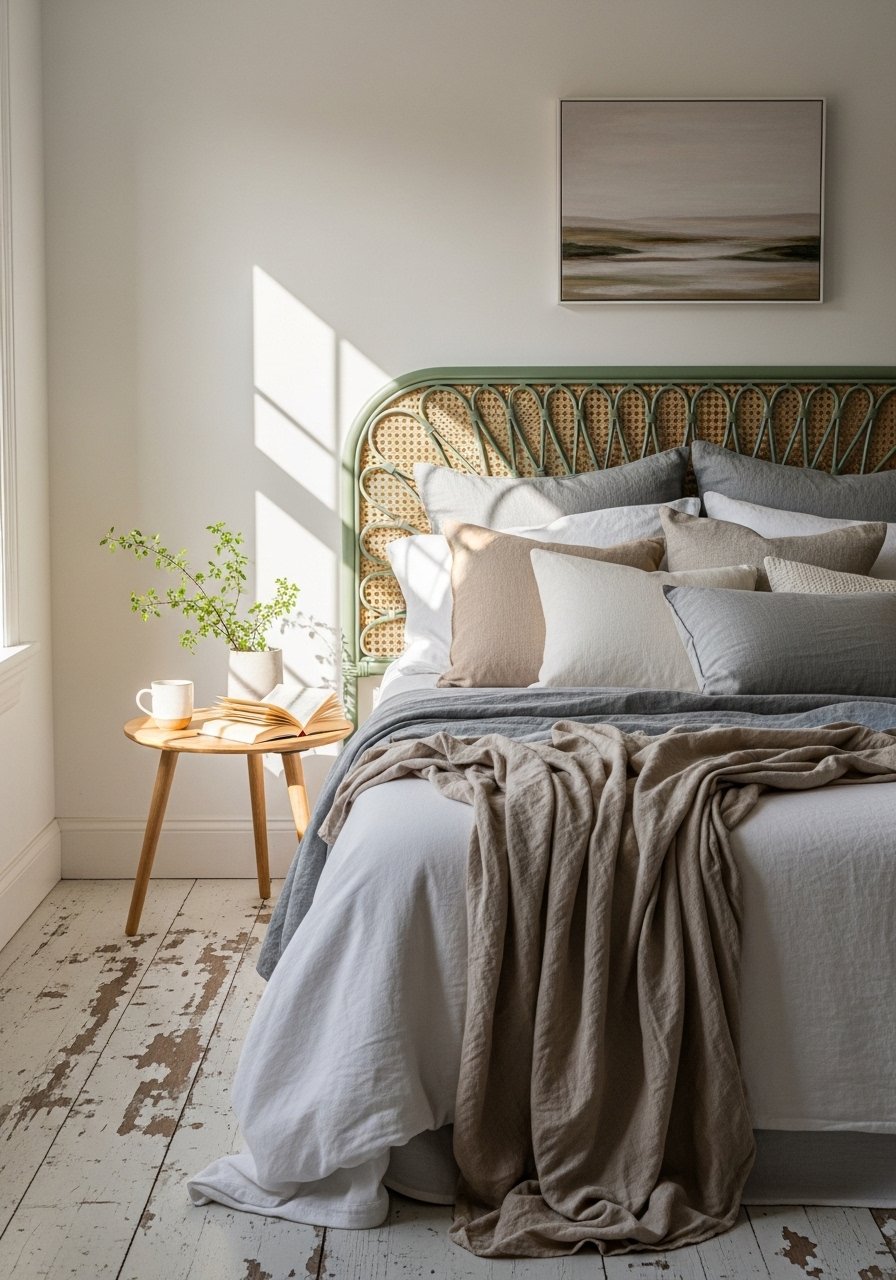
I made my bedroom feel collected by swapping a standard headboard for a rattan panel and painting it muted green. The texture reads curated and relaxed. If you prefer new, woven headboards are an easy upgrade. Mistake: adding a loud headboard without calming bedding — pair a statement headboard with neutral linens to keep the look balanced and restful.
Display Functional Objects as Art
Style/Vibe: Functional-chic, eclectic
Budget: $
Best For: Kitchen, bathroom
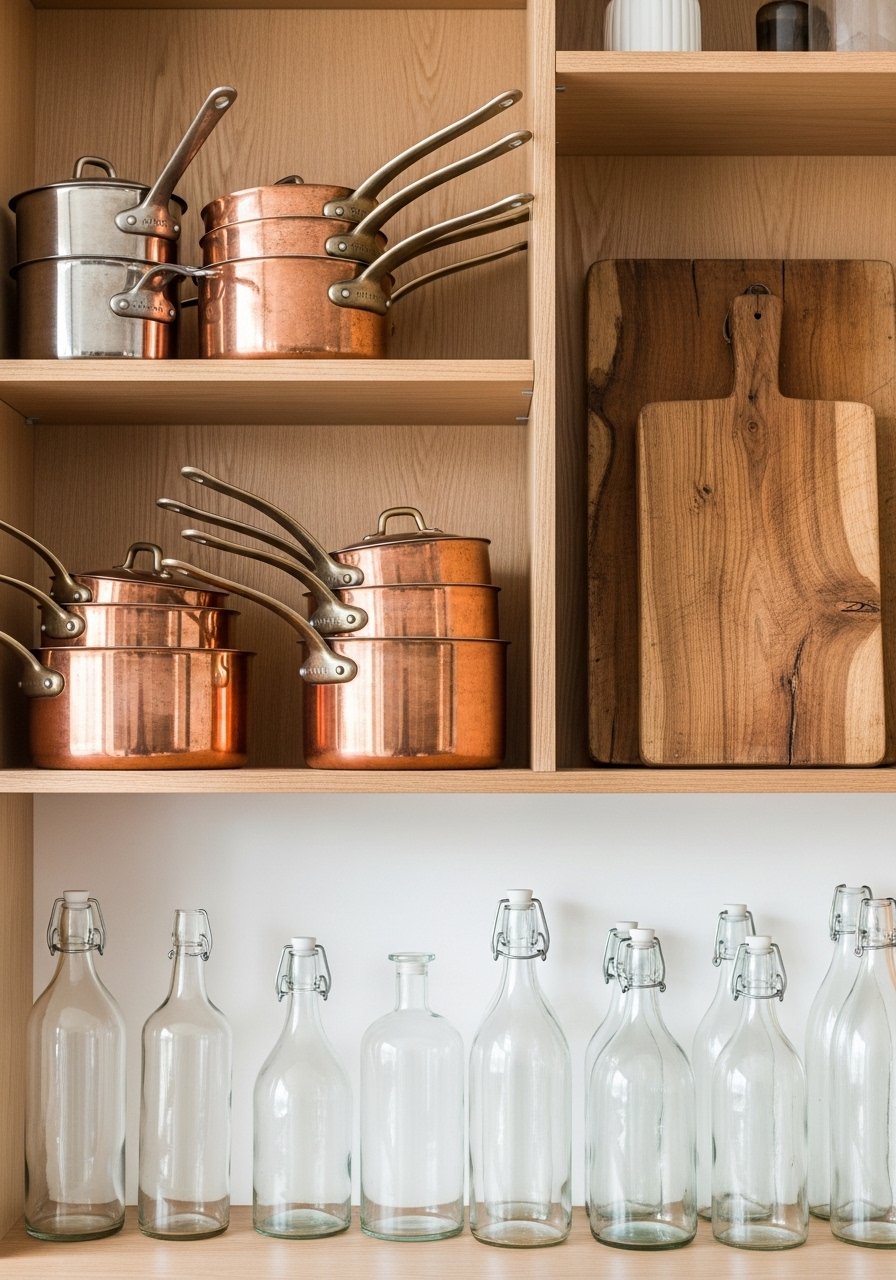
I styled my open kitchen shelves with stacked copper pans and vintage jars so everyday items feel intentional. Treat functional objects as art by arranging them by color or material. I added copper mugs set for consistent shine. Avoid overcrowding shelves — choose a few key items and rotate seasonally. This keeps the kitchen practical and visually interesting without feeling like a store display.
Use Rugs to Define Unexpected Zones
Style/Vibe: Eclectic, clever zoning
Budget: $–$$
Best For: Studio apartments, open-plan
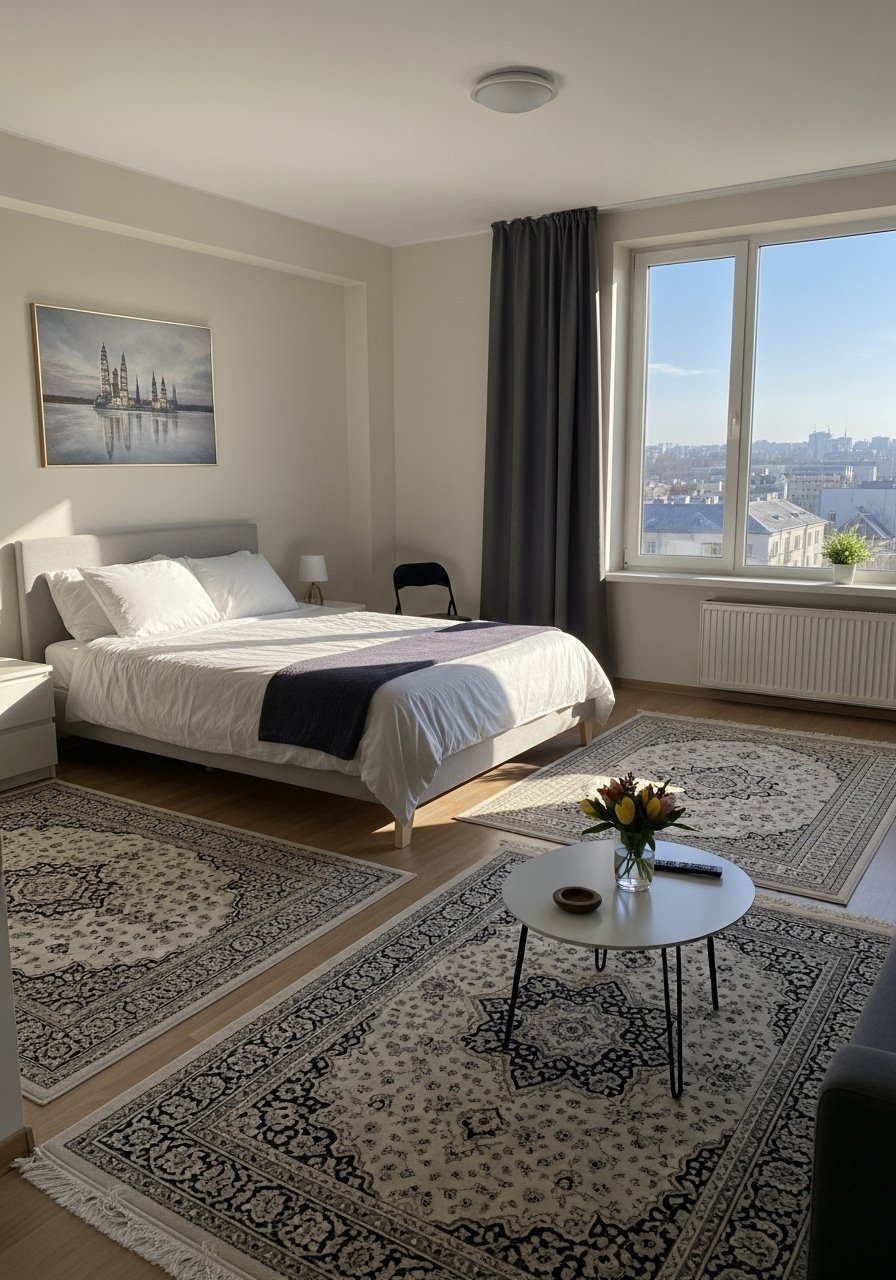
In my studio, rugs created separate zones: sleeping, lounging, and dining. Different textures signal function while a shared accent color ties them together. I used a large jute under the living area and a patterned runner for the dining nook. 8×10 jute area rug works well as a base. Mistake: choosing rugs that are too small — scale matters. Make sure rugs are large enough to include furniture legs for a cohesive zone.
Layer Artwork Over Furniture for Depth
Style/Vibe: Collected-gallery style
Budget: $–$$
Best For: Living room, bedroom
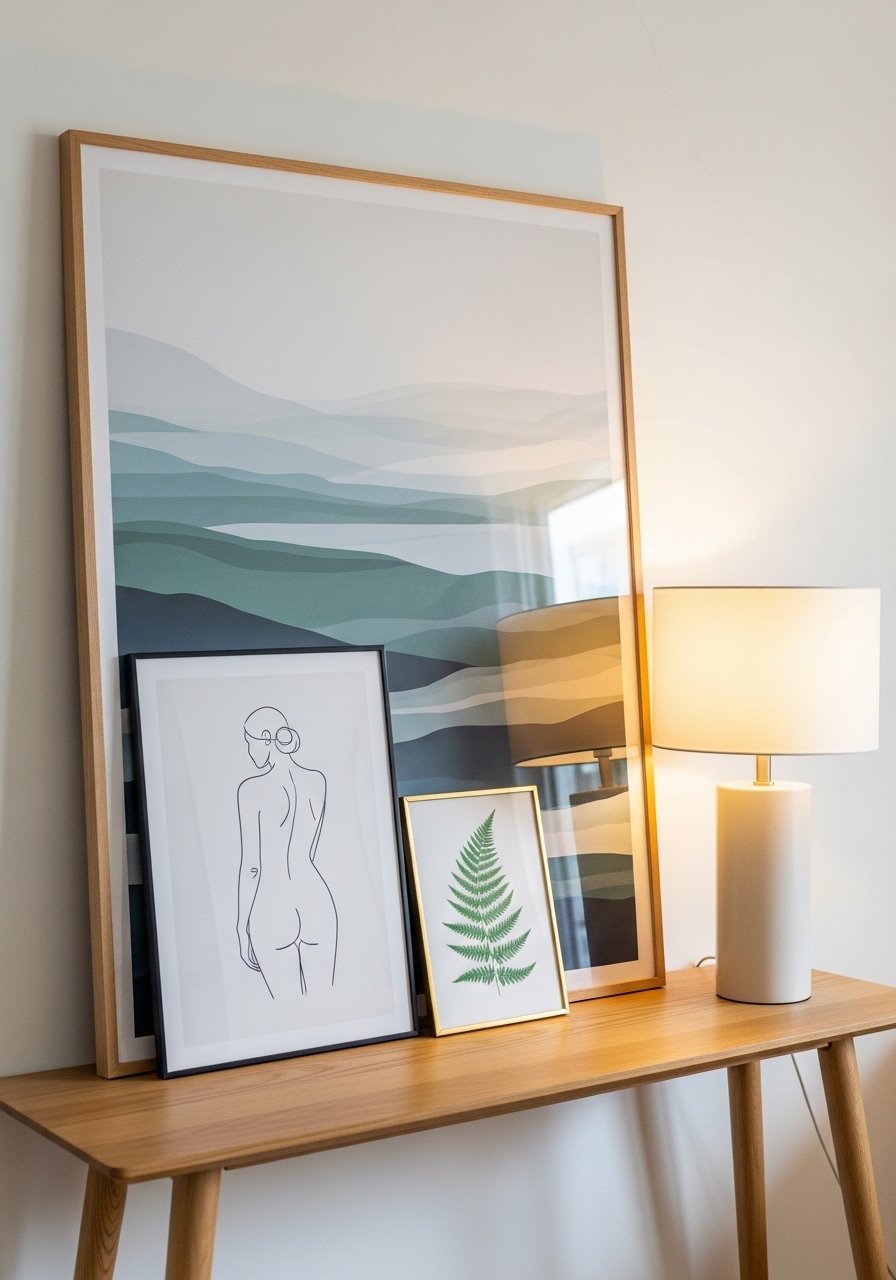
I lean larger artwork on my console and layer smaller pieces in front to create a sense of depth. This informal approach keeps walls flexible and gallery-like. Use a large statement and then rotate smaller frames seasonally. I often add white picture mats for consistency. Avoid hanging everything flush to the wall — leaning adds approachability and an edited, collected look that’s easy to change.
Curate a Drawer of Seasonal Accessories
Style/Vibe: Practical-eclectic, prepared
Budget: $
Best For: Entryway, bedroom
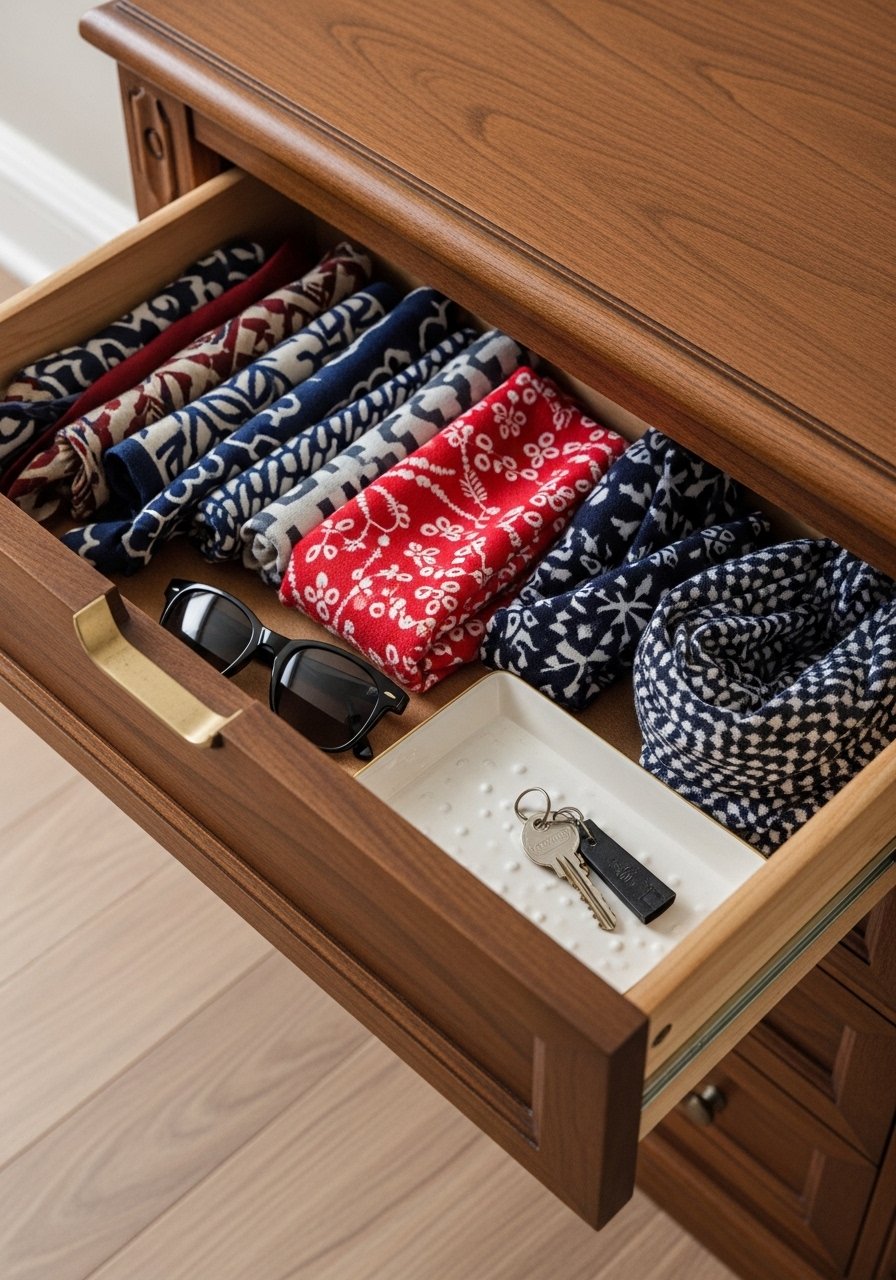
I keep a shallow drawer in my entry for rotating accessories — scarves, hats, and sunglasses. It keeps surfaces clean while making swaps easy so the room always looks curated. Use small trays inside the drawer to organize by type. I store spare seasonal pieces in labeled bins from storage organizer sets. Mistake: letting entry clutter pile up — a single drawer solves that and keeps your curated look intact.
Personal Archive Wall: Mix Photos and Objects
Style/Vibe: Personal-eclectic, intimate
Budget: $
Best For: Hallway, stairwell
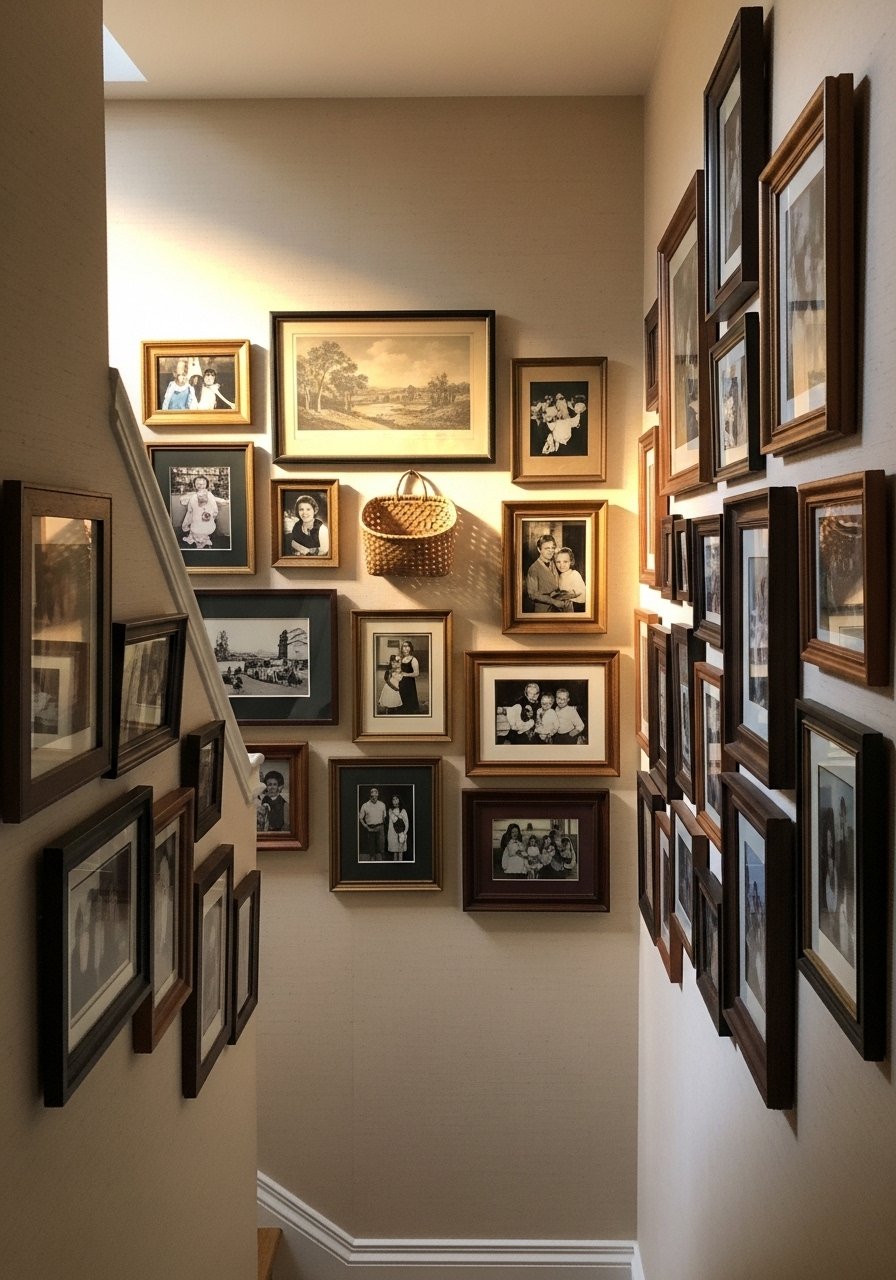
I made a personal archive wall with family photos, postcards, and a small ceramic plate to keep memories on display. Mixing 3D objects with frames adds storytelling. Use consistent mat tones to keep chaos readable. I supplement with mixed metal frames set for cohesion. Avoid the trap of matching every frame — variety is fine, but maintain a unifying element like frame color or mat style so it feels collected, not messy.
Use Sculptural Lighting as Art Over Side Tables
Style/Vibe: Artistic, moody
Budget: $$
Best For: Bedroom, living room
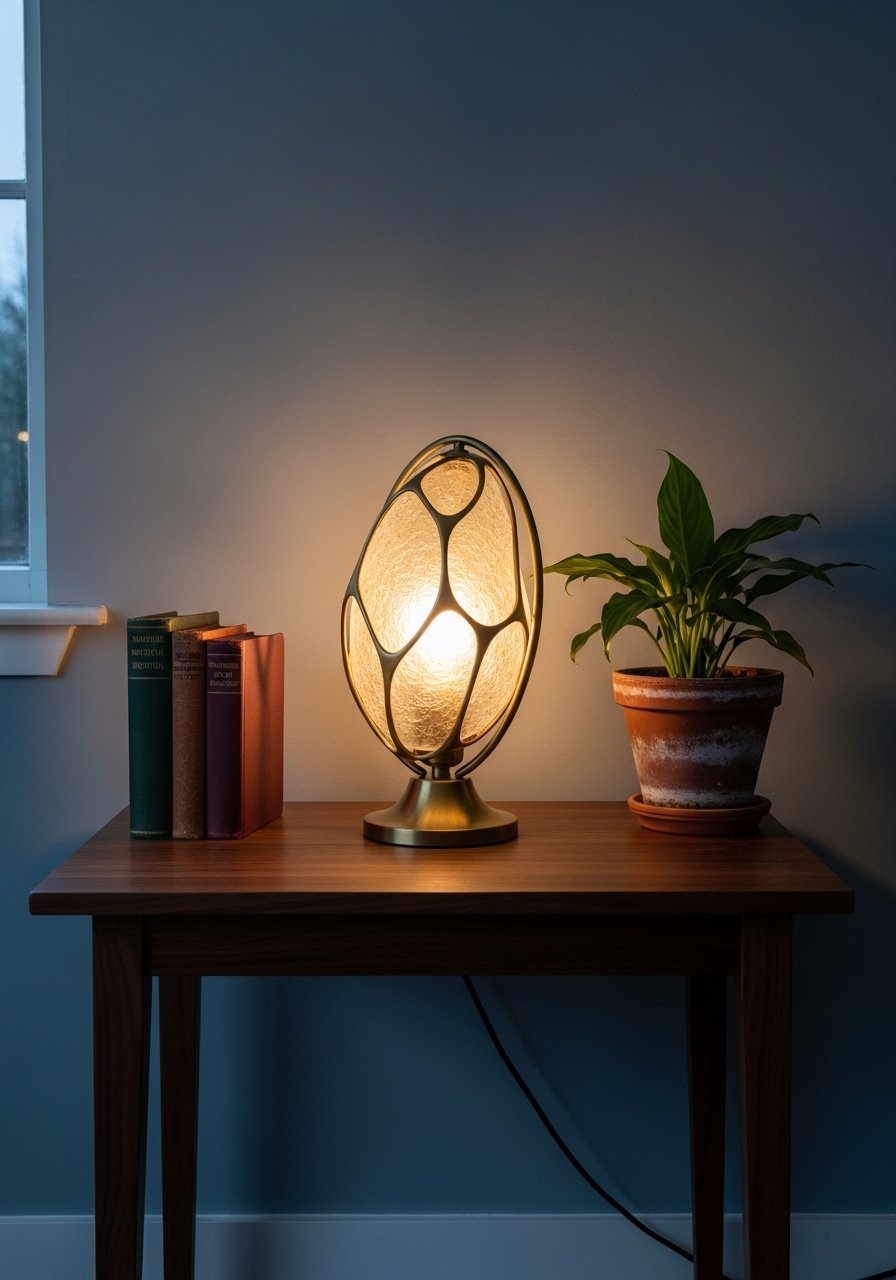
I swapped a generic lamp for a sculptural ceramic base that reads like art on my side table. It gives layered light and personality without extra objects. I like ceramic lamps with warm finishes; they play well with brass accents. Try ceramic table lamps for tactile interest. Mistake: lamp too small for the table — scale matters for presence. The right lamp makes the side table feel like a designed vignette.
Mix Minimal Lines With Organic Textures in the Bathroom
Style/Vibe: Minimal-eclectic, spa-like
Budget: $–$$
Best For: Bathroom
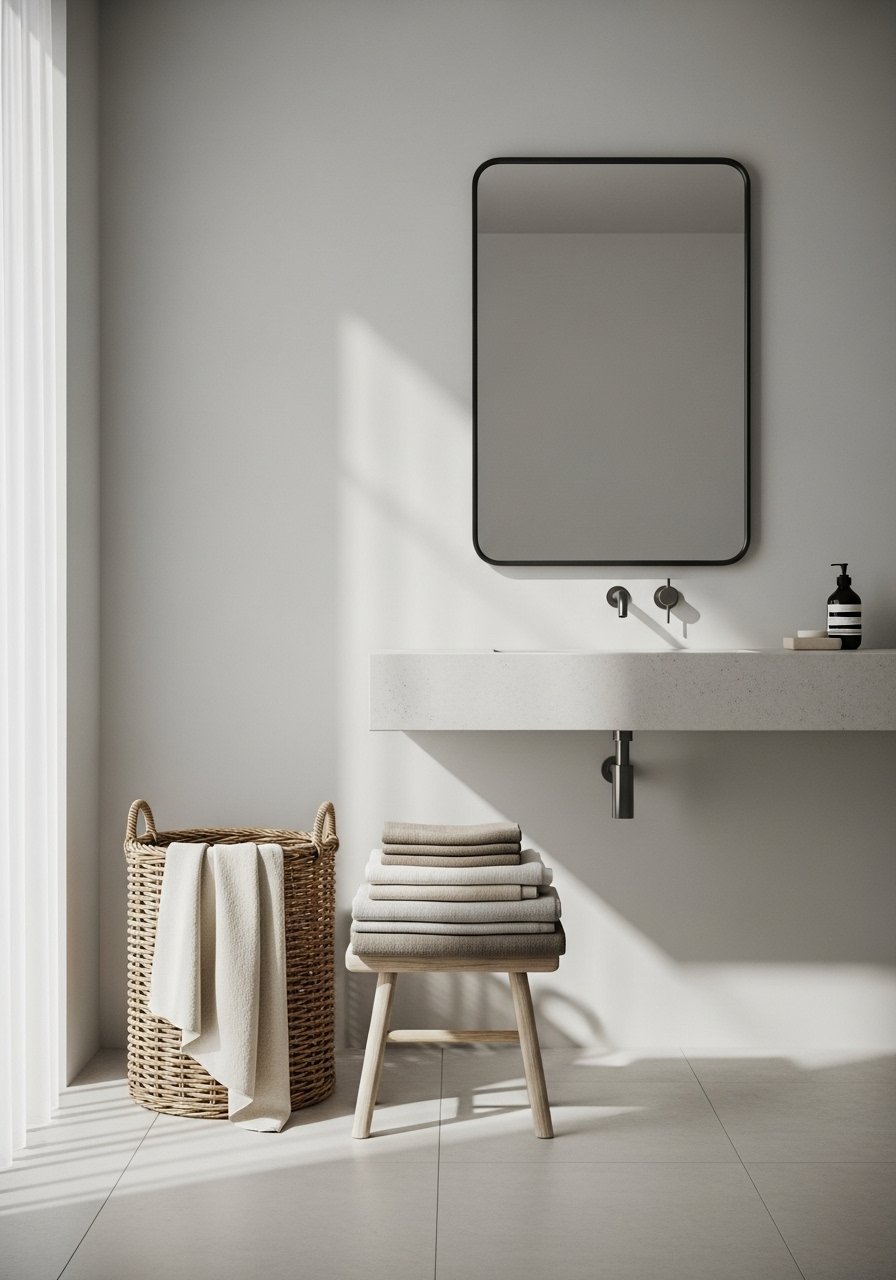
I balanced a clean black mirror with a wooden stool and linen towels to get a spa-meets-eclectic bath. Organic textures soften minimal lines. I used linen blend curtains as a shower curtain alternative in small baths for a softer look. Avoid too many patterns; keep one or two textures to maintain calm. This combo feels collected and restful without looking decorated for a photo shoot.
Shopping Tips for These Looks
Buy throws and pillows seasonally: I swap mine every 3 months. These velvet pillow covers are $12 each and change the vibe fast.
Invest in one large plant, not five small ones: A single 6-foot fiddle leaf fig makes more impact than many tiny succulents.
White oak beats dark wood in 2026: Try white oak floating shelves to keep things feeling current.
Thrift the frames, buy the mats new: Pair thrifted frames with white picture mats for polish.
Curtains should kiss or puddle the floor: For taller ceilings use 96-inch panels.
Start with neutrals, layer color sparingly: A neutral base rug like 8×10 jute rug lets accents sing.
Frequently Asked Questions
Q: How do I mix patterns without it looking chaotic?
A: Anchor patterns with a neutral base and repeat a color from one pattern in another. Start with one large-scale pattern, add one medium, and one small. Use solid cushions to break patterns. These velvet pillow covers are great solids to pair with patterned throws.
Q: I'm renting—how can I get this look without painting?
A: Use peel-and-stick wallpaper for a focal wall, swap in curtain panels, and layer rugs. Neutral peel and stick panels give texture without commitment.
Q: What's a quick way to make a room feel more collected?
A: Add one vintage object, a large plant, and a layered rug. A 6-foot faux fiddle leaf adds instant maturity without upkeep.
Q: How many pillows should I put on a sofa?
A: For a standard sofa, aim for 4–6 pillows: two euro backs and 2–4 smaller fronts. Use a mix of sizes and textures; 22-inch euro pillow inserts are perfect for structure.
Q: Should I match furniture finishes across rooms?
A: Matching everything feels showroom-ish. Instead, repeat a finish or color in smaller doses across rooms. Mixing warm brass with black hardware reads collected; try mixed metal frames to introduce the idea.
Q: How do I make a small room look bigger without major changes?
A: Use a large round mirror, light curtains hung high, and a single large rug that includes furniture legs. This 36-inch round mirror helped my tiny living room feel more open.