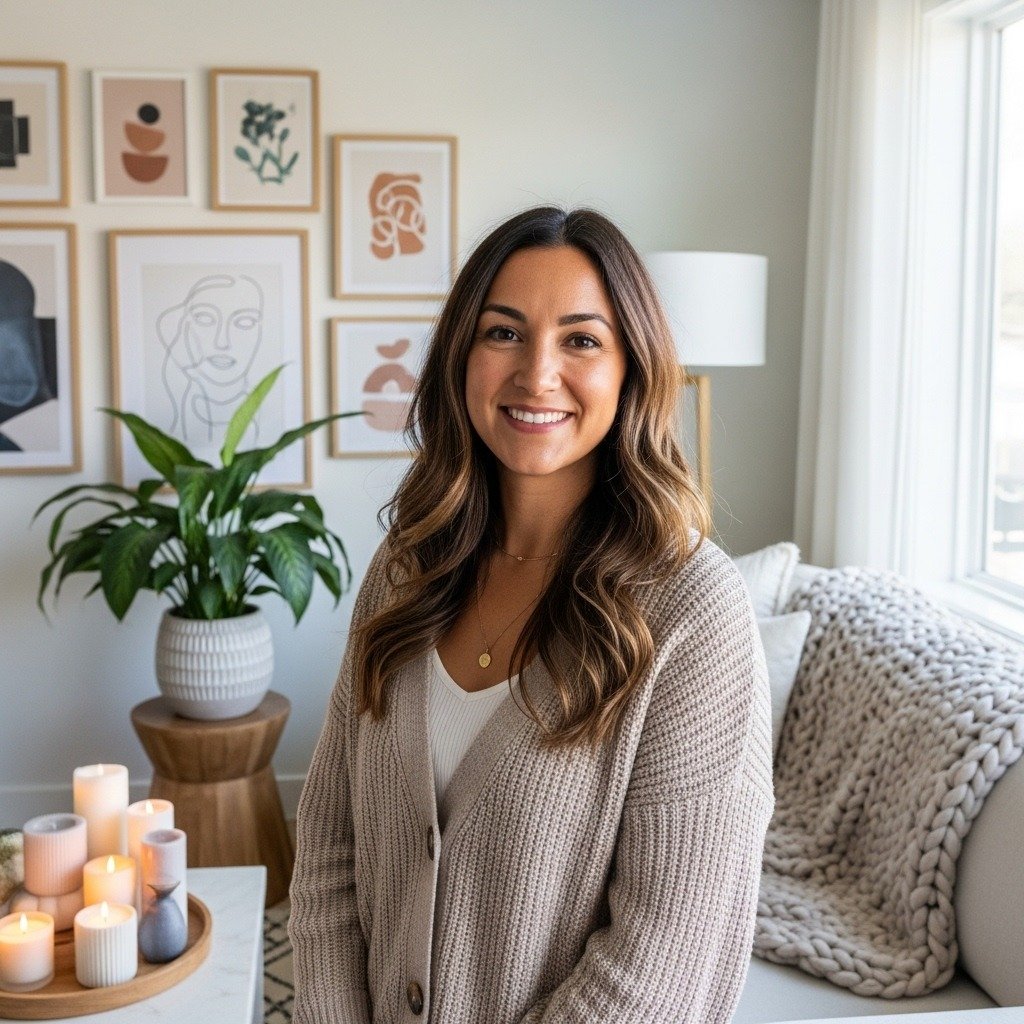

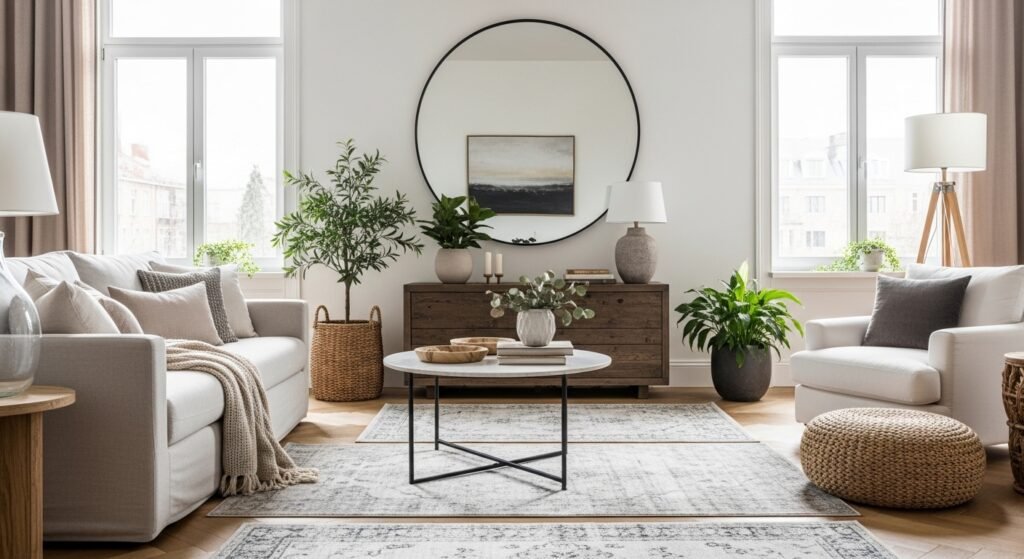
I stared at my beige sofa for months and realized the room felt boxed because everything was the same height and tone. Small changes—like a 36-inch mirror and a narrow sofa table—made it breathe. These 23 small living room decor ideas cost as little as $20 or a splurge near $250, and each one is something I actually tried in my apartment.
Quick context: This list leans modern, cozy, and minimalist with boho accents. Budgets range from thrifted finds and under-$50 pieces to a few $100-250 splurges. These suggestions work for city apartments, small open-plan living rooms, and studio layouts. Lately I’m seeing warm wood tones and rattan everywhere — I leaned into those in several looks.
What You'll Need to Get This Look
Textiles & Soft Goods:
- Chunky knit throw blanket in cream (~$35-55)
- Linen blend curtains, 84-inch (~$30-50 per panel)
- Velvet pillow covers, set of 4 (~$40-50)
Wall Decor & Art:
- Set of 3 floating shelves, white oak (~$45-70)
- Large round mirror, 36-inch (~$80-120)
Lighting:
- Rattan pendant light shade (~$30-60)
- LED Edison bulbs, warm white (~$15-20)
Plants & Greenery:
- Artificial fiddle leaf fig tree, 6ft (~$60-90)
Budget-Friendly Finds:
- Peel and stick wallpaper panels, neutral (~$20-35)
- Clear acrylic coffee table (~$80-150)
- Slim console table, 48-inch (~$60-120)
(Also similar versions available at Target and HomeGoods for many of these pieces.)
Floor-to-Ceiling Curtains to Add Height
Style/Vibe: Modern / Cozy
Budget: $$ (under $100)
Best For: Living room / Studio
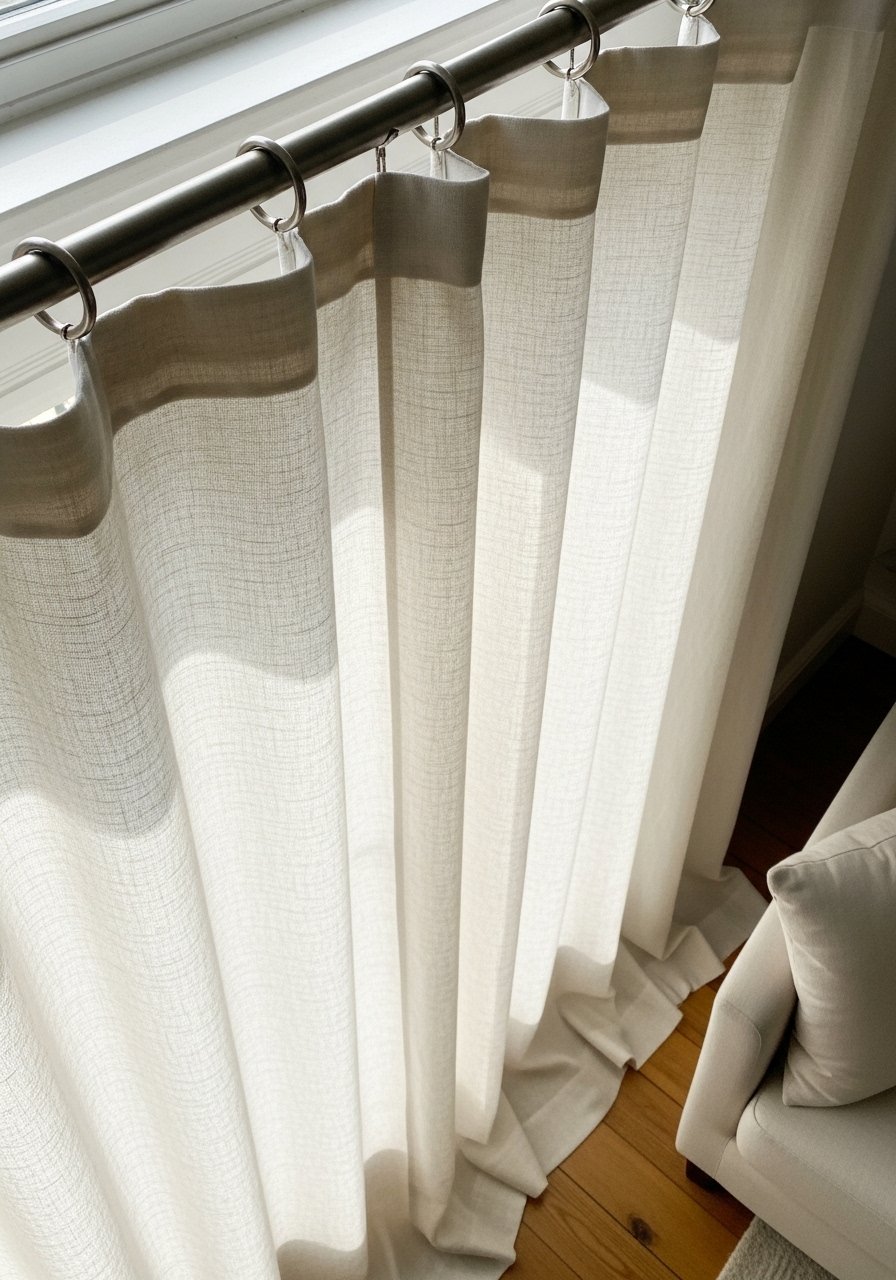
Hanging curtains just a few inches above the window frame changed my ceiling perception. I used linen blend curtains, 84-inch hung within two inches of the ceiling to make the room feel taller. The look reads modern-farmhouse without feeling heavy. Avoid hanging them midpoint on the wall — that’s the most common mistake. Keep hardware slim and choose a light neutral so the fabric breathes with the window light and keeps the space airy.
Oversized Round Mirror to Brighten Corners
Style/Vibe: Scandinavian / Minimalist
Budget: $$$ ($80-150)
Best For: Living room / Narrow spaces
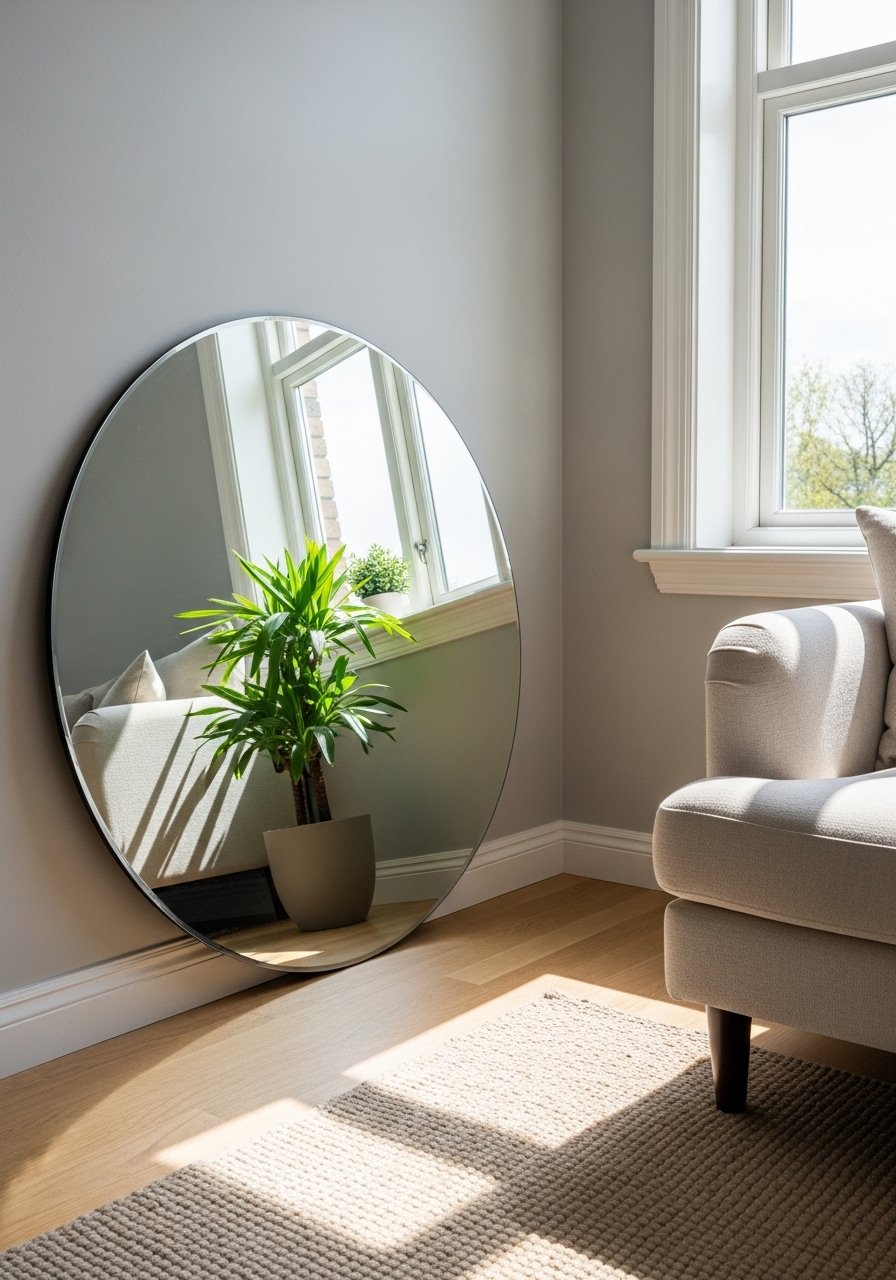
I leaned a 36-inch round mirror in a dark corner and the room felt instantly brighter and deeper. Round mirrors soften corners and create a focal point without adding bulk. They work best opposite windows or lamps for light bounce. The mistake I see is choosing a mirror with too-thick framing — pick a thin or natural wood frame so the mirror reads as extra space, not another heavy object.
Floating Shelves with Curated Greenery
Style/Vibe: Boho / Modern
Budget: $ (under $70)
Best For: Small walls / Above sofa
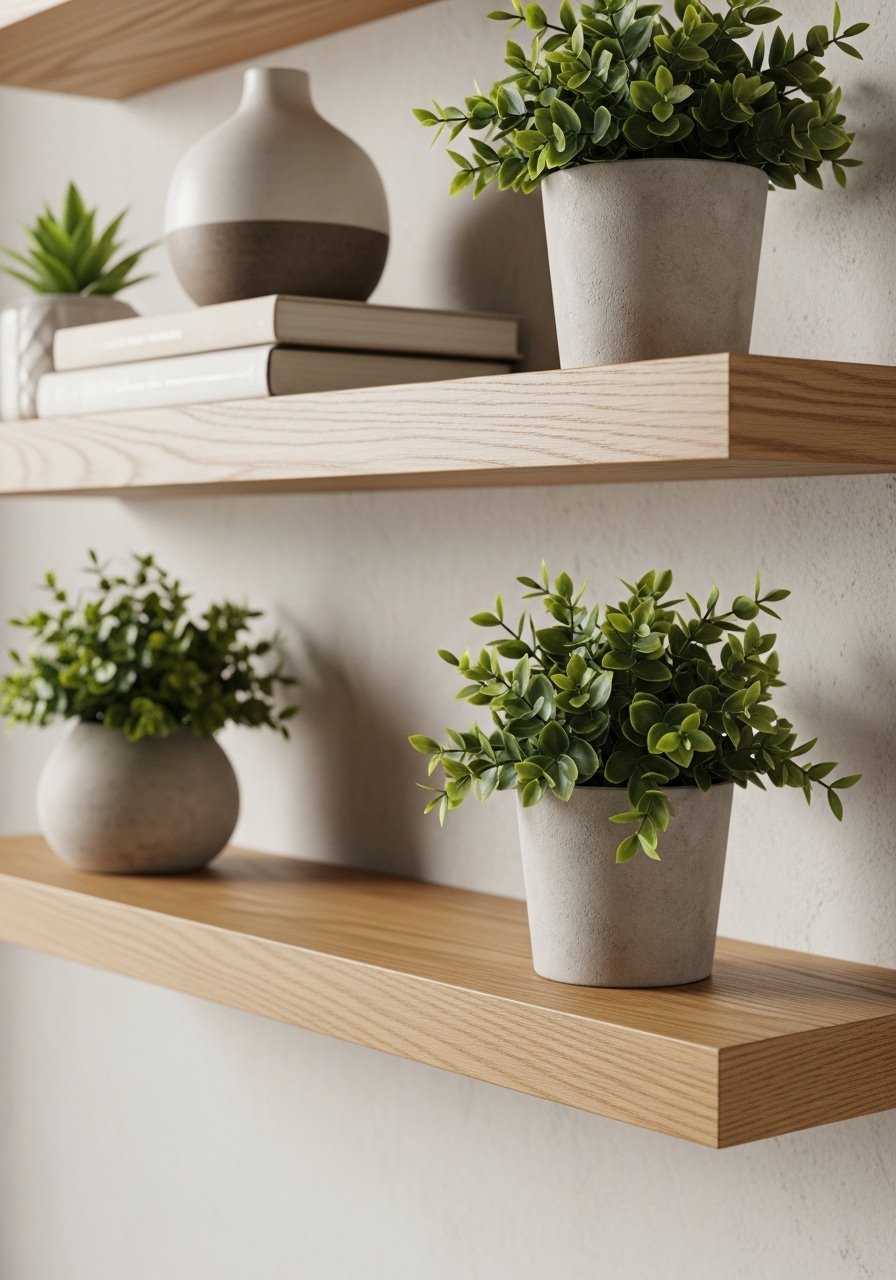
Floating shelves are my go-to for narrow walls. I installed white oak floating shelves in staggered heights and mixed in a faux pothos and a small ceramic bowl. Curated objects in odd numbers and varying heights keep the eye moving. Don’t overcrowd—space between items matters. This approach adds vertical interest, gives room for greenery, and avoids the cluttered shelf look people often fall into by packing everything in.
Layered Neutrals with One Bold Accent Color
Style/Vibe: Modern / Cozy
Budget: $$ (under $150)
Best For: Living room / Open plan
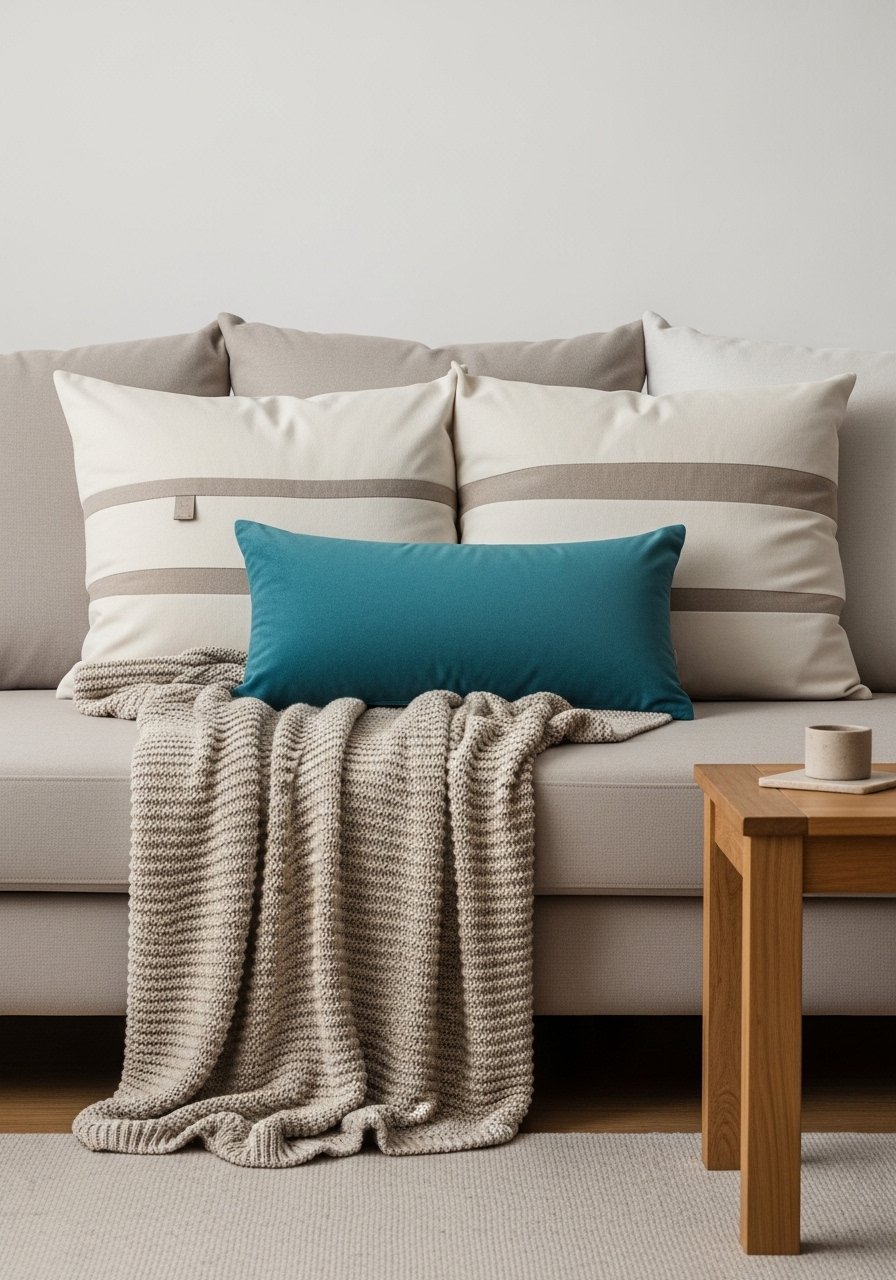
I stuck to creams, warm beiges, and added one teal pillow to ground the scheme. Using velvet pillow covers in neutral tones keeps the palette cohesive while a single colored pillow reads intentional. The trick is texture—mix linen, knit, and velvet in roughly a 3:2:1 ratio. A mistake is choosing too many competing colors; that shrinks the visual field. Keep neutrals dominant and let the accent color pop in small doses.
Slim Profile Sofa in Light Fabric for Airiness
Style/Vibe: Mid-century / Minimalist
Budget: $$$ ($200-700)
Best For: Small living rooms / Apartments
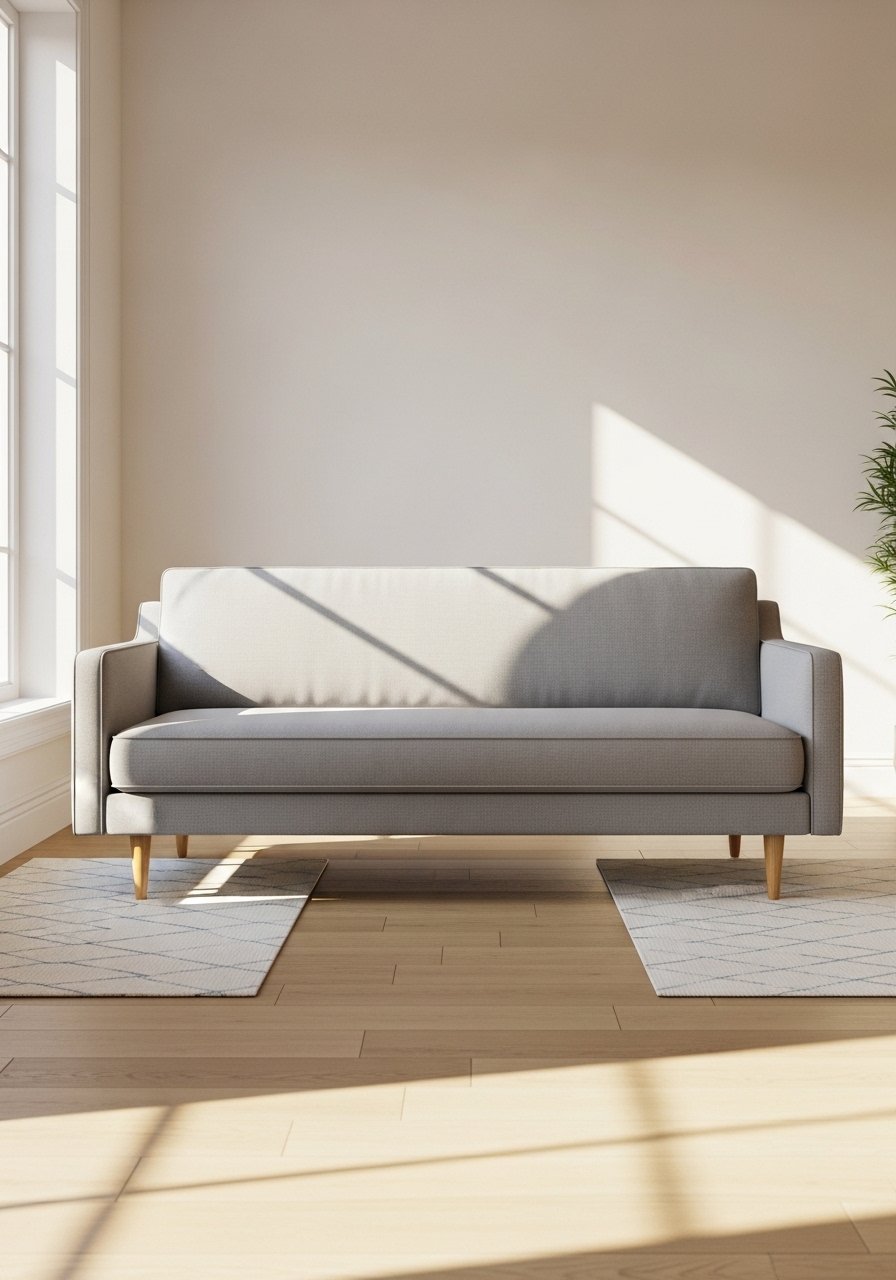
I swapped a bulky sectional for a 74-inch slim-profile sofa with exposed legs and it instantly opened the floor. Exposed legs create sightlines; I like light gray linen blend fabrics that read airy. Avoid deep, overstuffed pieces that swallow space. If you need storage, choose a sofa with raised clearance for small baskets underneath. Narrow arms and low backs help maintain proportion in a small living room while still feeling cozy.
Nesting Tables for Flexible Surface Space
Style/Vibe: Boho / Eclectic
Budget: $ (under $120)
Best For: Apartments / Entertaining
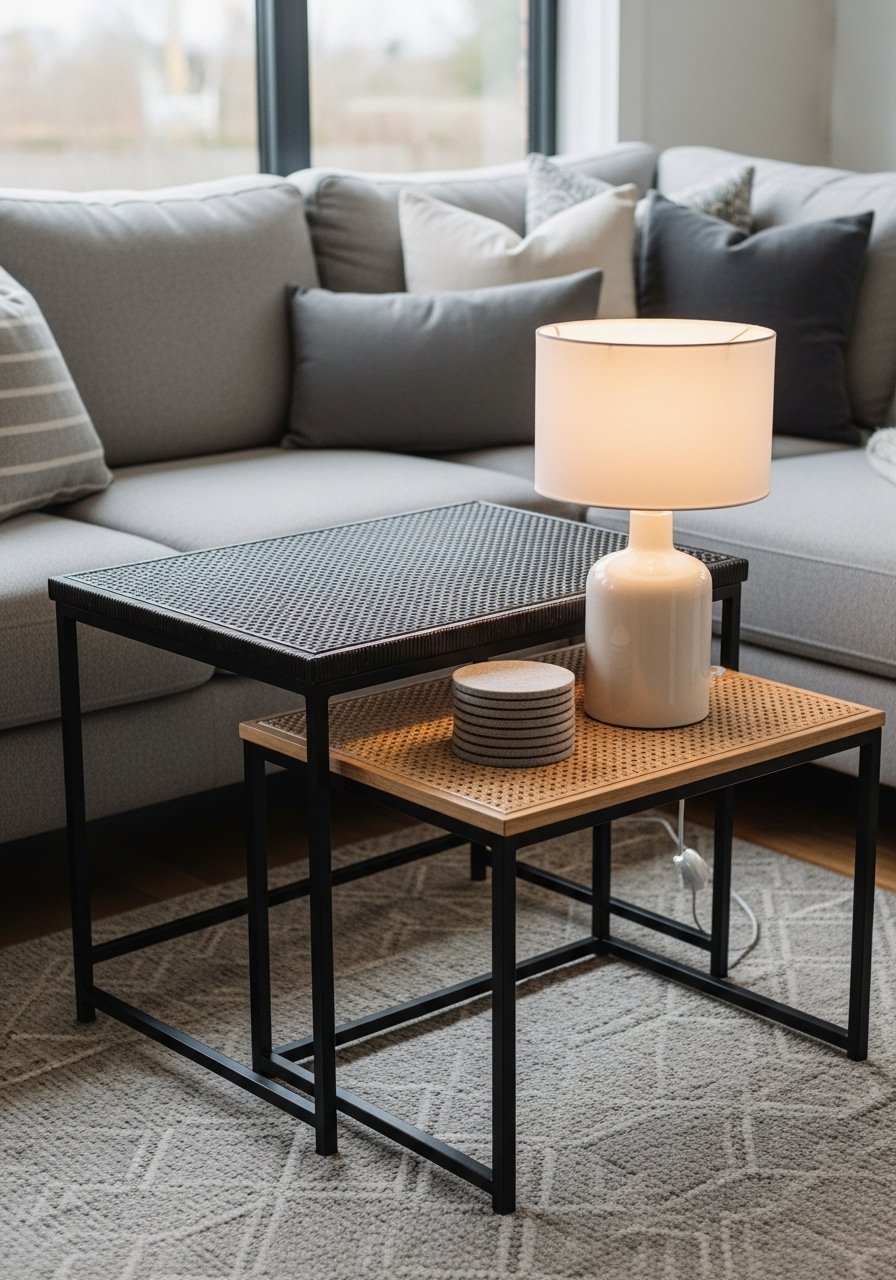
Nesting tables are a lifesaver for small living rooms. I keep a metal-rimmed nesting table set by the sofa that tucks away when I need floor space. They serve as drinks tables, plant stands, and temporary desks. The common mistake is picking one heavy material—mix wood and metal for contrast. Use odd-numbered styling on top and keep the larger table slightly off-center to create a relaxed, intentional look.
Clear Acrylic Coffee Table to Maintain Sightlines
Style/Vibe: Modern / Minimalist
Budget: $$ (under $200)
Best For: Tiny living rooms / Open concept
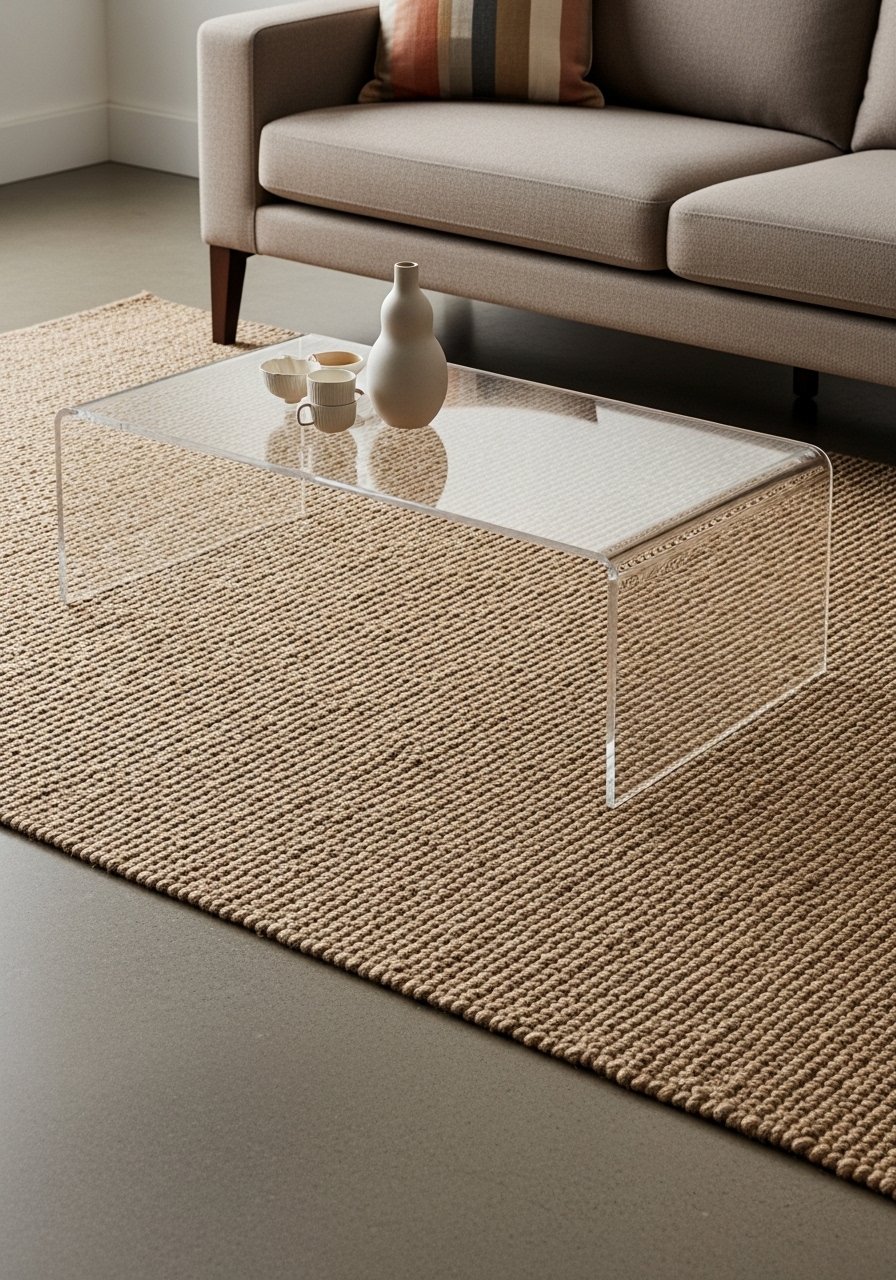
A clear acrylic coffee table made my tiny living room feel less crowded because my eye can see through it. I picked a low-profile rectangular option and layered a woven tray with coasters and a book. Avoid oversized acrylic pieces that look top-heavy; scale matters. Transparent furniture keeps sightlines open, pairs well with textured rugs, and still functions as a surface. It reads modern without shrinking the room visually.
Vertical Gallery Wall to Draw Eyes Up
Style/Vibe: Scandinavian / Modern
Budget: $ (under $100)
Best For: Accent wall / Above console
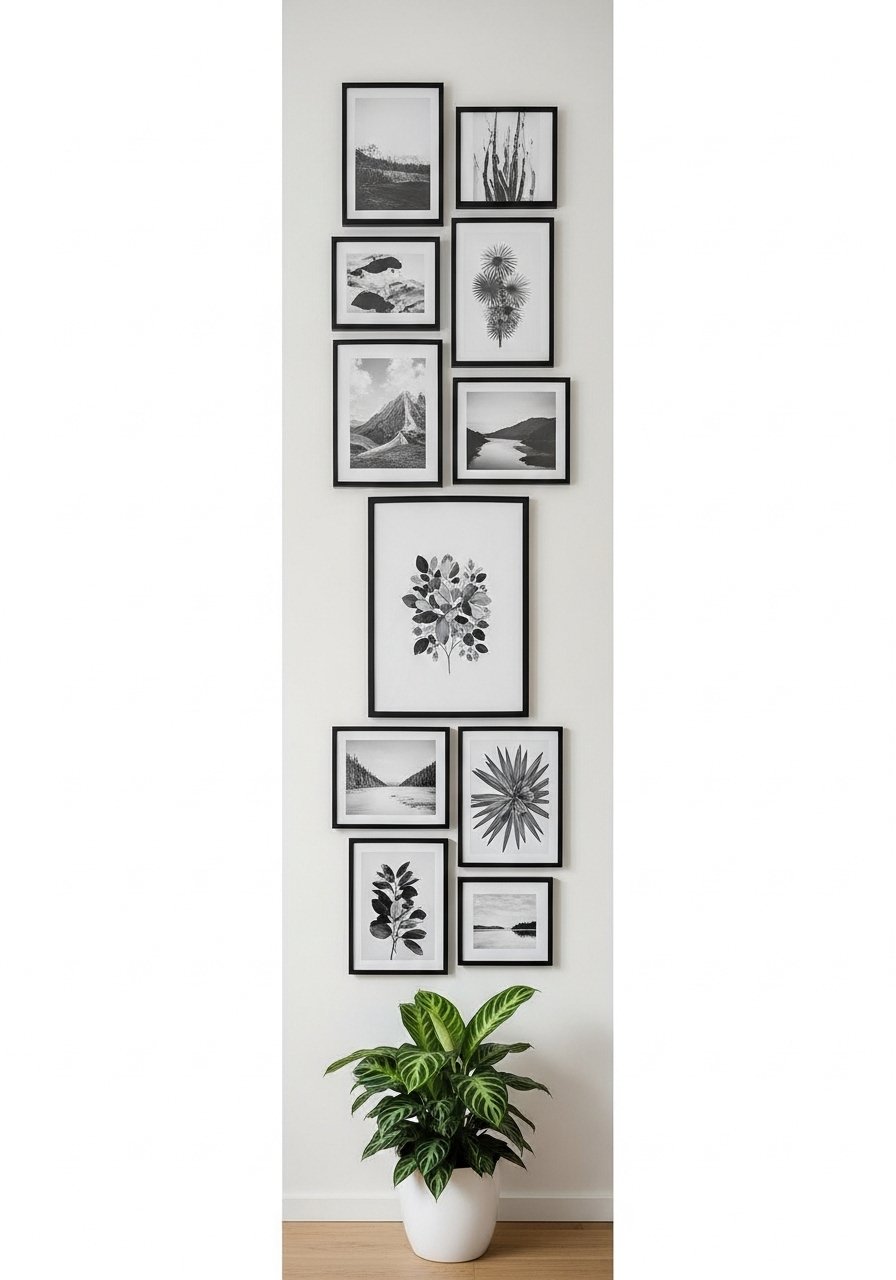
I created a vertical gallery with slim frames to pull the eye upward. Using 11×14 frames in black and spacing them 3 inches apart made the wall feel intentional rather than random. My tip: stick to two mat/frame colors to avoid visual chaos. The mistake is spreading frames too far apart; narrow vertical spacing creates an upward pull and makes ceilings feel higher. Rotate art seasonally to keep the wall fresh without buying new frames.
Minimalist Media Console with Hidden Storage
Style/Vibe: Minimalist / Mid-century
Budget: $$ (under $250)
Best For: Living room / TV walls
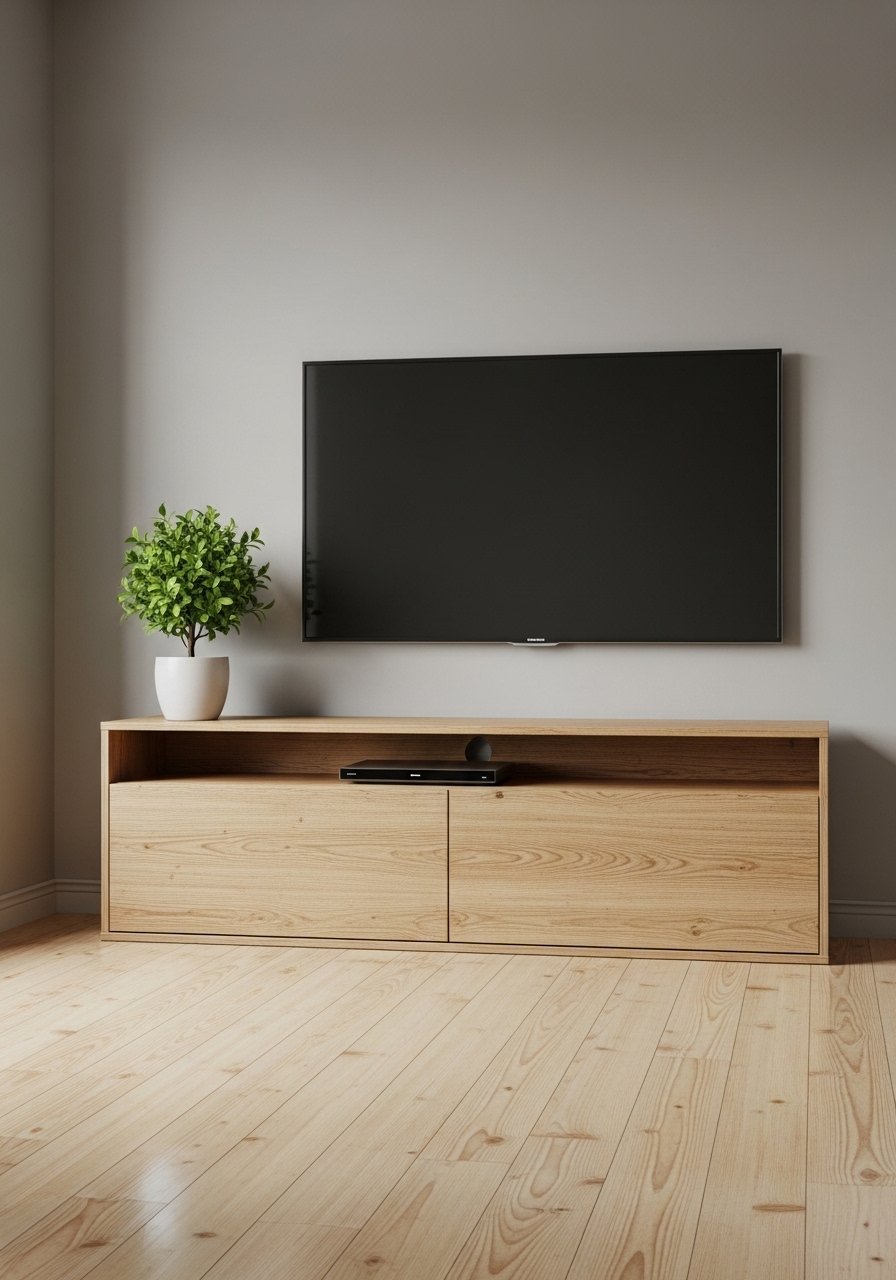
I replaced an open shelving unit with a slim media console that hides remotes, cords, and game boxes. A 48-inch console with push-to-open doors keeps clutter out of sight while the top stays minimal. The common mistake is leaving cords visible—use a simple cable sleeve. Choosing a low console maintains visual openness while offering enough storage for everyday items. This keeps the small living room calm and functional.
Multi-Functional Sofa with Under-Seat Storage
Style/Vibe: Practical / Cozy
Budget: $$$ ($200-600)
Best For: Studios / Multi-use rooms
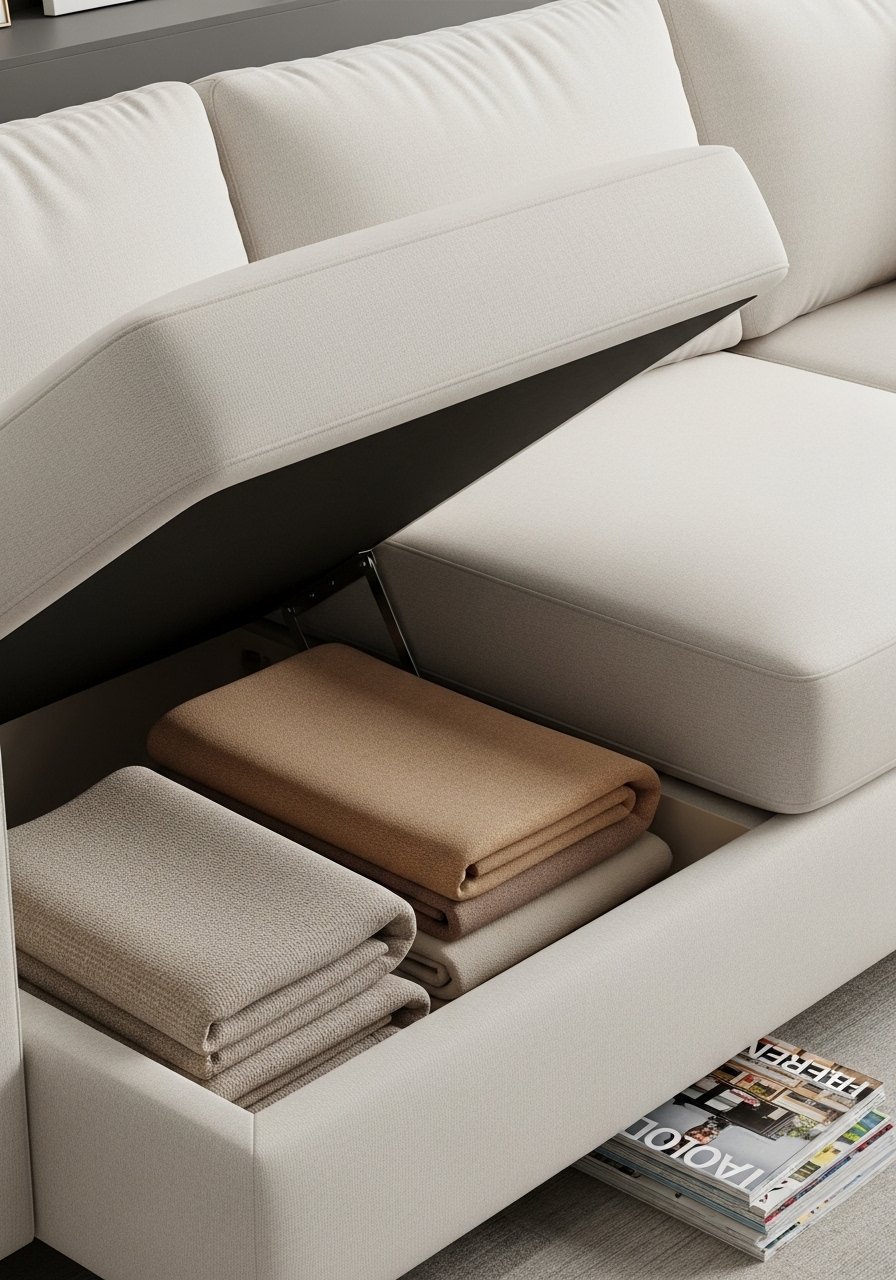
I swapped cushions for a sofa that offers under-seat storage—perfect for extra throws and seasonal pillows. The internal compartments keep the coffee table clear and reduce visual clutter. Avoid sofas with awkwardly shallow storage; look for true depth. This solution is ideal when you lack closet space and want a tidy look. It balances function with minimalism and keeps textiles tucked away until you need them.
Slim Console Behind Sofa for Narrow Rooms
Style/Vibe: Transitional / Classic
Budget: $ (under $150)
Best For: Narrow living rooms / Behind sofas
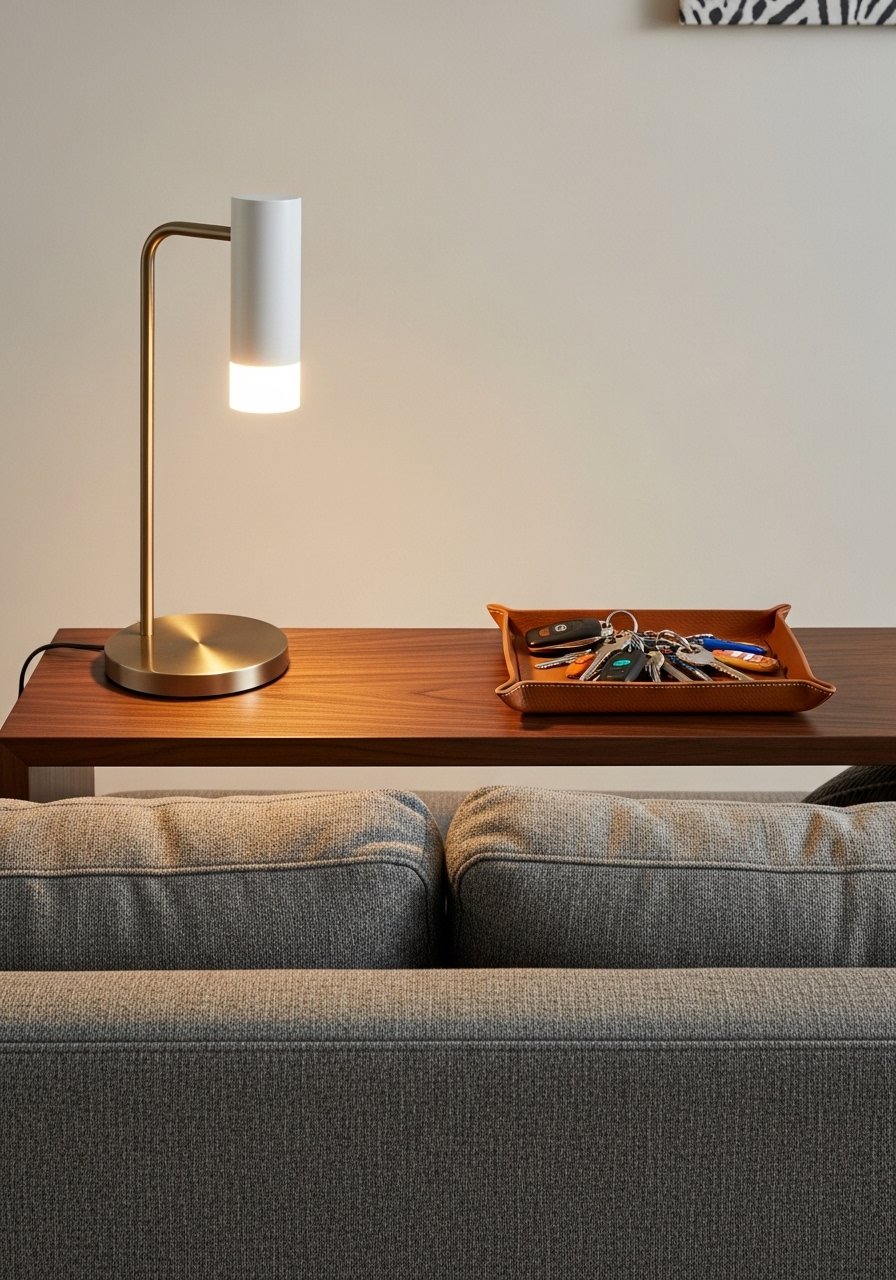
In a narrow layout I placed a 10-inch slim console table behind the sofa for lamps and a catchall tray. It adds function without crowding the walkway. I picked a 48-inch length to match the sofa scale. The mistake is choosing a console too deep—keep it under 12 inches to maintain flow. This trick creates a deliberate separation between the sofa and the rest of the room while offering a surface for styling and task lighting.
Fold-Down Wall Desk for Dual Living Rooms
Style/Vibe: Modern / Minimalist
Budget: $ (under $200)
Best For: Living room / Work-from-home setups
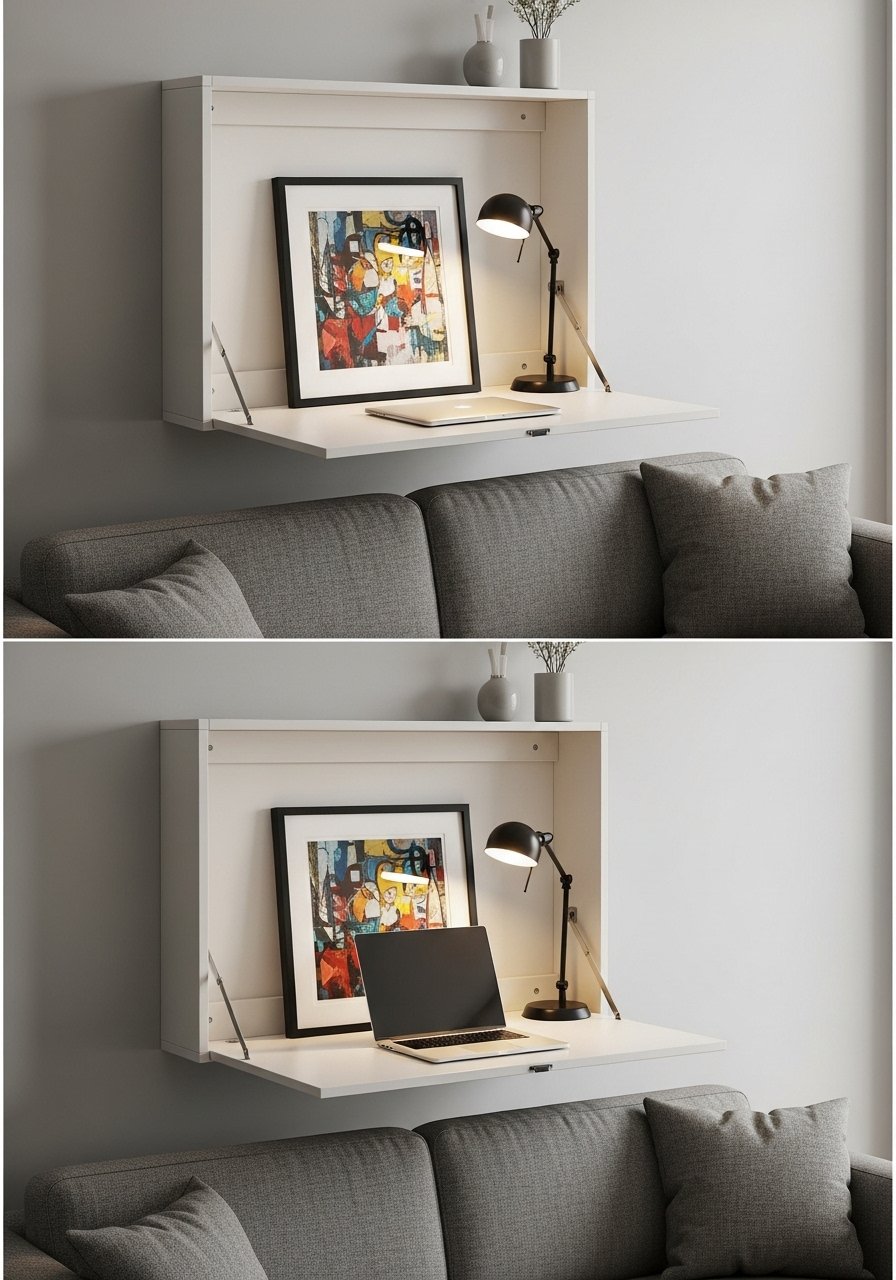
I installed a fold-down wall desk that tucks away when I’m not working. It doubles as a console when closed and a compact workstation when needed. Keep the desk width to 30–36 inches so it doesn’t dominate the room. Avoid bulky office chairs; use a slim stool that slides under. This is a fresh angle I don’t see often—vertical multifunctional furniture that keeps a small living room flexible and uncluttered.
Textured Accent Wall with Peel-and-Stick Wallpaper
Style/Vibe: Boho / Modern
Budget: $ (under $50)
Best For: Feature wall / Rental-friendly
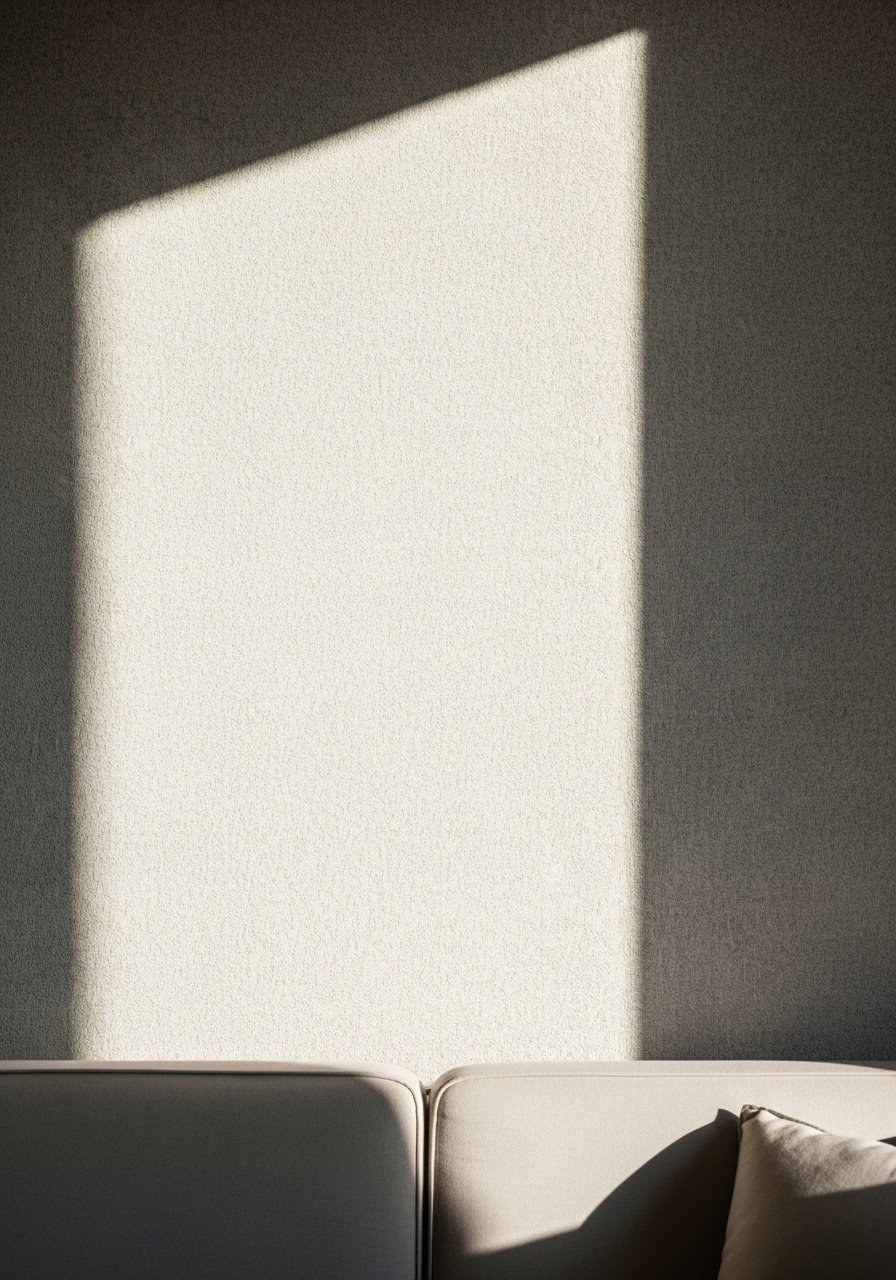
Peel-and-stick linen wallpaper made my accent wall feel rich without painting. I used neutral panels to add texture, not pattern. The biggest mistake is picking a busy print for a tiny room; neutral texture reads larger. I love that it’s renter-friendly and reversible. This is an under-used approach competitors miss—texture can create depth without dark colors, which keeps the small living room feeling open and tactile.
Rattan Lighting for Warm Ambient Glow
Style/Vibe: Coastal / Boho
Budget: $$ (under $120)
Best For: Over seating / Corner lighting
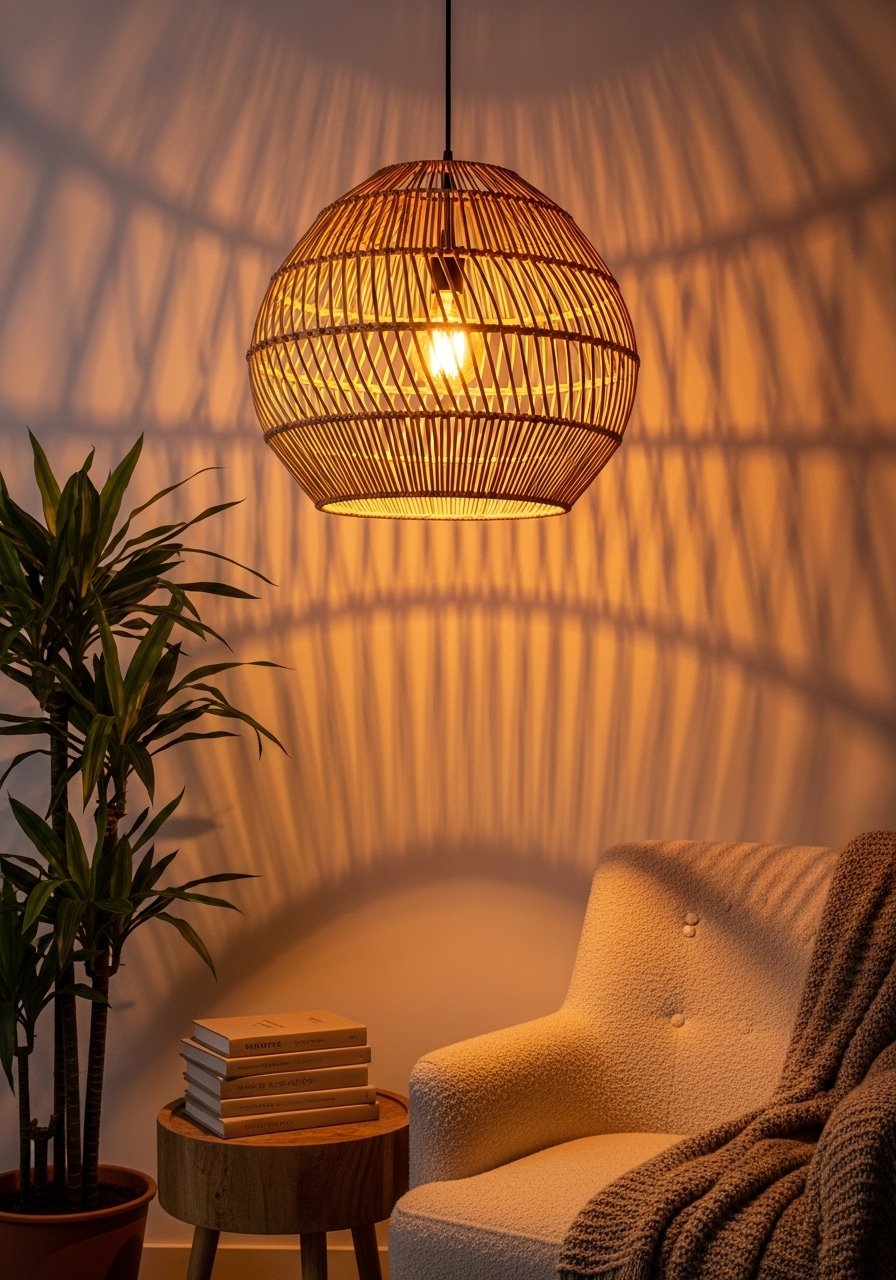
I swapped a basic flush mount for a rattan pendant and the room warmed up instantly. The woven shade casts soft, interesting shadows that feel lived-in. I paired it with warm LED bulbs to avoid harsh light. The mistake is choosing a rattan shade that’s too large for the scale; keep it proportional and hang it higher than you think. This trend is everywhere now — rattan adds organic texture and a cozy glow without overwhelming a small space.
Area Rug Anchoring with Furniture Legs On
Style/Vibe: Transitional / Cozy
Budget: $$ (under $200)
Best For: Living room / Seating zones
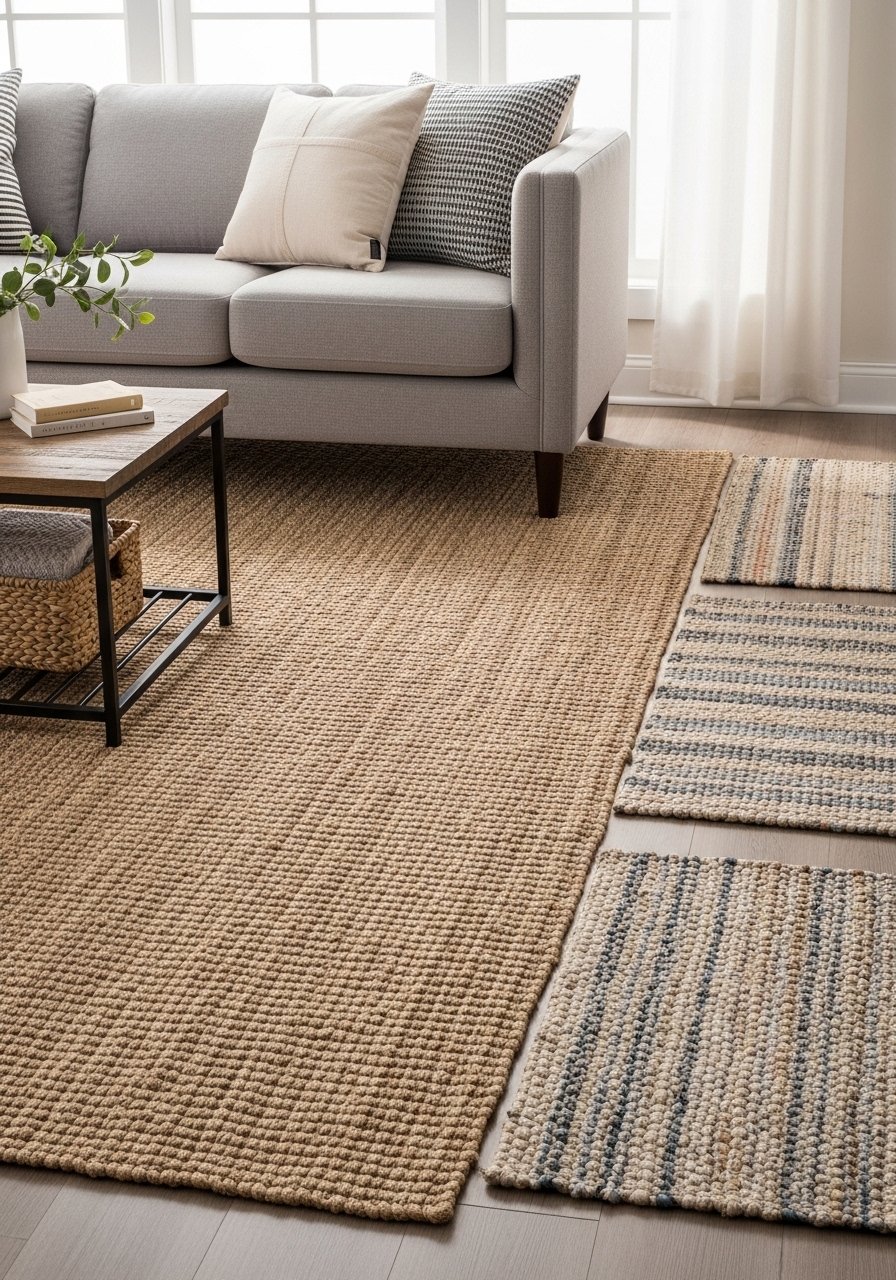
I sized my rug so the front legs of the sofa and chairs sit on it—this simple move makes the seating feel intentional and larger. I used an 8×10 jute rug to keep tones neutral and texture high. Avoid rugs that are too small; a common mistake is placing only the coffee table on the rug. Proper sizing anchors the area and visually expands the layout by unifying furniture into one cohesive zone.
Use of Plants: Tall Single Specimen for Scale
Style/Vibe: Biophilic / Modern
Budget: $ (under $100)
Best For: Corners / Near windows
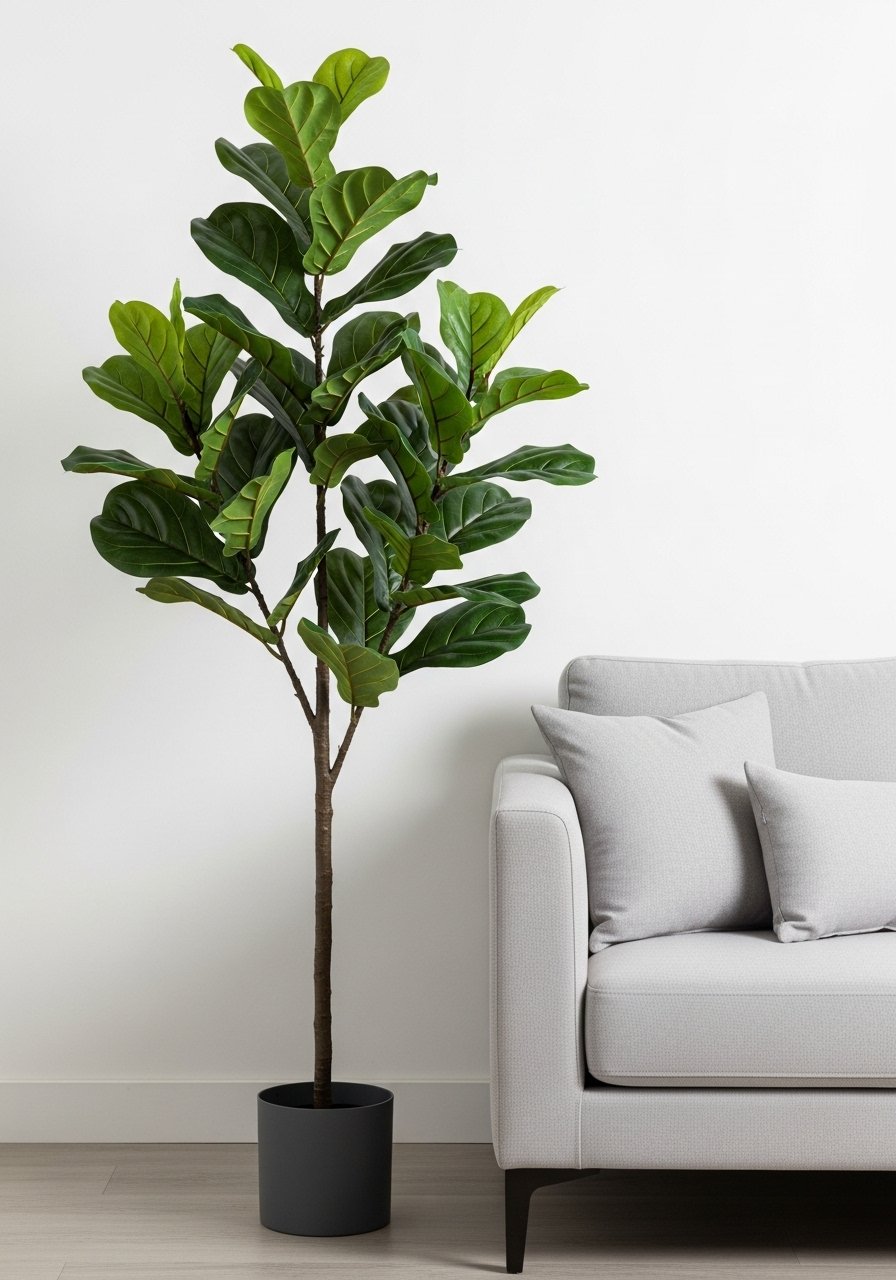
One tall plant, like a 6-foot fiddle leaf fig, makes more impact than five tiny succulents. I use a 6-foot artificial fiddle leaf fig where natural light is low for easy maintenance. The mistake is clustering small pots at floor level; that can feel messy. A single vertical element introduces scale and softness without clutter. Plants bring life and improve the perceived scale of a small living room.
Built-In Window Seat with Storage
Style/Vibe: Cottage / Cozy
Budget: $$$ ($200-600)
Best For: Nooks / Windowed walls
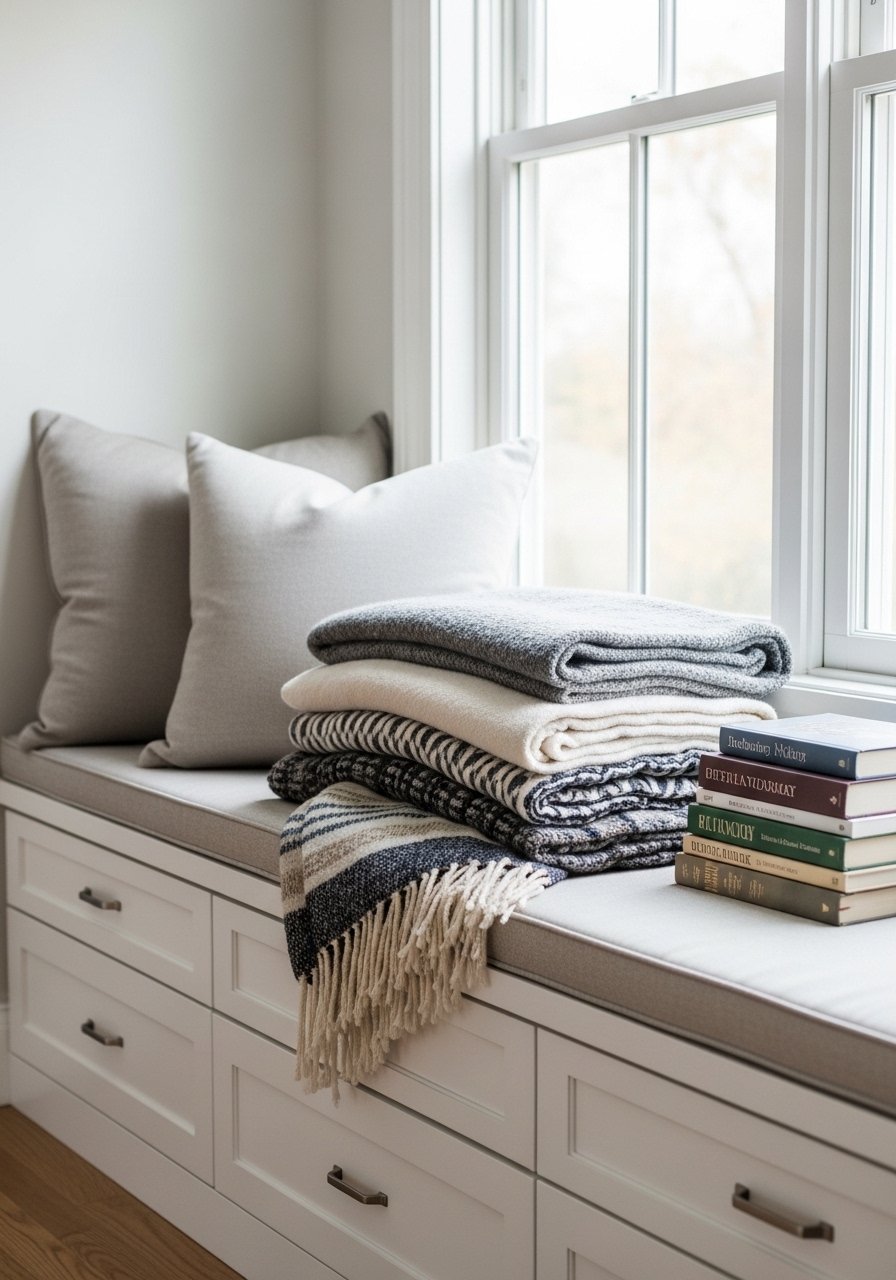
If you have a shallow bay or wide sill, I recommend a window seat with hidden drawers underneath. Mine stores blankets and kid toys and creates a cozy nook that doesn’t steal floor space. The common mistake is making the seat too deep; 18–20 inches is comfy and still leaves room to walk. This built-in approach adds seating and storage simultaneously, and competitors often miss it as a small-space strategy.
Monochrome Palette with Mixed Textures
Style/Vibe: Minimalist / Modern
Budget: $$ (under $200)
Best For: Small living rooms / Galleries
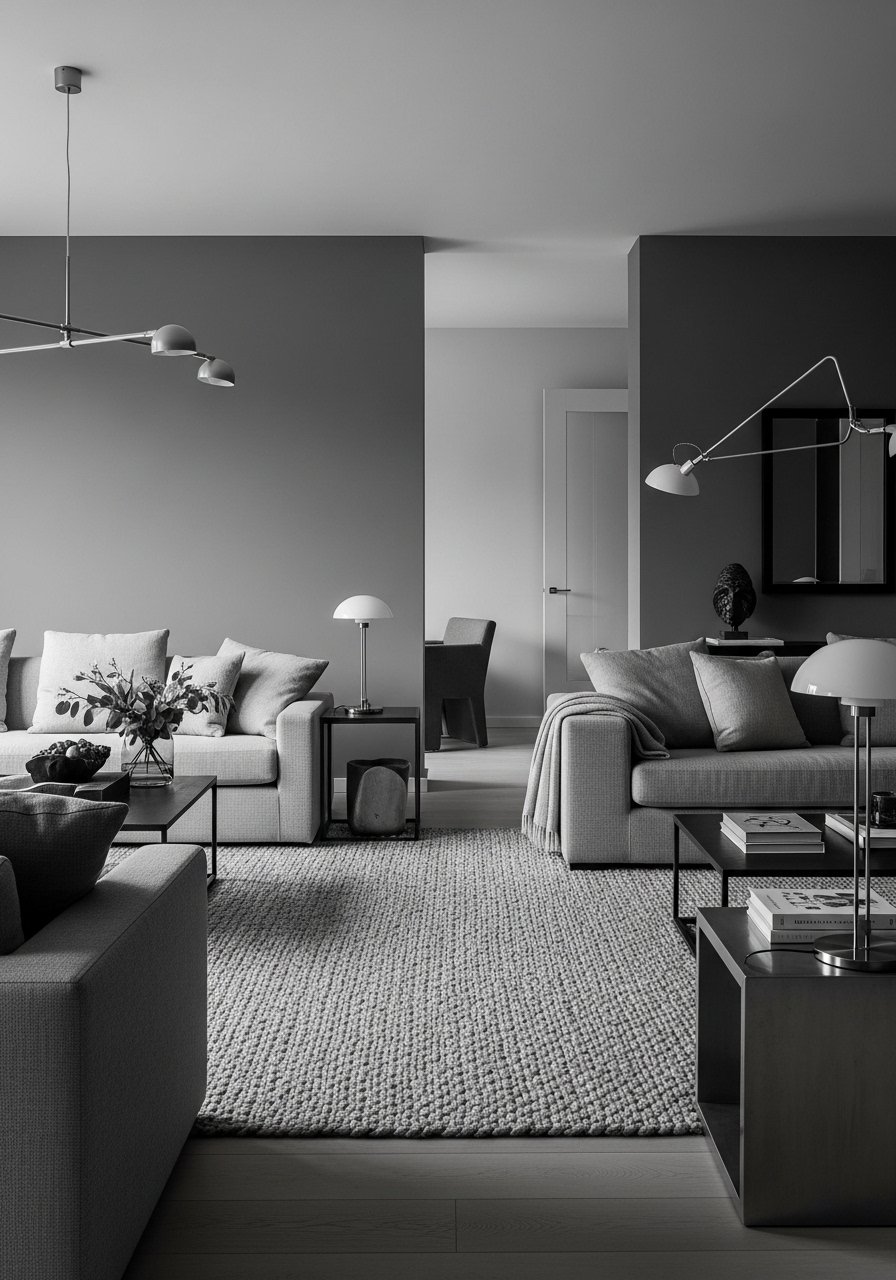
I styled a living room in charcoal, dove gray, and soft white, then layered textures—bouclé, linen, metal—for contrast. A monochrome approach reads cohesive and larger than multiple competing hues. Mistake: relying on a single texture; it becomes flat. Use at least three textures and an accent material (wood or brass) for warmth. This feels contemporary and calm, and it keeps visual noise low while creating depth.
Small-Scale Round Dining Table That Doubles
Style/Vibe: Scandinavian / Practical
Budget: $$ (under $250)
Best For: Open plan / Living-dining combos
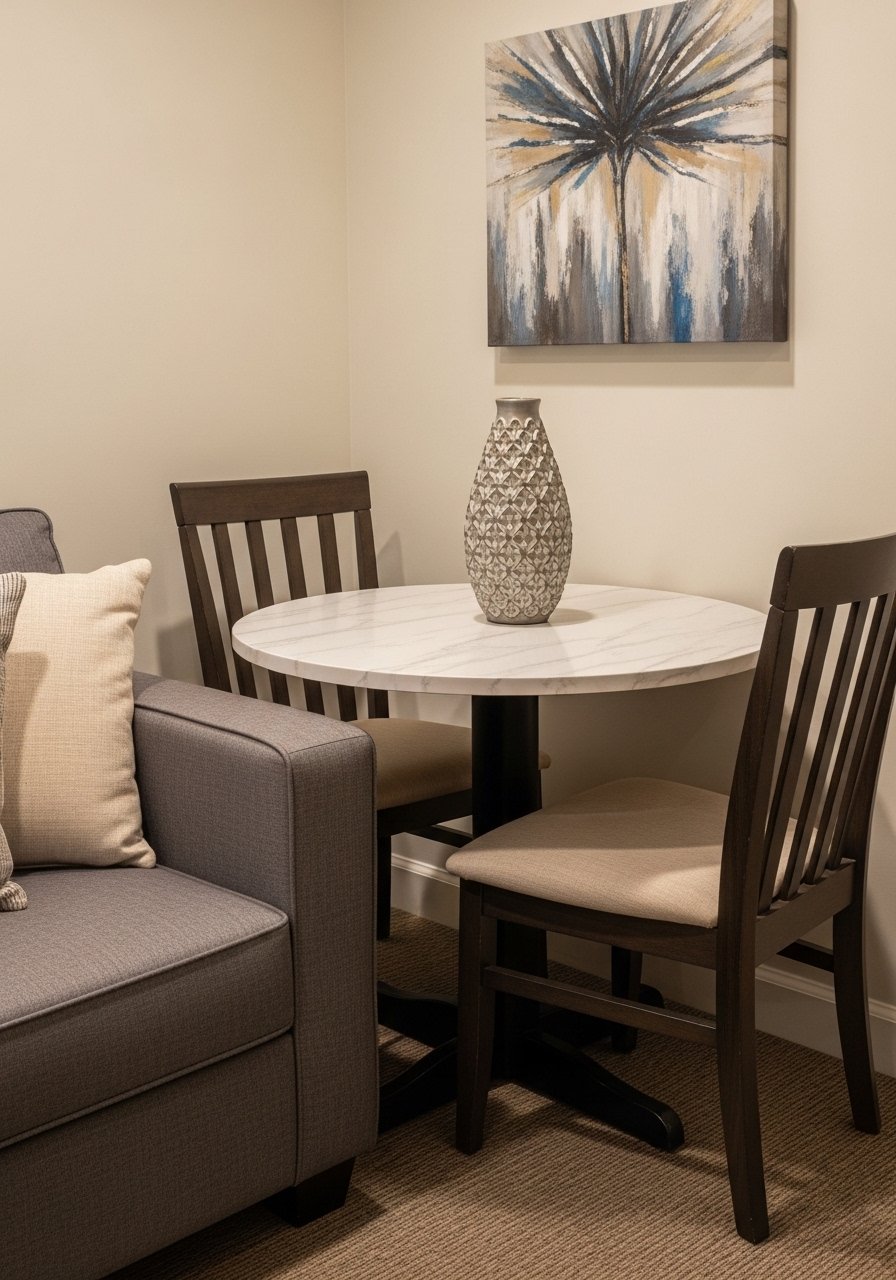
I placed a 36-inch round table that serves as both dining and extra surface for guests. Round tables save circulation space and soften corners. The mistake is using sharp-cornered furniture in tight zones; it cuts flow. Keep chairs slim and use a bench on one side to tuck under when not in use. This dual-purpose setup is ideal for studio apartments where the living room needs to be multifunctional.
Gallery Ledge For Rotating Art and Photos
Style/Vibe: Eclectic / Modern
Budget: $ (under $60)
Best For: Entry walls / Above mantel
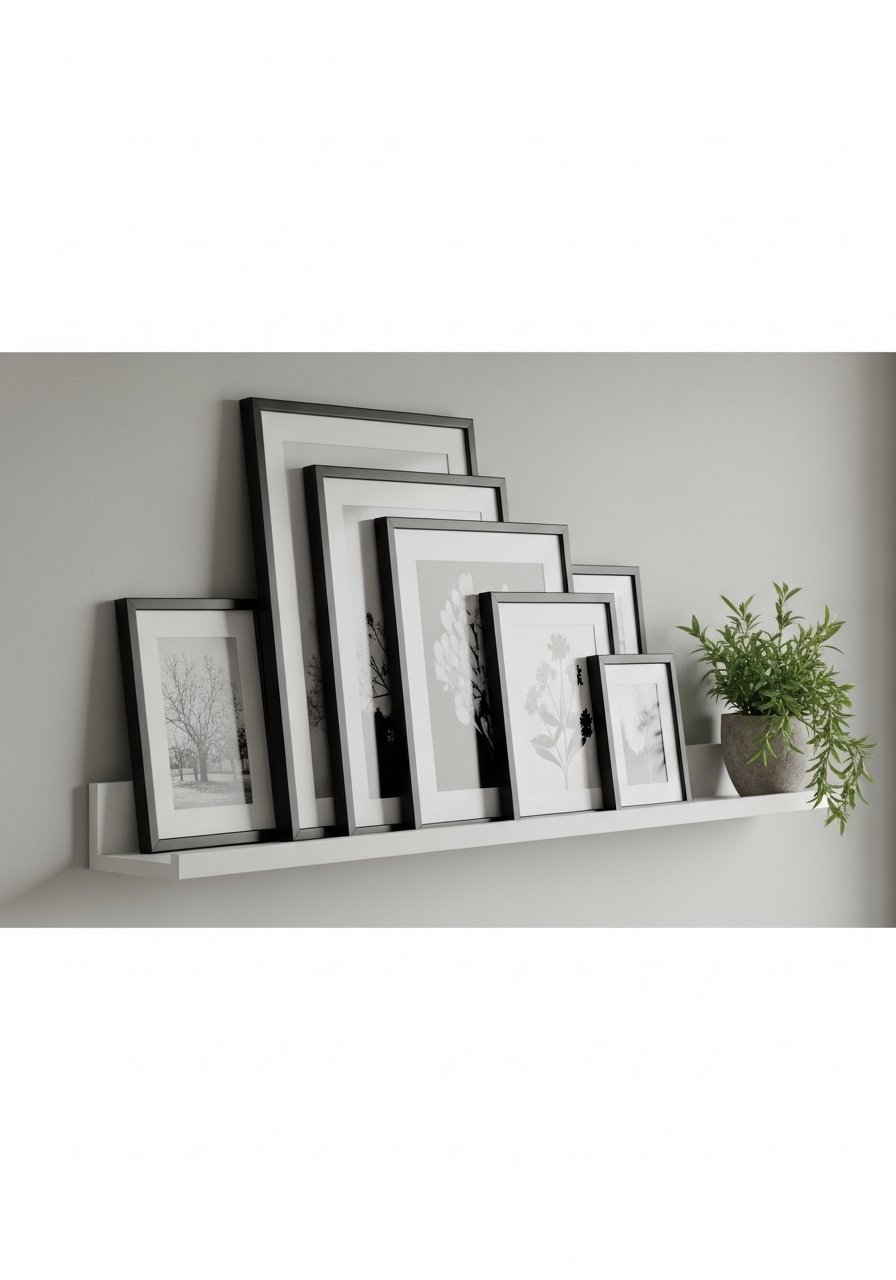
A slim gallery ledge lets me swap art without patching holes. I use a 48-inch ledge and lean a mix of frames in different sizes for a layered look. The biggest mistake is overcrowding the ledge—leave breathing room. It’s an easy way to rotate art by season or mood, and it keeps walls feeling curated without commitment. This low-effort approach keeps a small living room fresh and personal.
Mix of Metals for Depth Without Clutter
Style/Vibe: Modern Glam / Transitional
Budget: $ (under $100)
Best For: Accents / Lighting
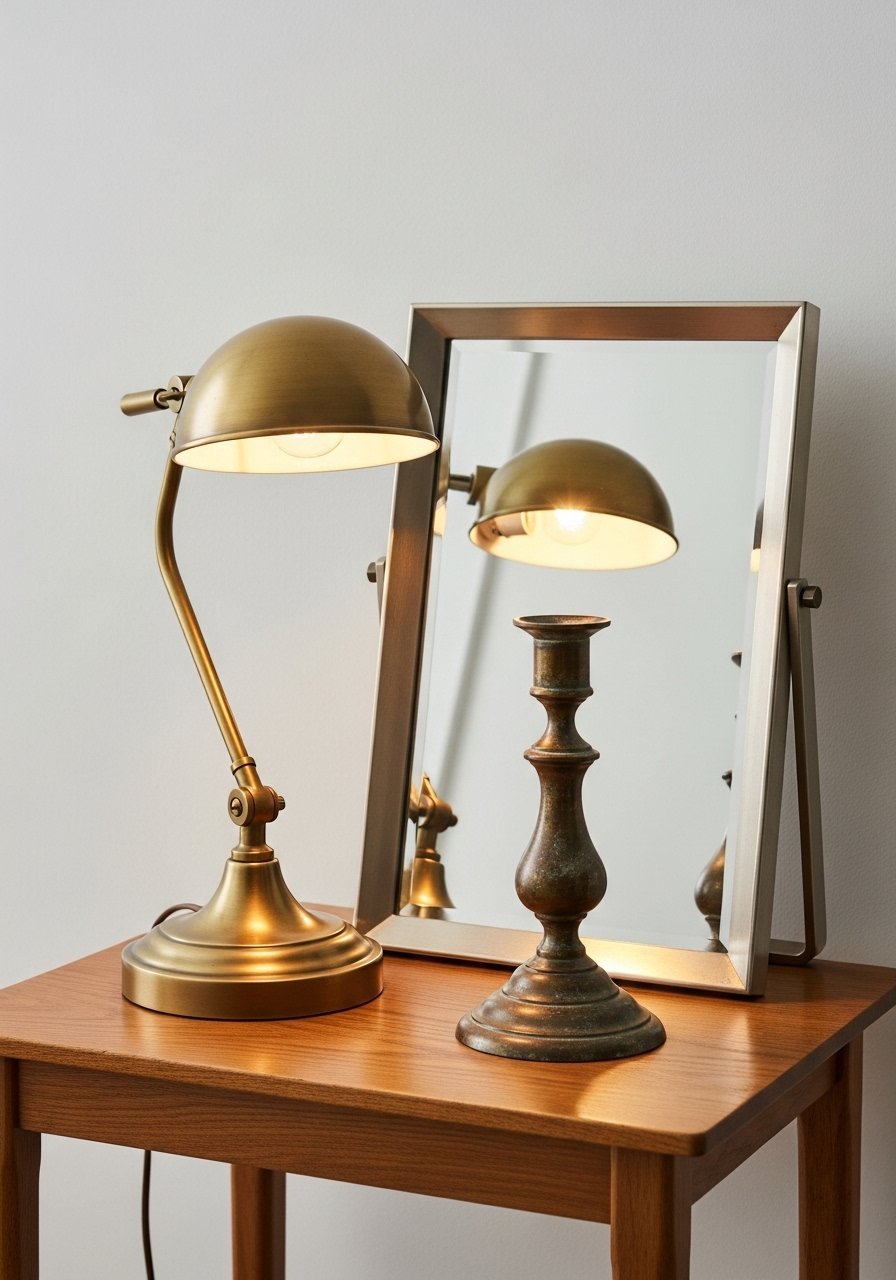
I mix warm brass, brushed nickel, and matte black in small doses to add depth. Start with one metal as the anchor and introduce others through small objects like frames or lamps. The mistake is matching everything—uniform metals often read flat. A curated mix feels layered and intentional. Use metal finishes in a 60/30/10 visual ratio to keep balance and avoid a cluttered feel in a small living room.
Hidden Cable Management for Clean Look
Style/Vibe: Minimalist / Practical
Budget: $ (under $40)
Best For: Media walls / Home offices
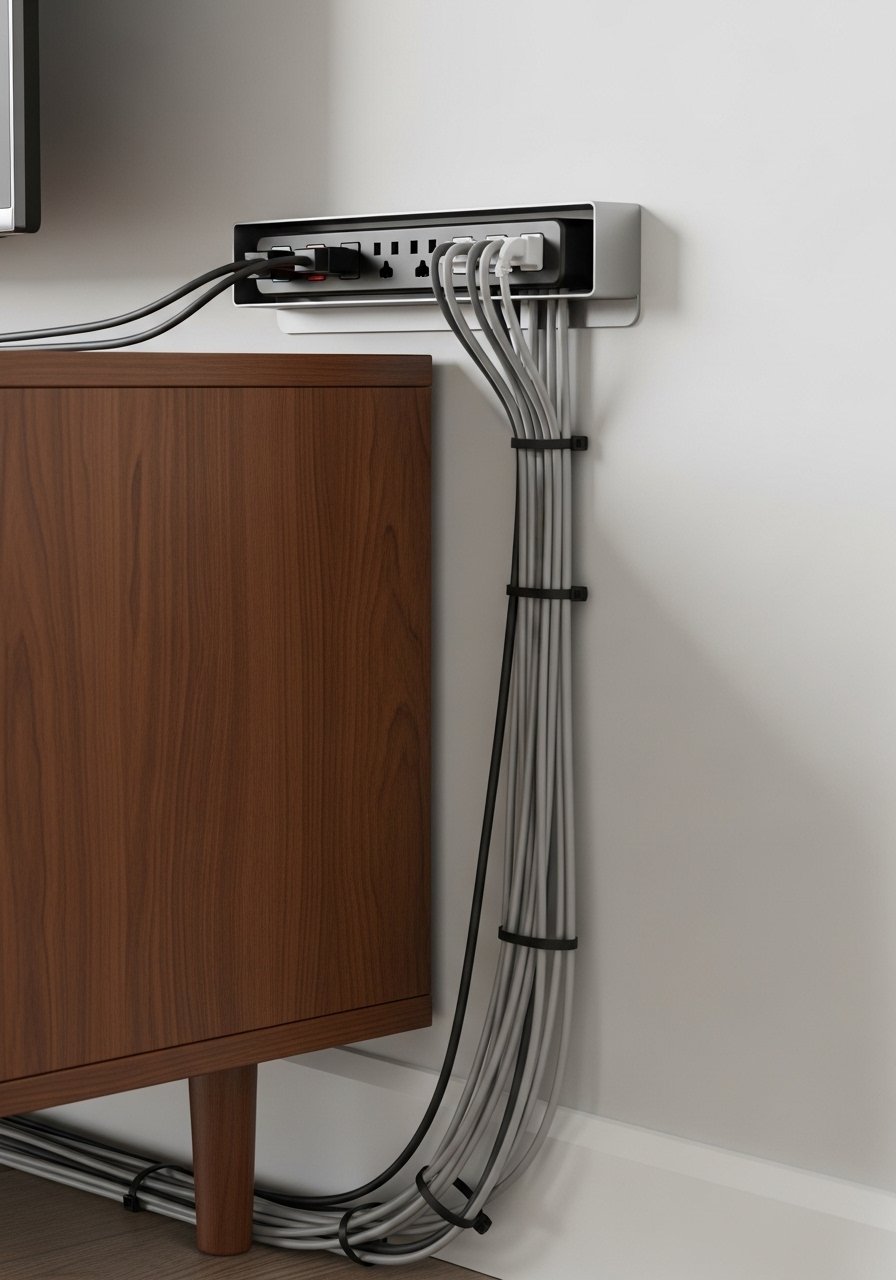
I hid cables in a slim cable box and used adhesive cord channels along baseboards to keep my media wall tidy. It’s a small fix that instantly reads more spacious because the eye isn’t caught on messy cords. A common mistake is bunching cords behind the TV; spread them into a single route and conceal. Clean lines and hidden tech keep a small living room feeling calm and intentional.
Layered Lighting: Ambient, Task, Accent
Style/Vibe: Cozy / Modern
Budget: $$ (under $150)
Best For: Living room / Reading nooks
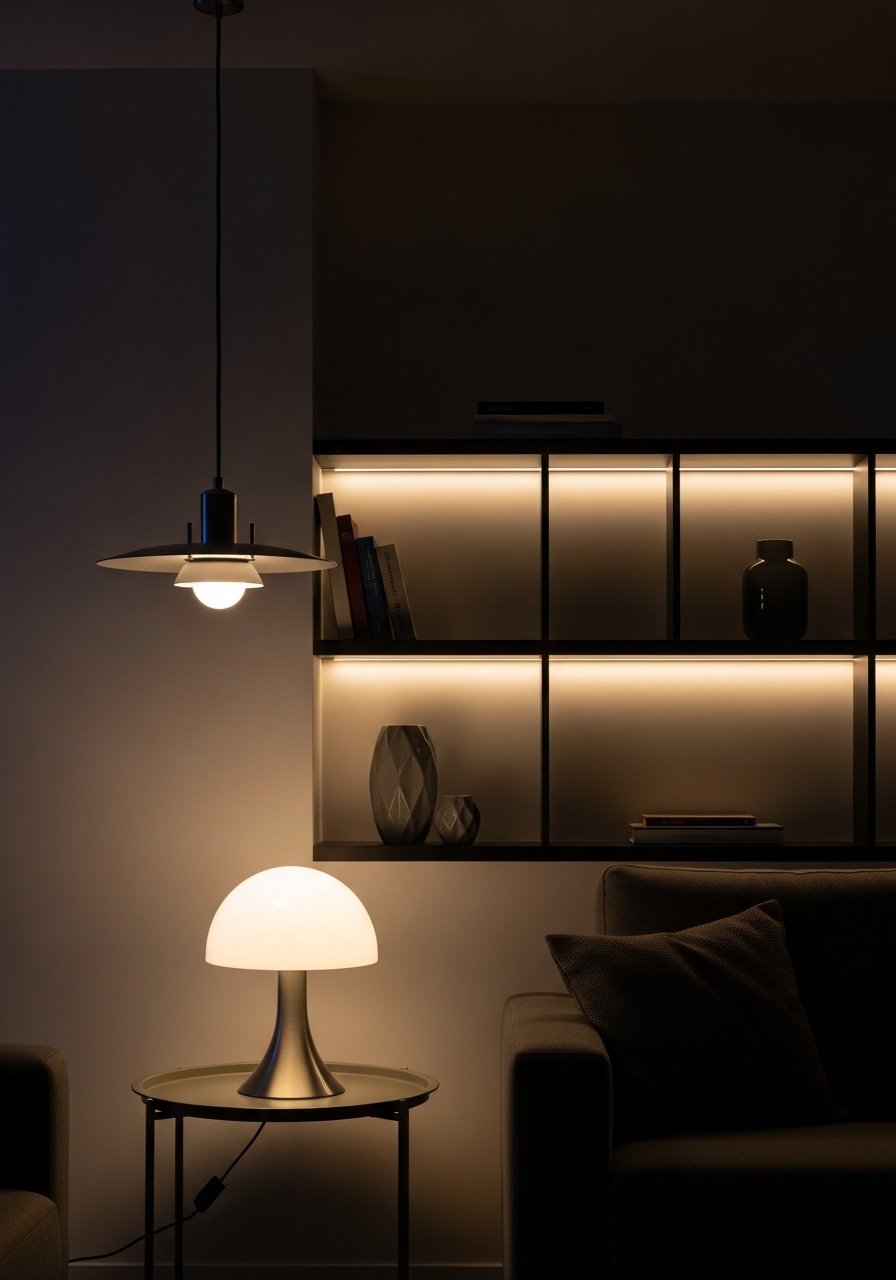
I use a rattan pendant for ambient light, a slim floor lamp for reading, and LED strips behind shelves for accent glow. Layered lighting makes the room feel as if it has more depth and zones. Mistake: relying on the overhead light alone — it flattens everything. Combine warm bulbs and dimmers where possible. Layering is one thing competitors sometimes skip, but it’s essential for small rooms to feel rich and multi-dimensional.
Transparent or Minimal Chairs to Keep Space Open
Style/Vibe: Modern / Minimalist
Budget: $ (under $150)
Best For: Seating / Small spaces
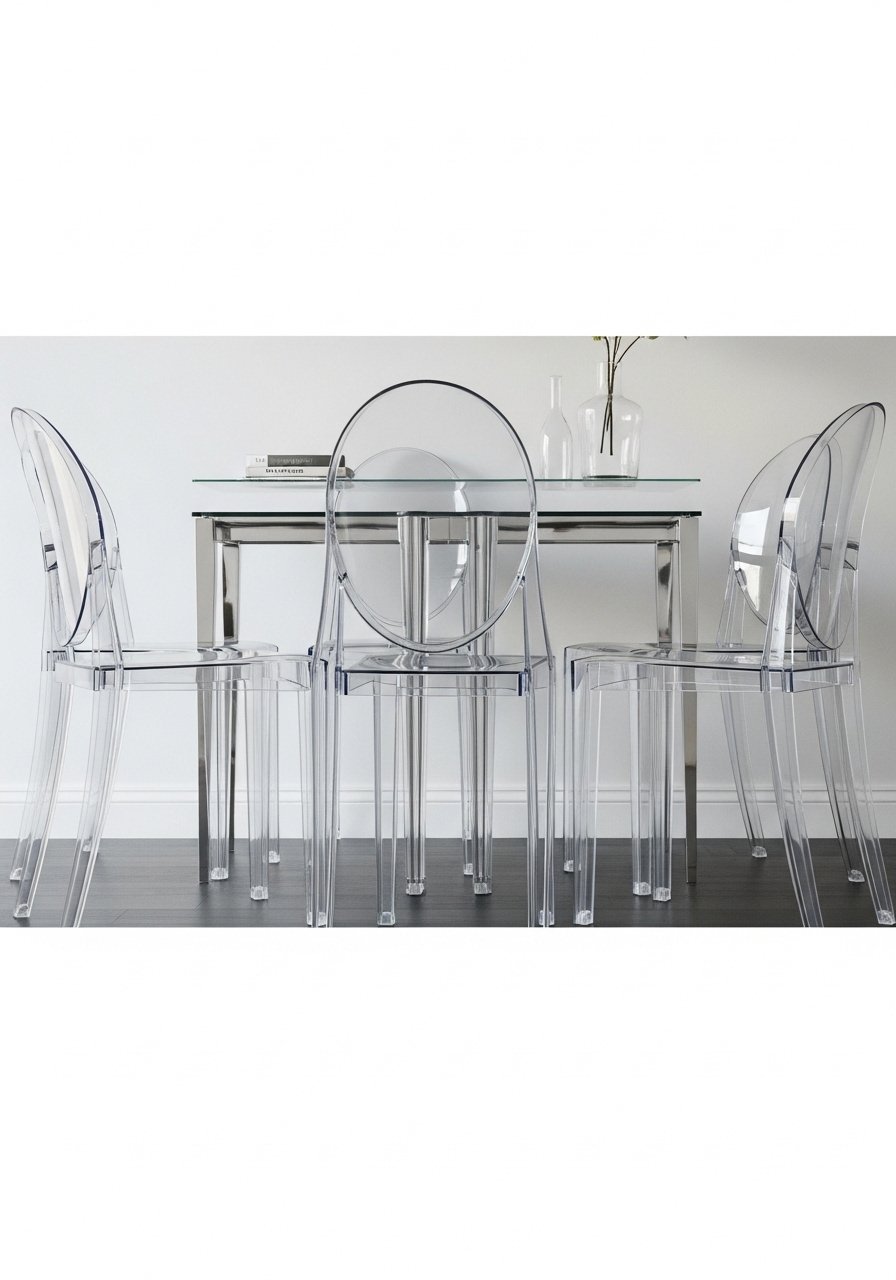
Swapping bulky armchairs for clear acrylic or slim metal-framed chairs preserved floor visibility in my seating area. These chairs carry less visual weight yet provide full function. Avoid heavy upholstery in every seat—mix materials. Transparent seating reads lighter and lets rugs, wood floors, and textiles show through, which helps a small living room feel bigger and less crowded.
Statement Headboard-Style Panel Behind Sofa
Style/Vibe: Modern / Eclectic
Budget: $$ (under $200)
Best For: Living rooms used as bedrooms / Sofa walls
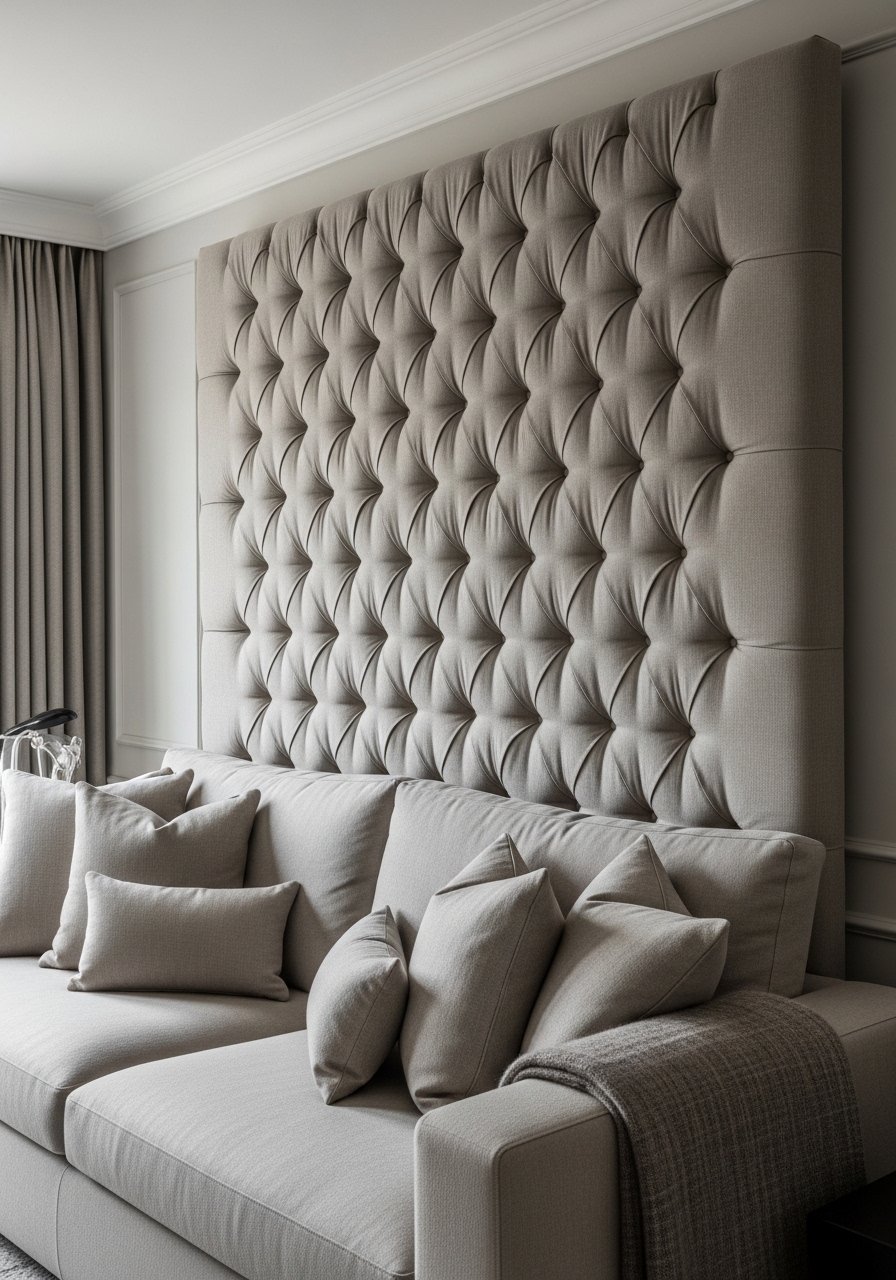
I mounted an upholstered panel behind my sofa to act like a headboard; it created a dramatic backdrop without building a wall. Choose a neutral fabric and keep the panel narrow for scale. The mistake is choosing too-tall panels that overpower the ceiling. A modest-height panel adds drama and a cozy, curated feeling while making the sofa feel like a defined zone in an open plan.
Small-Scale Sculptural Art For Dimension
Style/Vibe: Contemporary / Minimalist
Budget: $ (under $150)
Best For: Accent walls / Shelves

Instead of big, flat art I added a small sculptural piece that casts subtle shadows and creates depth. Sculptural elements can increase perceived space because they interact with light. Avoid overly busy sculptures that compete with other textures. A single sculptural object above eye level creates interest and gives the room a gallery feel without needing a huge footprint.
Shopping Tips for These Looks
Buy throws and pillows seasonally: I swap mine every 3 months. This cream chunky knit throw is $40 and layers beautifully.
Invest in one large plant, not five small ones: A single realistic 6-foot fiddle leaf fig has more impact than a dozen minis.
White oak beats dark wood in 2026: These white oak floating shelves look current and blend with warm neutrals.
Thrift frames, buy mats new: Pair vintage frames with white mats for a high-end look.
Choose rugs slightly larger than you think: 8×10 natural jute rugs anchor seating areas.
Frequently Asked Questions
Q: How do I make a small room look bigger without painting?
A: Use a large mirror, light textiles, and a clear coffee table. I leaned this 36-inch round mirror against the wall and it opened the room visually.
Q: How many throw pillows is too many on a sofa?
A: For a standard sofa, 4–6 pillows in varying sizes looks intentional. I use two 22-inch euro inserts behind and two 18-inch decorative pillows up front—22-inch euro pillow inserts are great for structure.
Q: Should I choose real plants or faux for small rooms?
A: Both. I use a real snake plant for low care and an artificial fiddle leaf fig for height where light is limited.
Q: What's the best small-living-room rug size?
A: At least 8×10 if possible so furniture legs sit on it. I use an 8×10 jute area rug for a neutral base.
Q: How do I hide TV cables without cutting into walls?
A: Use a slim cable channel and a cable management box behind the console—clean lines make the room feel larger.
Q: What lighting is best for a cozy small living room?
A: Layered lighting: overhead ambient, a task lamp for reading, and warm LED accent lights. I paired a rattan pendant light with a slim floor lamp for layered warmth.