
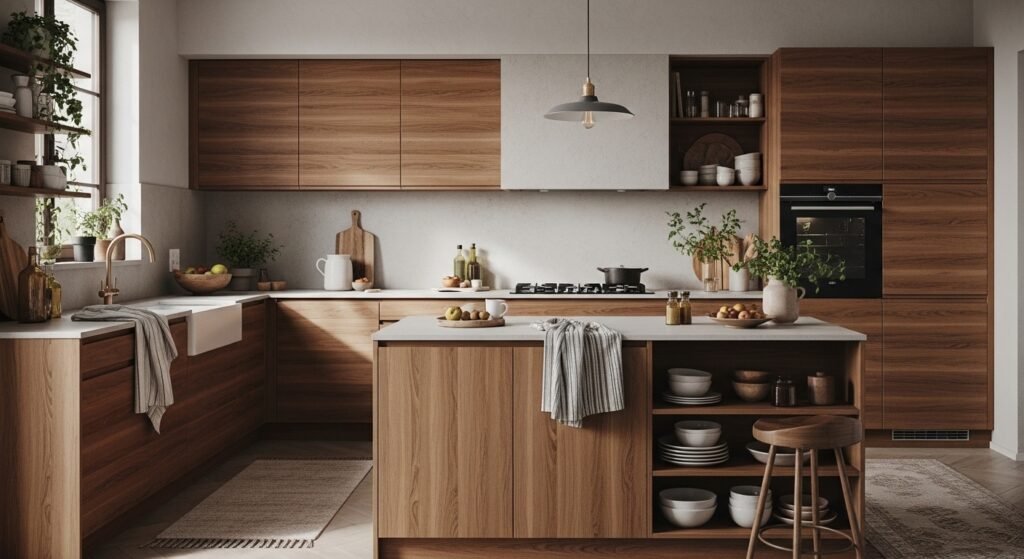
I used to stand in my kitchen and think it felt cold and half-finished. The cabinets were fine, but the room lacked warmth and personality.
If yours feels sterile or all-white and flat, small, focused swaps fix that. I’ll show how I add texture, wood, and a few accents so the room finally feels lived-in and calm.
How to Decorate a Kitchen With Modern Decor
This is the method I use when a kitchen looks clean but not comfortable. You’ll learn to layer warm woods, tactile finishes, and personality-packed accents so the space reads modern but lived-in. The result is a calm, everyday kitchen with intentional details.
What You'll Need
- Chunky jute kitchen runner, 2×6 ft (~$40–100)
- Brass cabinet pulls set, 8-pack, modern finish (~$20–50)
- Matte ceramic prep bowl, large, neutral (~$25–60)
- Linen dish towels, natural, set of 4 (~$20–40)
- Sculptural pendant light for island, brass/black (~$120–350)
- Textured peel-and-stick backsplash tiles, neutral stone look (~$30–120)
- Woven rattan placemats, set of 4 (~$20–40)
- Tall matte ceramic vase, white (~$30–80)
Step 1: Introduce a warm wood anchor
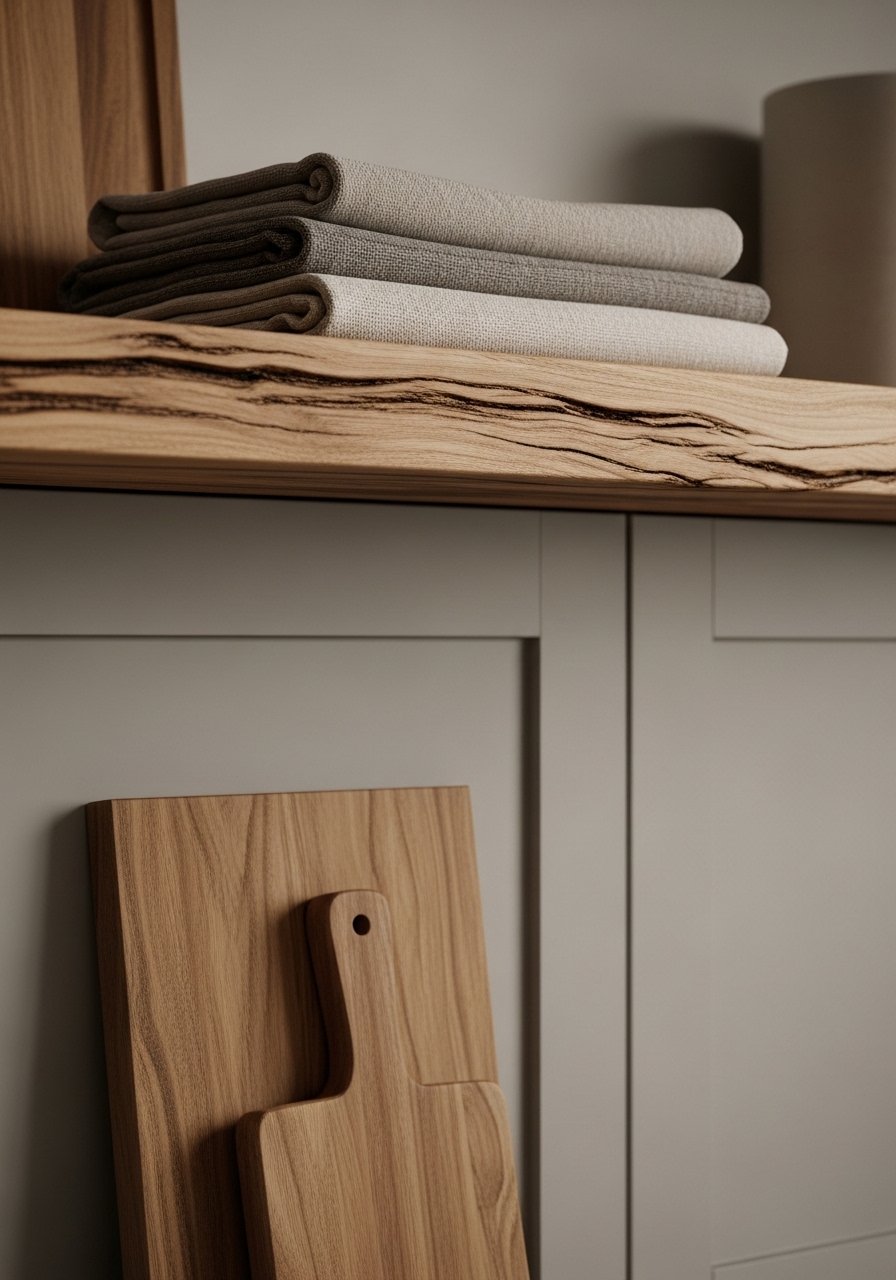
I start by adding one clear wood anchor. For me that’s a large cutting board, an open shelf, or a wood tray on the island. The wood immediately cuts the clinical feel and gives the eye somewhere warm to rest. Visually the room reads grounded instead of flat.
People often skip scale. A tiny board looks decorative but doesn’t anchor. A common mistake is overdoing matchy wood—mix a warm board with lighter cabinets so the wood reads intentional, not accidental.
Step 2: Layer textured finishes
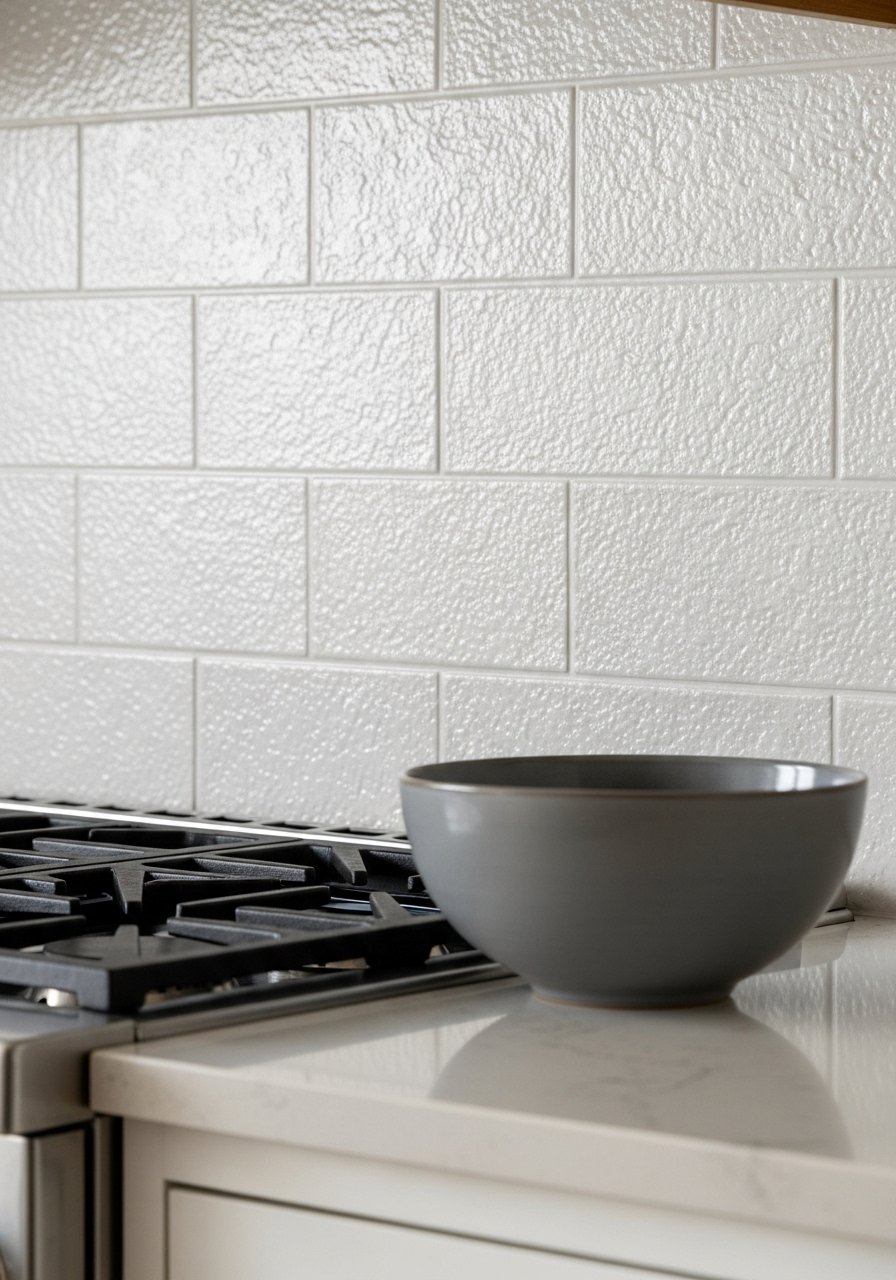
Next I bring in tactile surfaces—textured tile, a woven runner, pottery. These are the details you touch, not just look at. A peel-and-stick textured backsplash or a honed stone look gives depth without a full remodel. The runner underfoot ties the vertical textures to the floor.
One insight people miss is that texture reads as warmth even in neutral palettes. The small mistake to avoid is mixing too many textures of the same scale; balance large, subtle textures with small, tactile accents like linen towels or a matte vase.
Step 3: Soften lines with lighting and hardware
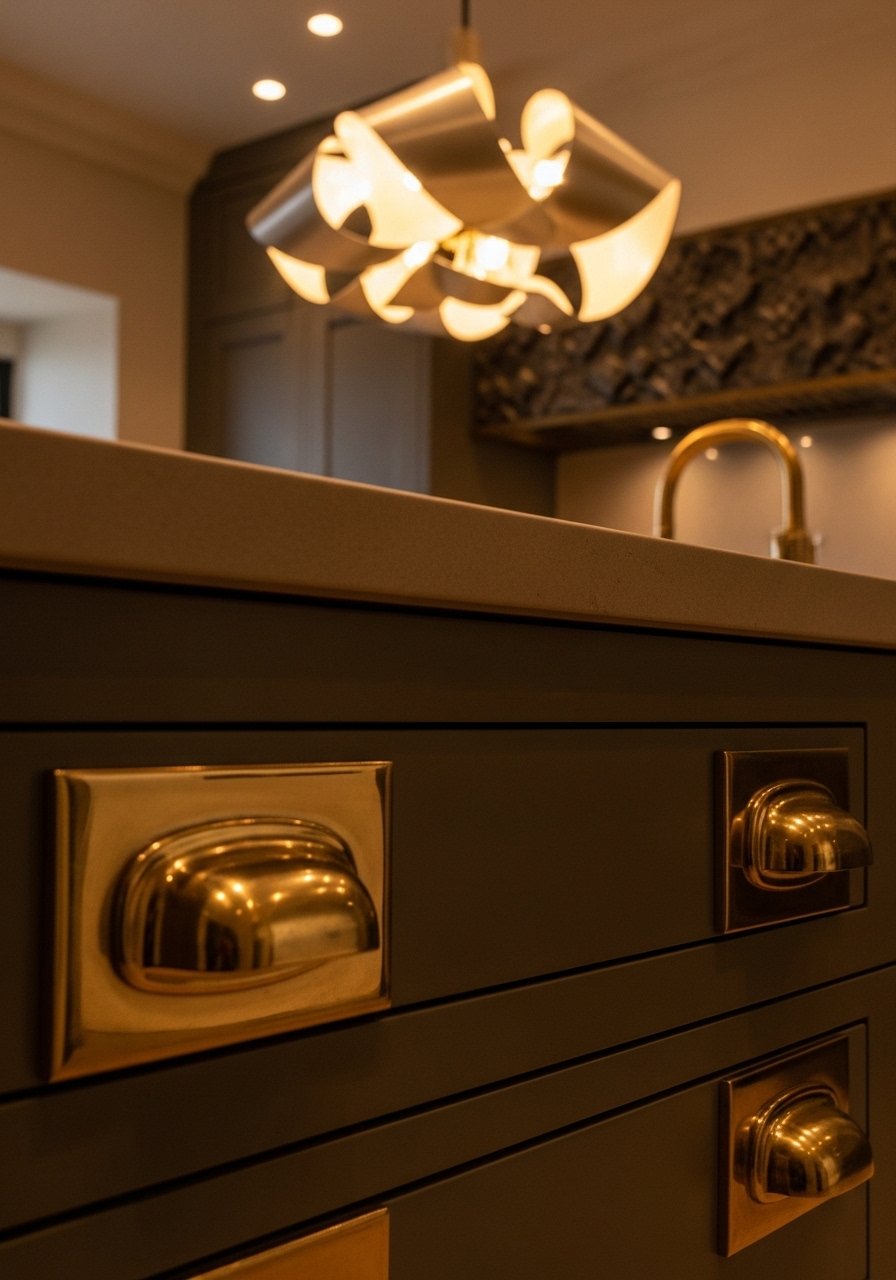
Lighting and hardware are where kitchens gain personality. I swap a harsh fixture for a sculptural pendant and replace flat pulls with brass hardware. Lighting shapes the mood. Brass pulls act like jewelry—small, but they change how the room feels.
People often match everything perfectly and lose interest. A small mistake is choosing fixtures that are too ornate for a minimal kitchen. I like simple sculptural lights and warm metal accents that feel intentional, not themed.
Step 4: Style open shelves and counters for personality
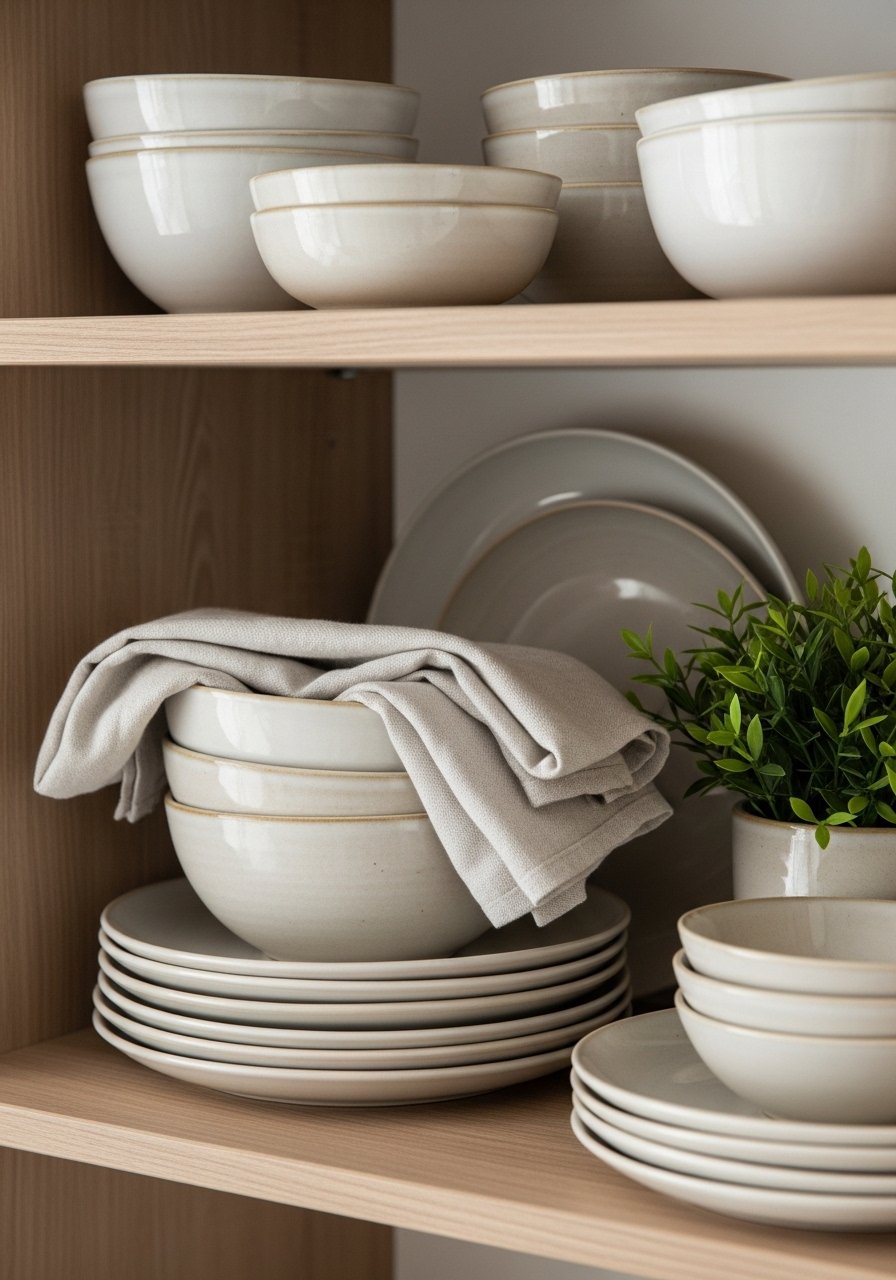
Shelves and counters are where the kitchen becomes personal. I group objects in odd numbers, keep one tonal palette, and leave breathing room. A matte ceramic bowl, linen towels, and a tall vase make a vignette that reads curated, not cluttered.
One insight is that empty space is a styling tool. The mistake I see most is overcrowding every shelf. If a shelf looks busy, remove one item and let the textures speak. The result is calm and collected.
Step 5: Balance color and tone with warm neutrals
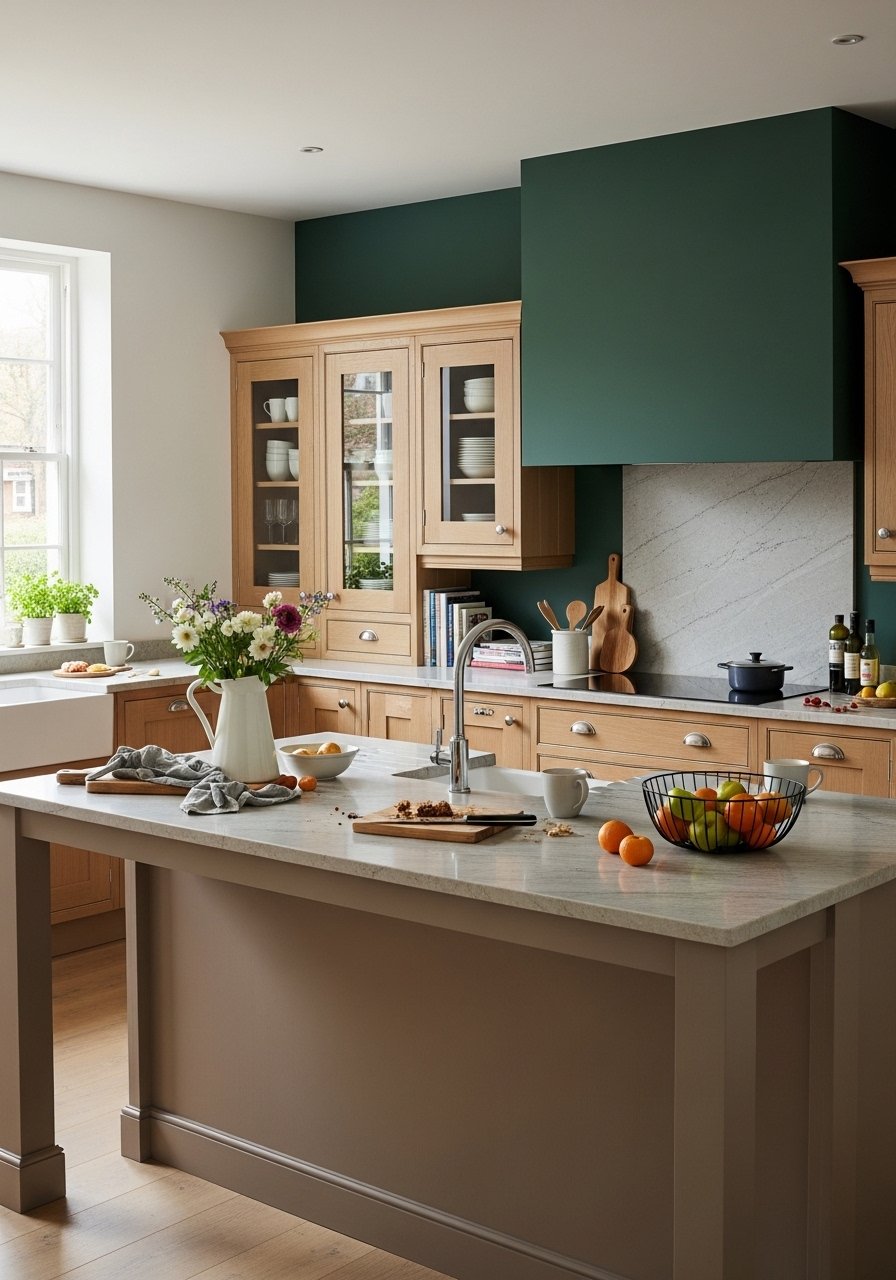
I keep most surfaces warm neutral and use color in pockets—like an island, backsplash, or a single wall. Warm taupes and creamy whites add depth over stark white. If you want drama, add a moody accent on one plane so the room still feels open.
People sometimes paint everything dark and lose light. The small mistake is not testing tones in different light. I always look at paint at morning and evening light before committing. A single dark element reads intentional; an all-dark room can feel heavy.
Common mistakes and how to fix them
Most kitchens fail by trying to do too much at once. Start with one anchor, then layer. I prefer warm woods, one textured surface, and one metal finish.
Watch for:
- Matching every finish (mix brass and nickel like jewelry).
- Overcrowded open shelves (edit down by 30%).
- Lighting that’s only overhead (add task and ambient layers).
A calm, edited approach fixes the cold, sterile feeling without a full remodel.
Adapting this look for small kitchens and budgets
Small kitchens benefit from pocket statements. Paint your island or add a textured peel-and-stick backsplash behind the stove. Those moves cost little but read big. Swap hardware and add a runner to change feel quickly.
Budget-friendly bullets:
- Peel-and-stick tile for a statement backsplash.
- Swap pulls and one pendant for visible impact.
- Use a single wood anchor (tray or board) instead of custom cabinetry.
- Try a jute runner to add texture underfoot.
These are renter-friendly and reversible.
Mixing modern decor with what you already own
You don’t need to toss everything. I keep one large piece I love and change the supporting cast. Swap textiles, add a vase and a bowl, change pulls—those small swaps change the tone.
A quick method:
- Pick one focal change (lighting, island color, or backsplash).
- Edit surfaces to three finishes max (wood, one metal, one ceramic).
- Keep functional items visible but tidy.
This keeps the kitchen familiar and refreshed.
Final Thoughts
Start with one small, visible change—like brass hardware or a textured peel-and-stick backsplash. It’s the easiest way to make a kitchen feel warm and intentional.
Work in layers and edit as you go. Small, thoughtful swaps add up to a kitchen that finally feels lived-in and comfortable.